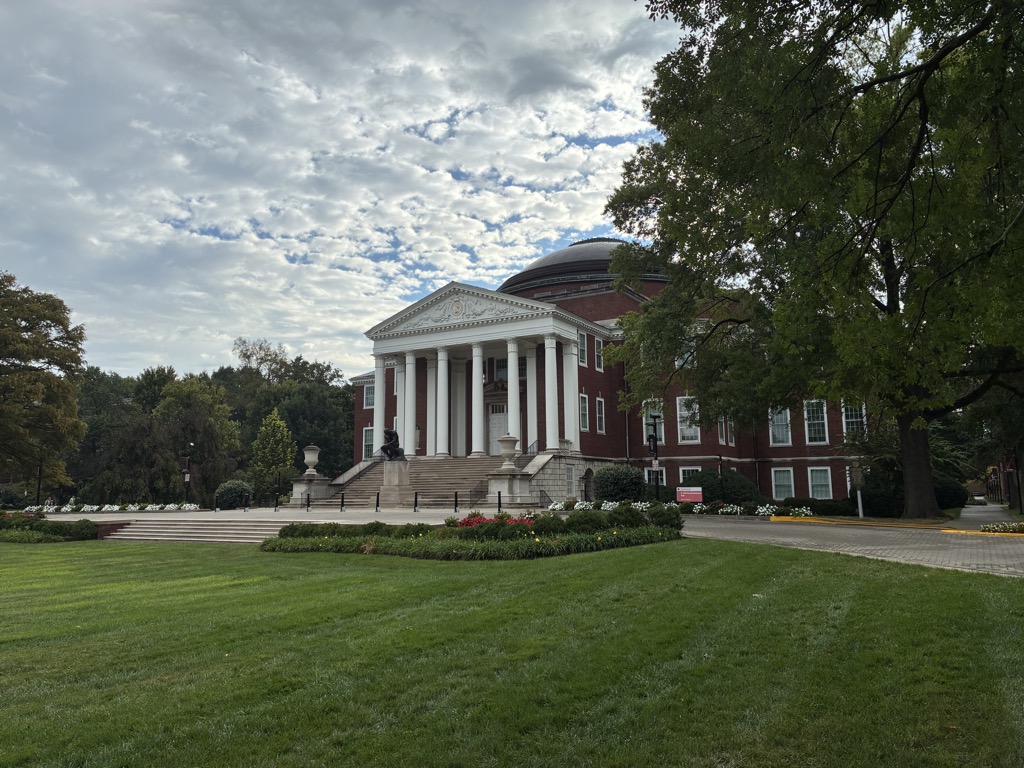
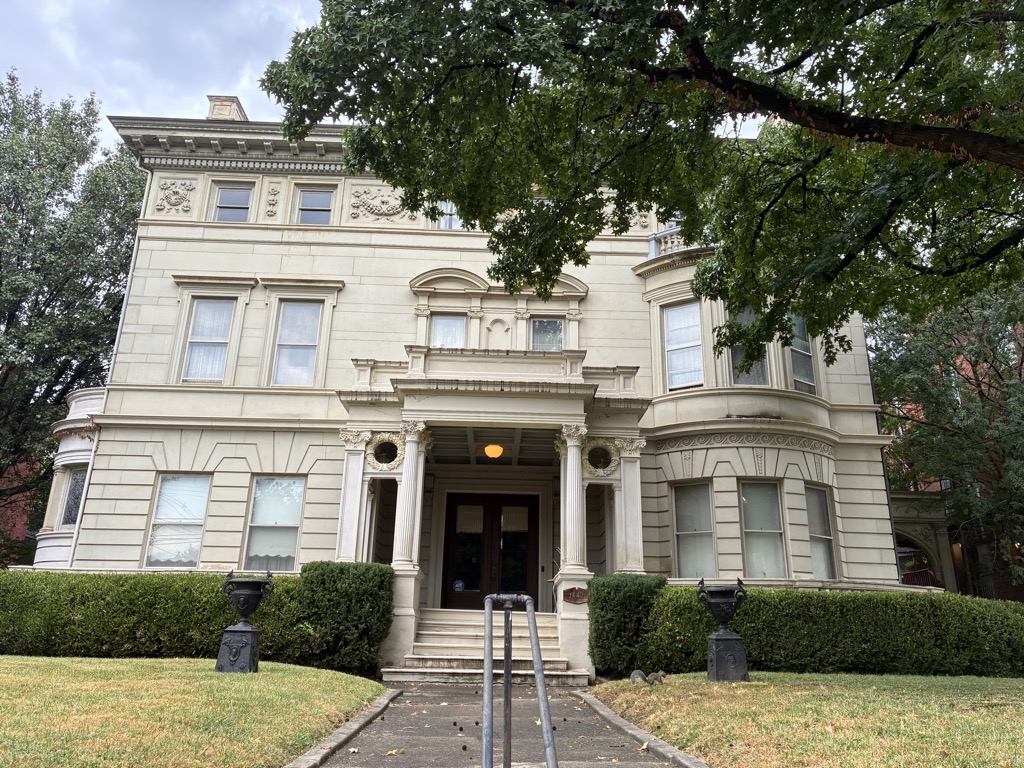
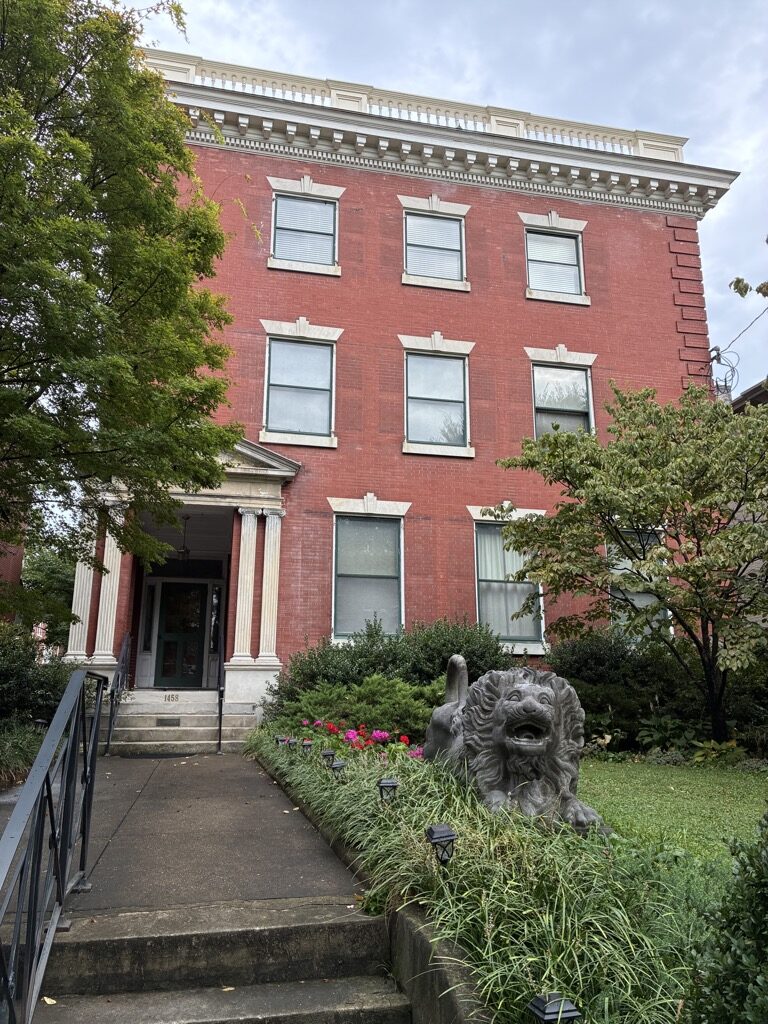
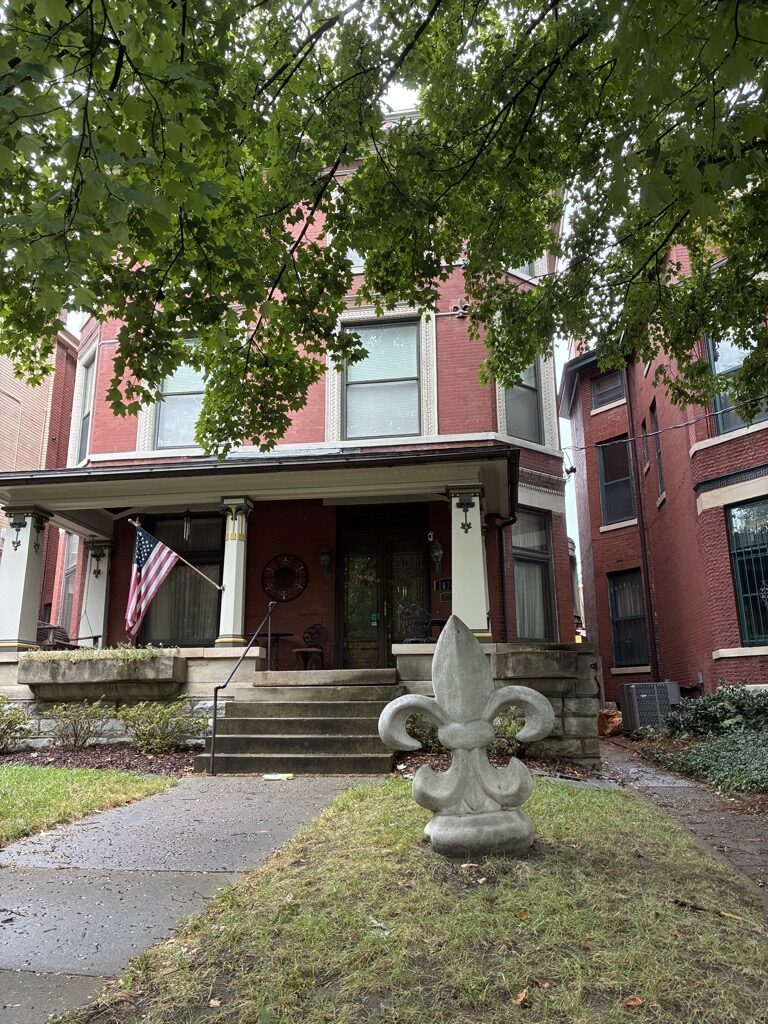
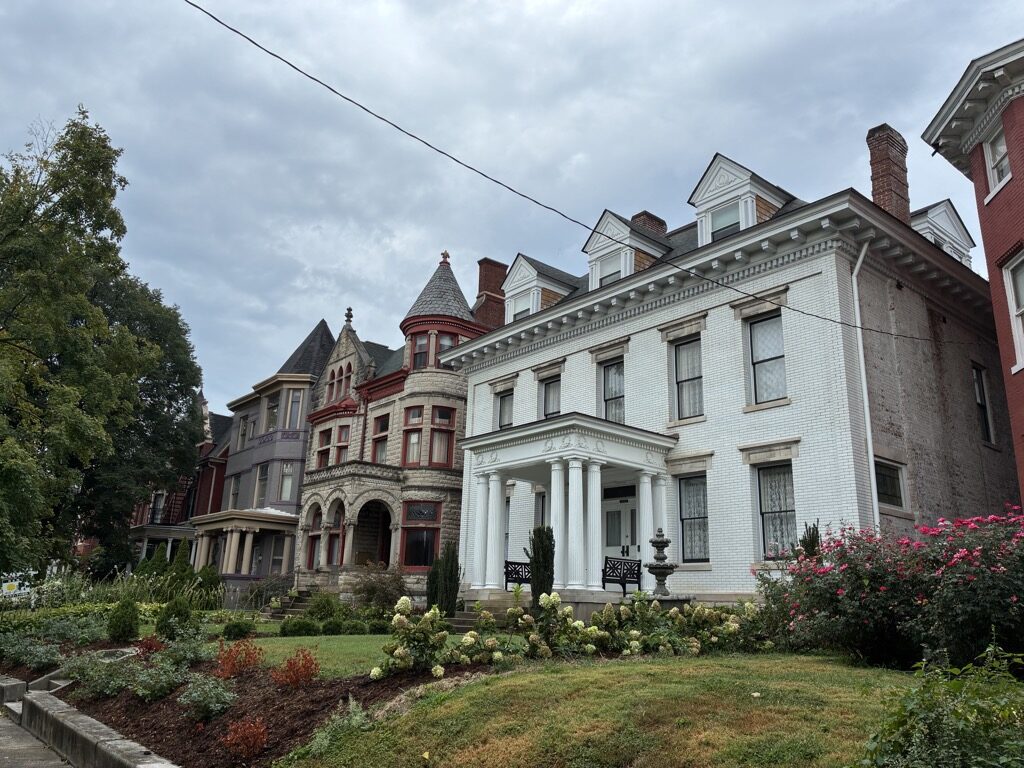
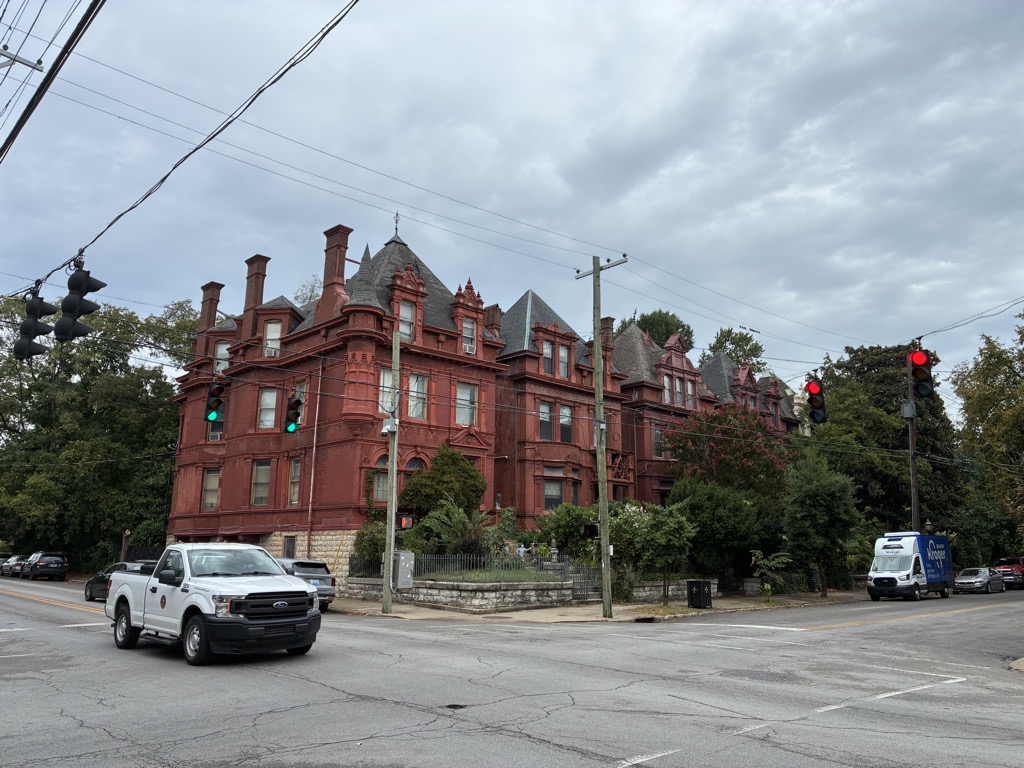
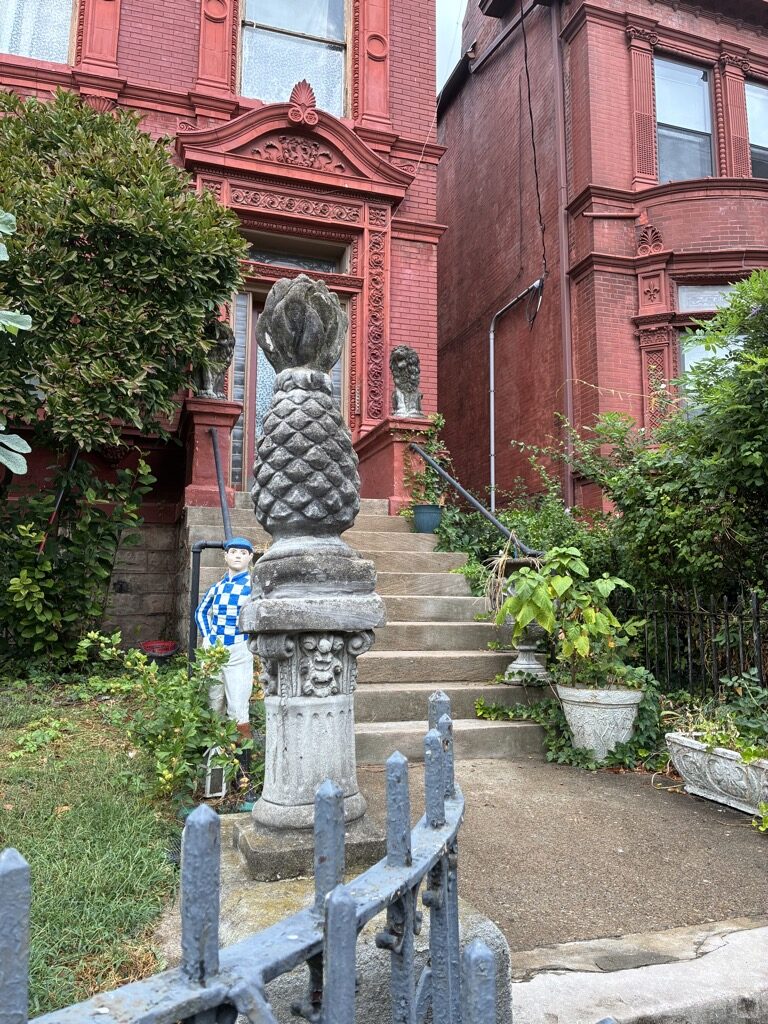
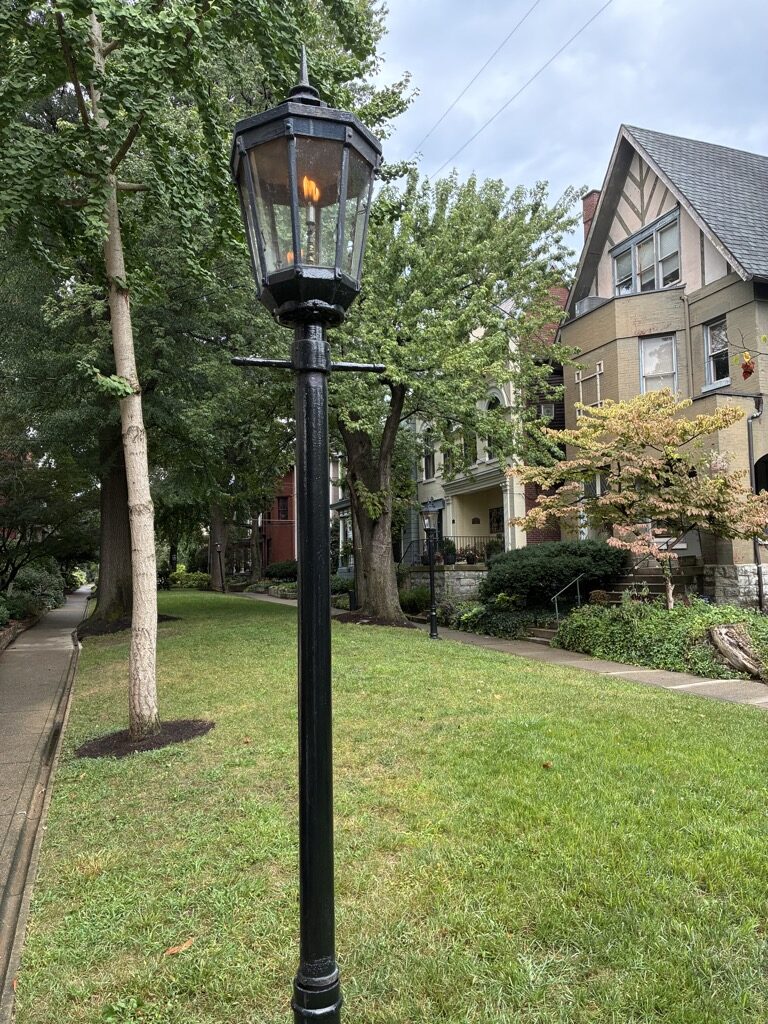
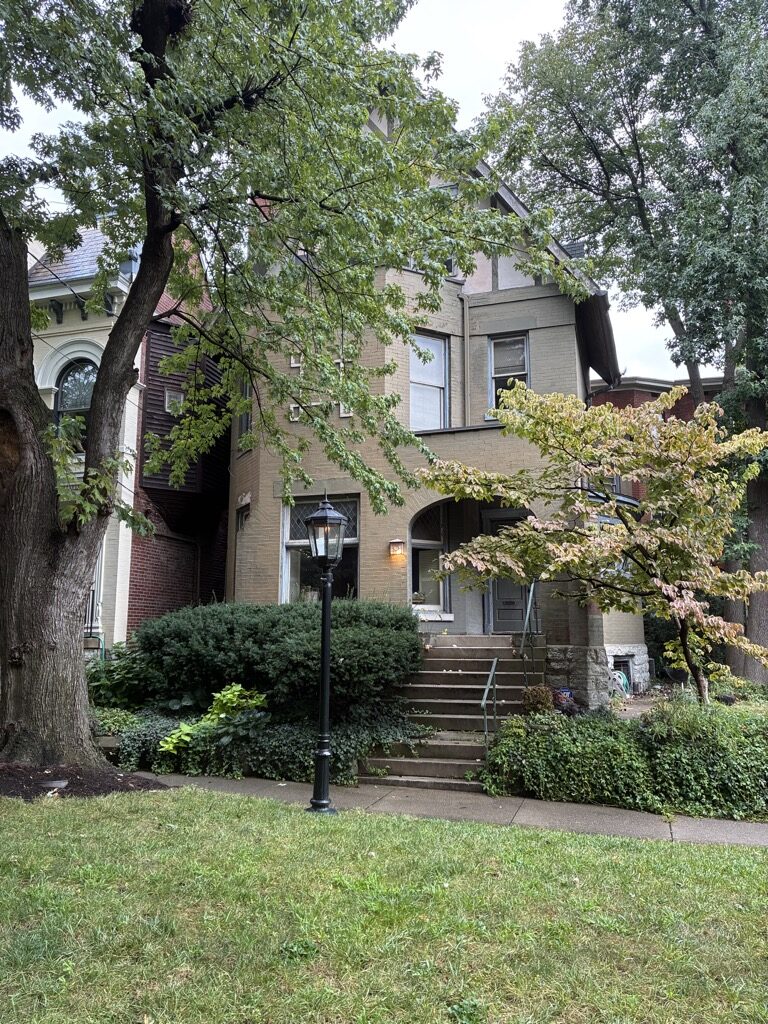
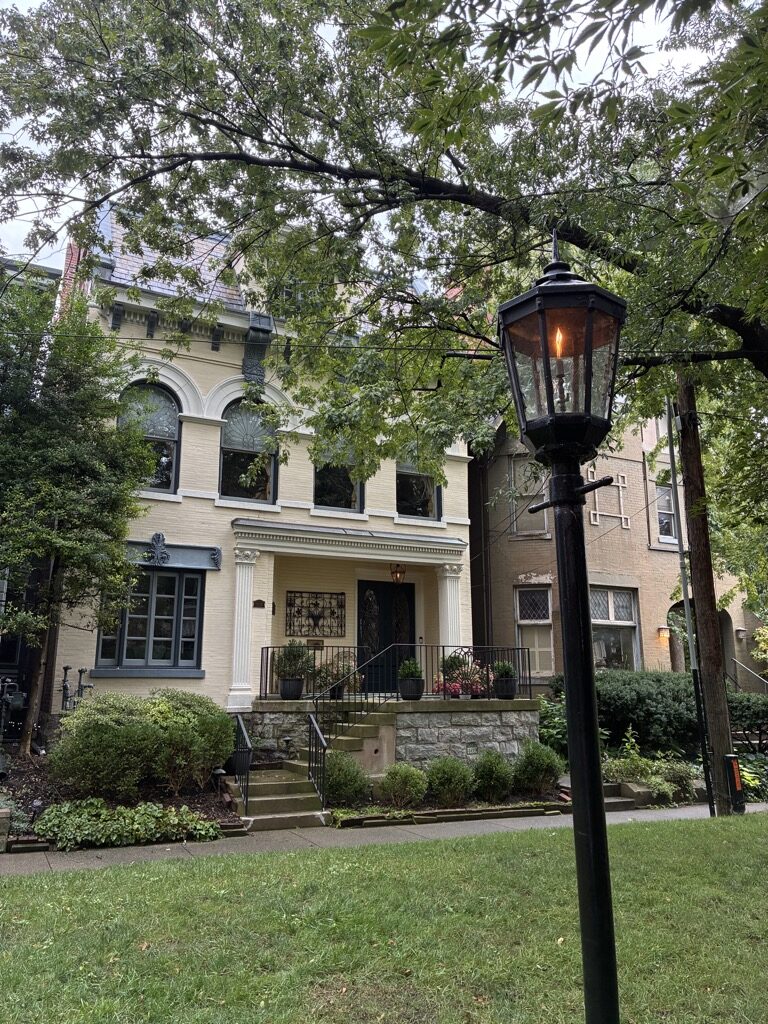
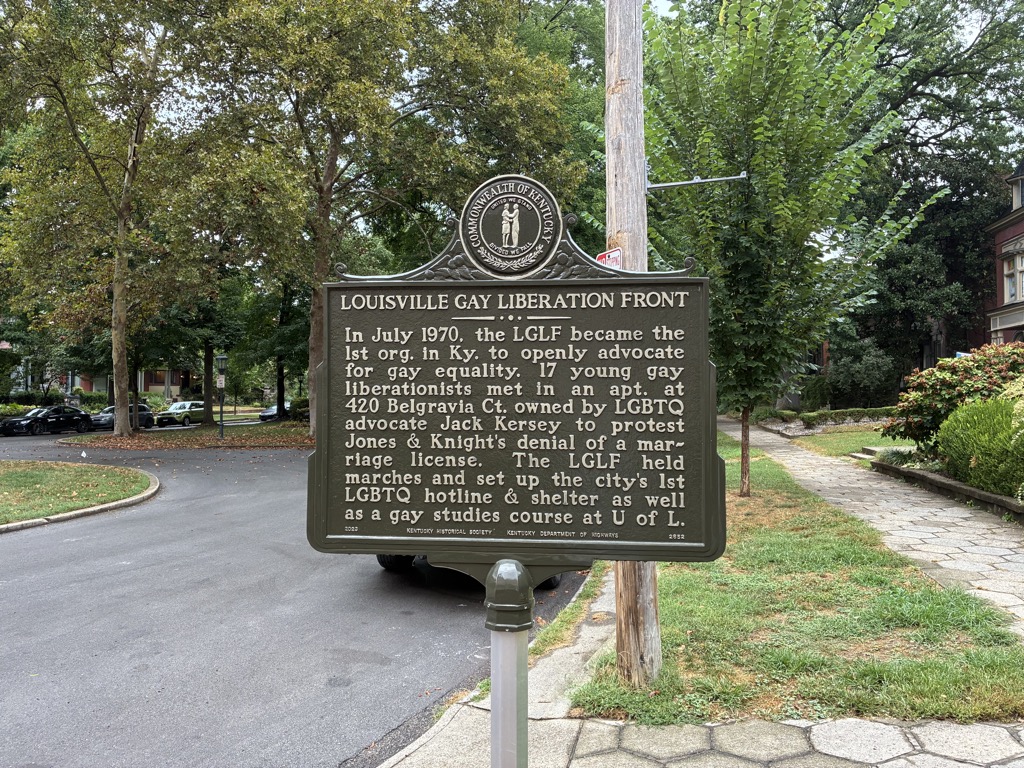
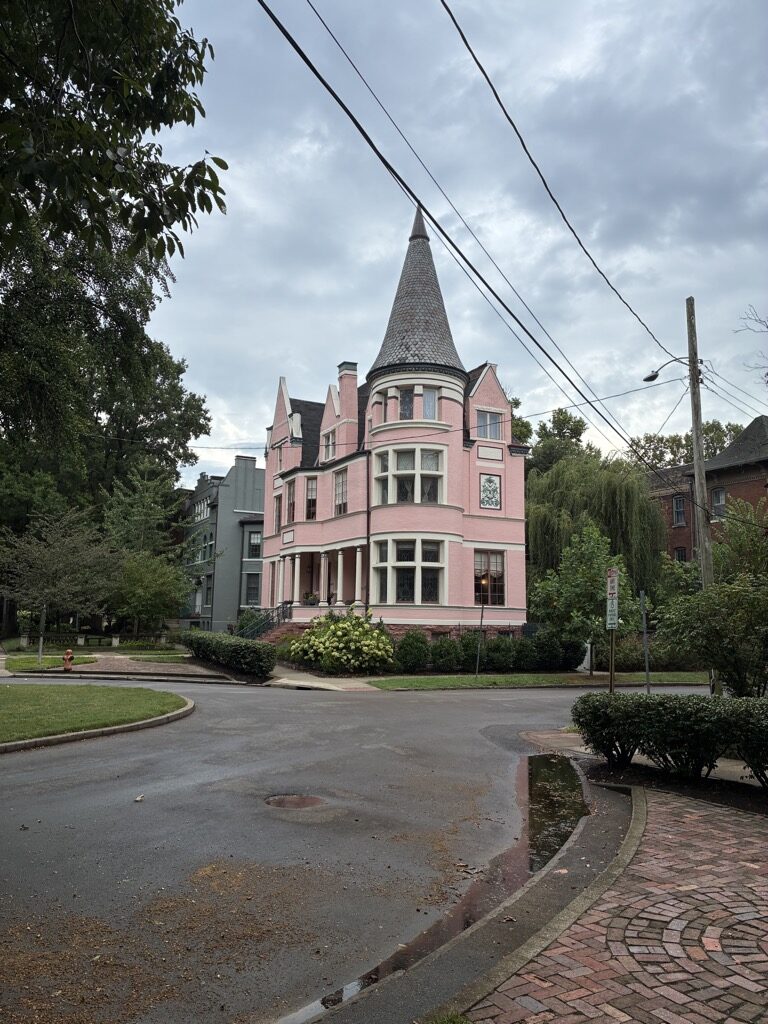
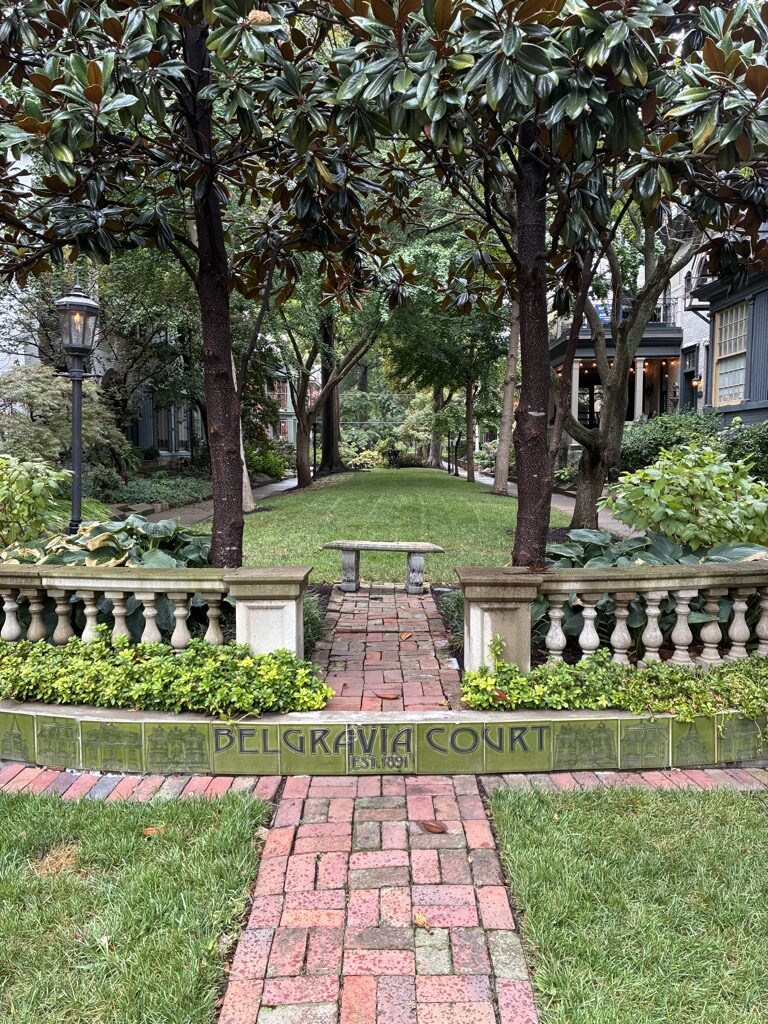
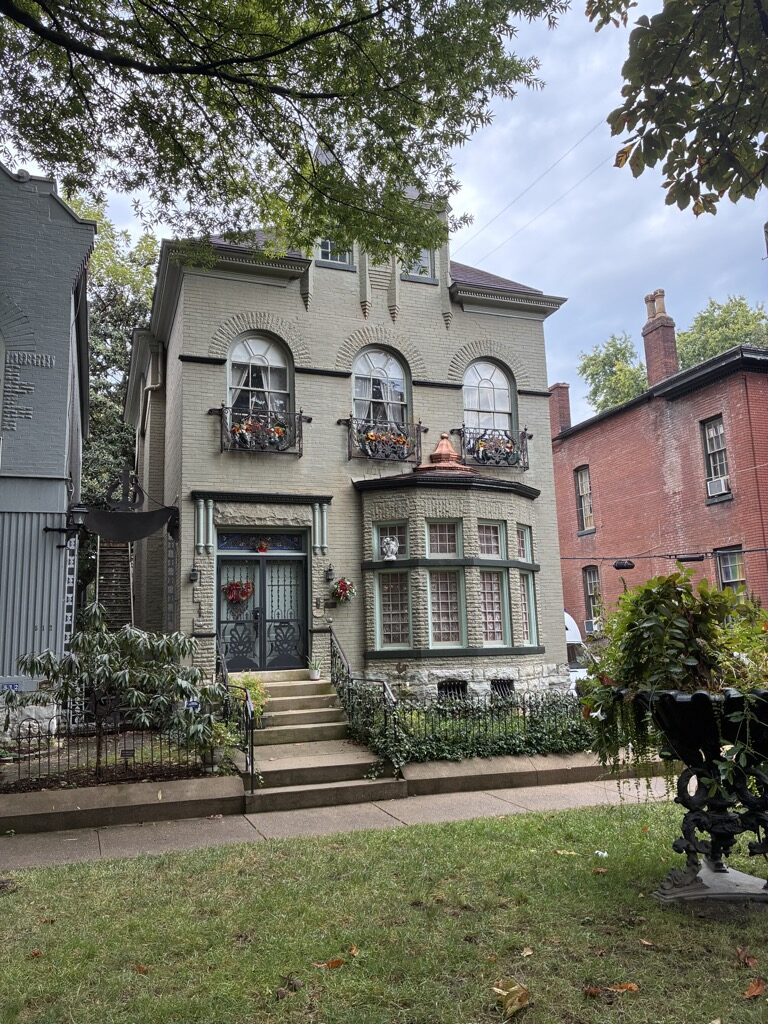
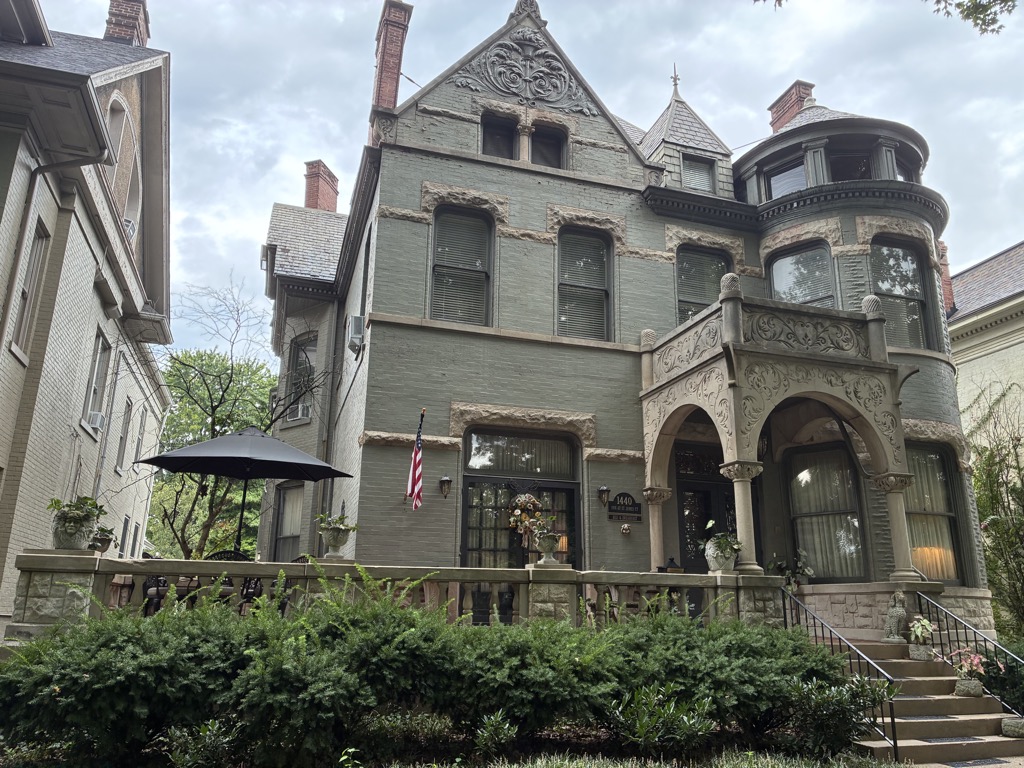
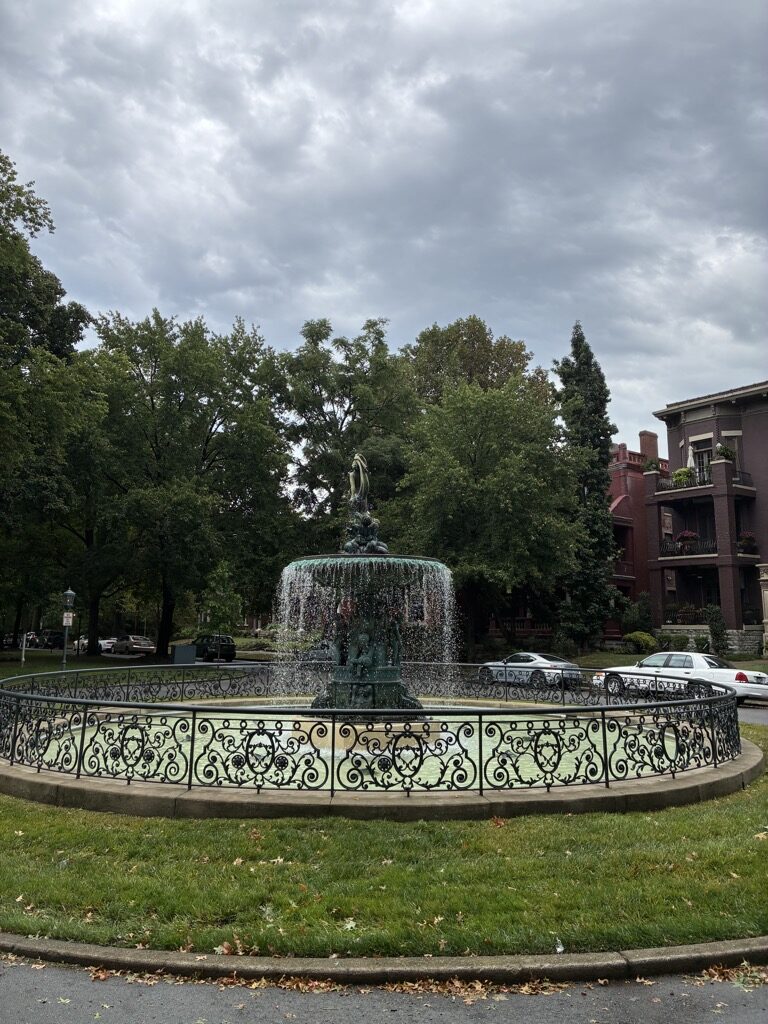
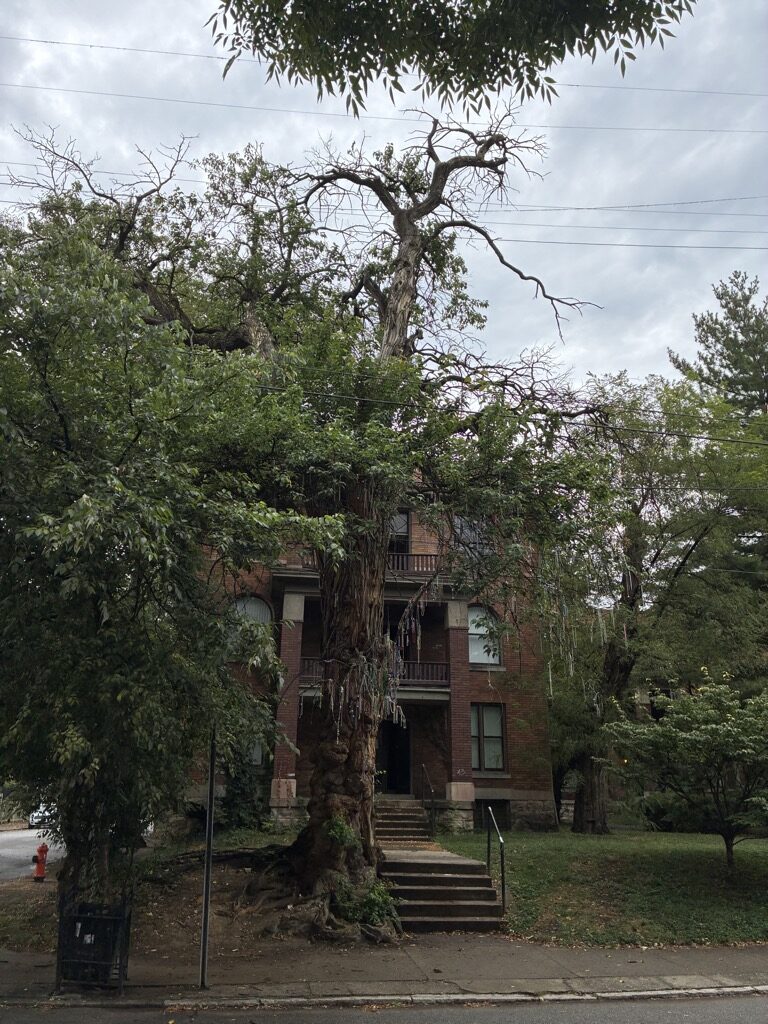
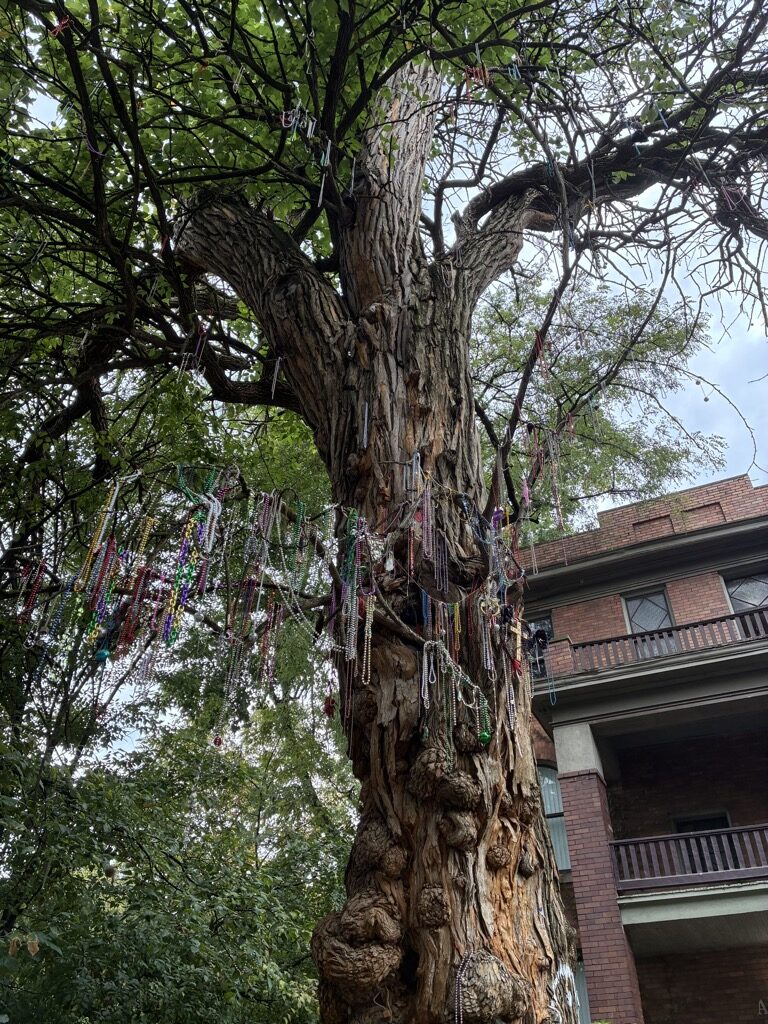
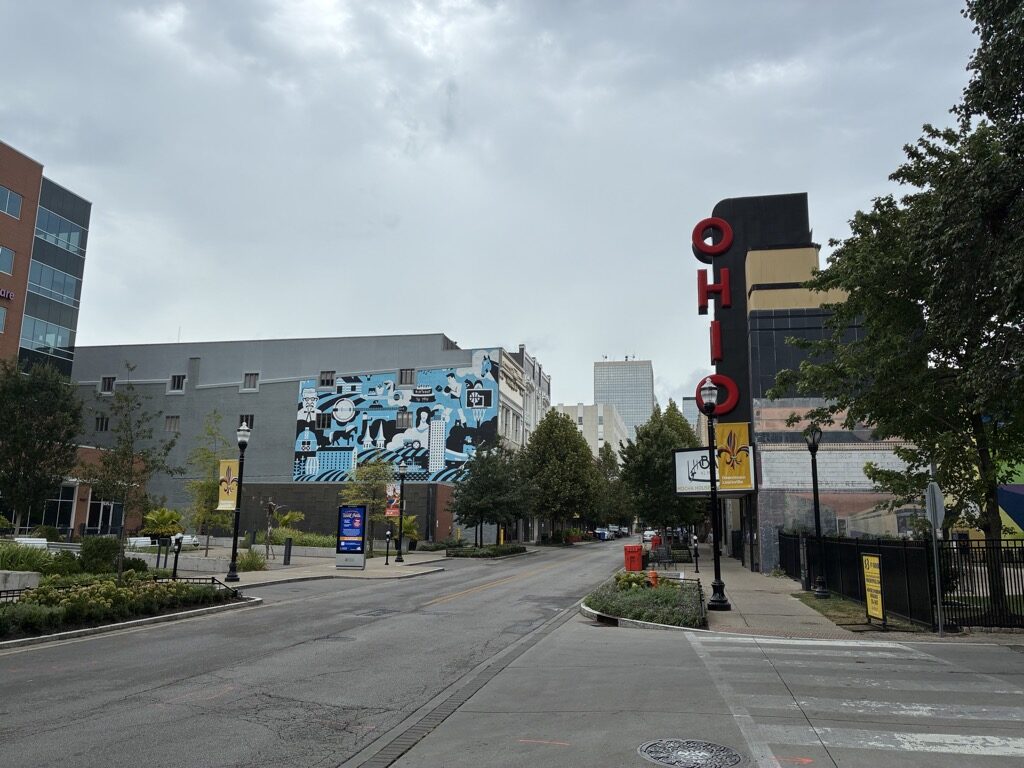
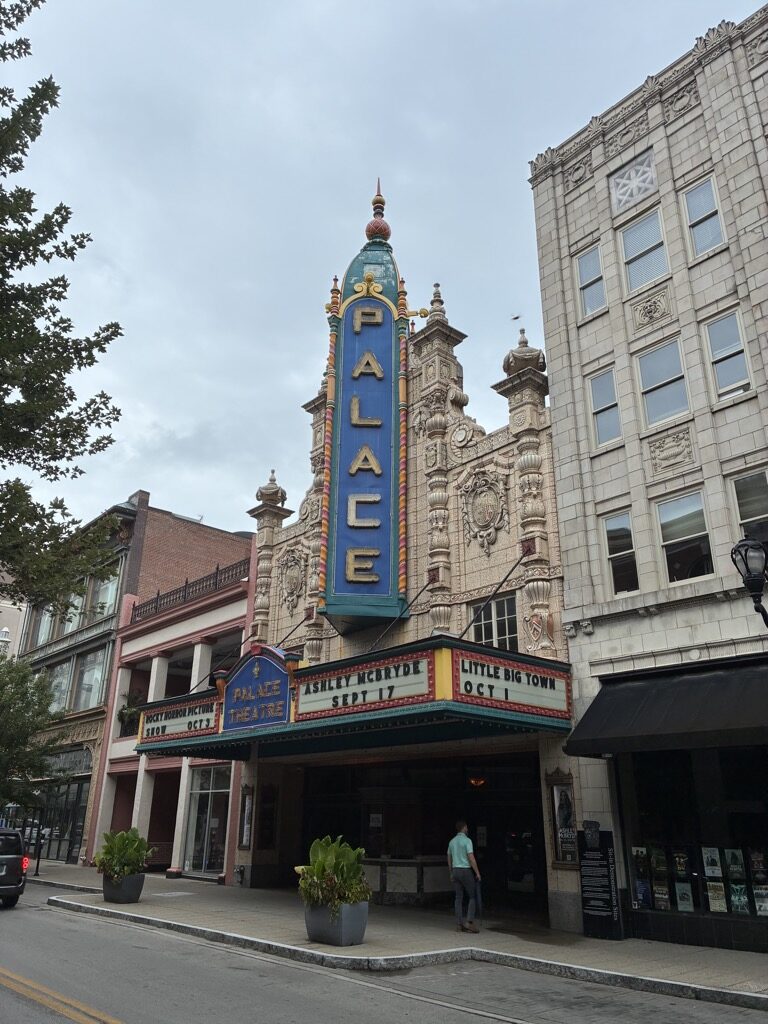
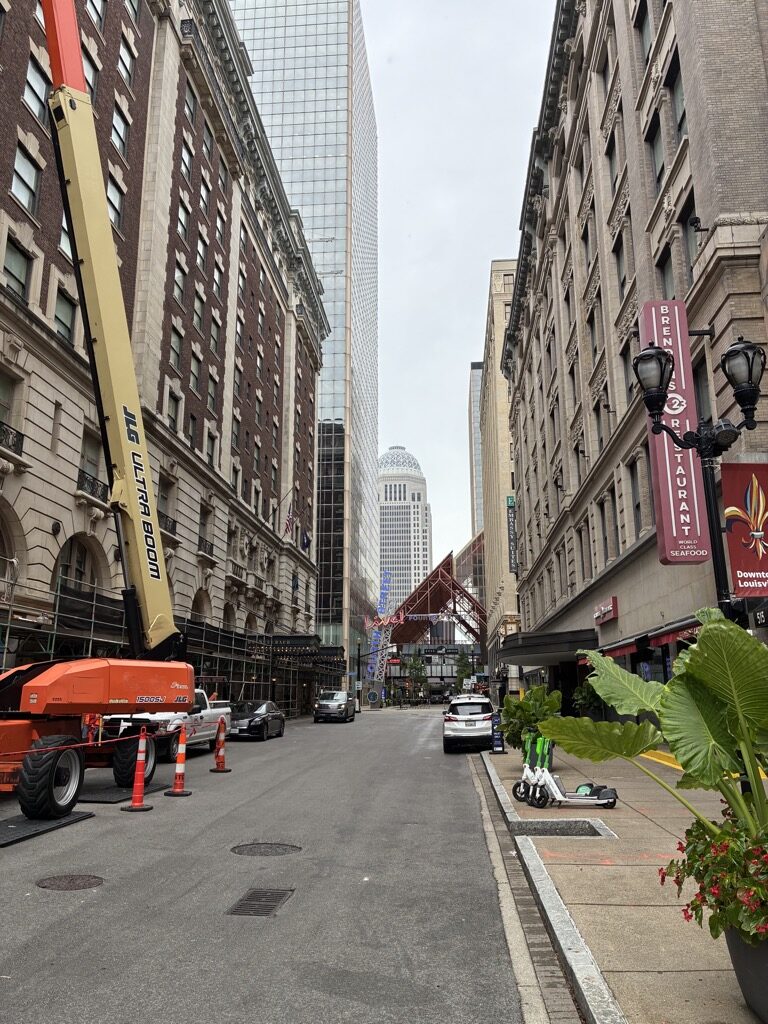
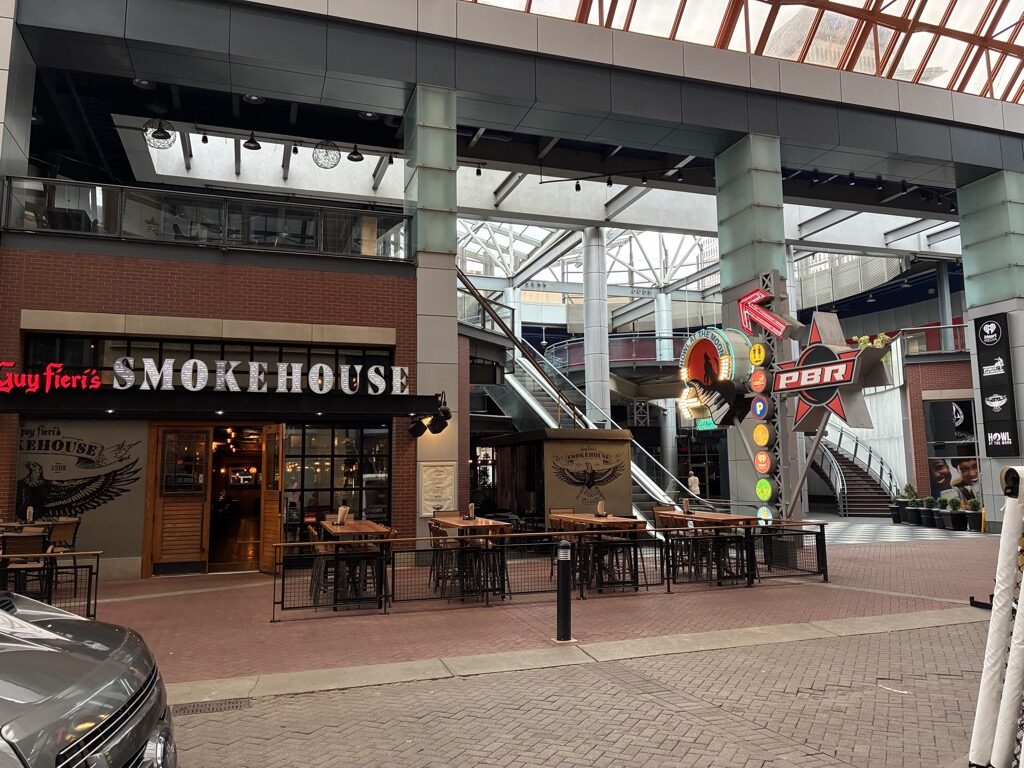
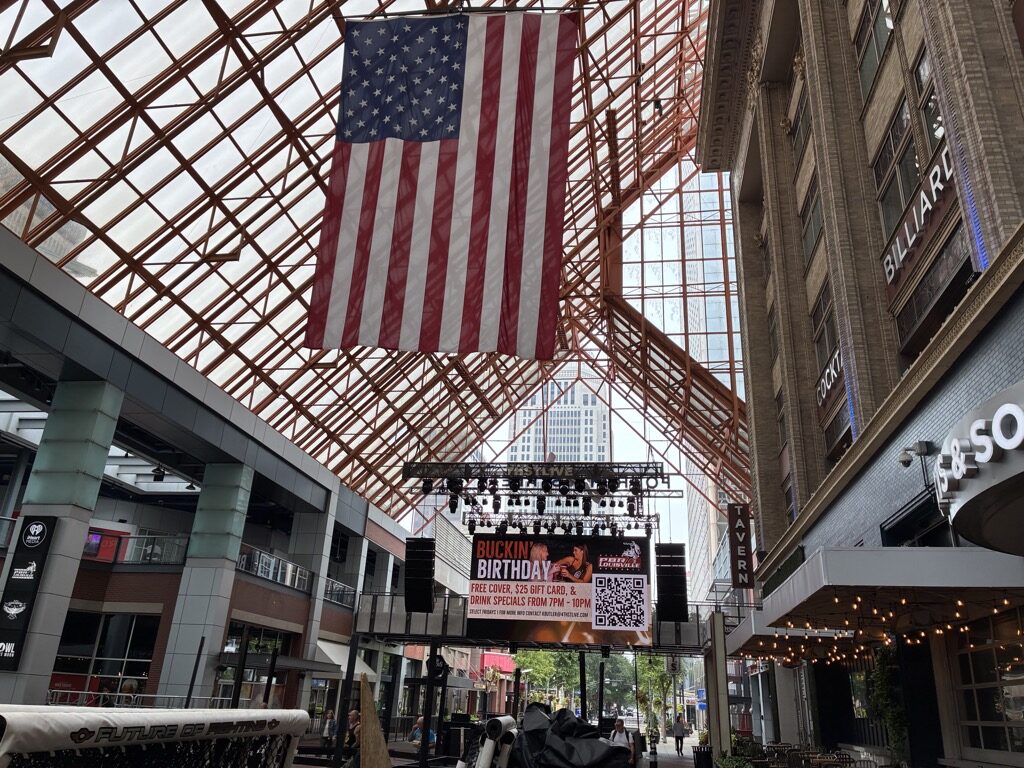
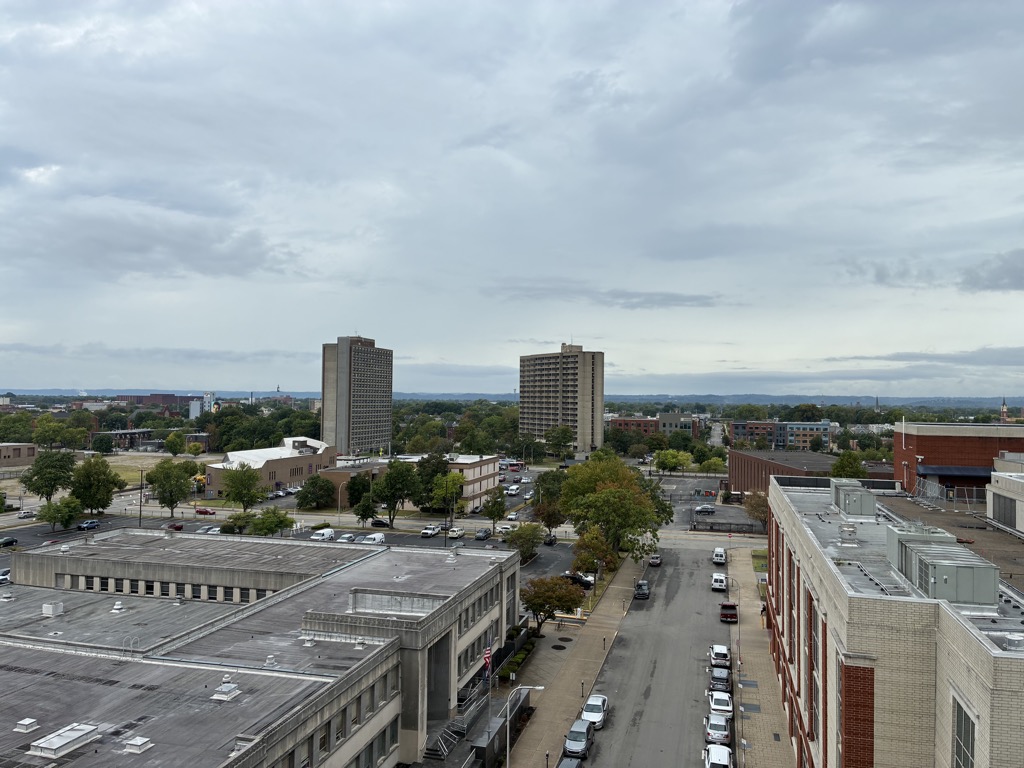
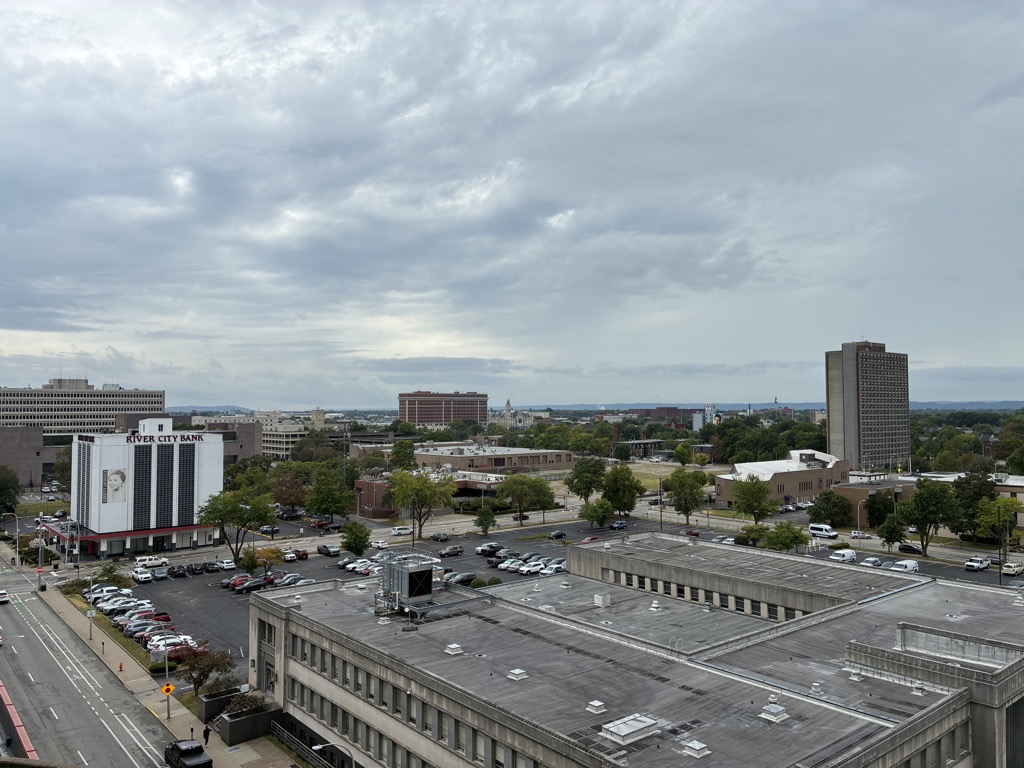
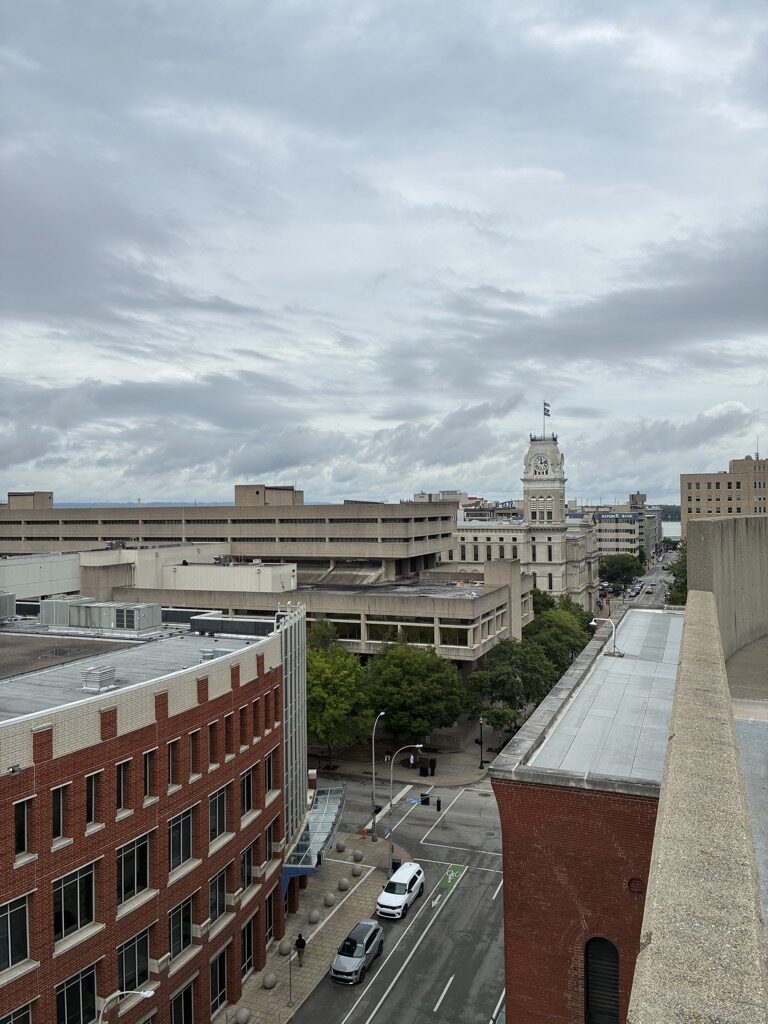
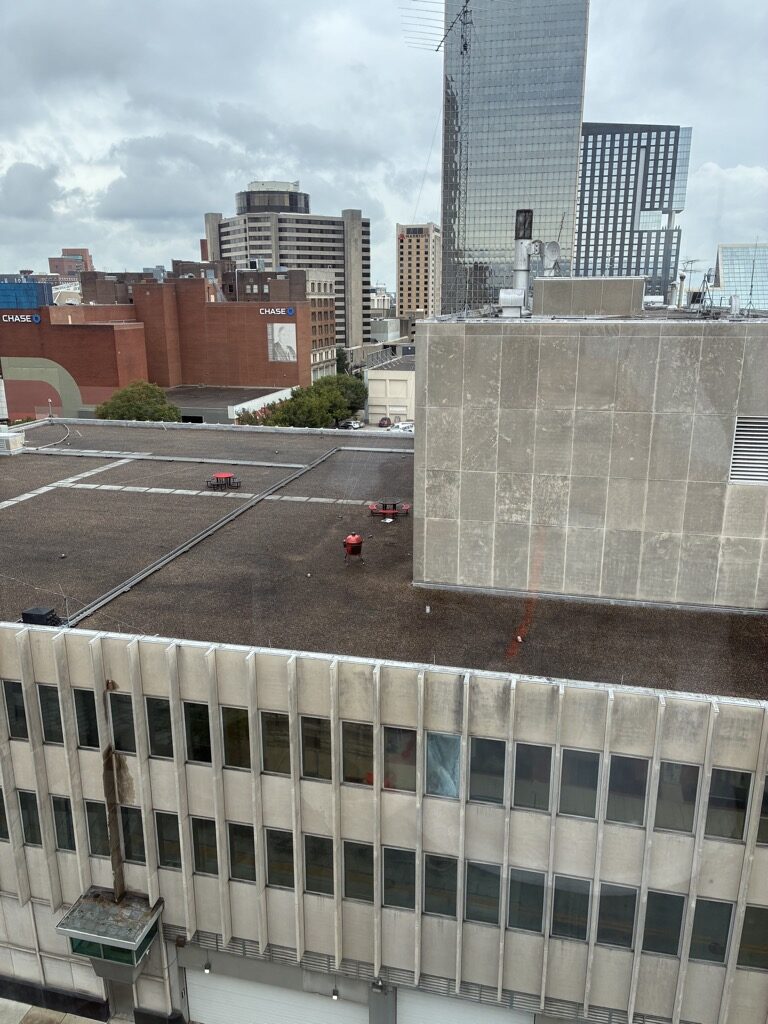
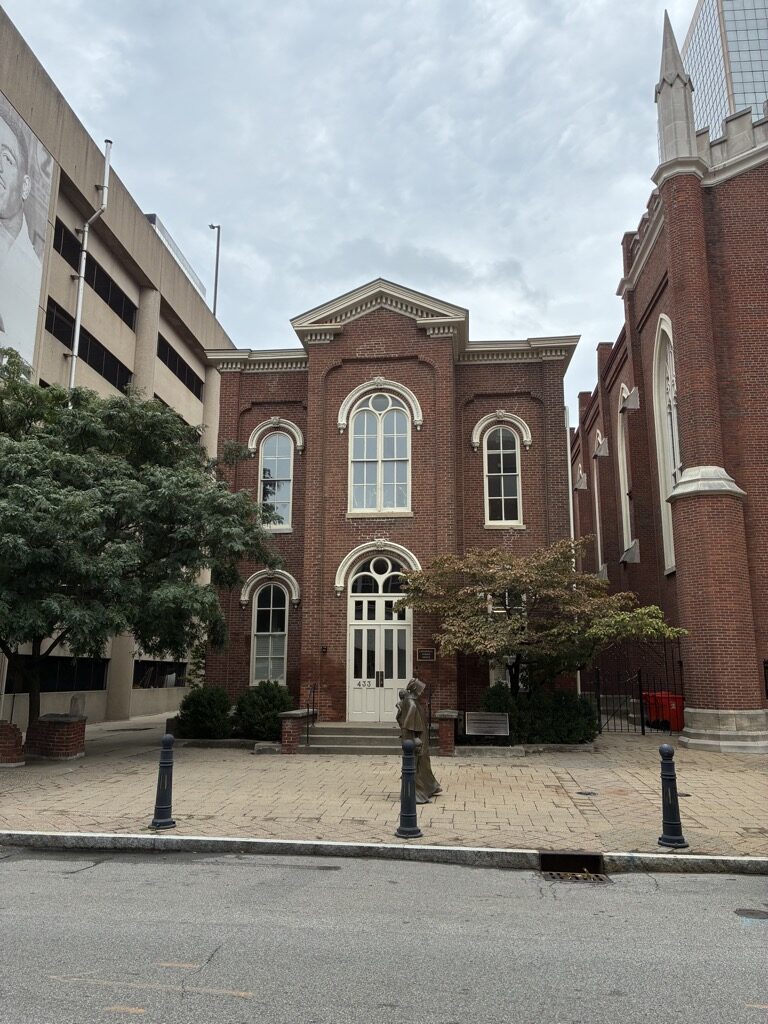
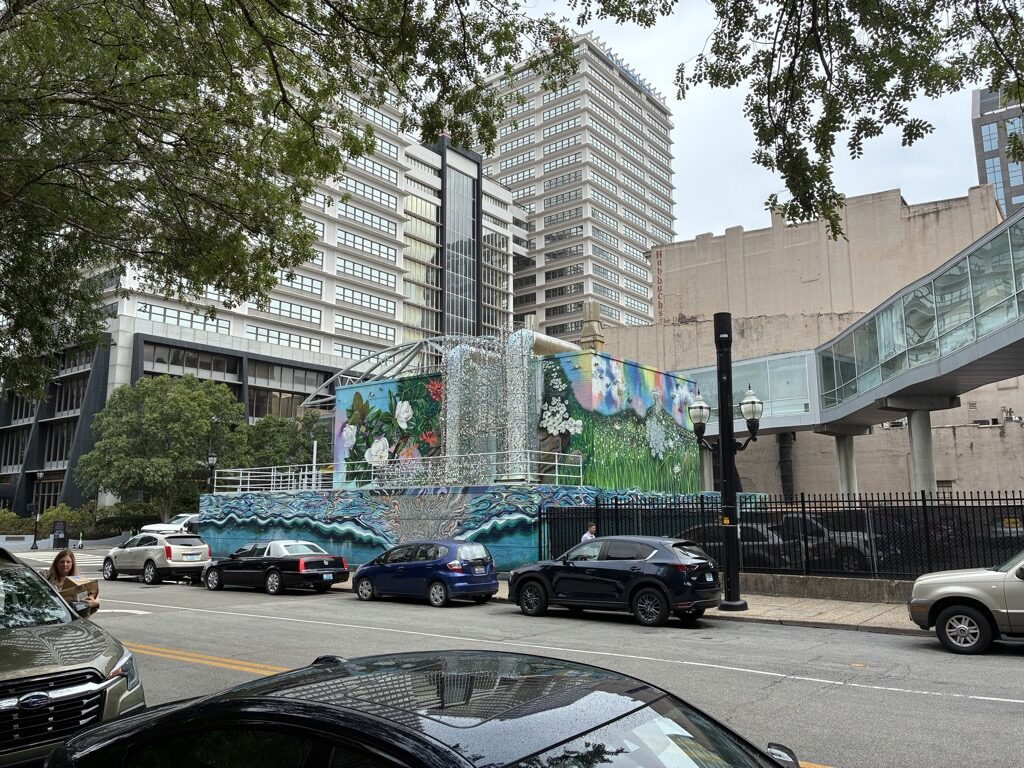
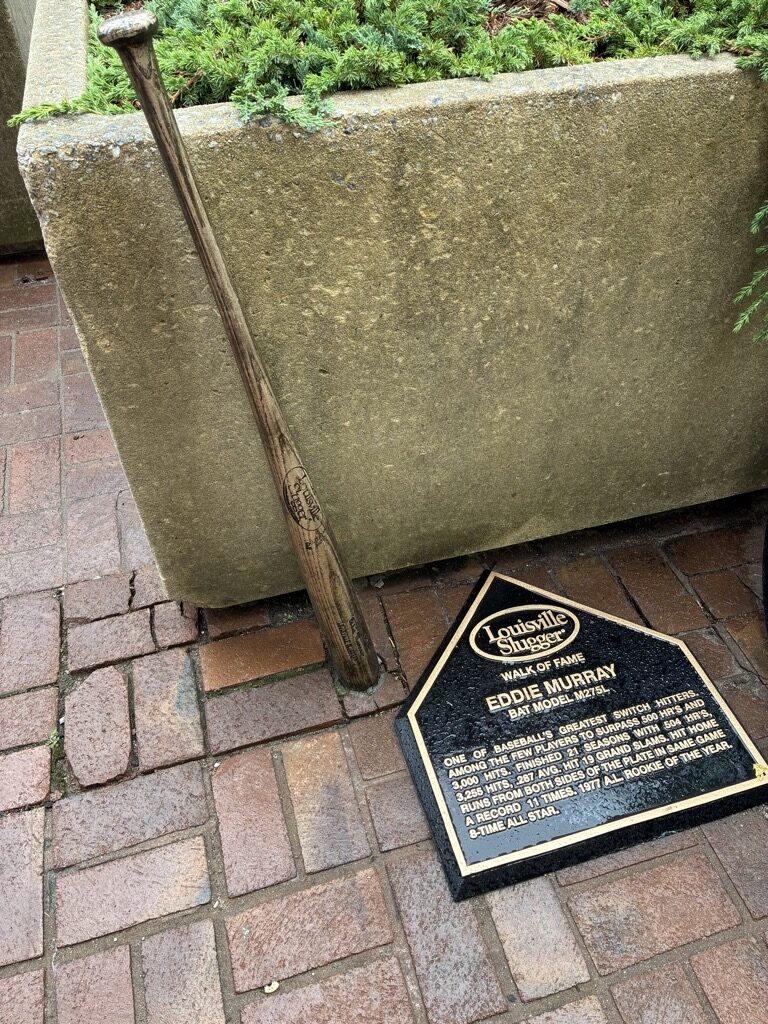
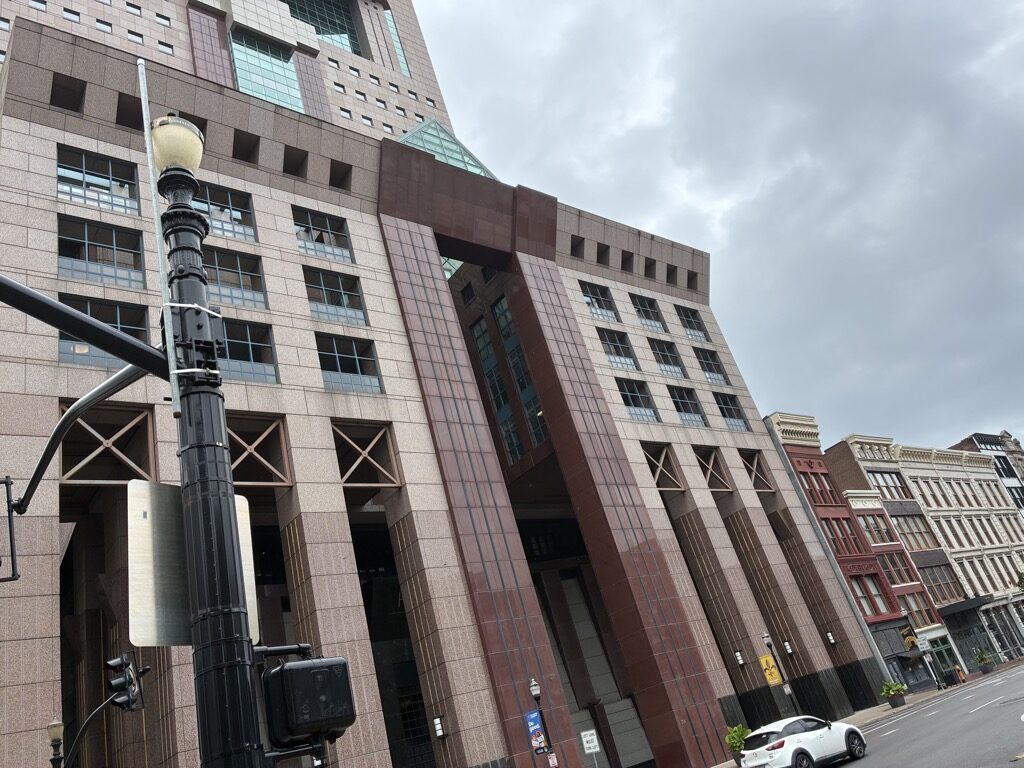
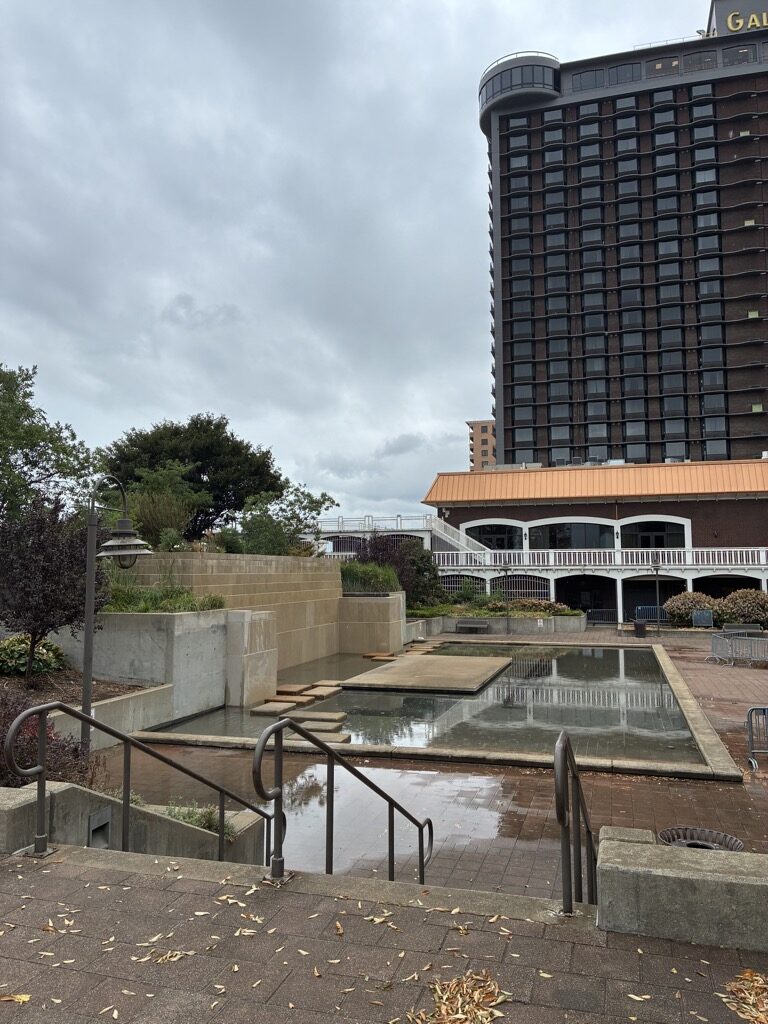
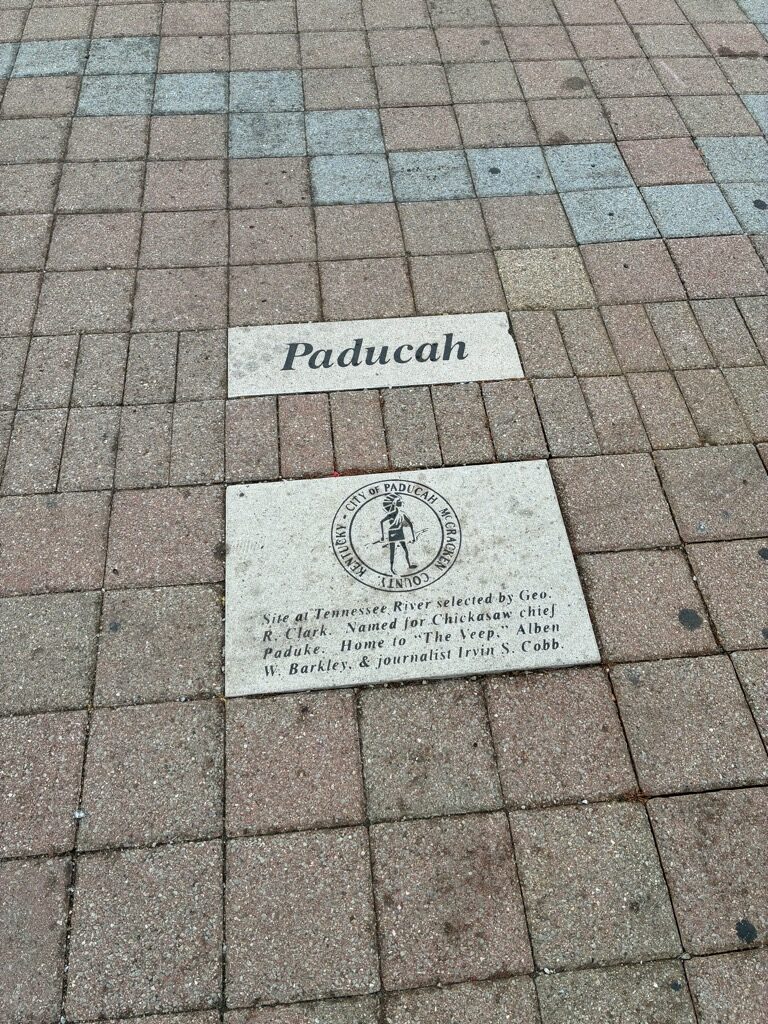
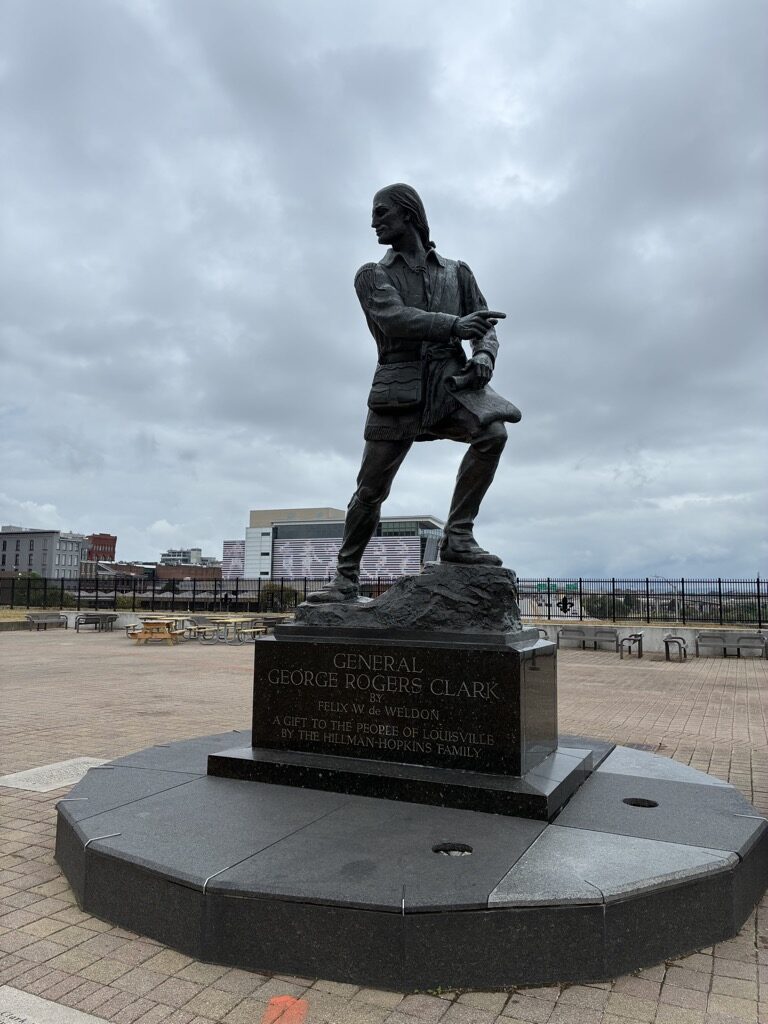
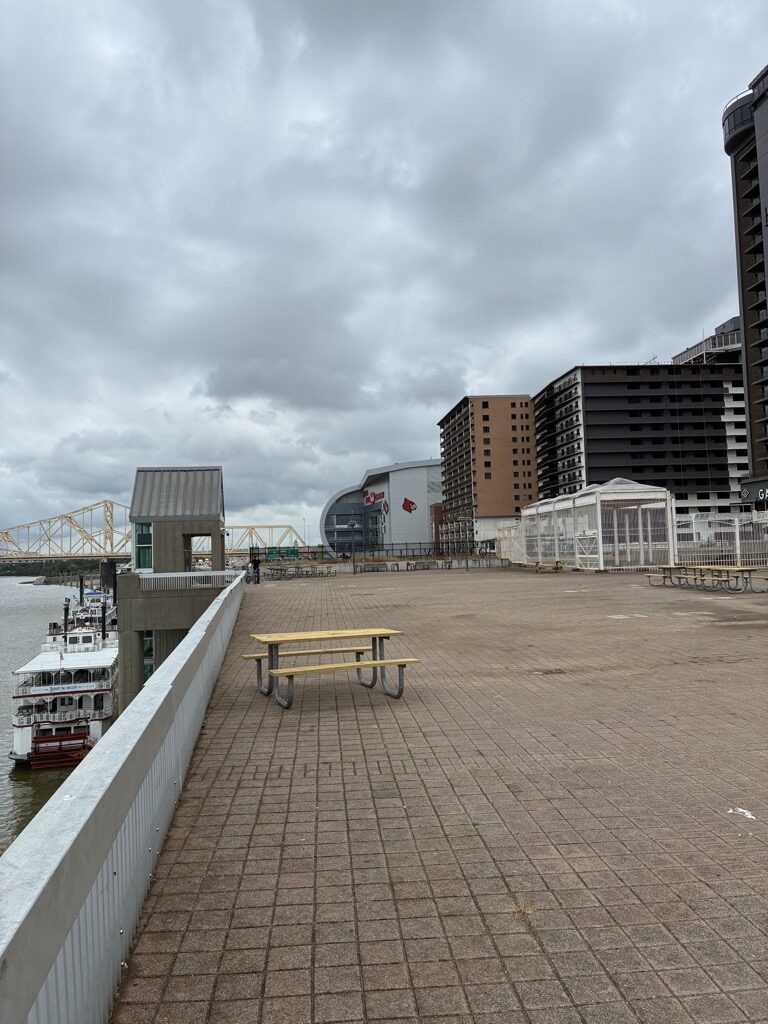
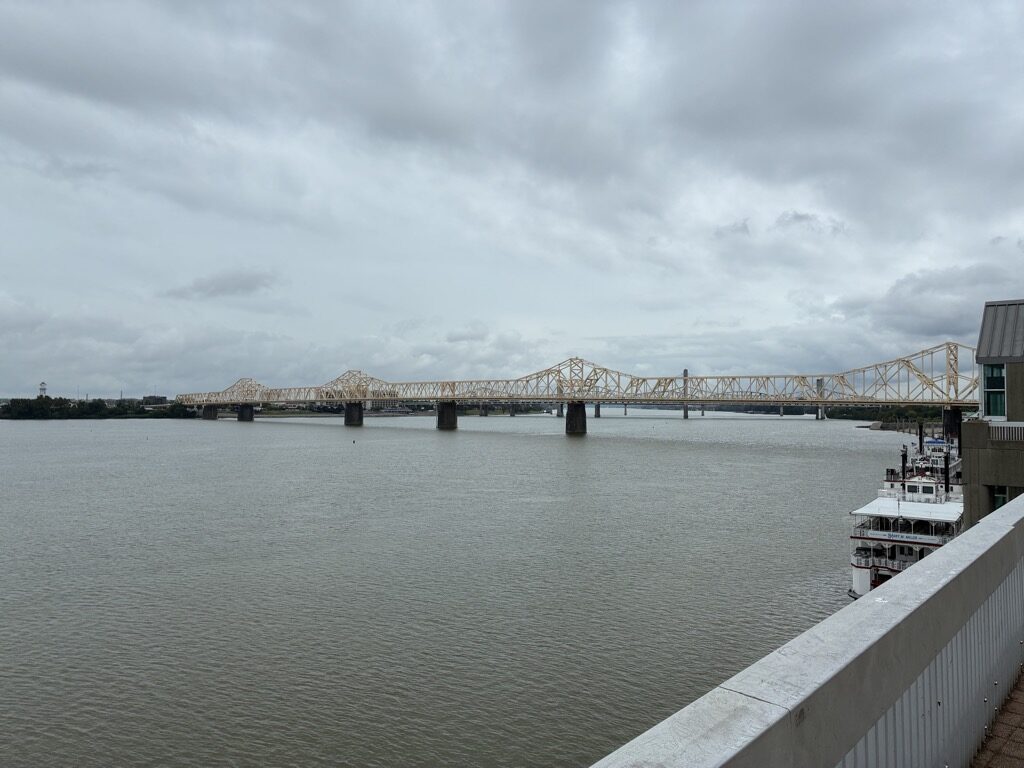
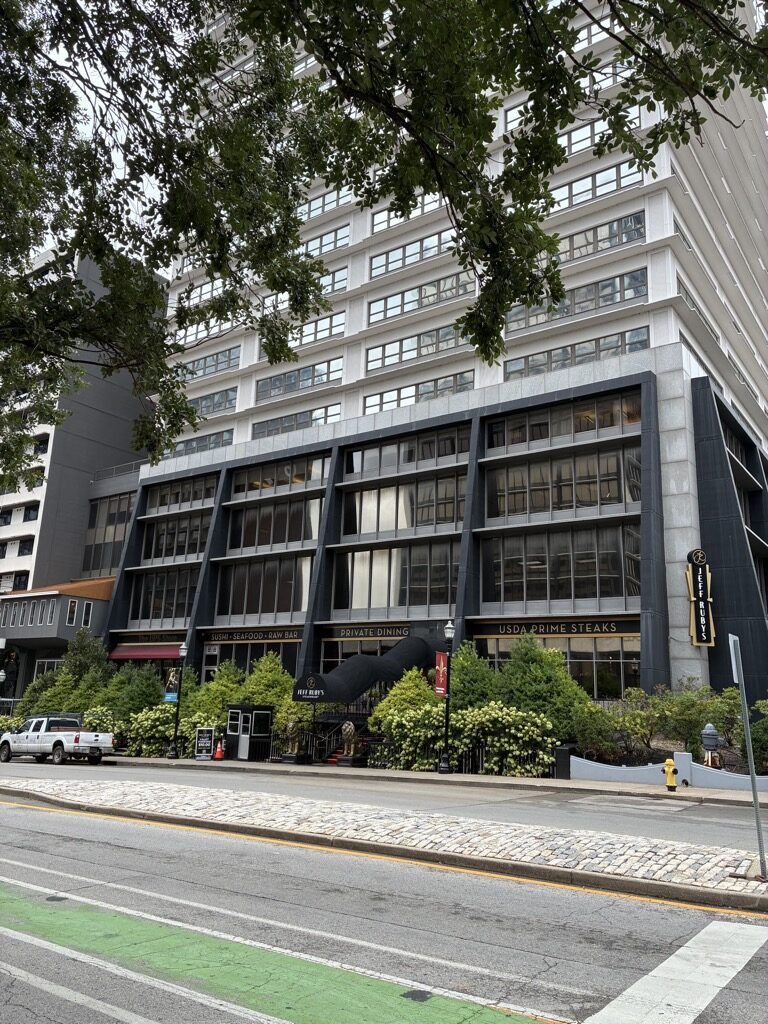
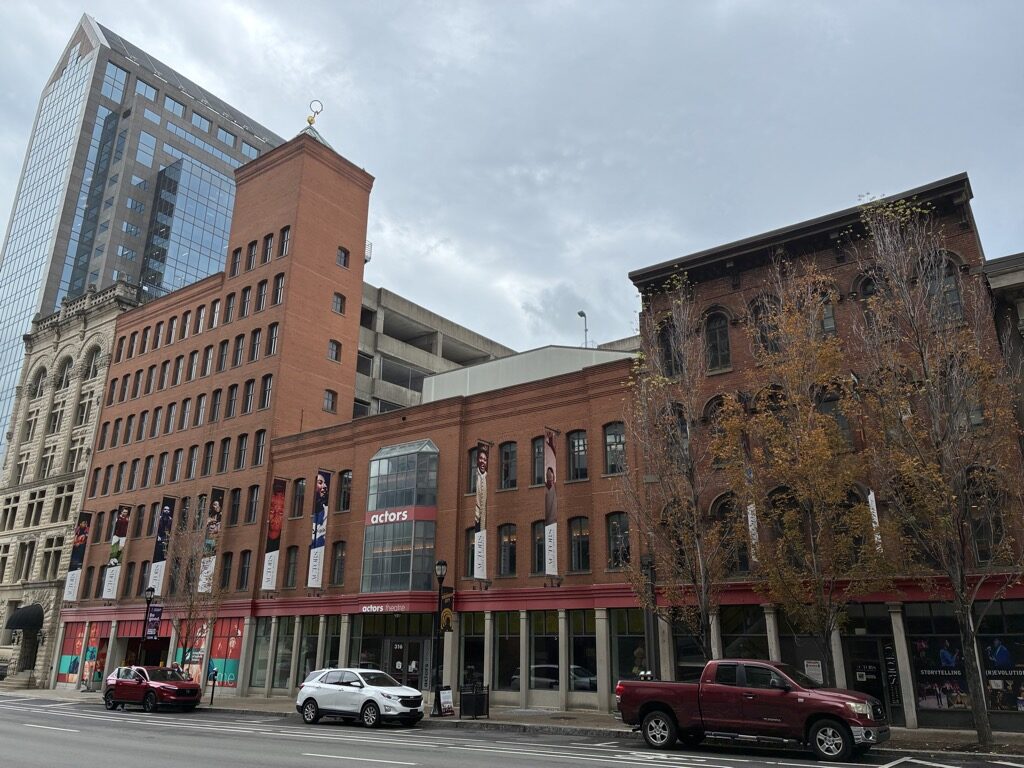
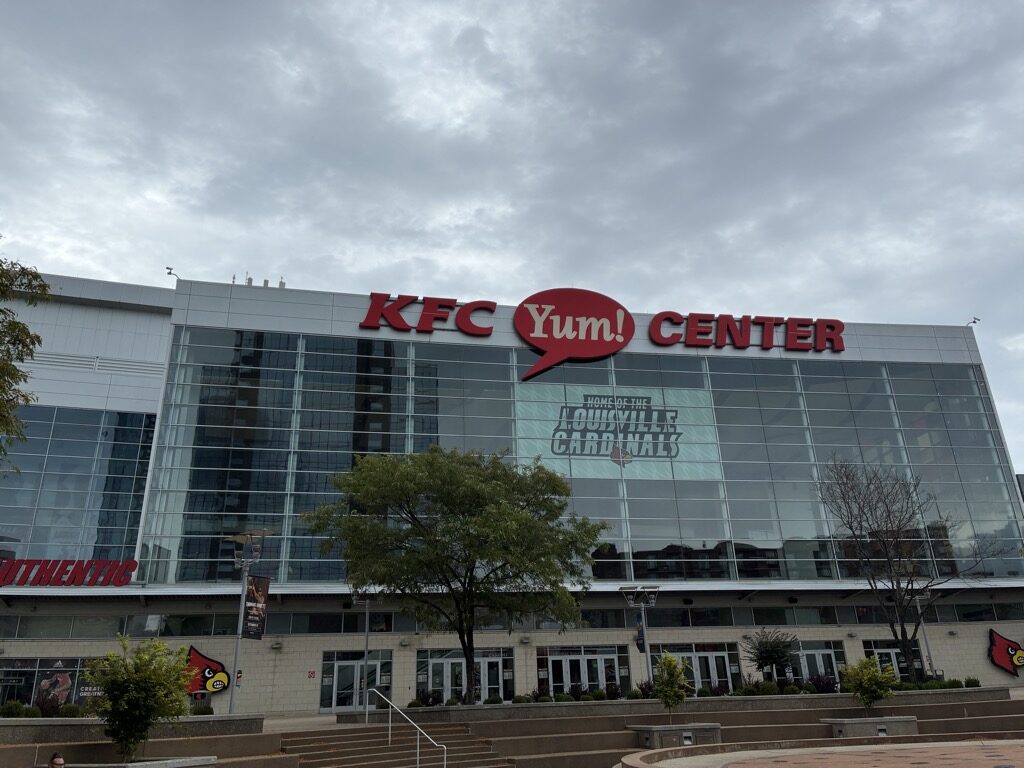
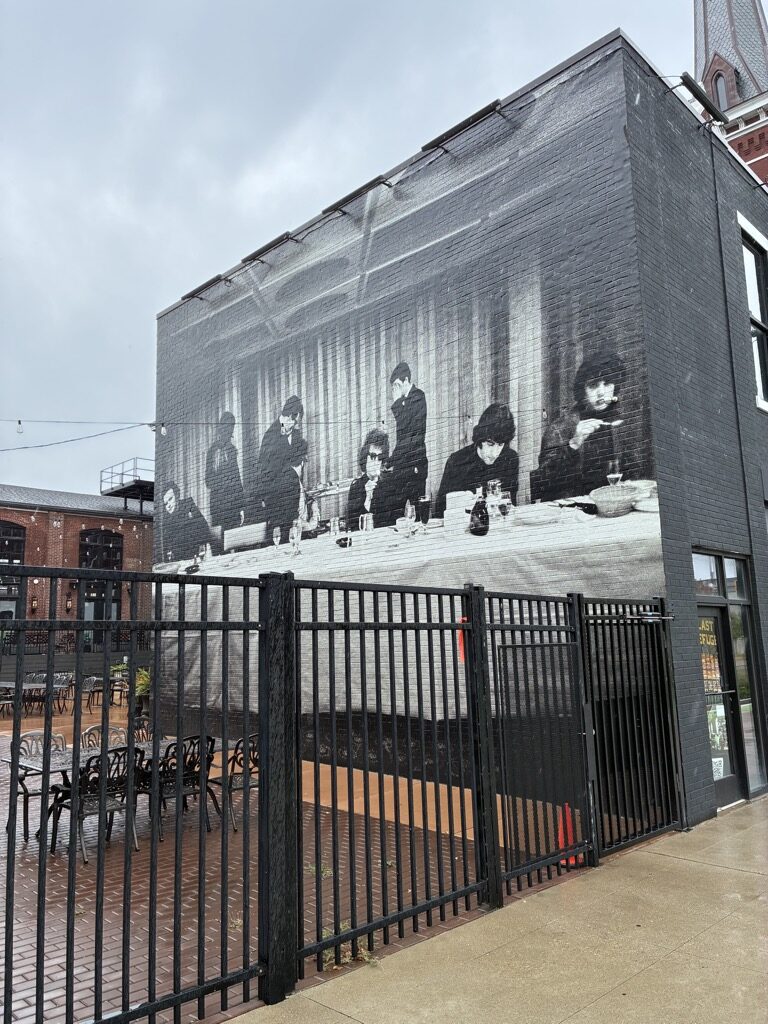
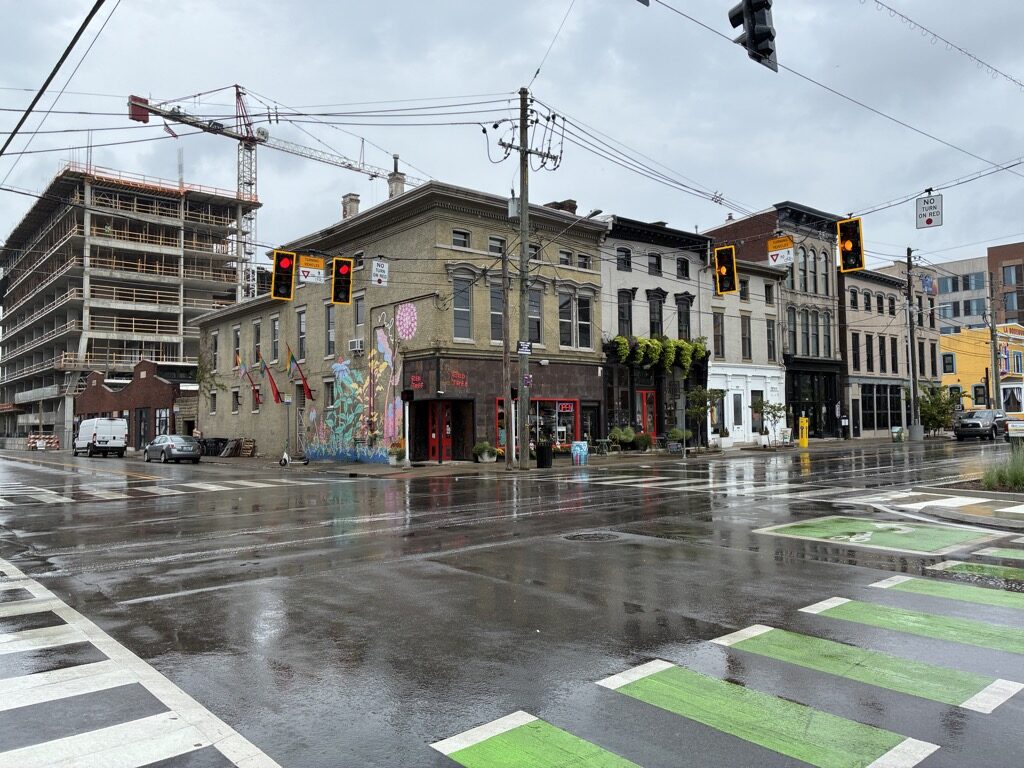
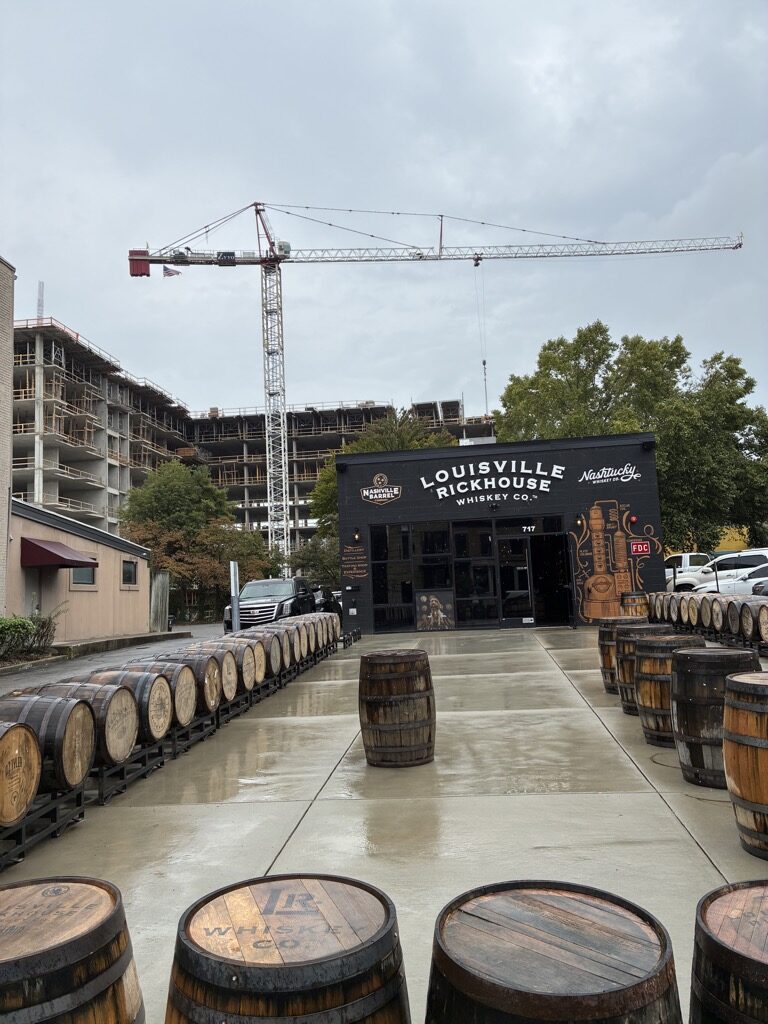
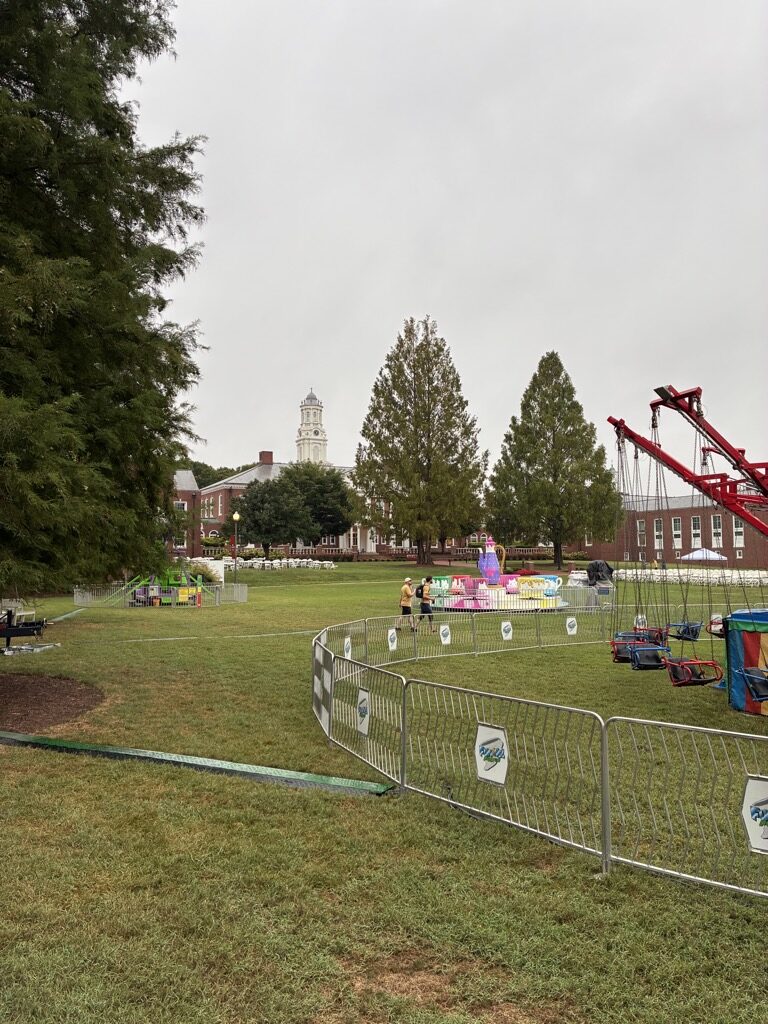
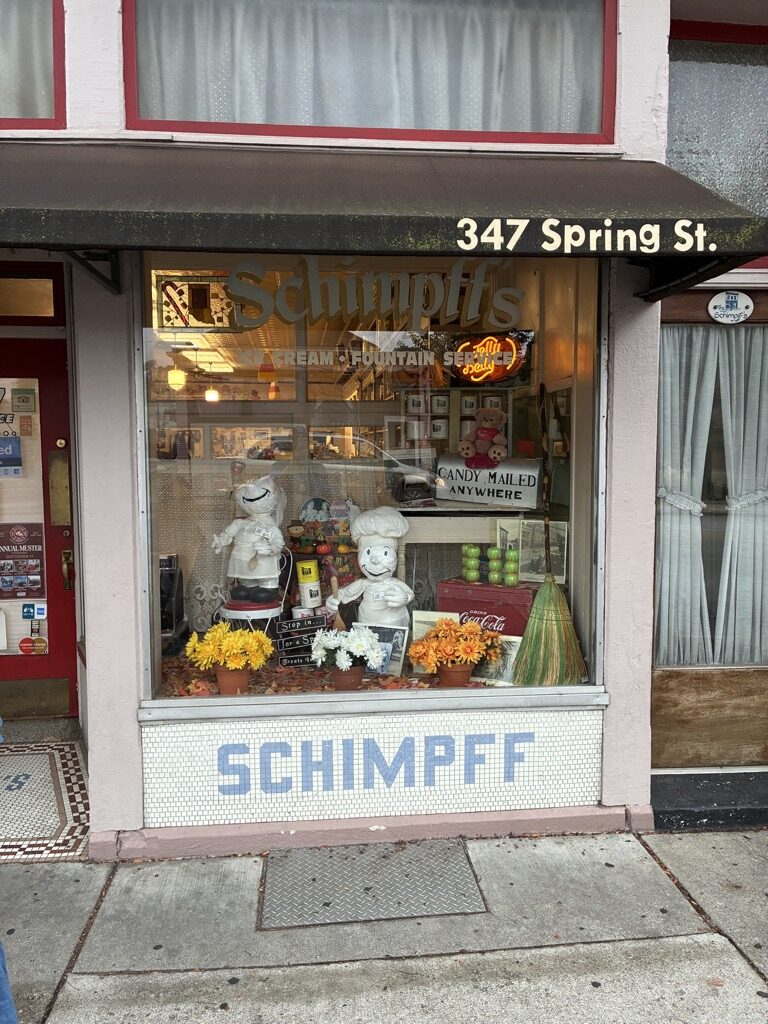
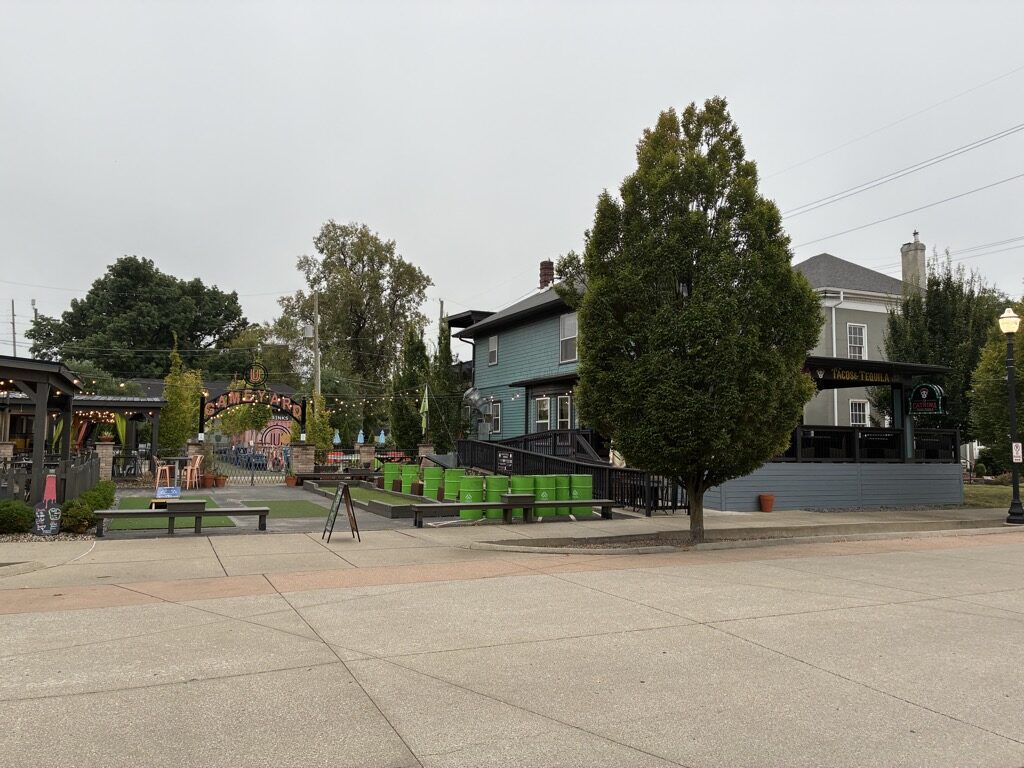
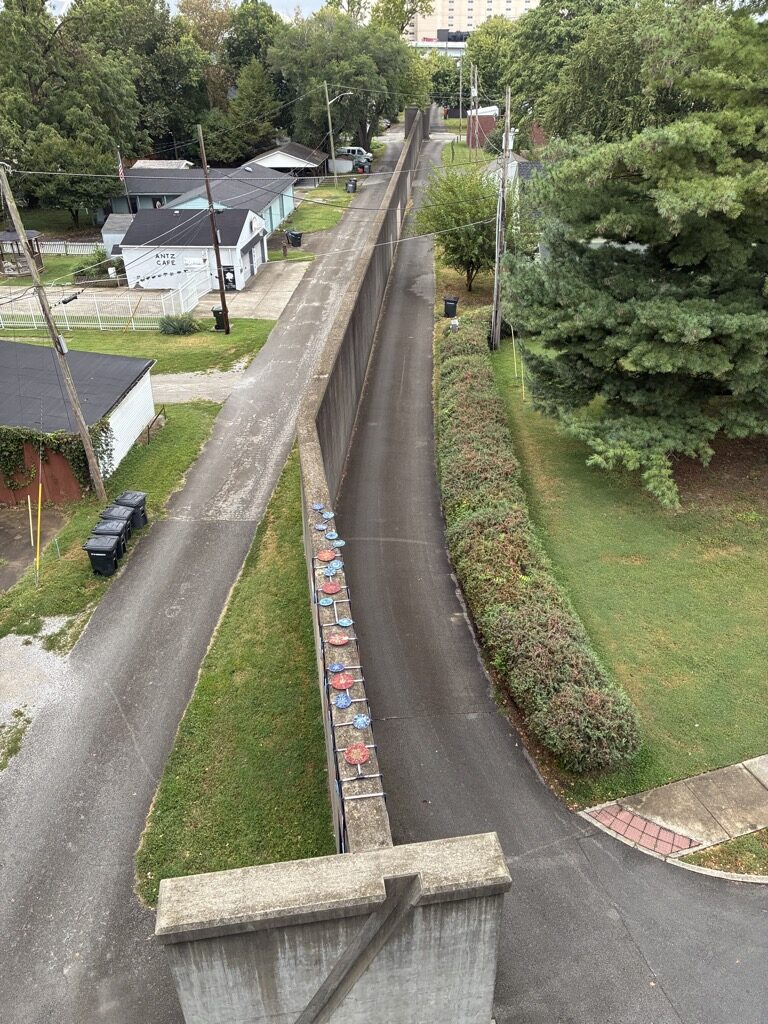
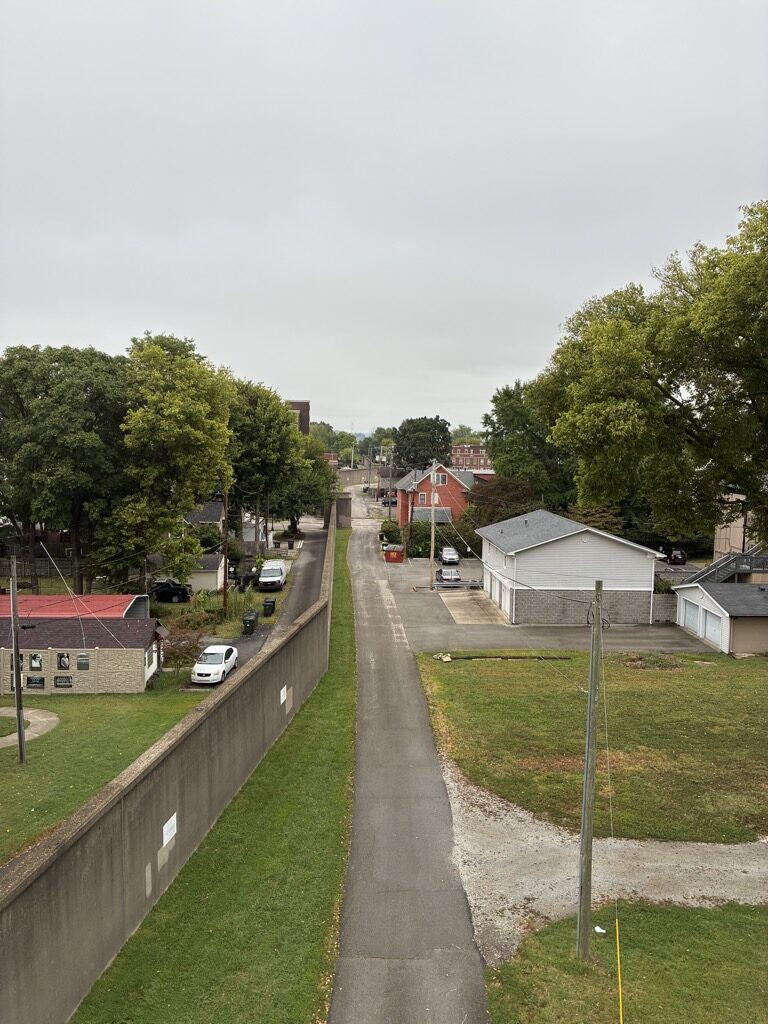
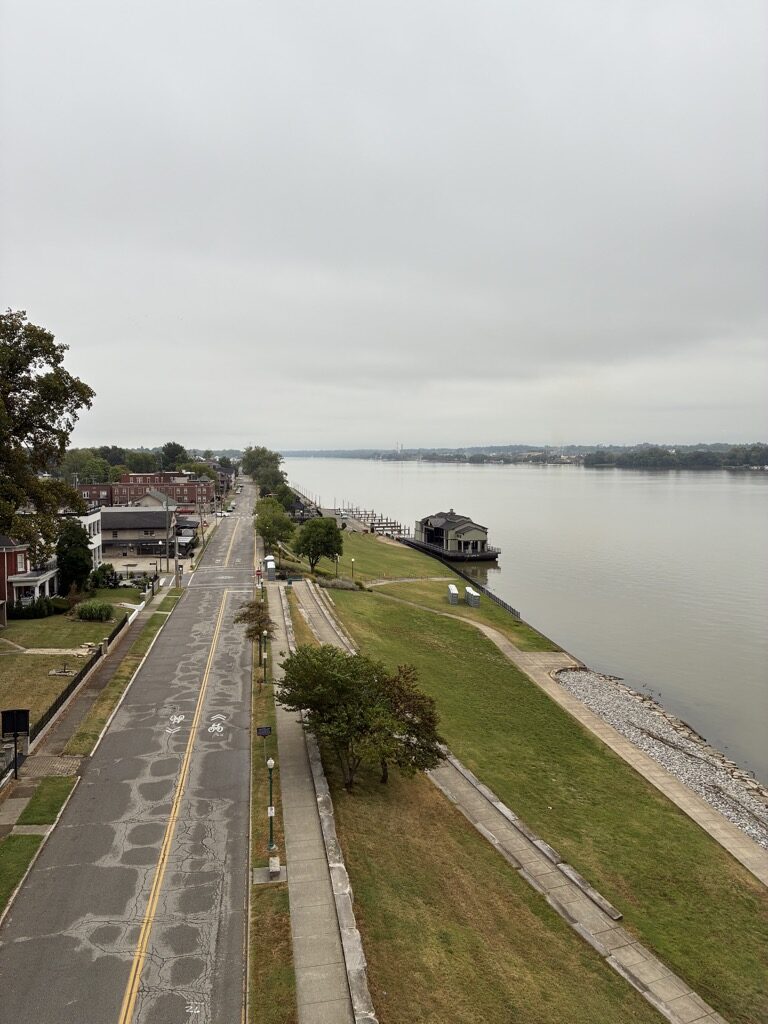
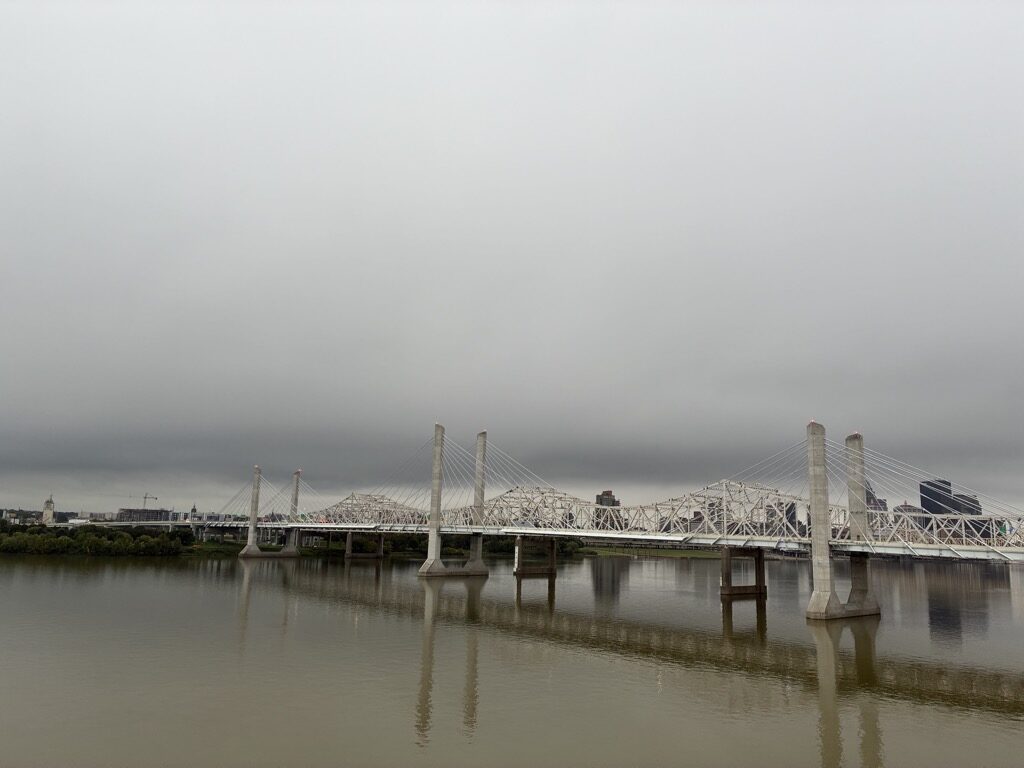
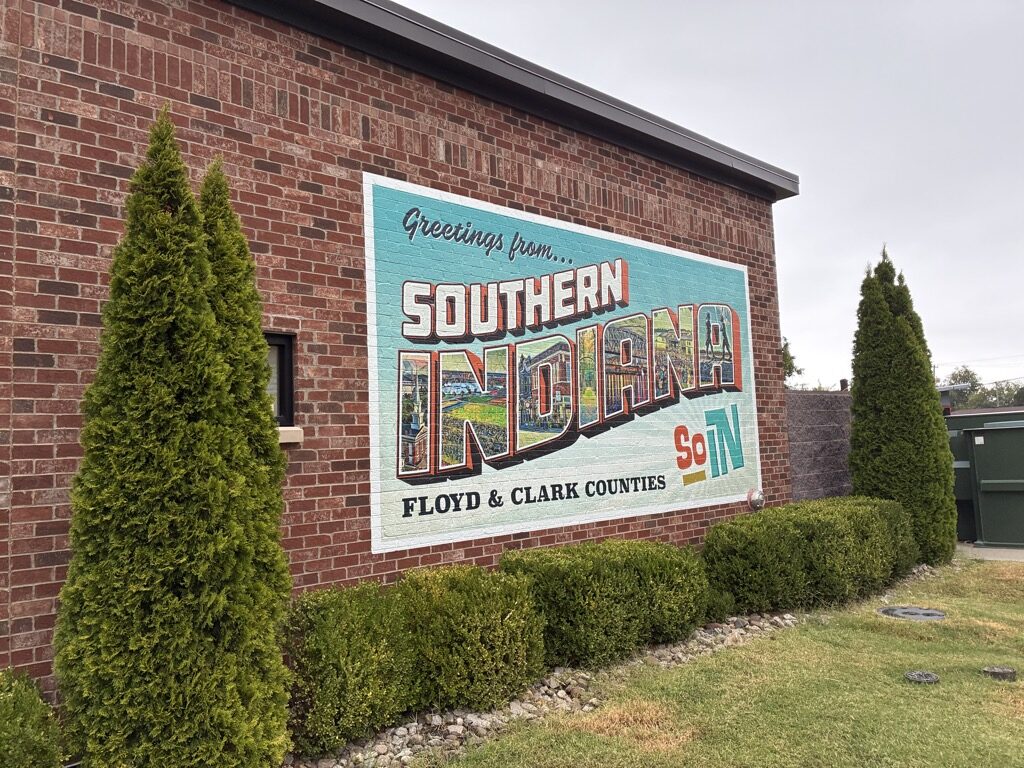
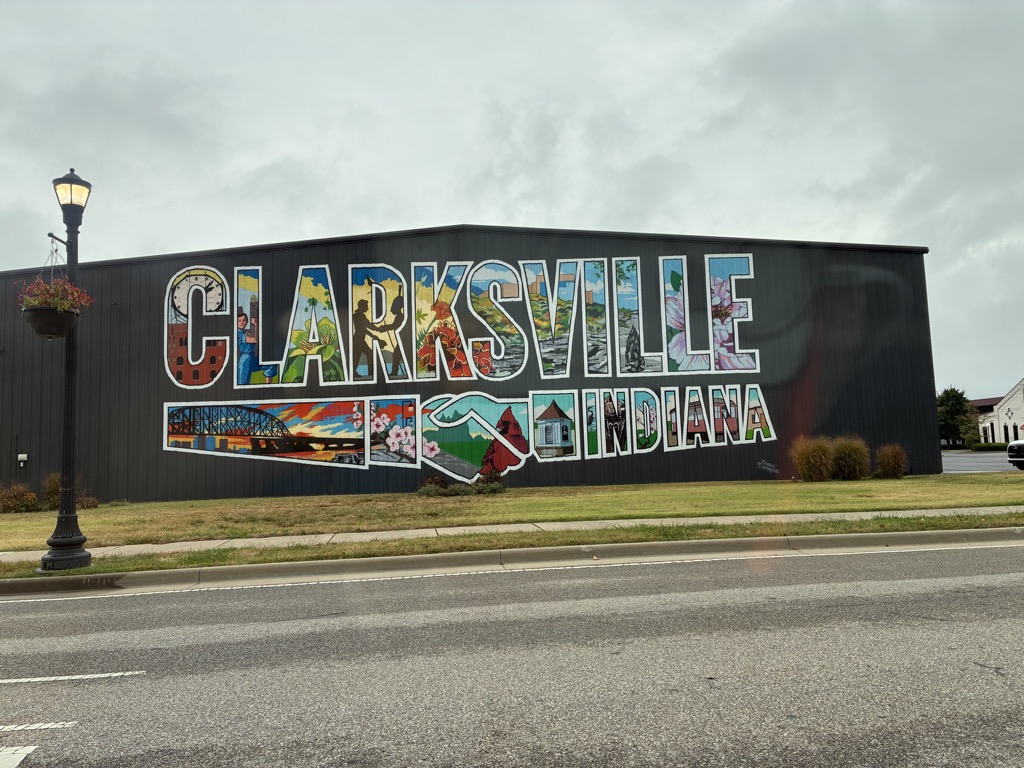
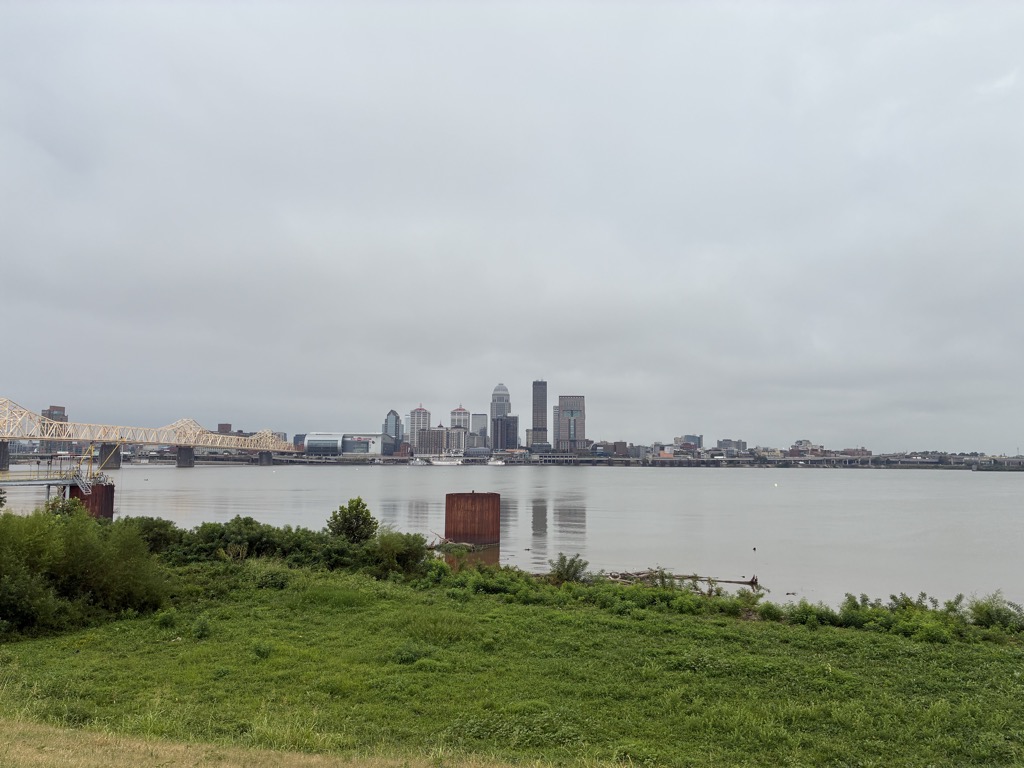
A buddy of mine has been inviting us to come to Louisville, KY for a while, and after some delays, rearranged plans and other life events, we finally went. While Louisville is about a 5-6 hour drive, it still requires some planning, especially if you want to visit the highlights. In retrospect, while we got lots of stuff right, we also got a few things wrong. For example, we didn’t anticipate big lineups for bourbon tours. Luckily, neither of us enjoys bourbon or cares enough, since we’ve been to enough booze tastings and factory tours before. However, if you are into it, it is worth buying tickets online ahead of time just to get an available spot. Regardless, Louisville is much more than just bourbon. It is quite a historic city with lots of places to visit and things to see.
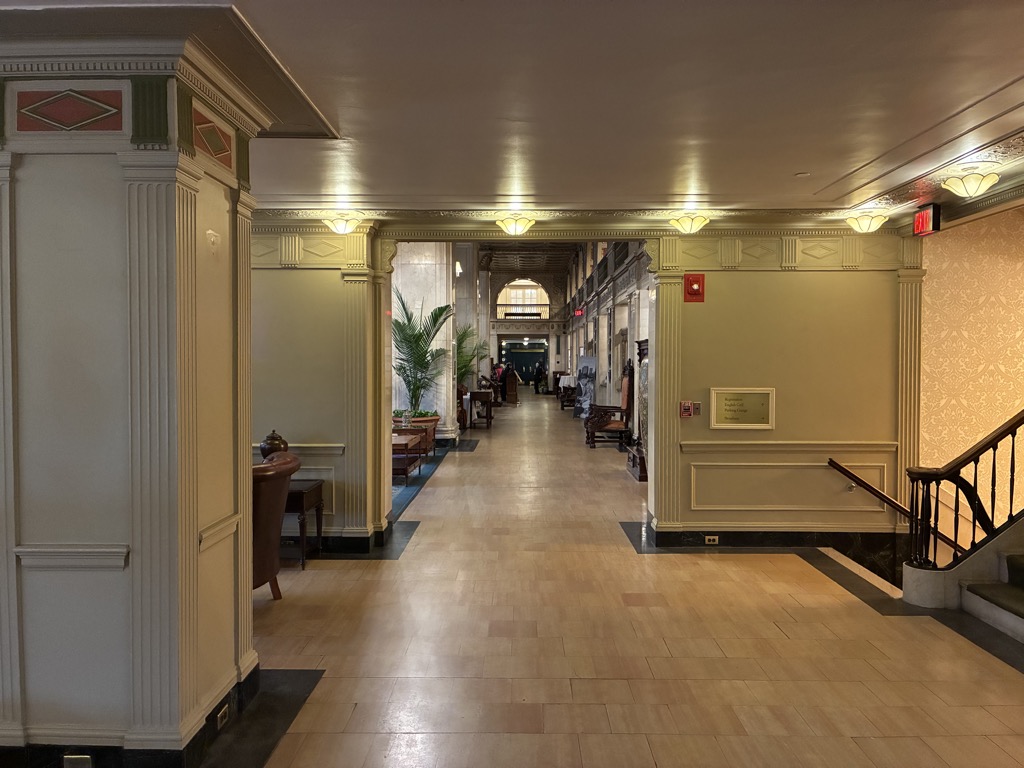
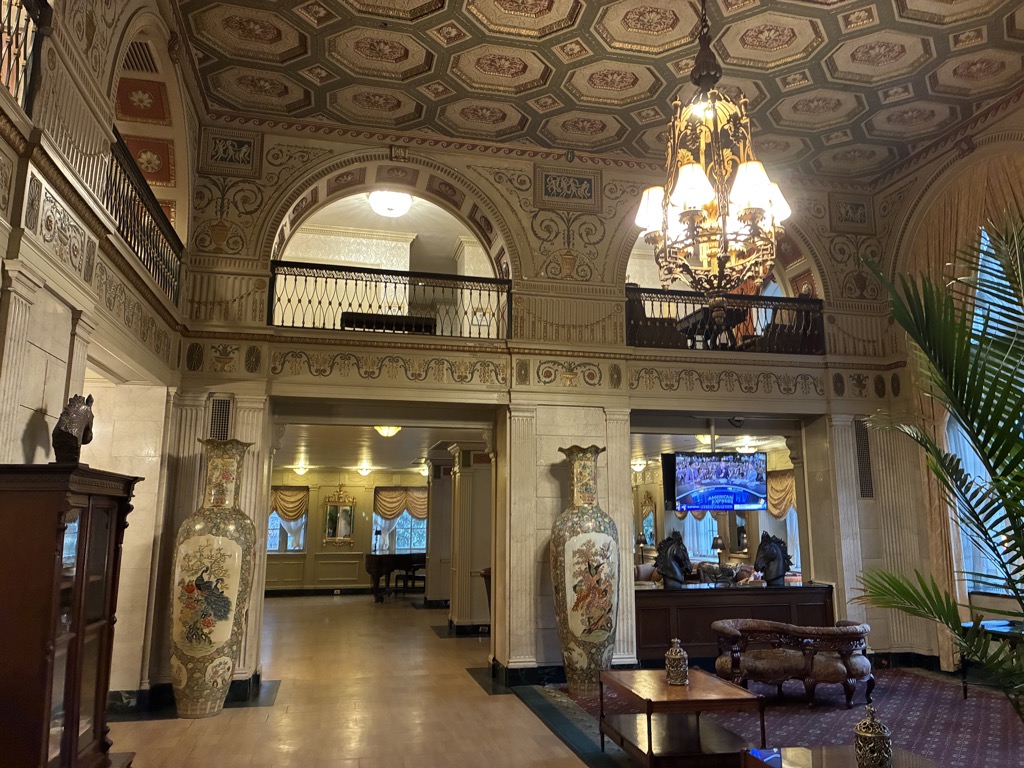
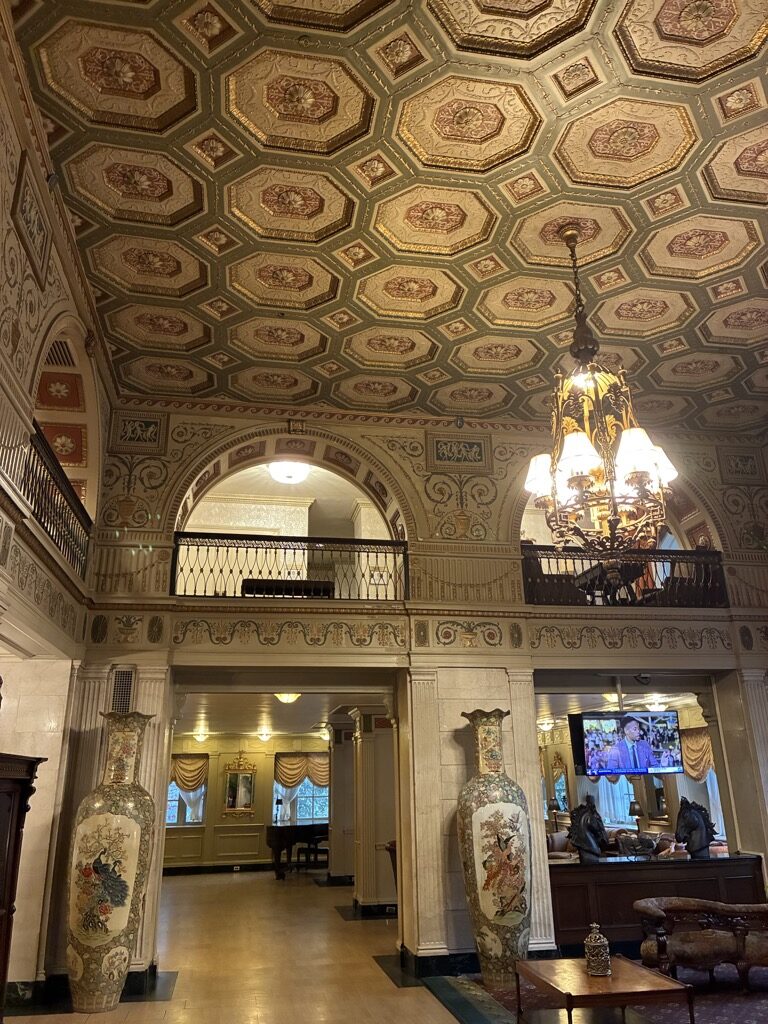
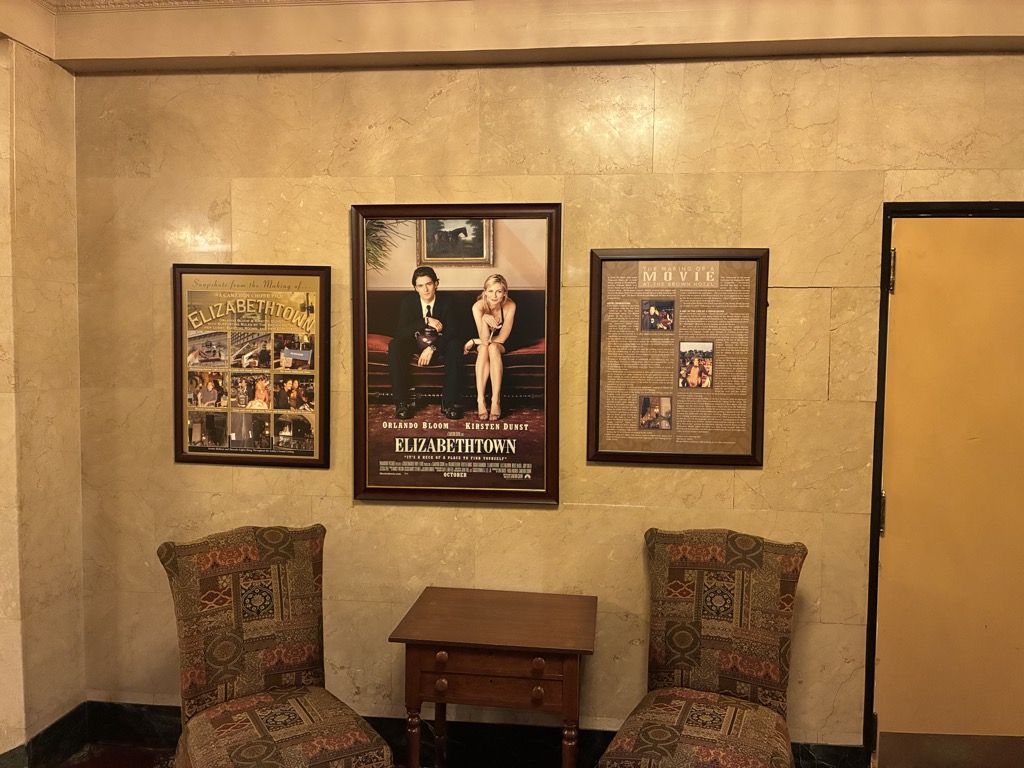
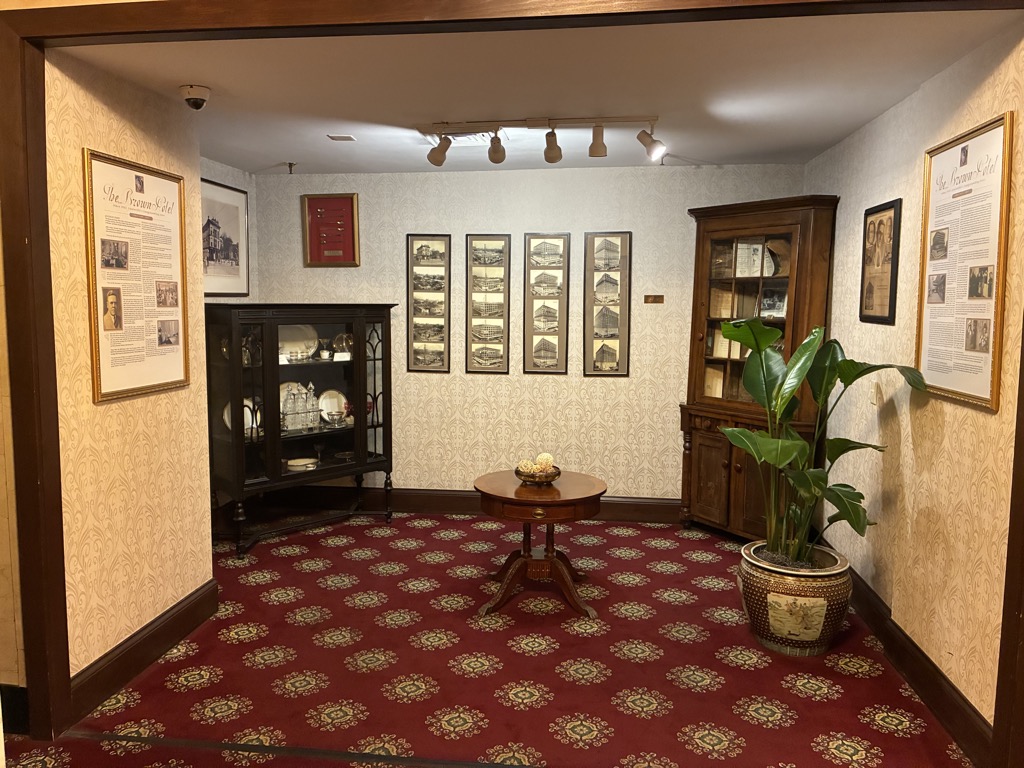
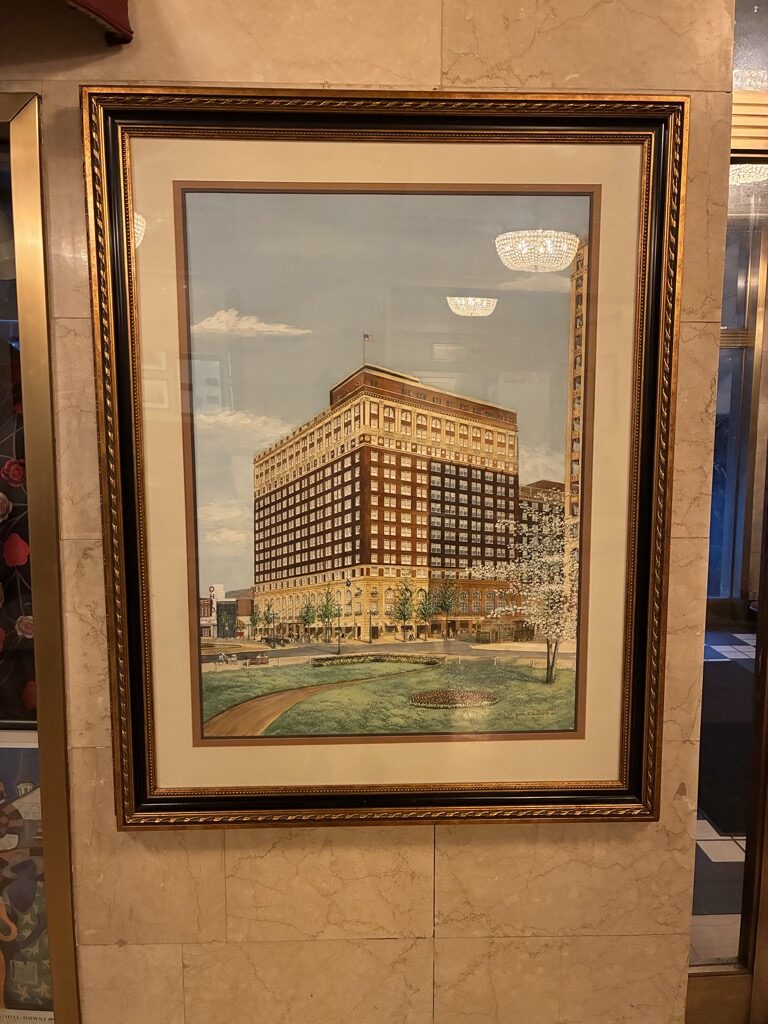
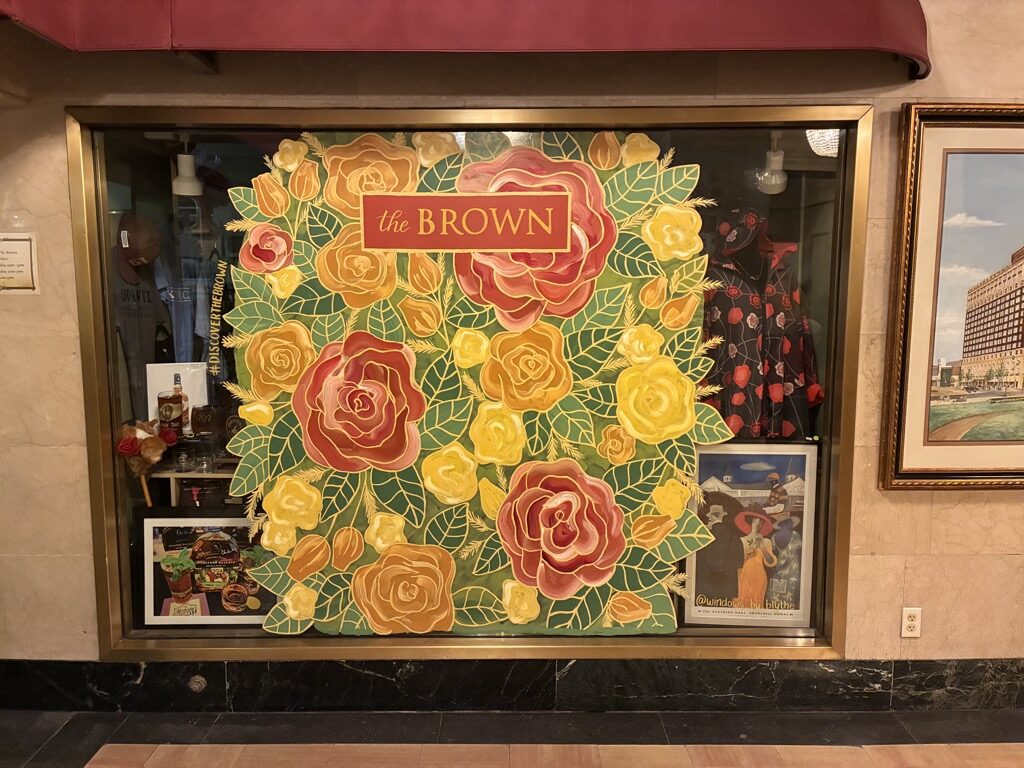
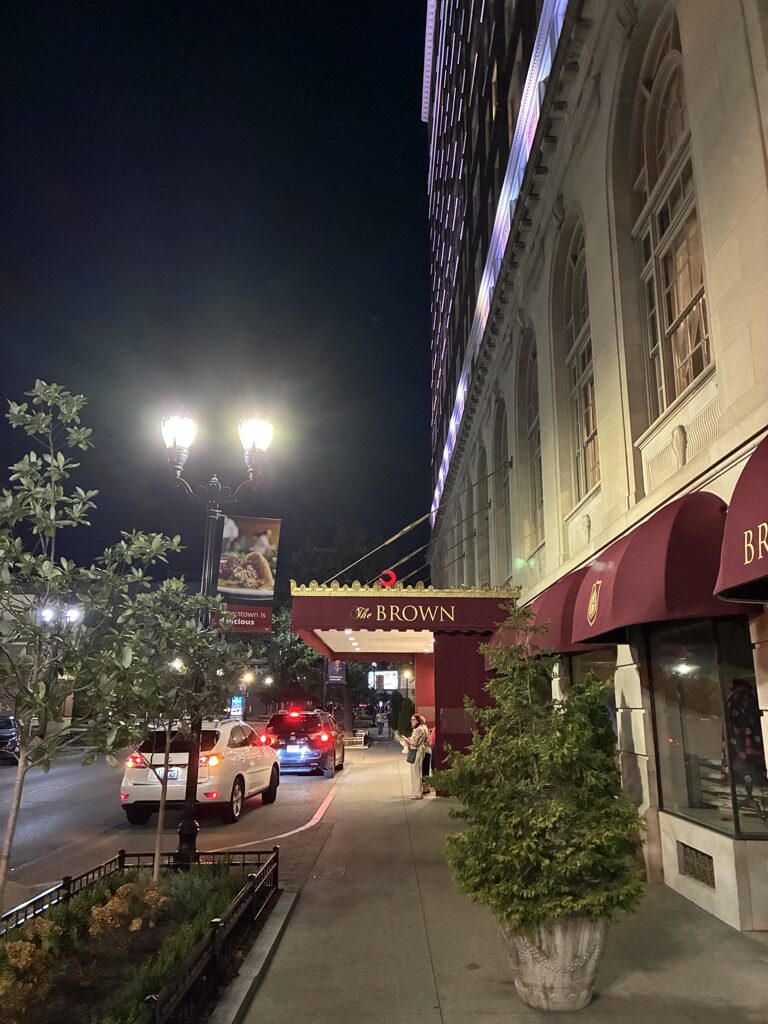
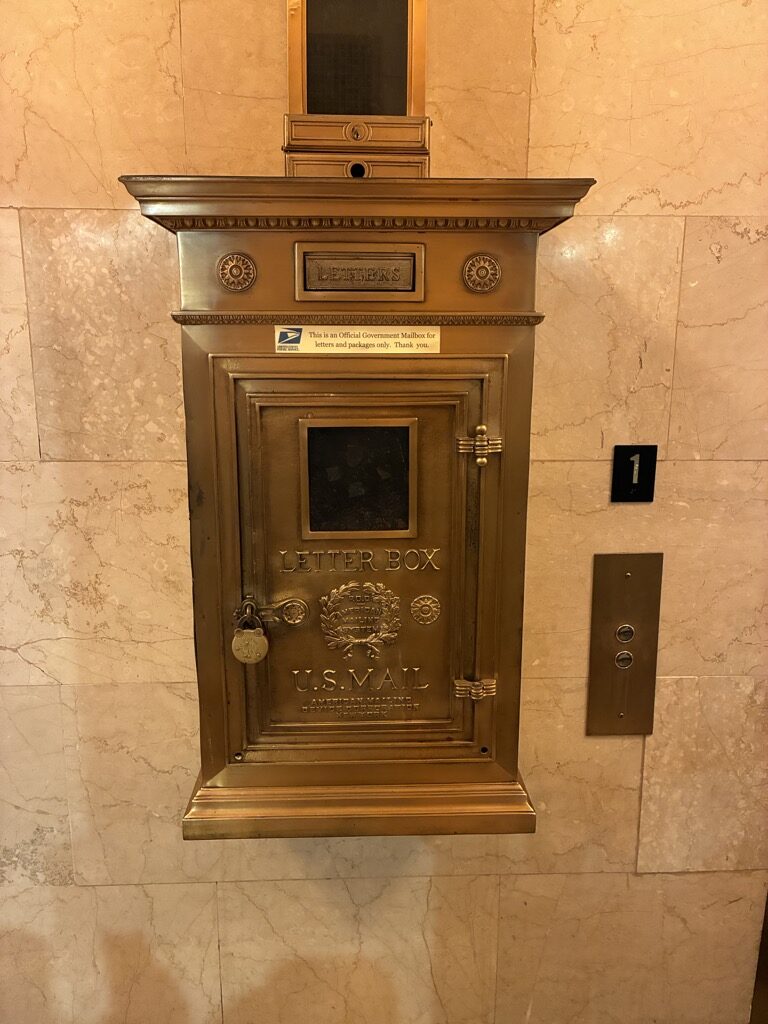
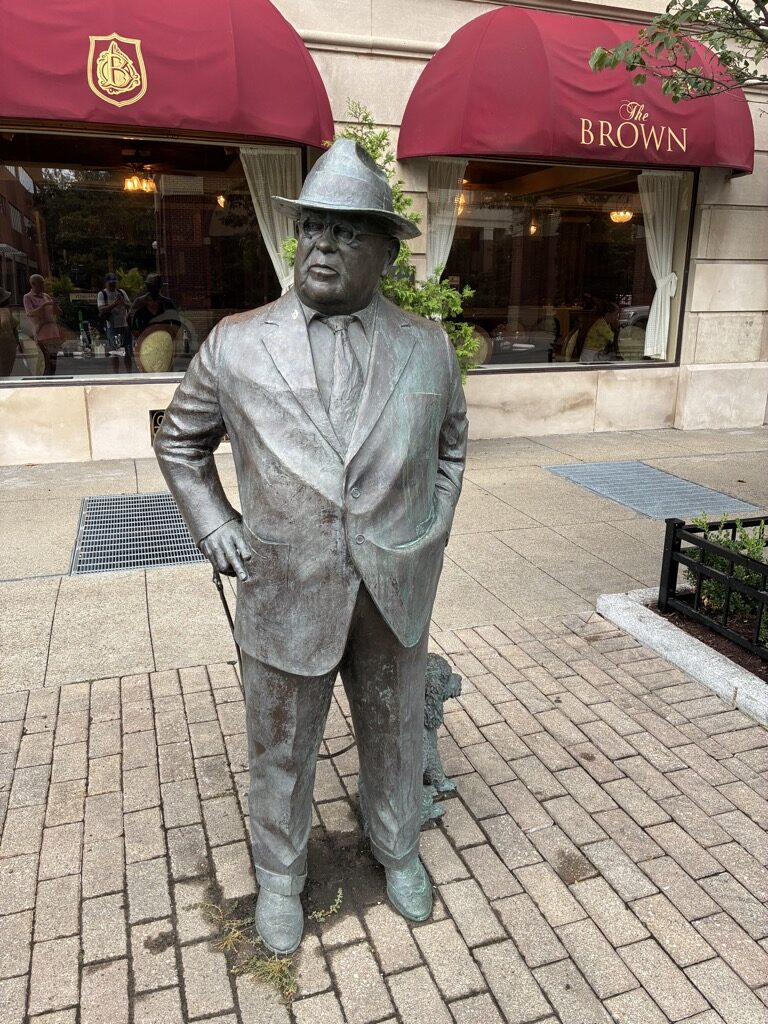
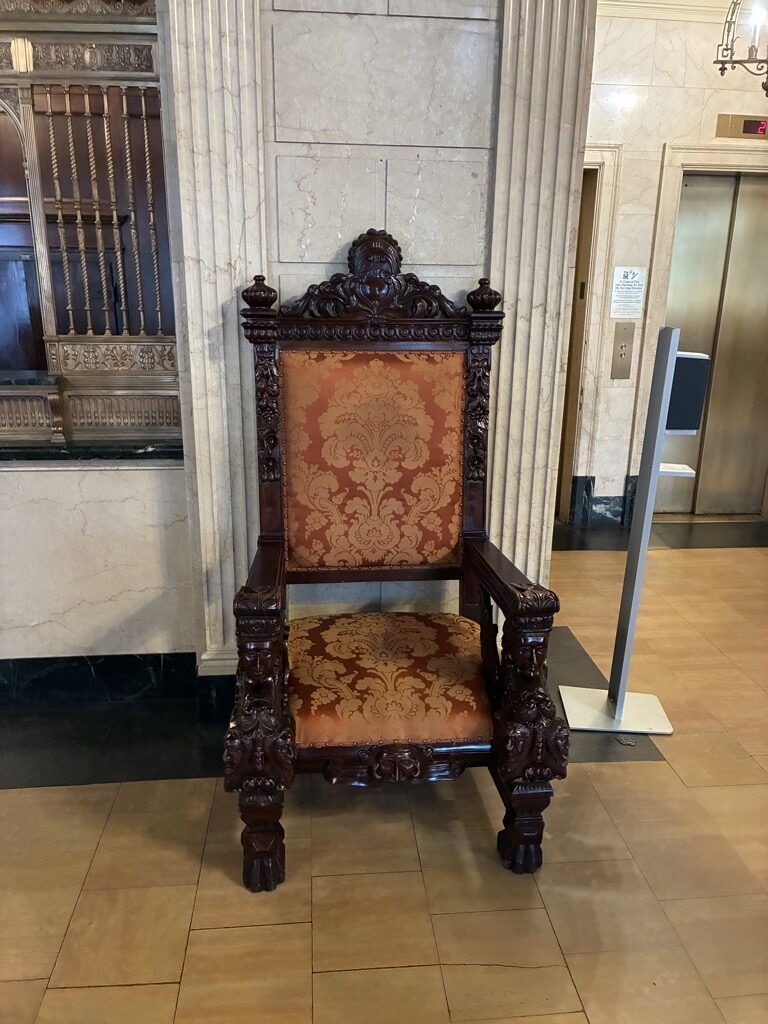
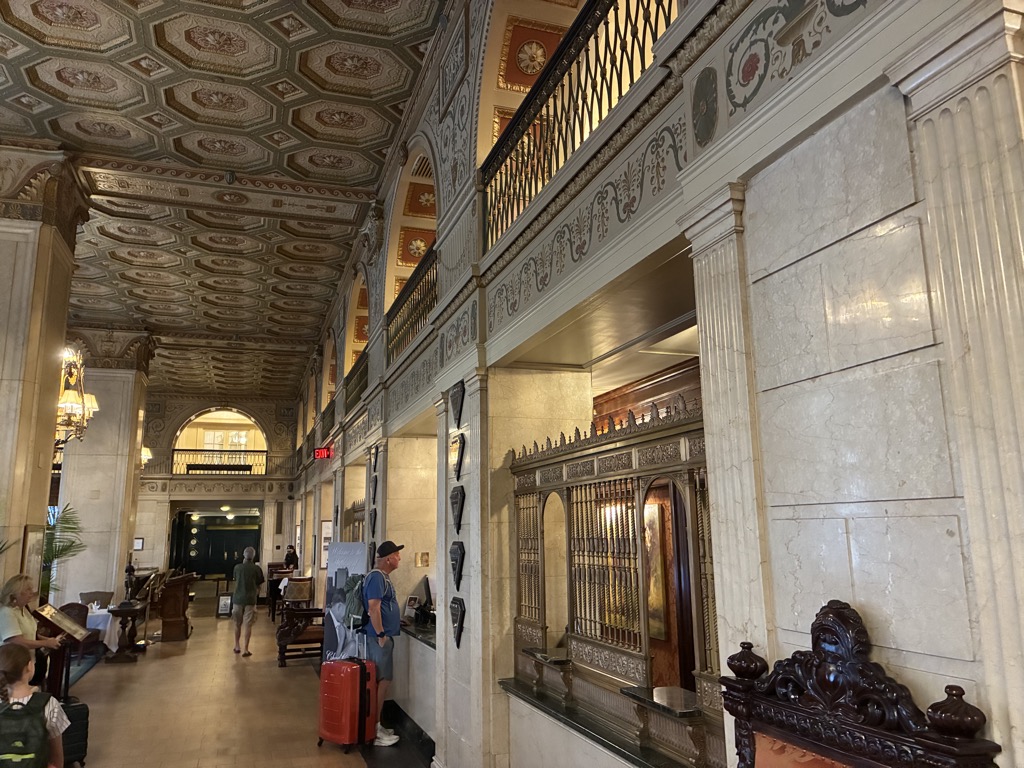
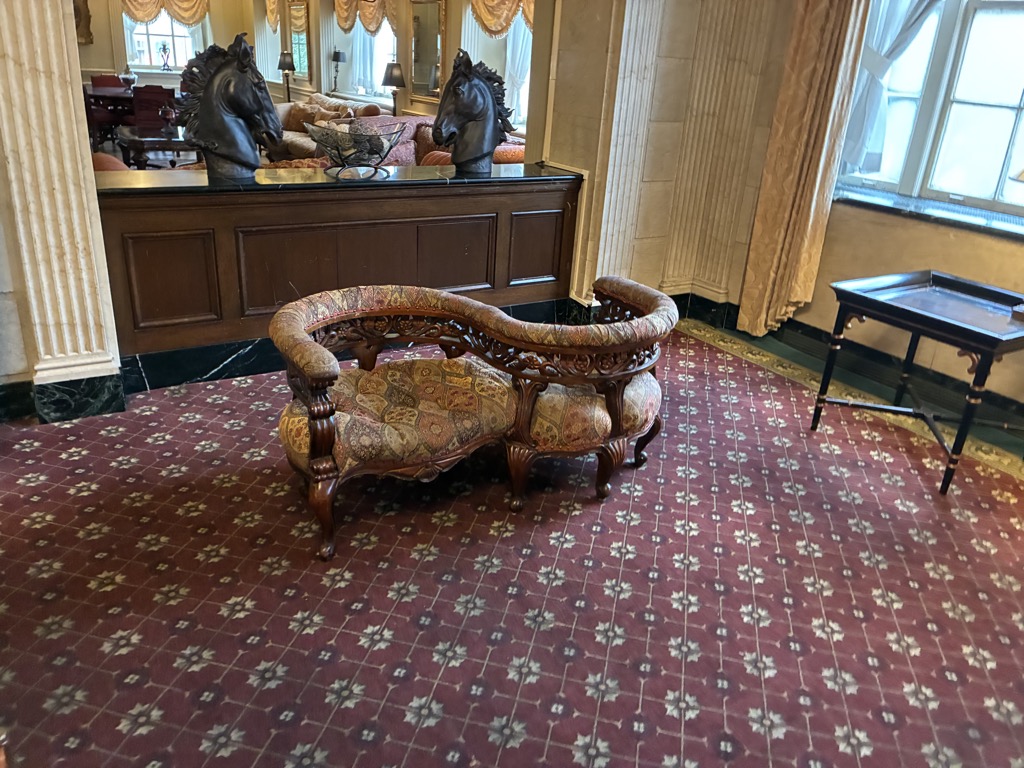
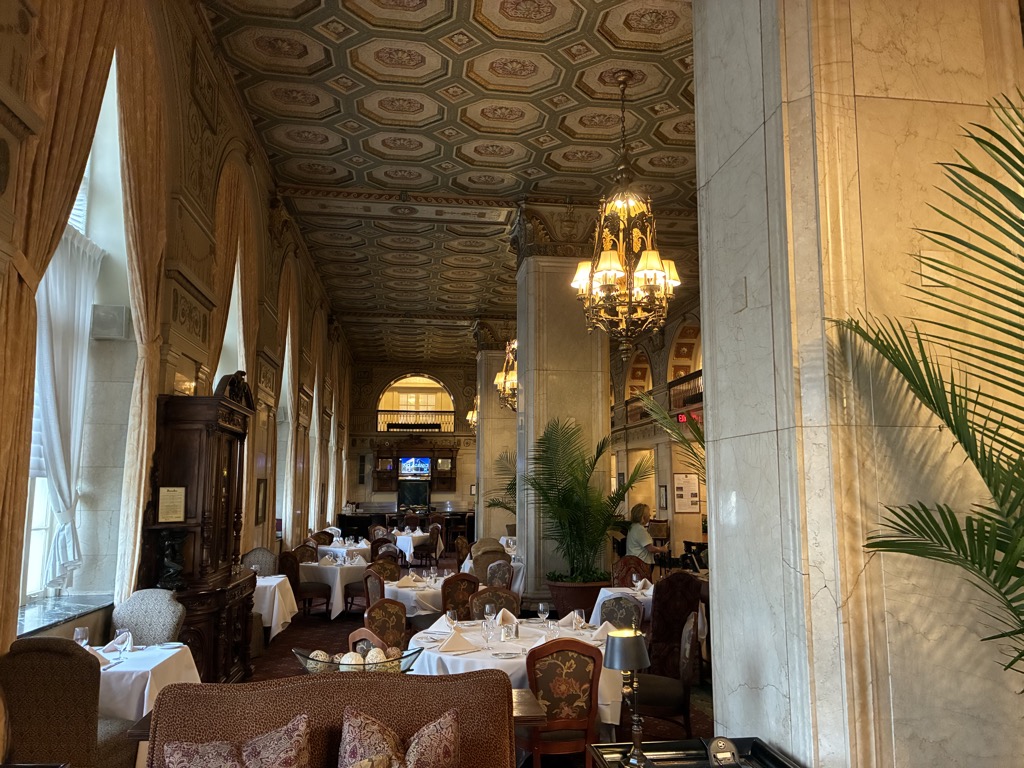
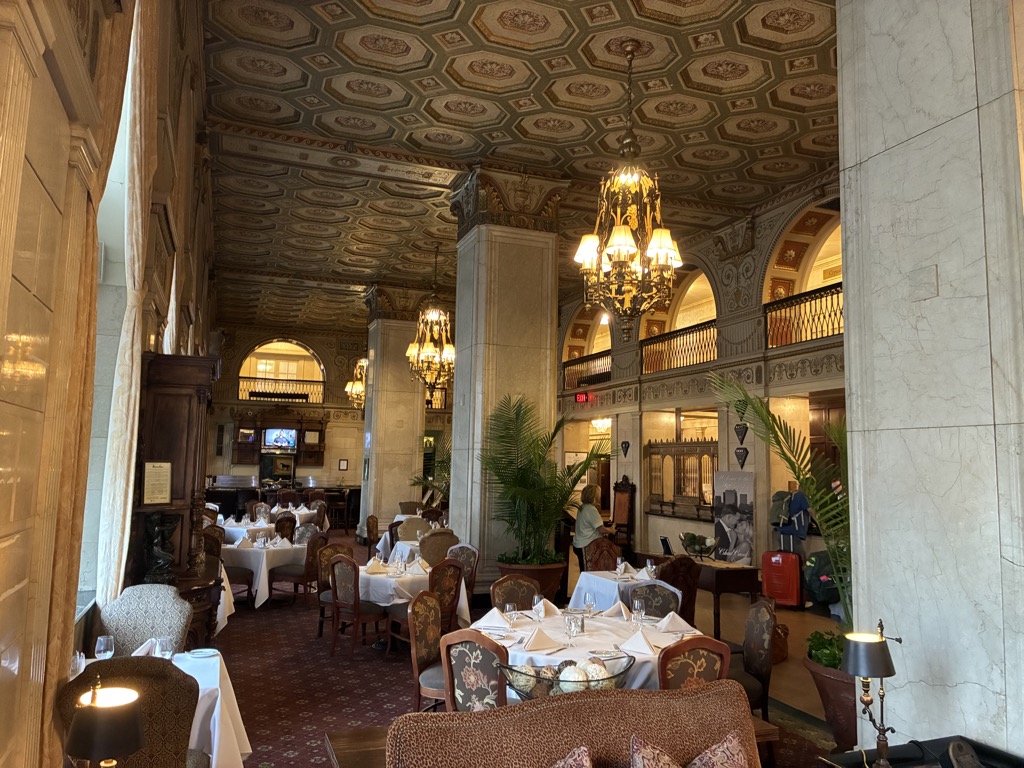
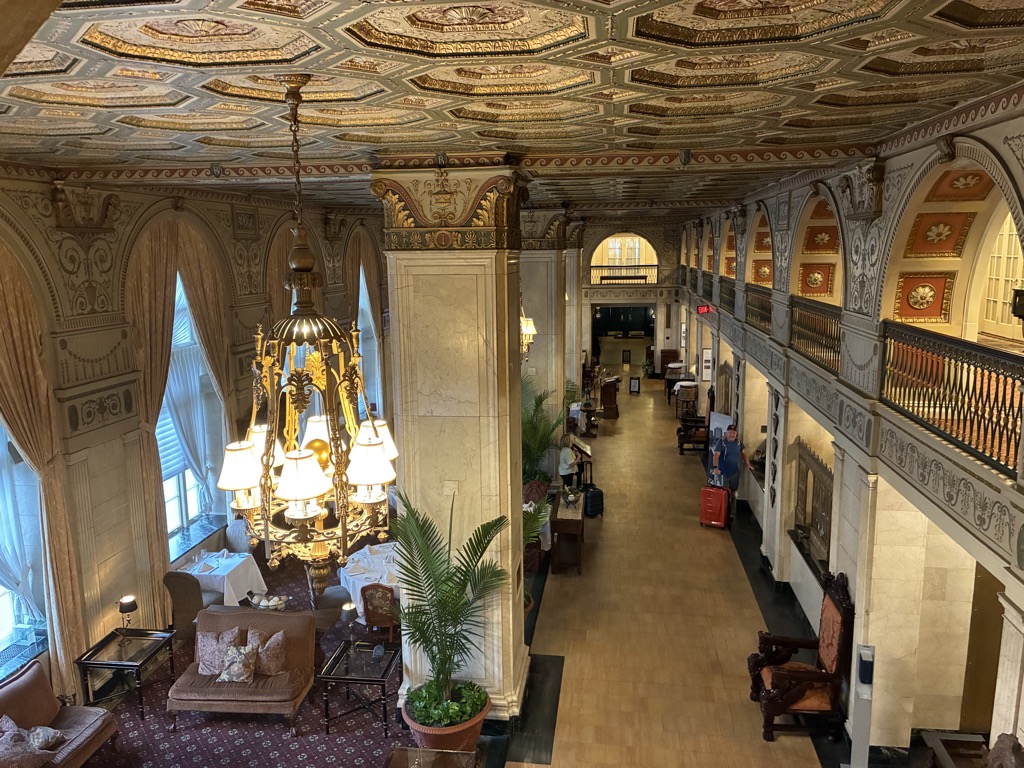
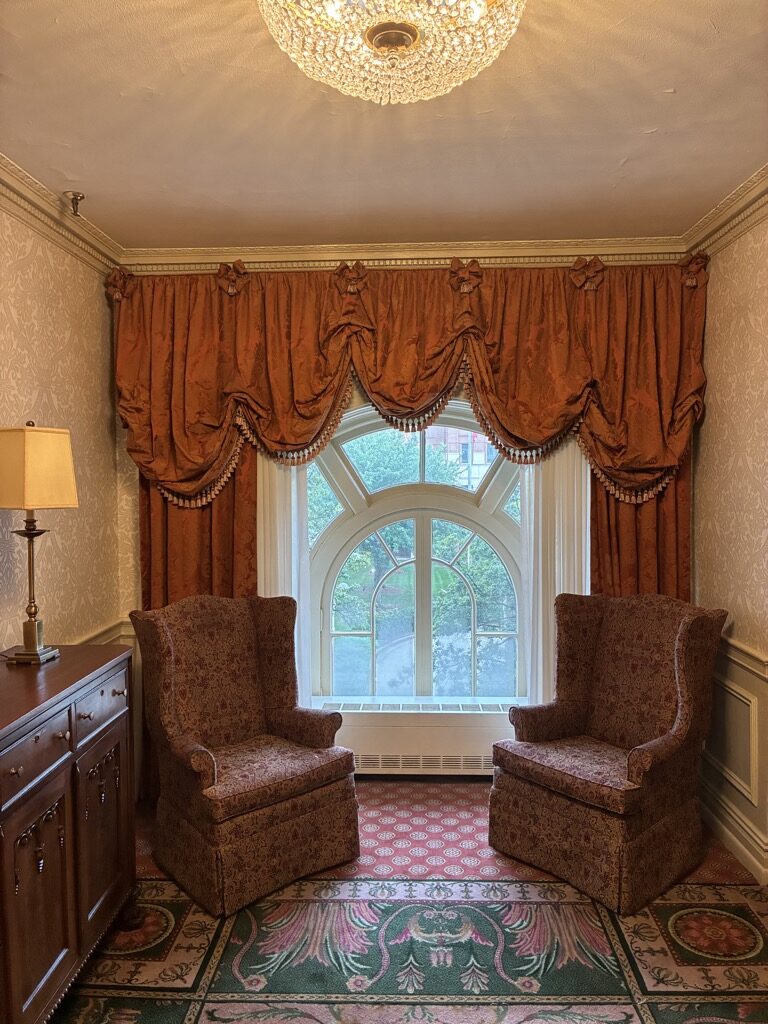
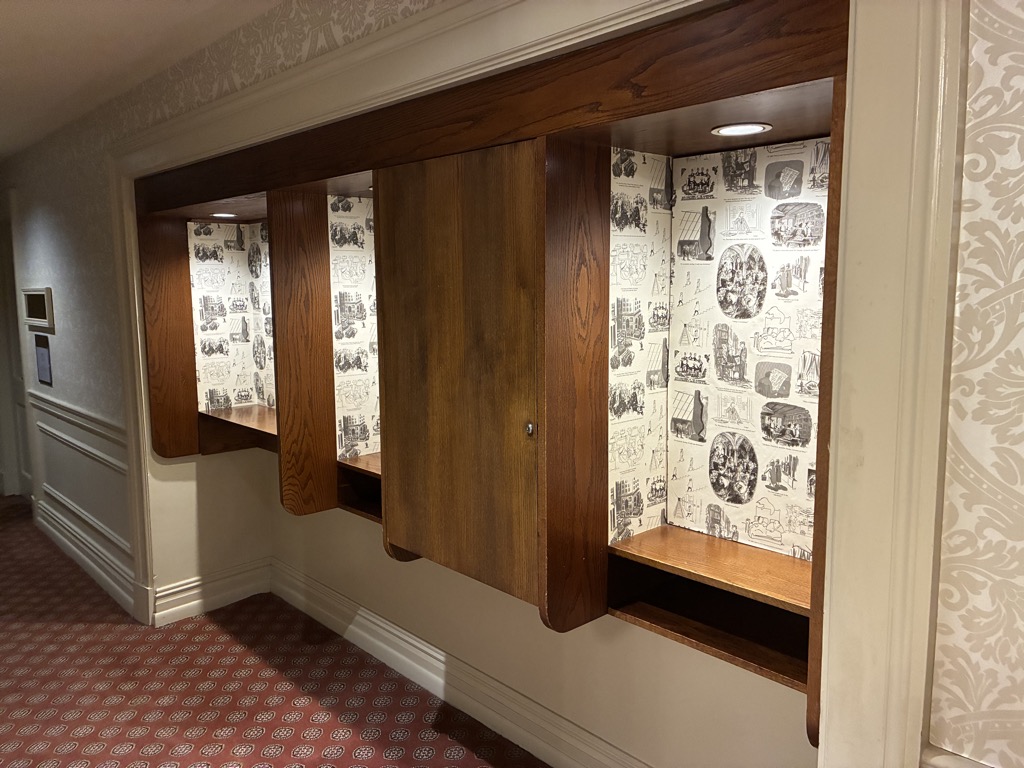
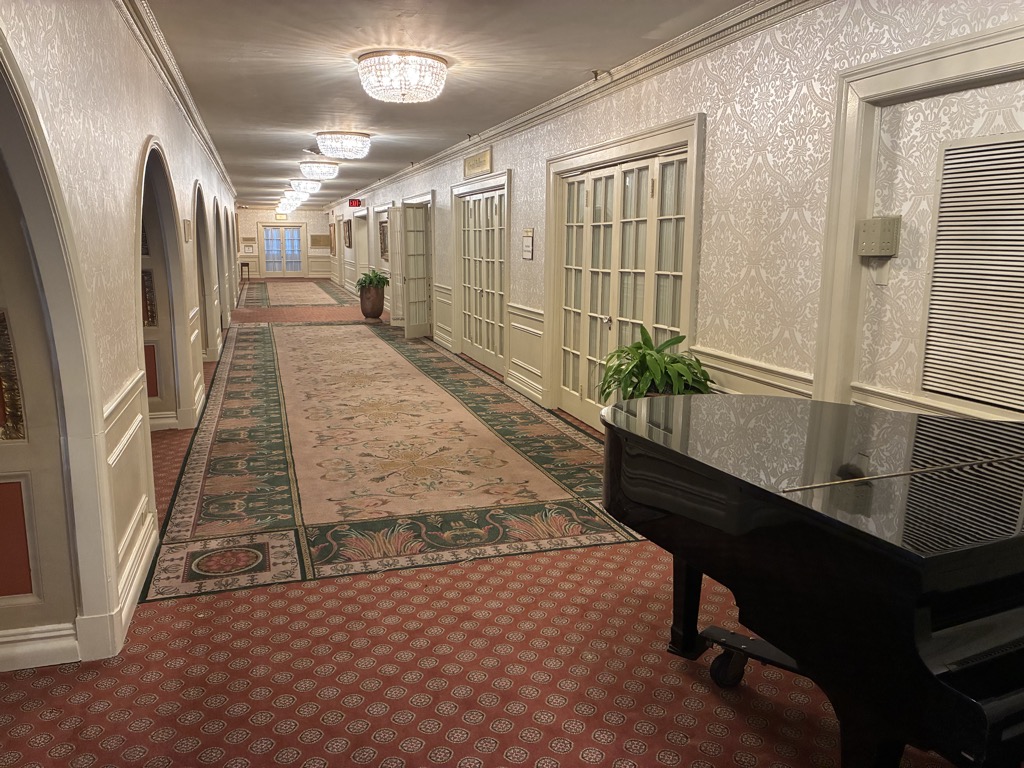
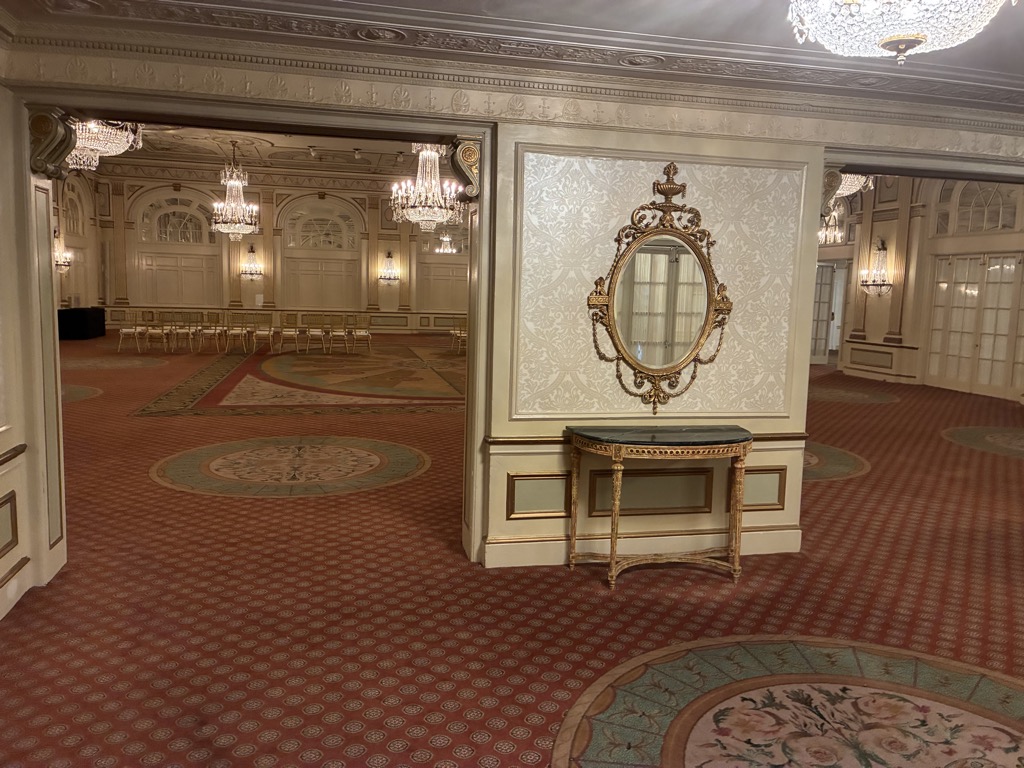
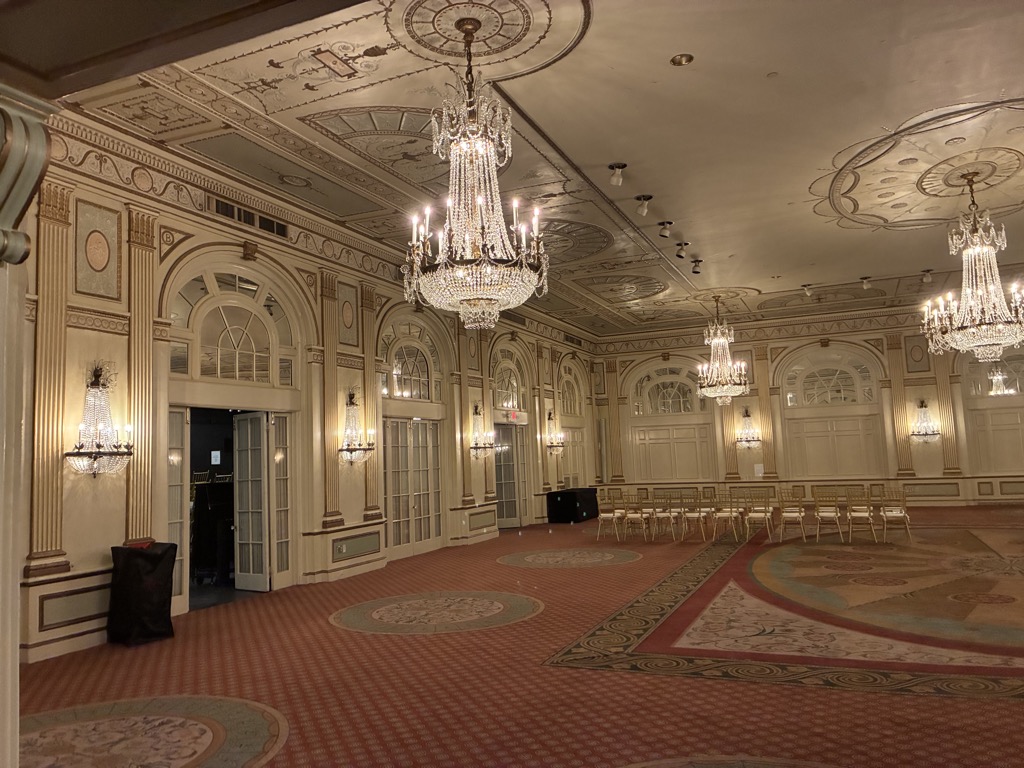
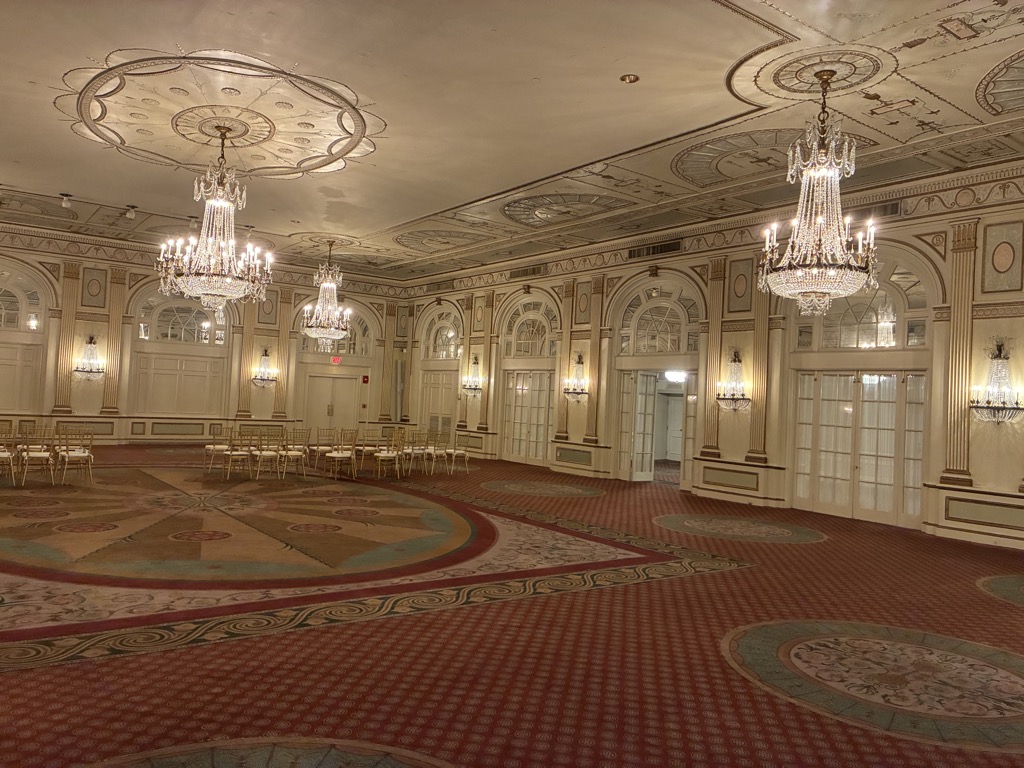
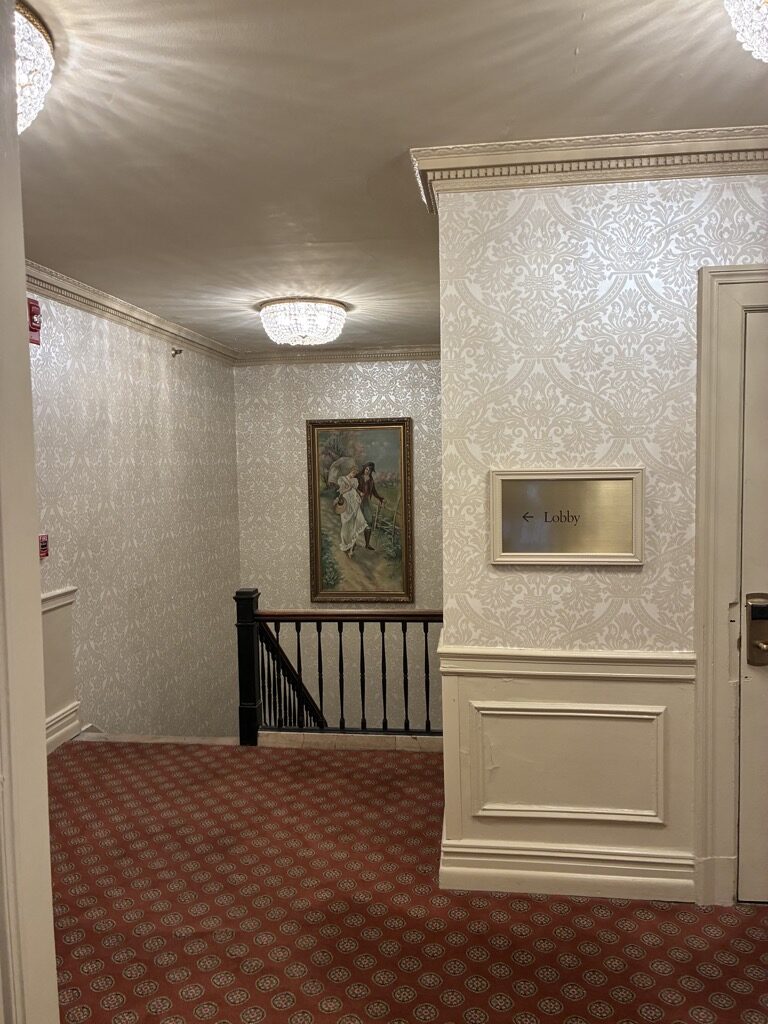
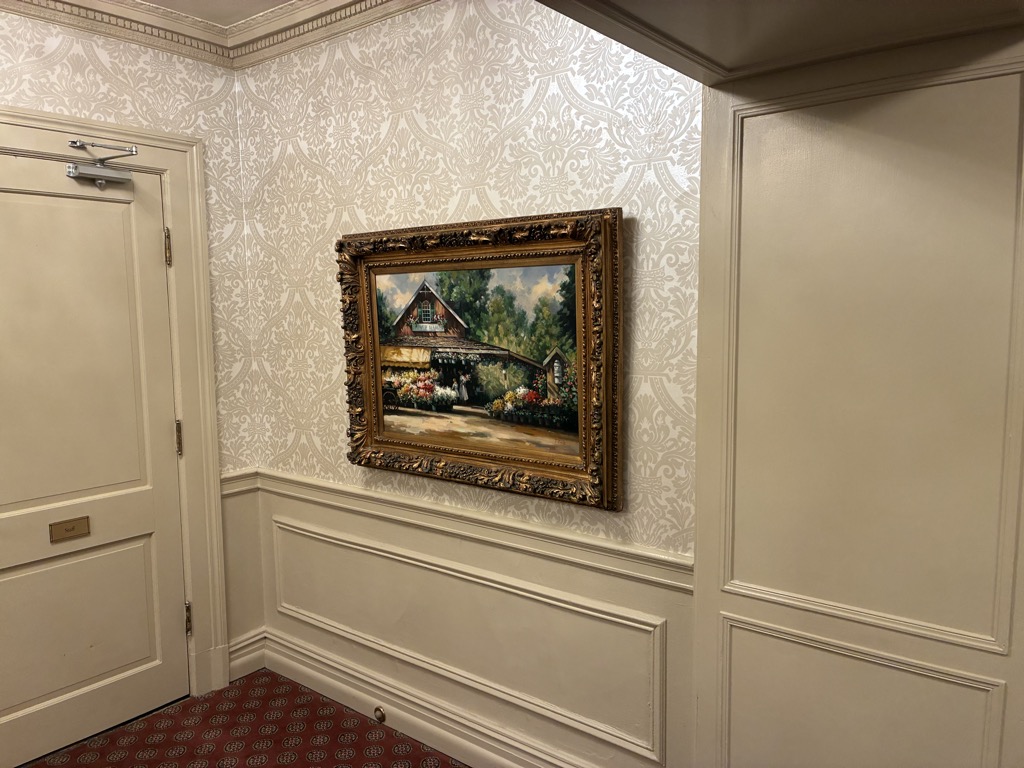
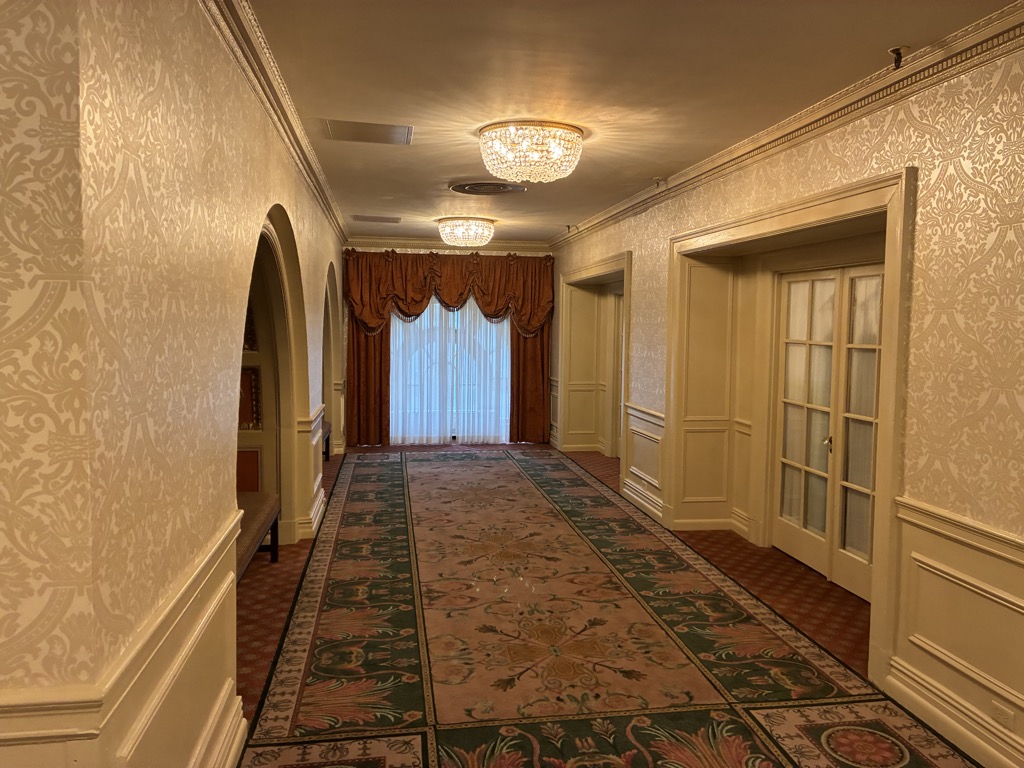
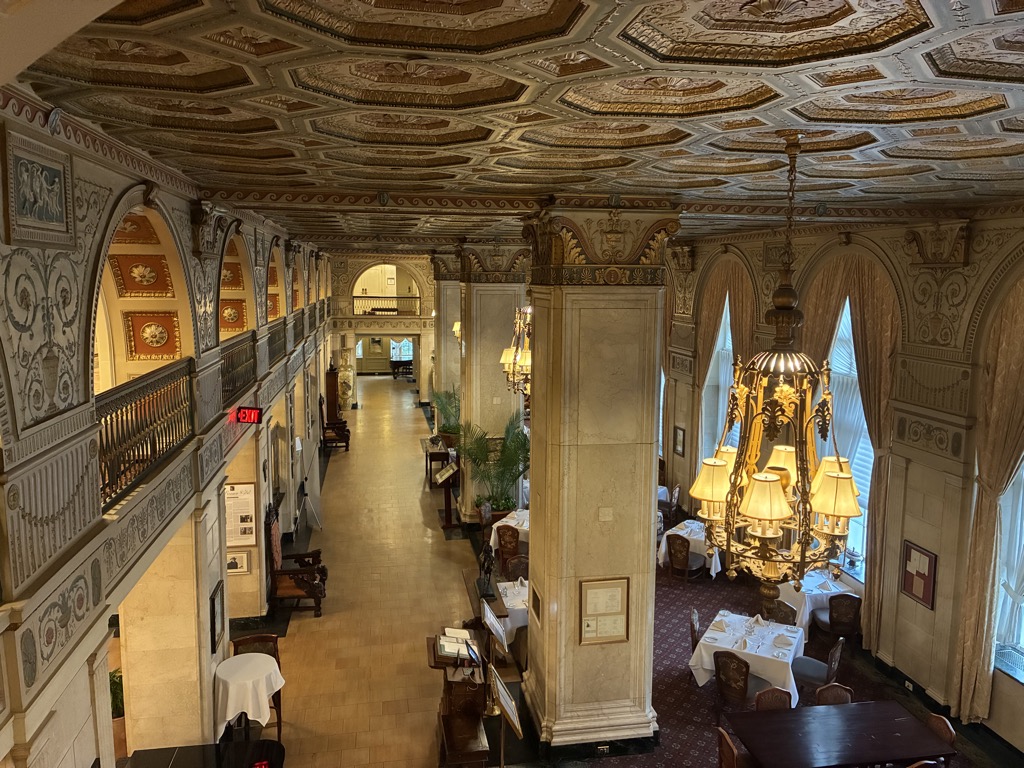
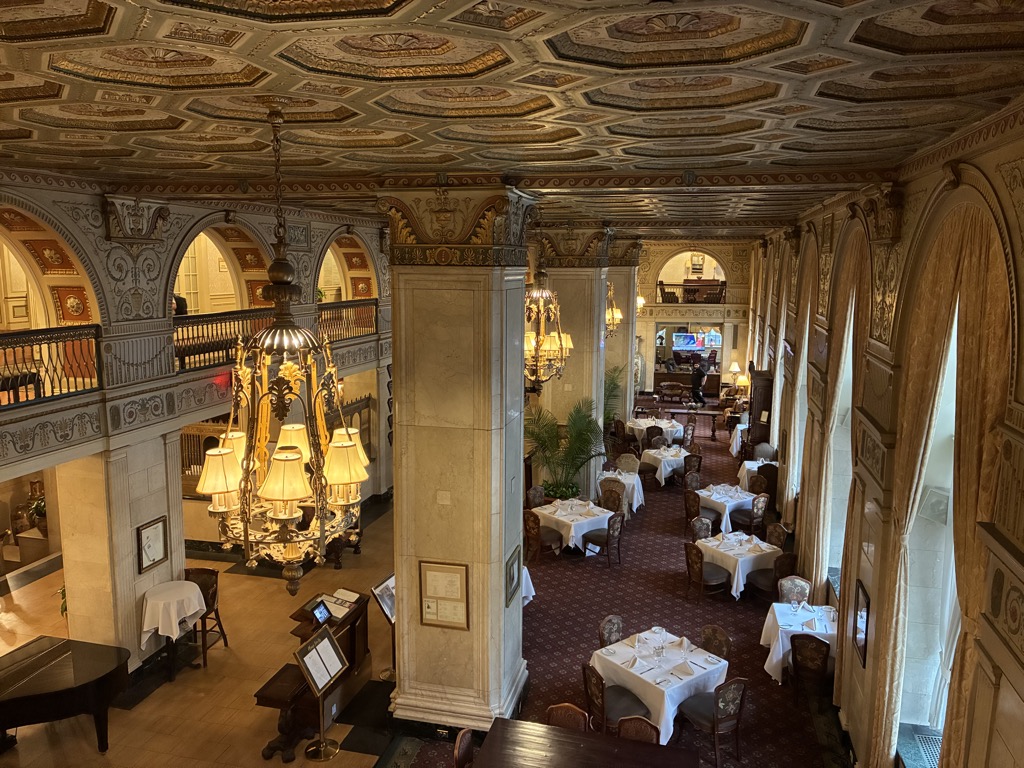
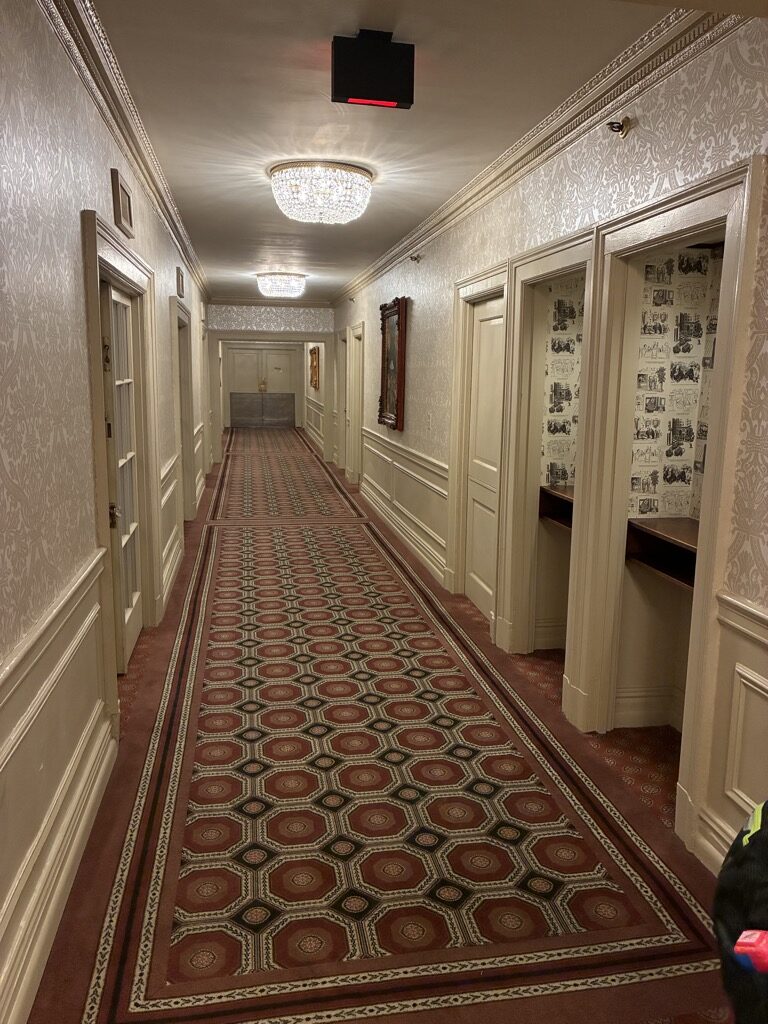
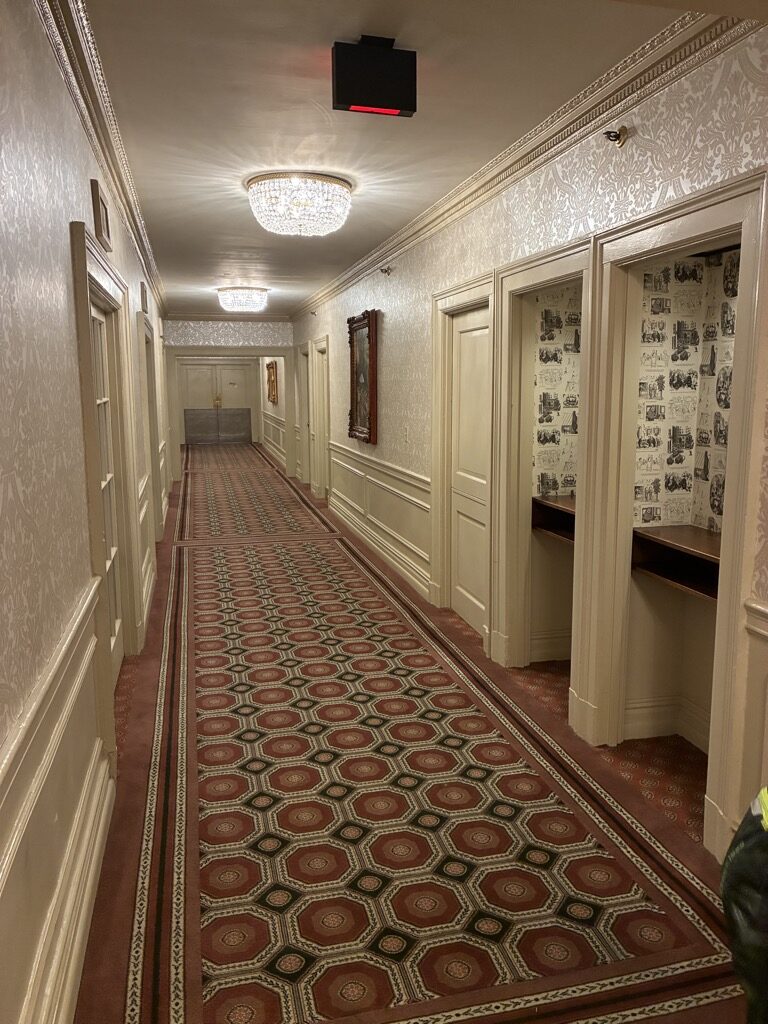
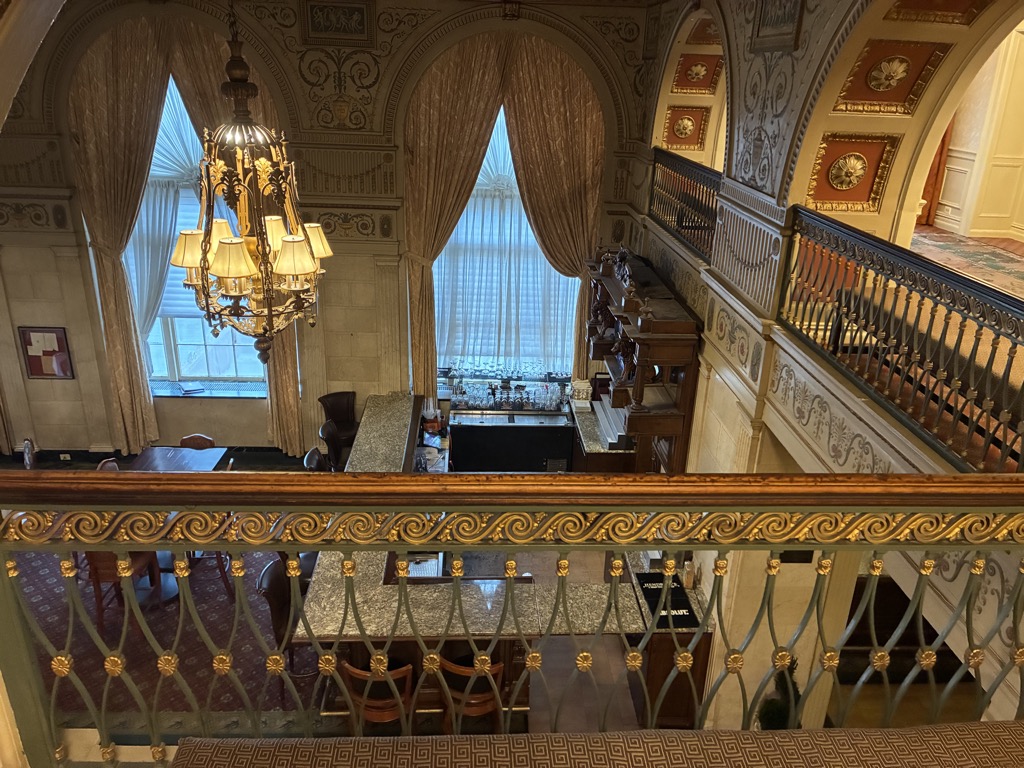
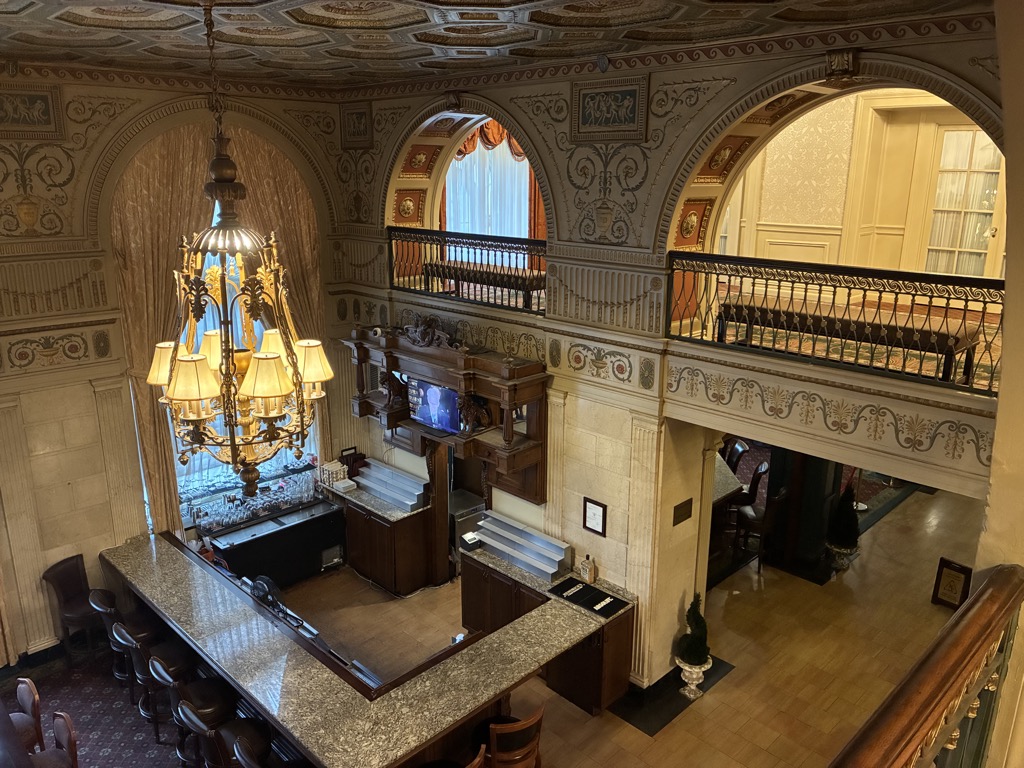
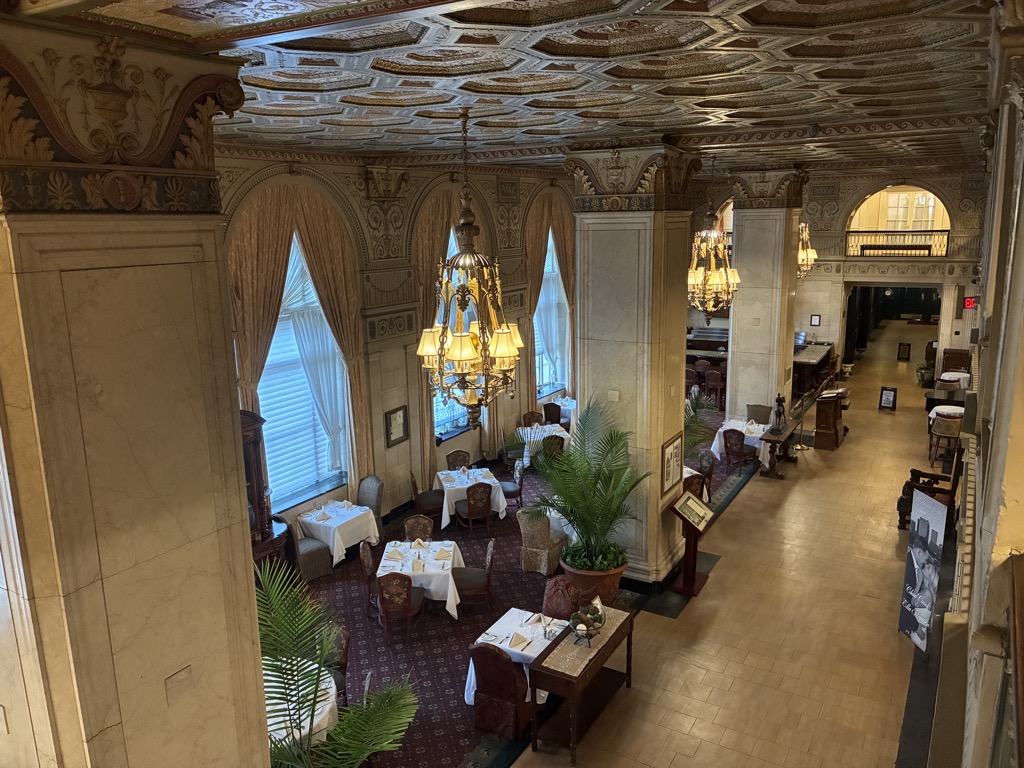
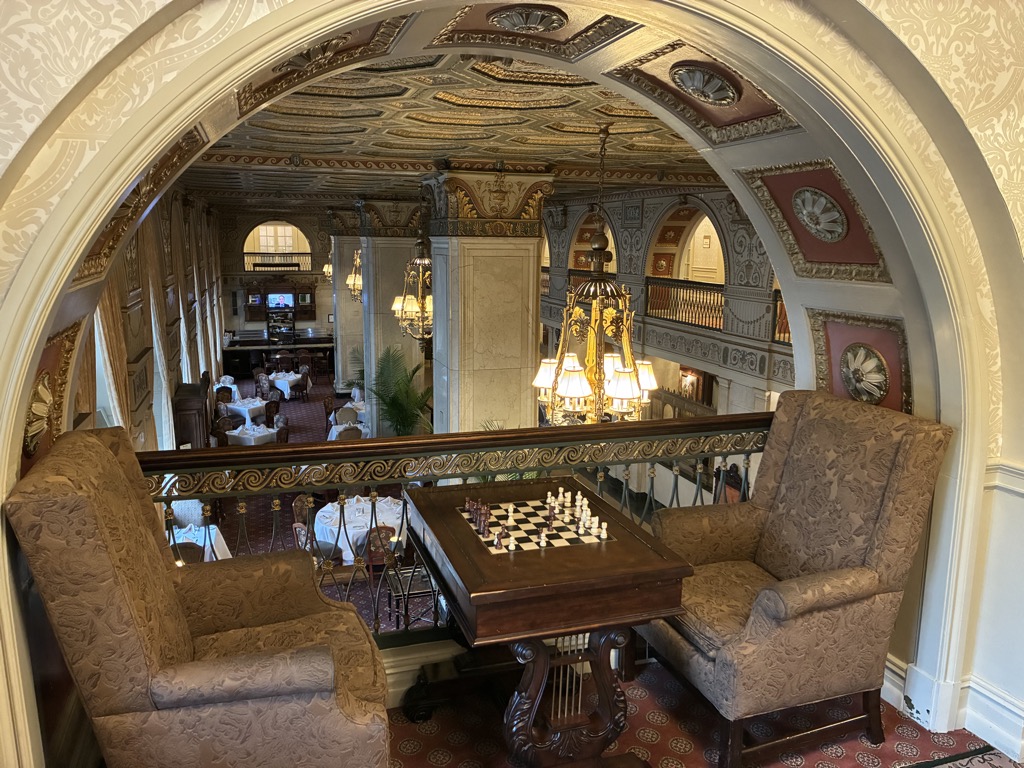
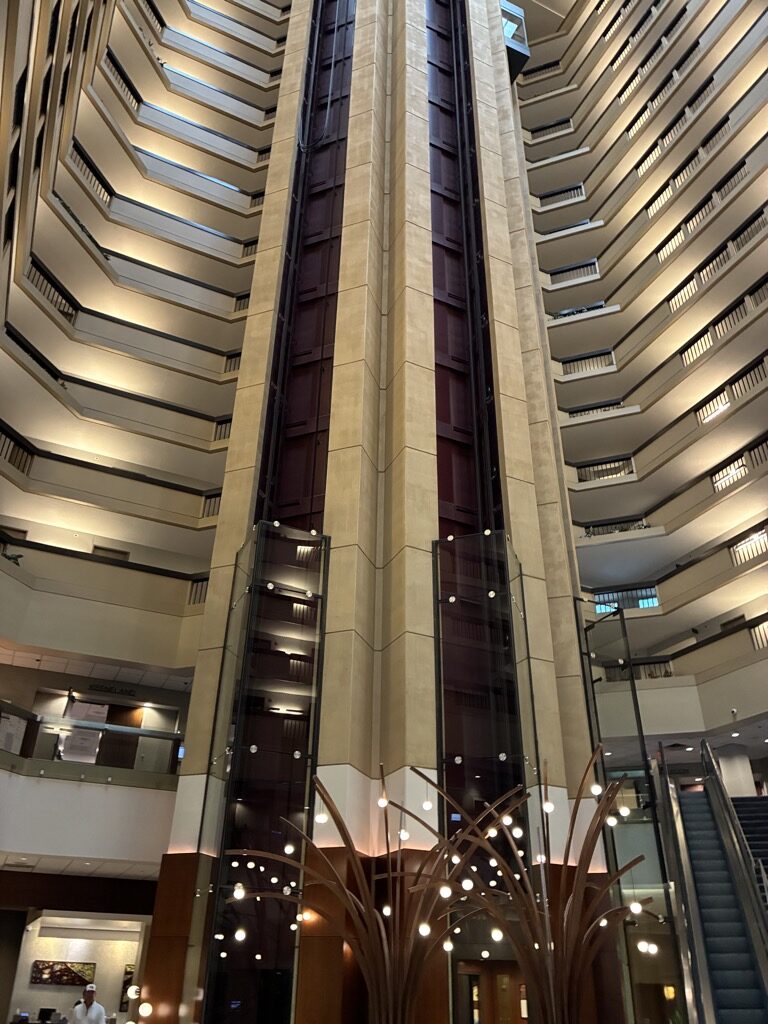
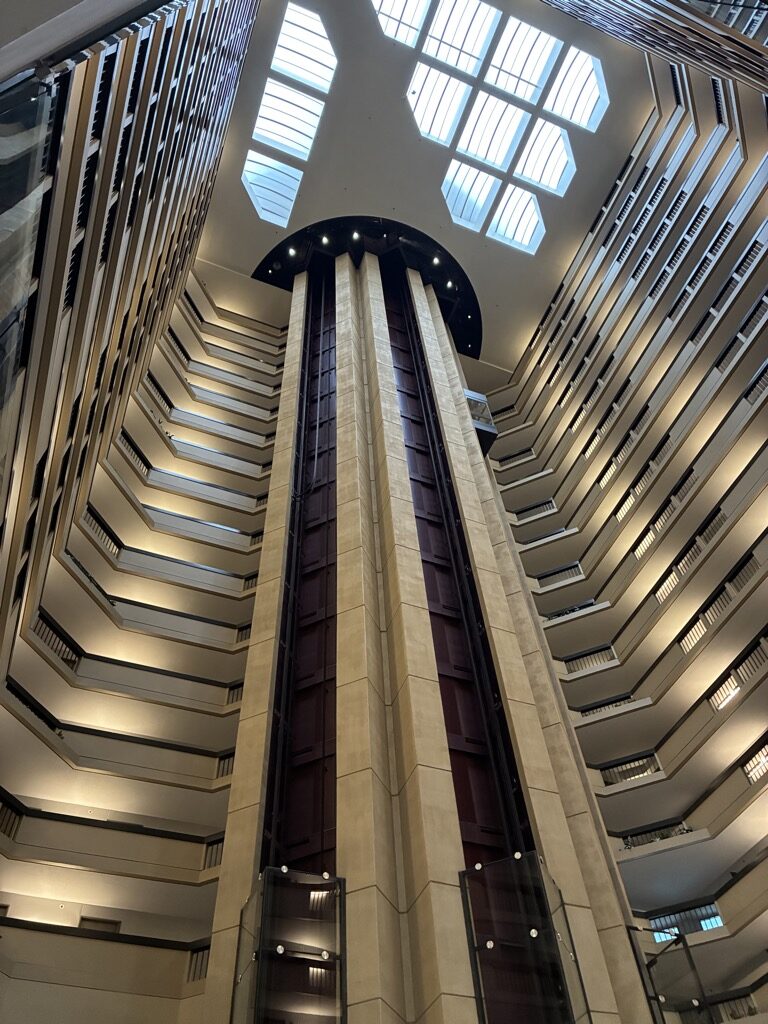
I don’t plan trips, for a few reasons. The biggest one is somewhat counterintuitive: I want to be surprised and delighted by findings. The counterpart is that if you want to enjoy something to the fullest, it is worthwhile to read and study things before you see them in person. Well, at least in my opinion… which I only follow on a few occasions. So my wife planned and booked quite a hotel: The Brown. We got lucky, since during the off-season prices are reasonable and the hotel is historic. As far as the room goes, it was a bit larger than what we are typically used to, but what’s important is the rest. It is really posh, grand and old. You can feel the past glory and the parties that took place there over the years. Live music, grand lobby and just the atmosphere. The phrase “ladies and gentlemen” booming over the entrance comes to mind every time you enter. At some point I felt horribly out of place wearing shorts, a T-shirt and running shoes. No one bats an eye, but man, you feel inadequate entering a hotel dressed in such attire, almost disrespectful of the place. Believe me, I never bother much about my clothing, but somehow it bothered me there. It is hard to pass along the feeling, but in a way it felt like the hotel itself was judging me, the walls whispering to each other and pointing at the proletarian. The Brown is truly something. Perhaps I’m so impressed because we never stay in such places, but I mean, it is something. One small nugget that really got to me is the phone booths. They are located on certain floors, decorated with old newspapers, and the only piece missing is the phone system itself. Otherwise, you can imagine people standing inside, making expensive calls, talking over the outside noise and turning away from the prying eyes of people waiting outside for their turn. Simply glorious.
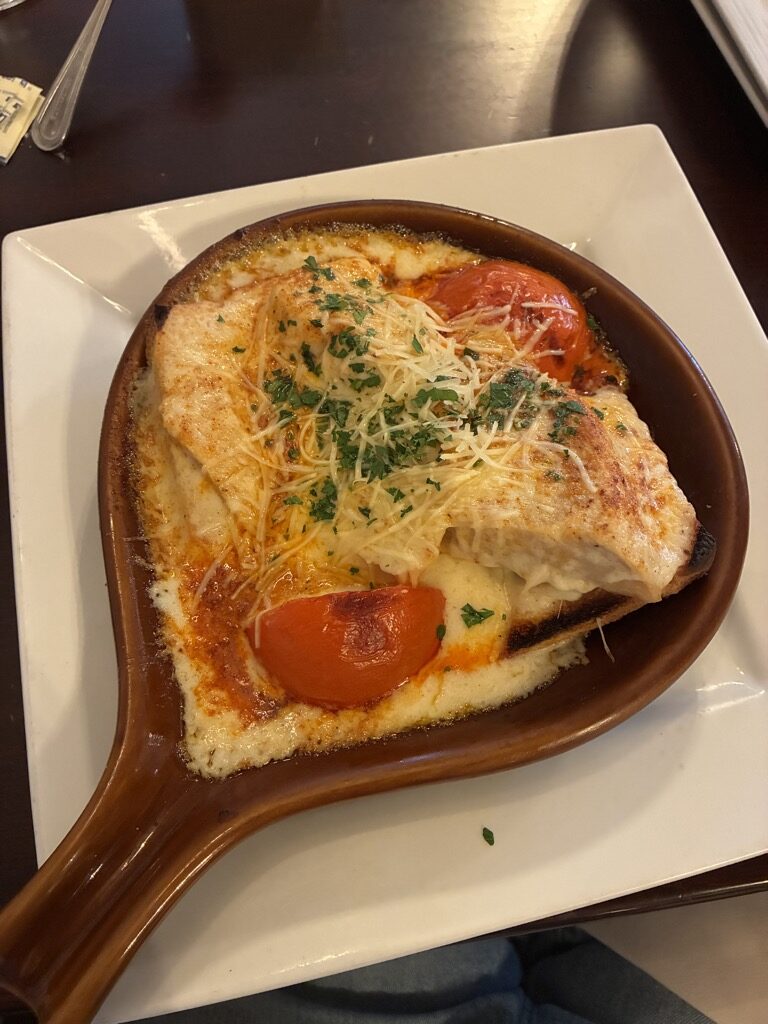
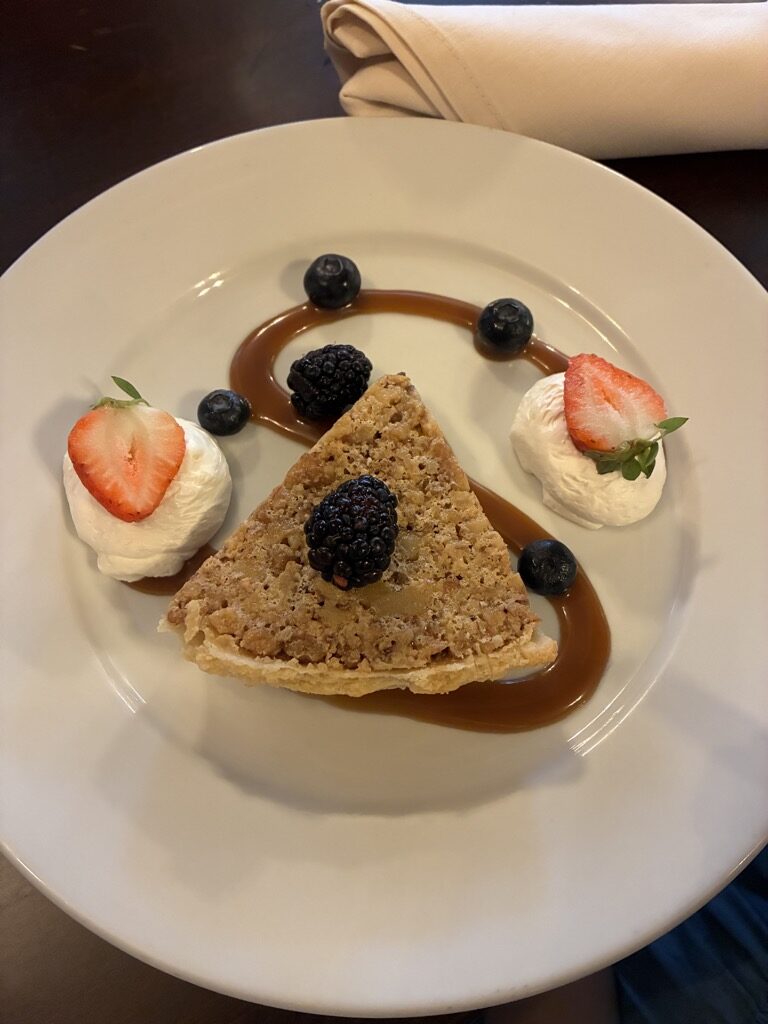
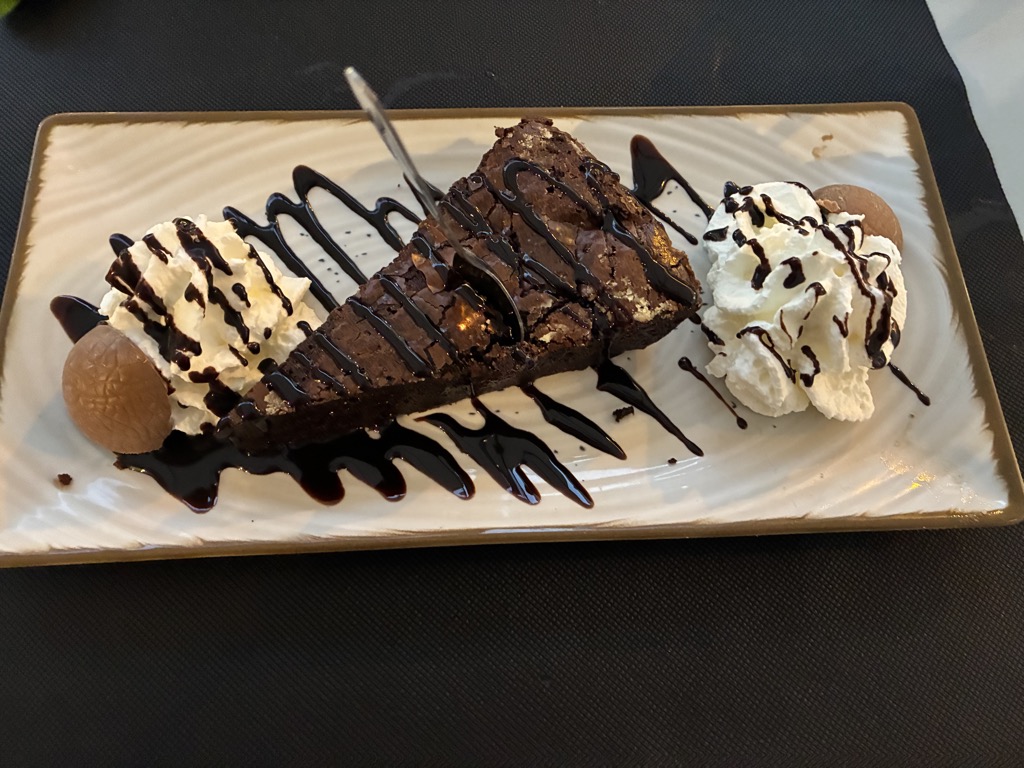
To complete The Brown experience, we went to the hotel restaurant. Now, we don’t typically eat in hotel restaurants for a couple of reasons: price and local availability. Nowadays it is fairly simple to find really good food of whatever cuisine you want at reasonable prices. But it is The Brown, so we went for the signature dish, “The Hot Brown,” and Derby pie. Well, that’s where the experience took a little turn, and not for the better. Derby pie was fine, but you get something that looks like it could have easily come out of IKEA, with a bit of whipped cream on the side and a price tag of $12. That seems a bit unreasonable to me, since my expectations were set at a much chunkier “Southern” size. The Hot Brown was pricey, but I didn’t mind that. What I did mind was how bland it was. I’m not a food expert, and I guess The Hot Brown is probably selling well enough as it is, but it was a bit of a letdown. Aside from the hotel restaurant, everywhere else we went, the food was pretty good.
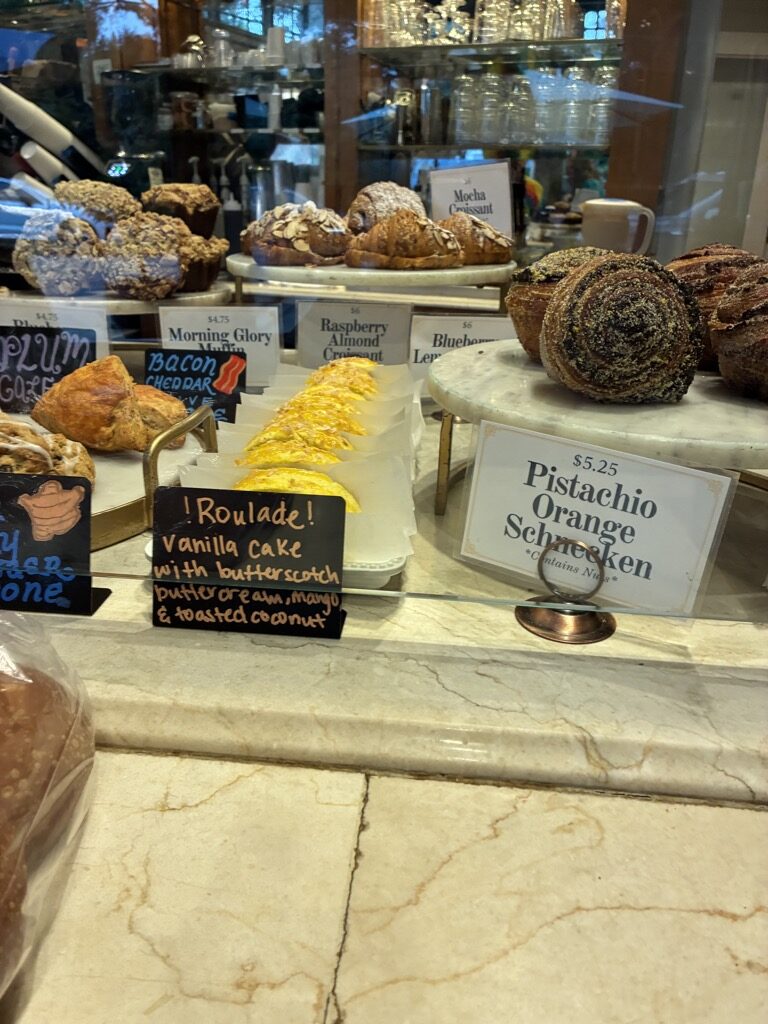
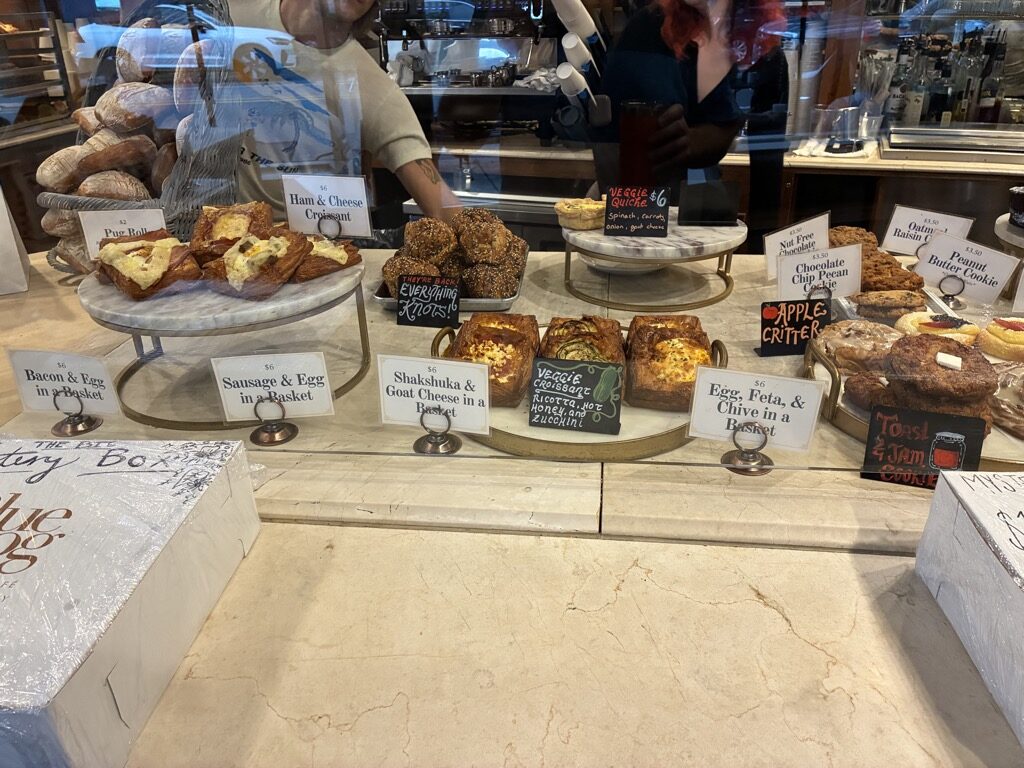
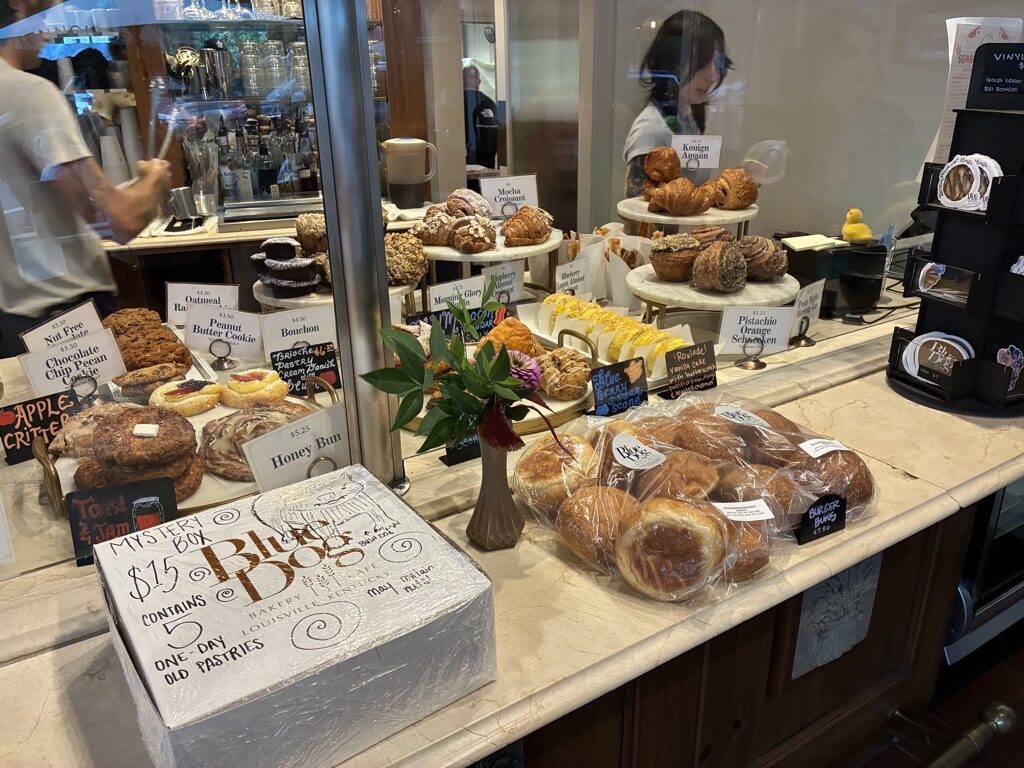
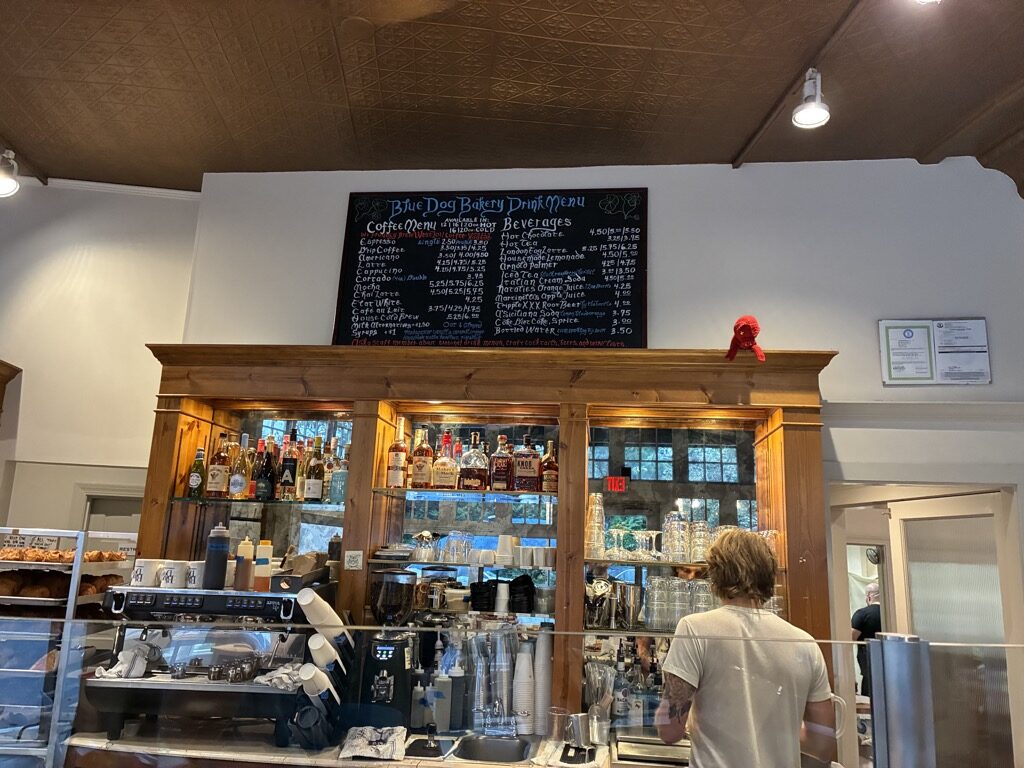
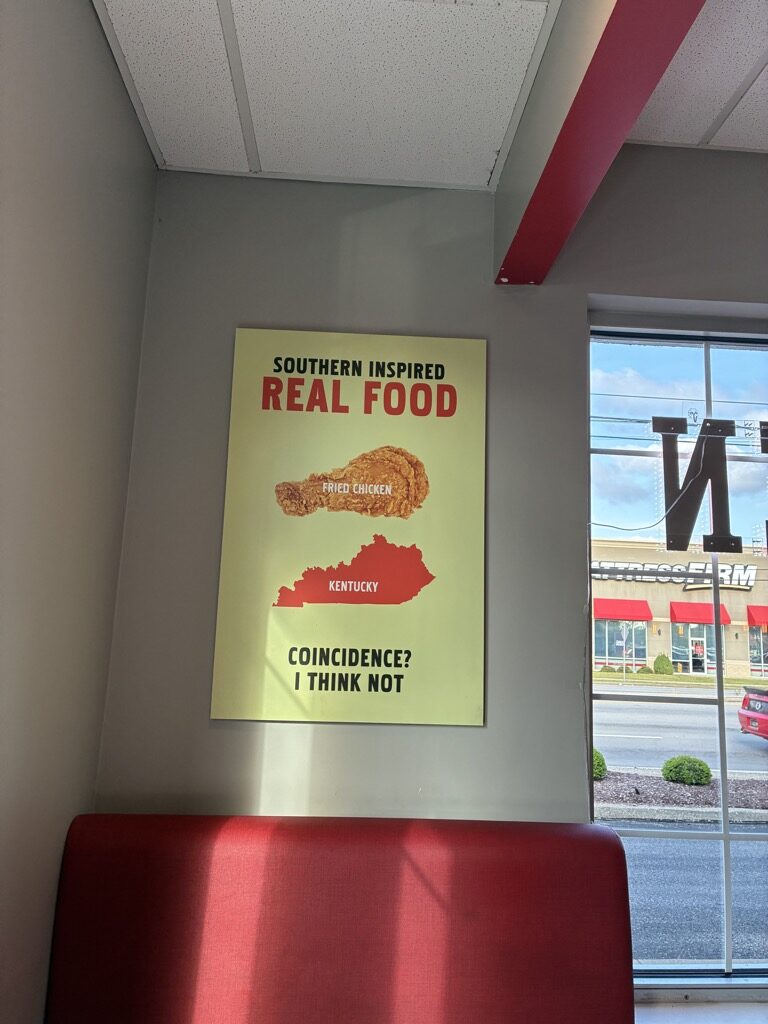
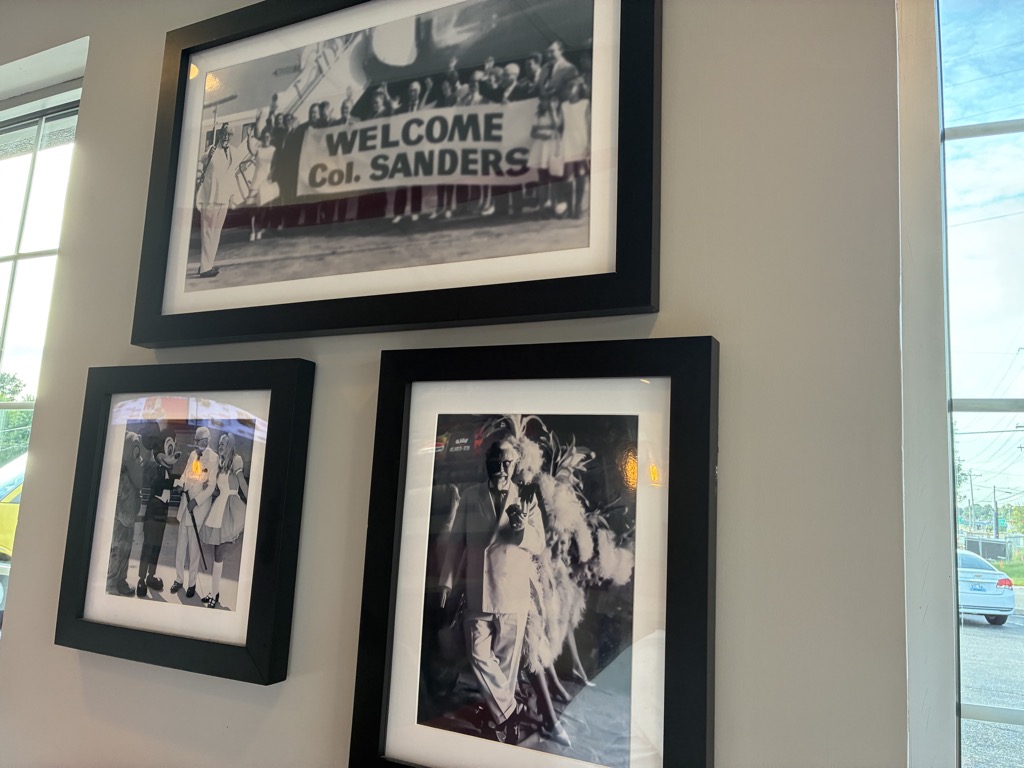
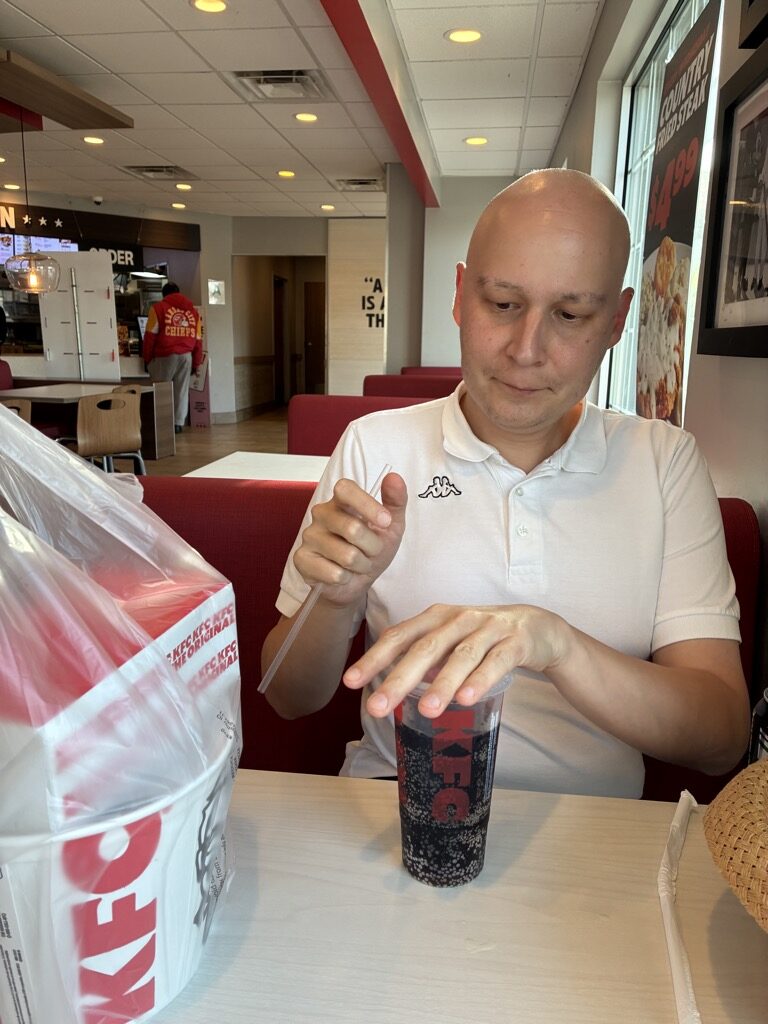
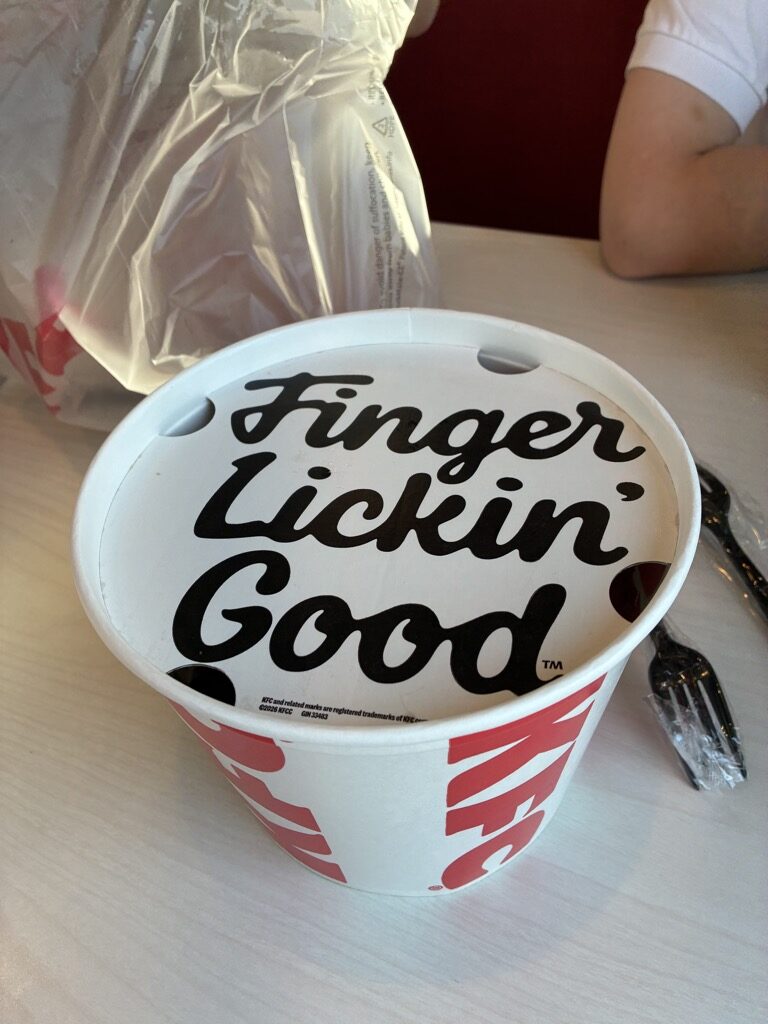
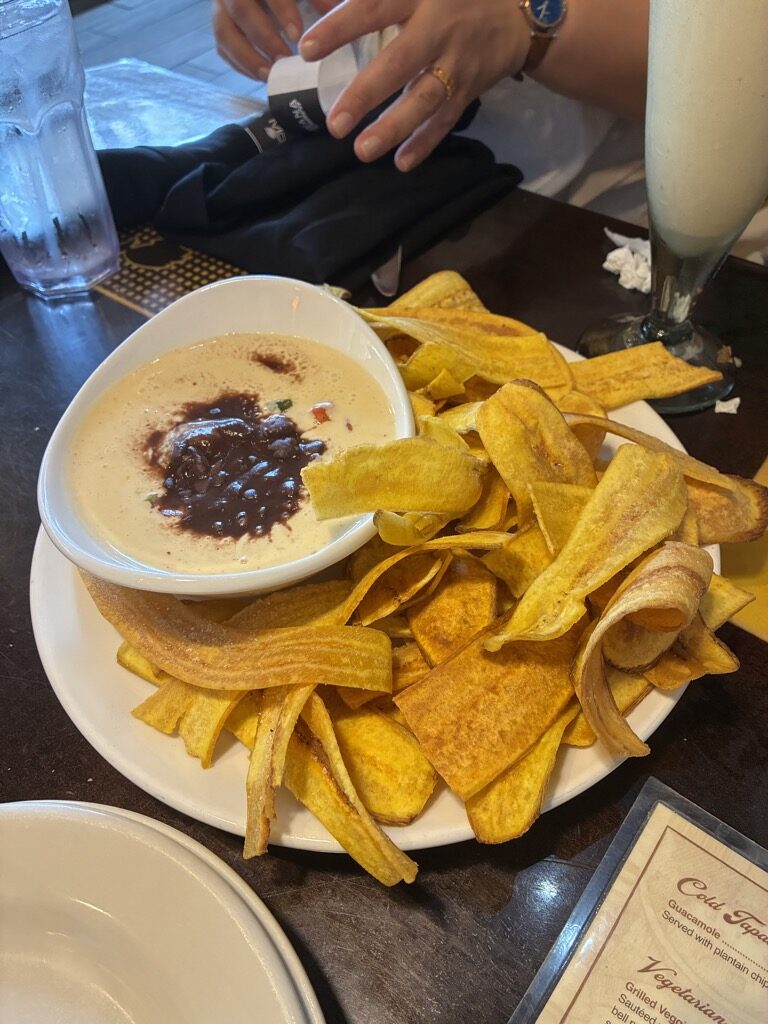
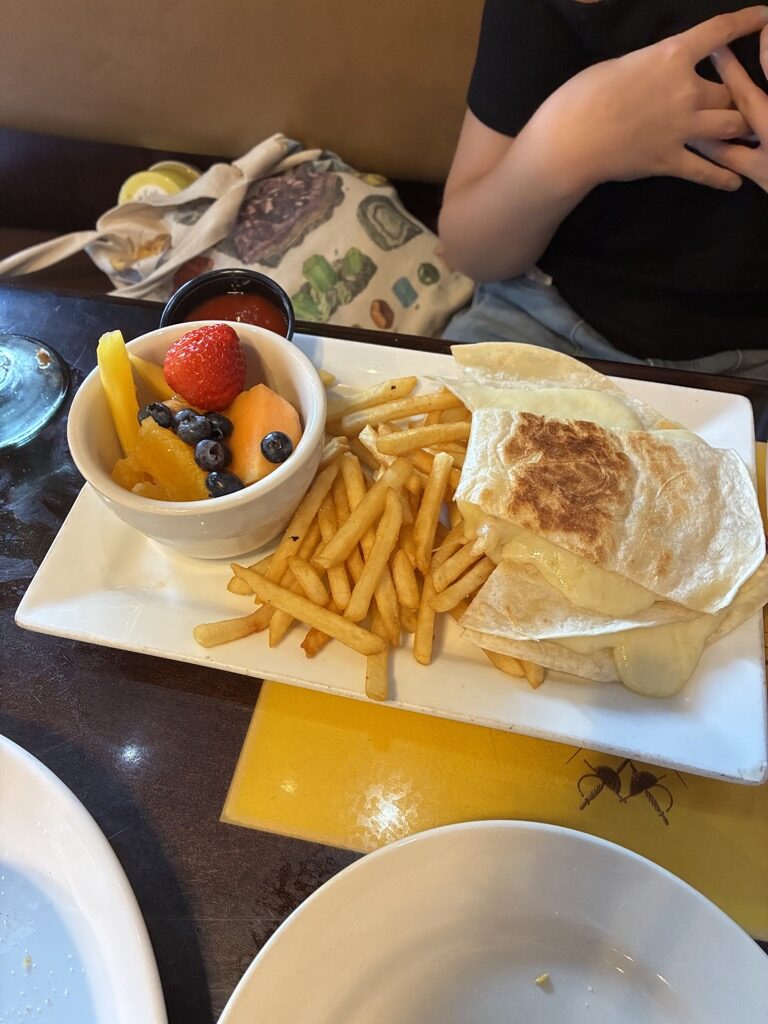
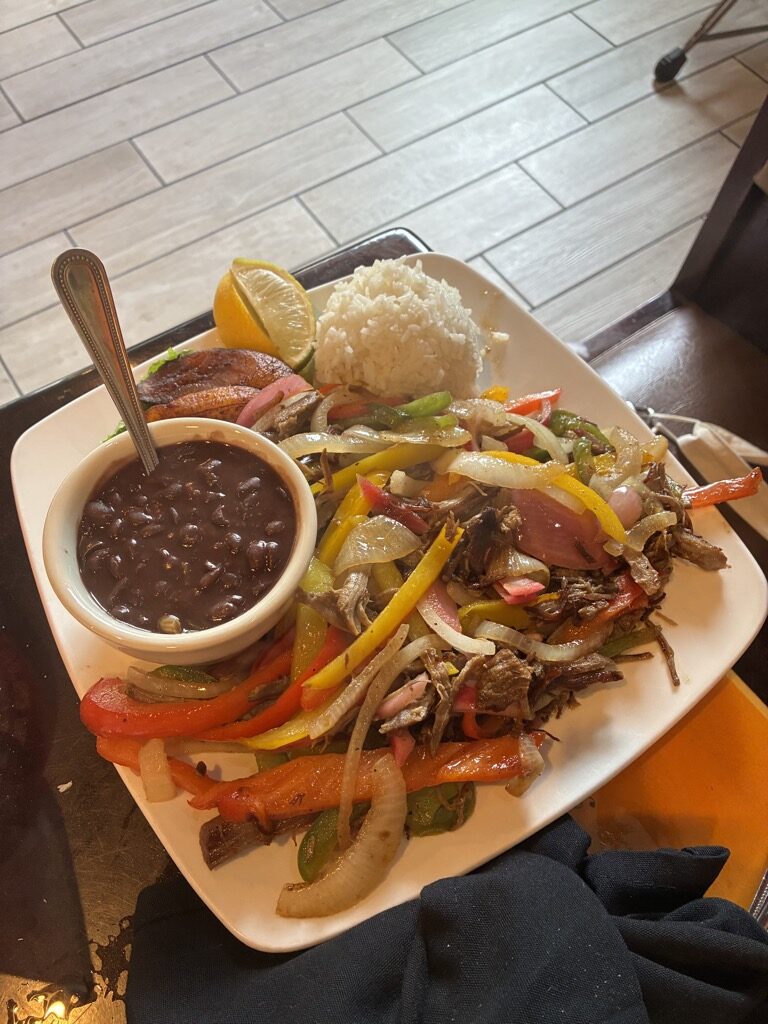
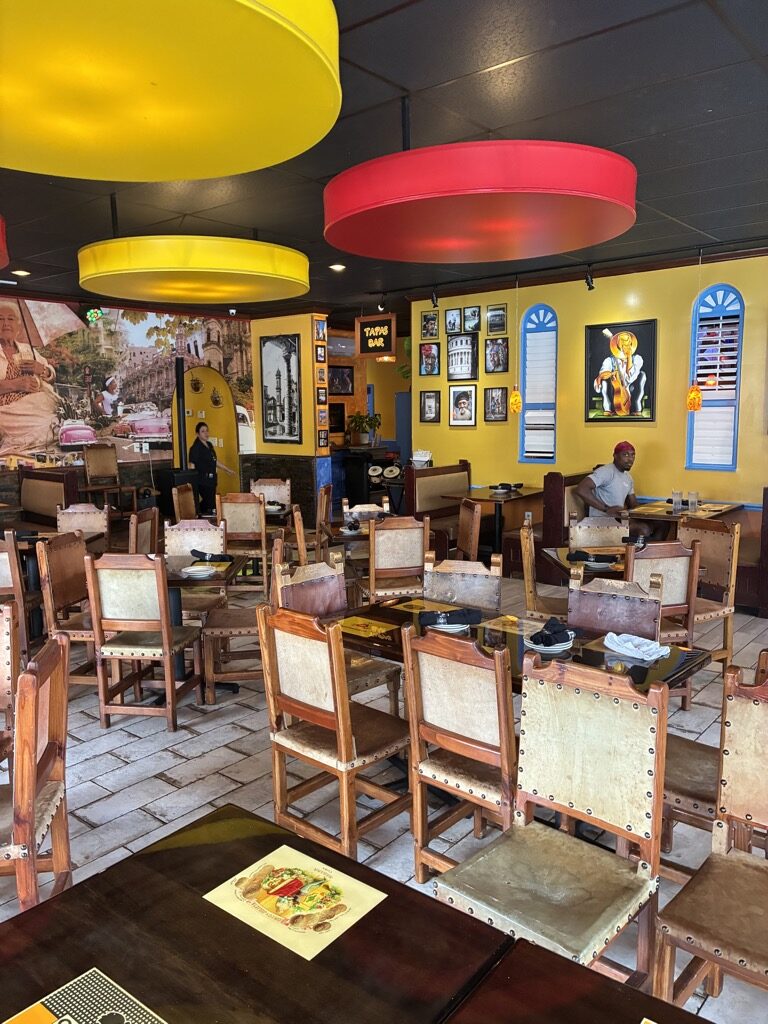
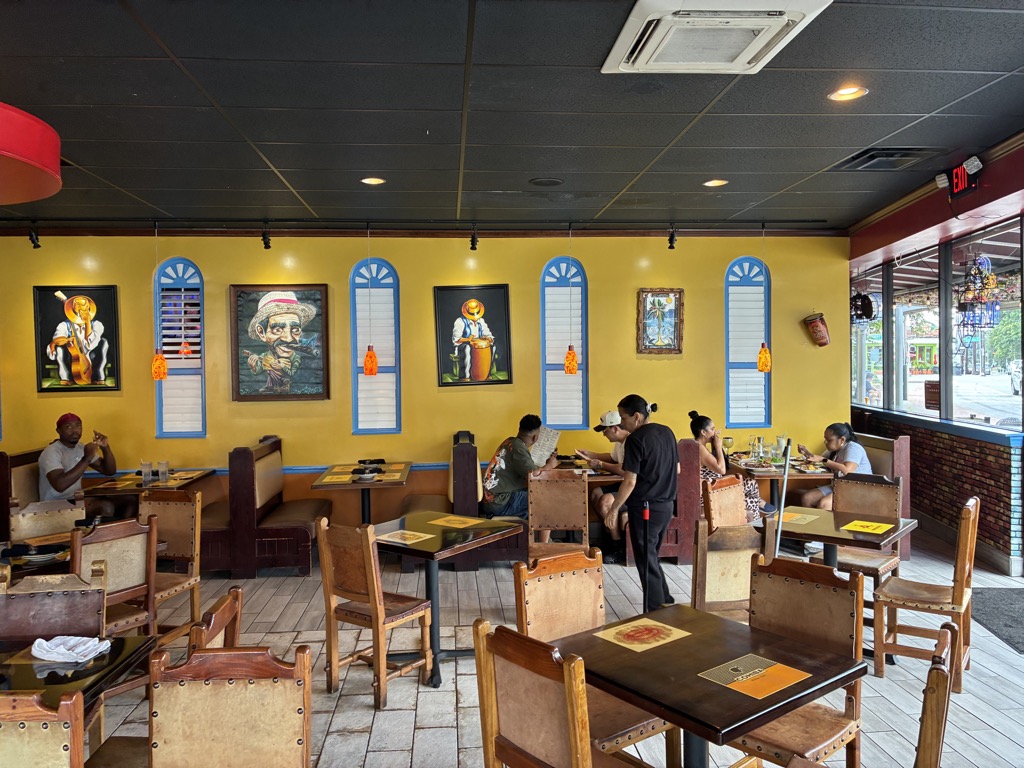
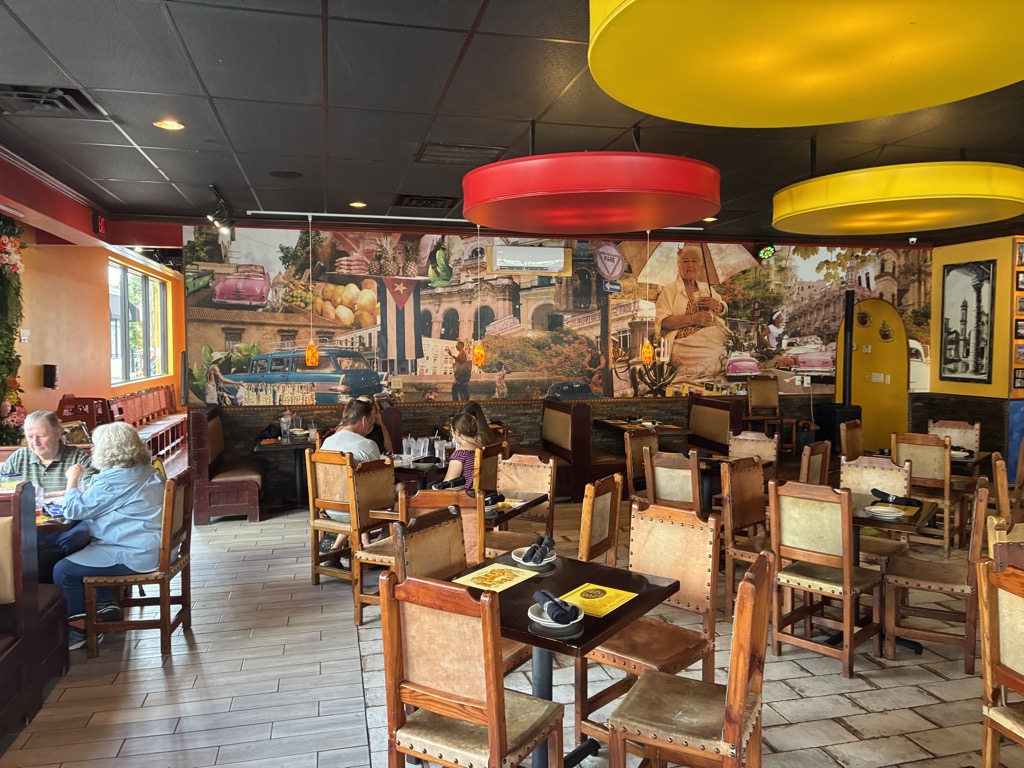
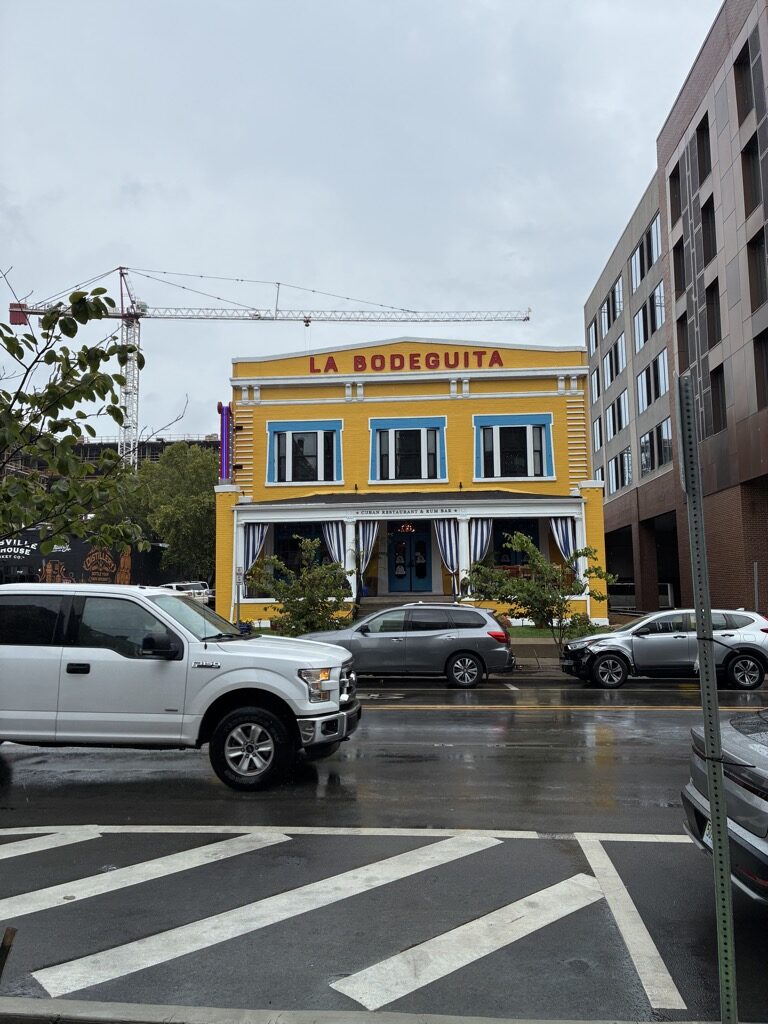
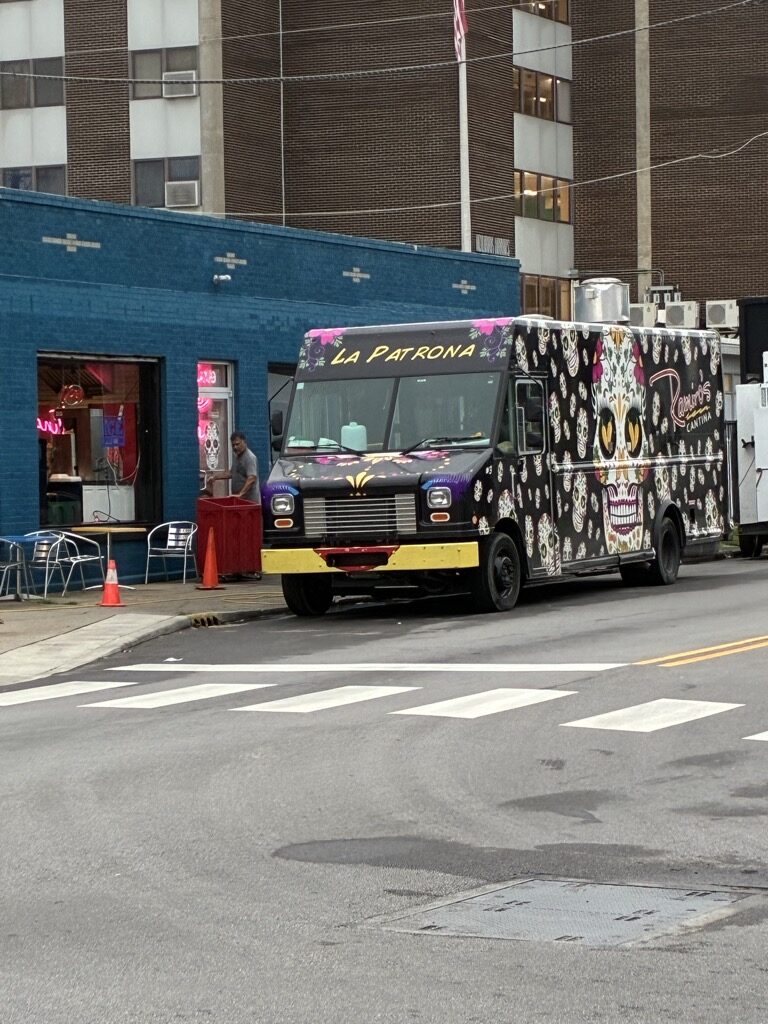
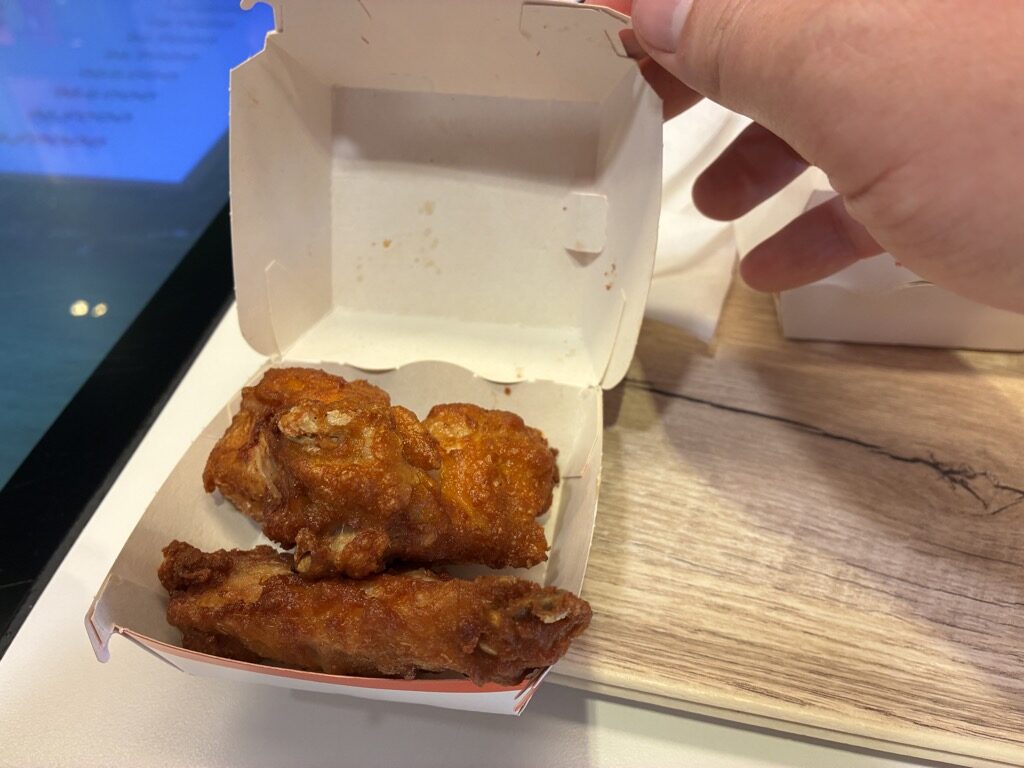
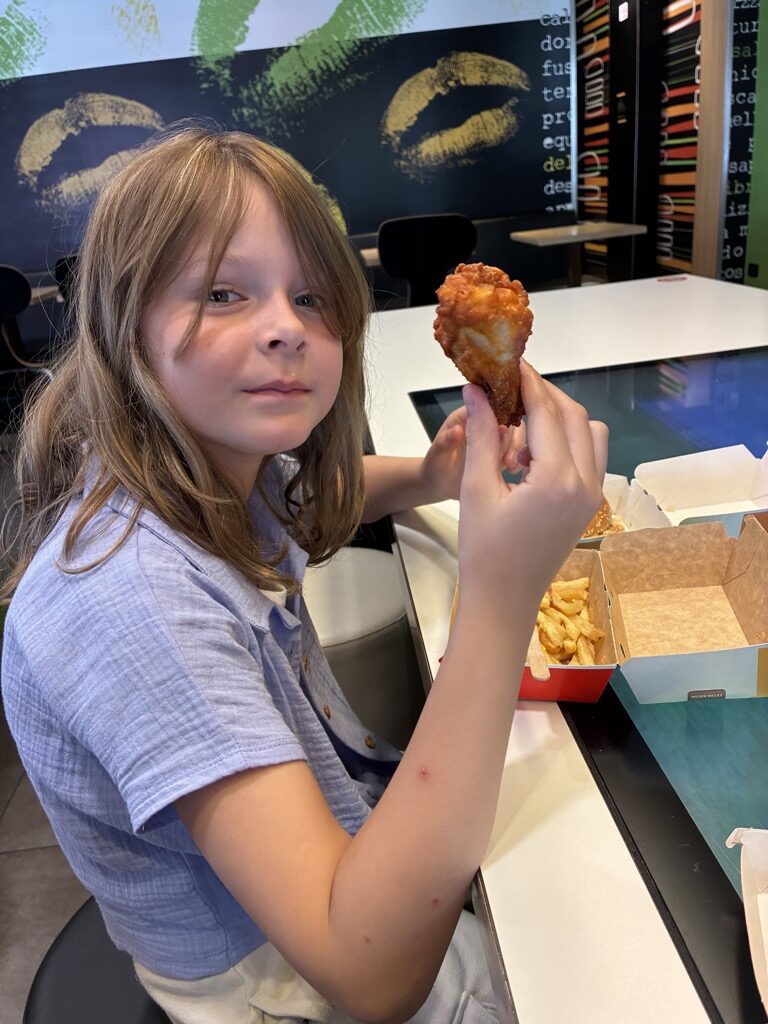
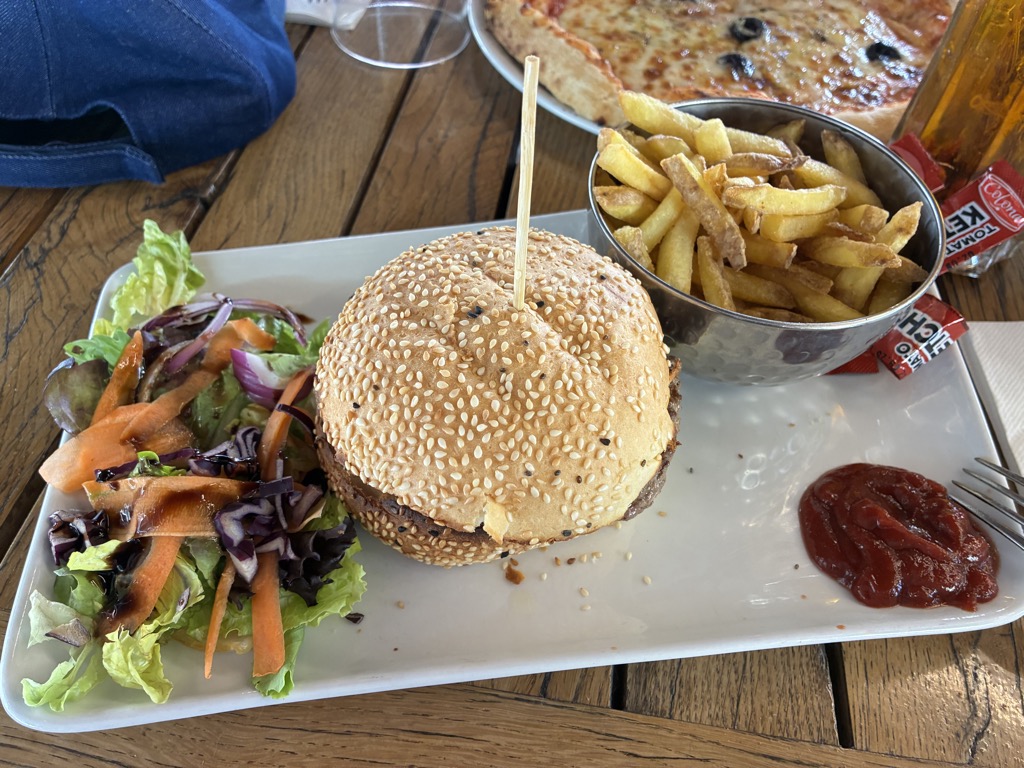
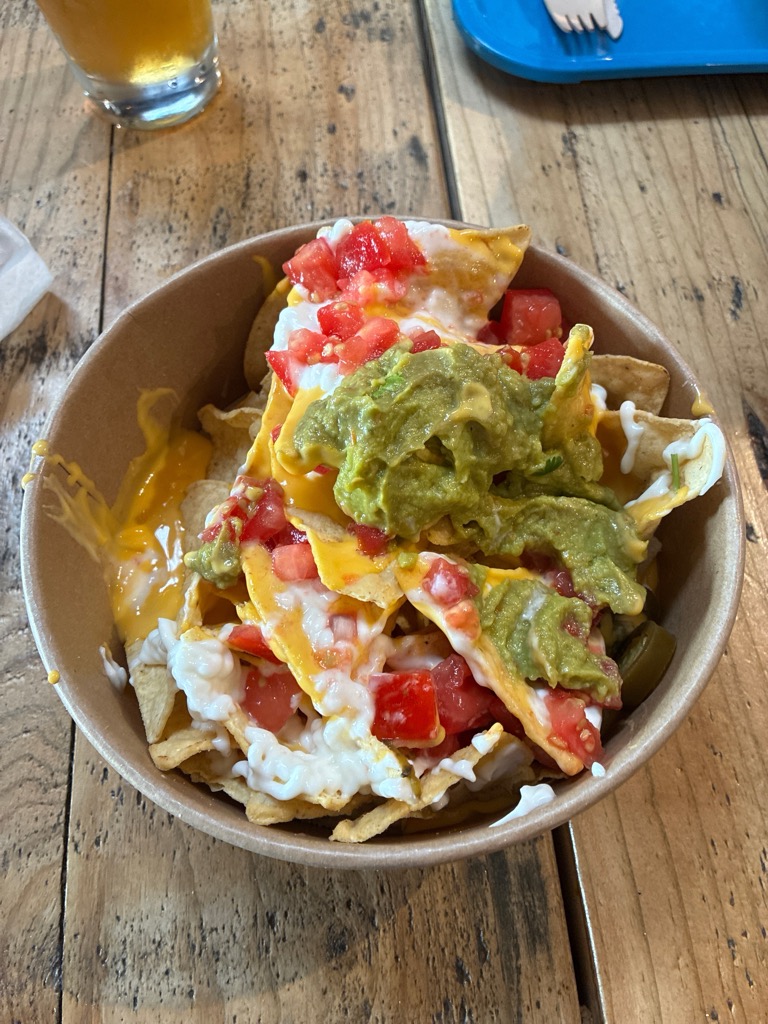
I don’t know if we got lucky, if Google reviews are less fake there, or perhaps Kentucky really does have better restaurants in general – my wife insists on the latter. For the first time, I tried a Cuban restaurant, and it was spectacular. I’m still trying to work it out, but that not-particularly-fancy Cuban place made me question all my previous experiences with Mexican and Tex-Mex food we typically get in Michigan/Ontario. I don’t know how to describe it, but let me put it bluntly: Havana Rumba & Tapas Bar made me feel like typical Mexican food is just plain crude and lazy. Another noteworthy spot is Blue Dog Bakery & Cafe. We don’t get easily impressed by American bakeries after the French Grand Tour, but the cafe was so good that my wife even bought bread – and she rarely does so. Pleasantries of the stomach didn’t end there. We did sushi, pizza and, inevitably, KFC – it had to be done – all of which were good.
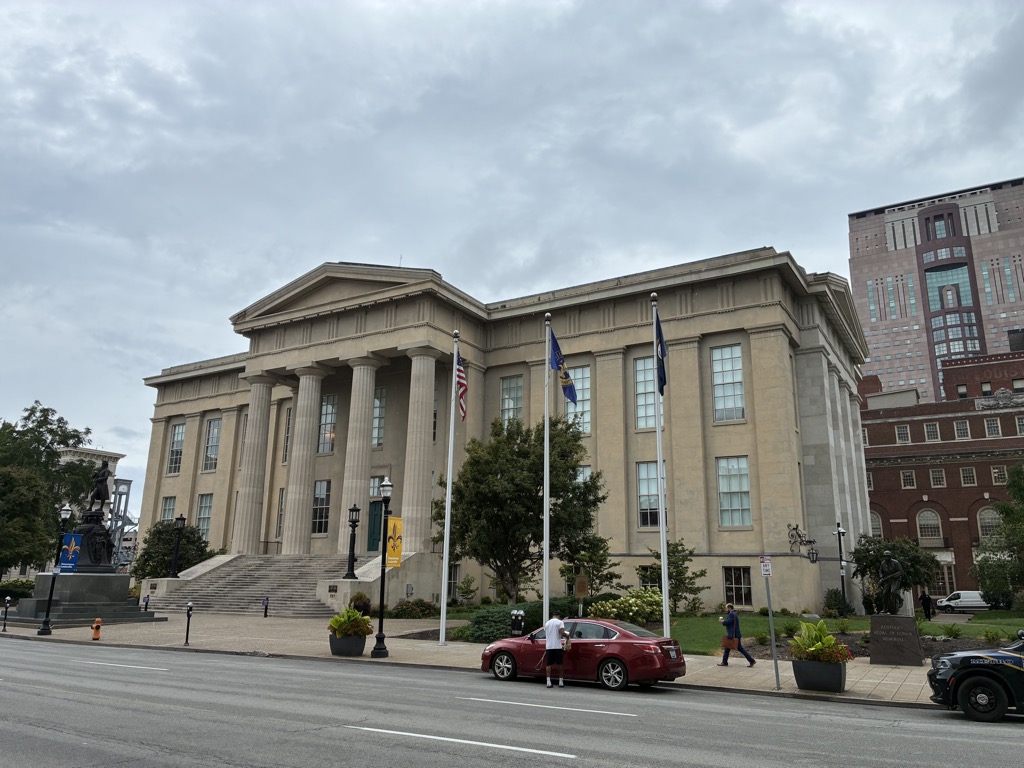
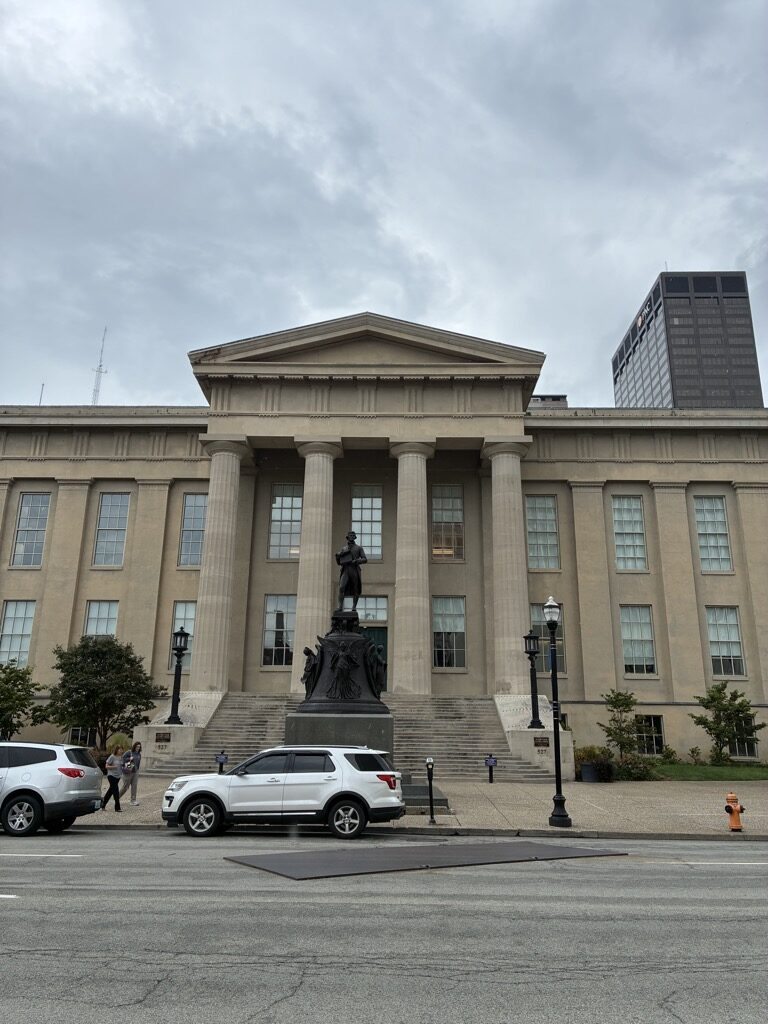
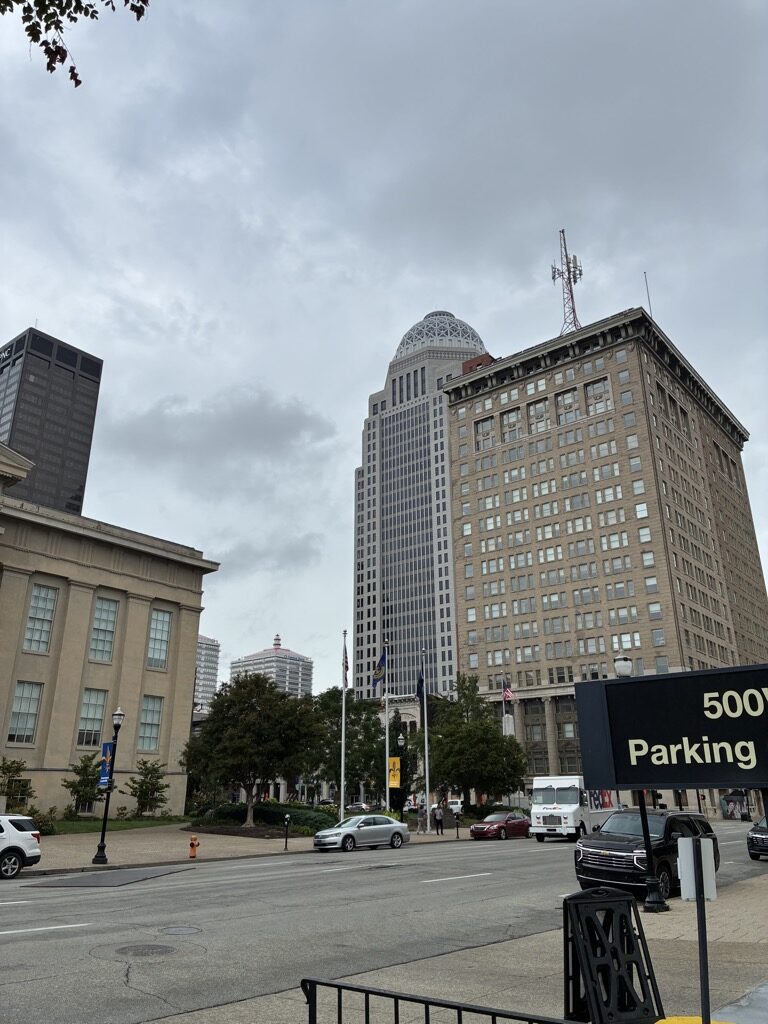
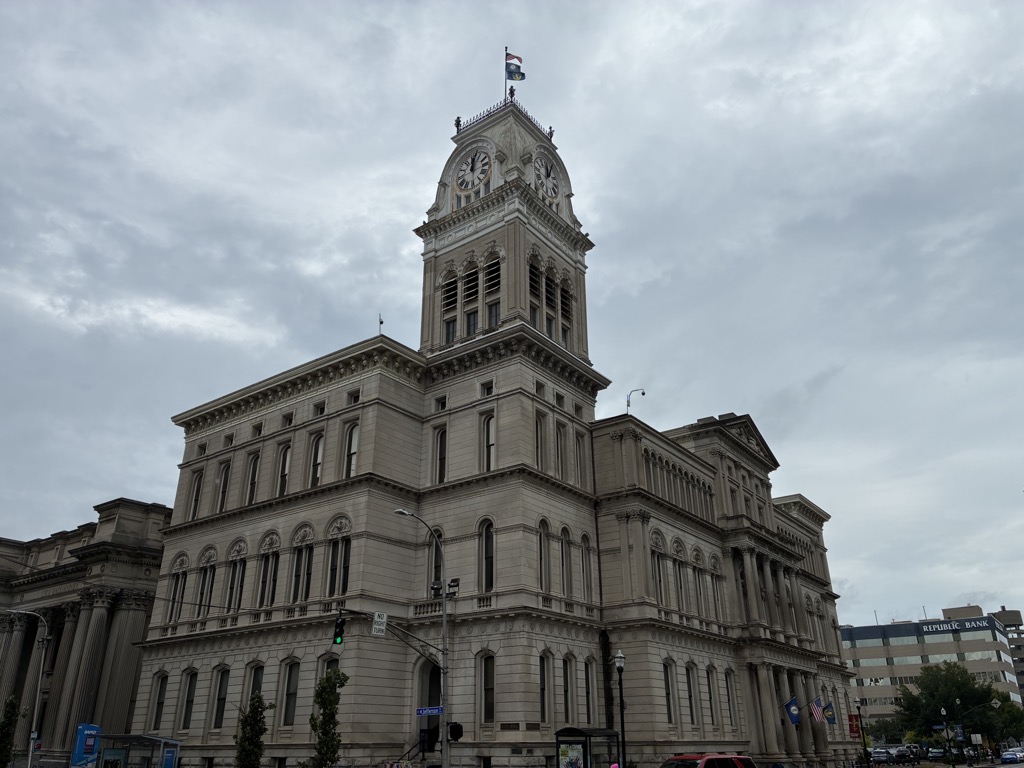
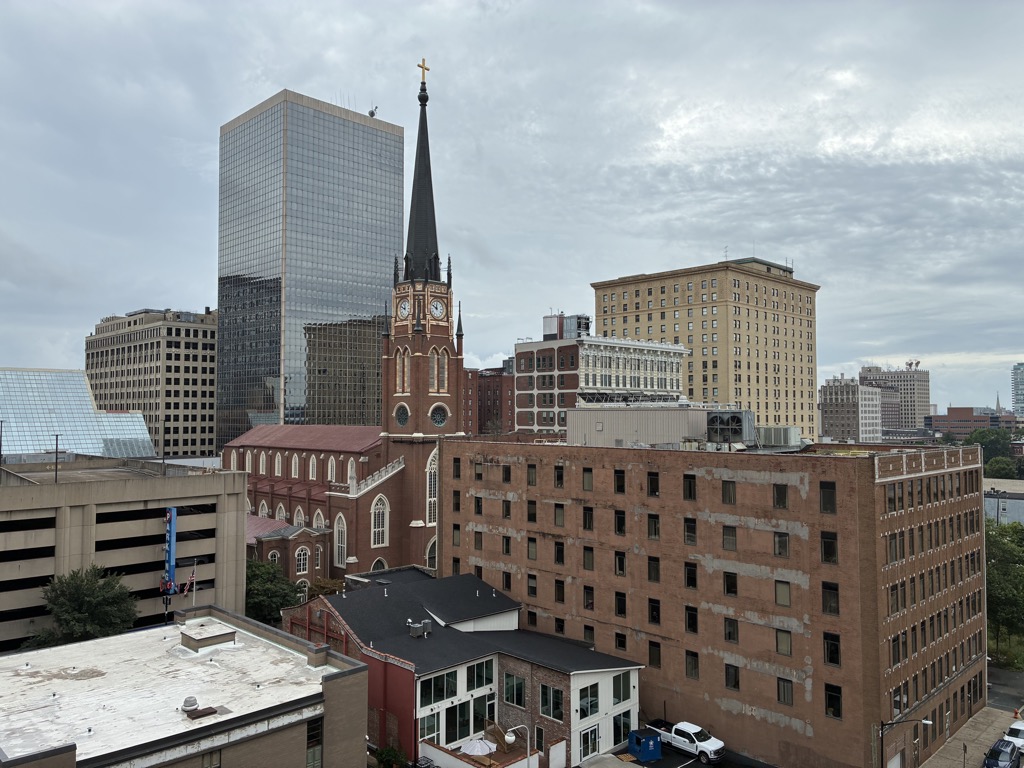
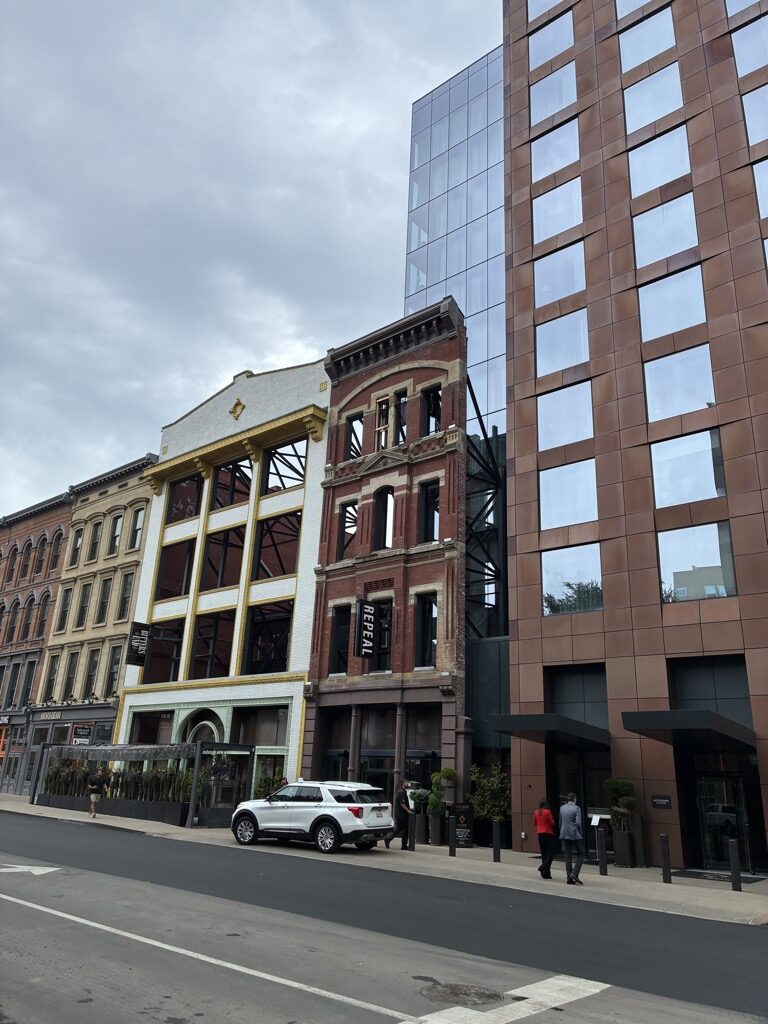
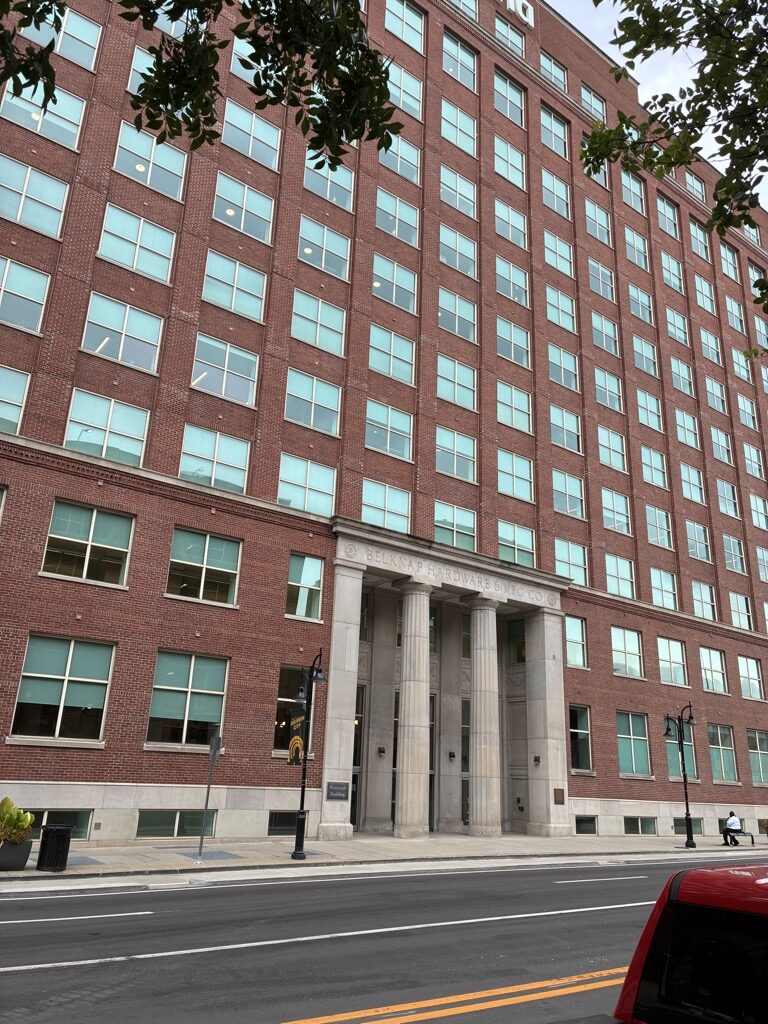
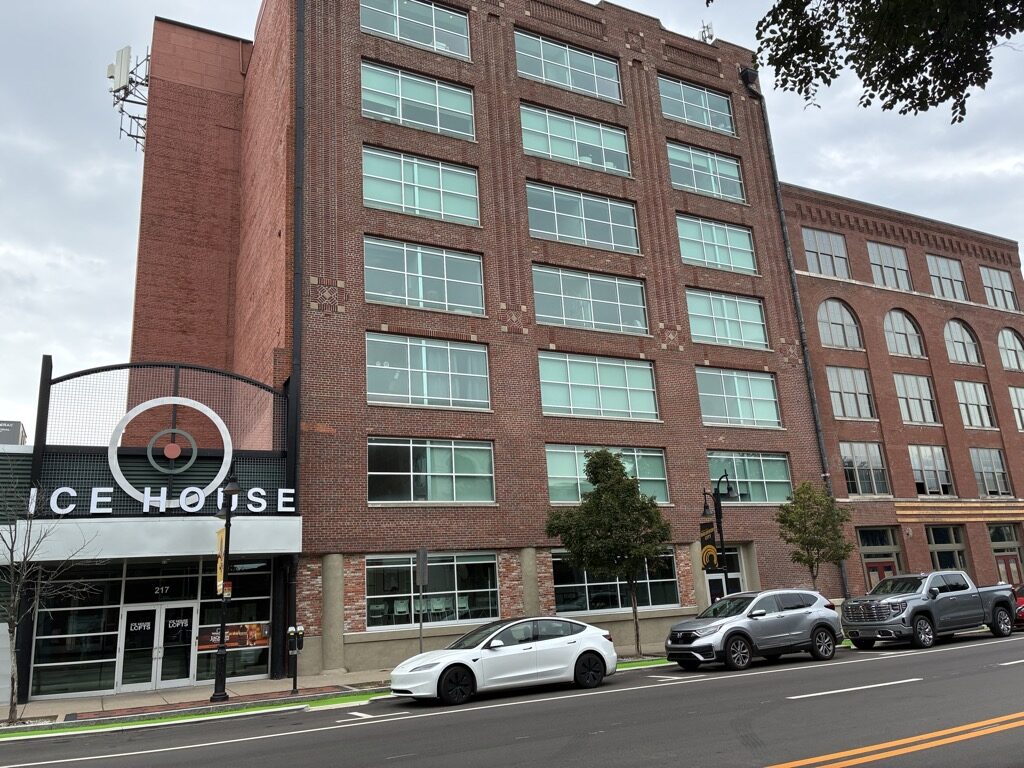
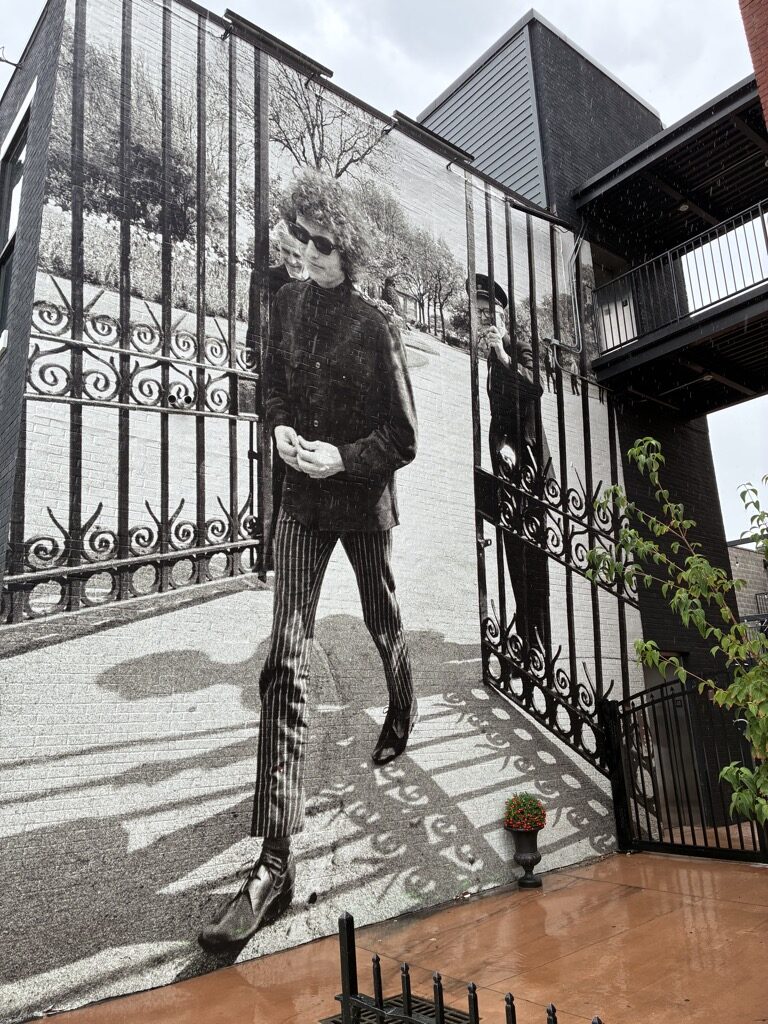
My buddy Daniel took us on a city tour, walking everywhere and telling us about the history of each location. He is truly something else. It will take a while to digest all of it, but Louisville is a pretty nice place – on one hand full of stuff, on the other quiet enough to enjoy. I was trying to think of a comparison, but I can’t find one. I’ve been to a few cities, and in some cases a place can remind you of another place, or have a similar vibe, so you can compare or at least use it for reference. But Louisville doesn’t seem to fit into anything I have experienced. It is a lively city, but not crazy busy. It has enough industry but somehow doesn’t seem formal. It has modern buildings but incorporates history in unexpected locations. It is like an easy-smiling Southern gentleman who does not bedazzle or hassle you. He can host the Queen of England and not make a fuss over it. I don’t like cities and typically never imagine myself living in one, but in Louisville, I actually imagined myself living there… perhaps not downtown, but a few blocks away in a quiet corner. It just feels warm and welcoming in a subtle way – like a slow, calm river. You can cross it without worrying about being swept away, or simply find a spot to lie down without being carried downstream. Well, at least that’s the feeling I get.
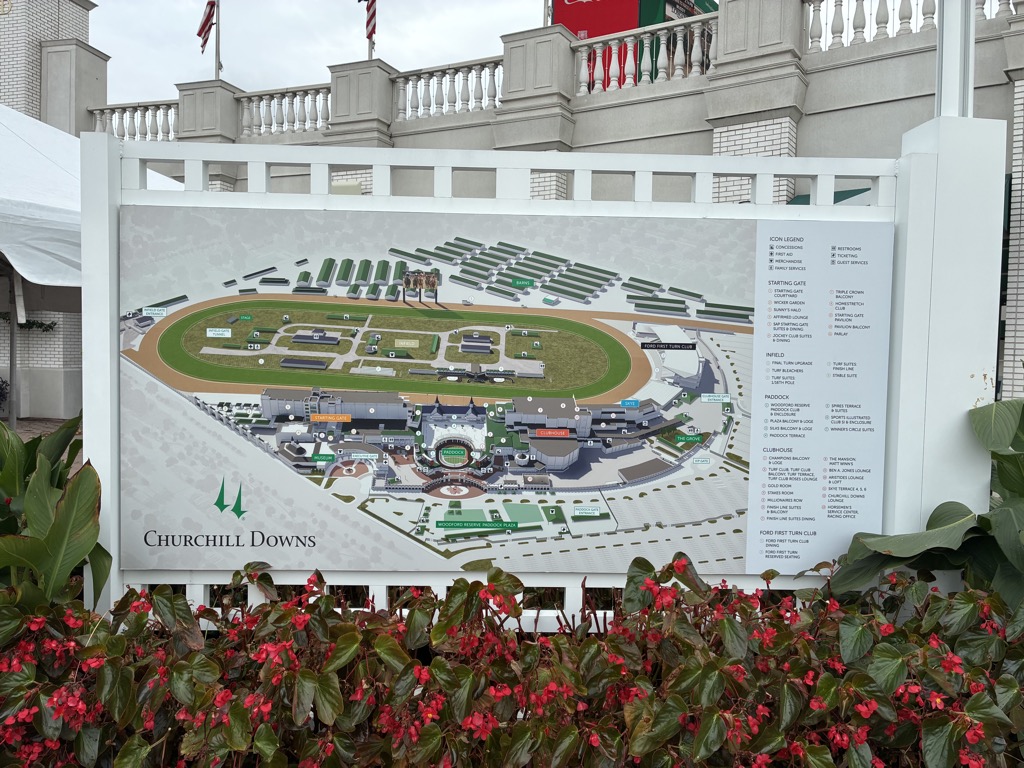
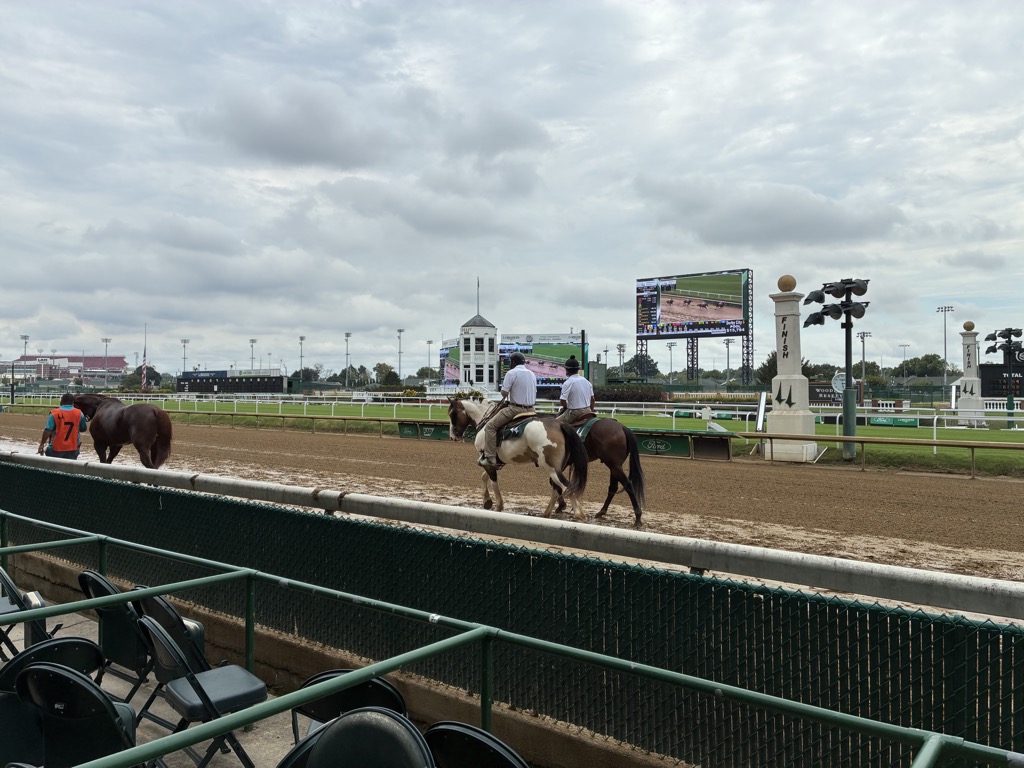
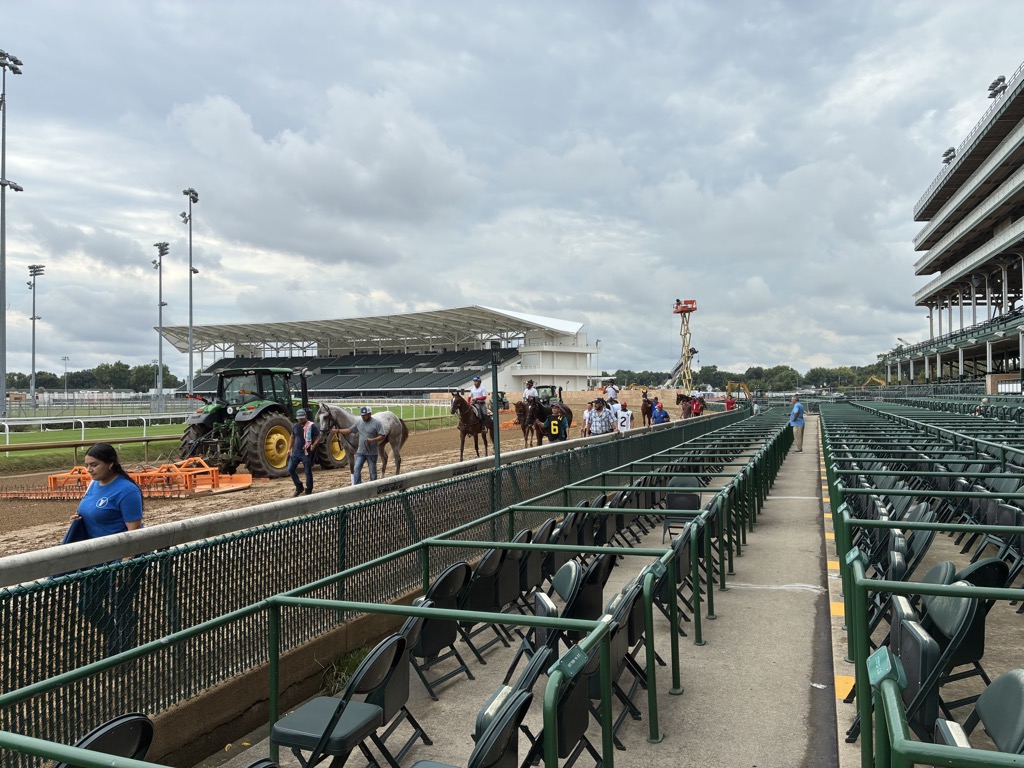
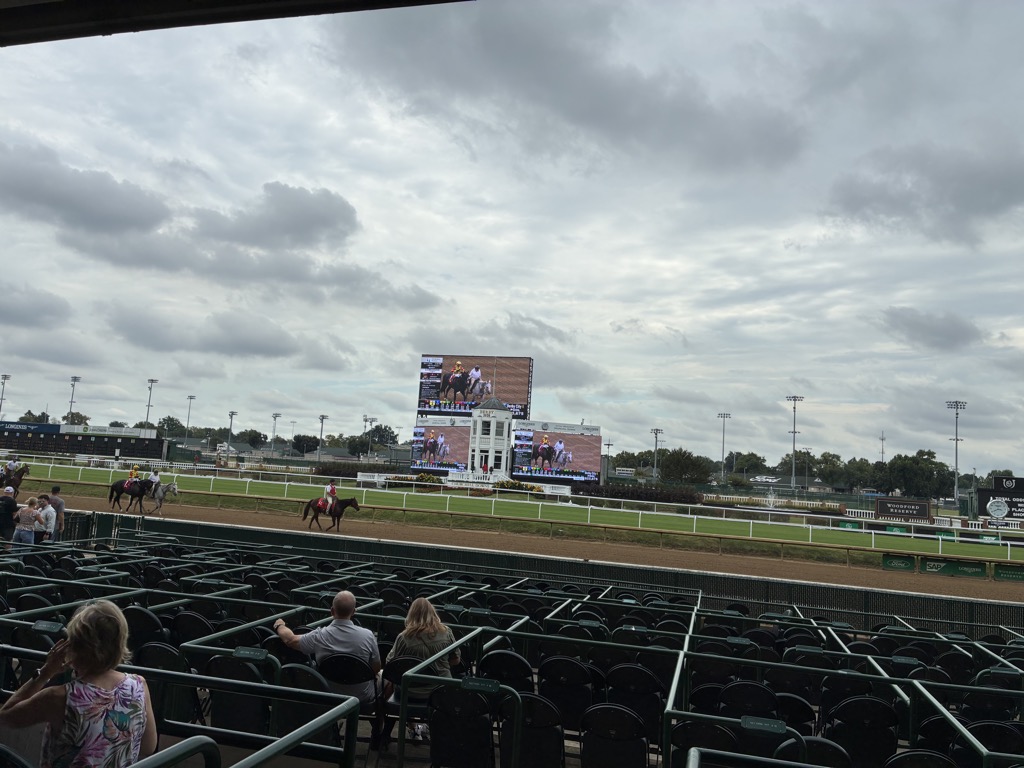
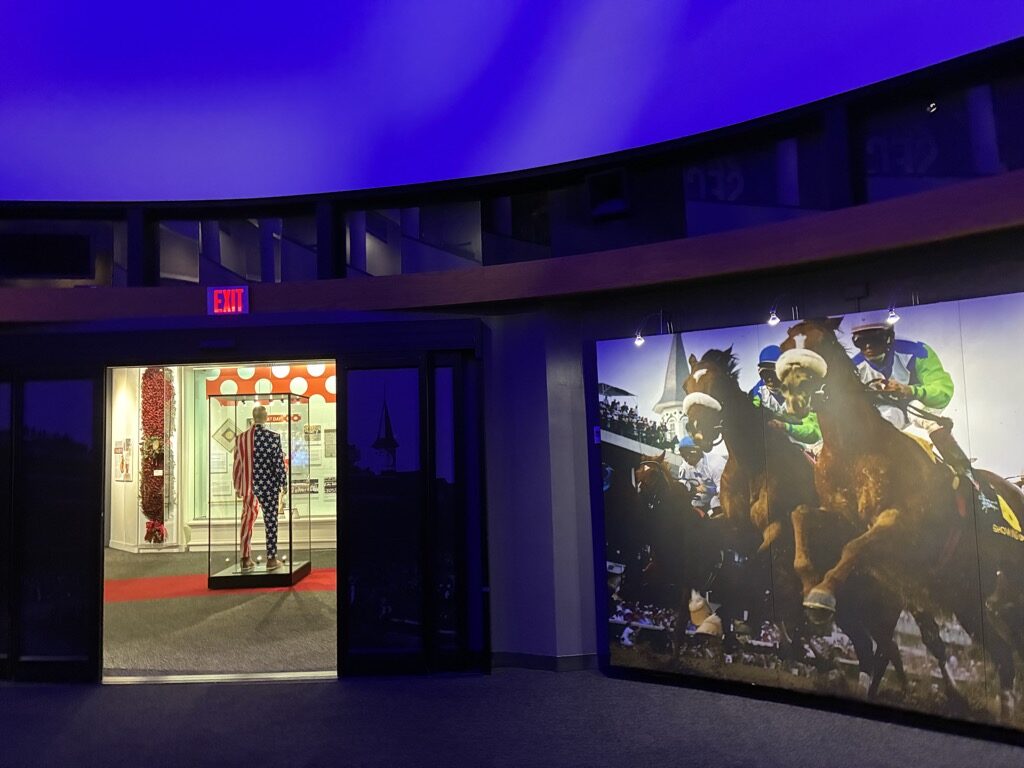
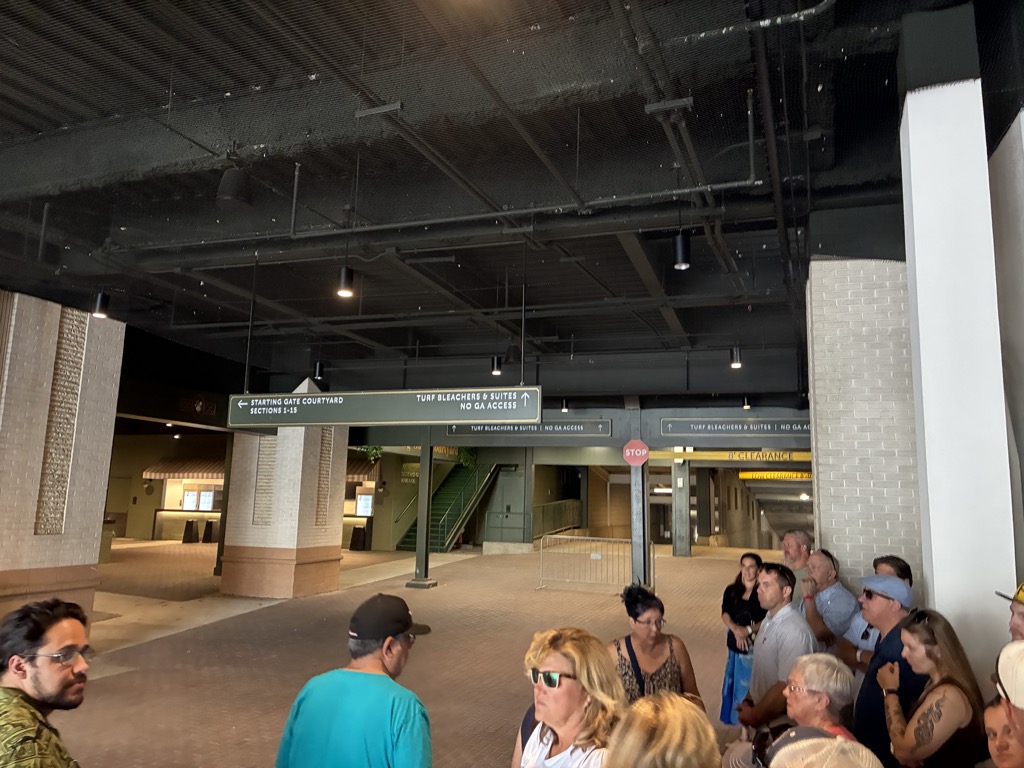
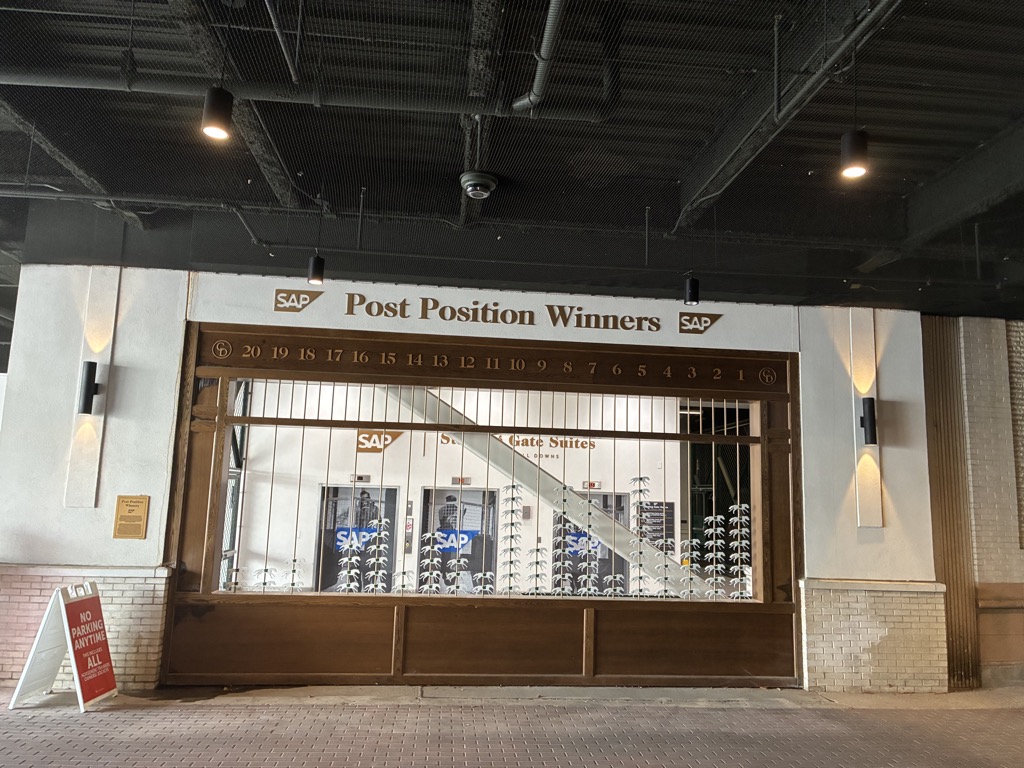
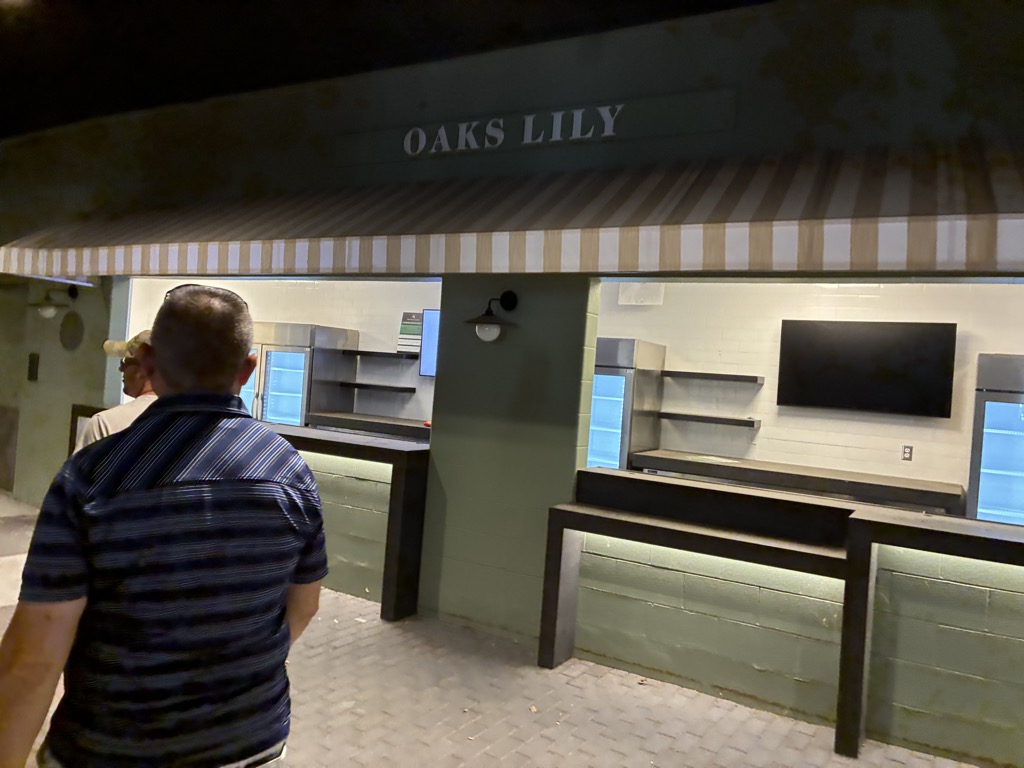
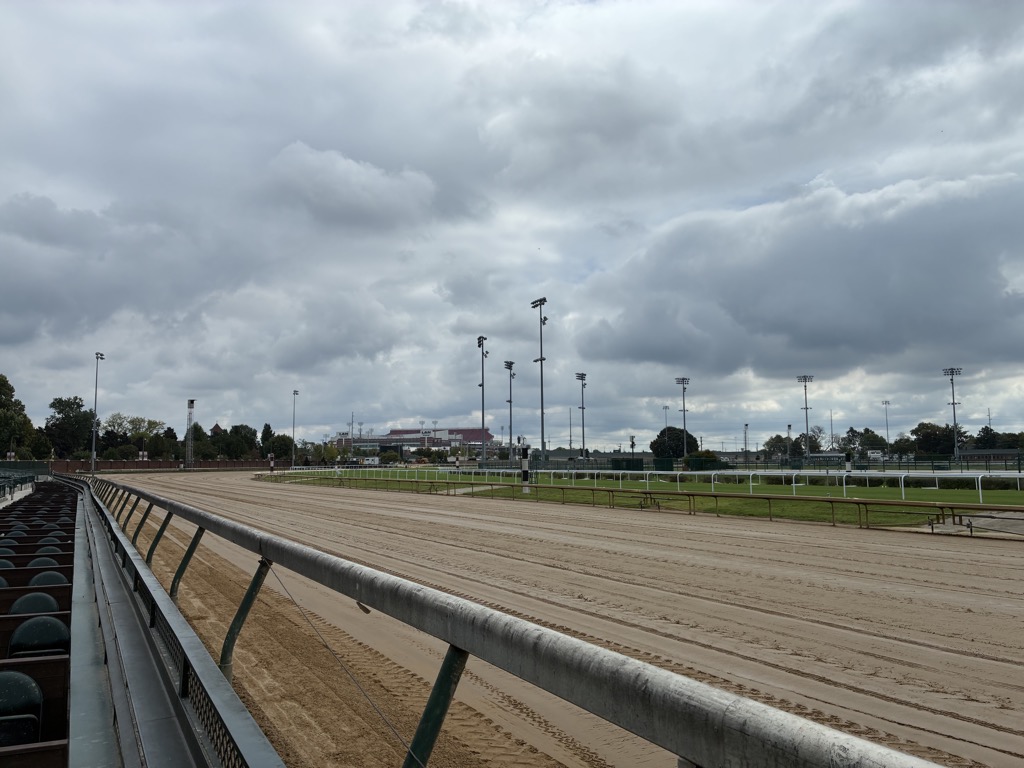
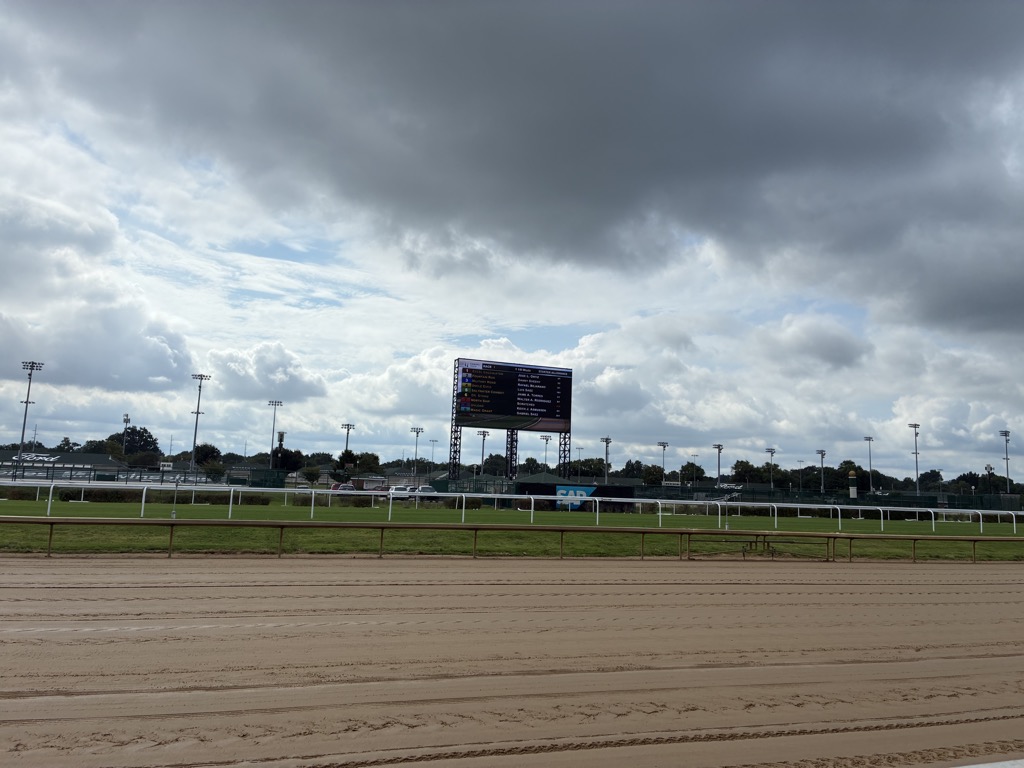
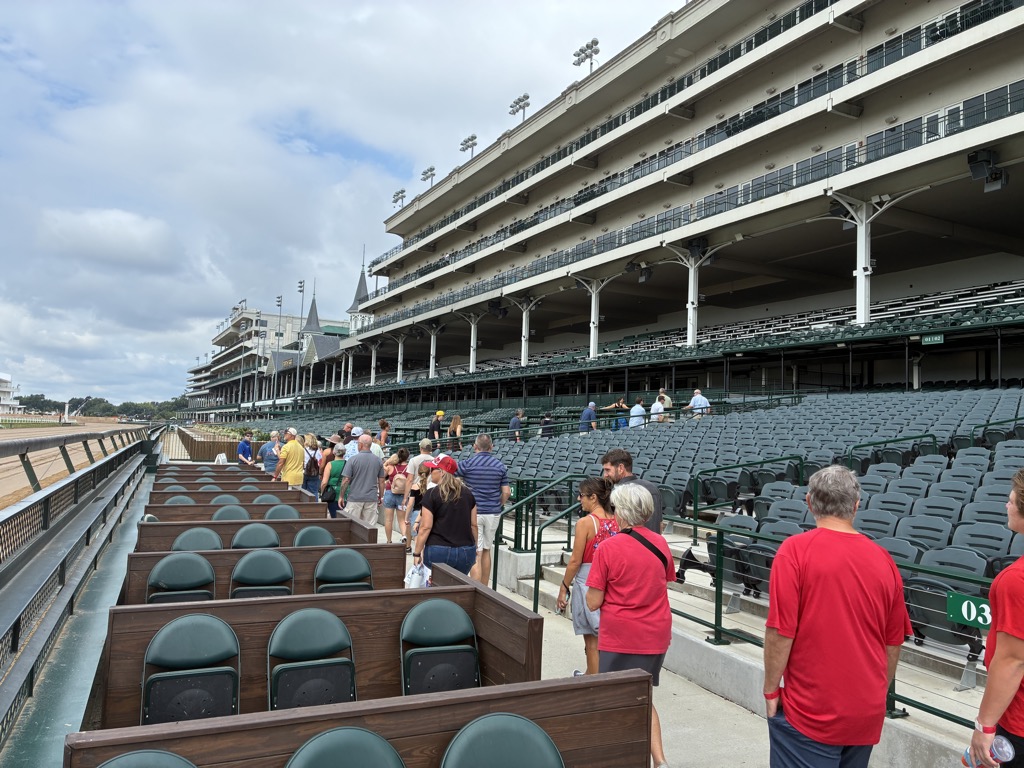
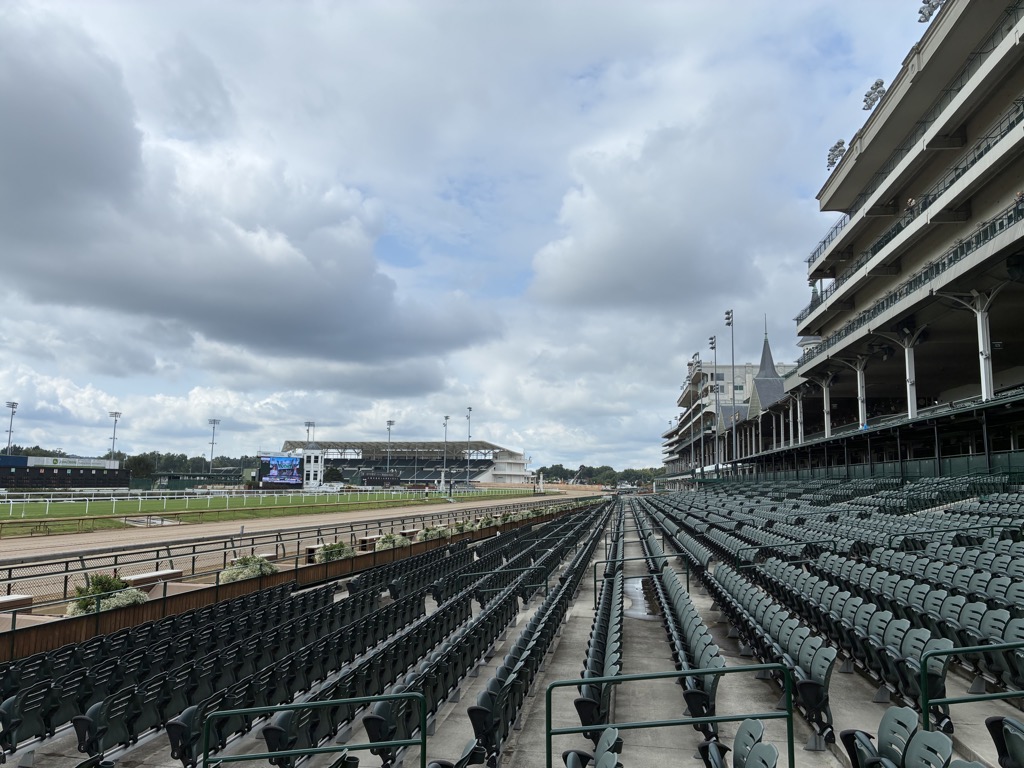
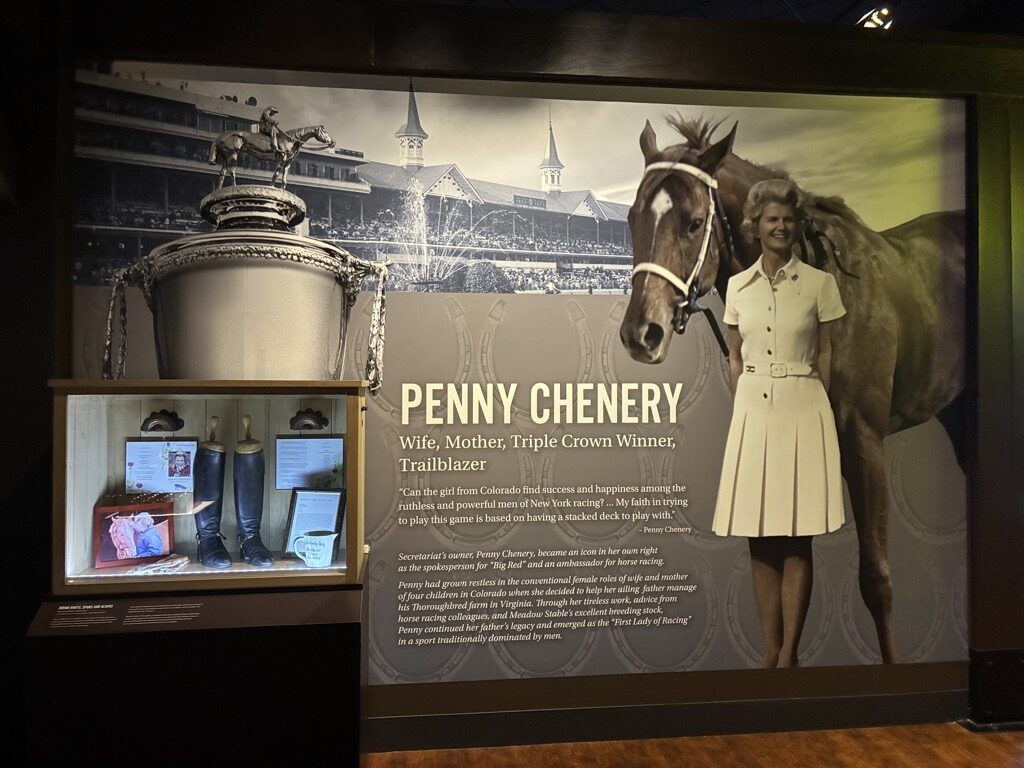
The things we tend to remember typically come with strong emotions attached. I don’t get excited about animals, racing or gambling, so I was pleasantly surprised by how much I enjoyed Churchill Downs – the iconic racetrack and home of the Kentucky Derby. We went during an uneventful, lazy Friday afternoon. The place seemed to operate with minimal staff and was largely empty. While plazas, halls and pathways seemed dormant, somehow they silently conveyed reassurance that they were just resting in preparation for the biggest party ever. A general admission ticket is $10, and for that you get spots closest to the track and finish line. Looking around, you can spot fancy locations that no doubt provide a better vantage point. But no matter where you are, it seems like the entire area fills with deep, primordial emotion once the horses hit the track. It’s a strange feeling, like a once-great fire slowly smouldering away, just barely holding on before the inevitable end, when all of a sudden a gust of wind grants it a second life. The roar, the noise, the screaming – and the fire is back, bursting seemingly out of nowhere. It is hard to remain unemotional once you see those beautiful animals racing down the track. It is hard to describe. It must simply be experienced.
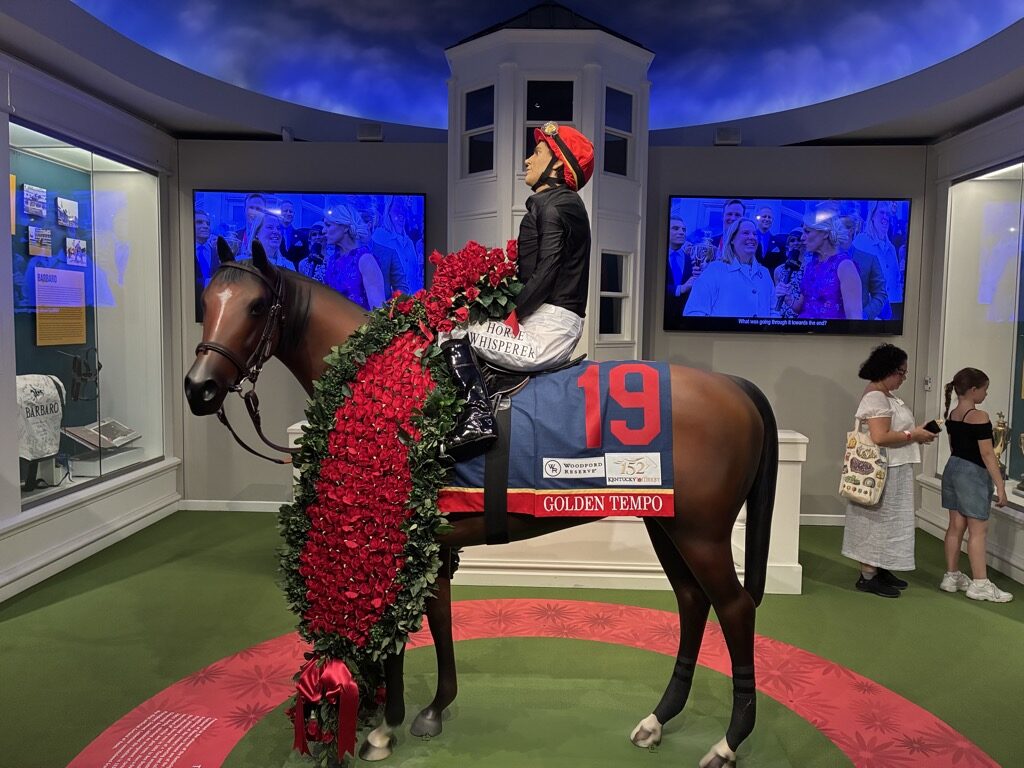
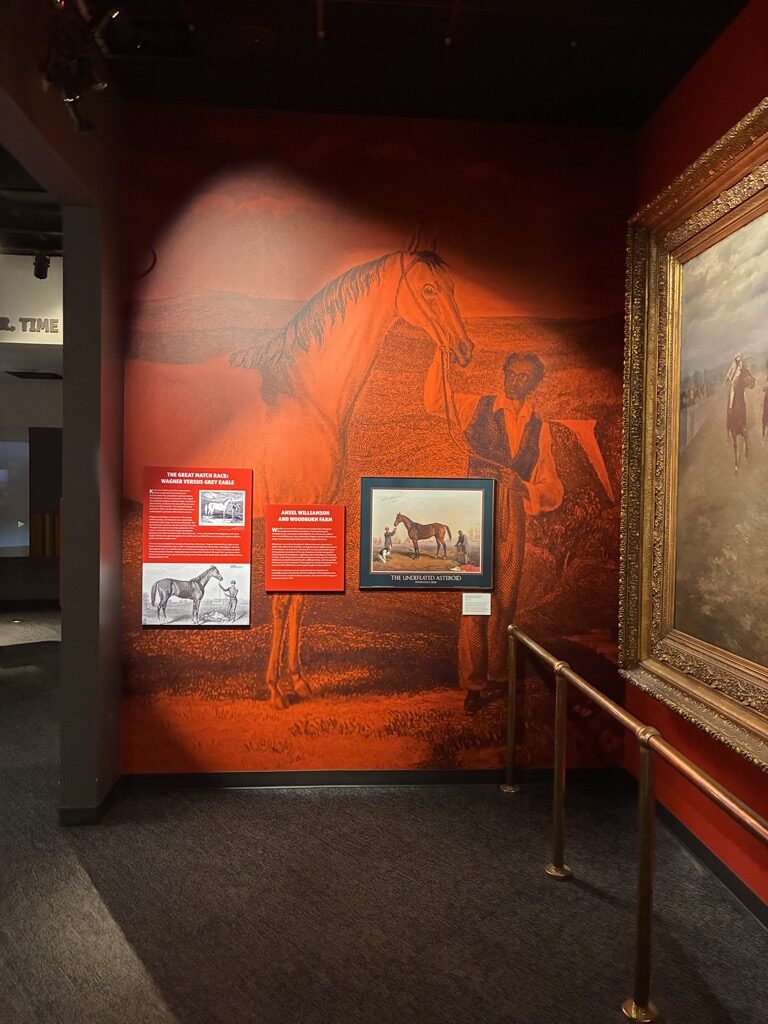
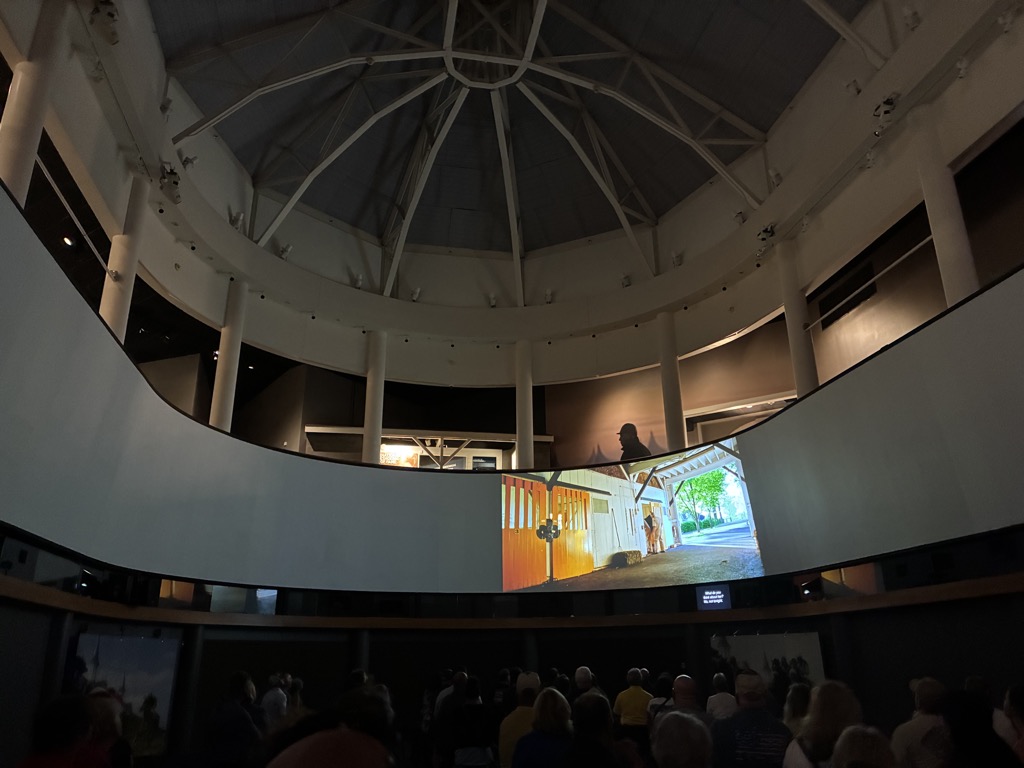
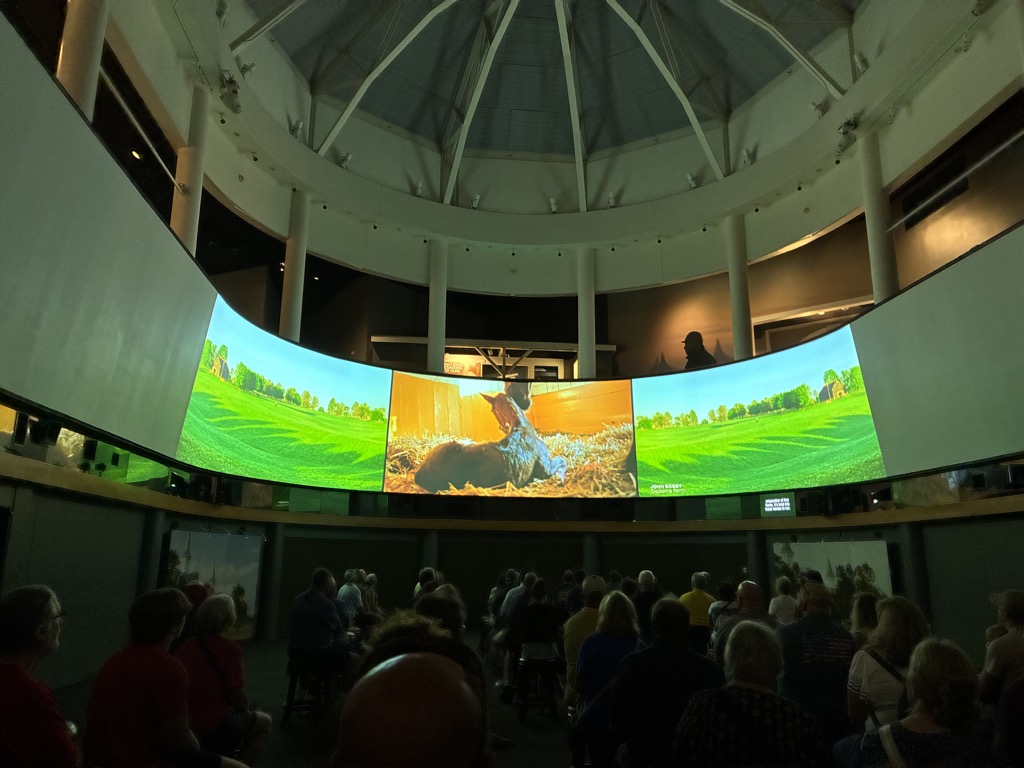
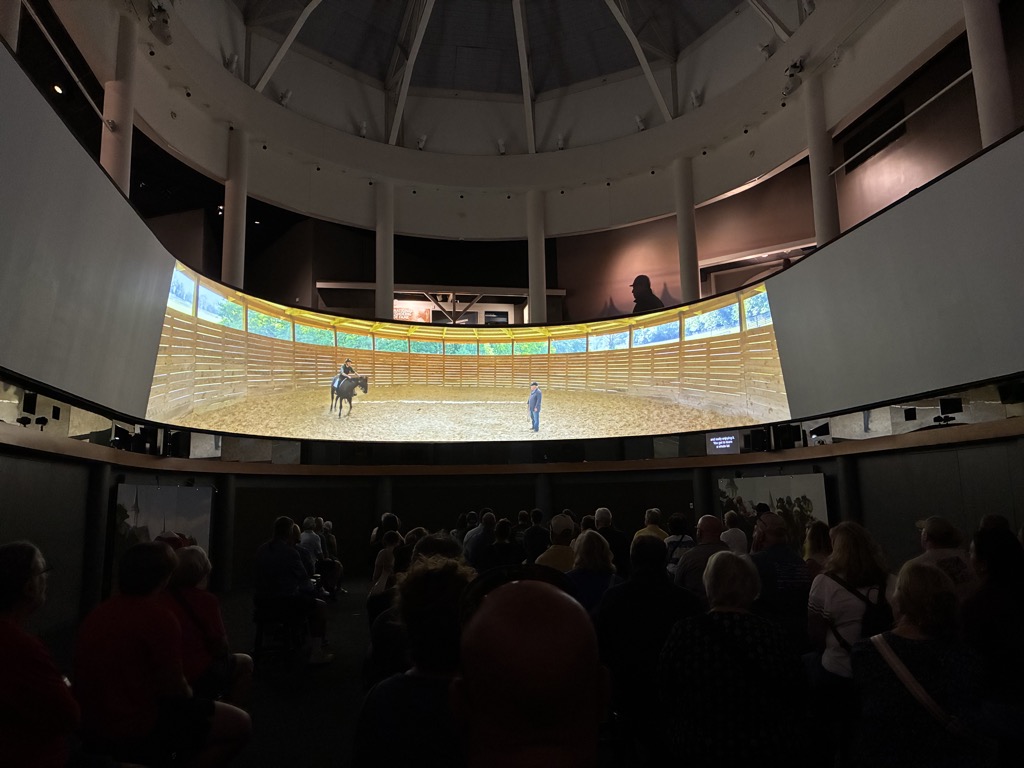
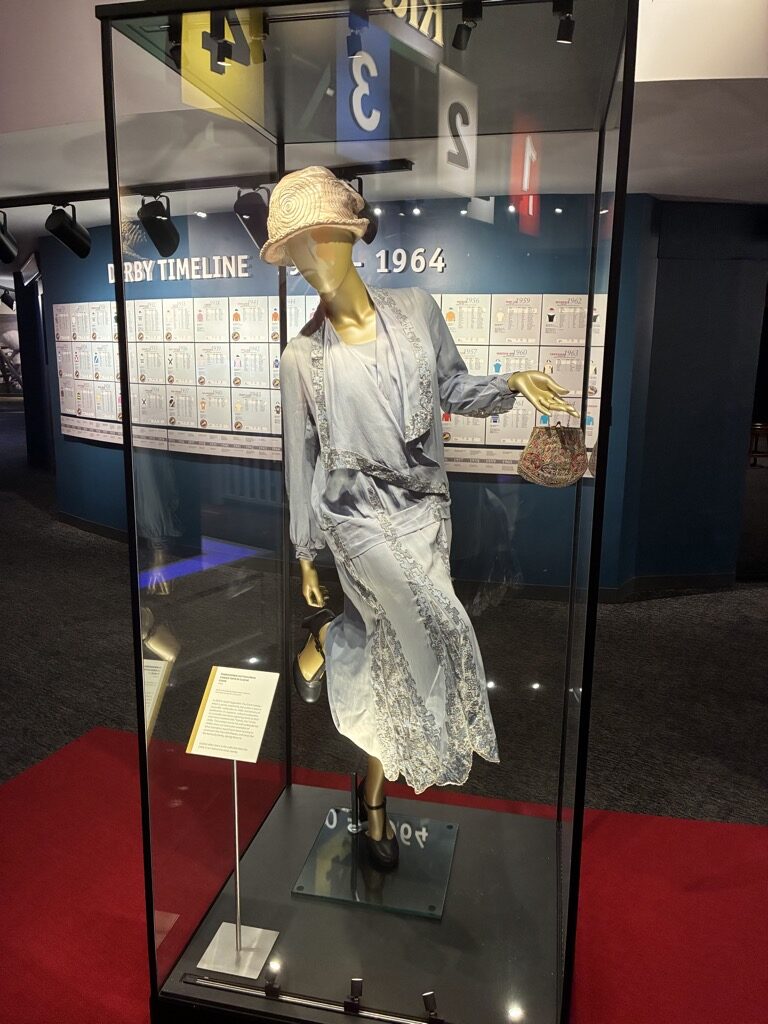
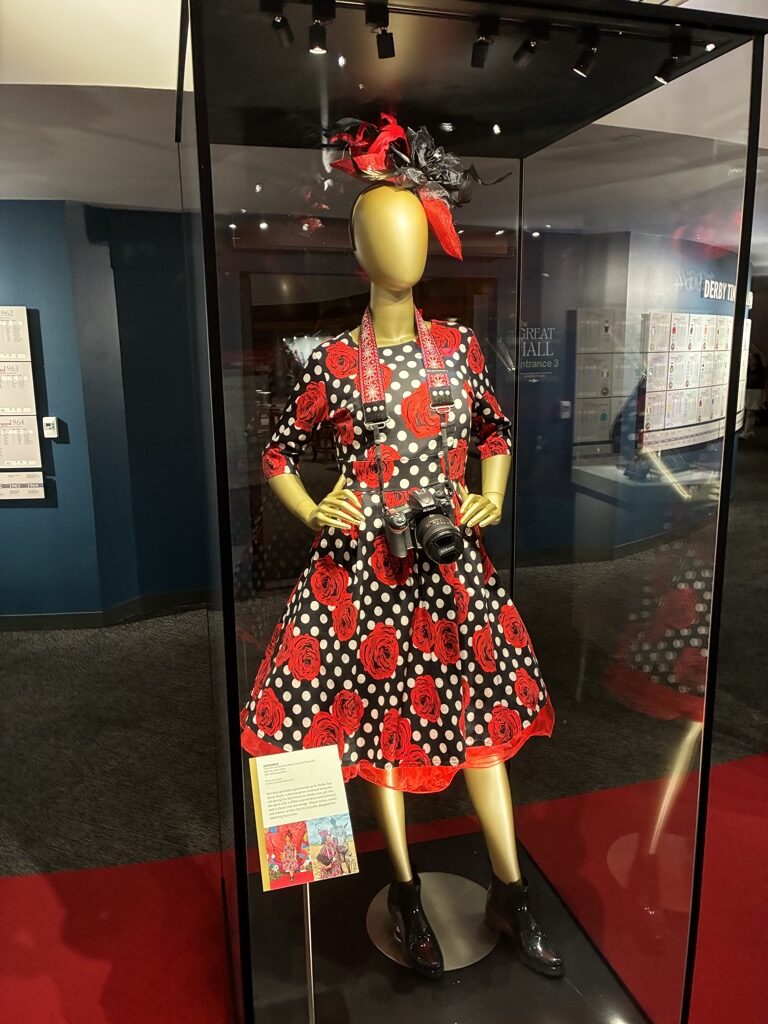
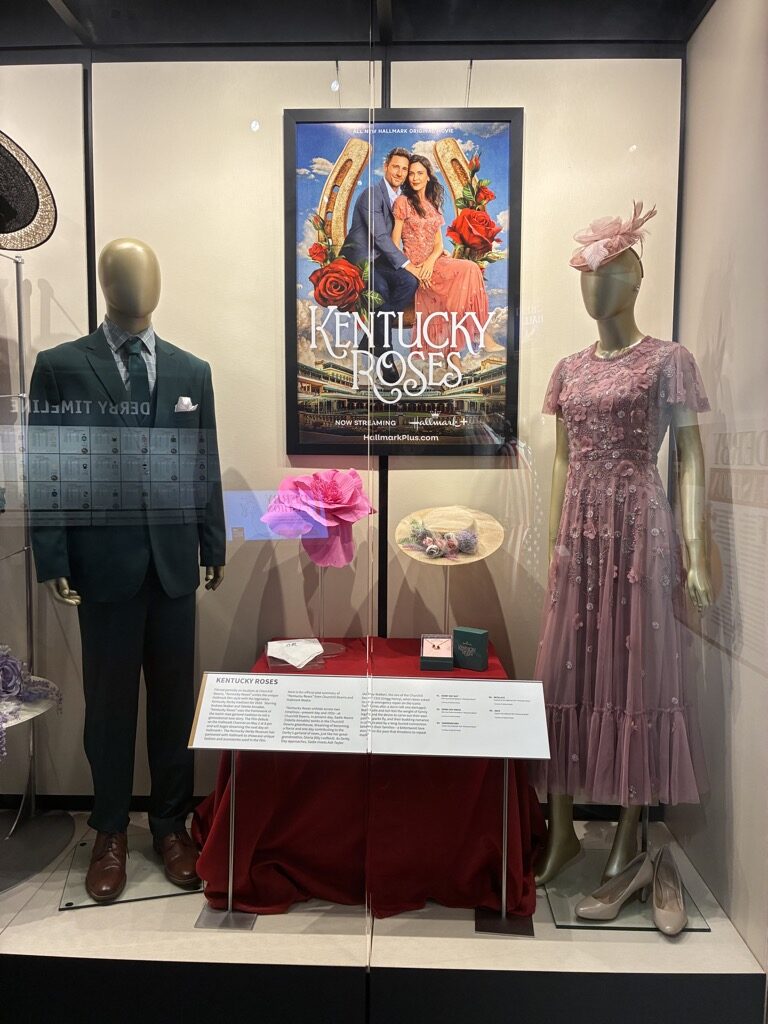
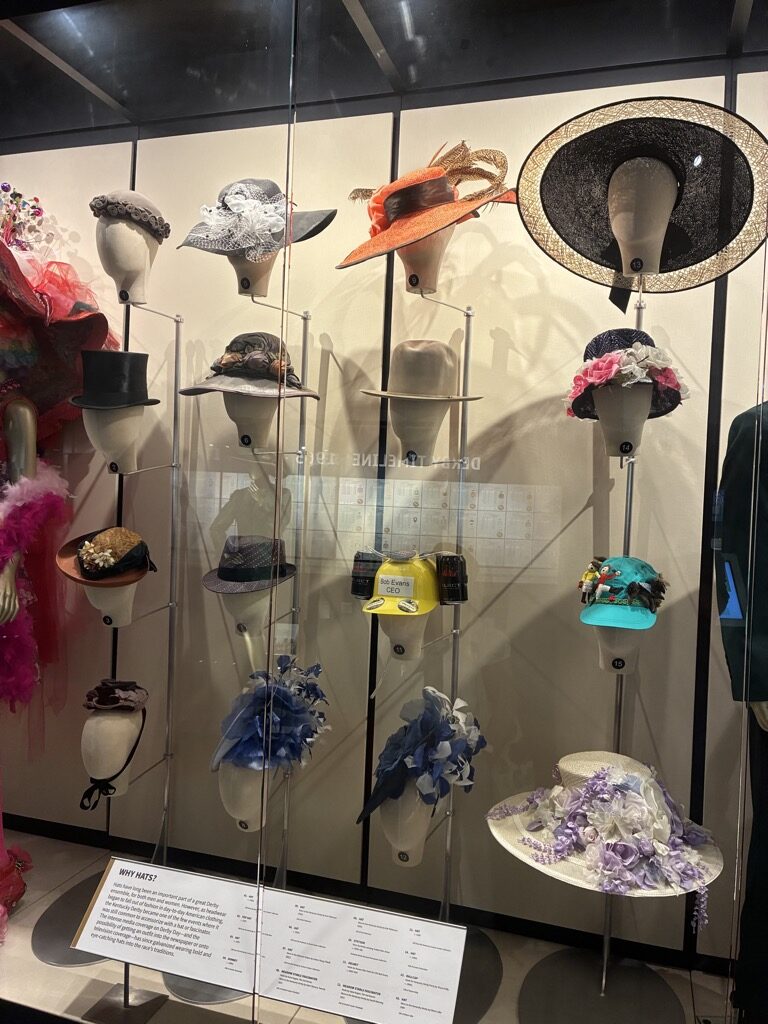
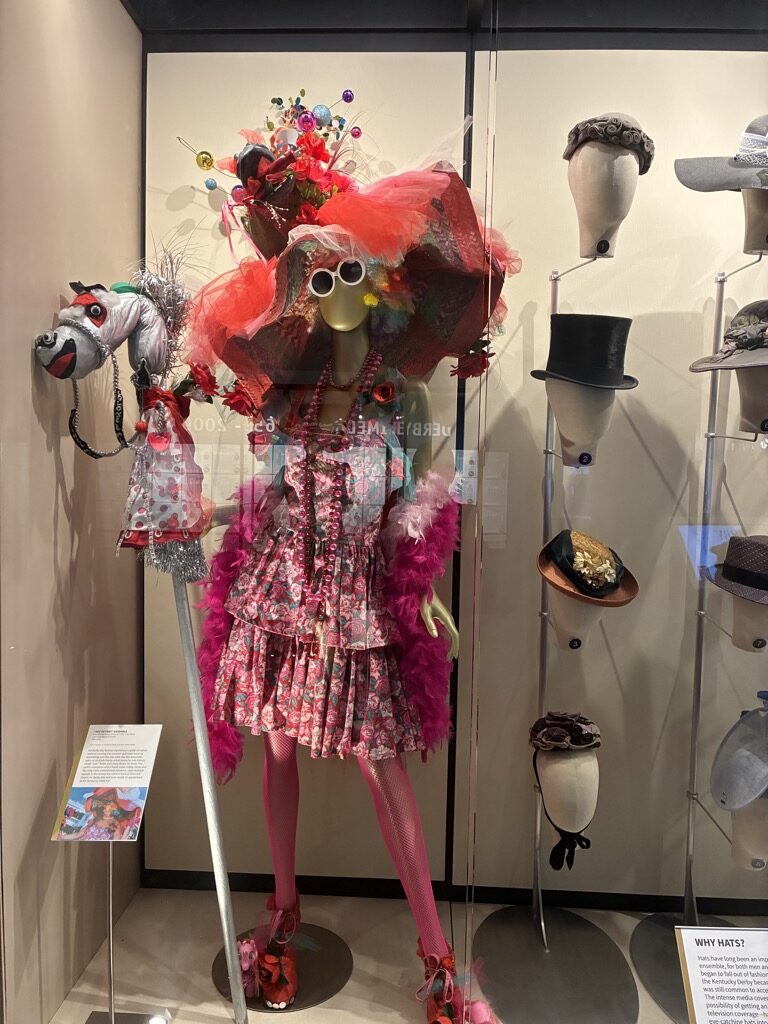
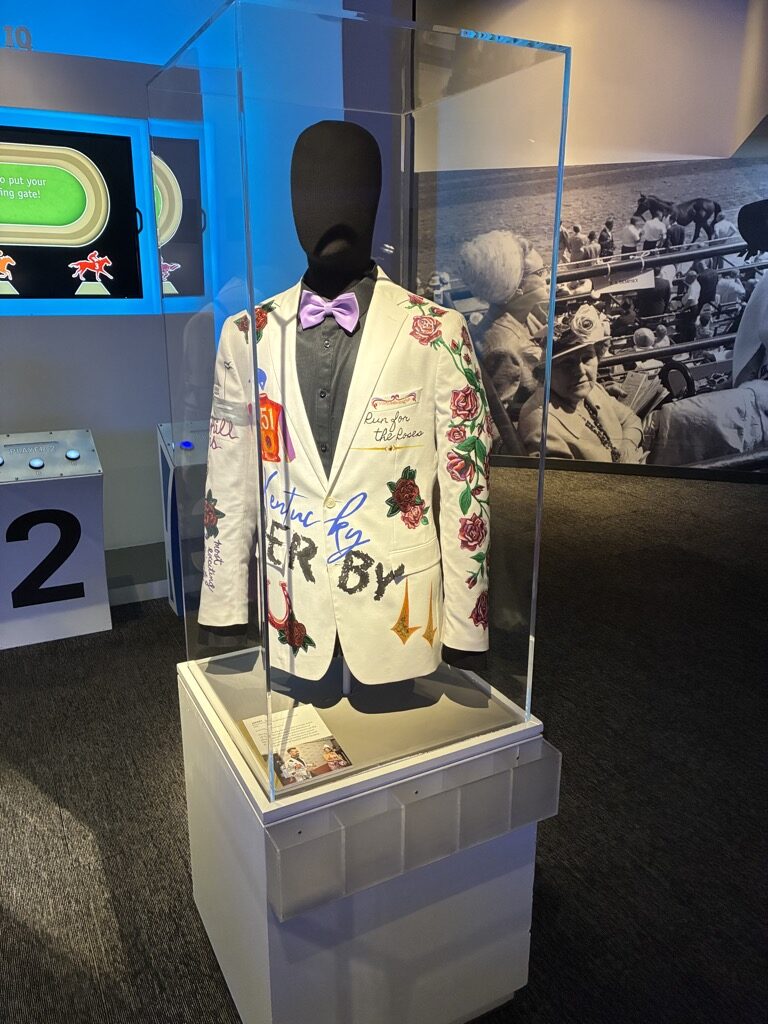
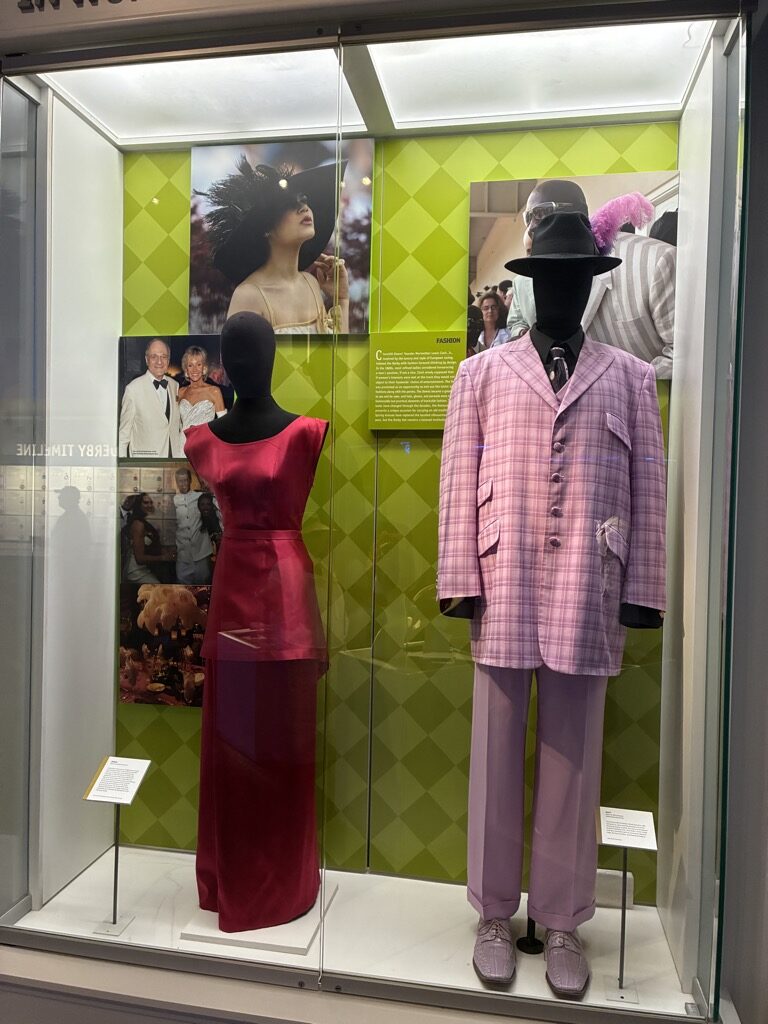
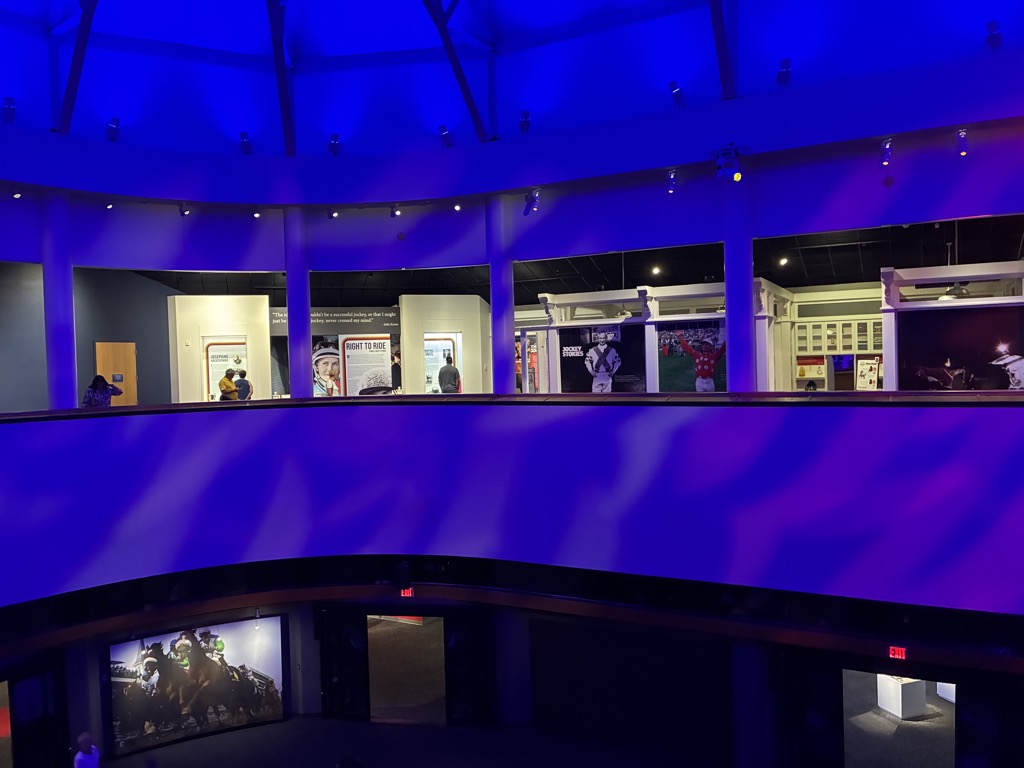
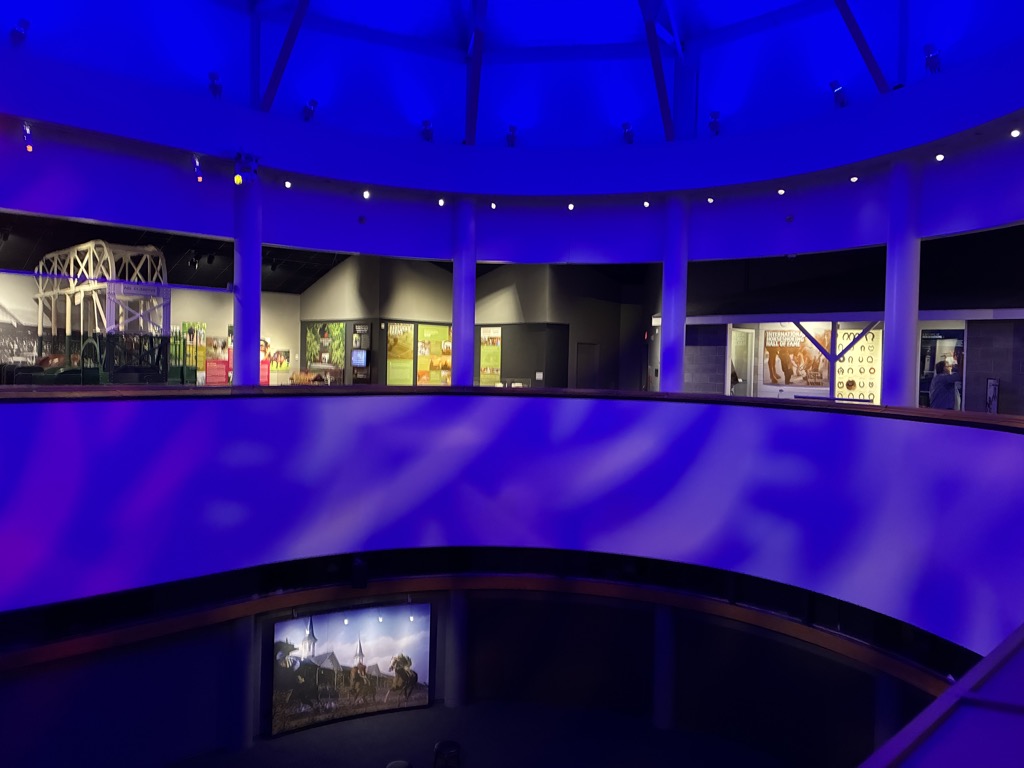
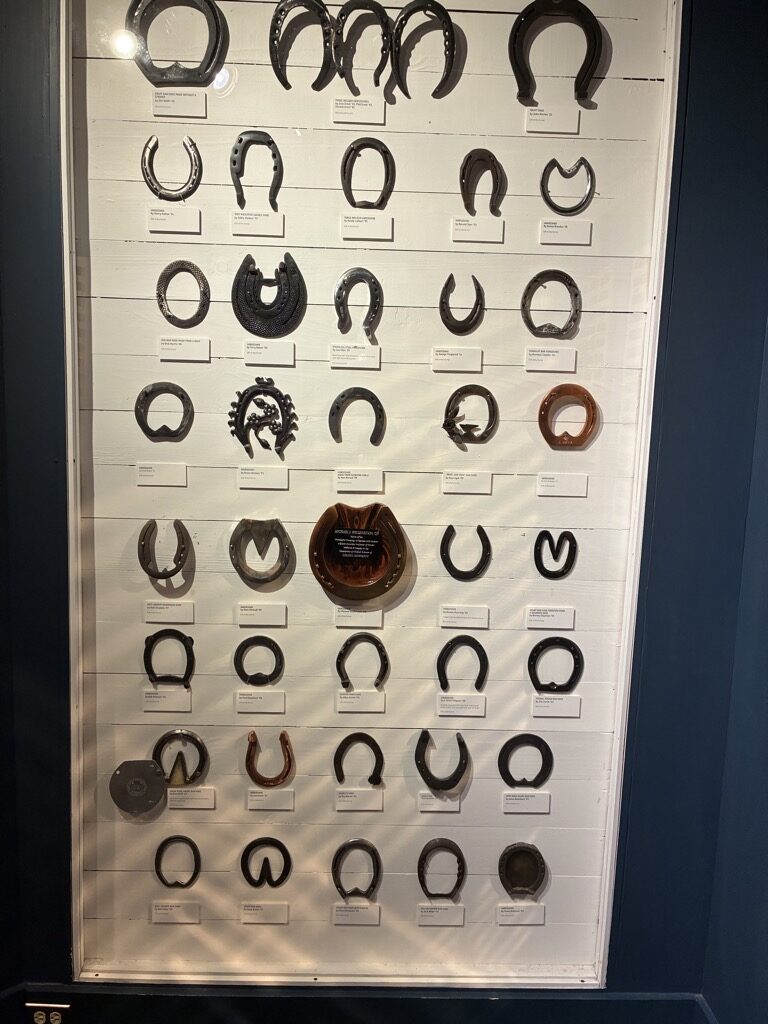
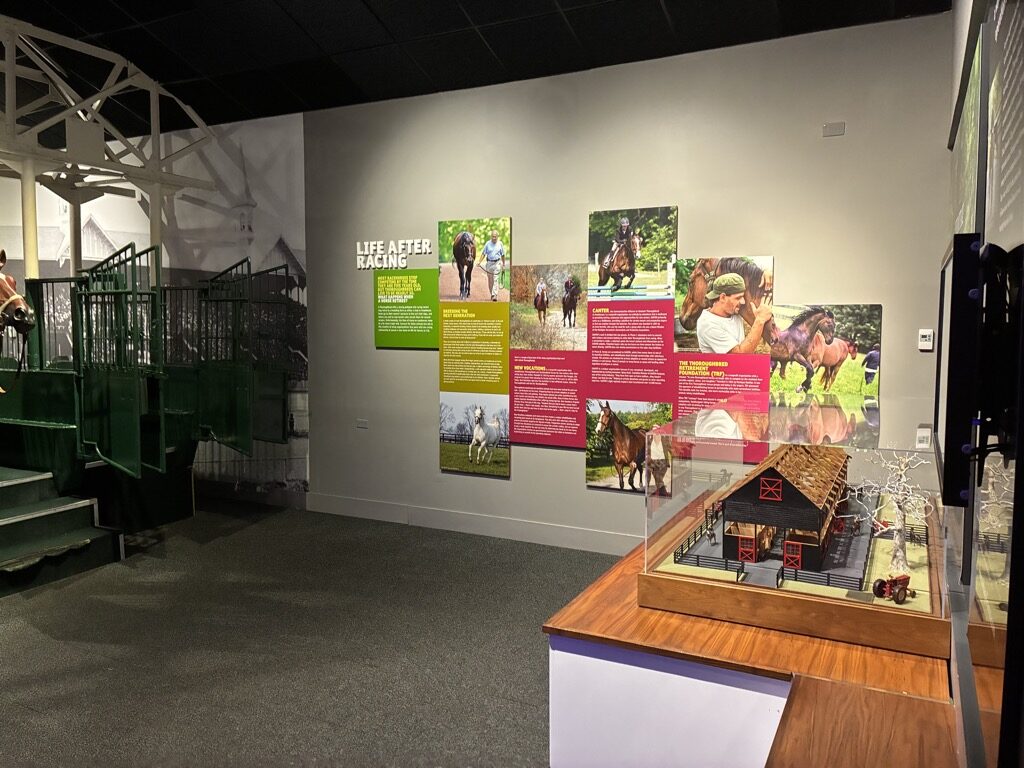
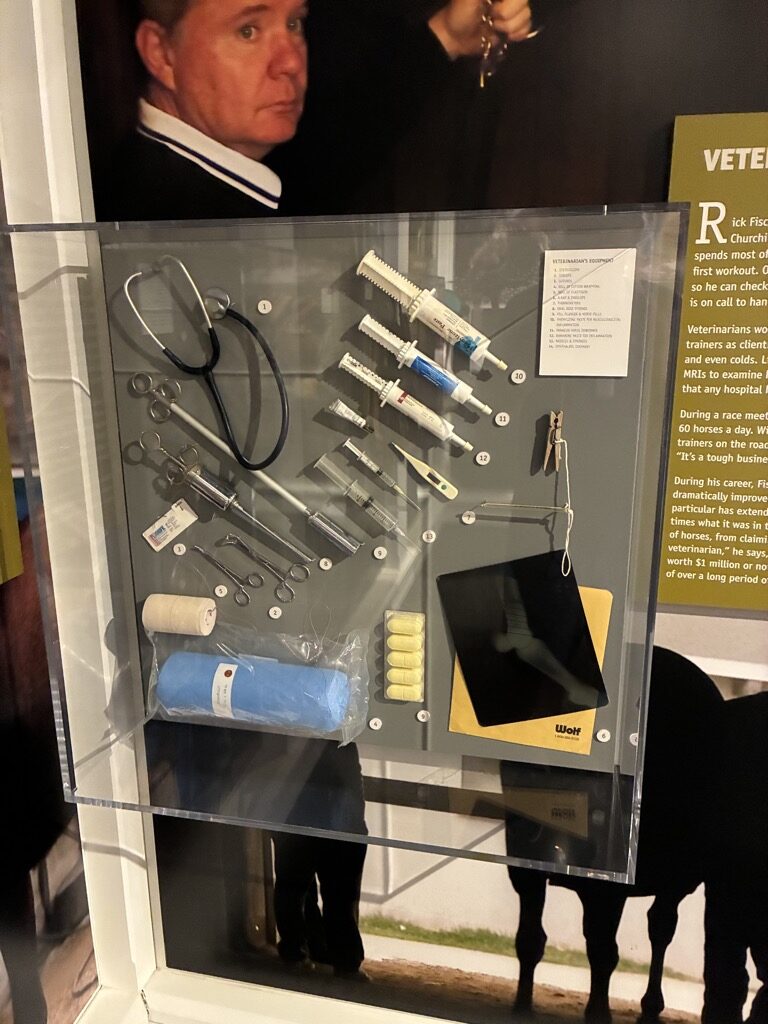
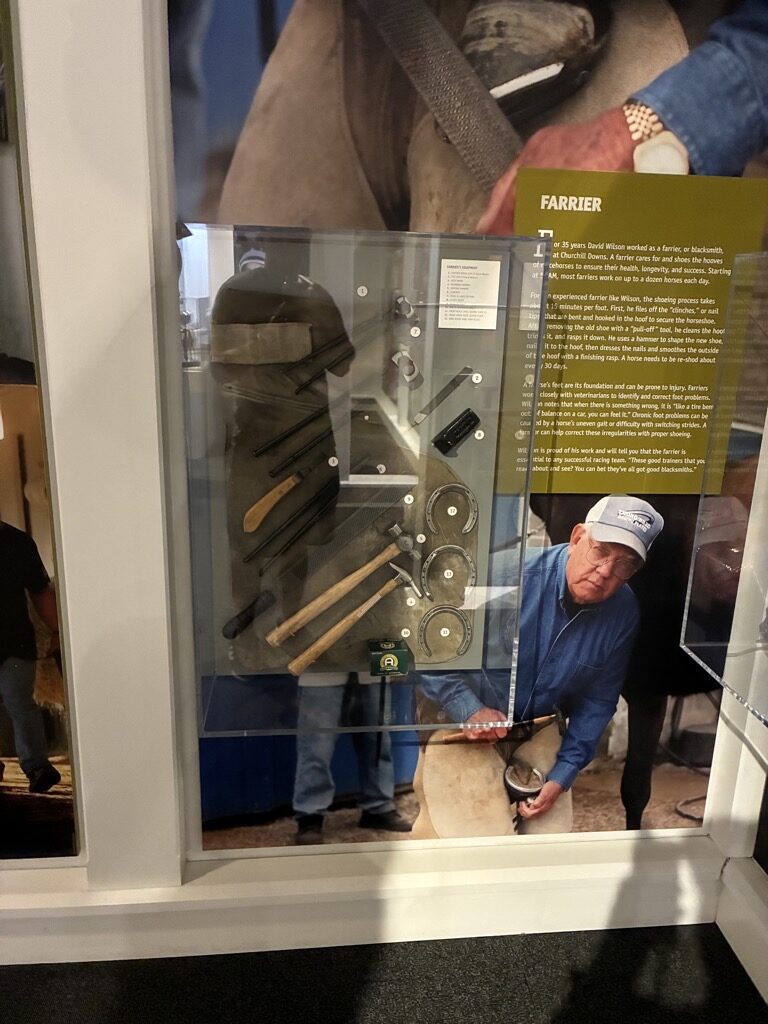
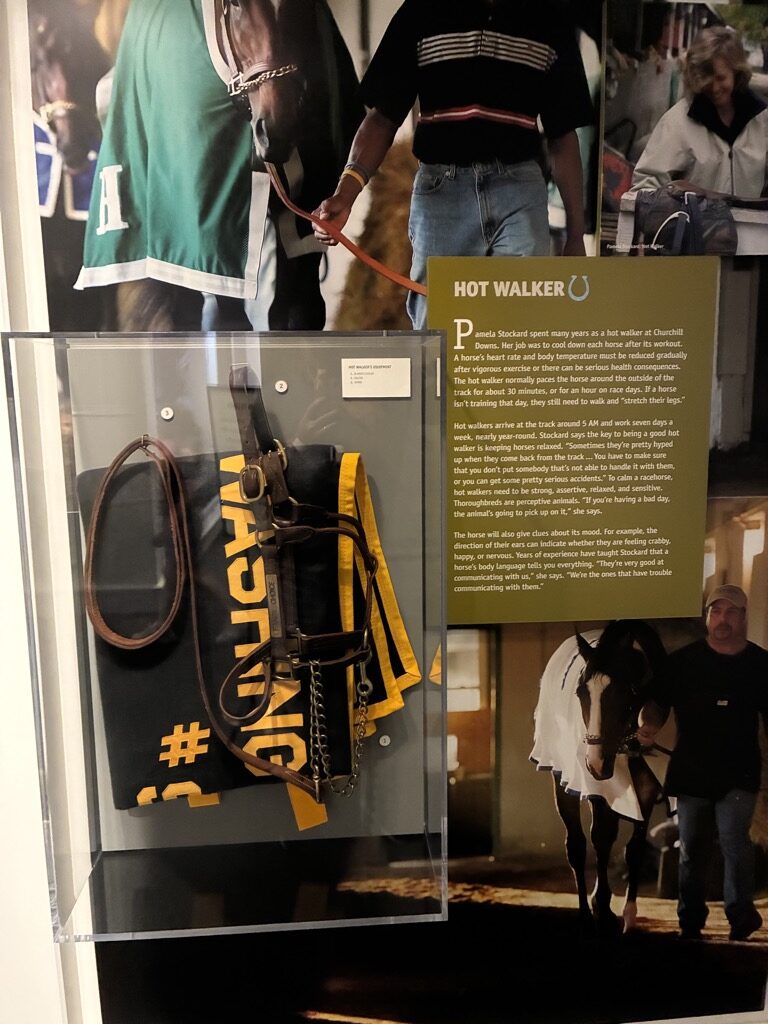
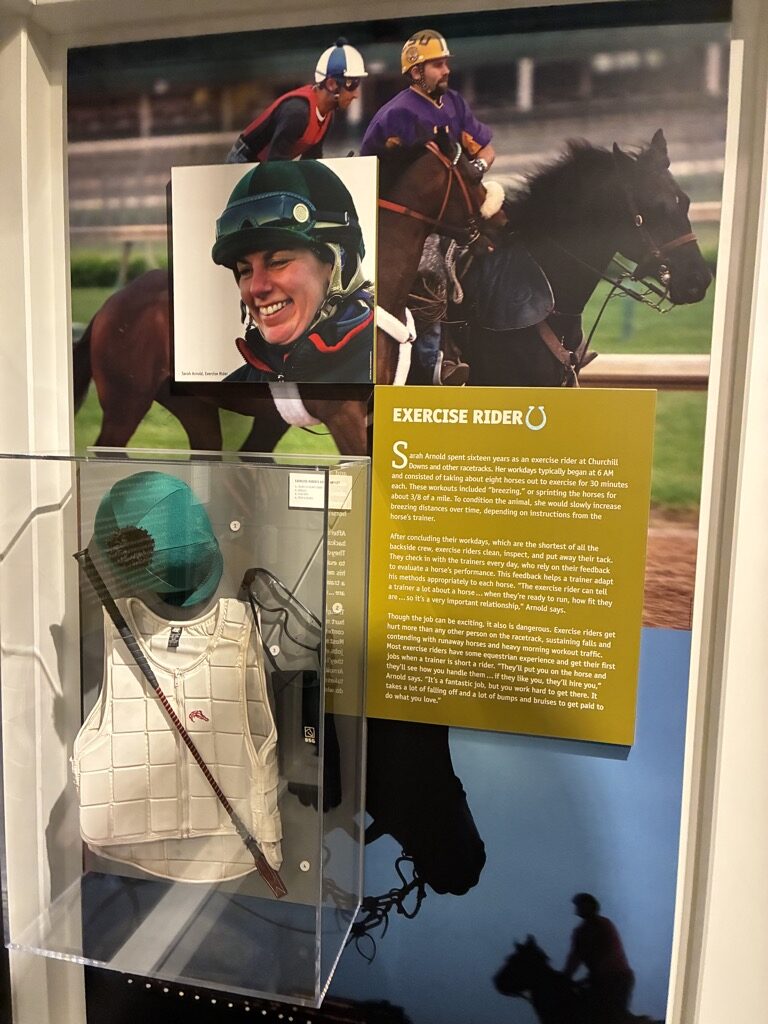
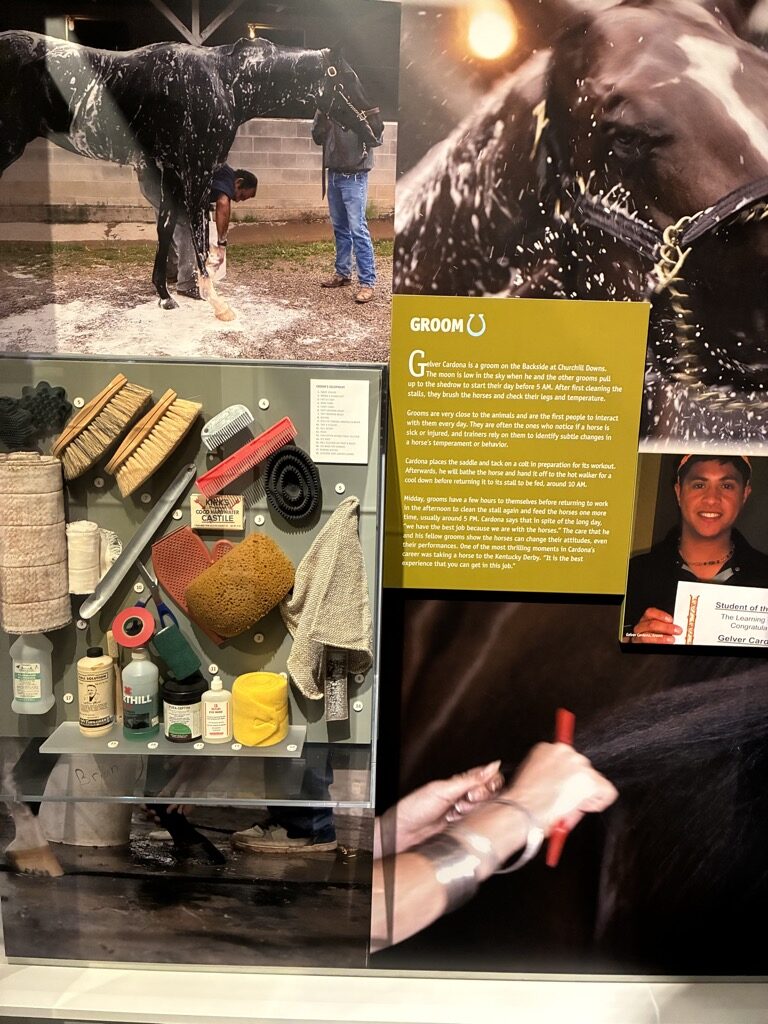
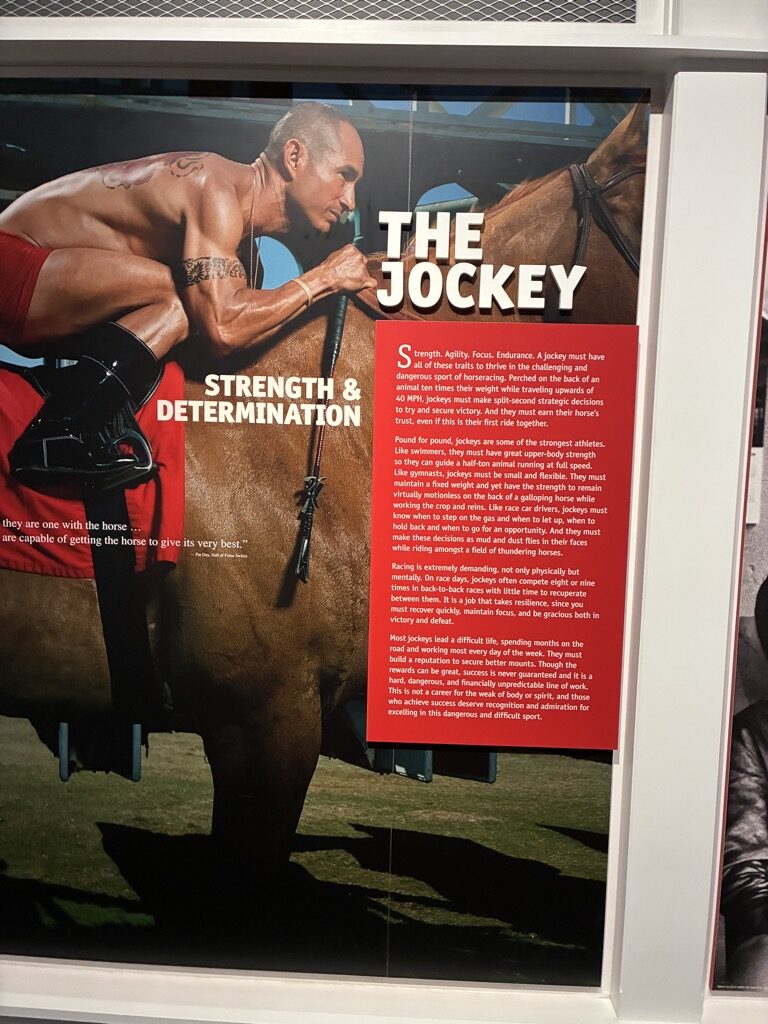
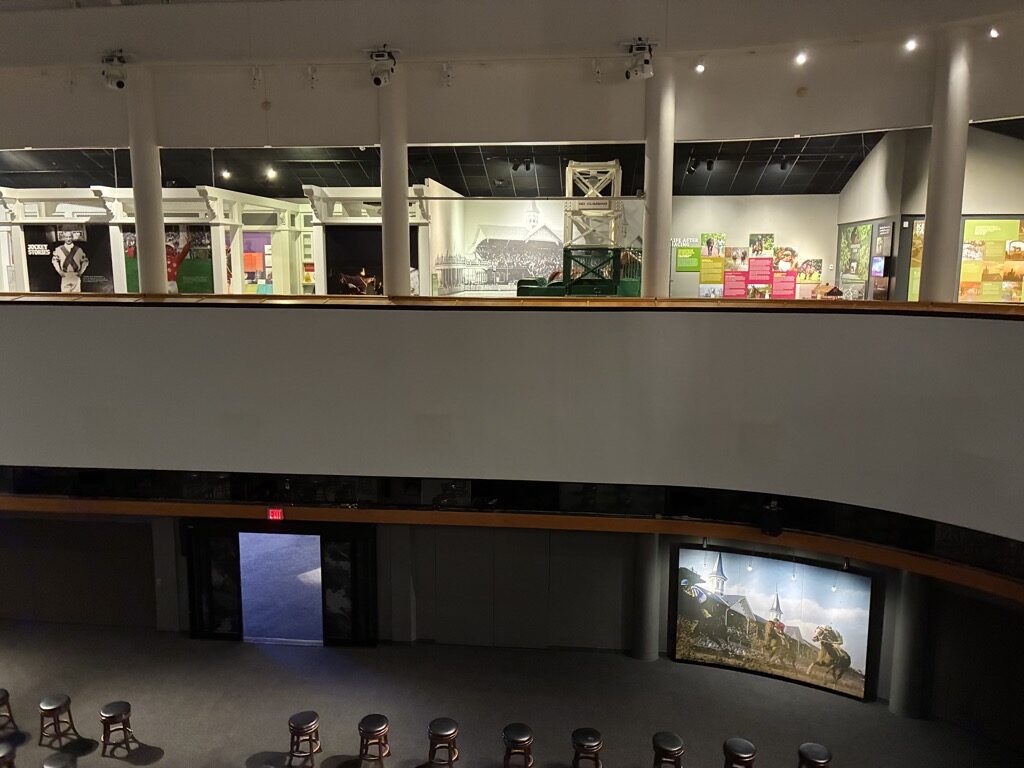
The racetrack has its own museum next door, and I wholeheartedly recommend visiting it as well. It provides lots of context for what you have or will experience at the track. While I have my reservations about any animal sport, I just can’t deny how spectacular it is. Unless you are attending the Derby, it seems like admission is available to us mere mortals, and you get a perfect excuse to dress as extravagantly as you want. One thought occurred to me and seems to have solidified: it is the perfect event for ladies to buy as crazy a hat as they can possibly manage. I don’t particularly fancy formal attire, as conservative colours seem to put me into a coma, but Southern attire is different. I can’t help but admire bright-coloured suits and dresses. I find it exhilarating, and as far as comparisons go, I find it similar to brightly coloured cars or houses. It just makes me smile like a child looking through glass at the candy counter. I just wish we had more bright colours around us… but as the quote goes, “…you can have any color as long as it is black.”
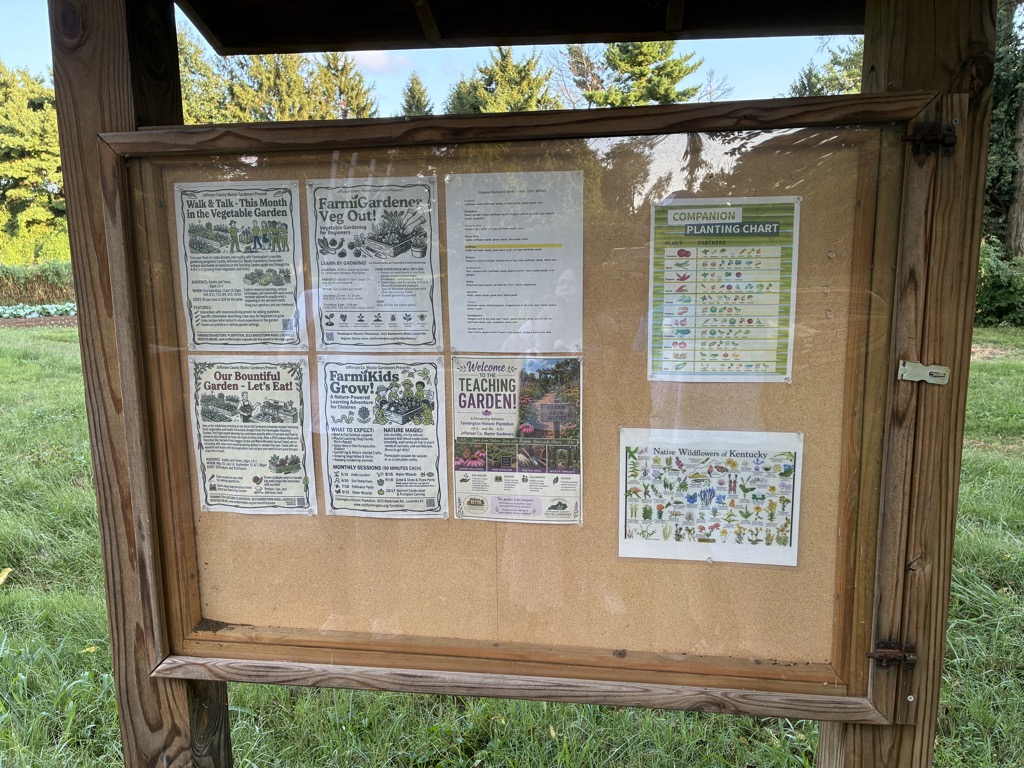
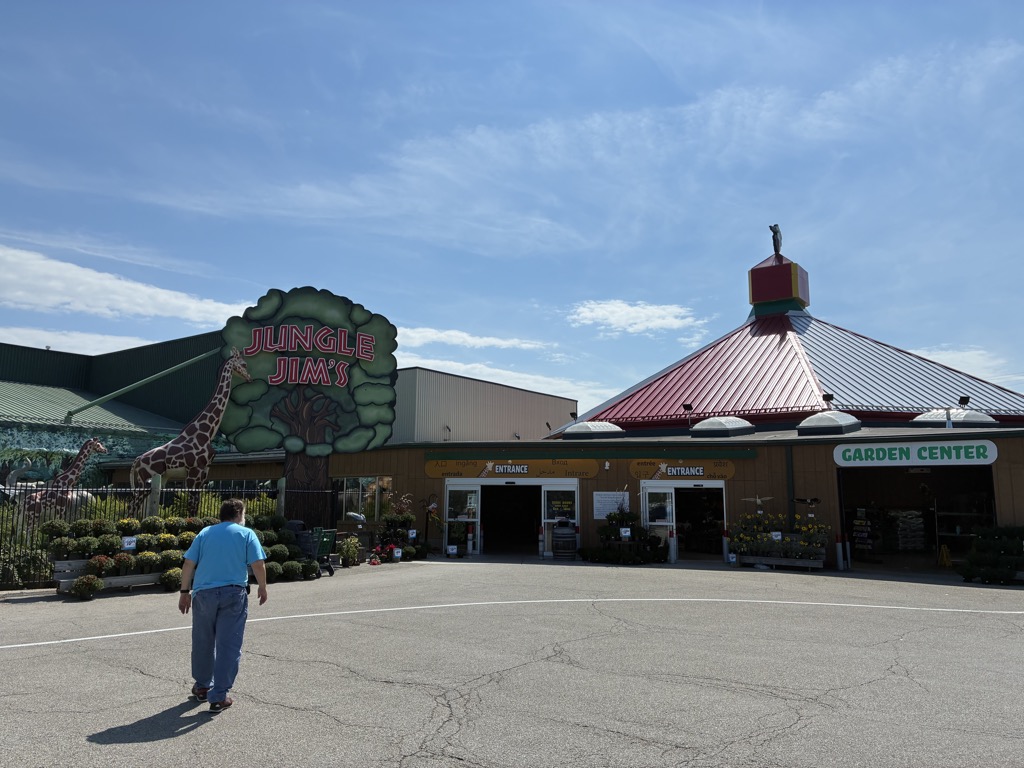
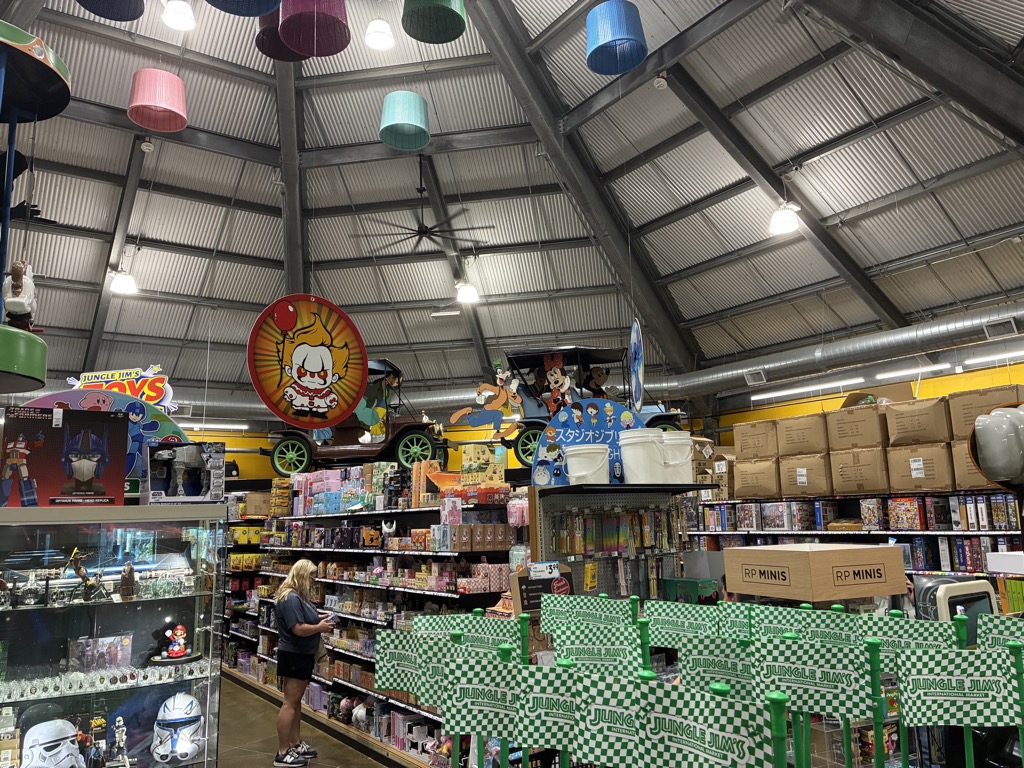
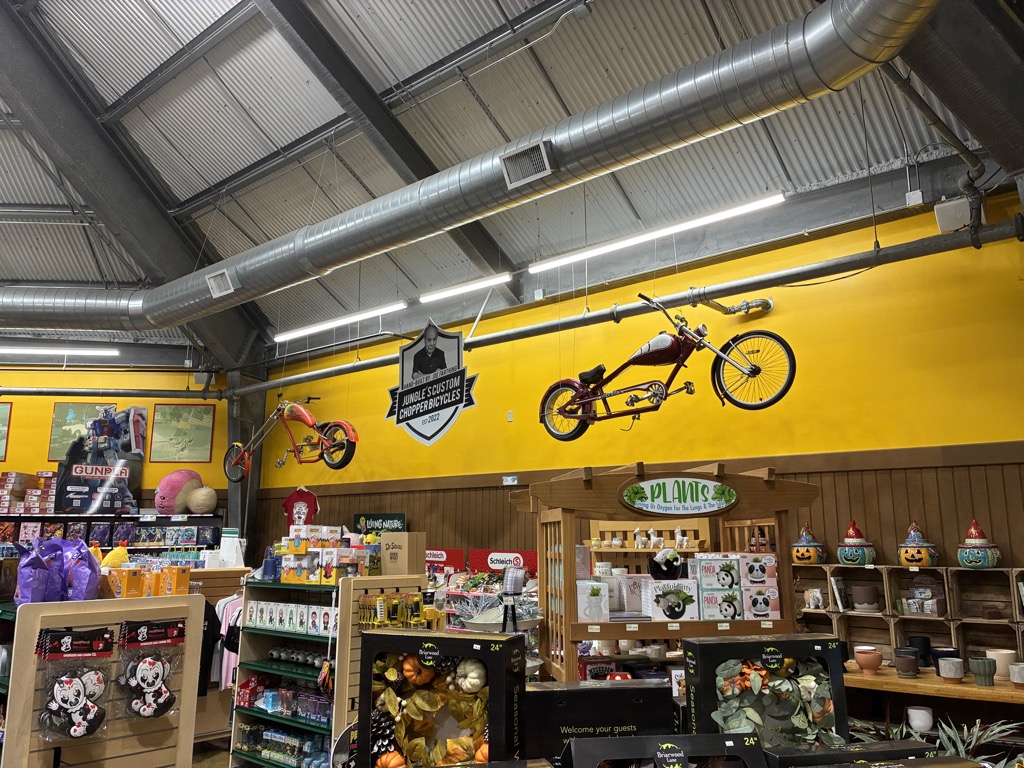
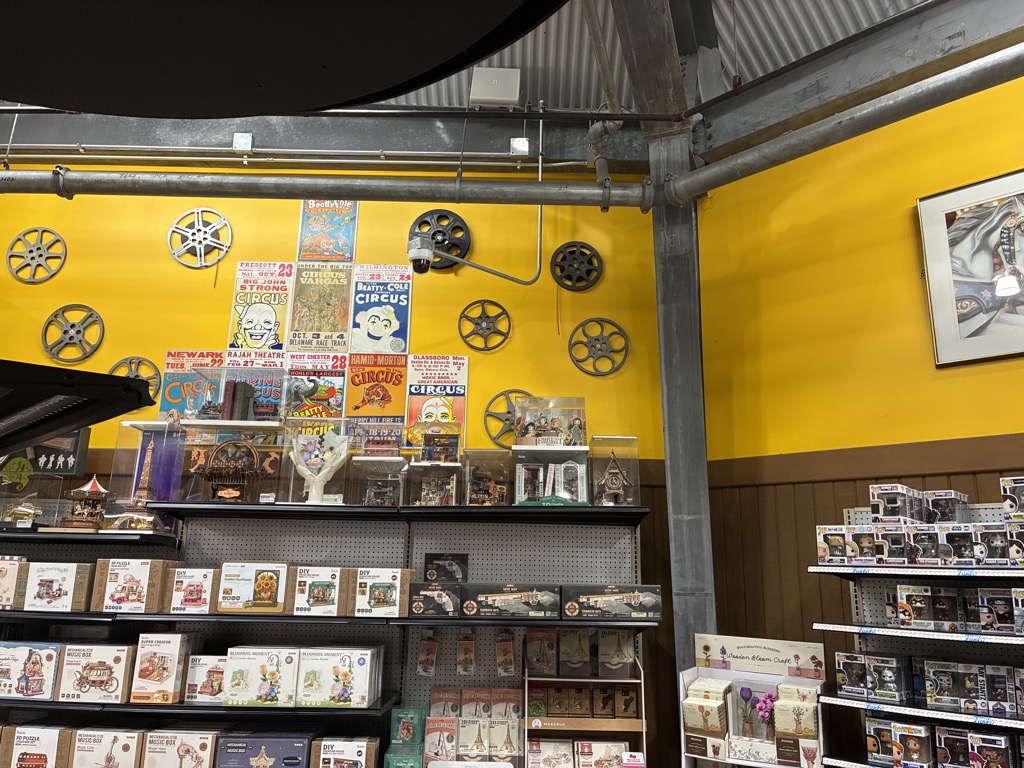
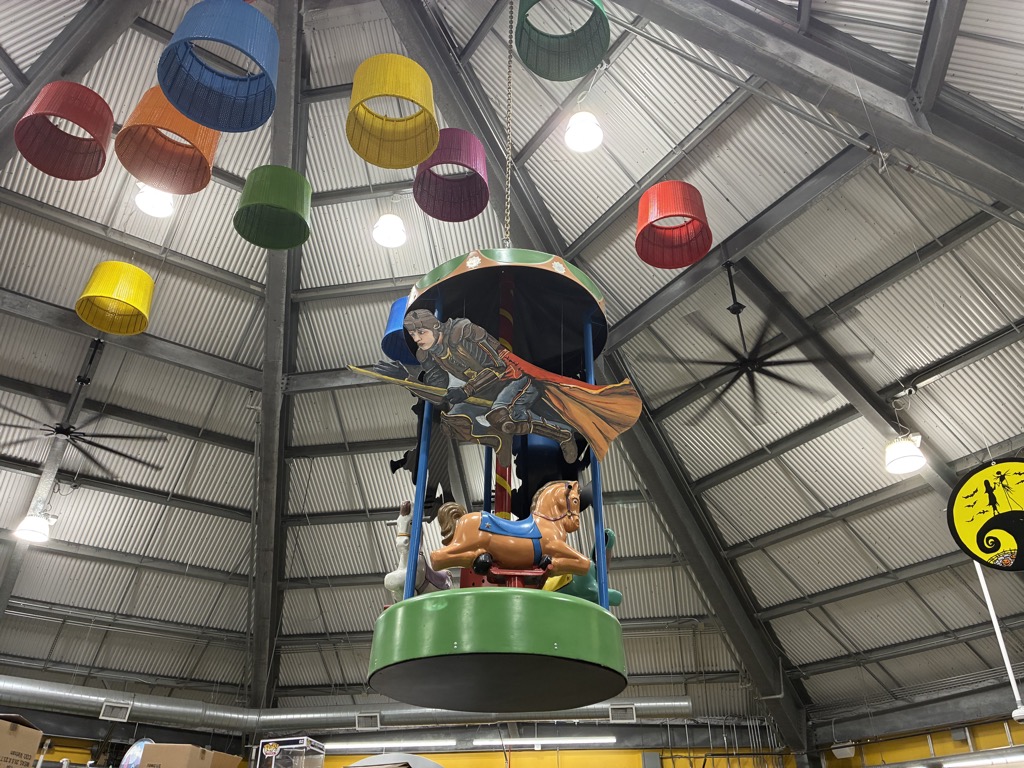
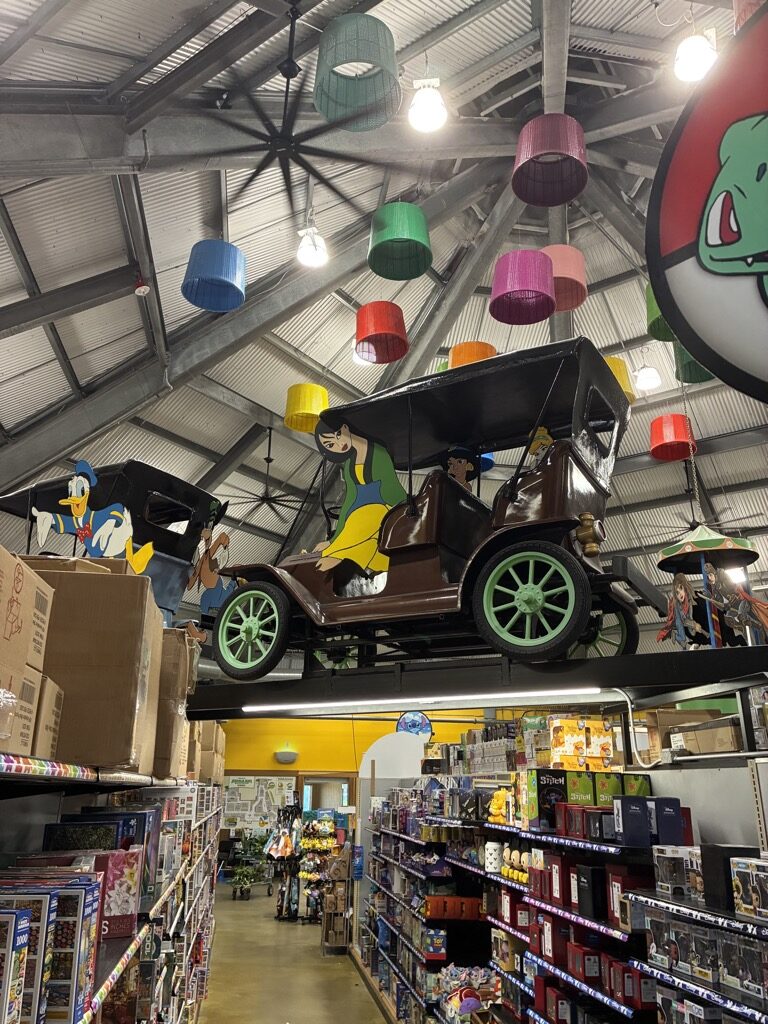
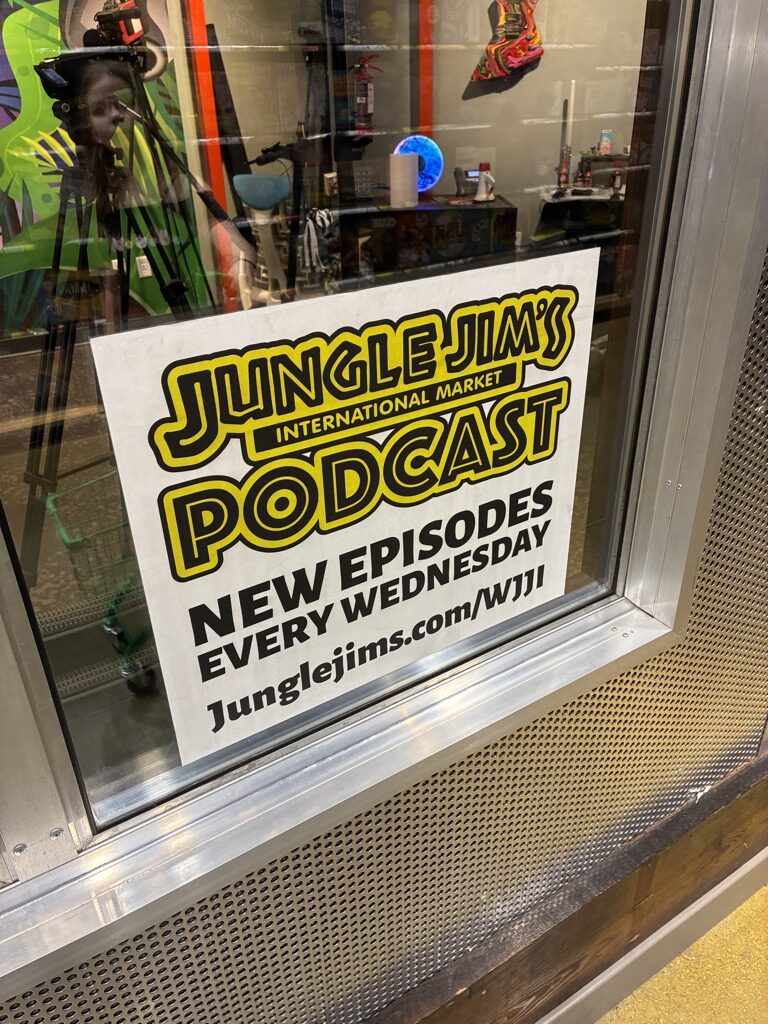
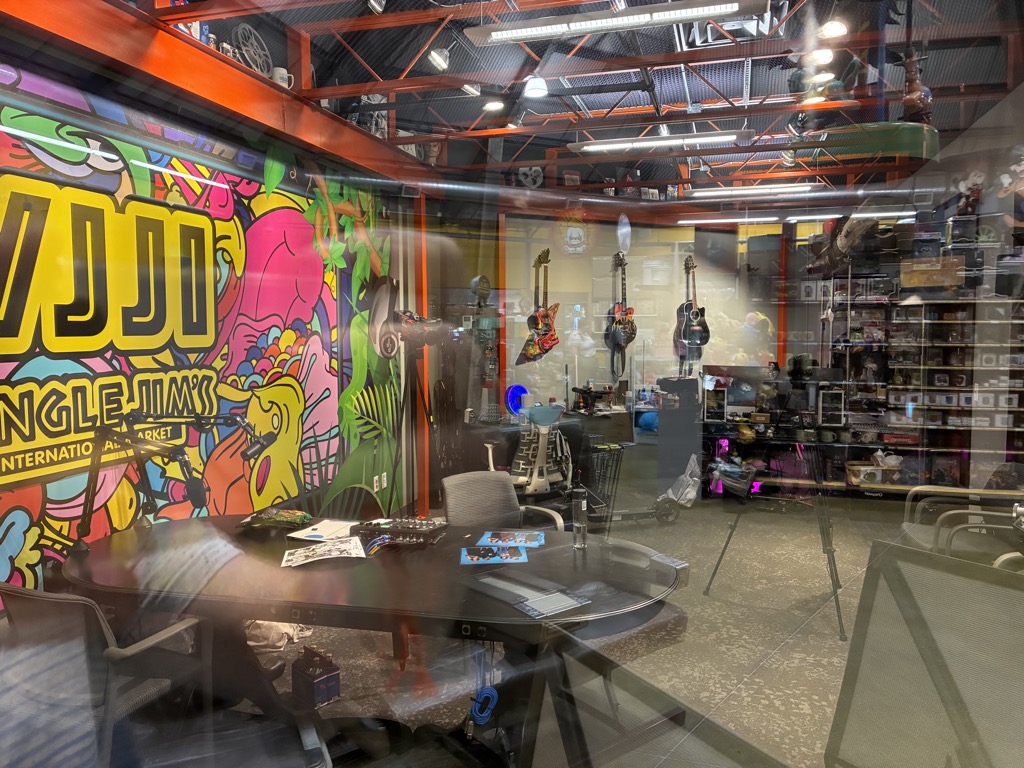
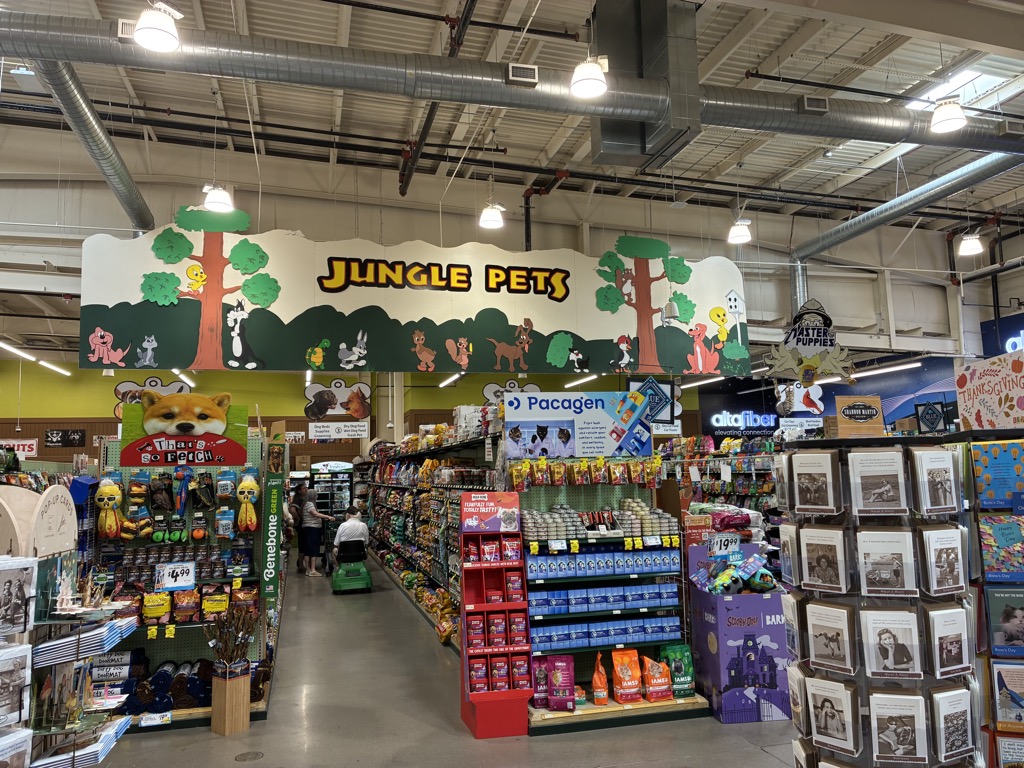
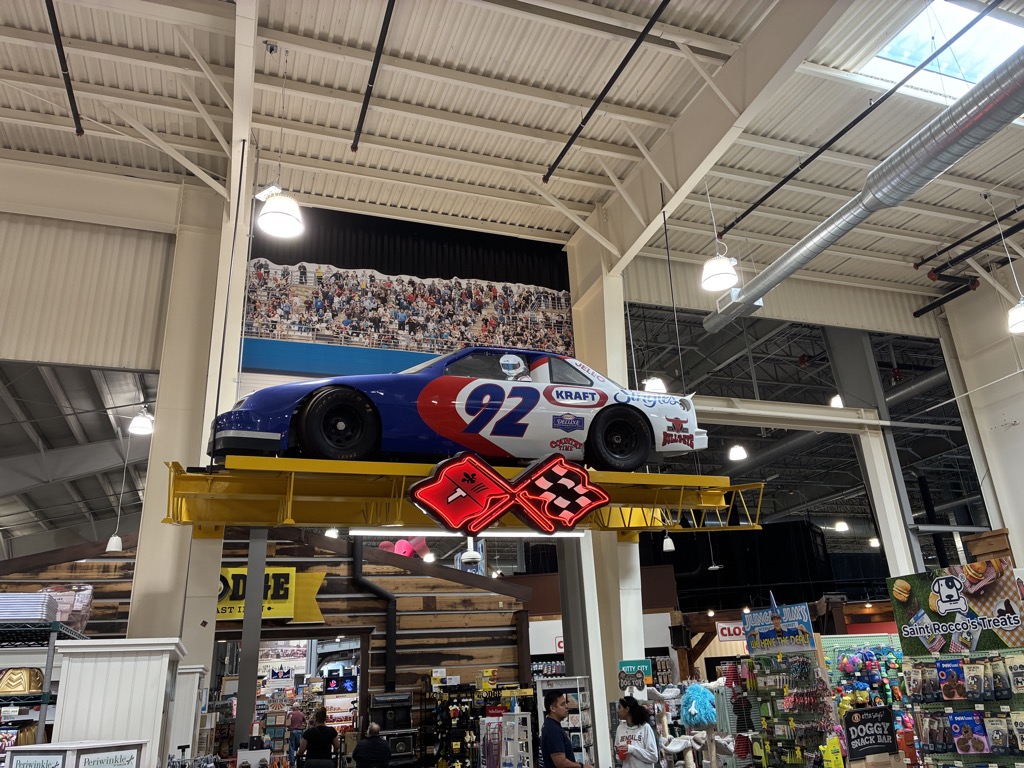
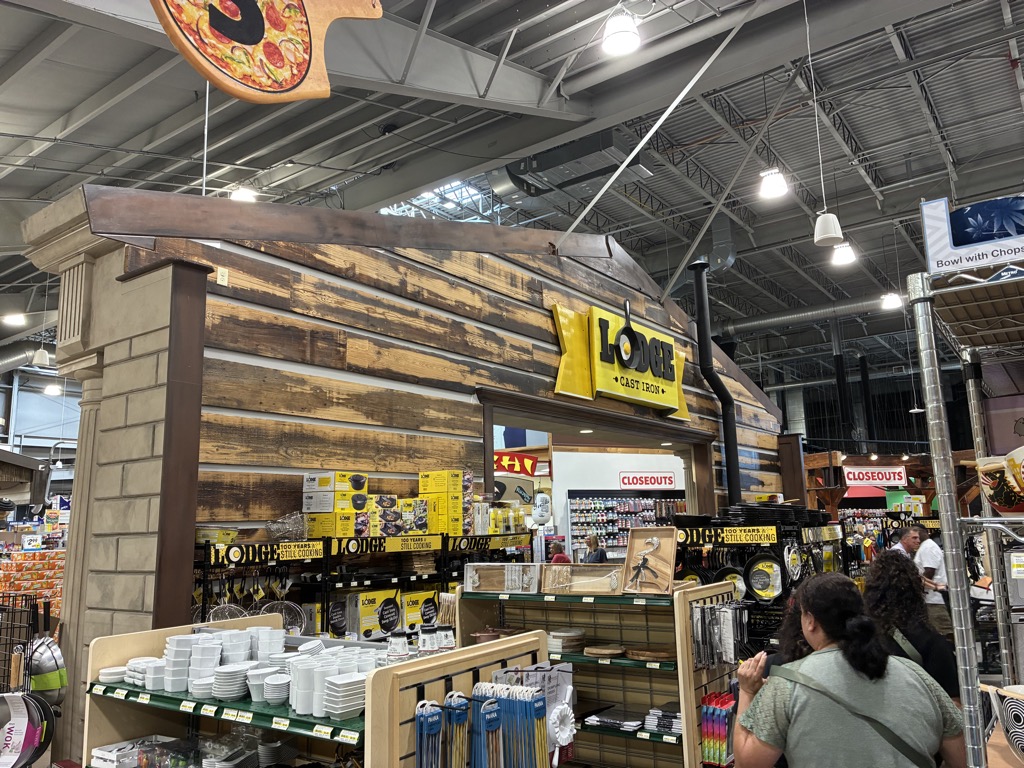
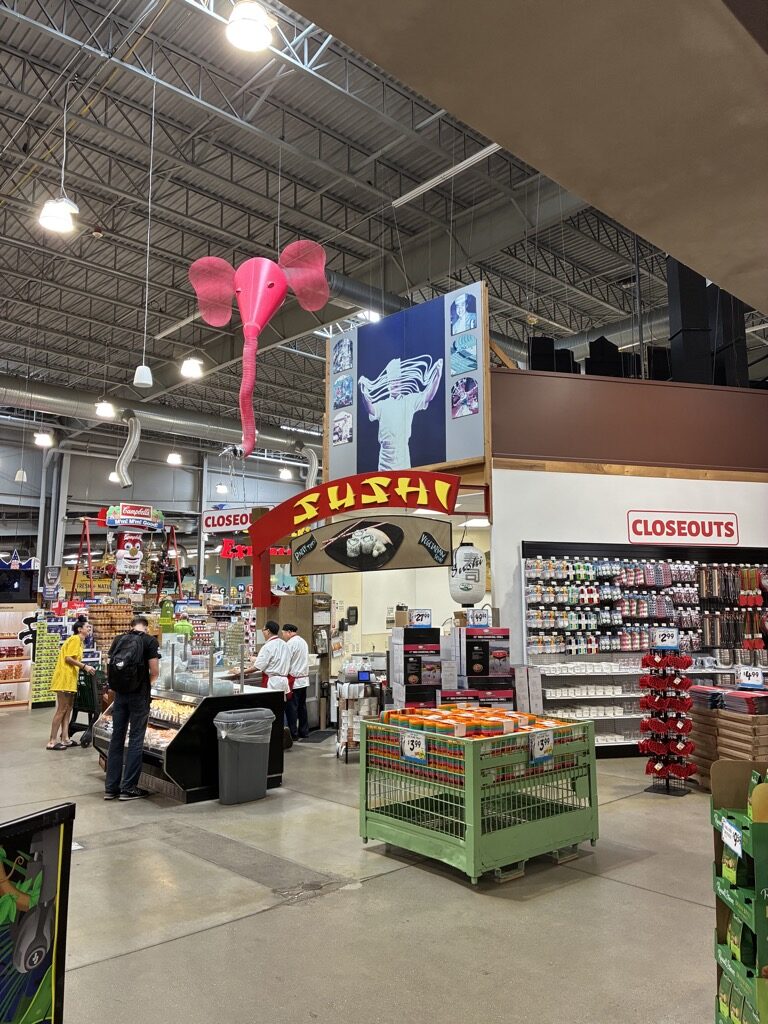
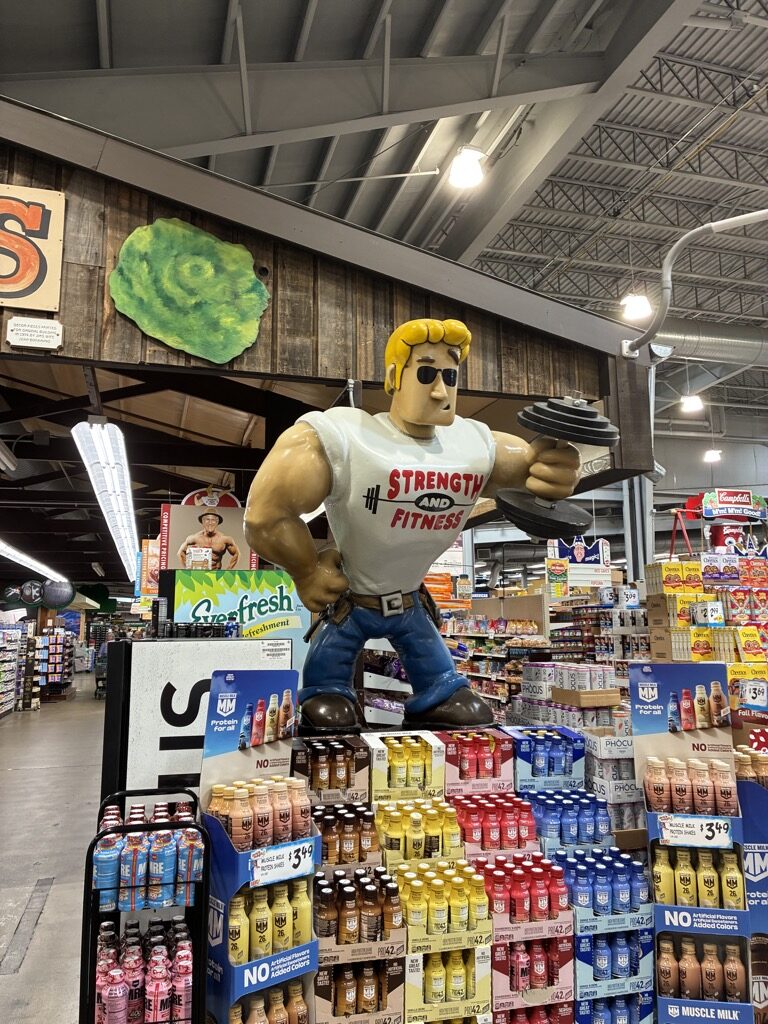
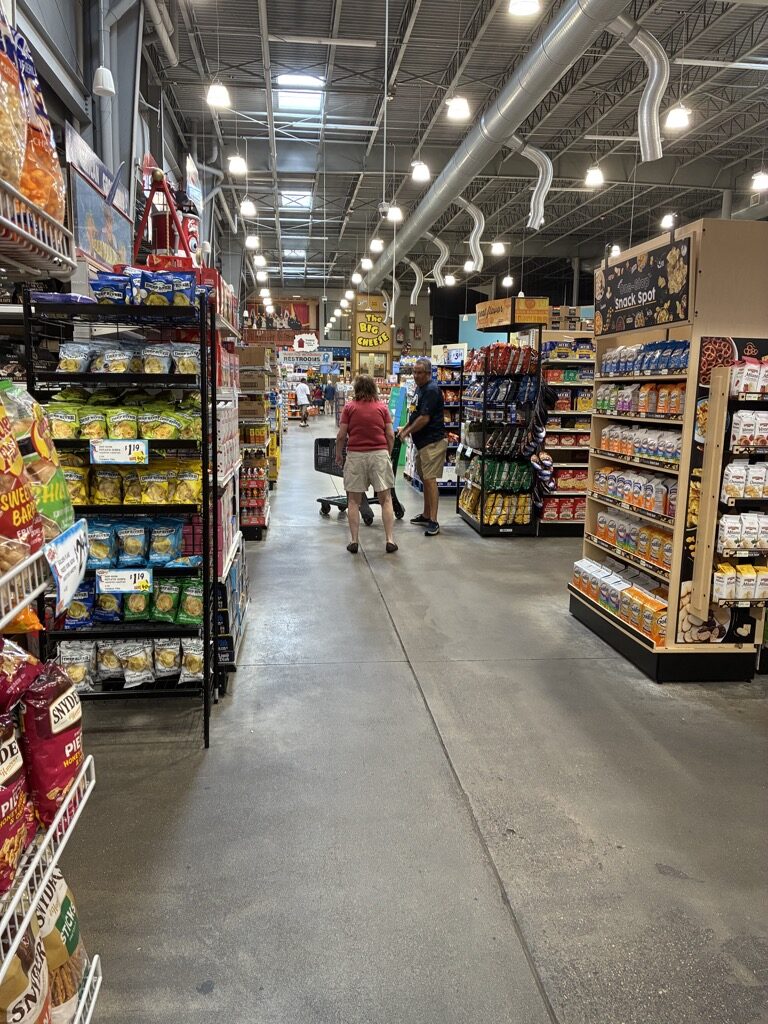
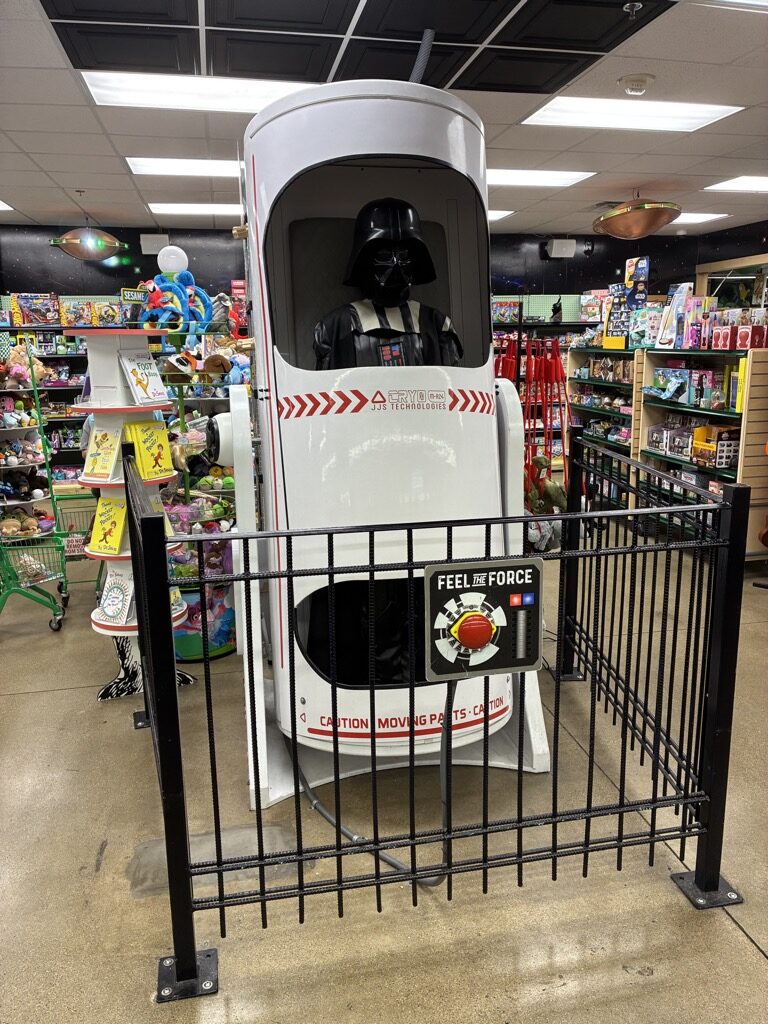
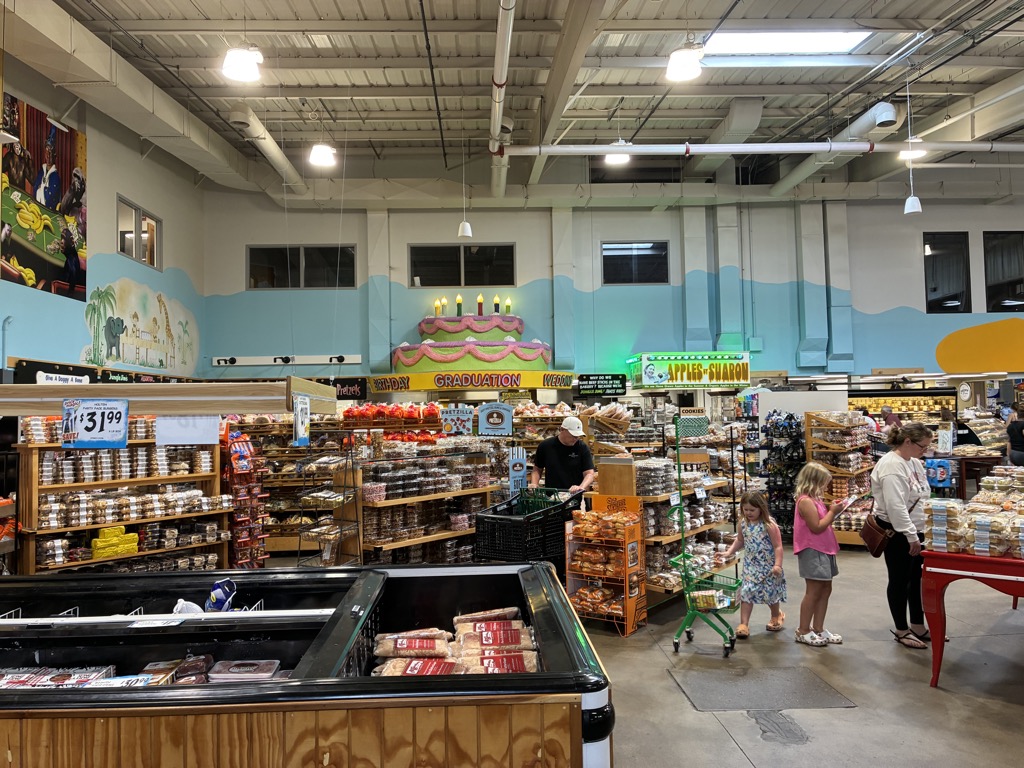
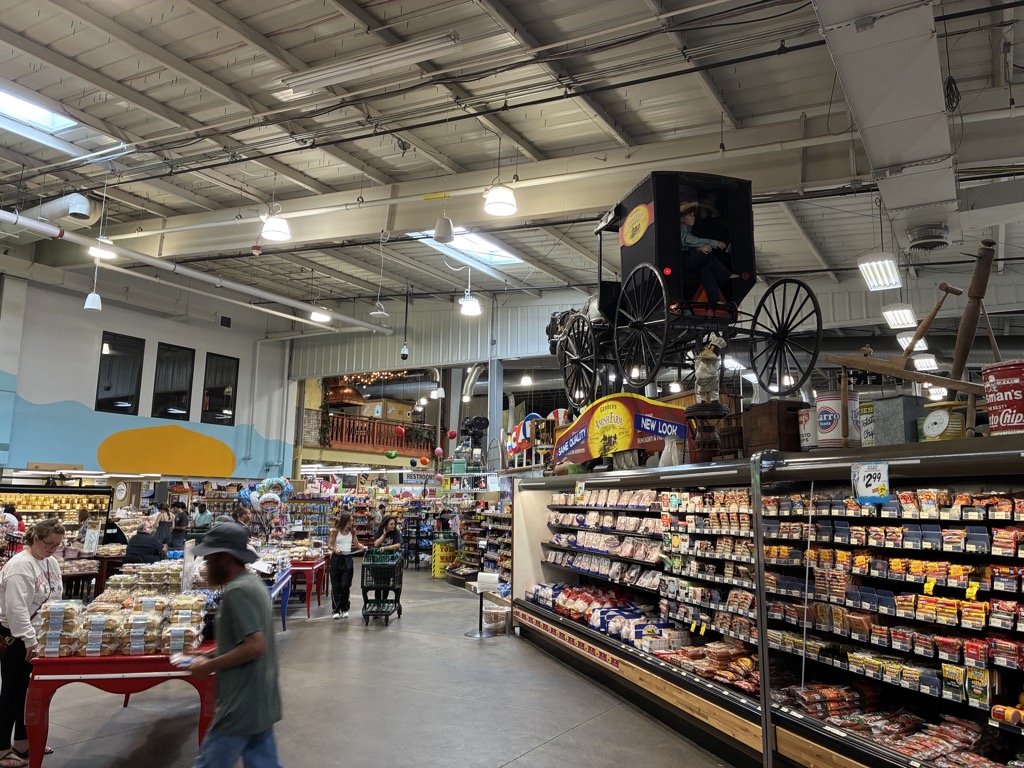
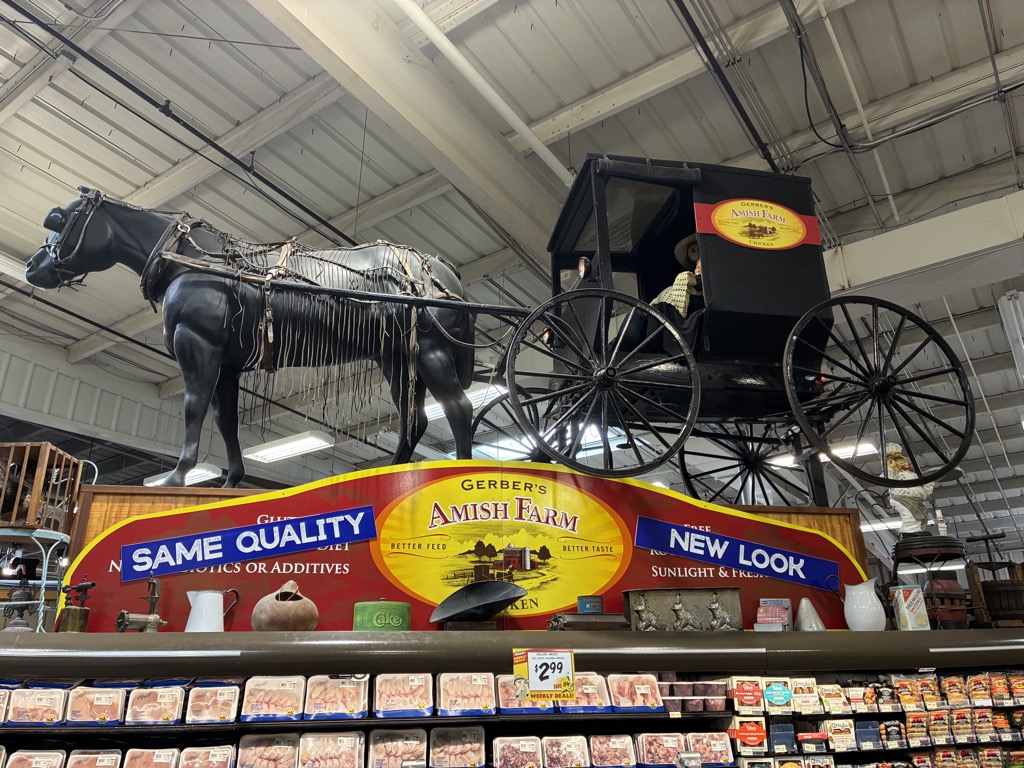
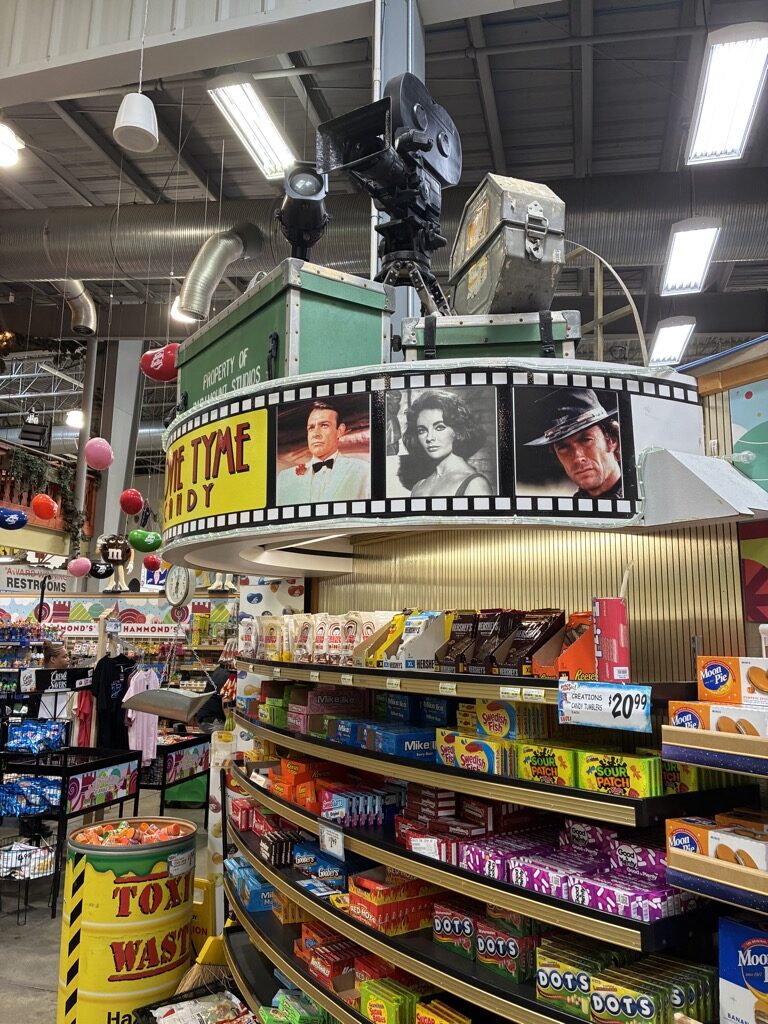
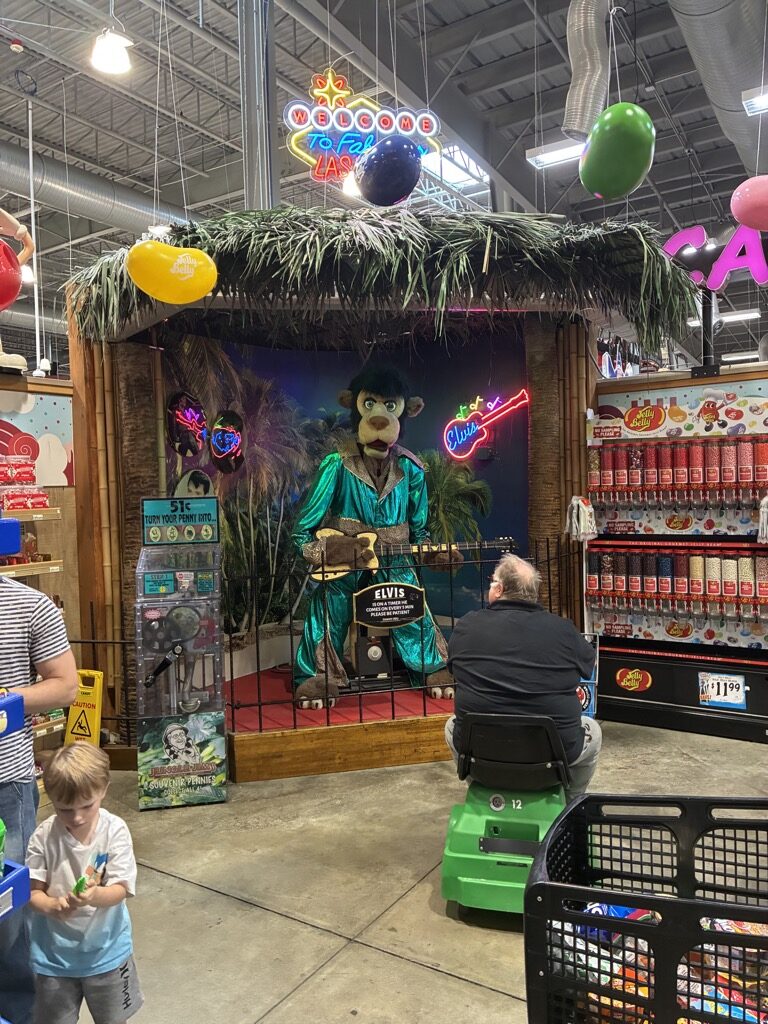
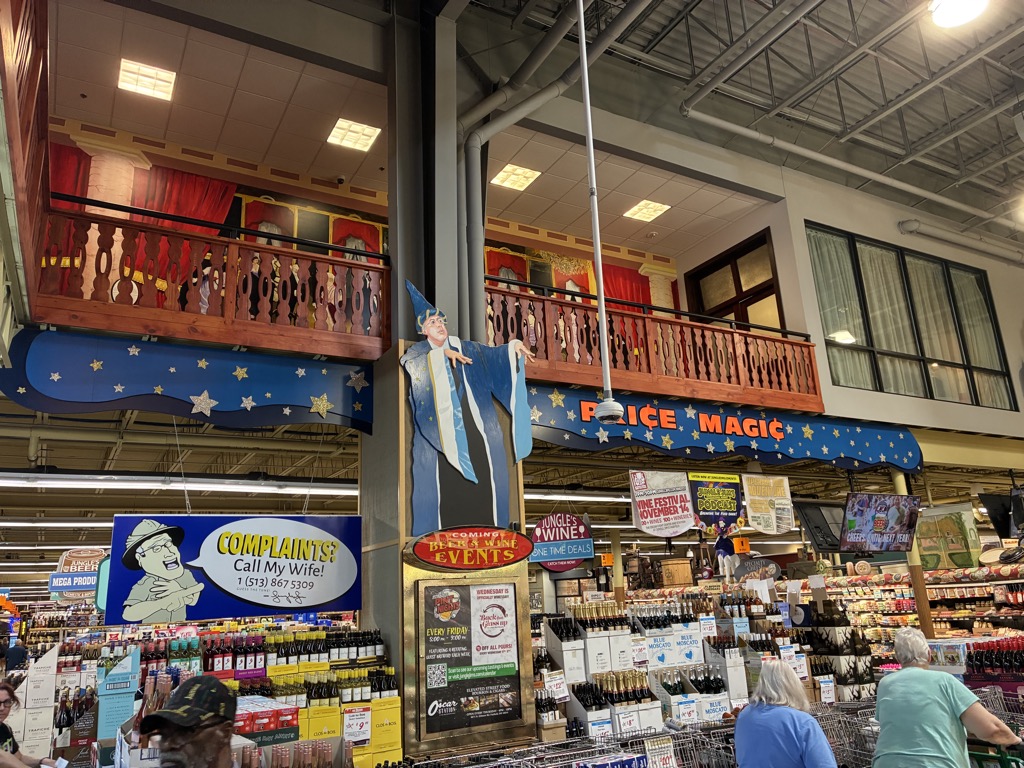
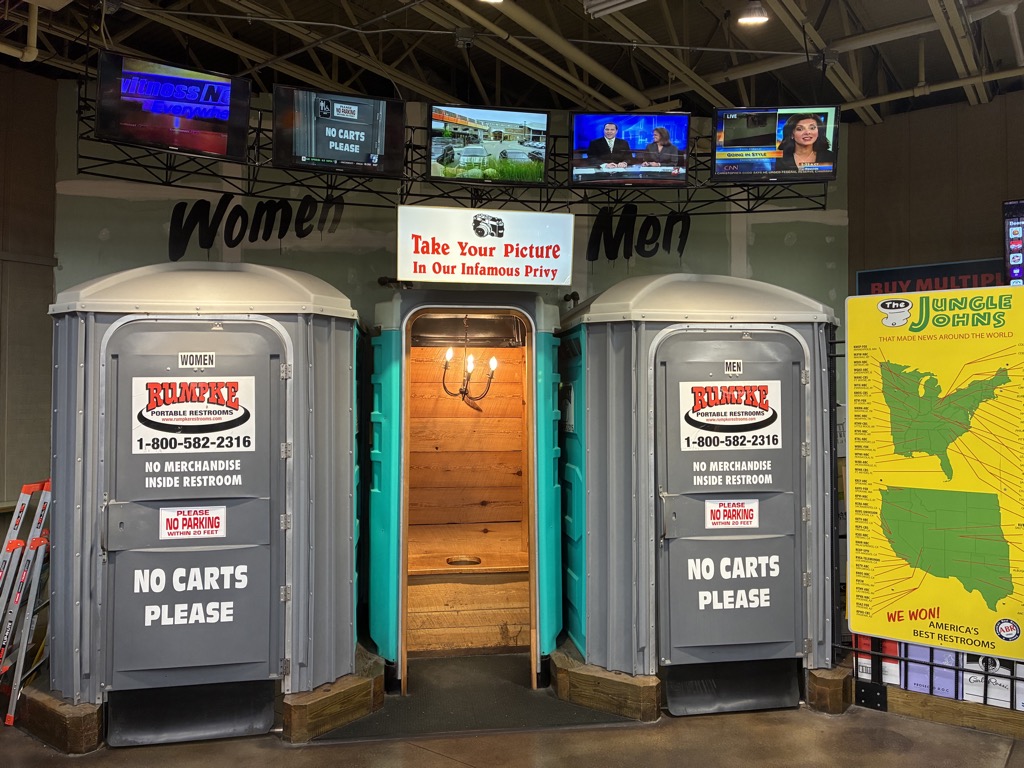
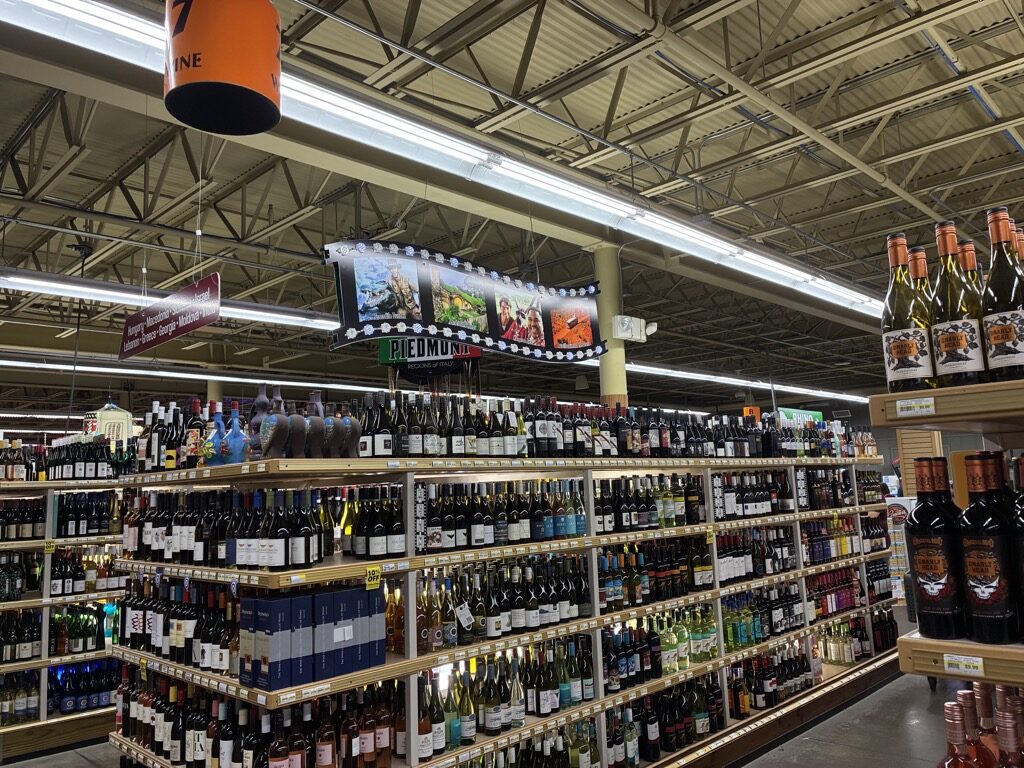
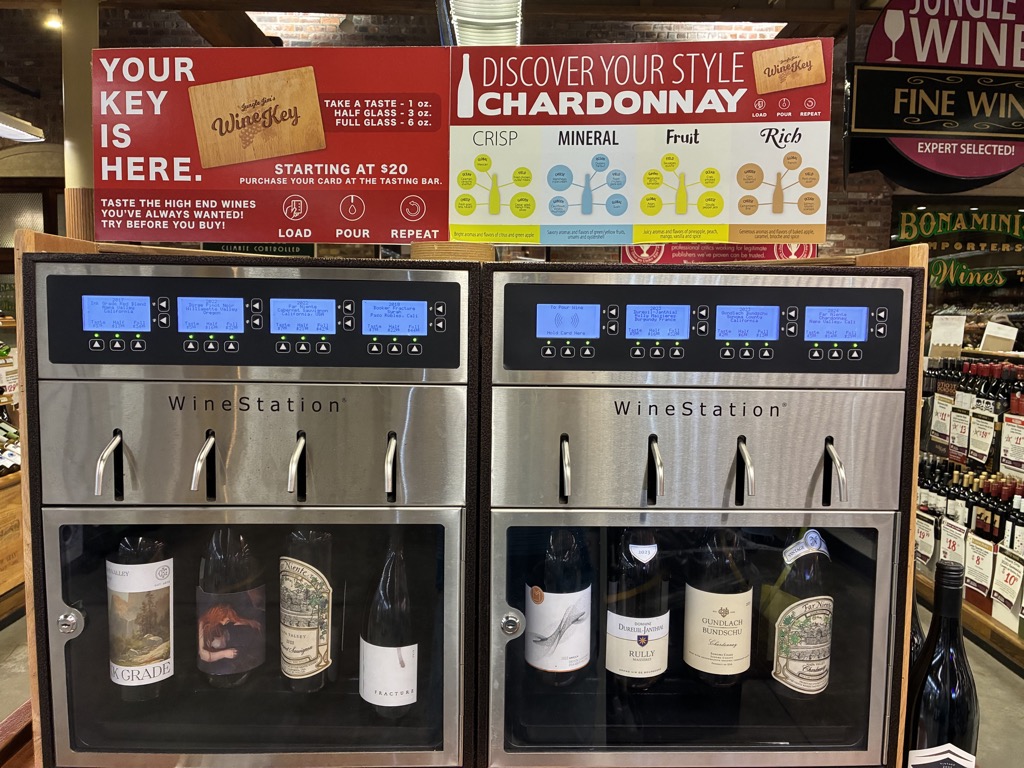
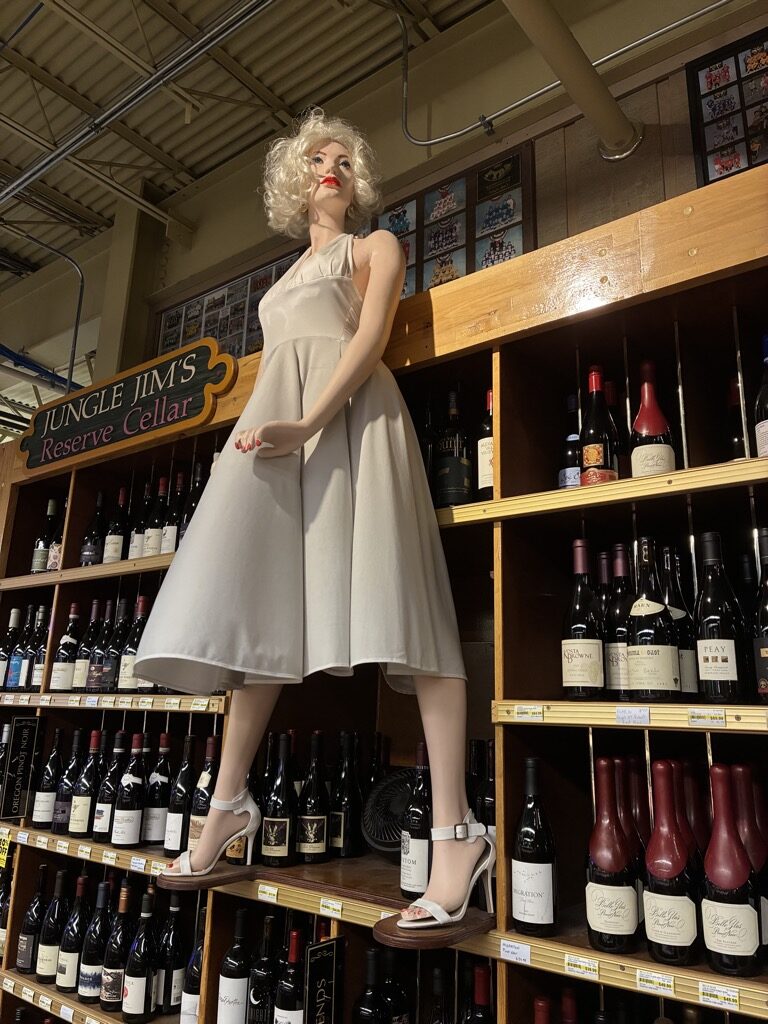
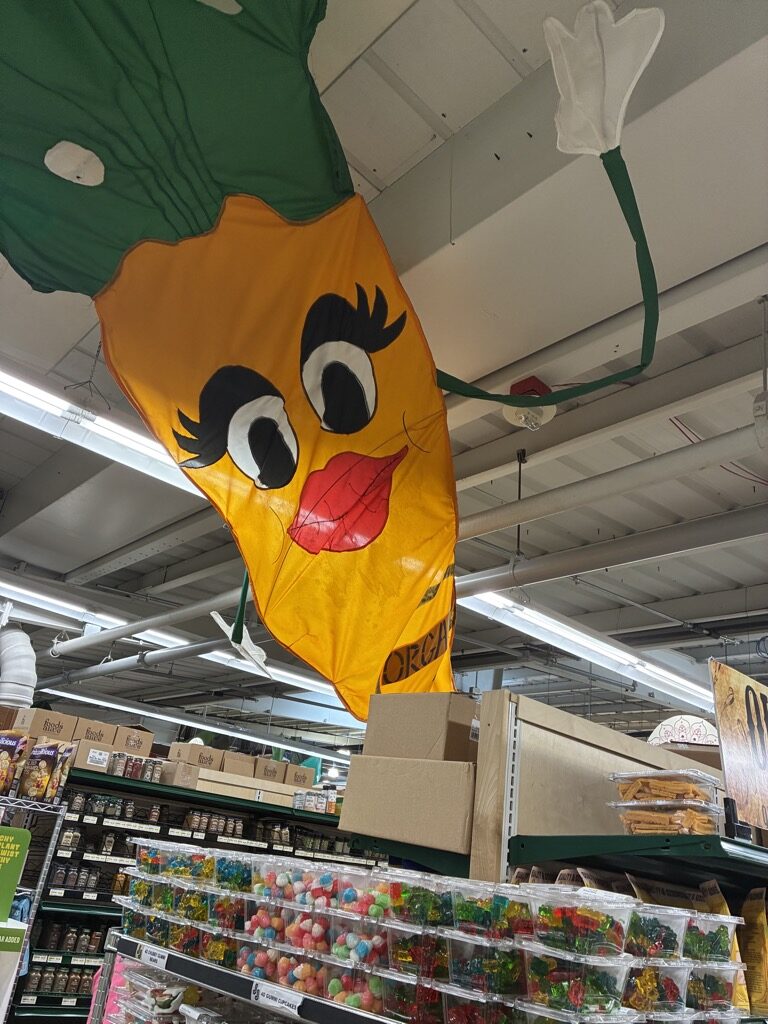
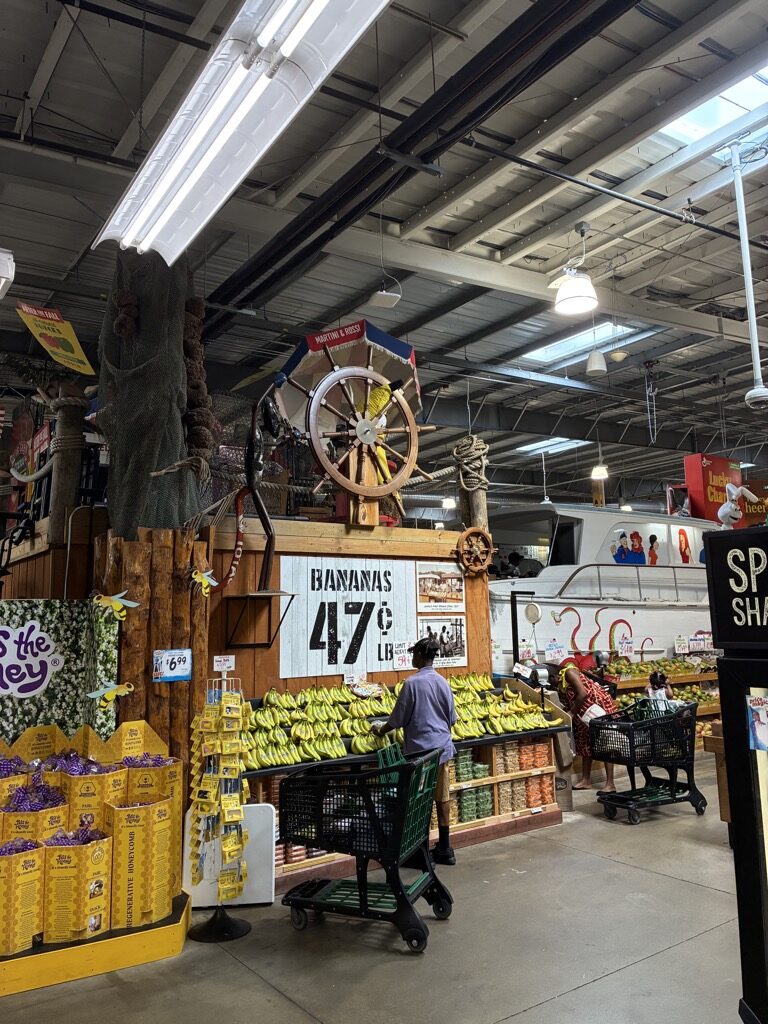
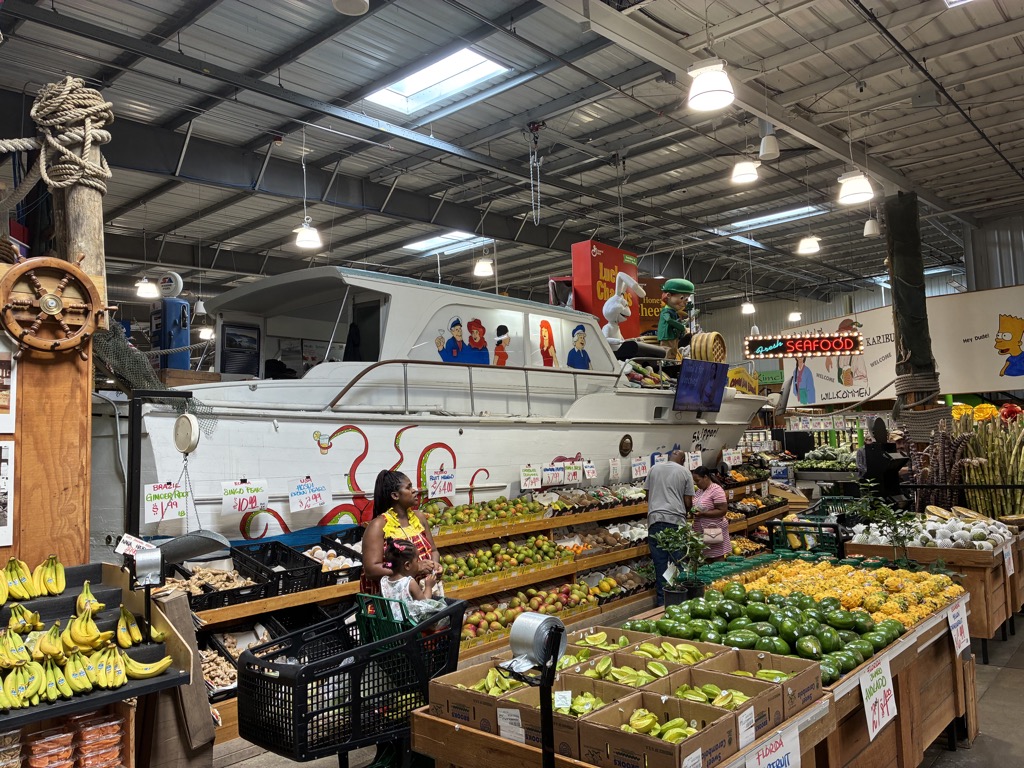
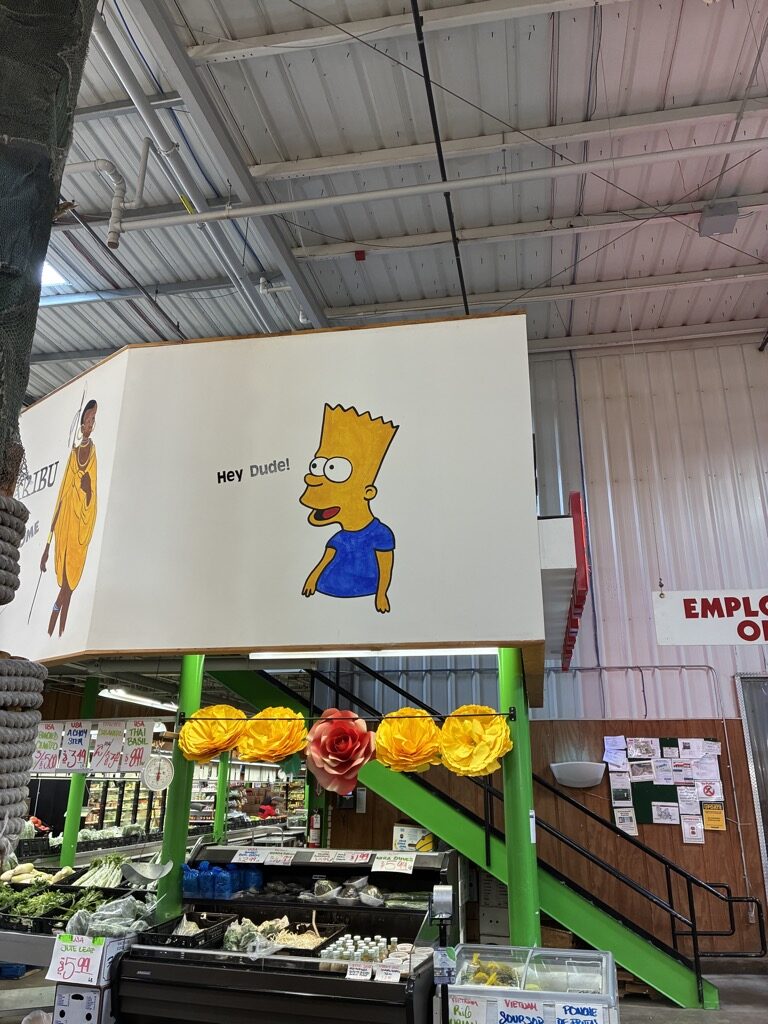
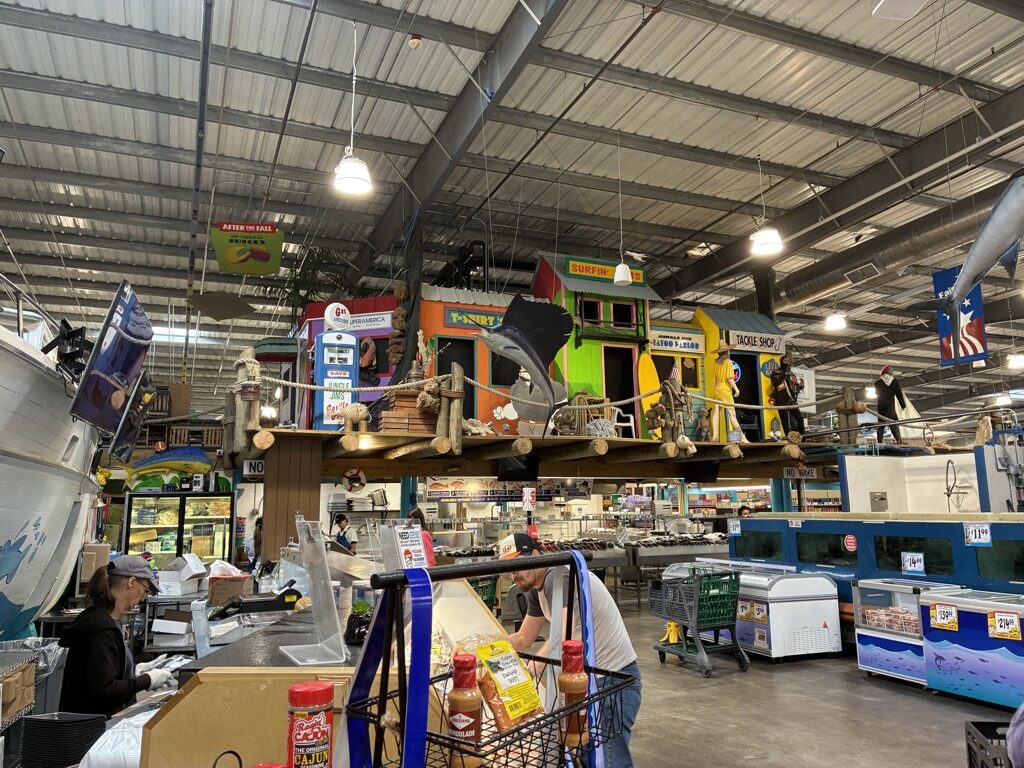
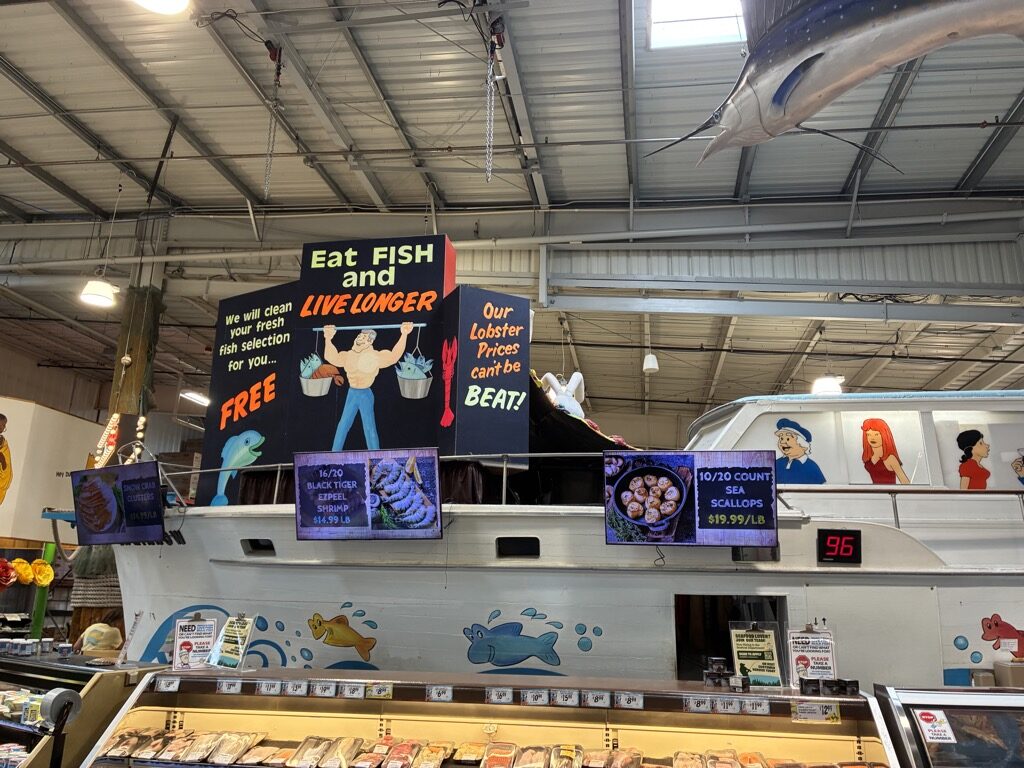
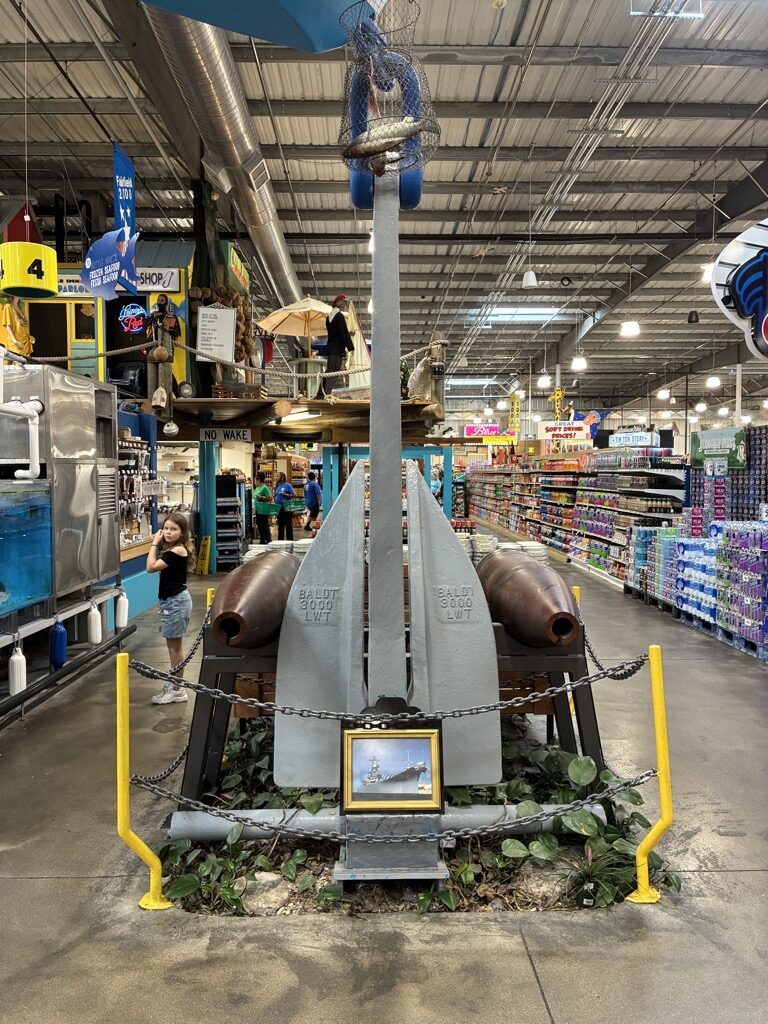
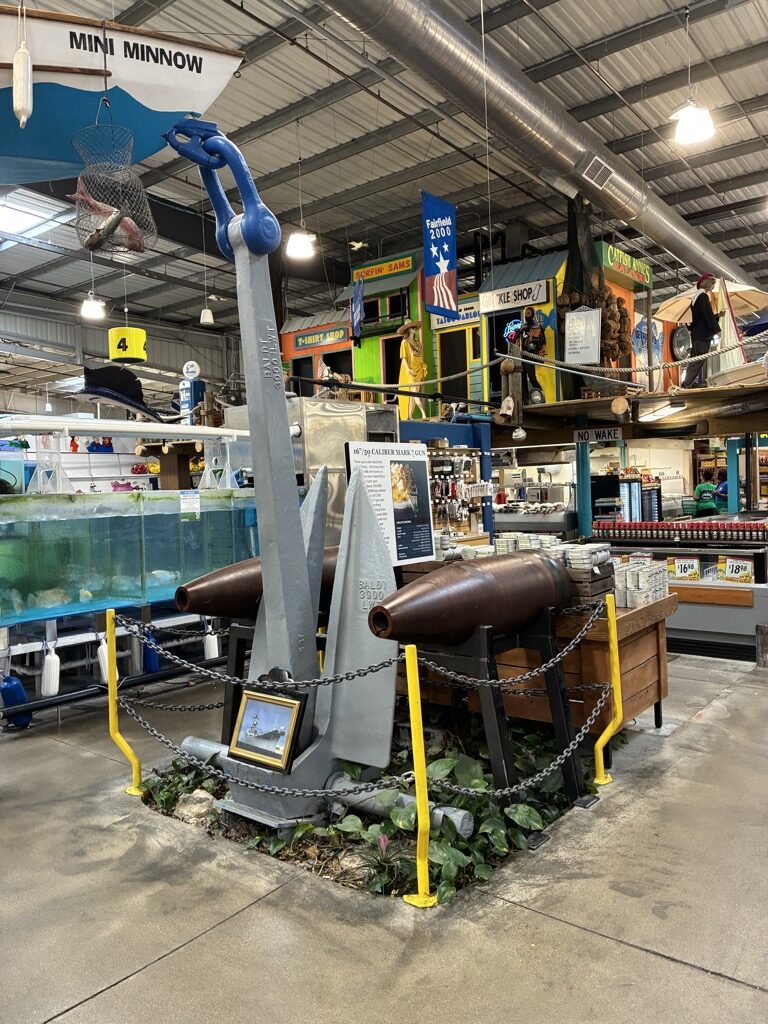
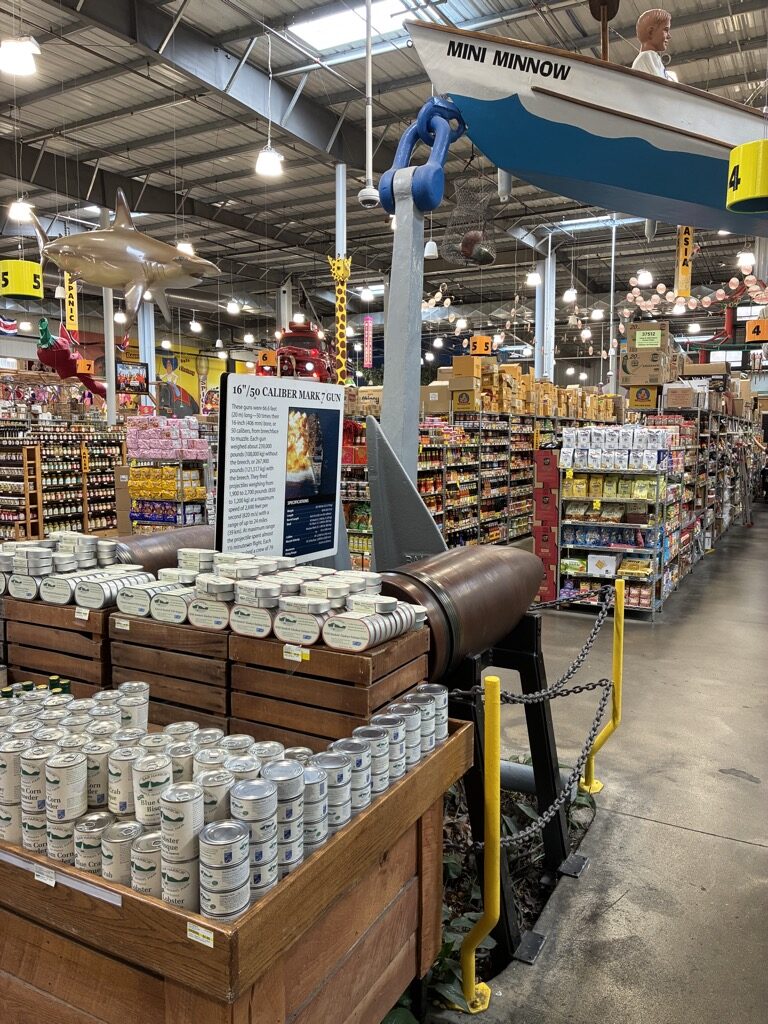
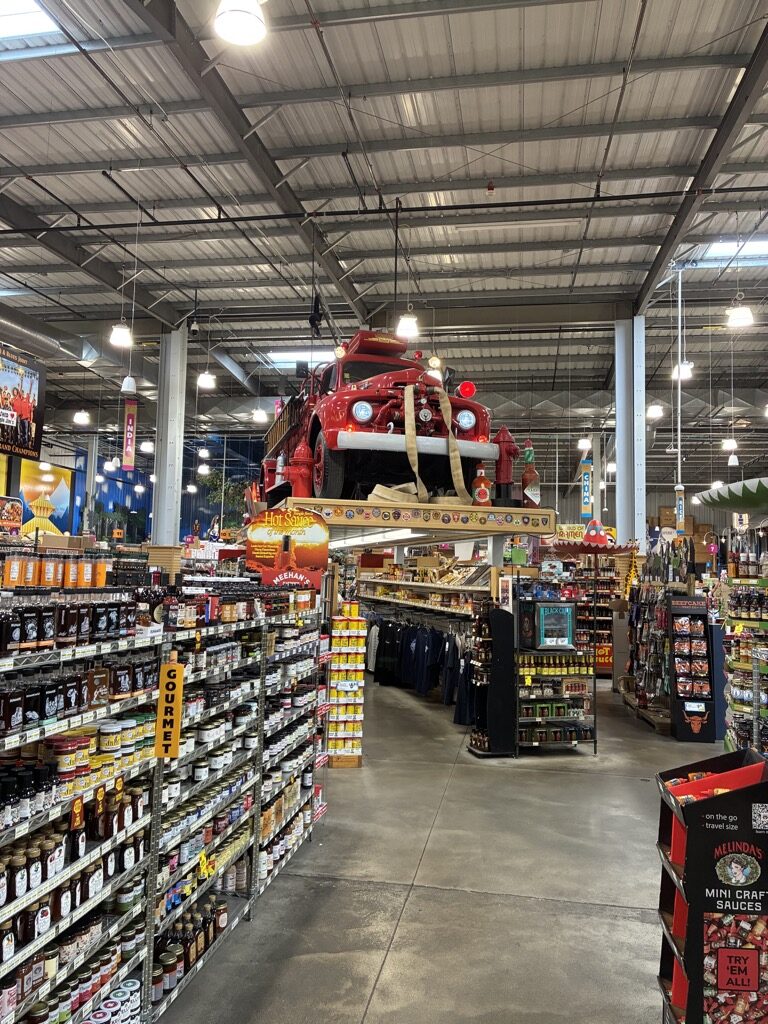
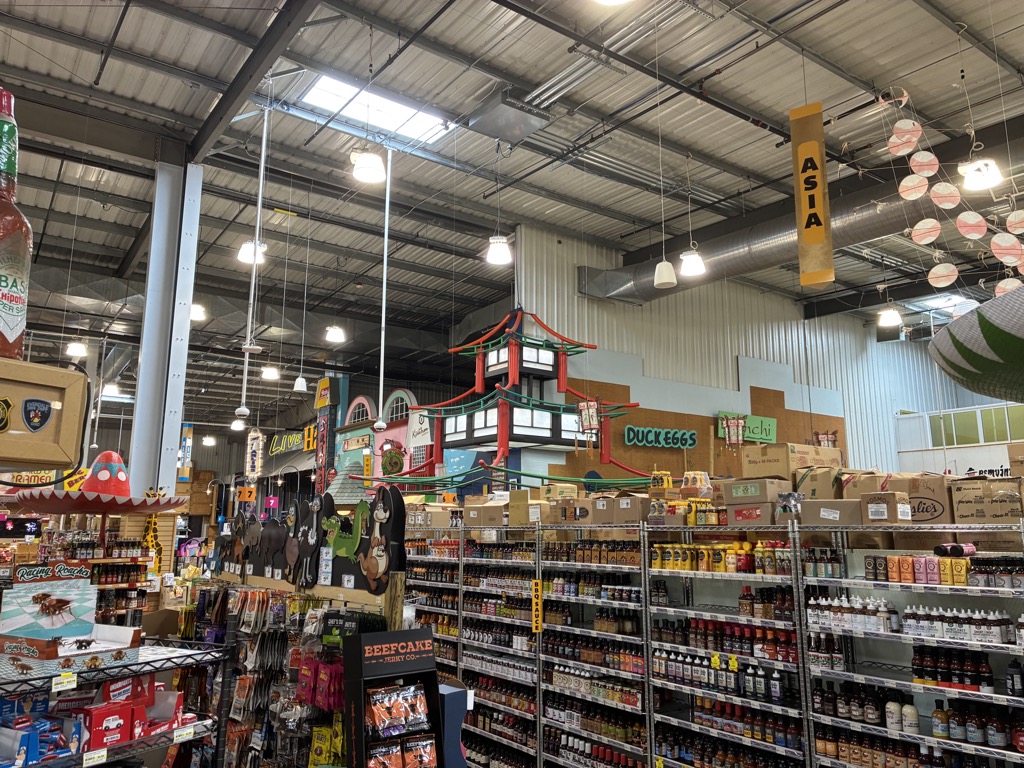
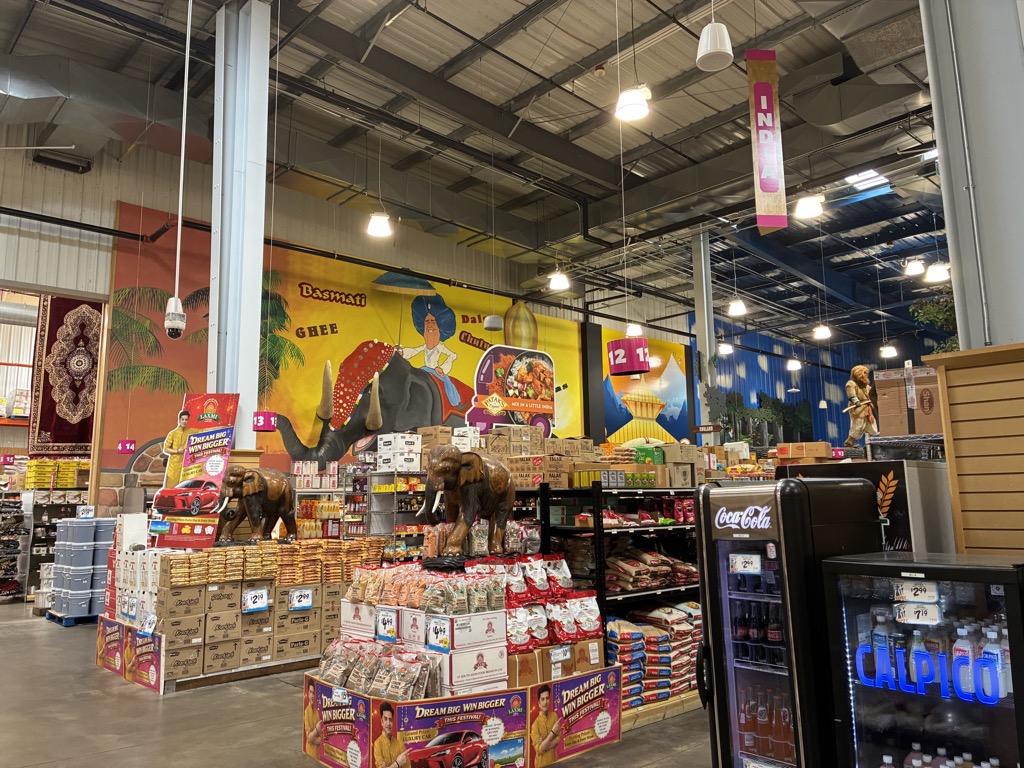
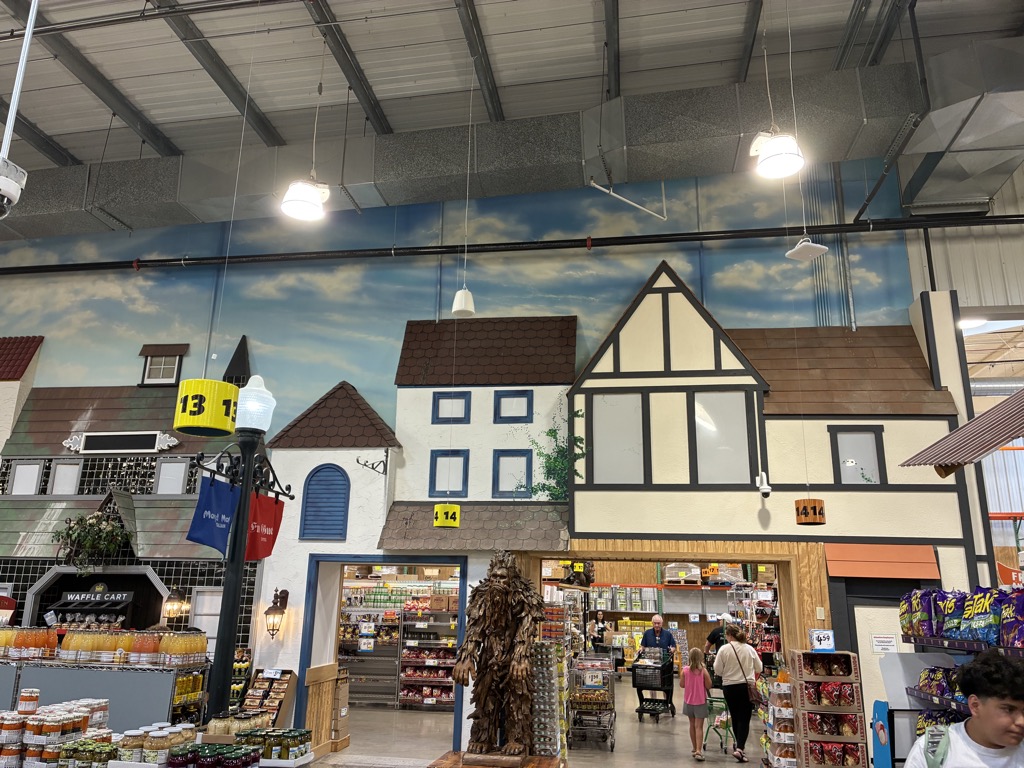
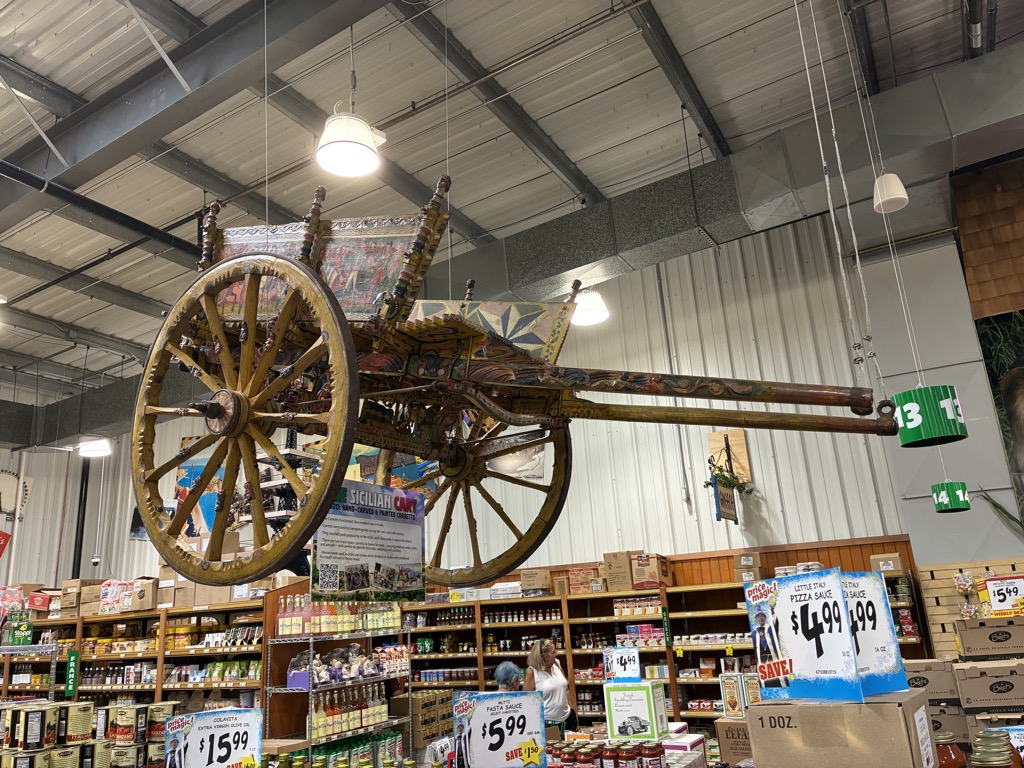
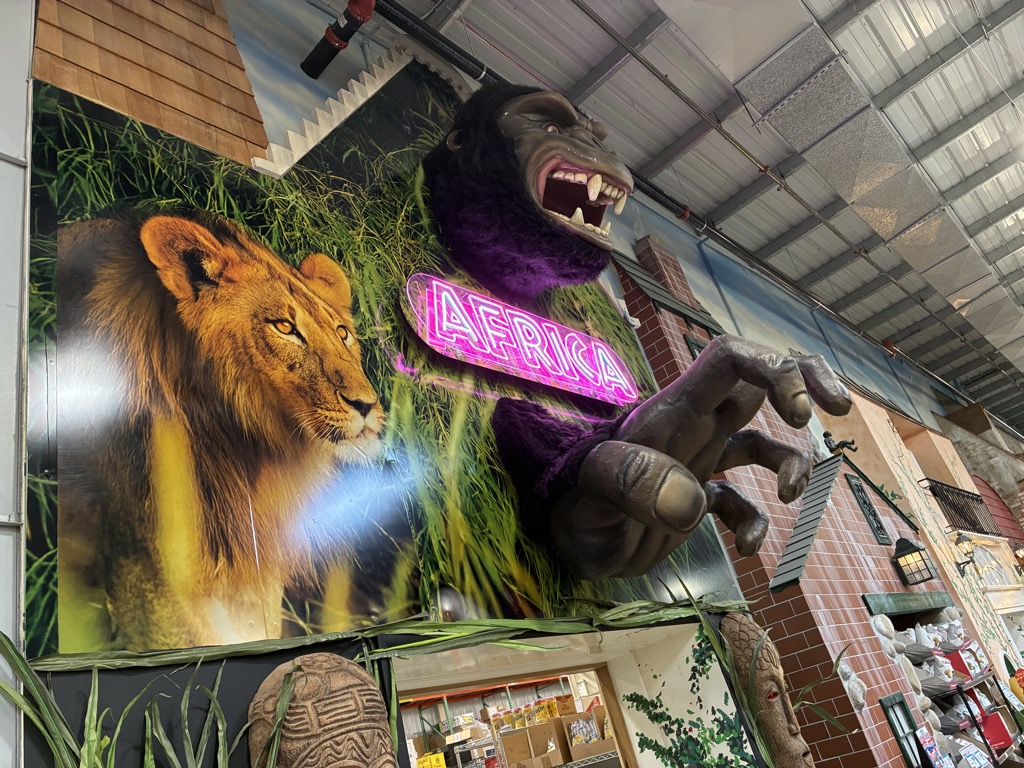
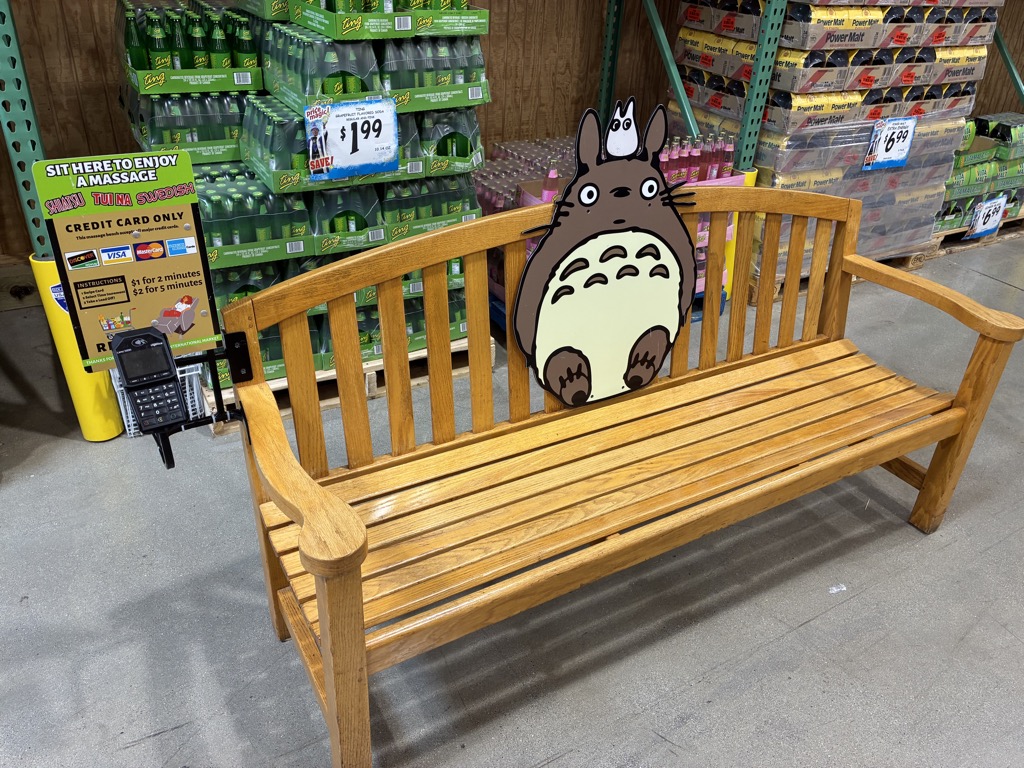
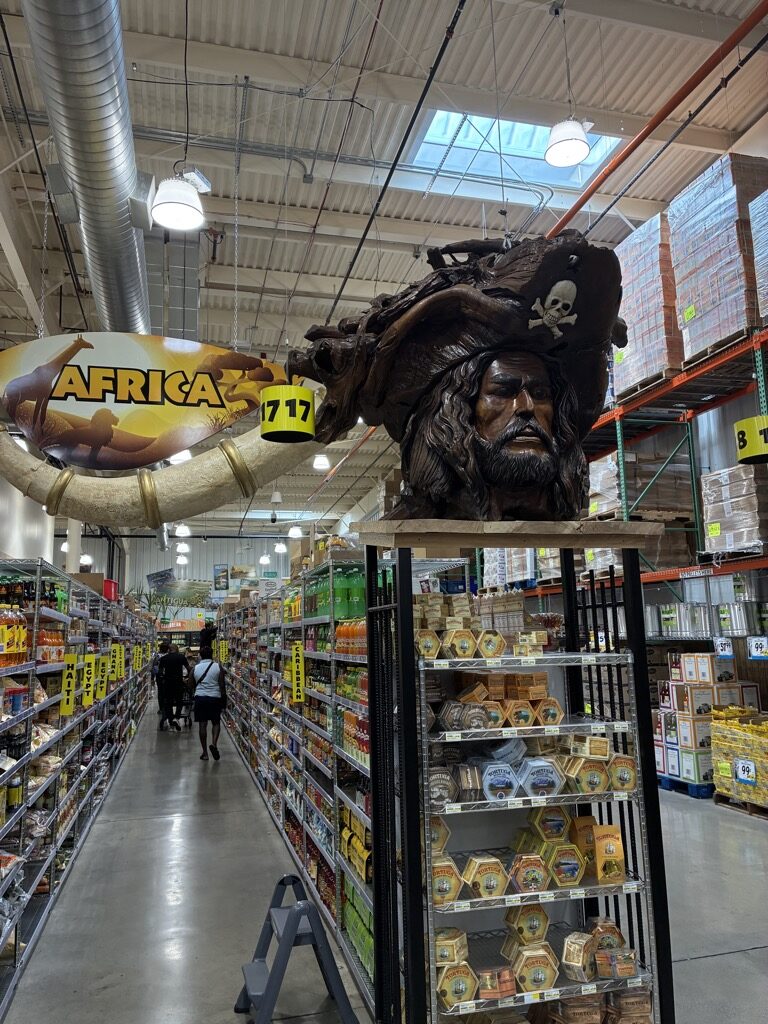
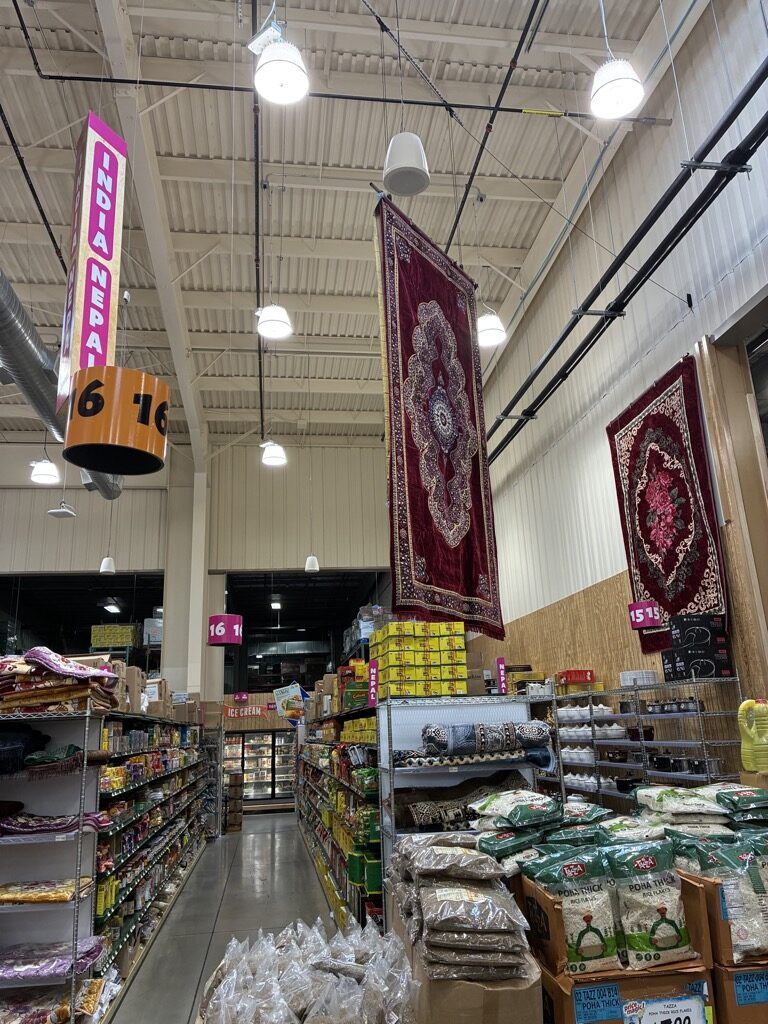
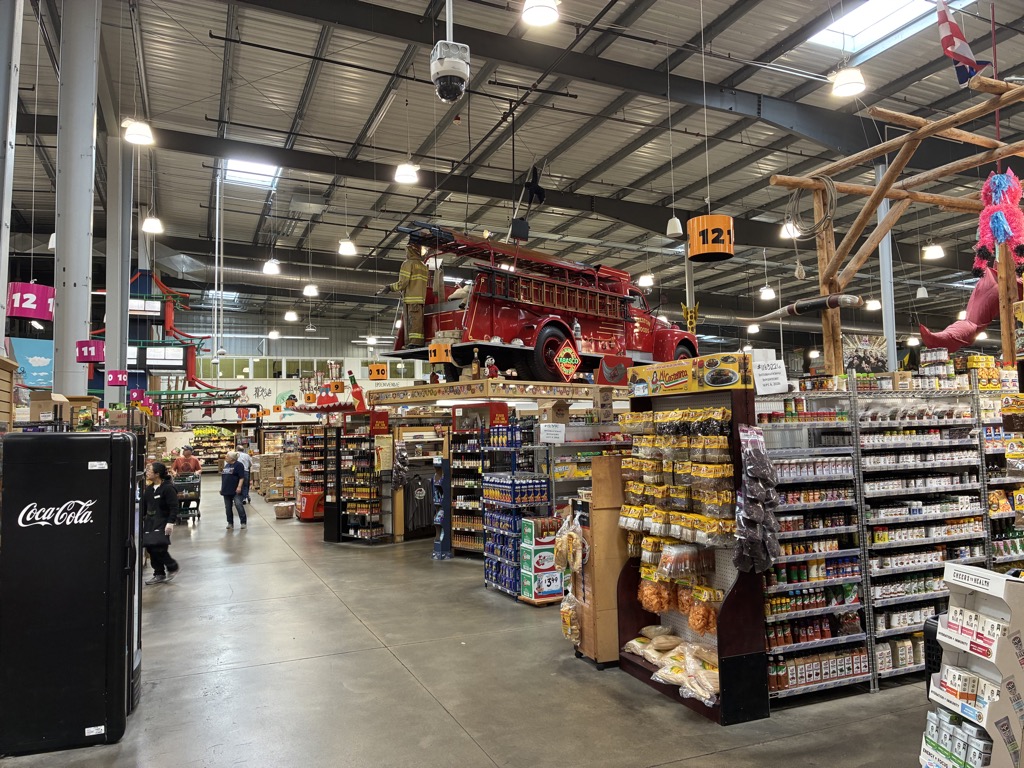
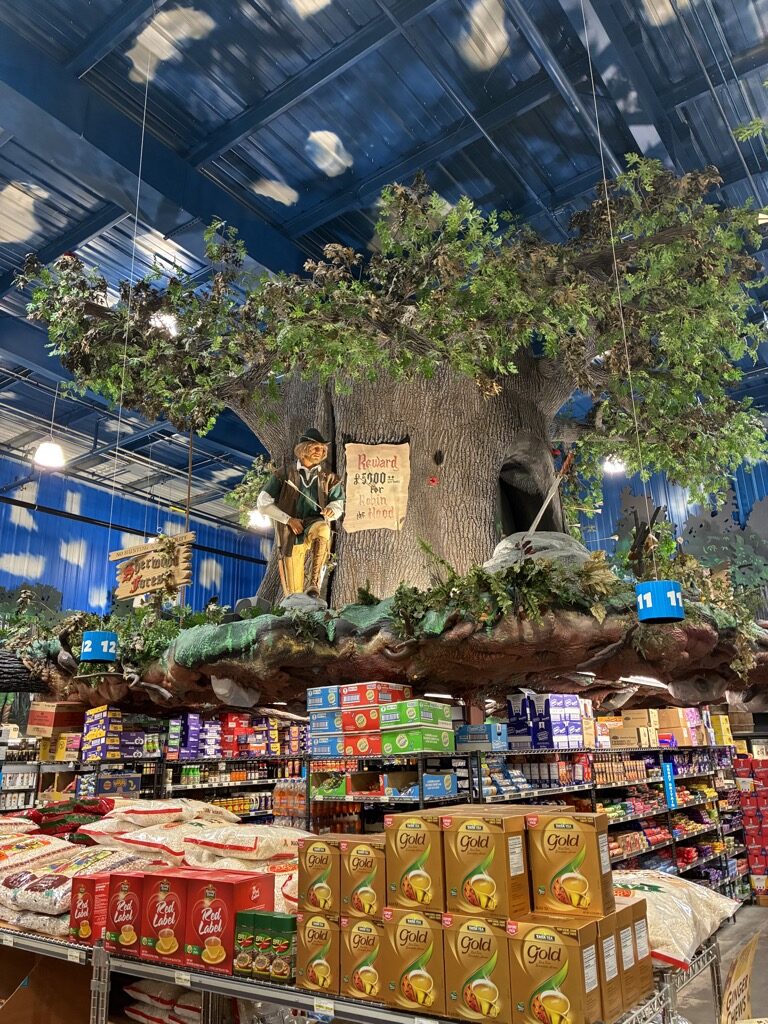
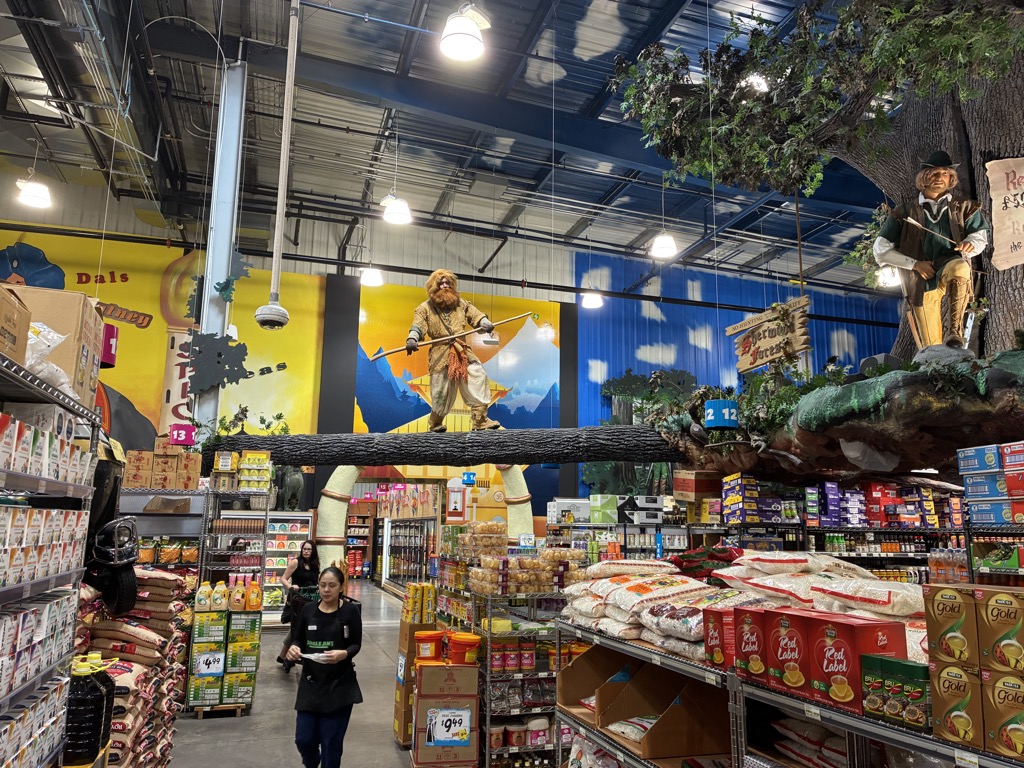
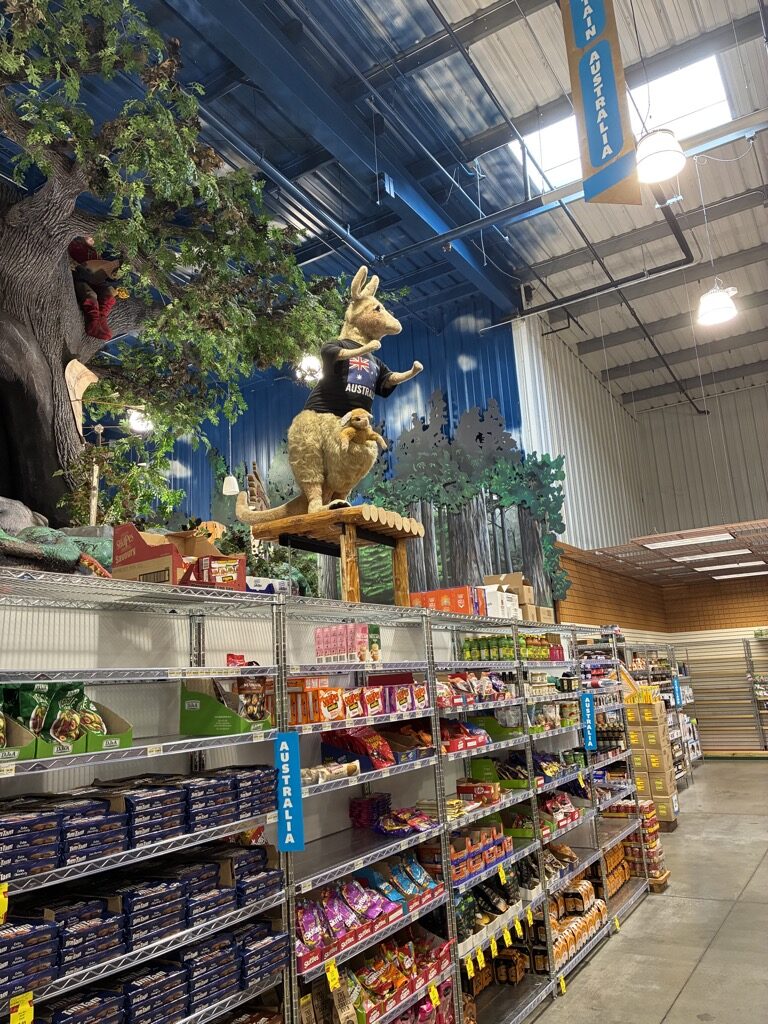
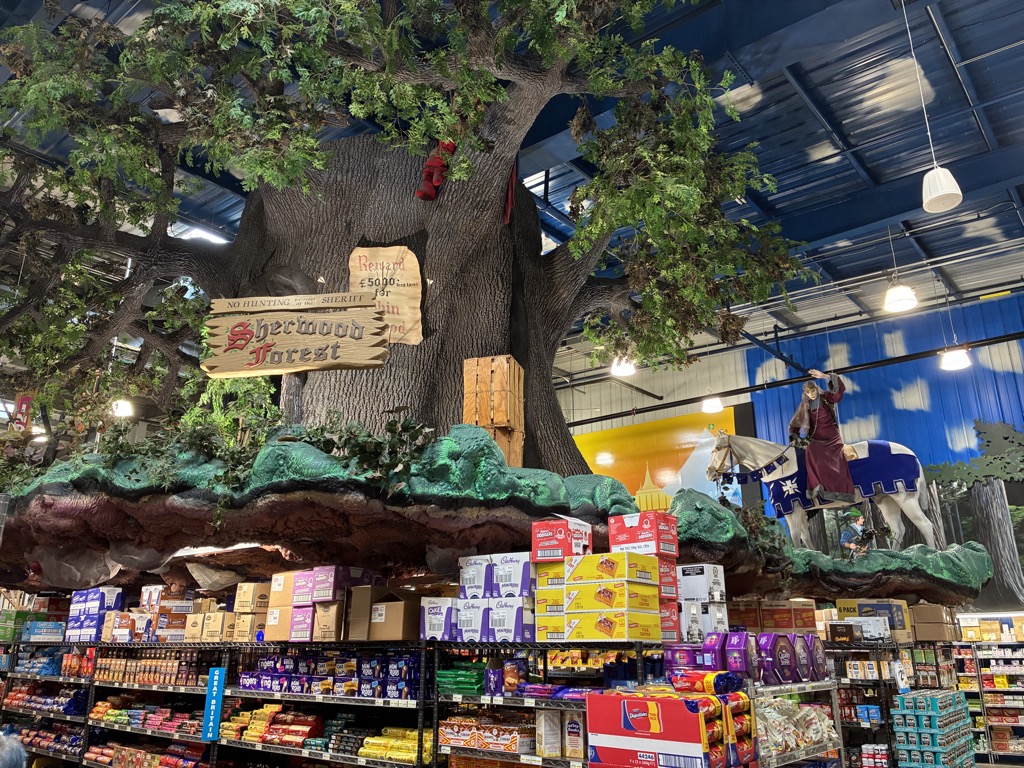
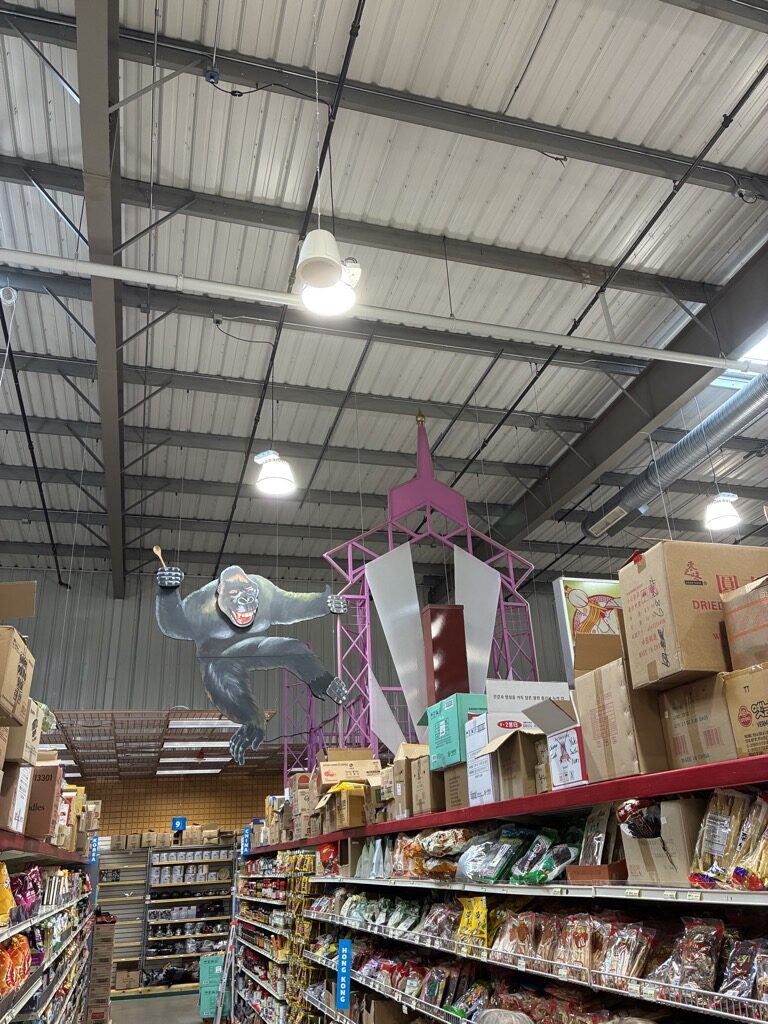
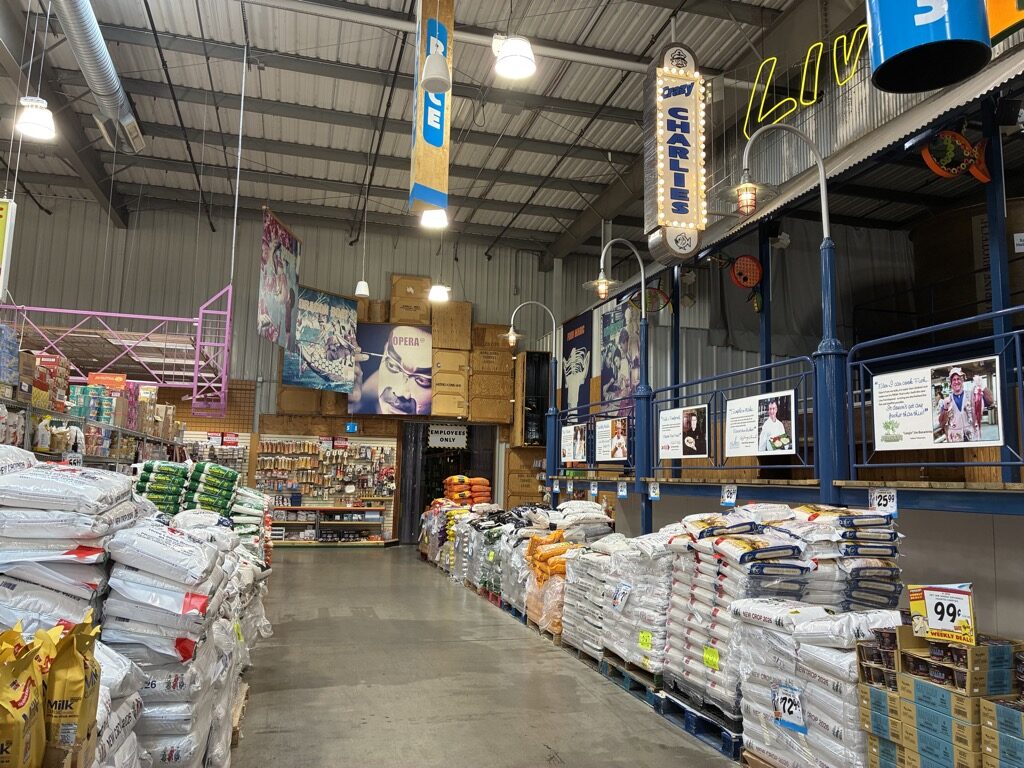
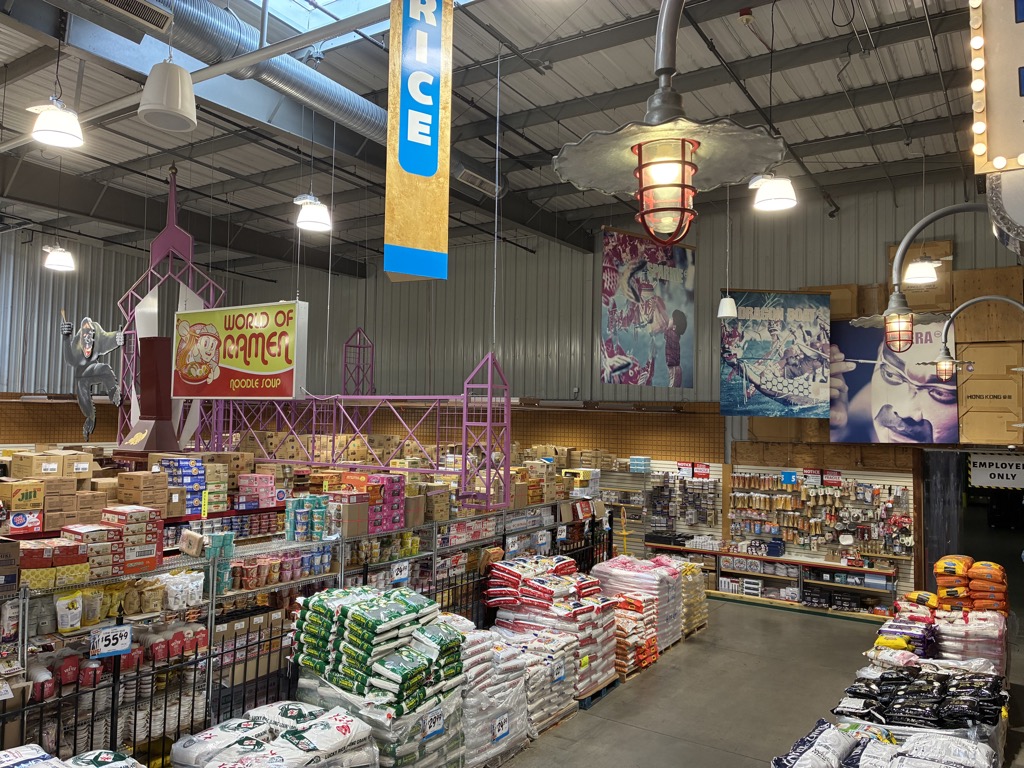
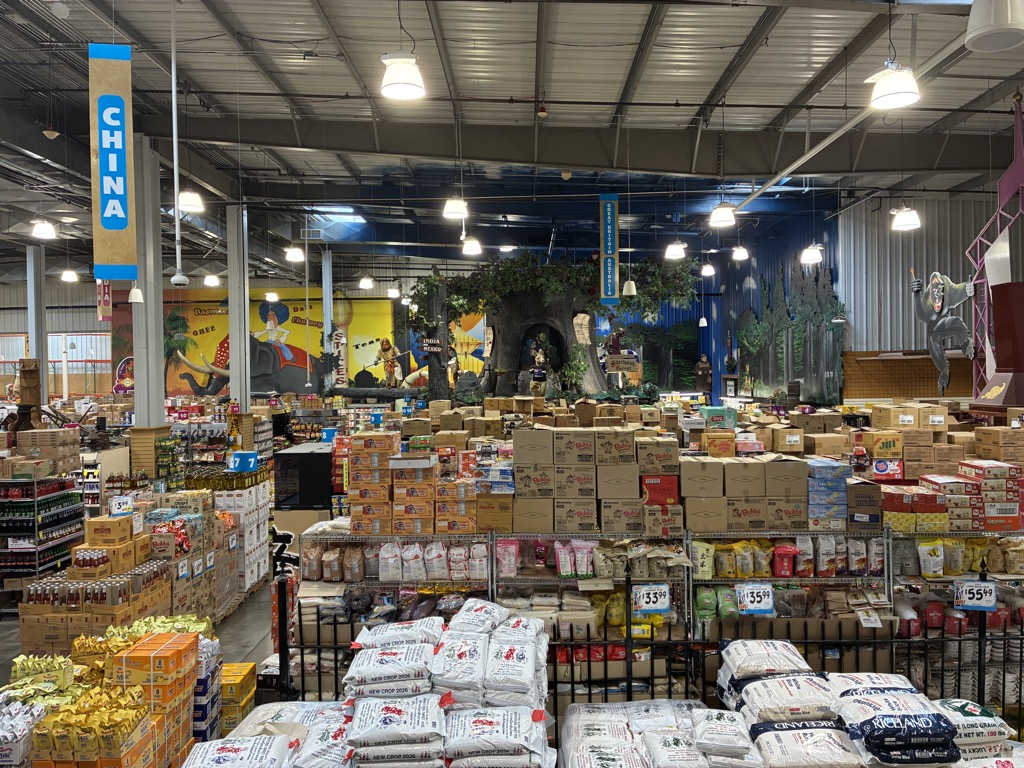
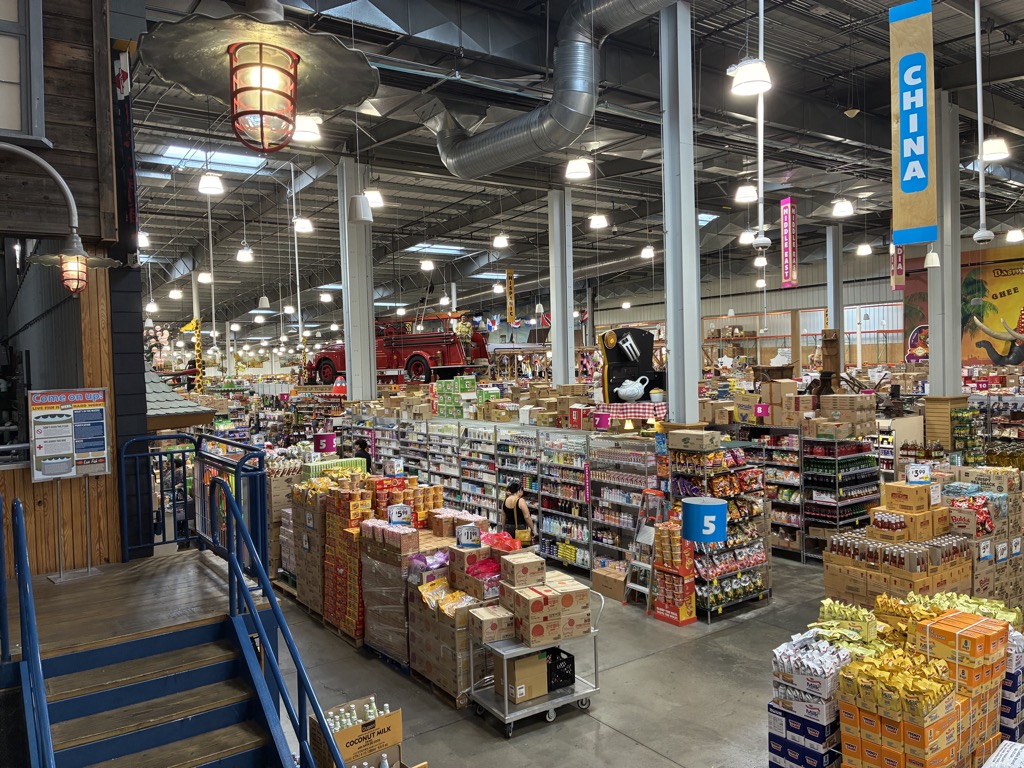
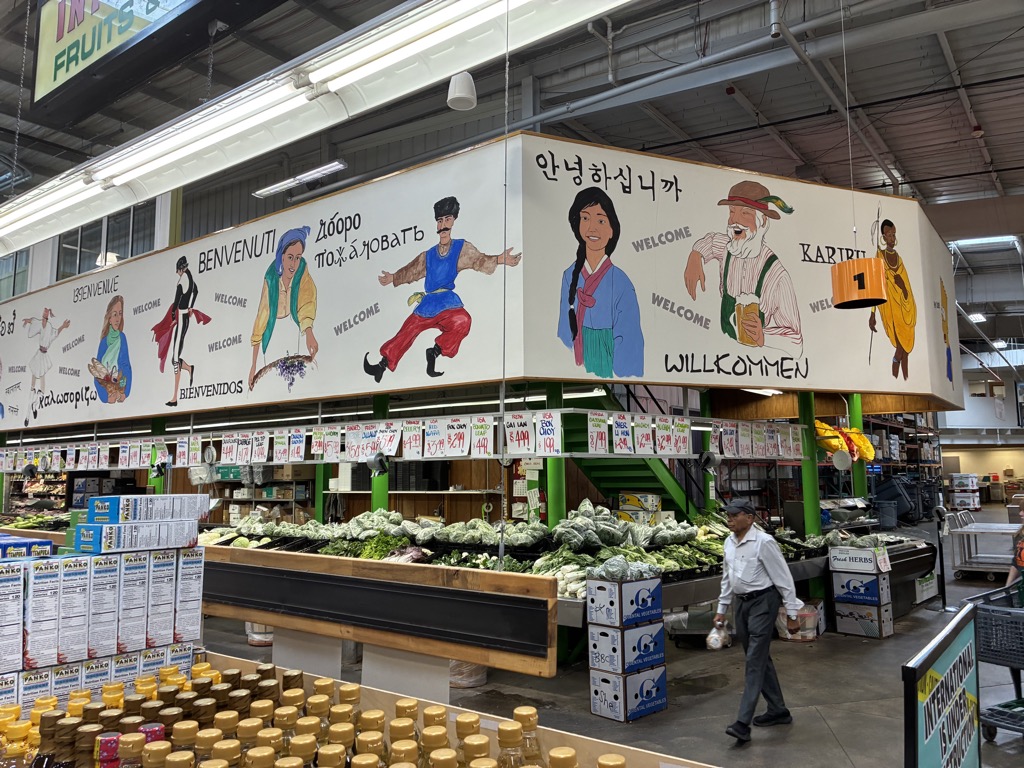
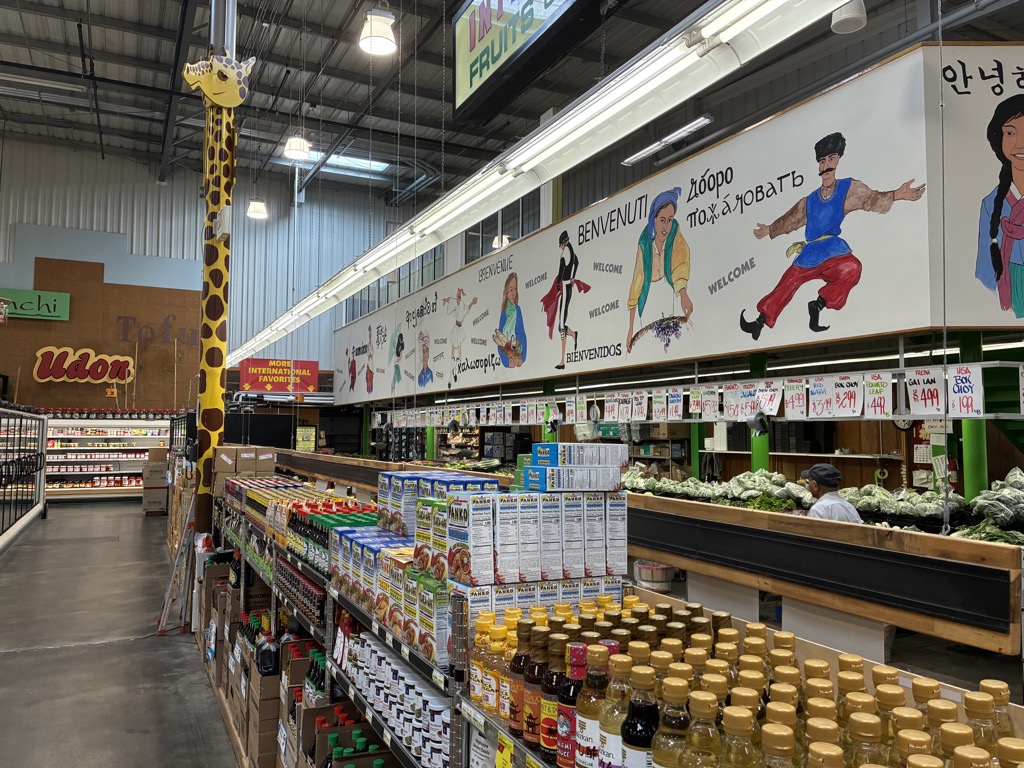
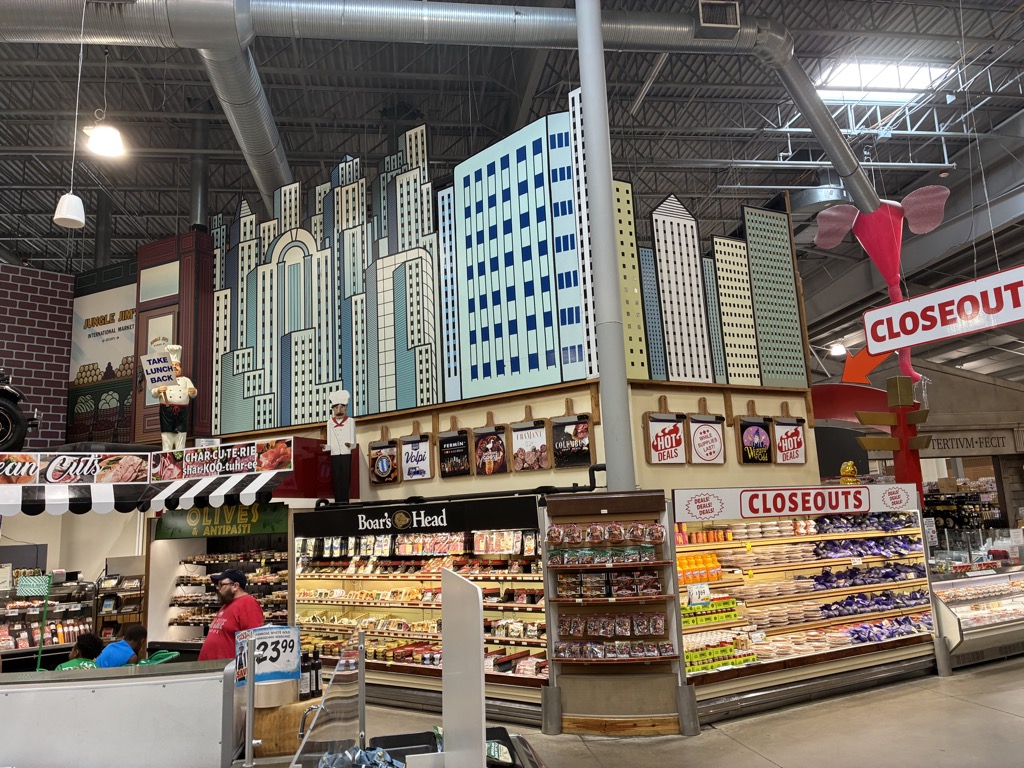
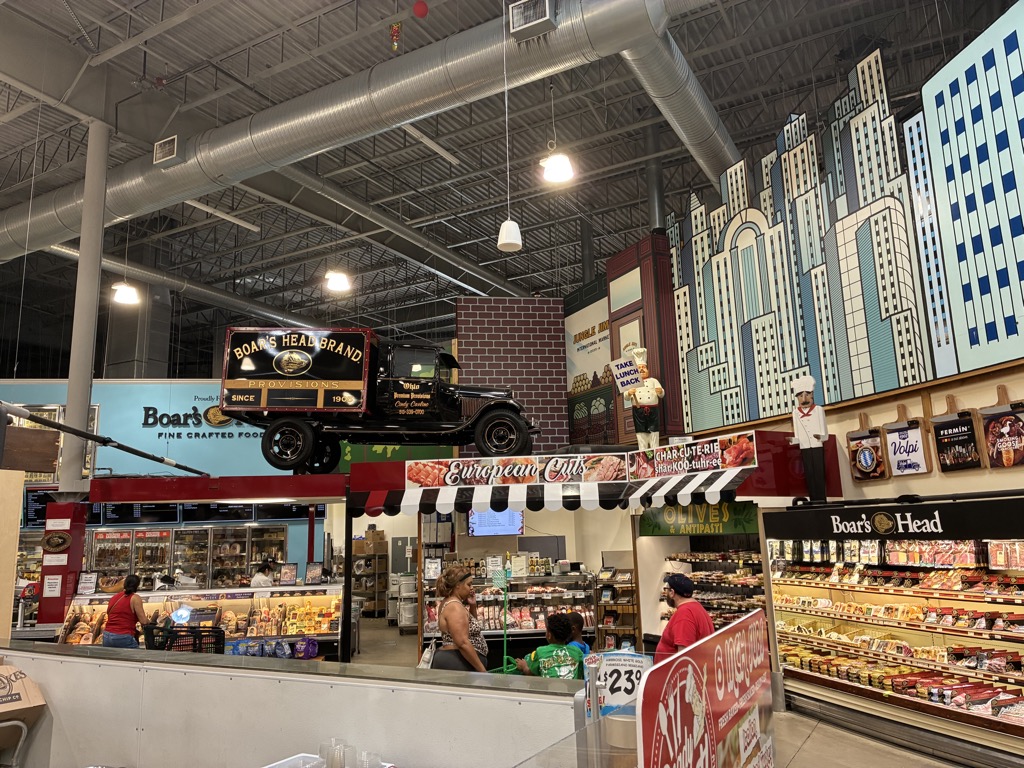
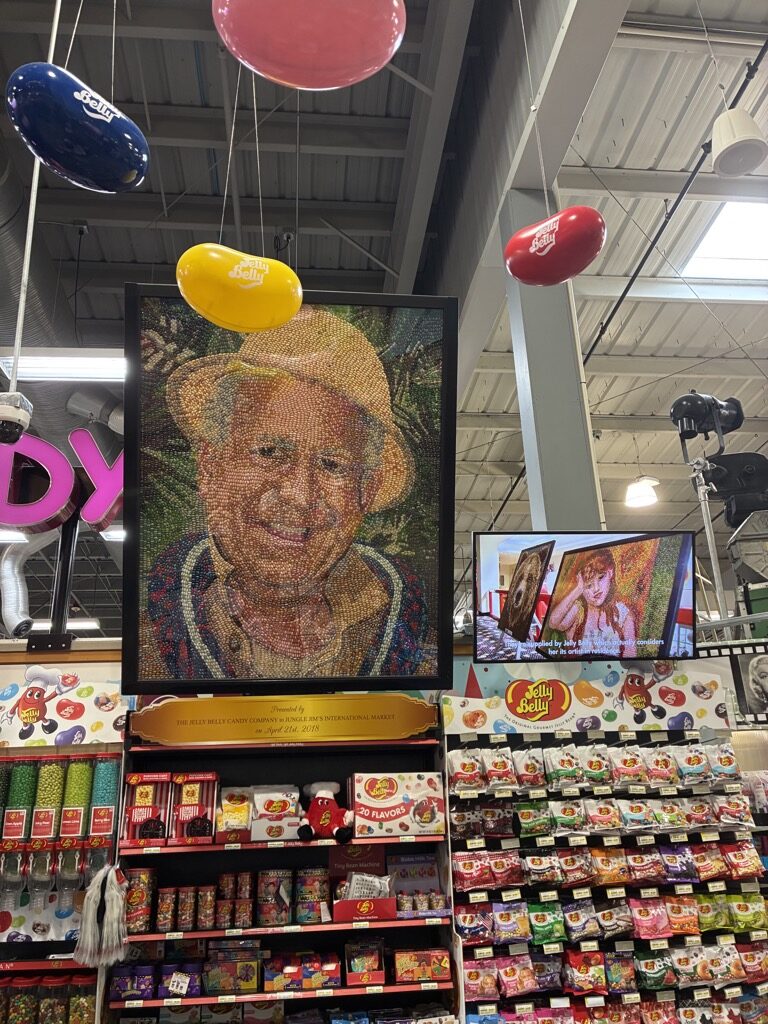
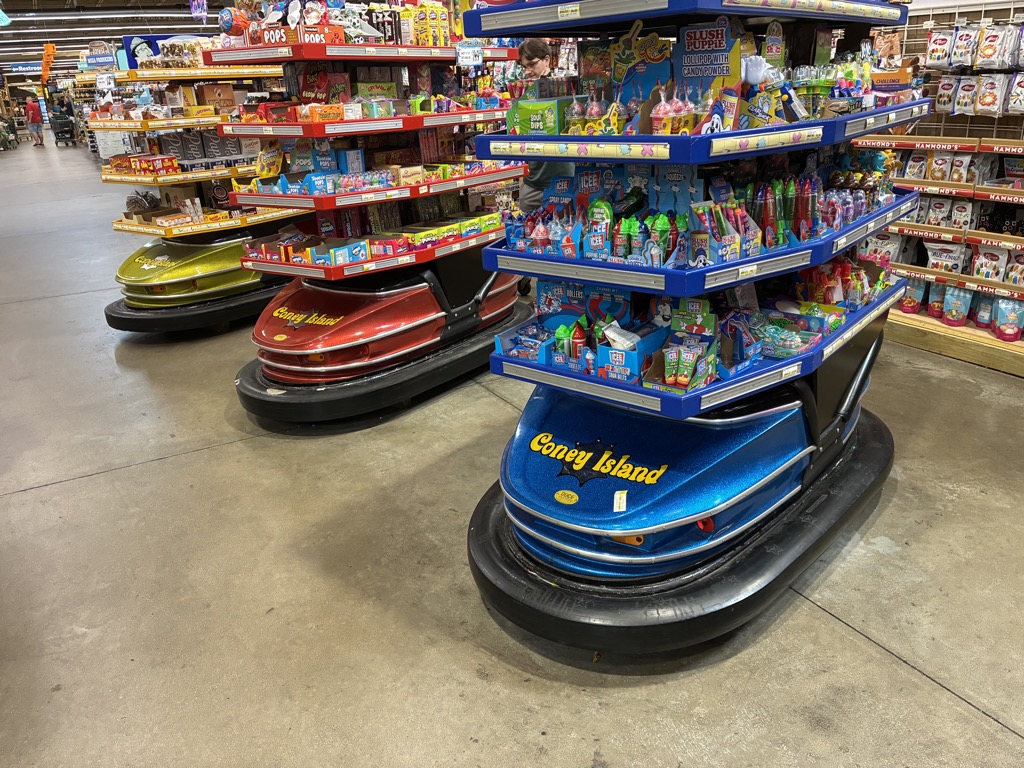
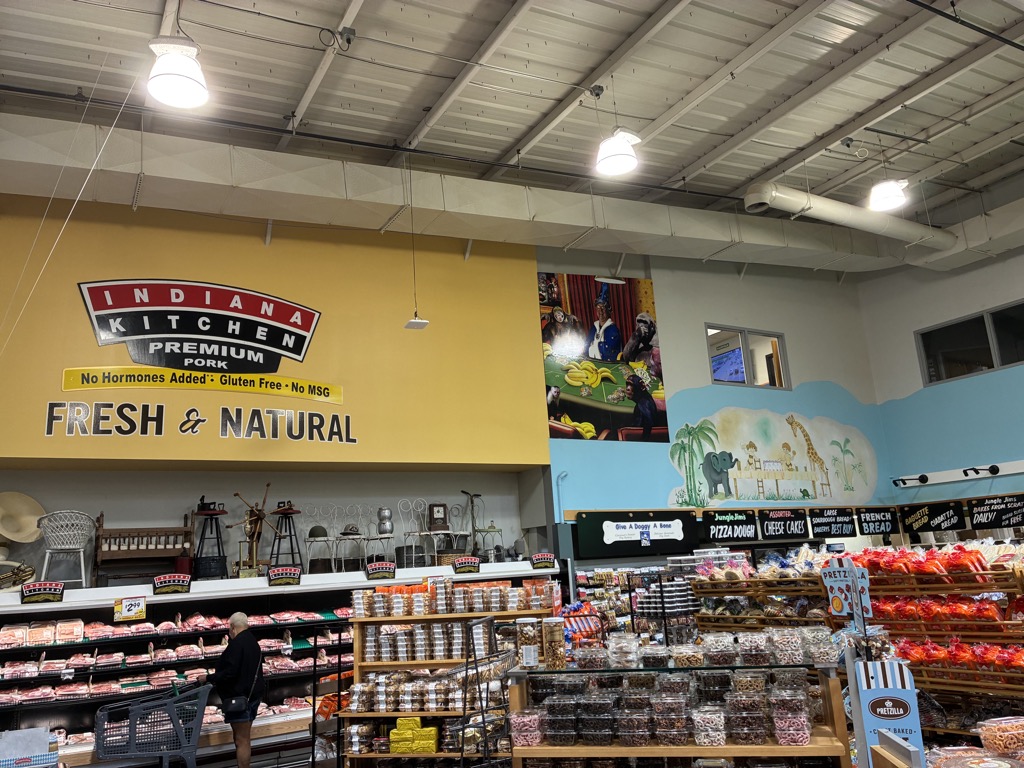
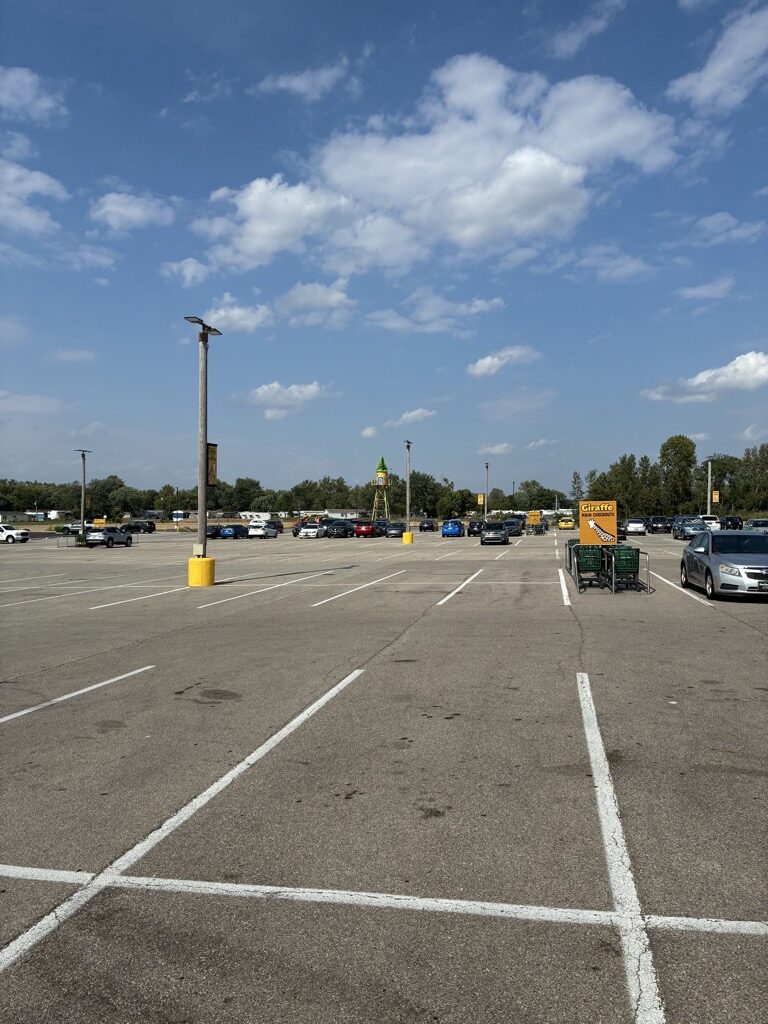
Driving down to a destination always provides opportunities to stop and explore places along the way. While I picked quite a few places, we only managed to stop at two. While a Nicaraguan food truck and small shop were a little surprise for my wife, Jungle Jim’s was a convenient compromise that turned into disbelief. I don’t enjoy shopping, especially grocery shopping, but I do enjoy unusual places, if I can call Jungle Jim’s that. The best description I can manage is: a grocery store and a theme park had a baby. The store is huge – and apparently we visited the smaller of the two – and themed with all sorts of things, decorations, paintings and characters. We spent about an hour and a half in there, and I felt rushed! The store had its own podcast studio. Yes, a whole studio for a podcast about the store. I have never heard of such a thing, and yet there it was. I guess having an animatronic Darth Vader in the middle of a grocery store doesn’t seem strange after that. I don’t know who came up with the idea for such a store or how they manage to pull it off, but it sure gave me a creative boost after witnessing it. In any case, if you have a chance, I recommend visiting it just for giggles.
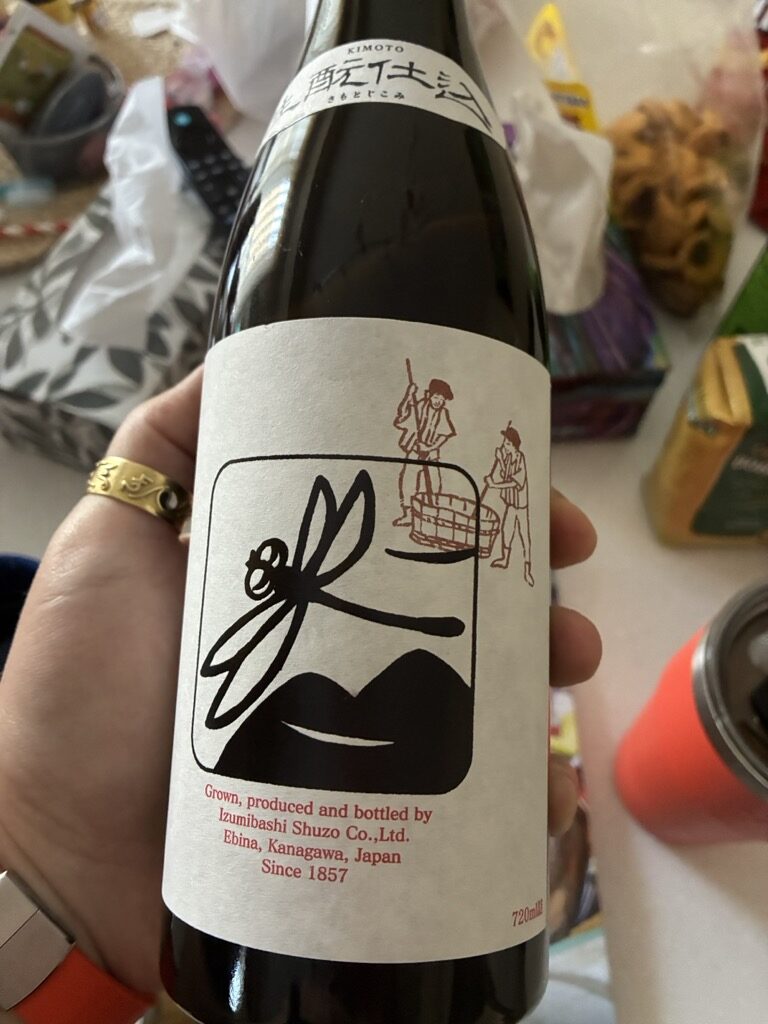
The last honourable mention goes to The Party Source, located right on the border of Kentucky and Ohio. I decided to take the opportunity to buy a couple of bottles of 18-year-old rum by Flor de Caña – which is impossible to buy in Ontario nowadays. But the store impressed me with its variety, prices and, more importantly, expertise. My wife enjoys sake, so I asked what I could get as a gift for her that would actually impress her. A guy showed me a bottle and said, “This will get her impressed.” When I looked at the price, I asked if I should get something more expensive, but he looked at me and said, “No! You want this one!” I didn’t argue. I bought it, brought it home, and we opened it up. Well, I don’t know much about booze, but I can definitely say one thing: it is the best sake I have tried so far.
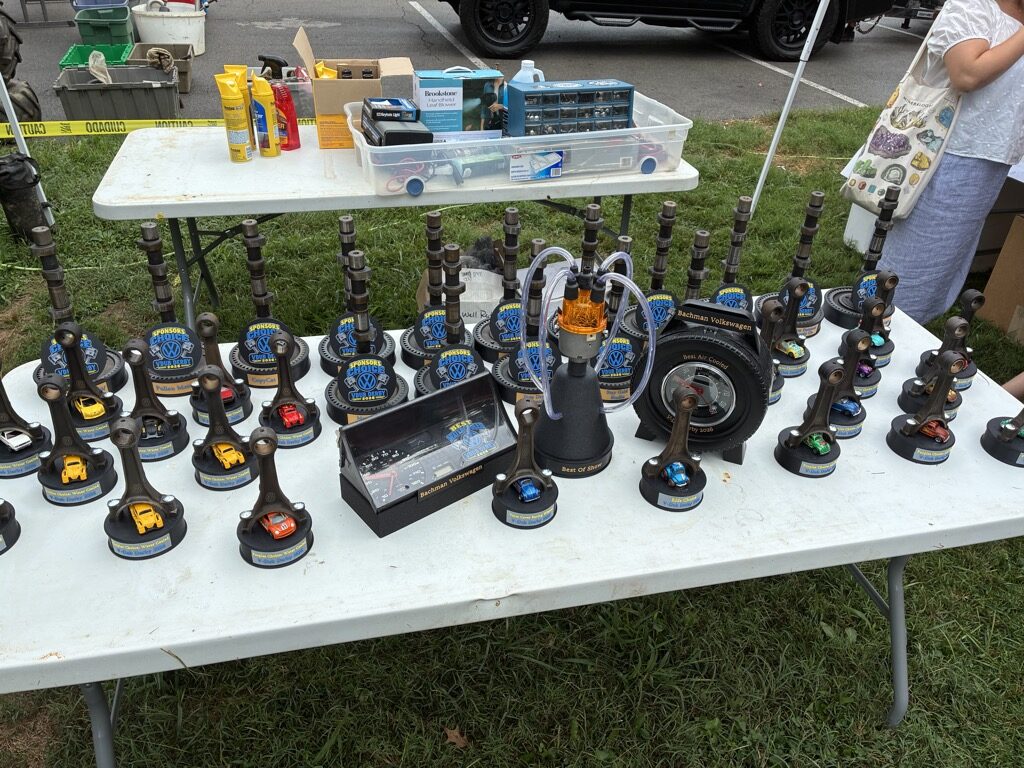
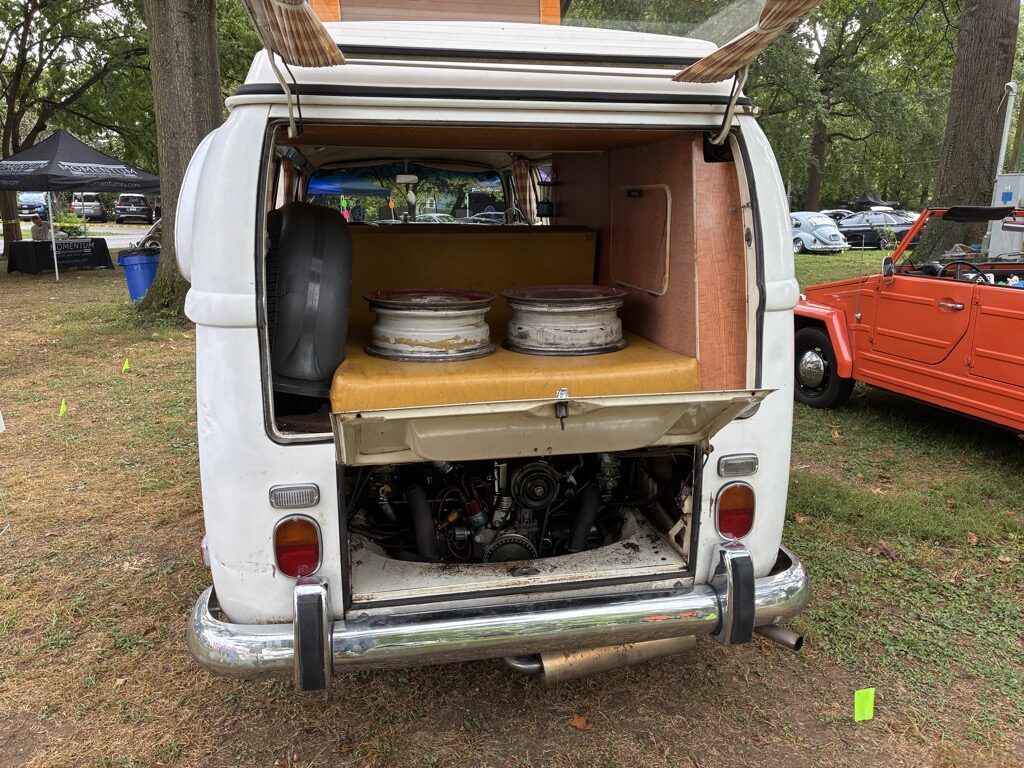
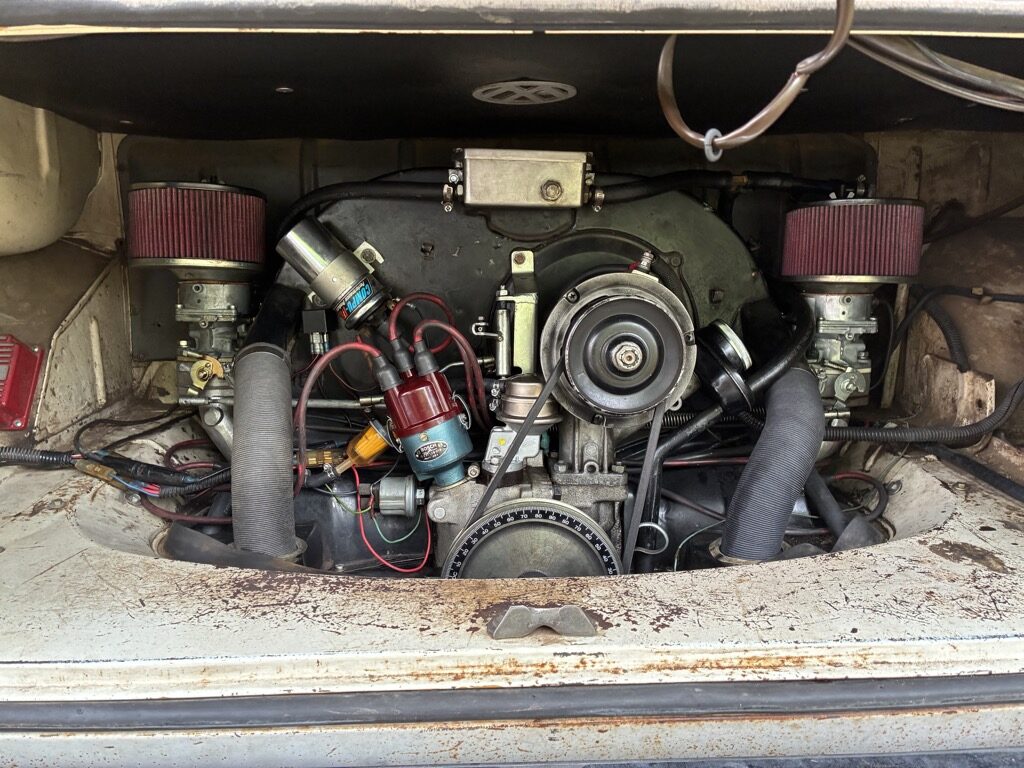
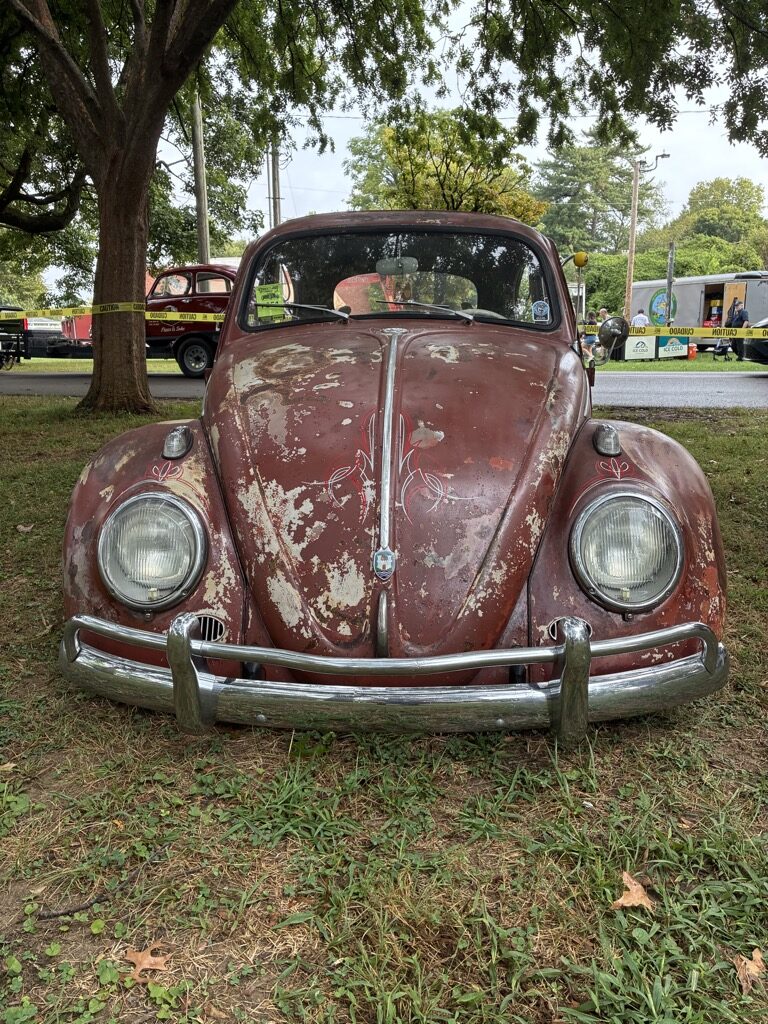
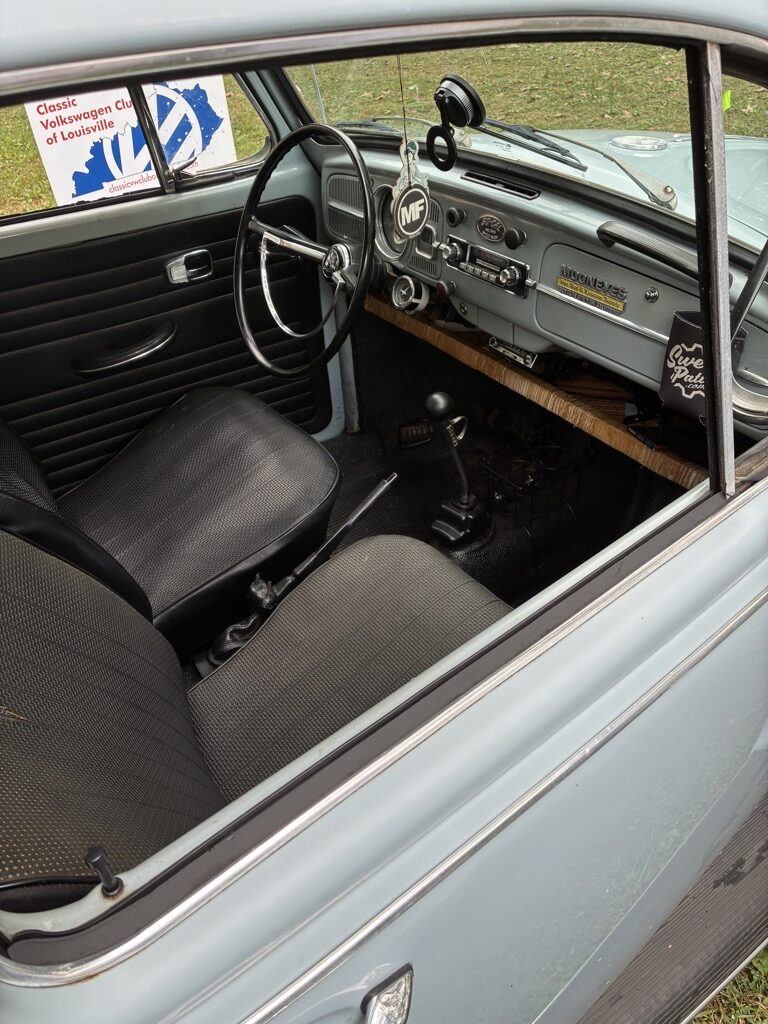
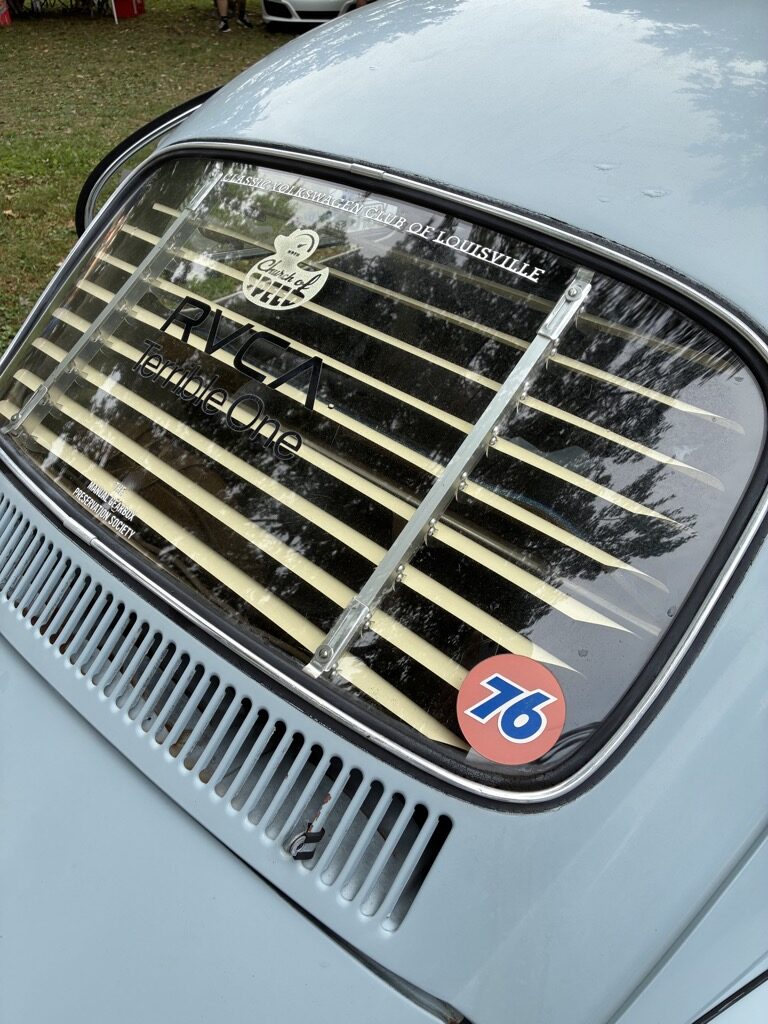
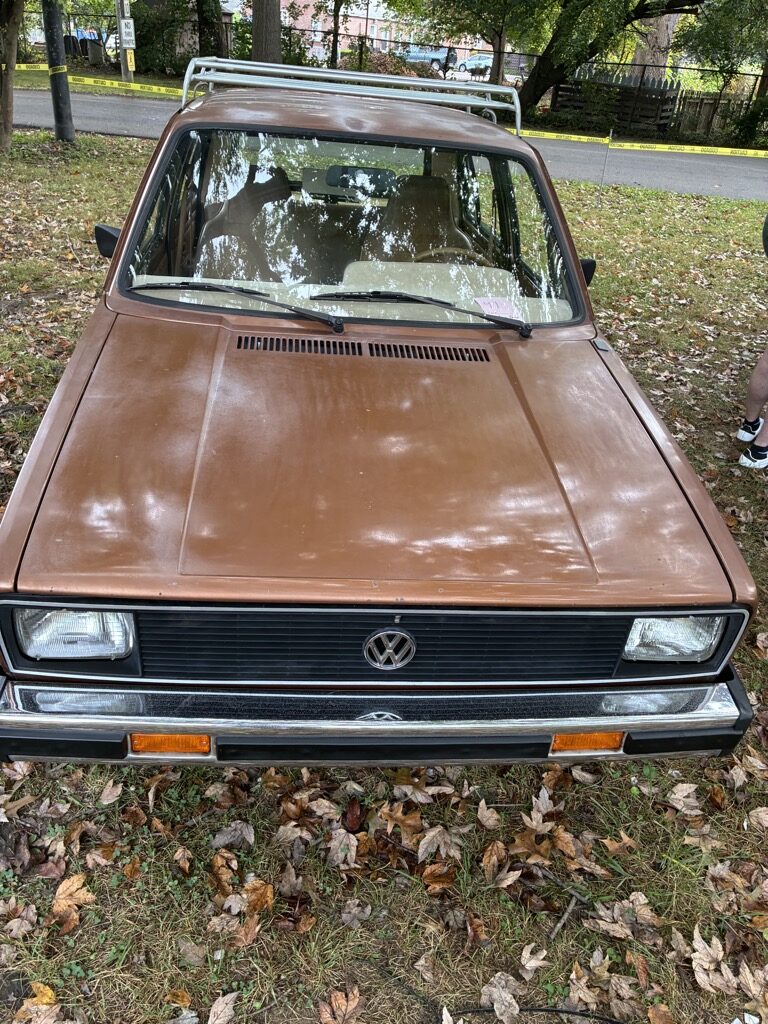
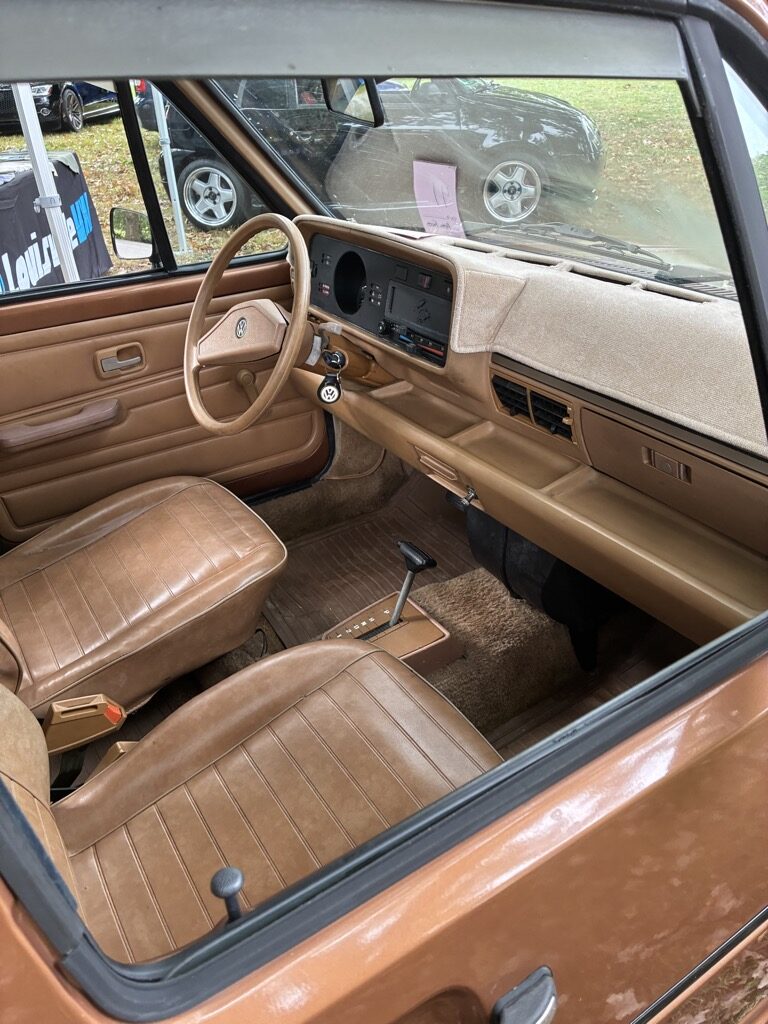
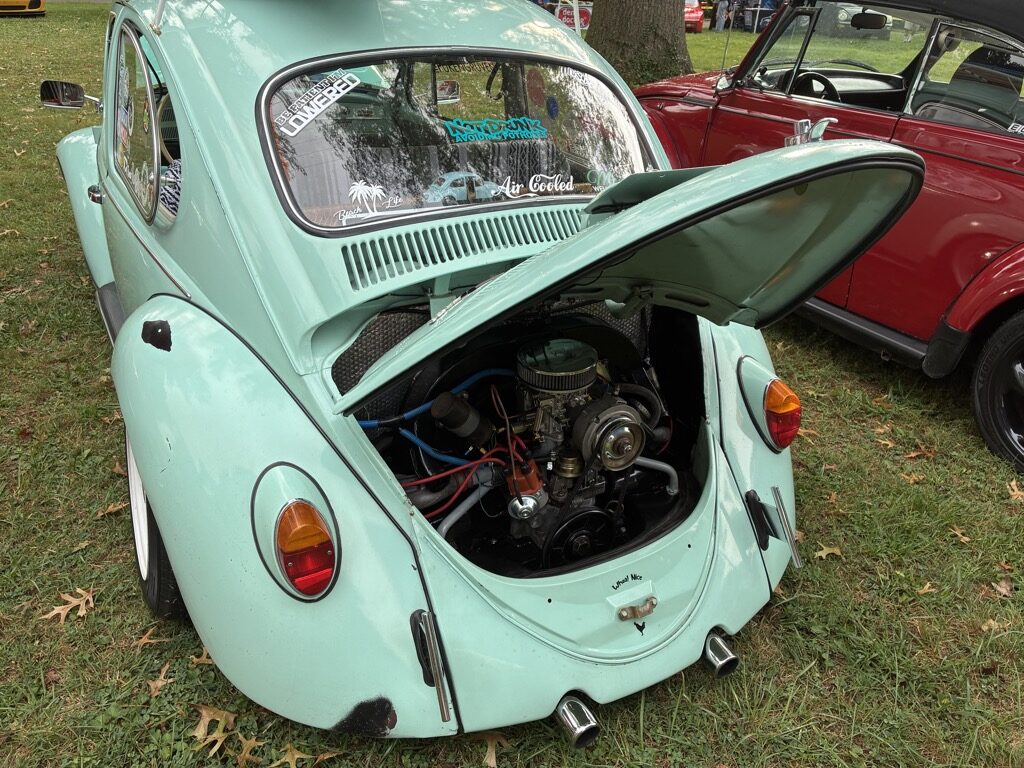
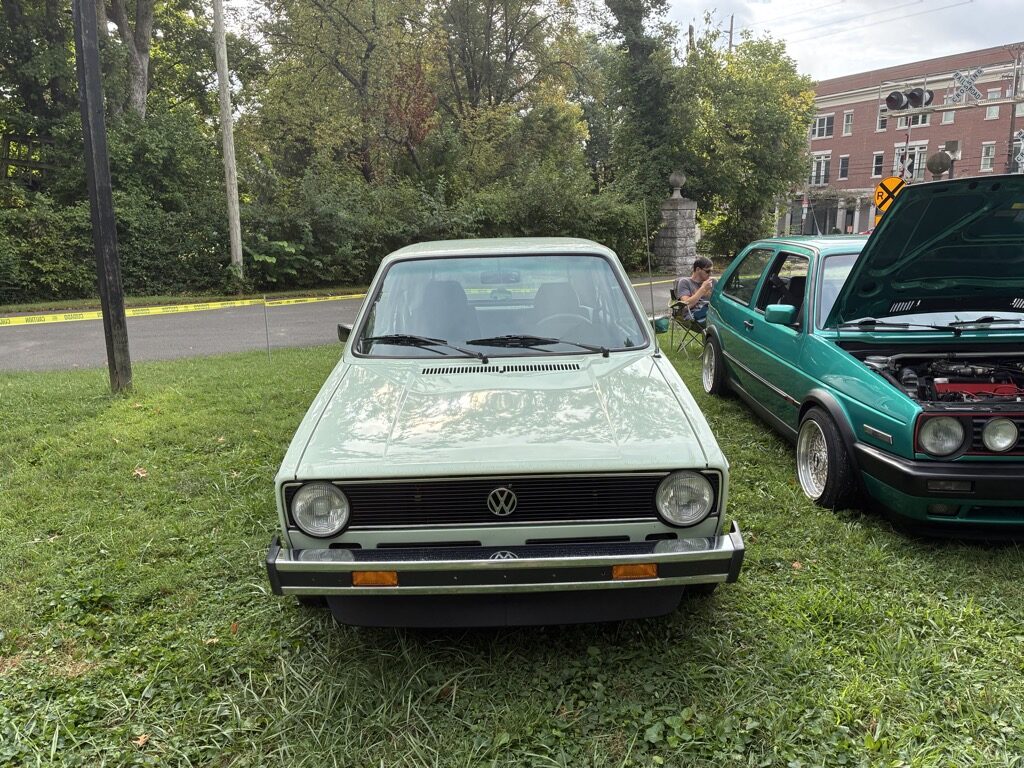
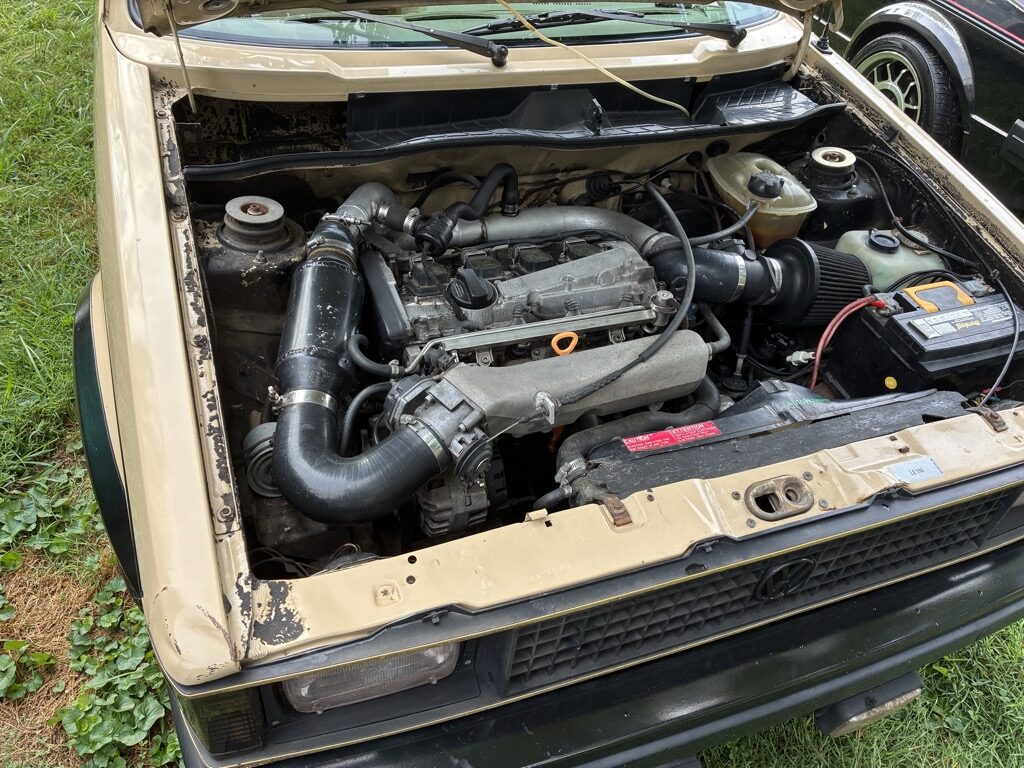
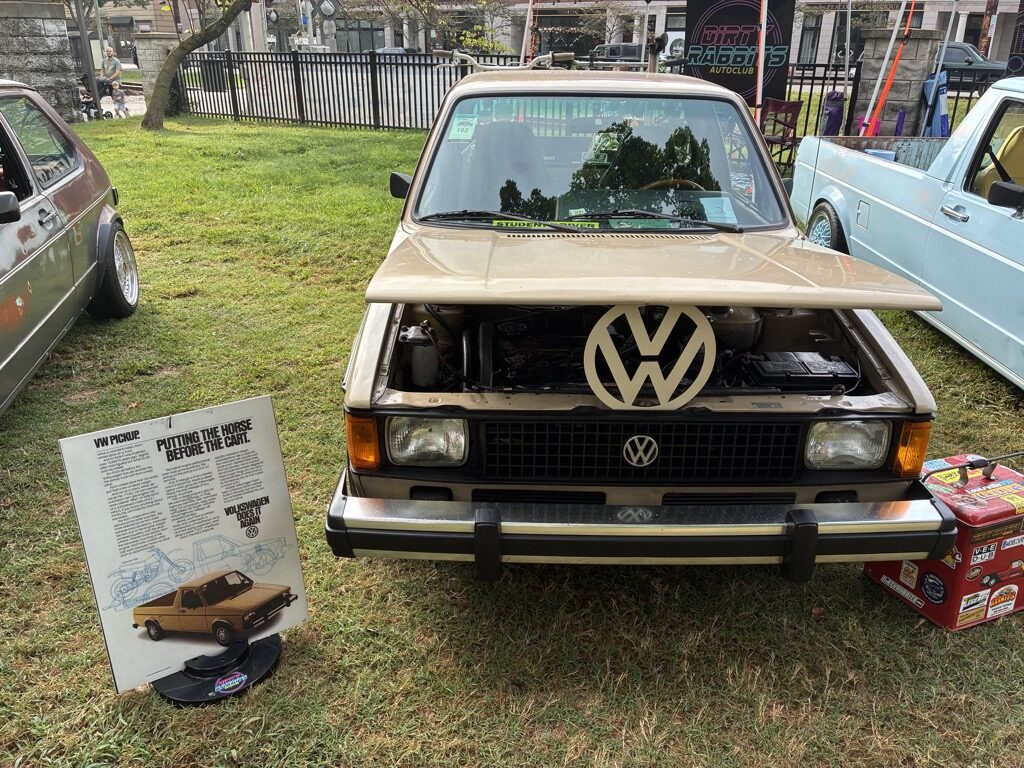
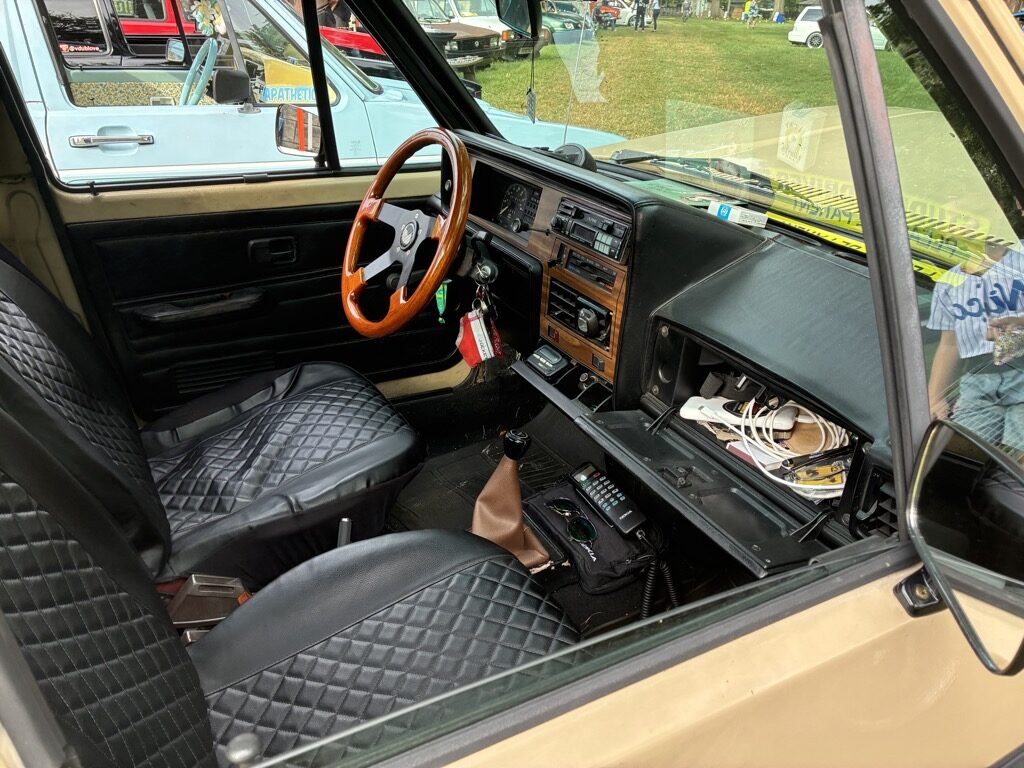
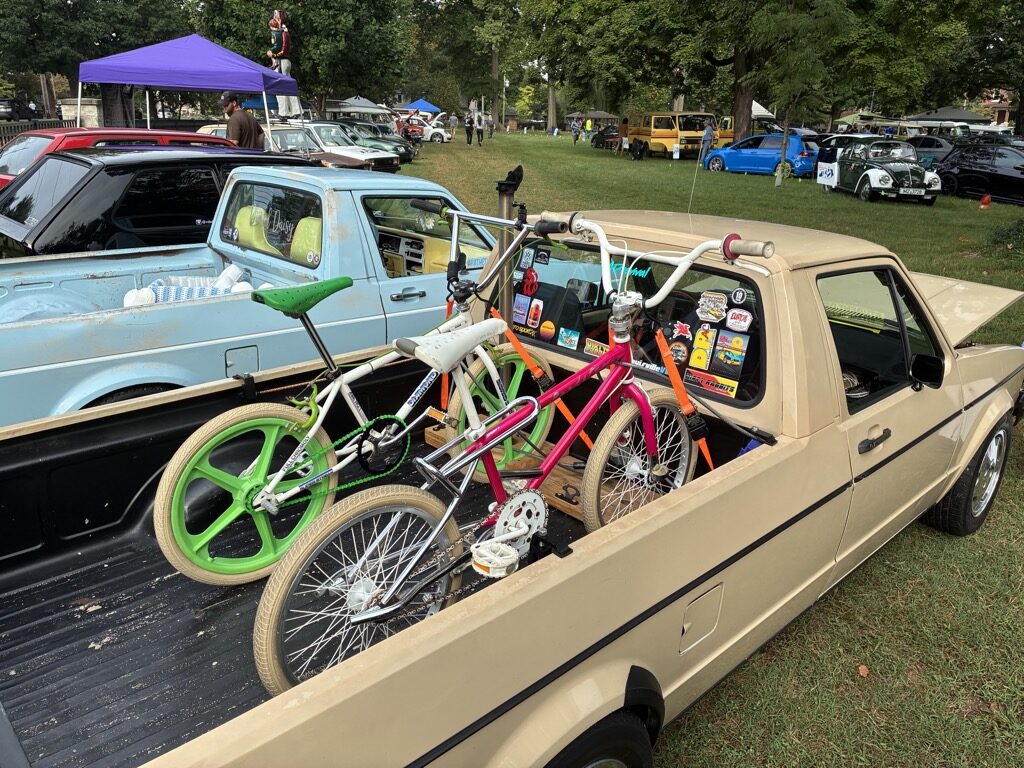
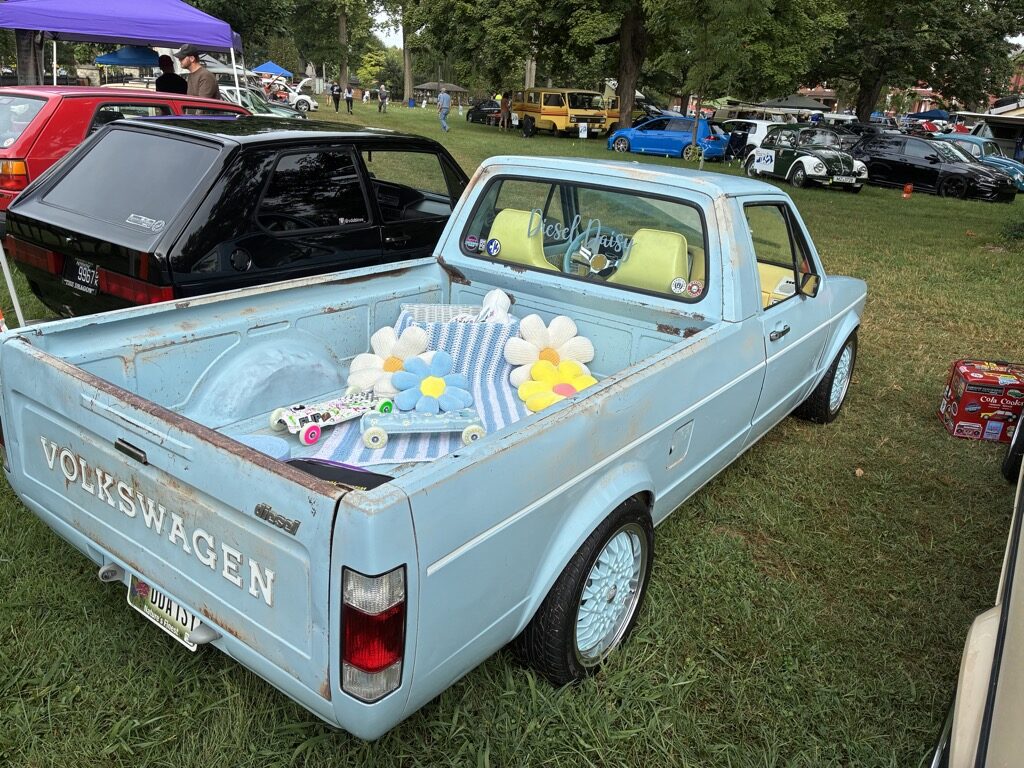
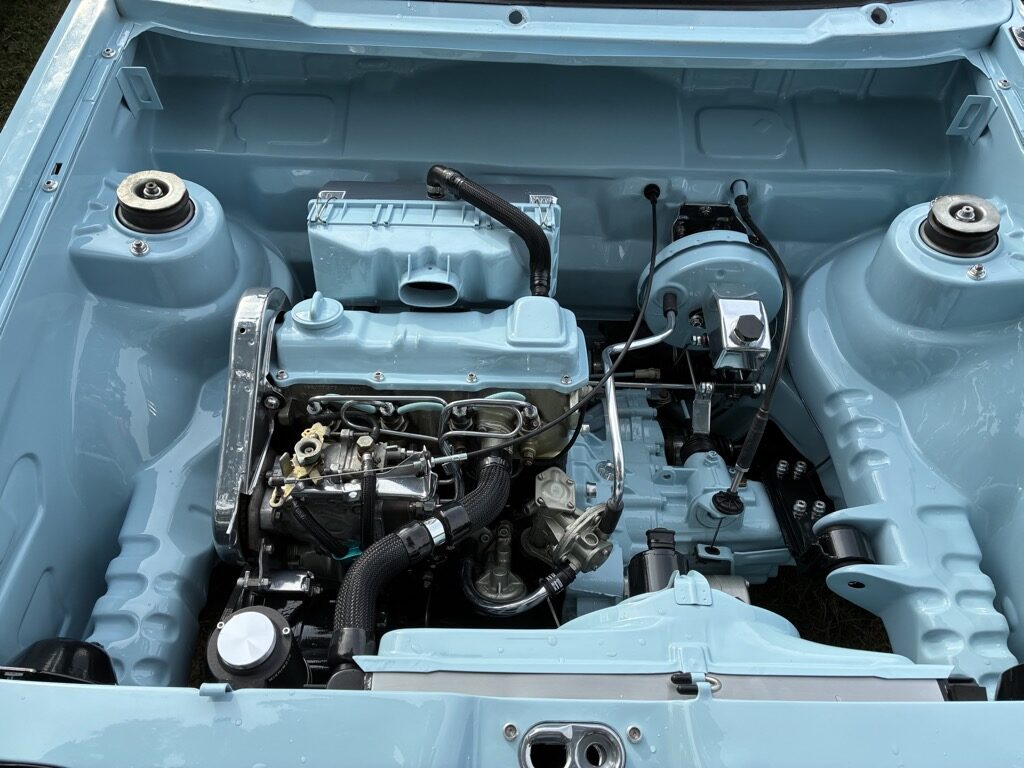
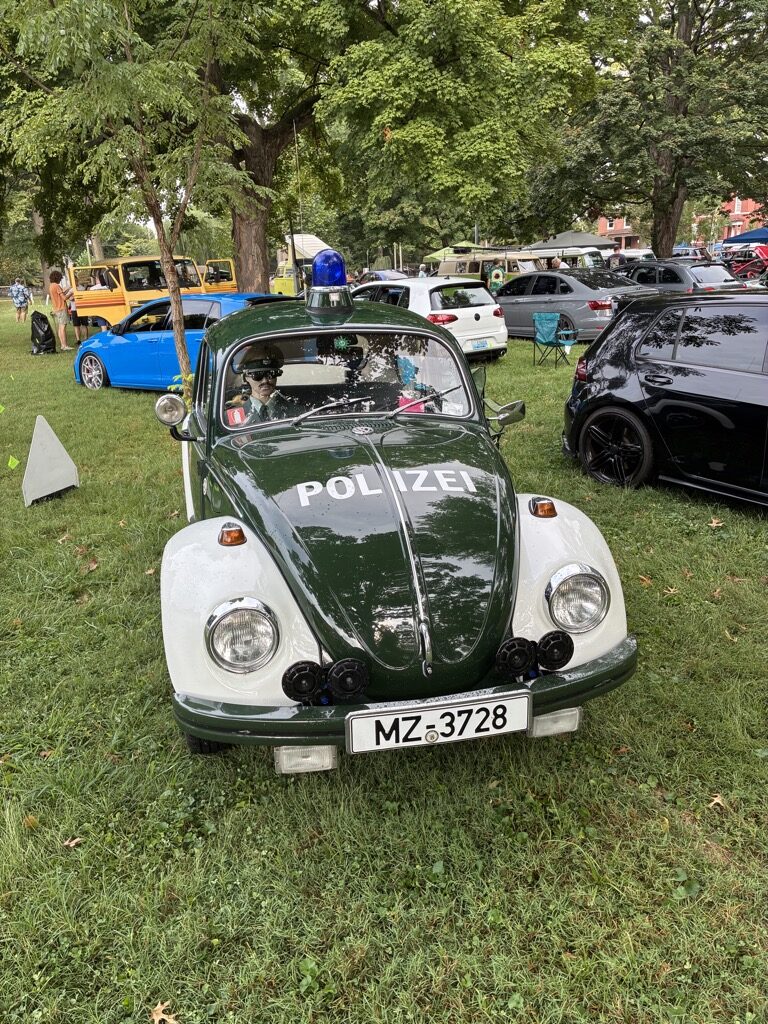
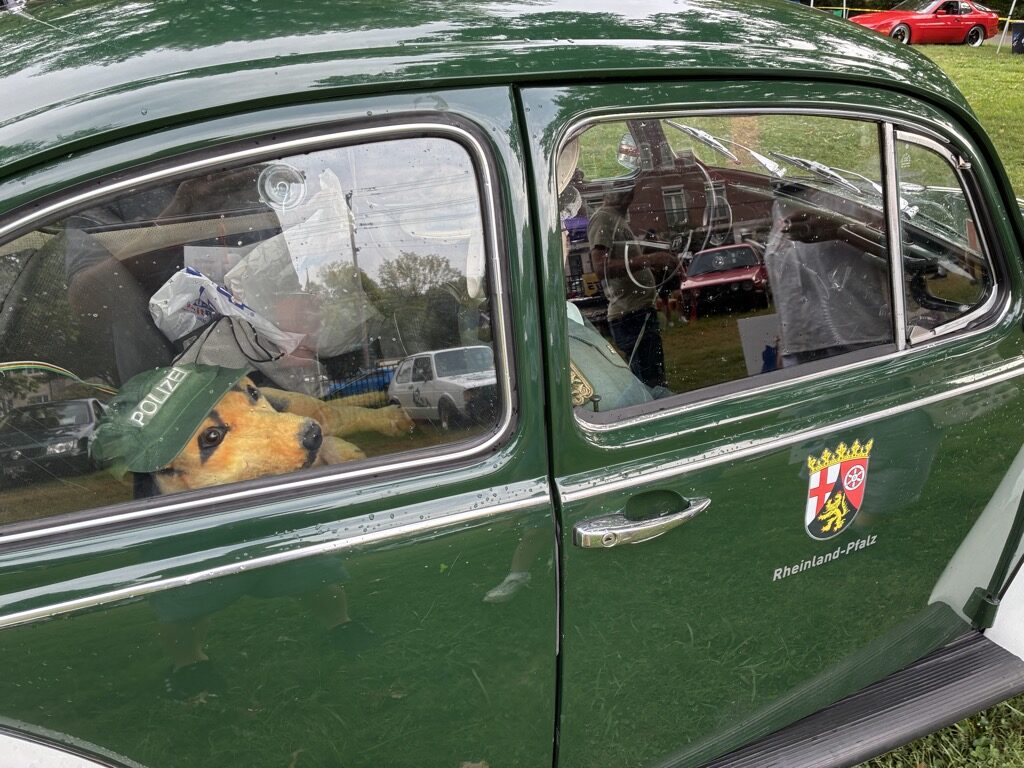
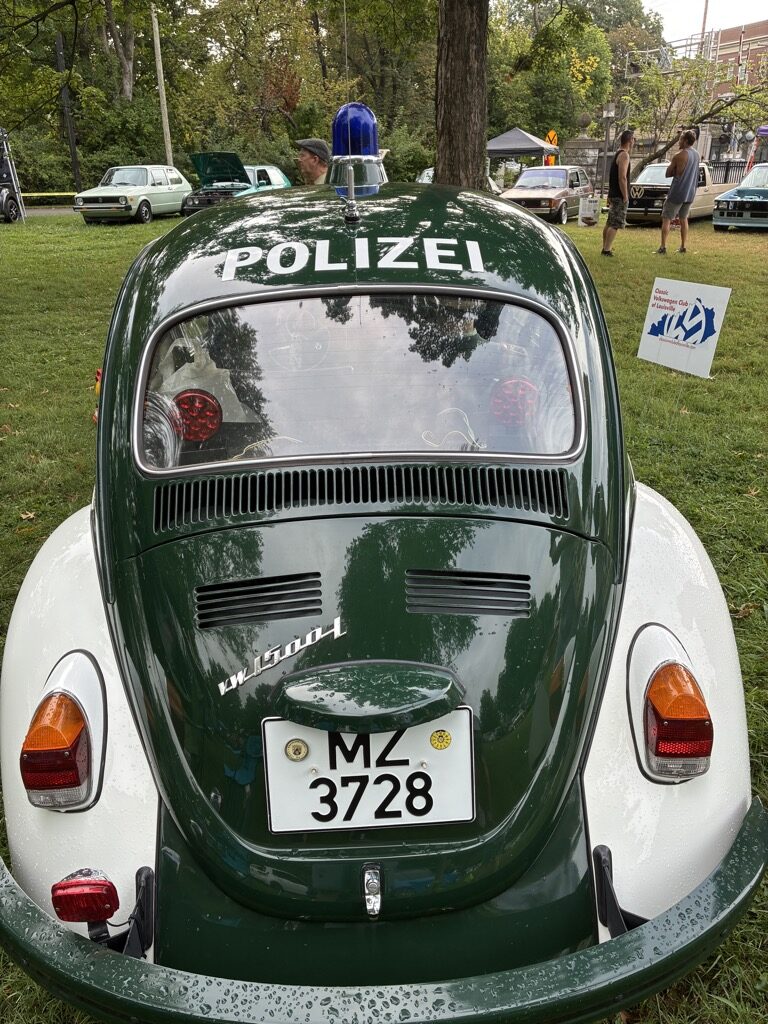
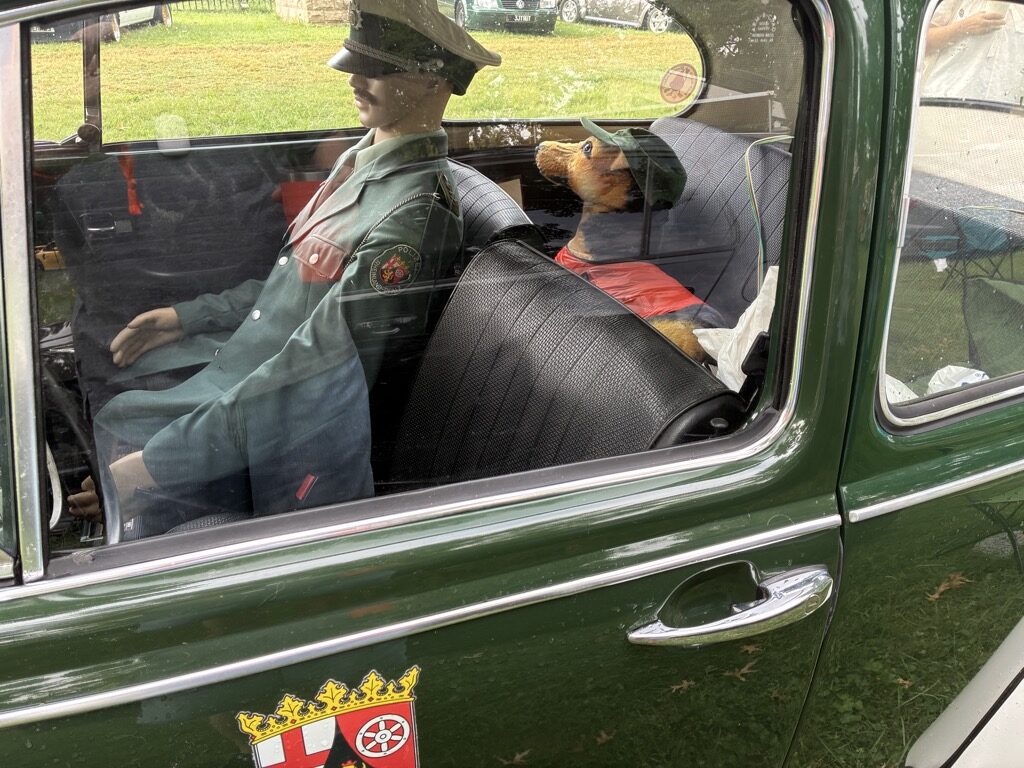
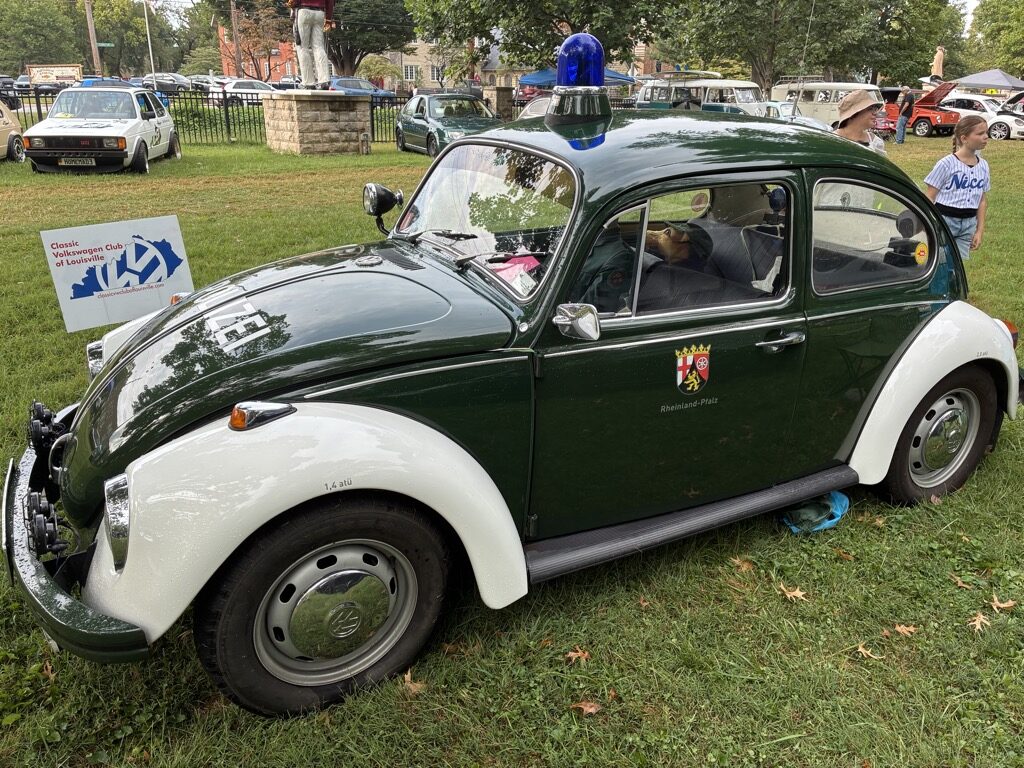
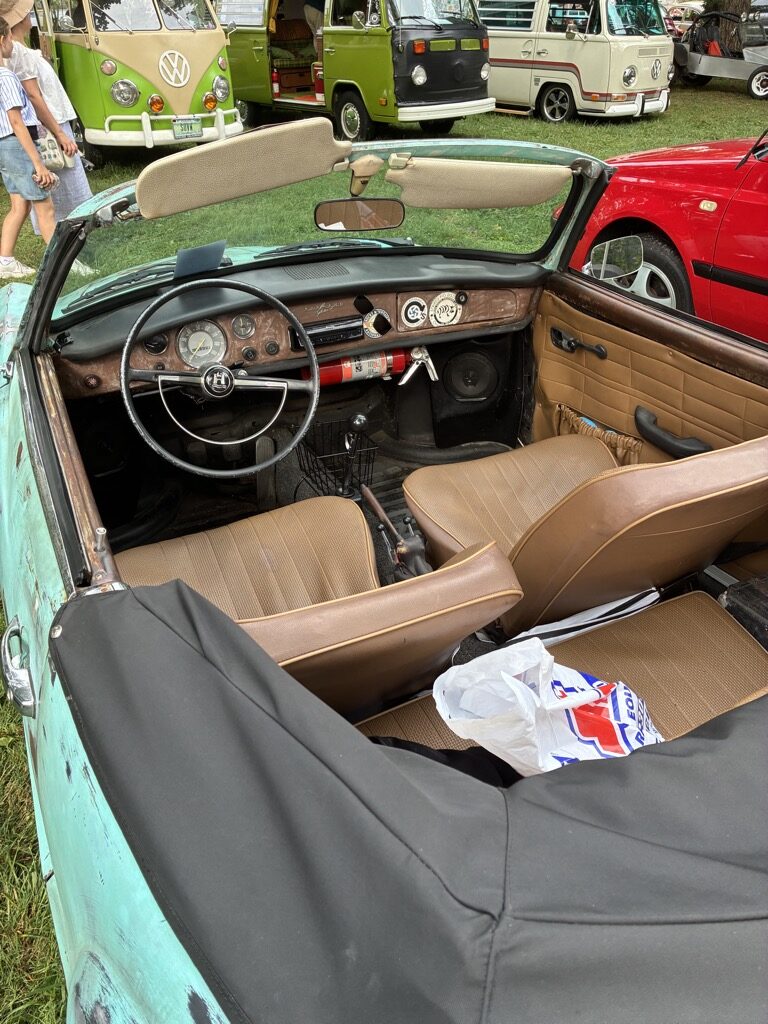
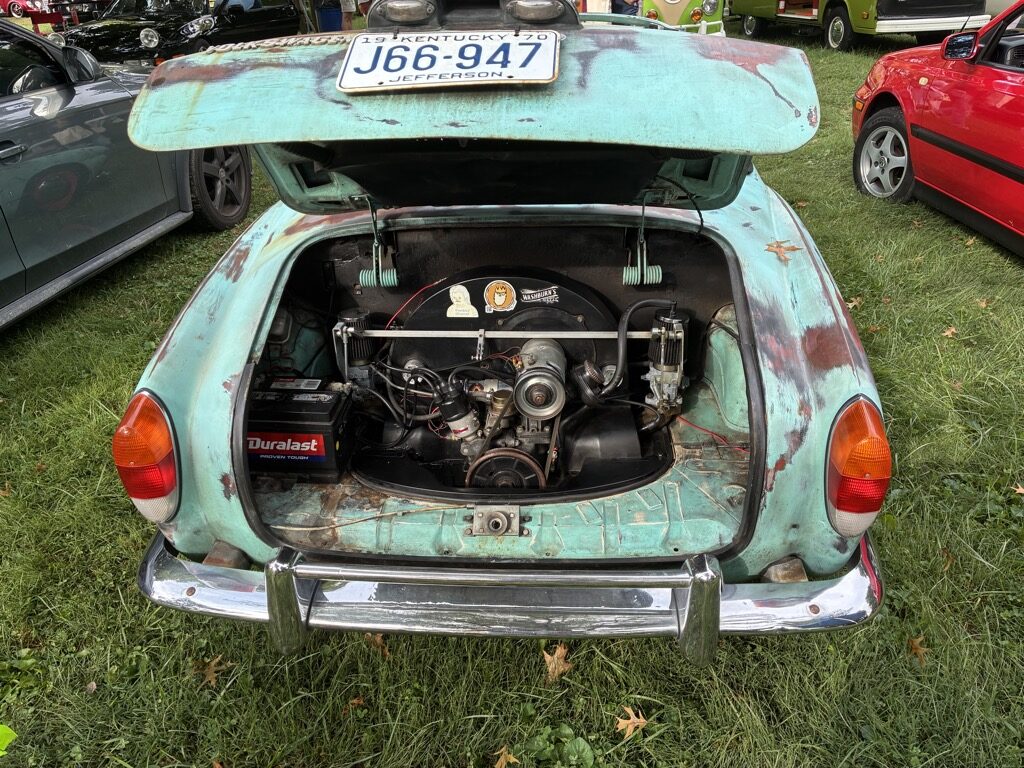
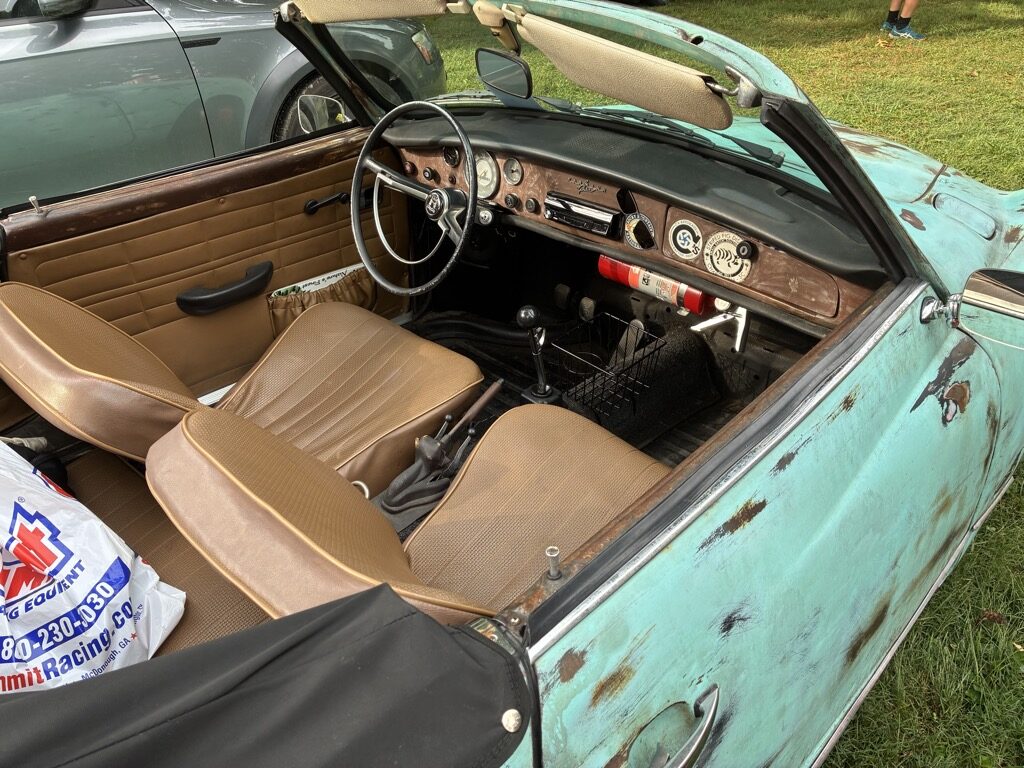
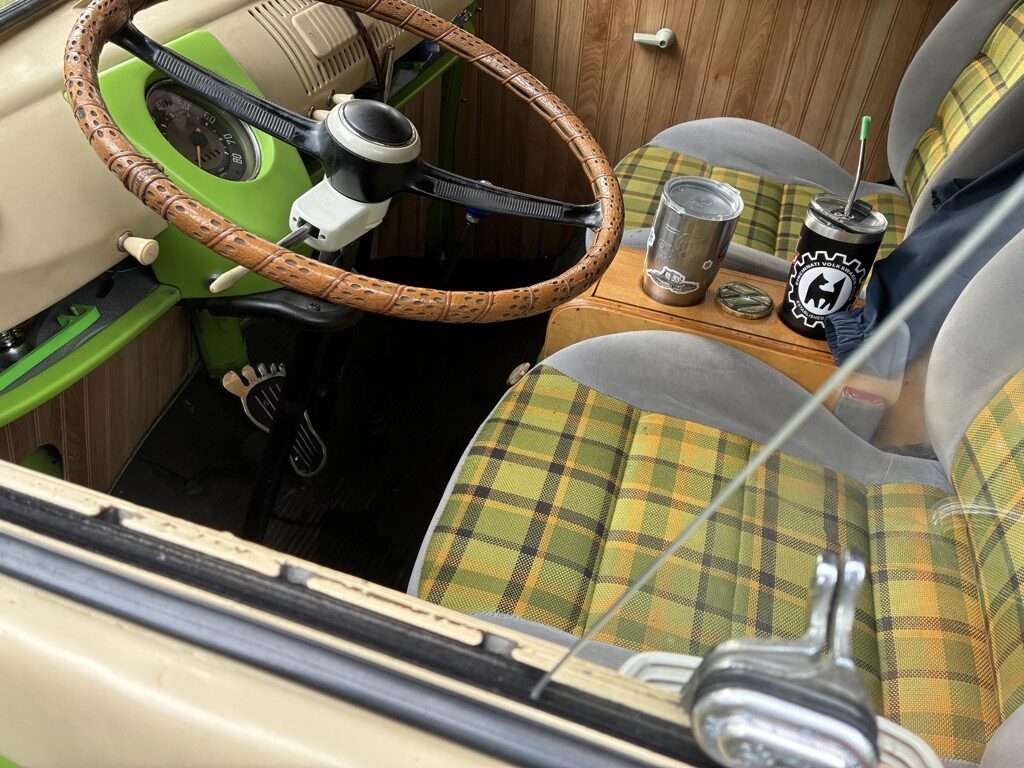
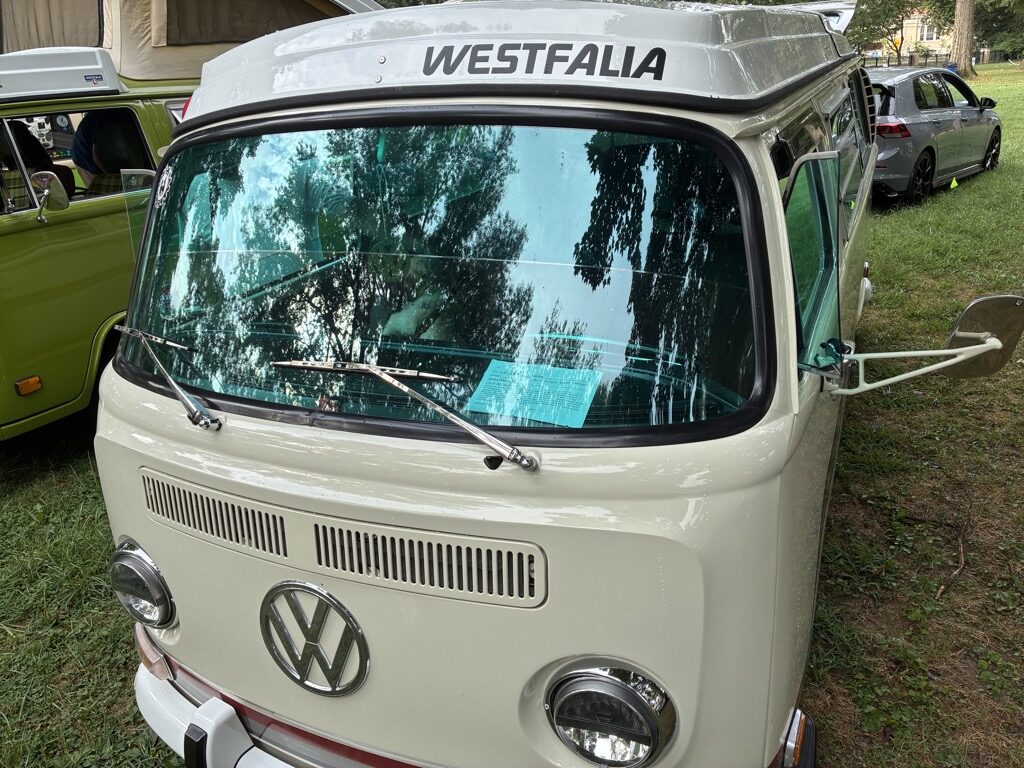
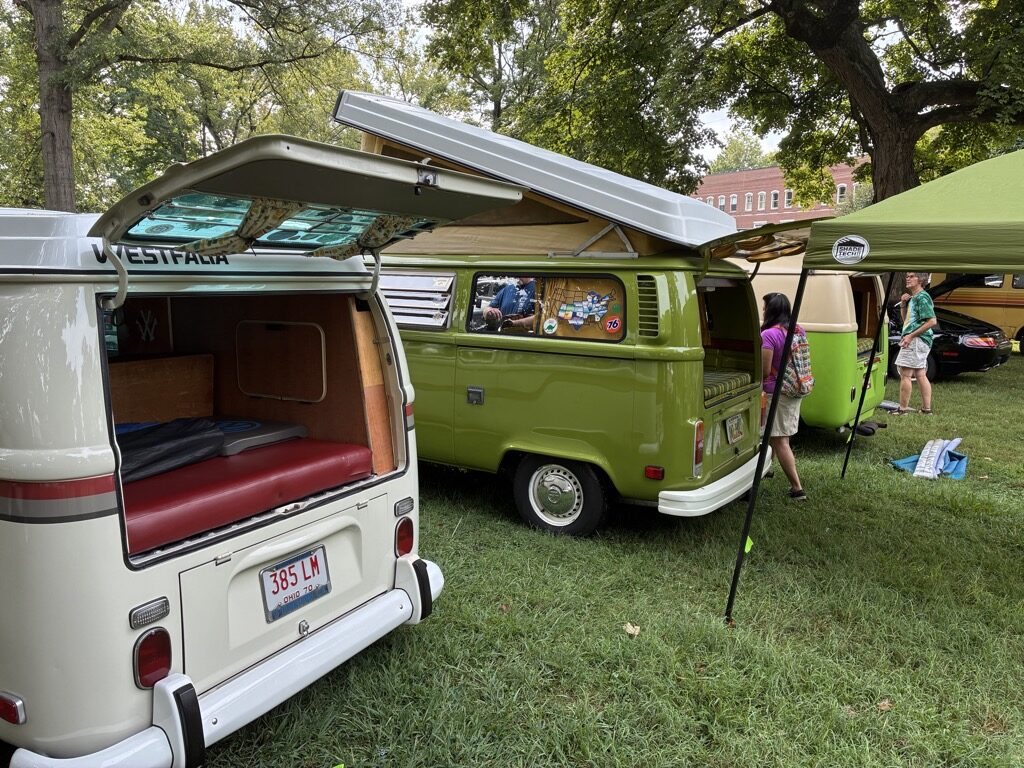
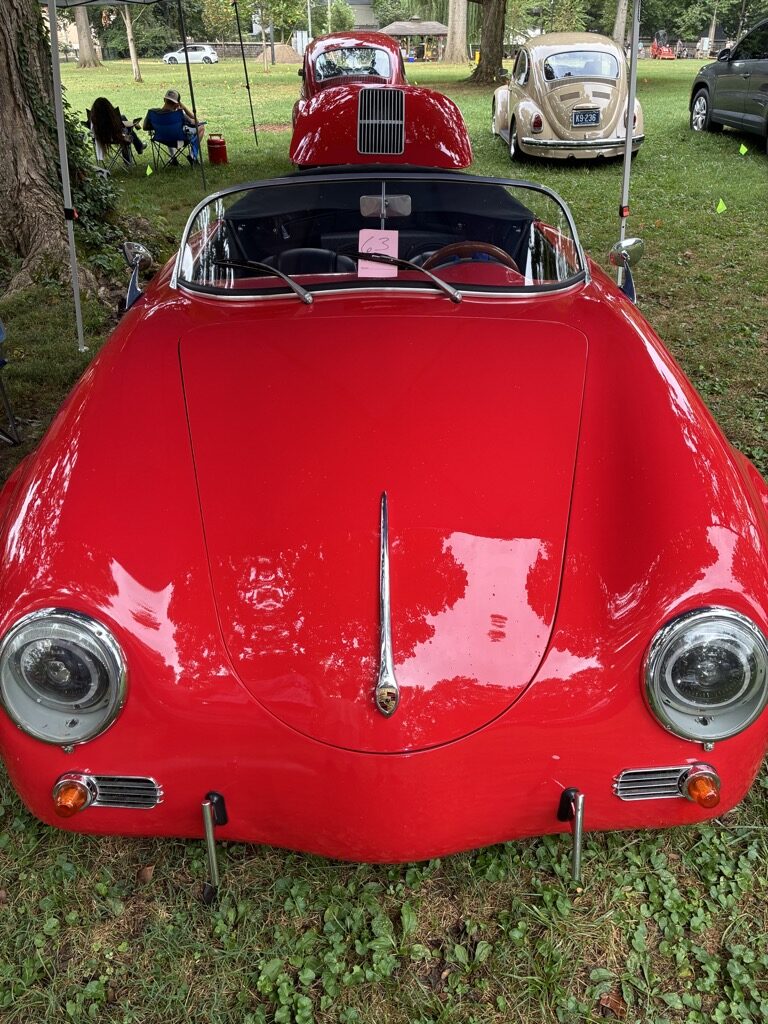
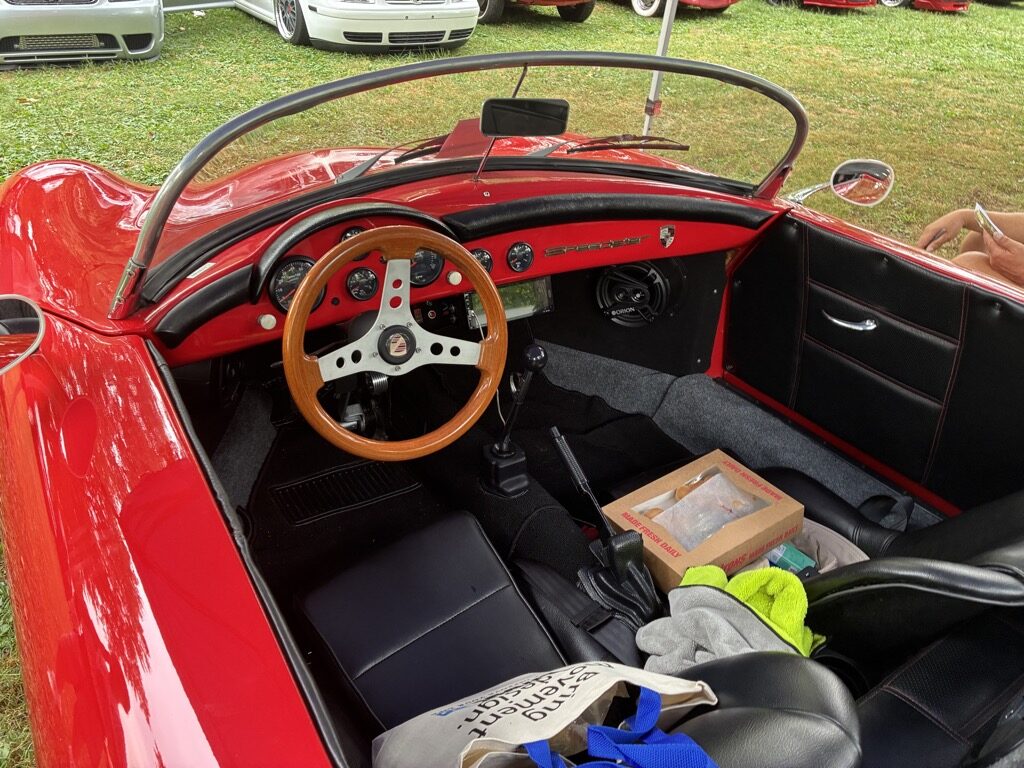
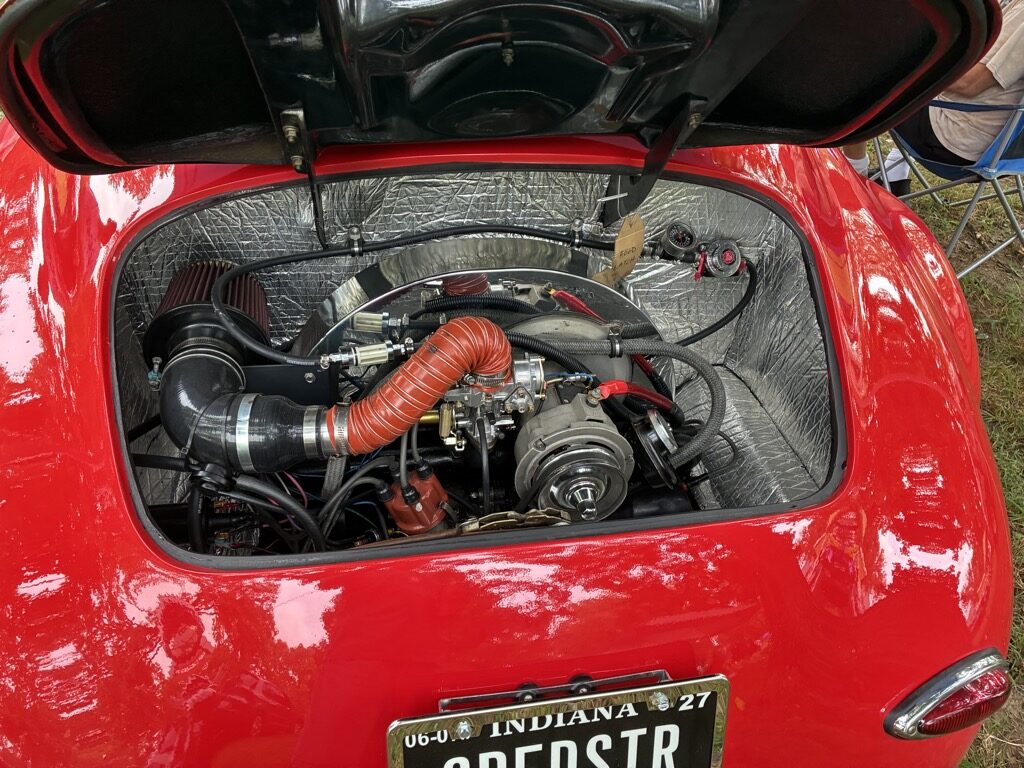
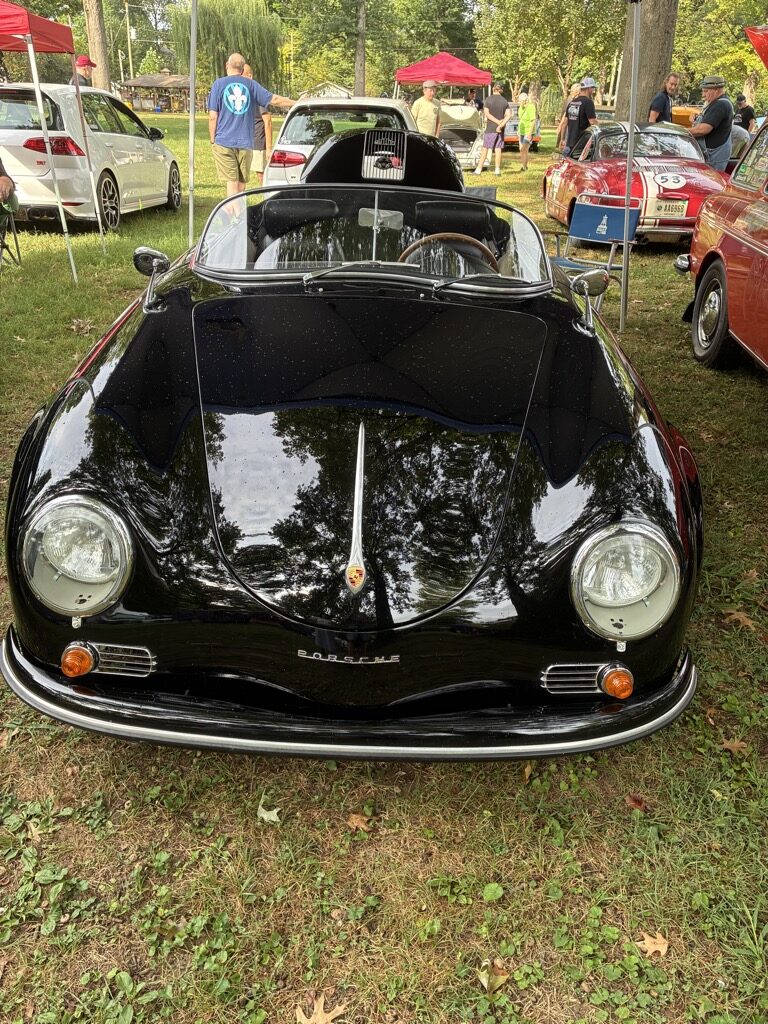
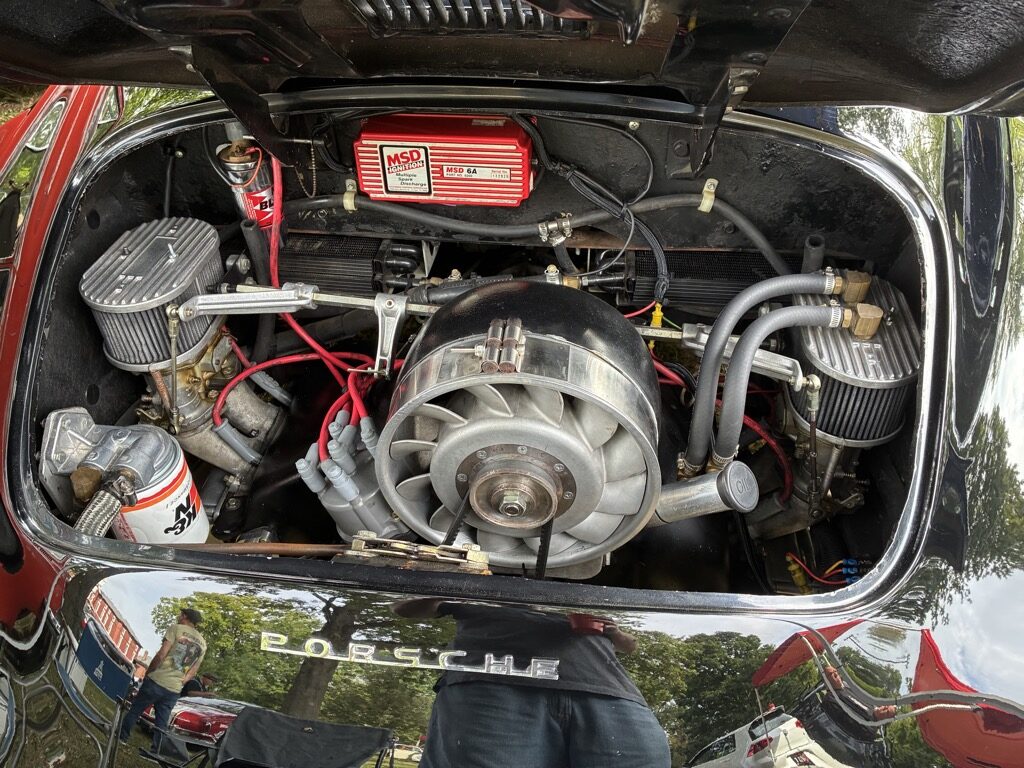
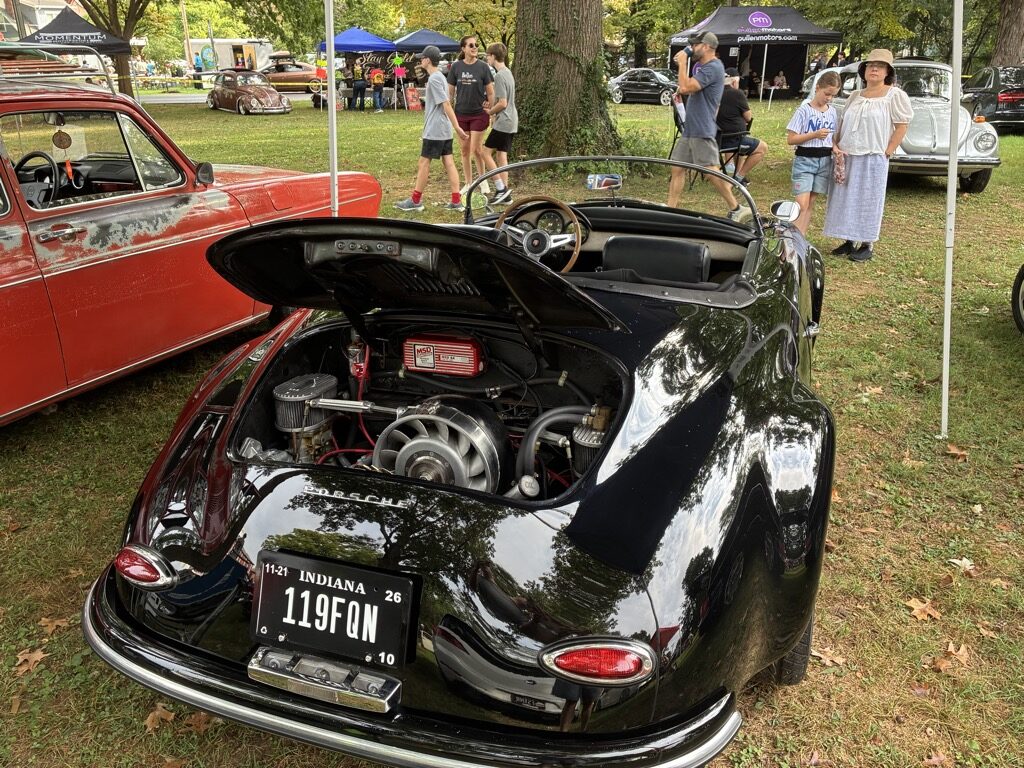
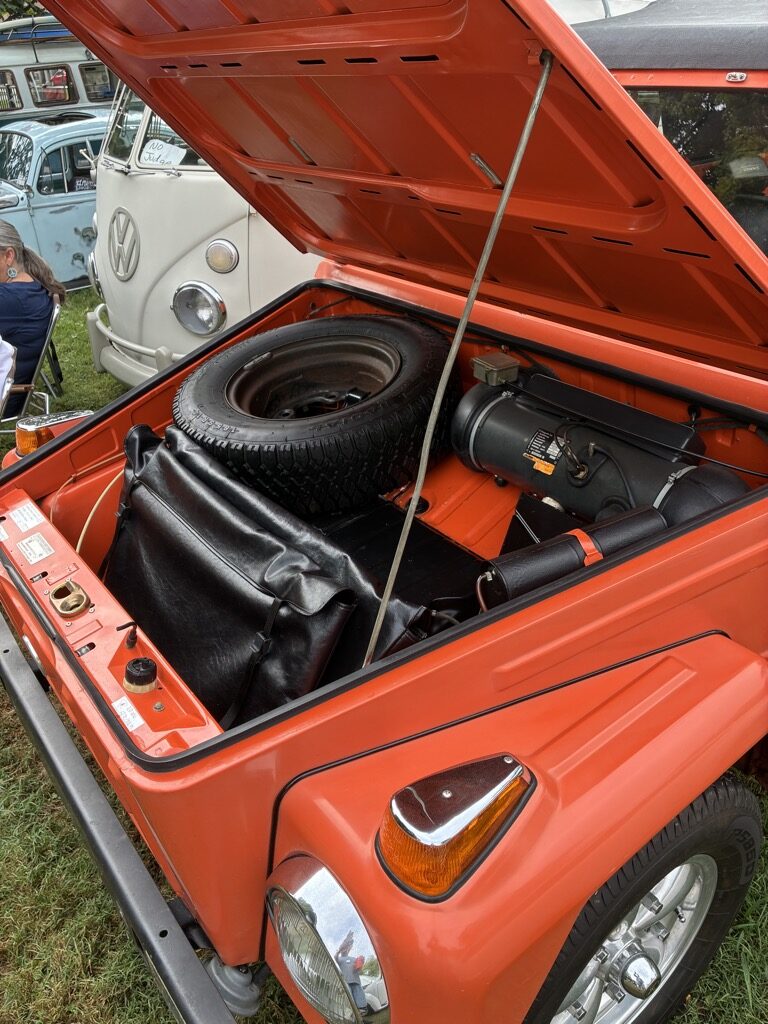
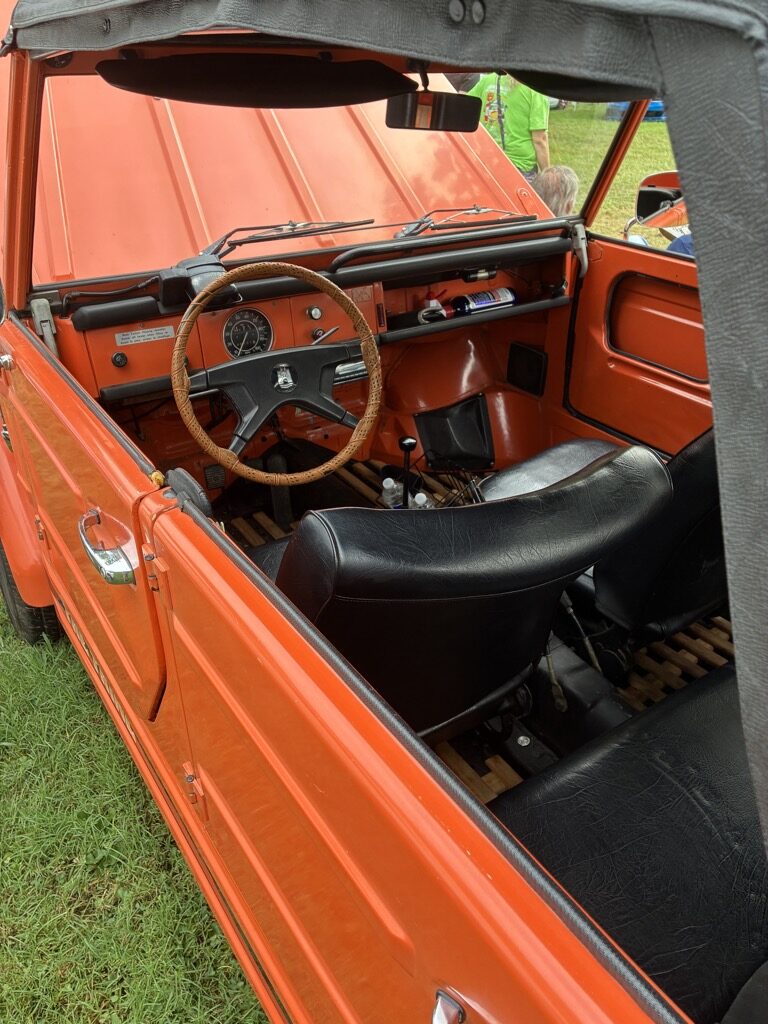
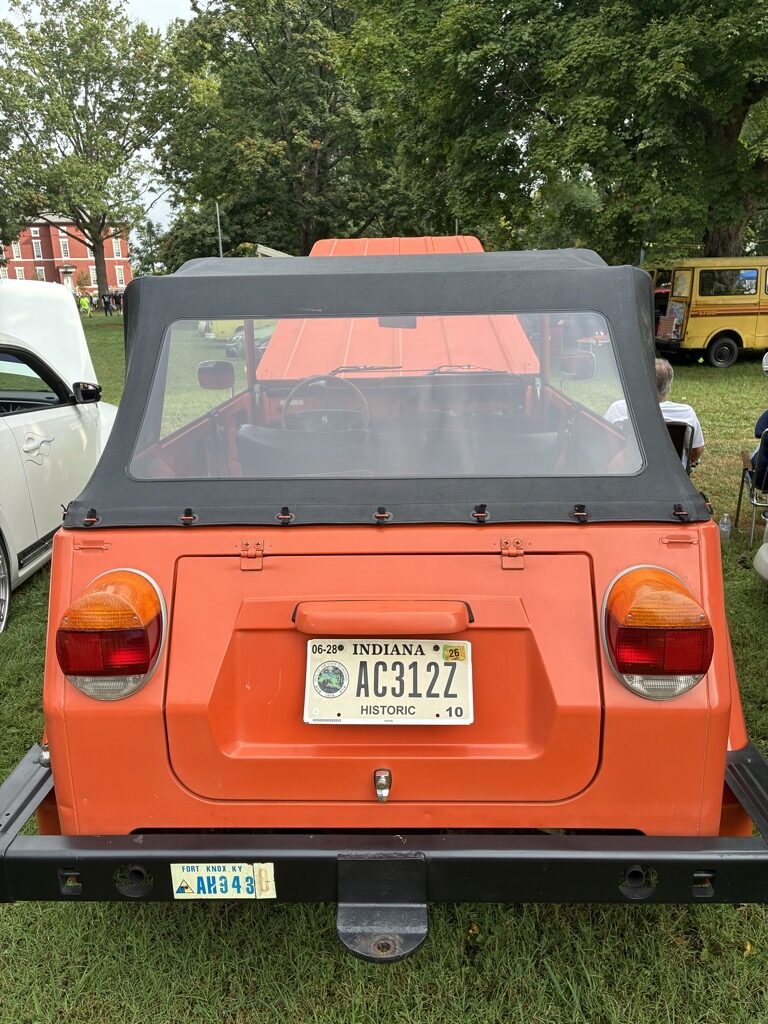
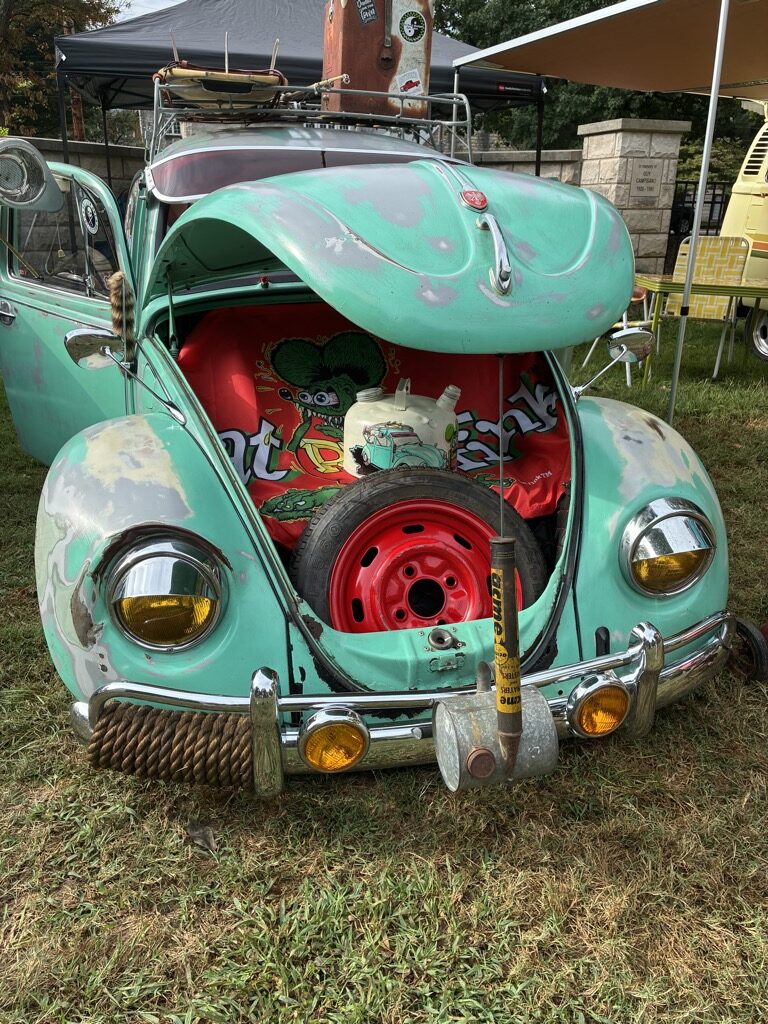
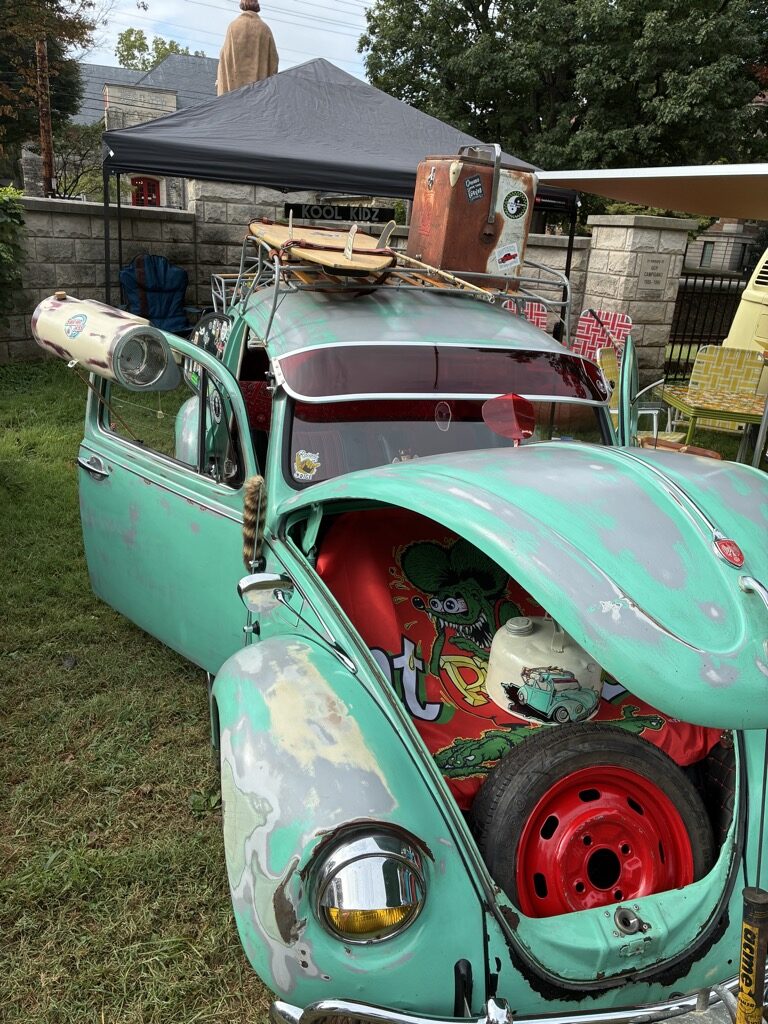
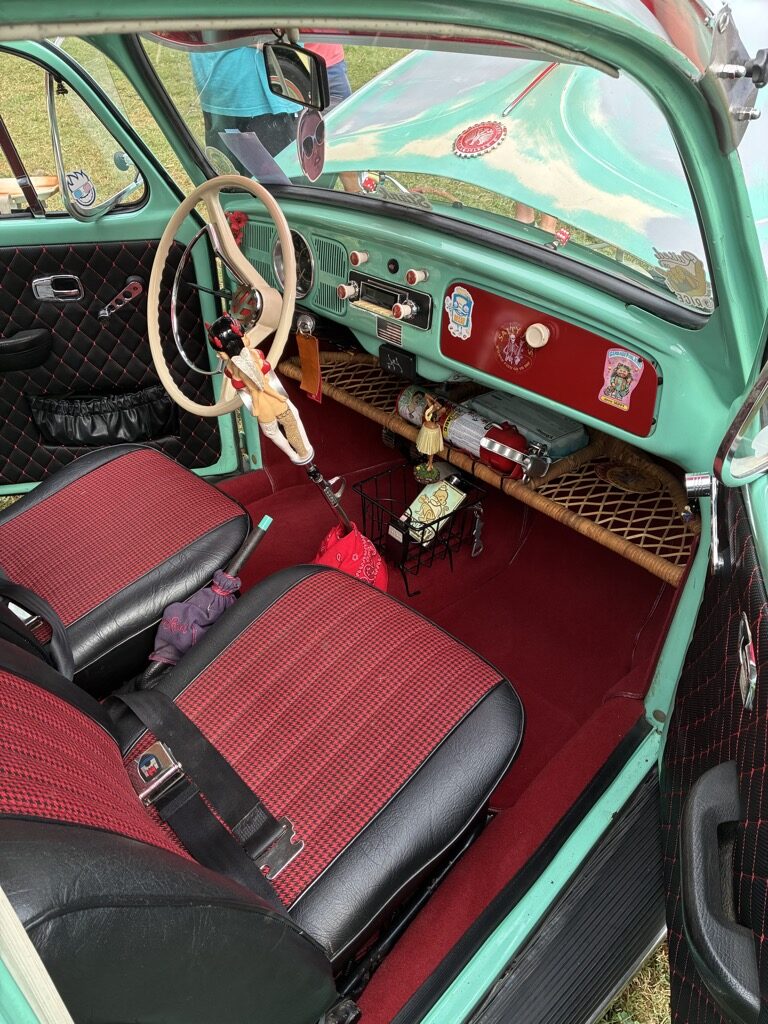
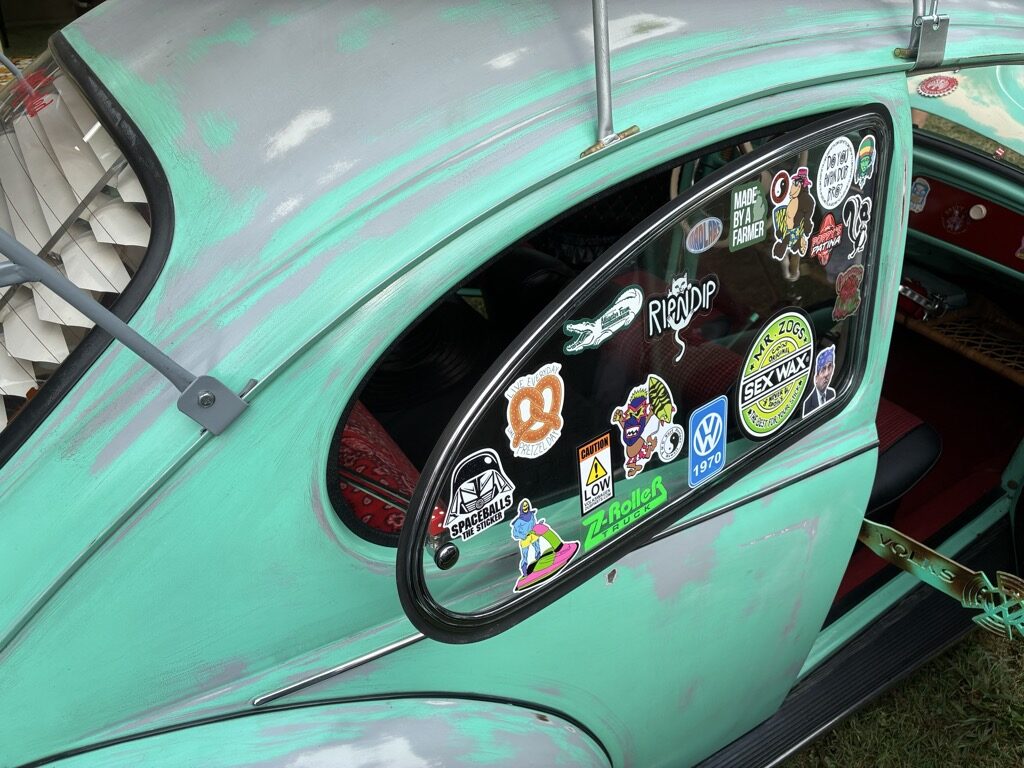
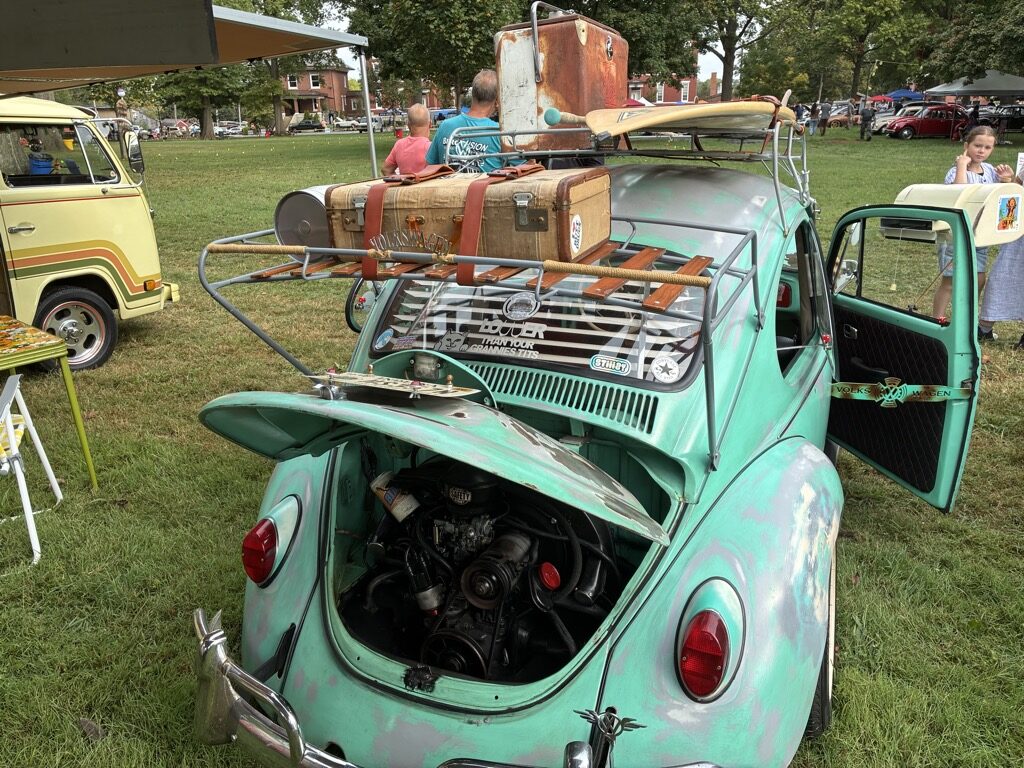
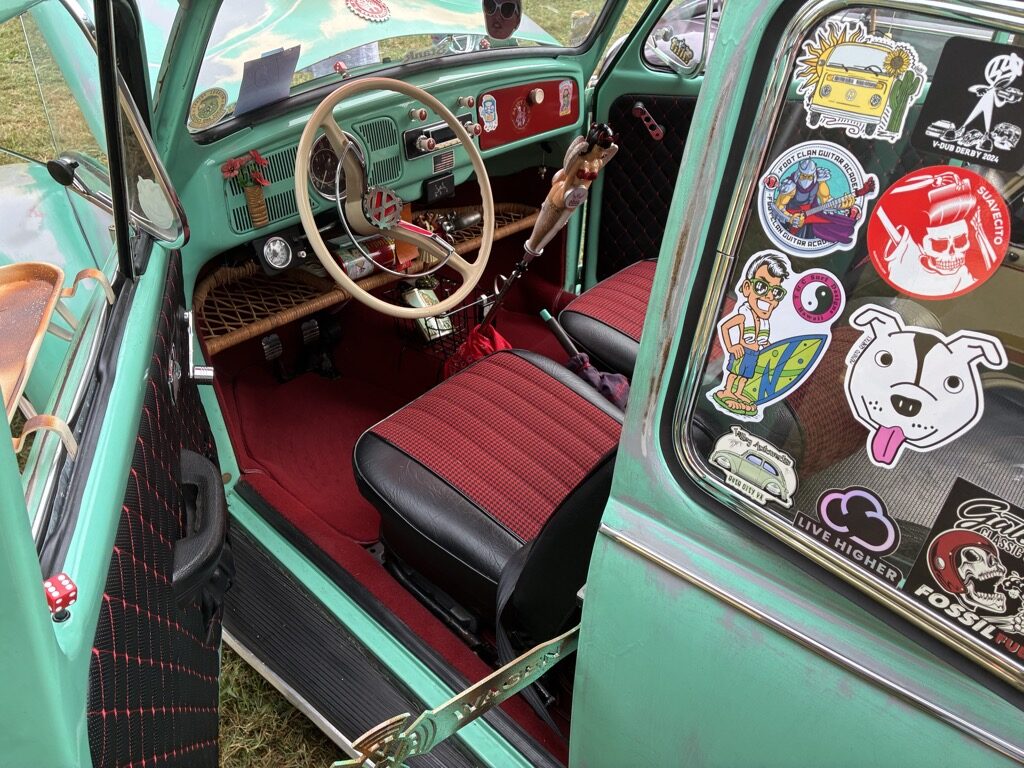
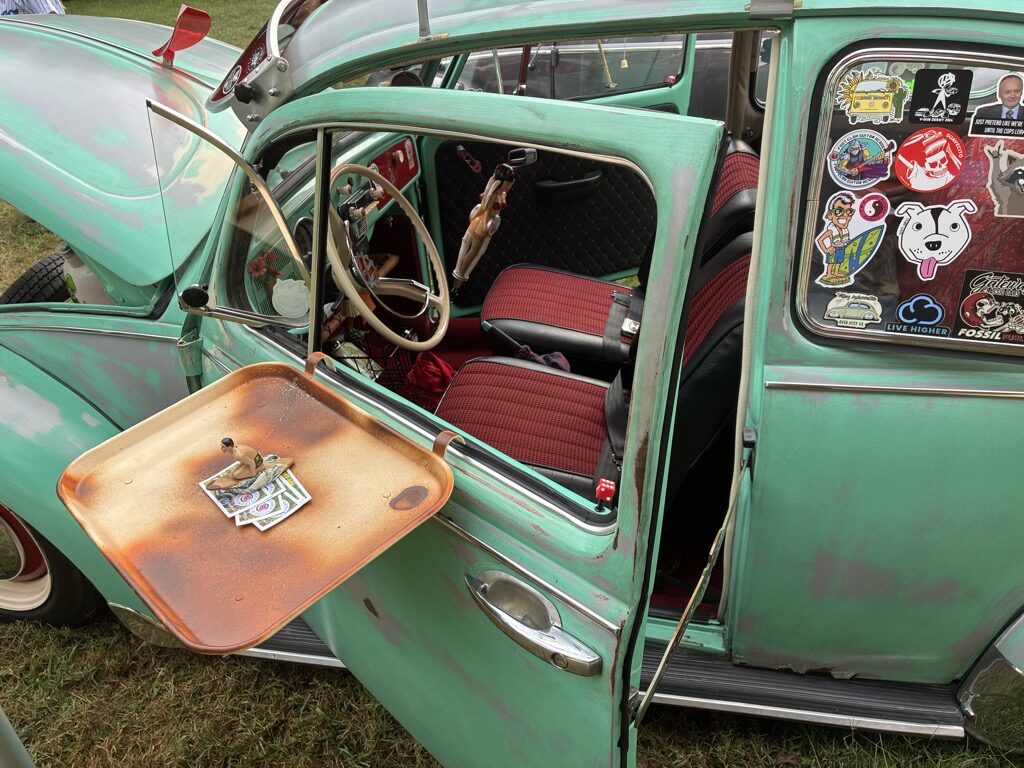
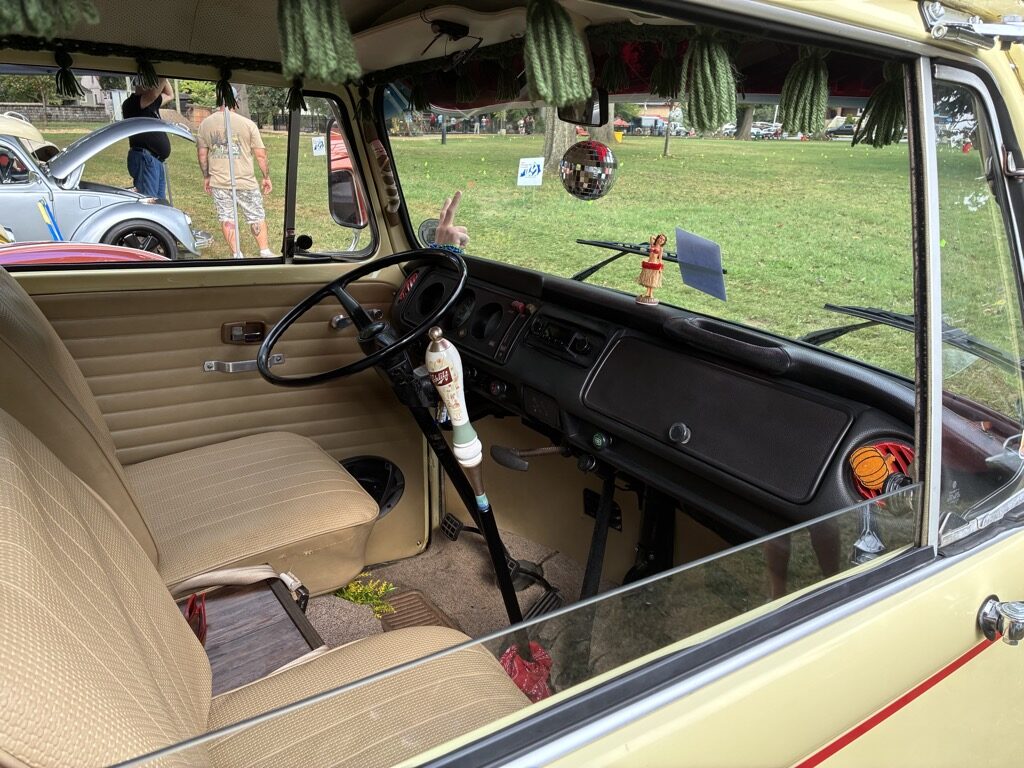
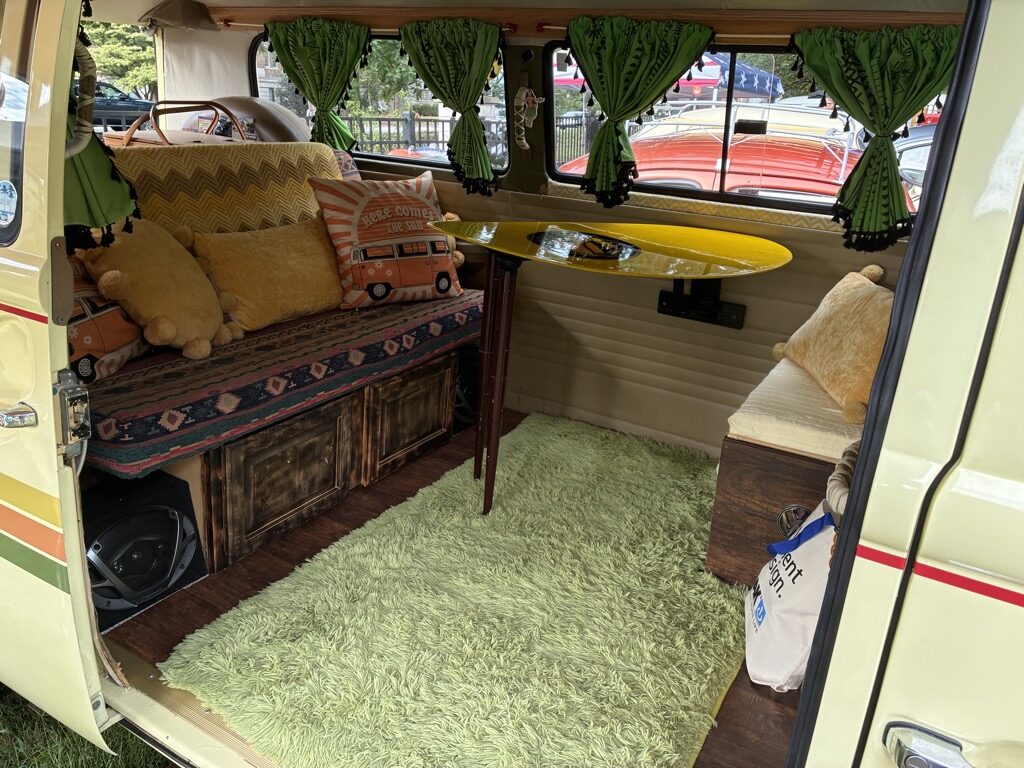
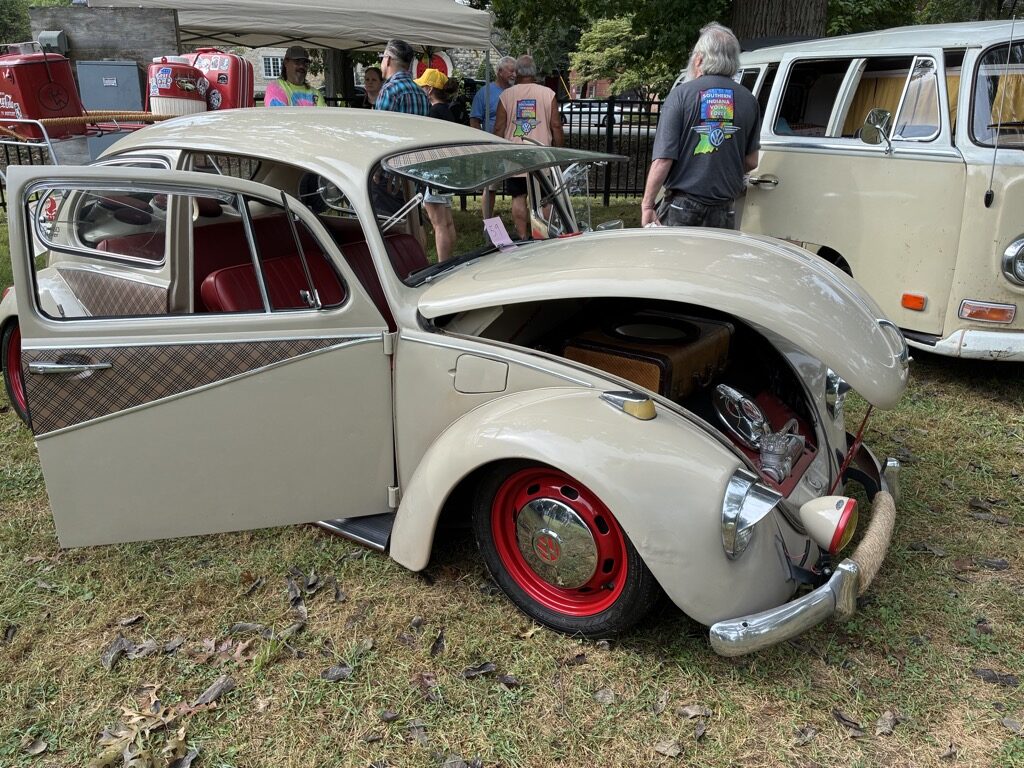
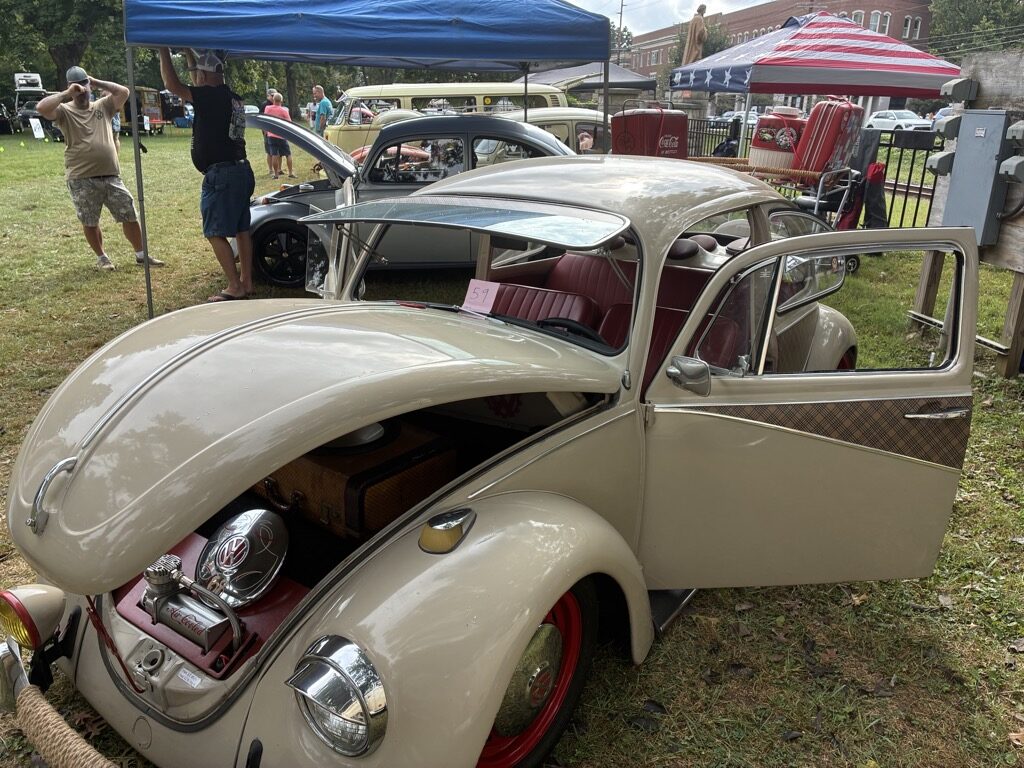
The trip worked out quite well, and huge thanks to Daniel for the invitation, the guide work and the recommendations. We didn’t have time for everything we planned. Things got skipped or missed, but that’s the trick to a good trip: plan contingencies, leave time and space, and have a positive attitude toward whatever comes down the road. I had always wanted to visit a VW meet but never had time. In an unexpected turn of events, I managed to do exactly that – big thanks to my patient wife, who was bored out of her mind while I was roaming around cars in an open field.
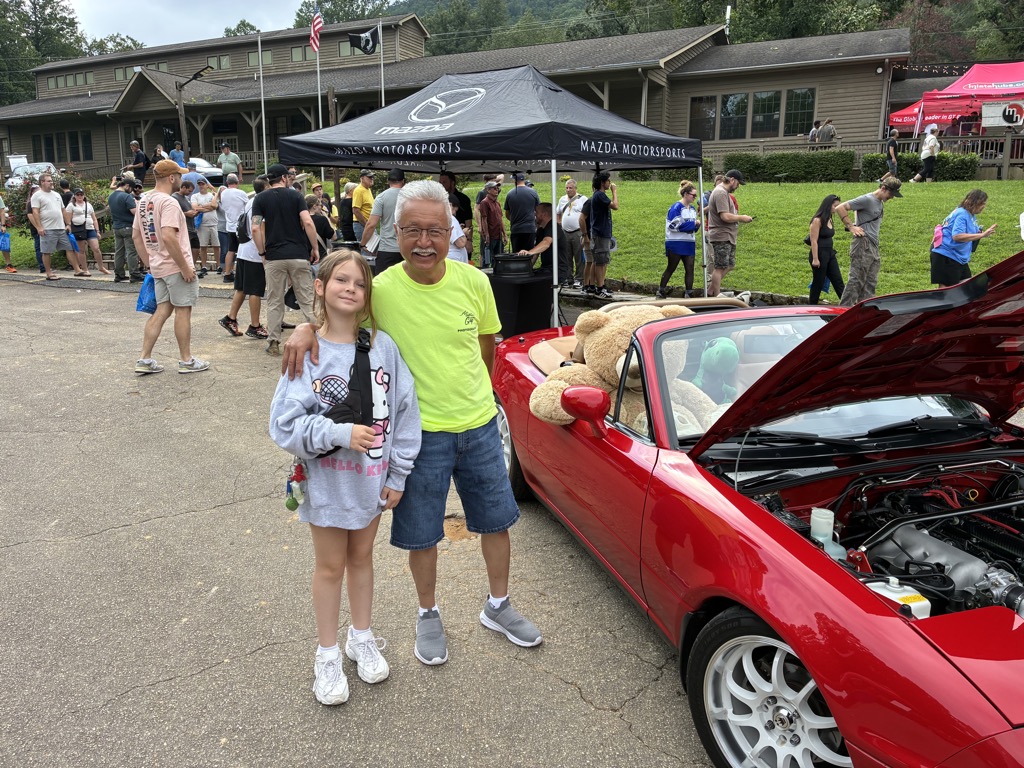
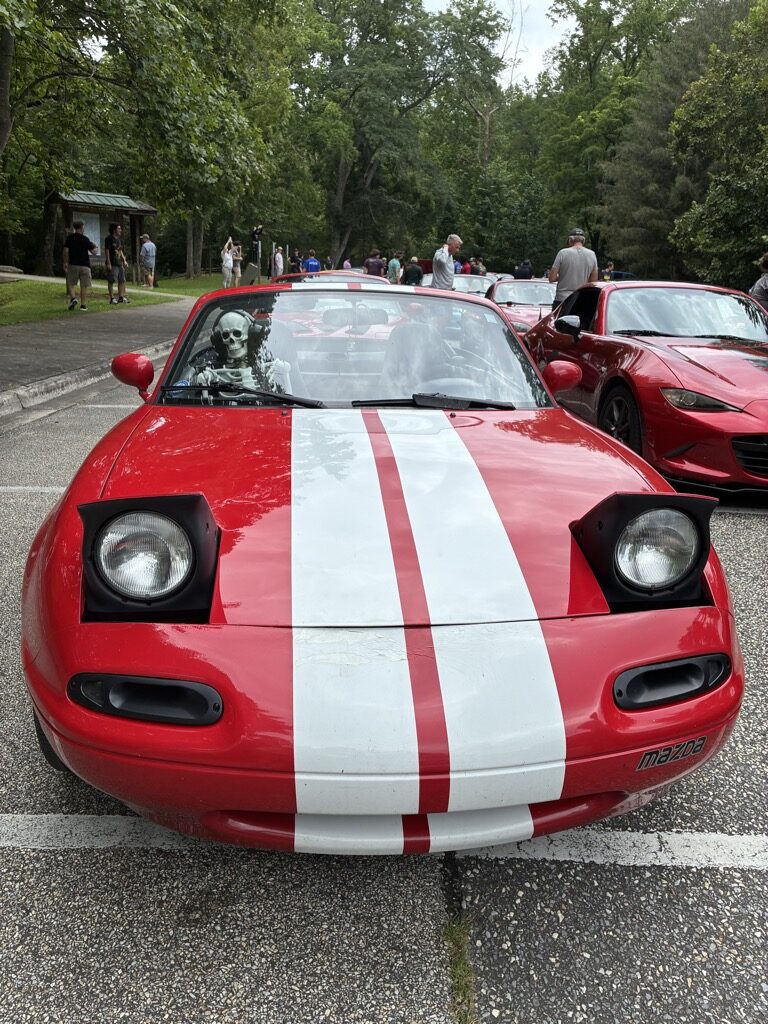
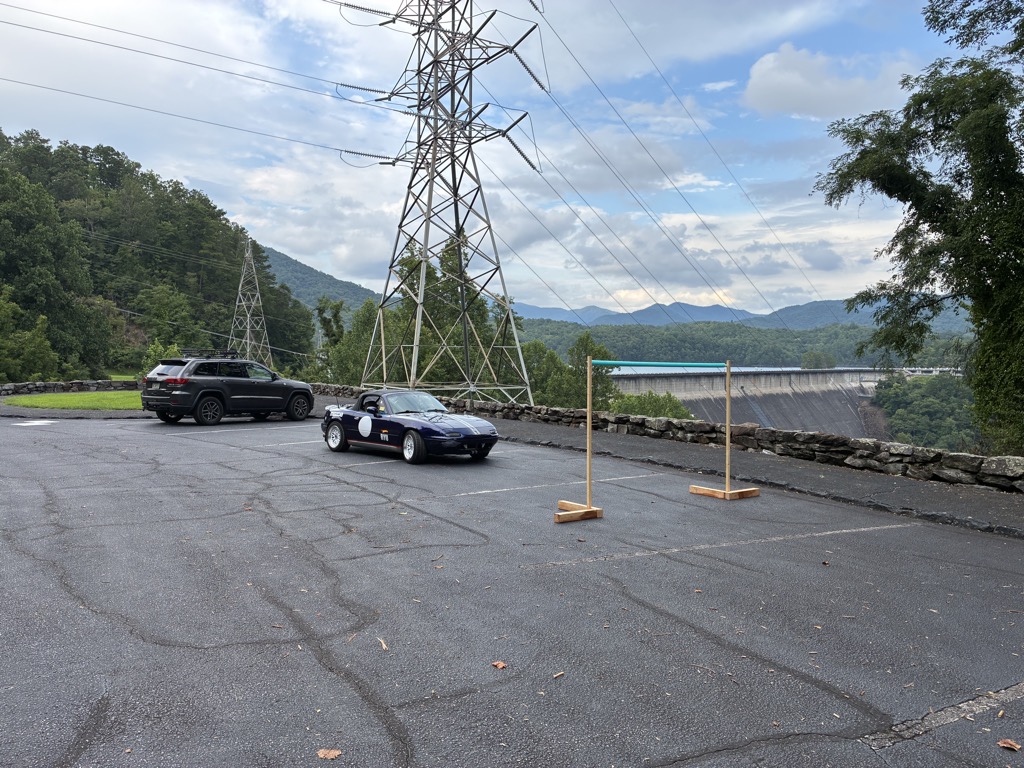
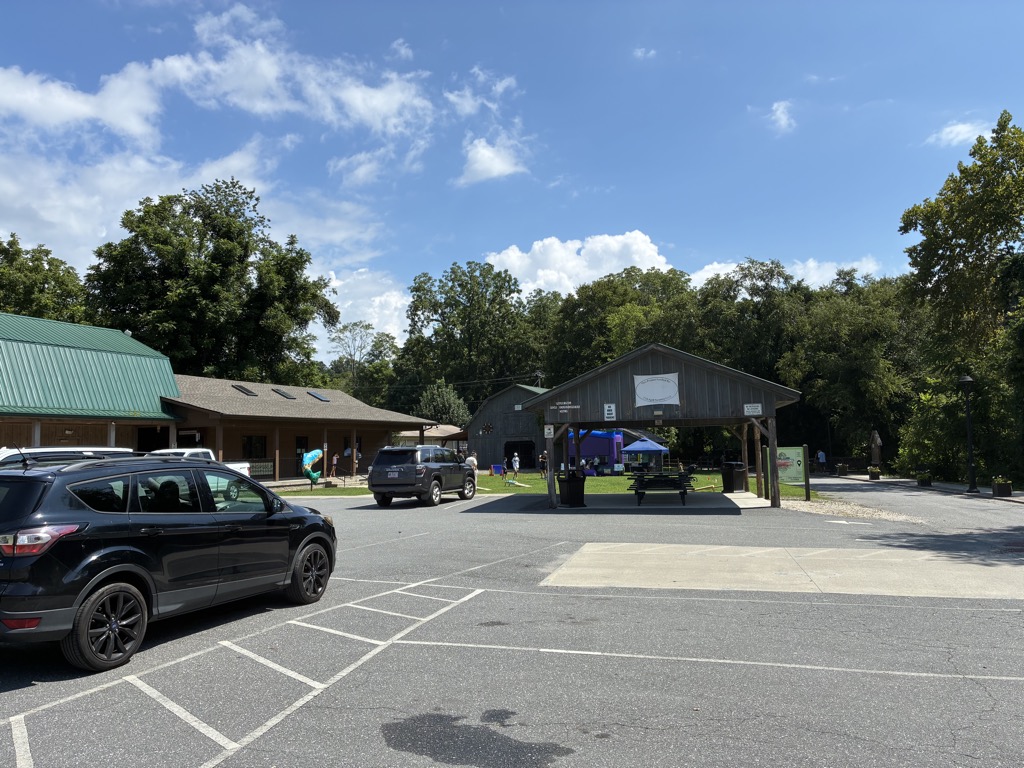
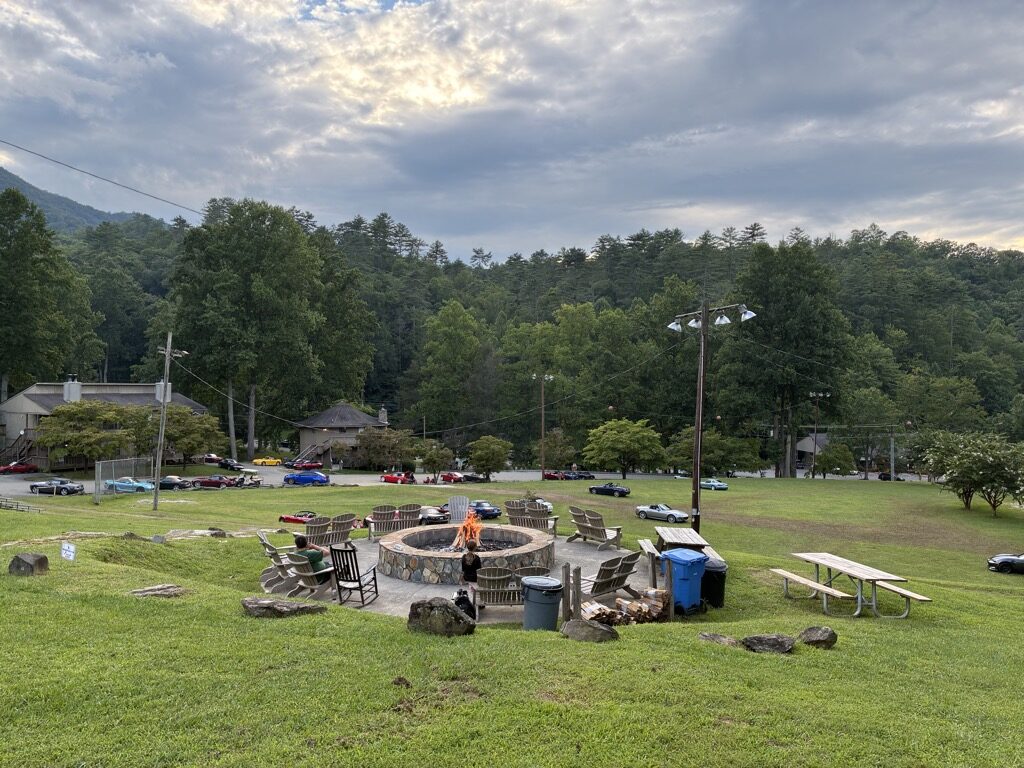
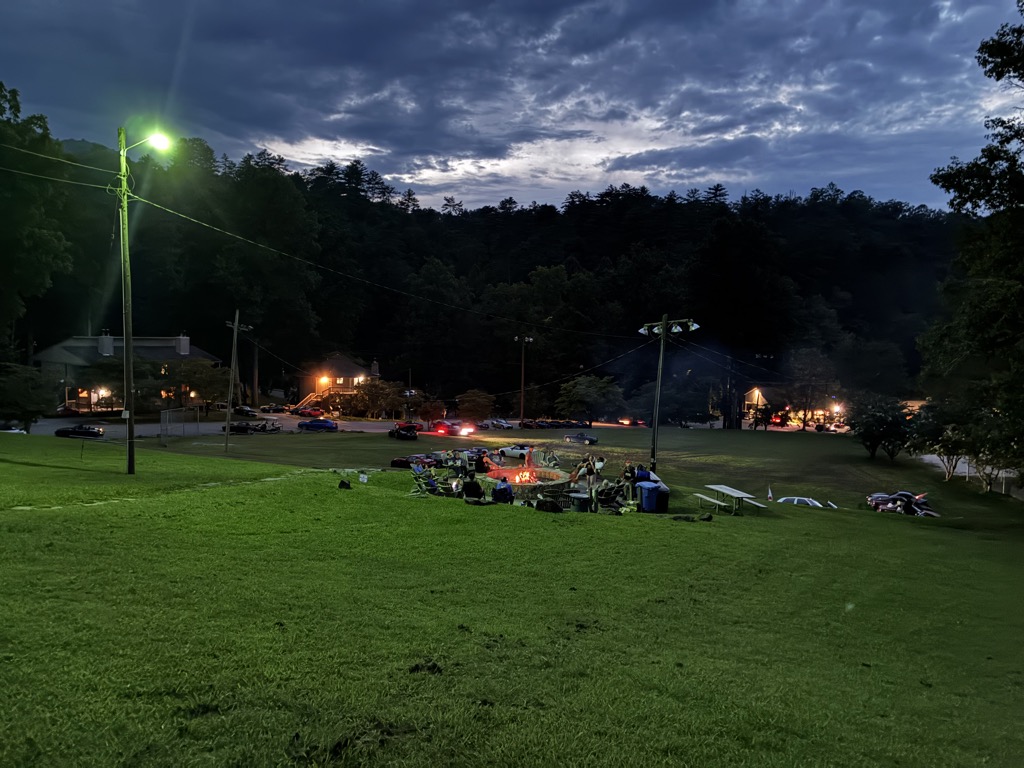
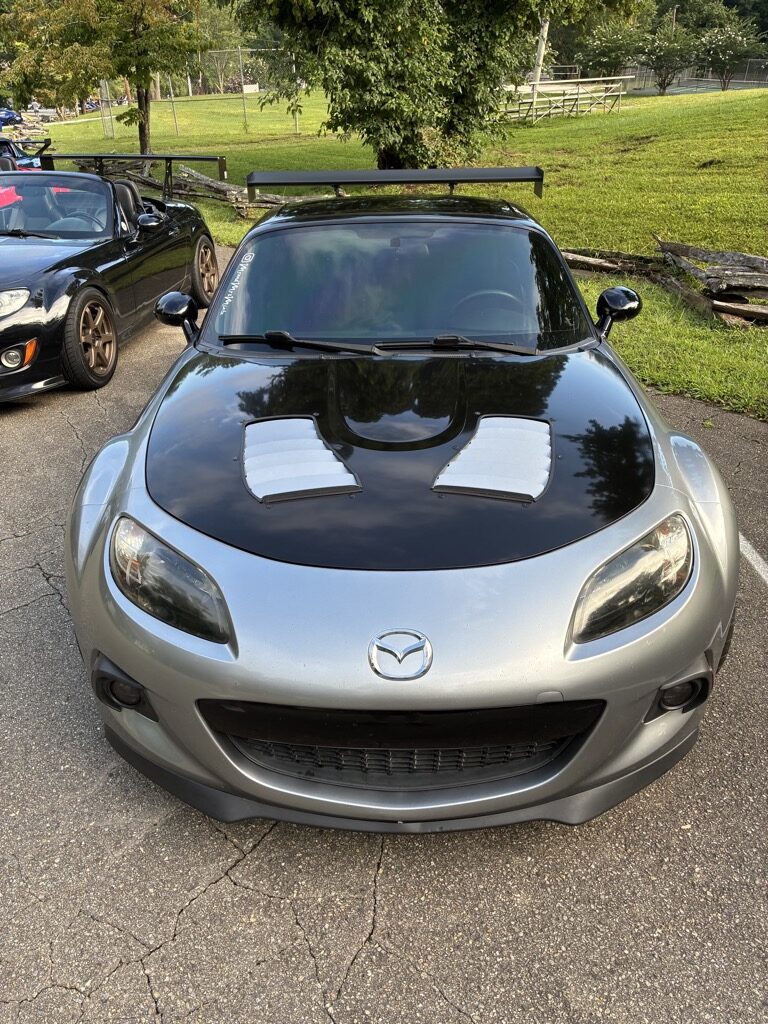
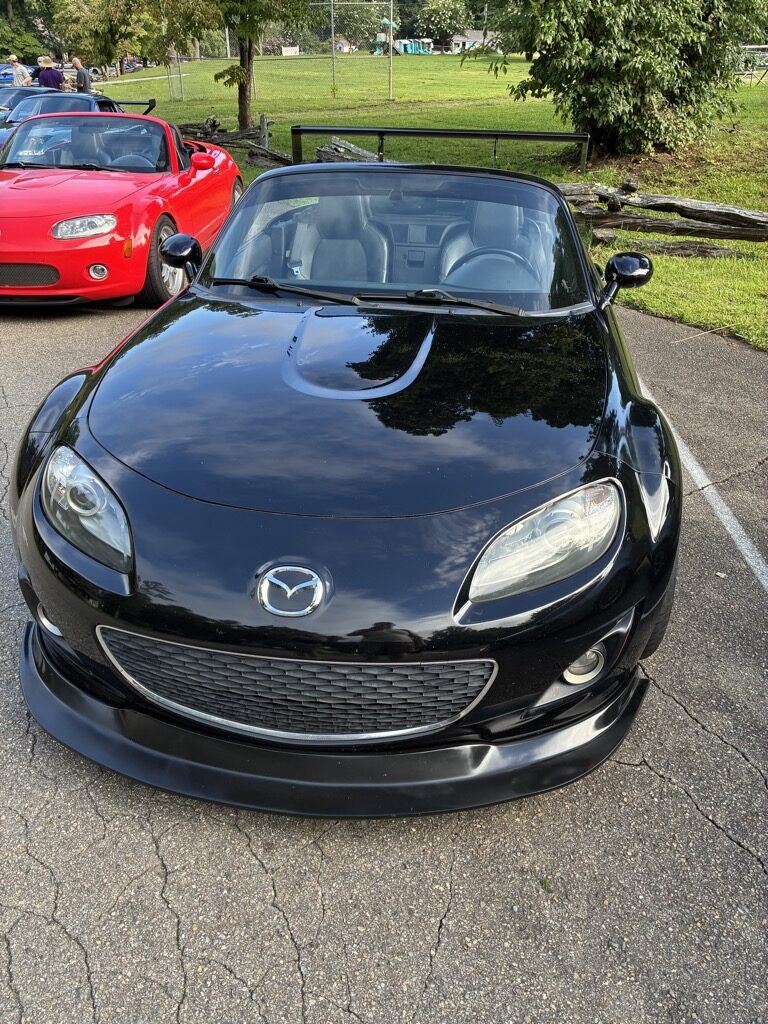
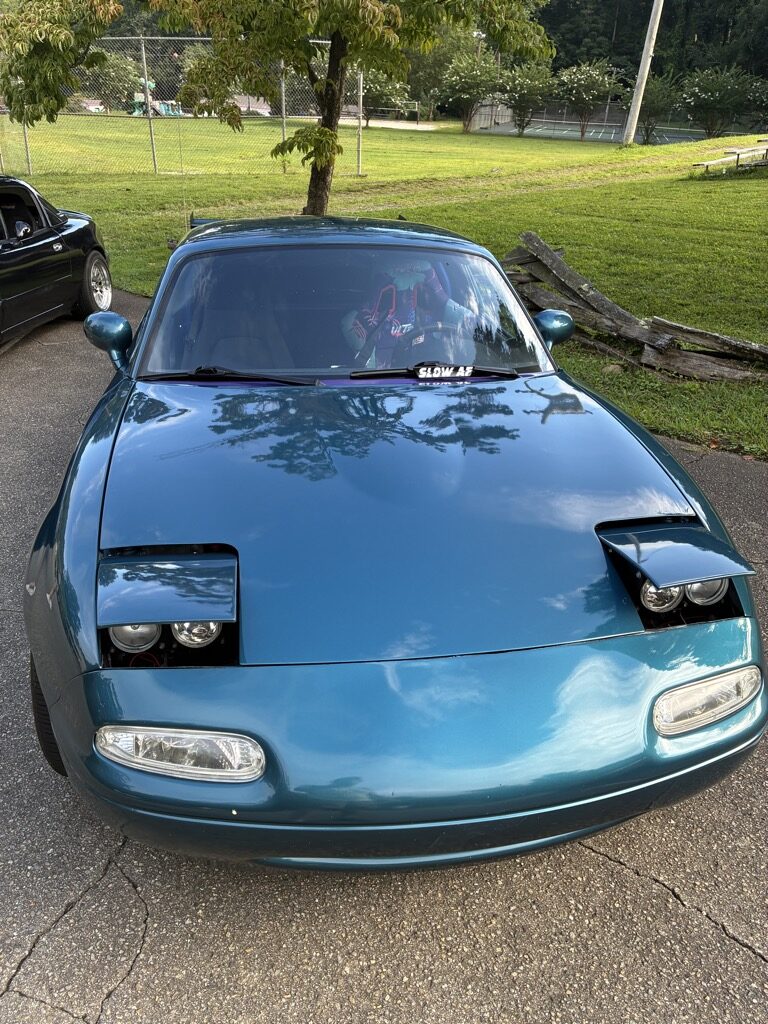
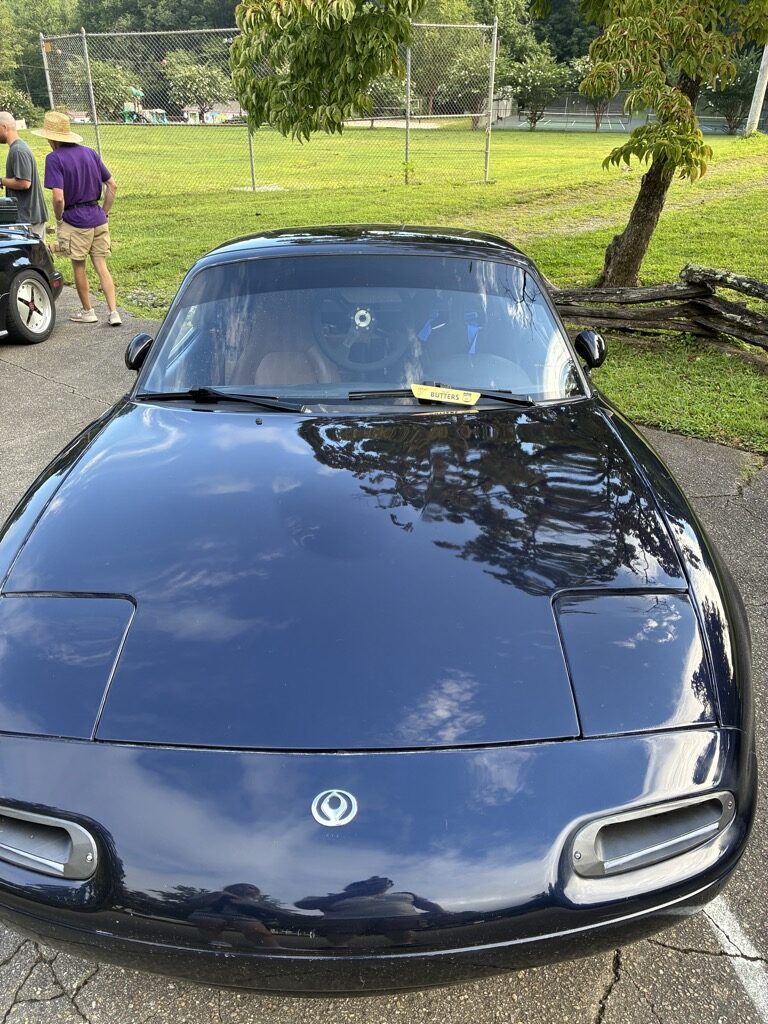
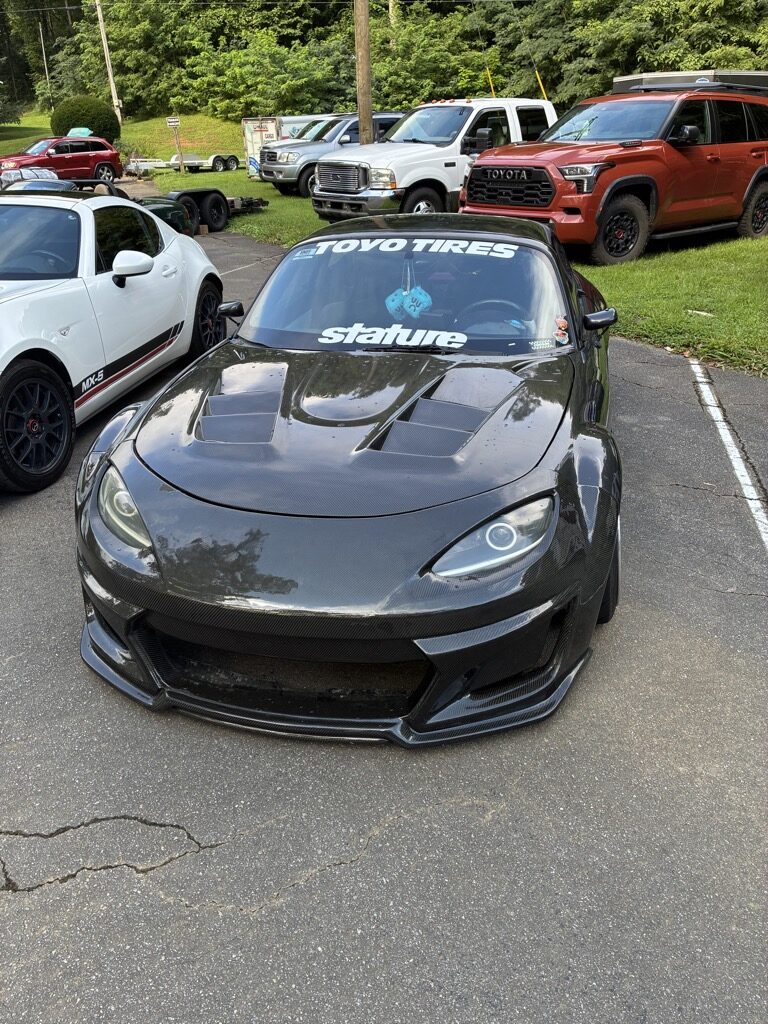
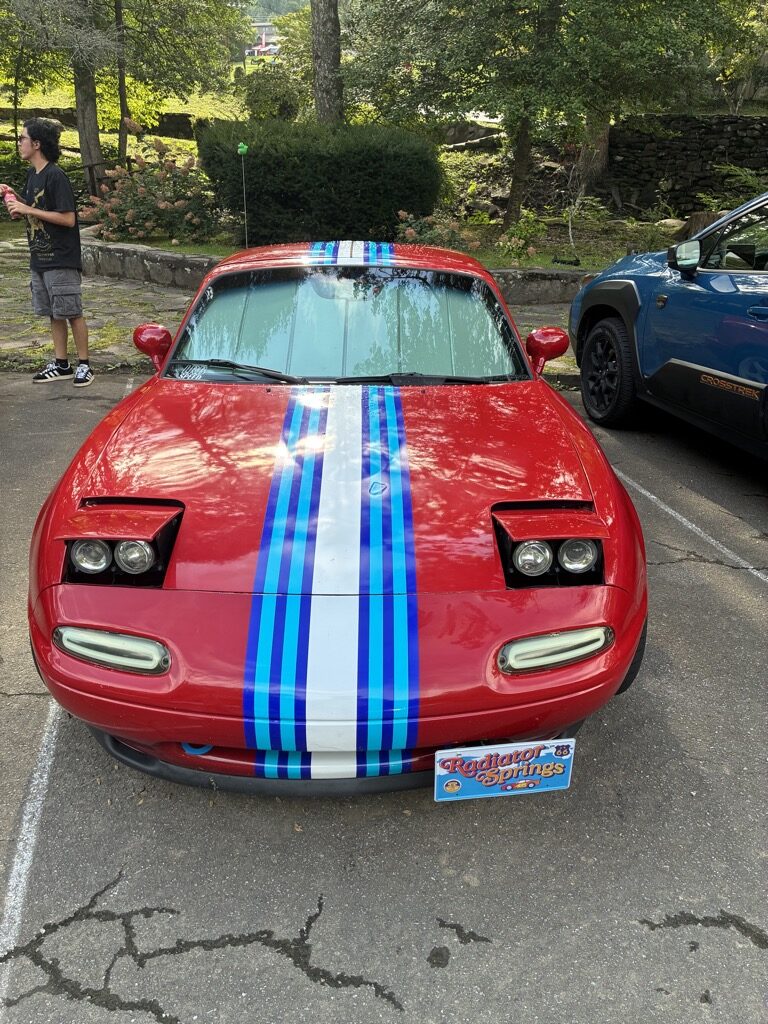
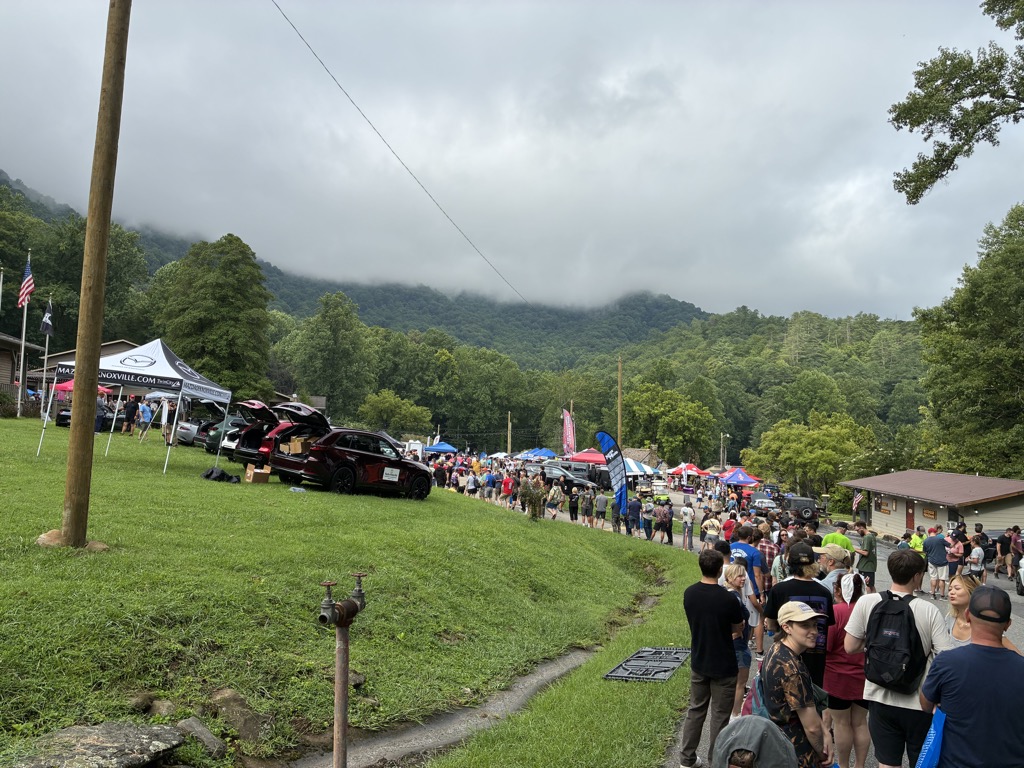
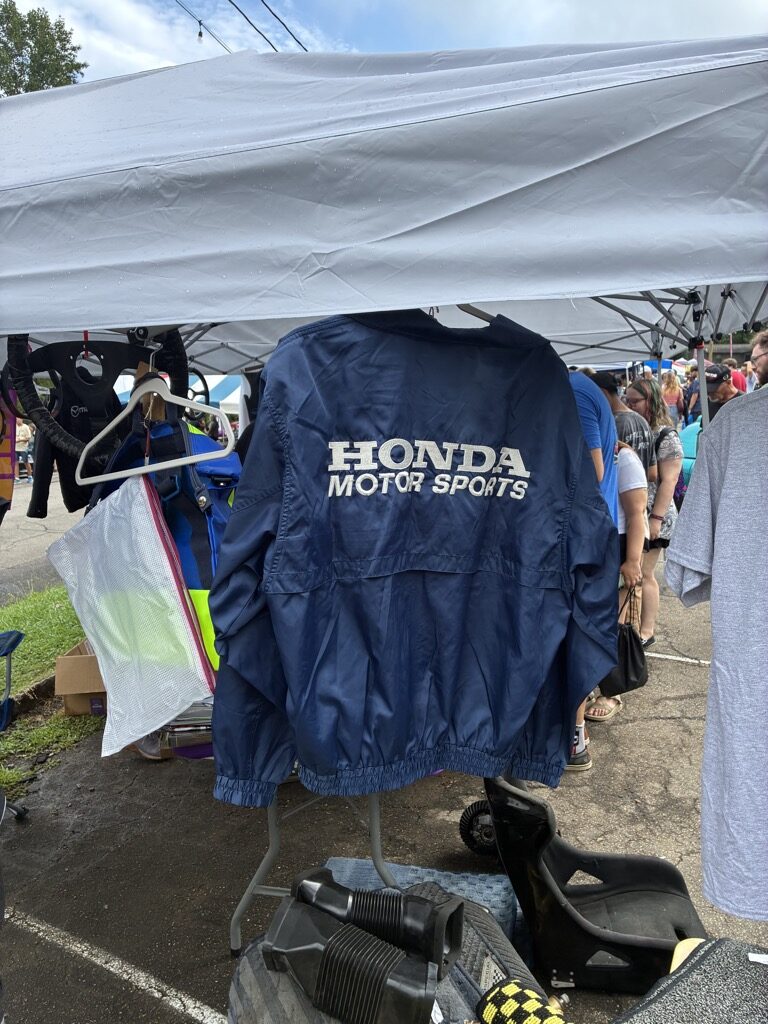
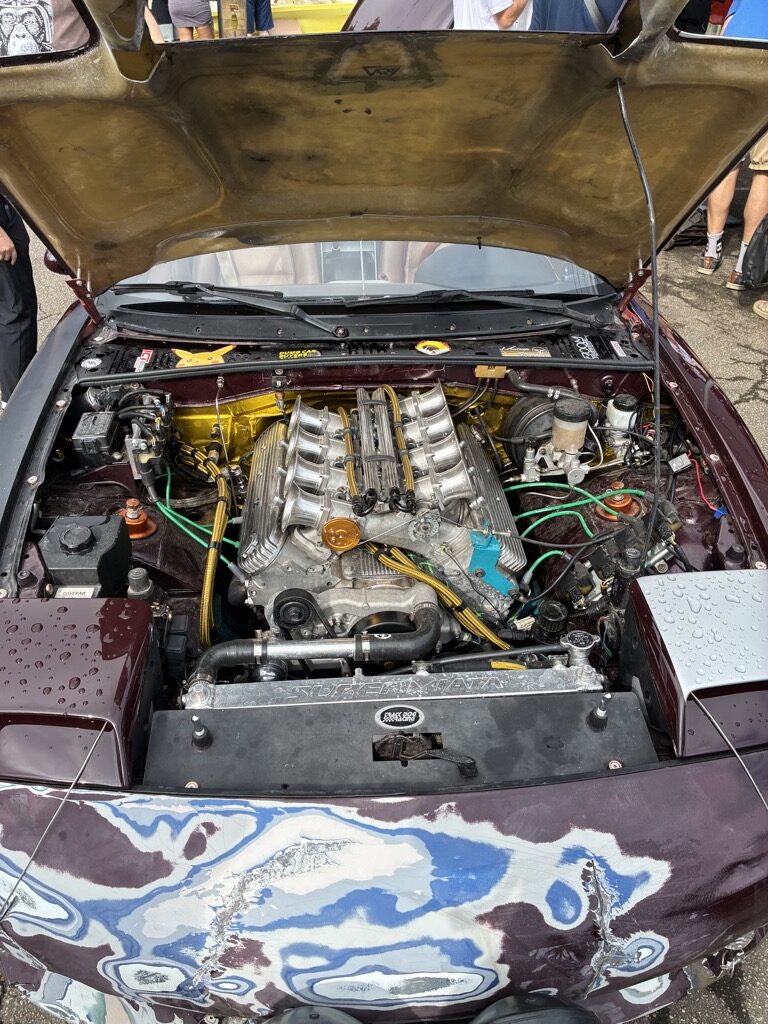
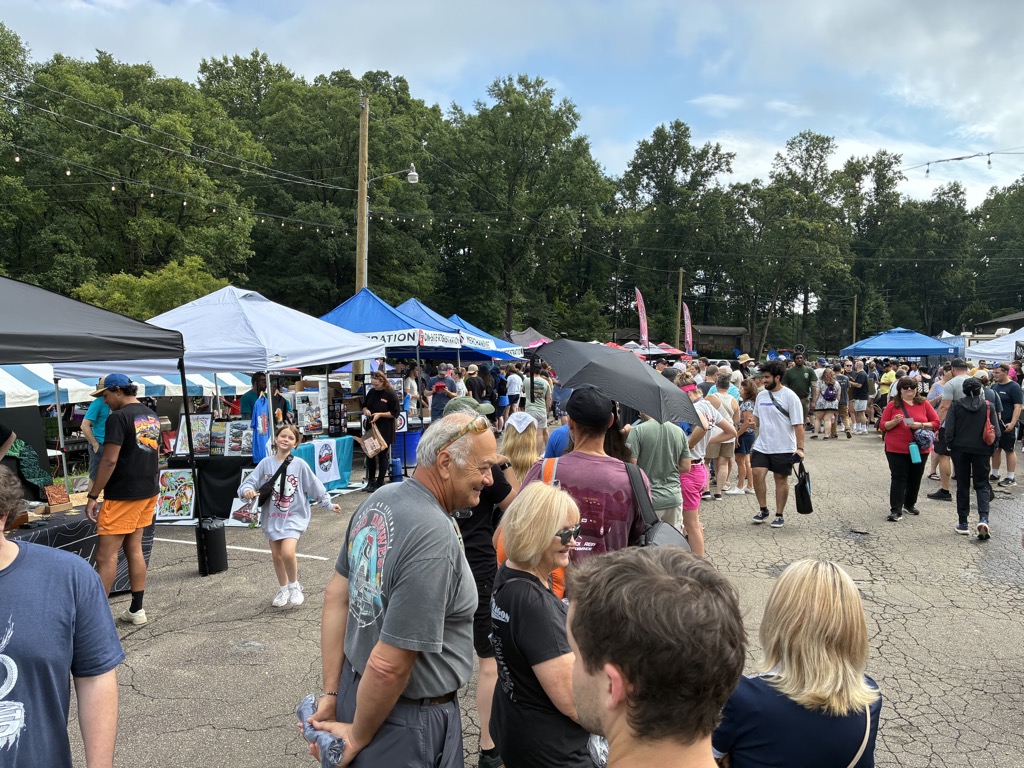
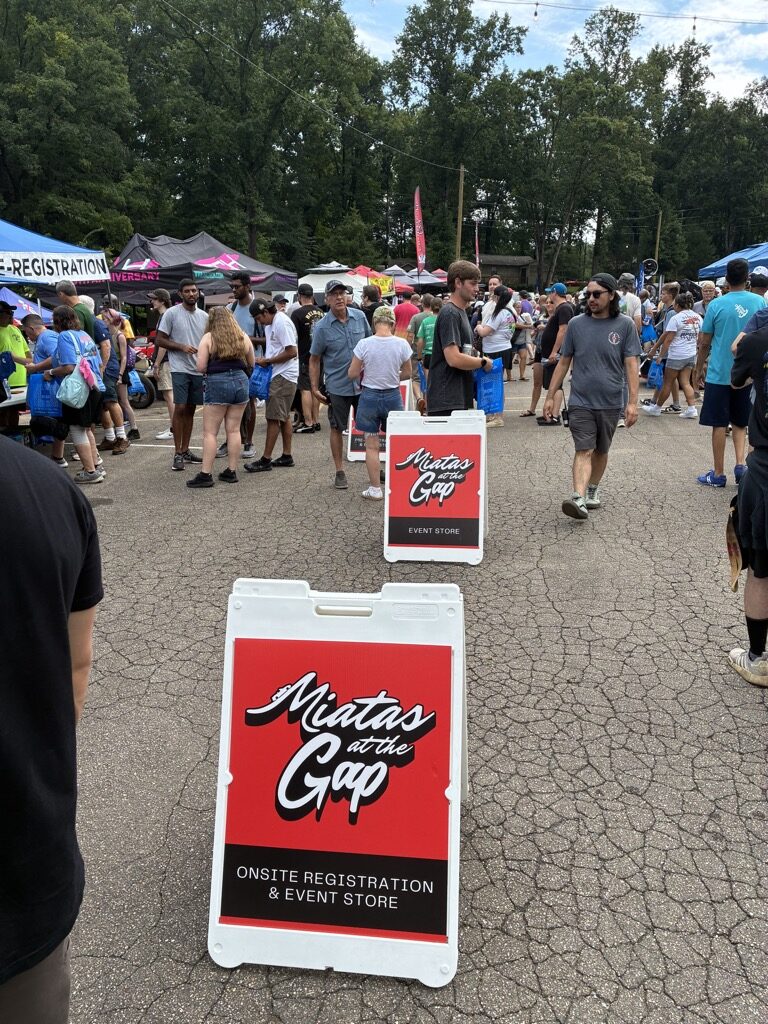
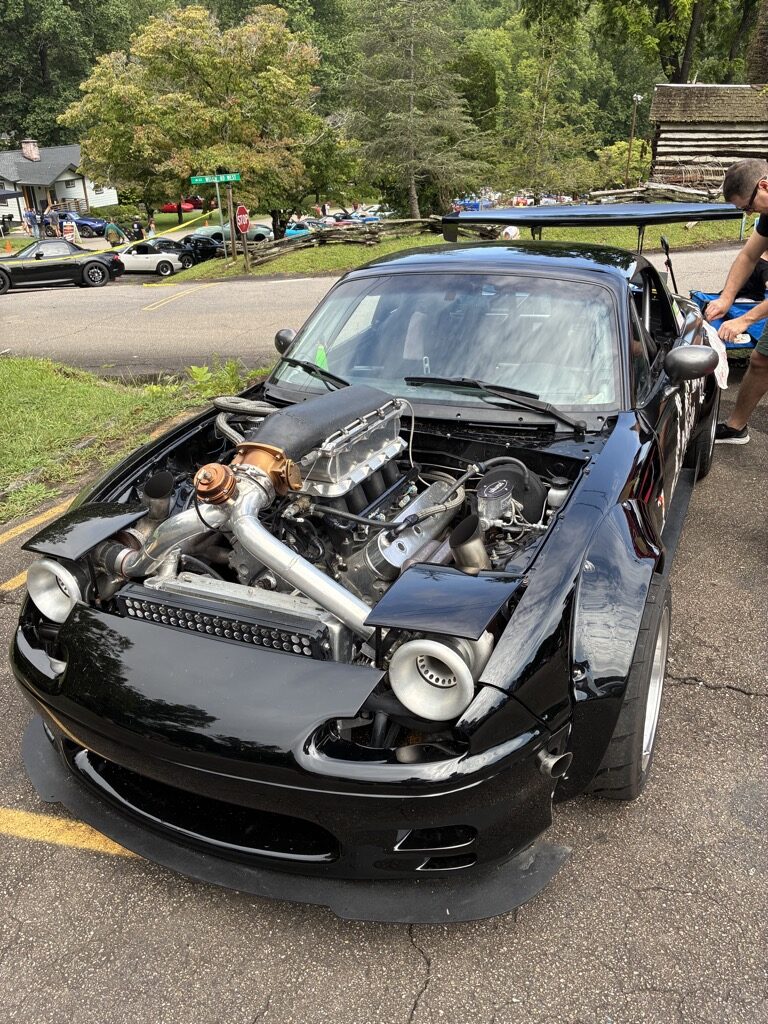
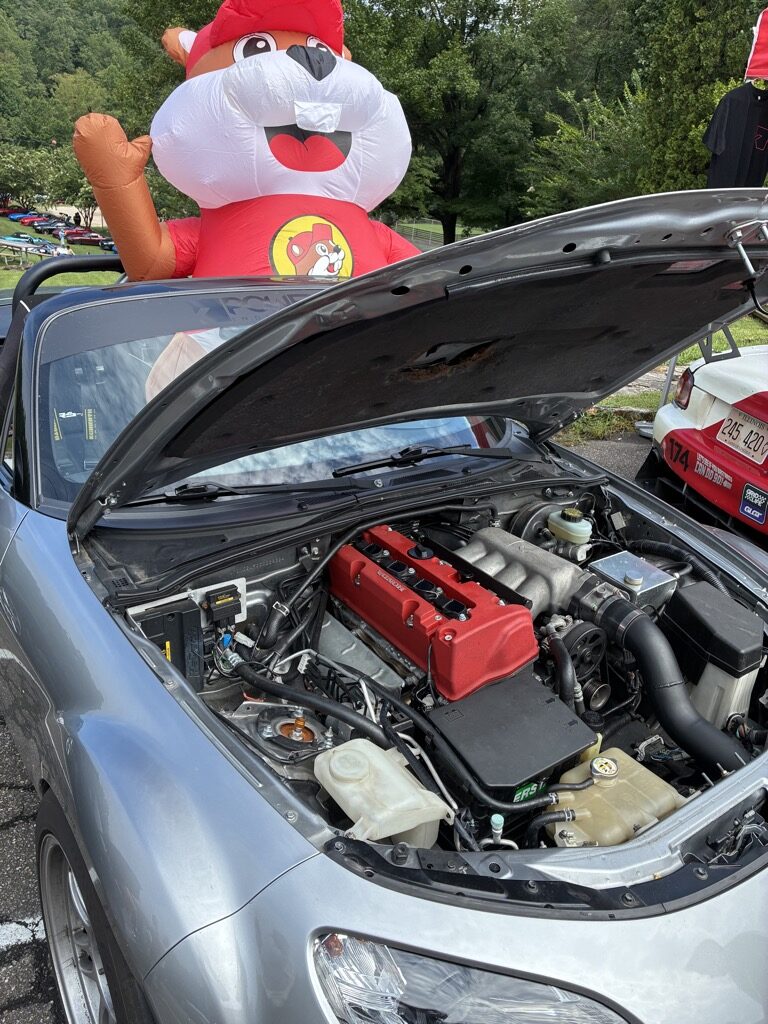
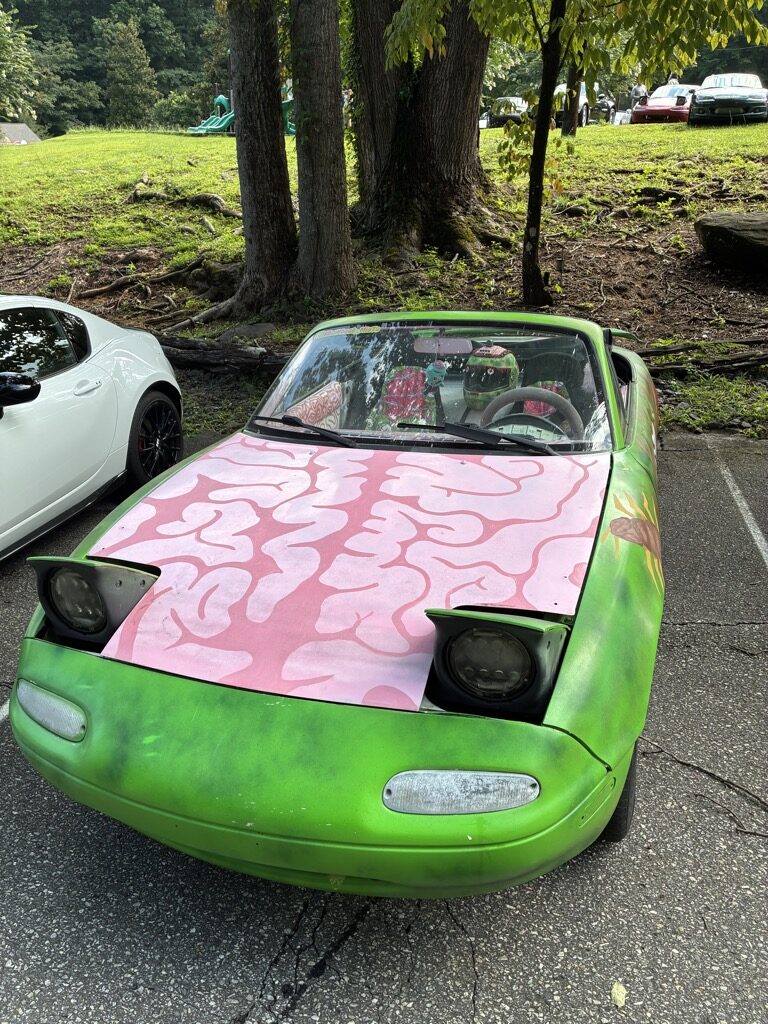
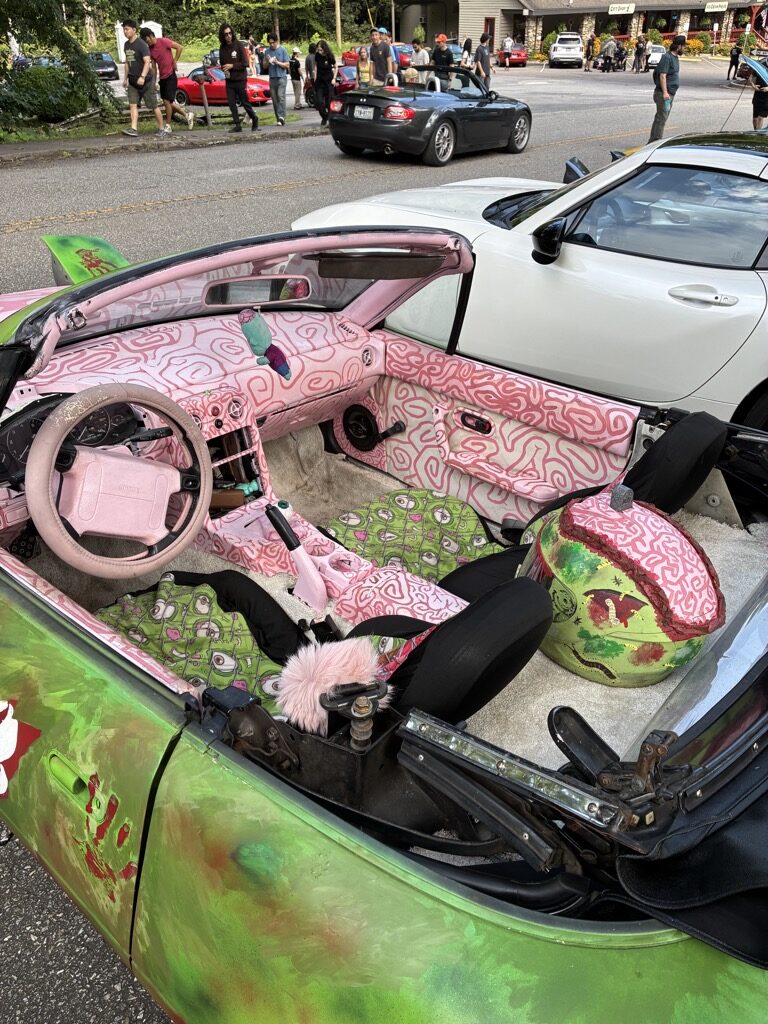
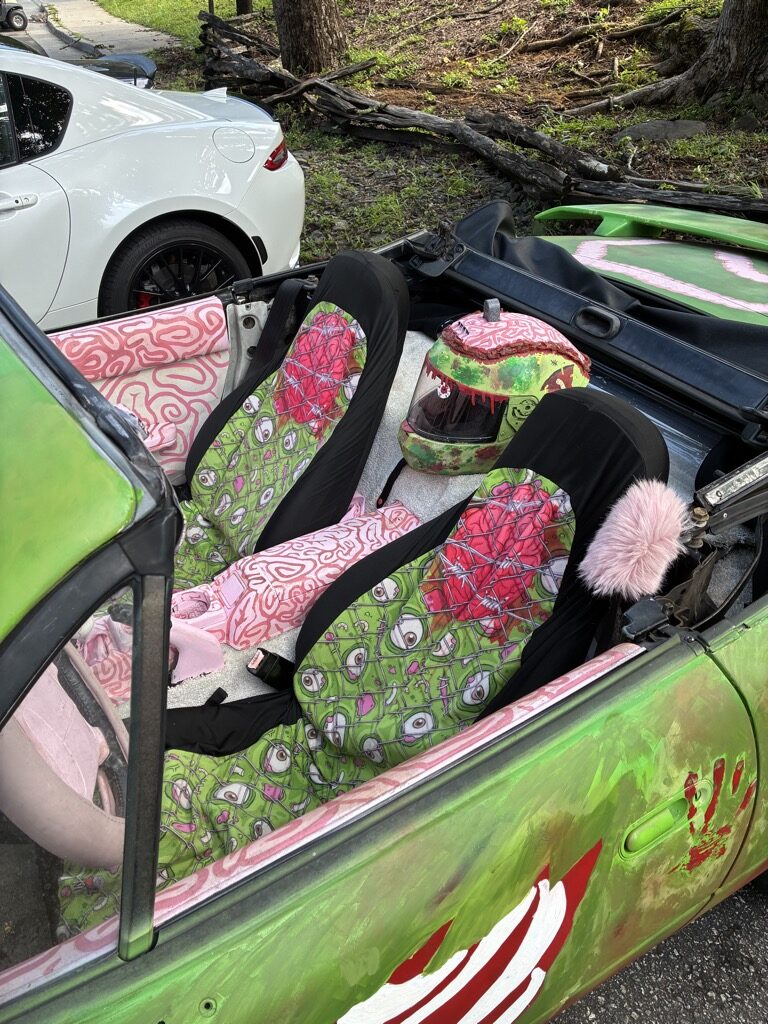
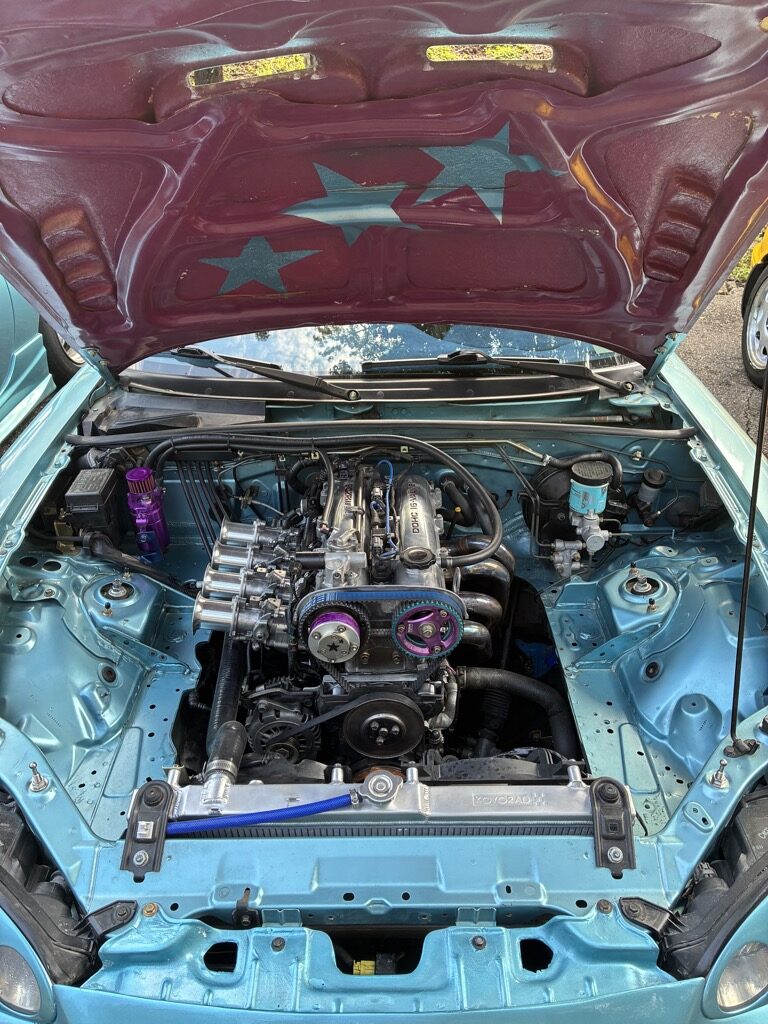
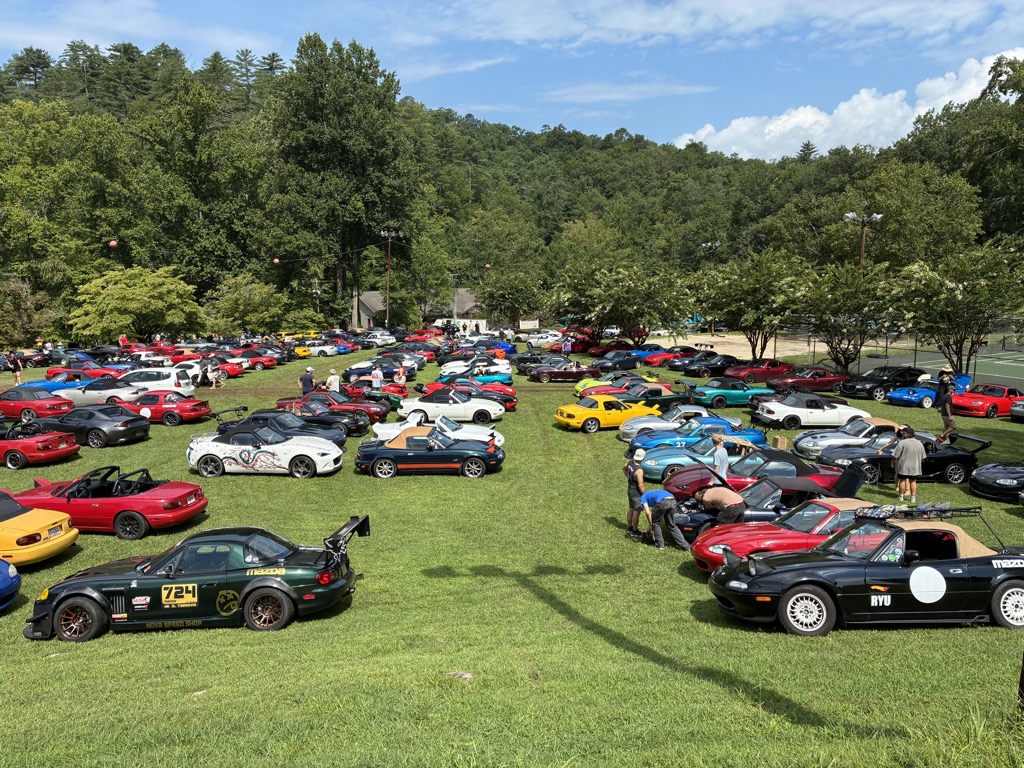
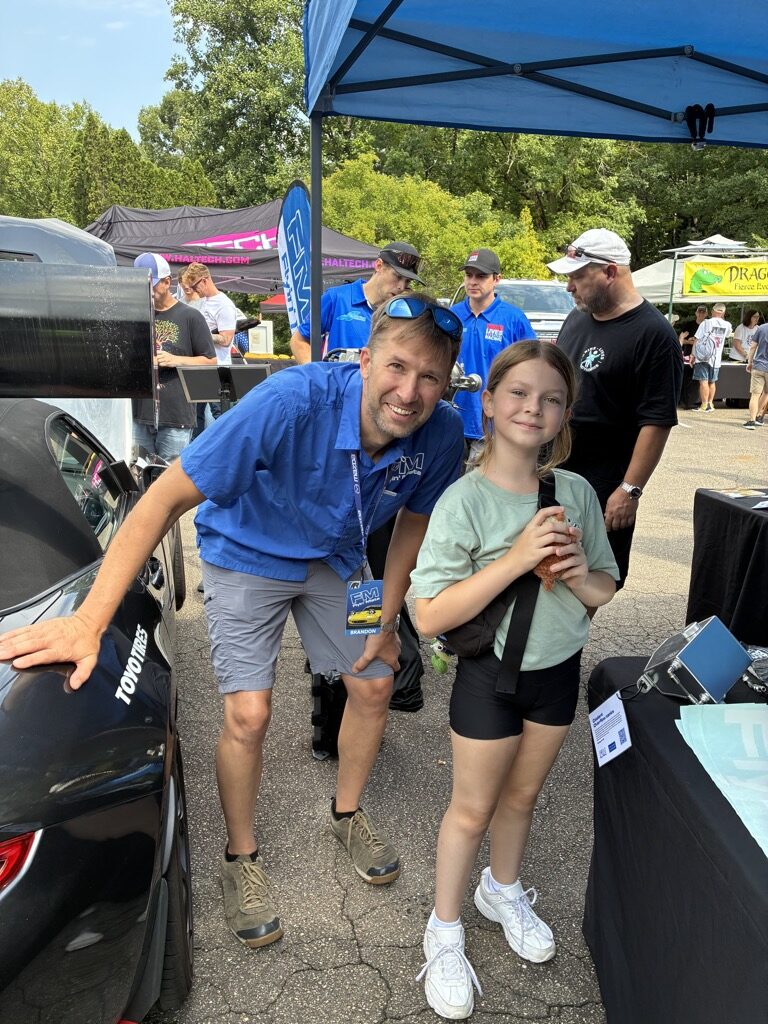
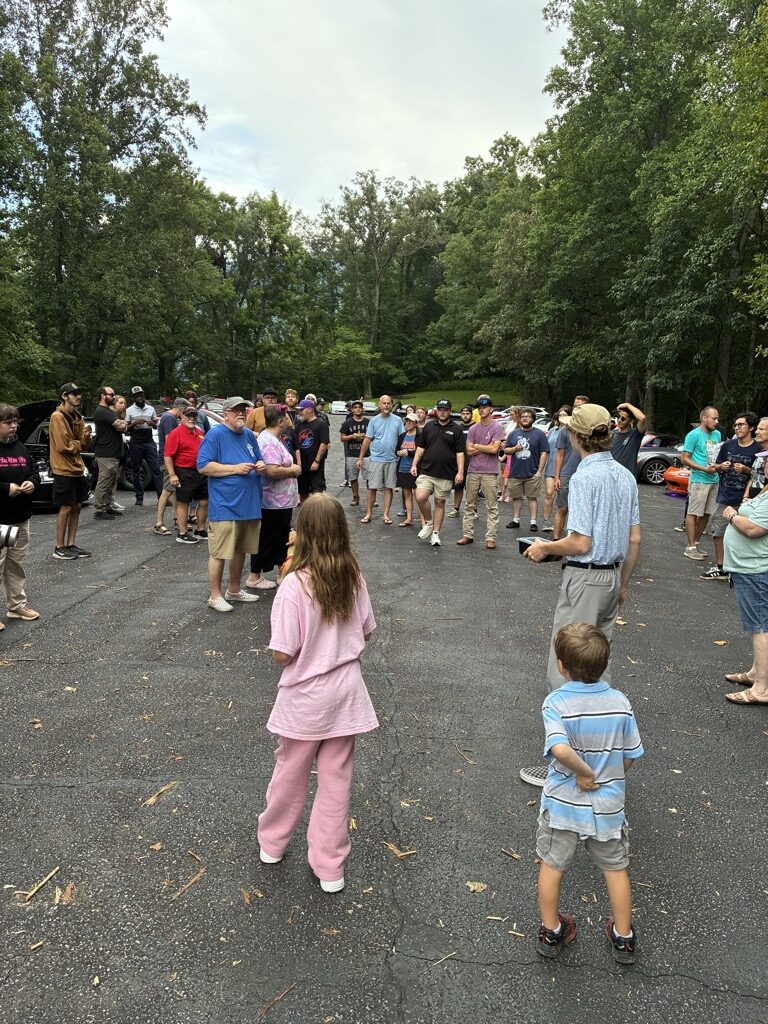
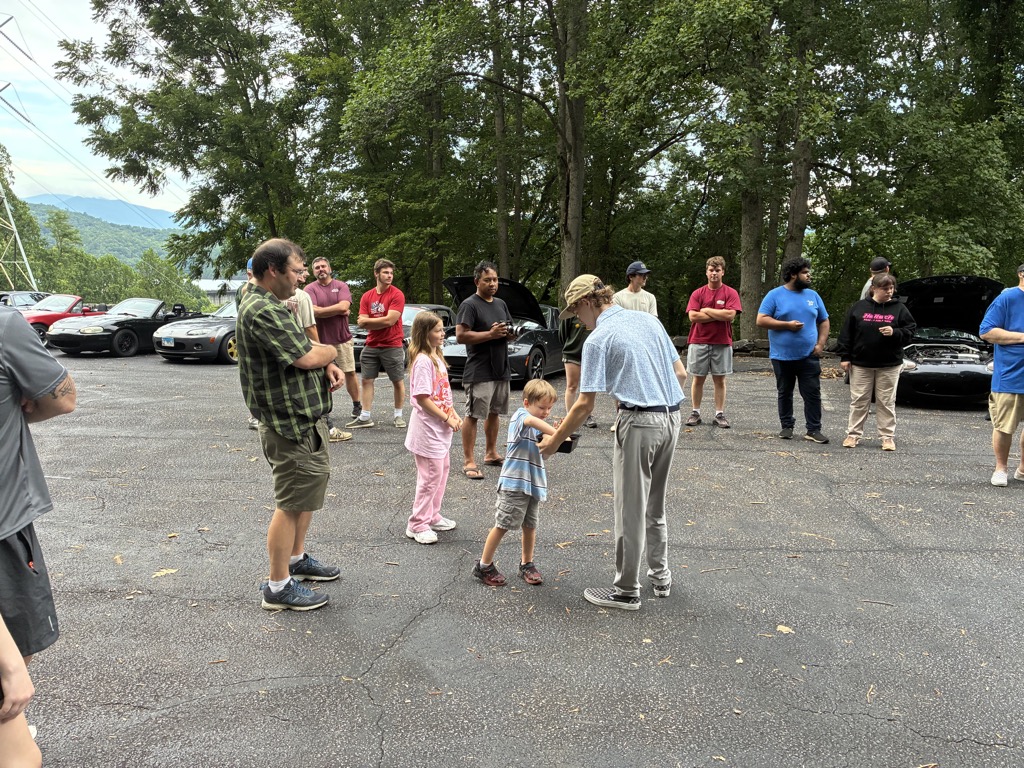
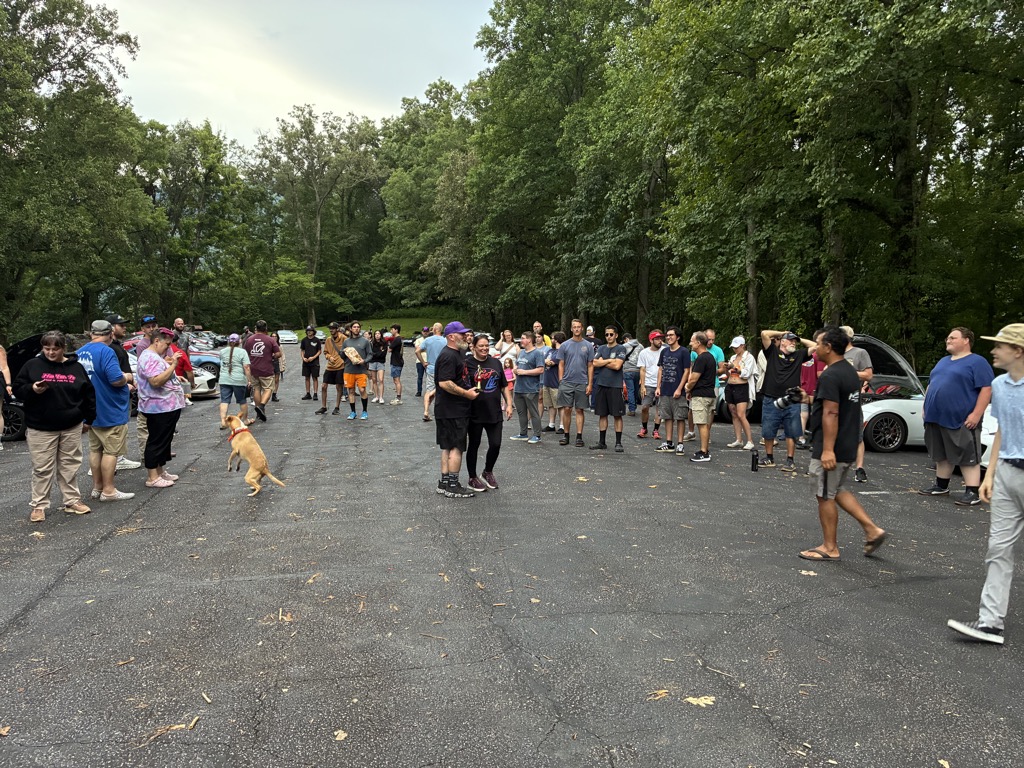
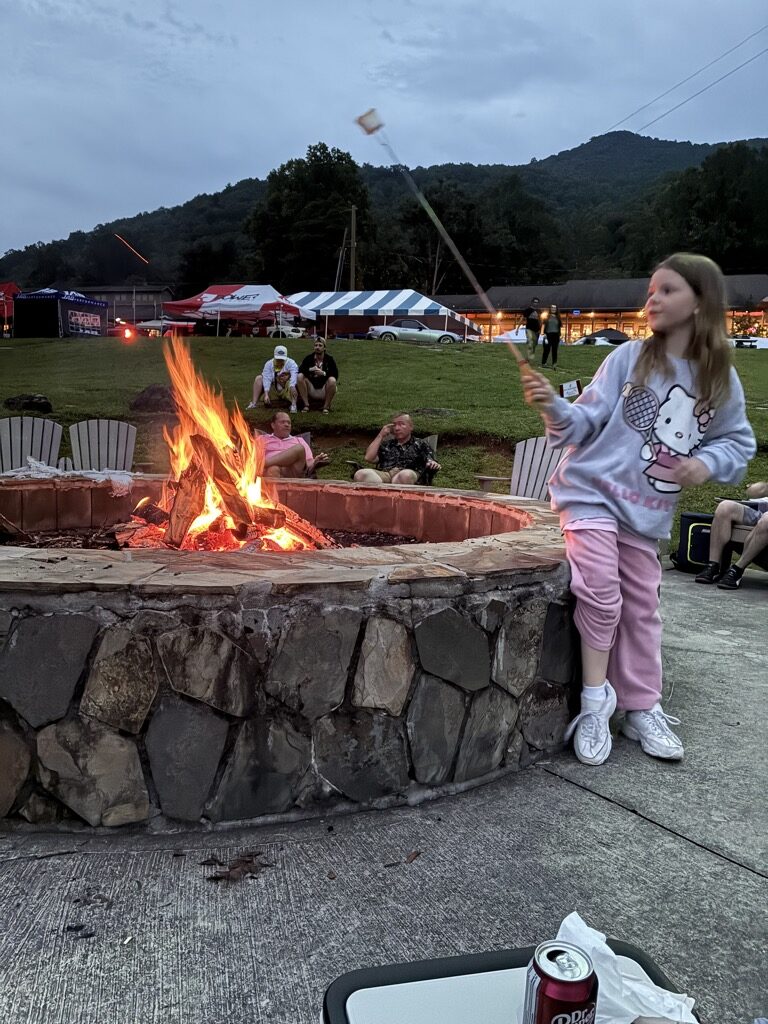
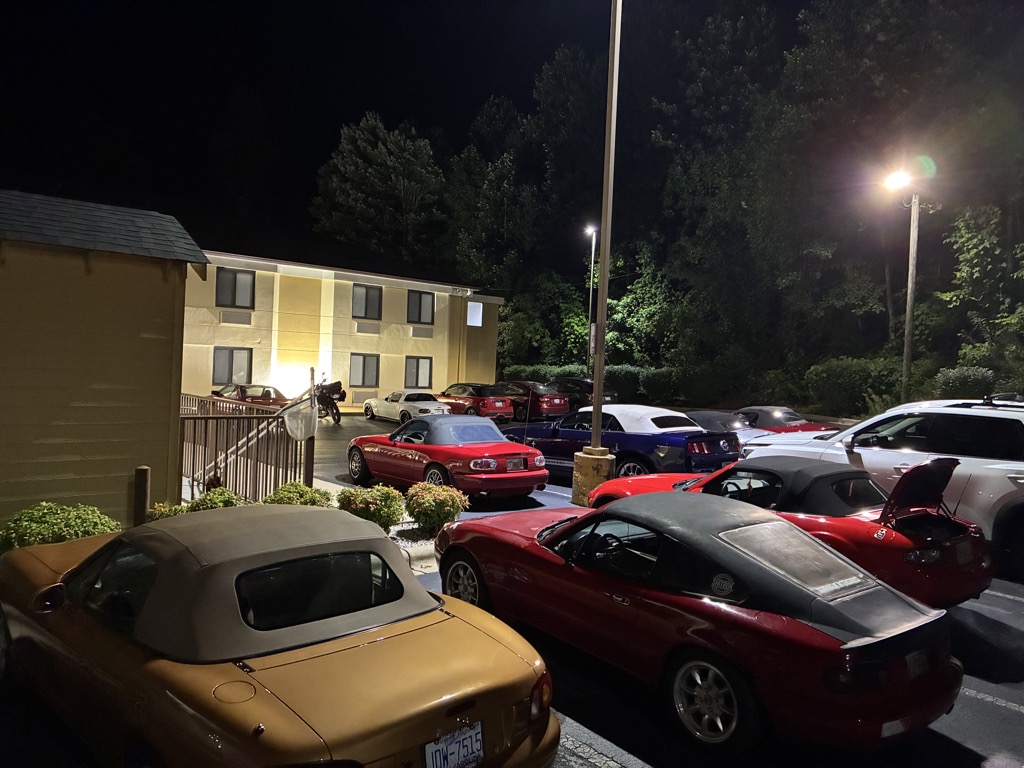
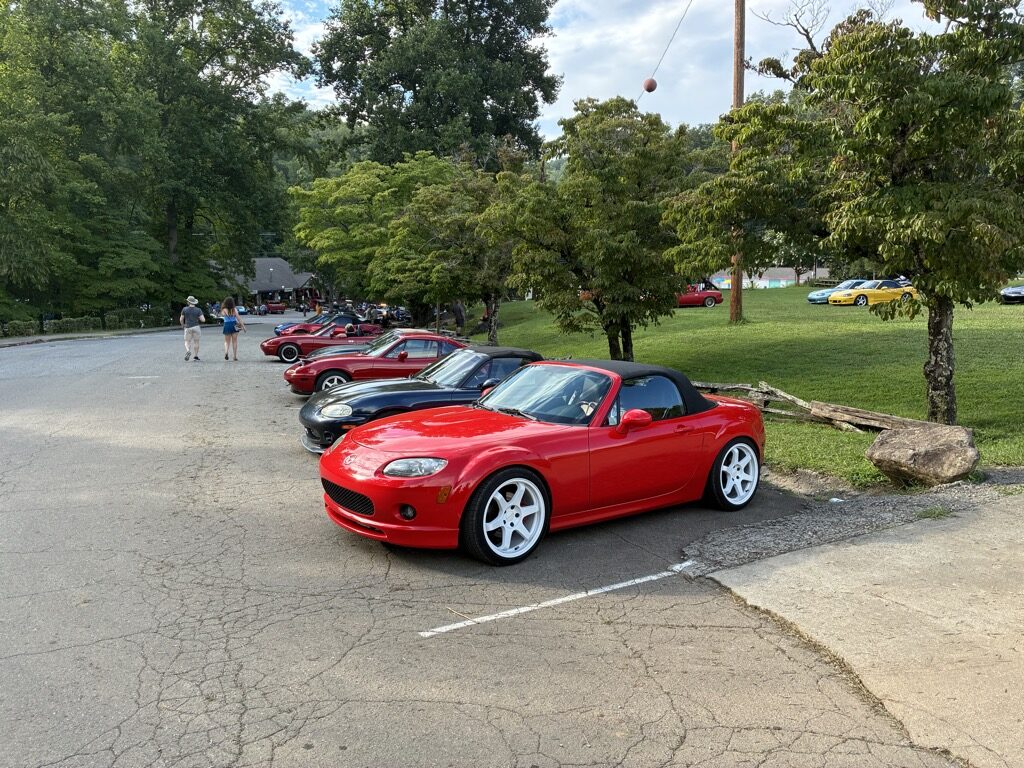
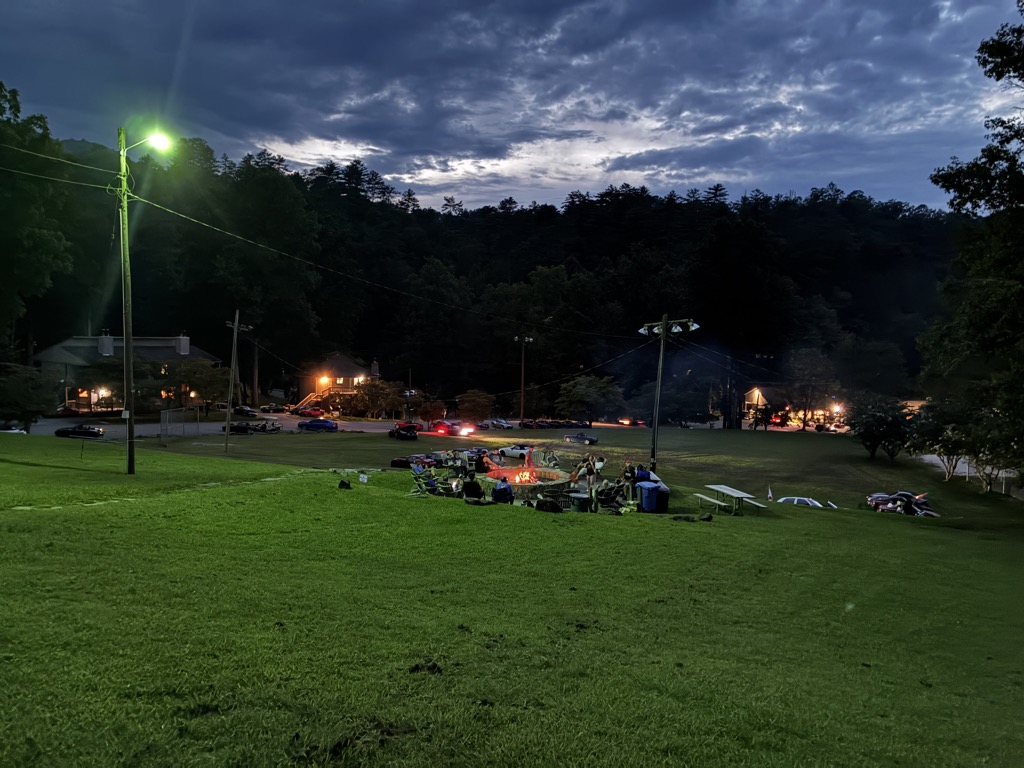
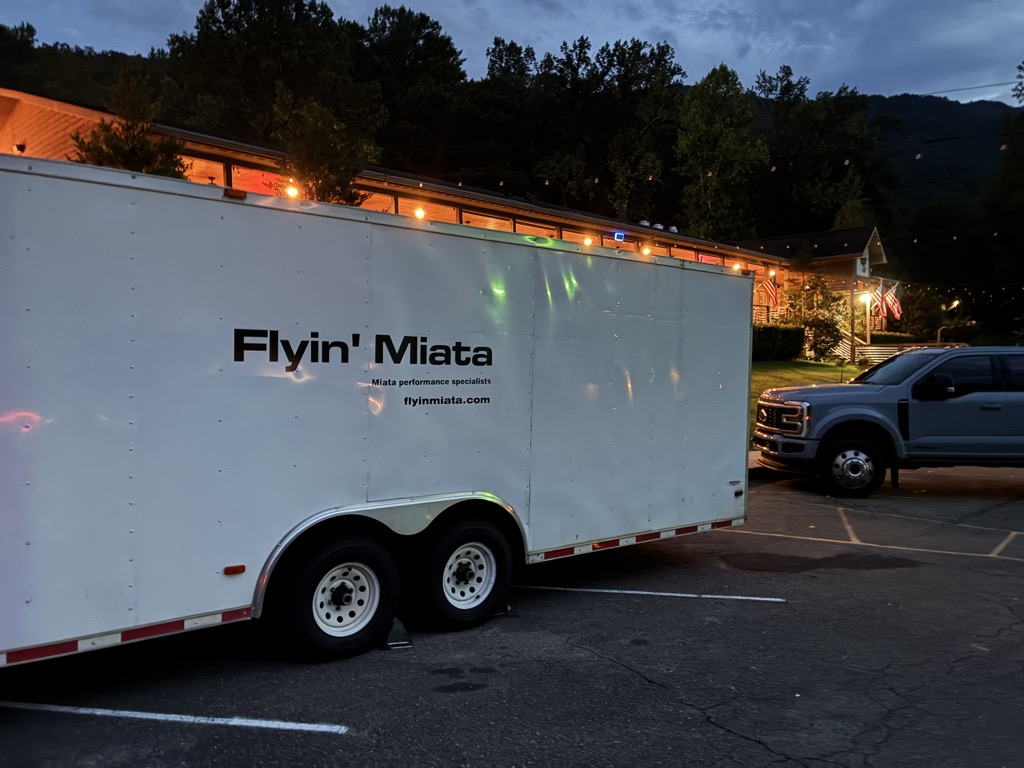
Couple of years back I went to Miata At The Gap and it was fun. Apparently my kid liked it enough to drag me out to the Gap this year. While the whole experience is awesome, I needed a bit of a push to go again and she provided it.
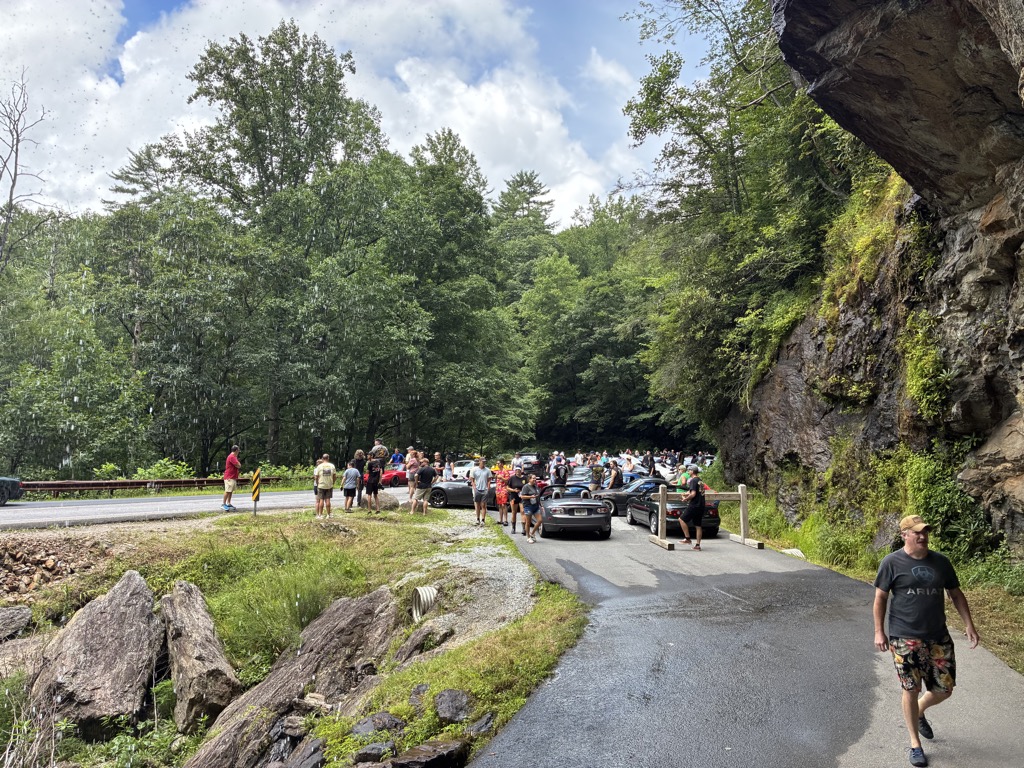
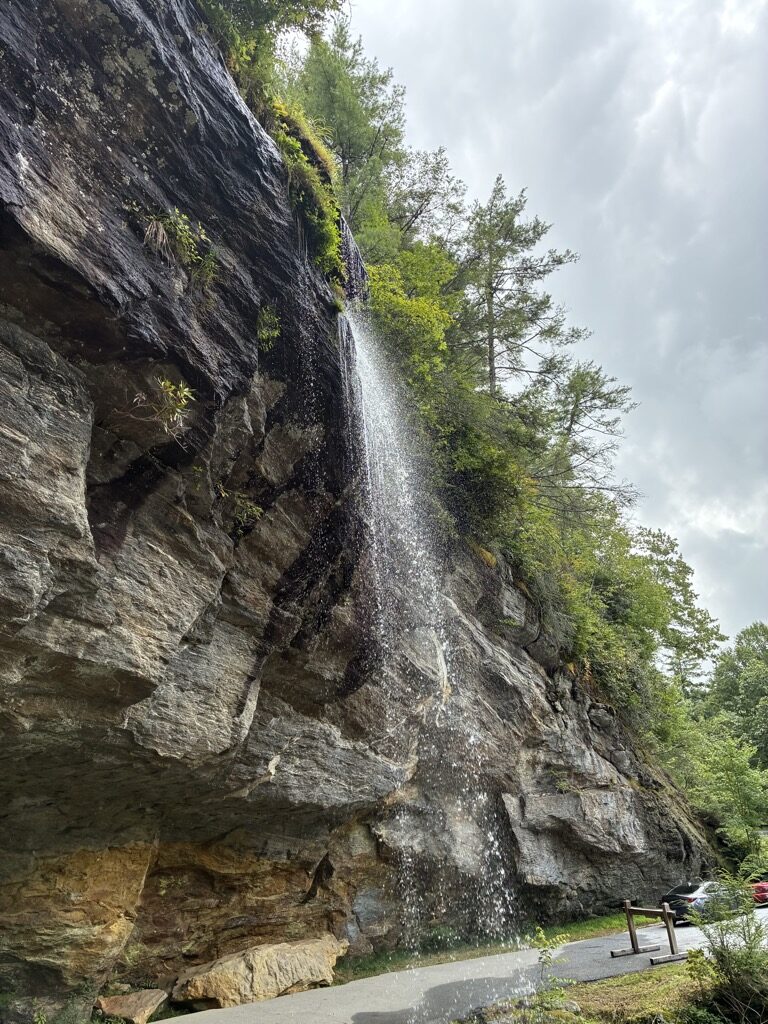
Last time I didn’t go on any group runs, since those runs are quite lengthy (some are a few hours, while others can go on for several) and the kid could not take that much motion. This time, she agreed to one and I picked the slowest-looking cruise to a nearby waterfall.
As far as speed is concerned, it largely depends on the run leader, group size, and your position within the group. Apparently if you are at the back, you might end up driving faster at times due to the “whiplash effect,” or so I was told. I wasn’t in the back, but somehow the “whiplash effect” was present quite a bit.
I guess everyone’s experience will differ, but what I gathered is this: if you are new or not sure, go for a cruise where the run leader (there is a driver meeting before the drive) says, “We will be going the speed limit…” There is a good chance you will not, but it will give you a good feel for what to expect in terms of speed and your comfort level.
Do NOT go on a spirited run right out of the gate. I wasn’t on one, but I was told by a few people that it is not for everyone. People drive fast, and they mean really fast.
Another perhaps obvious piece of advice is to wear appropriate shoes for driving. I decided to wear Crocs (one shoe to fit all activities, including the pool), which is fine if you just cruise on the highway or drive at a leisurely pace in one gear through the mountains. But when you have to actively shift and heel-toe, well, it can be done in Crocs too, but it is far less comfortable and a lot more fatiguing over a few hours of a run. Next time I’ll definitely pick appropriate shoes and take small flip-flops for pool activities.
Before going to the Gap, I had been wondering if I should get a walkie-talkie… well, I took too long and didn’t end up buying anything. I don’t know how useful they are, but quite a few people had them and apparently they are handy during runs.
Now, cell connectivity didn’t improve over the last two years, so an offline map is mandatory! Download it beforehand since internet service can be iffy even at the hotel. In either case, I think I’ll get a walkie-talkie next time I go. I think it will be fun, and the kid will have something to play with as well.
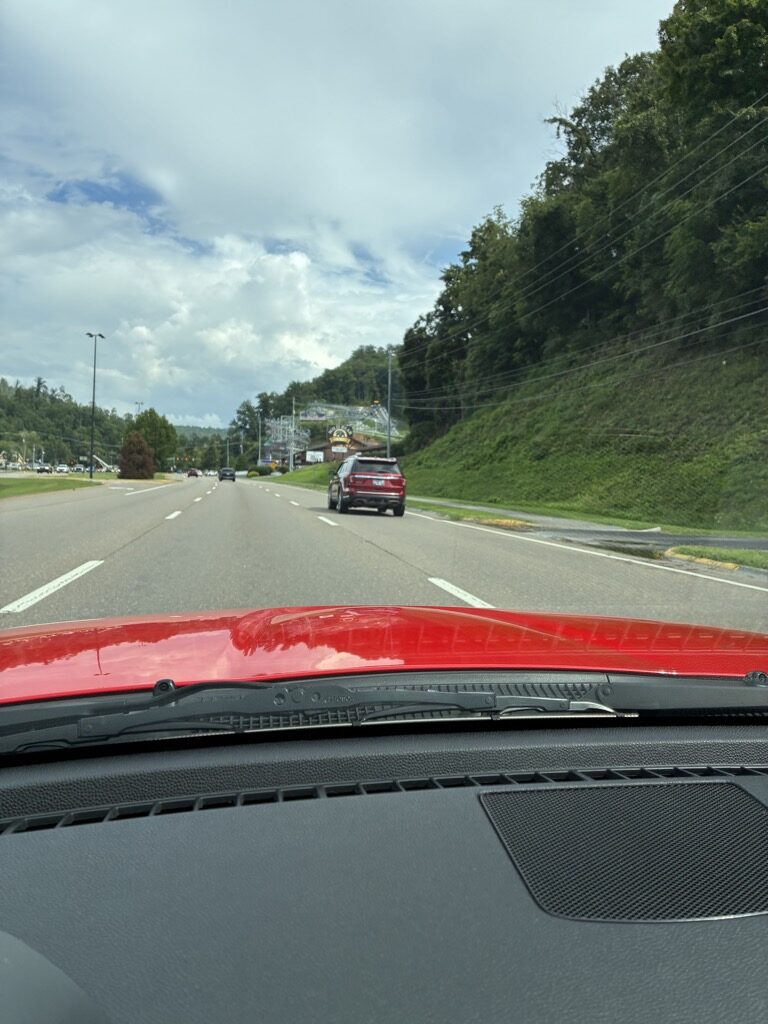
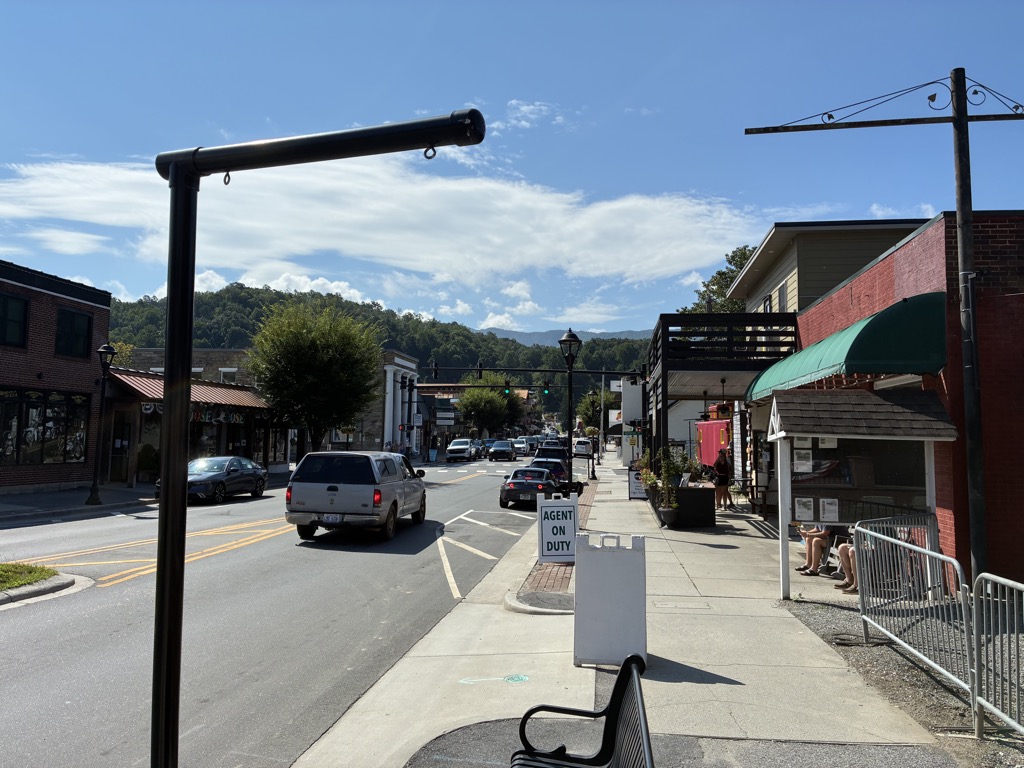
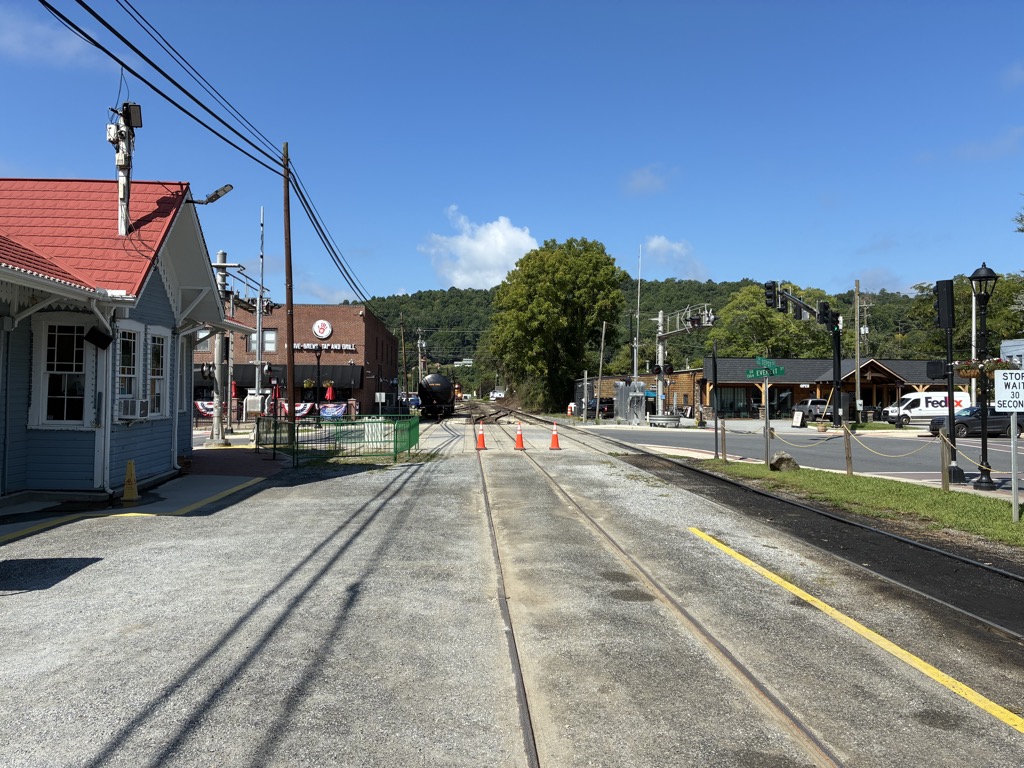
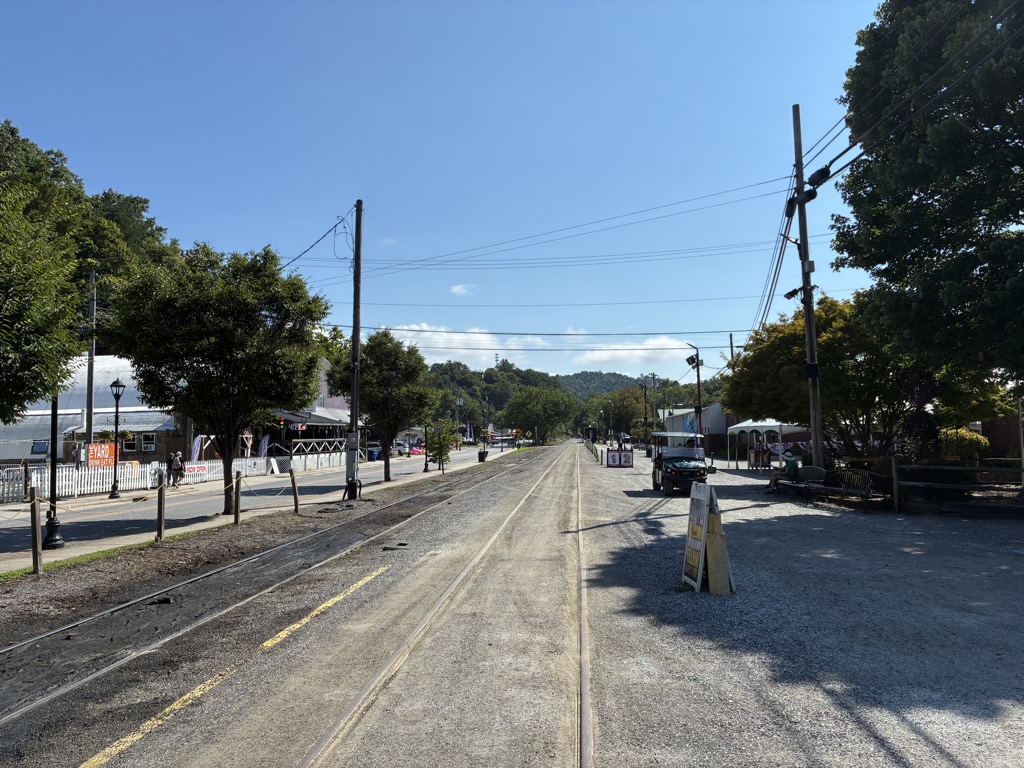
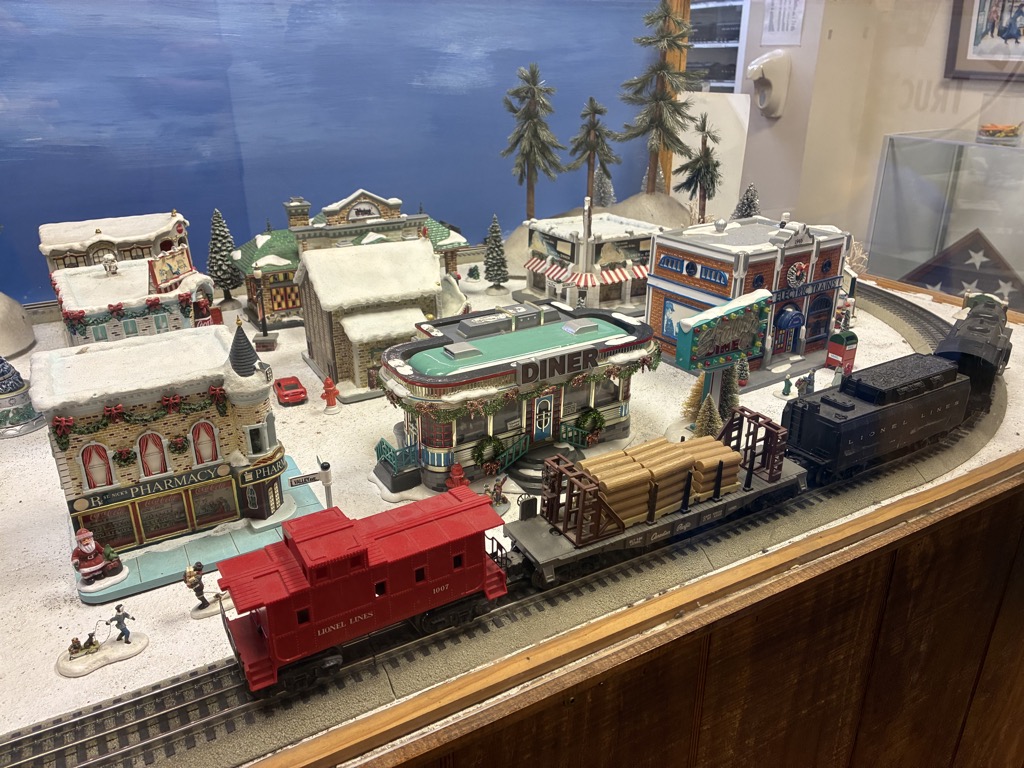
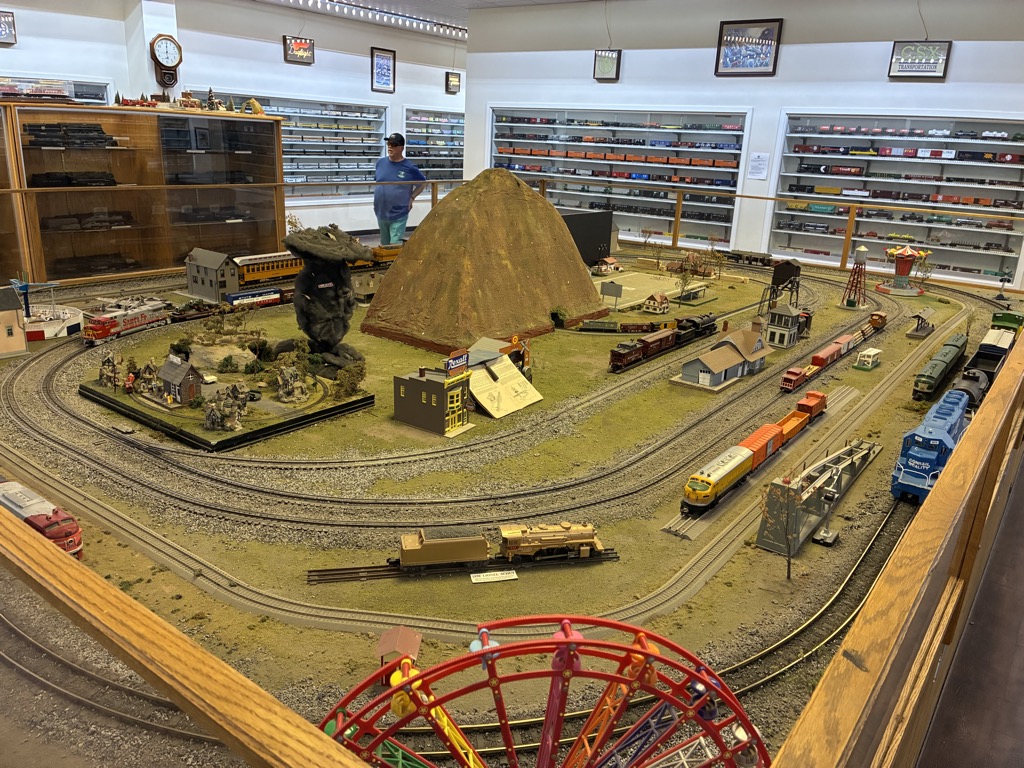
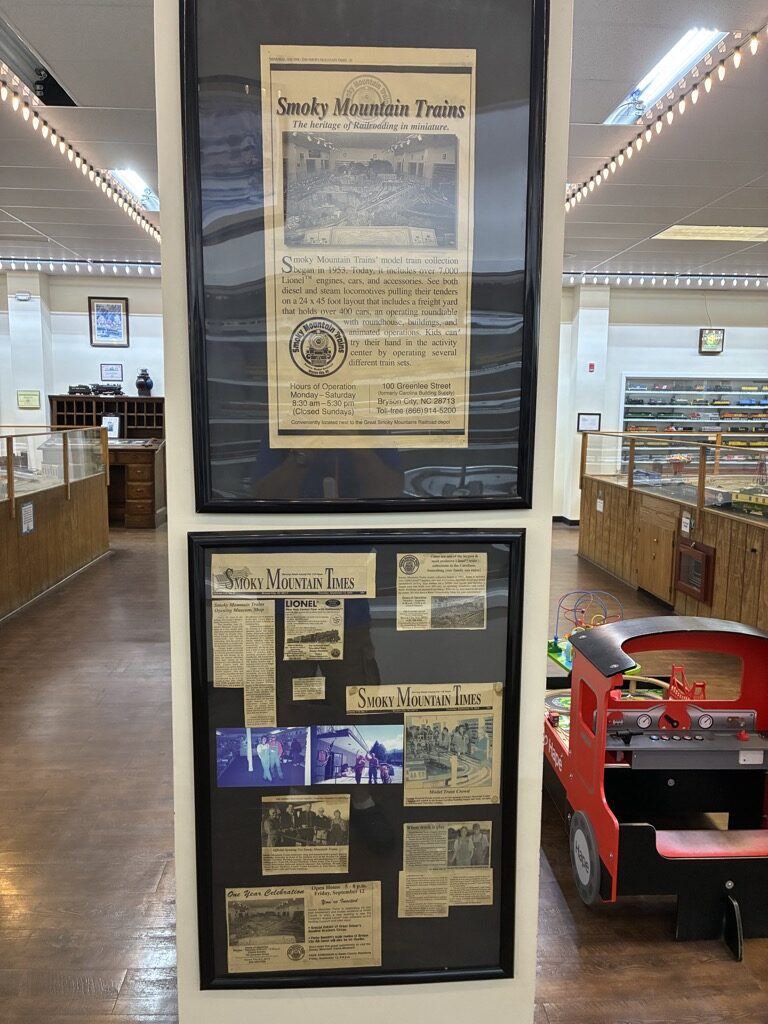
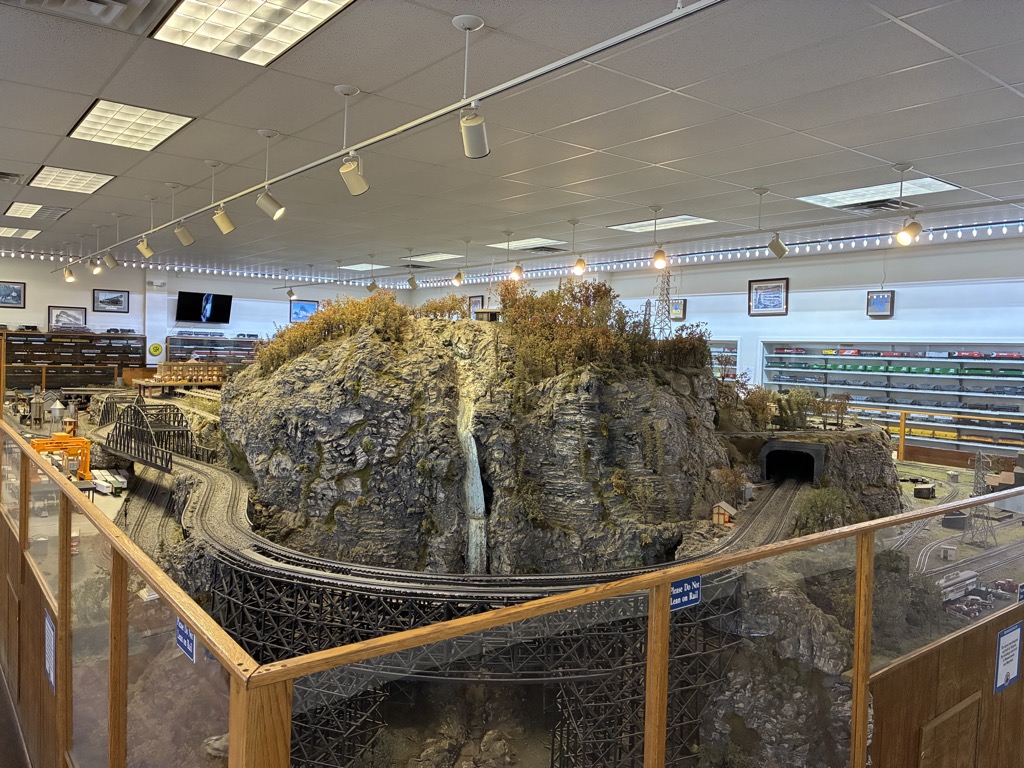
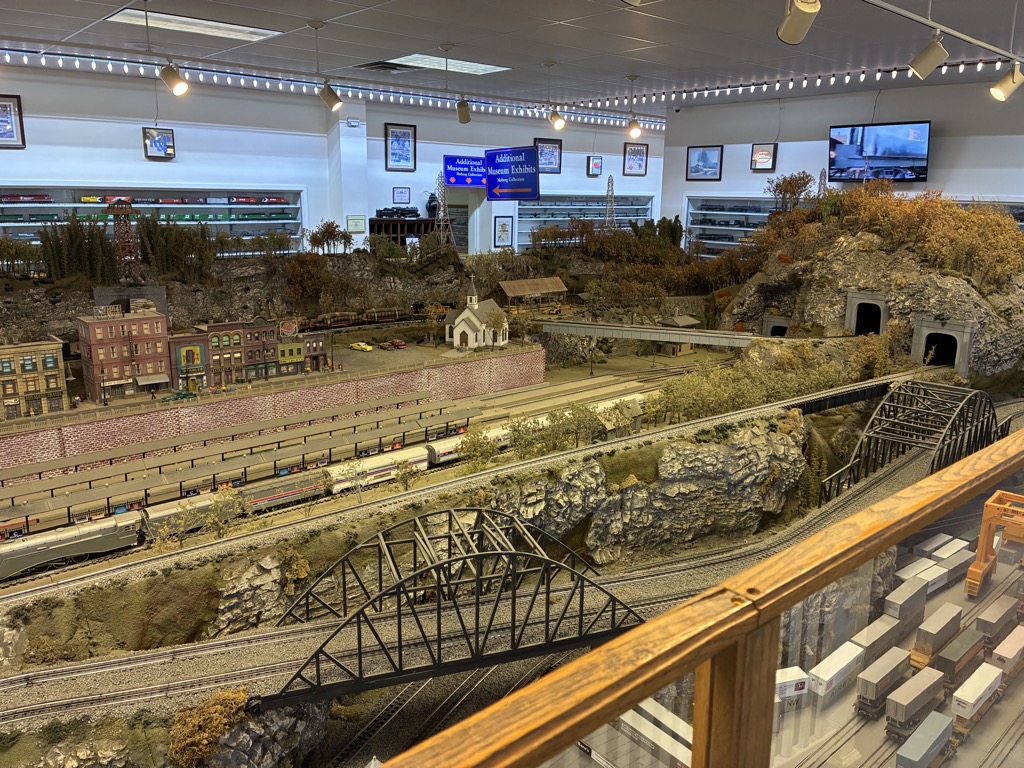
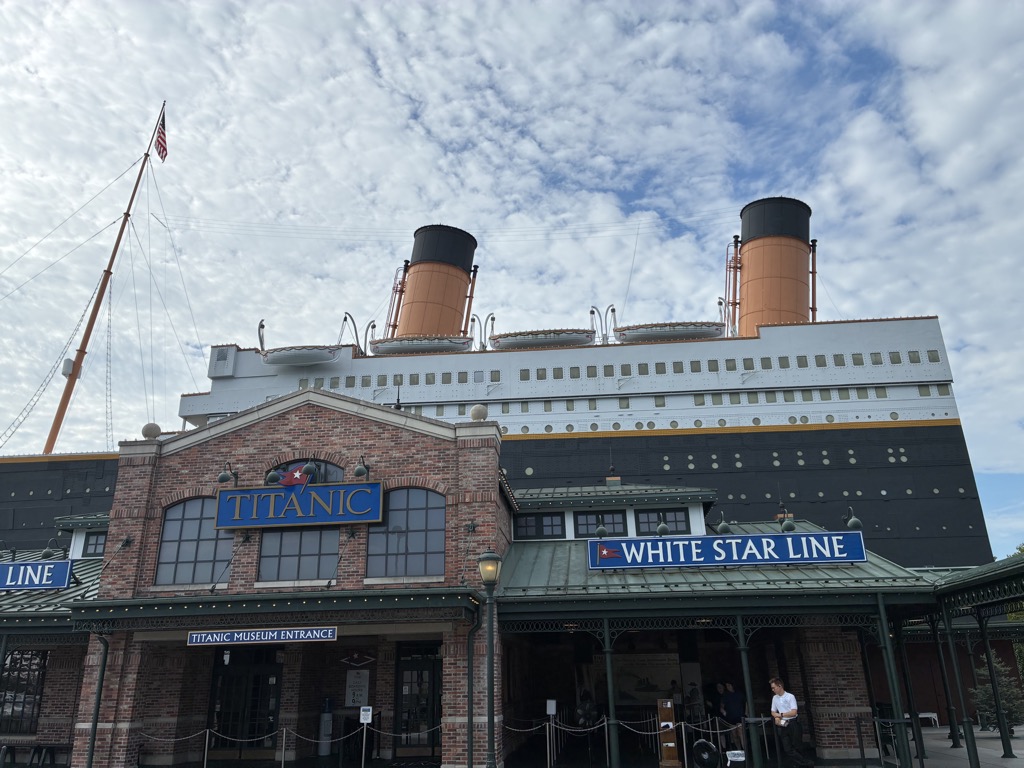
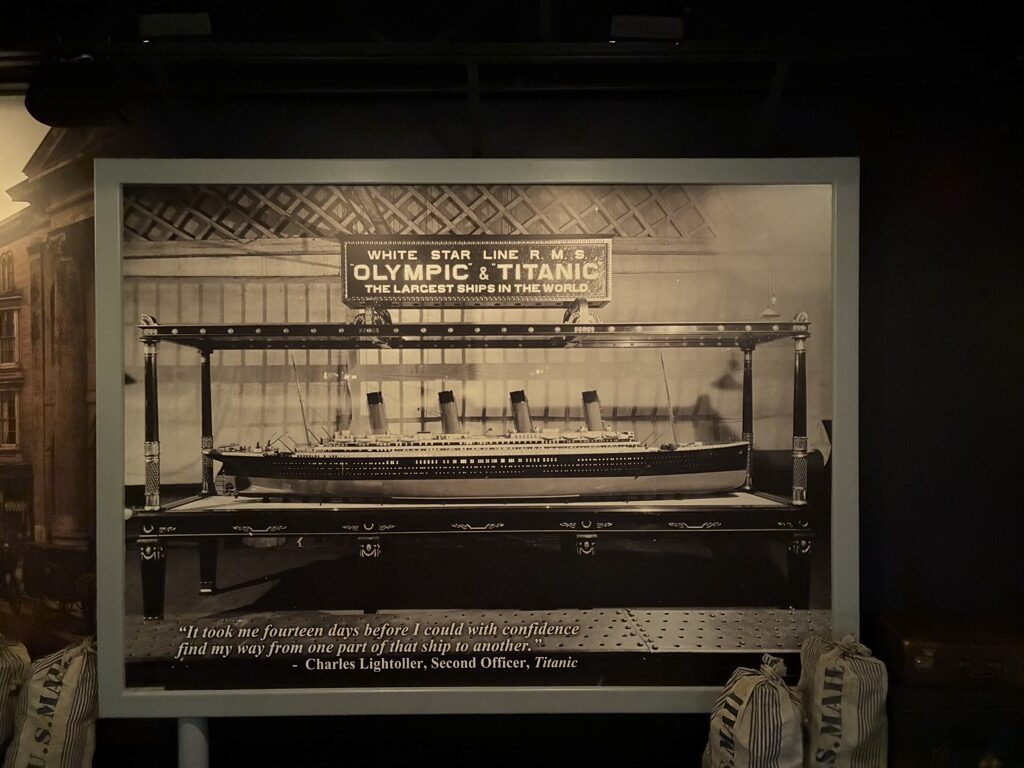
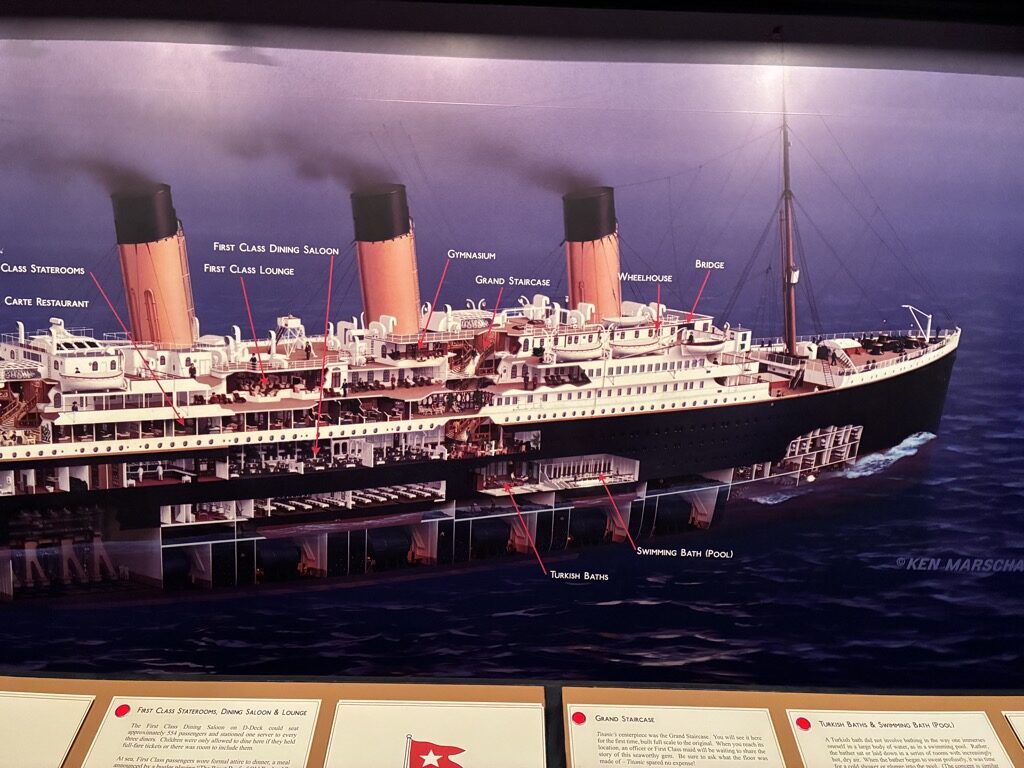
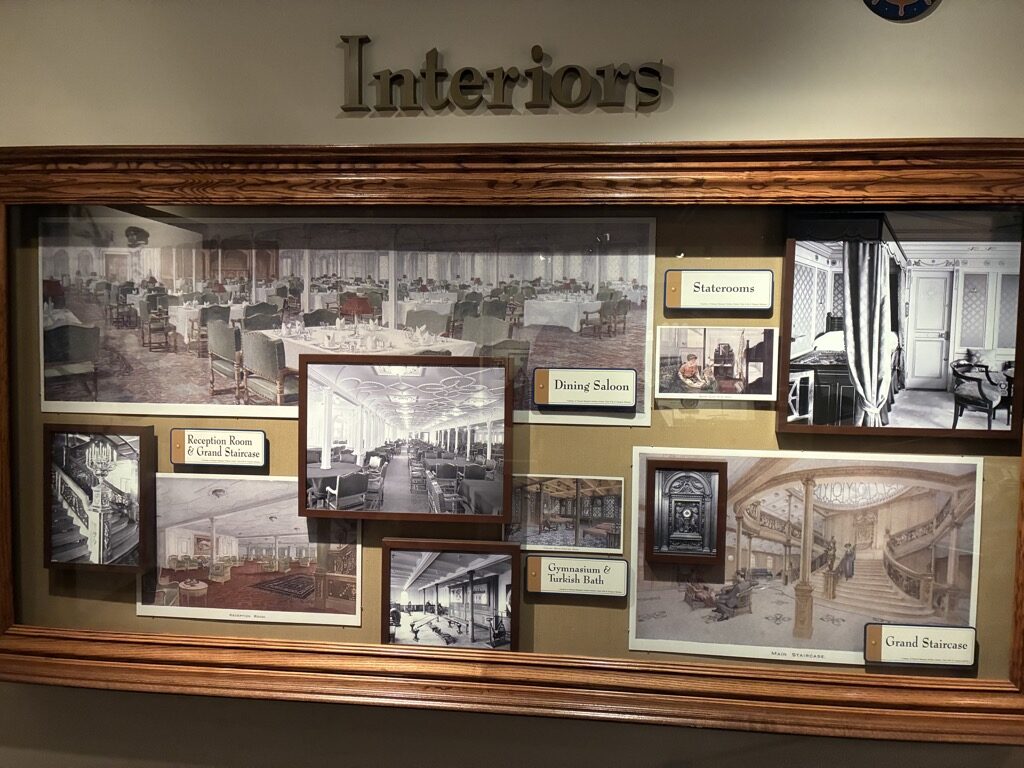
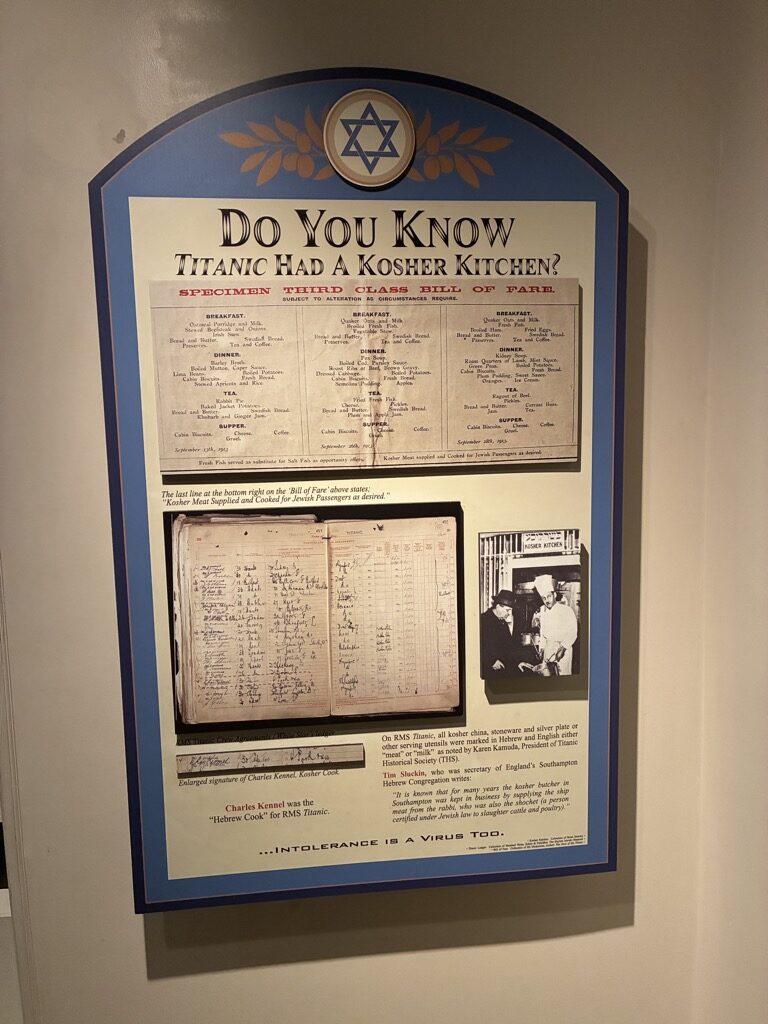
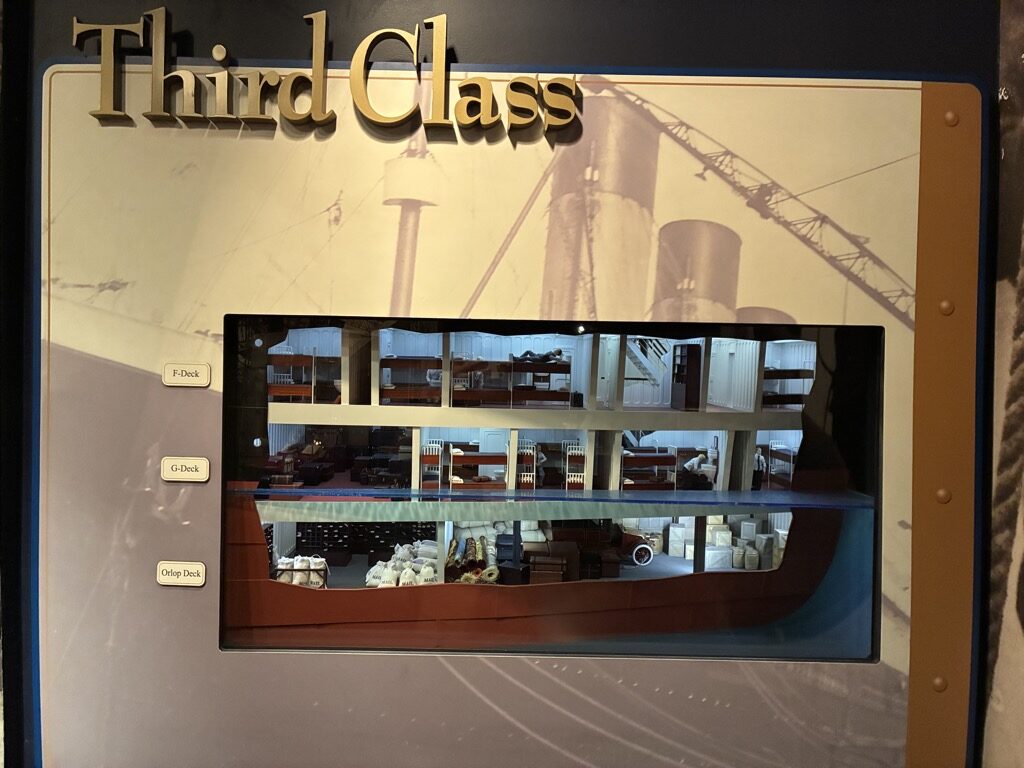
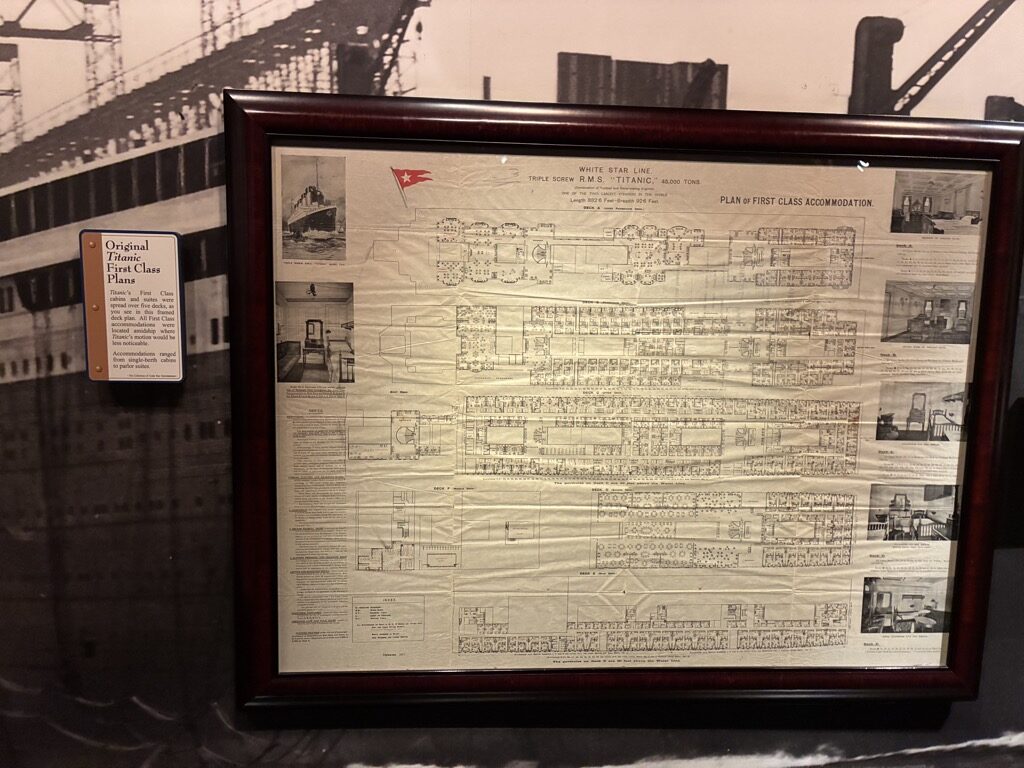
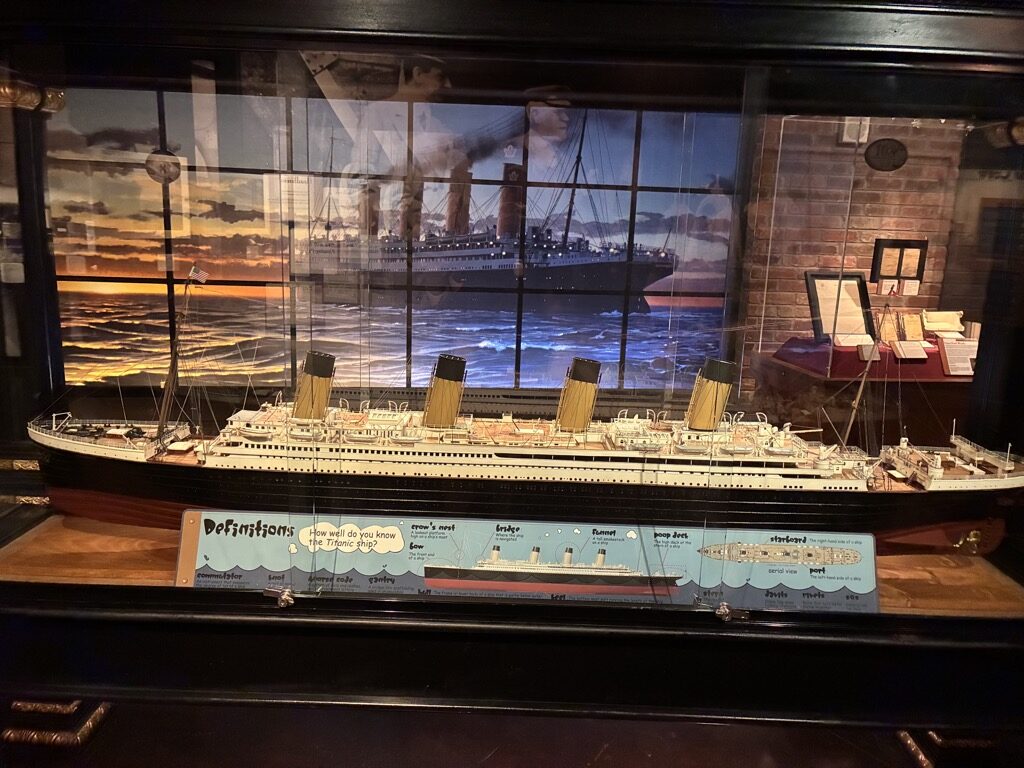
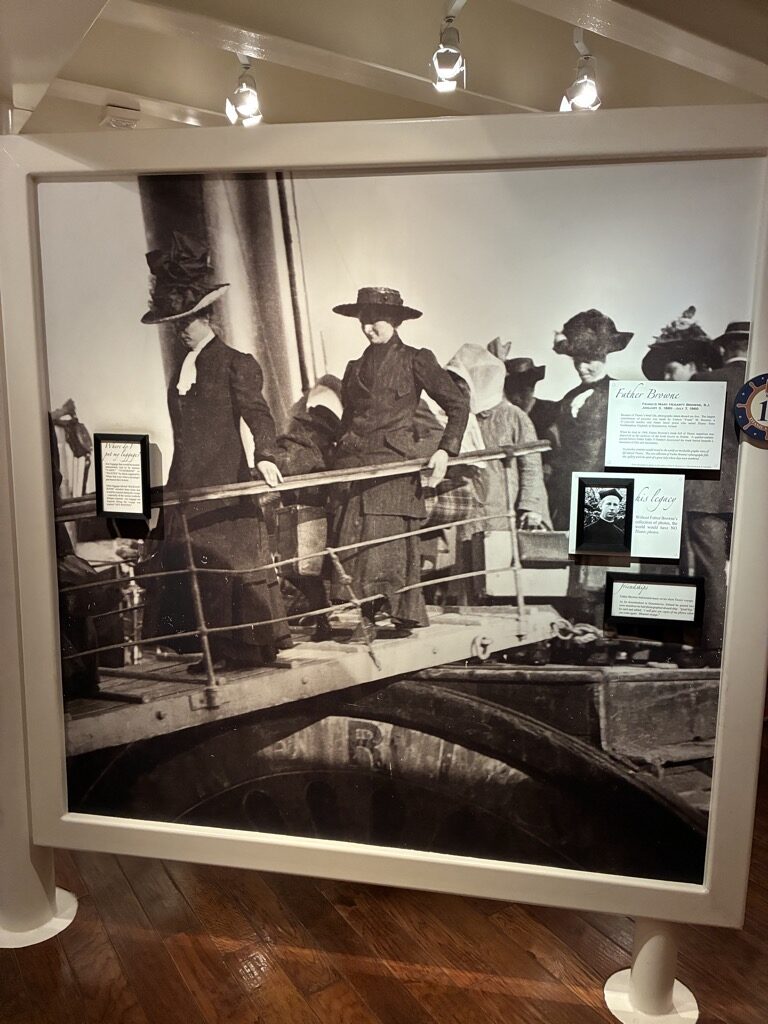
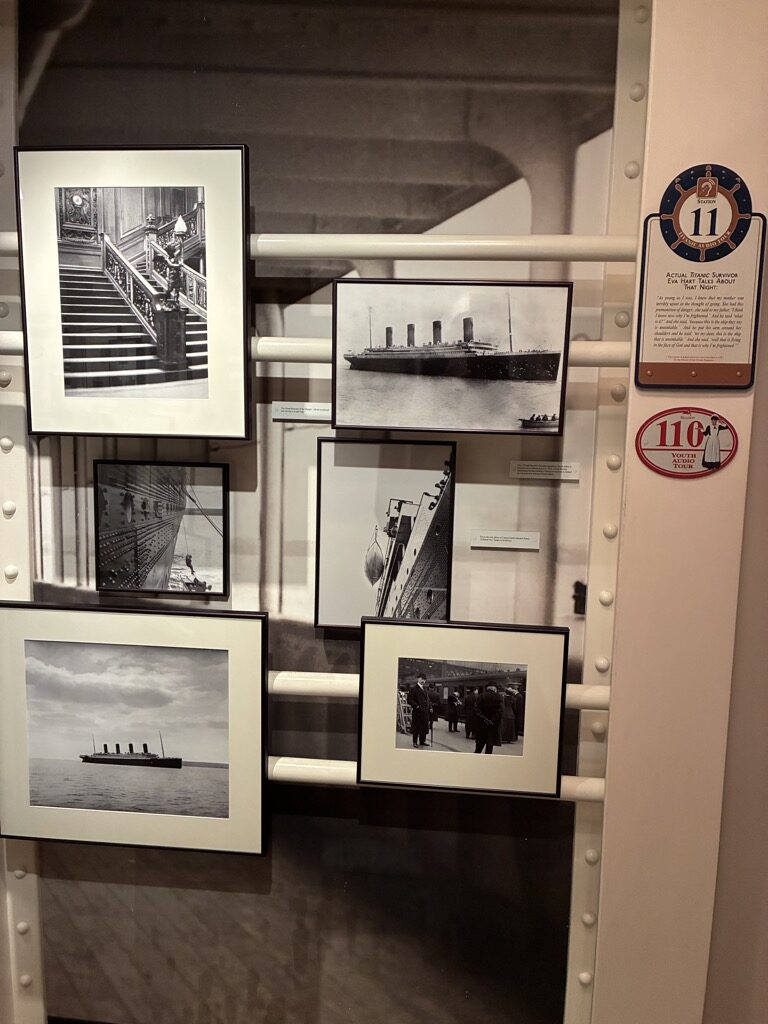
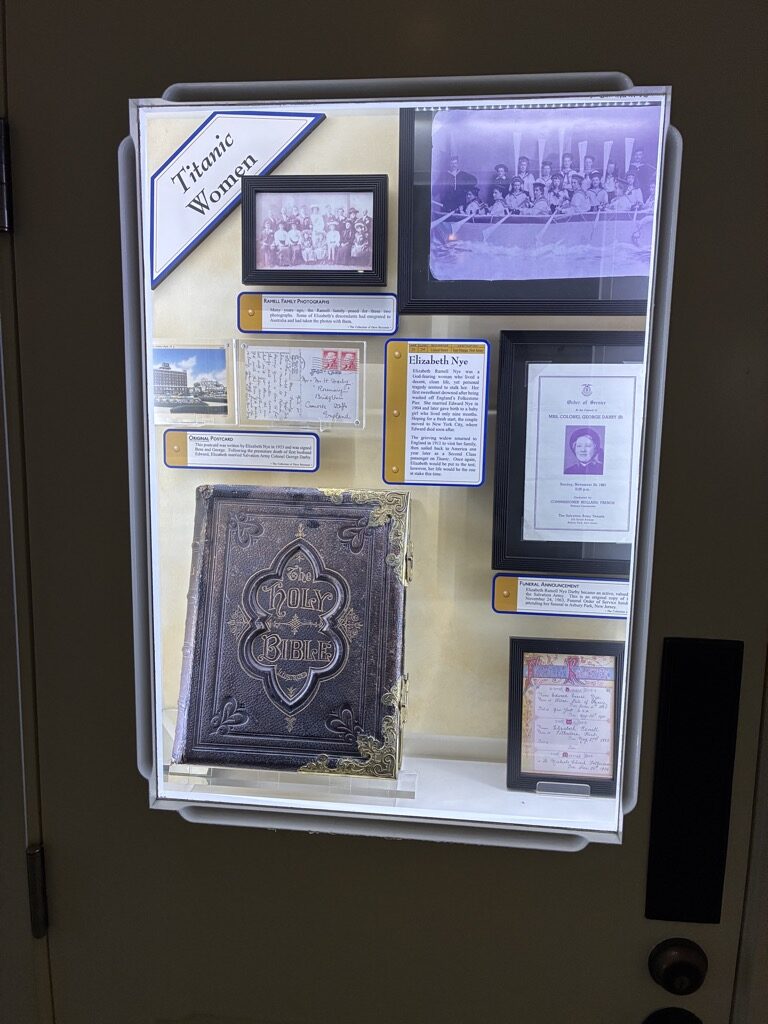
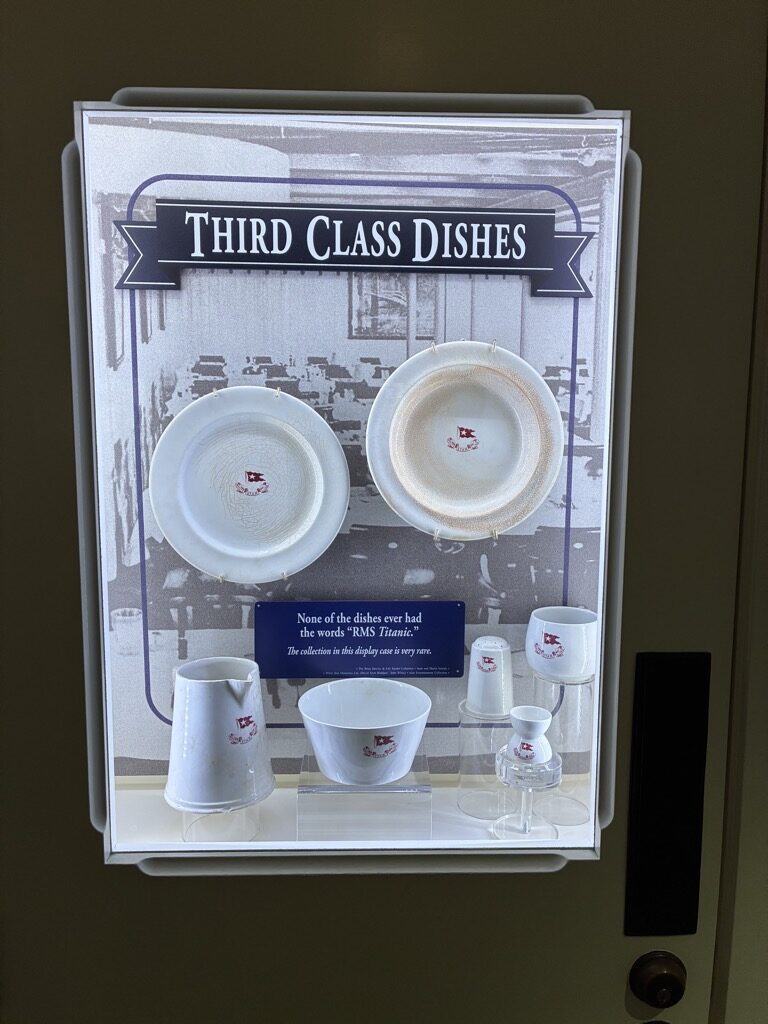
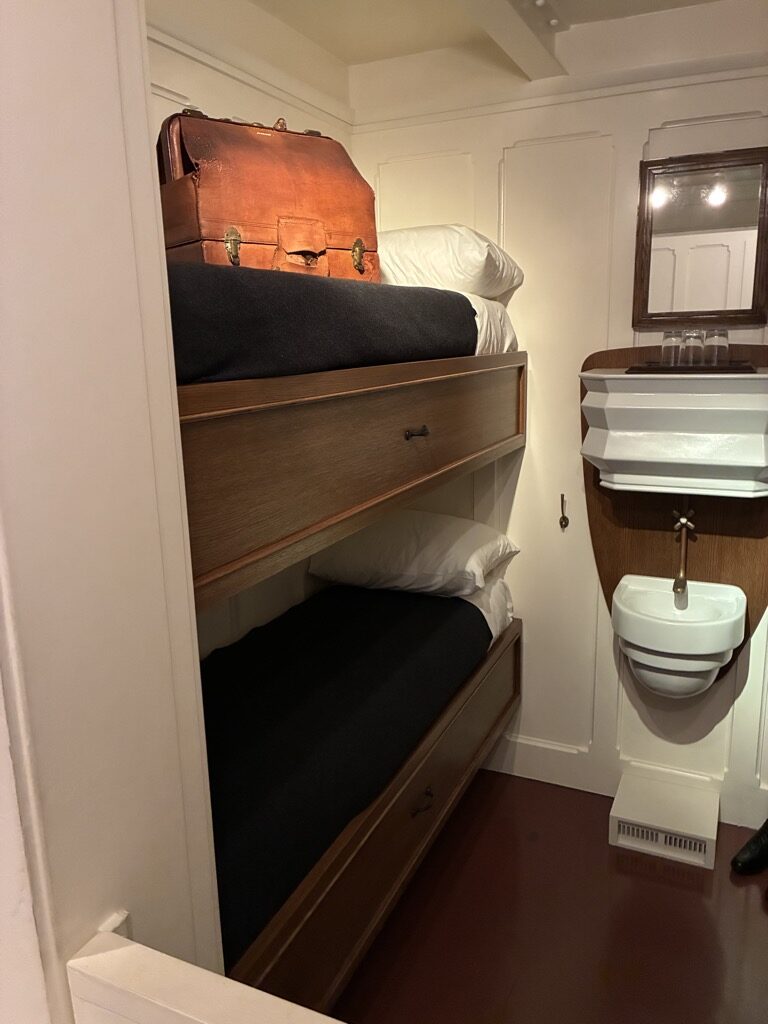
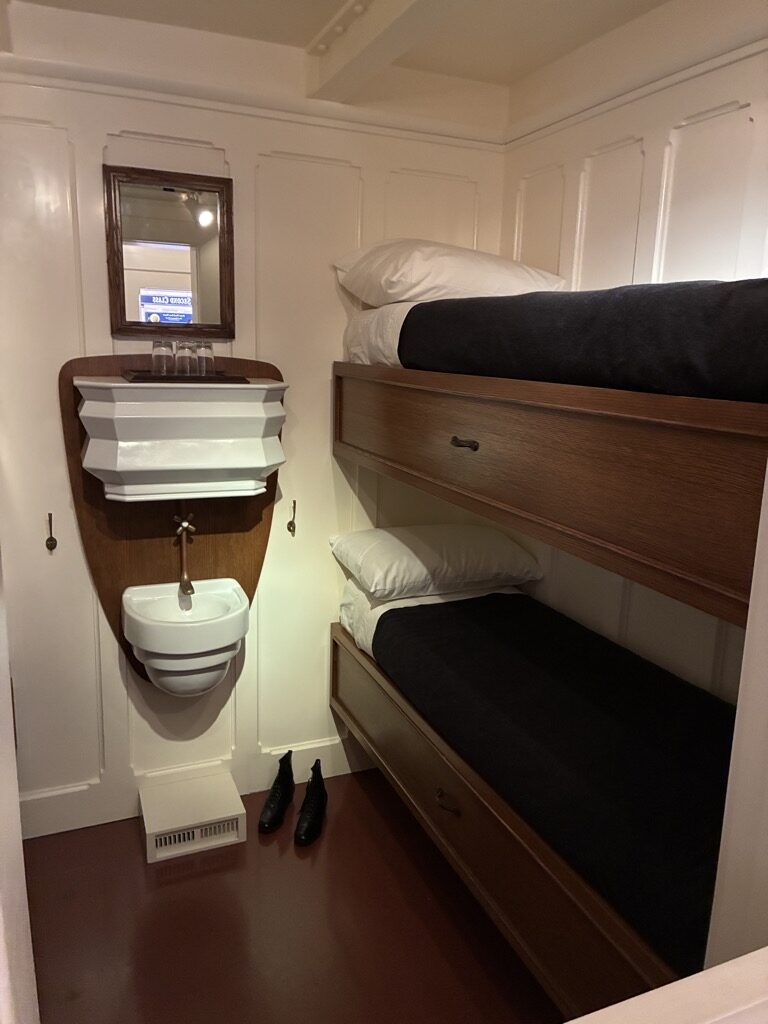
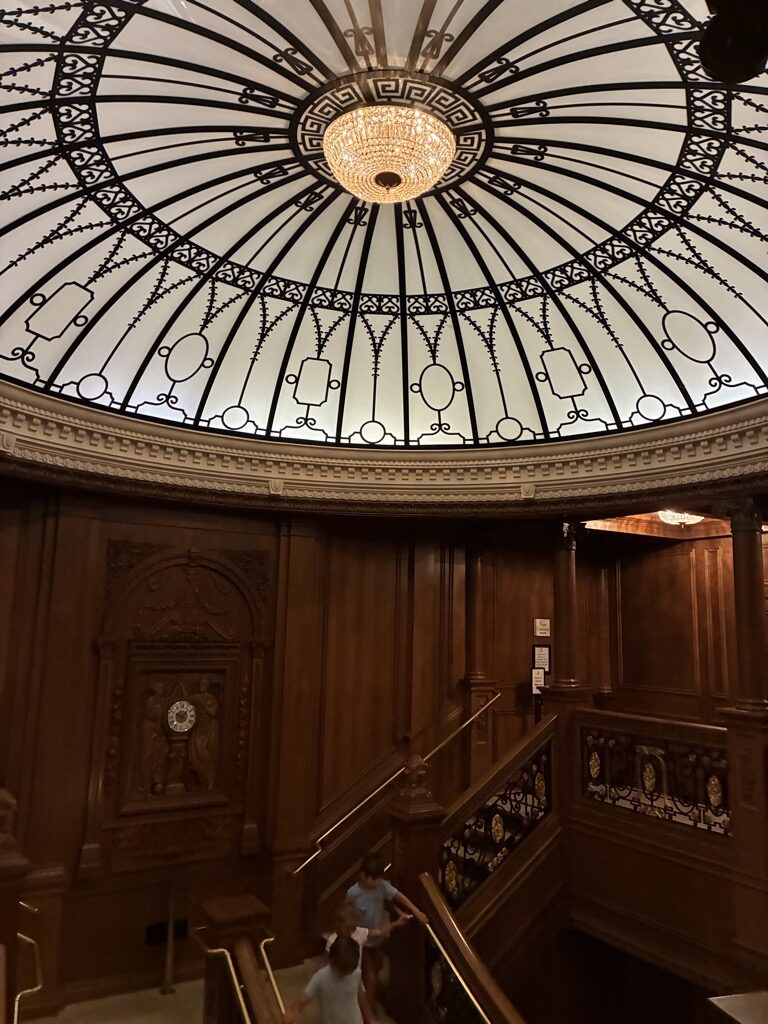
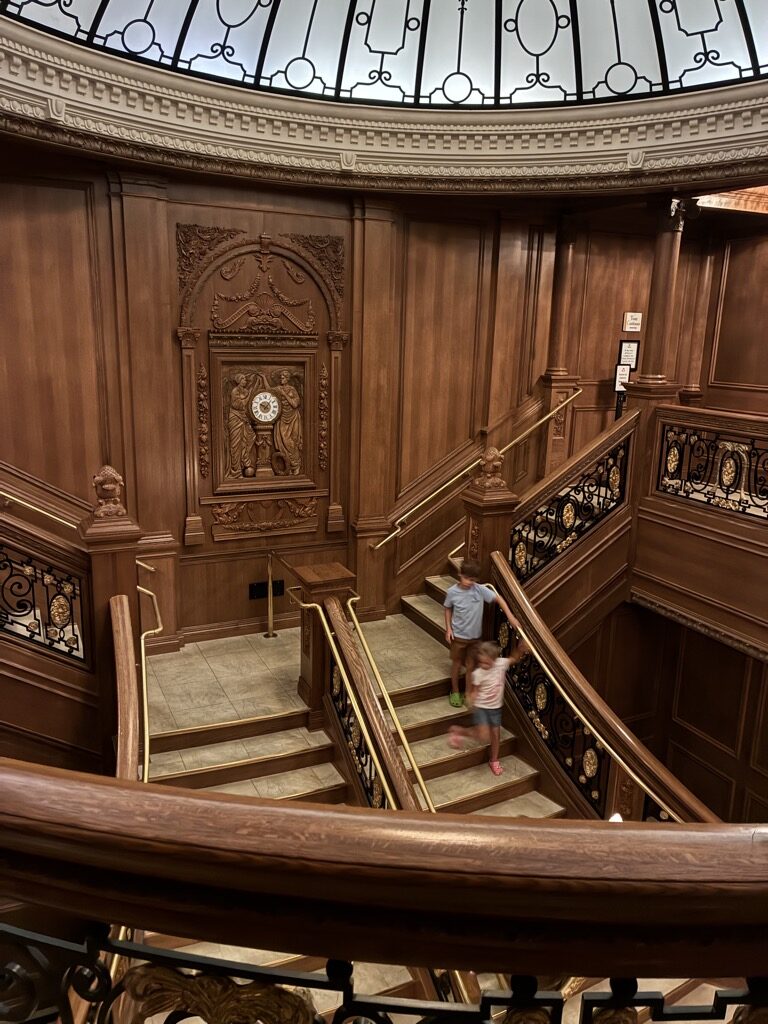
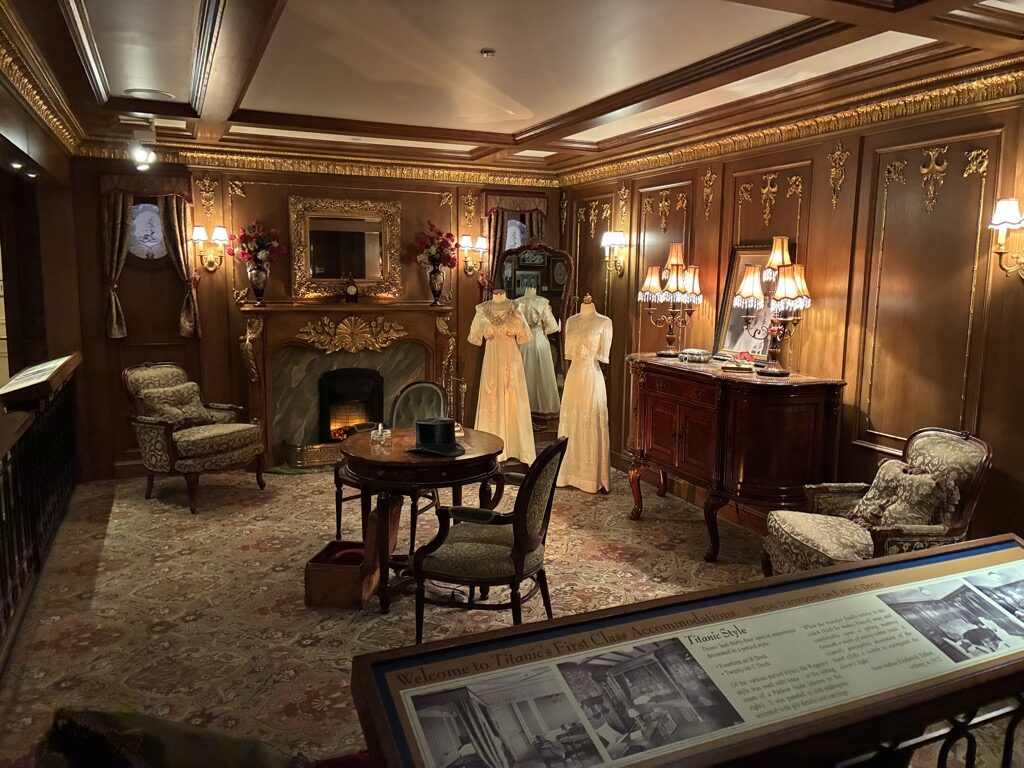
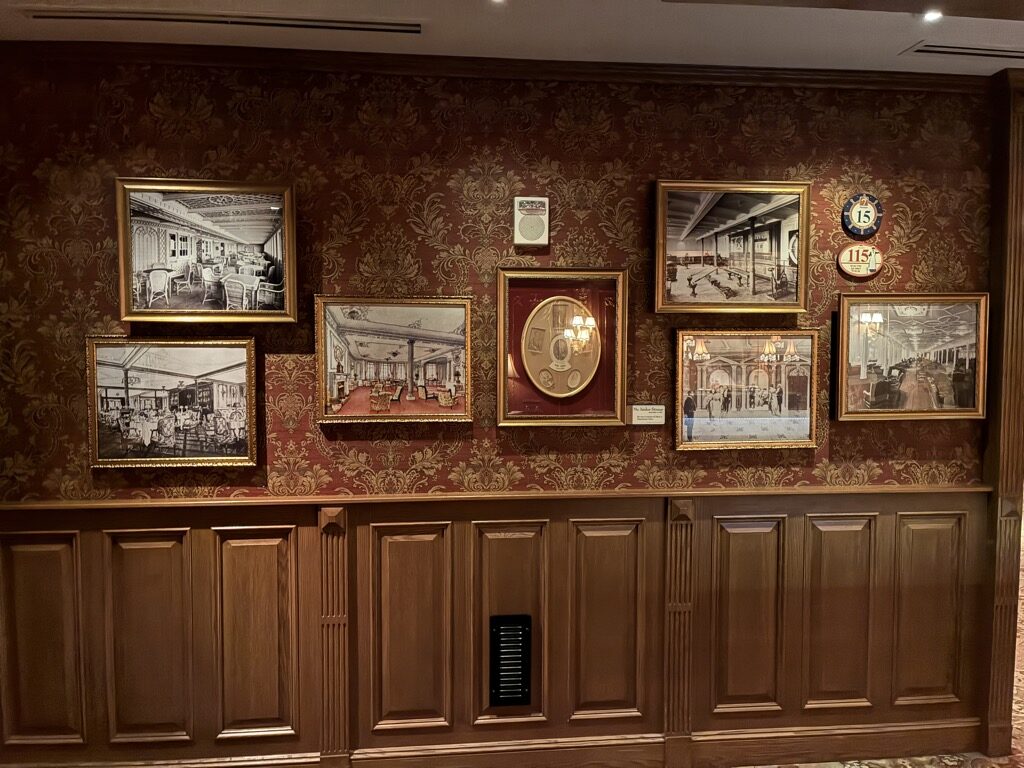
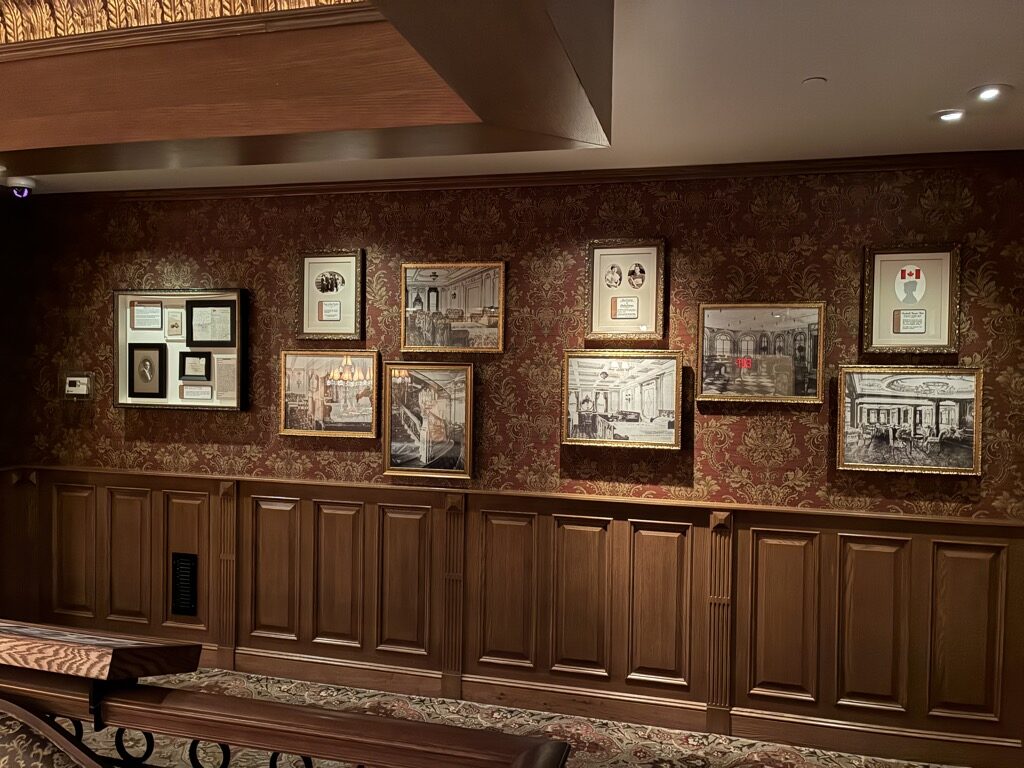
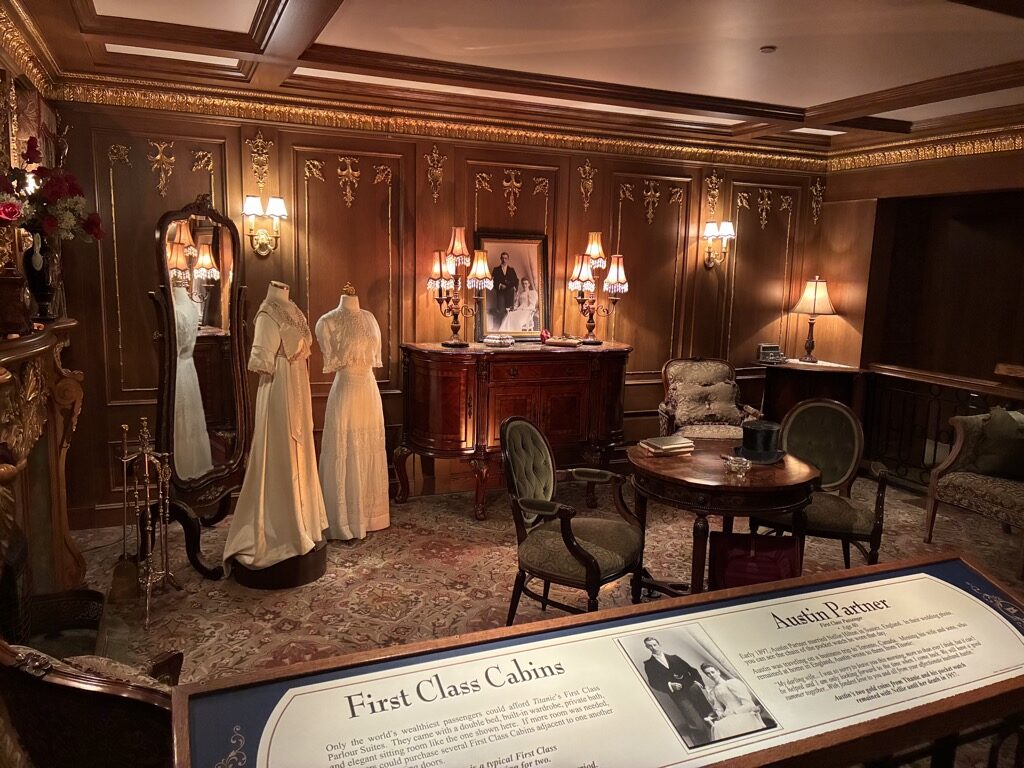
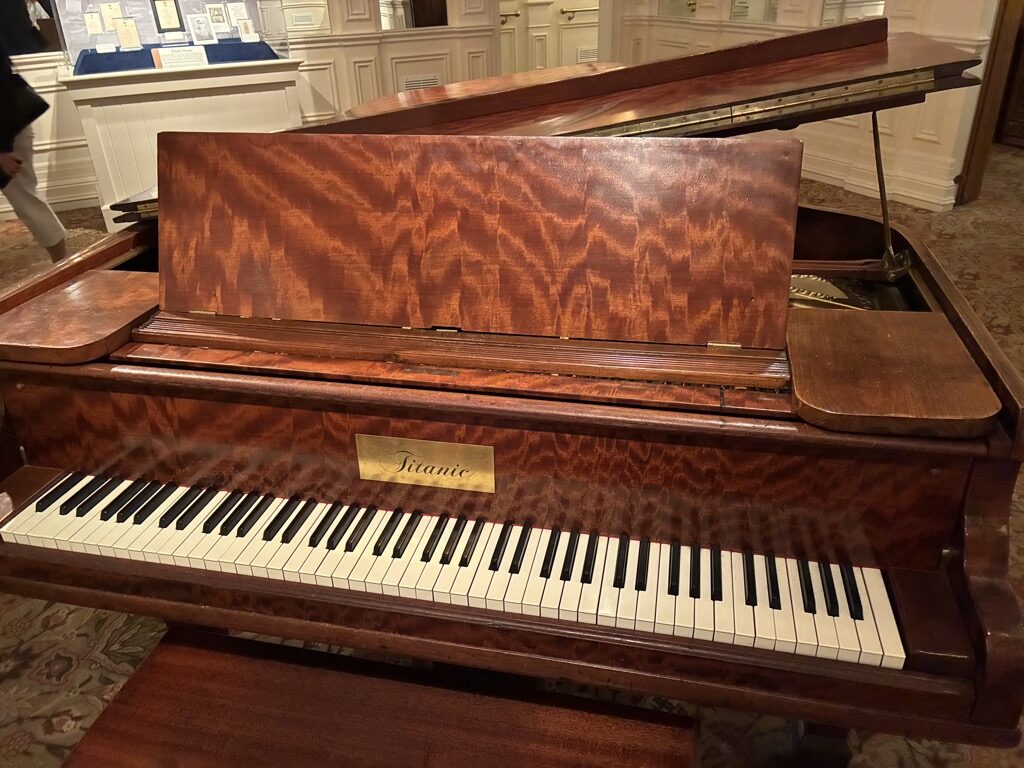
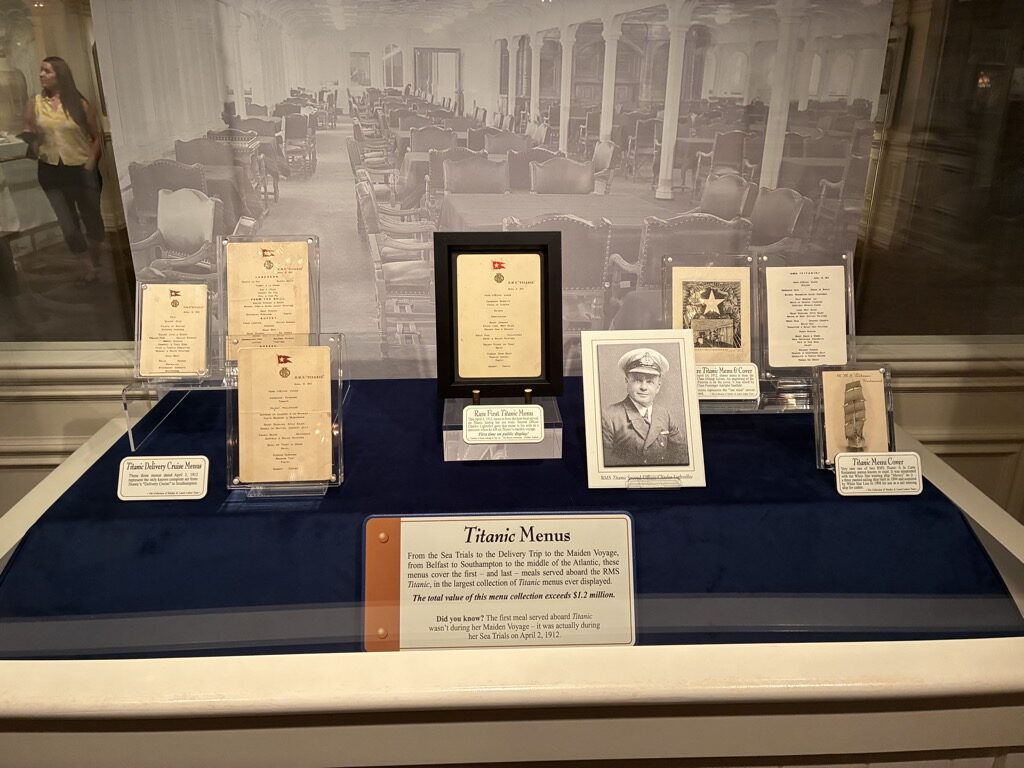
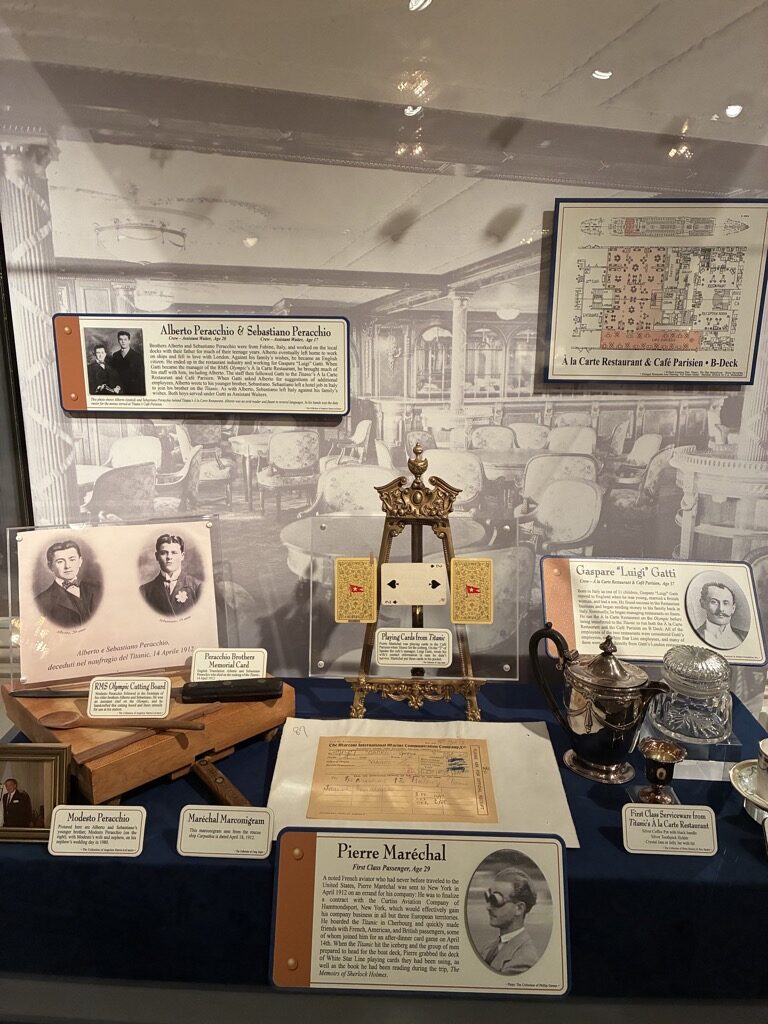
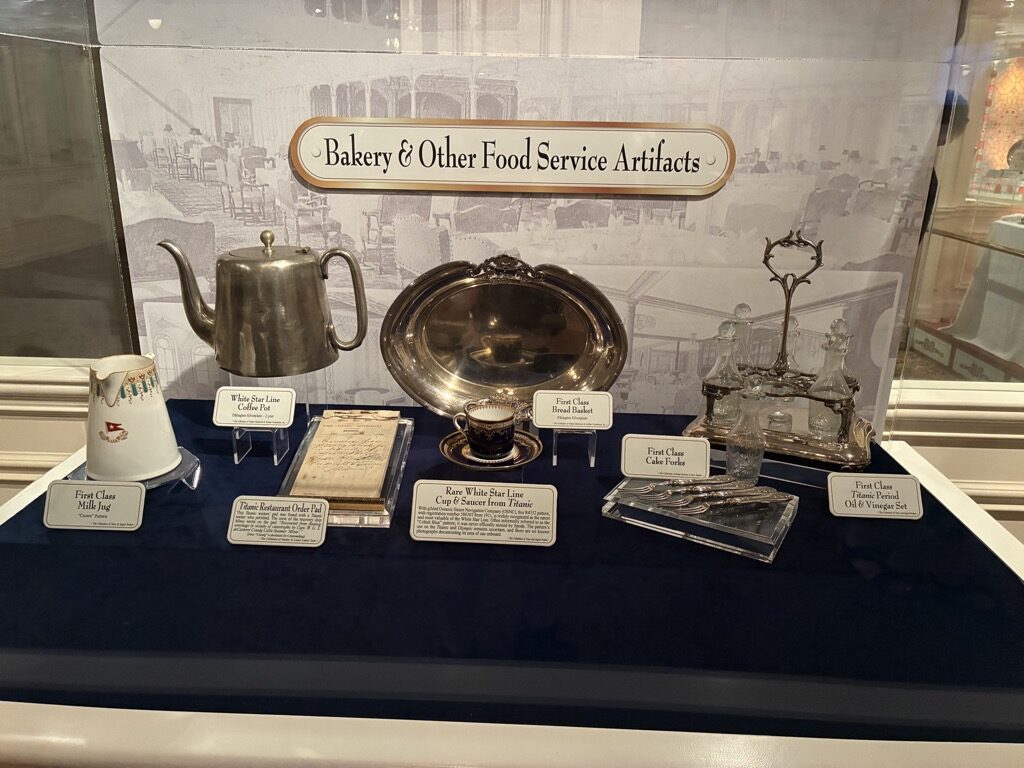
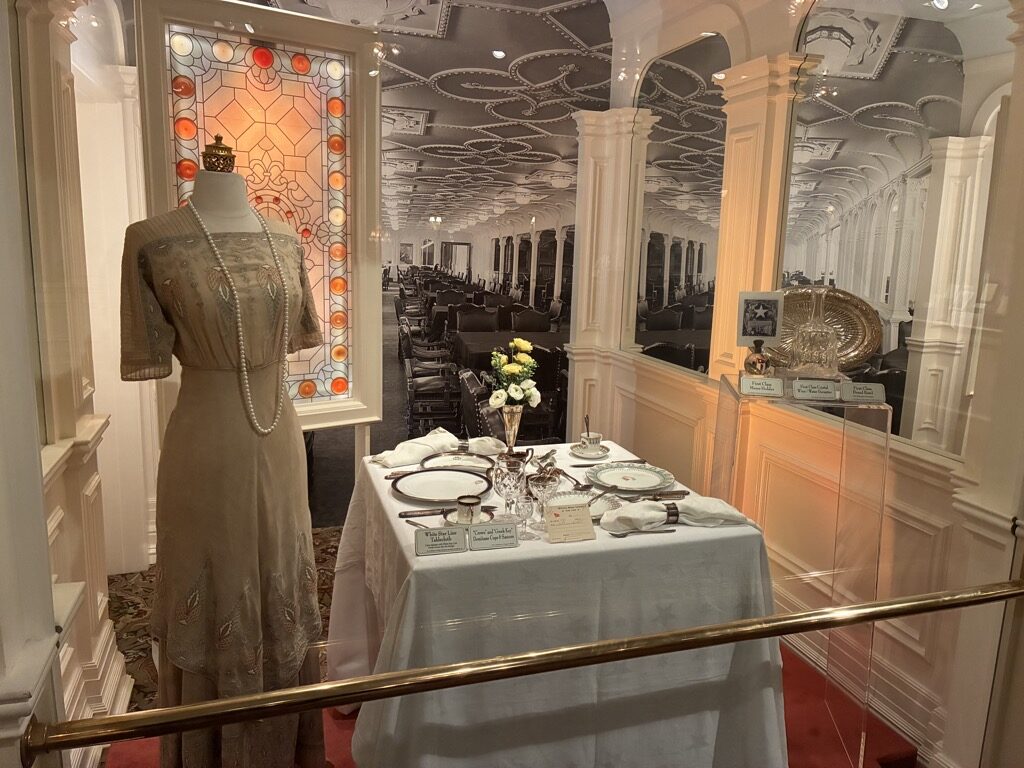
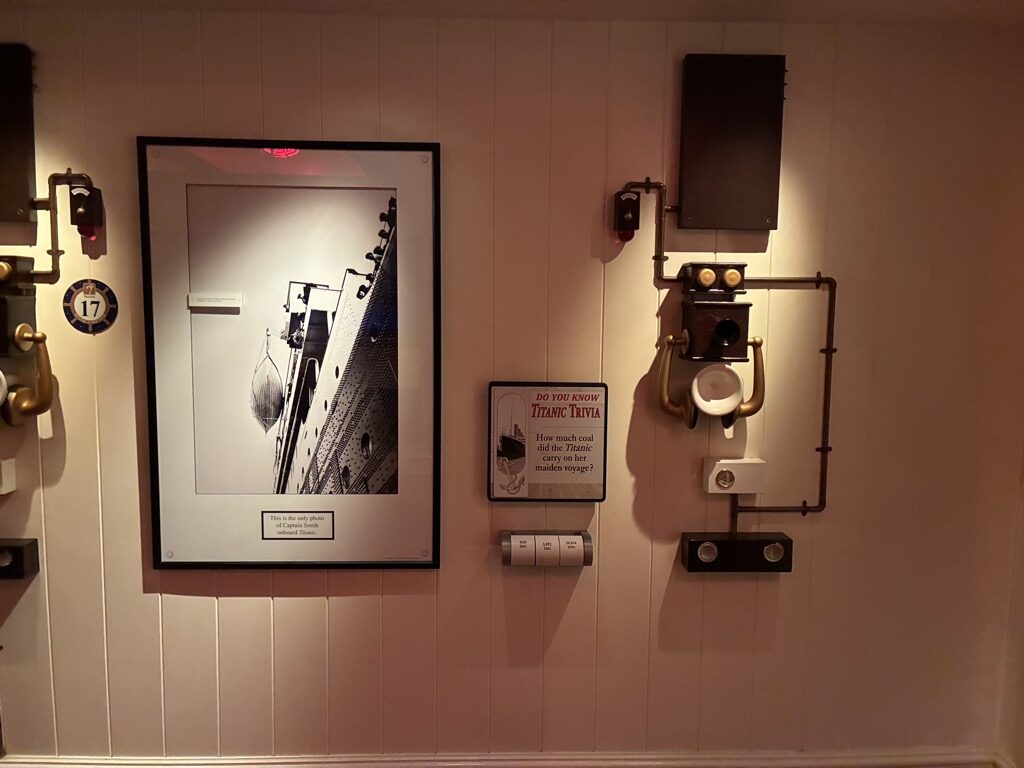
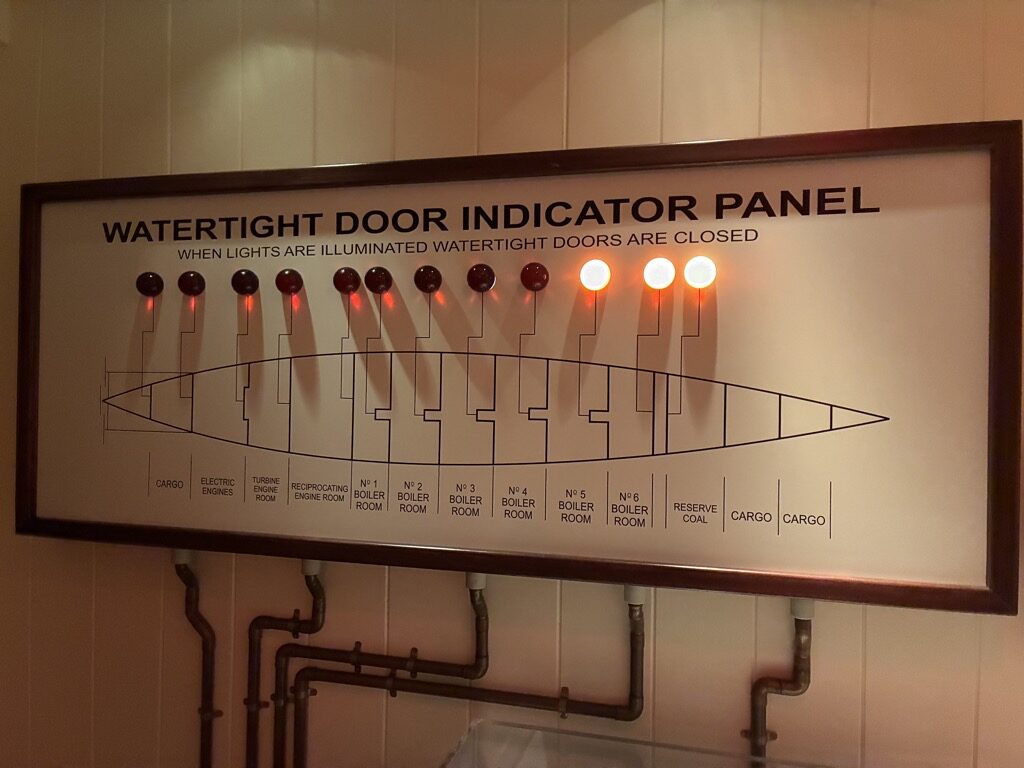
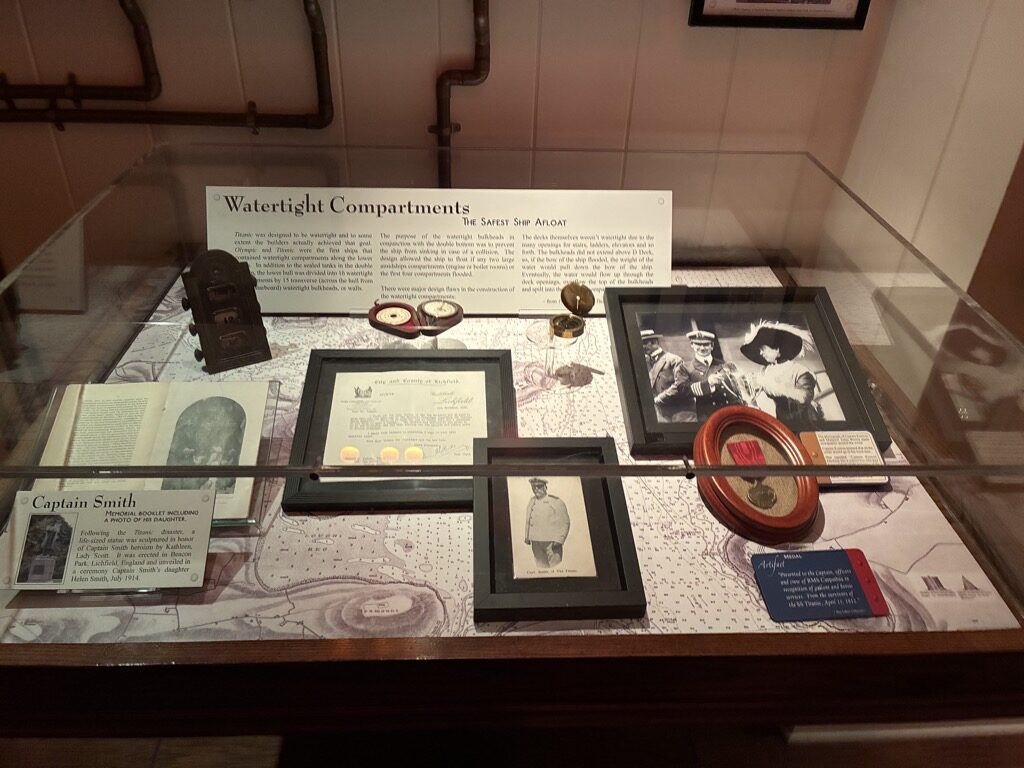
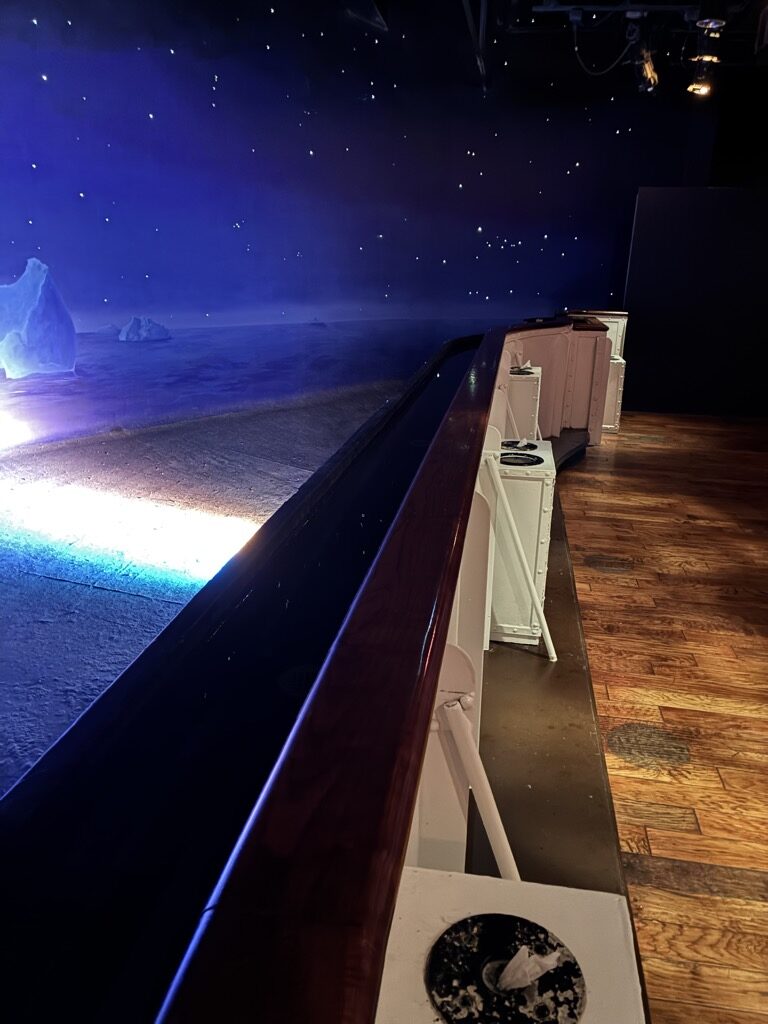
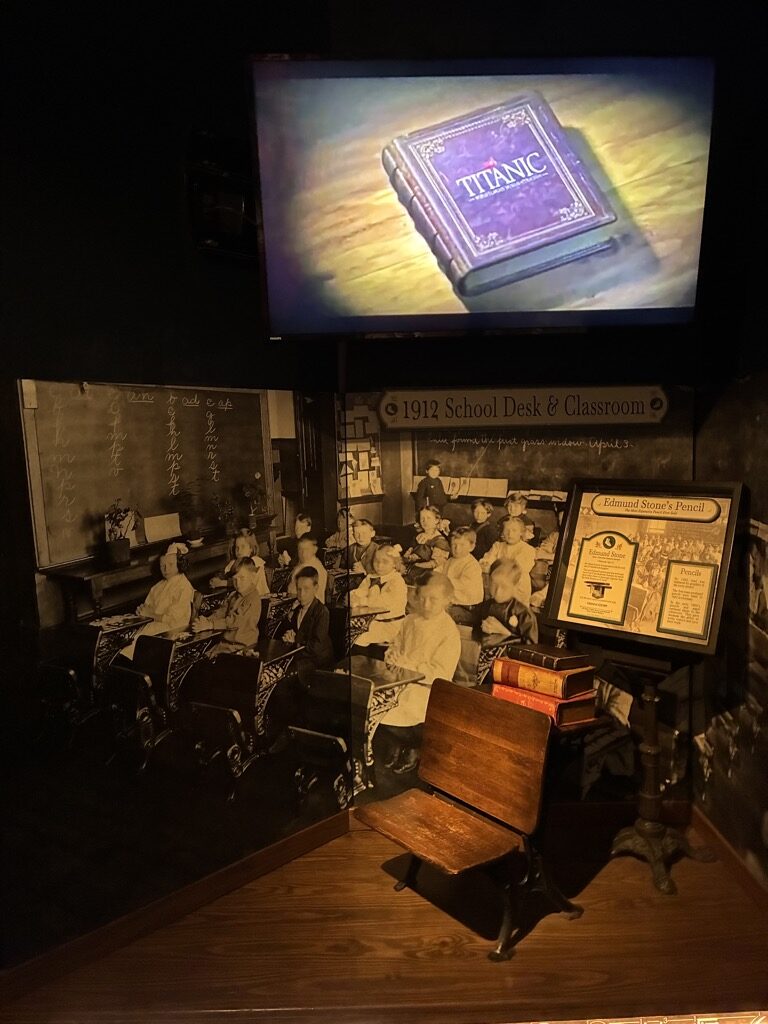
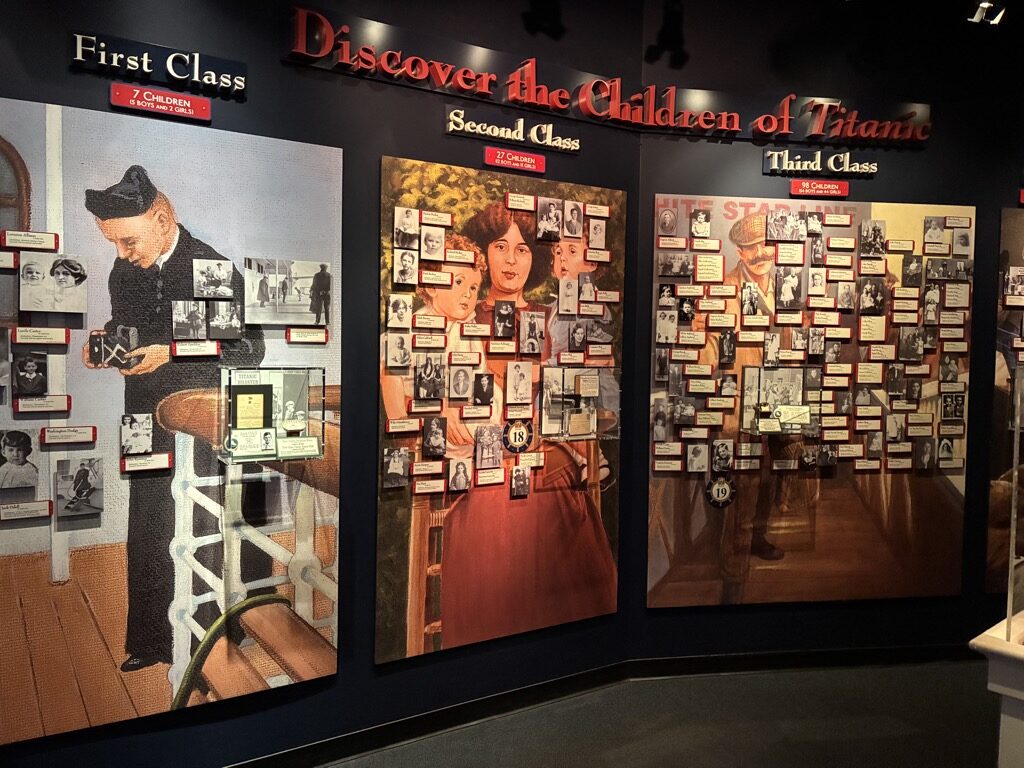
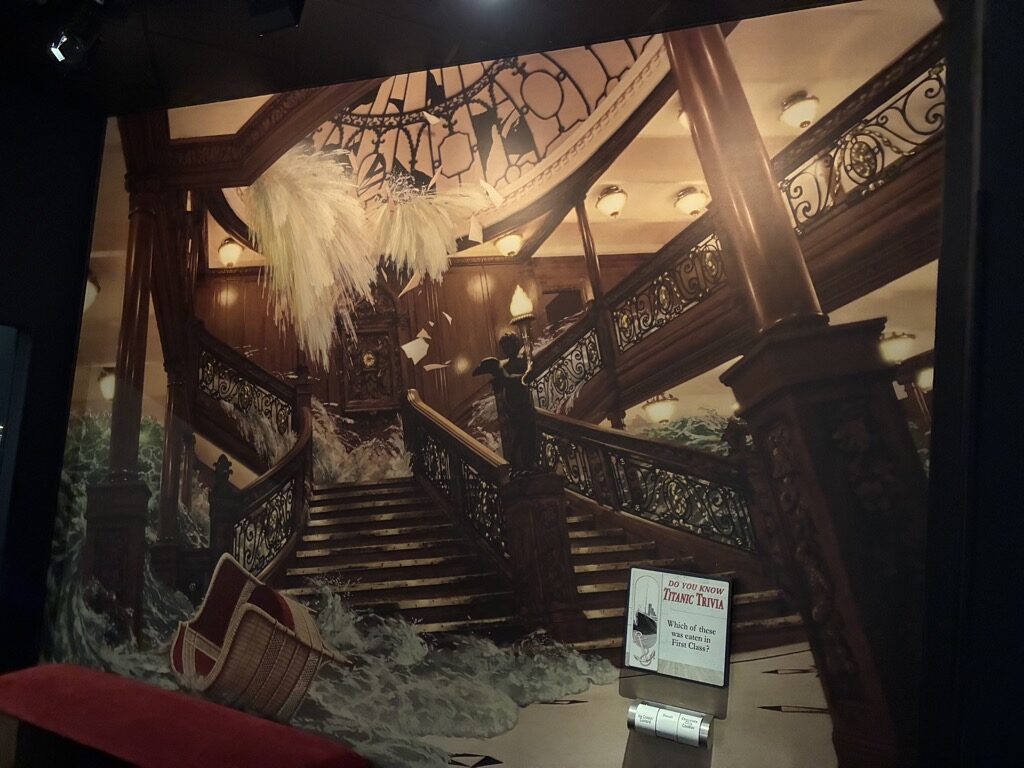
Besides driving, you can go shopping at Vendor Alley, participate in meets, and hang out with people. If you want more options, well, you are in the Smoky Mountains. There are places to explore, things to see, and as much as I don’t get impressed by nature, I must admit – Smoky Mountains scenery is stunning. My short list: Train Museum, Road to Nowhere, Bryson City, and Titanic Museum. I picked those as side quests since my kid sometimes gets motion sickness and needs a break.
All-in-all, Miata at the Gap is a really nice getaway. Plan, pack, and go – I think it is worth it, even with a 10–11 hour drive one way. I like seeing and talking to people of all ages and from all walks of life, and it is a really enjoyable place to be.
Last time I put together a short list of things to know. I think I’ll revise it:
Cell connectivity in the mountains is spotty at best; there is no connectivity at Fontana Village, so don’t count on it. However, there is free Wi-Fi in shops, so download maps beforehand.
Fill up a full tank of gas before going into the mountains. If you are going for runs, a full tank of gas is a very good idea.
Mountain roads are public roads, patrolled by police, so drive according to the rules. Do NOT cut corners or cross the double line – mountain roads are already dangerous as is, no need to risk further.
Miata runs are fun, but start with cruises. Don’t start with spirited runs – they are really fast. Wear appropriate shoes.
While the Dragon is the highlight, there are so many fun and exciting roads to drive on, so go explore.
Don’t forget you are in the Smoky Mountains. There are places to go and things to do.
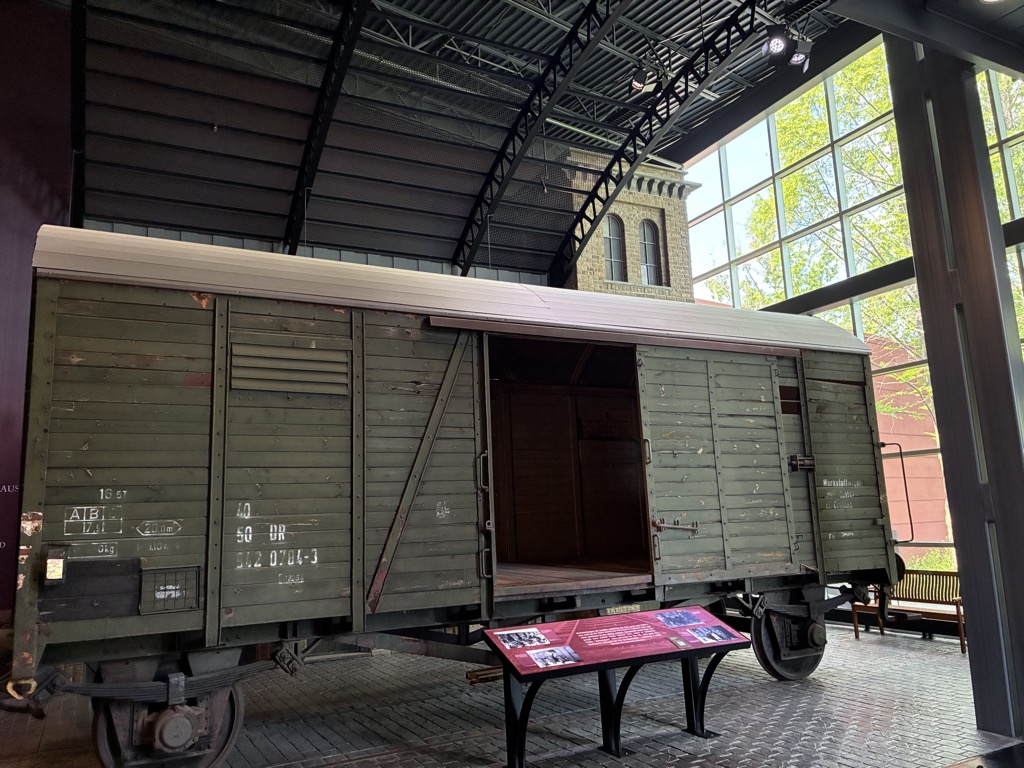
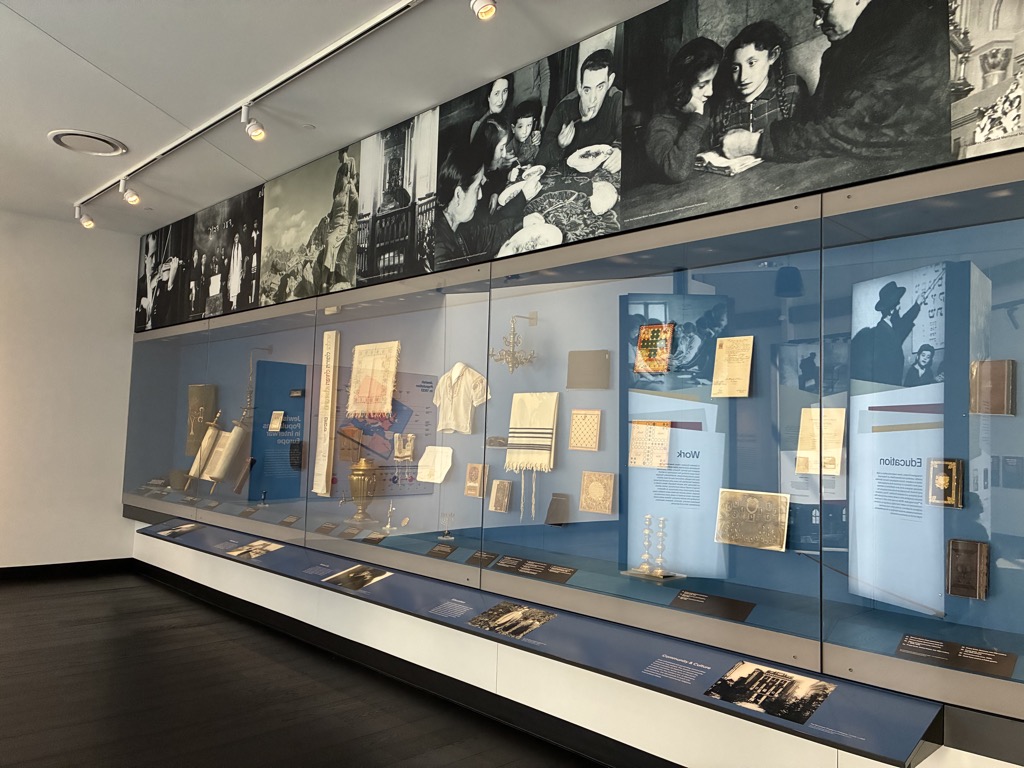
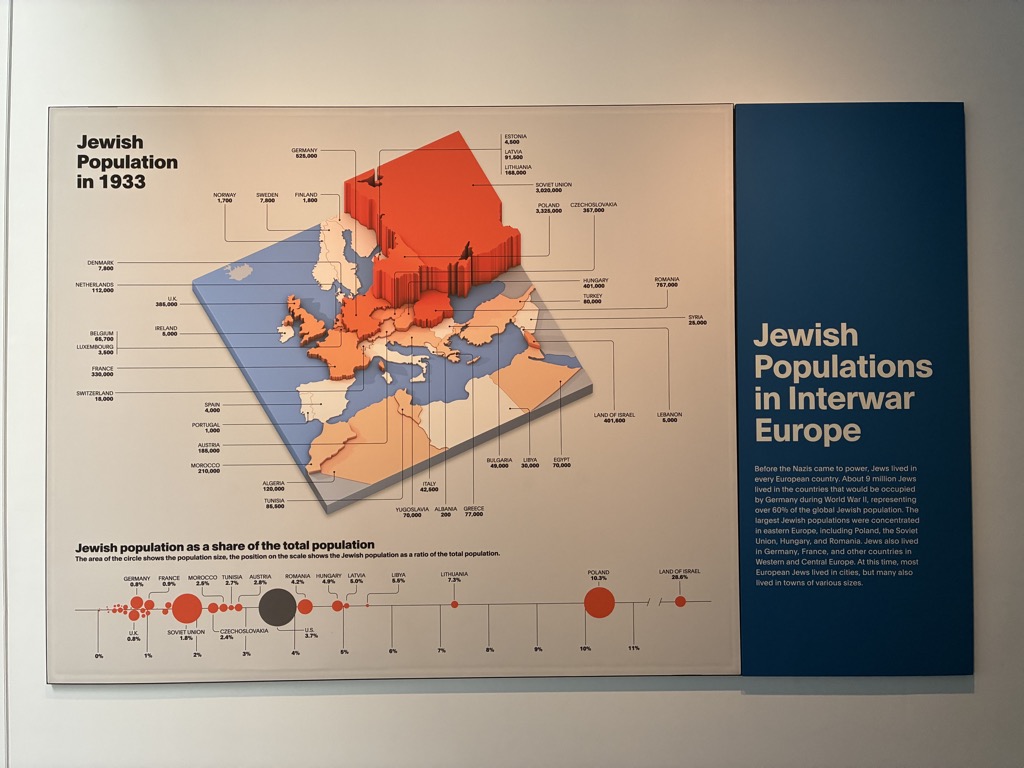
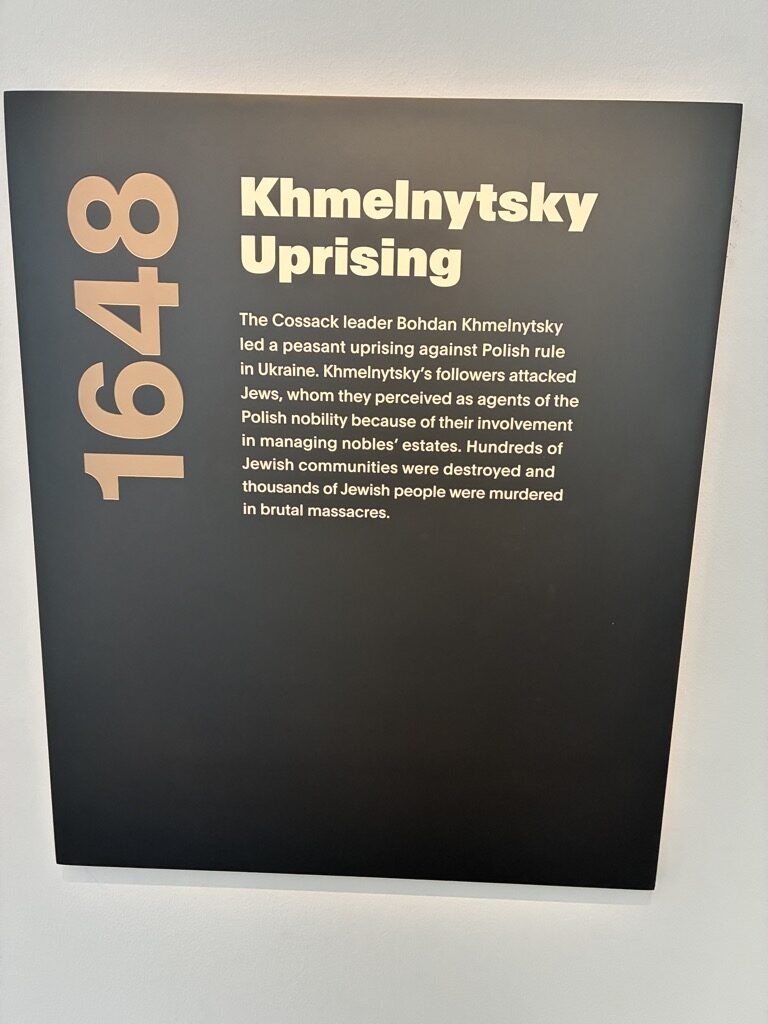
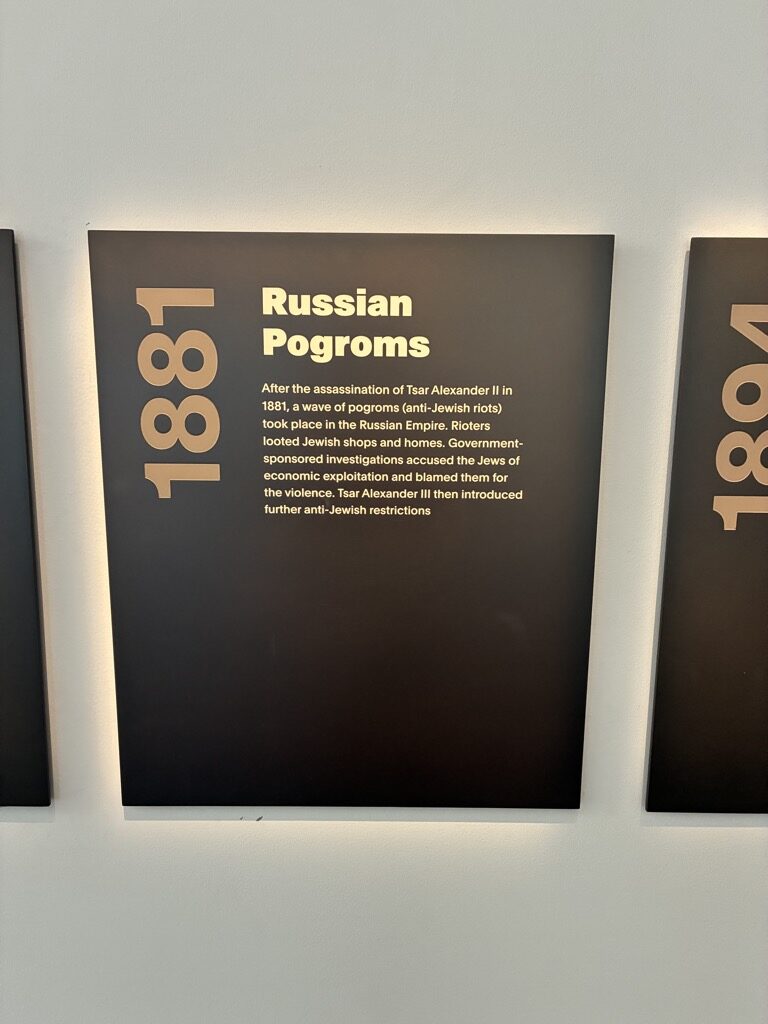
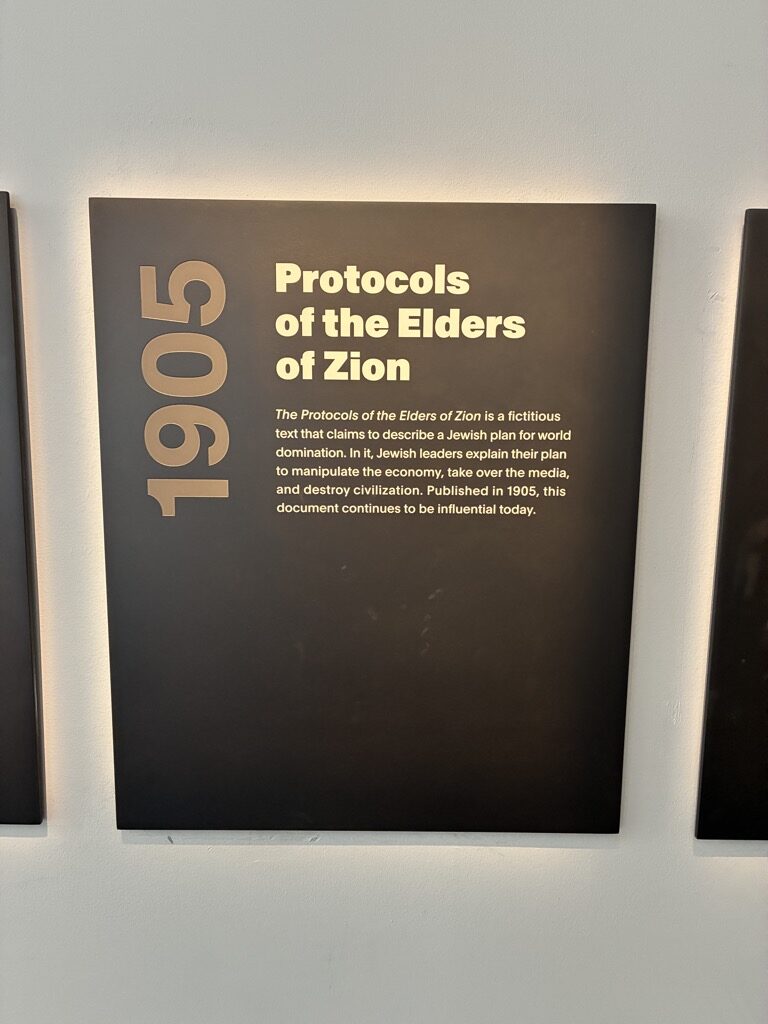
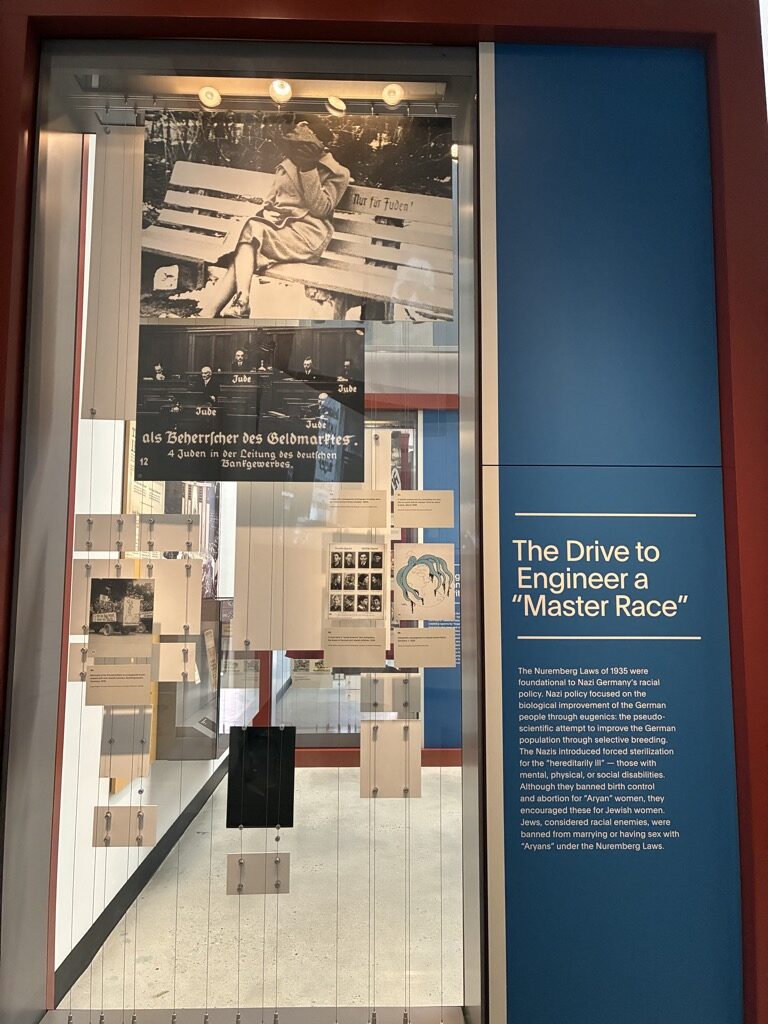
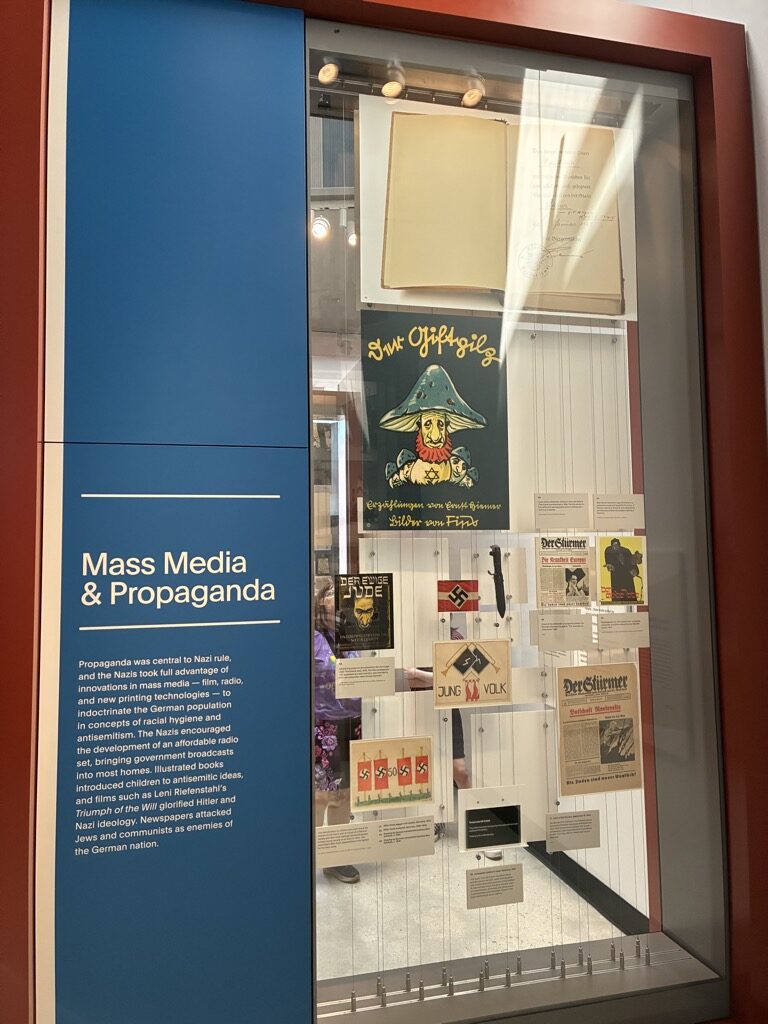
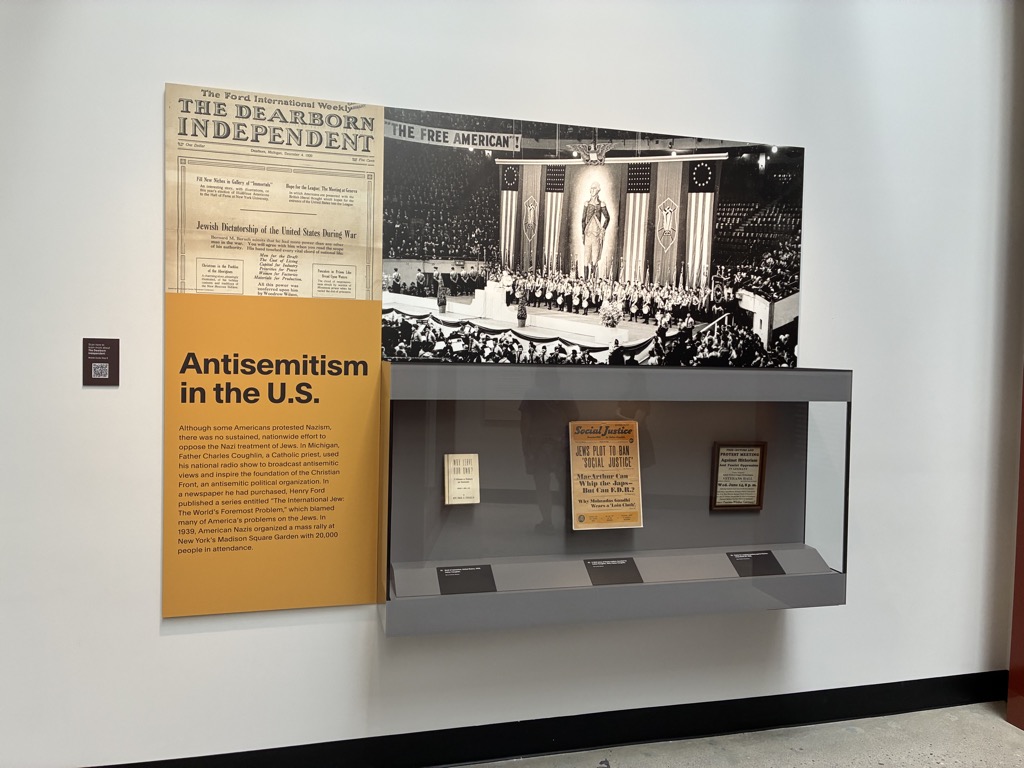
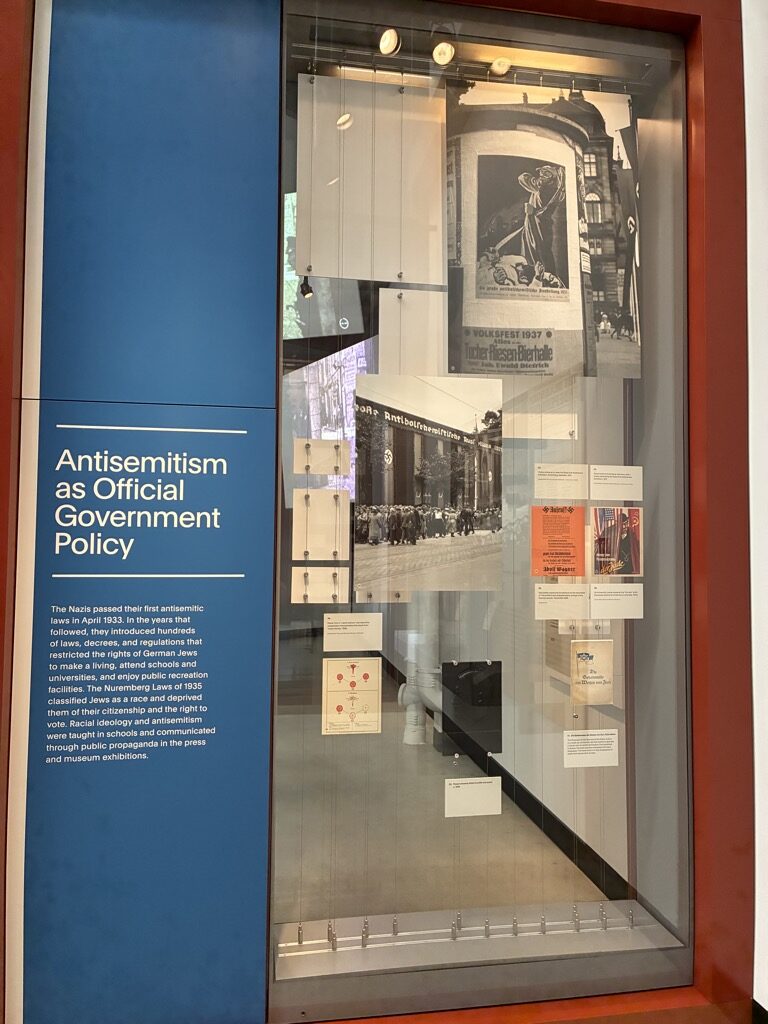
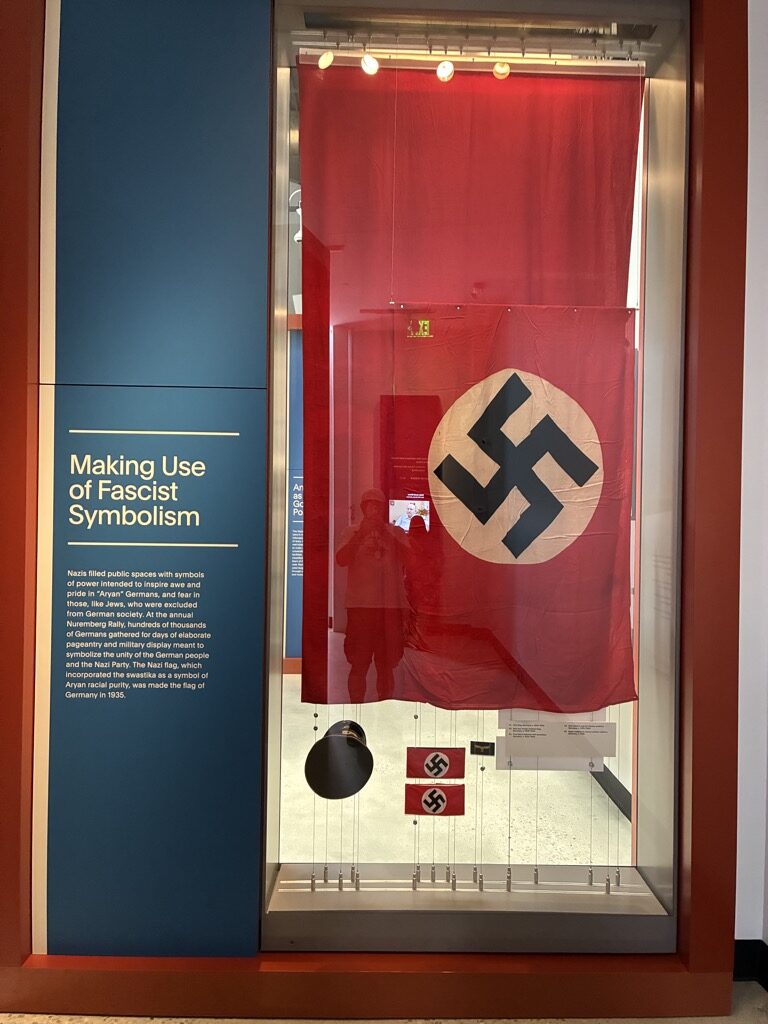
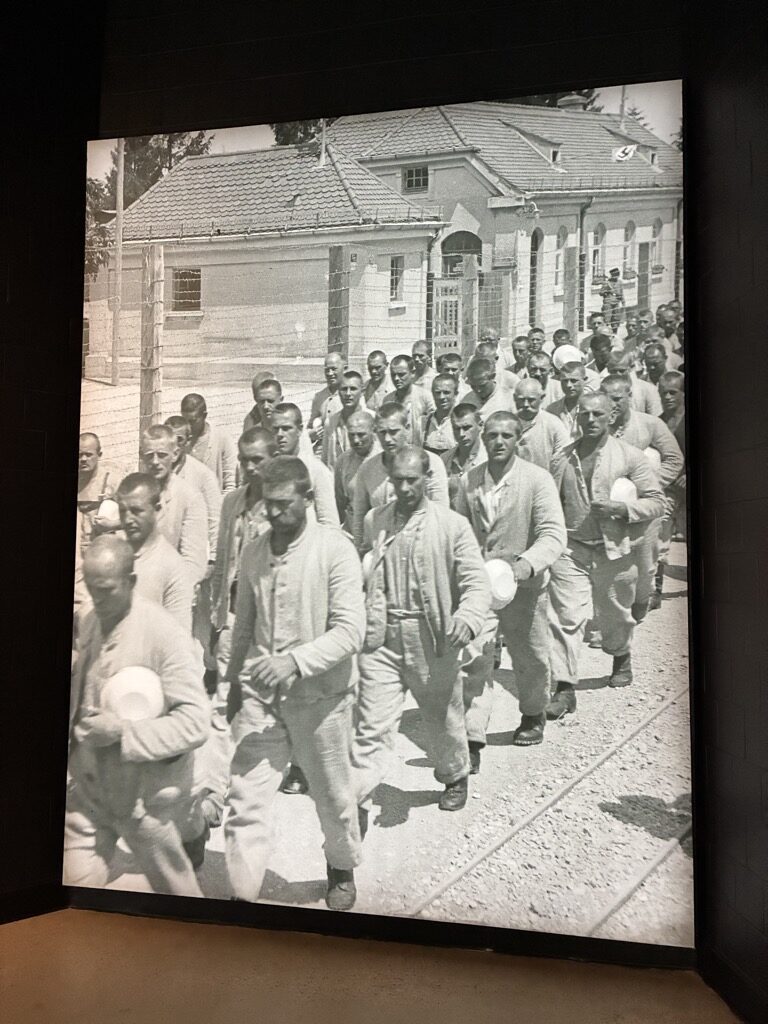
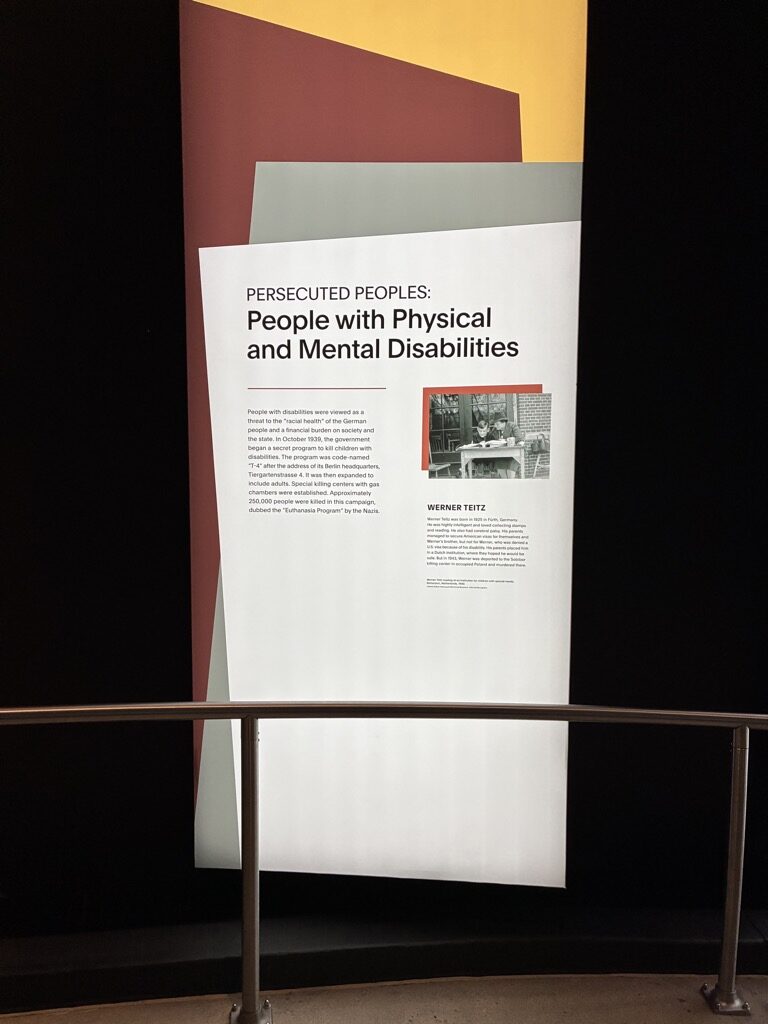
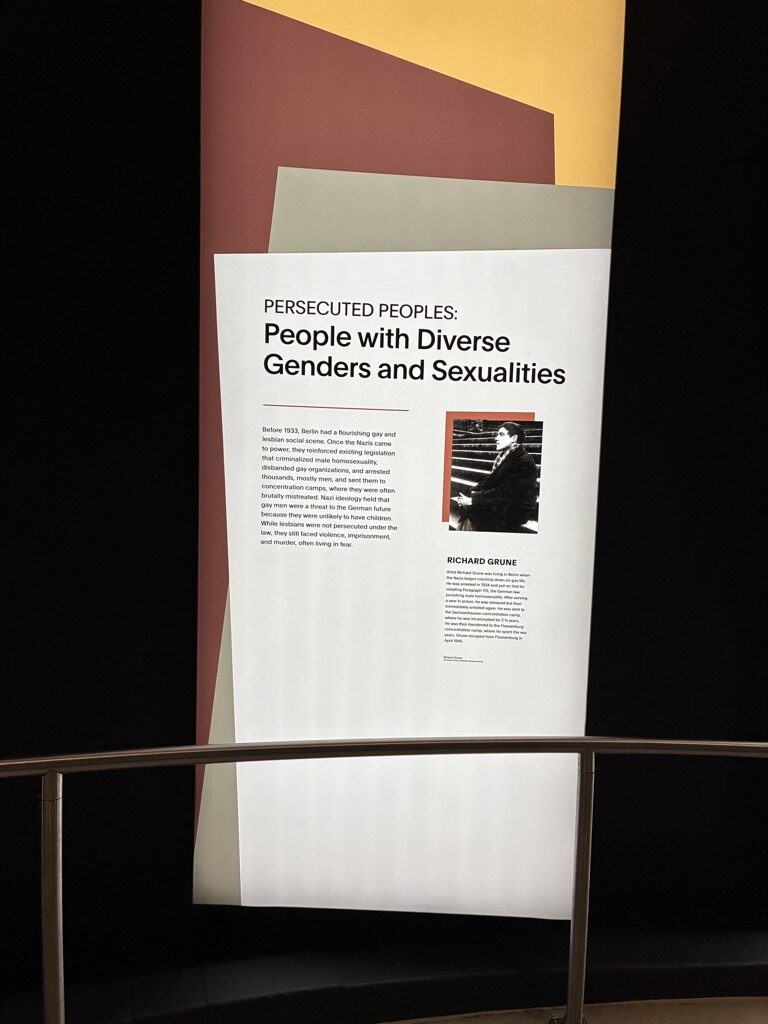
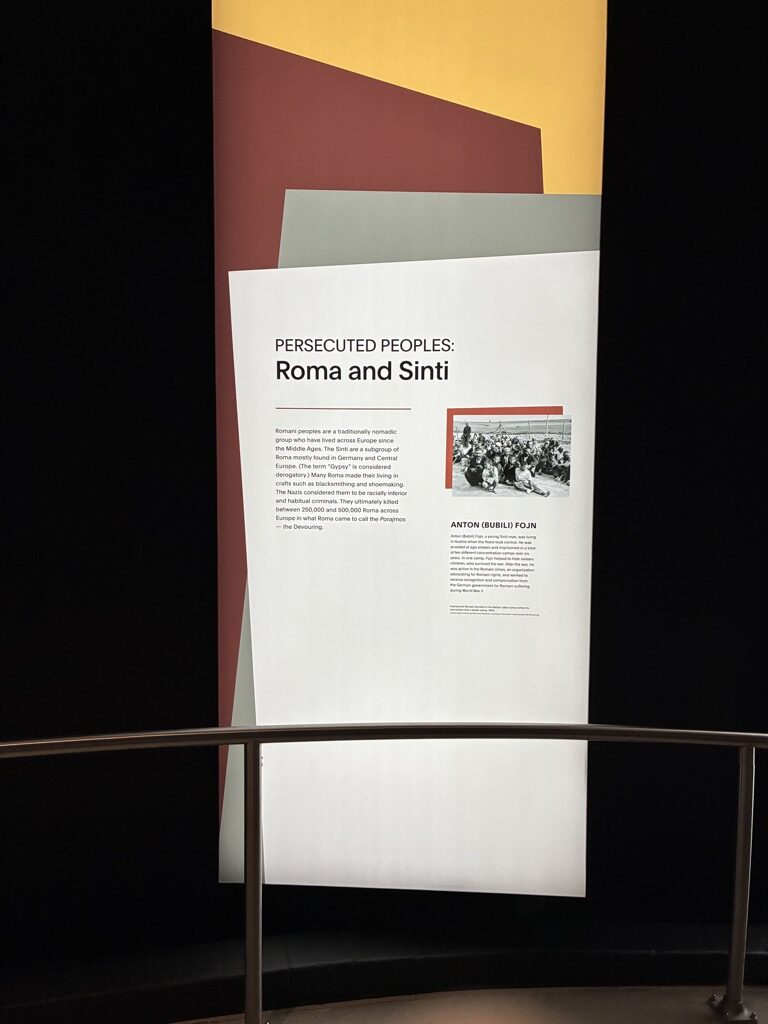
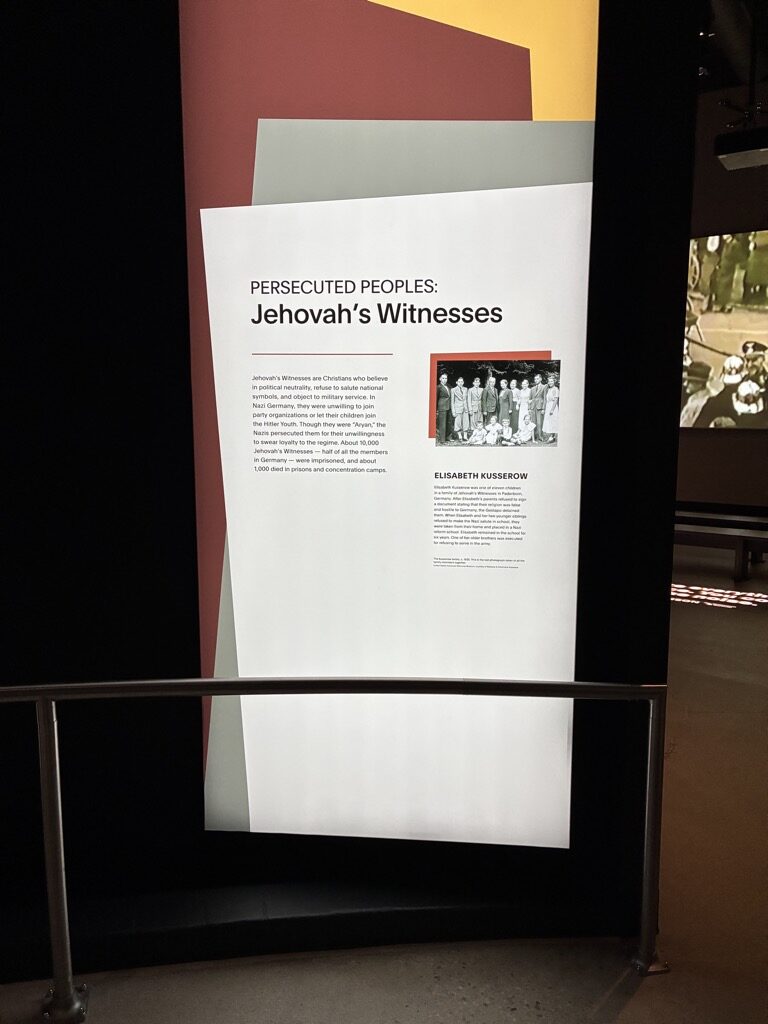
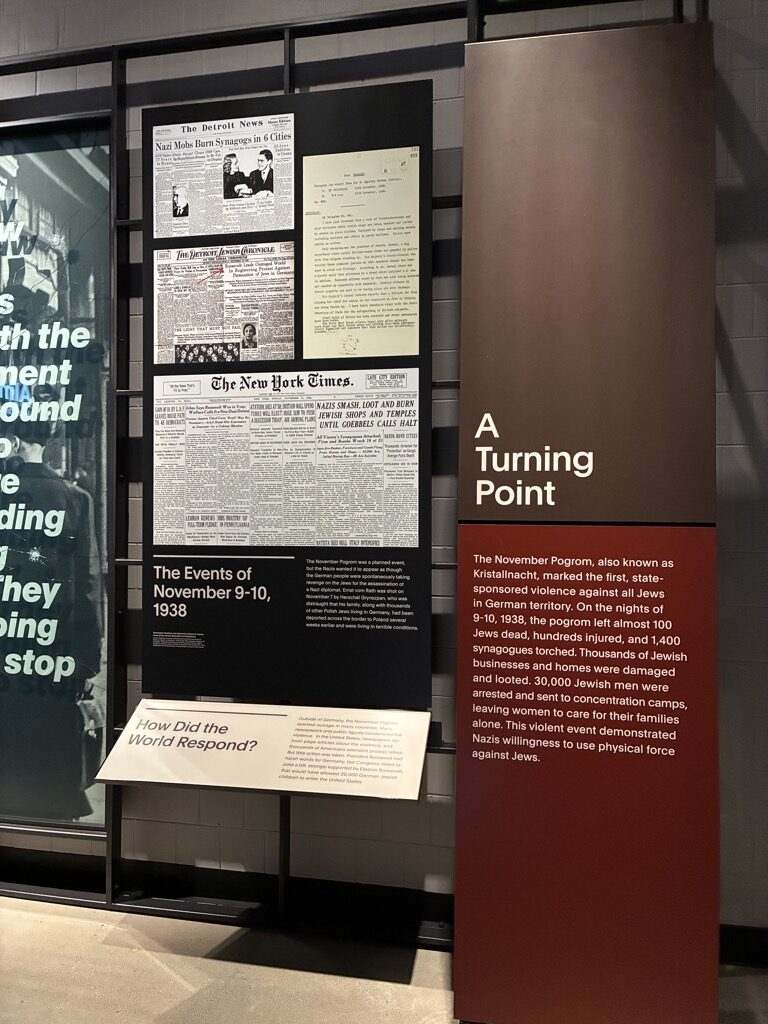
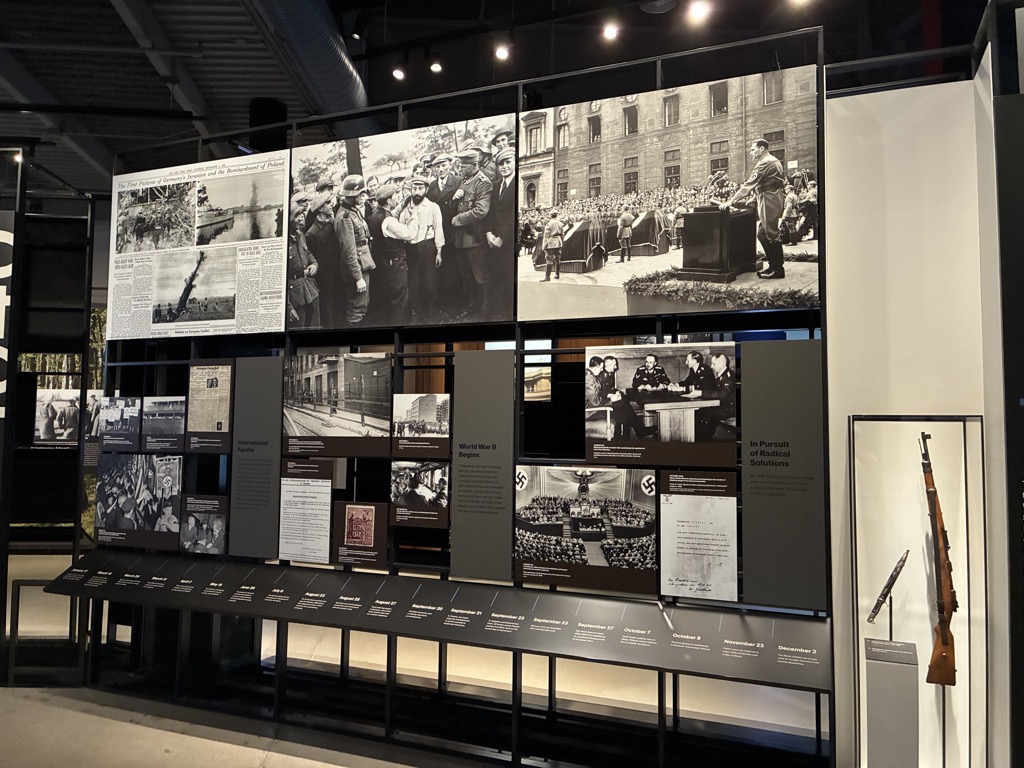
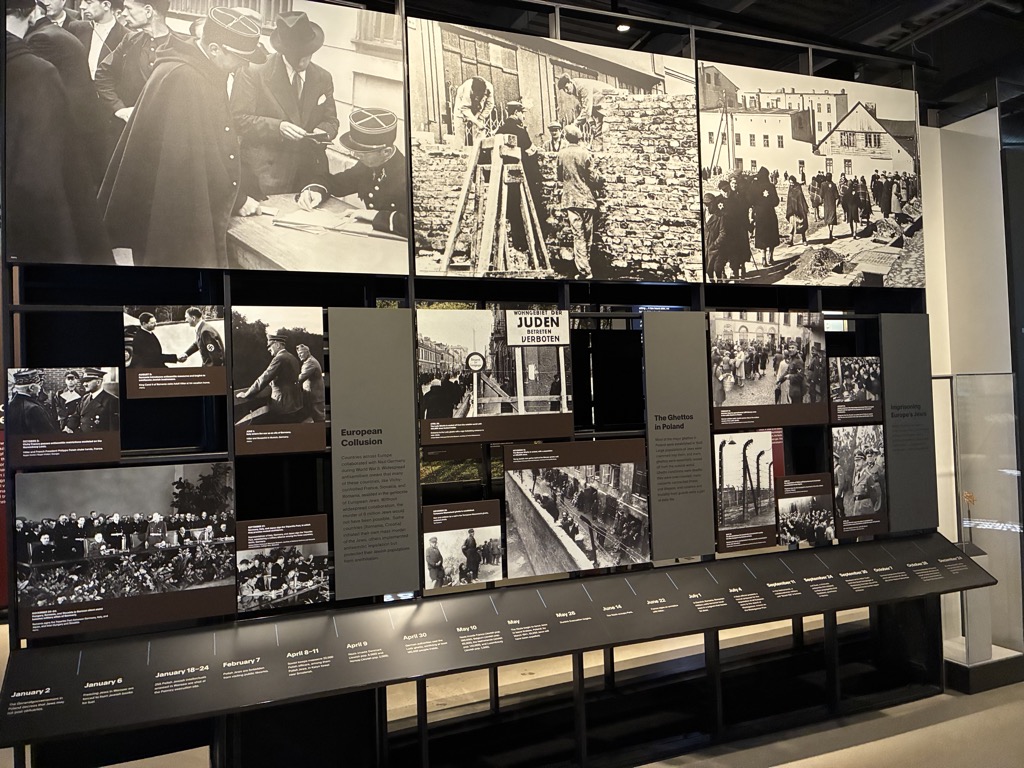
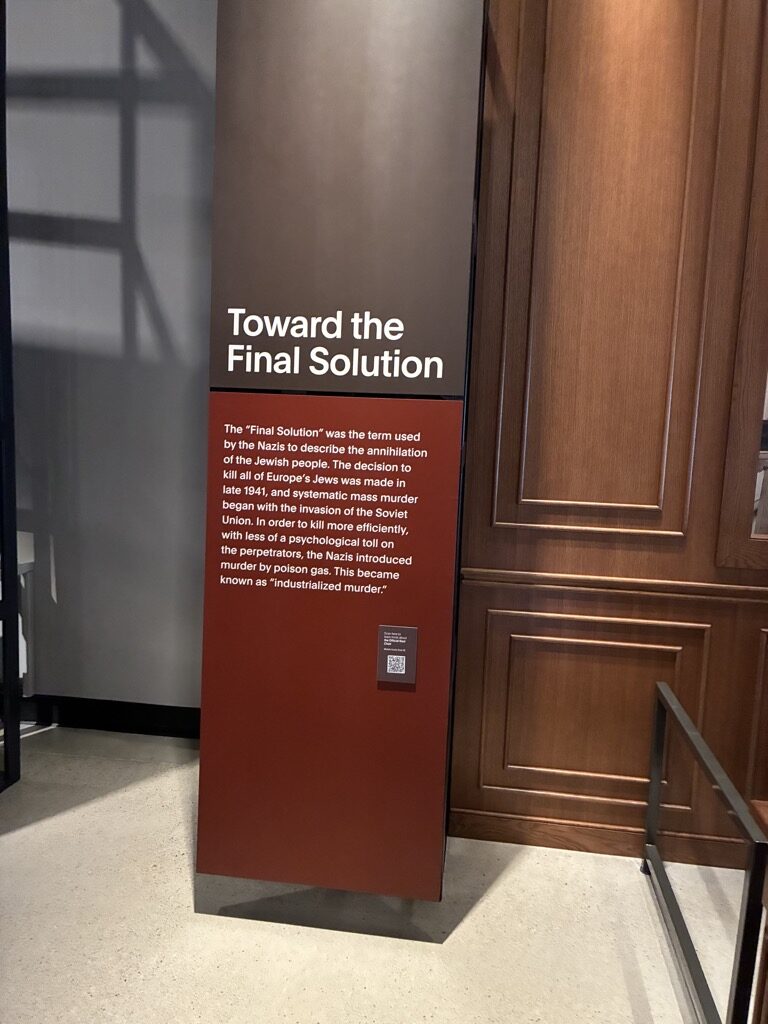
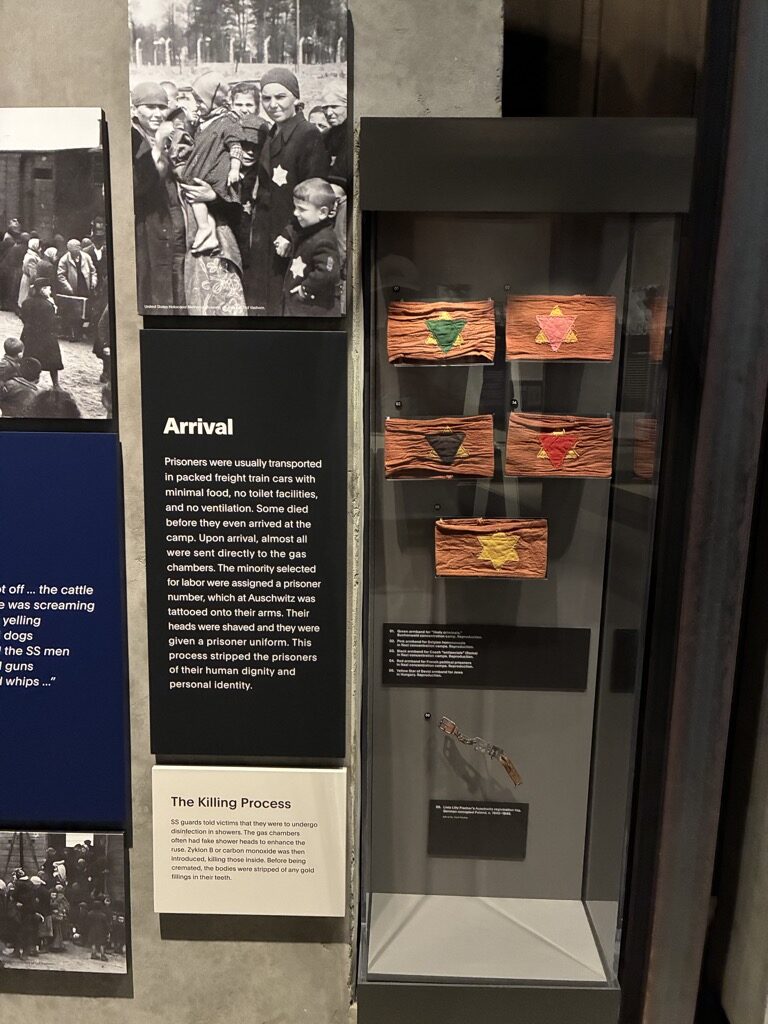
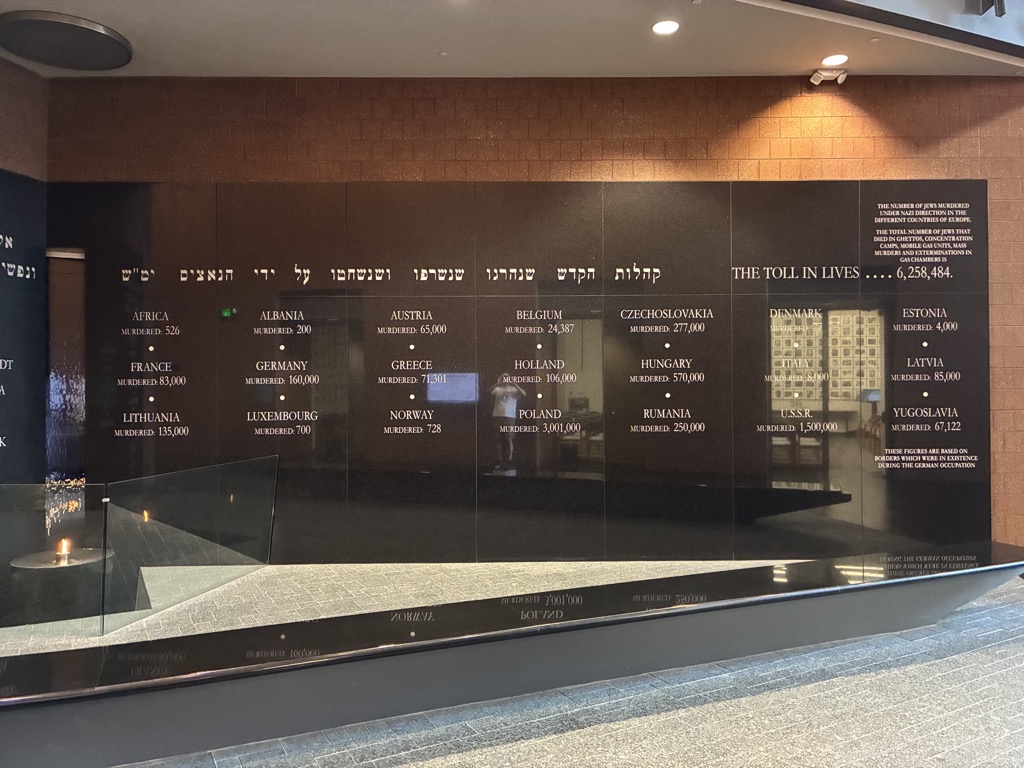
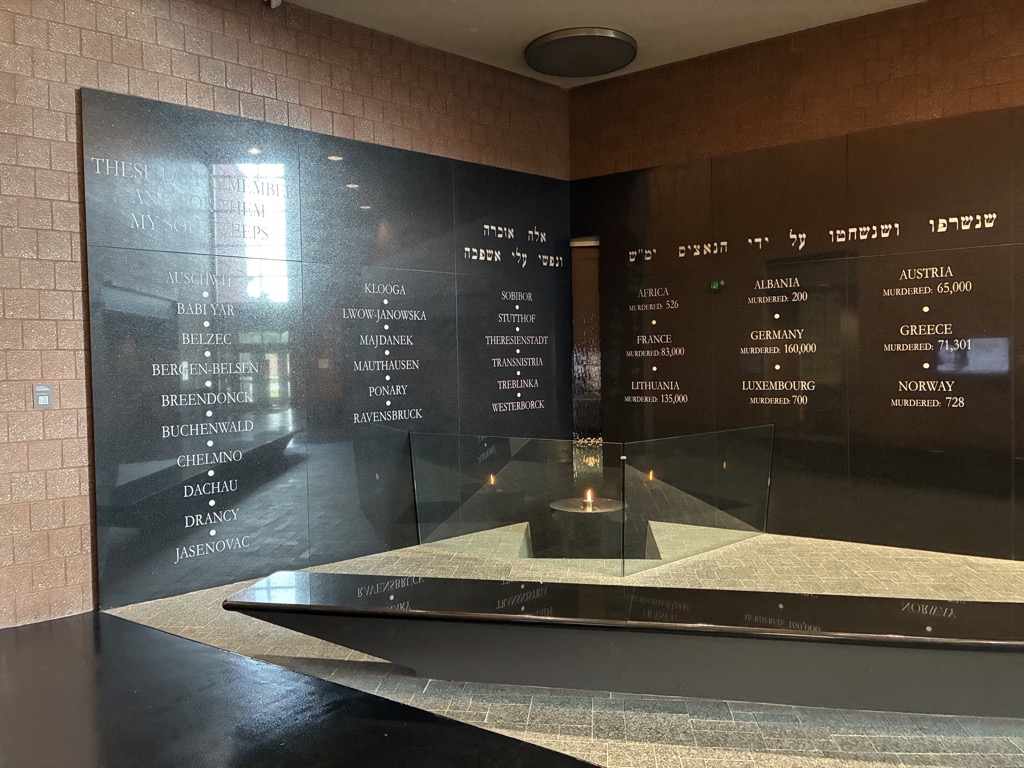
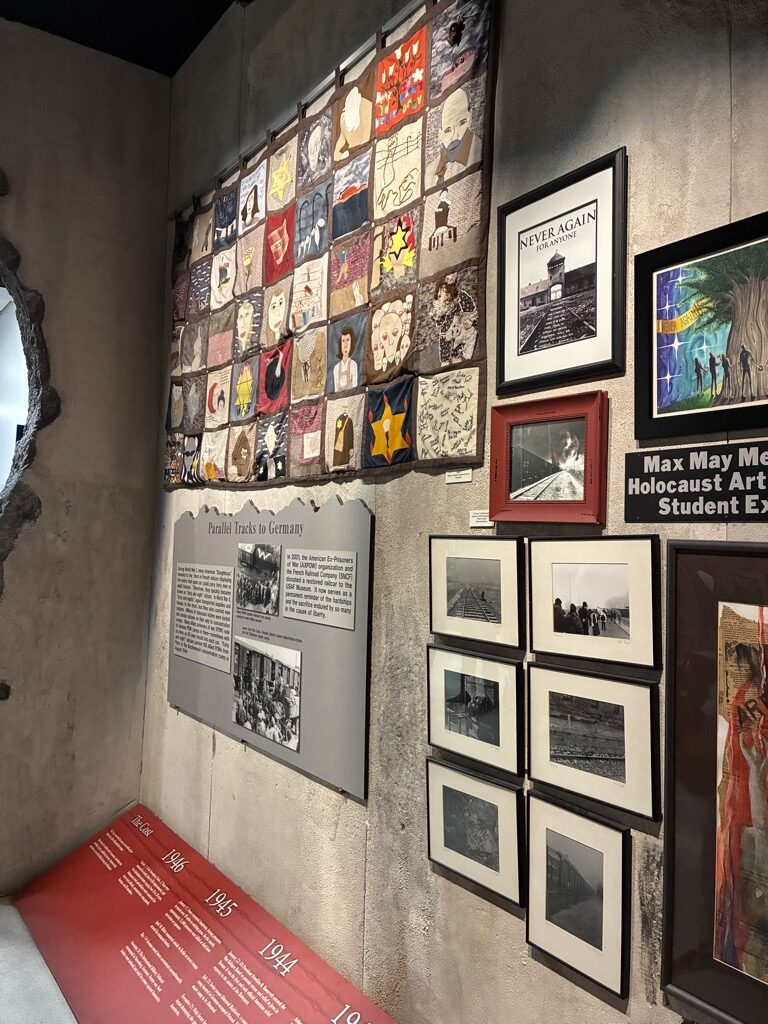
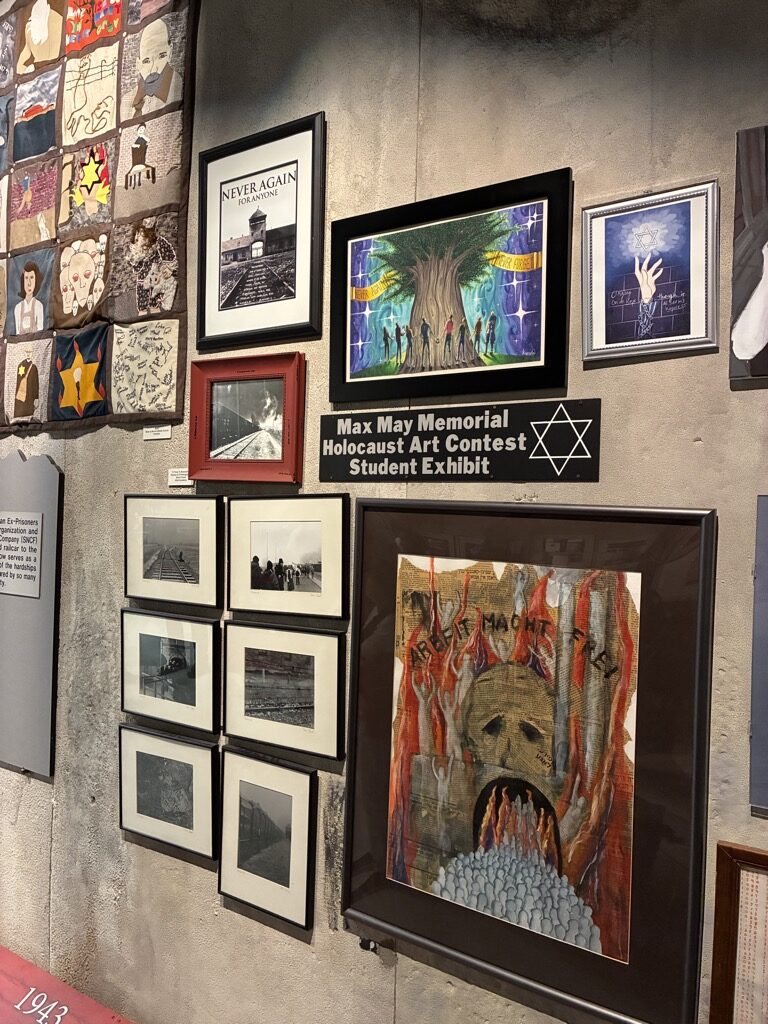
The Holocaust was the systematic, state-sponsored persecution and murder of six million European Jews by the Nazi German regime and its allies and collaborators. The Nazis also persecuted and killed millions of other people, including Roma, people with disabilities, Poles, Soviet prisoners of war, LGBTQ+ people, political opponents, and others.
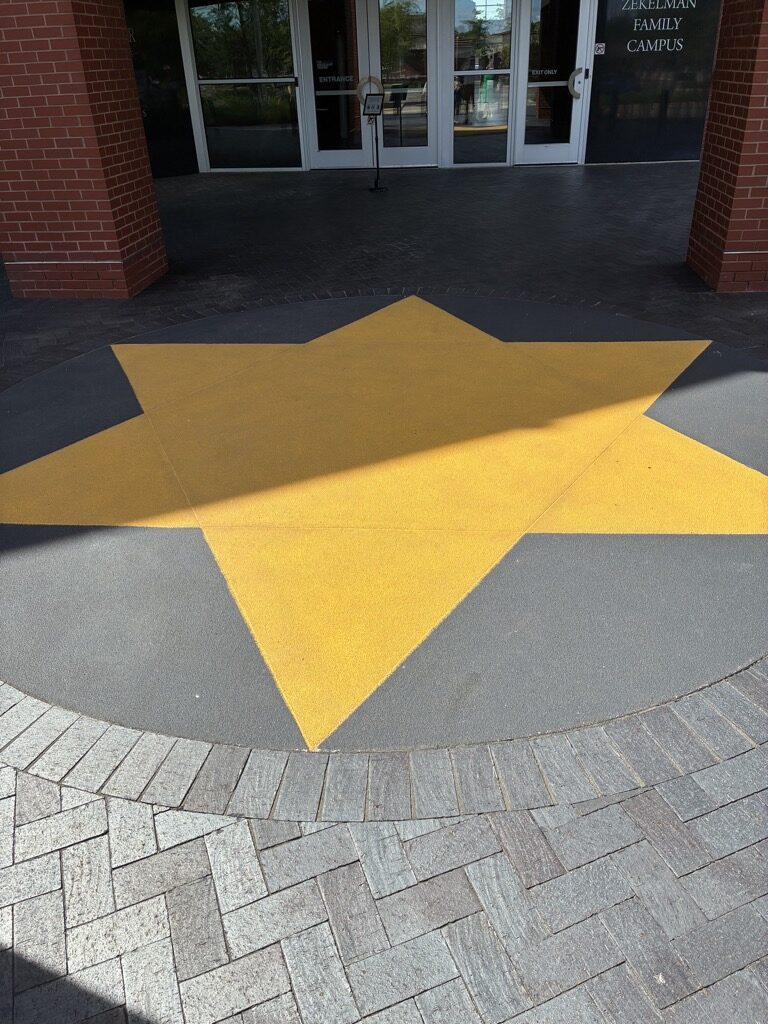
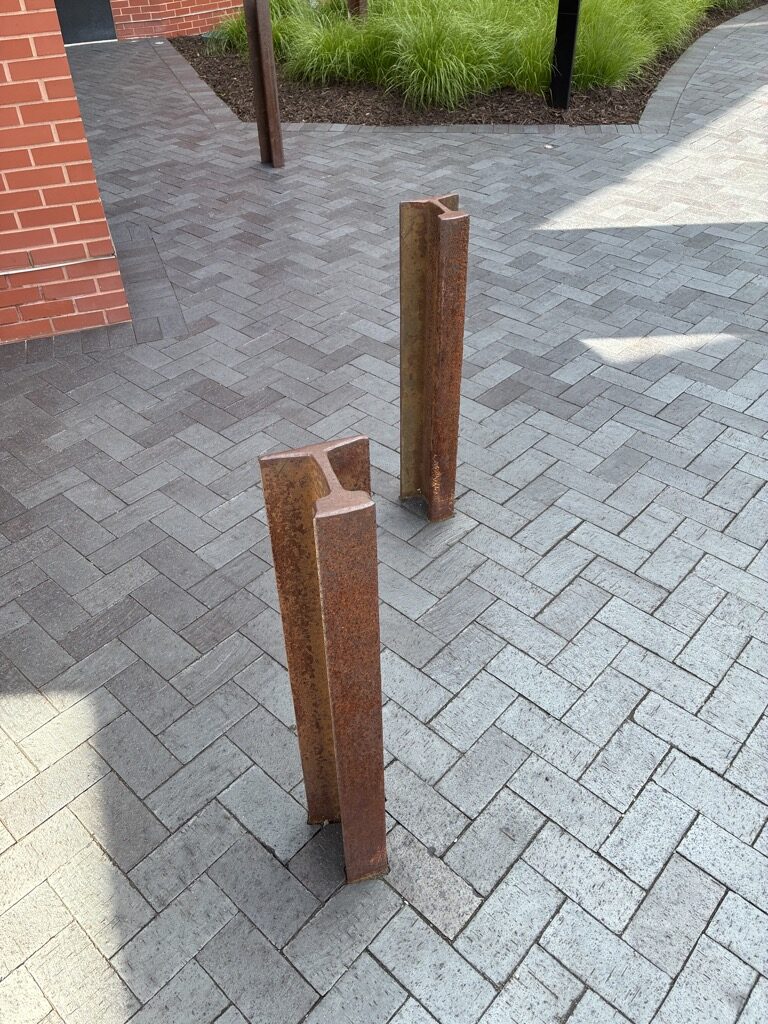
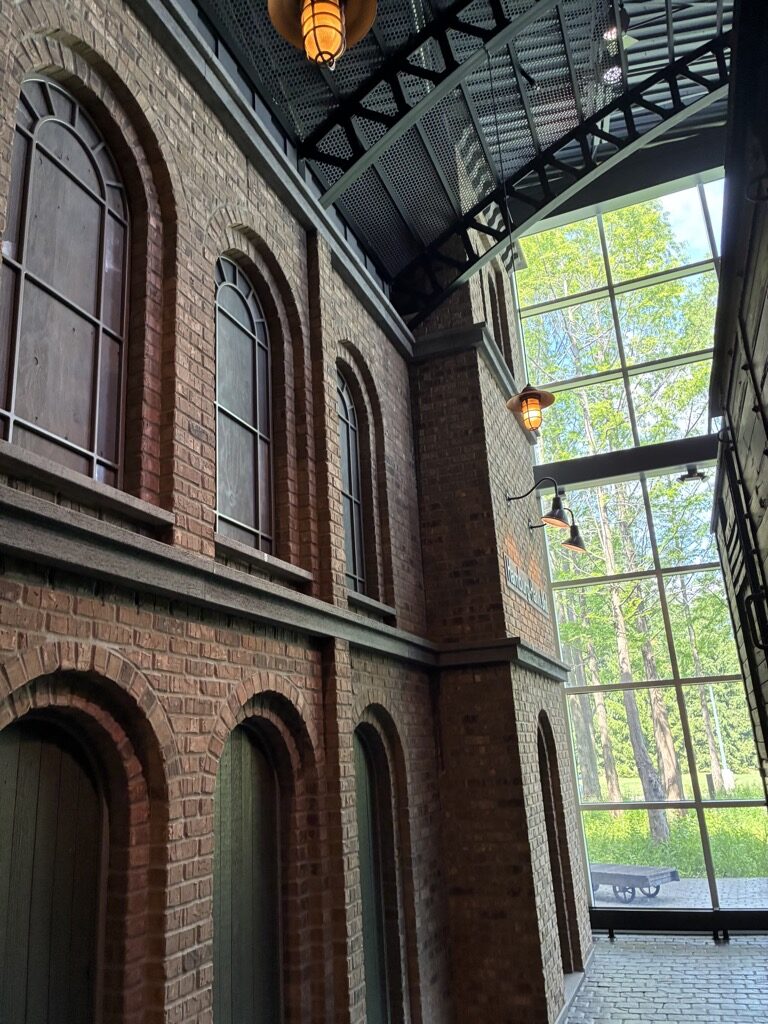
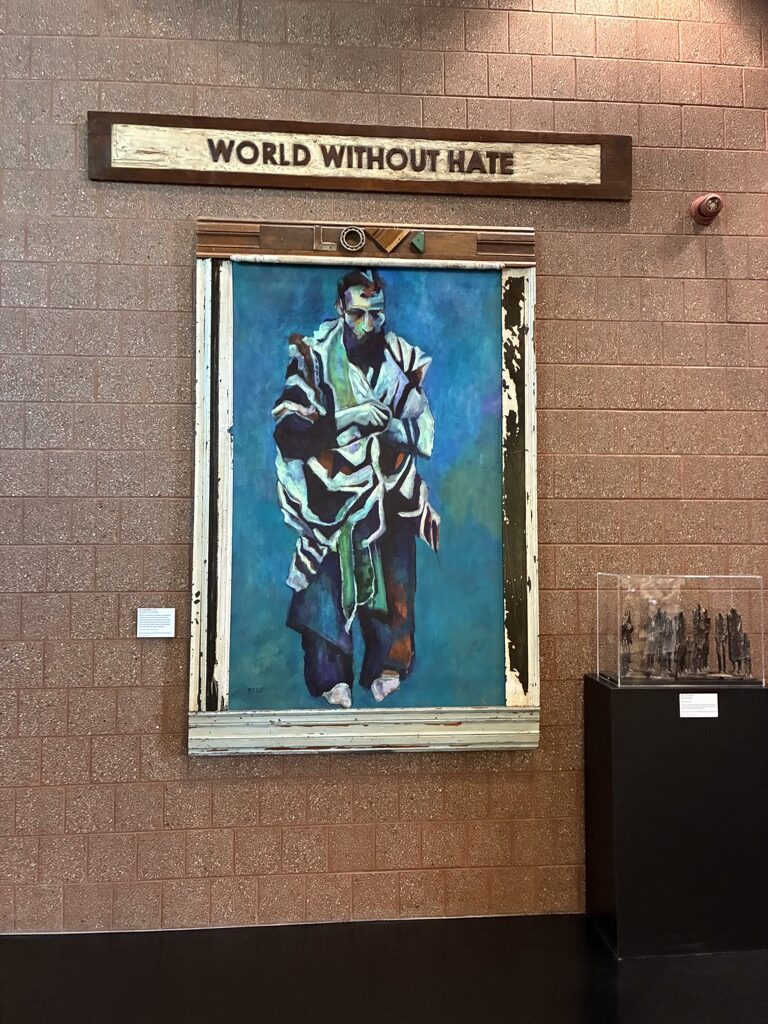
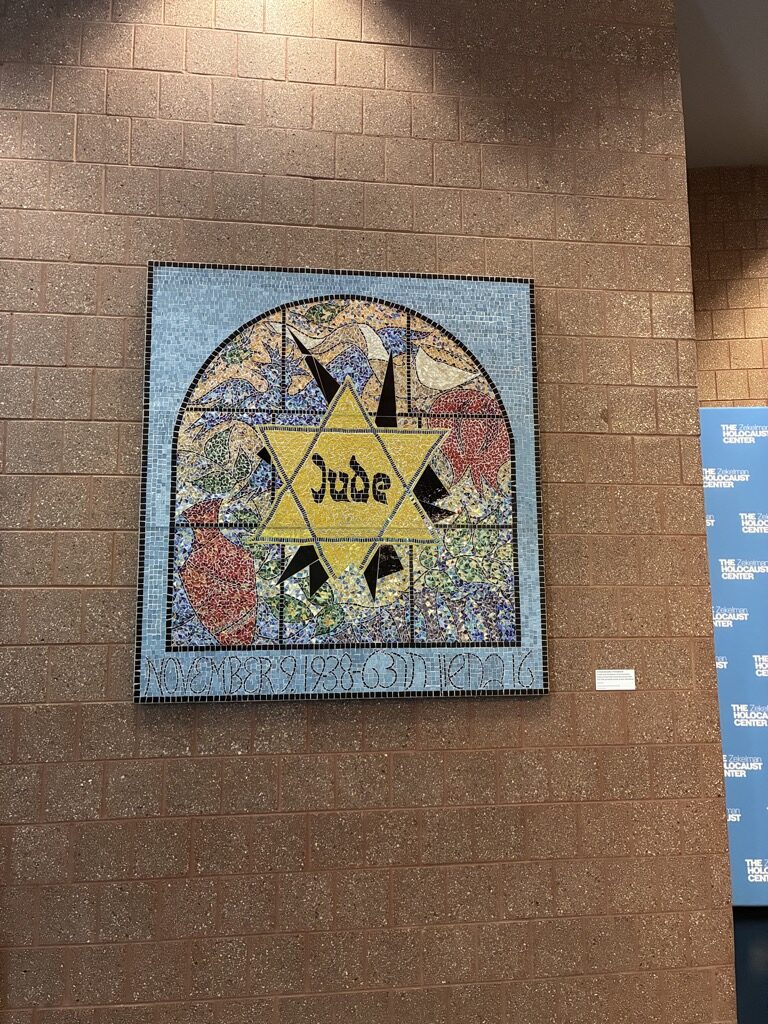
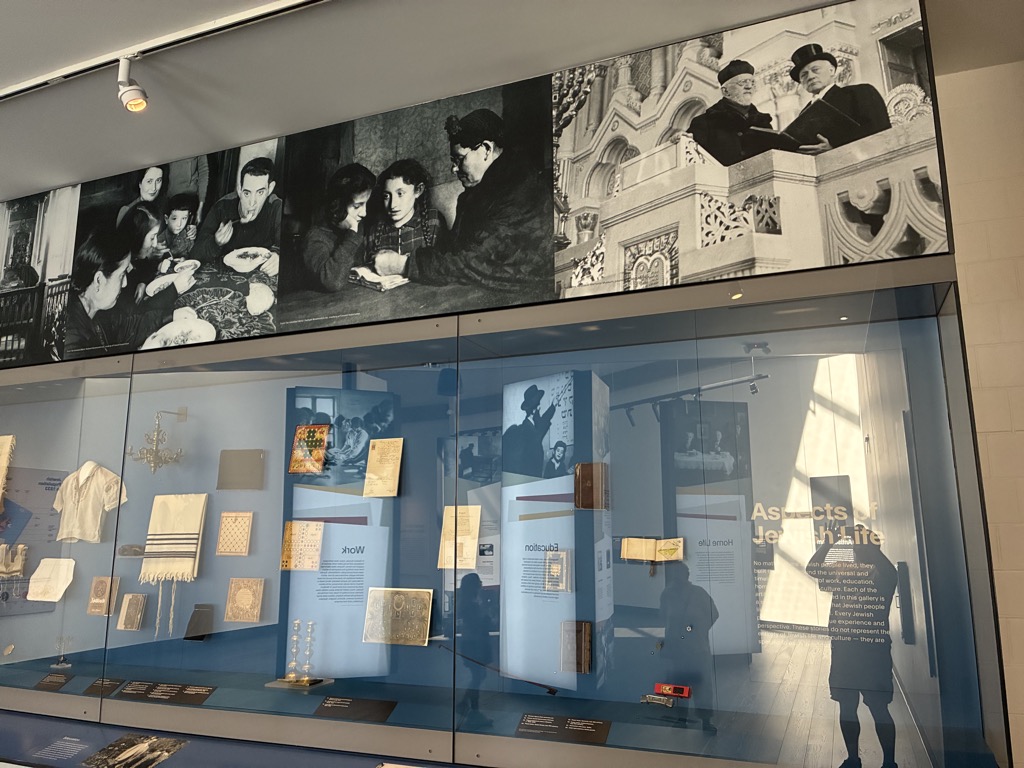
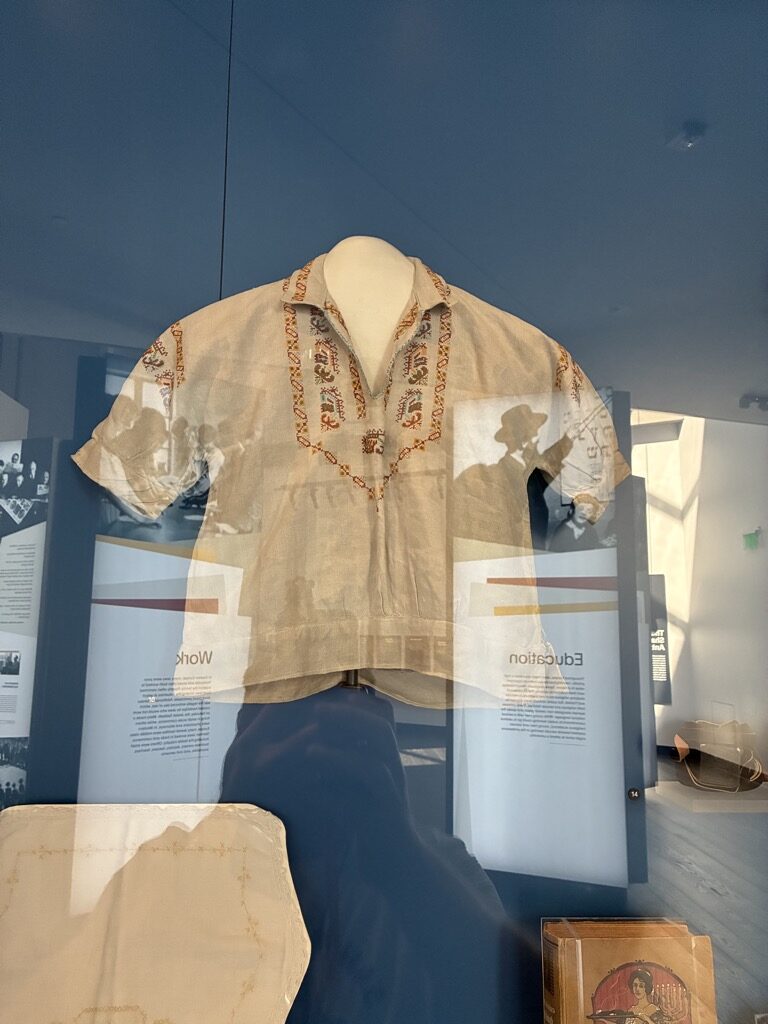
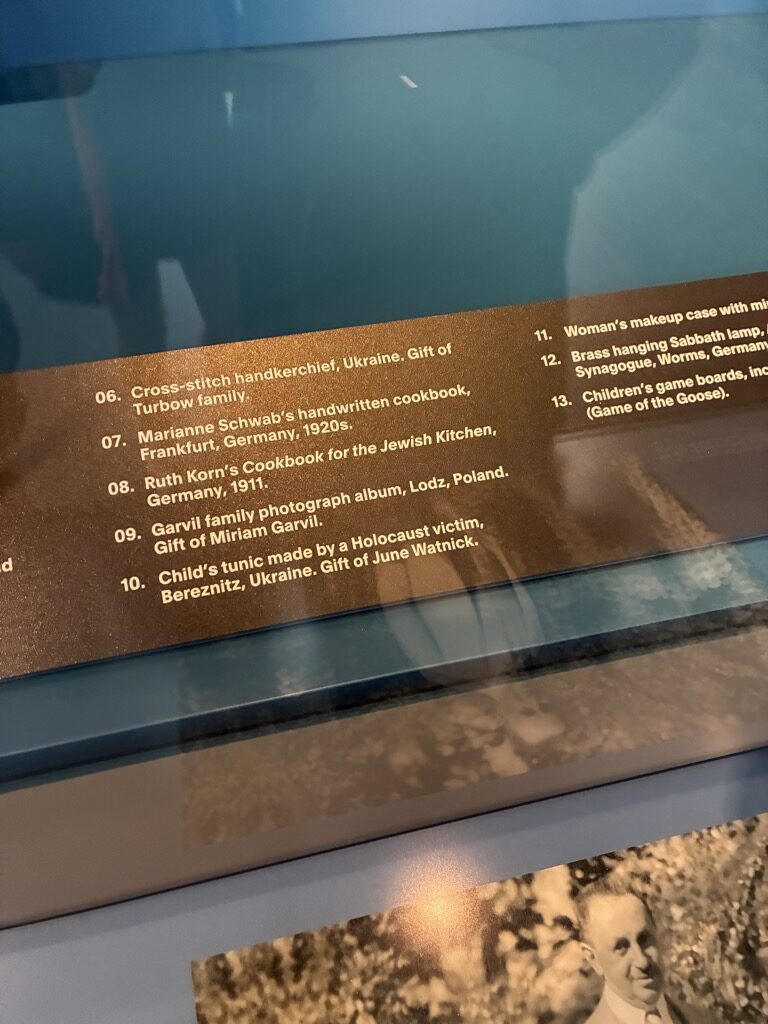
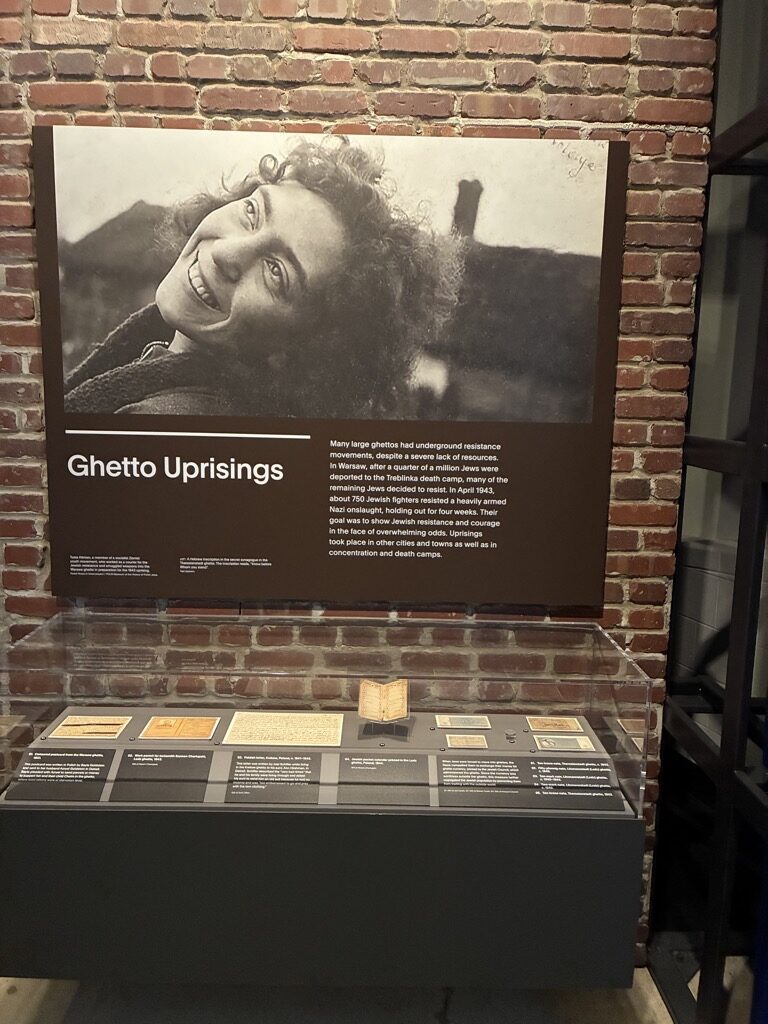
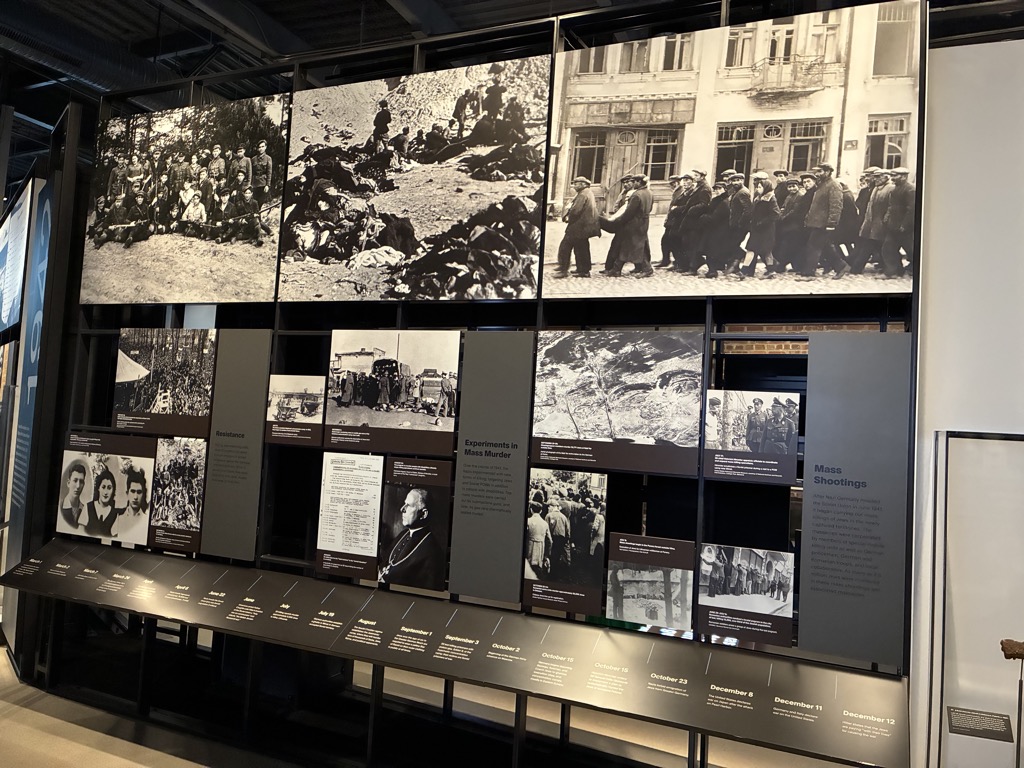
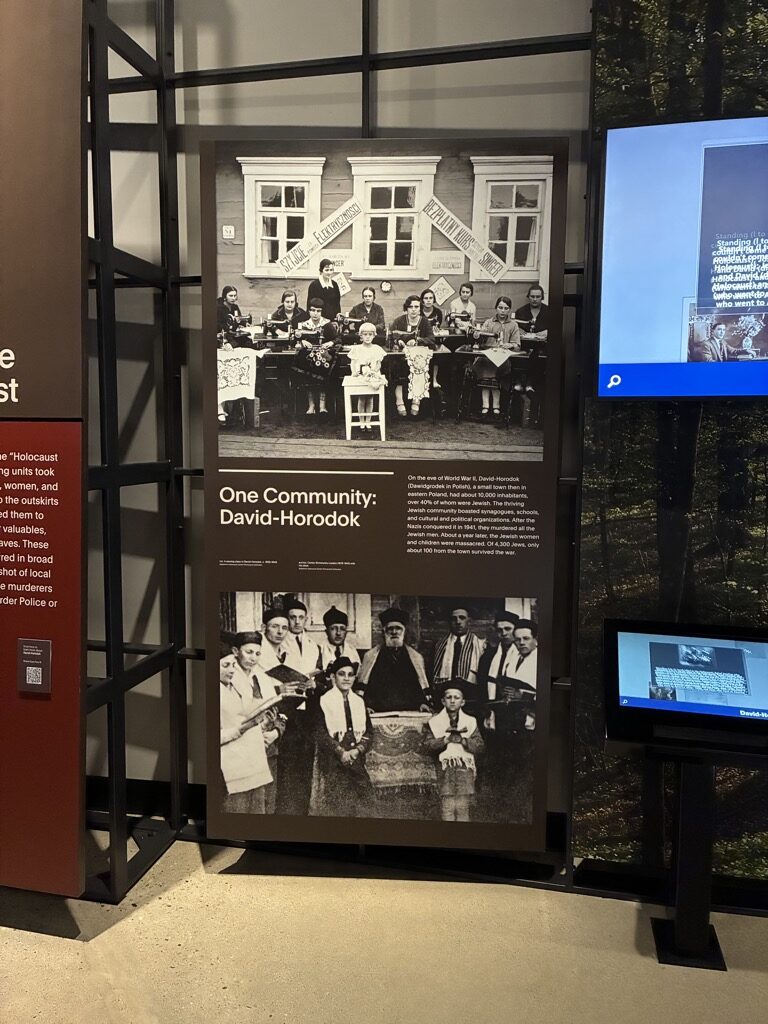
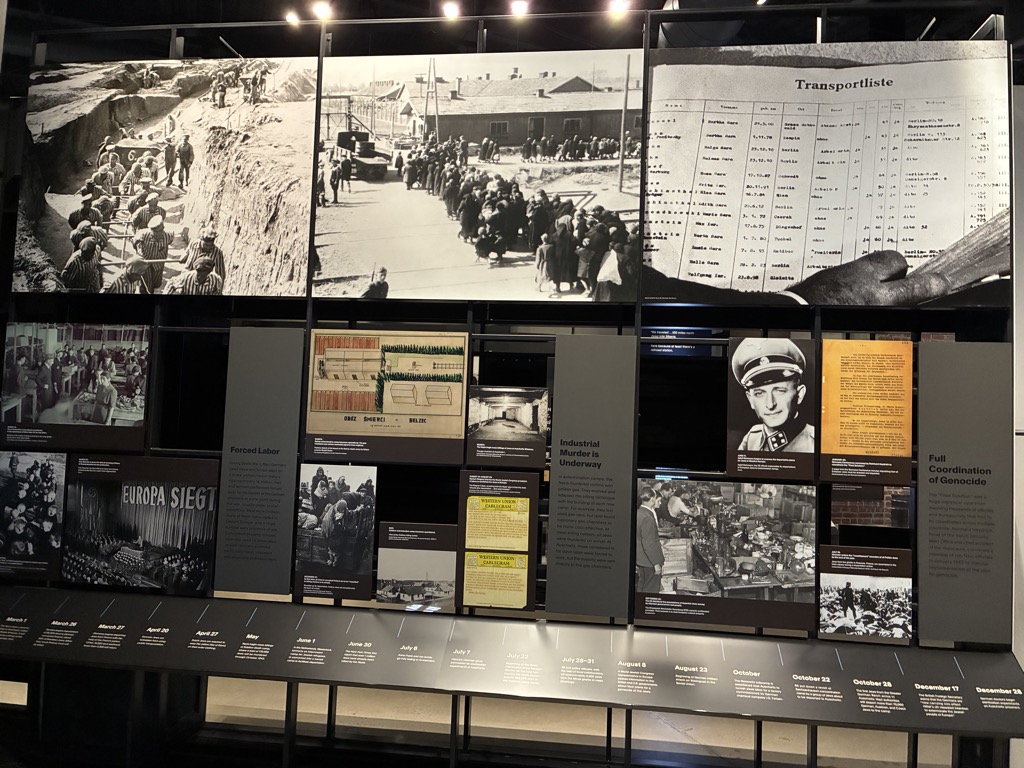
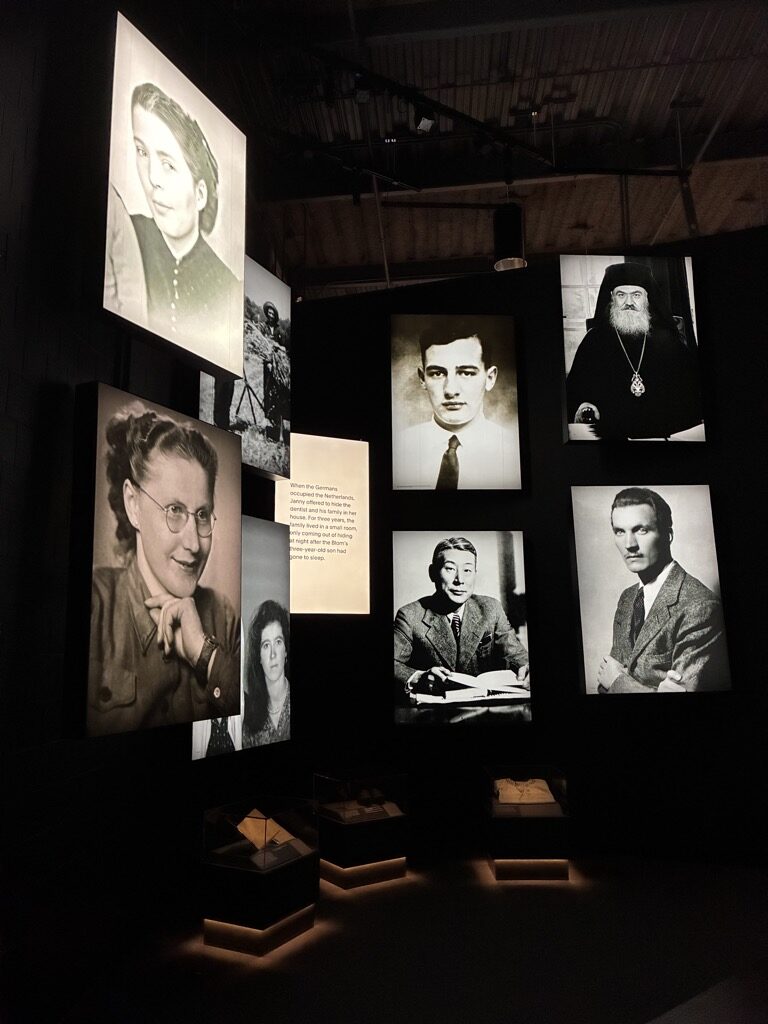
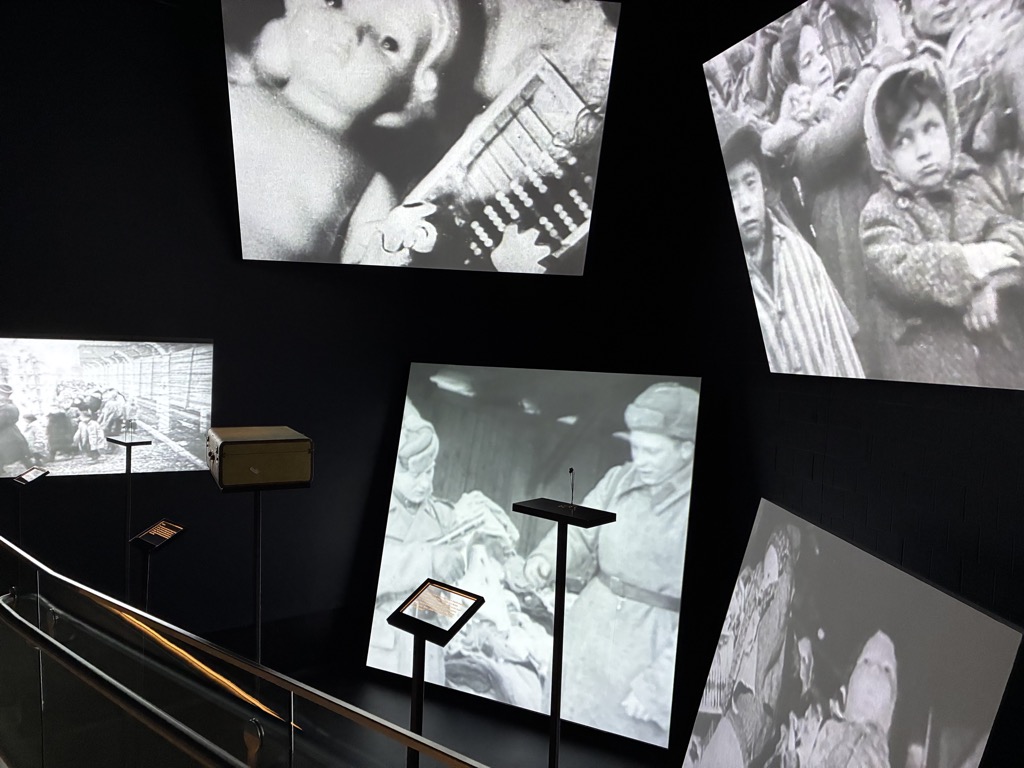
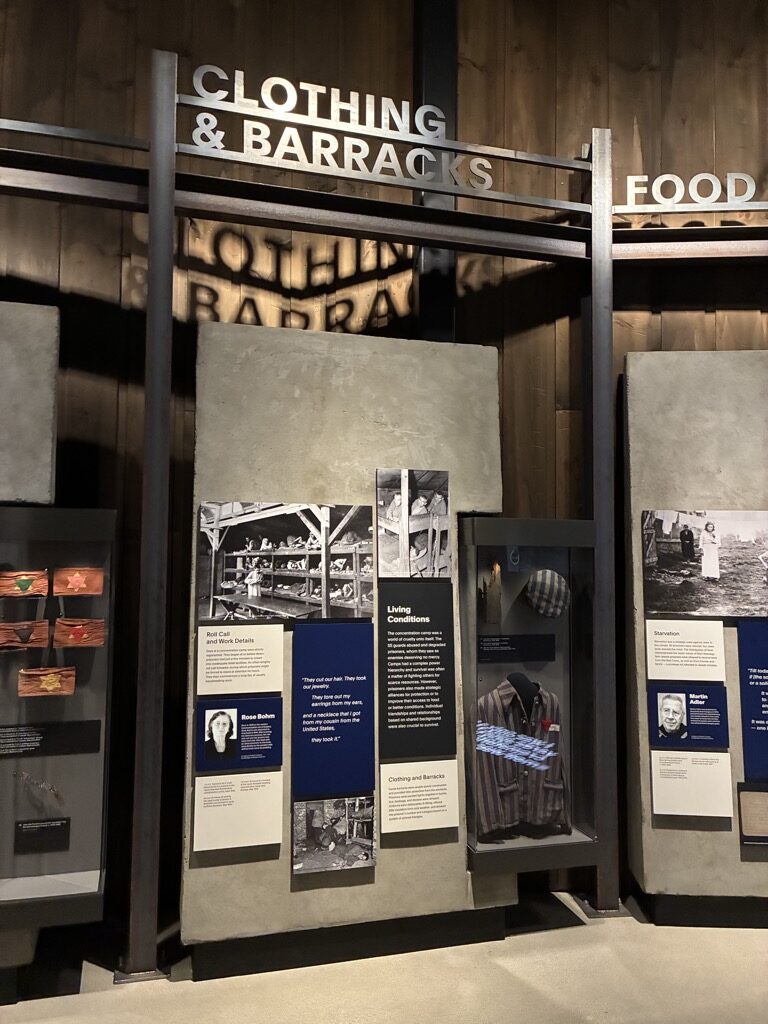
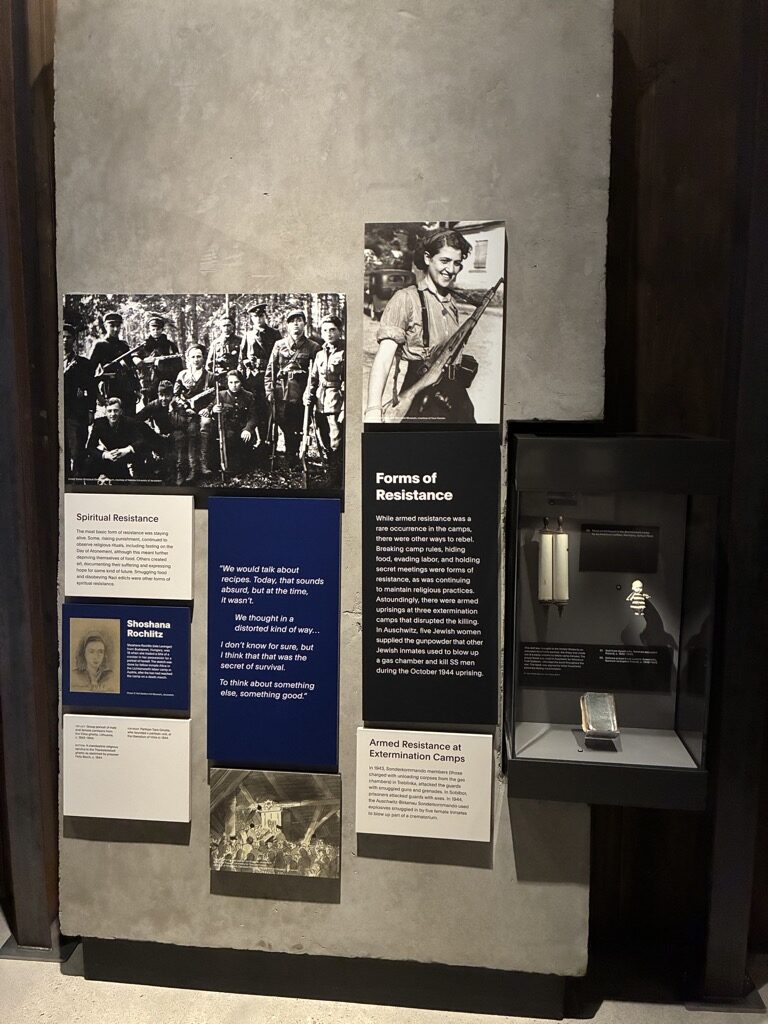
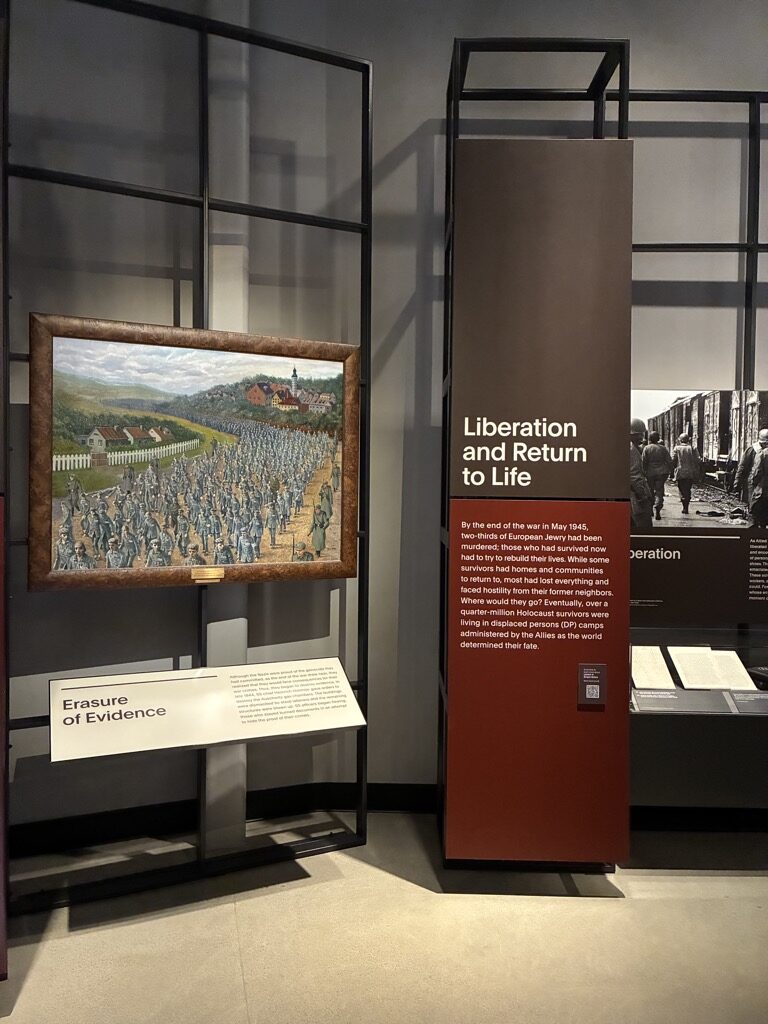
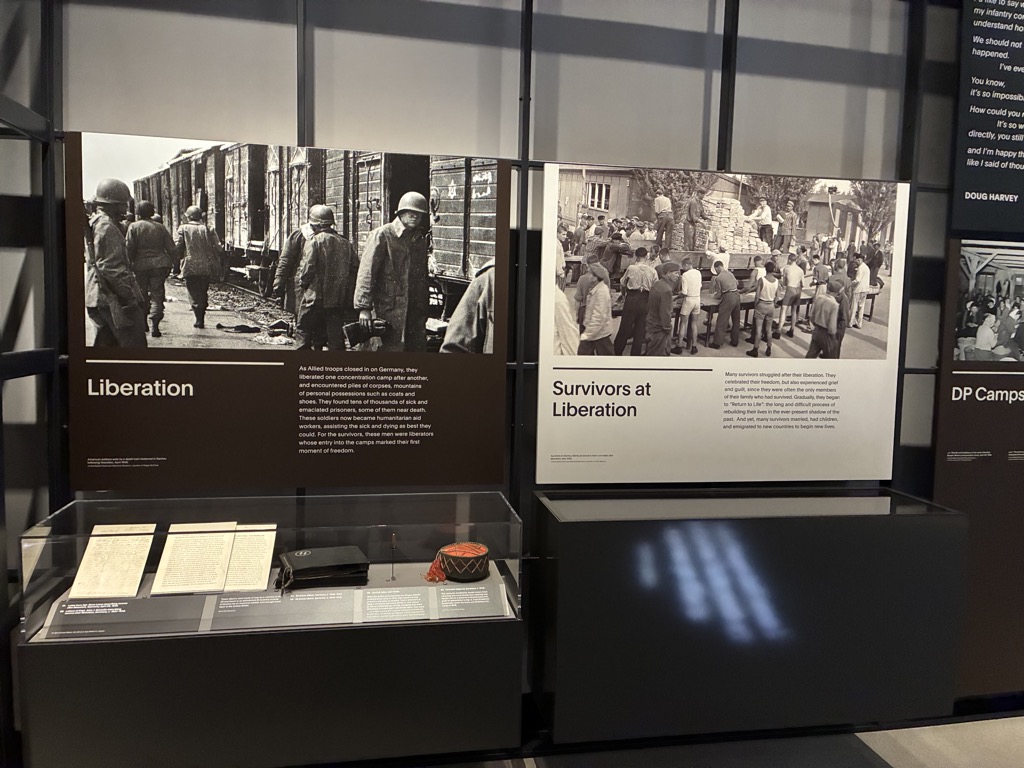
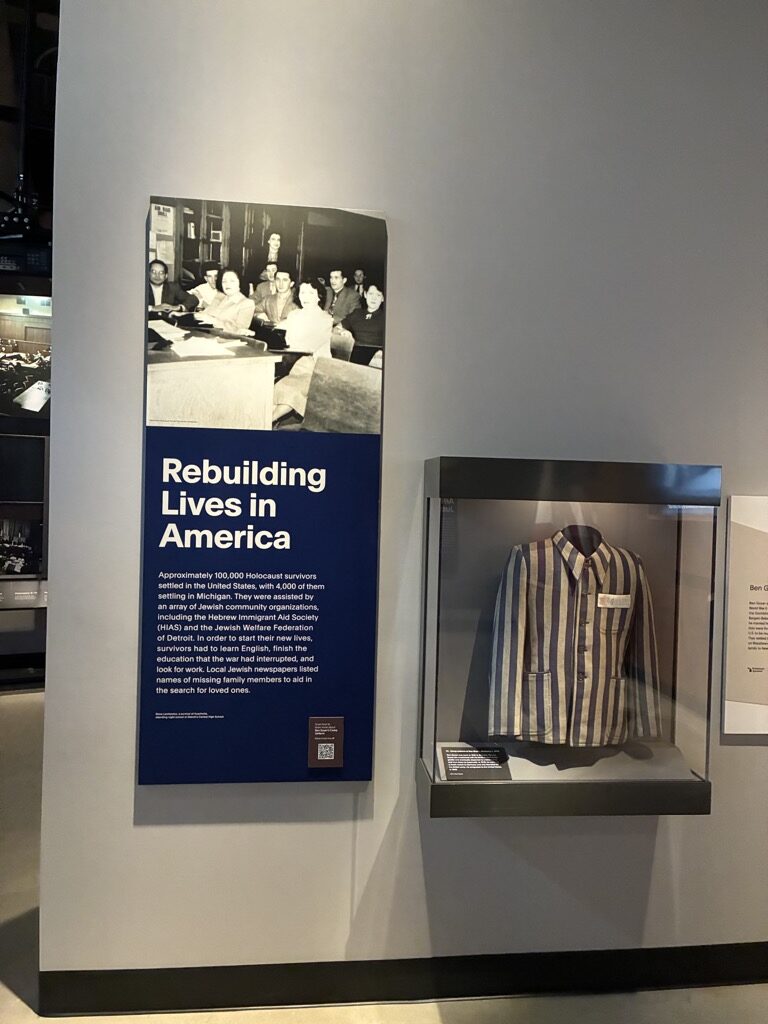
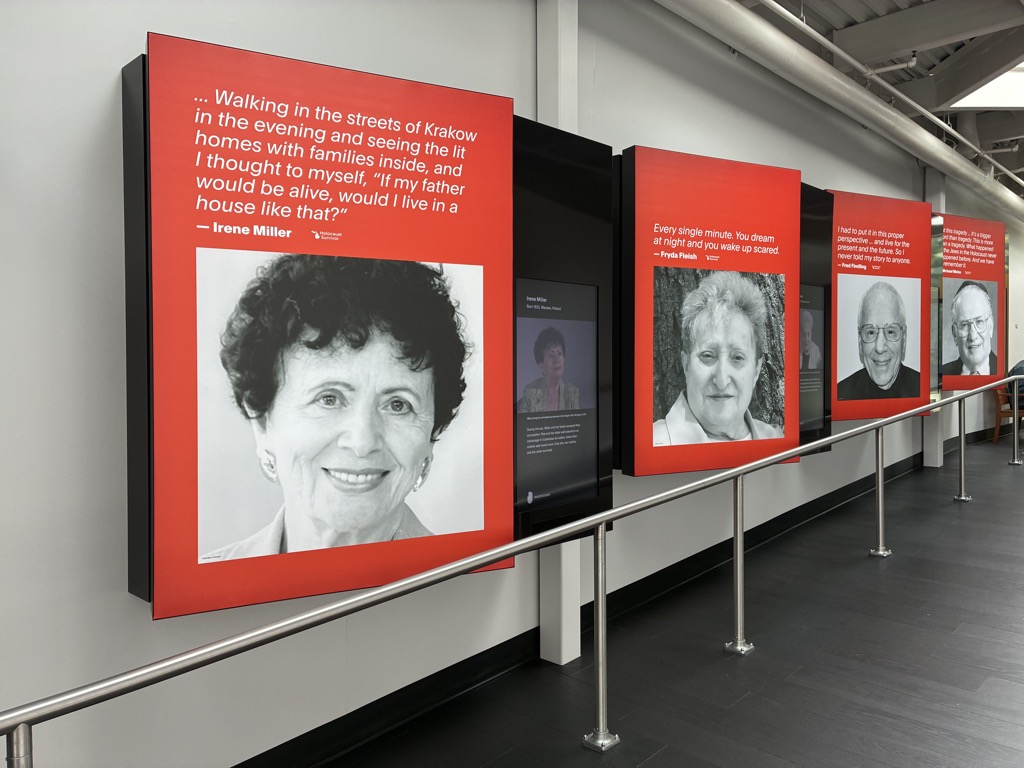
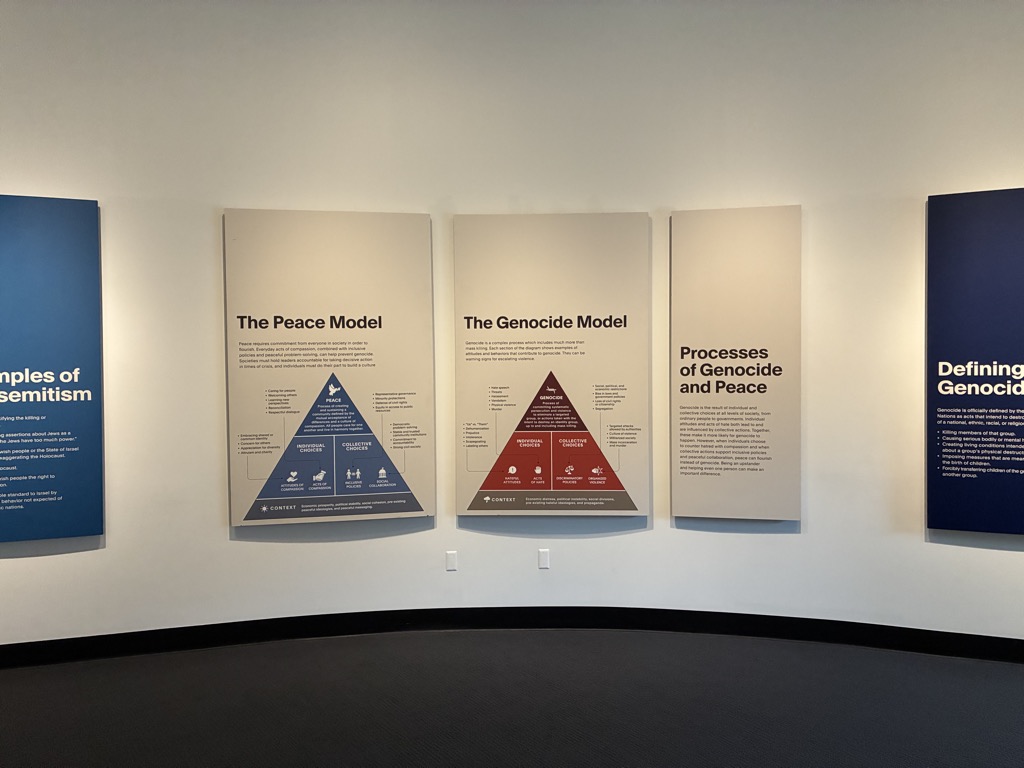
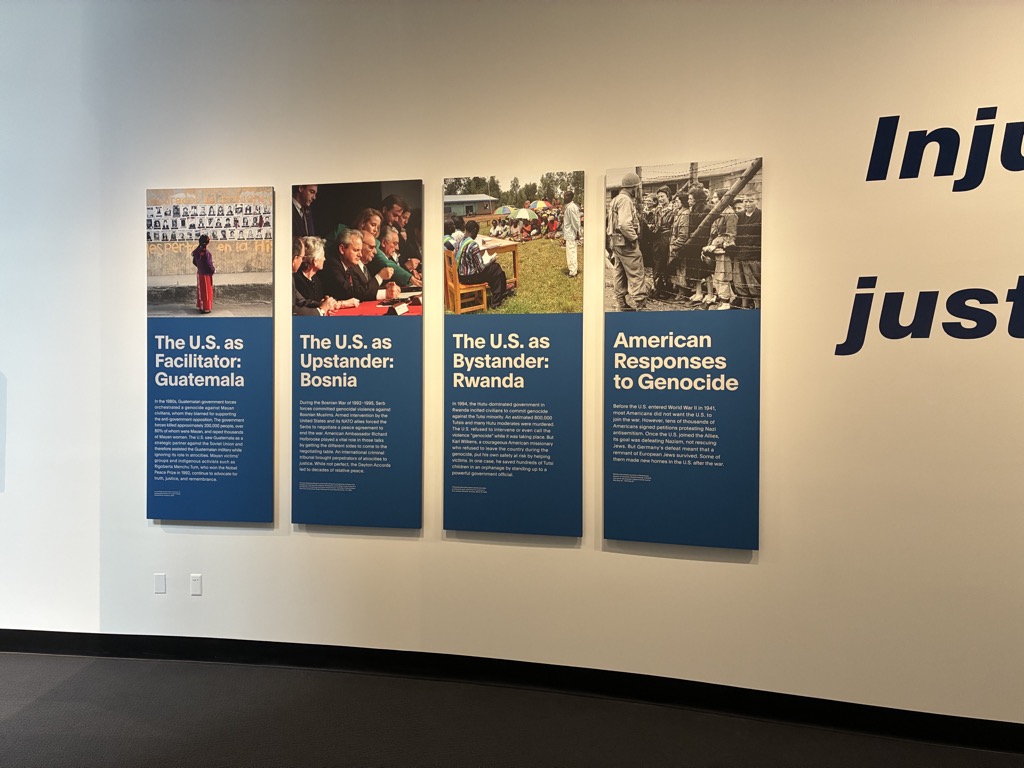
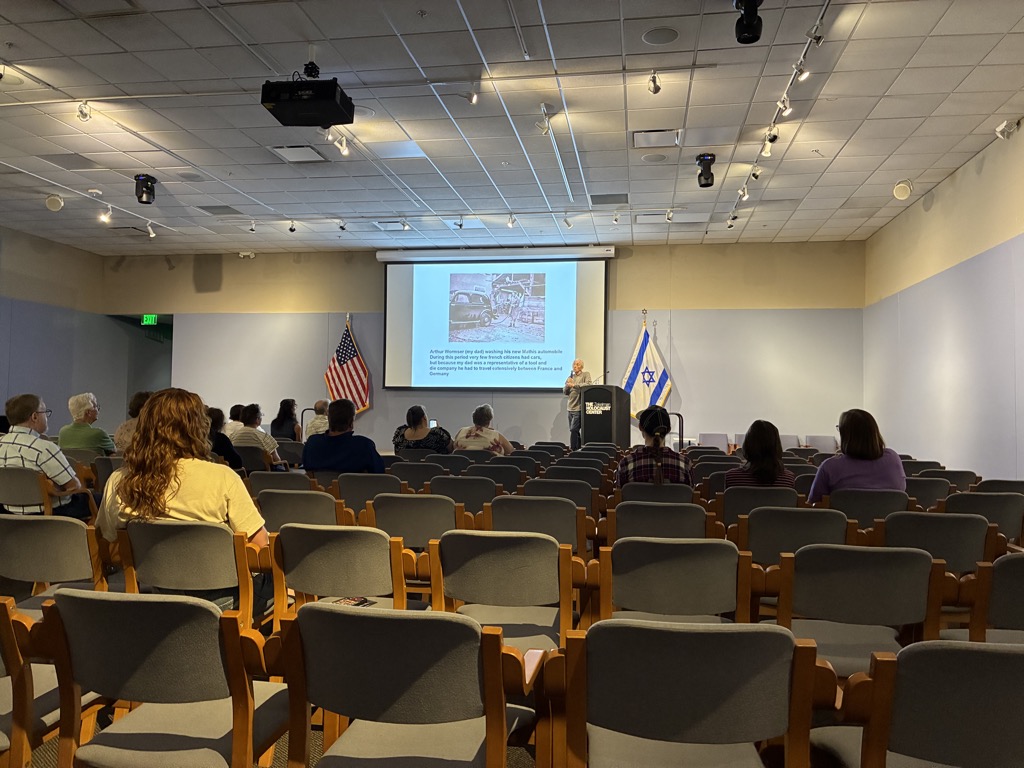
Last week I visited the first freestanding Holocaust museum in the USA – The Zekelman Holocaust Center. While I knew the history and horrors in general terms, it was enlightening to learn more. I especially enjoyed listening to an old-timer who was around as a very young boy and lived through the occupation of France. Given a chance, I recommend everyone spend time and visit a Holocaust museum.
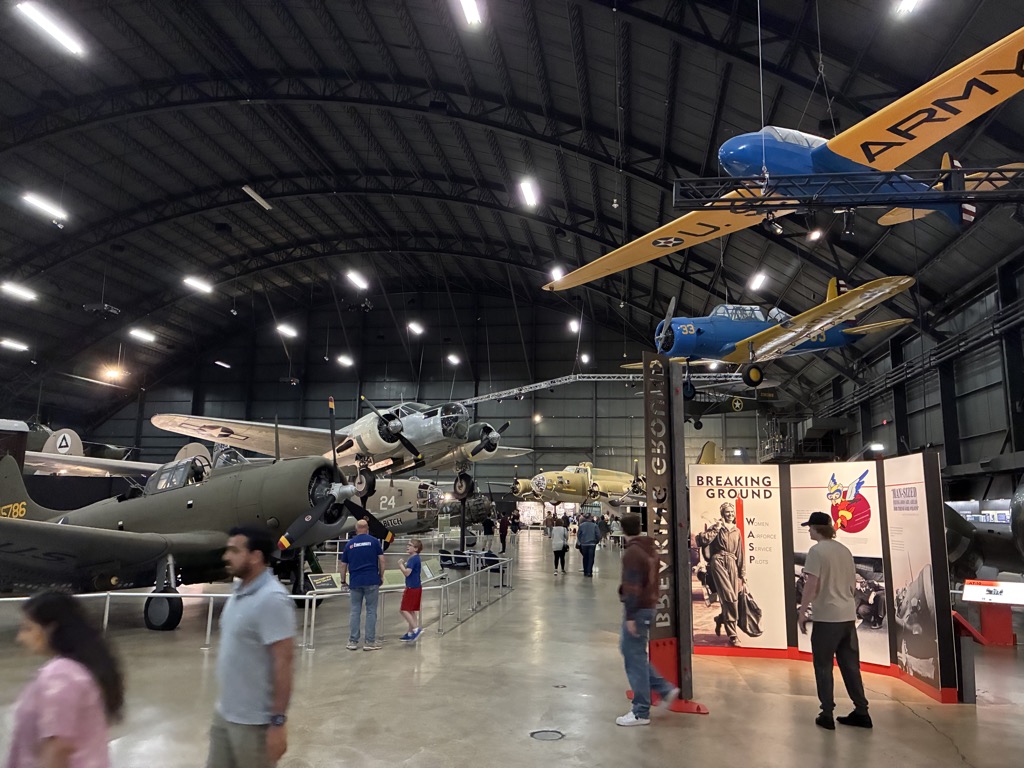
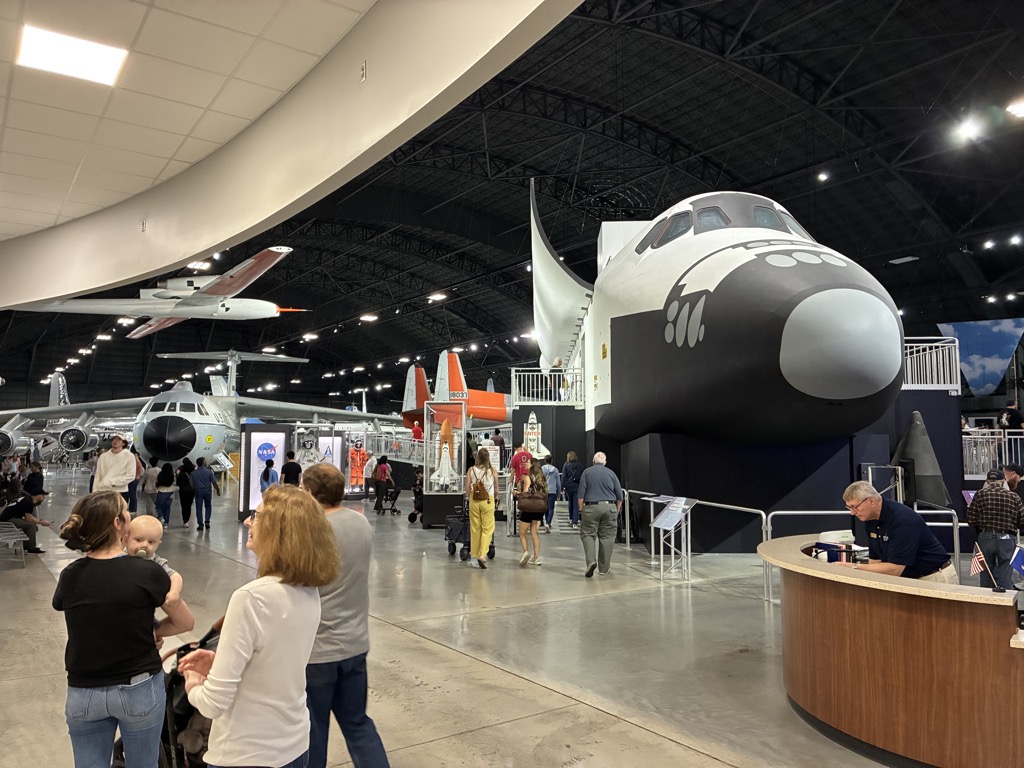
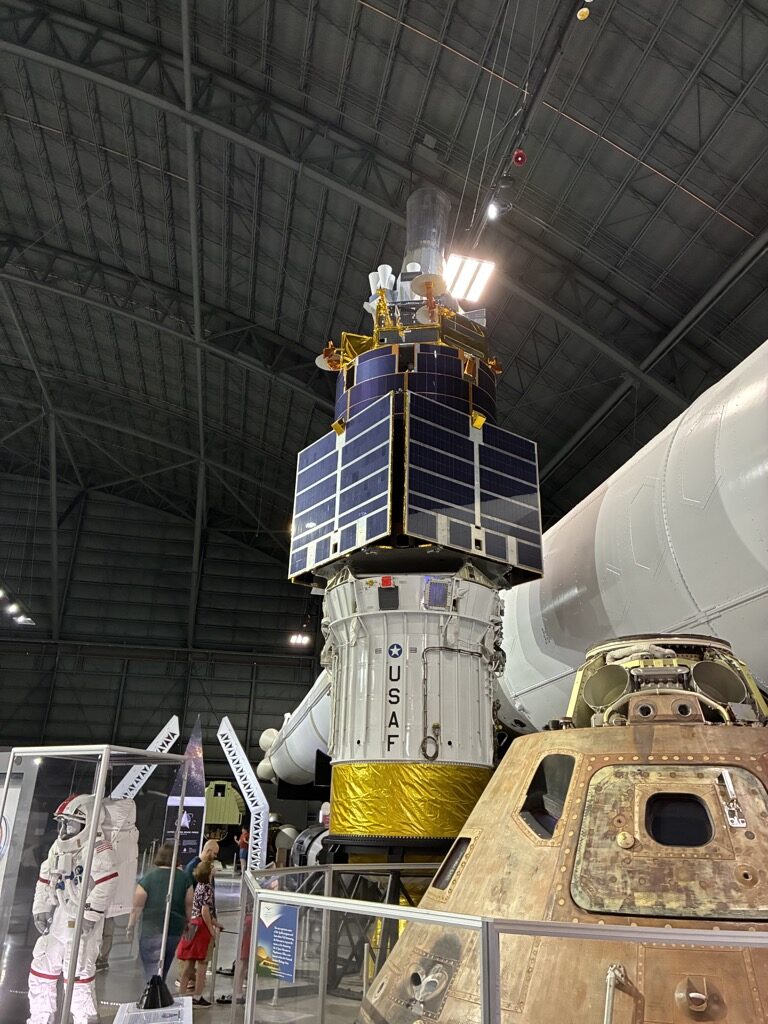
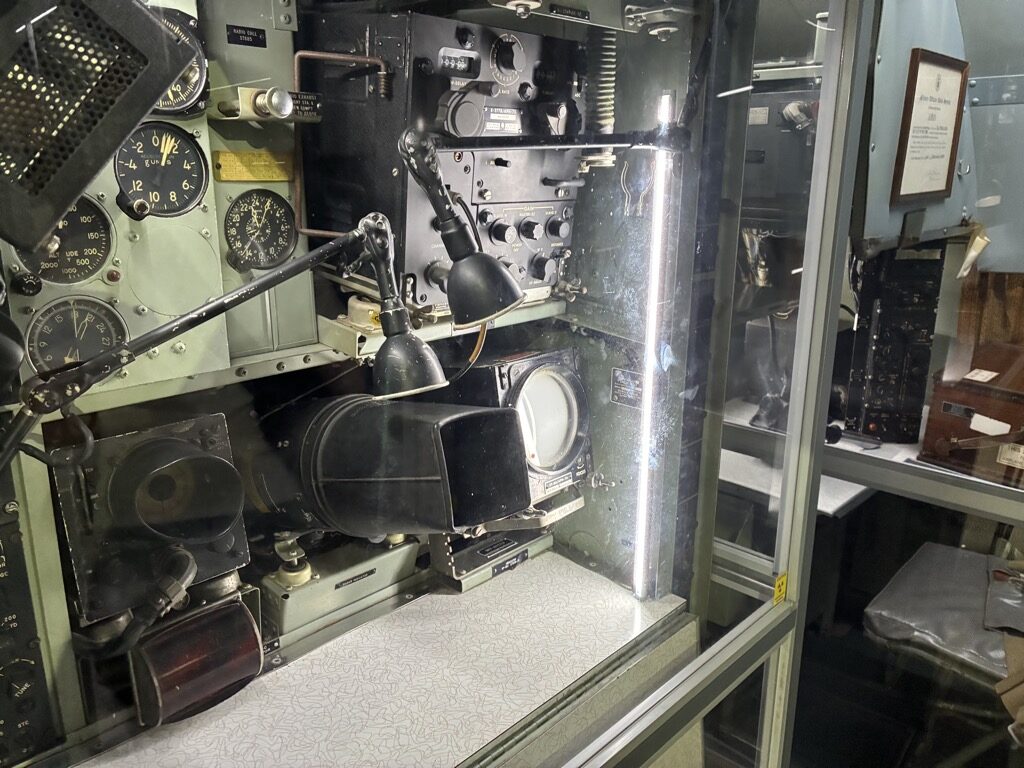
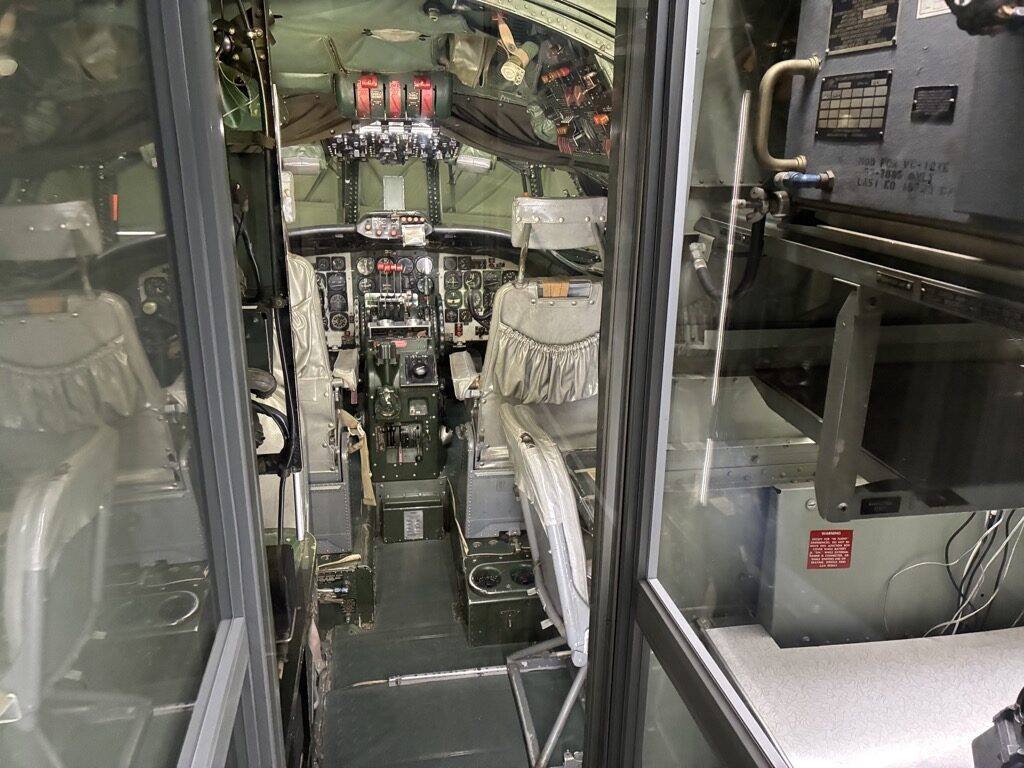
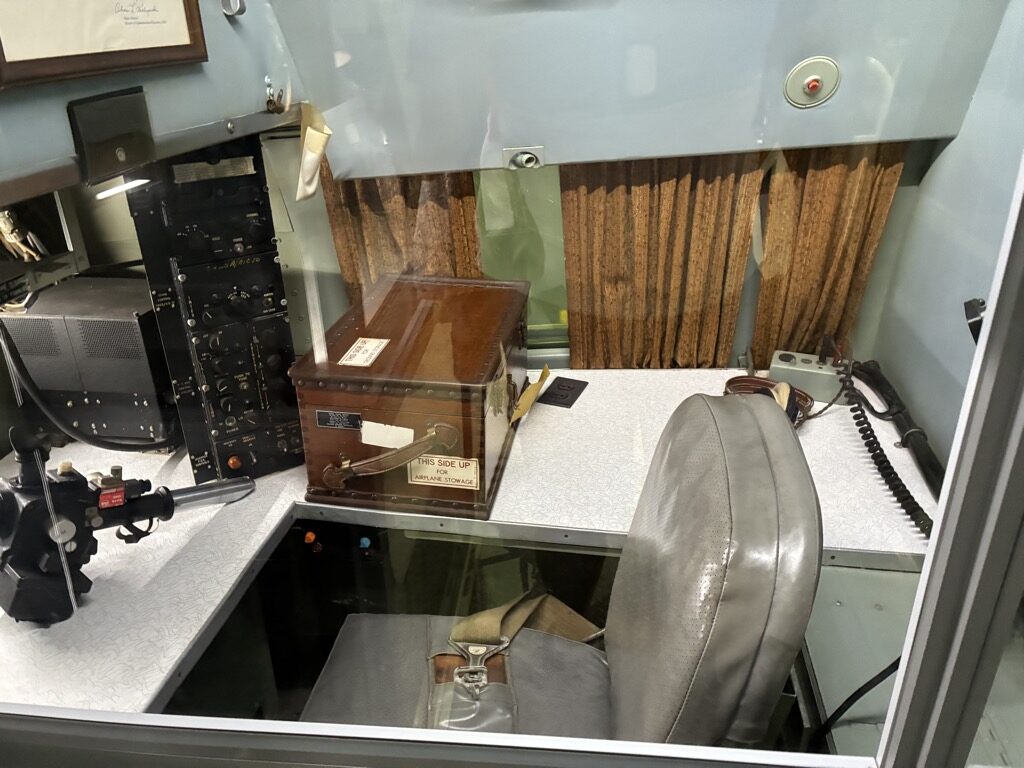
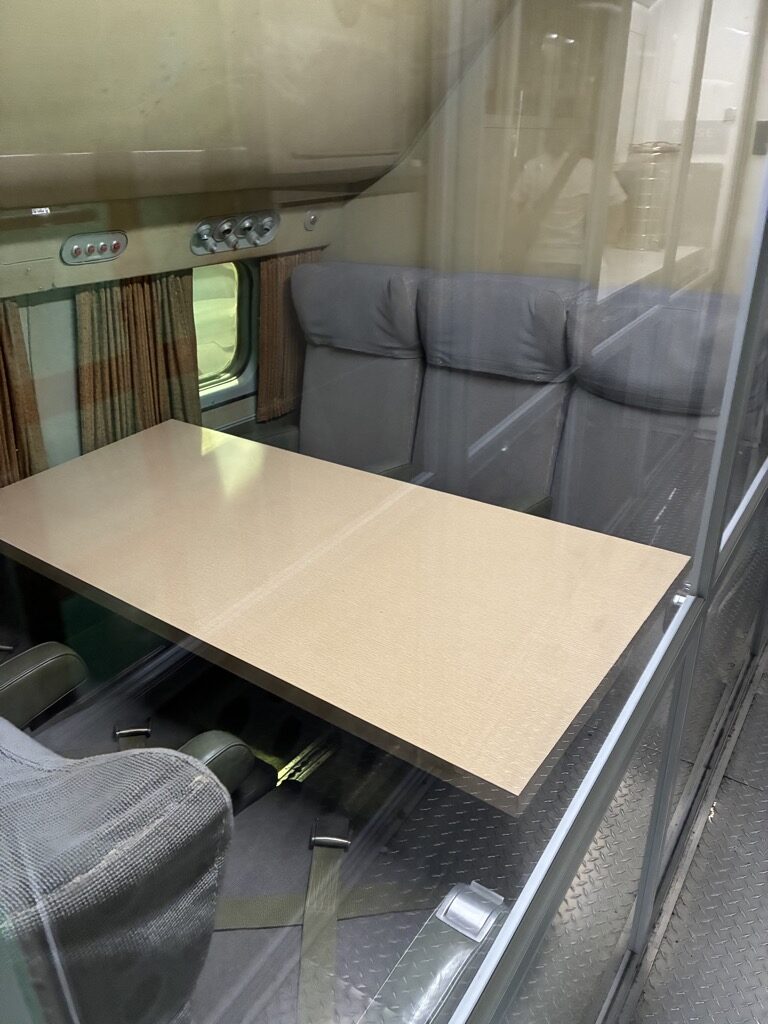
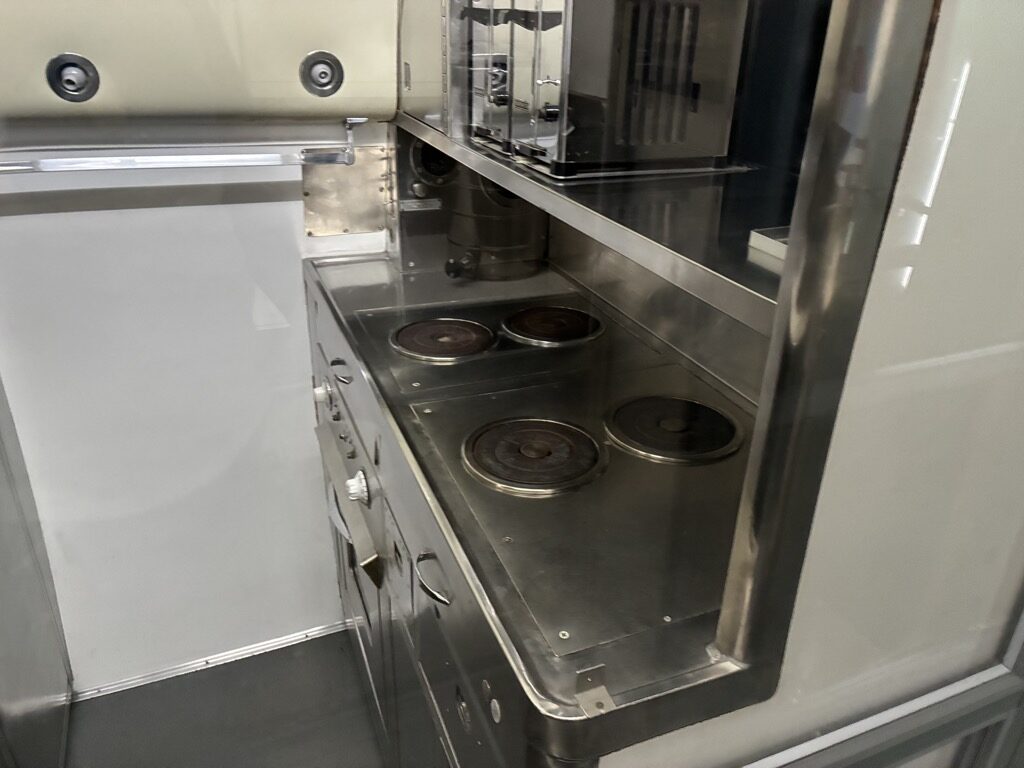
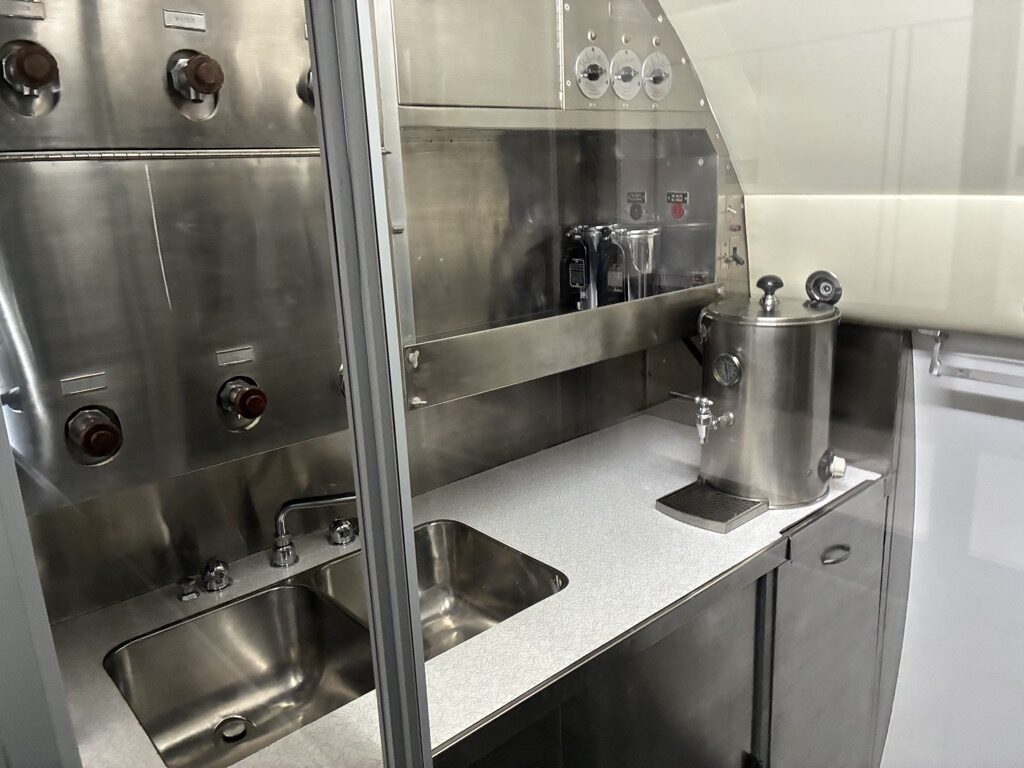
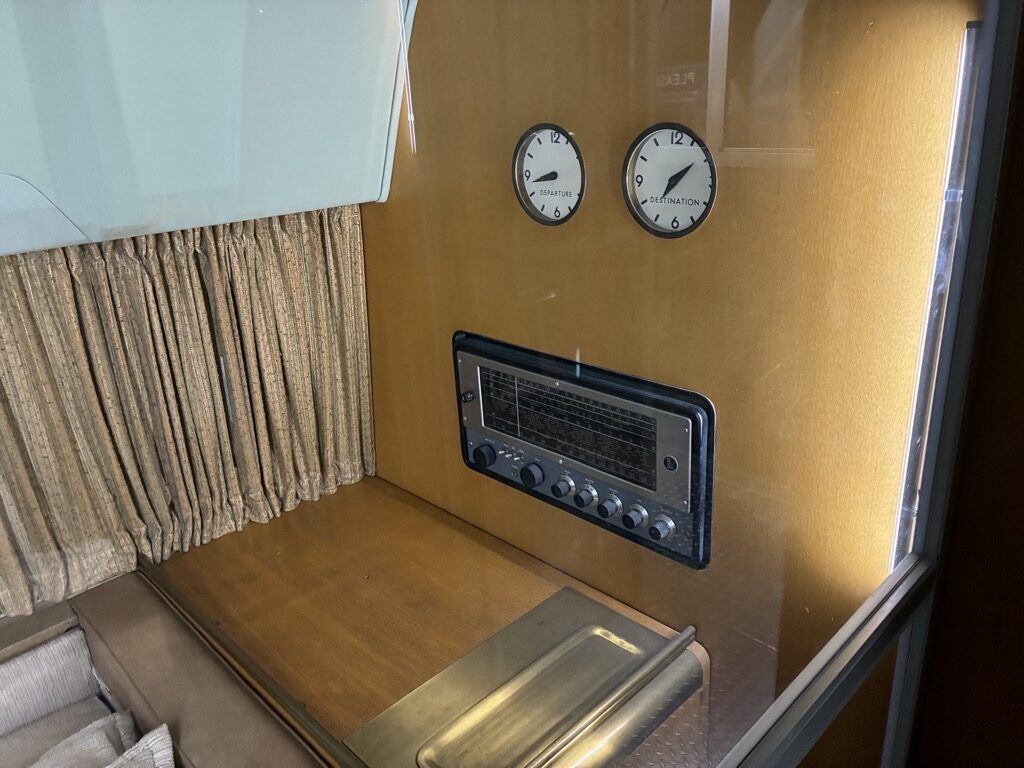
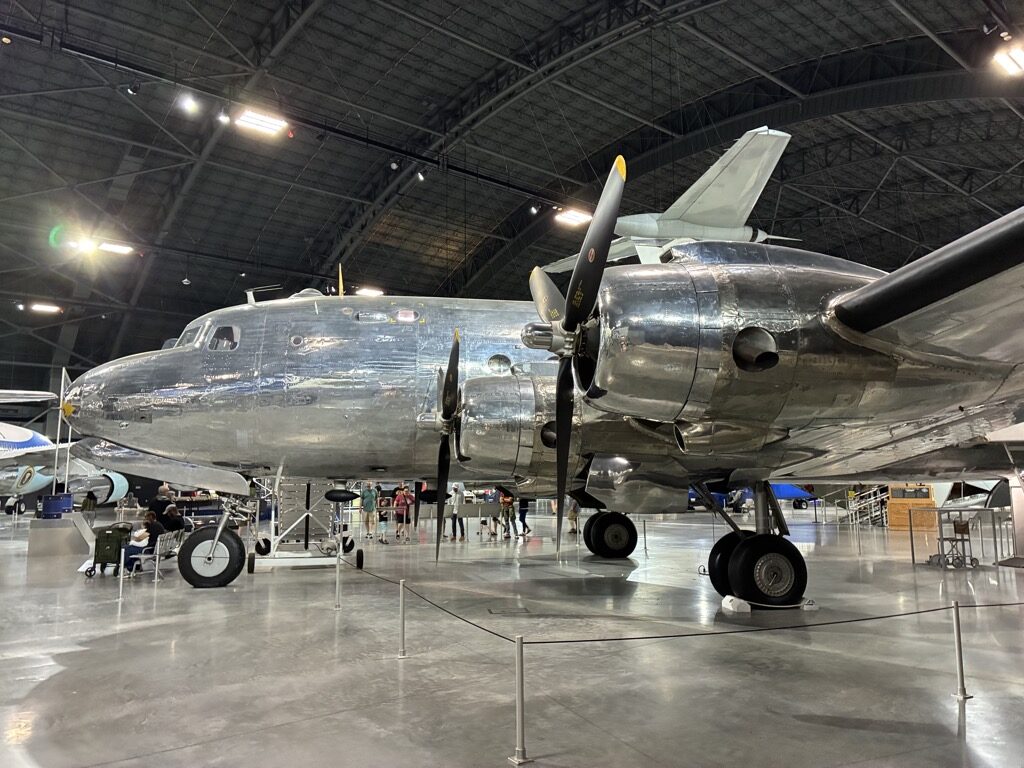
While I don’t have much interest in aviation, I had wanted to see the National Museum of the U.S. Air Force for a while, but it never seemed to be a good time. Well, this year I figured it was time to catch up.
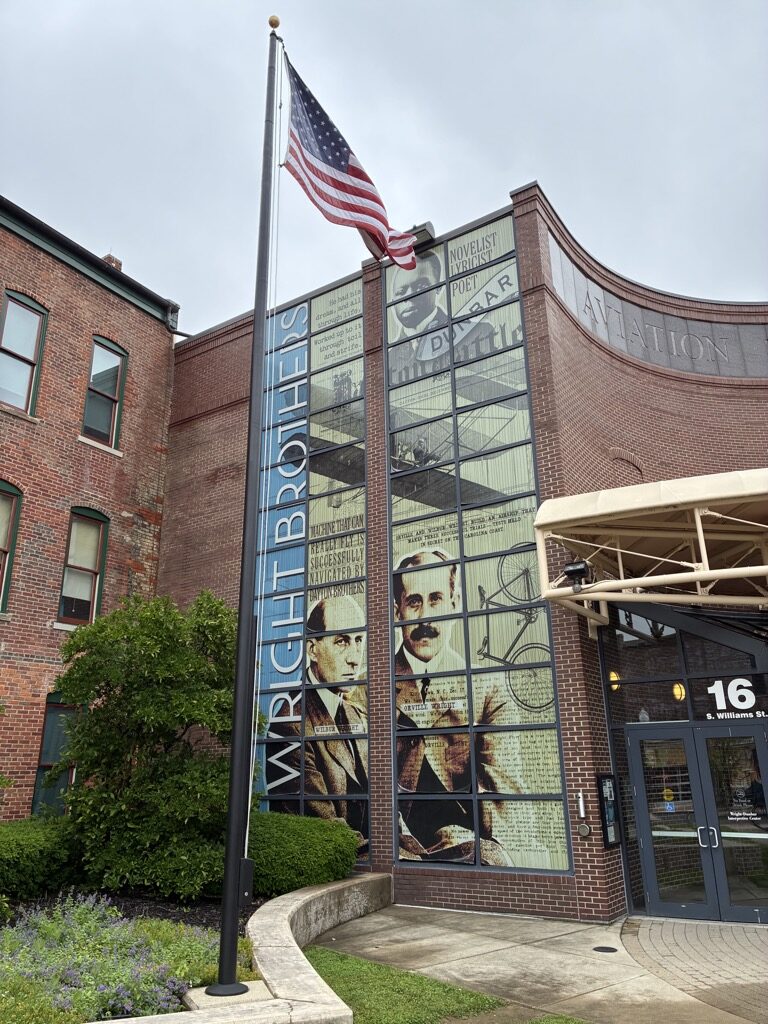
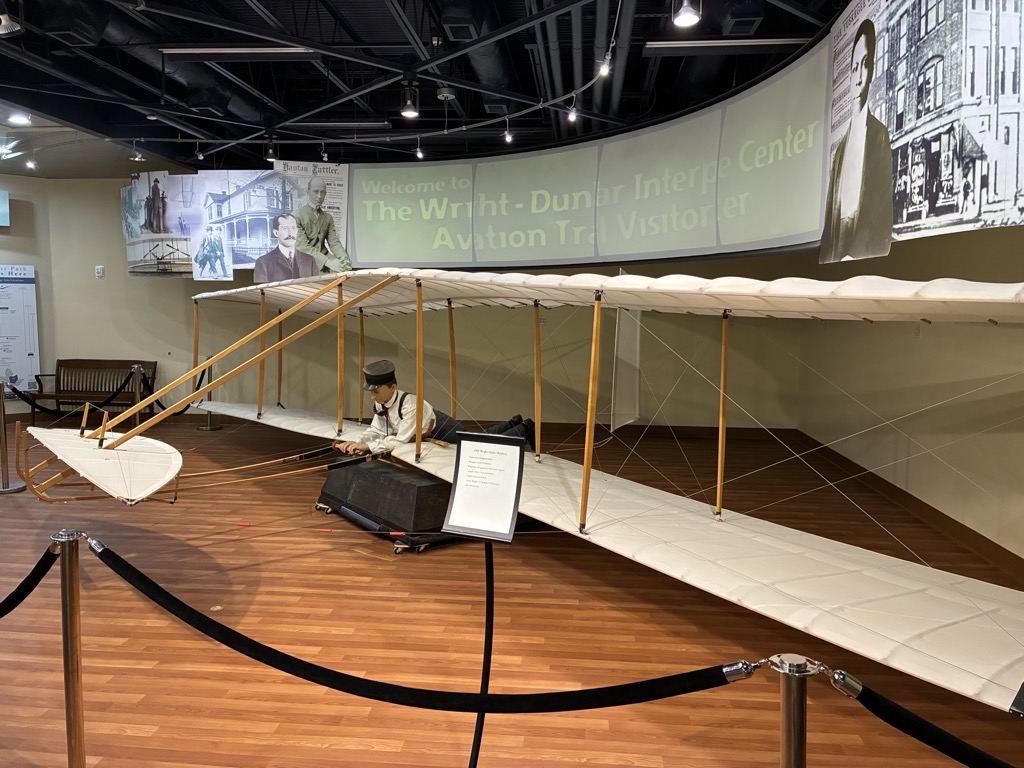
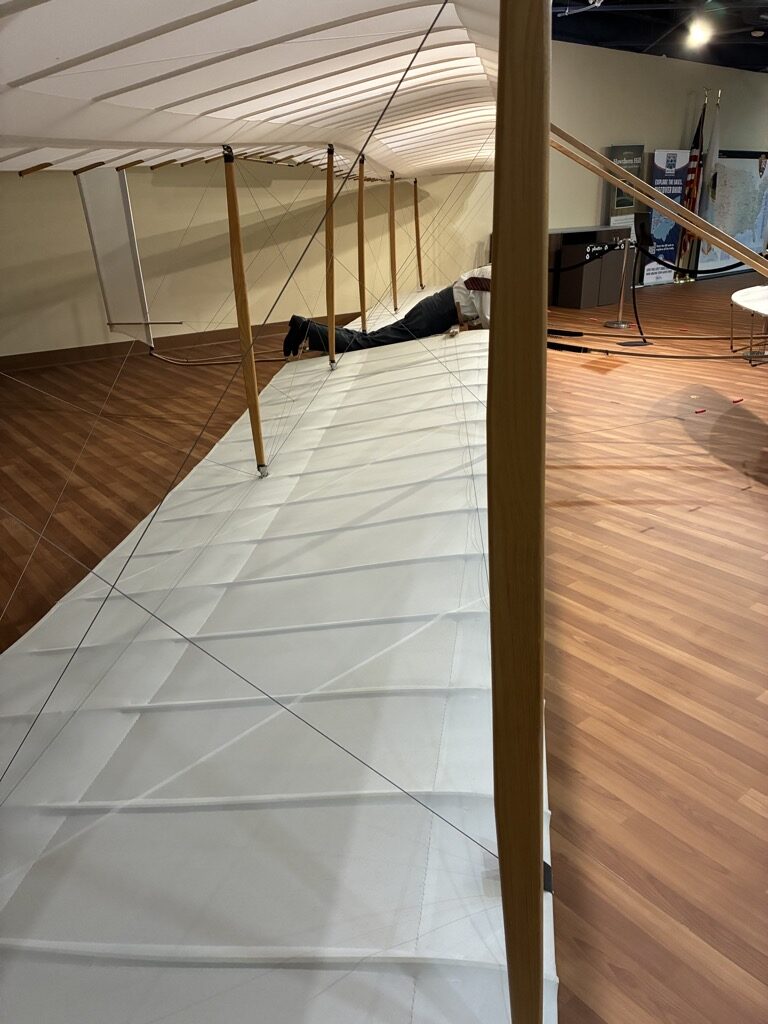
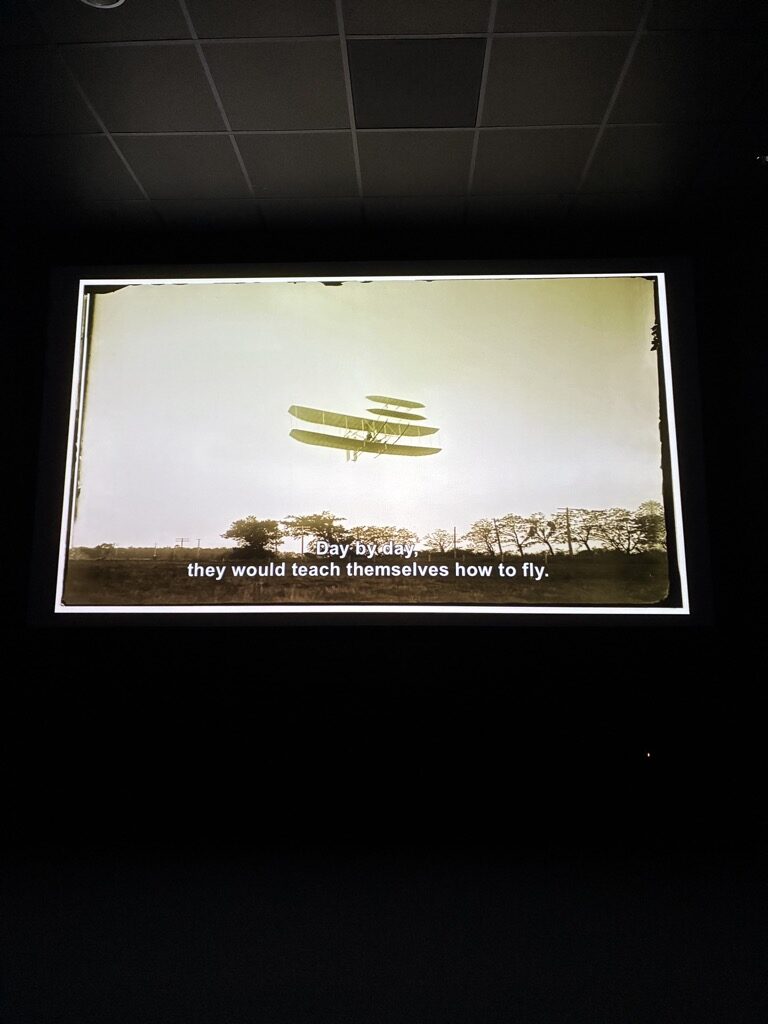
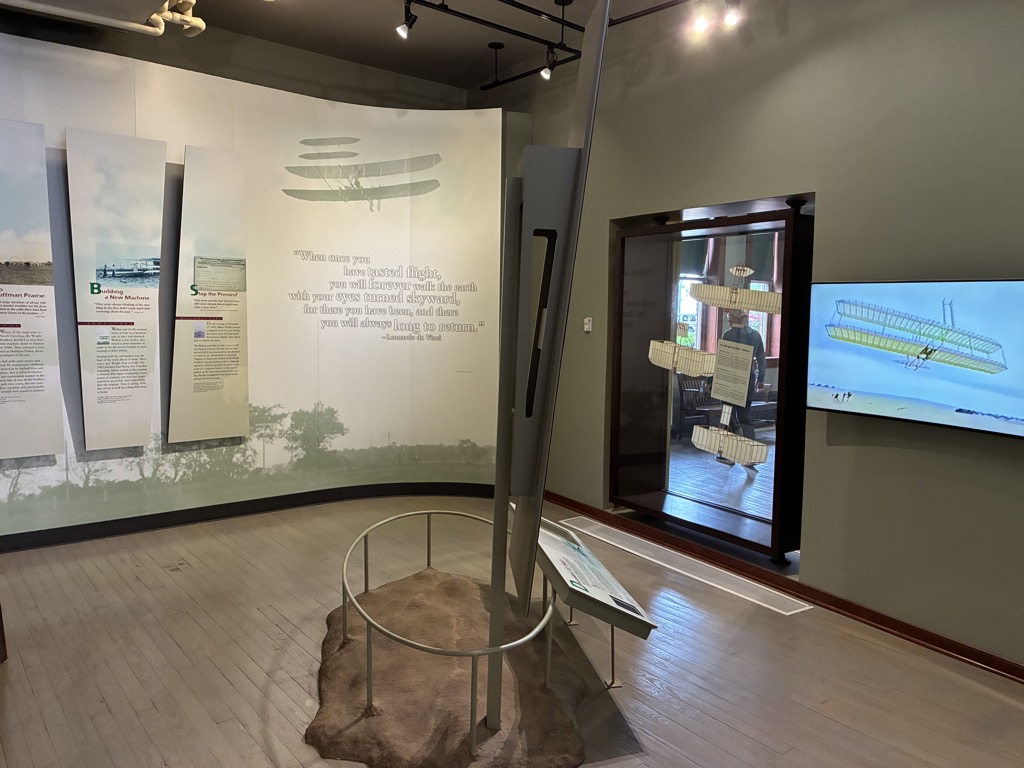
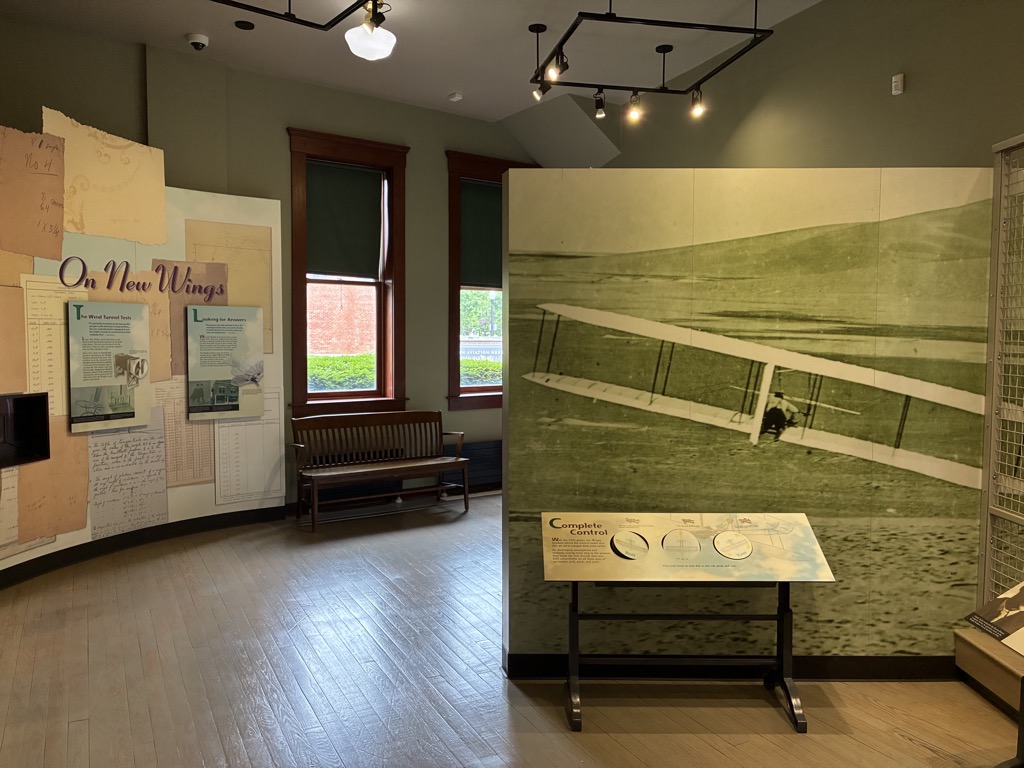
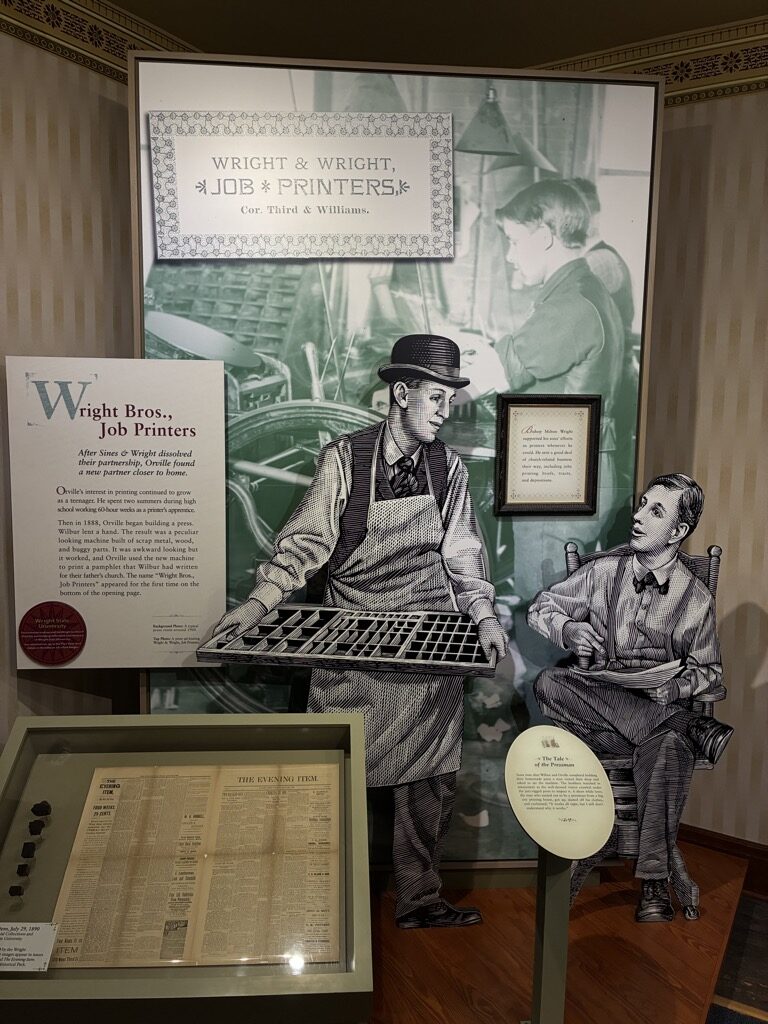
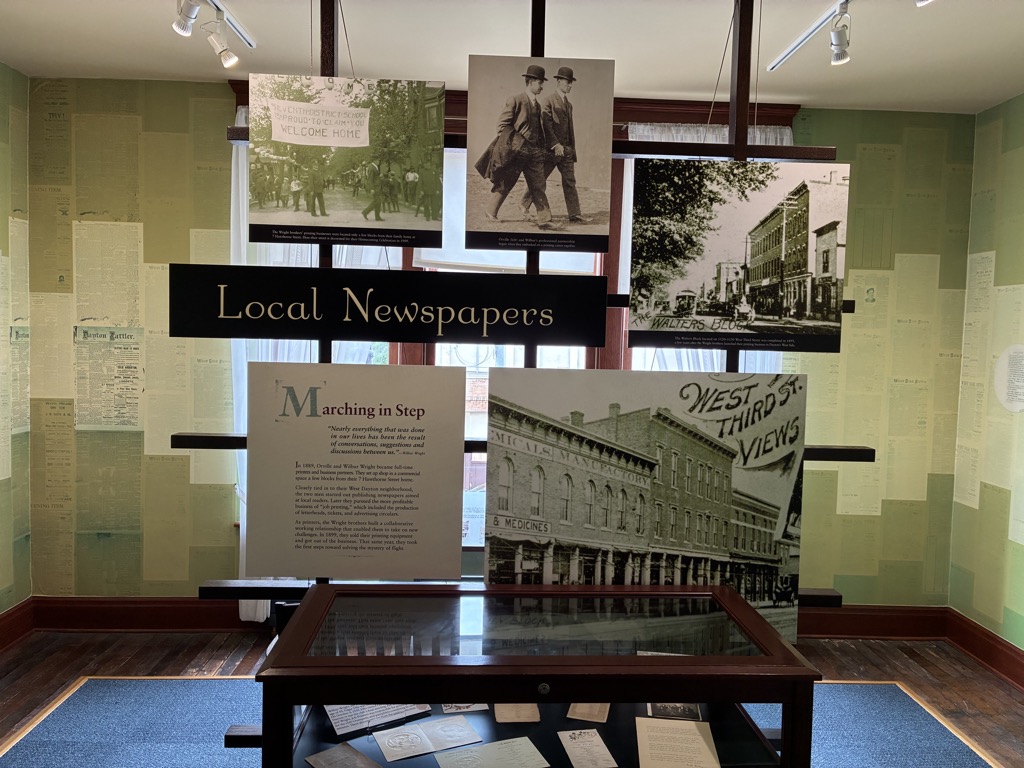
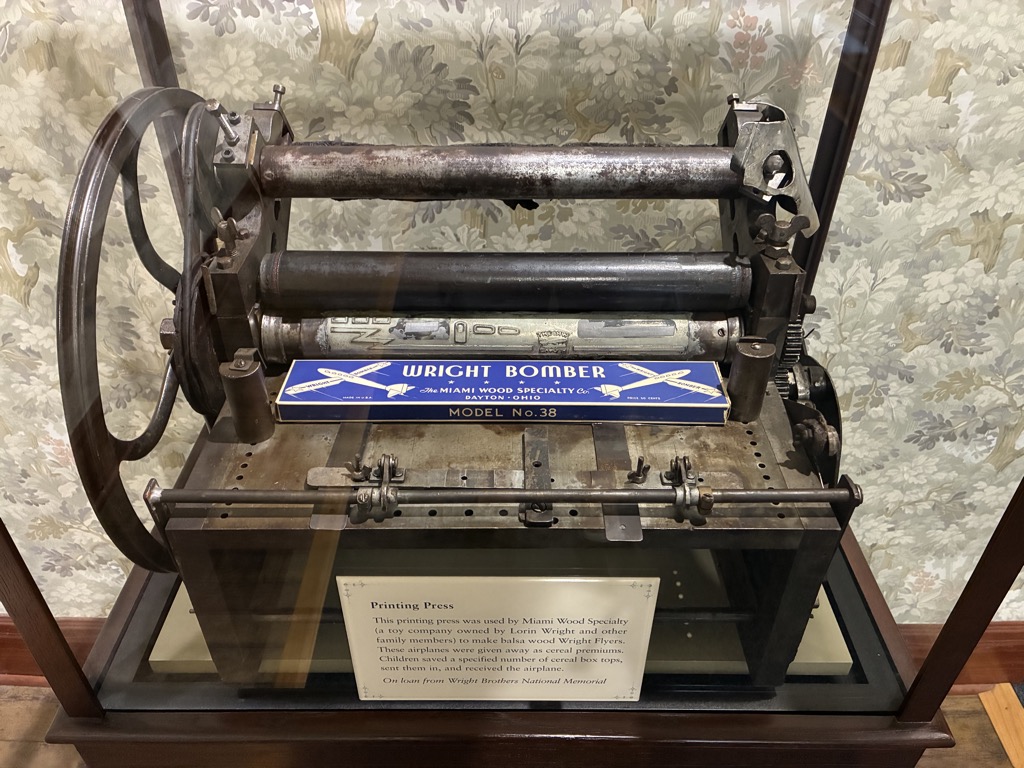
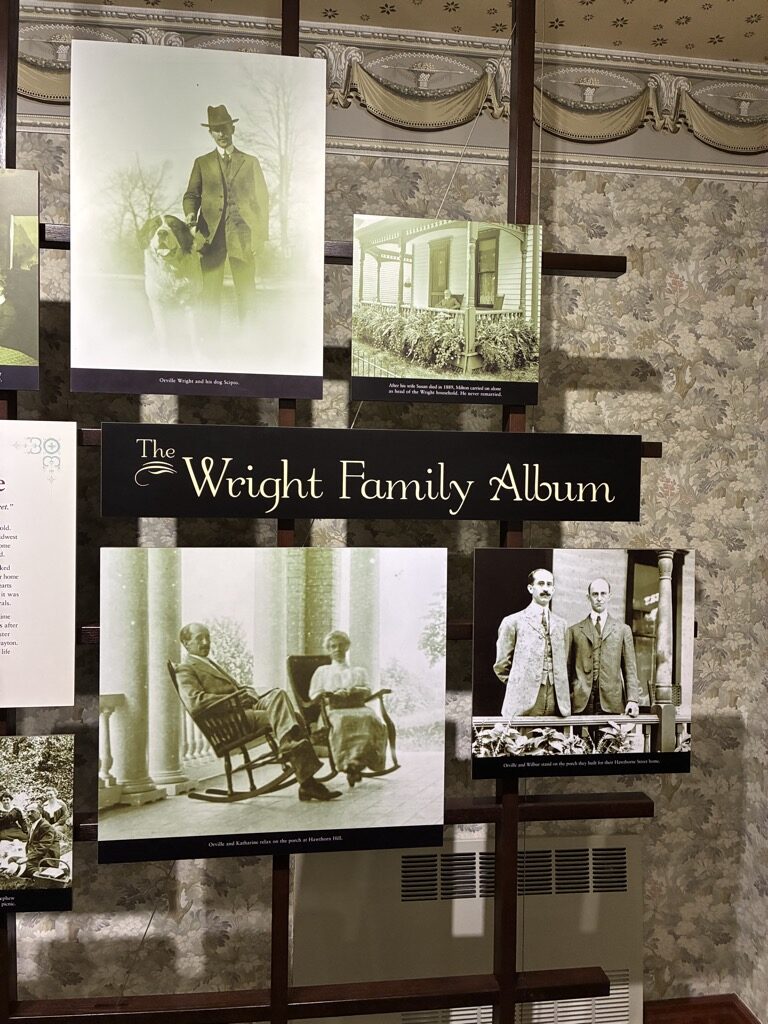
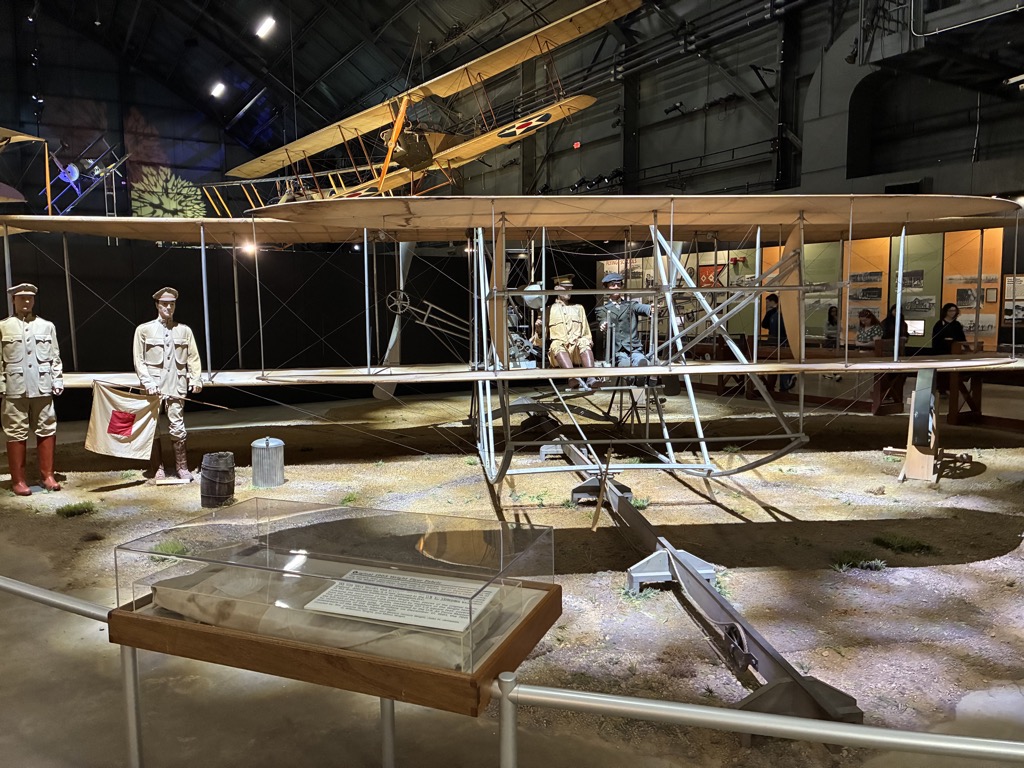
Short prep on Friday evening: water, soda, snacks, sandwiches, and a cooler; take off Saturday morning at 7:00. It is a short three-hour drive to Dayton, and we started at the Wright Brothers museum – a good place to appreciate where it all started and what was to come. The Wright brothers first flew on December 17, 1903, and the first moon landing took place on July 20, 1969 – that is a stunning 65 years between. Just think about that for a moment: in one lifetime, humanity went from learning to fly to traveling beyond Earth. Truly stunning.
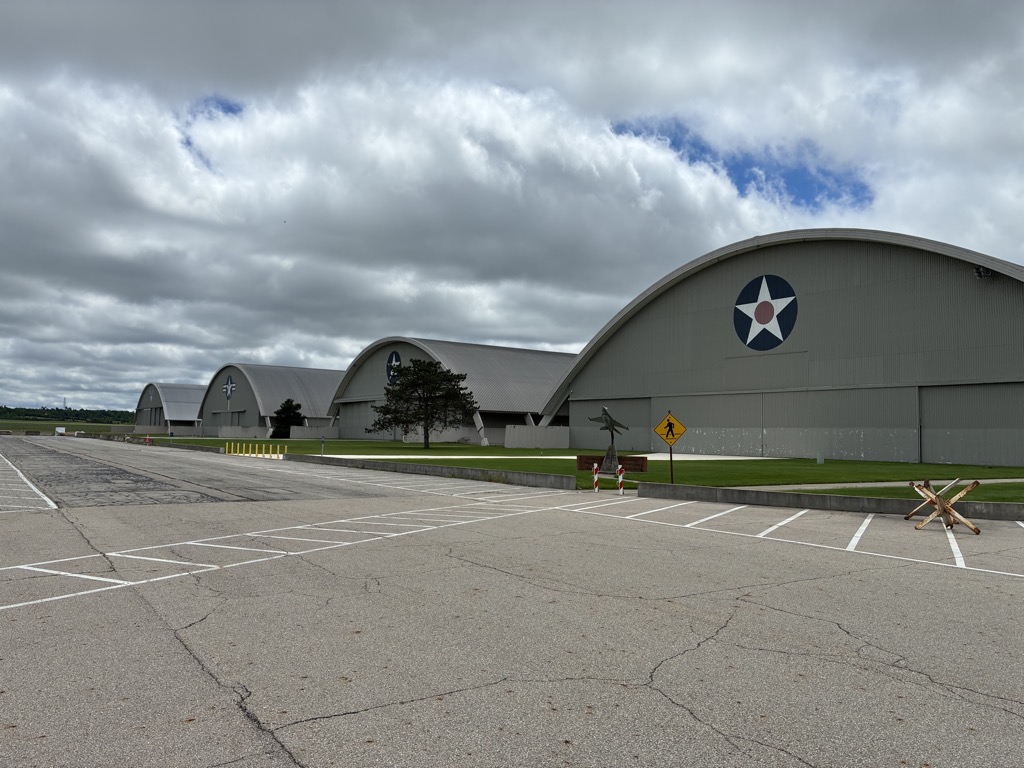
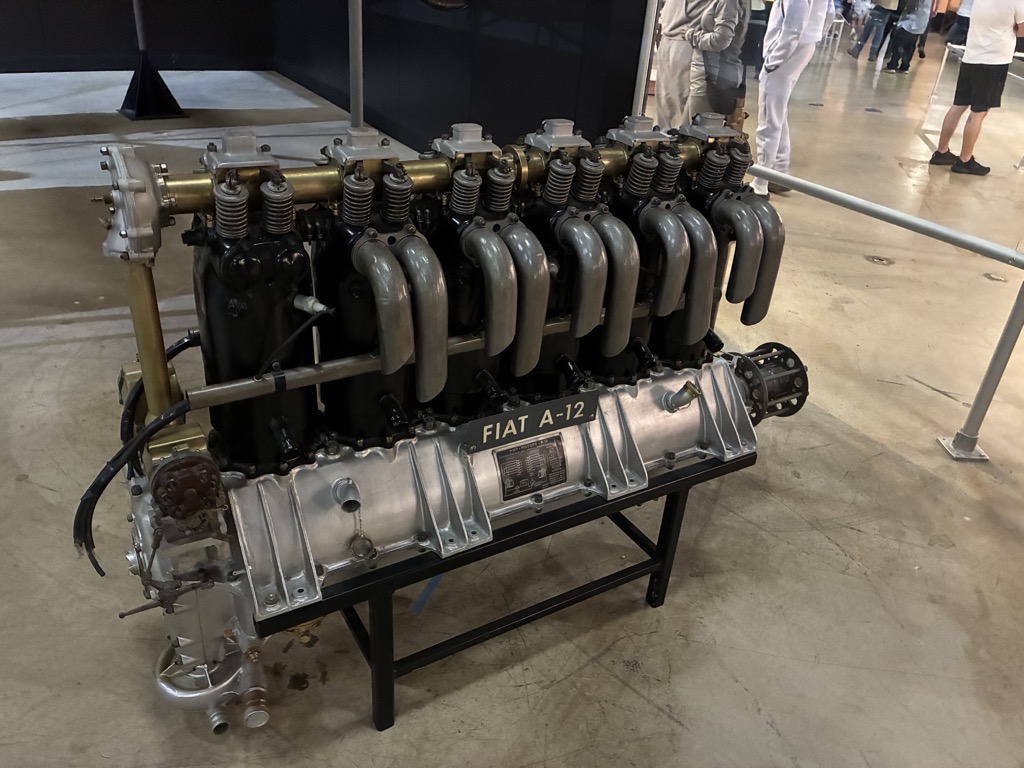
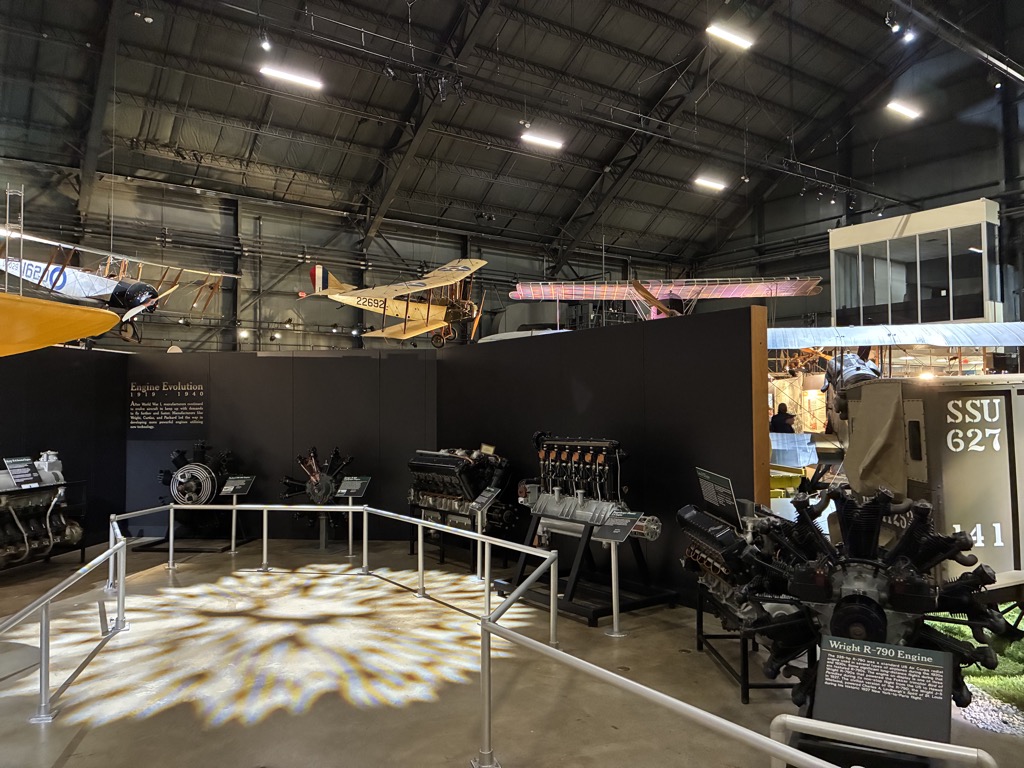
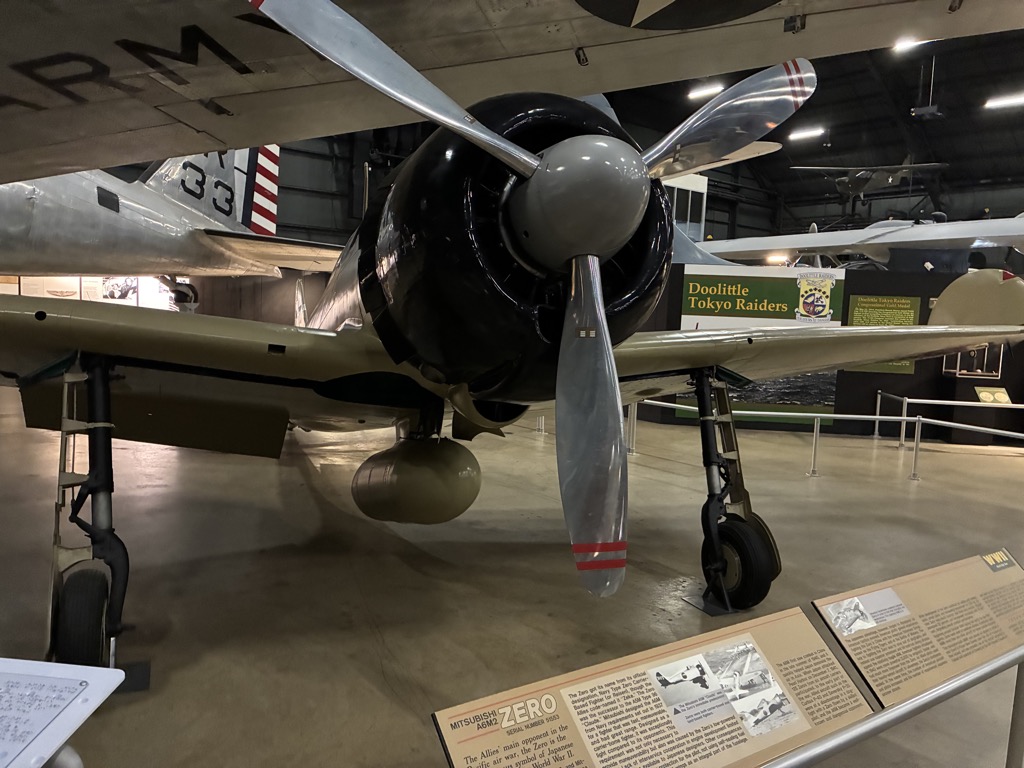
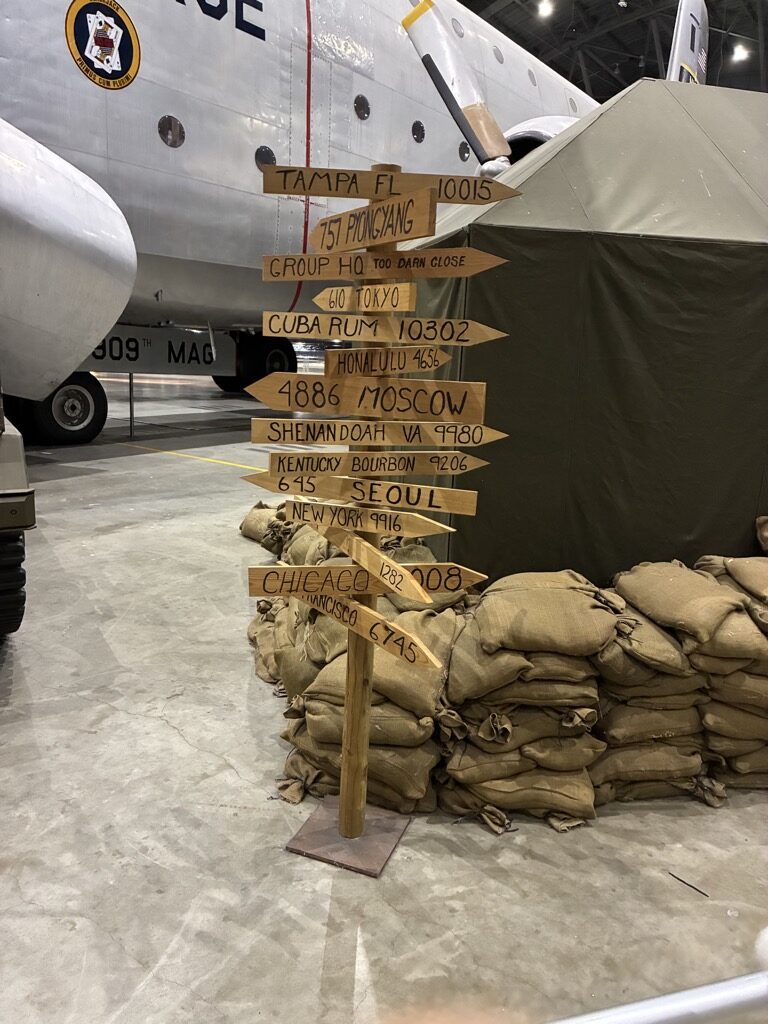
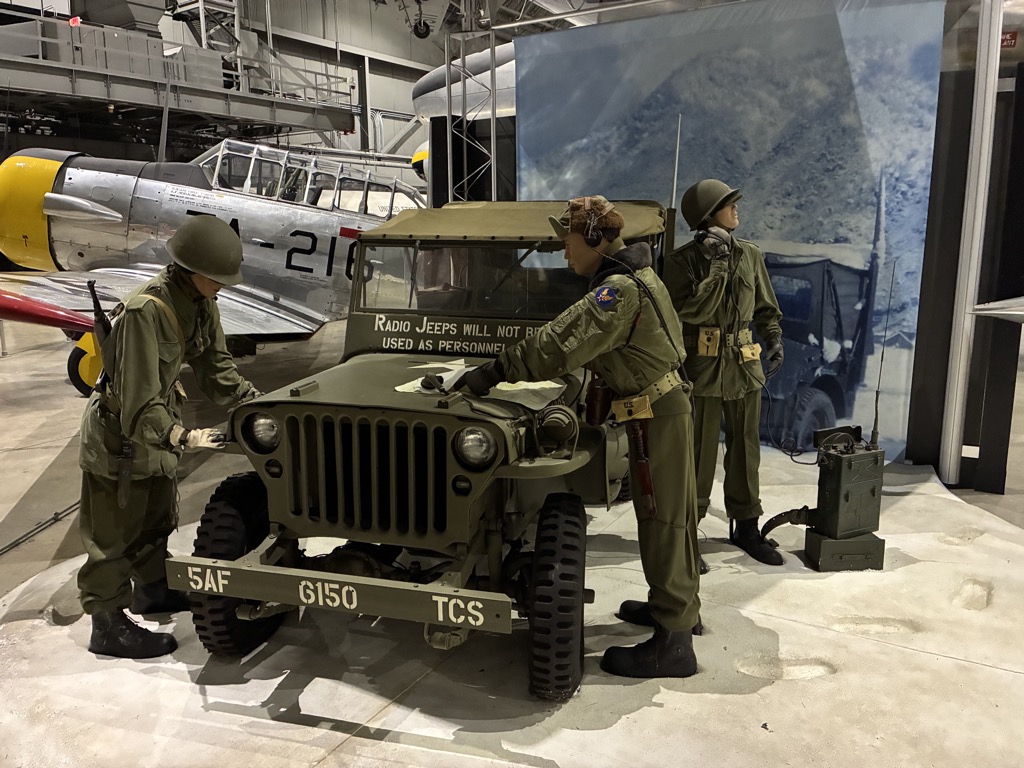
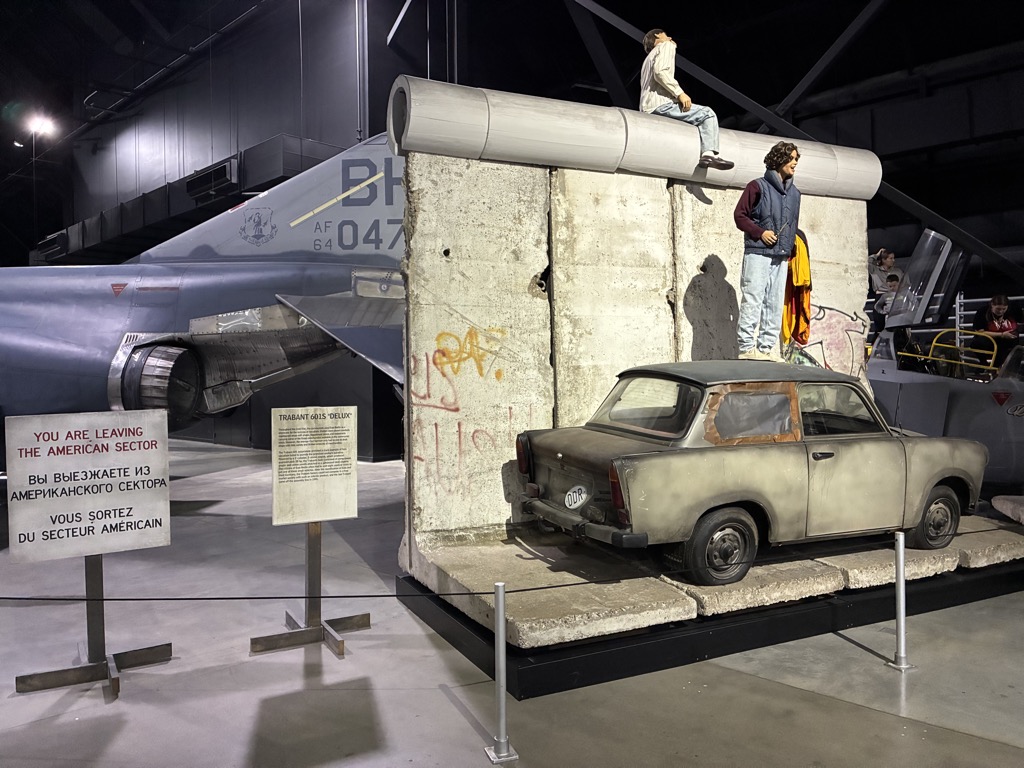
The National Museum of the U.S. Air Force is huge, and by all rights it deserves several hours by itself. Luckily, I had family with me whose enthusiasm evaporated sometime between the first and second hangar. So, we – as a team – managed to cover the entire museum in a couple of hours. Once again, it is stunning to see basic wooden airplanes with multiple wings and engines mounted on top, only to realize that in a short 36 years, jet airplanes started to fly. While I managed to see all four hangars, the gift shop was cut short when a fire alarm sounded and the entire museum got evacuated.
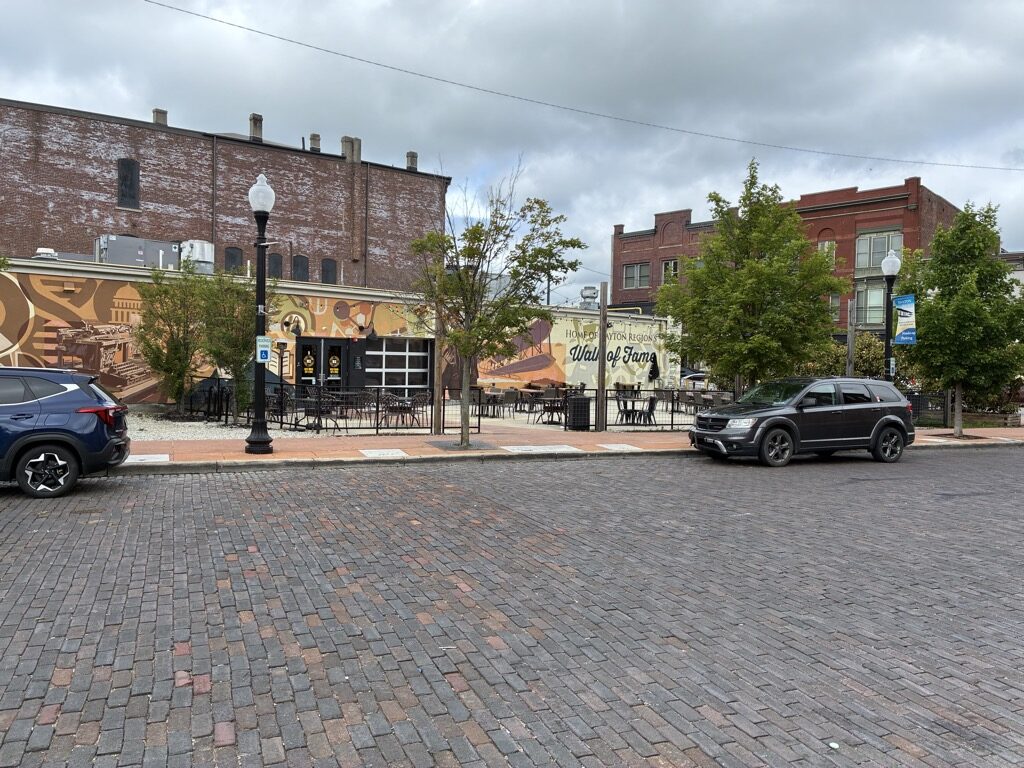
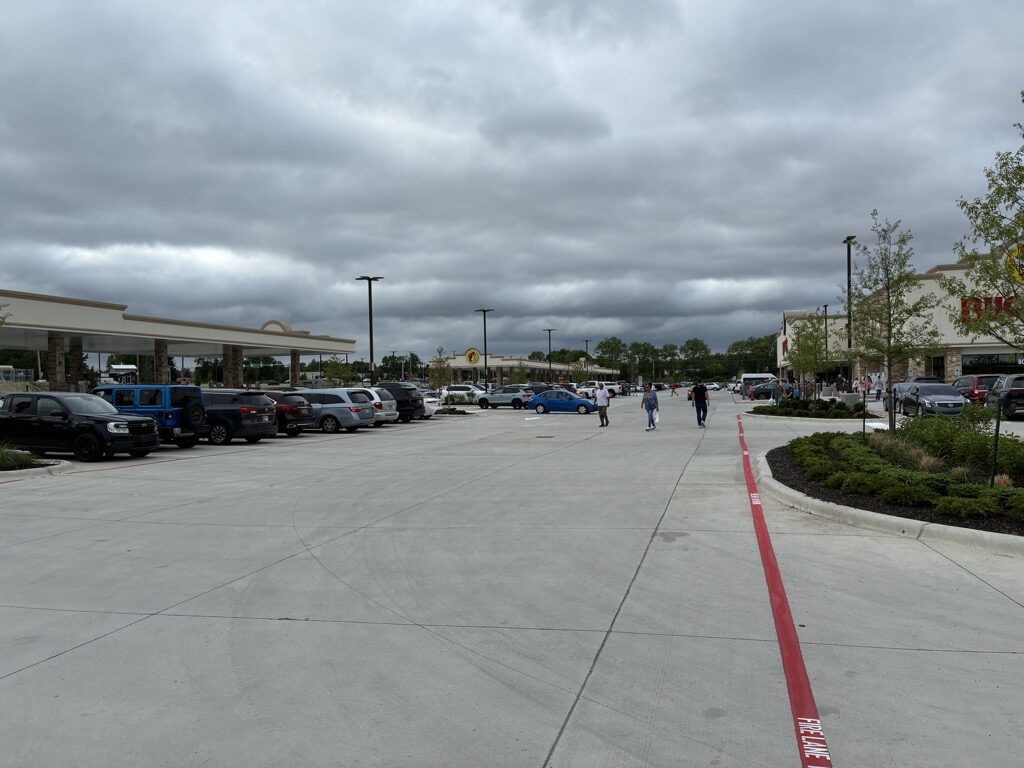
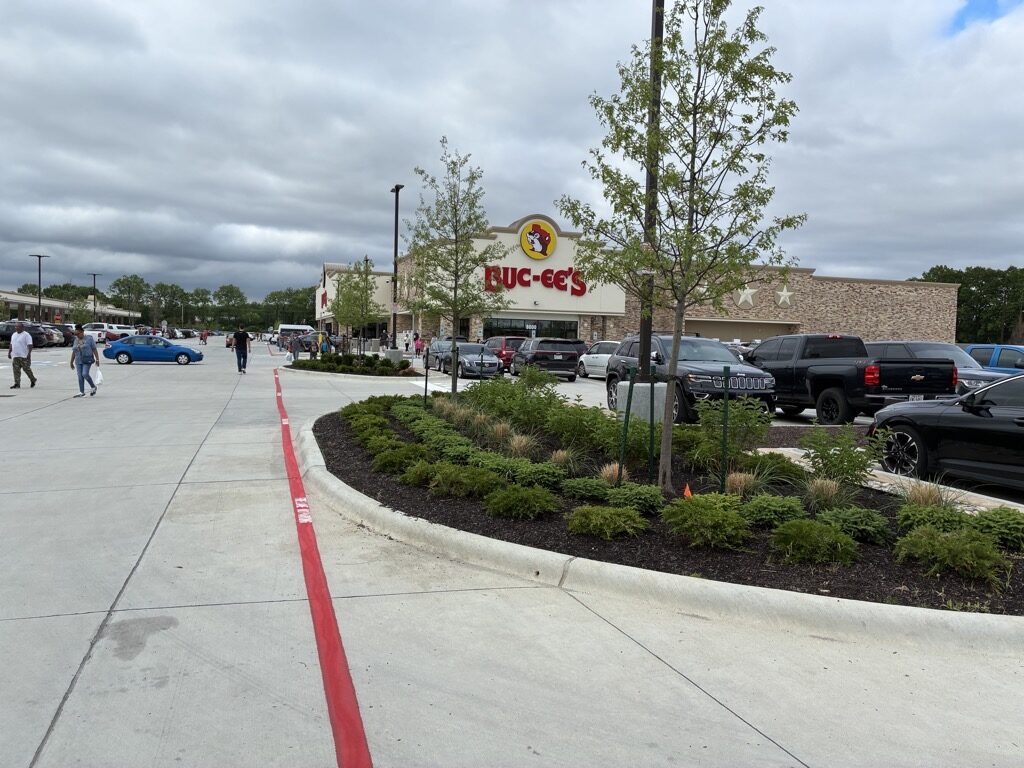
We wanted to go see 2nd Street Market, but it was too late and it was closing. So were the Dayton Art Institute and Carillon Historical Park. That’s the catch with day trips: Saturday is the only day, and there are no long hours. But there was one more place that was open and I wanted to visit – Buc-ee’s.
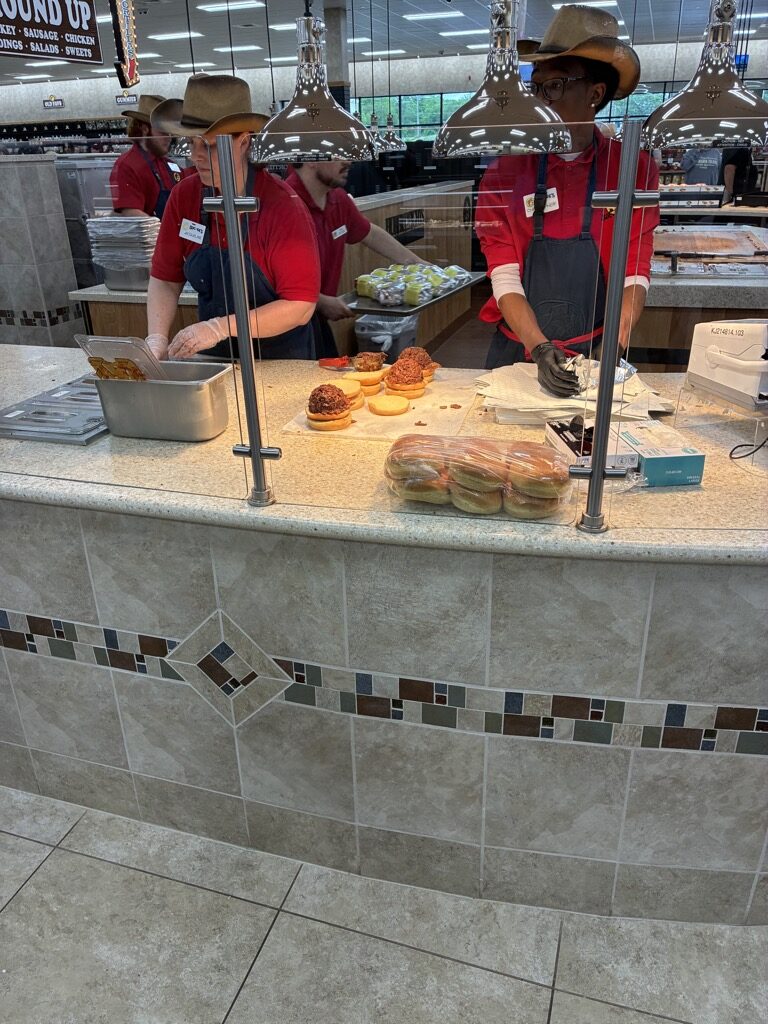
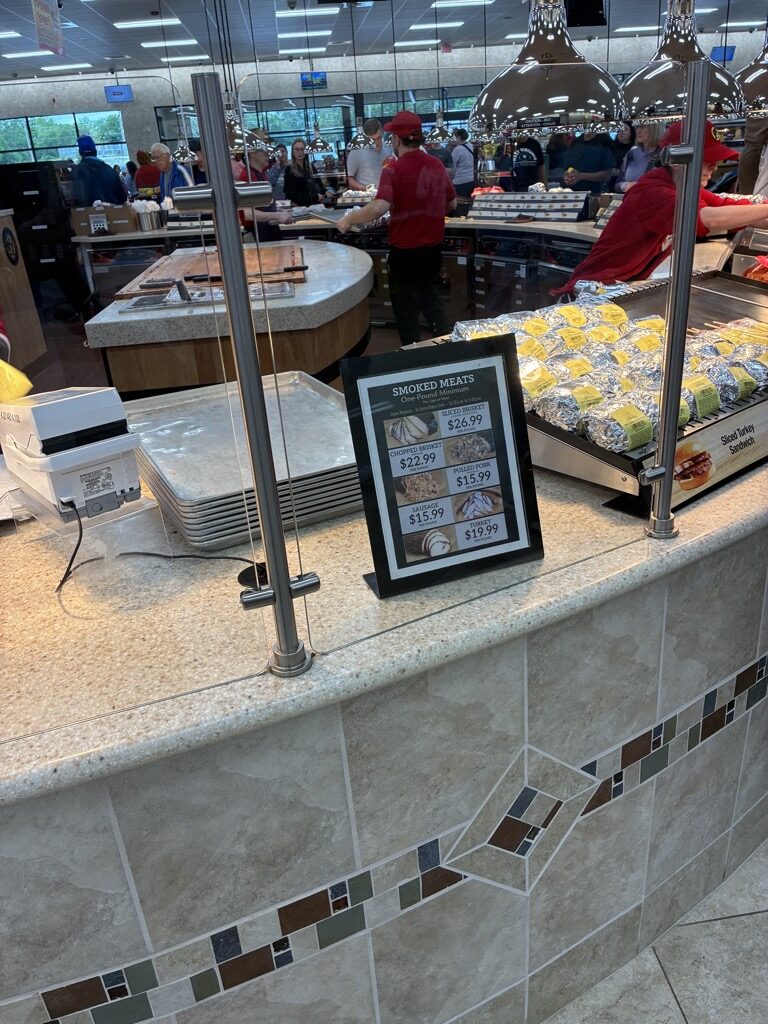
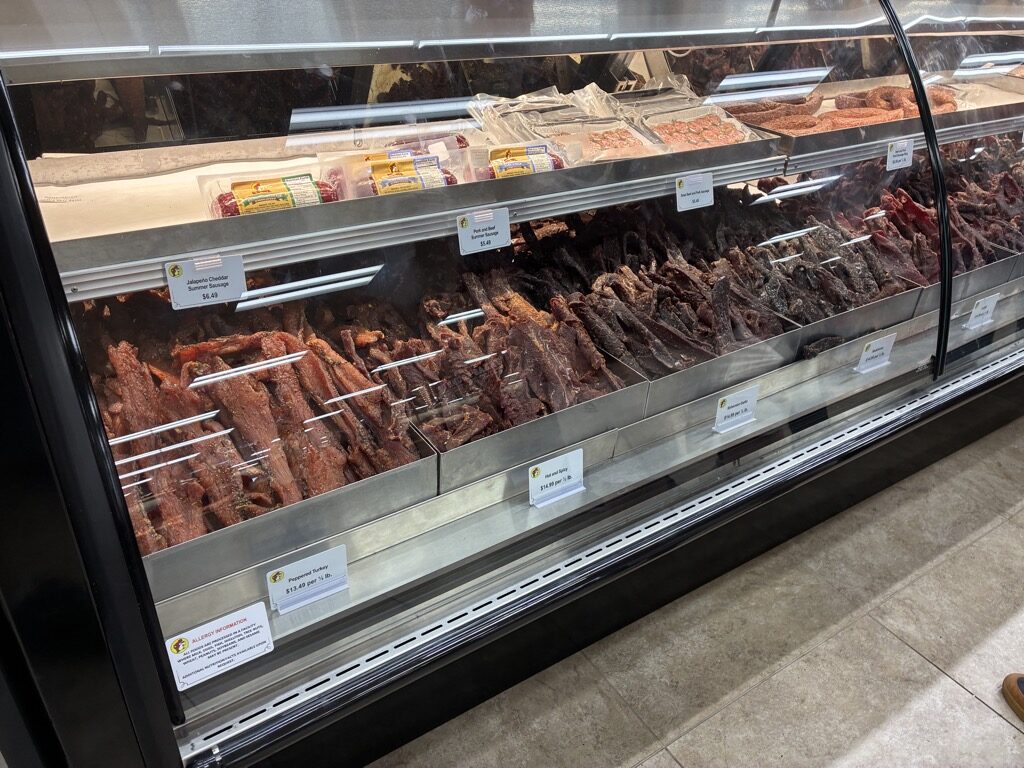
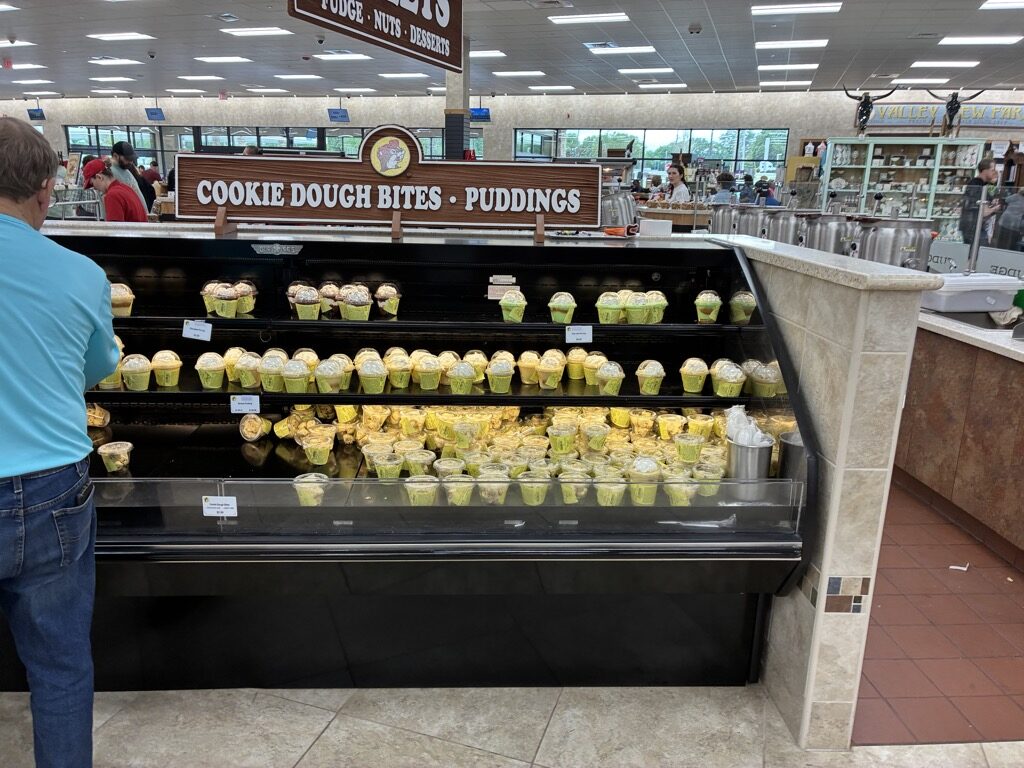
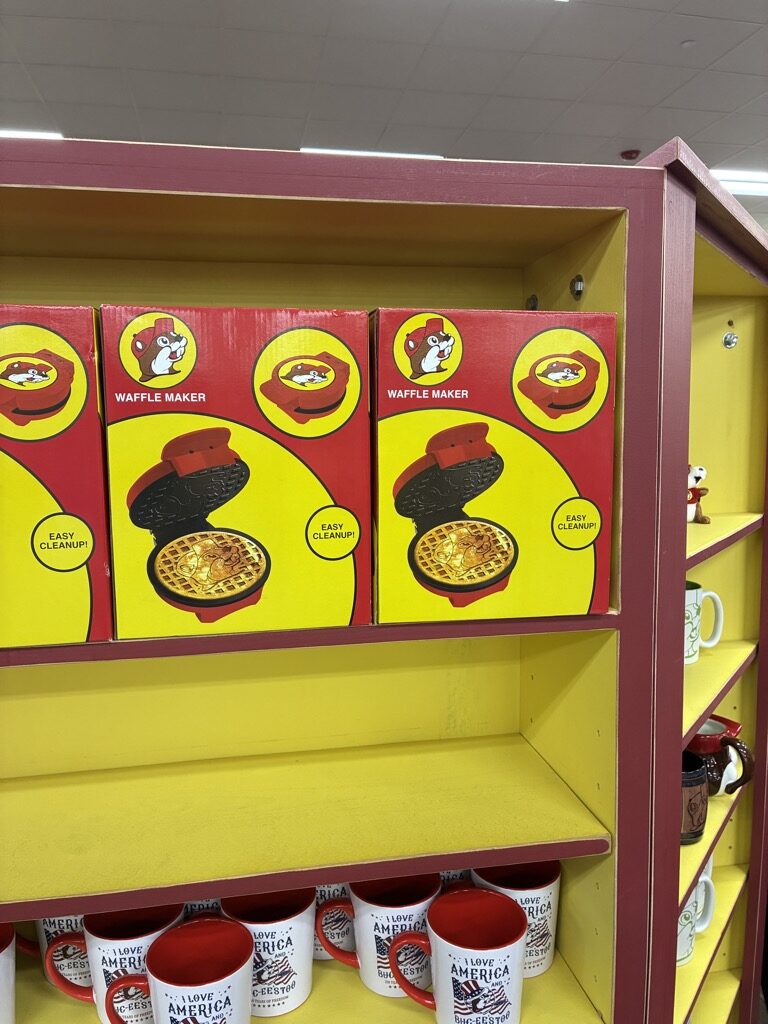
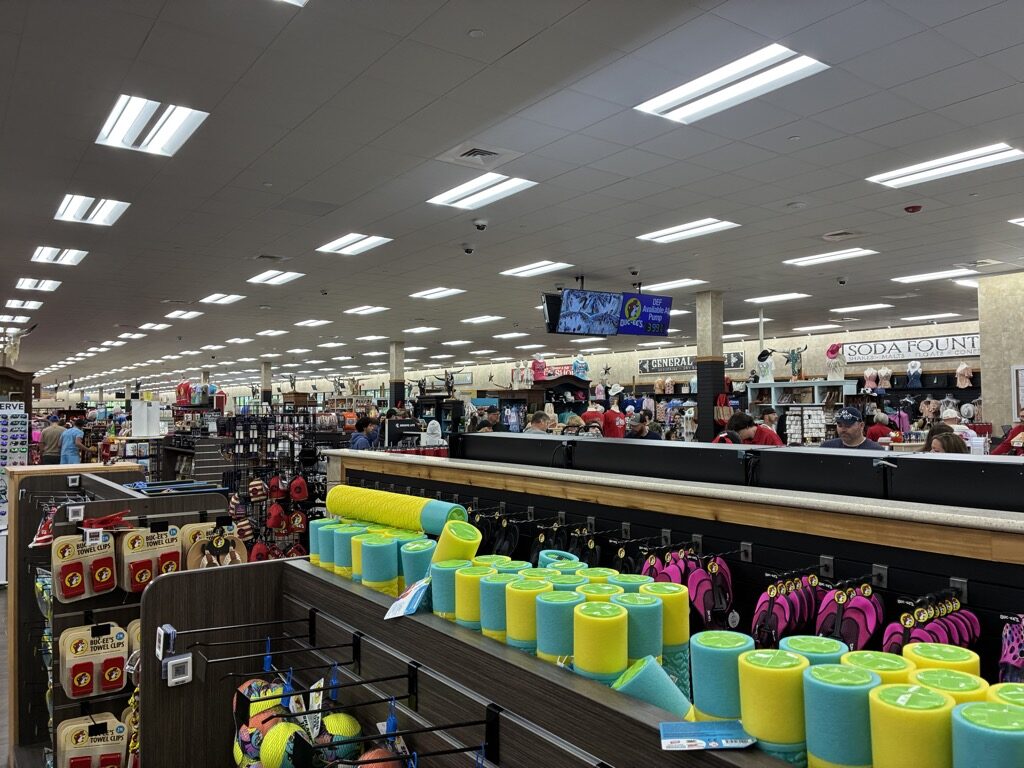
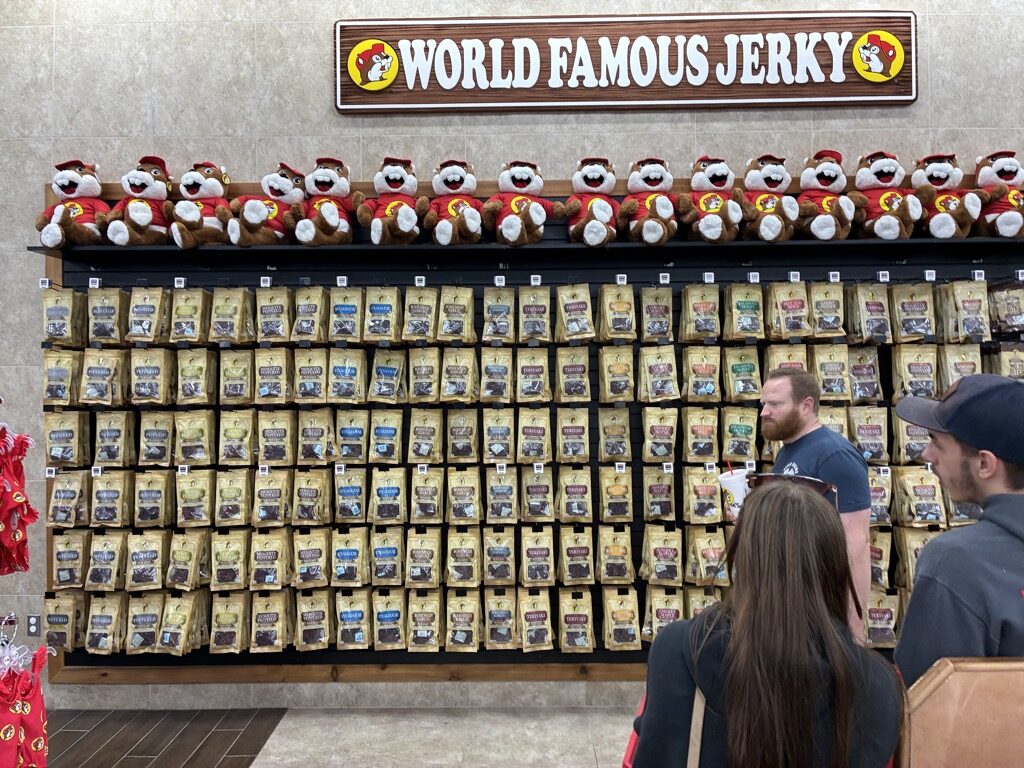
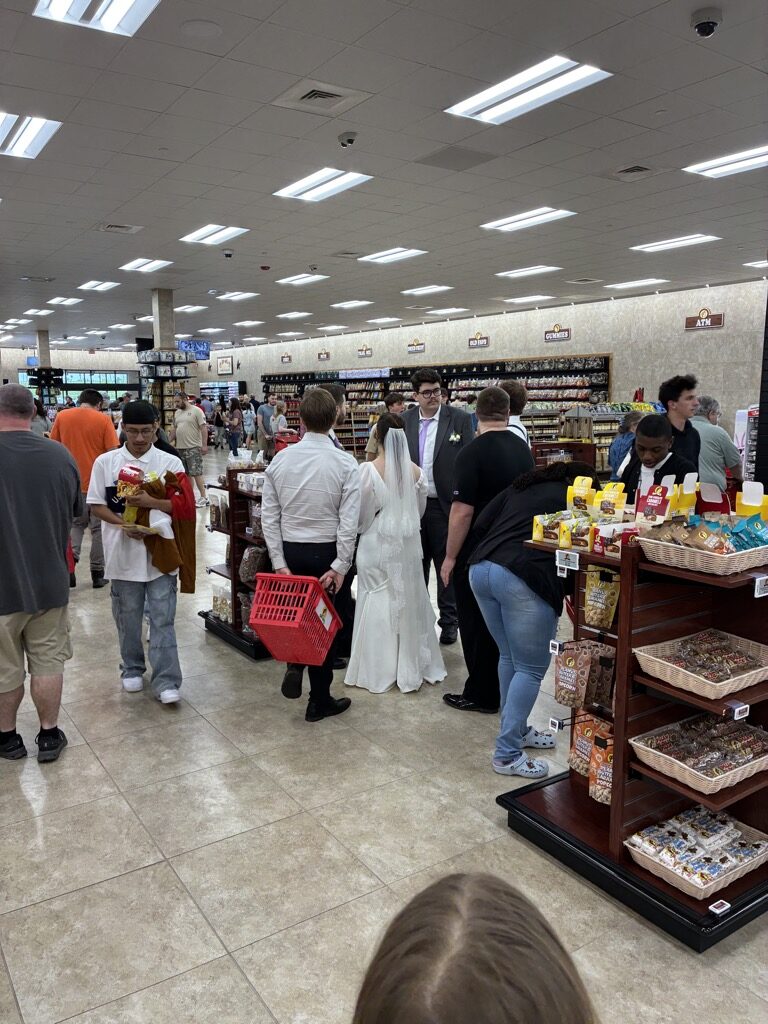
I’ve been to a few gas stations in North America, and typically it is not a destination you are looking forward to. Not Buc-ee’s. It was something different. In my case, the dead giveaway was people hanging out in the parking lot, lawn chairs out, and a really clean area outside and inside. Yes, the sandwiches are good, the shop is entertaining – and feels a bit overpriced on some items – but the atmosphere is friendly and inviting. And while it is crazy busy, it is somehow relaxing. It is surprising how someone managed to make a gas station into a destination, but they did, and I would visit it again.
I don’t tend to write about day trips, since they are short and, well, how much can you really get out of them? Well, I guess more than staying at home and working on a never-ending list of things to do! While there is nothing wrong with catching up on homework and projects, at some point it is worth getting out and getting a healthy dose of a different perspective. And while grand tours provide a totally different experience, a day trip can be, at the very least, a nice break from routine and, at most, a discovery of something worthwhile.
After nearly a month of working on my fence and everything surrounding it, I got to the point where I was literally sick – got a cold – and needed anything but staying home. Listening to travel stories from my buddy, who is blissfully unburdened by home ownership, I figured a day trip was exactly what I needed.
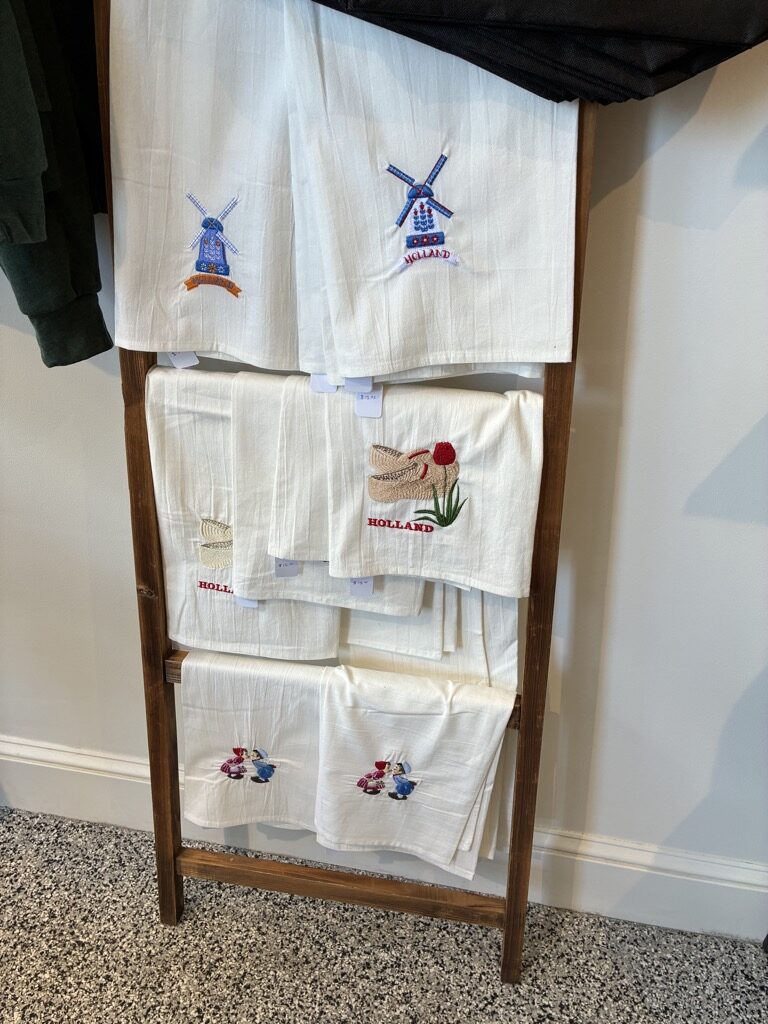
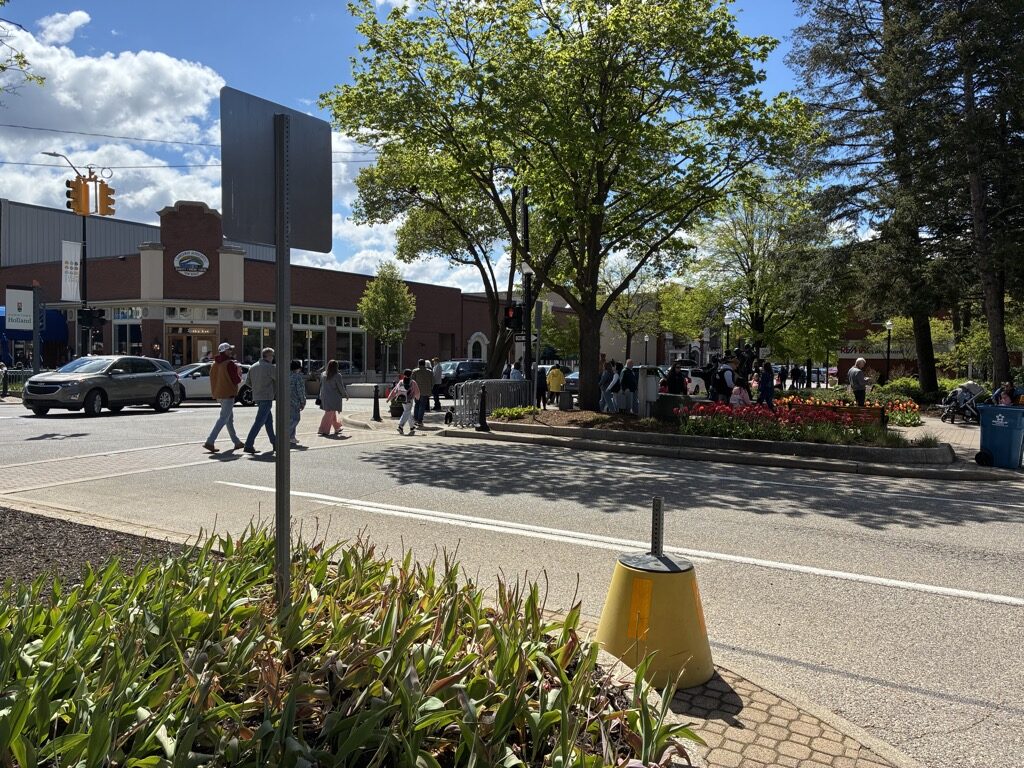
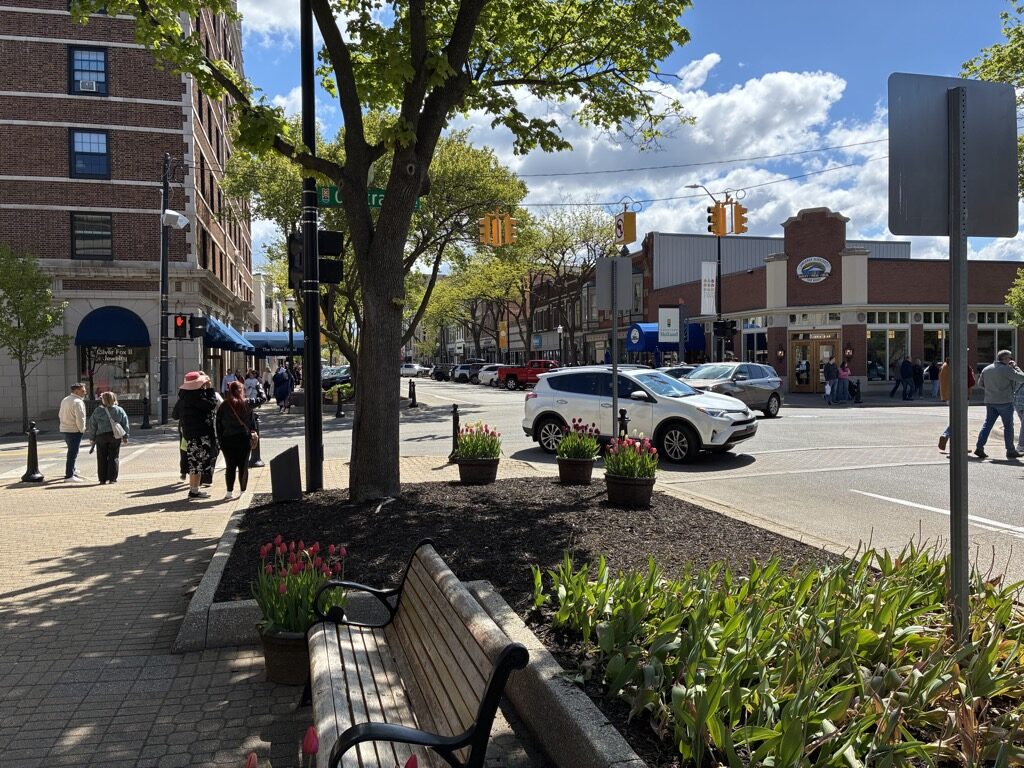
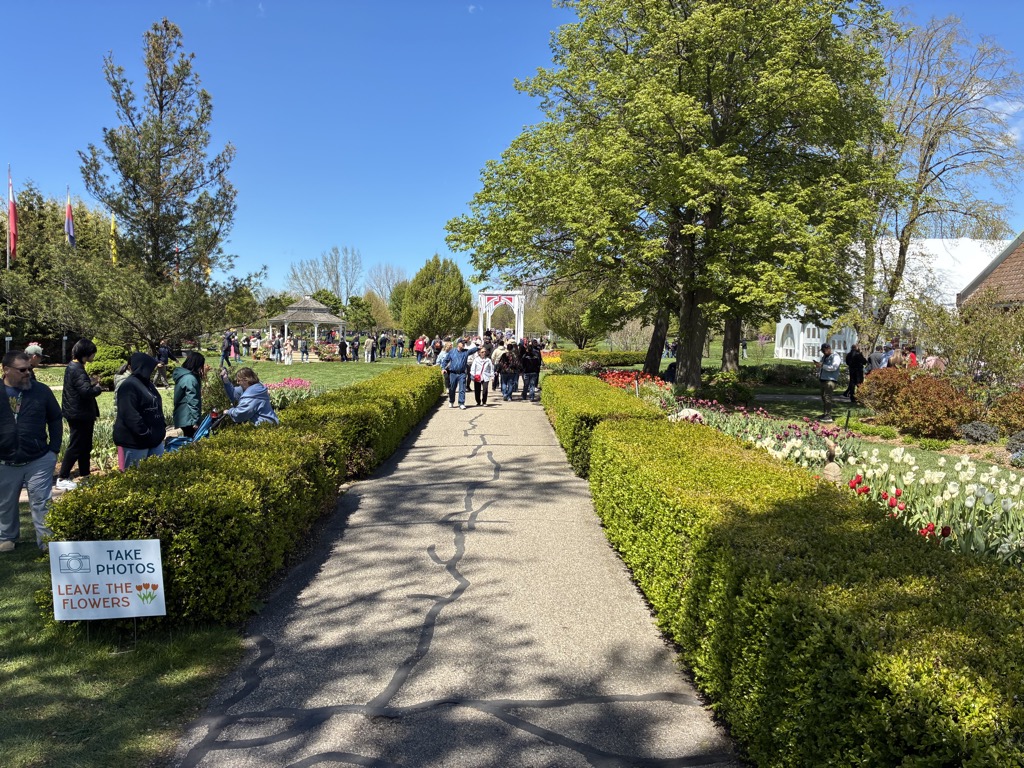
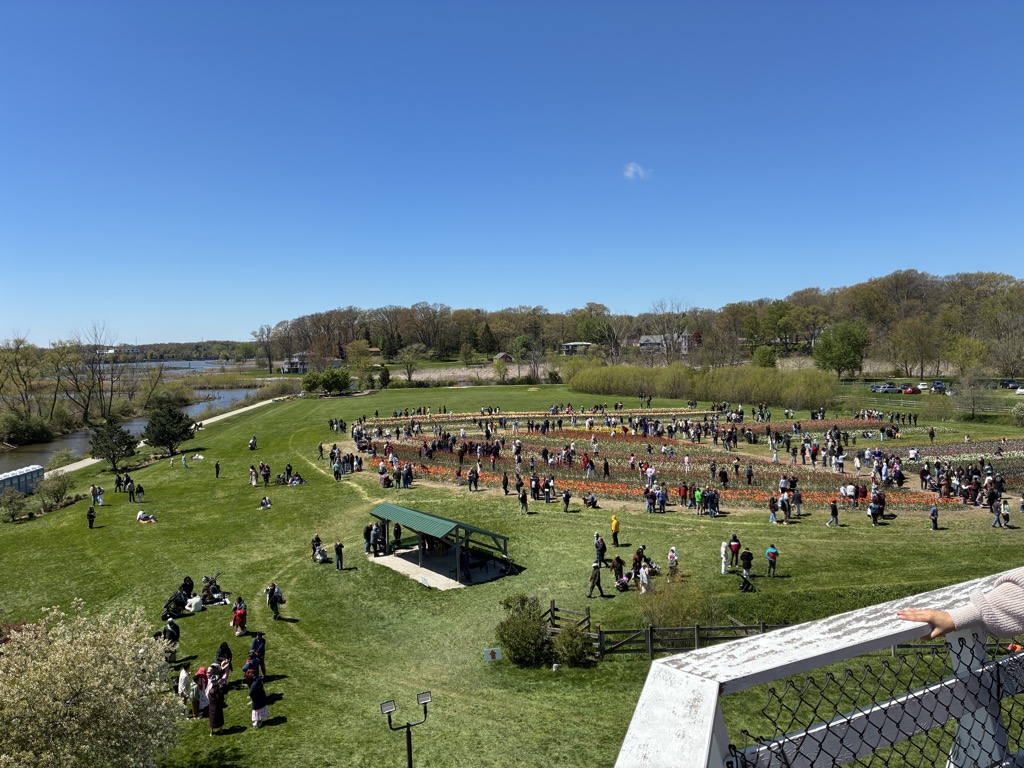
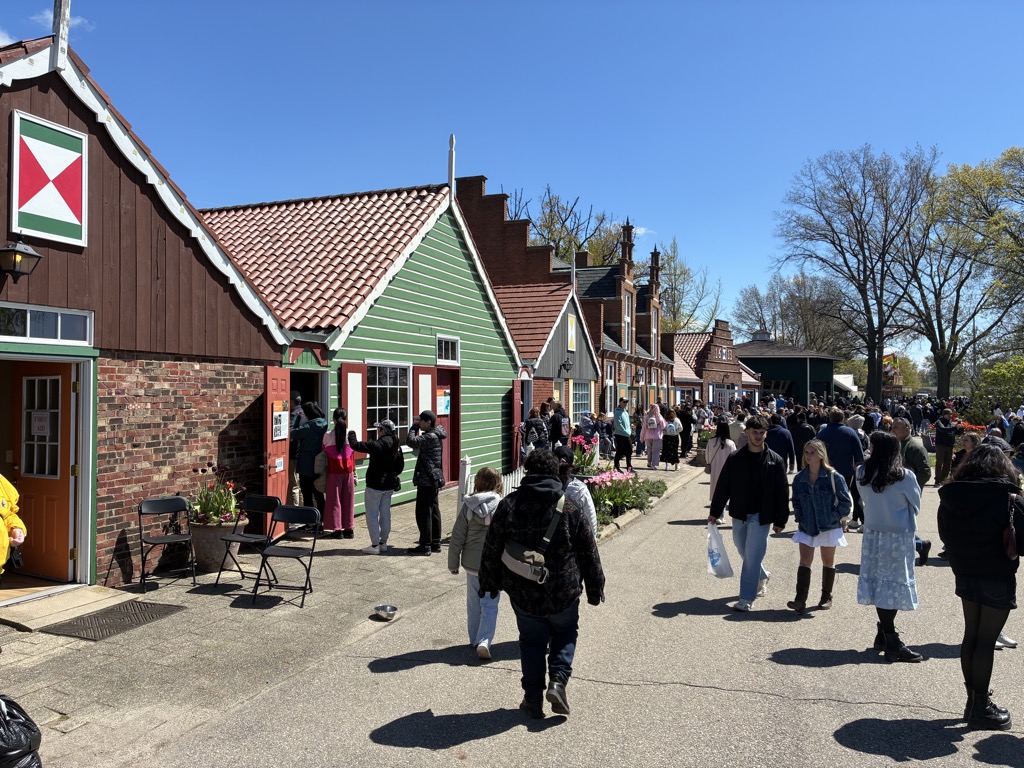
Initially, we were not planning on a trip to Holland, Michigan, but the timing was impeccable and the tulip festival had just kicked off, so Holland it was. My wife wanted to go to the tulip festival for a while, but every year there was always something. Not this time! Despite being sick and running on six hours of sleep, I was determined to make it. Fortunately, Holland is about a 2.5-hour drive, so with little planning, little packing, some coffee, sheer willpower, and energy drinks, we took off as early as we could manage.
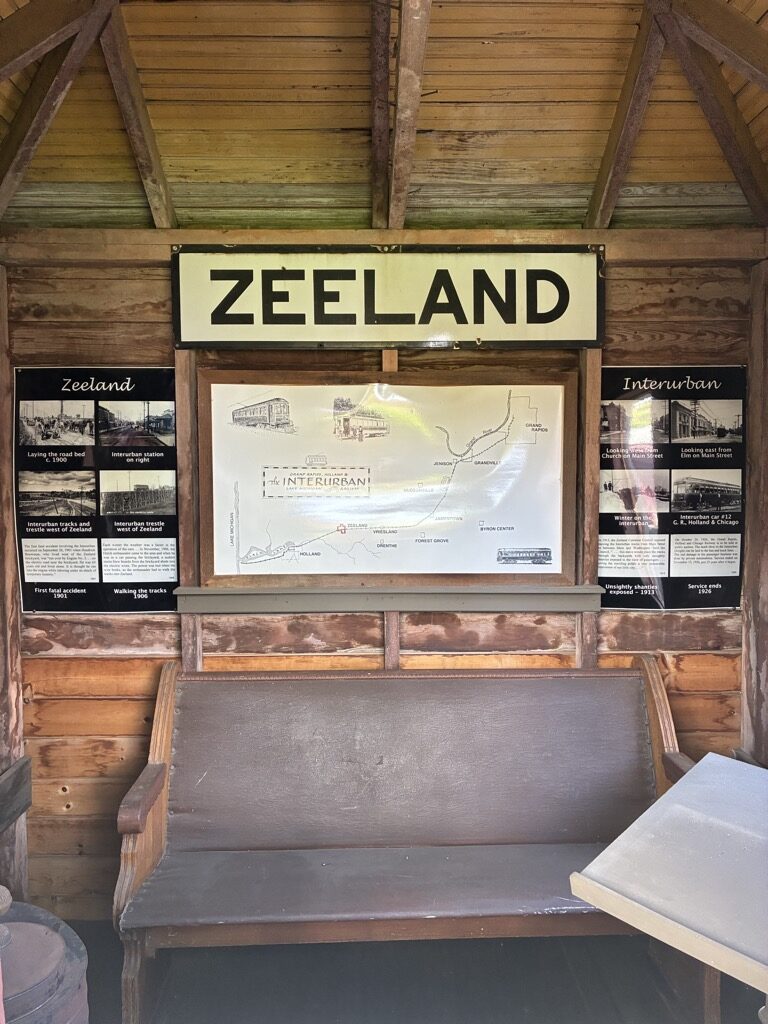
The secret to a day trip is to hit all the spots in one day, so an early start and late finish are effectively mandatory. We managed to get to Holland around 11, granted we made a couple of stops, including Zeeland.
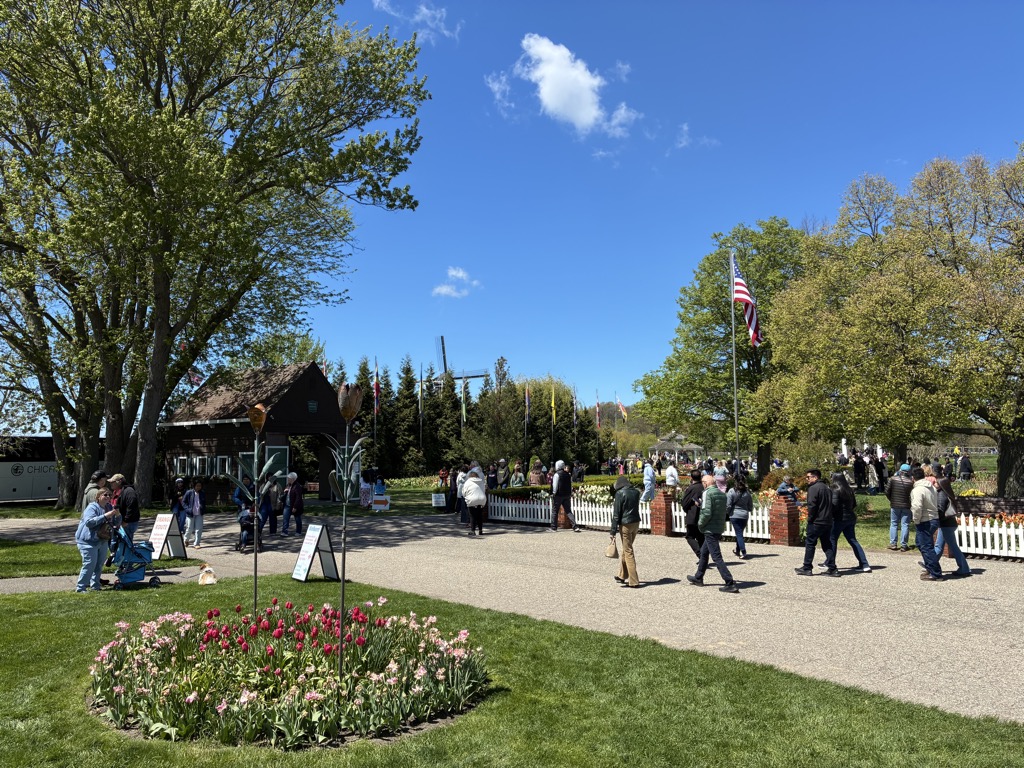
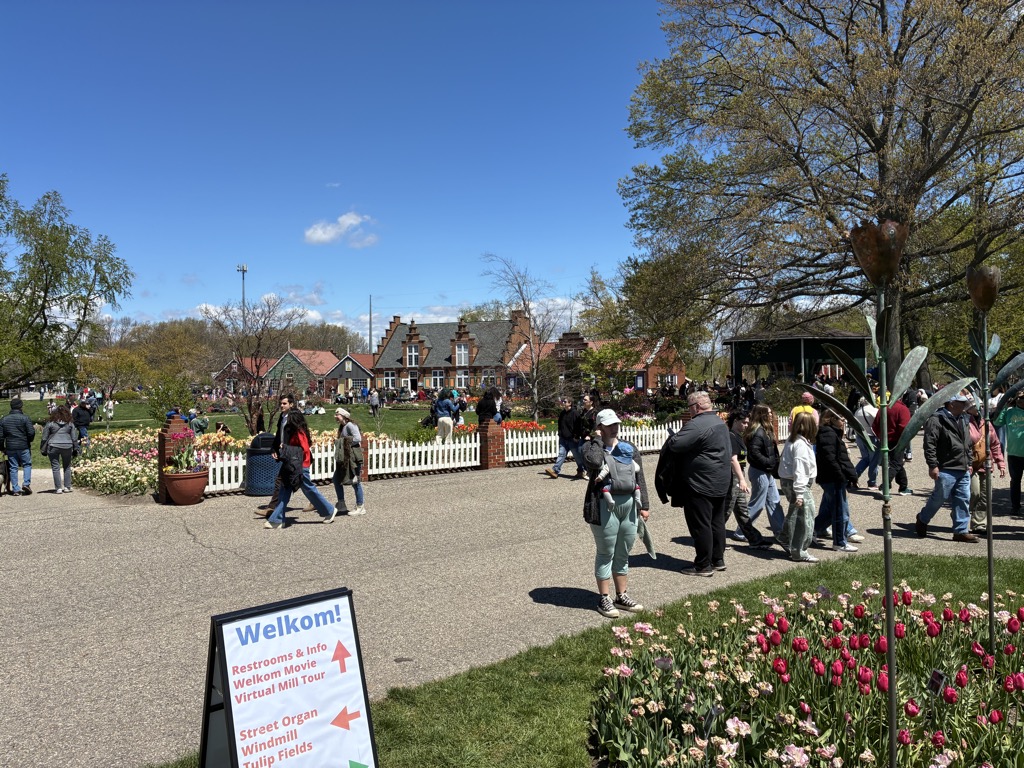
Luckily, we managed to make our way in and find parking before it got really busy. Since it was my first time in Holland, I can’t claim to know what it is usually like, but it looks like during the tulip festival the town gets overrun by visitors. Little quiet streets get filled to the brim with people, police control traffic manually, and buses are organized to shuttle people around, not to mention electric tuk-tuks.
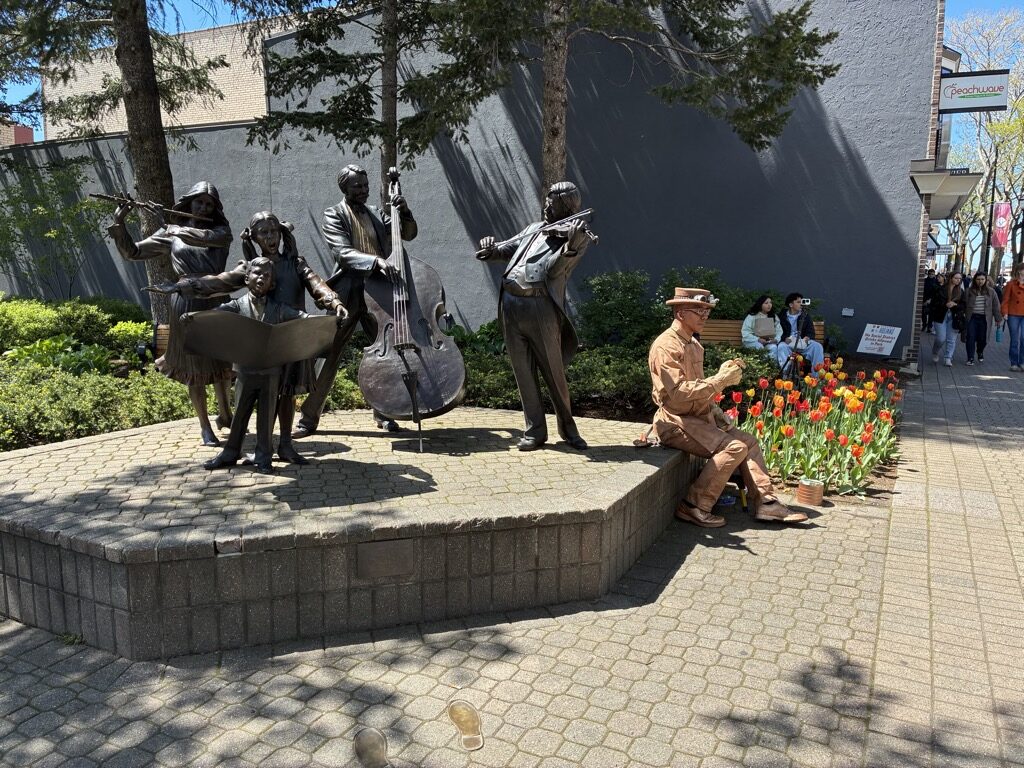
I enjoy American themed towns – they are just different. You get a feeling that they are actually made for people to walk and enjoy. But every time I walk around one of those themed towns, I get a little feeling of theatrics… like none of it is real. I guess it is a similar feeling to the renaissance festival – while it is on, people and buildings are there, and once it is done, it becomes an empty field. I guess I feel similar about all-inclusive resorts that have everything on the premises – gym, store, bar, and coffeeshop – simulating a mini-town experience, but you know none of it is real. Nonetheless, Holland is a pleasant town and, considering it is near Lake Michigan and right on Lake Macatawa, there are more things going for it.
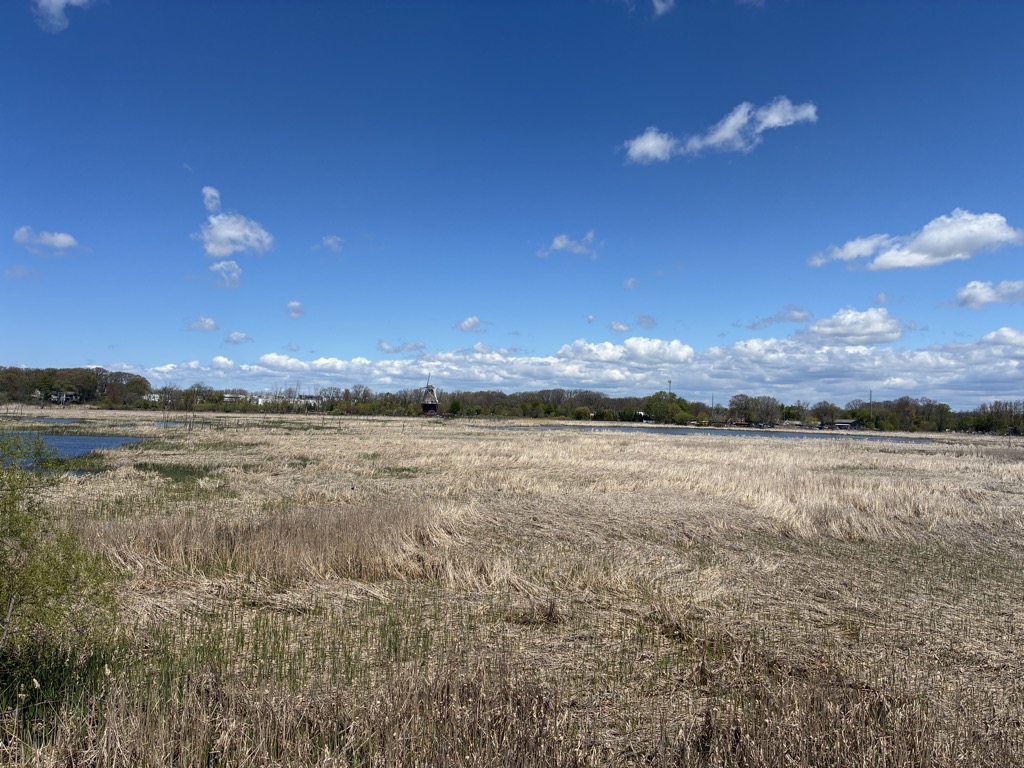
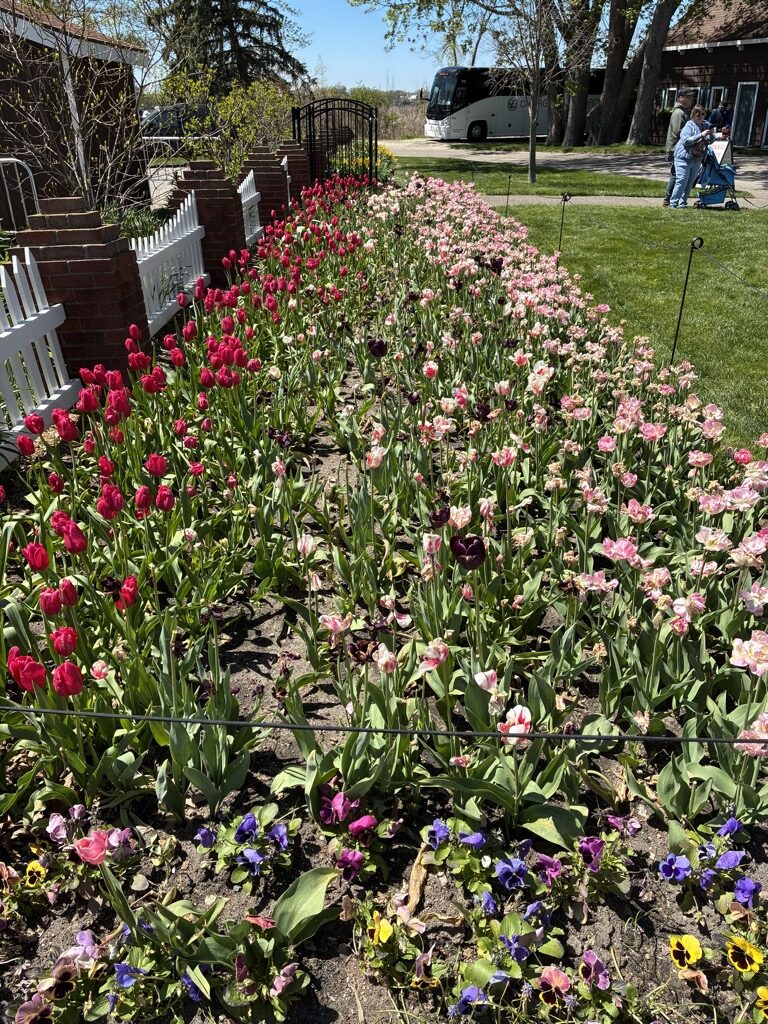
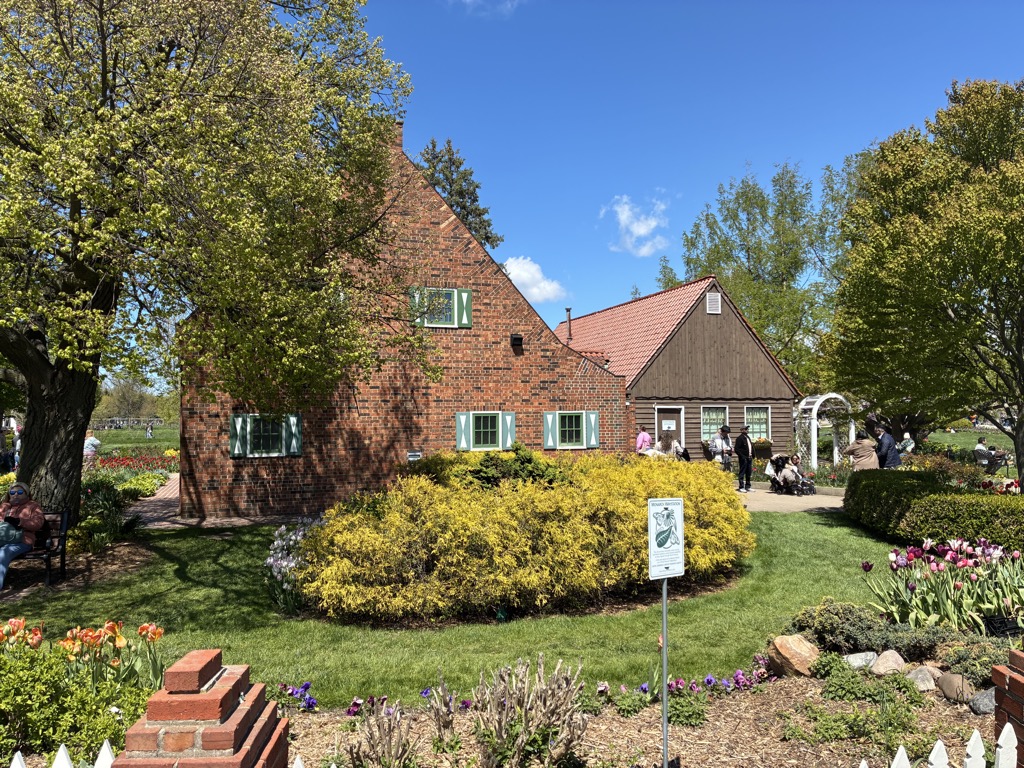
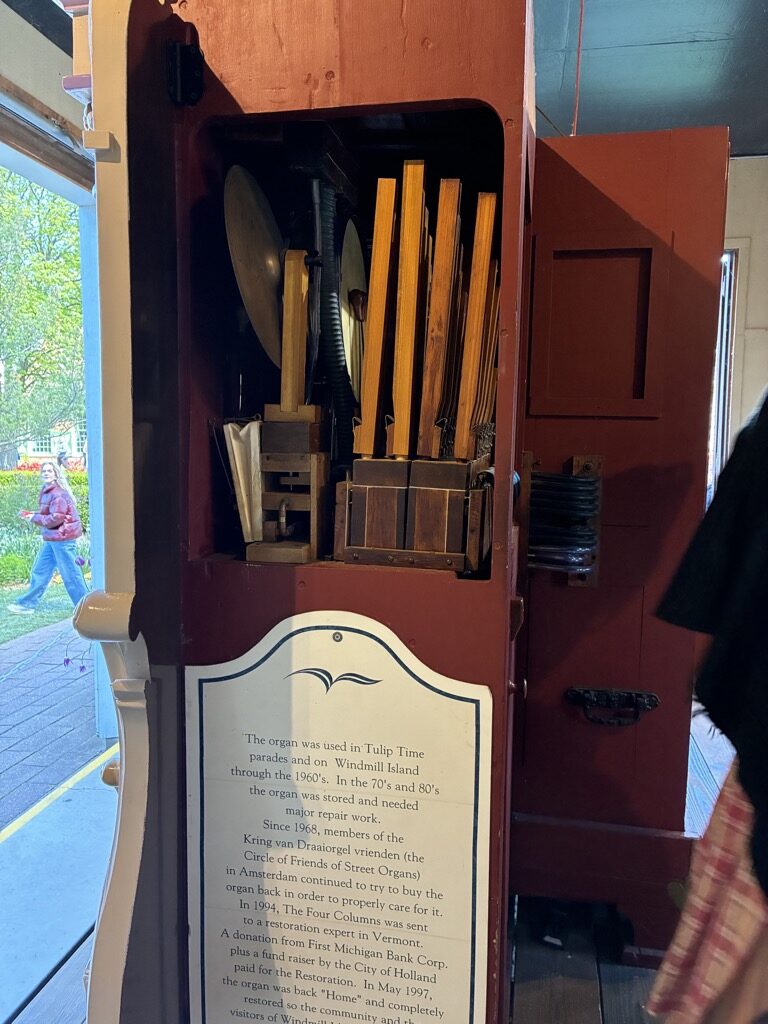
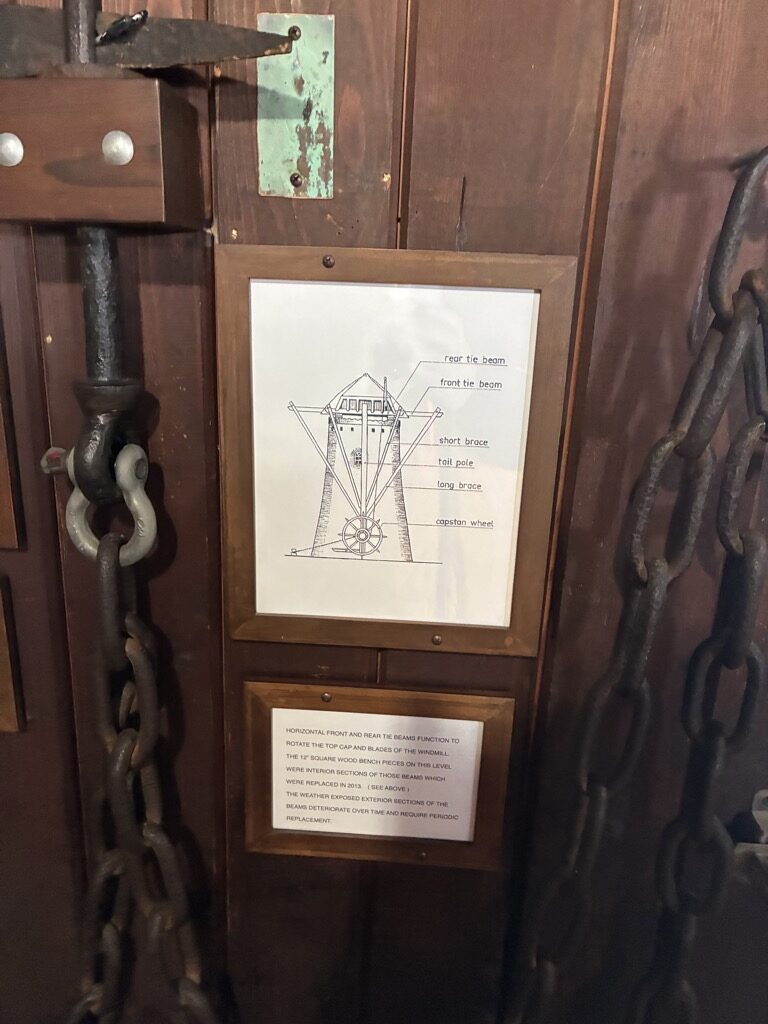
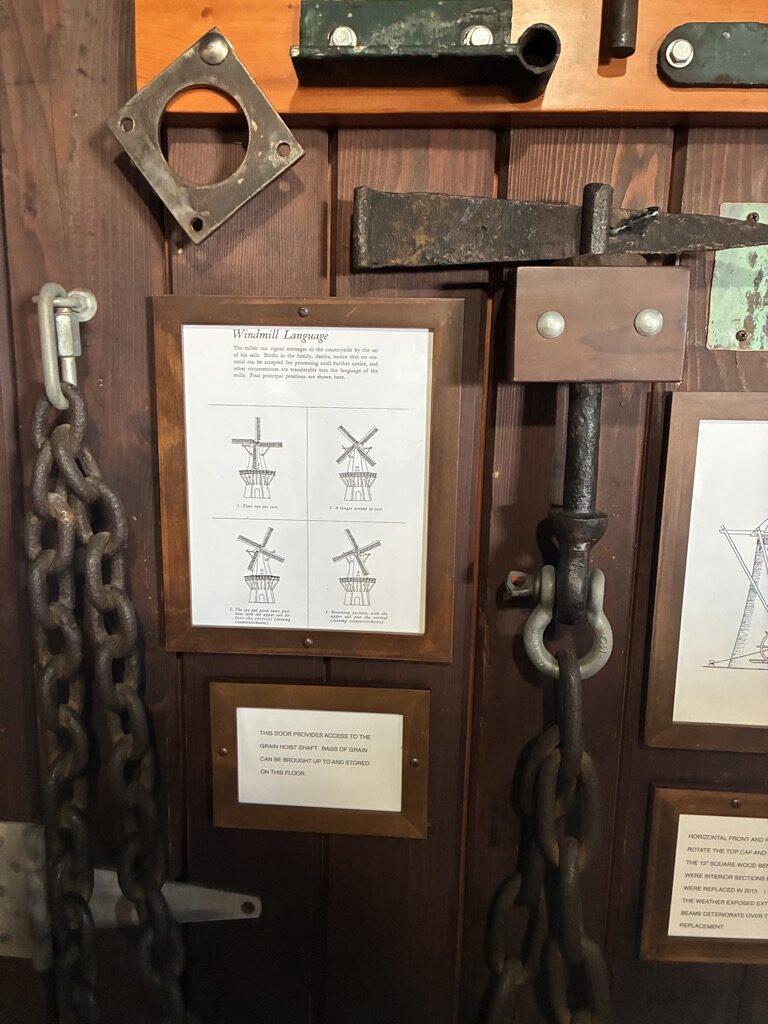
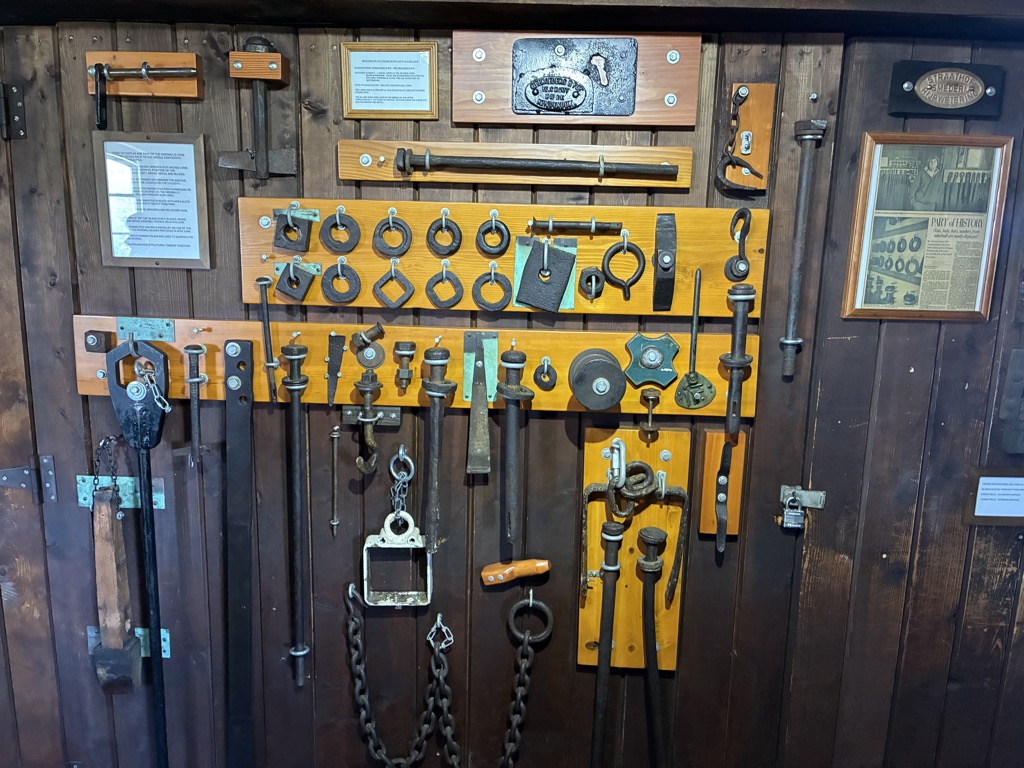
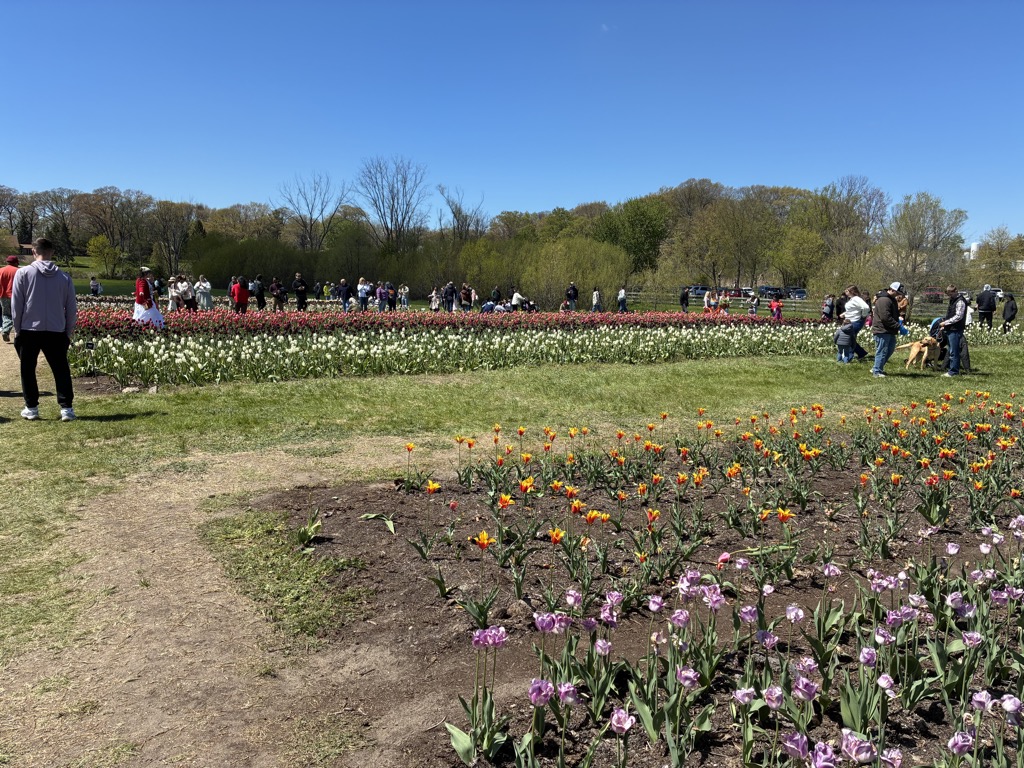
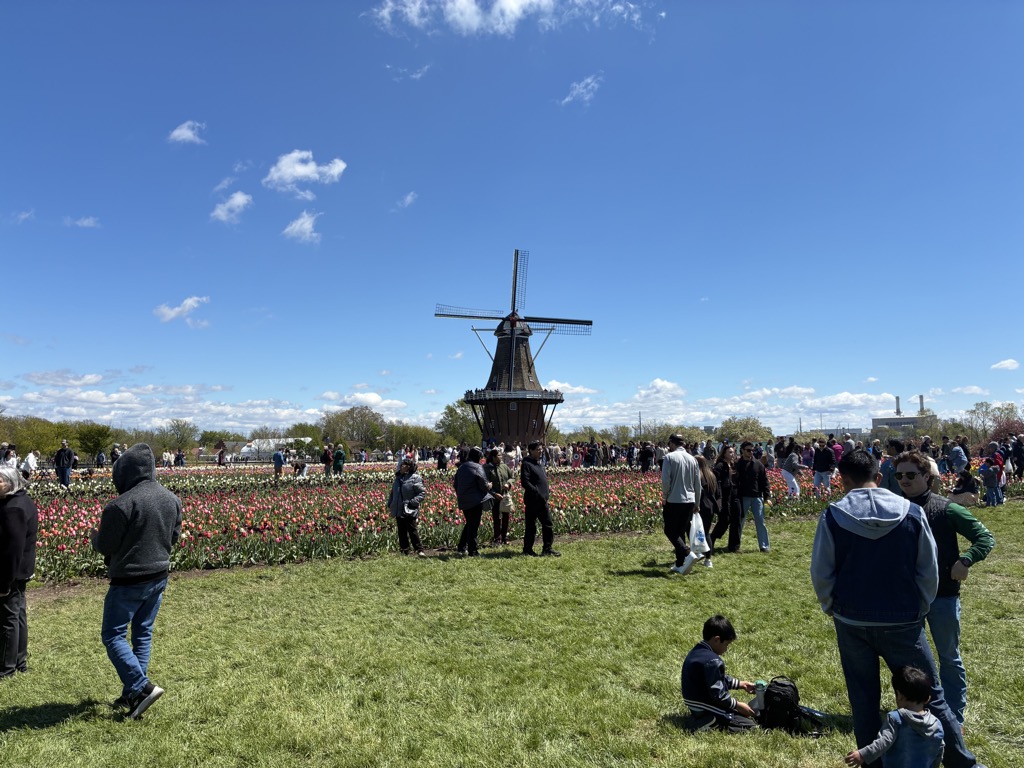
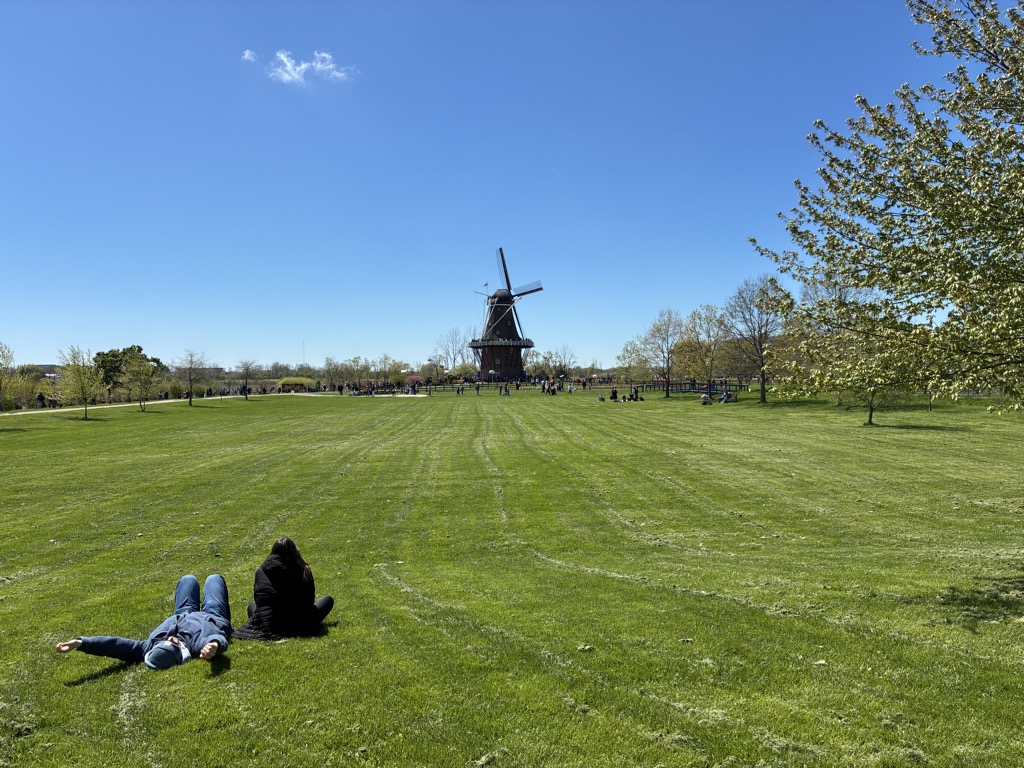
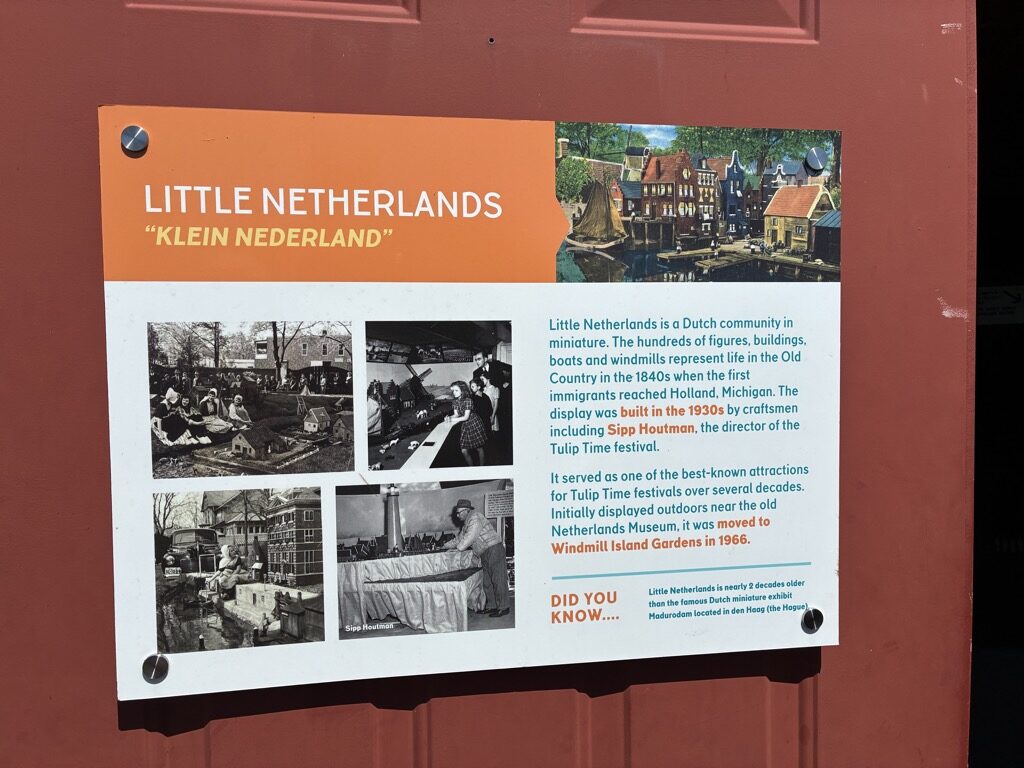
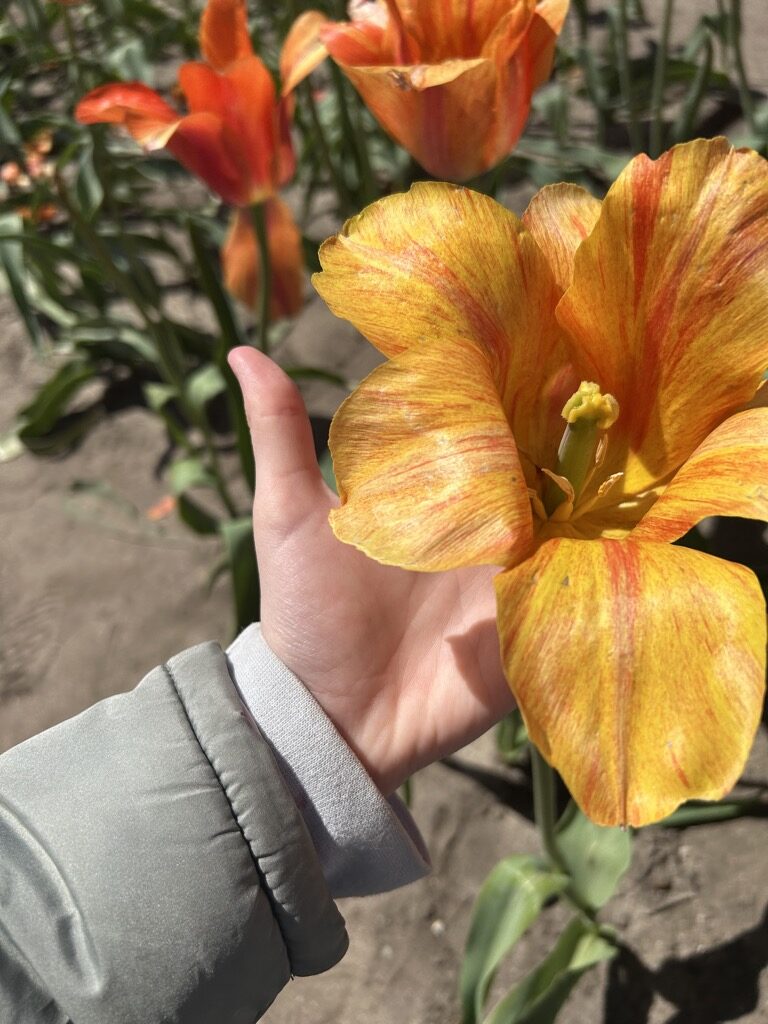
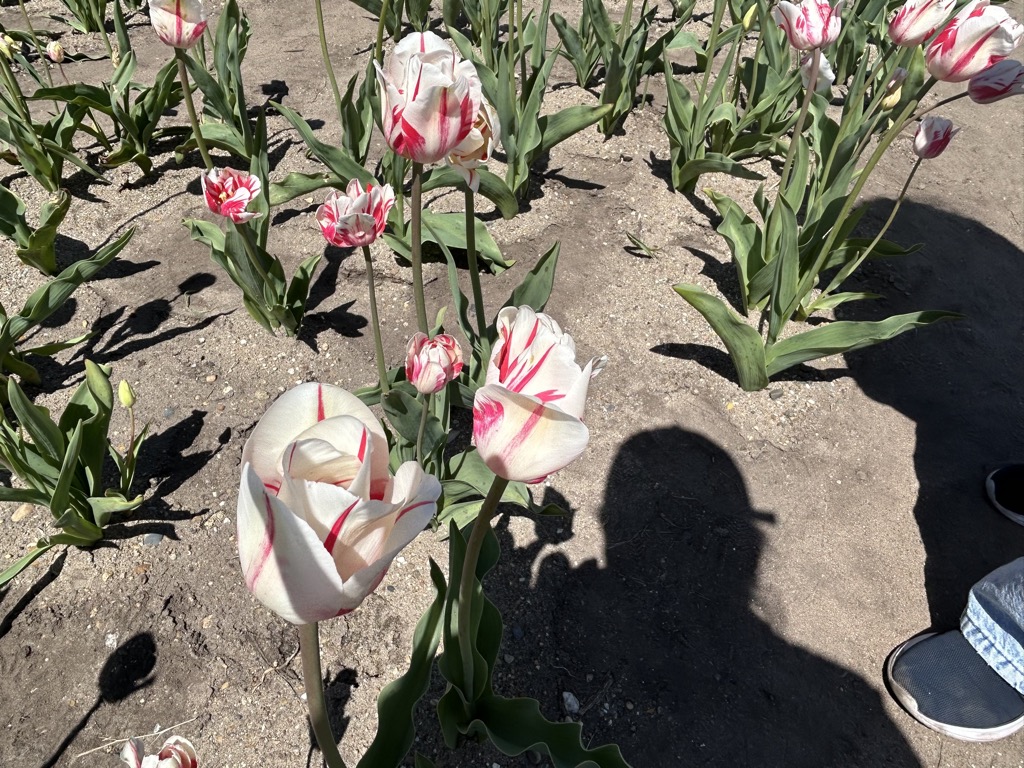
The tulip festival takes place on Windmill Island. The island is called so because it has a windmill, and it is pretty neat, both from afar and up close. To get in, it cost us $20 per adult and $10 per child. I guess its running costs are relentless and the entire island needs to generate enough money from just 10 days of a festival… but that is just my speculation. There are a few things to discover, but the main event is the flowers. Now, the website states that there are millions of tulips, and while I didn’t count all the tulips, just walking around, it was hard to see where those millions were. Perhaps millions of tulips are spread all over the township, but Windmill Island didn’t seem to have those millions. I guess it is unfair to compare it with the lavender fields in the south of France, but when you hear the word “millions,” you get the idea that the entire island is covered in tulips, and it wasn’t so.
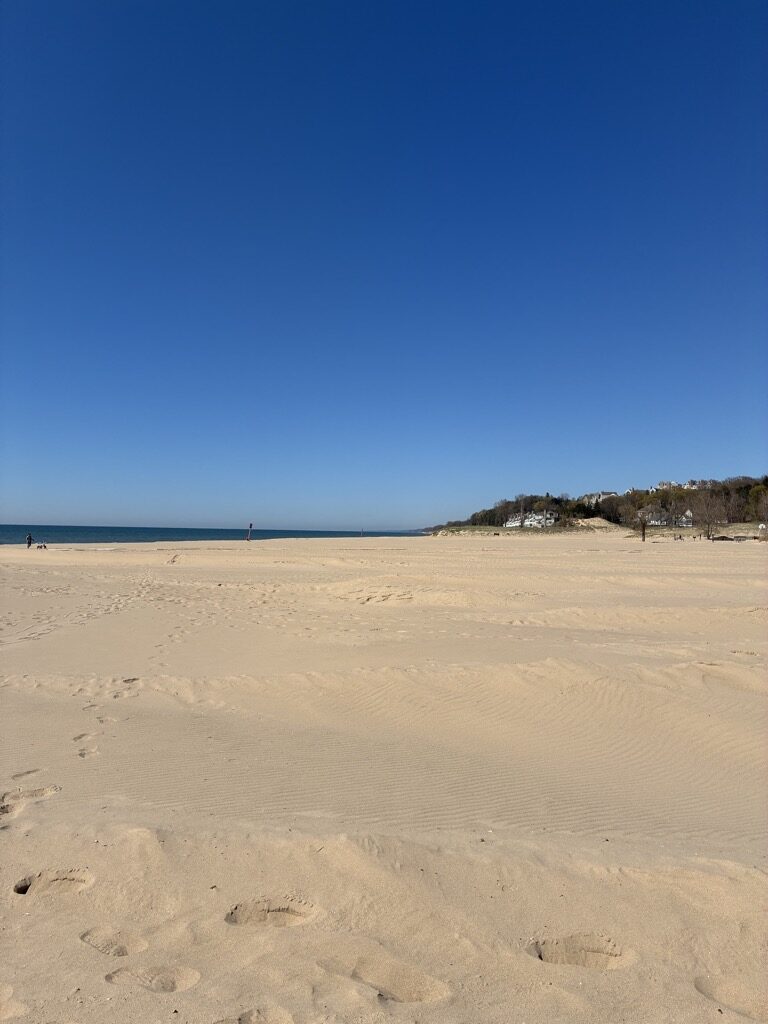
Since Holland is located near Lake Michigan, I wouldn’t leave before seeing the lake with its spectacular beach. I had never been to the Michigan dunes – something I must see at some point – but man, the sand on Ottawa Beach looked unreal. It feels like you are in the Caribbean, such fine sand with an endless beach. I’ve been told Lake Michigan is deep and never really gets warm, but it sure feels warm, at least in my imagination. It is early May and the weather is still pretty cold, so sampling the water wouldn’t do it any justice, but at some point it must be tried, at least once.
The day trip turned out pretty nice, despite the “millions” of tulips. It is quite interesting to travel far and wide, but often we forget what is just around the corner. I often feel regret that I haven’t visited more local nuggets, and going forward I would like to change that, time and luck permitting.
Today was supposed to be another workday—routine and busy. I had a few things I wanted to finish, but some unfortunate news came in the morning. Not unexpected, but it pushed my already gloomy mood to the bottom and drove my thoughts even deeper into an endless state of wondering.
I’ve been wondering and pondering the meaning of life for a little while now… I don’t know, and I might never know. But last year, as my neighbour was gearing up to go to Mexico for the winter, I got a bad feeling. I don’t know how to describe it, but it felt like he was taking his last trip… like I might never see him again. I don’t know why, I don’t know how—it was just a stupid feeling.
He went to Mexico many times before—no issues—and every spring he would come back and things would carry on. Not this time. He got an infection sometime prior (bad luck), and the troubles started on the way to Mexico. As far as I know, he tried to get help in Mexico, but none of it worked, and he was back in Canada a month later.
Don was my incredibly awesome neighbour for nearly a decade. He’s been in the hospital for the past couple of months, slowly withering away, while I’ve been hoping for a miracle. The first time I visited him in the hospital, I had my hopes up. I hoped he would recover—that we’d spend at least one more summer having drinks on odd evenings, and he’d laugh at my problems, occasionally dispensing wisdom in the form of his seemingly endless life stories, or just telling jokes and making fun of the world.
I don’t exactly recall how we met the first time, but I’m sure he invited me for a drink, and that’s how our relationship began. Since then, we hung out quite a bit. He had an interesting character: on one hand stoic and nonchalant, on the other fiery and determined. It takes courage to call out stupidity right to your face, and he did—every time I cooked up yet another “brilliant” idea, like building a shed out of 1×2 or 2×2 wooden planks. Needless to say, his advice didn’t go unnoticed (I didn’t build that shed). He had a lot of experience, and I was happy to receive some of it.
I really appreciated his take on my issues (and oh boy, I’ve got some), especially when my aunt passed away. He told me to go and pay my respects no matter who said what and why. In retrospect, he was absolutely right.
I grew up without a dad, and my mom did everything she could for me. I never really dwelled on it until fairly recently. On one warm, breezy night, drinking with Don and talking about life, I started to wonder if that’s how it should’ve been. Moms are always protective, but what about dads?
I didn’t really have an answer, but what I could gather is that dads seem to give you that tough pill to swallow: if you’re right, you’re right—and if you screwed up, then you’re wrong, and let’s fix it. I don’t know how true my idea is, but that’s how I perceived Don. He was always helping whenever I needed it: advice, tools, knowledge, even a hand when he could.
He always had a story to tell, advice to spare, and he never pretended to be any more than what he was—French Canadian with a big heart and a soul.
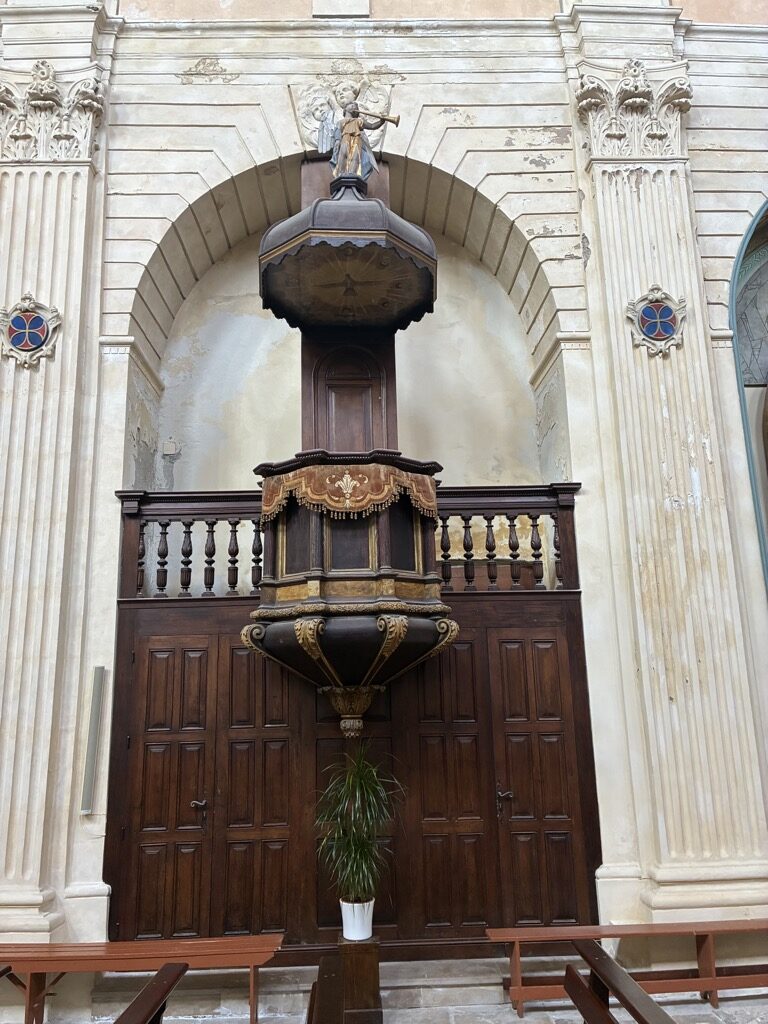
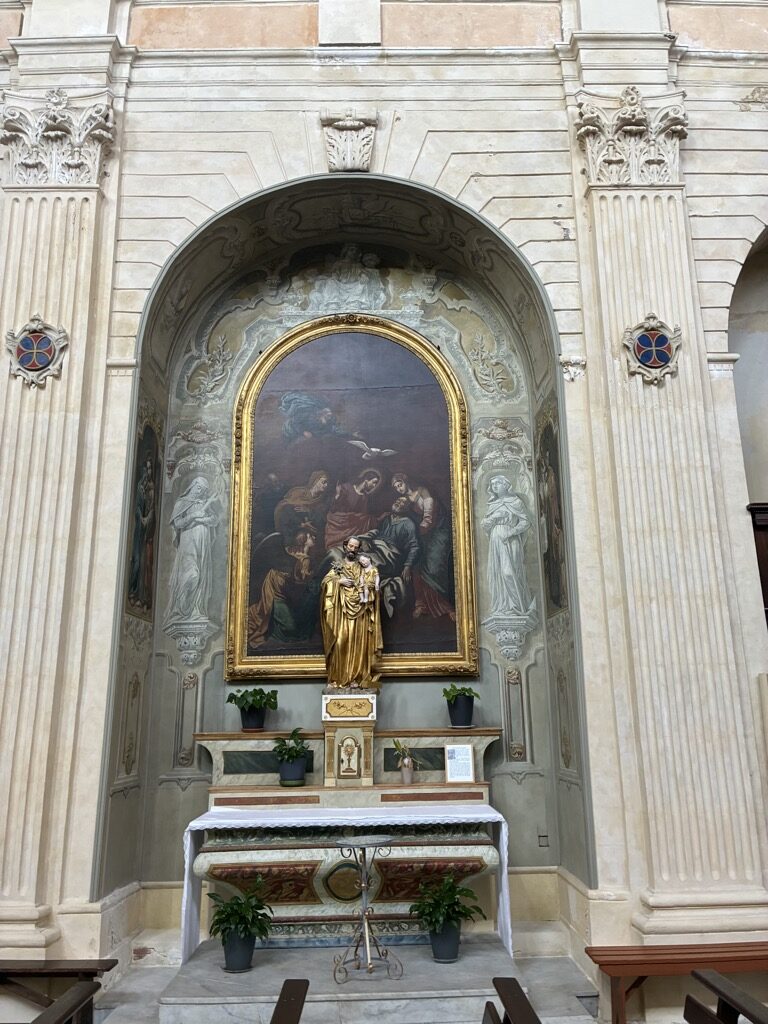
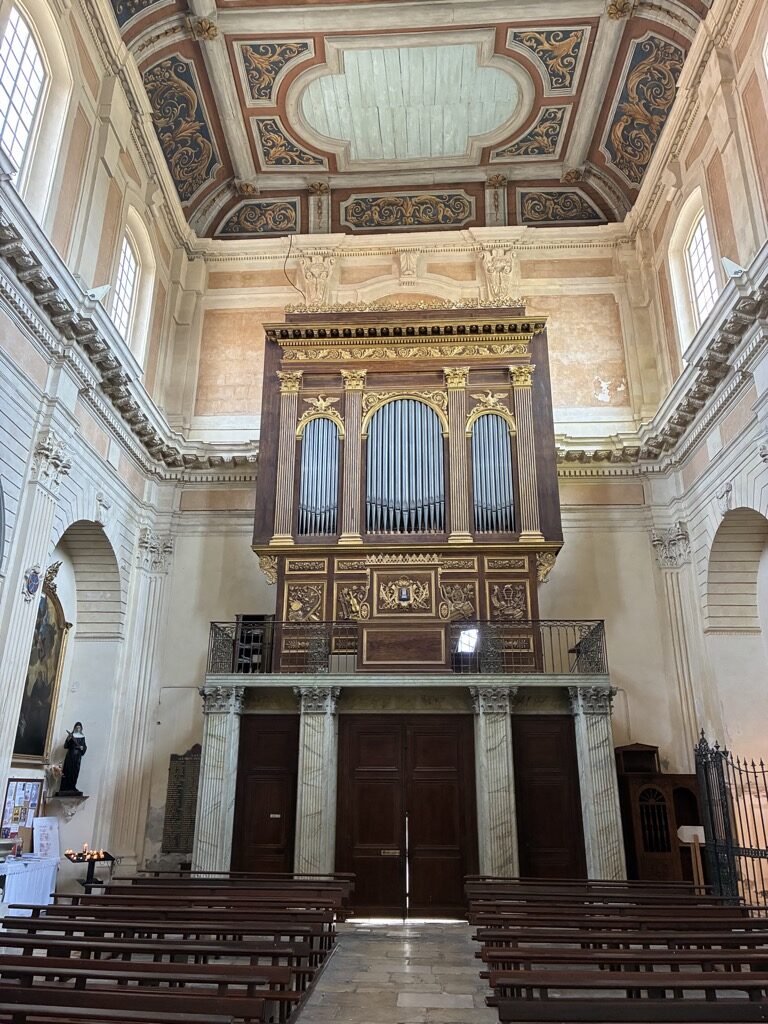
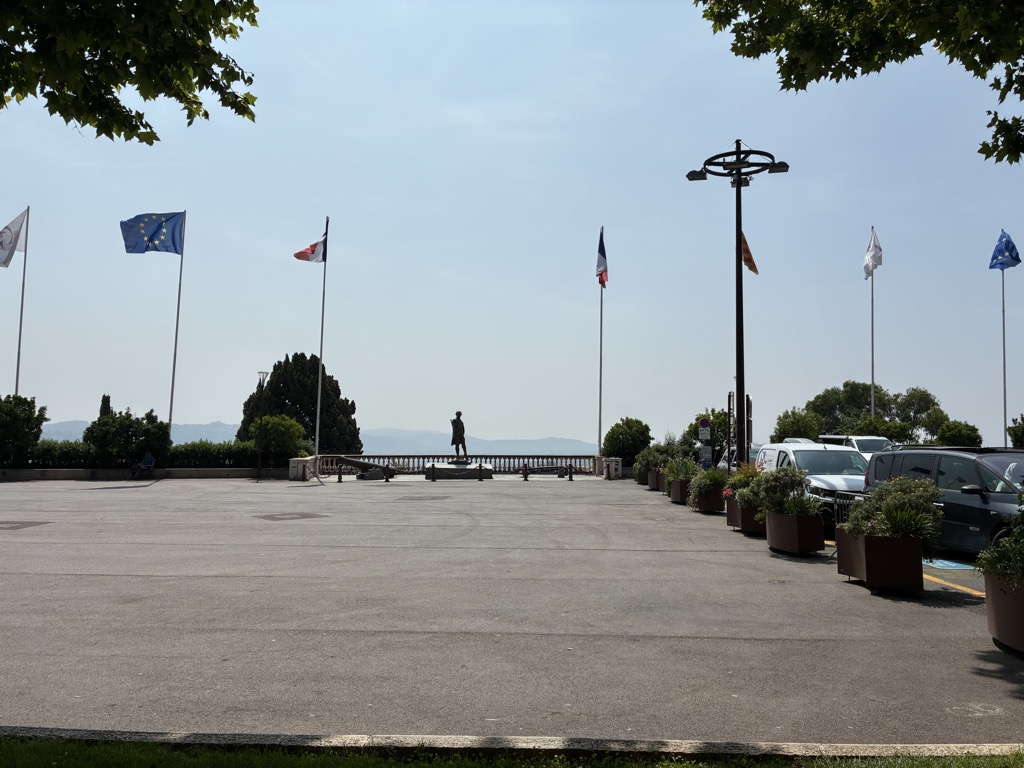
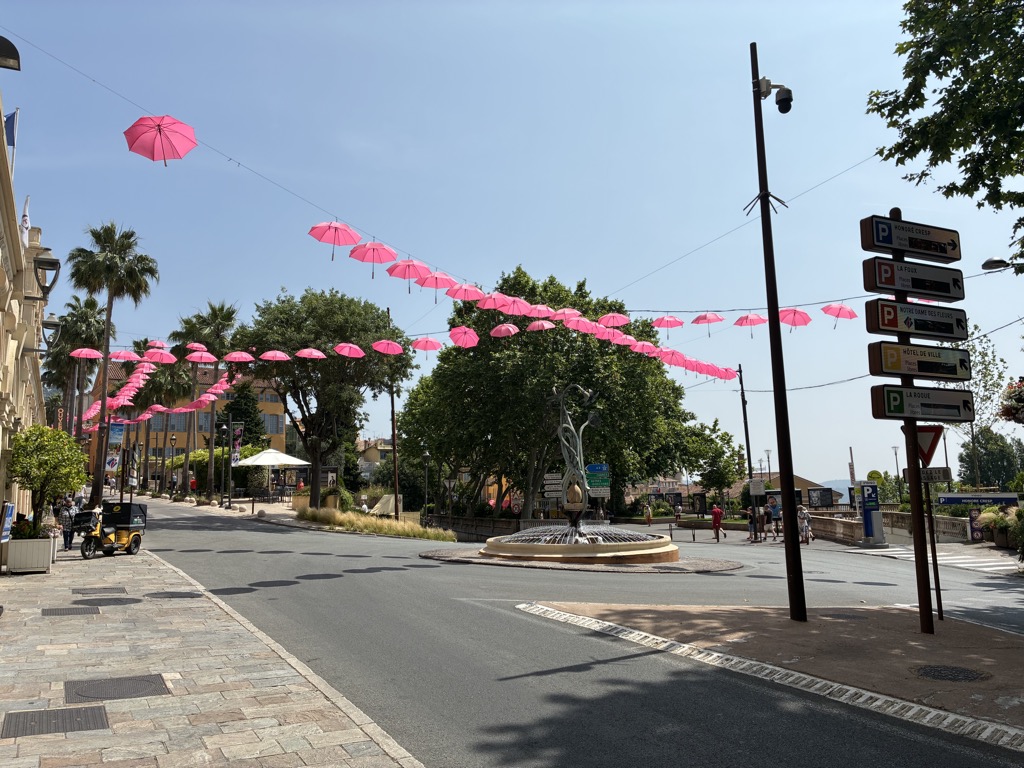
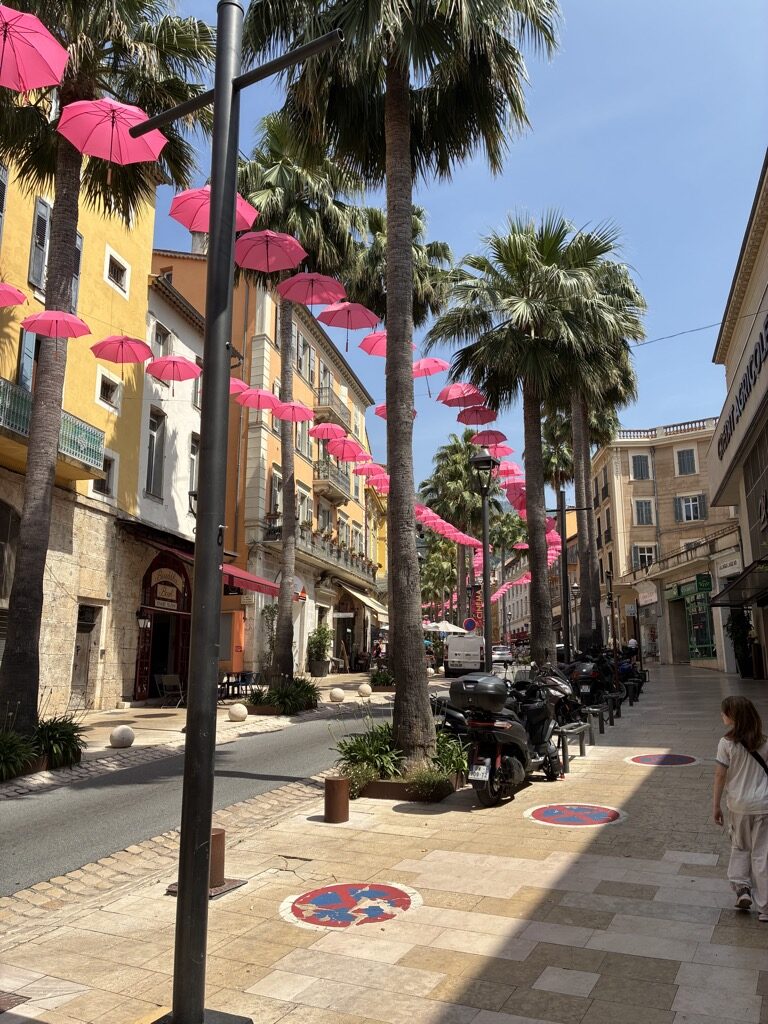
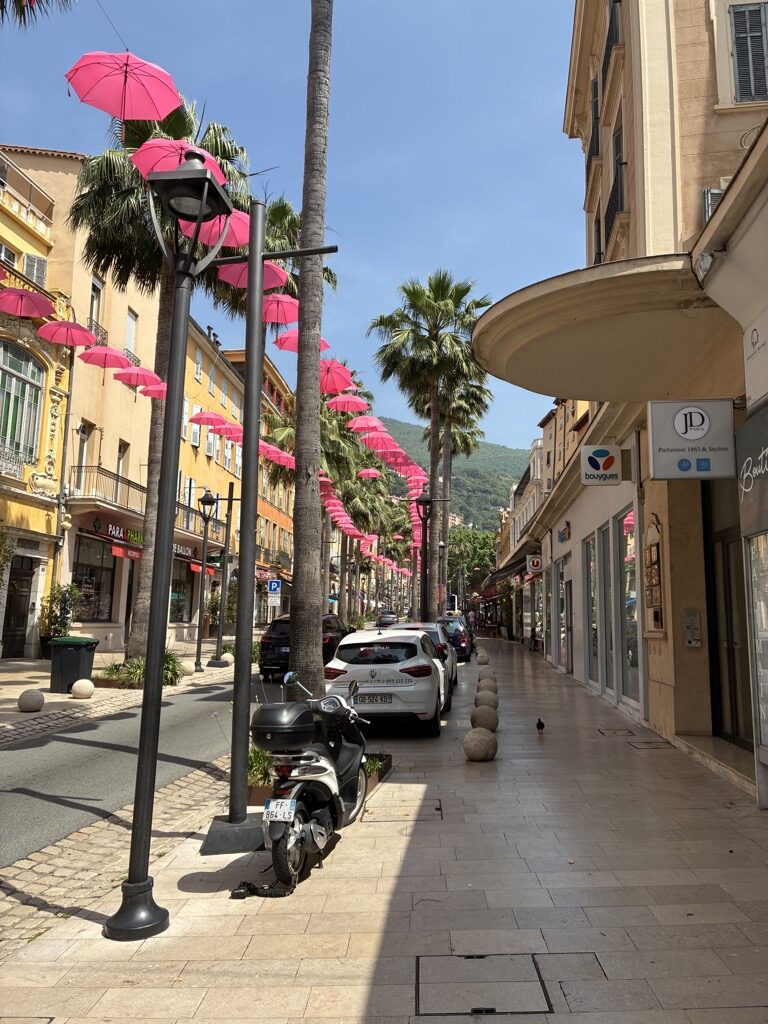
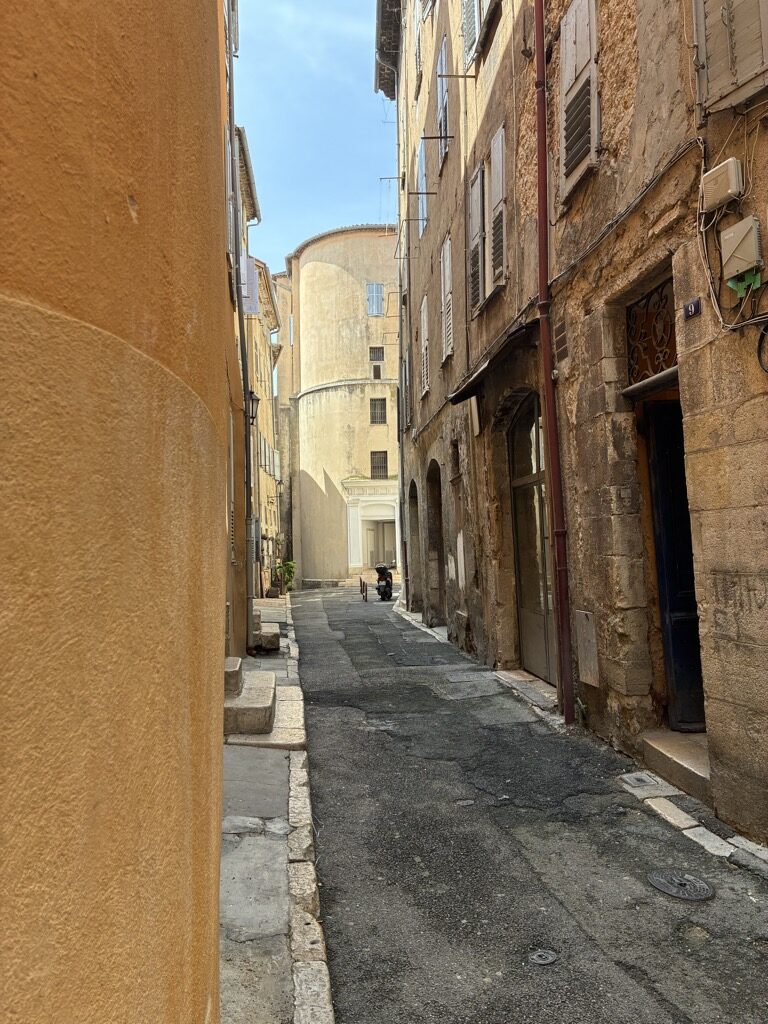
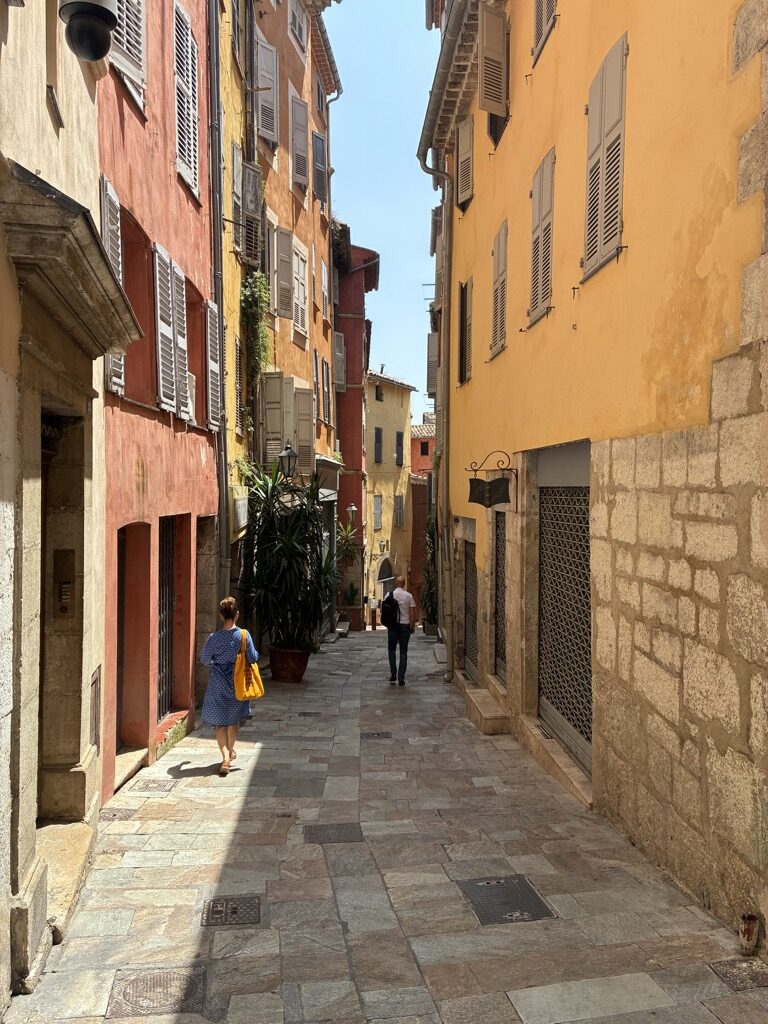
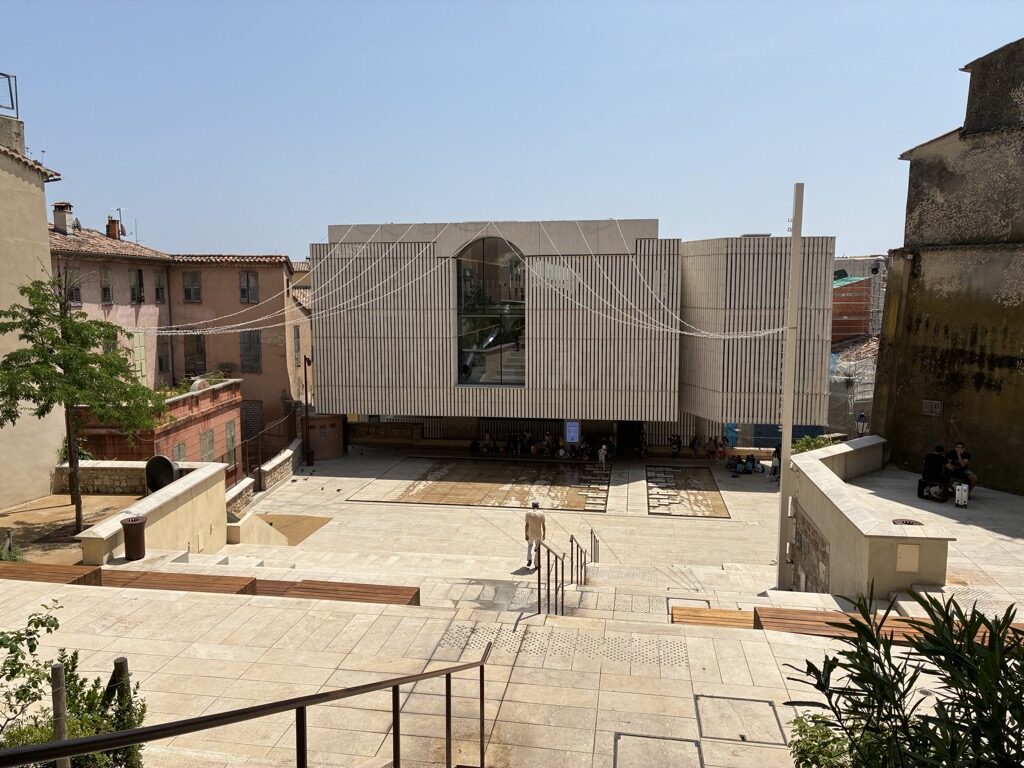
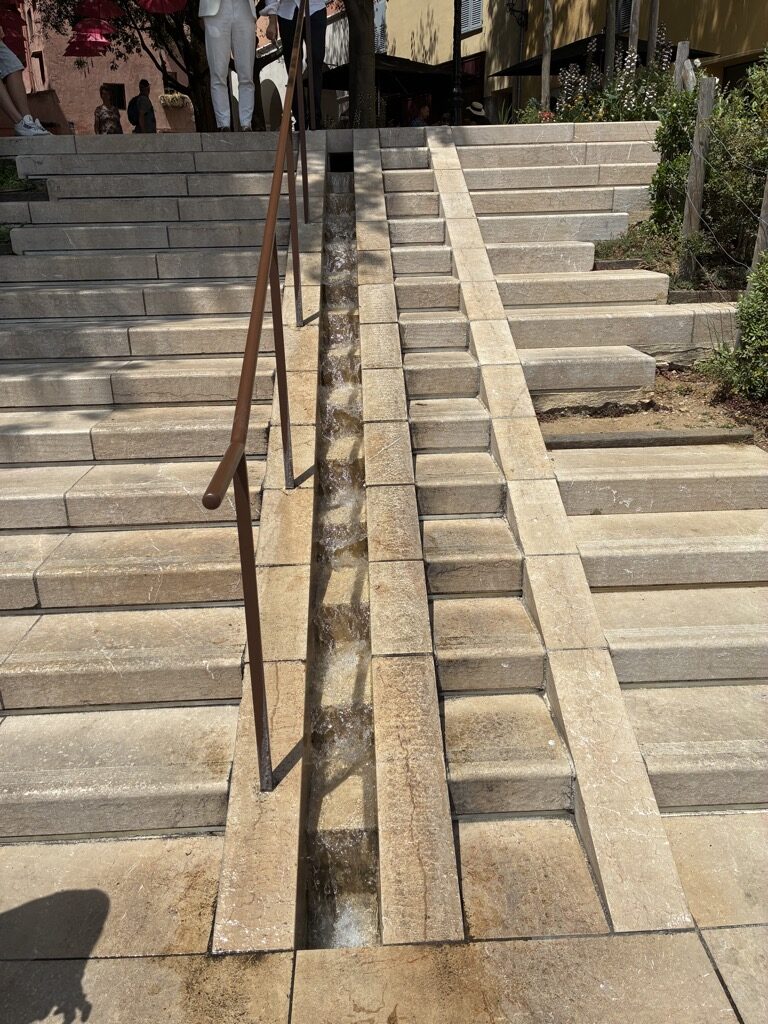
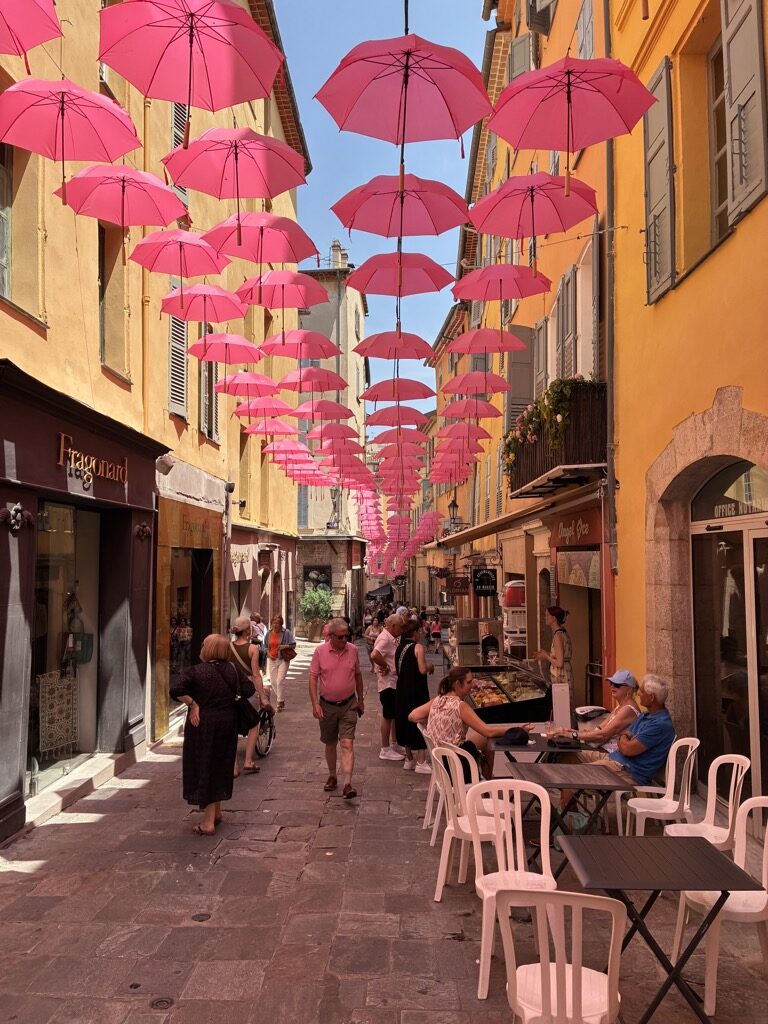
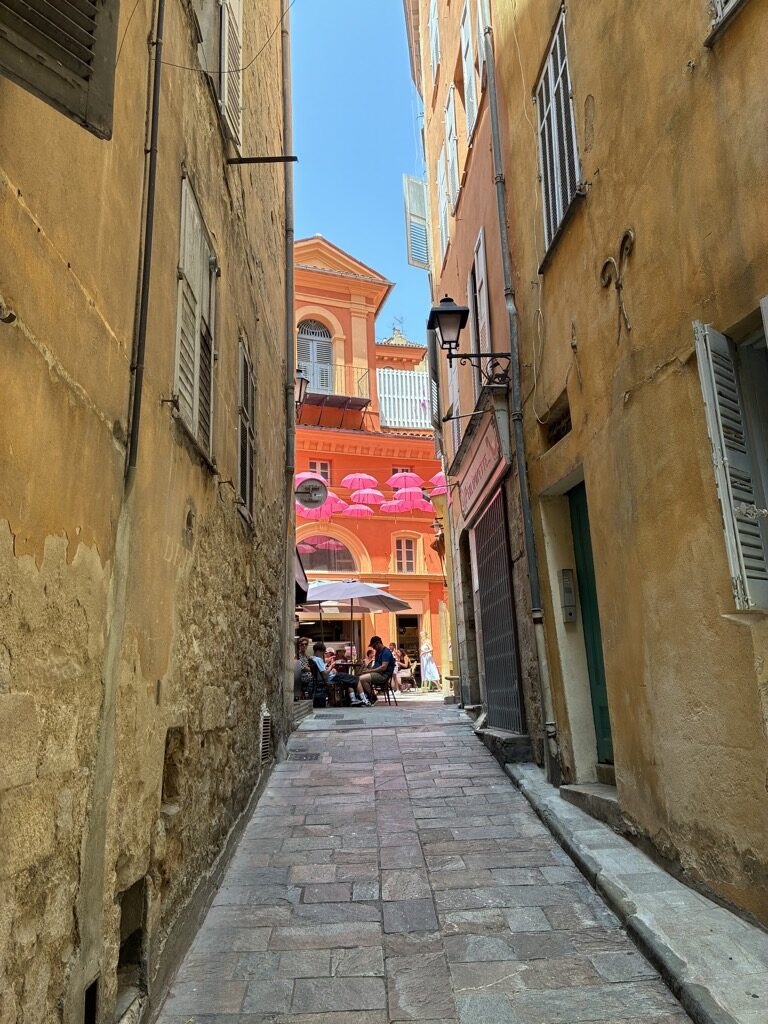
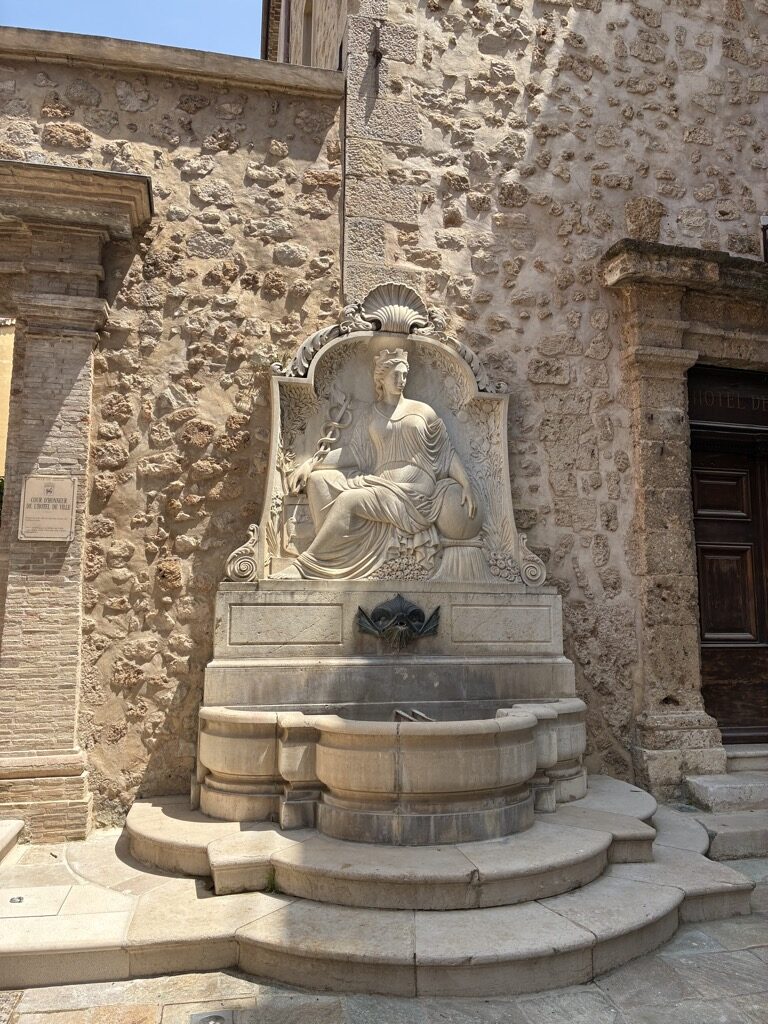
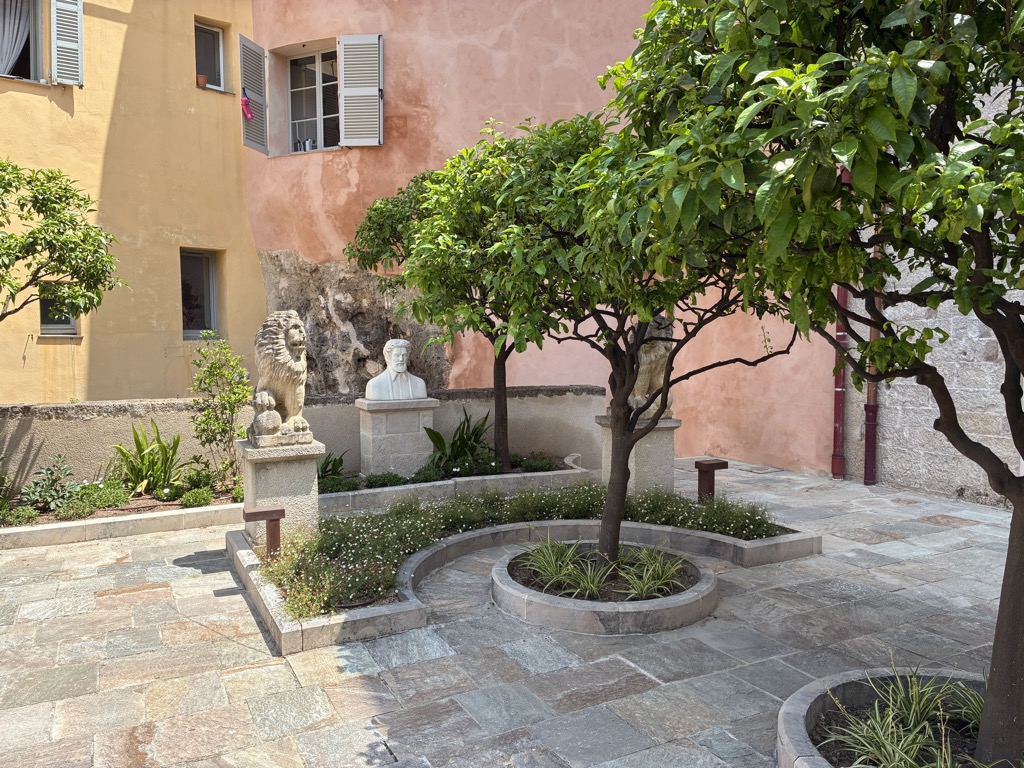
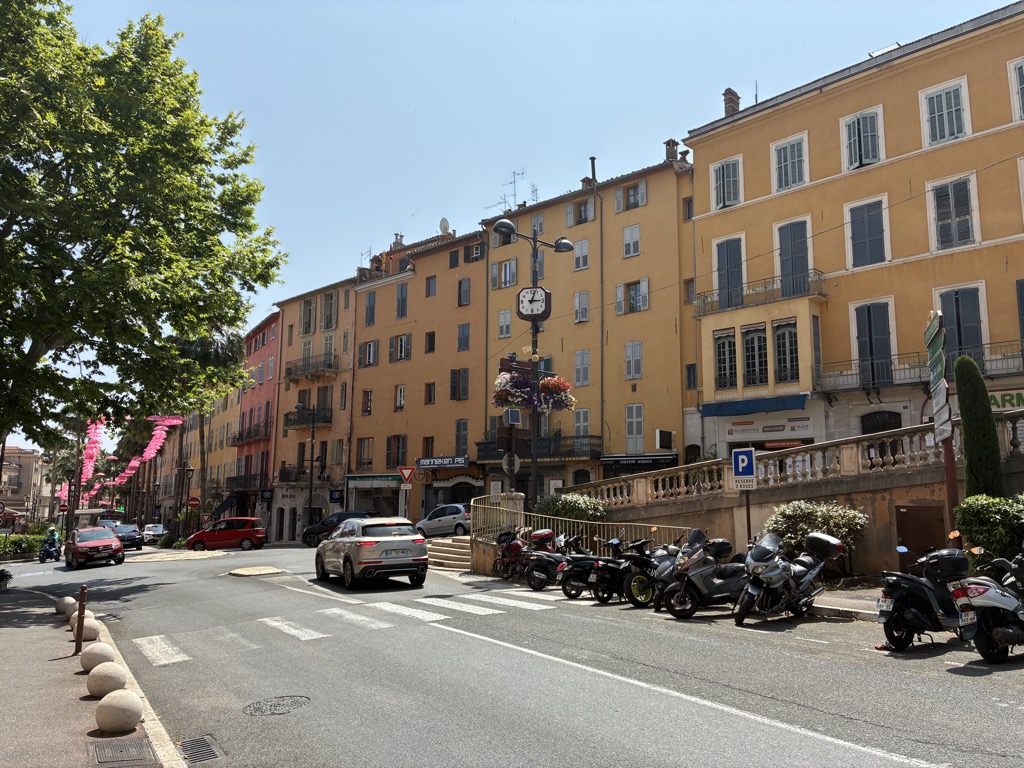
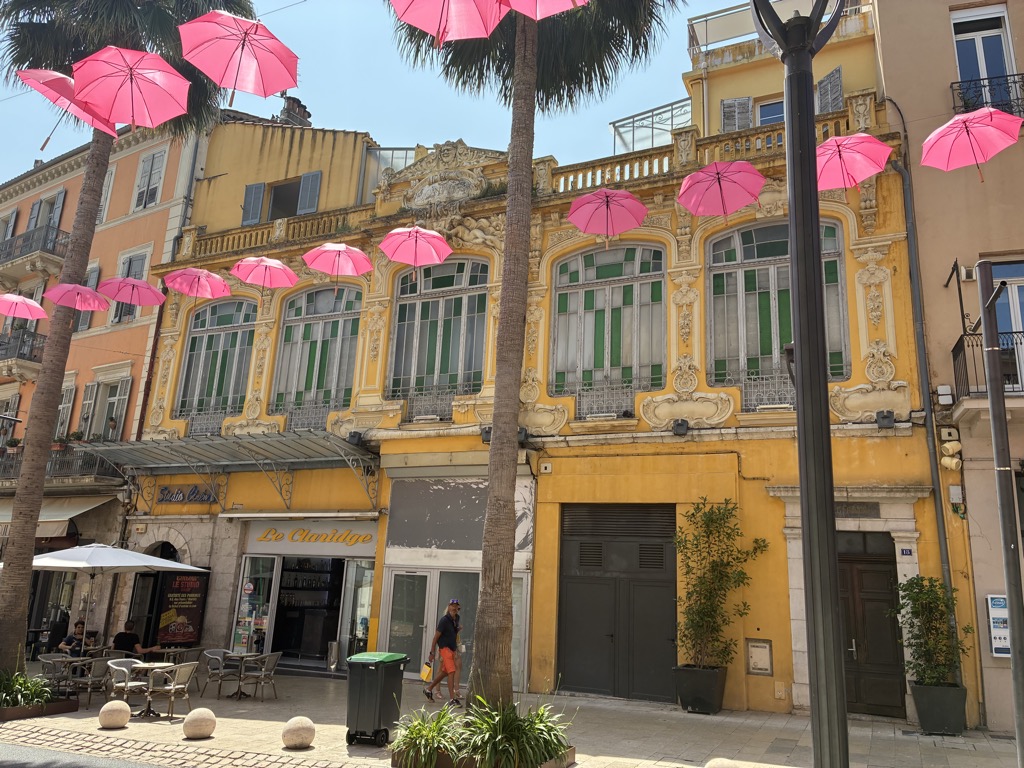
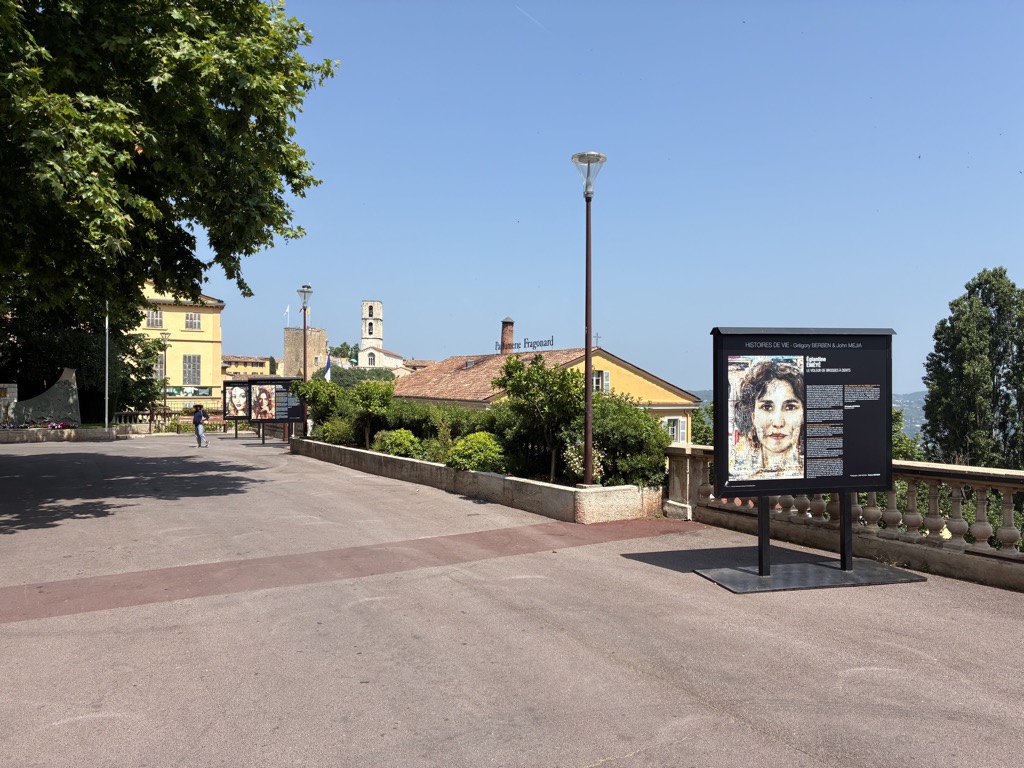
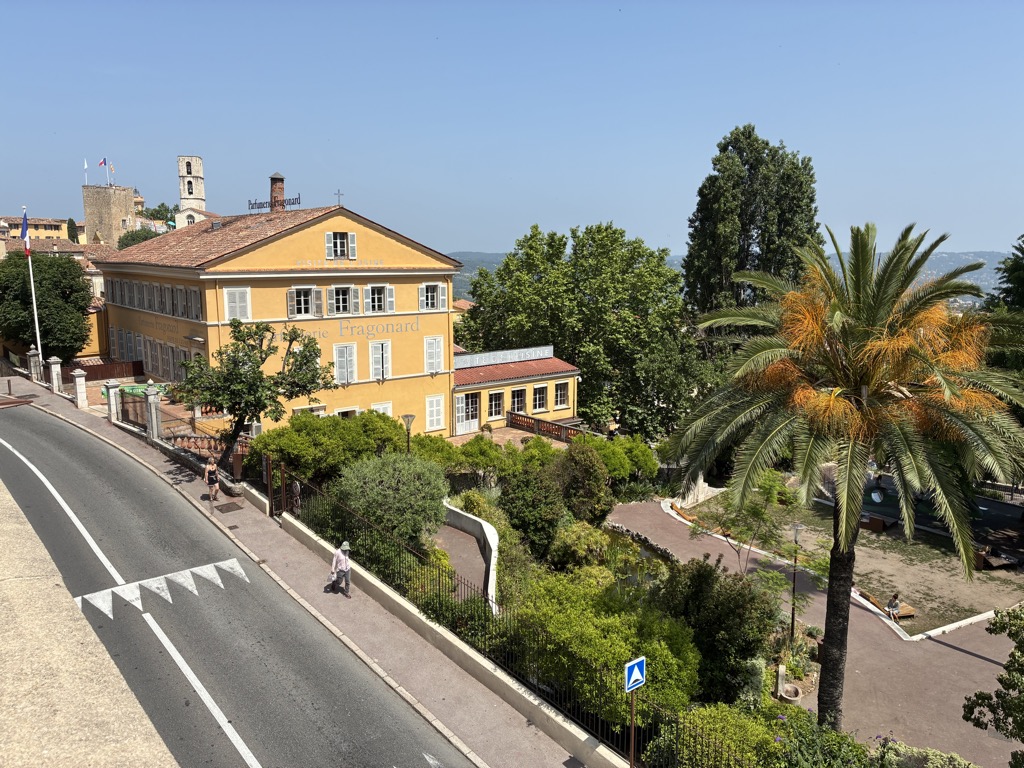
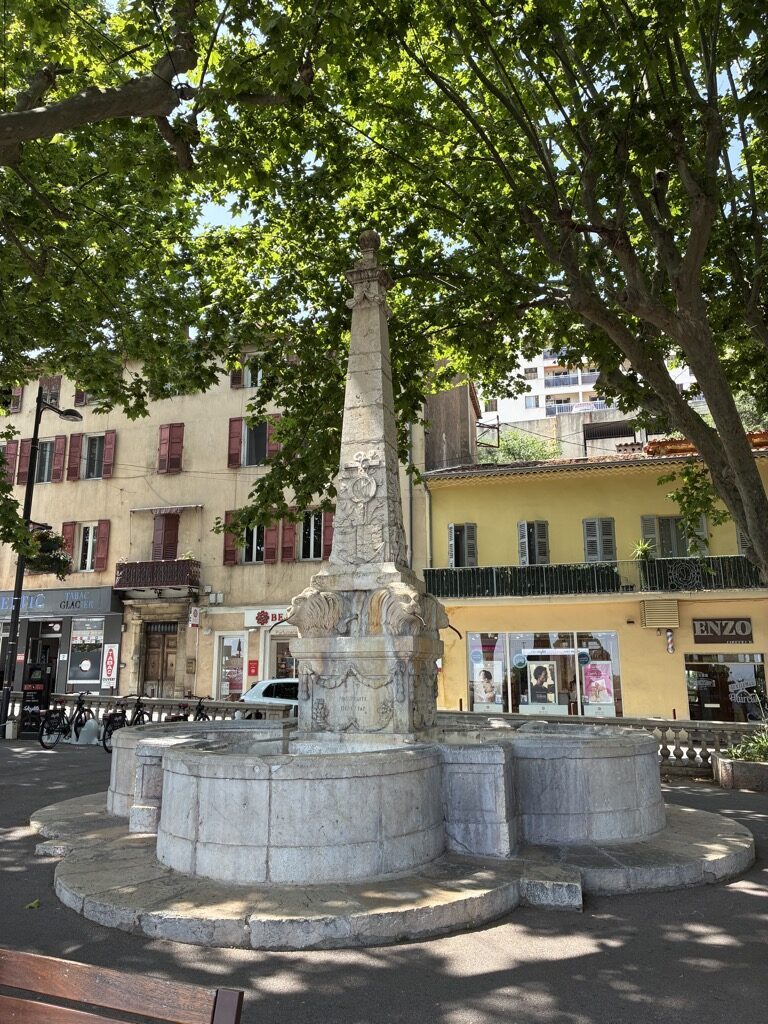
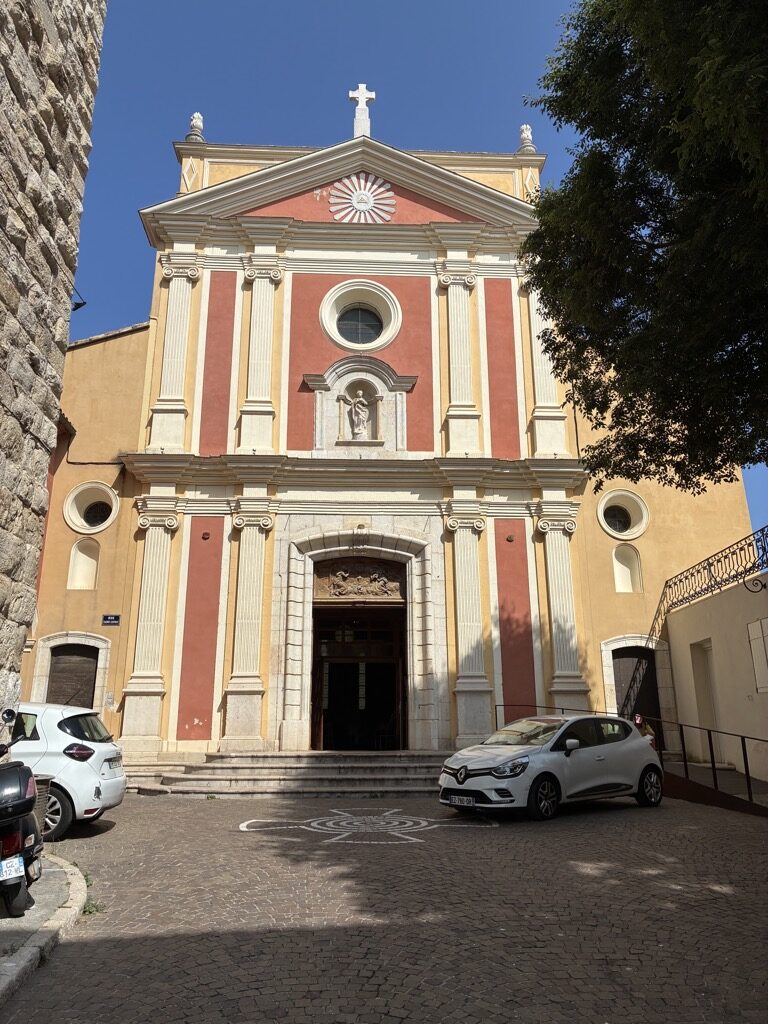
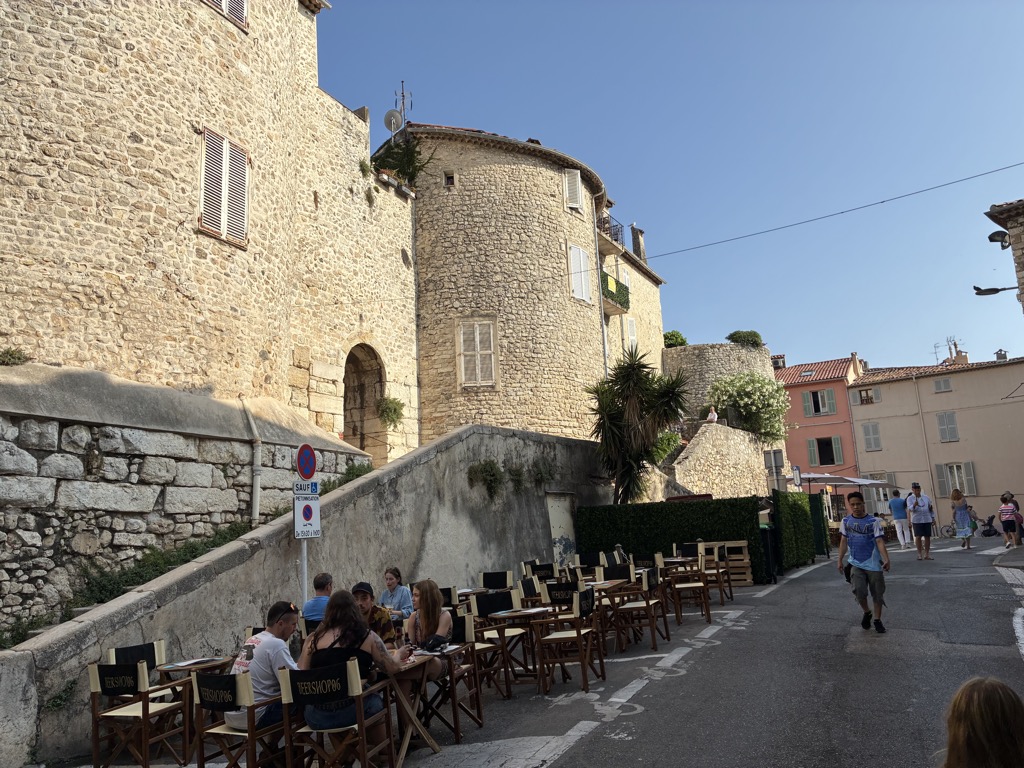
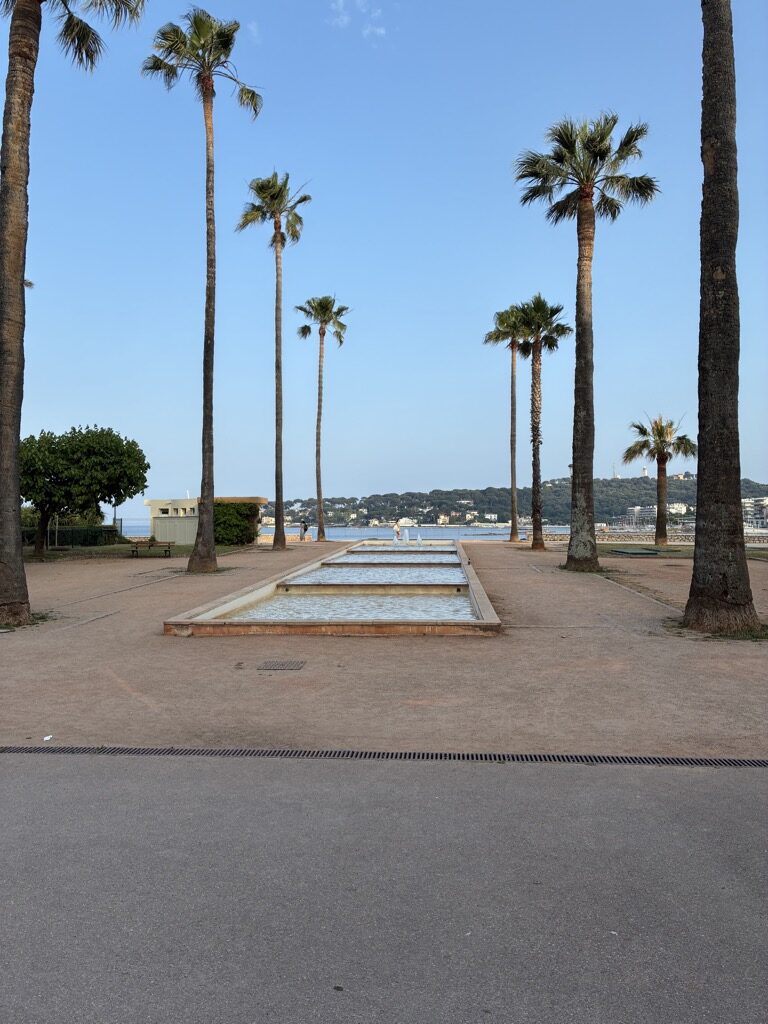
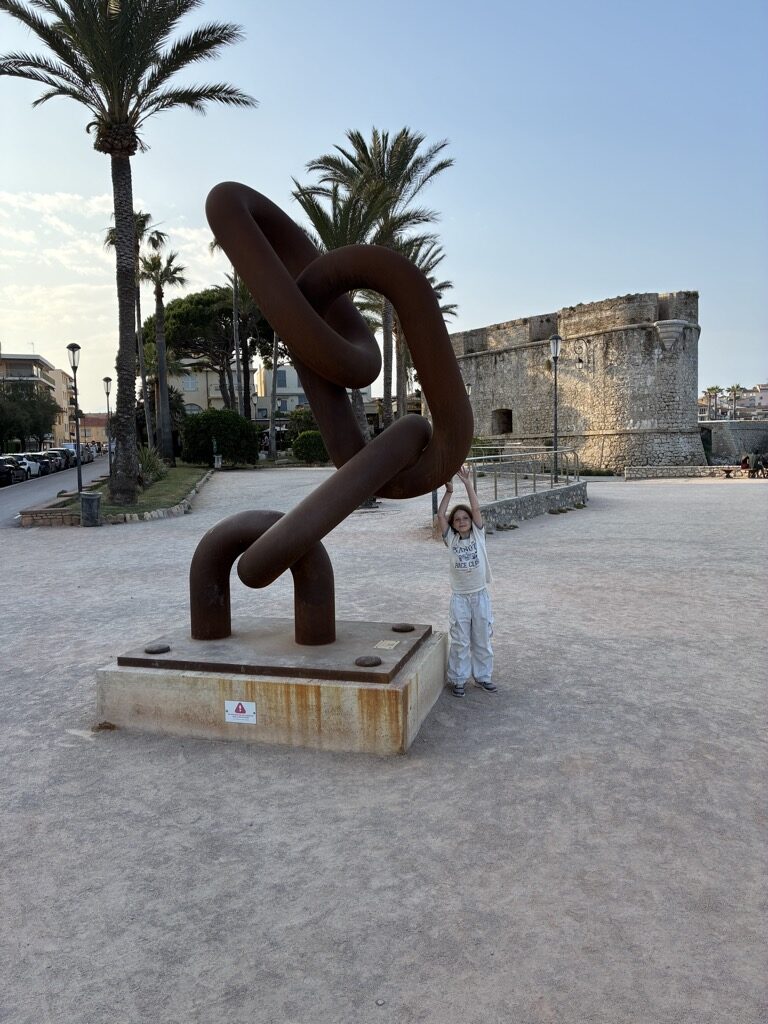
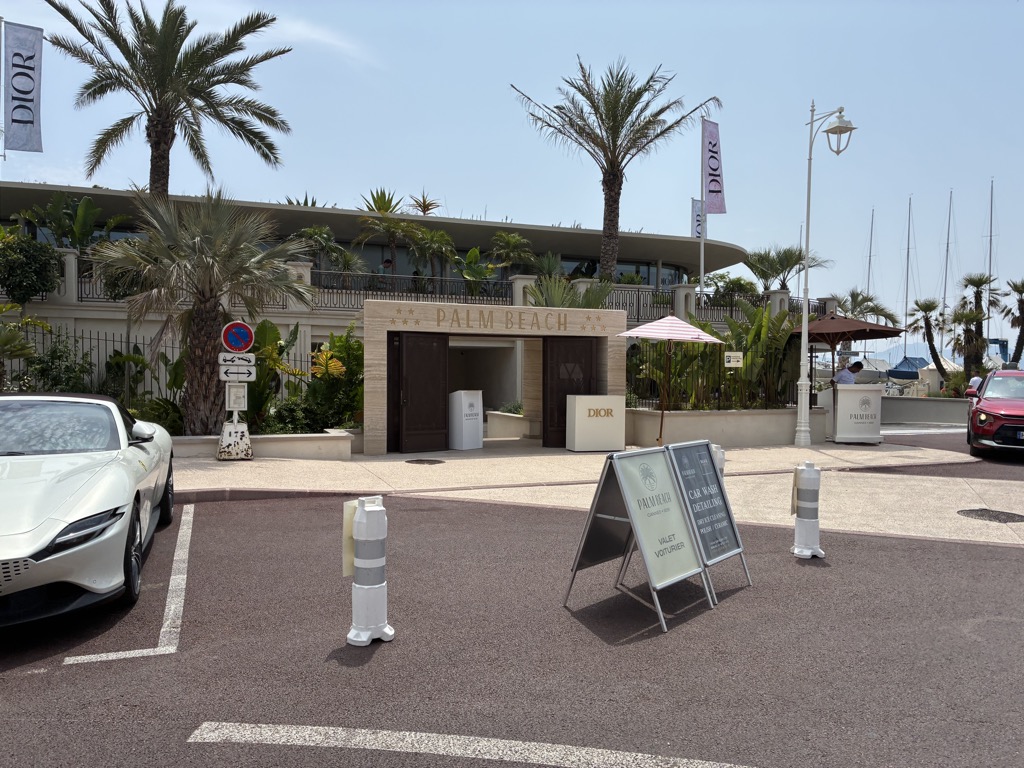
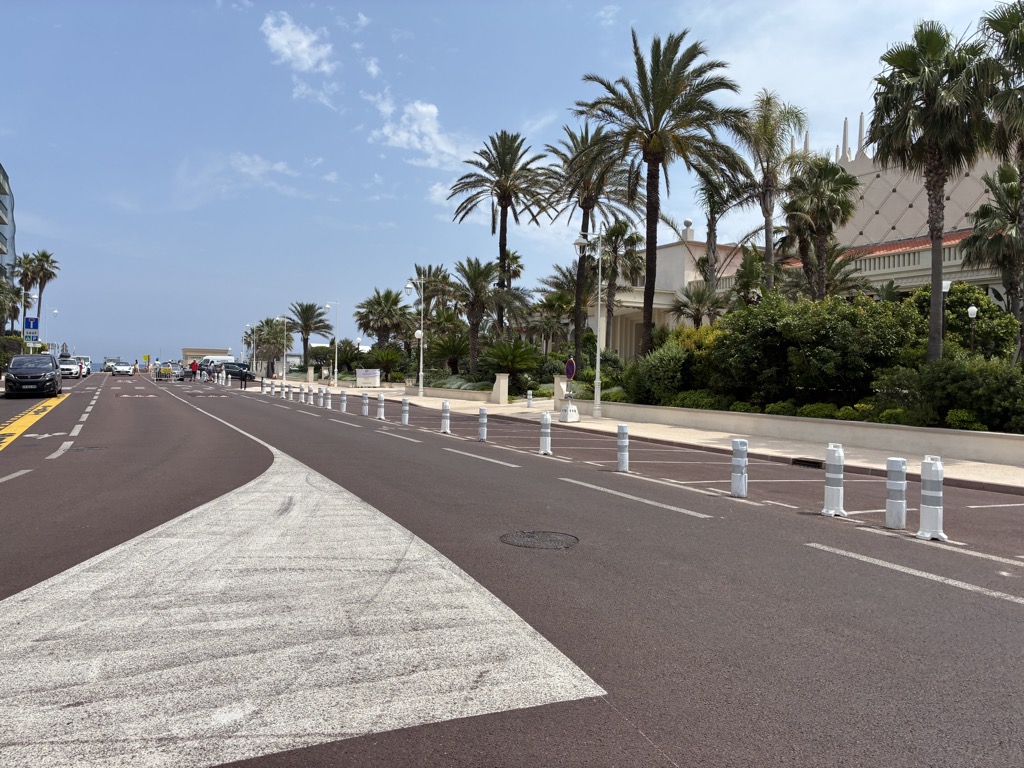
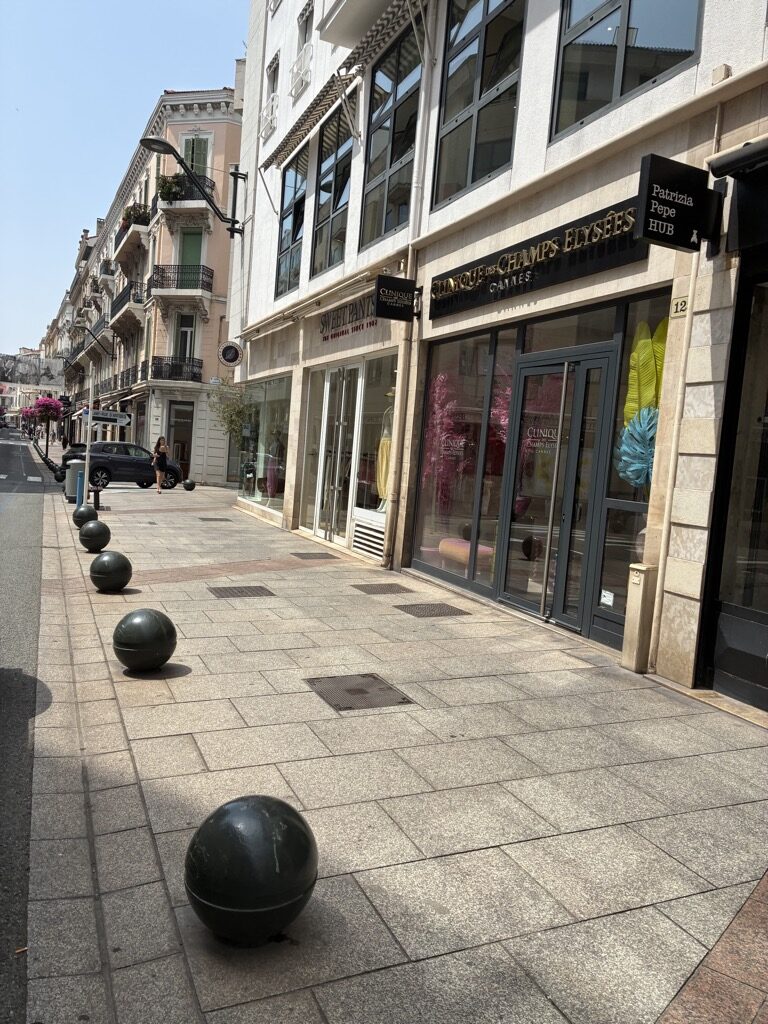
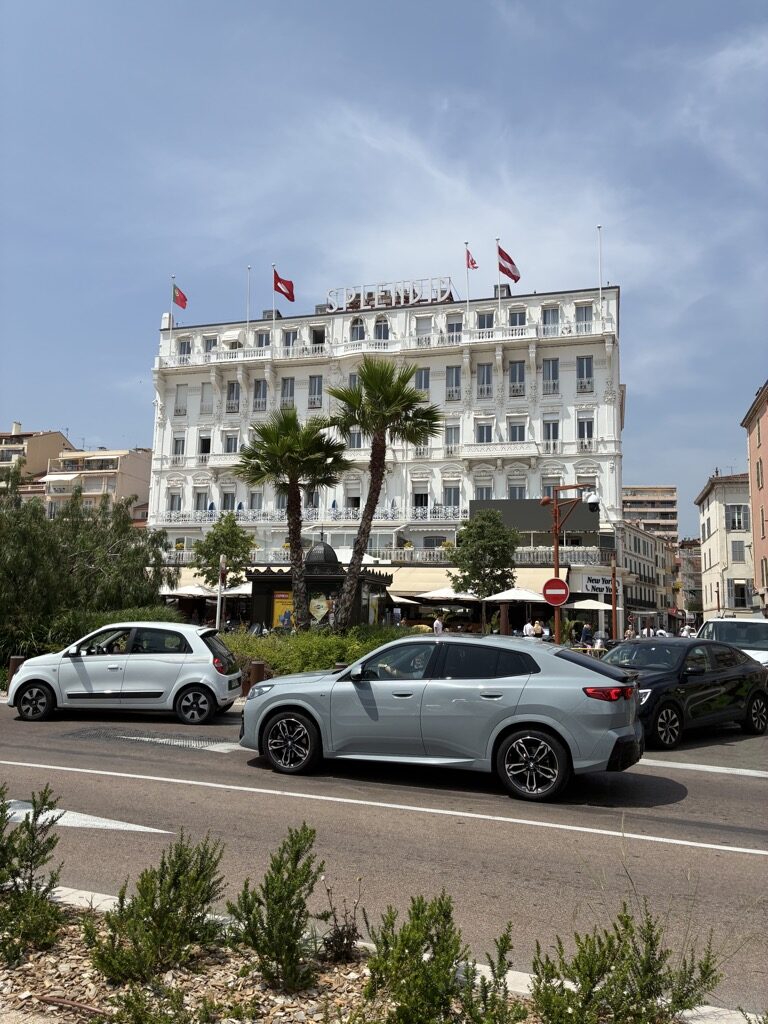
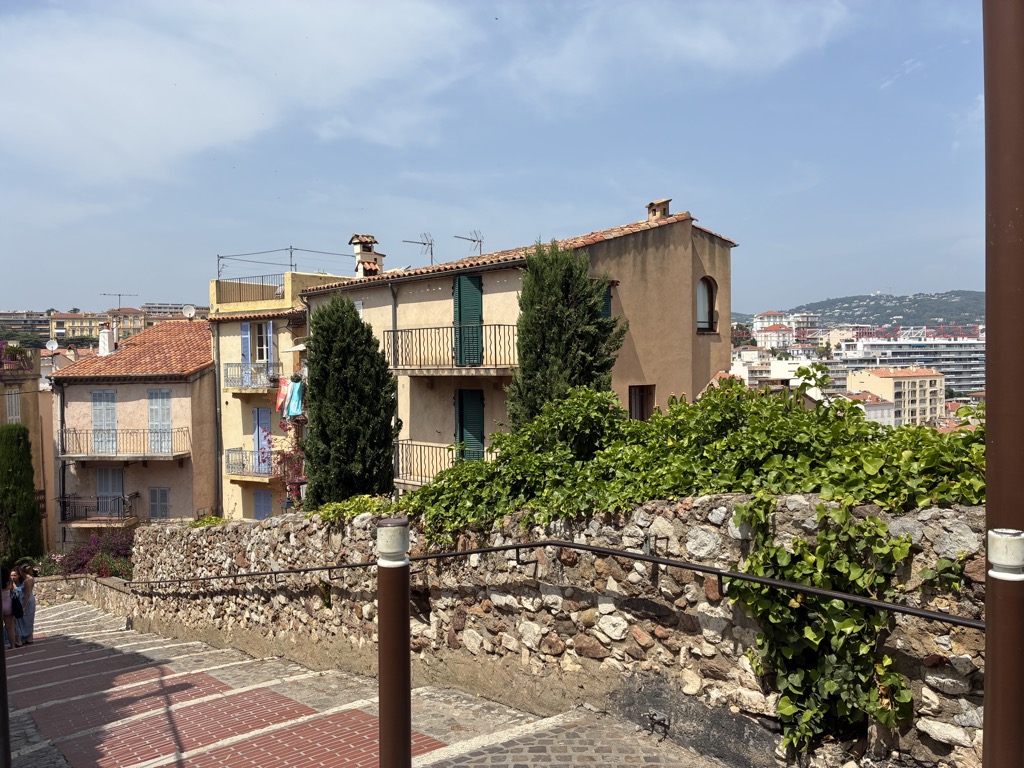
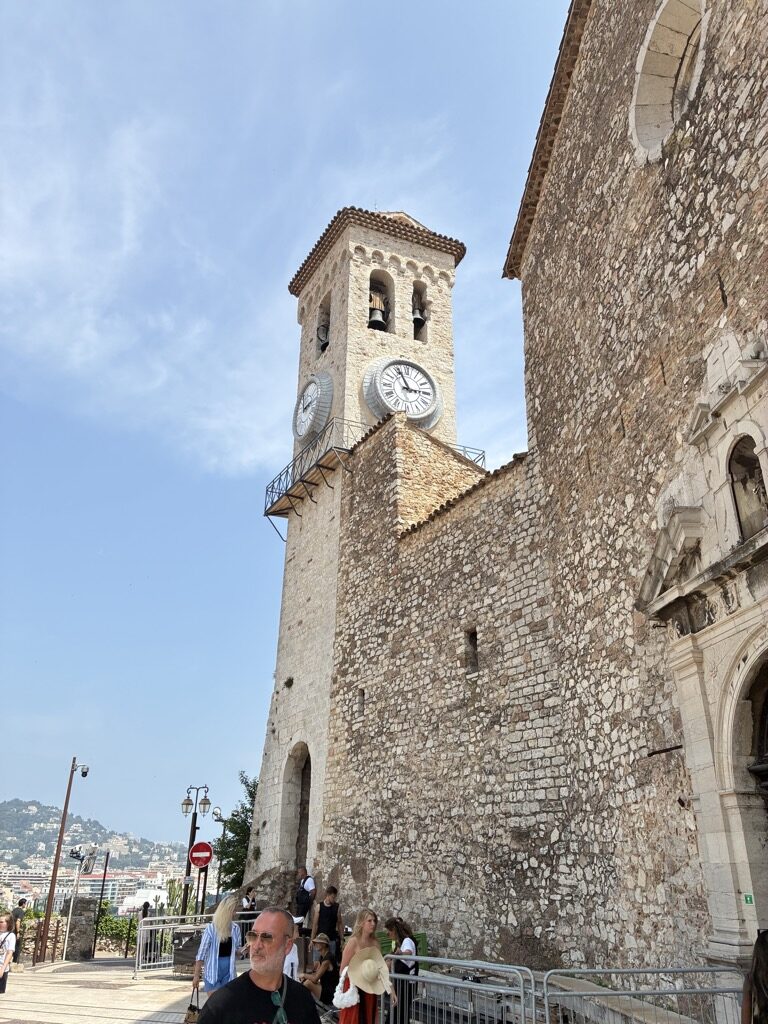
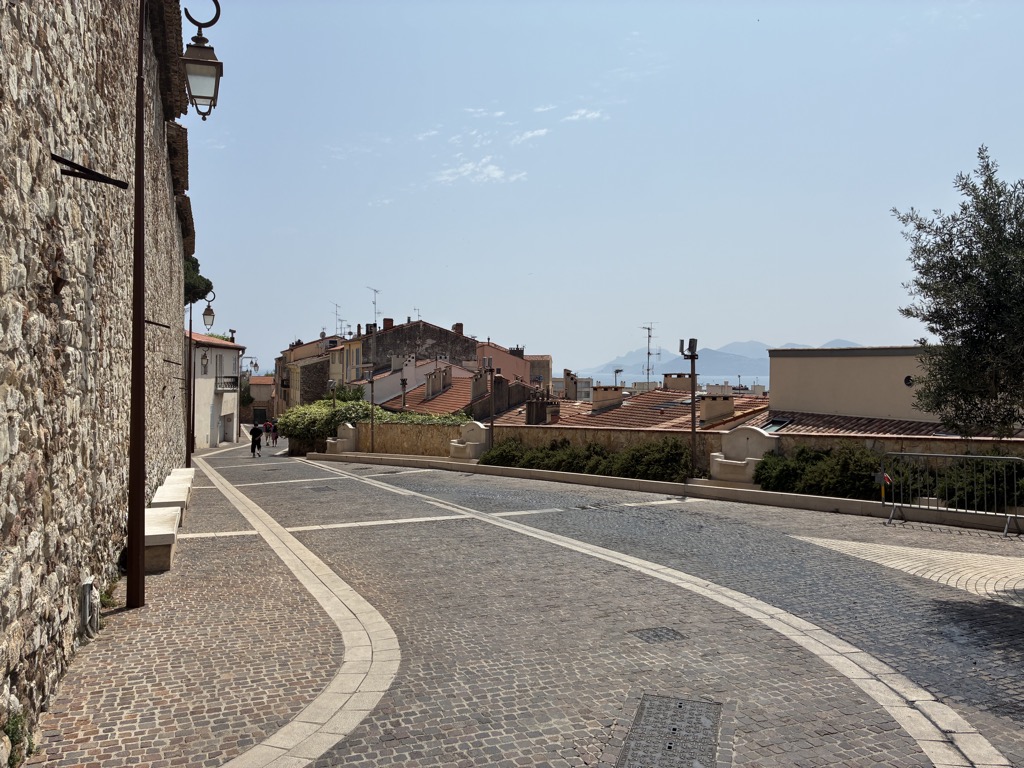
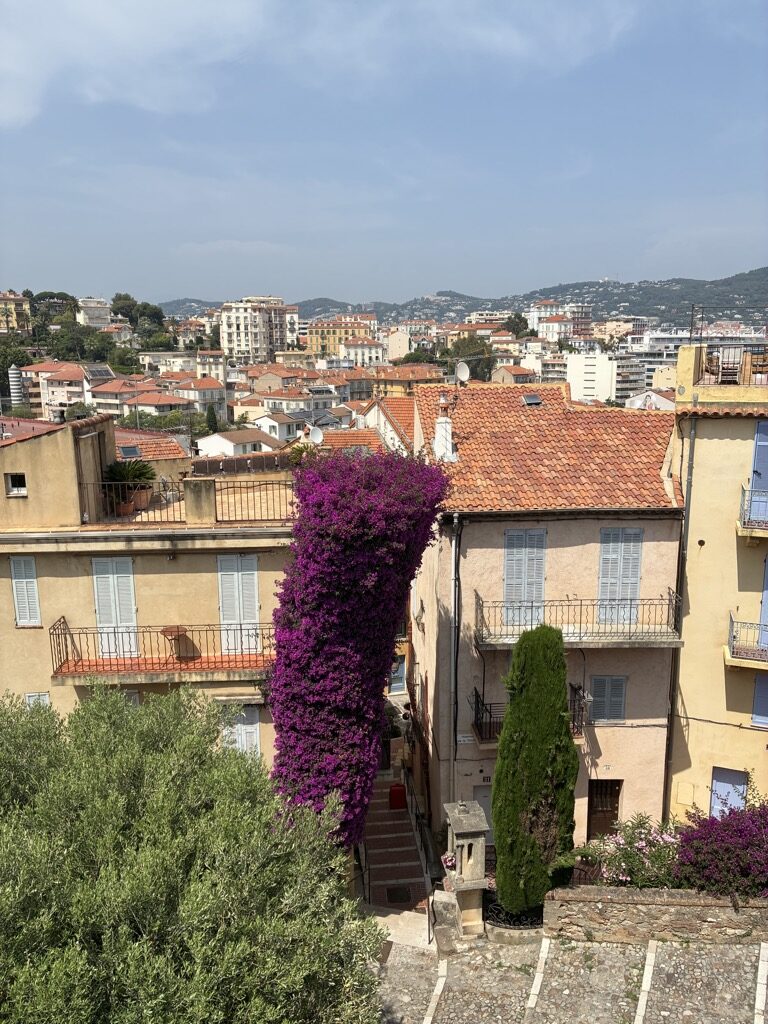
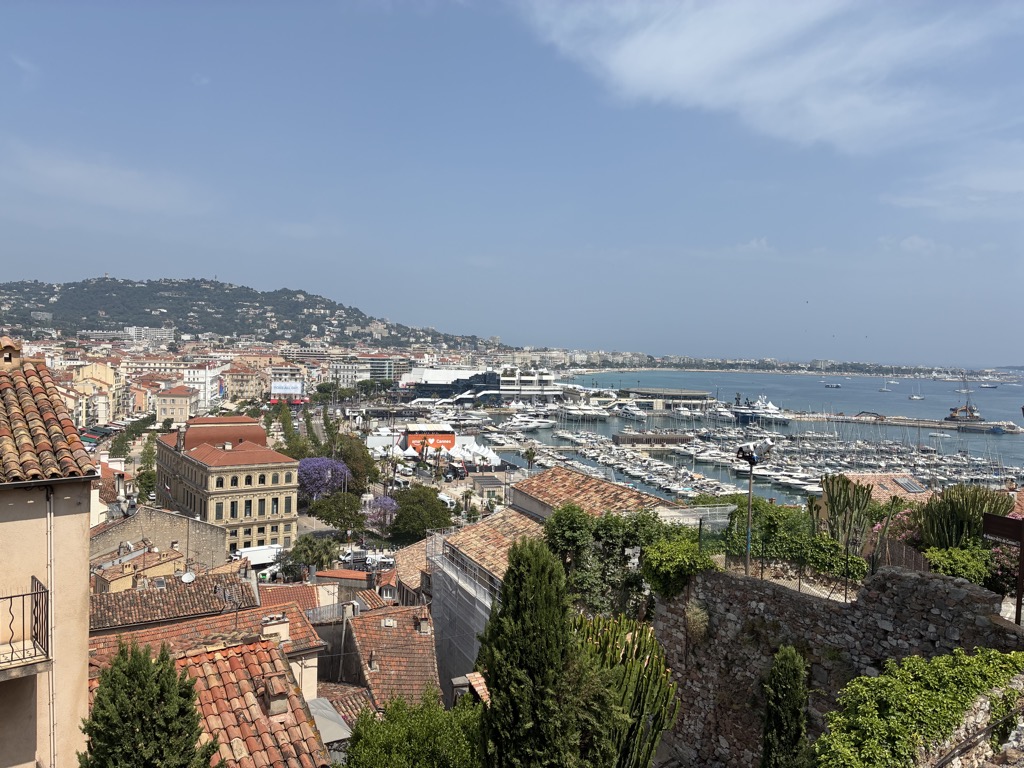
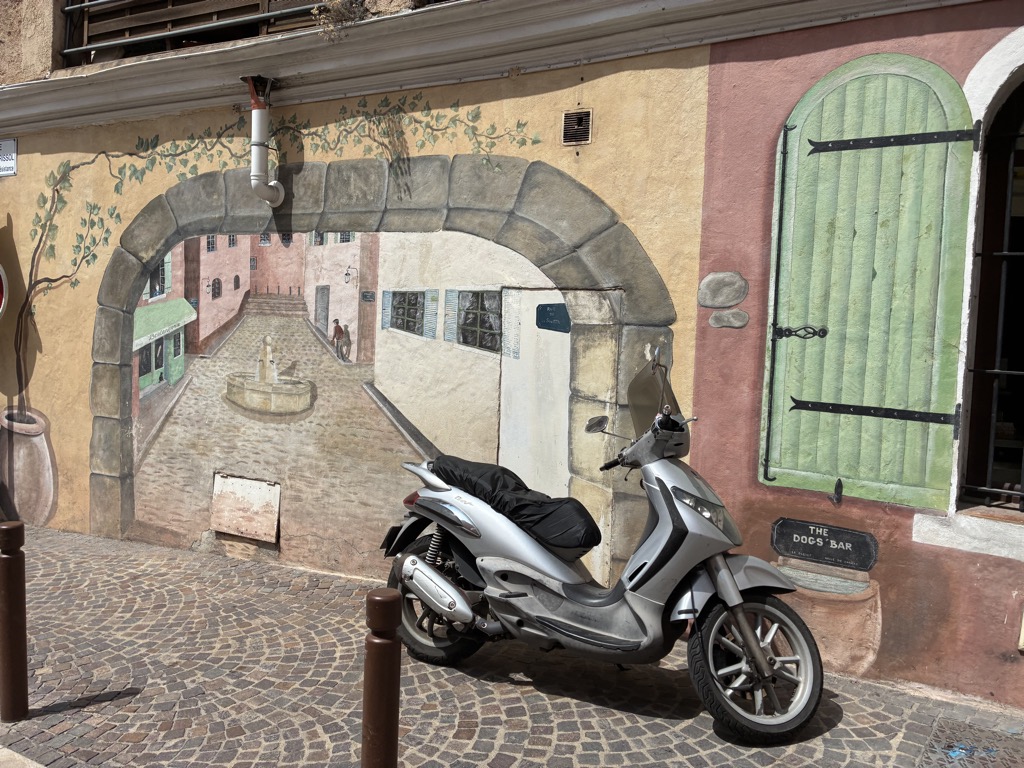
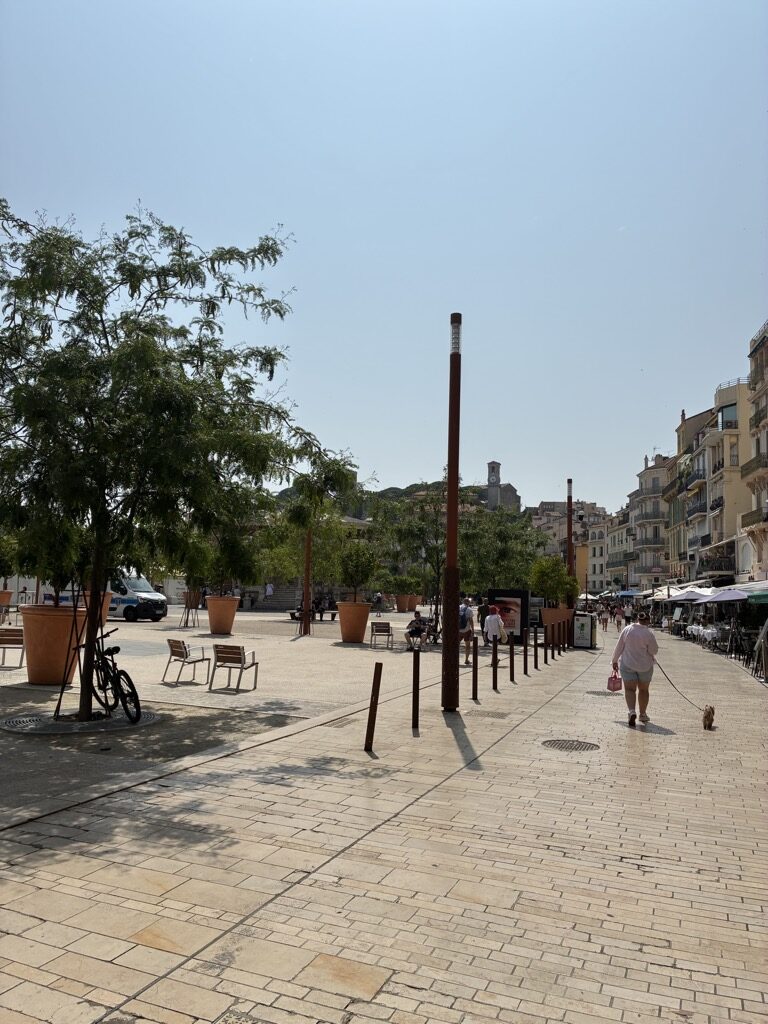
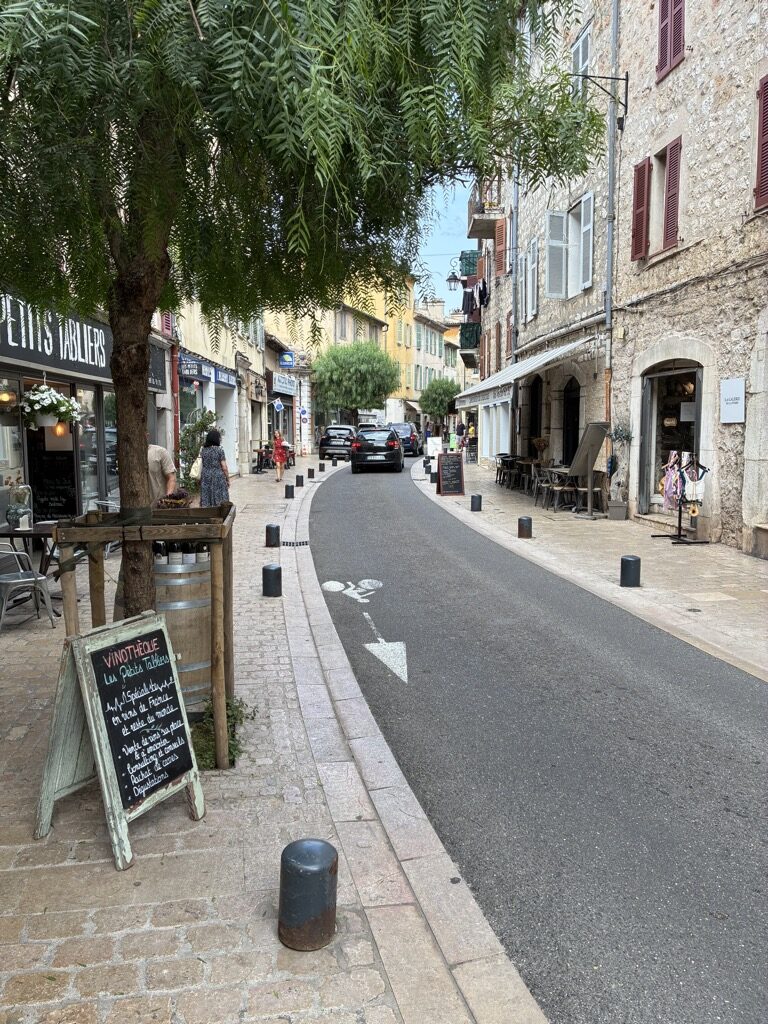
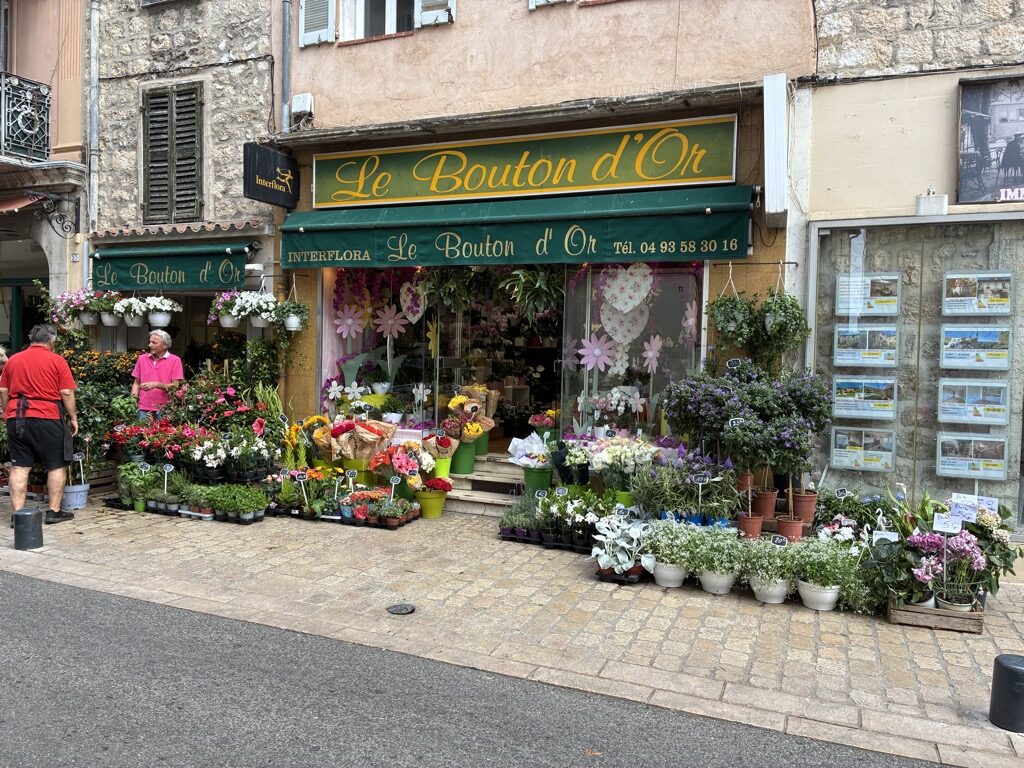
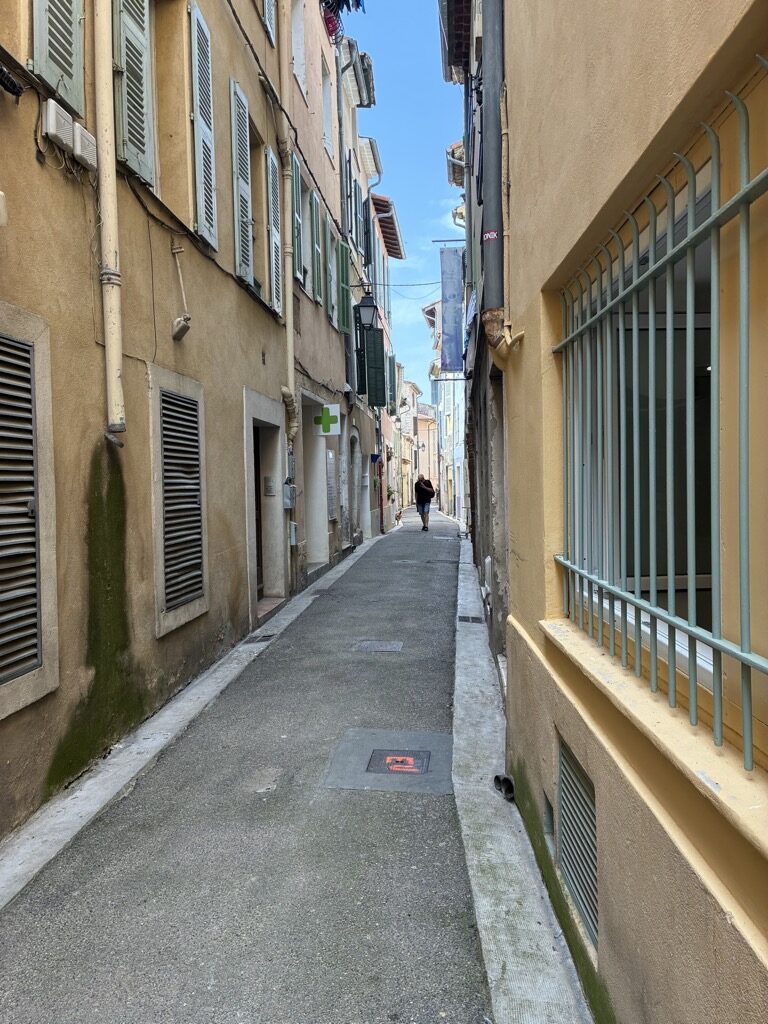
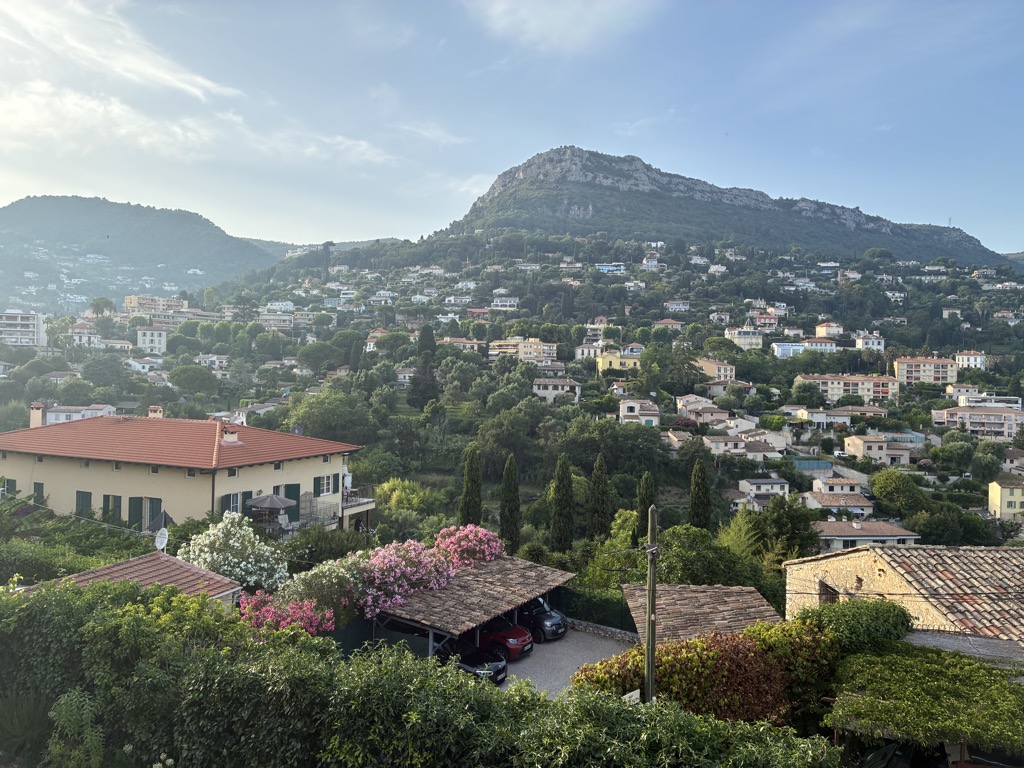
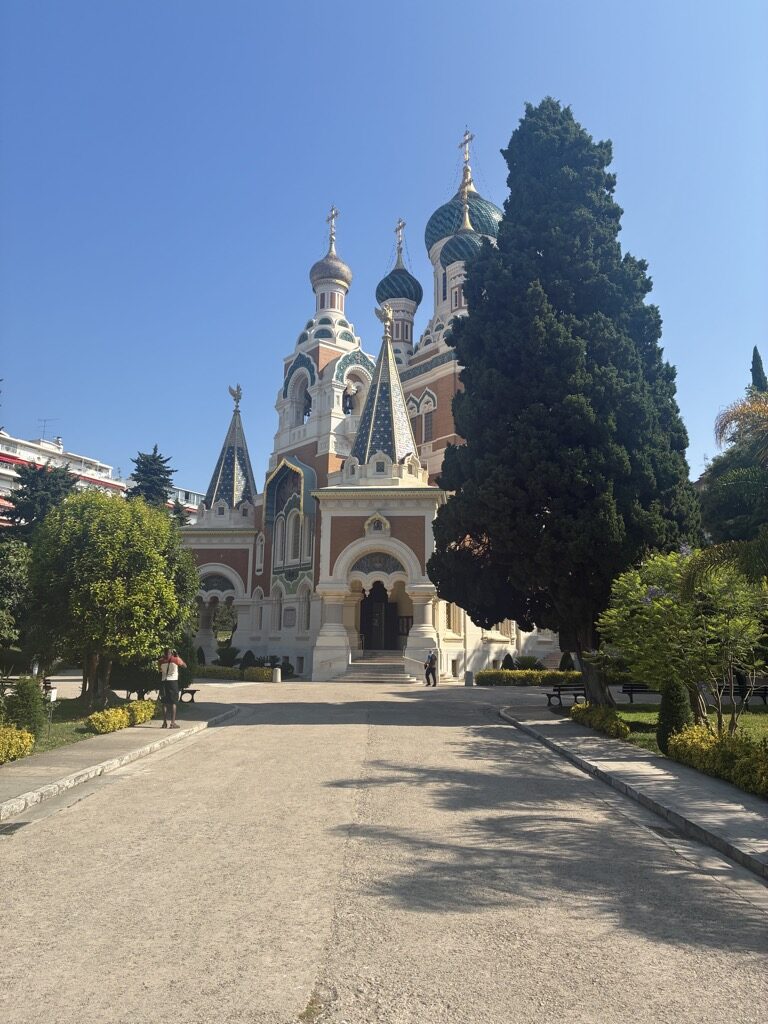
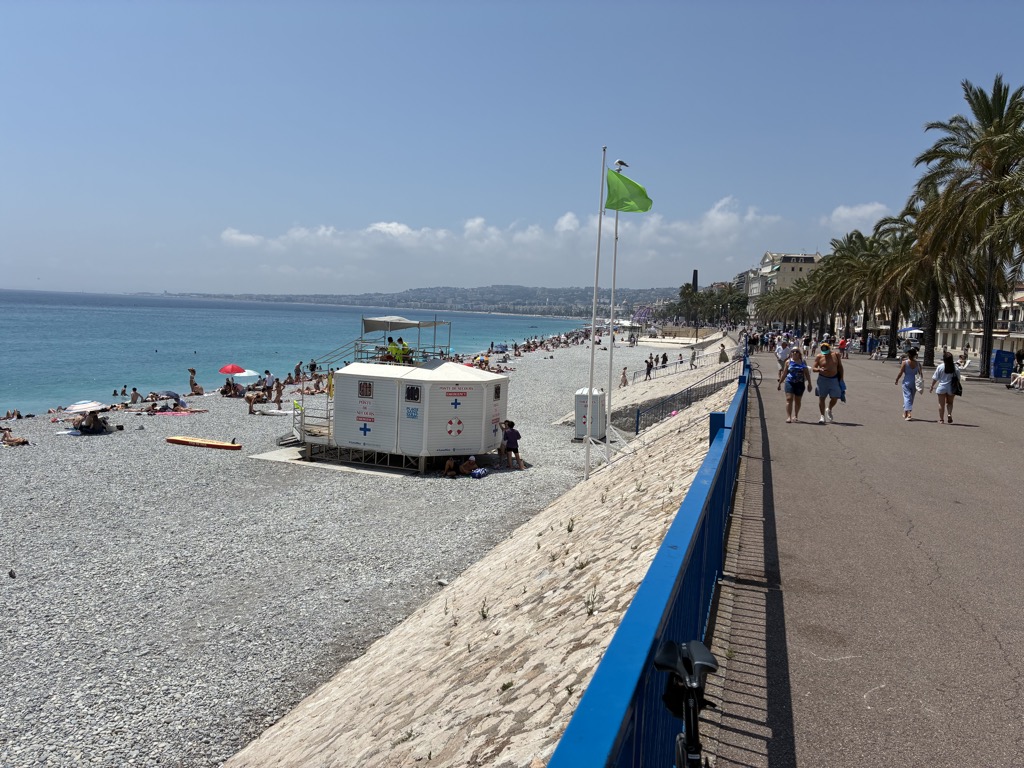
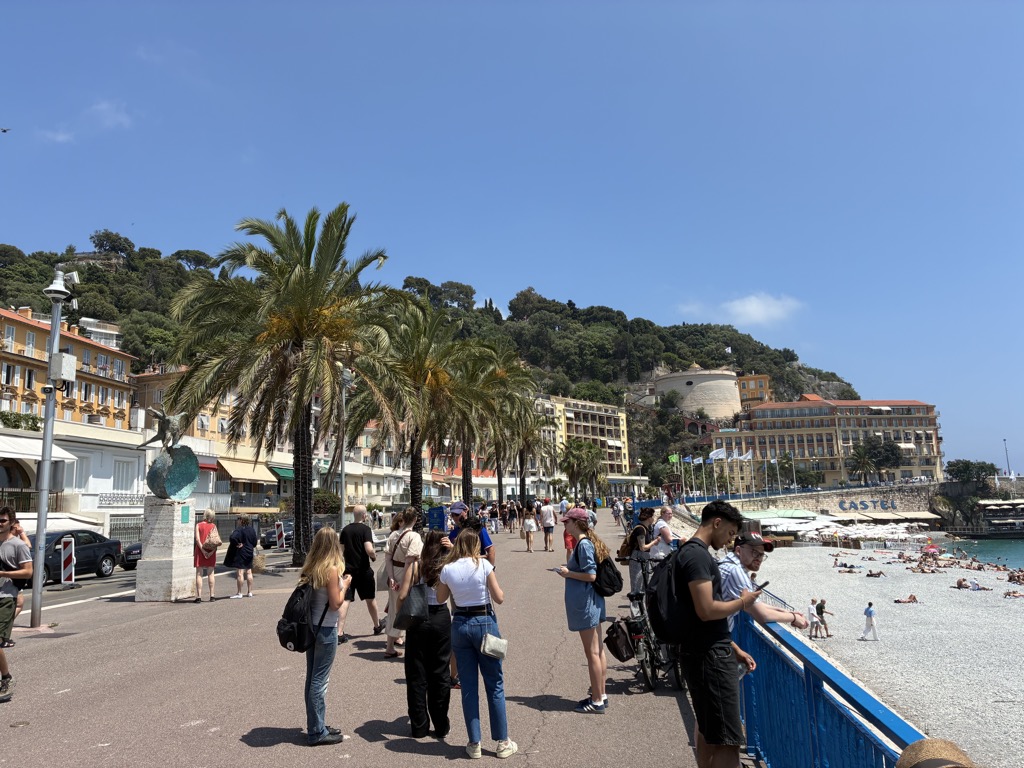
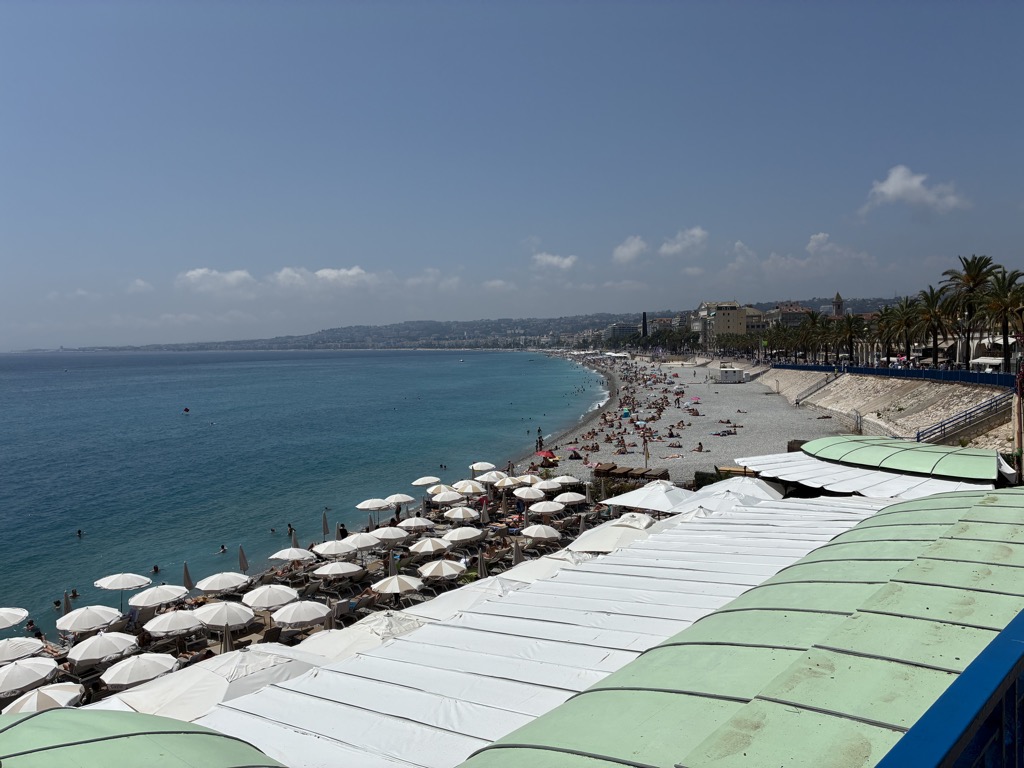
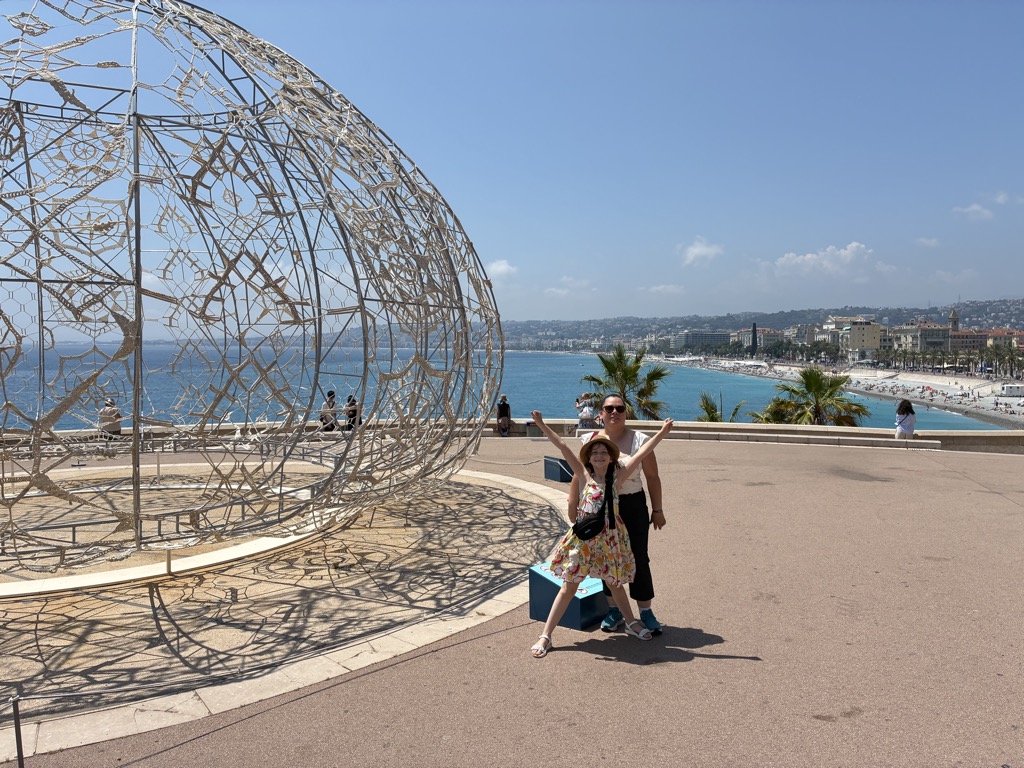
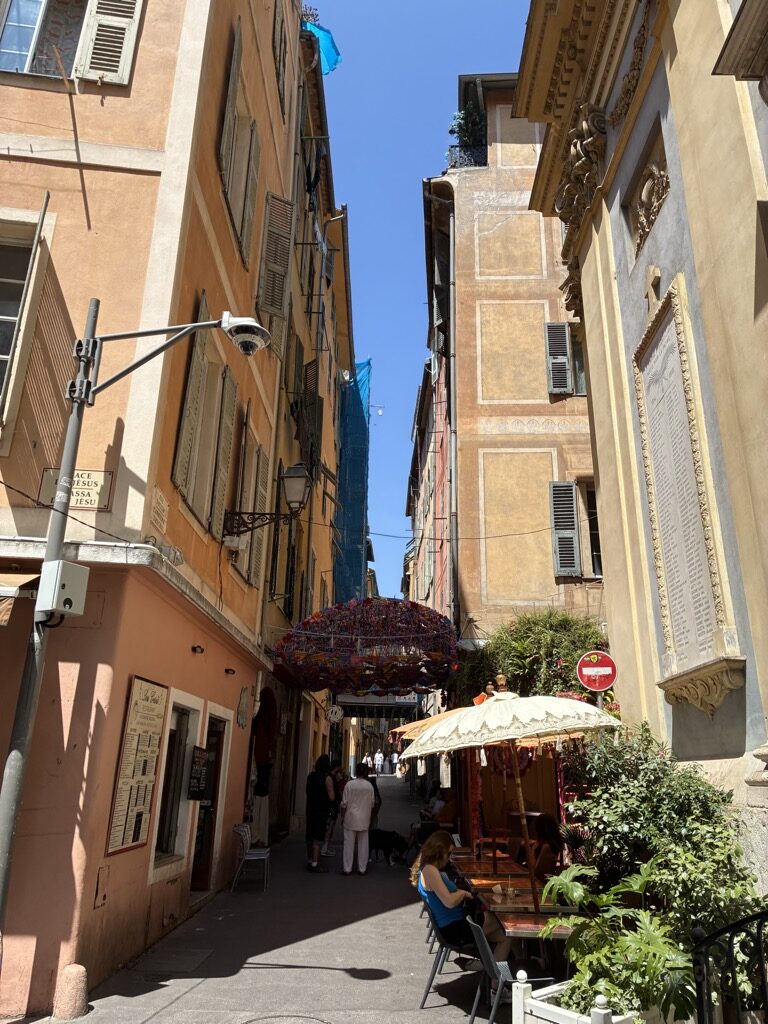
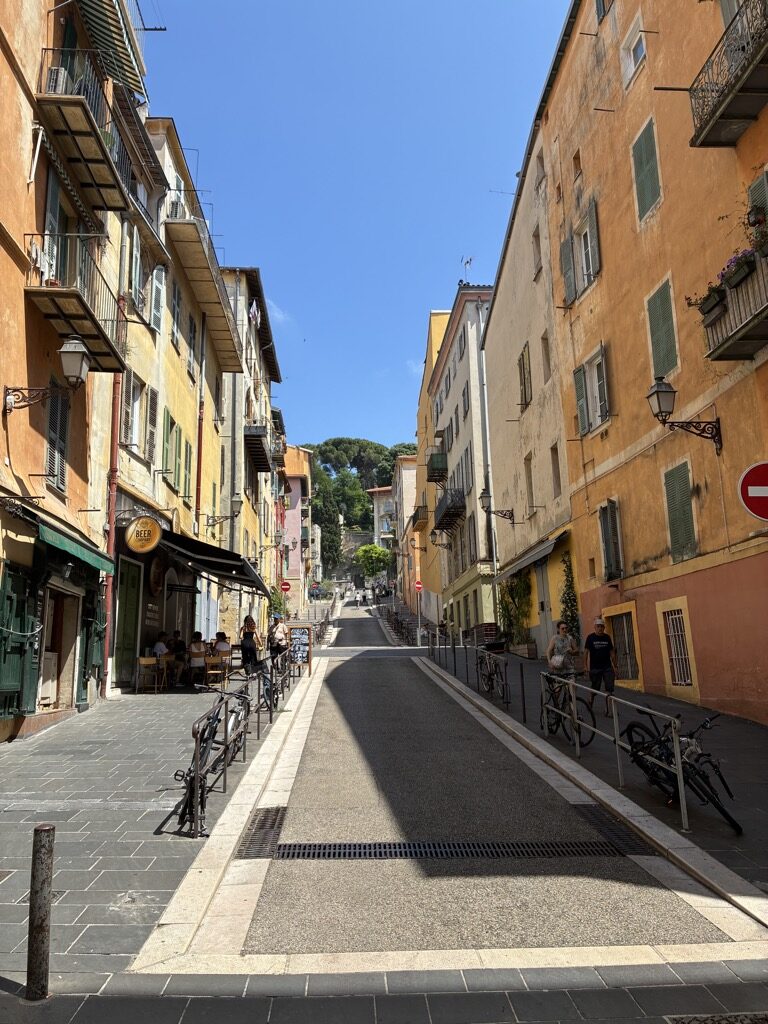
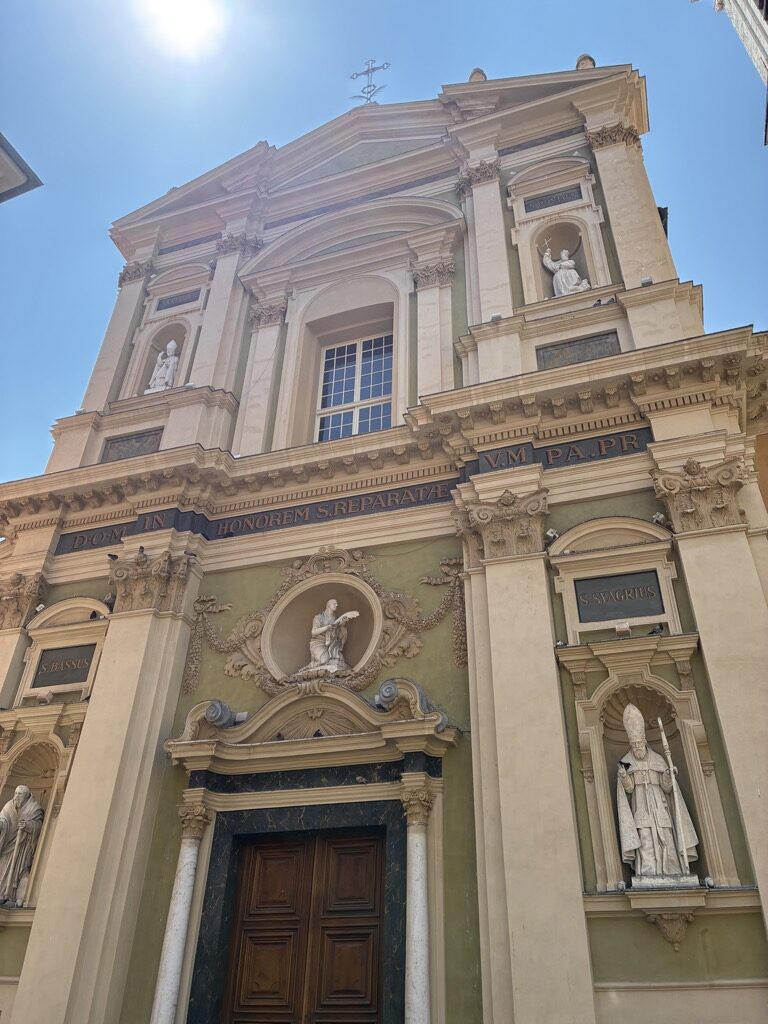
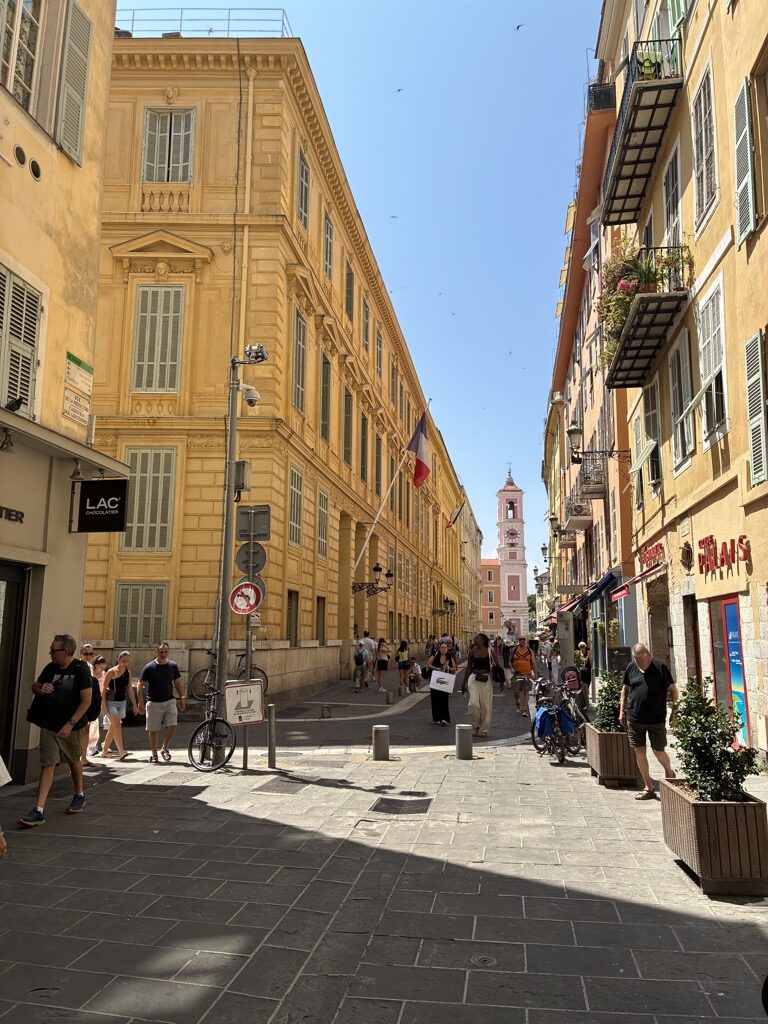
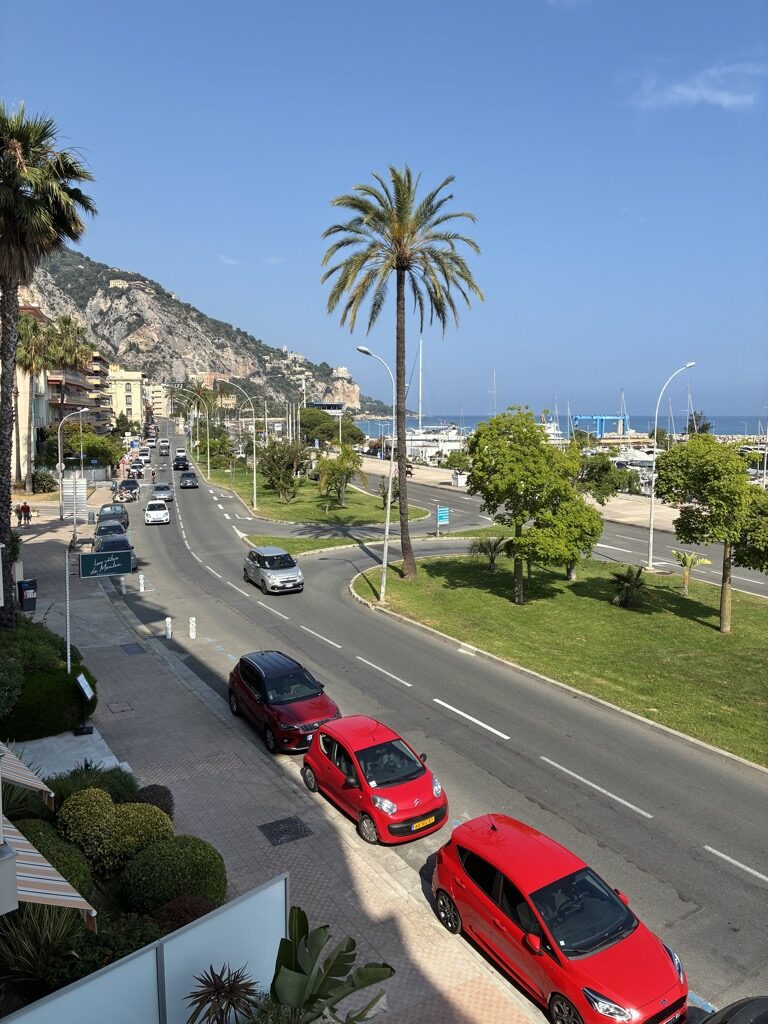
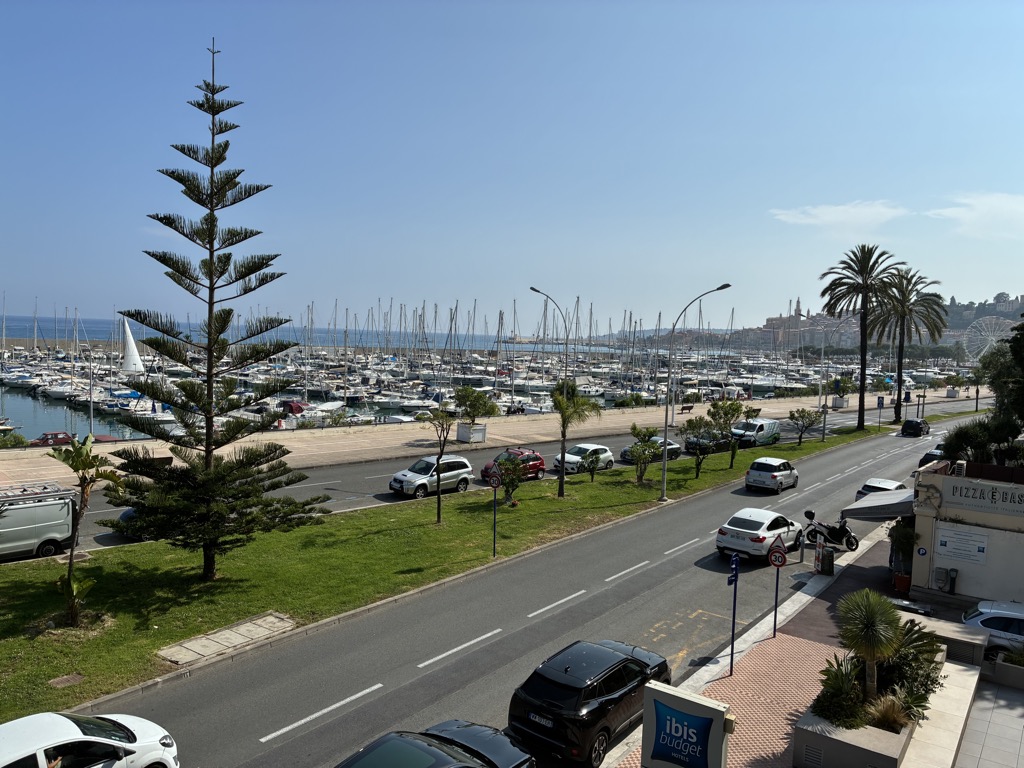
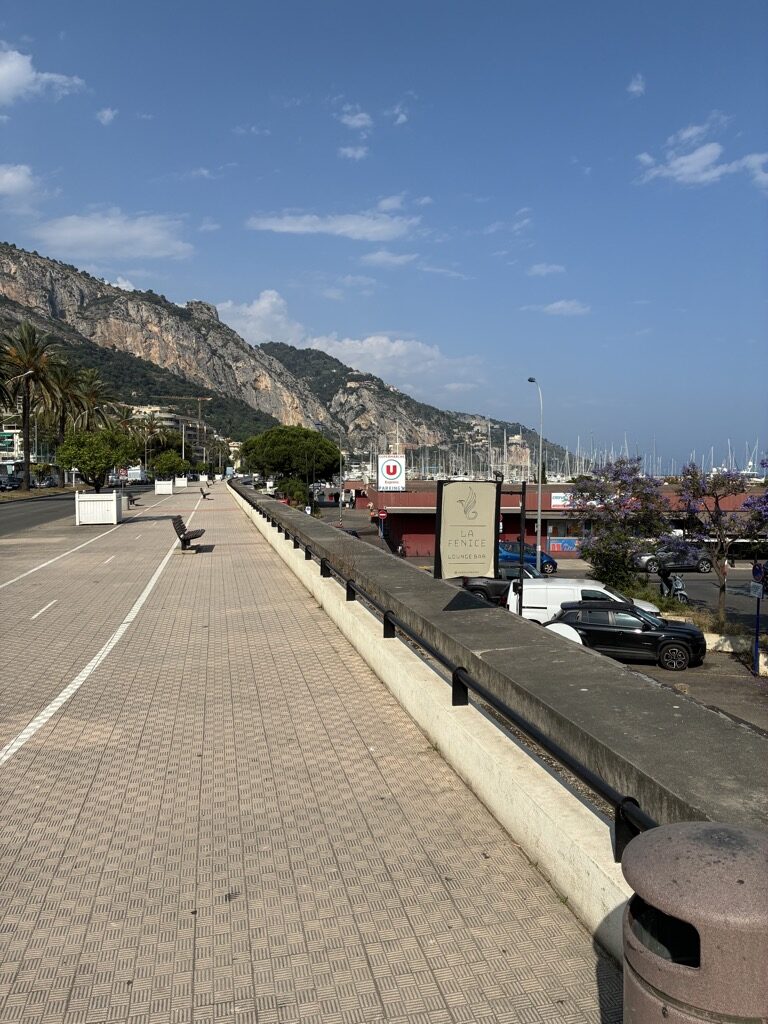
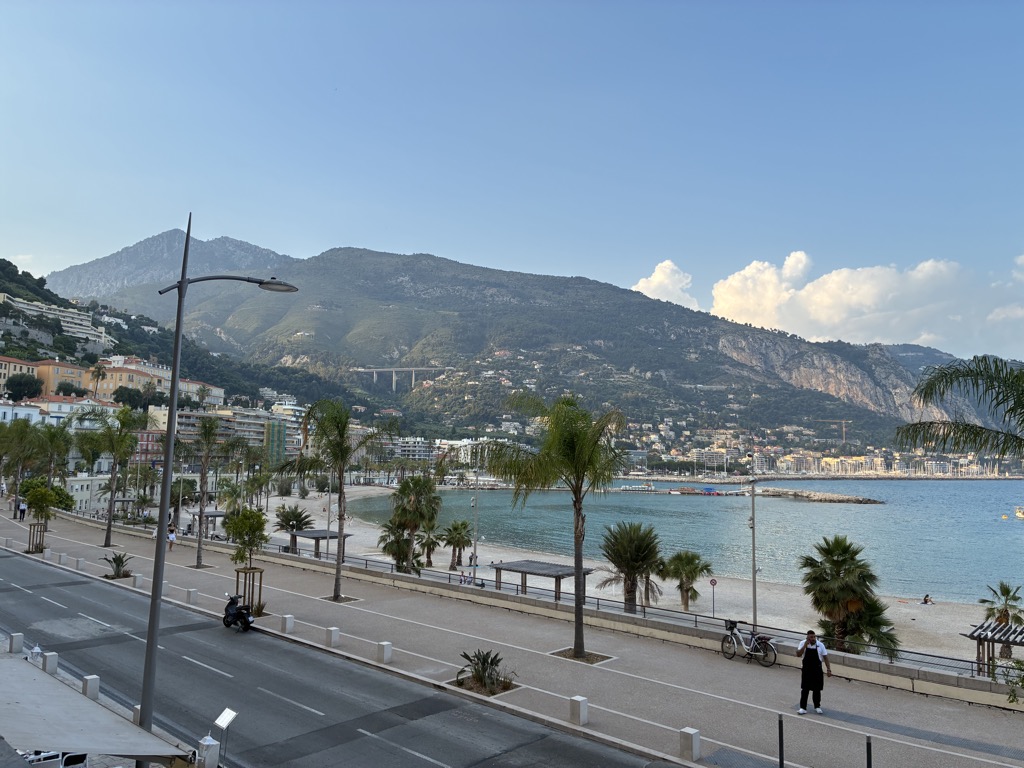
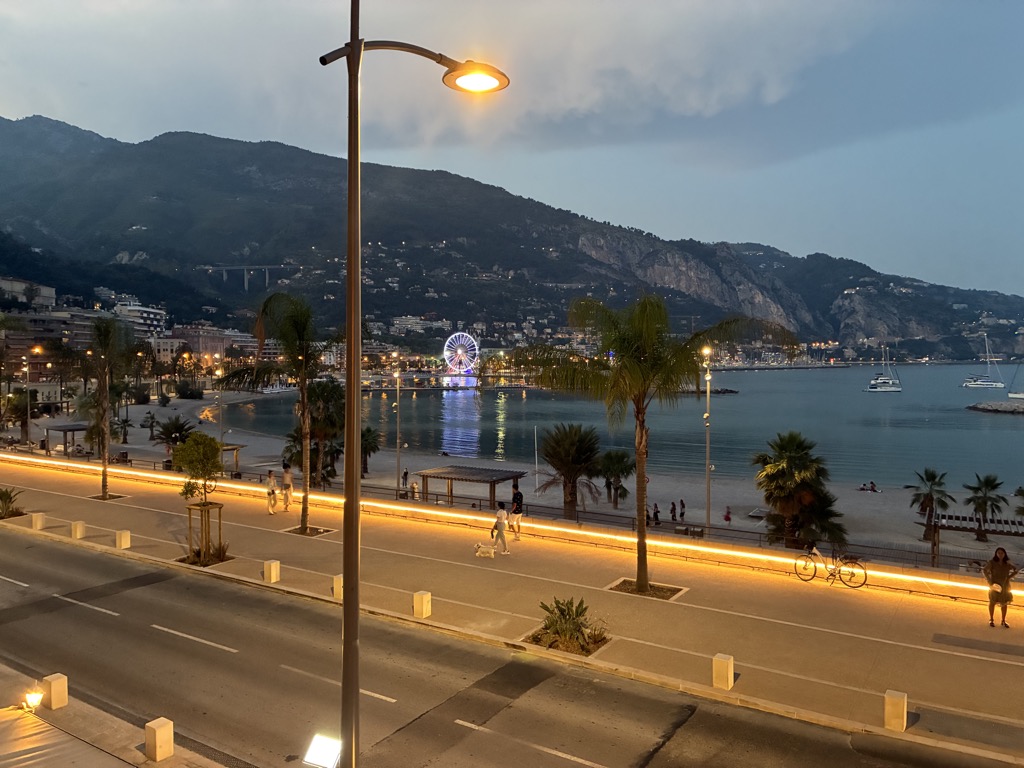
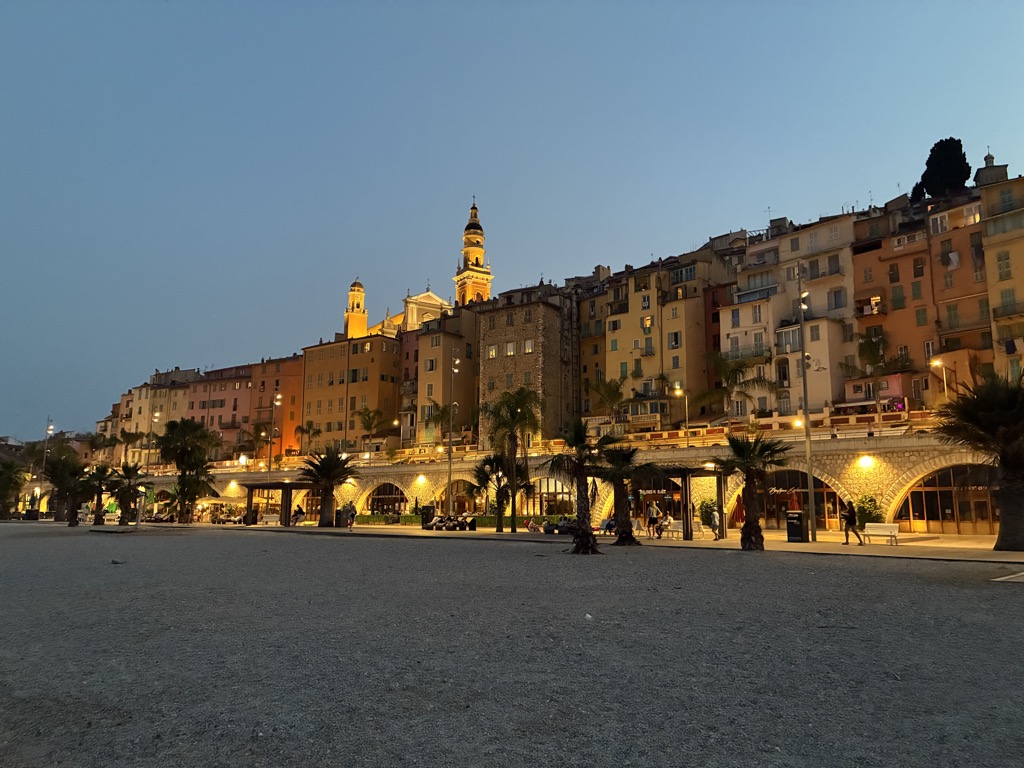
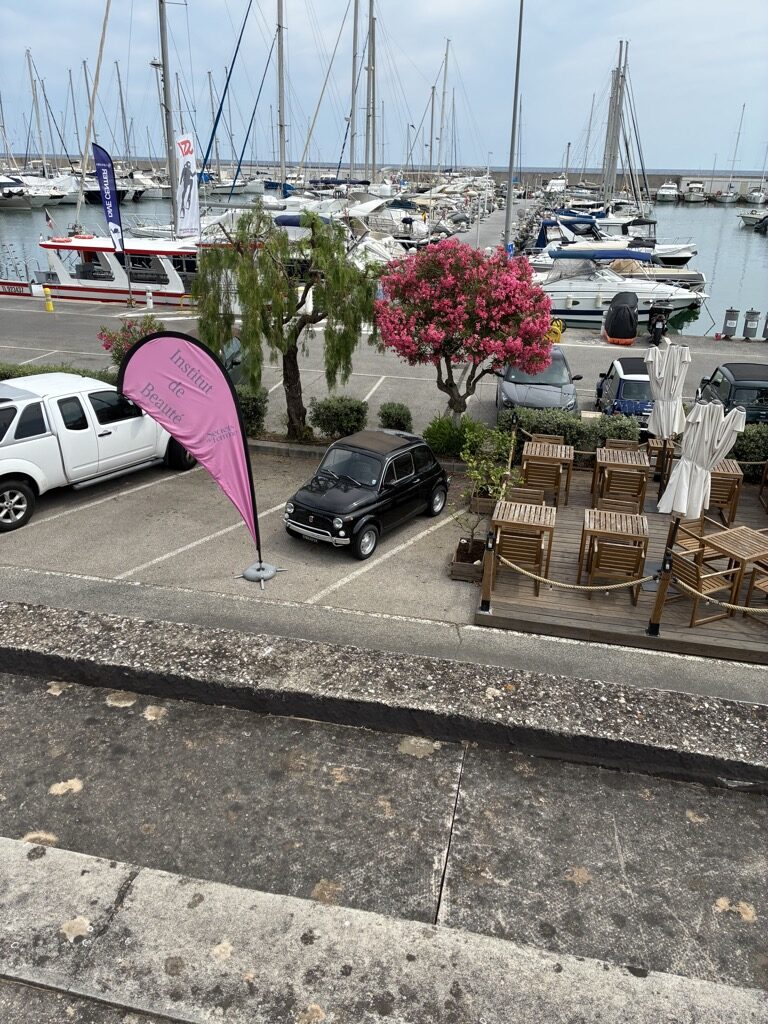
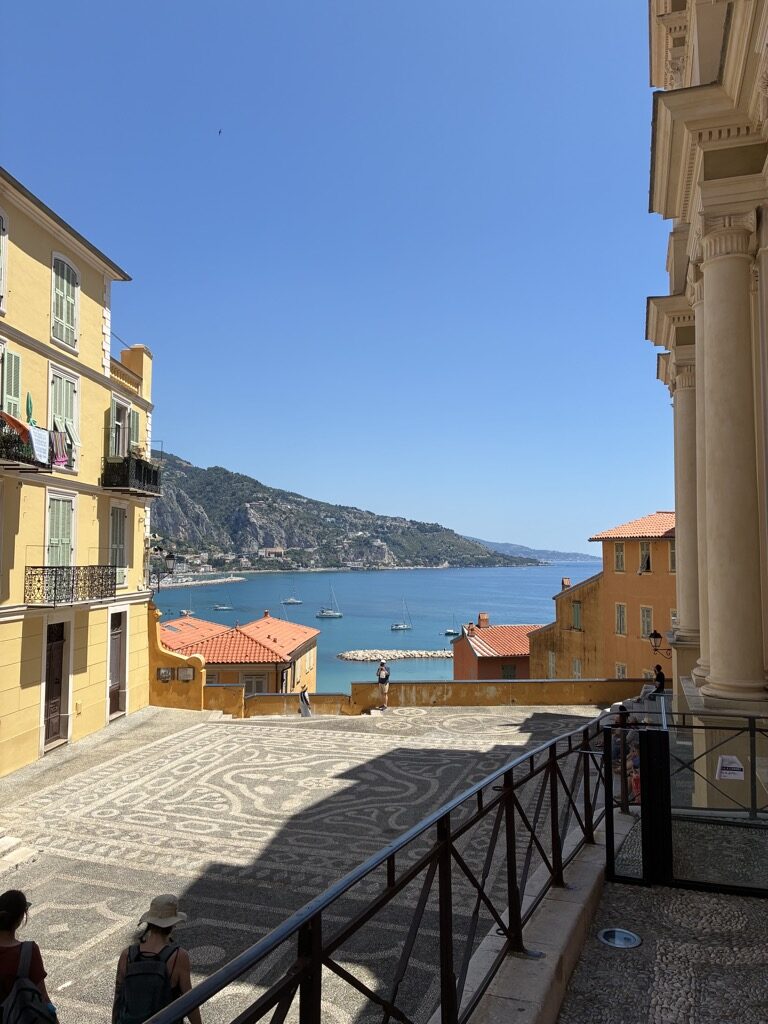
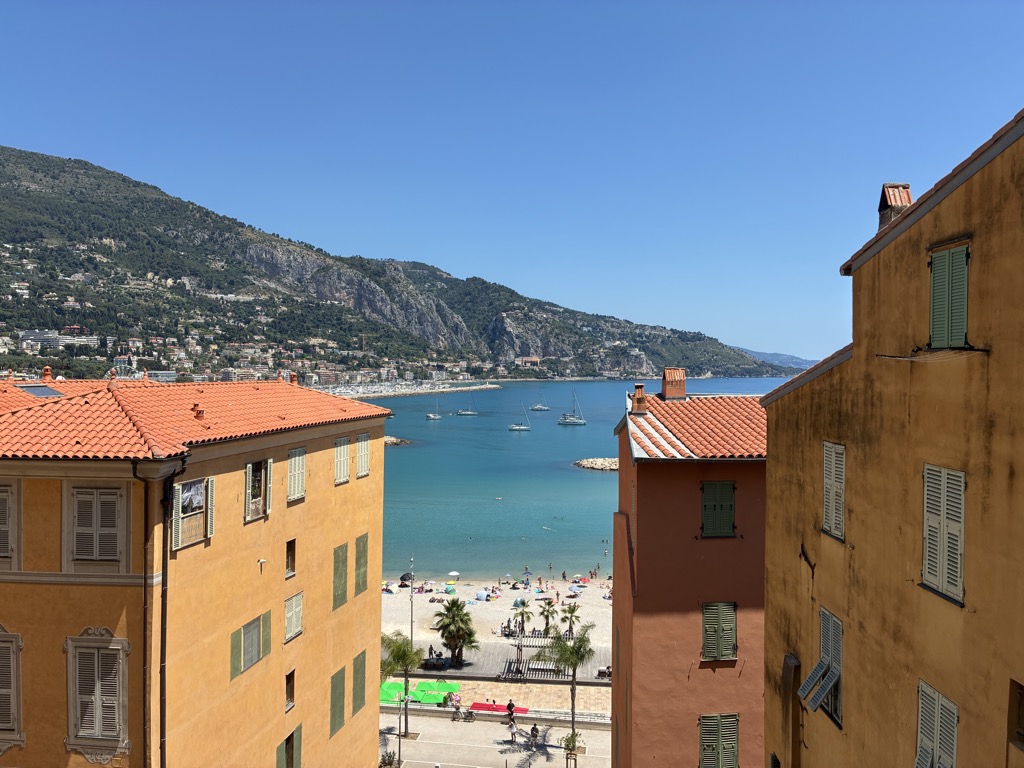
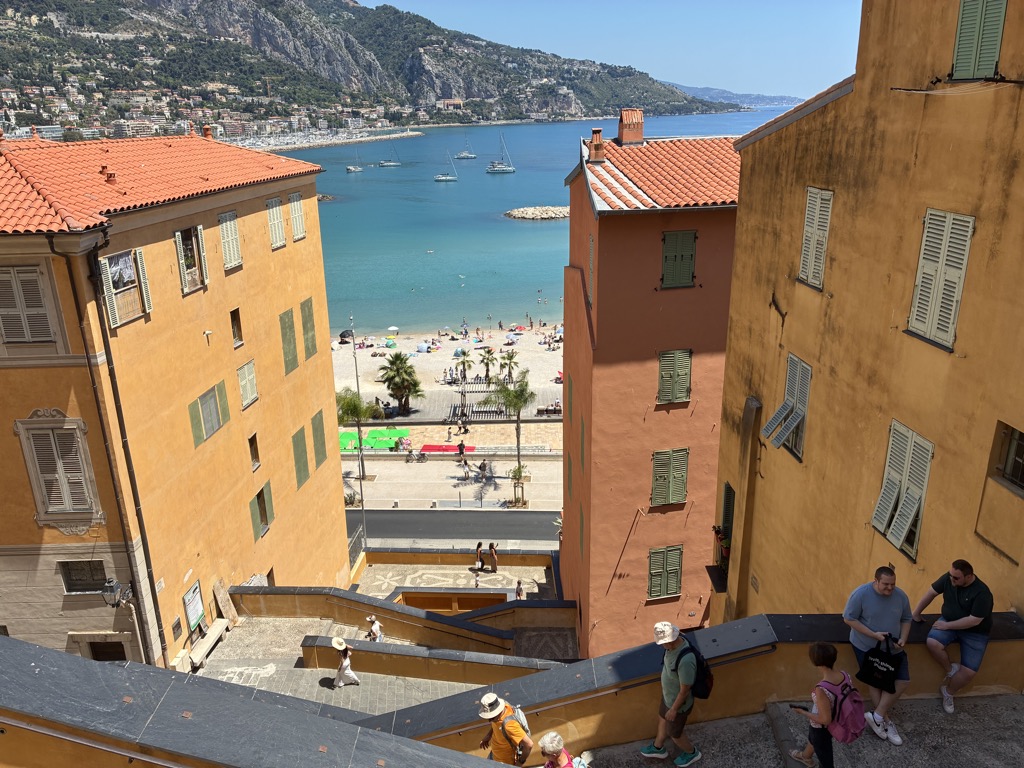
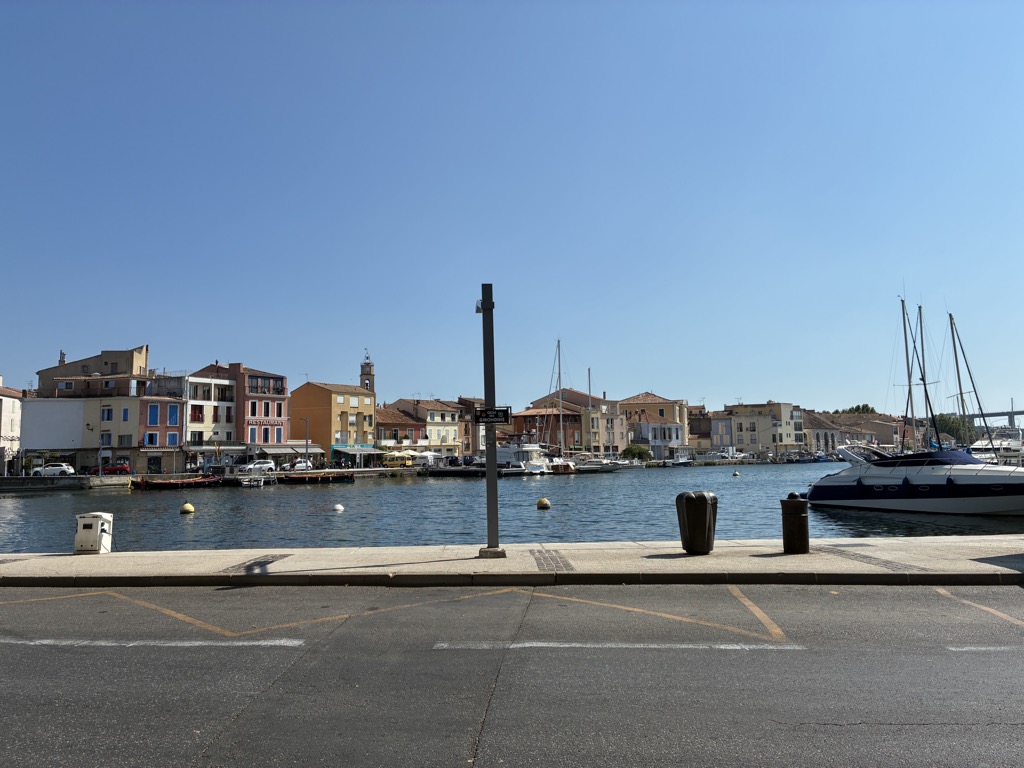
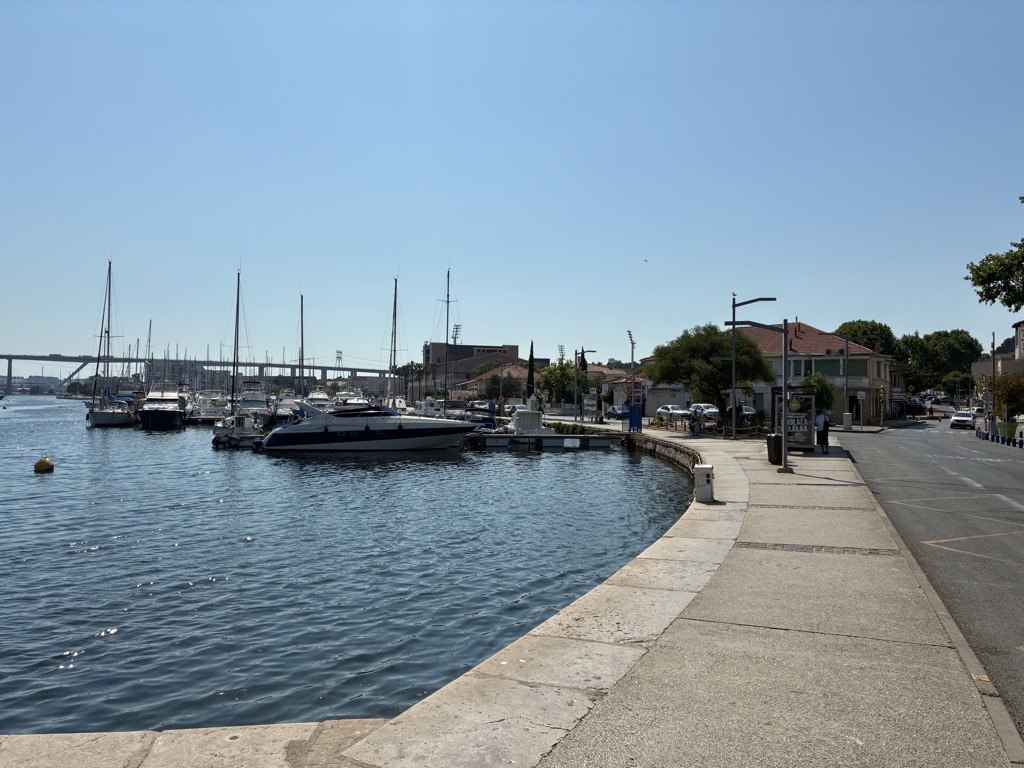
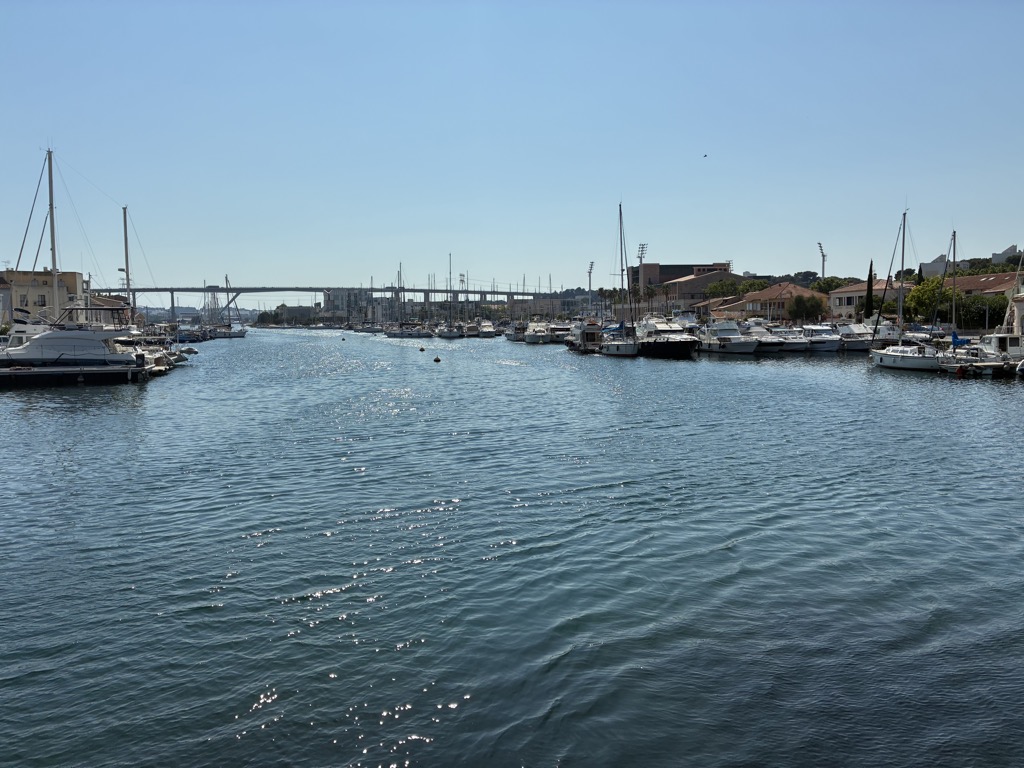
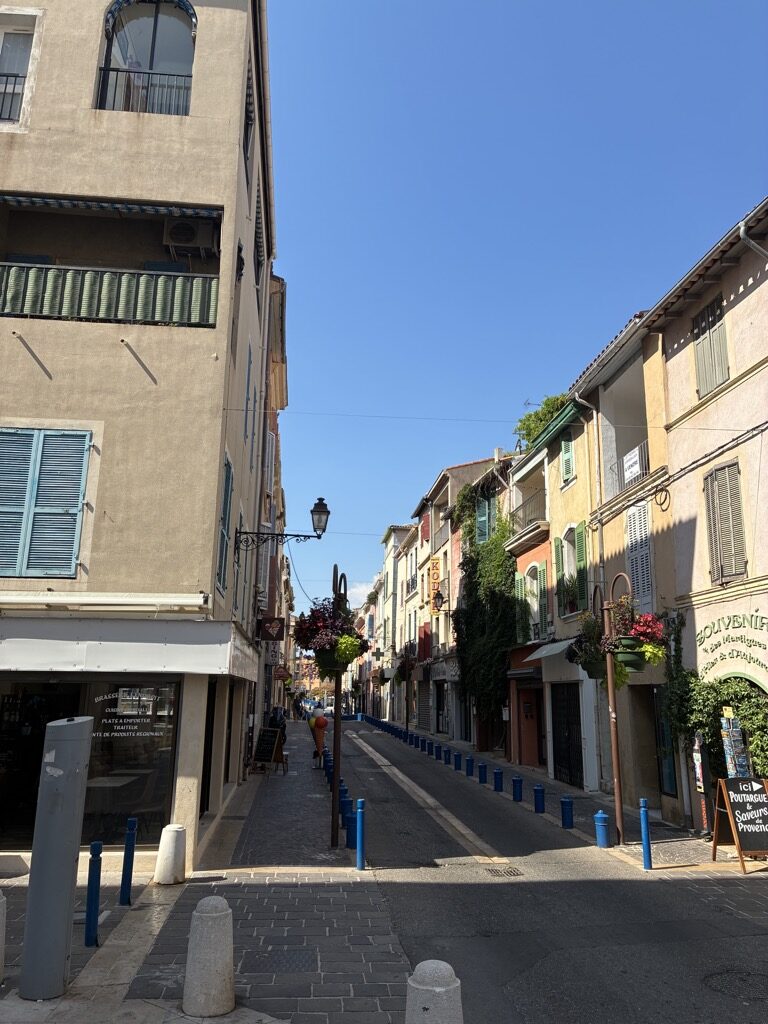
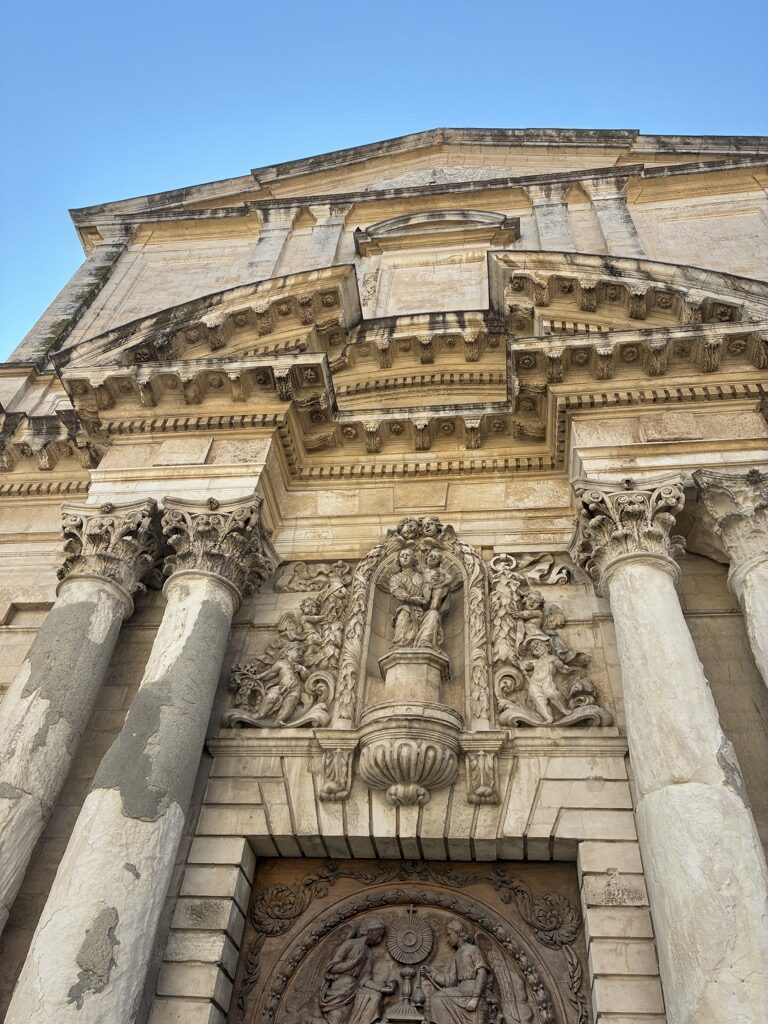
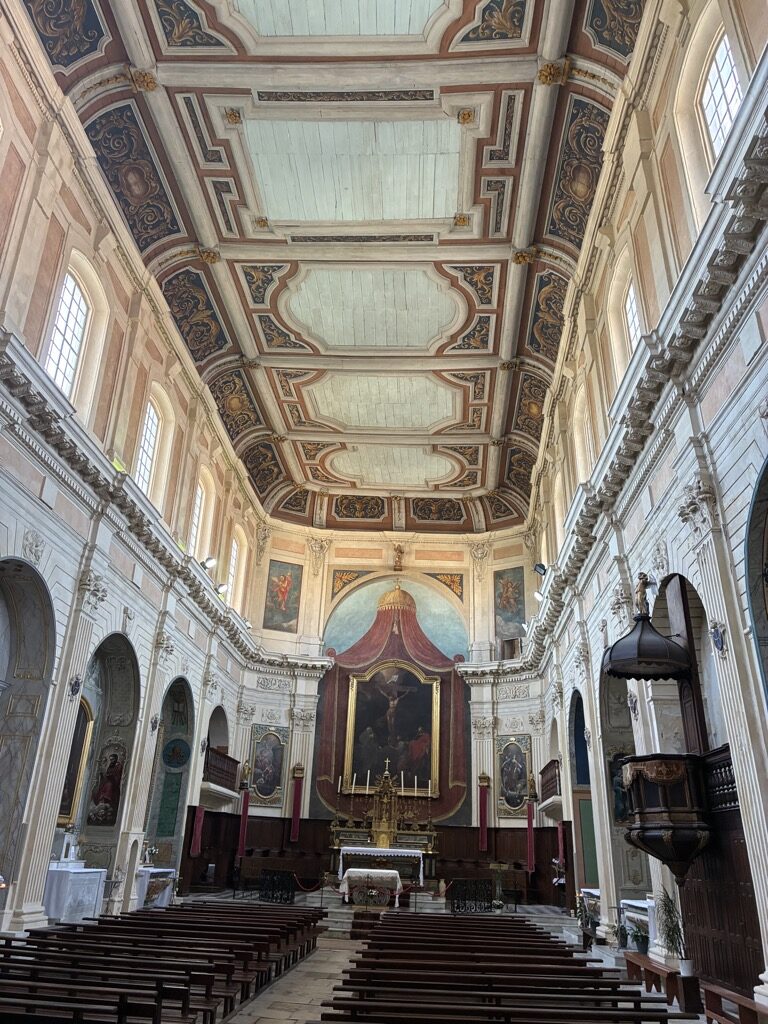
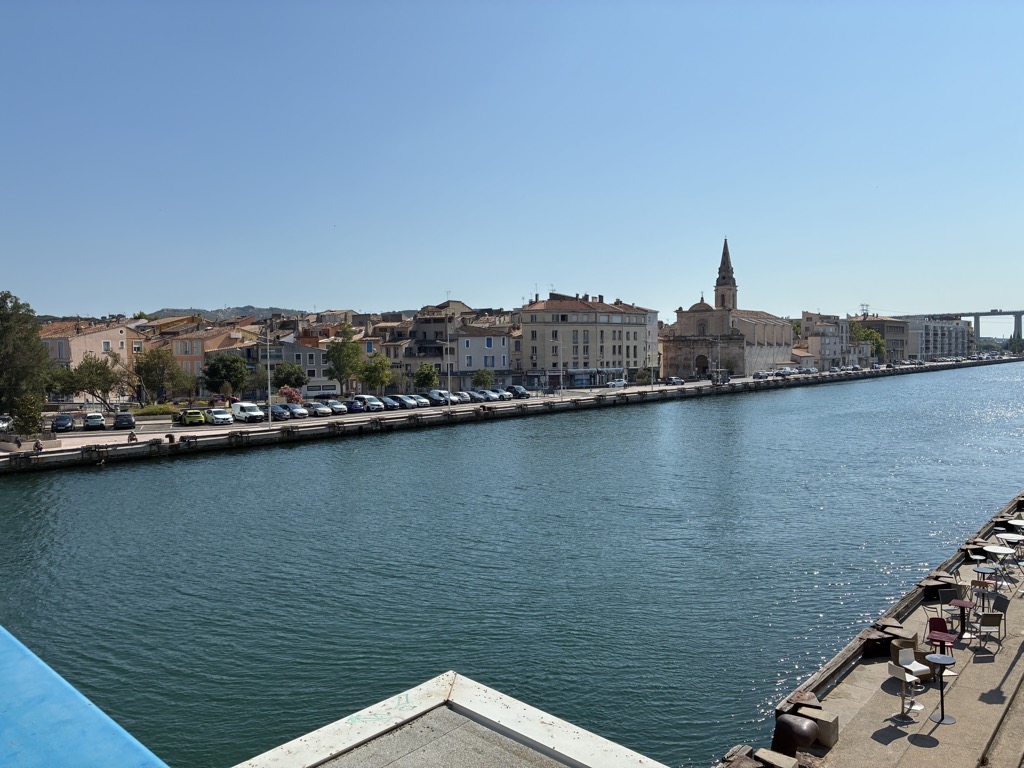
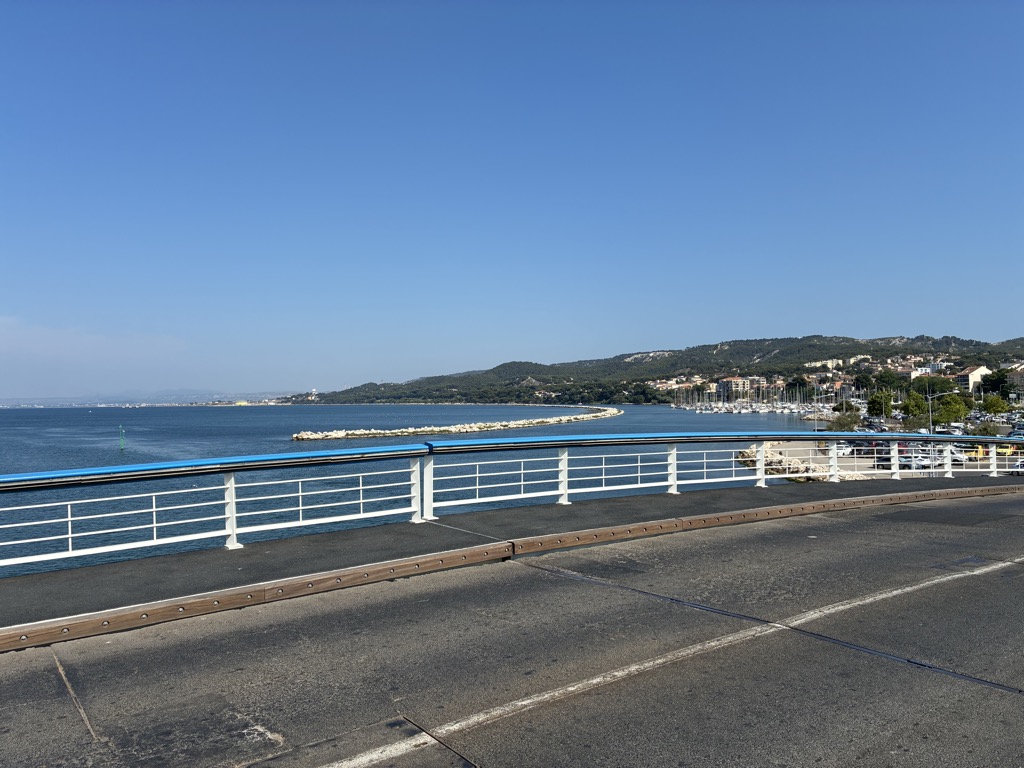
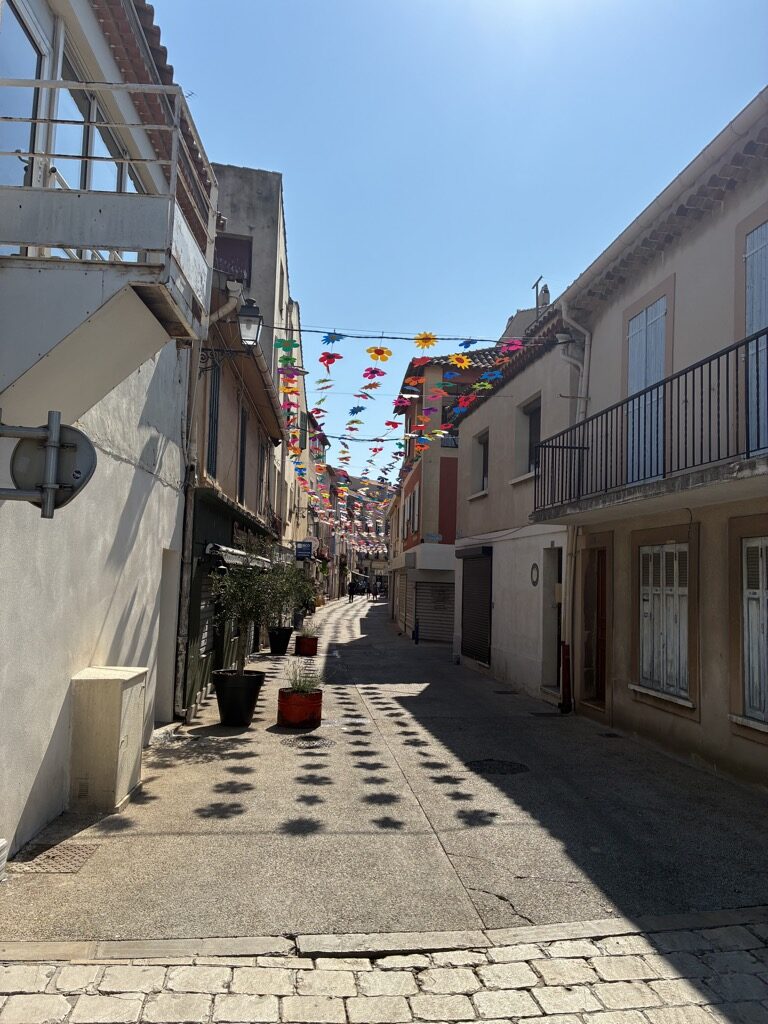
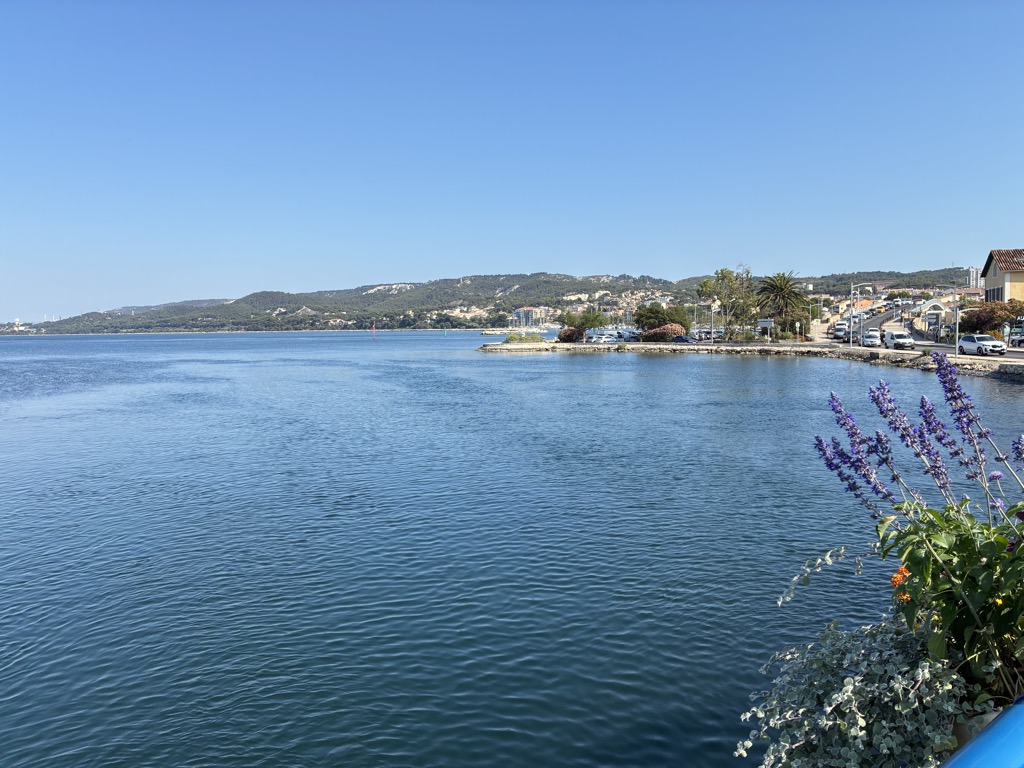
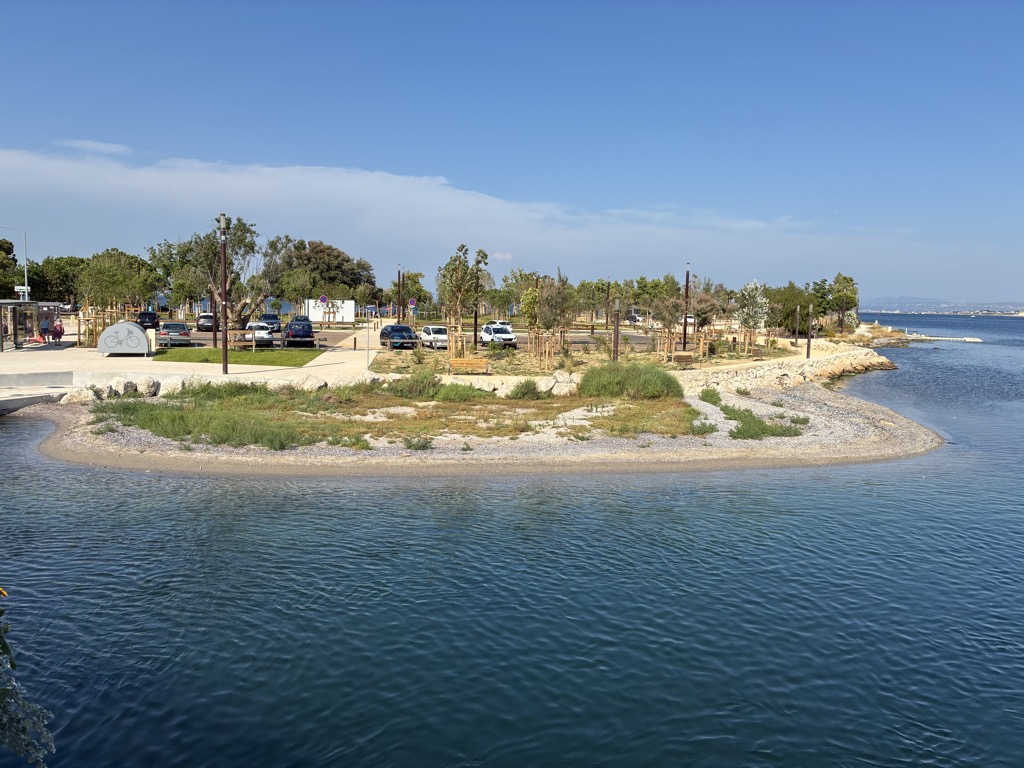
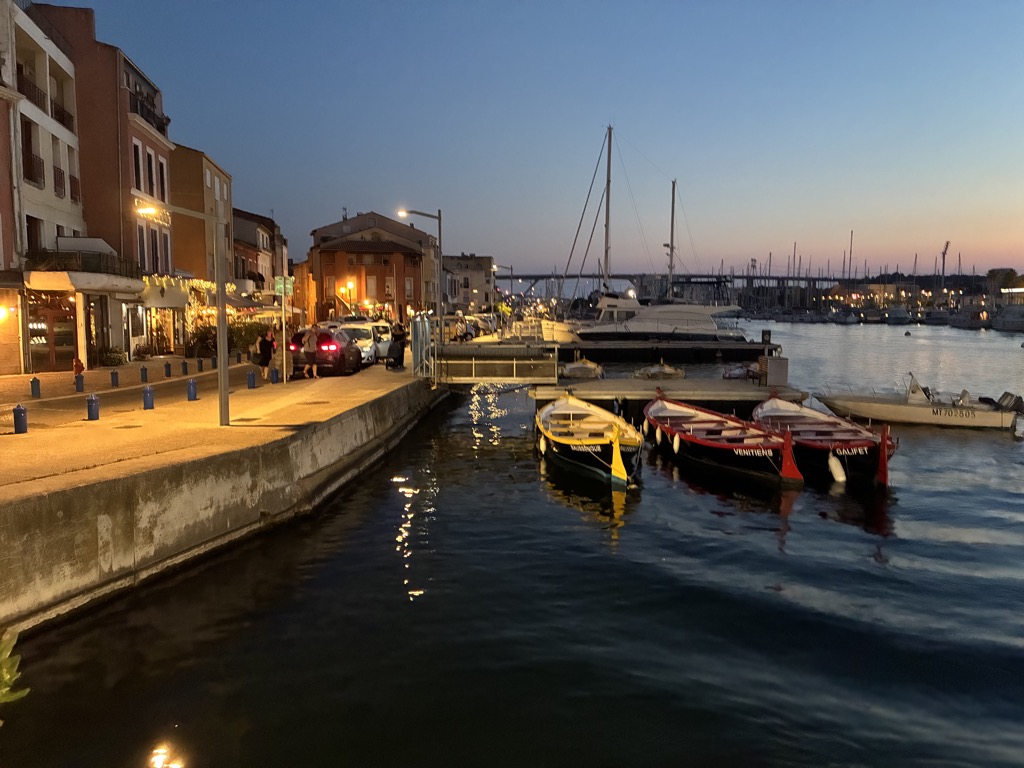
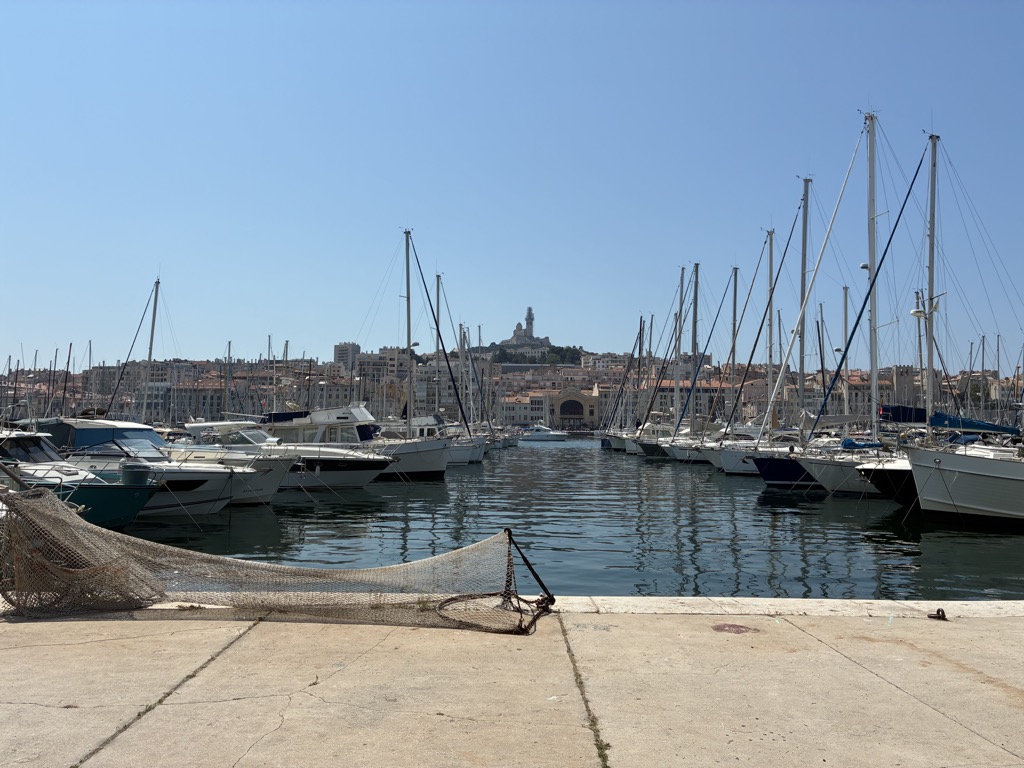
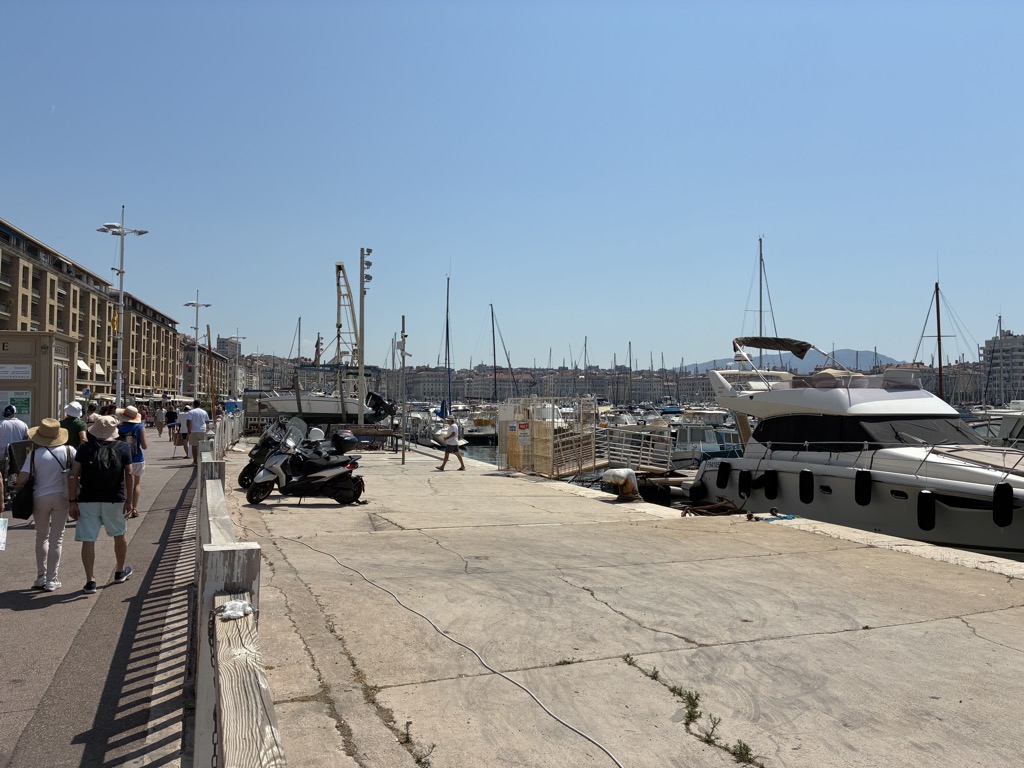
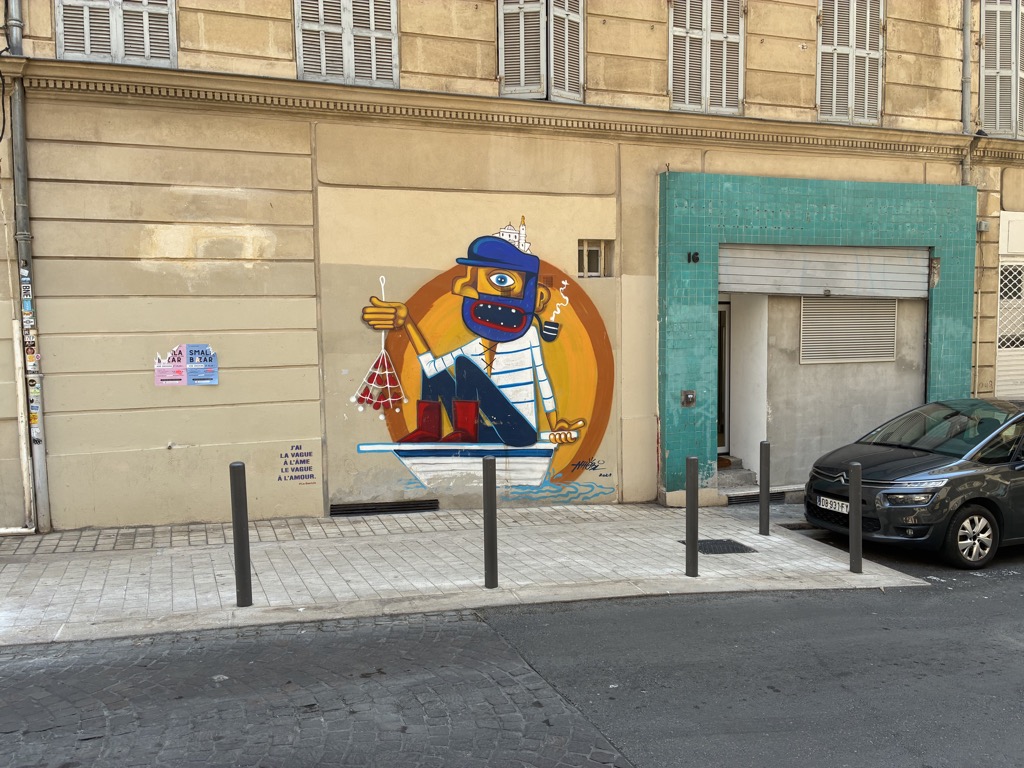
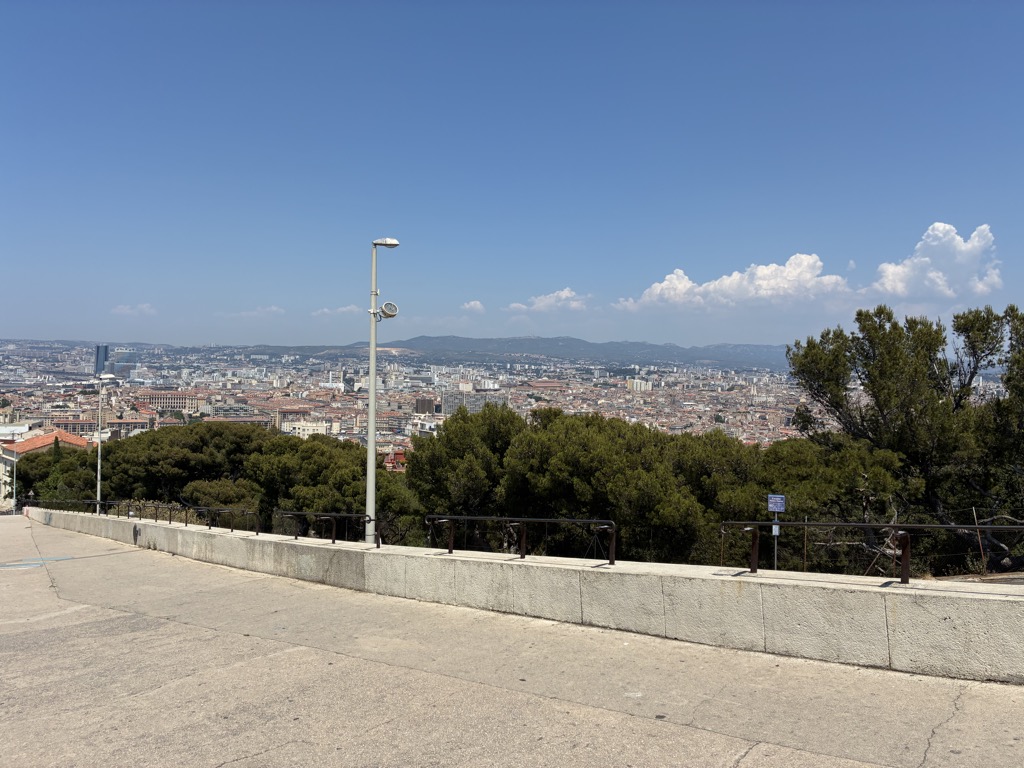
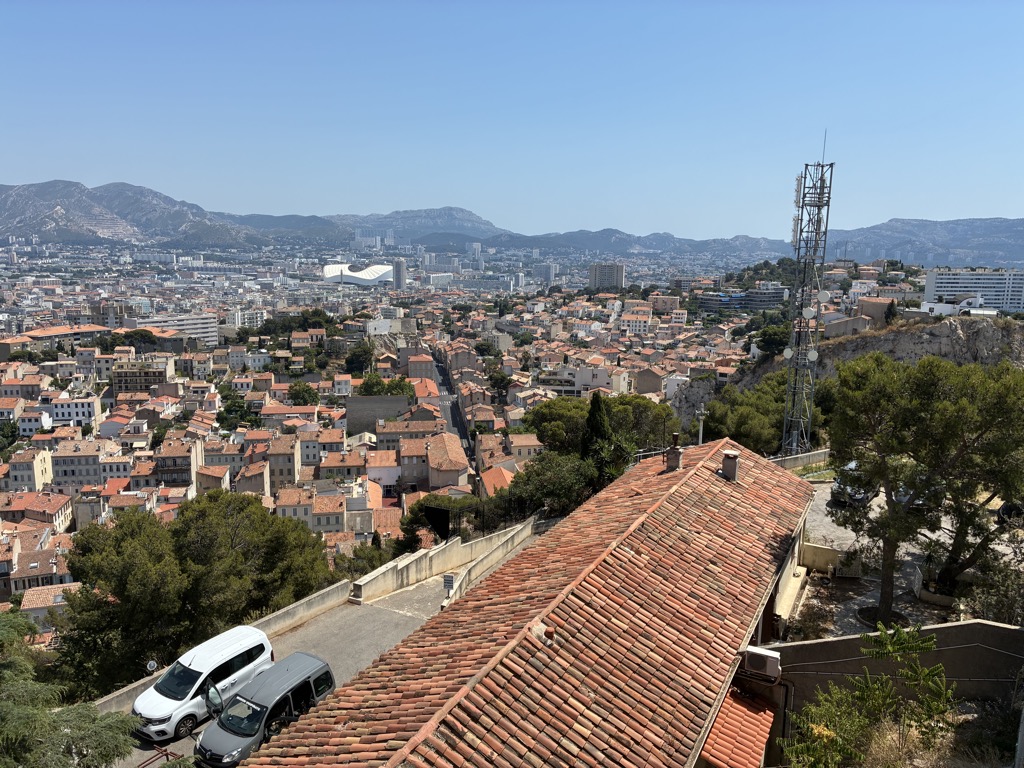
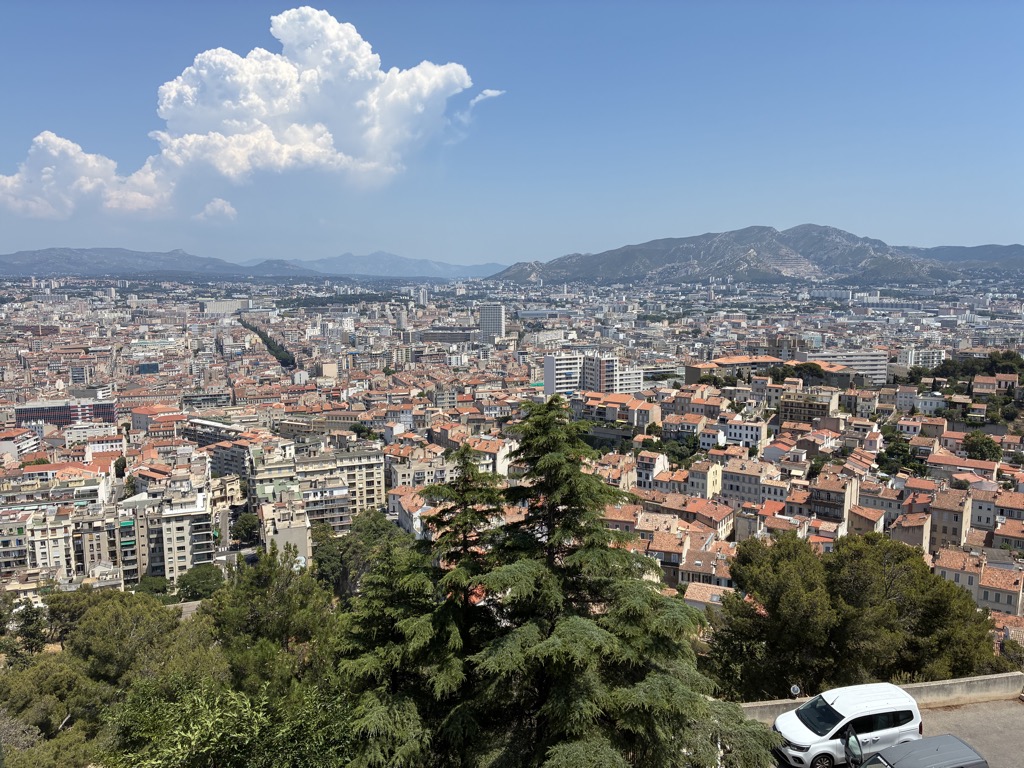
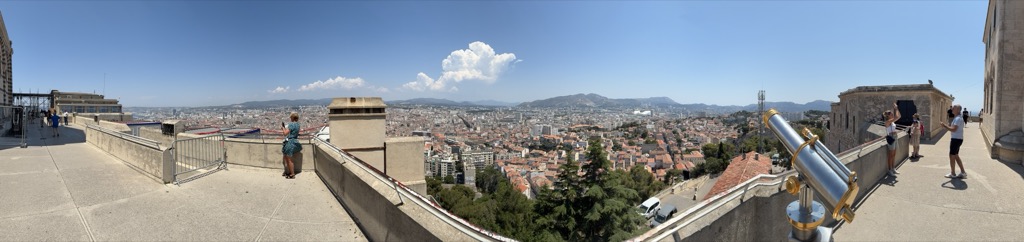
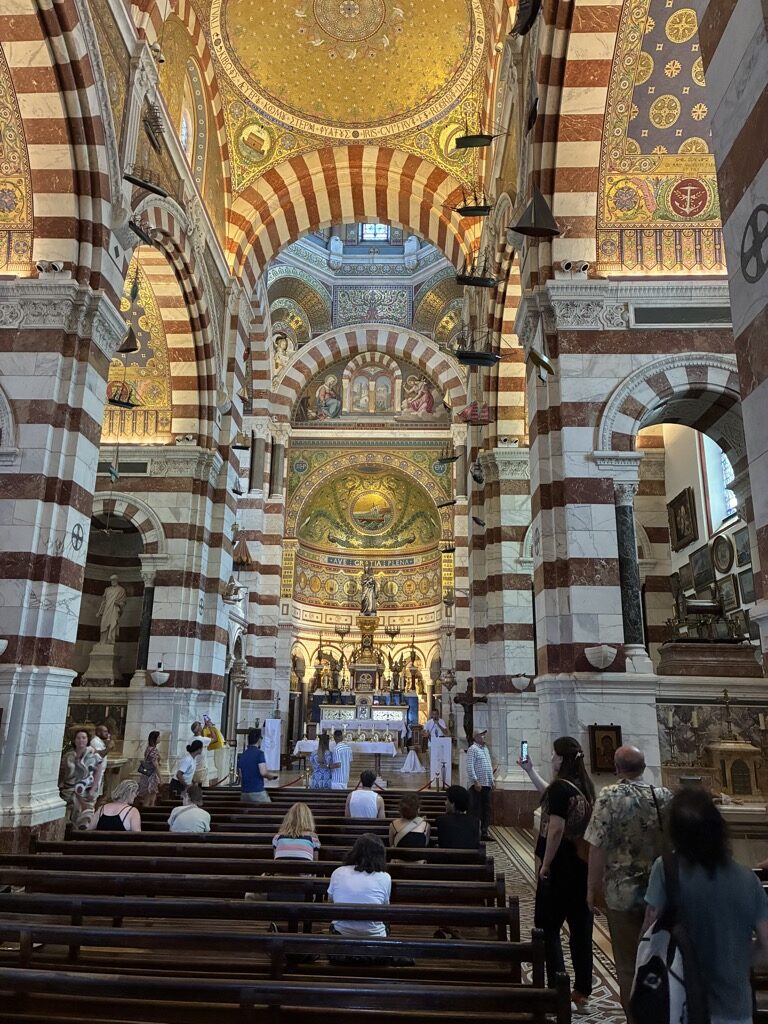
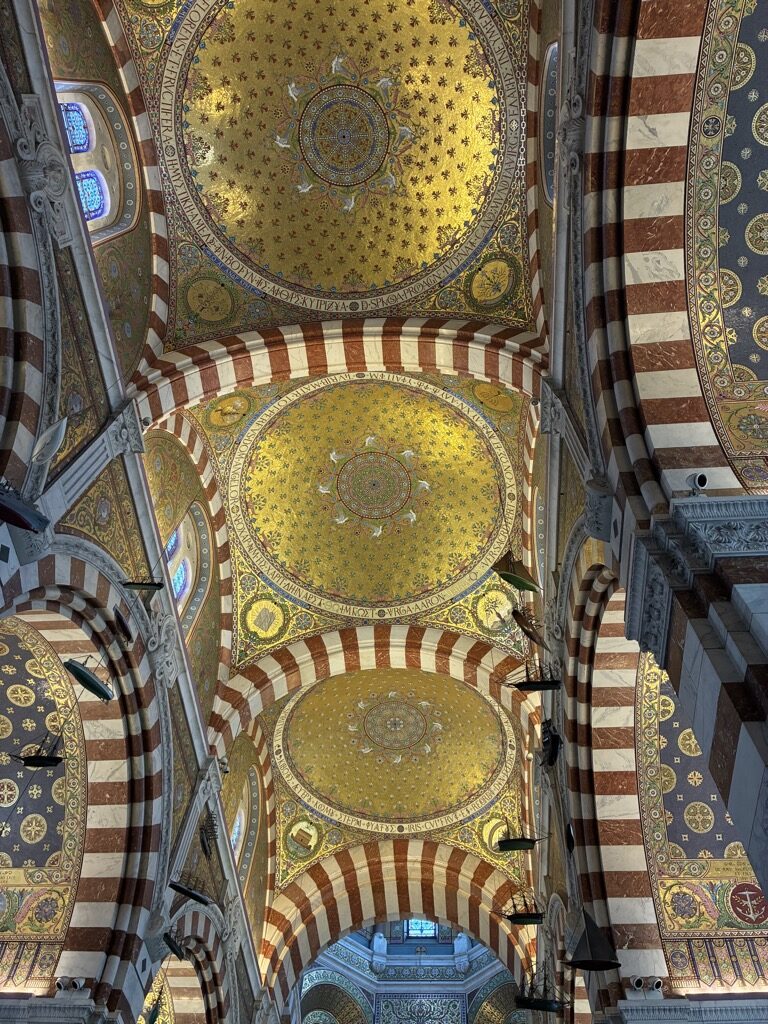
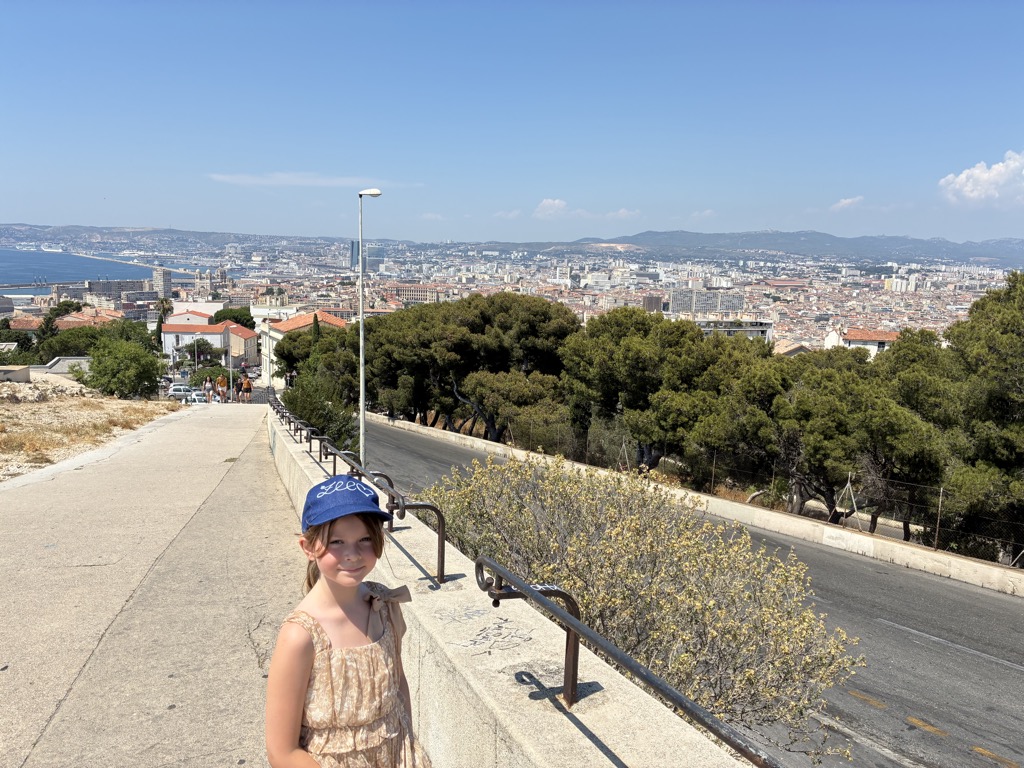
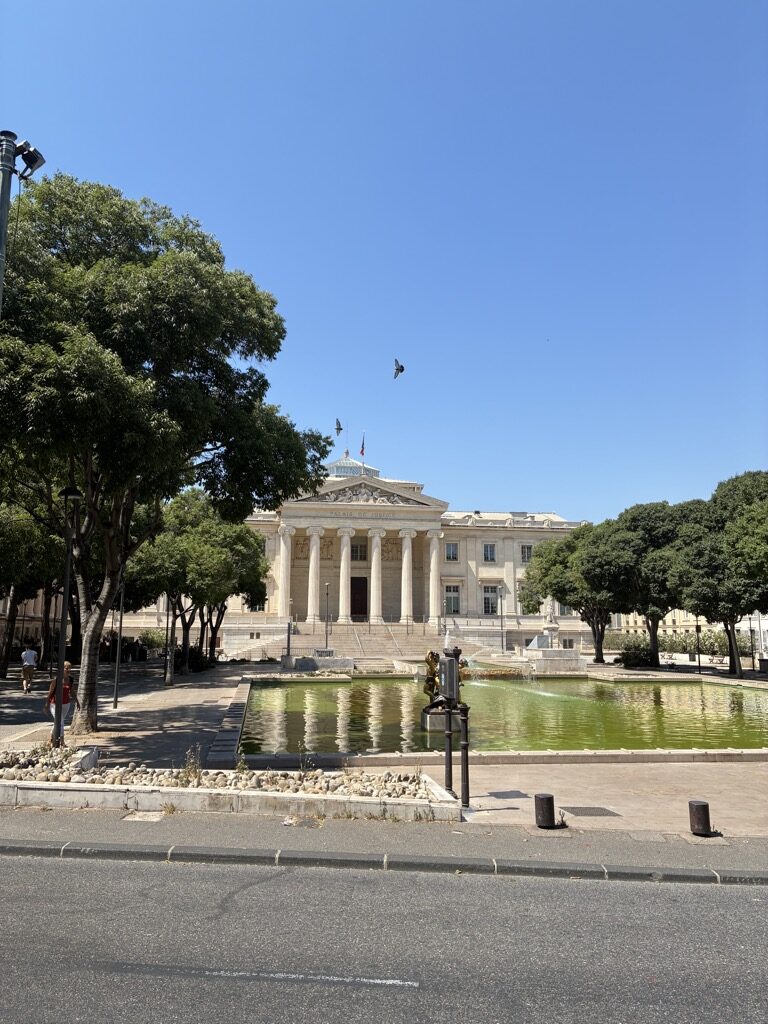
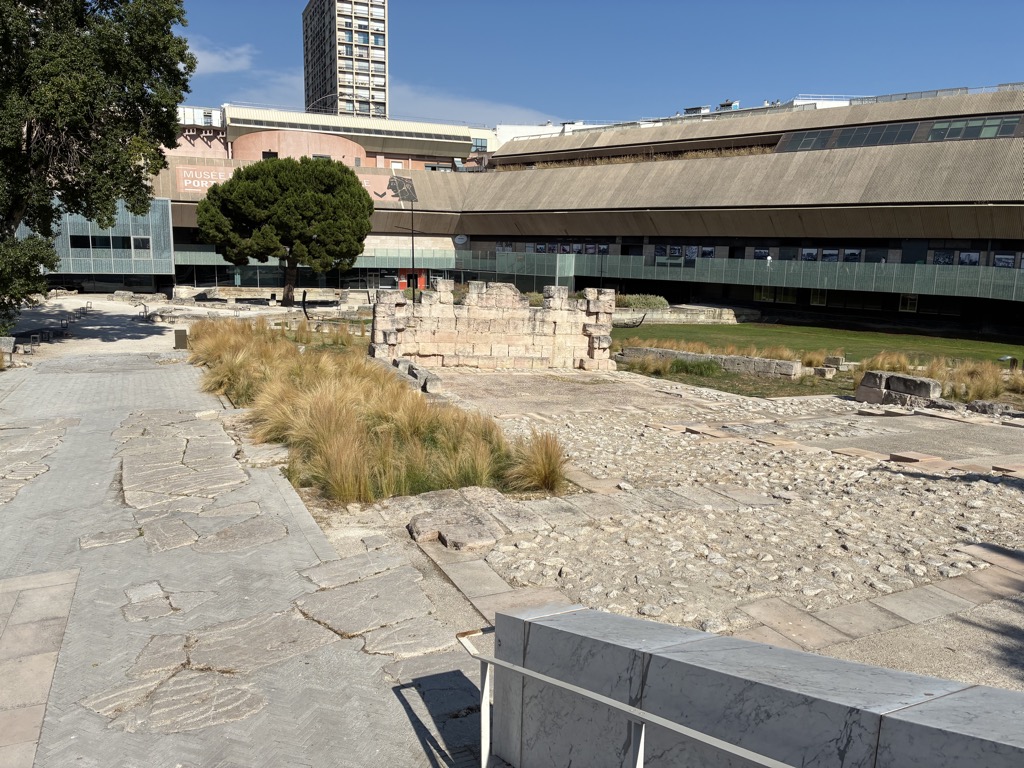
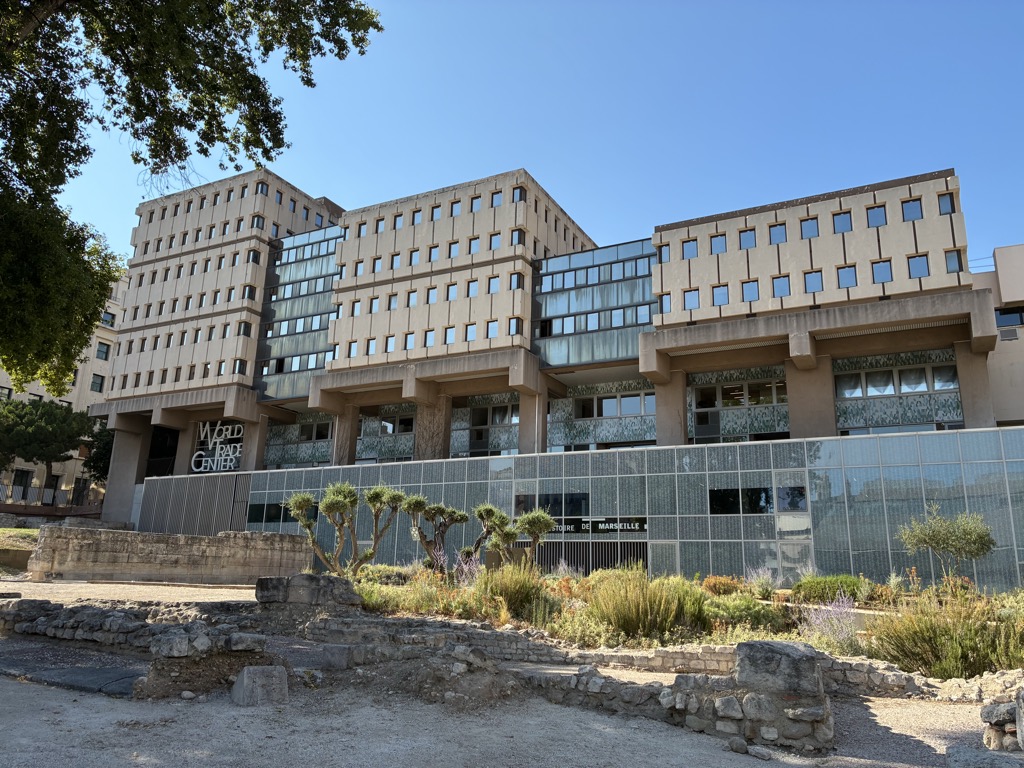
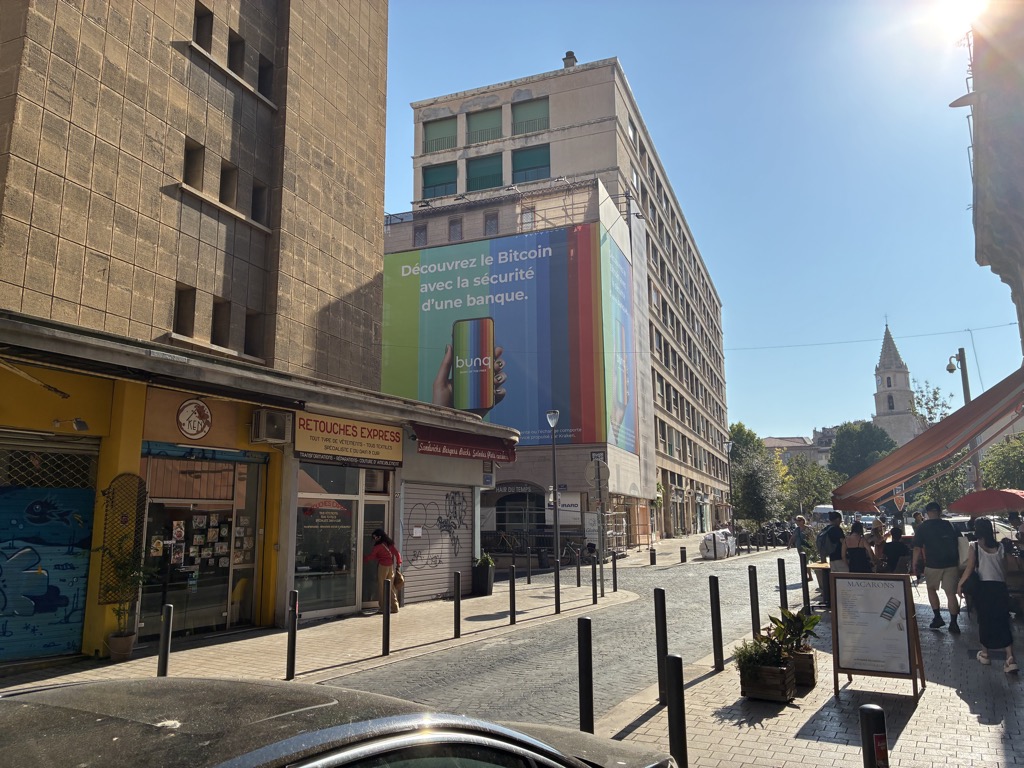
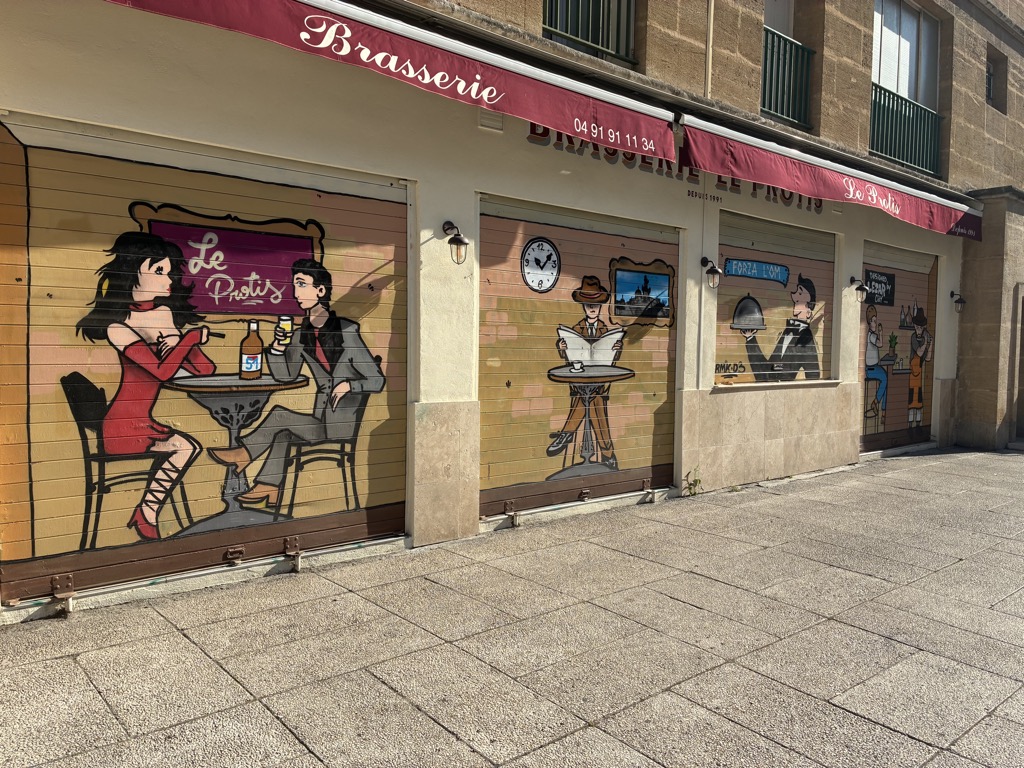
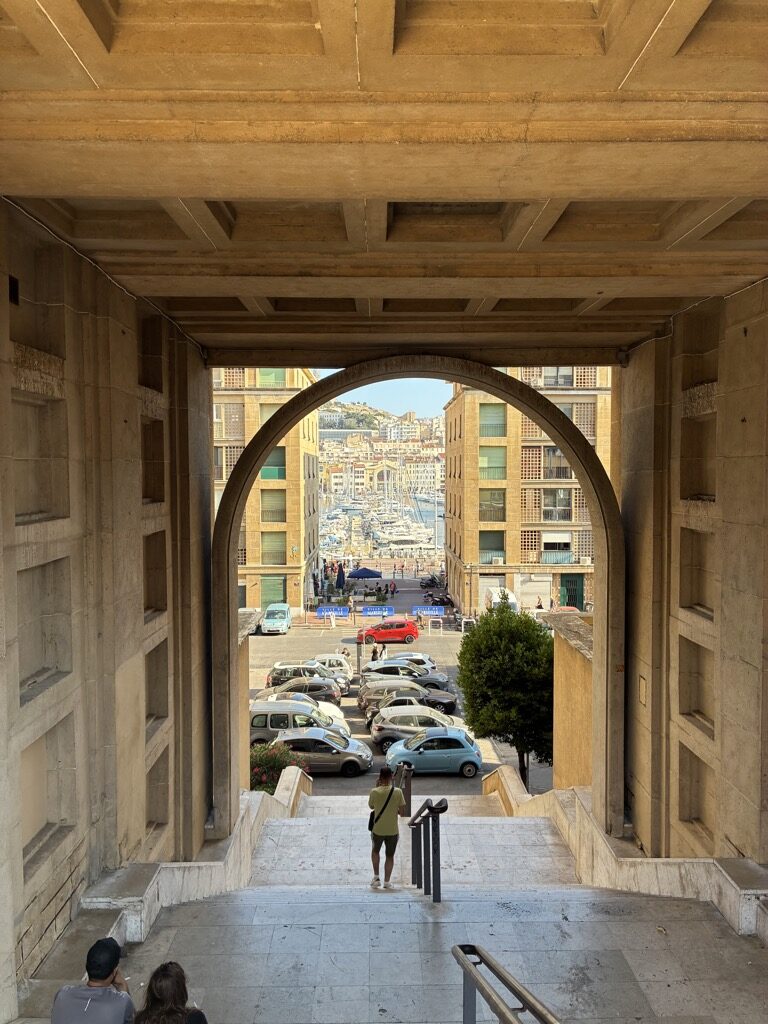
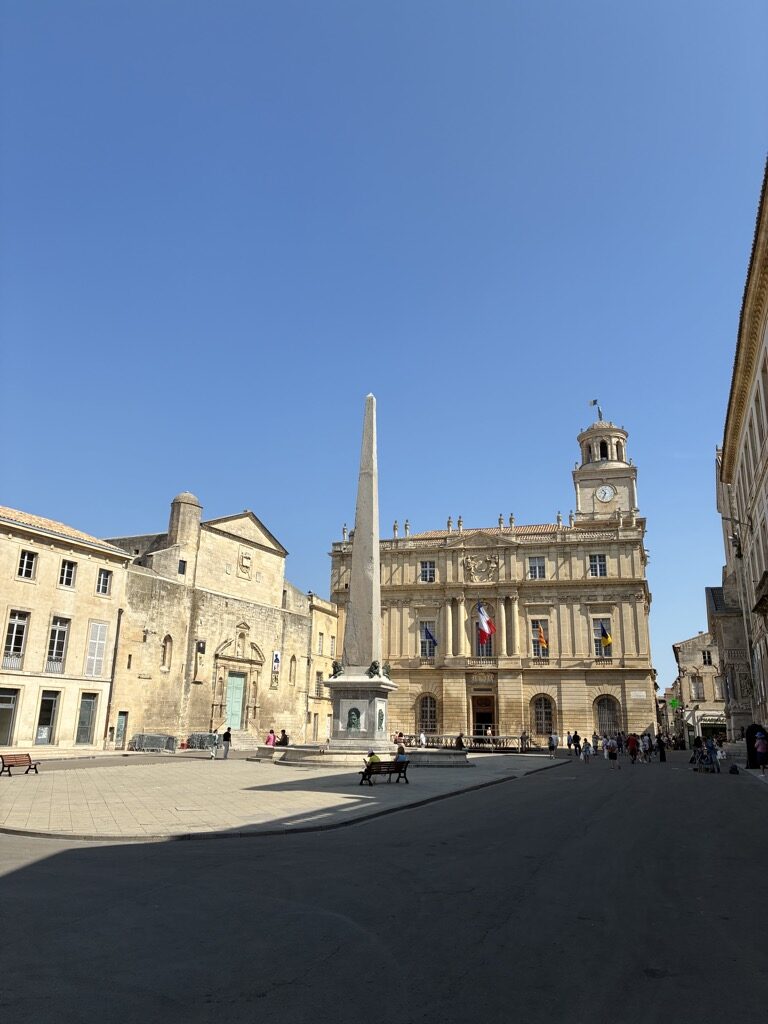
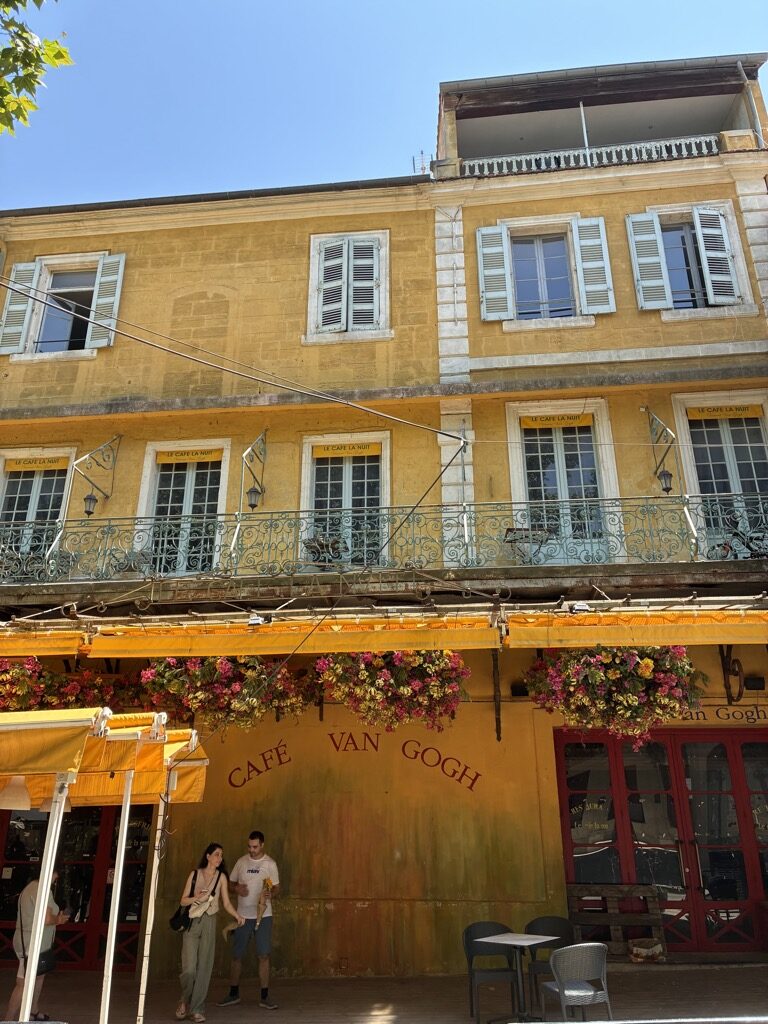
I’m not big on travel, but my wife enjoys it – and after two years of hard work and ten years since our last grand tour, the decision was made to go see the south of France. The initial plan included Paris, but logistics got in the way, so Paris will have to wait. Our 20-day trip (including air travel) can hardly be called a grand tour, but hey, it’s modern times when plebeians such as us can afford to travel a bit and hopefully get cultured. I typically prefer trips to events such as MATG or DefCon, but roaming the south of France didn’t sound bad -after all, I wanted to find out what all the fuss was about. So the rough plan was to fly into Marseille, get a car, and visit as much as we could. I’m still processing the grand tour and hopefully I’ll have more revelations, but for now, I’ll just randomly dispense my thoughts as they surface in my mind.
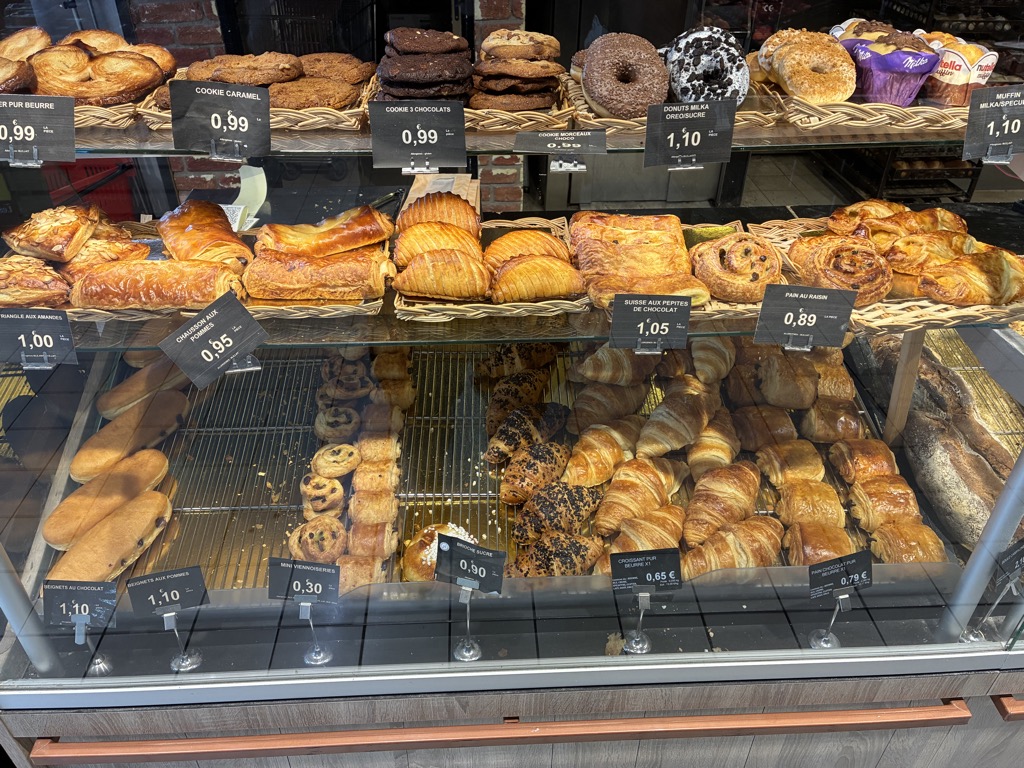
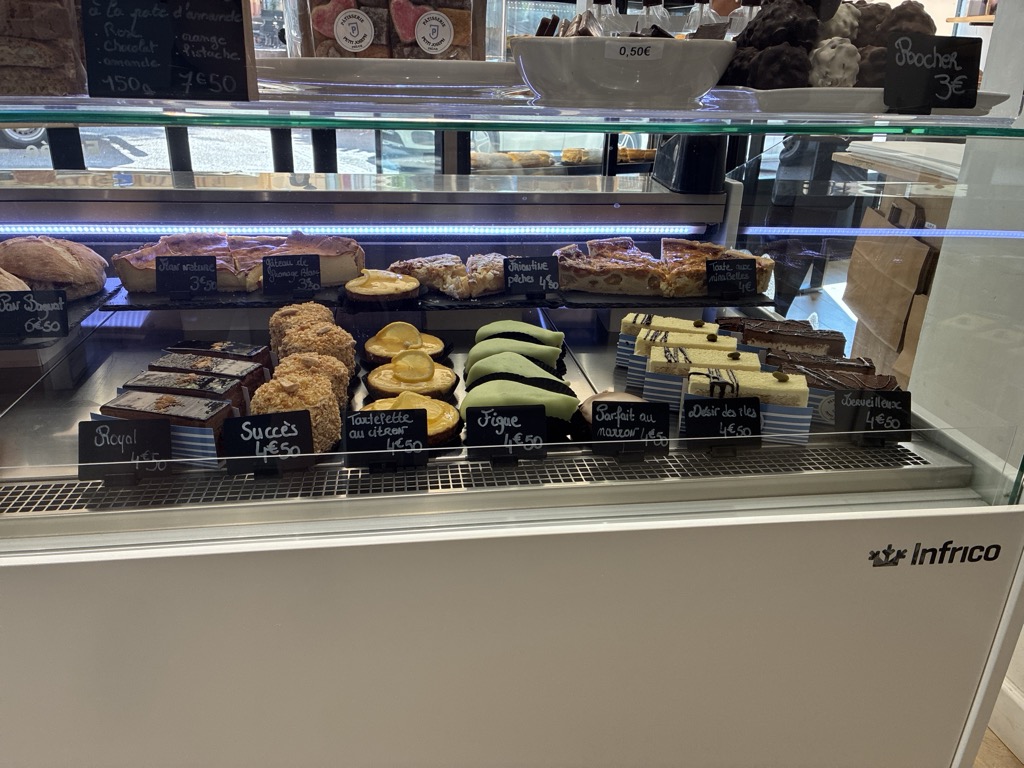
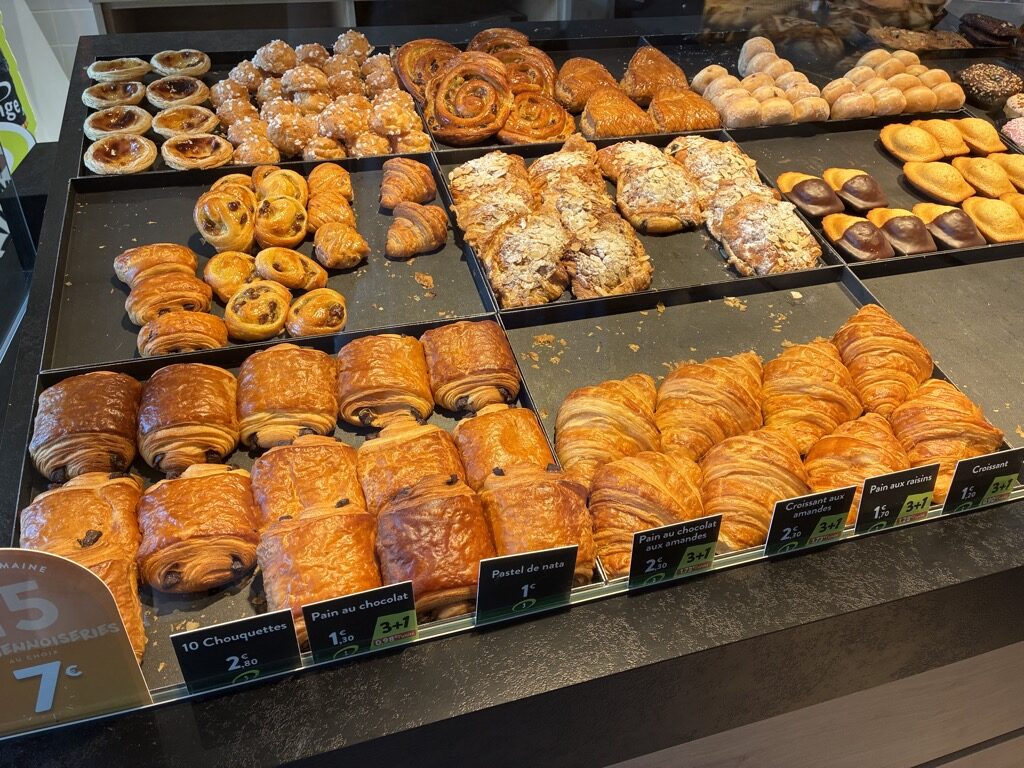
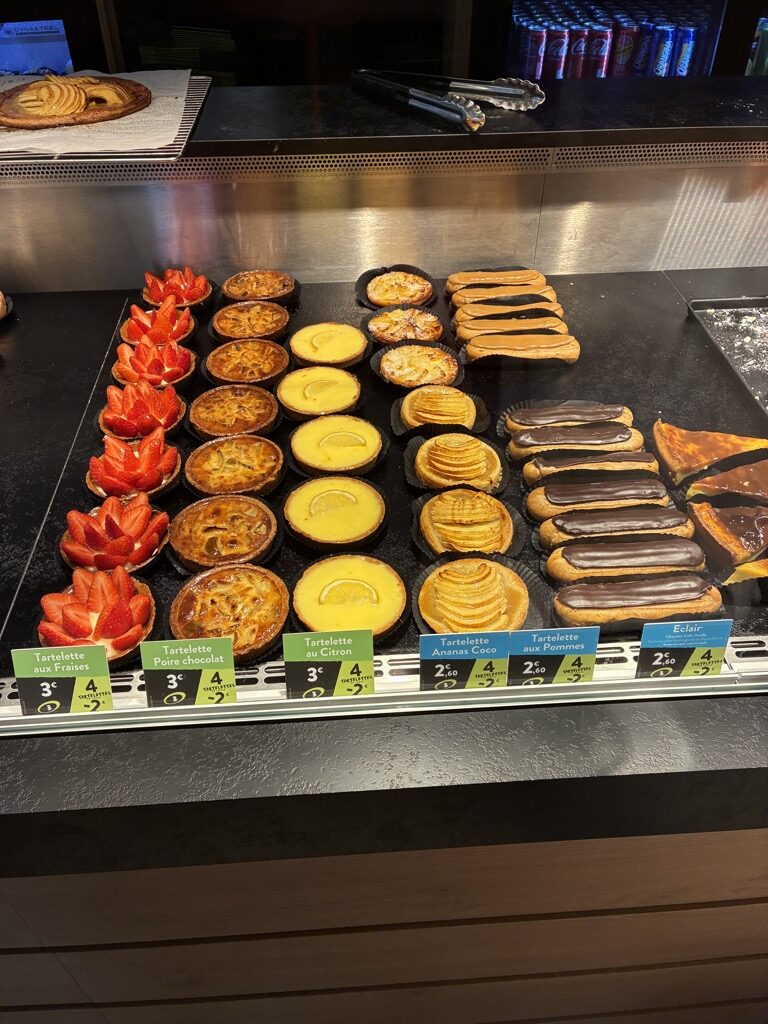
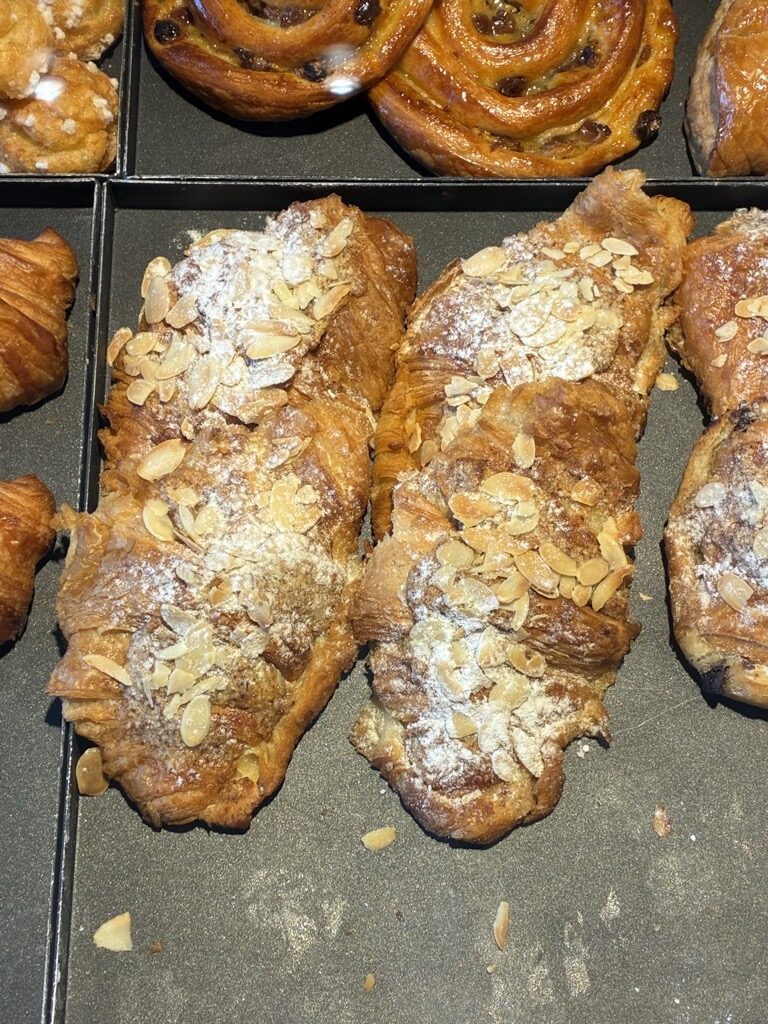
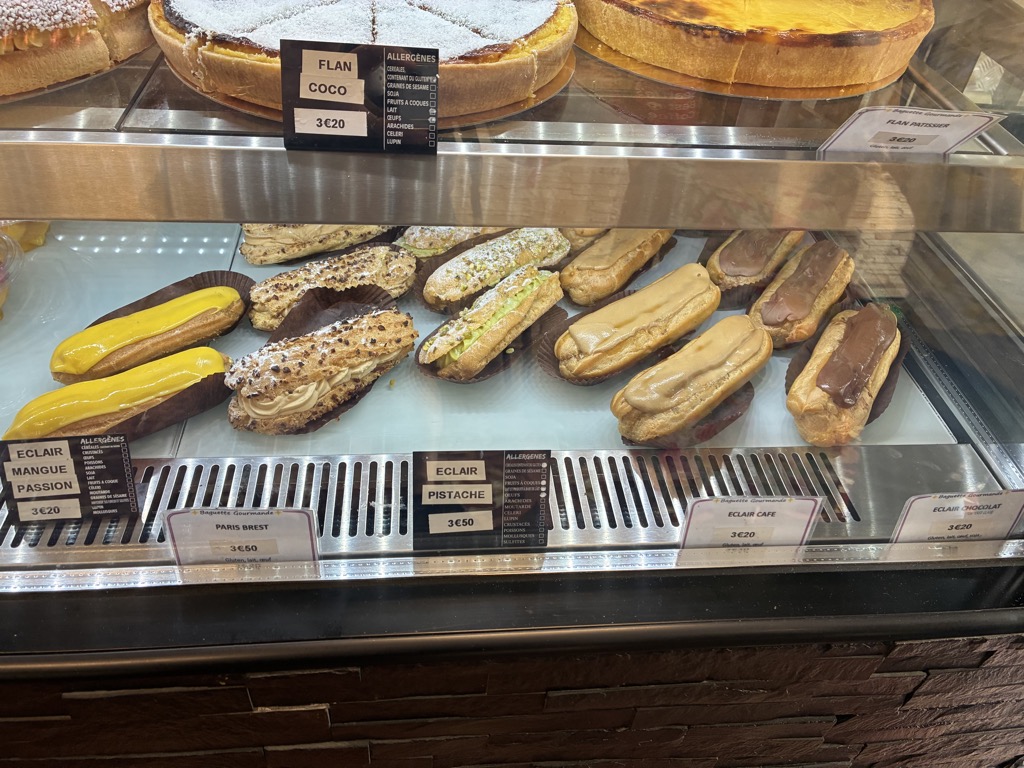
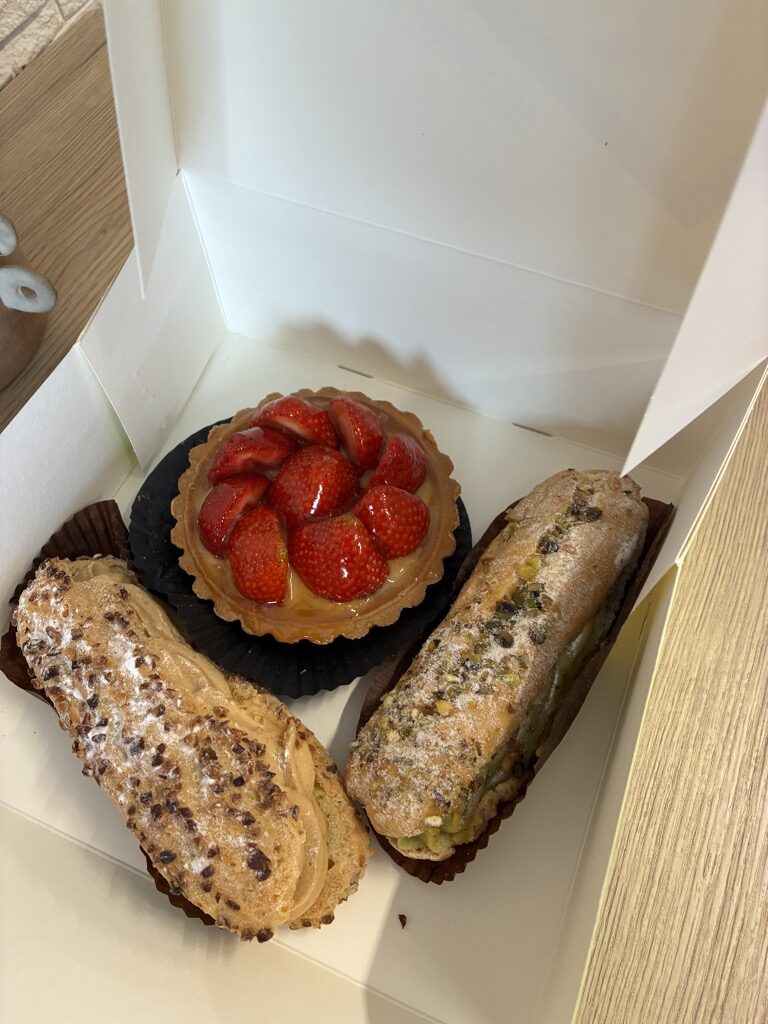
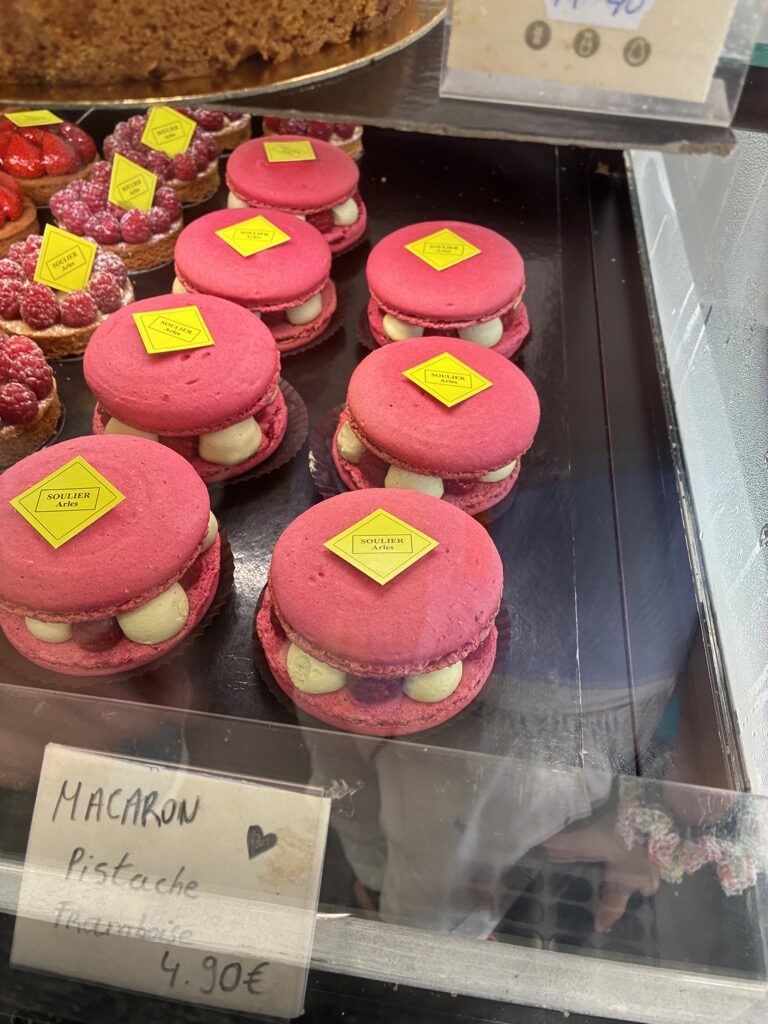
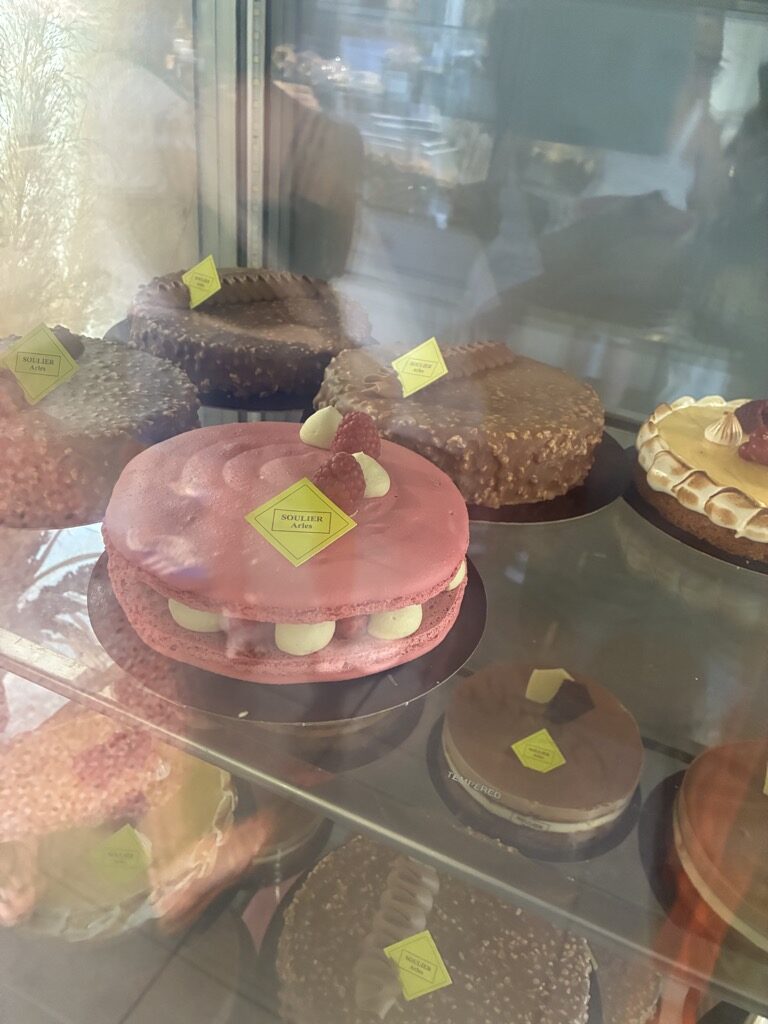
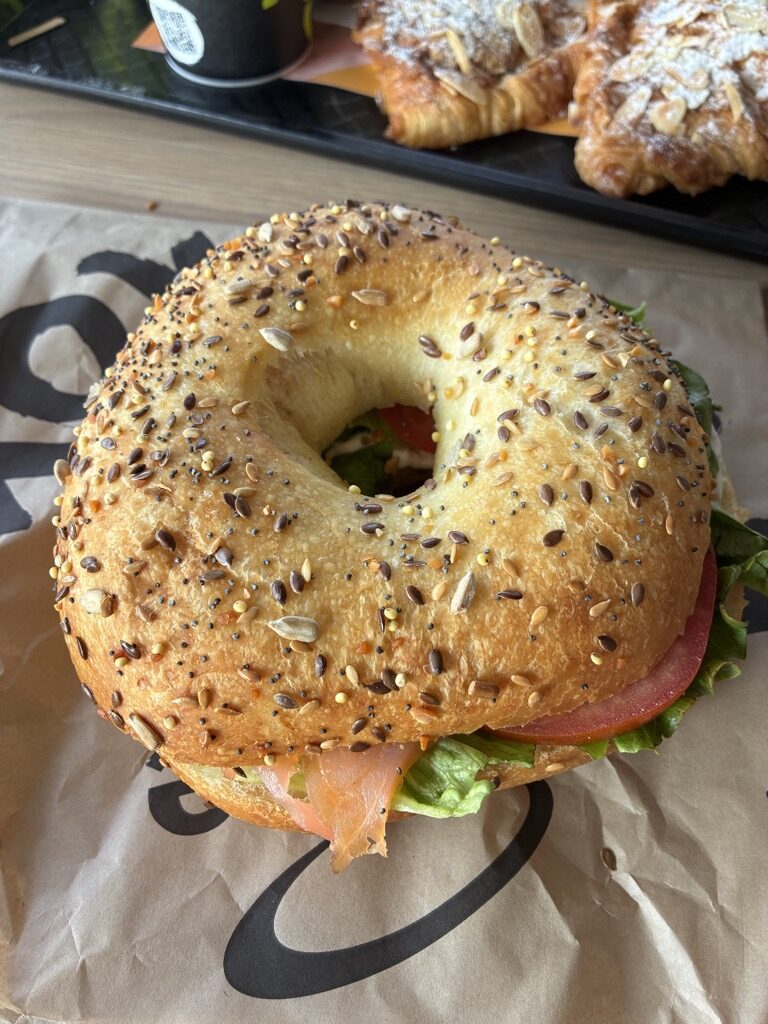
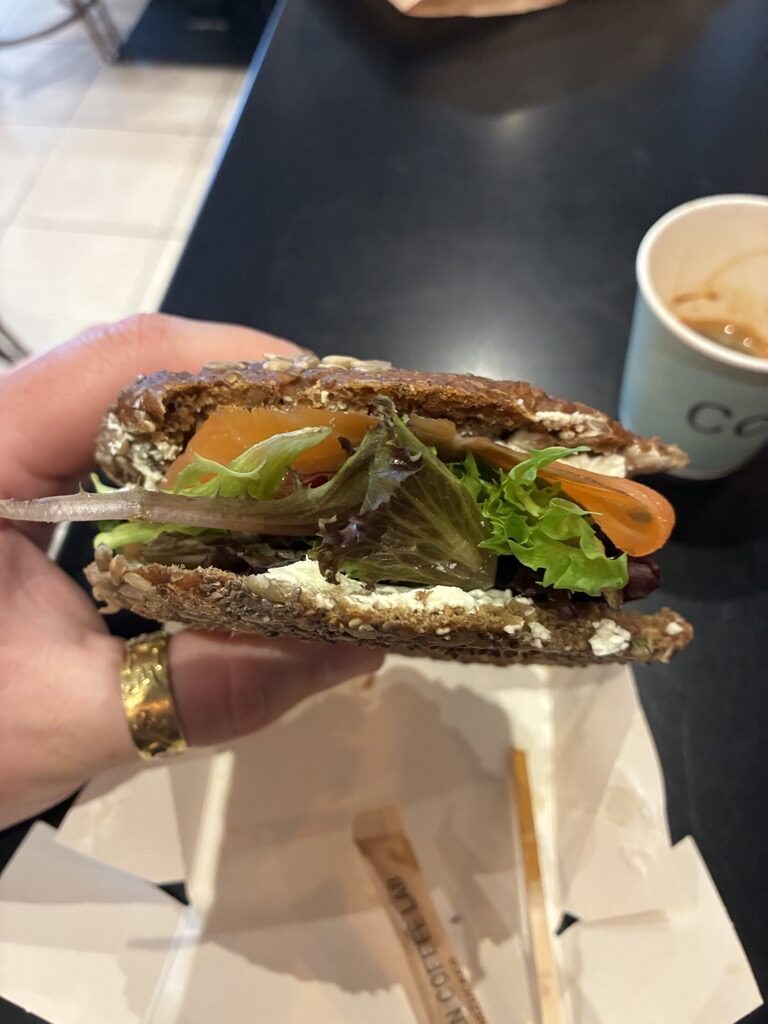
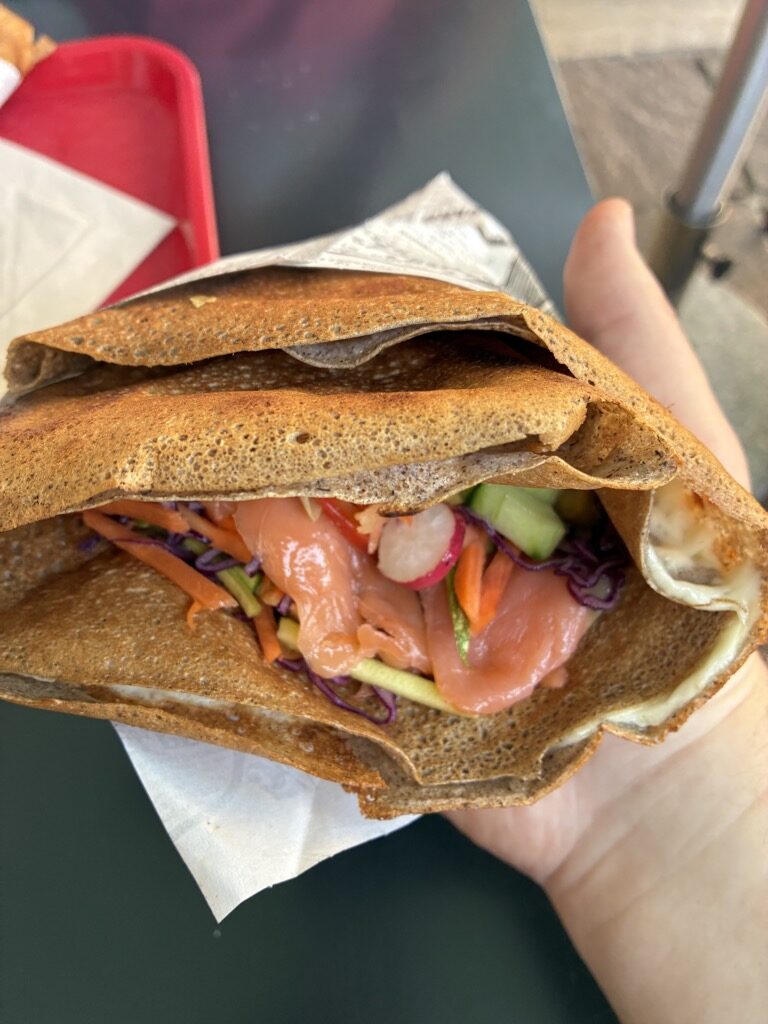
France has quite a different approach to food, at least compared to North America. Breakfast is very fast and light: no eggs, no bacon, no potatoes, pancakes, or anything of the sort. The most you can find at a bakery is sandwiches, and not all bakeries carry them in the morning. The bakery is the focal point, and it certainly seems everyone goes there each morning. That’s the place where you can get bread, coffee, and pastries and have a quick sit-down if you’re a tourist since I didn’t see many locals having breakfast there – just in and out. We visited a few bakeries along the way, and I can’t recall any of them being bad. Some were better, some had a bigger variety, but all had the same basic breads, which were pretty good. I must admit, French bakeries pushed me toward the idea of making my own bread (currently in the works). It is quite nice to have fresh bread in the morning. But the killer feature of any French bakery is pastries, and my personal favourite – the éclair. I honestly gave up on éclairs some time ago, as I couldn’t find any to my liking locally. But in France, every bakery we visited had awesome éclairs. Somehow those éclairs took me back to my childhood, tasting exactly as I remembered an éclair should taste.
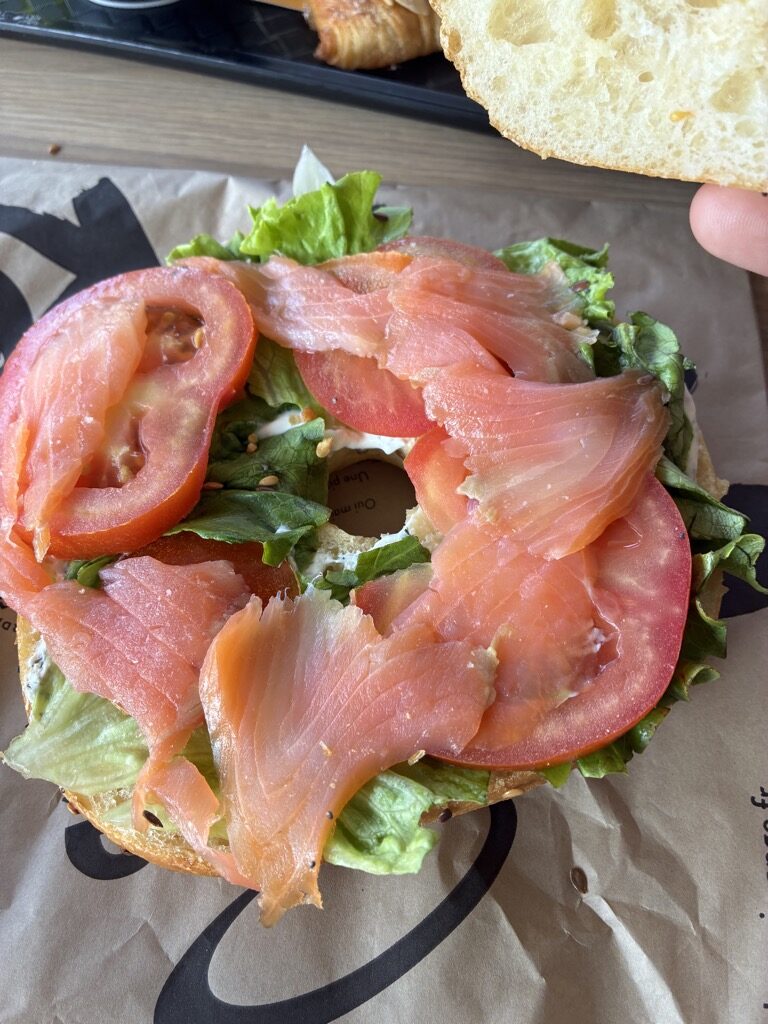
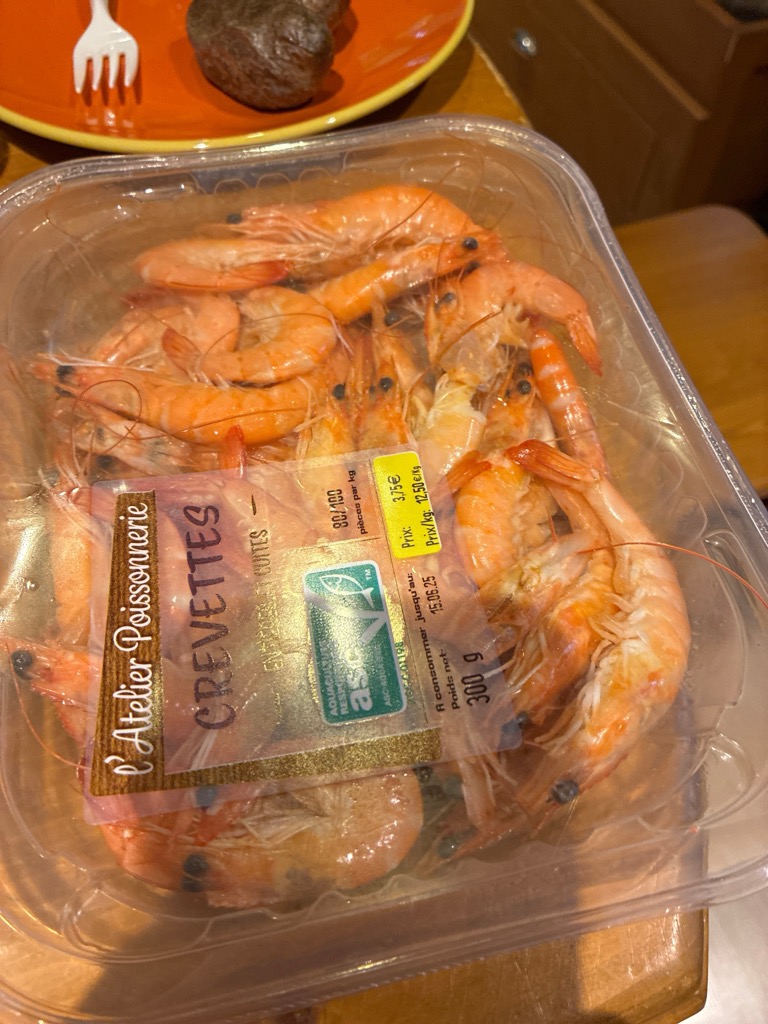
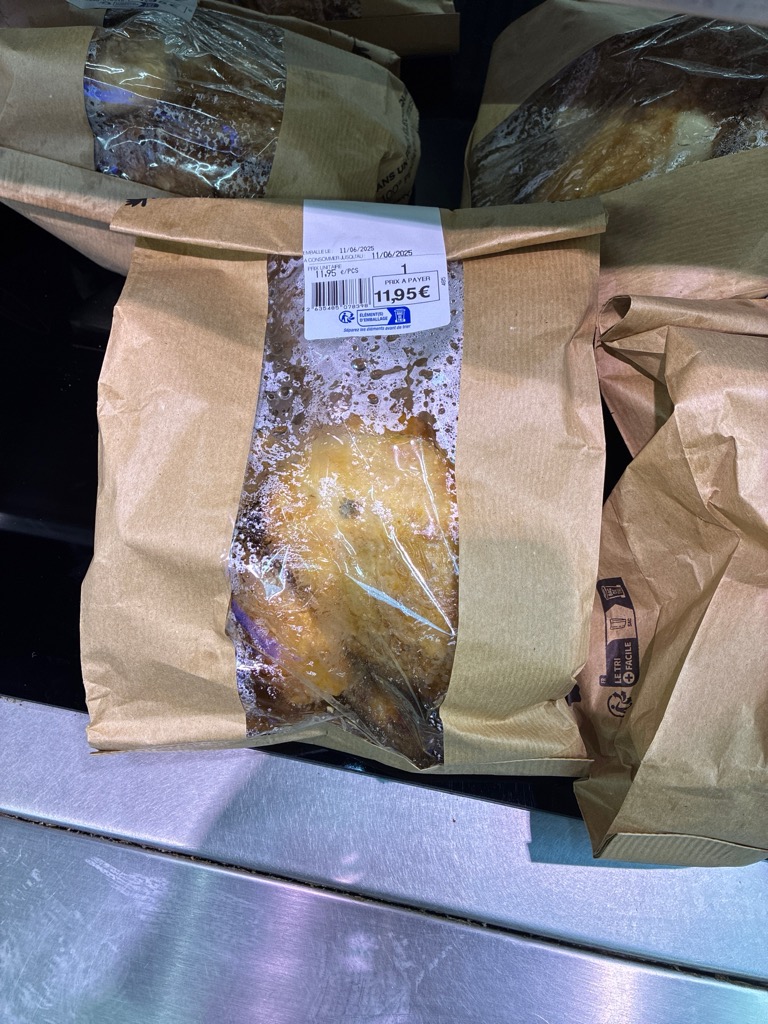
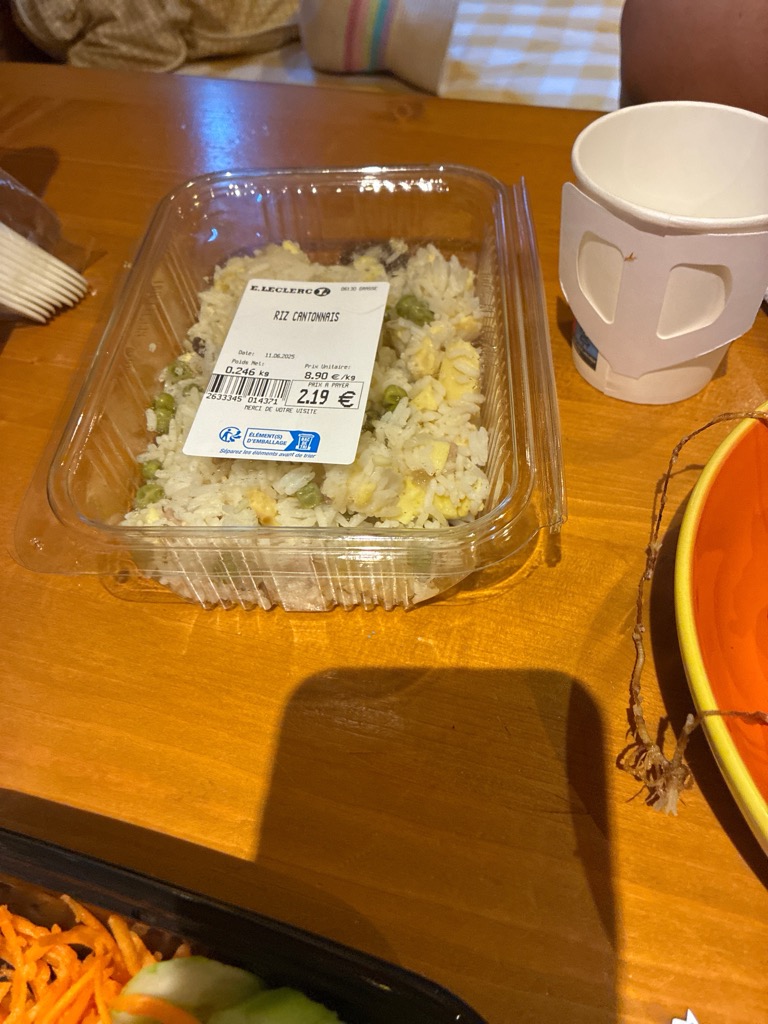
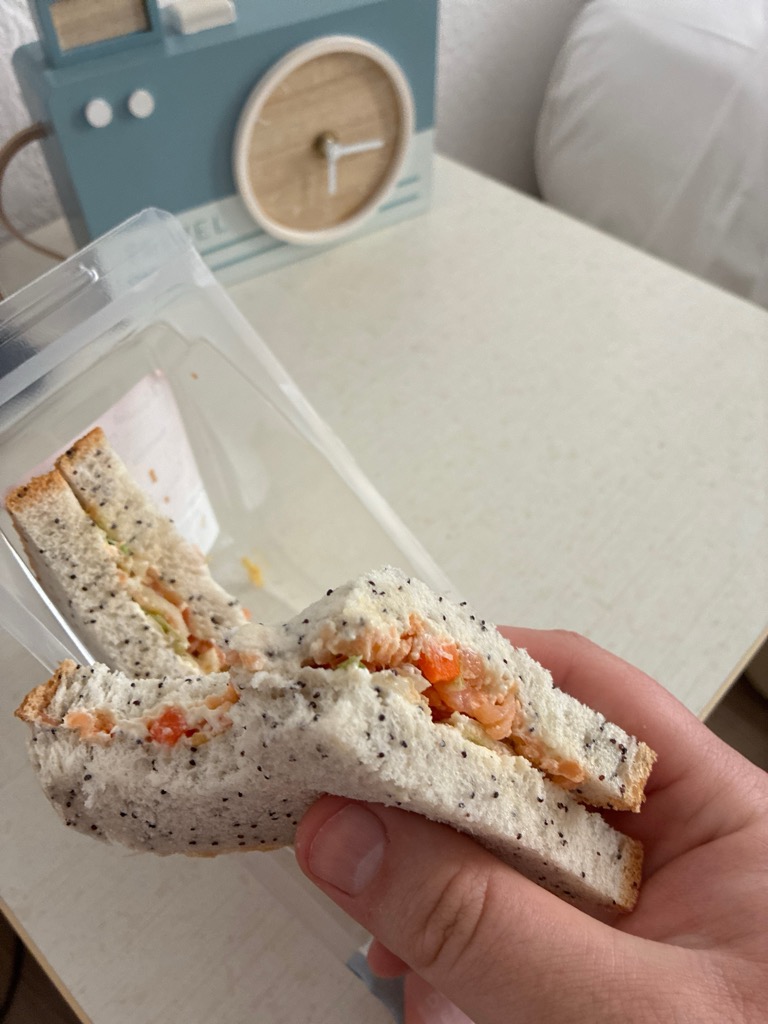
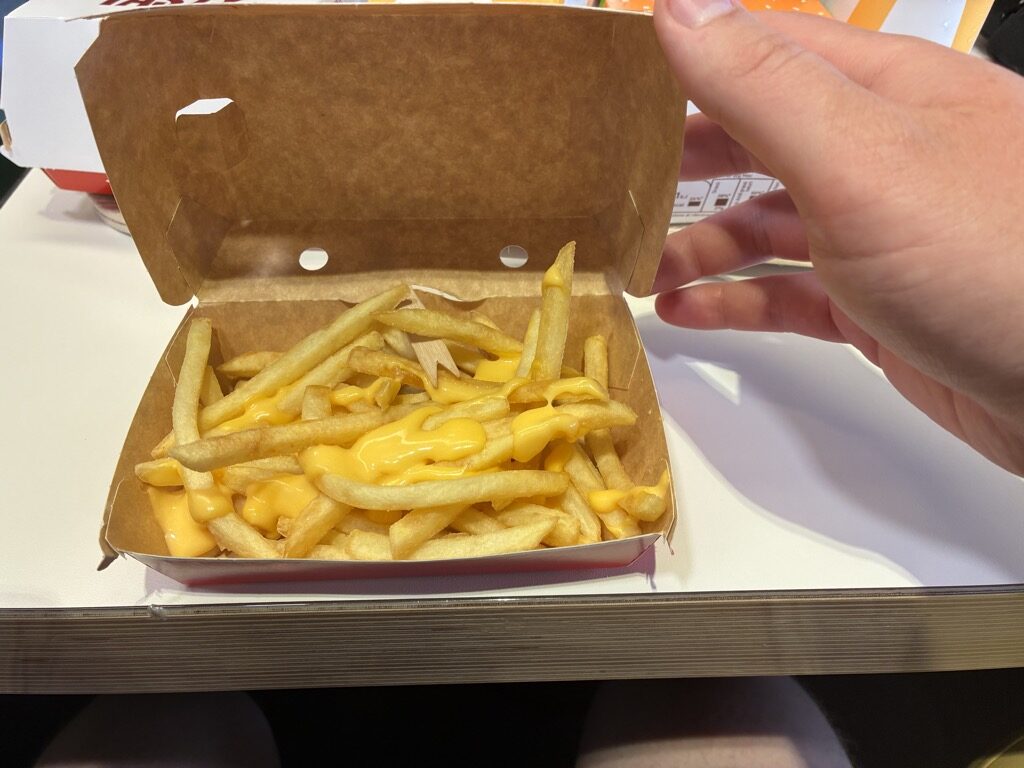
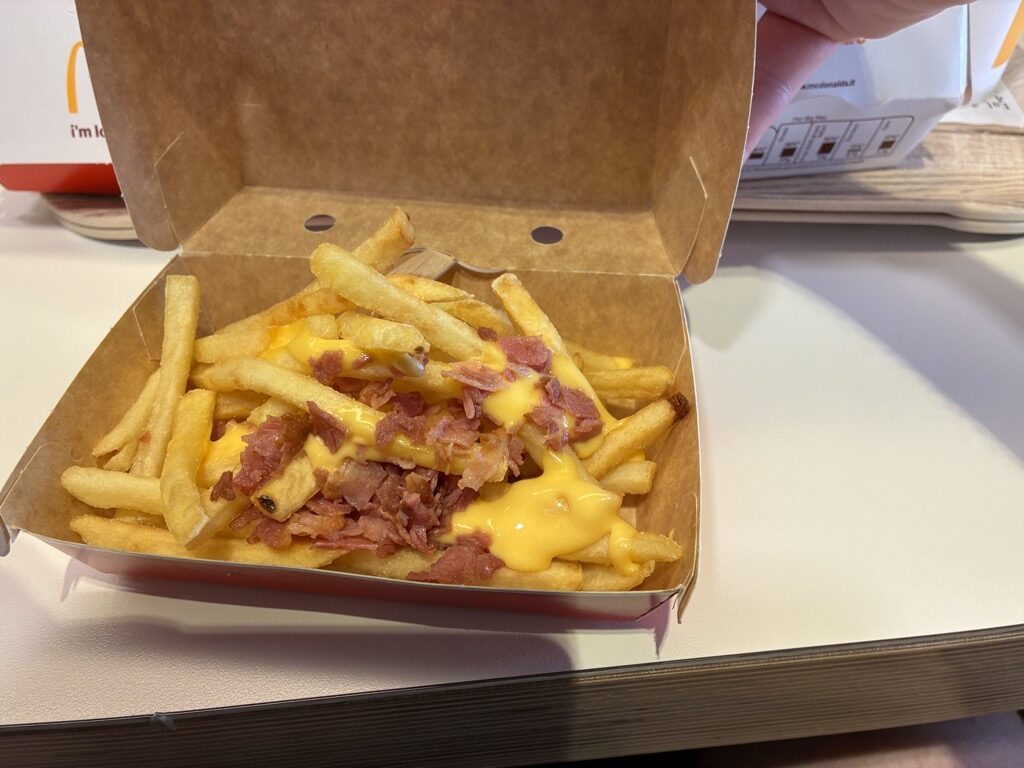
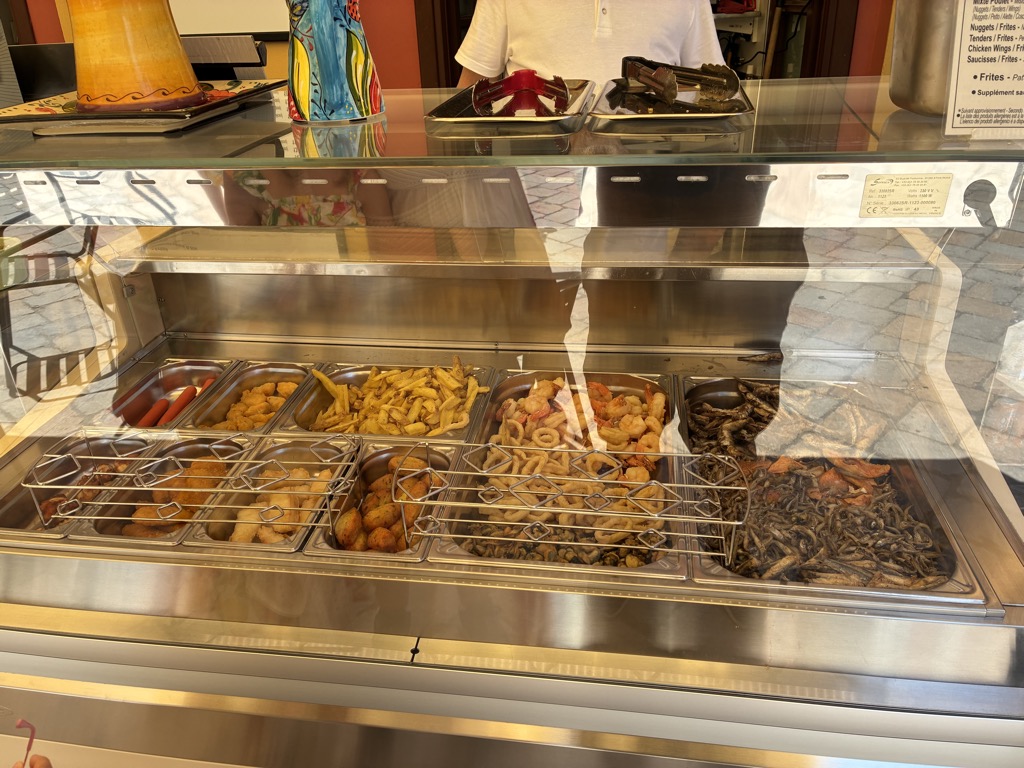
While in North America you can get almost anything anytime you want, such as breakfast at dinner time, the French operate differently – they have a strict structure. For breakfast, you can’t have lunch; for dinner, you can’t have breakfast. Bakeries close after lunch, while restaurants open only for lunch and dinner. The time in between I call “dead time.” That sunk in after a few attempts at finding something good to eat around 16:00. Yes, you can find burger or shish kebab places, but I learned to avoid those or proceed at your own risk of having okay food at best or food poisoning at worst. I found two courses of action to follow if you want to eat during dead time: tough it out and wait for restaurants to open, typically around 18:00, or go to a grocery store and get a sandwich. I had a few sandwiches from grocery stores along the way and am happy to say I didn’t get any indigestion. Sandwiches are pretty decent considering the price. As for McDonald’s (or other fast food), they are few and far between unless you are in a bigger city.
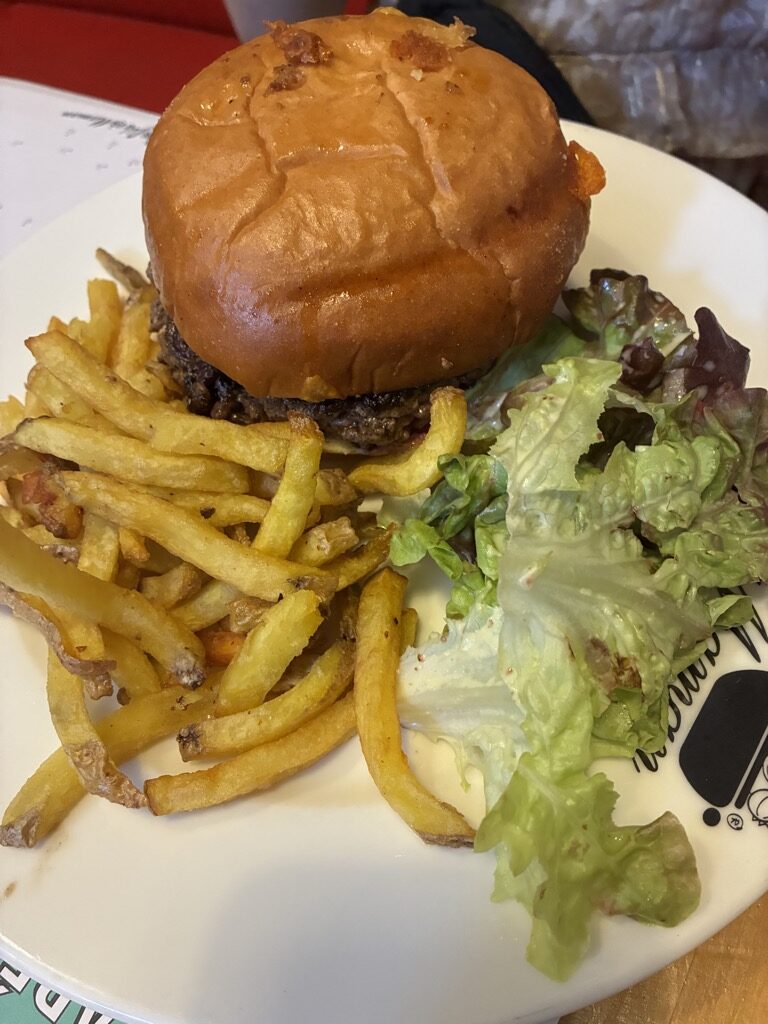
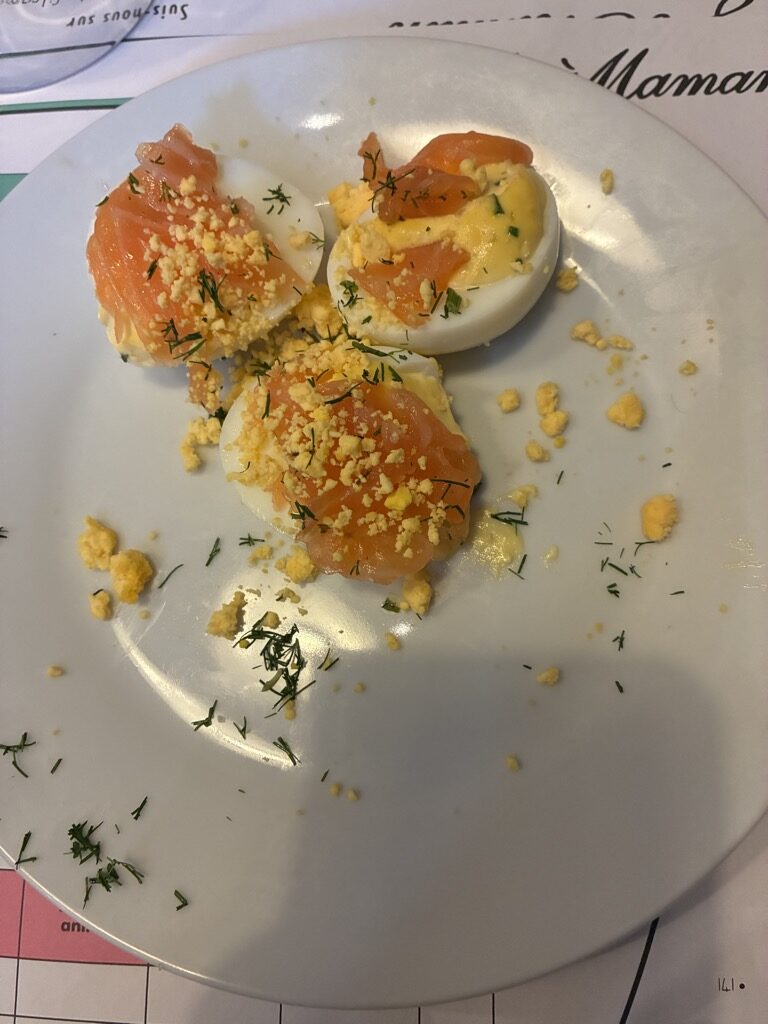
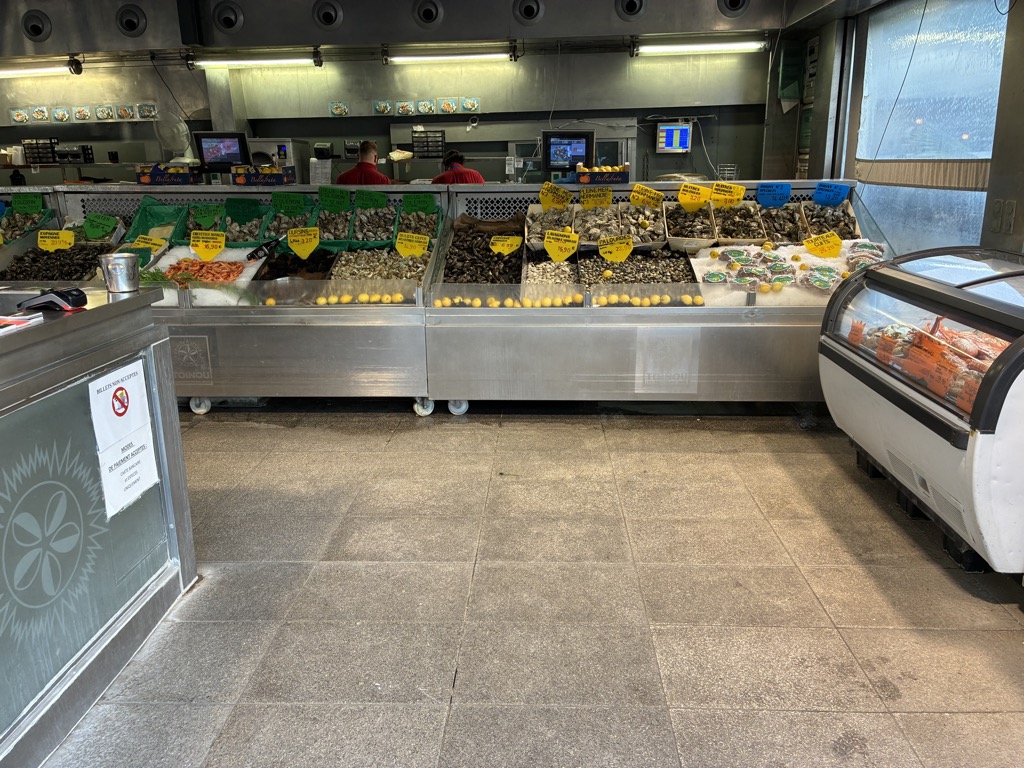
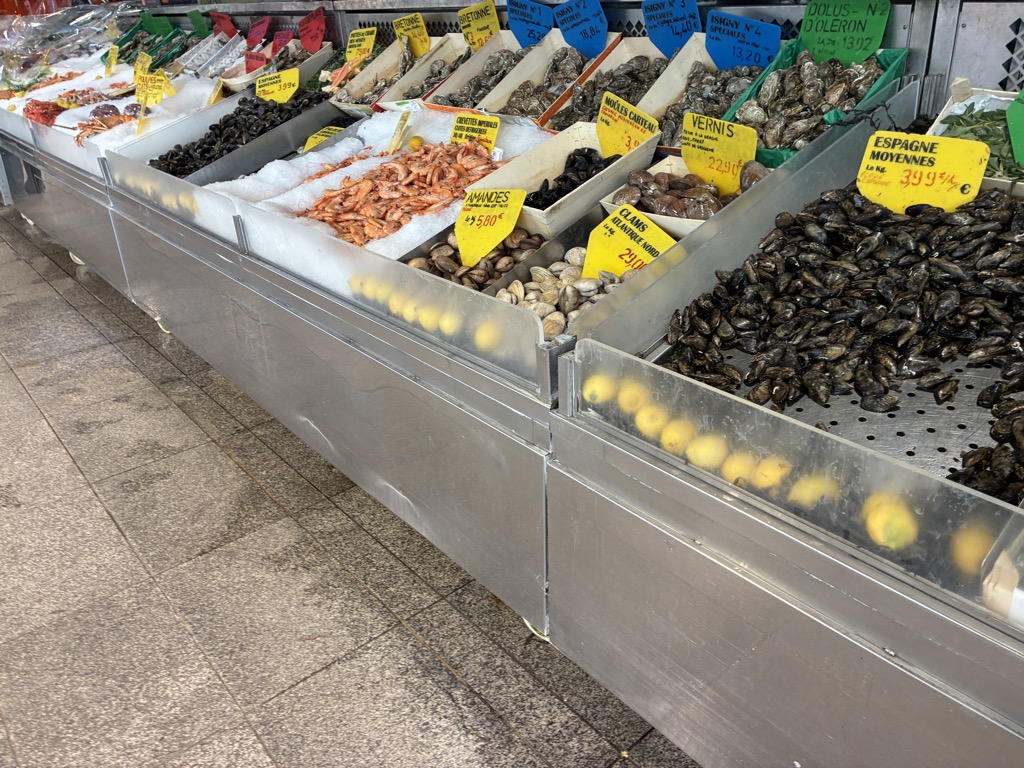
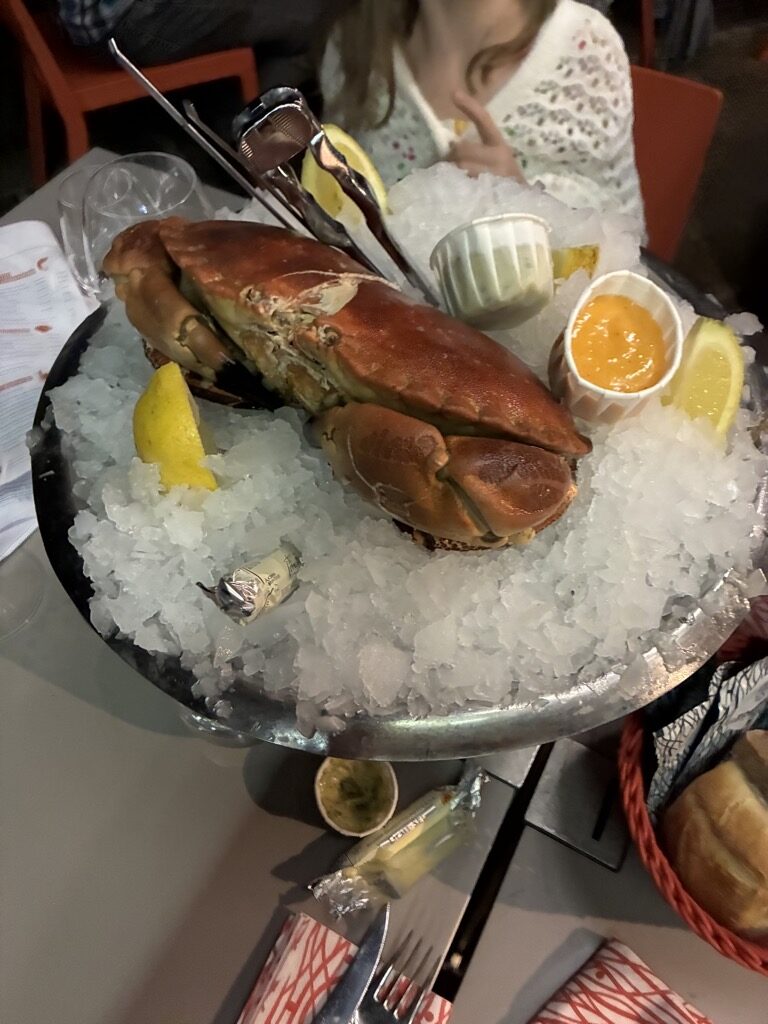
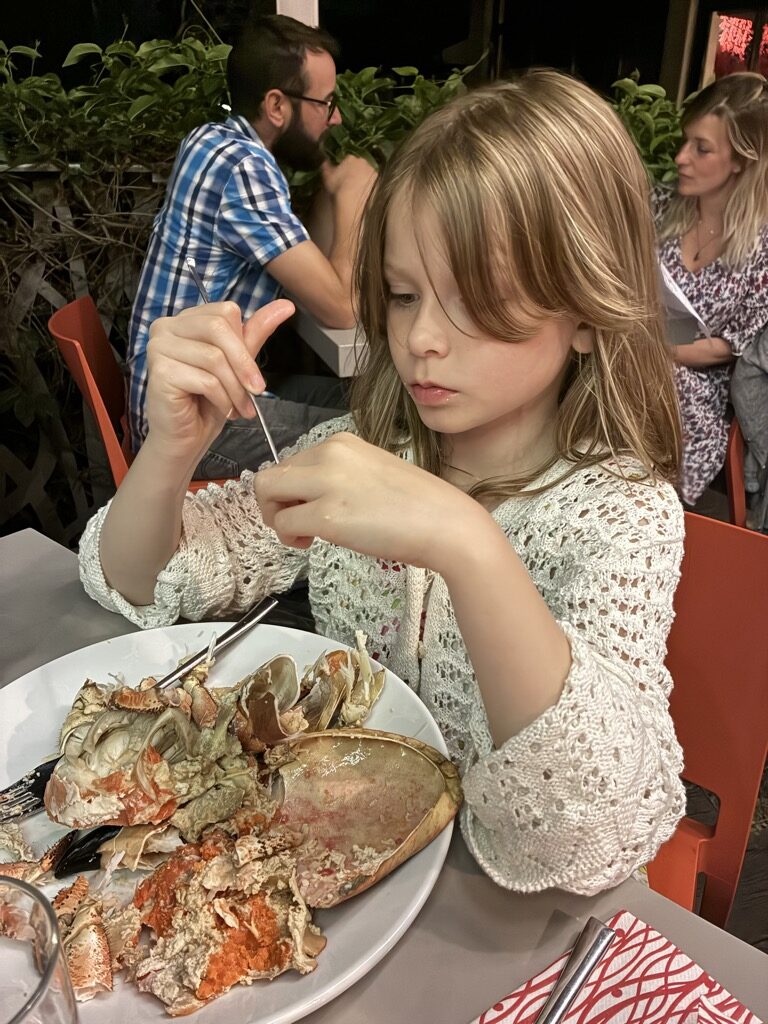
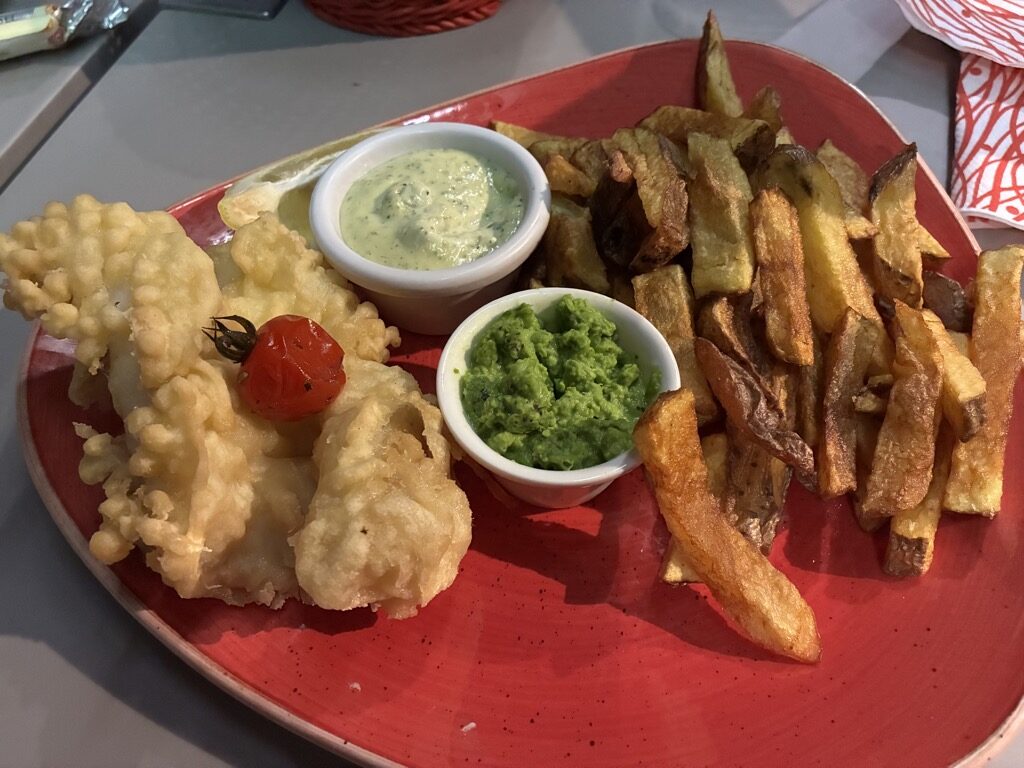
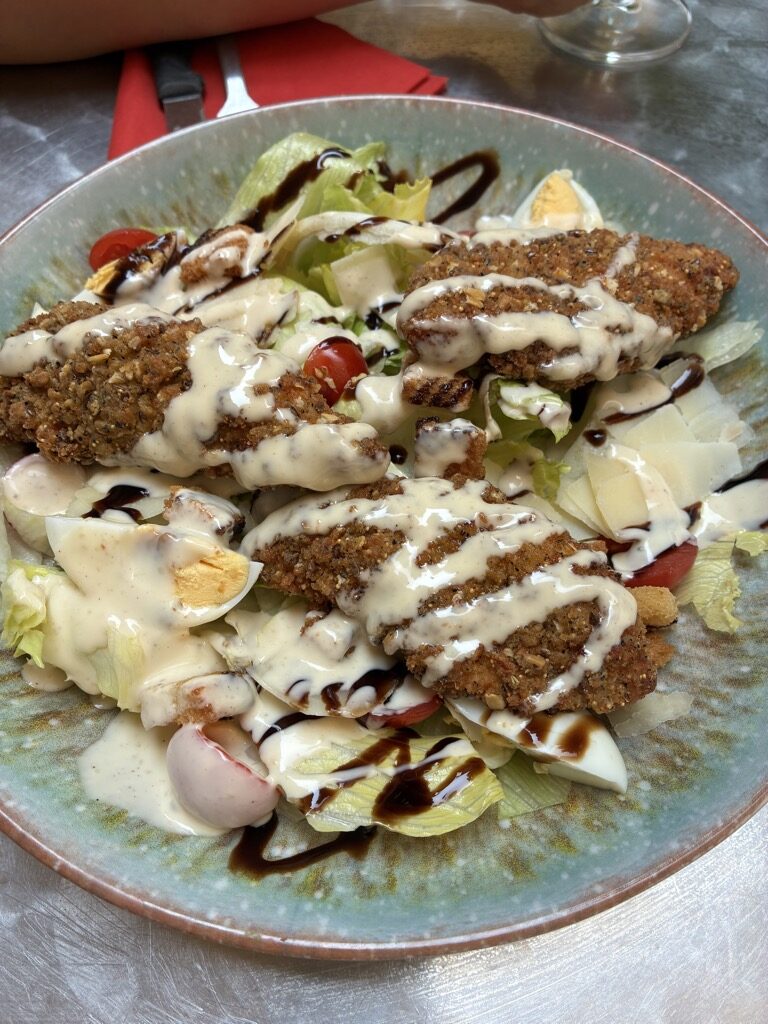
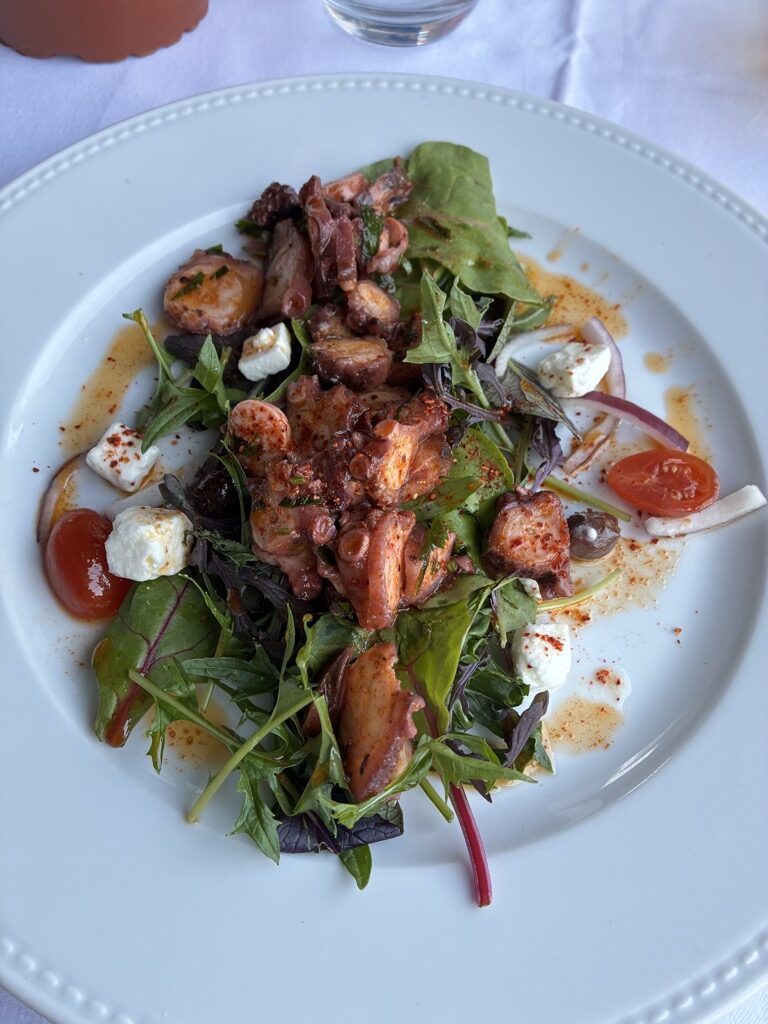
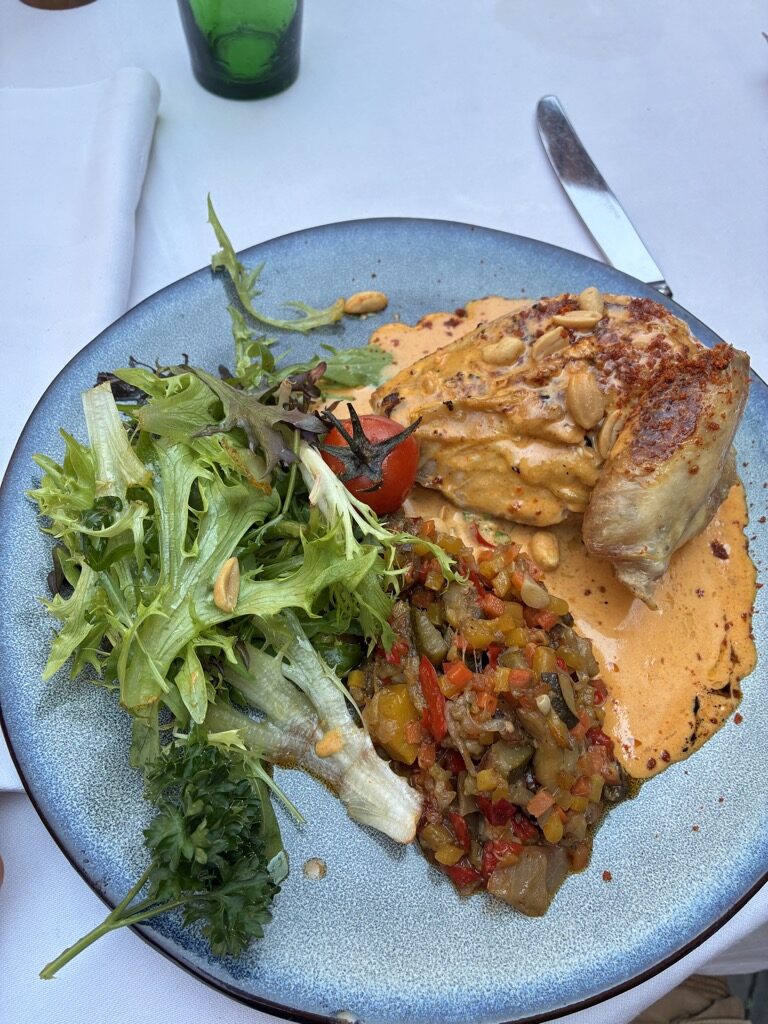
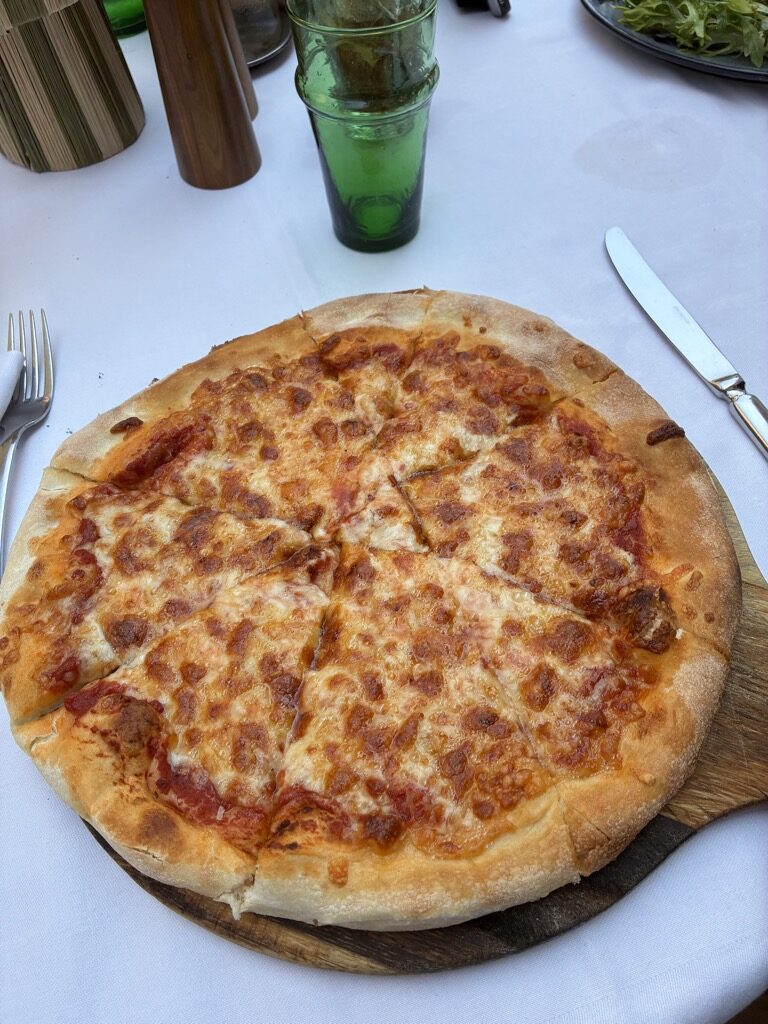
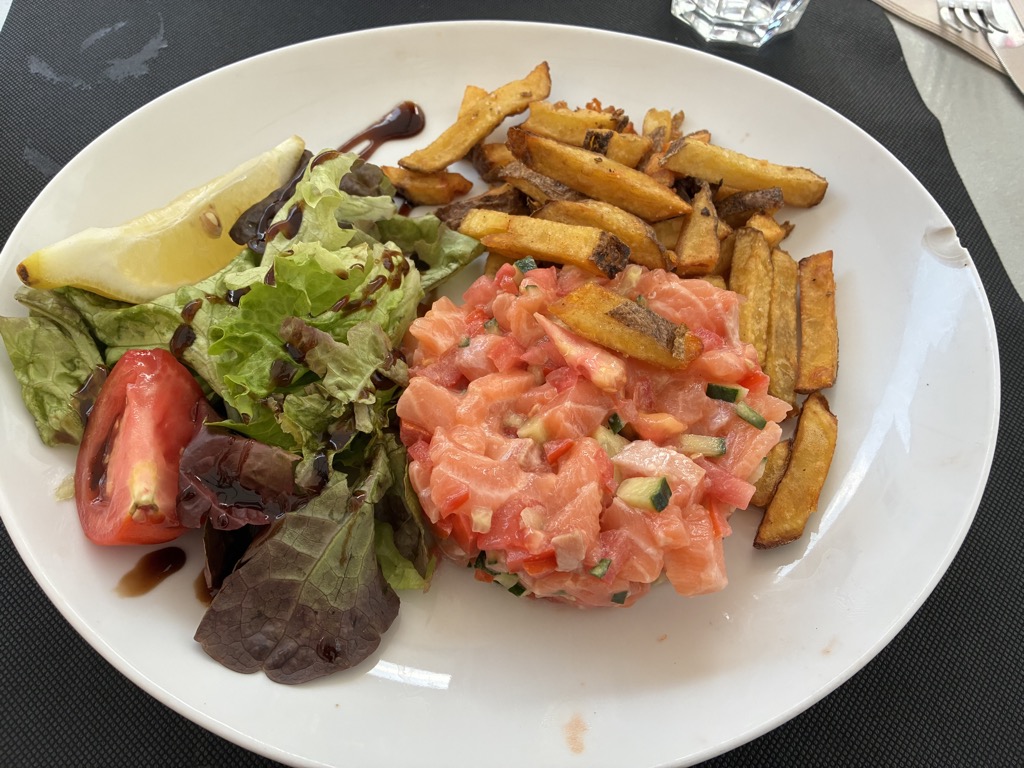
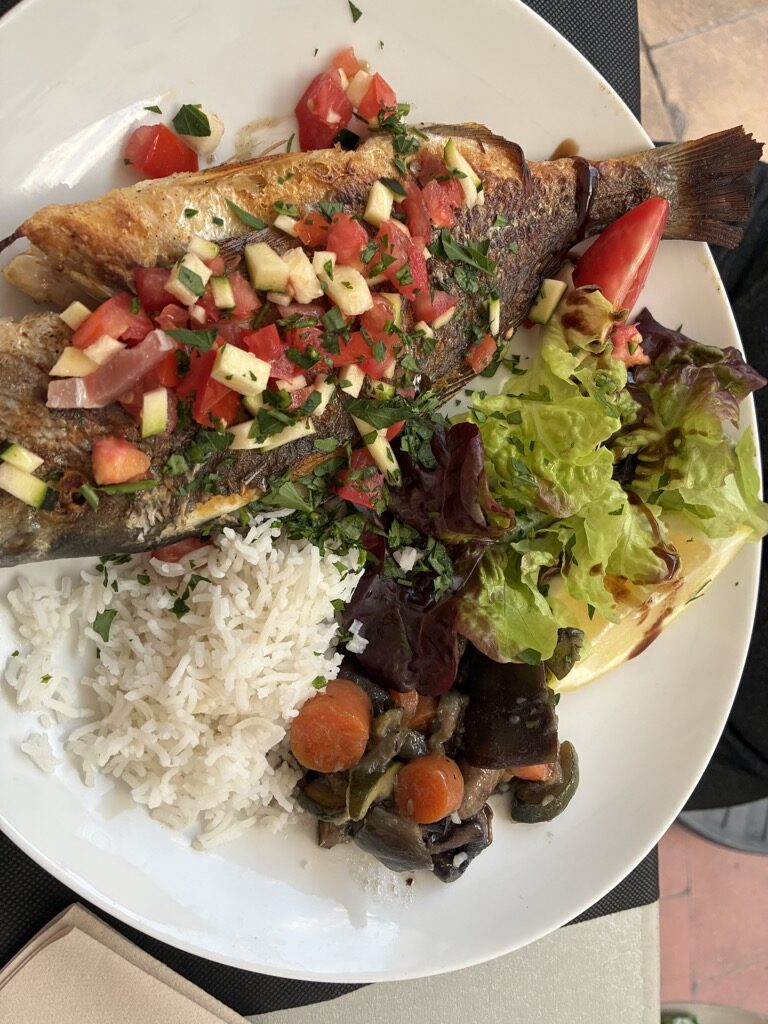
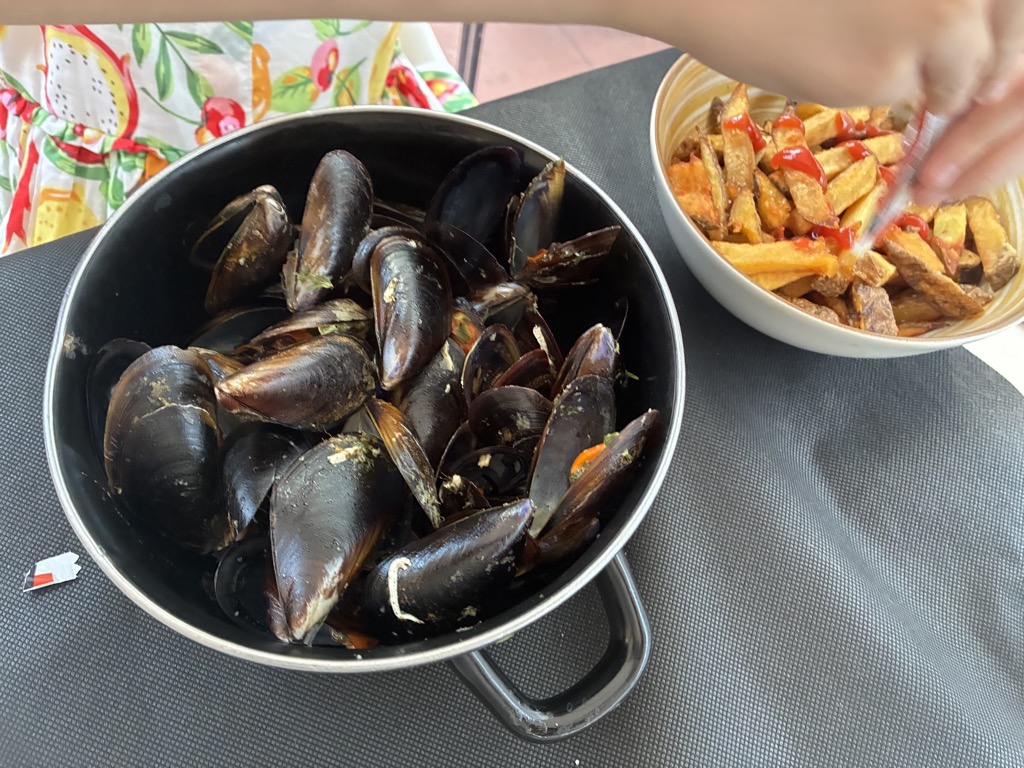
I’m not entirely sure I sampled enough French cuisine since the majority of offerings were similar to North America: pizza, burgers, salads, and such. However, their burgers are very nice! Perhaps I’m biased, or maybe I’m not used to having medium-cooked burgers, but it was good. The most spectacular was fresh seafood – that was something, especially considering I’m not a big fan of sea creatures. A long time ago, I visited Quebec and acquired a dislike for beef tartare, but salmon tartare in France is really good; I wish it was more popular in North America. Overall, I established that to have a good meal, expect to pay €18 and up per dish (or €14 and up for pizza) for lunch or dinner. One note: apparently some restaurants require each customer to have their own dish. That caught me off guard (luckily only once) since we typically like to share, as our kid usually eats half a serving at best.
We stayed at each hotel (2-3 stars) no longer than three nights, so perhaps the breakfast buffet changes, but I didn’t see it. Each hotel has pretty much the same items; however, bigger places have slightly more choices. Basic buffet breakfast items include bread, eggs (typically boiled), butter, jam, Nutella, yogurt, pastries, cheeses, and a couple of meats – typically cold cuts, but once I saw bacon. Breakfast also includes coffee, tea, hot chocolate, and juices (typically apple and orange). Prices for a hotel buffet breakfast range from €8 to €13, so going to a bakery is a more budget-conscious option. Coffee in France is pretty good but small, so staying for breakfast in a hotel offers an additional benefit: endless coffee, and better yet, you can make it to your specification, double-double in my case. I’m not entirely sure why, but adding a bit of milk to coffee isn’t common in France. Moreover, most coffee machines have milk but lack an option to add it to coffee. You can press the “latte” option, but you can’t have black coffee with two milks.
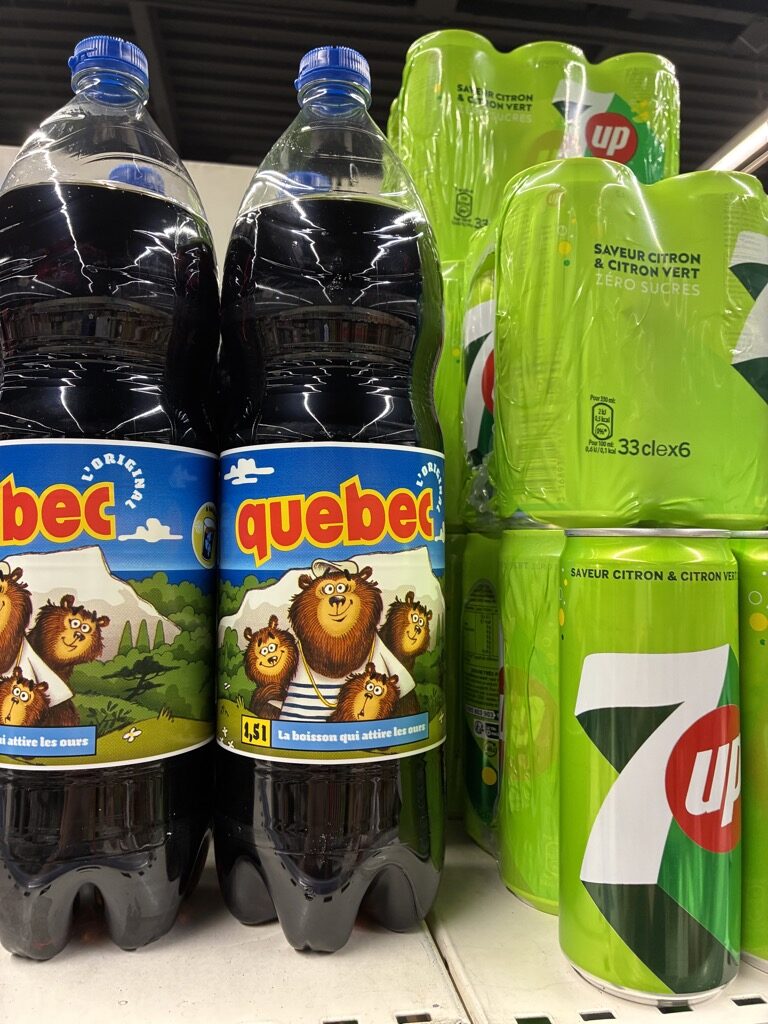
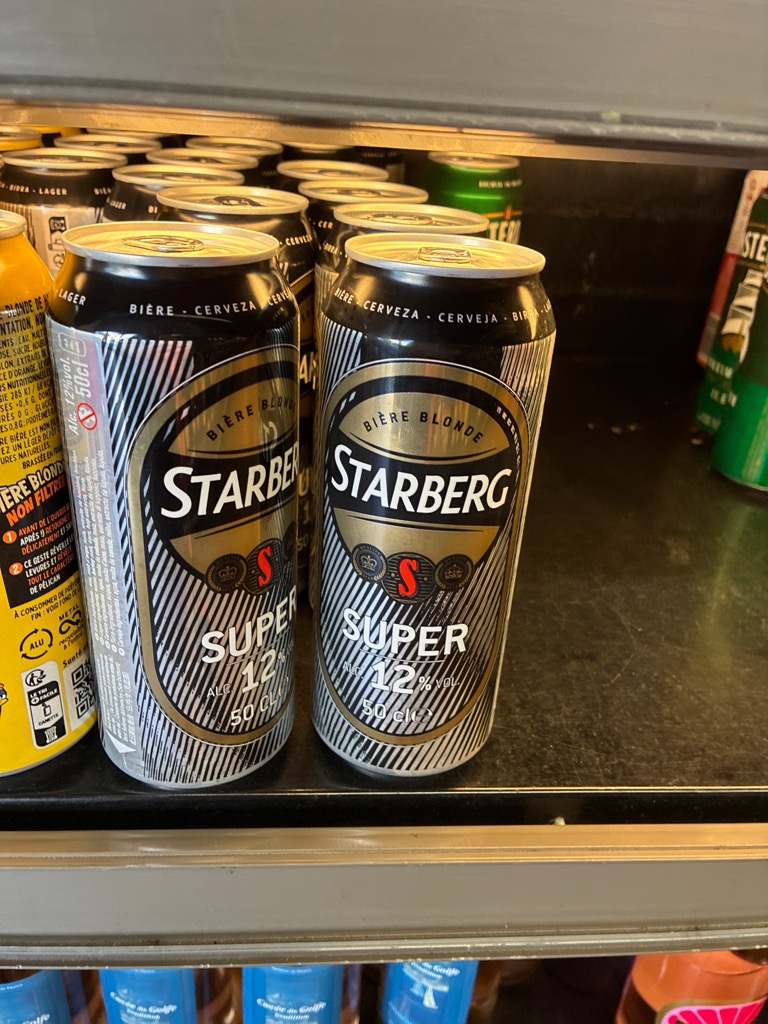
Whenever I think of France, I imagine a very liberal society, but that doesn’t seem entirely accurate. Some things seem acceptable, others not. You can buy a bottle of wine at a grocery store for just over €3 (the lowest price I saw), but to buy tobacco, you must go to a special separate store. At the same time, smoking in public is okay, even in restaurants, bars, and coffee shops, as long as you sit outside (which is the majority of the time). However, fast food restaurants do not serve beer or wine (unlike in Spain and Italy). Interestingly, beer at grocery stores is cheaper than soda, which makes some sense but still makes me wonder. The French are famous for their love lives, and it seems like the majority of women don’t wear bras. Yet, the latest political battle revolves around age verification for explicit websites, even though similar content is available on TV. All of this seems a bit confusing, but in a way, that’s exactly the experience I signed up for.
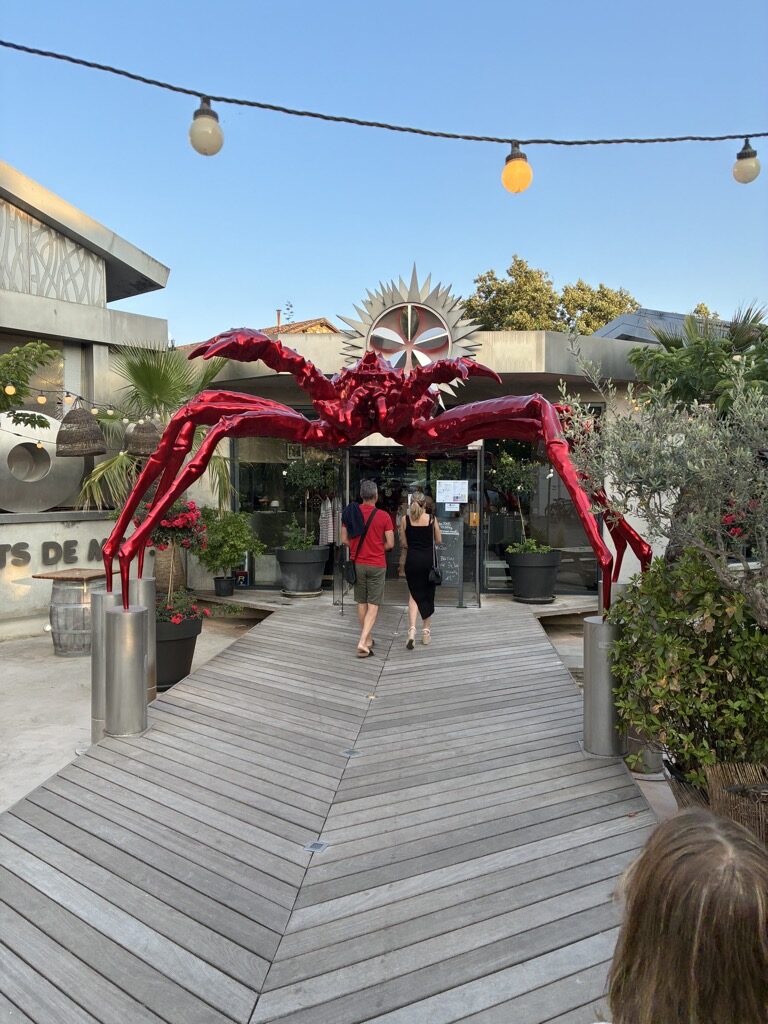
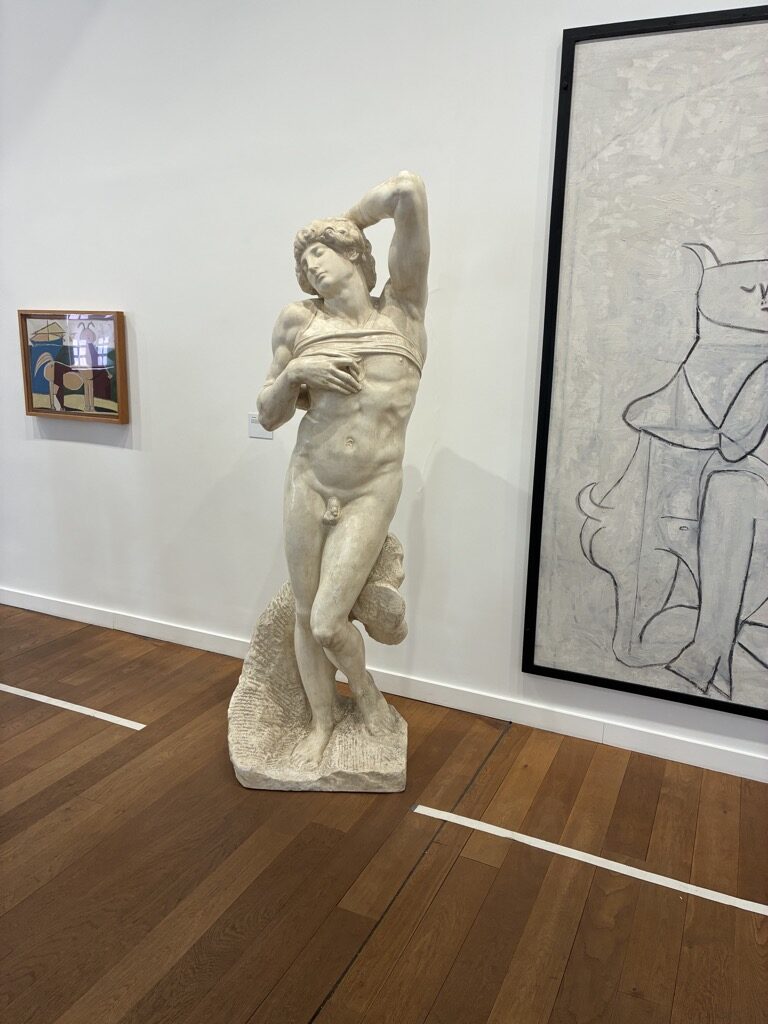
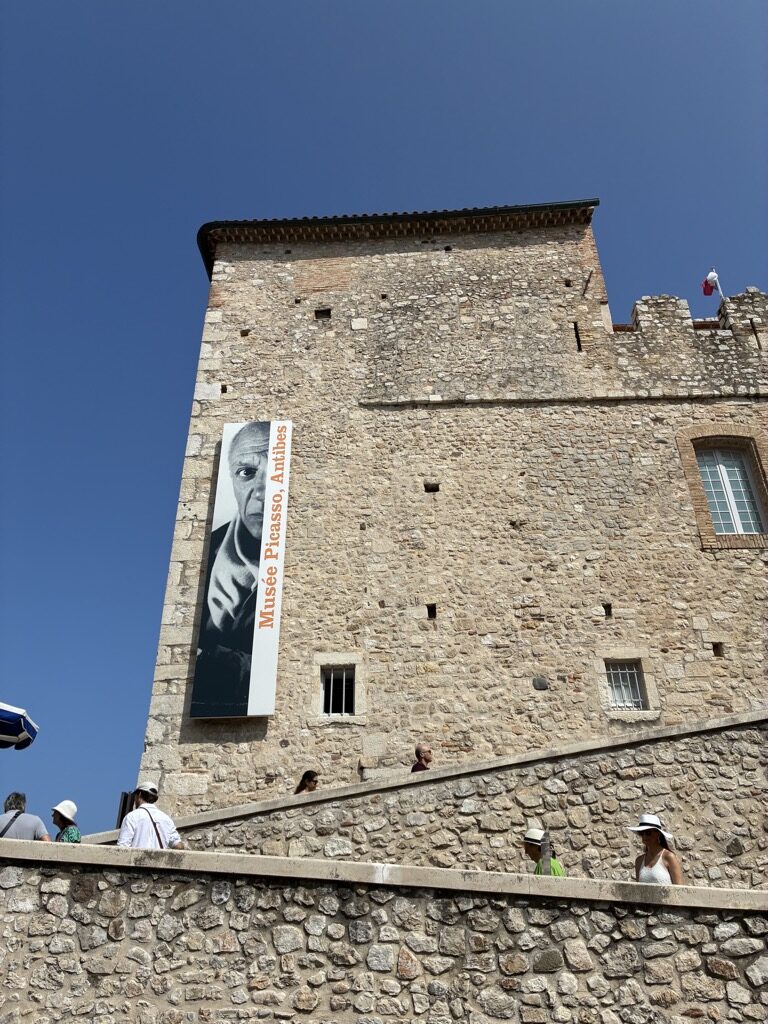
Patience is one of the virtues that doesn’t seem to rank high in priority. In a couple of instances, I was quite glad I didn’t understand French. An exchange student at the Picasso Museum in Antibes confirmed this observation, indicating that French men are especially impatient. I’ll take her word for it, but French ladies don’t seem far behind, as muttering and mumbling occurred right behind me while I was waiting to pick up a couple of coffees and pastries from a local bakery (maybe I ordered one too many eclairs). Road etiquette didn’t take a break either – tailgating and beeping on slow, tight, busy city streets happened as well, mercifully only a couple of times. However, the most surprising aspect was customer service! For the most part, it was good, but in a few cases, it sure felt like they were doing us a favour. One time we visited a seafood restaurant for dinner, which was mostly empty. However, the owner first inquired about a reservation (which we didn’t have) and then visibly considered whether we should be allowed in. I wasn’t feeling well at the time, so I didn’t want to eat, but the owner informed us that we must pick all the dishes we wanted to order, as the kitchen would be closing soon. About an hour later, more people were coming in and the kitchen was still operating. Well, not to mention some other quirks the owner displayed, but overall it turned out okay – and gave us something to talk about. In another small place, we learned that if an order is messed up, the blame will be squarely placed on you. It’s jarring coming from North America, where any issue is usually worked through and at least approached from a neutral or customer-friendly perspective. Not so in France – staff will happily insist that you are the one at fault. Ironically enough, the only place where a server paid a lot of attention and bent over backward for us (they had run out of snow crab) was a seafood restaurant in Aix-en-Provence that highly encouraged tipping—while tipping is typically not expected in France.
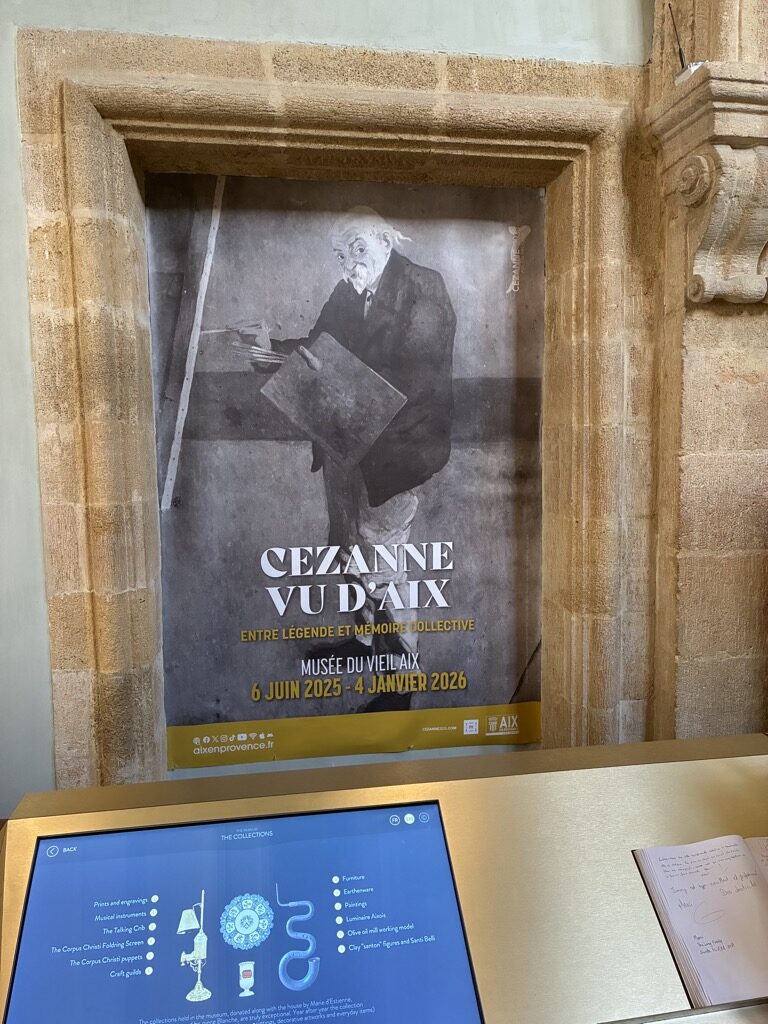
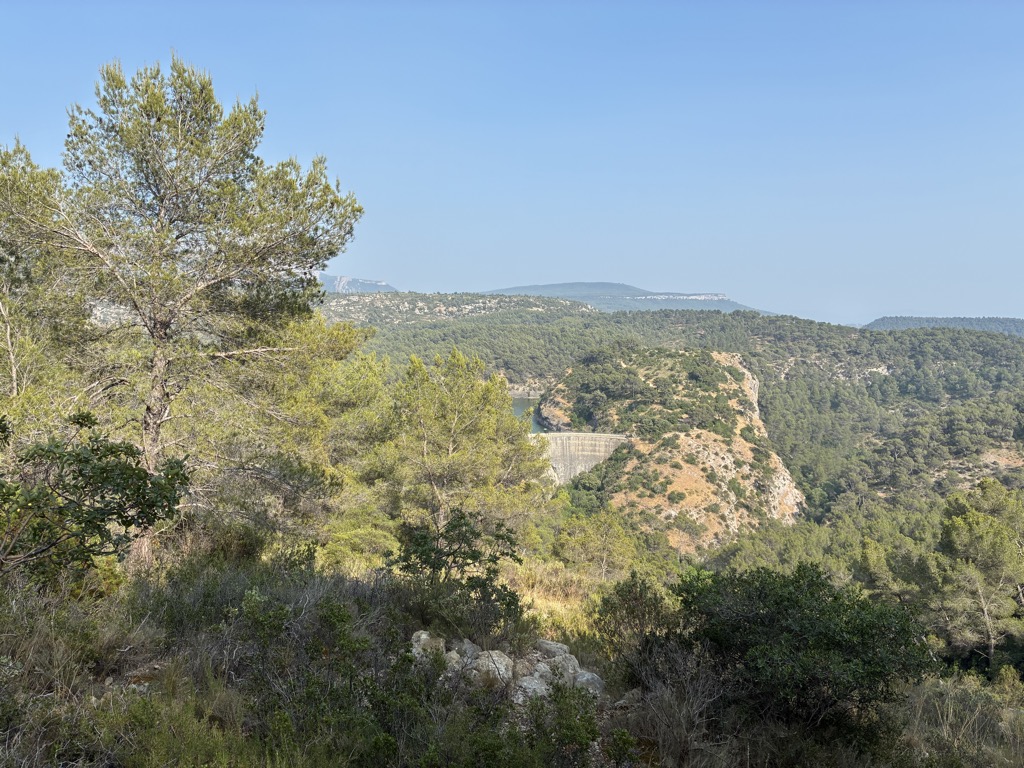
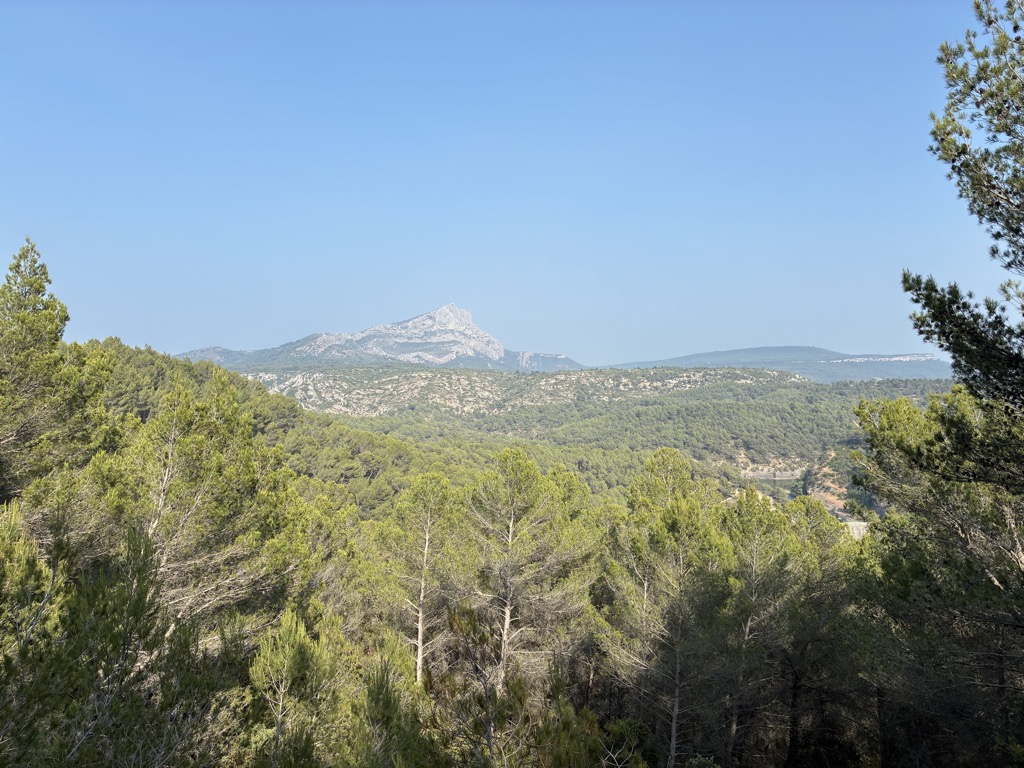
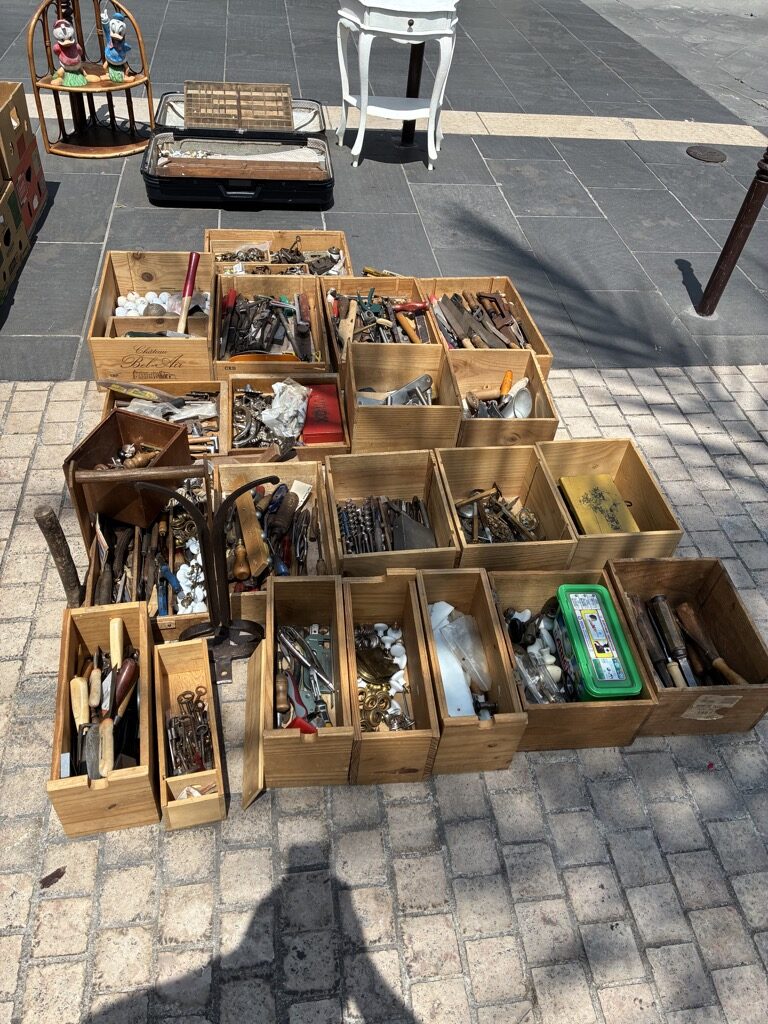
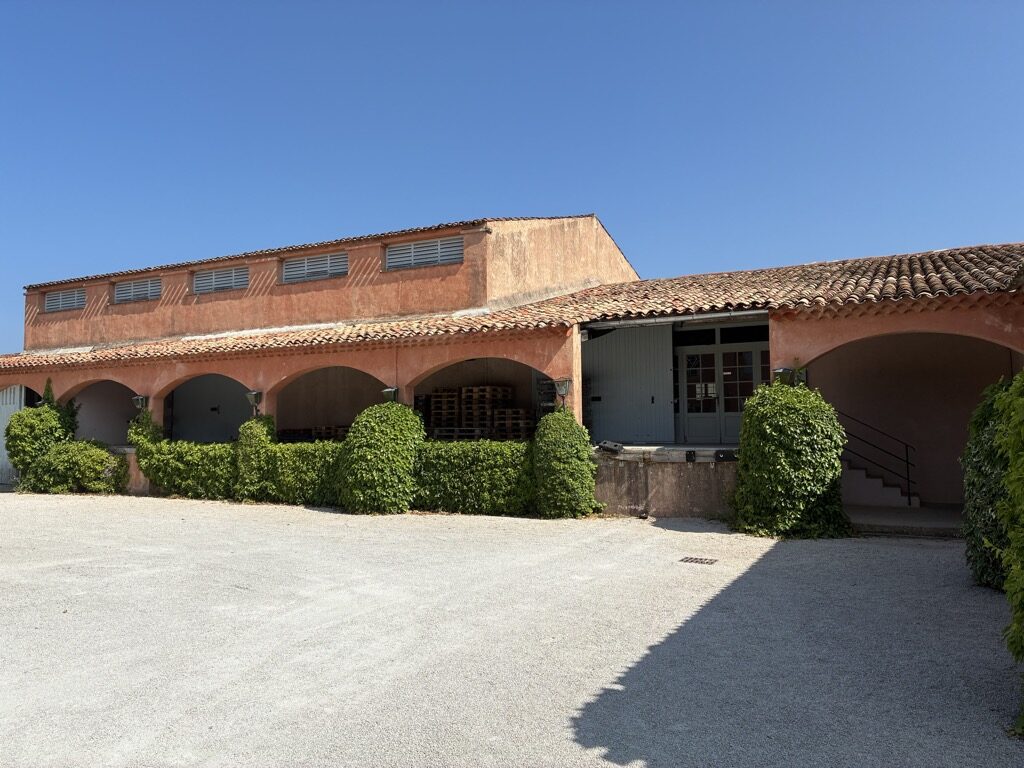
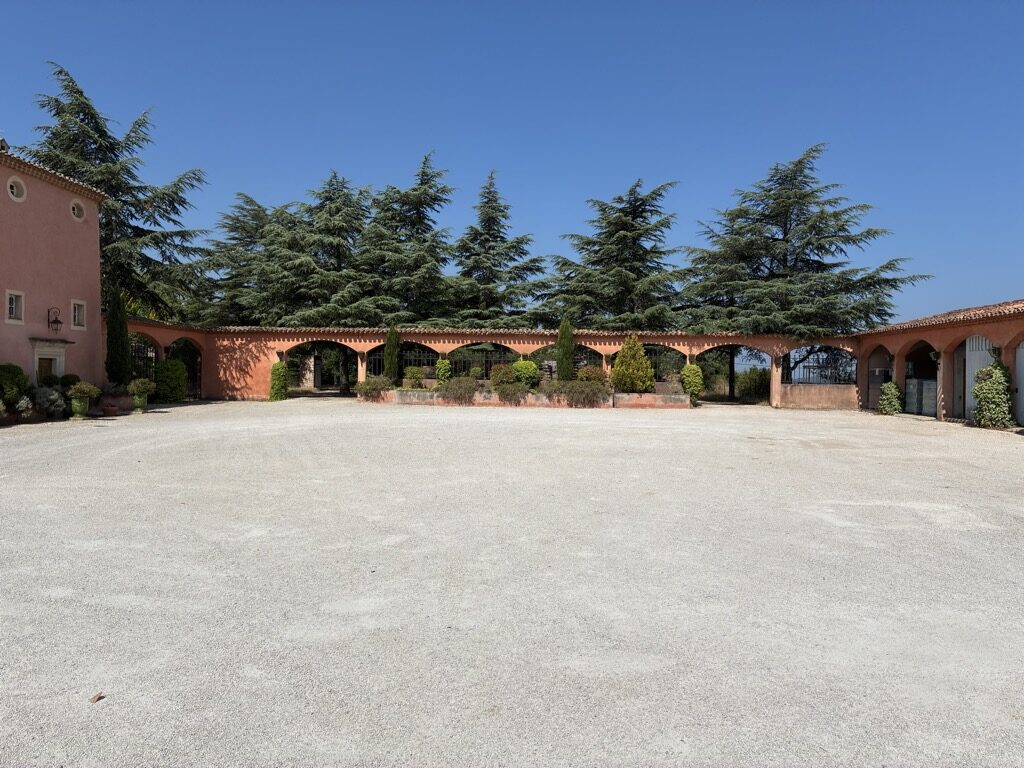
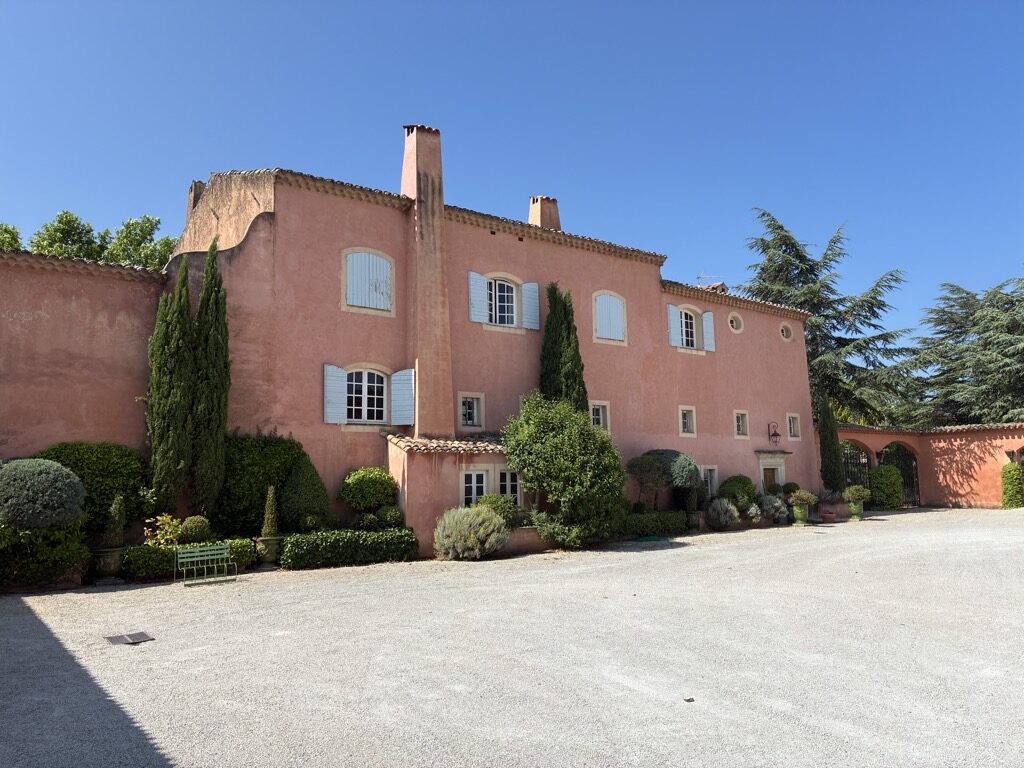
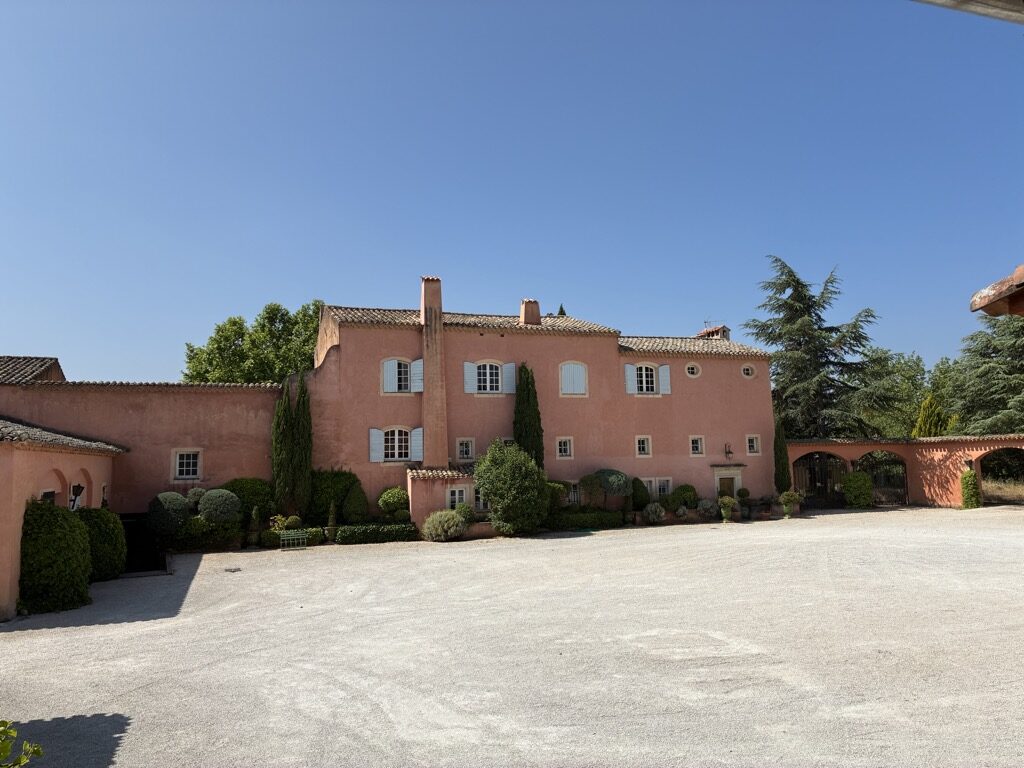
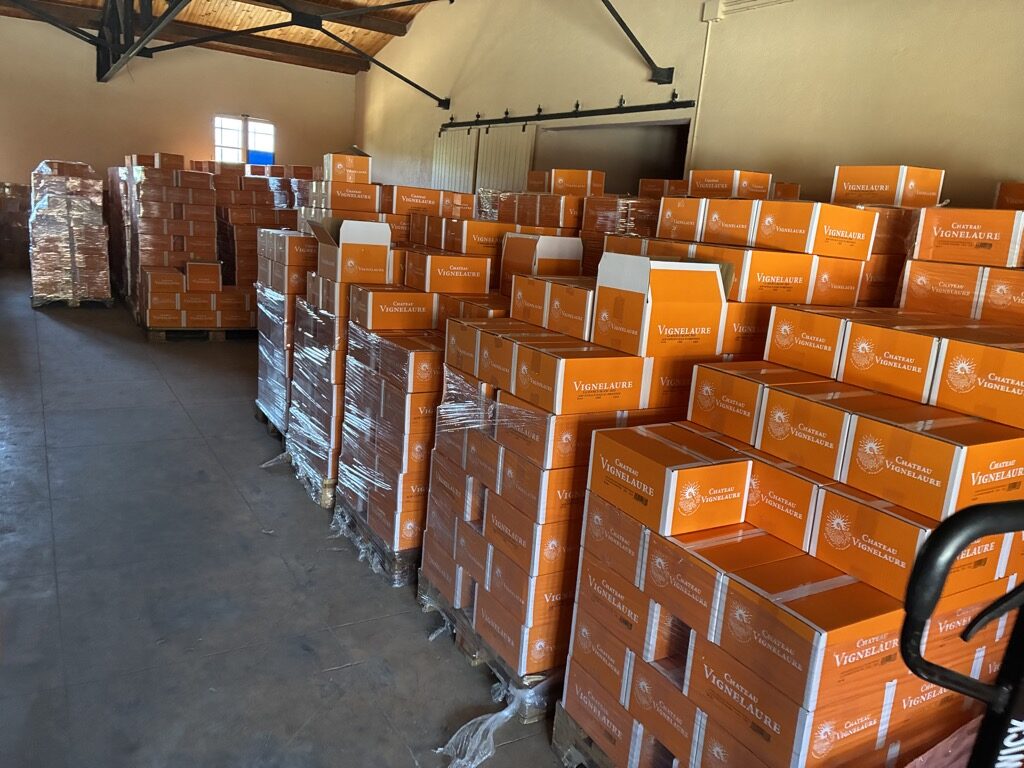
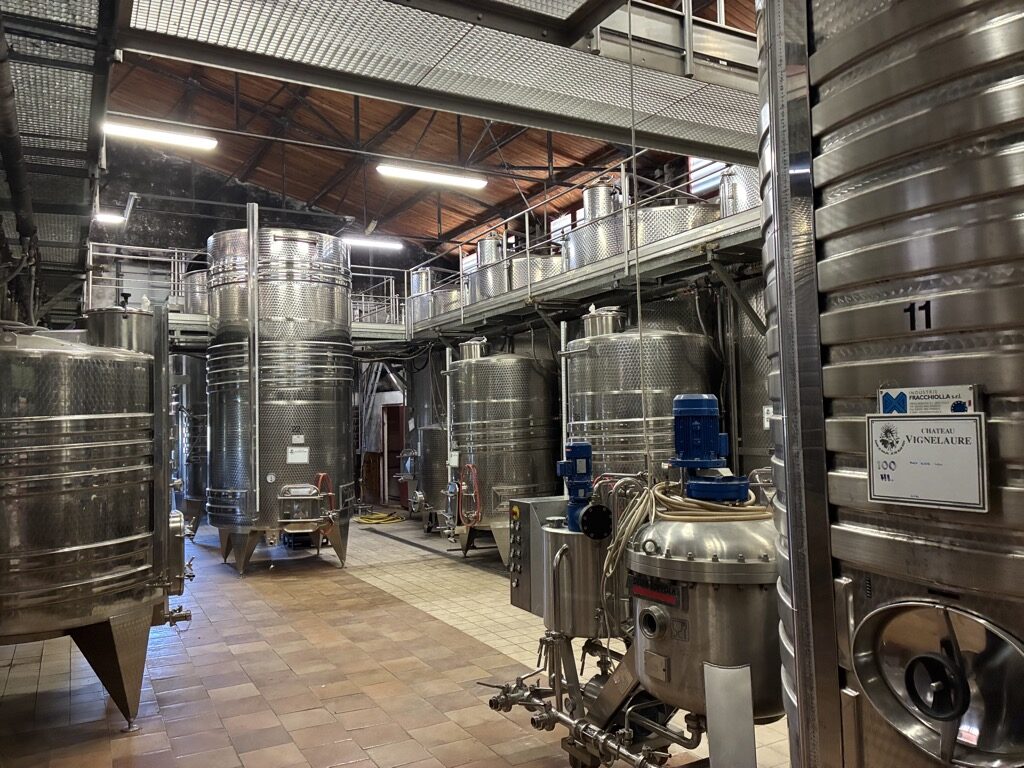
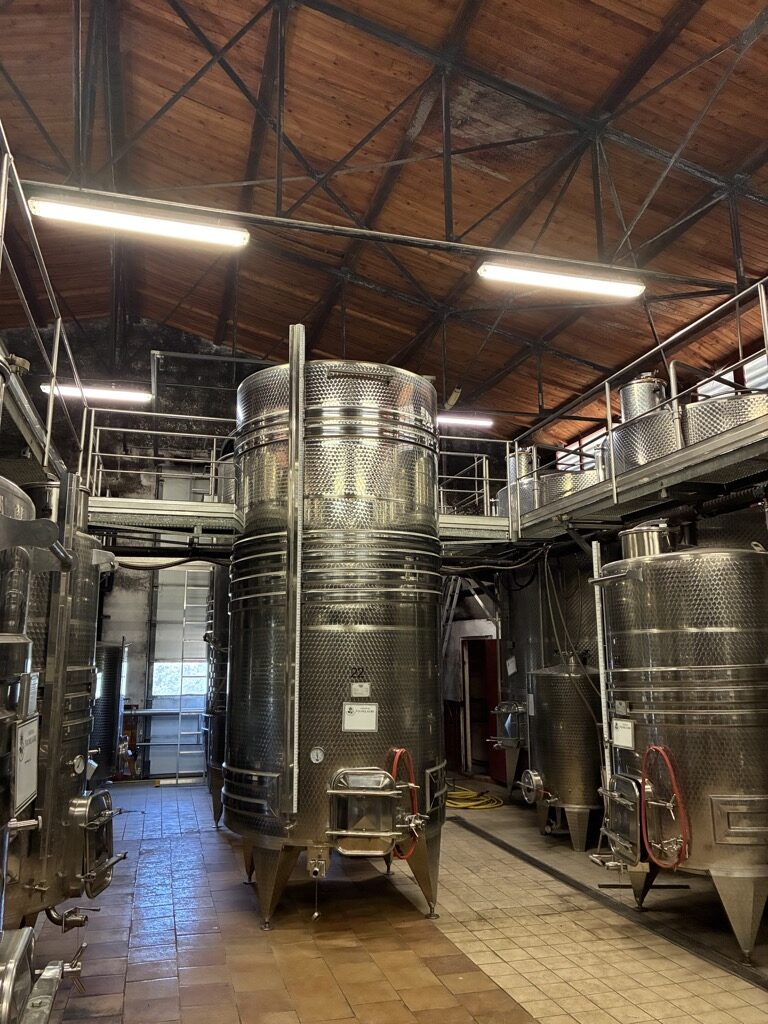
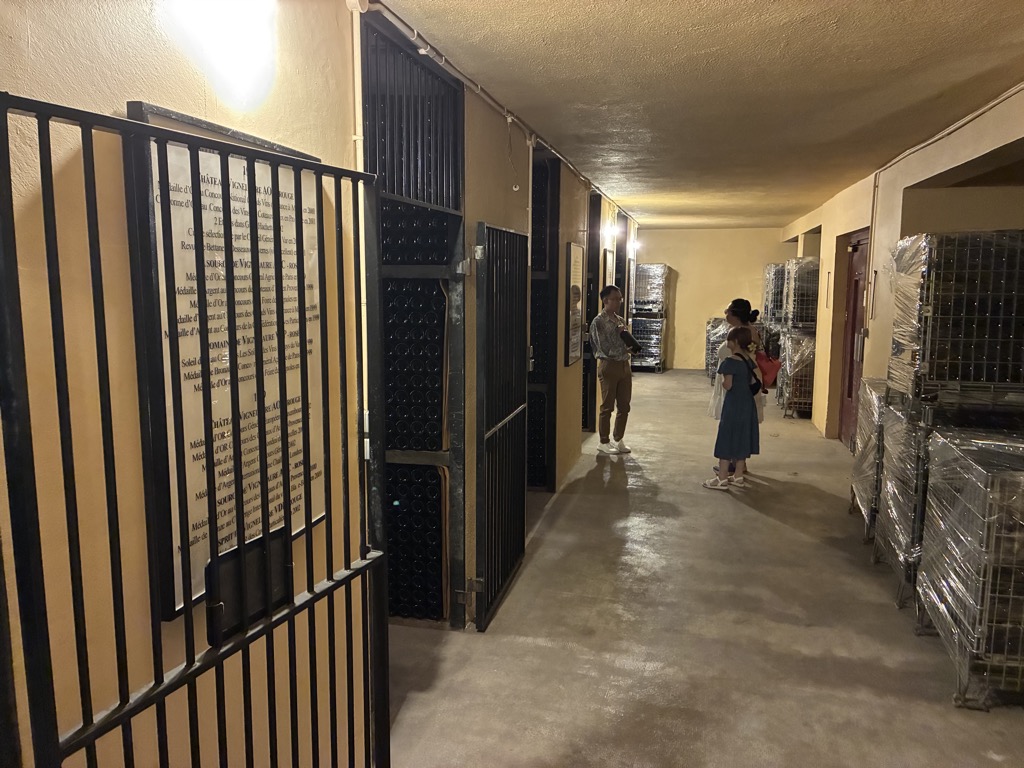
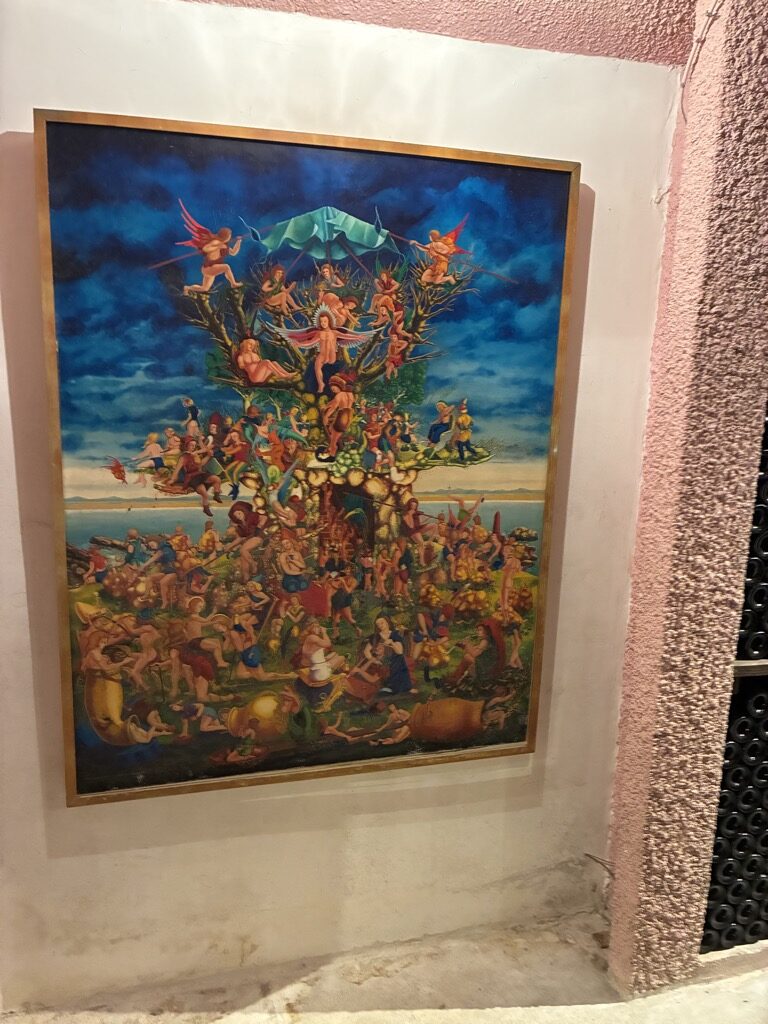
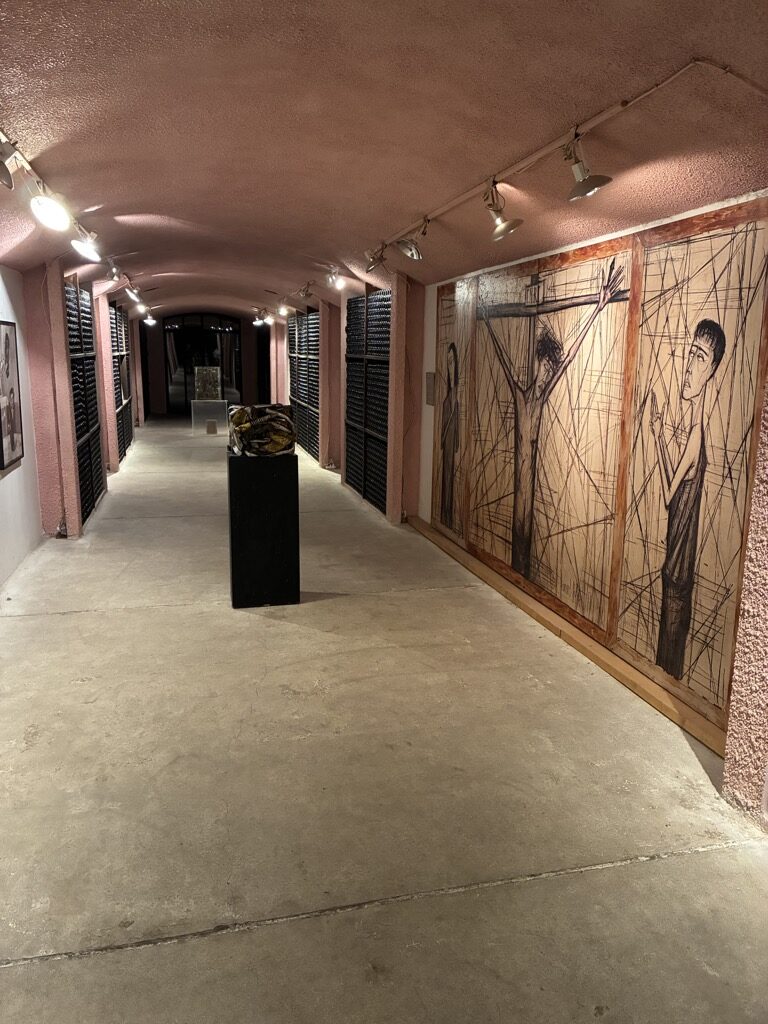
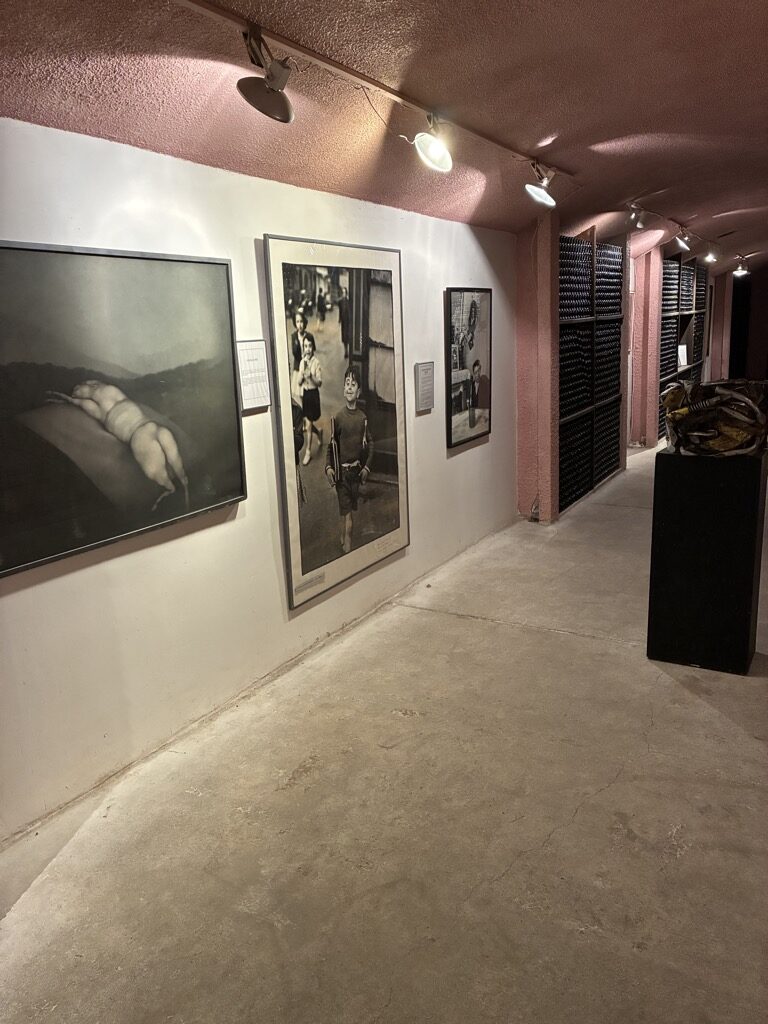
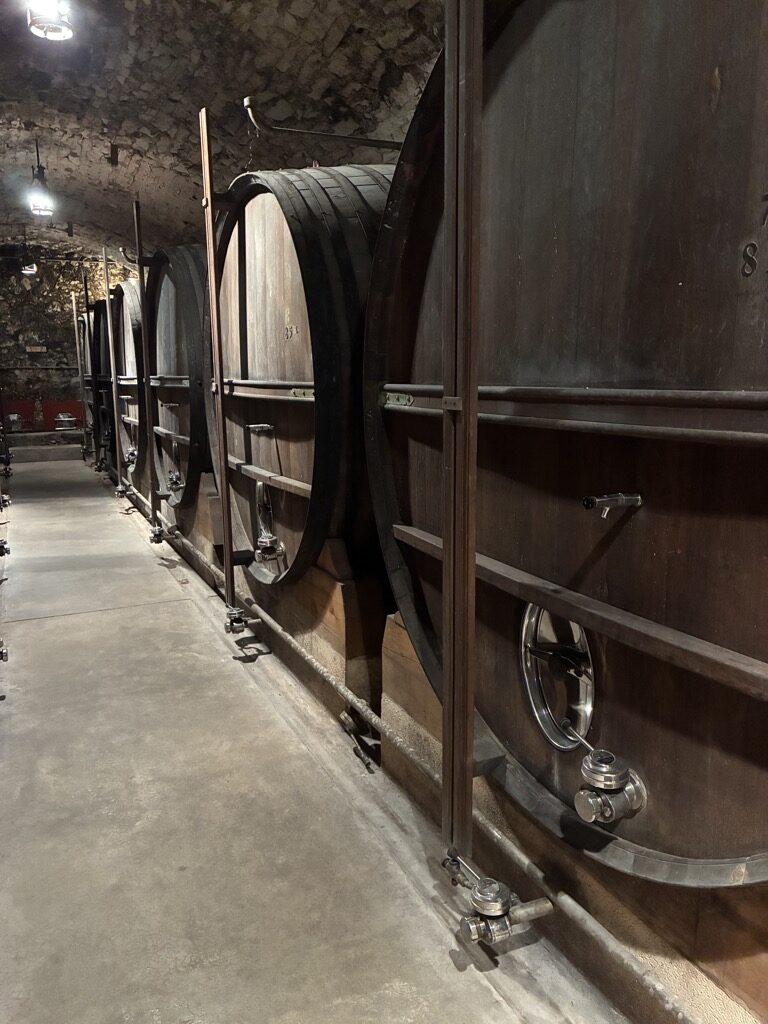
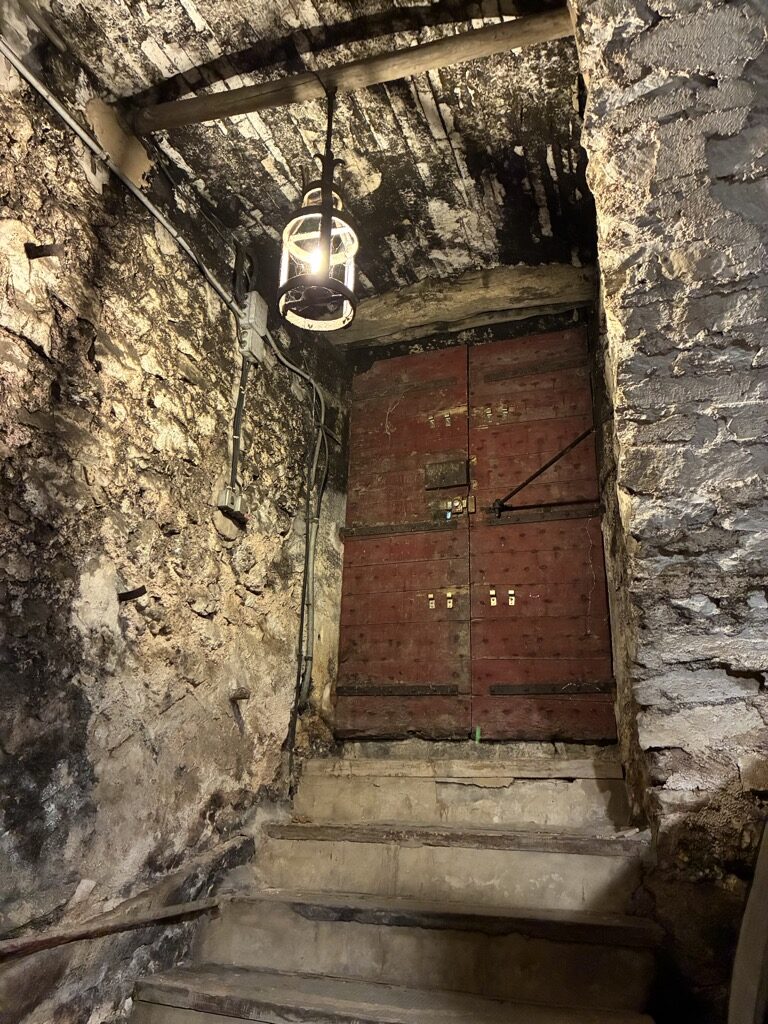
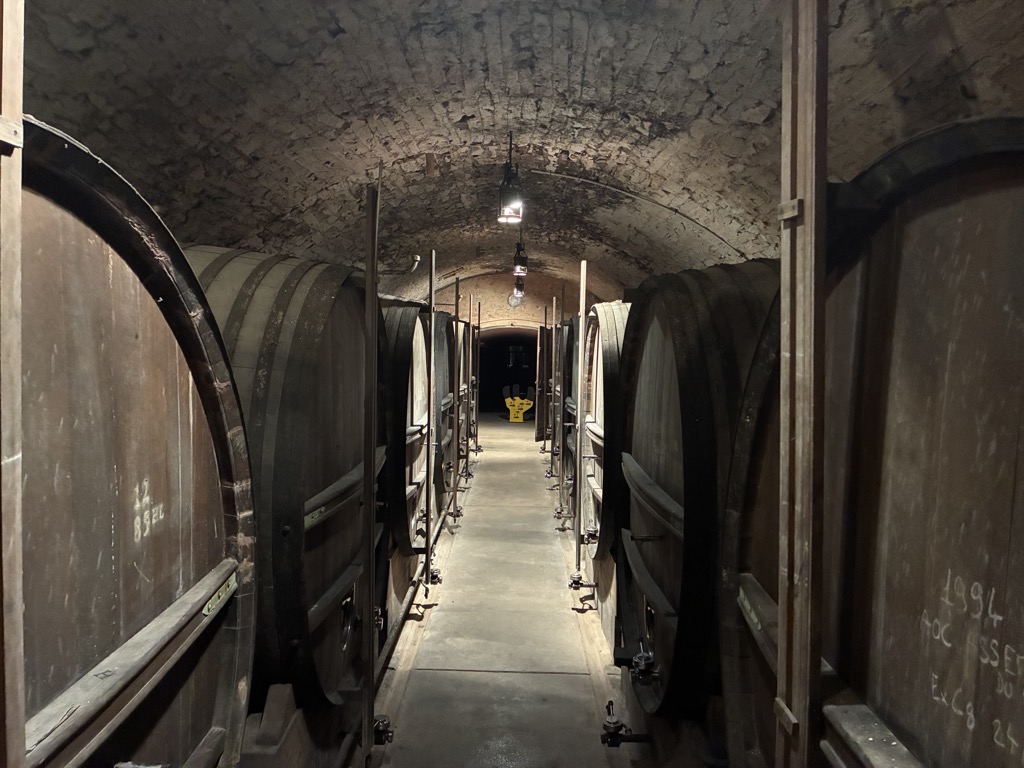
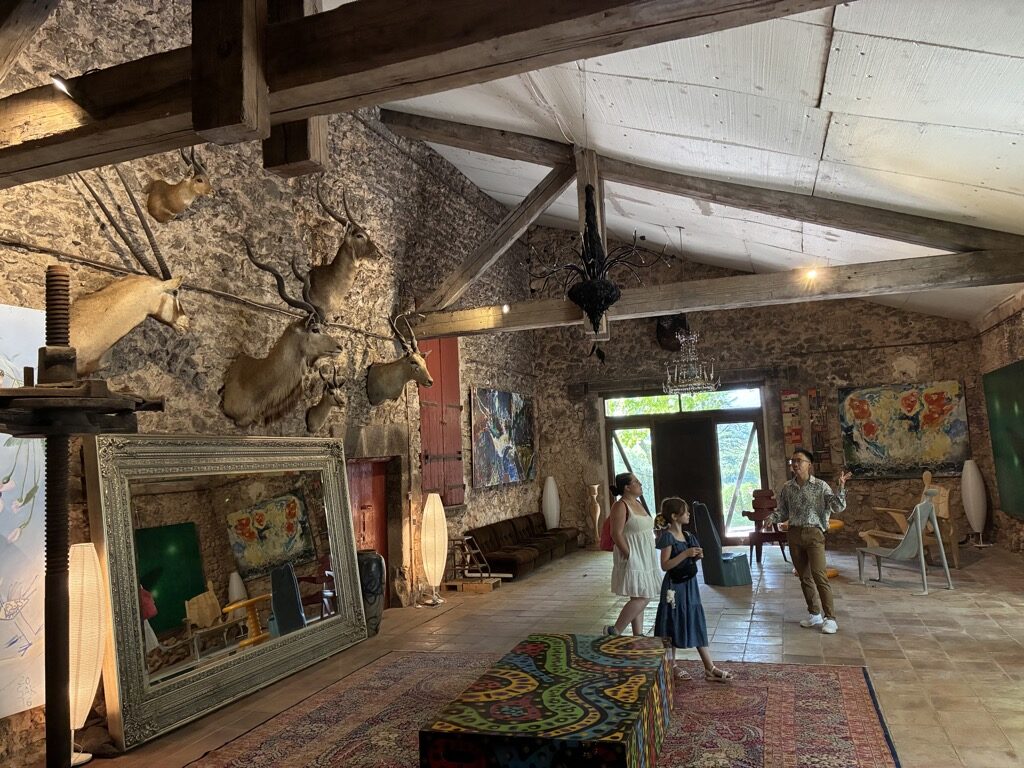
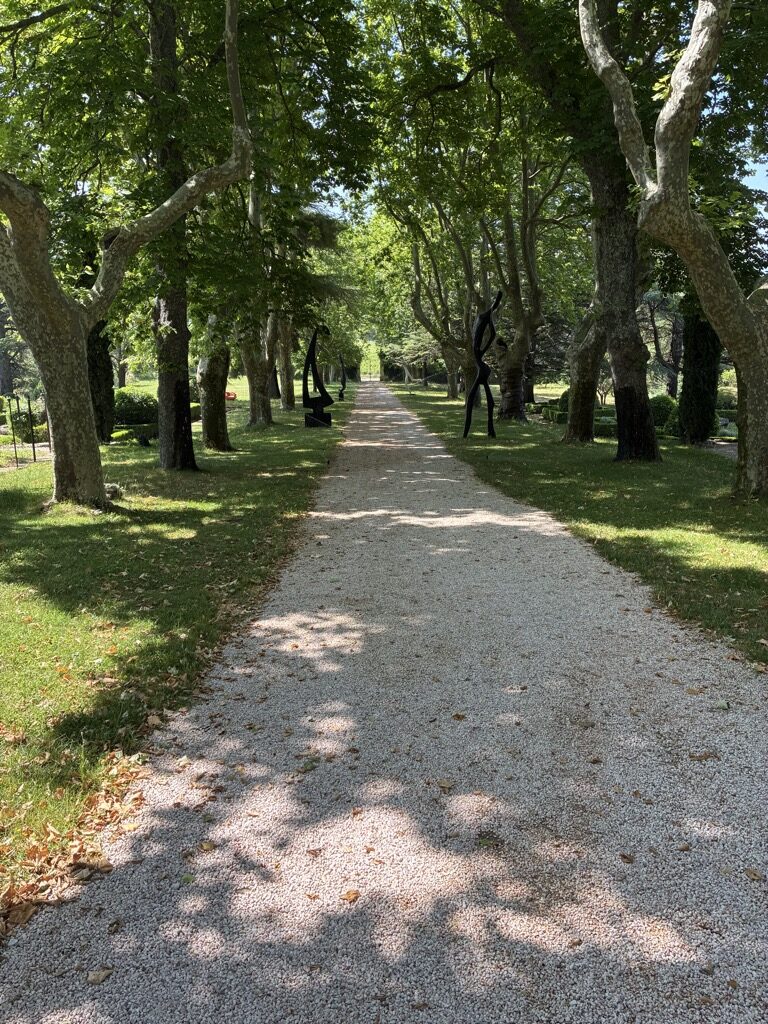
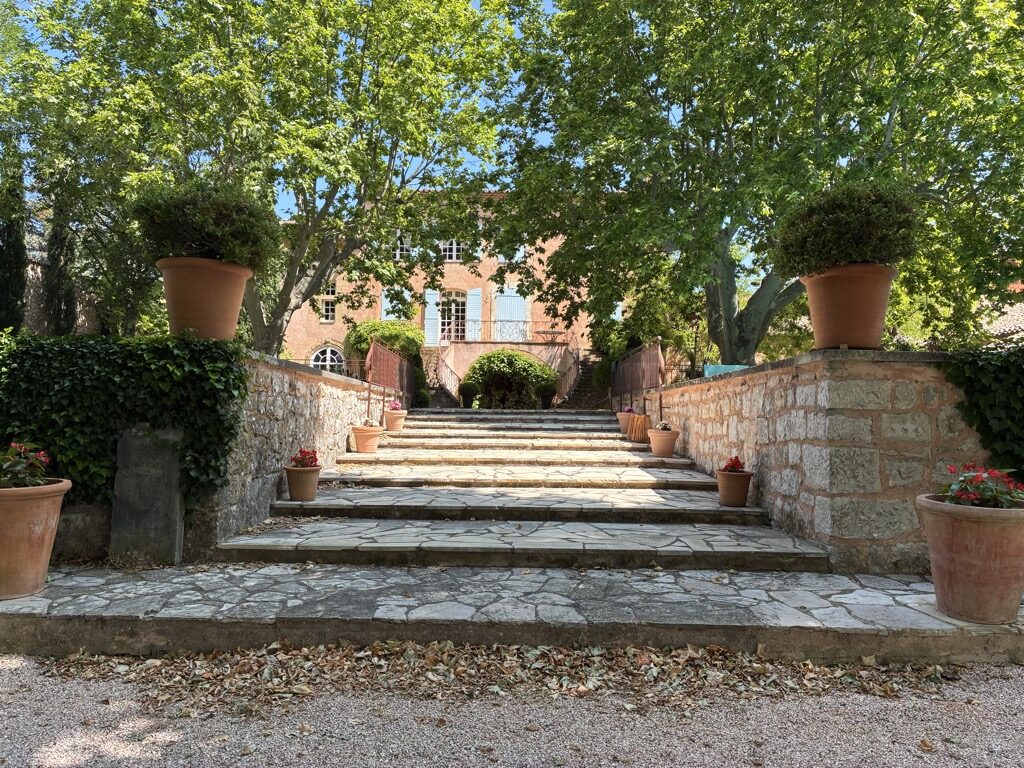
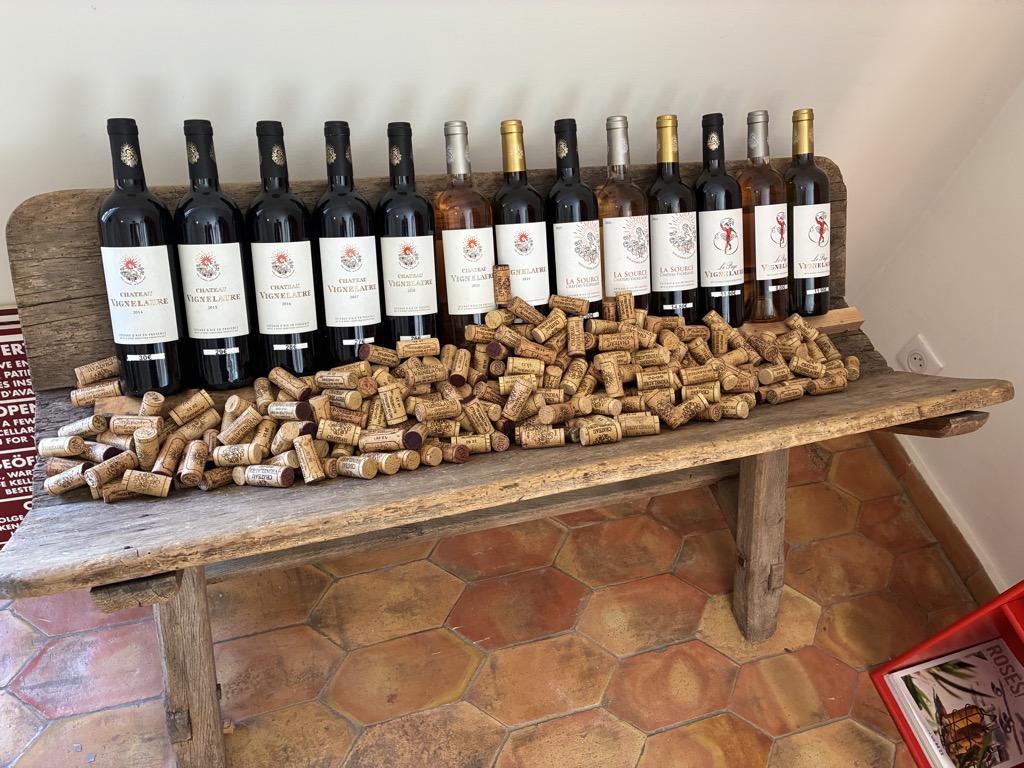
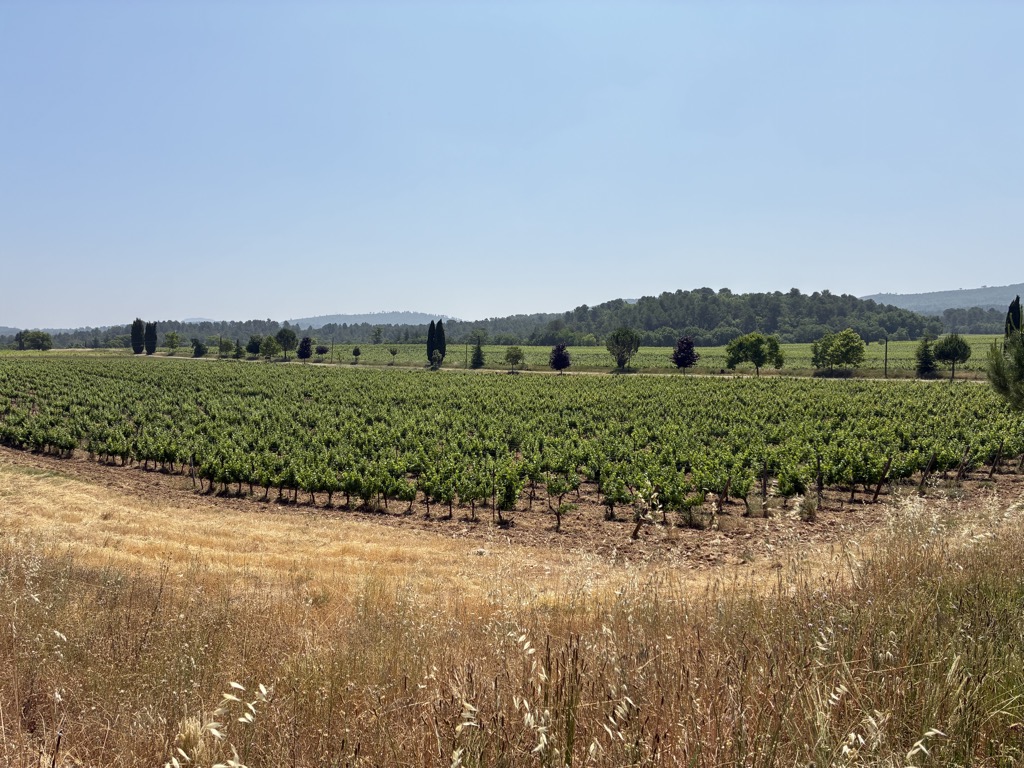
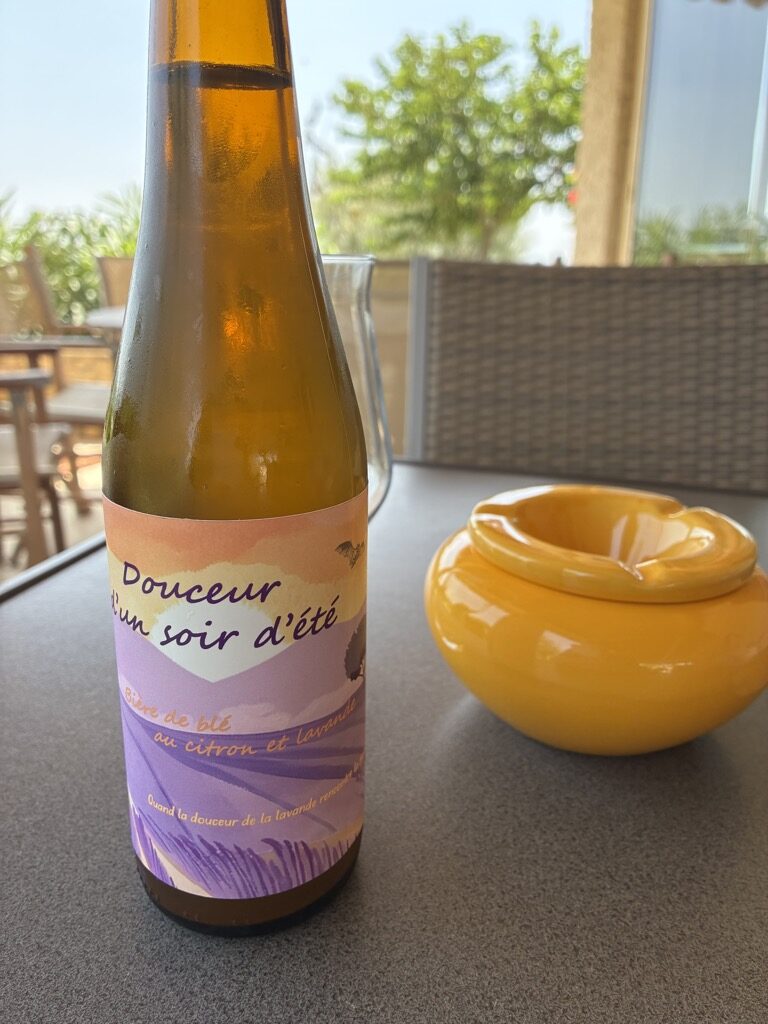
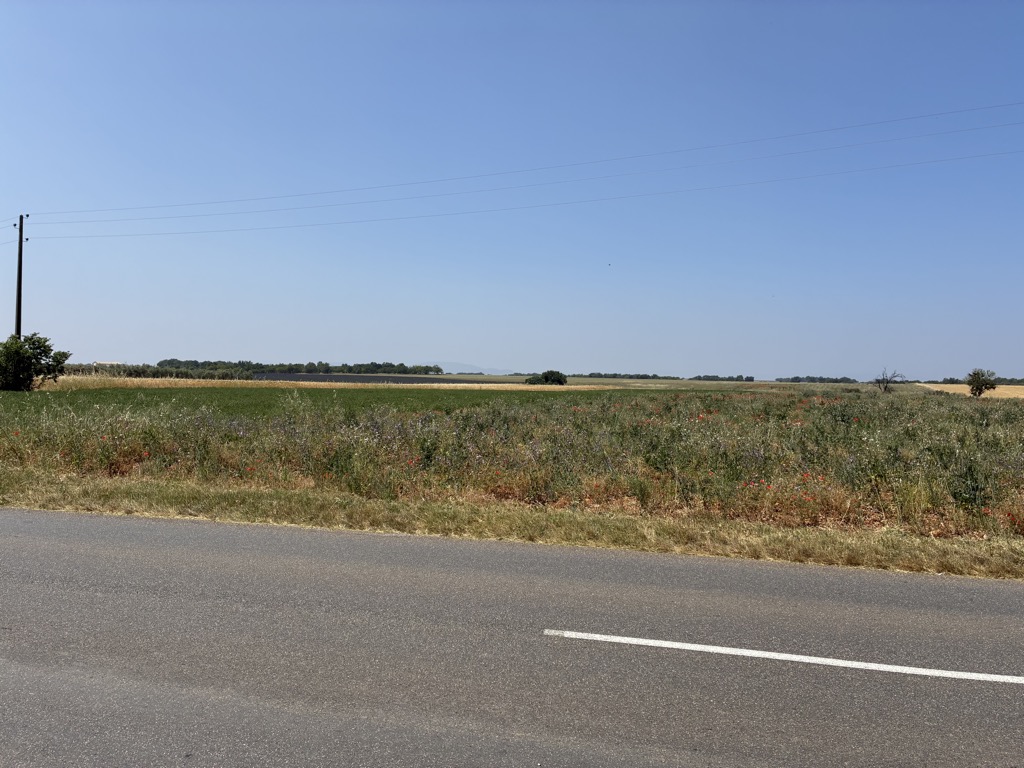
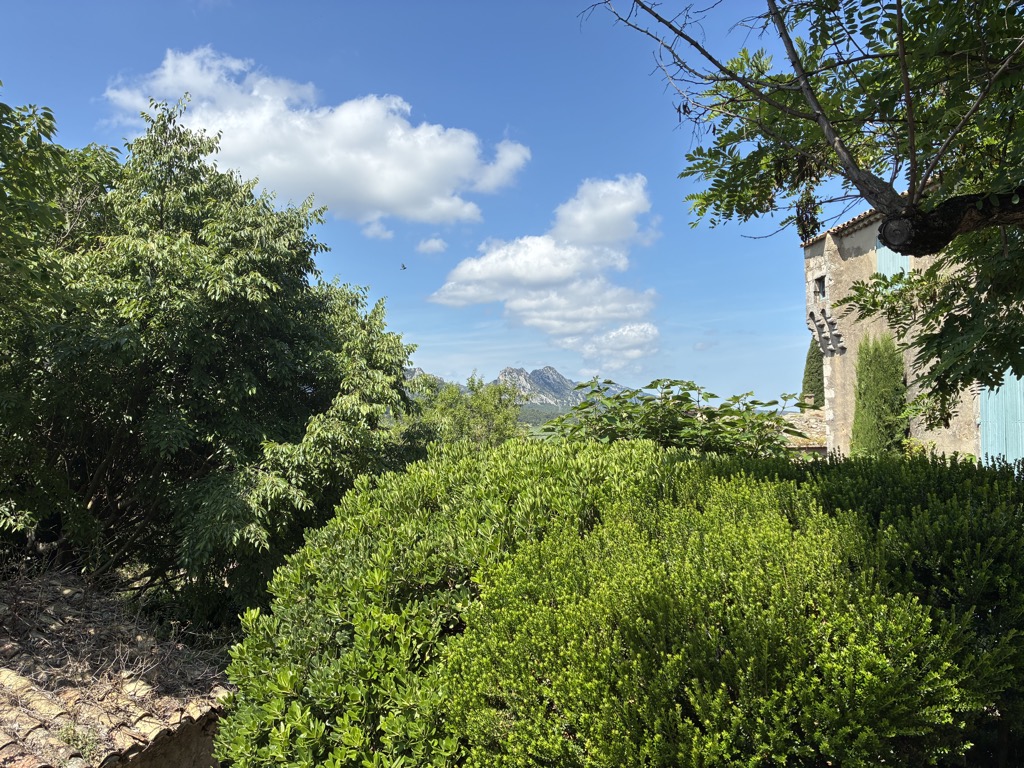
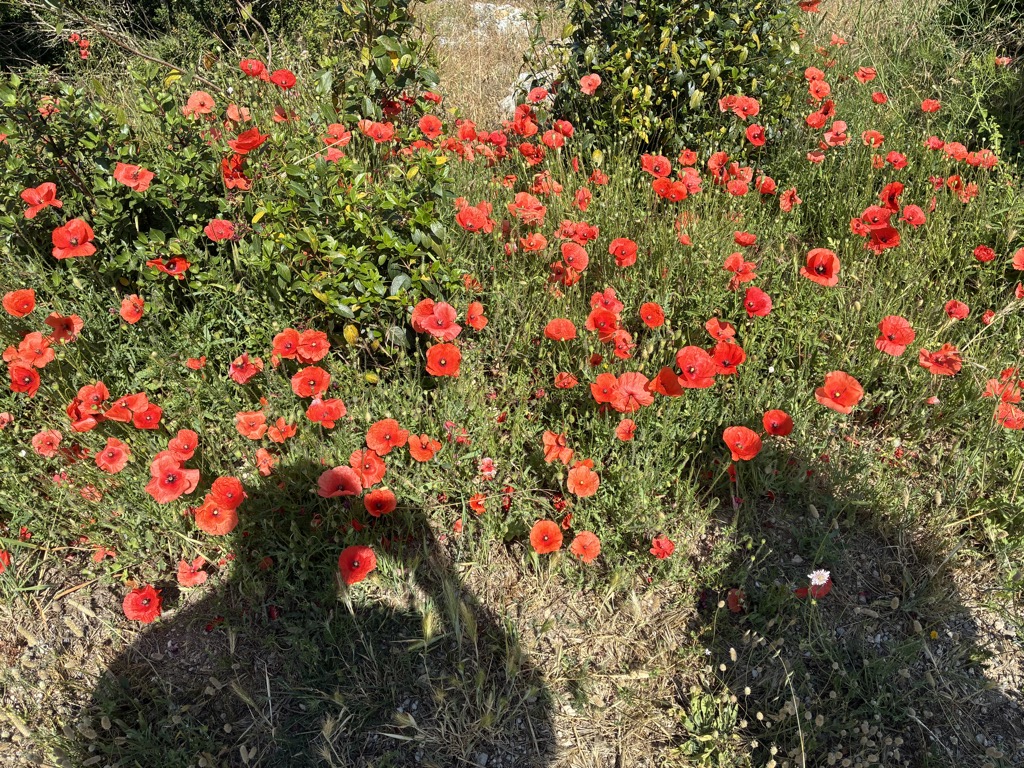
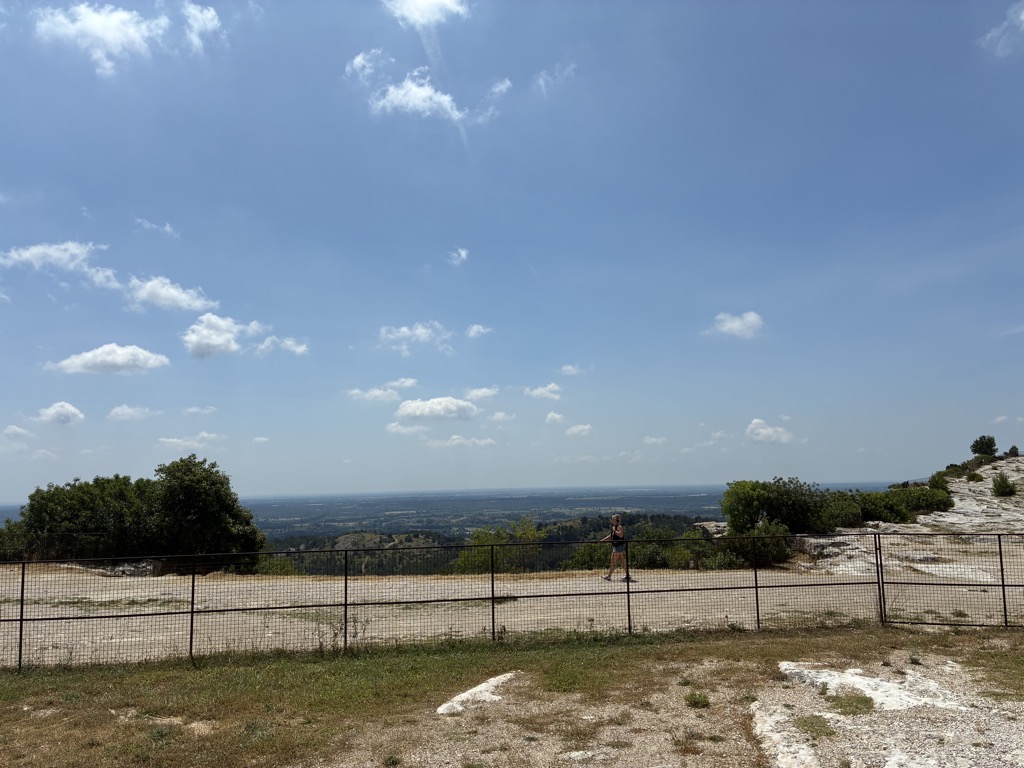
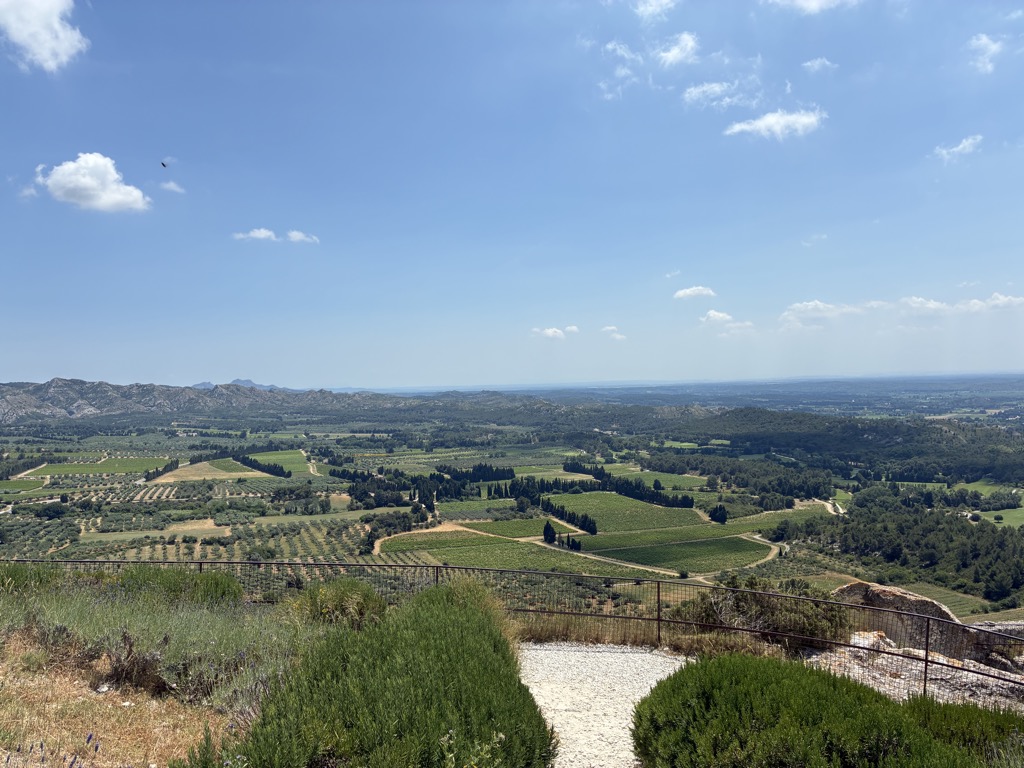
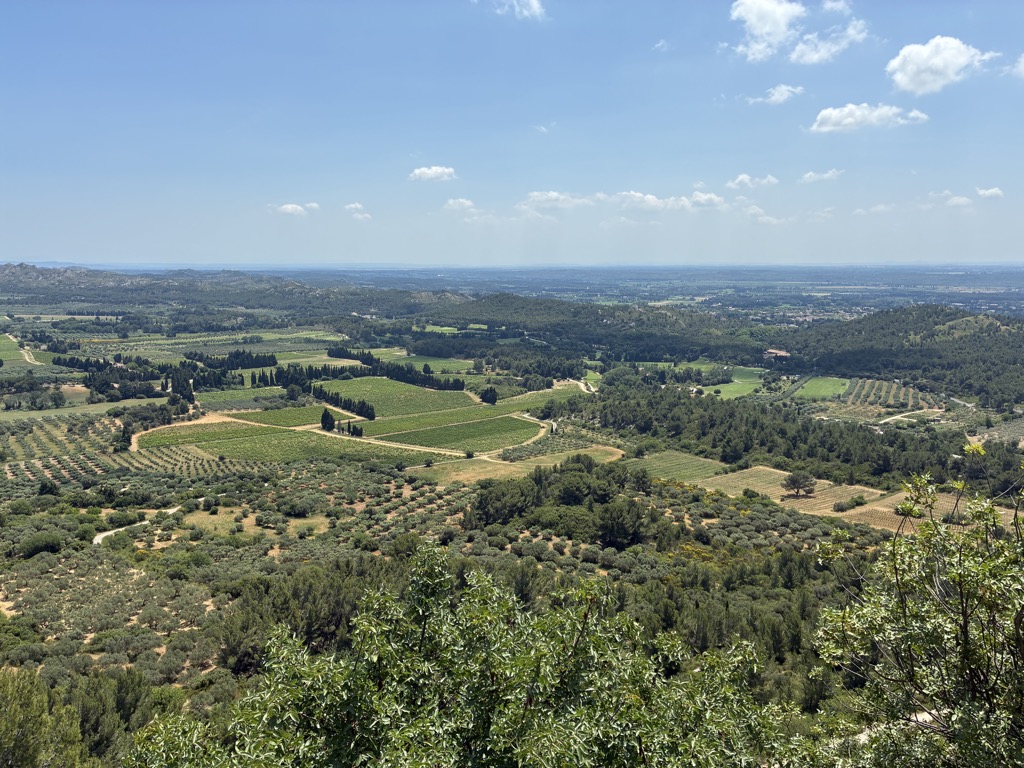
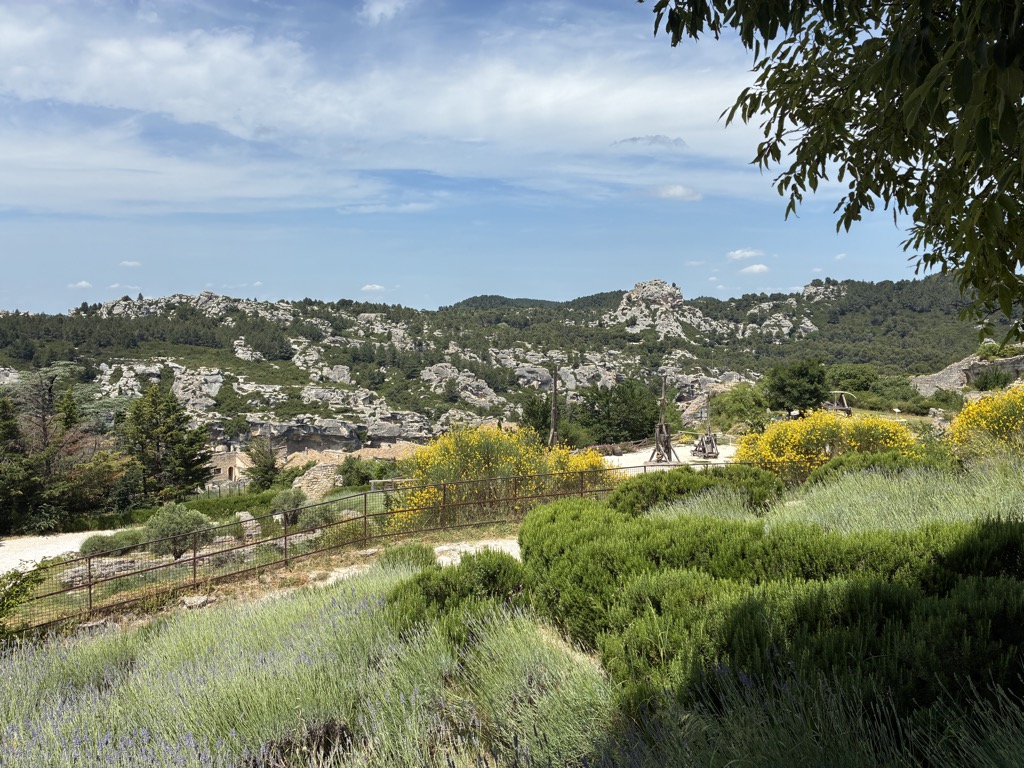
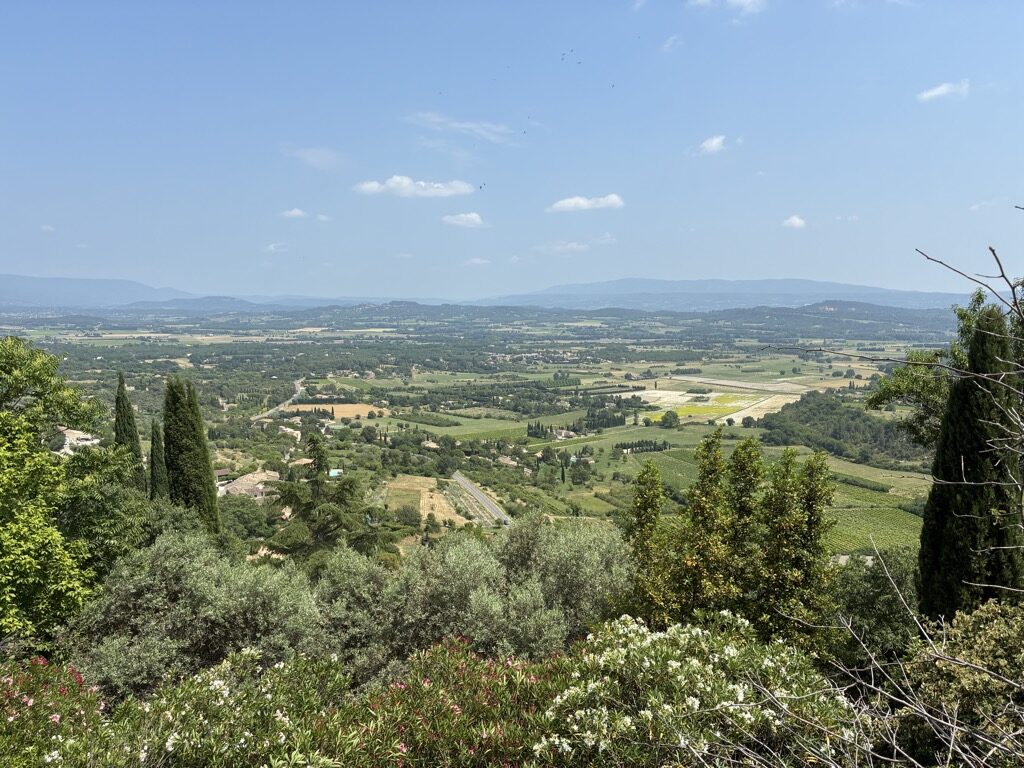
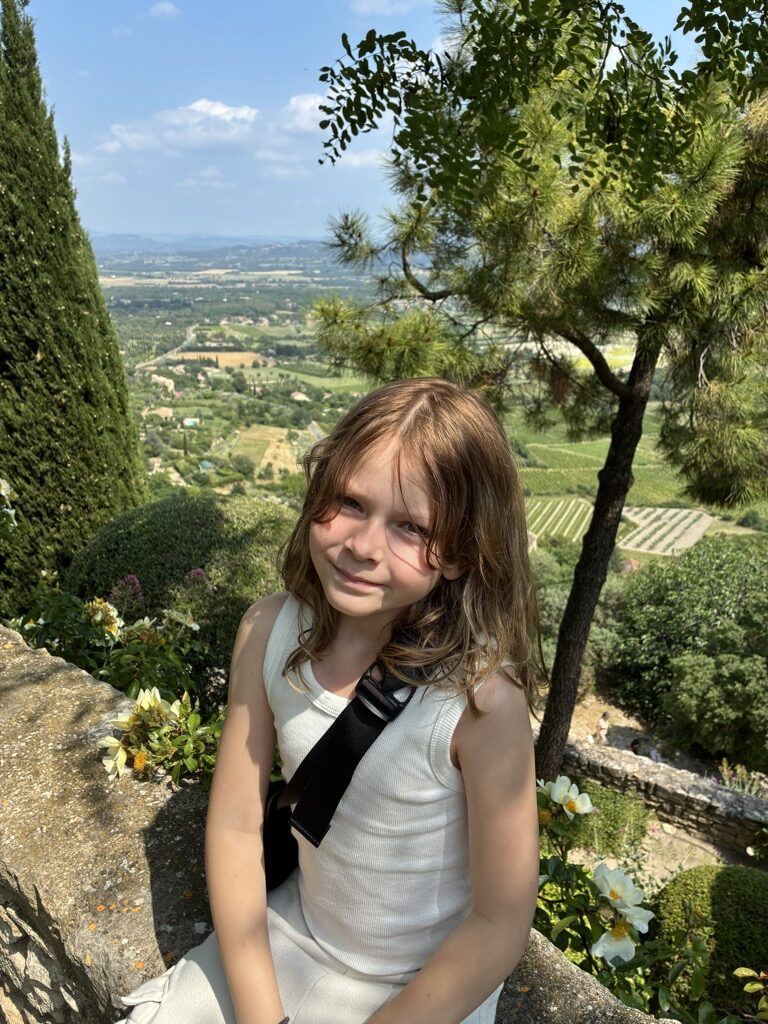
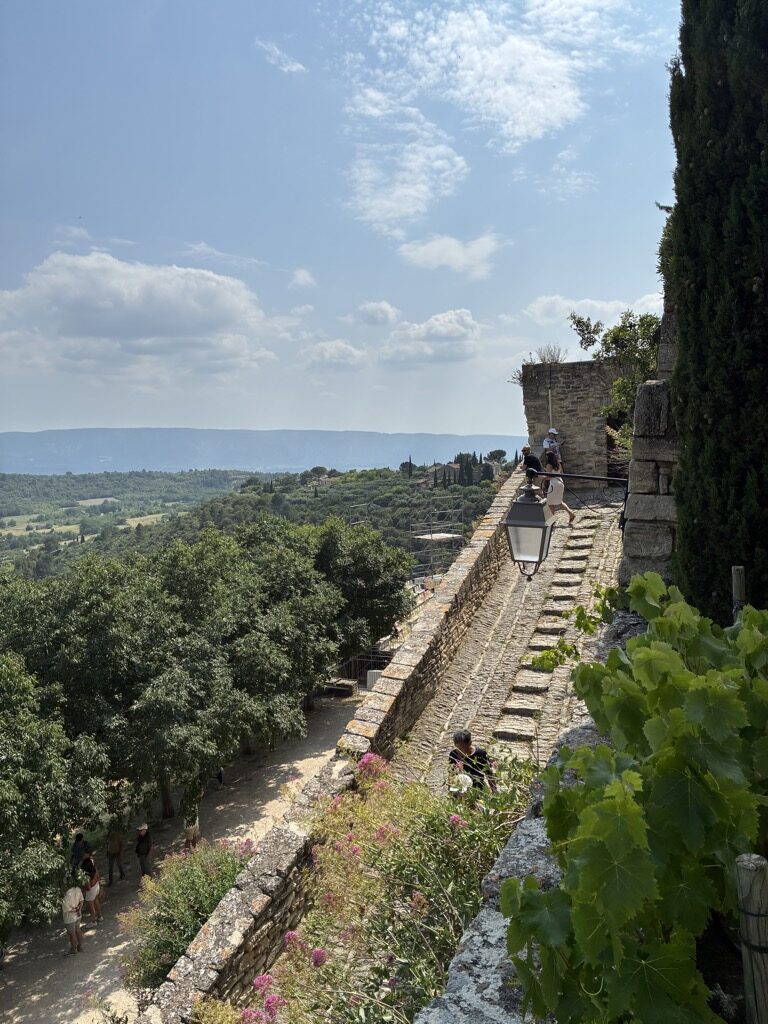
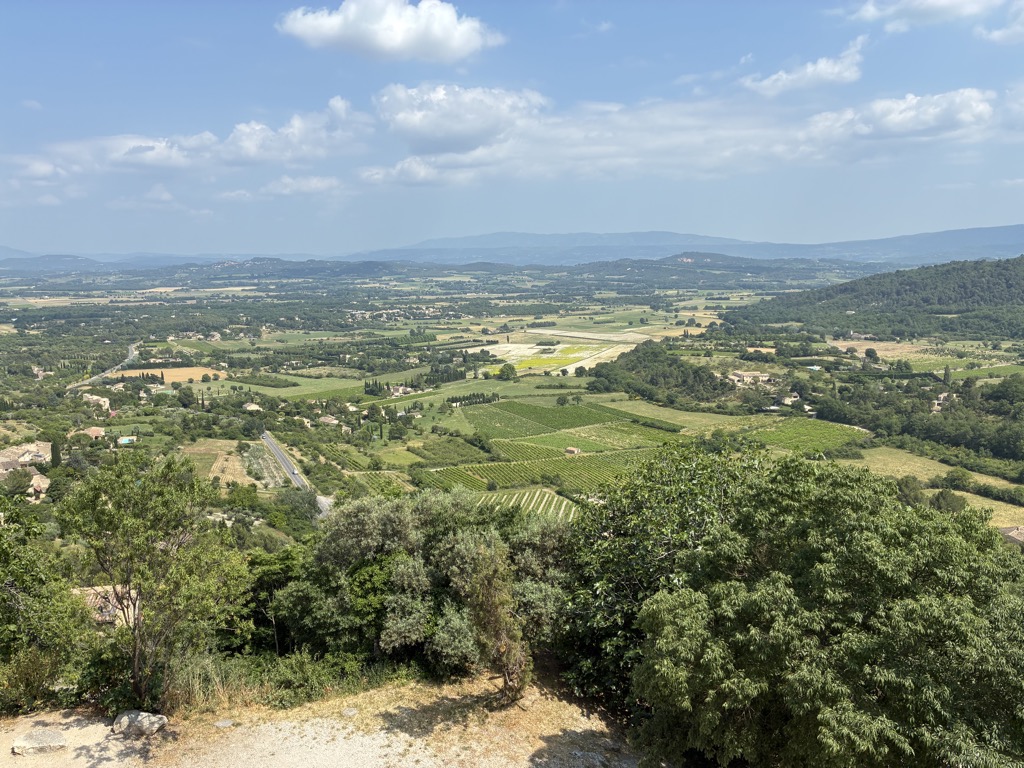
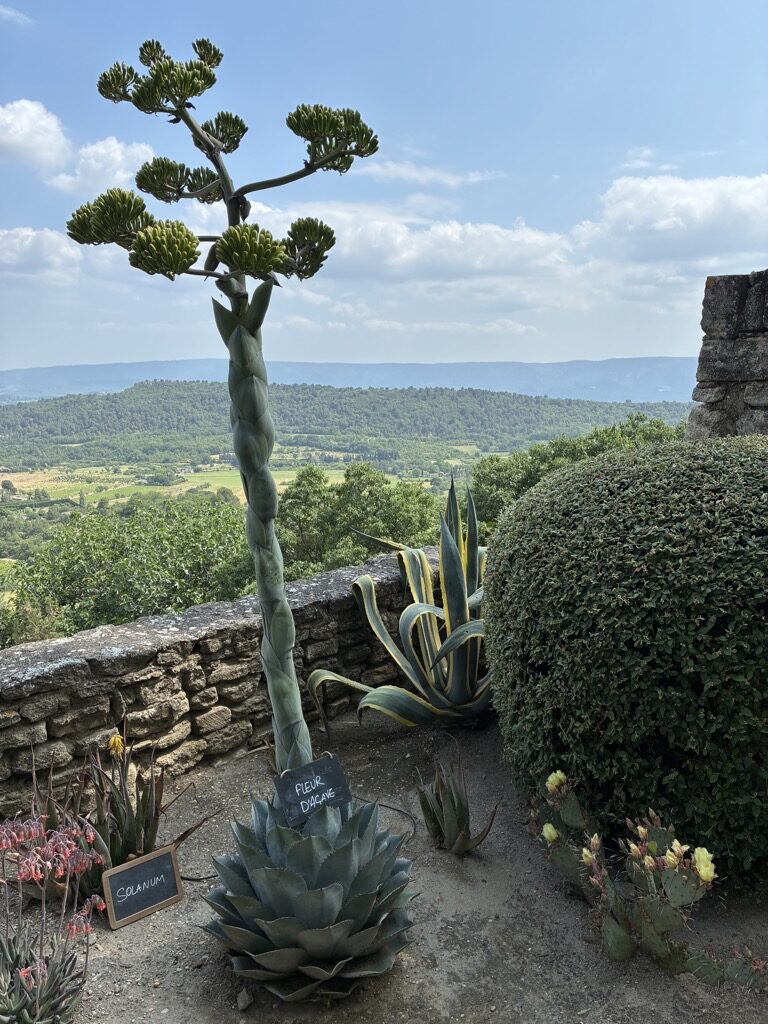
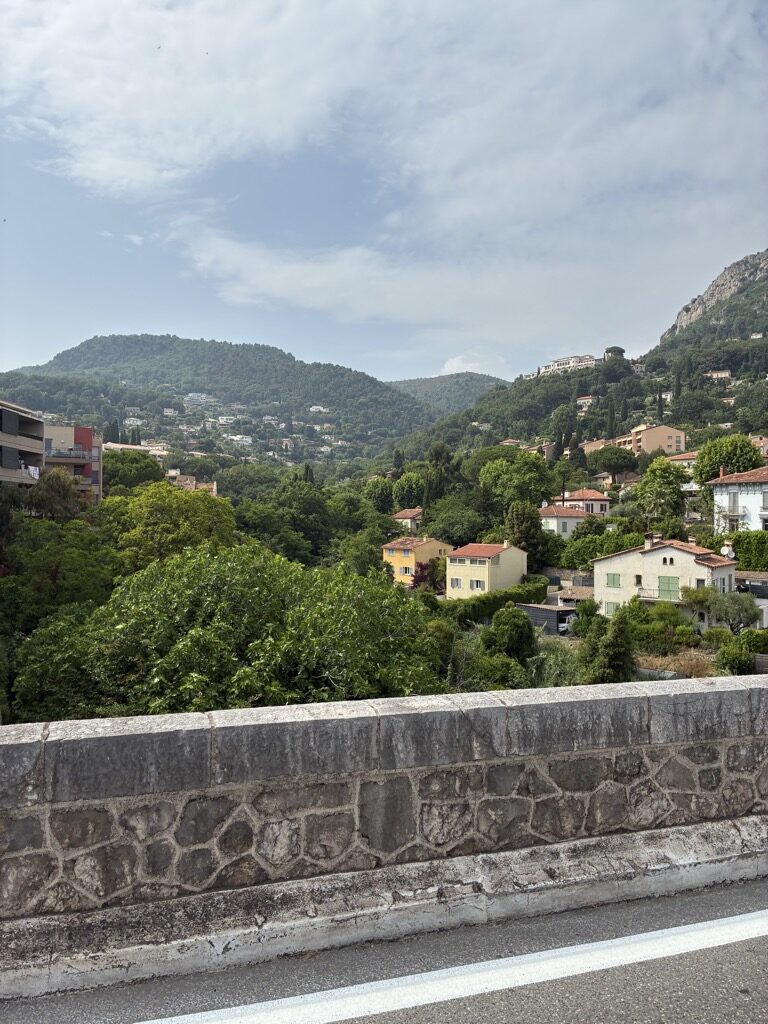
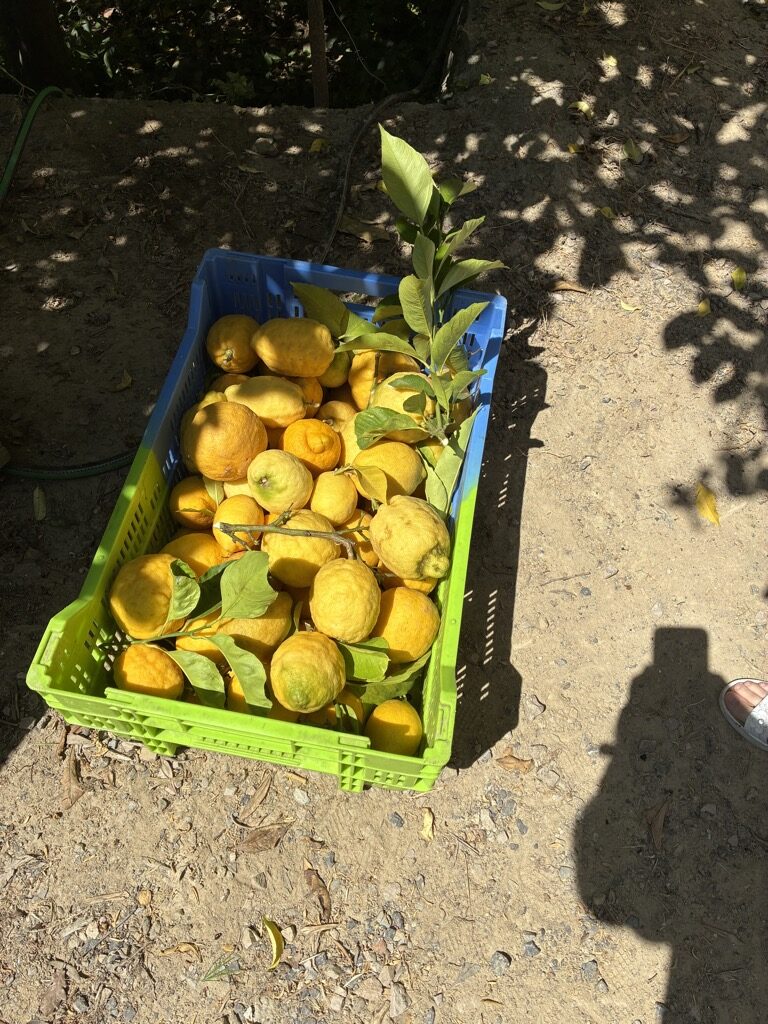
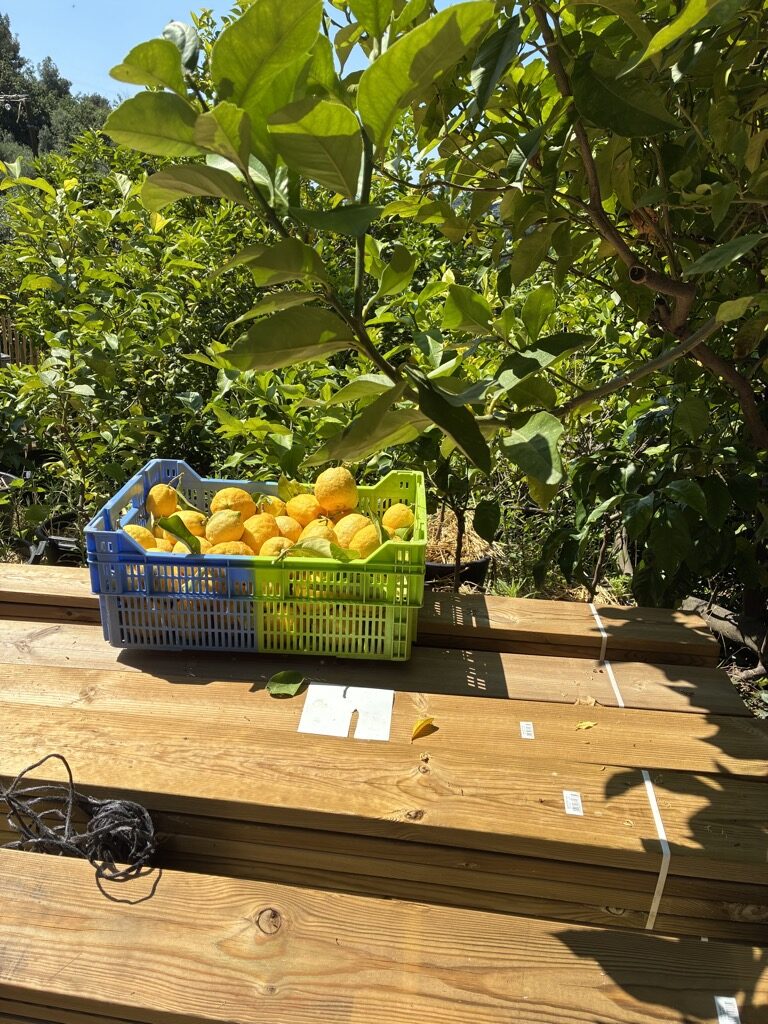
French countryside is beautiful; I recommend visiting the lavender fields and sampling their produce. It looks like there is no shortage of estates with little gift shops and coffee areas. Lavender scent is typically associated with Pine-Sol (a cleaning product), but you have what might be a once-in-a-lifetime opportunity to drink lavender beer, sample lavender ice cream, and perhaps cook with lavender oil. Let’s say it is an acquired taste, so don’t rush to buy a six-pack or a big bowl of ice cream. We travelled across the French Riviera, and it became painfully obvious that each area has its own memorabilia. So if you find something you like, buy it there (support the locals); chances are it will be harder or impossible to find elsewhere later. There are plenty of wineries, but check ahead of time if an appointment is needed, as well as prices and such. Not everyone is happy to host visitors at a moment’s notice. In some cases, a winery might also host an art gallery and/or a restaurant, and that might be by reservation only. There are plenty of places to visit, and for the most part, there is no need to plan ahead. However, some places do not operate on weekends, some might be temporarily closed, and some might require hiking shoes—for example, if you want to discover some of Cézanne’s landscape motifs.
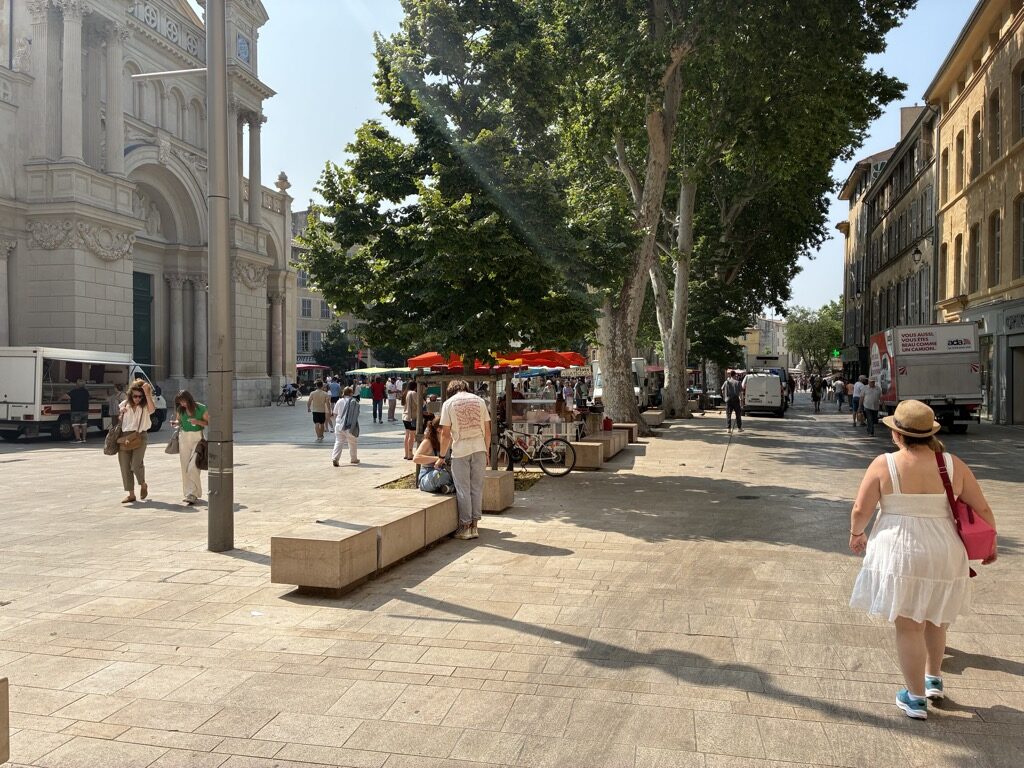
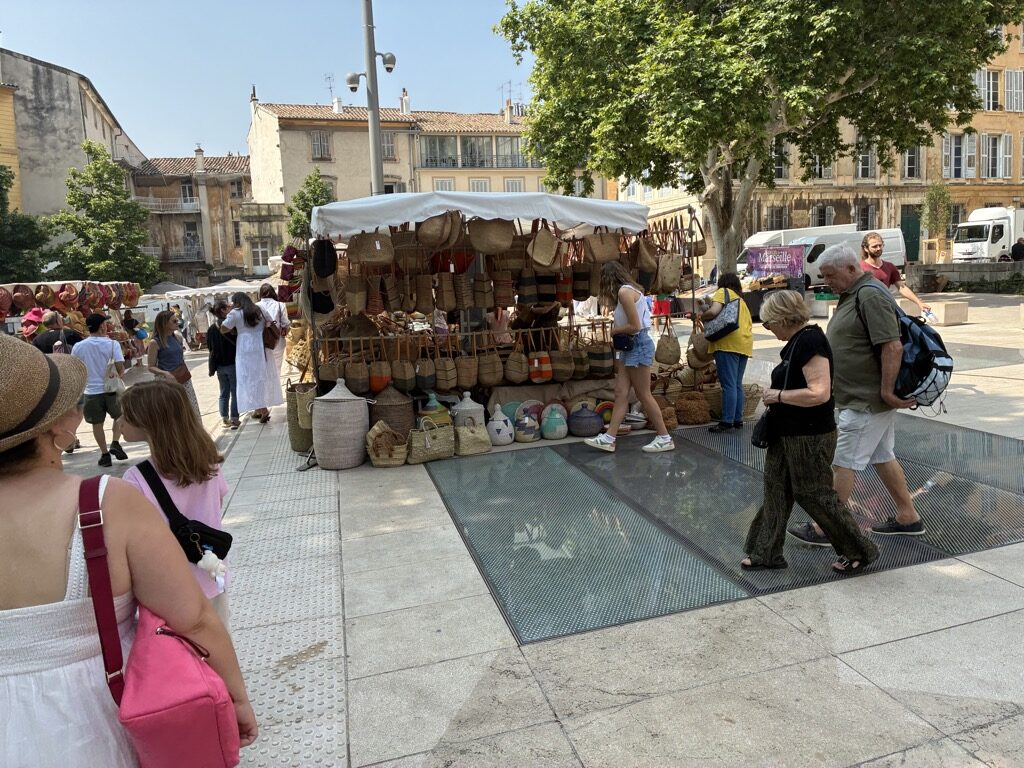
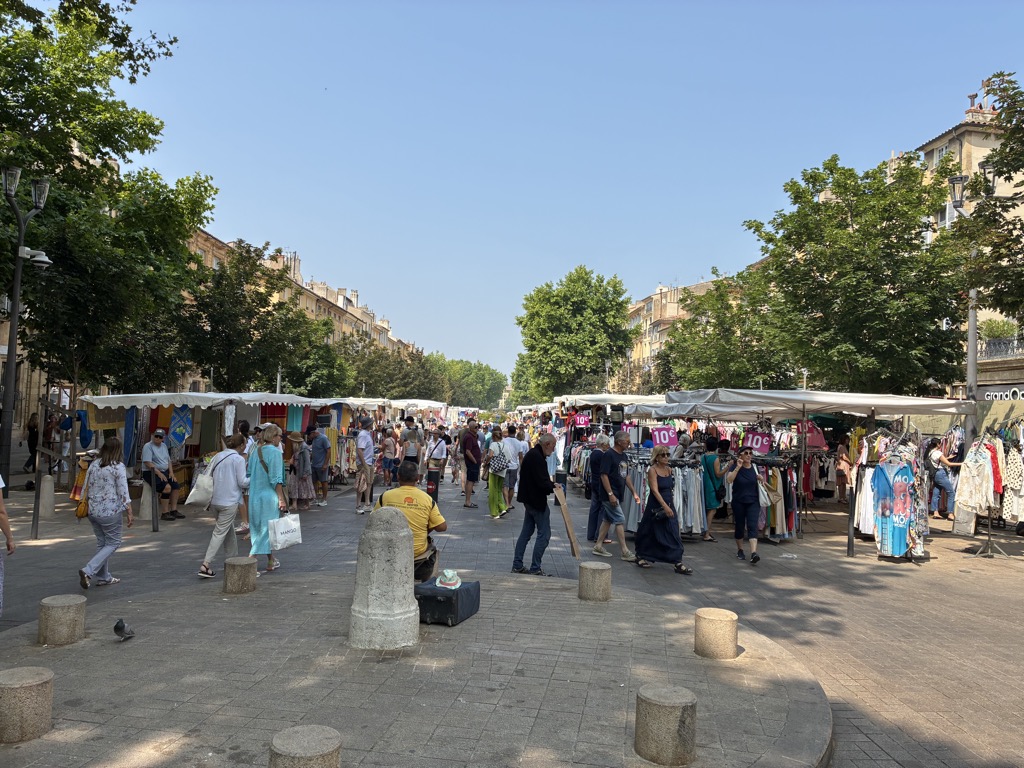
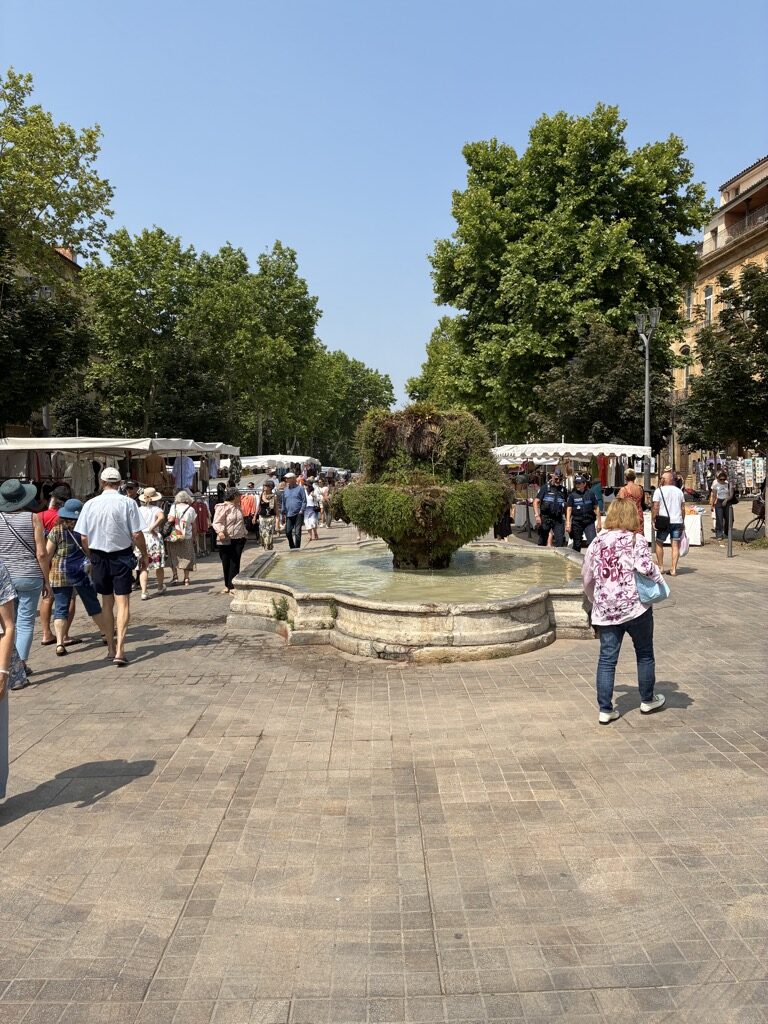
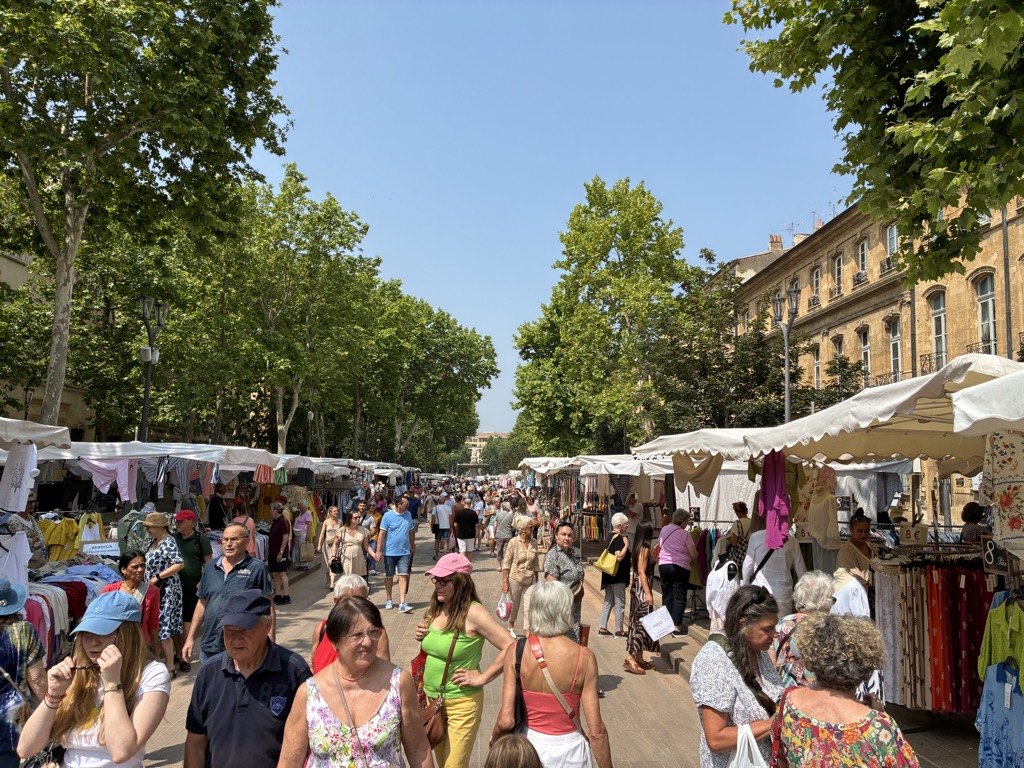
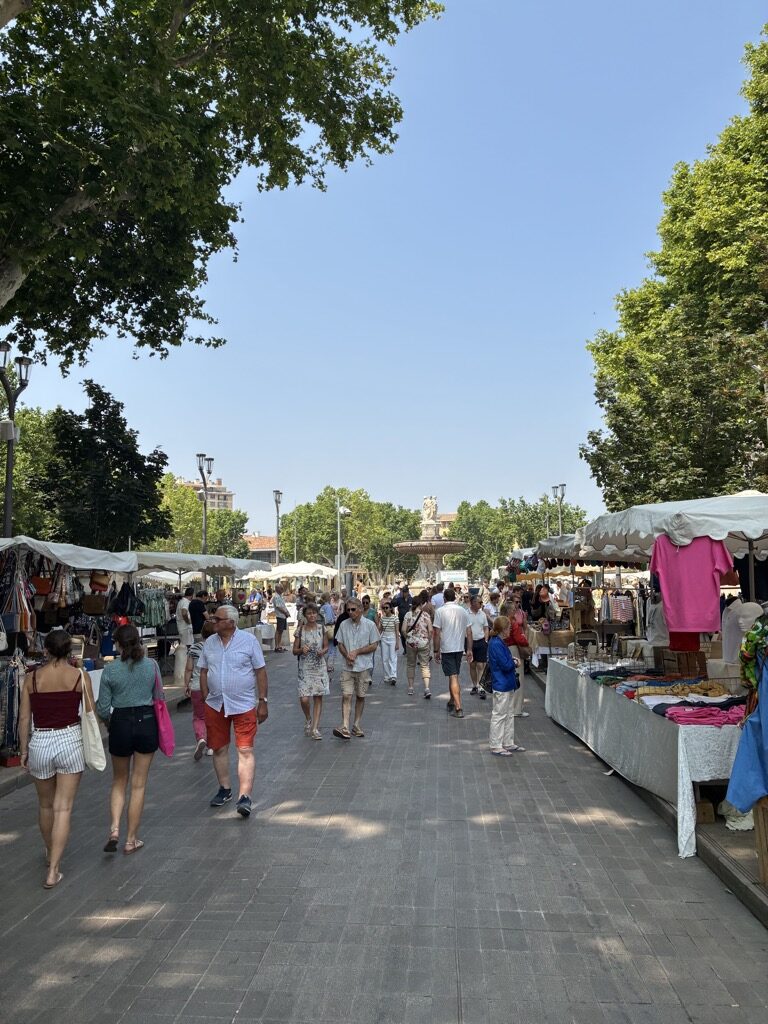
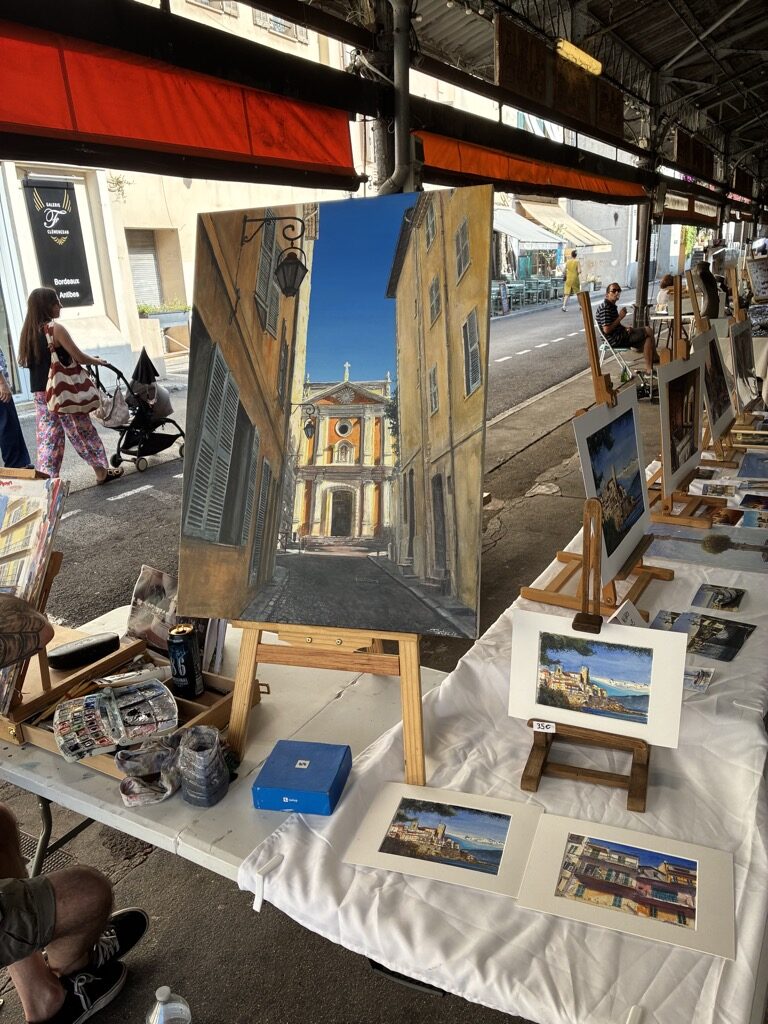
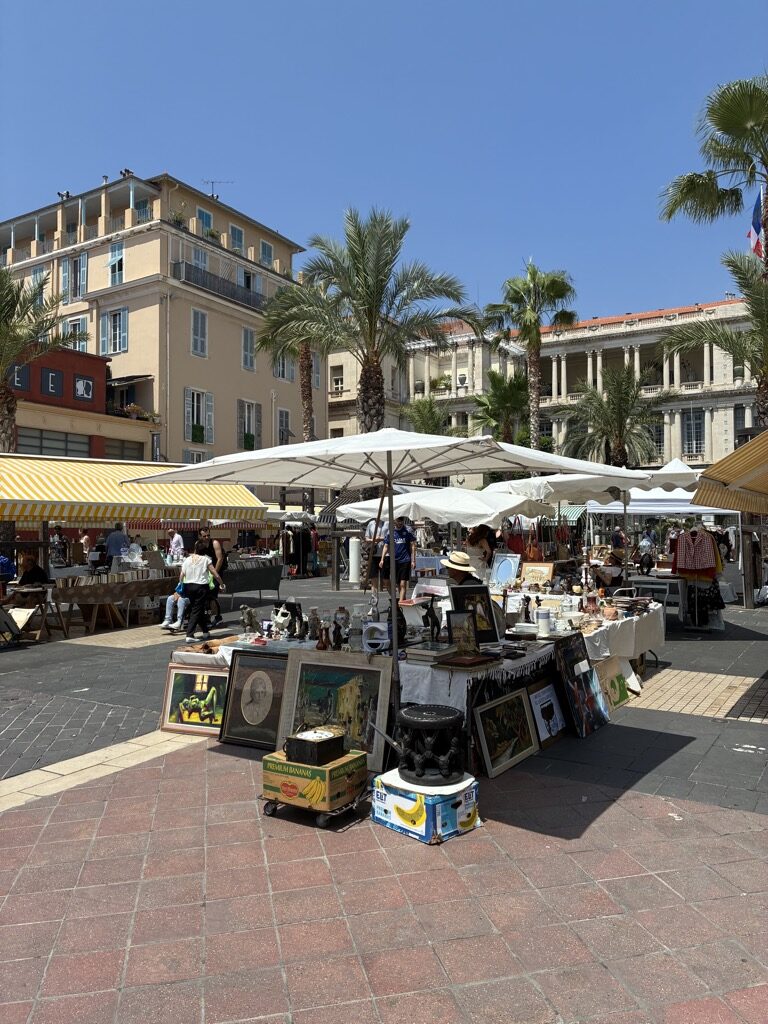
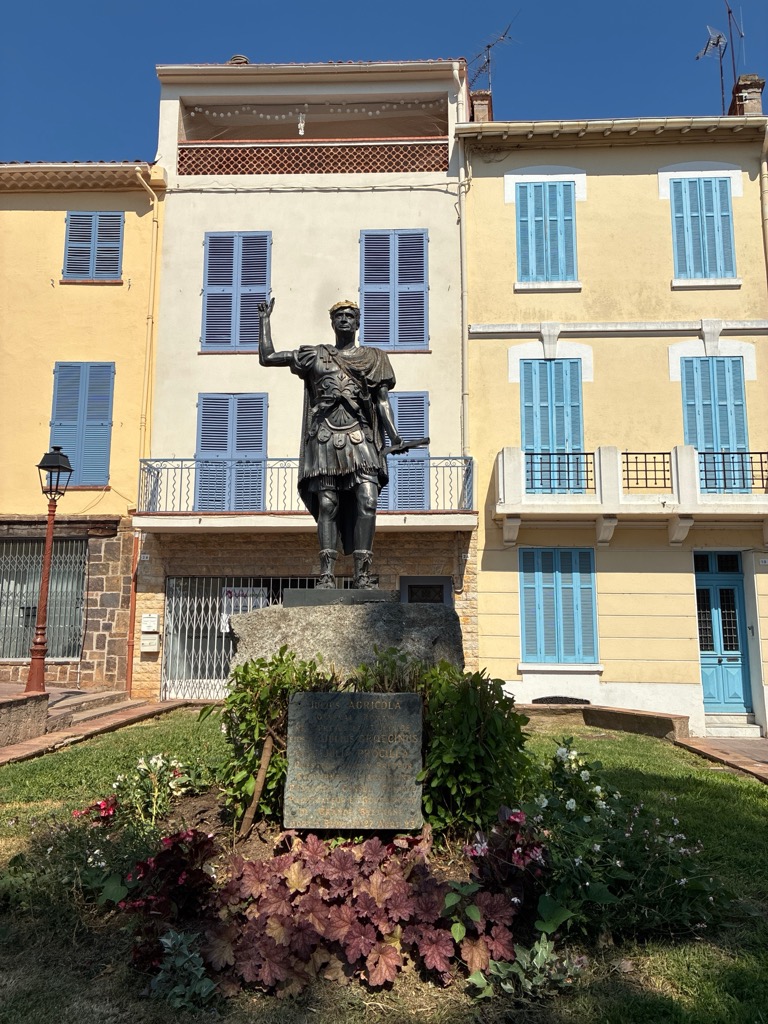
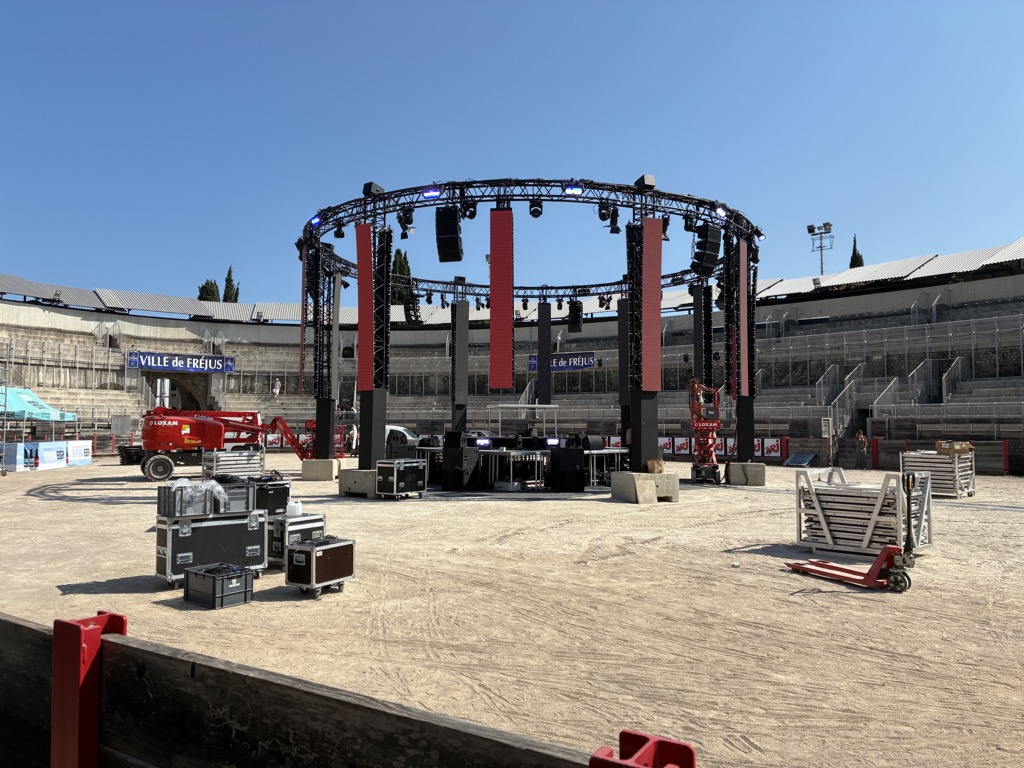
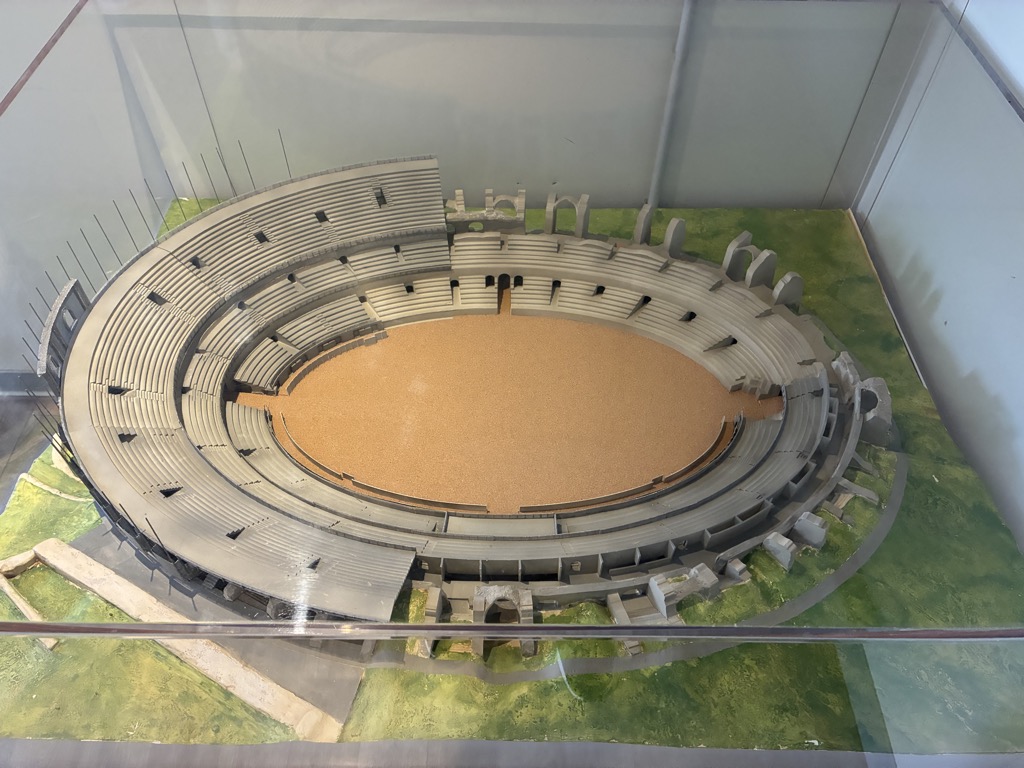
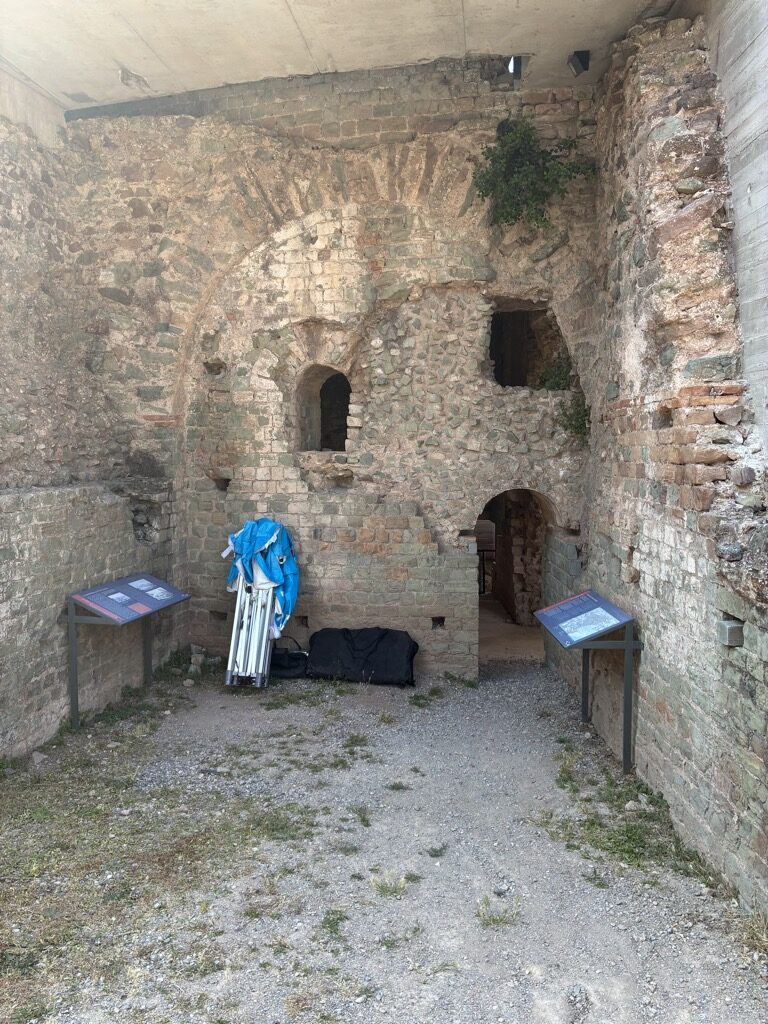
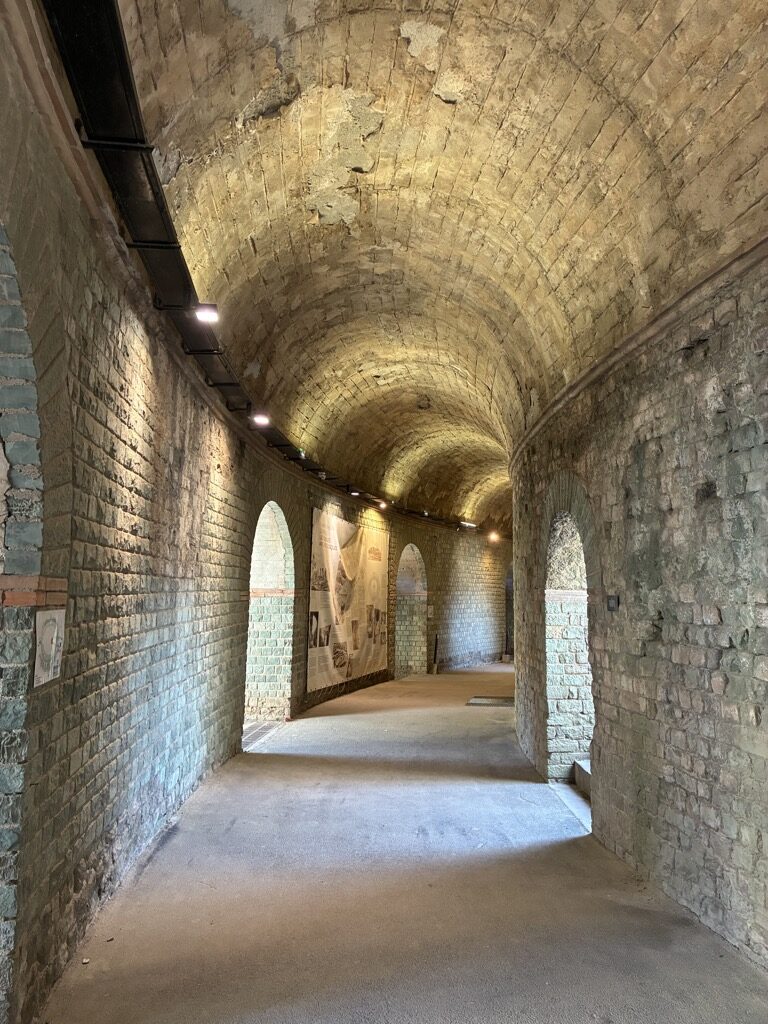
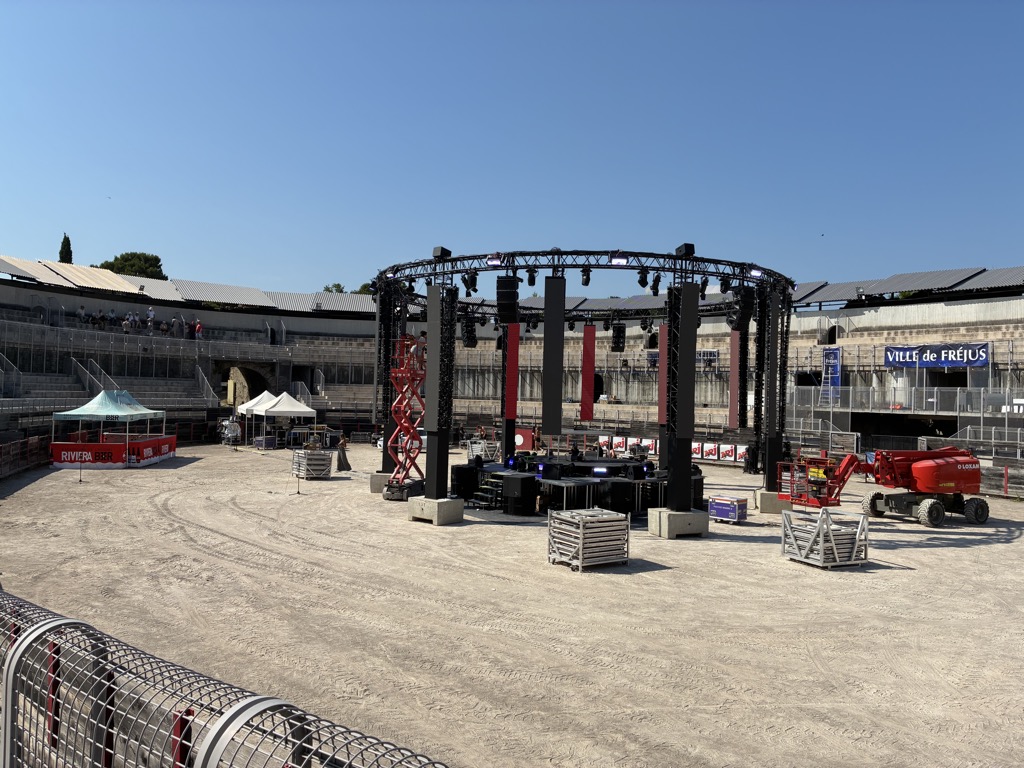
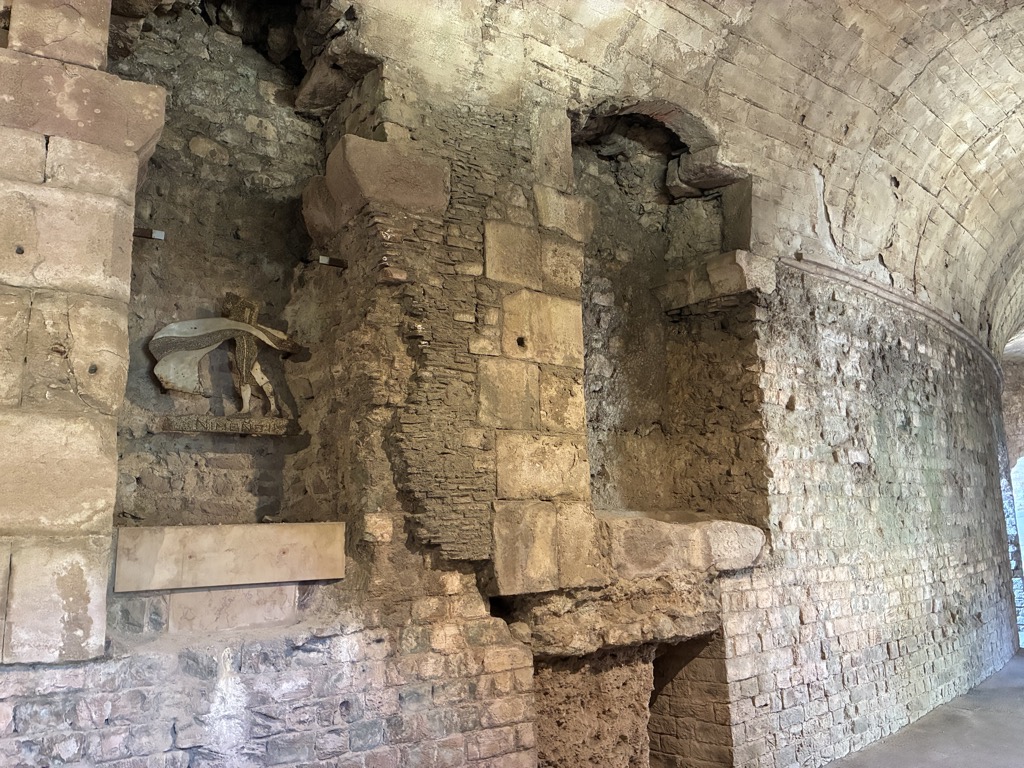
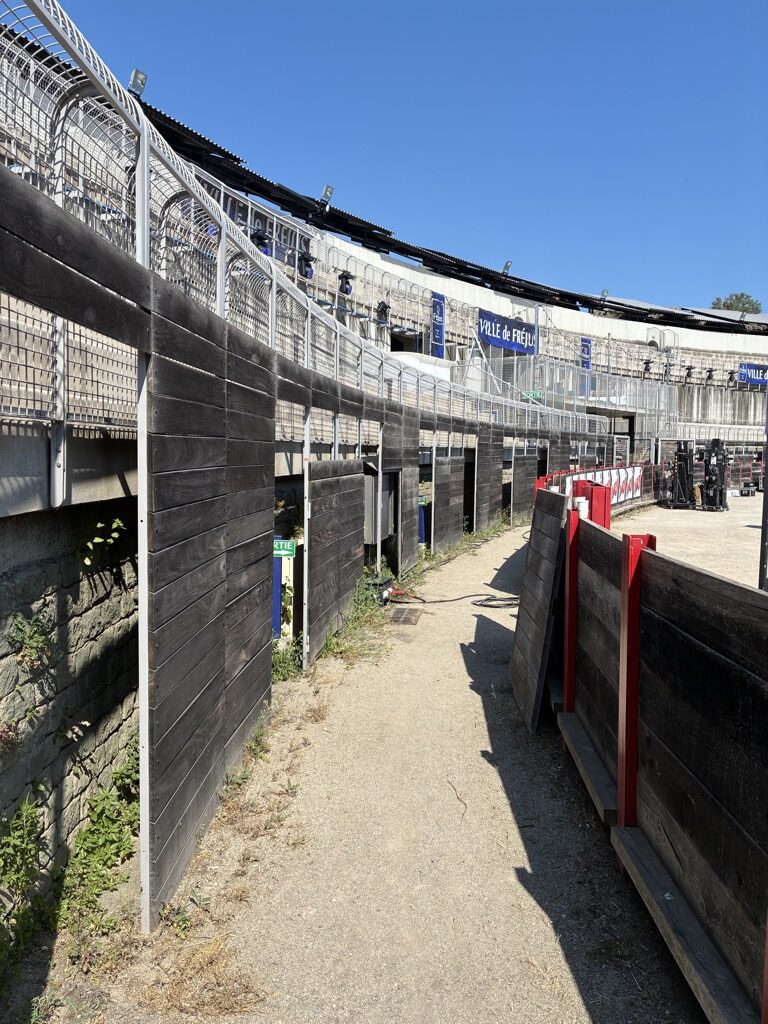
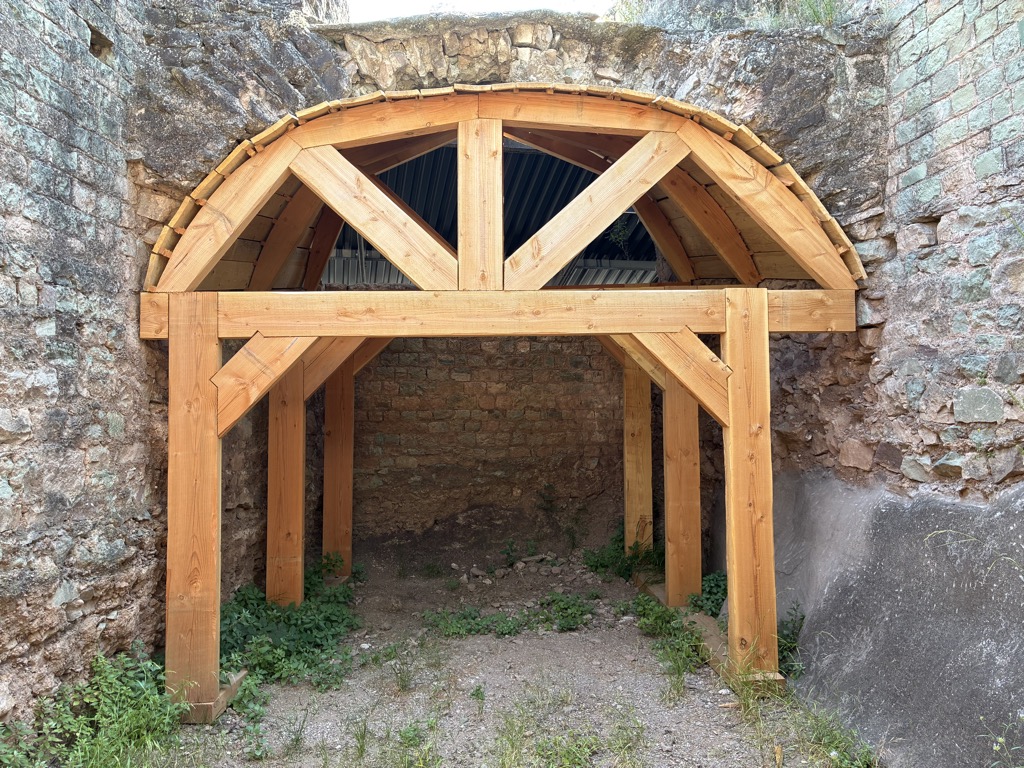
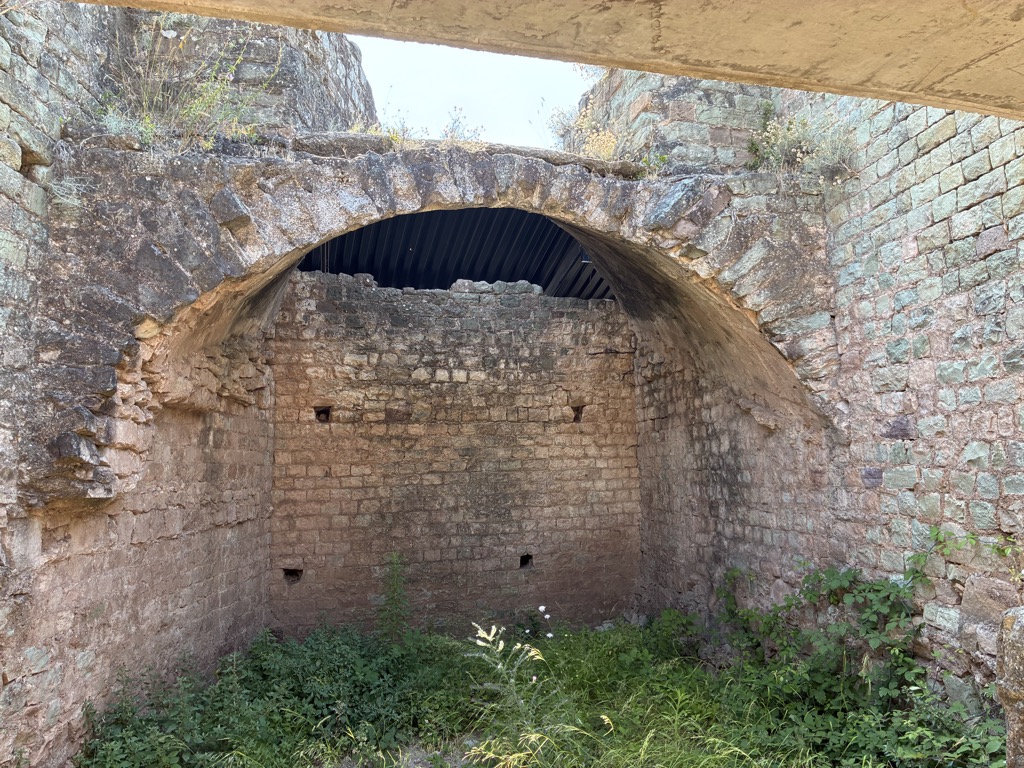
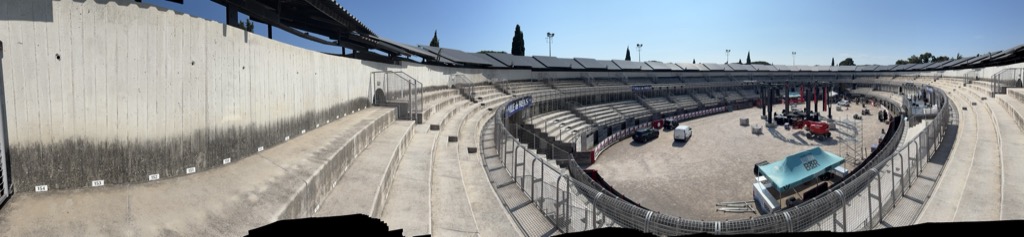
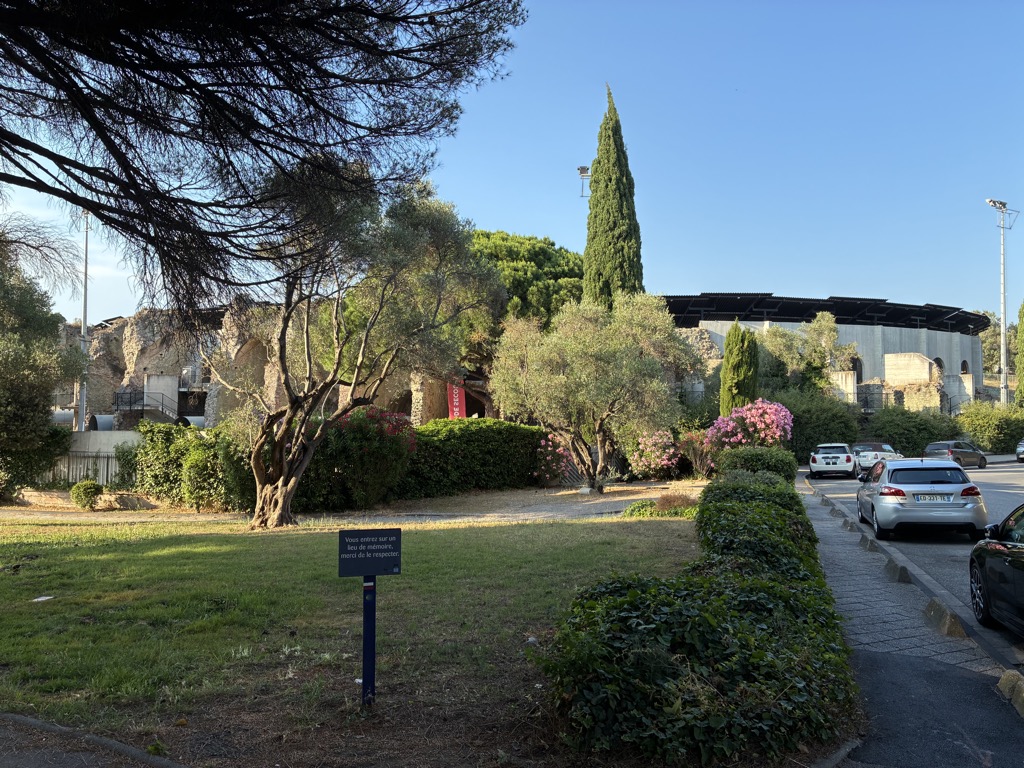
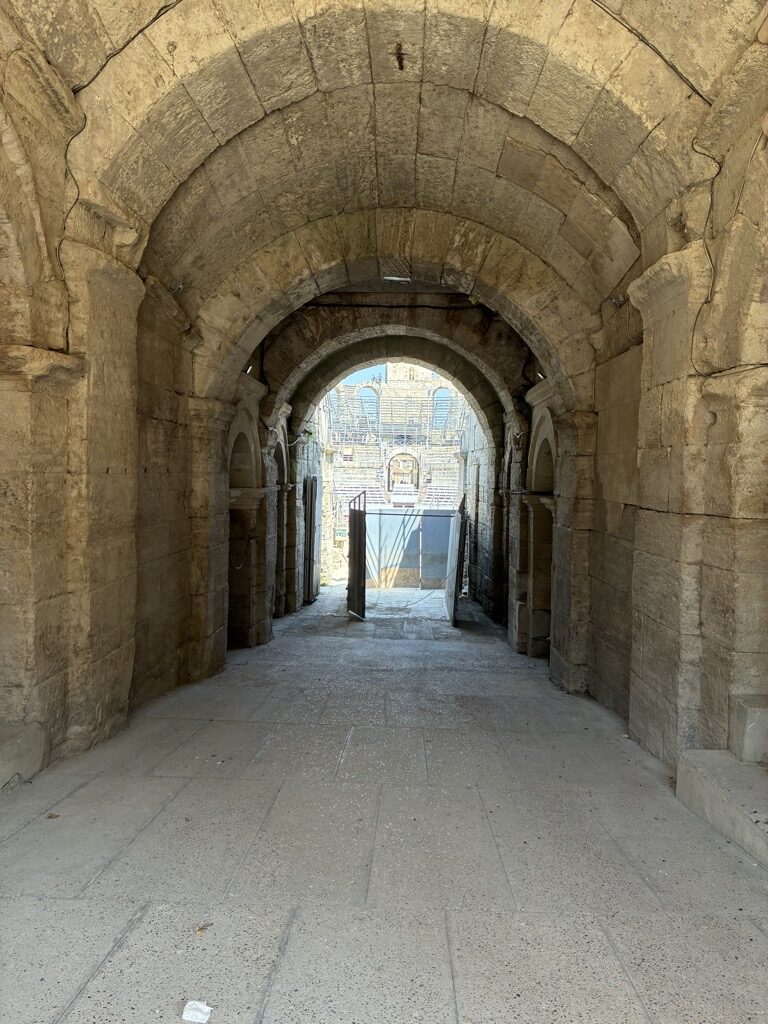
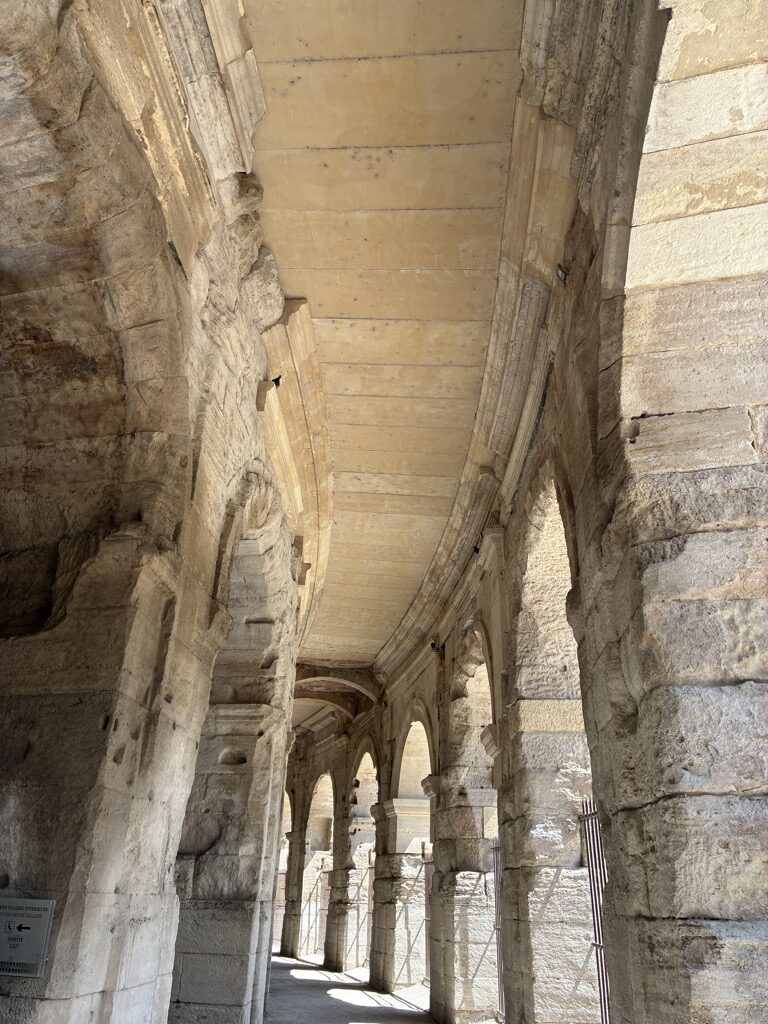
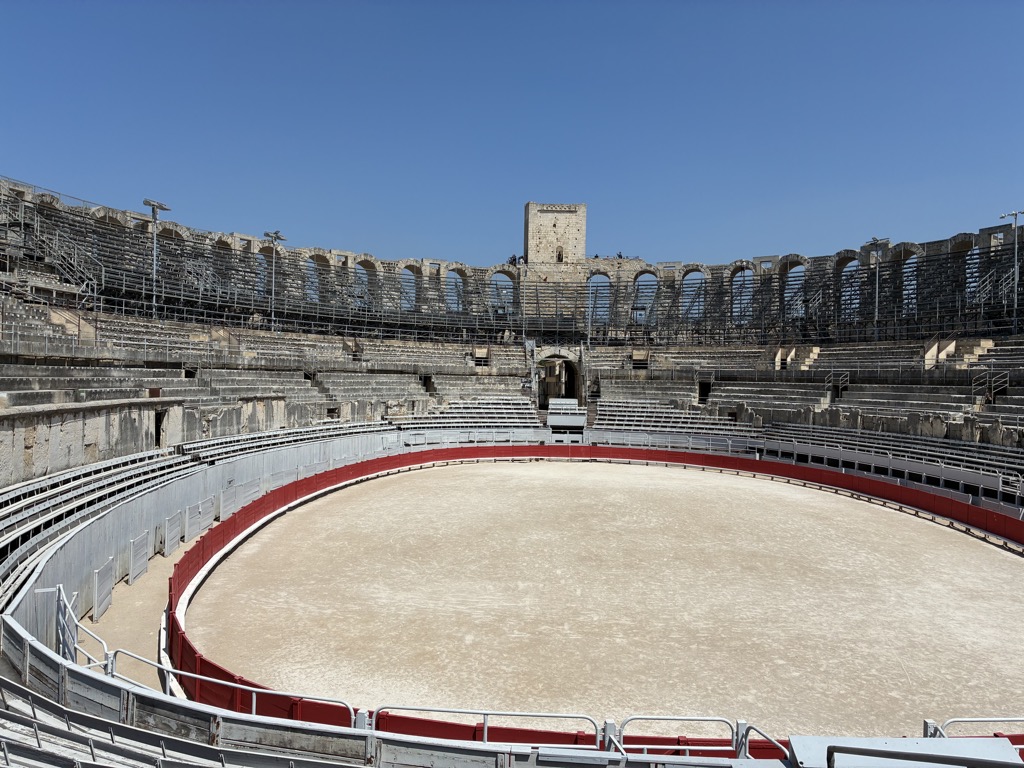
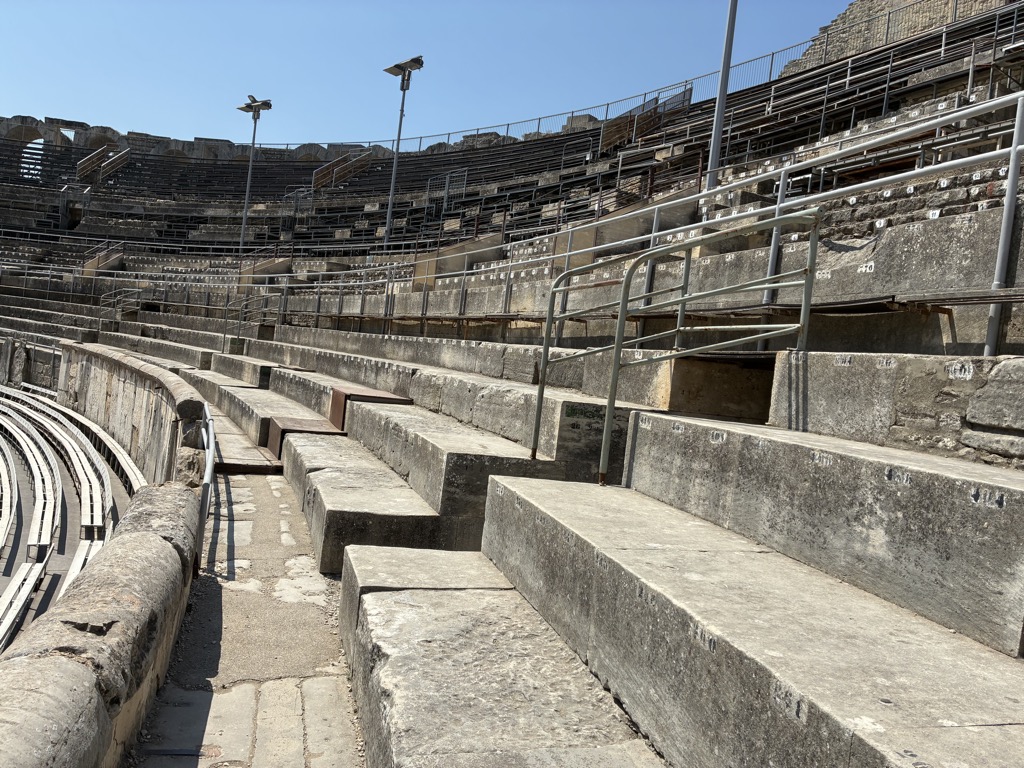
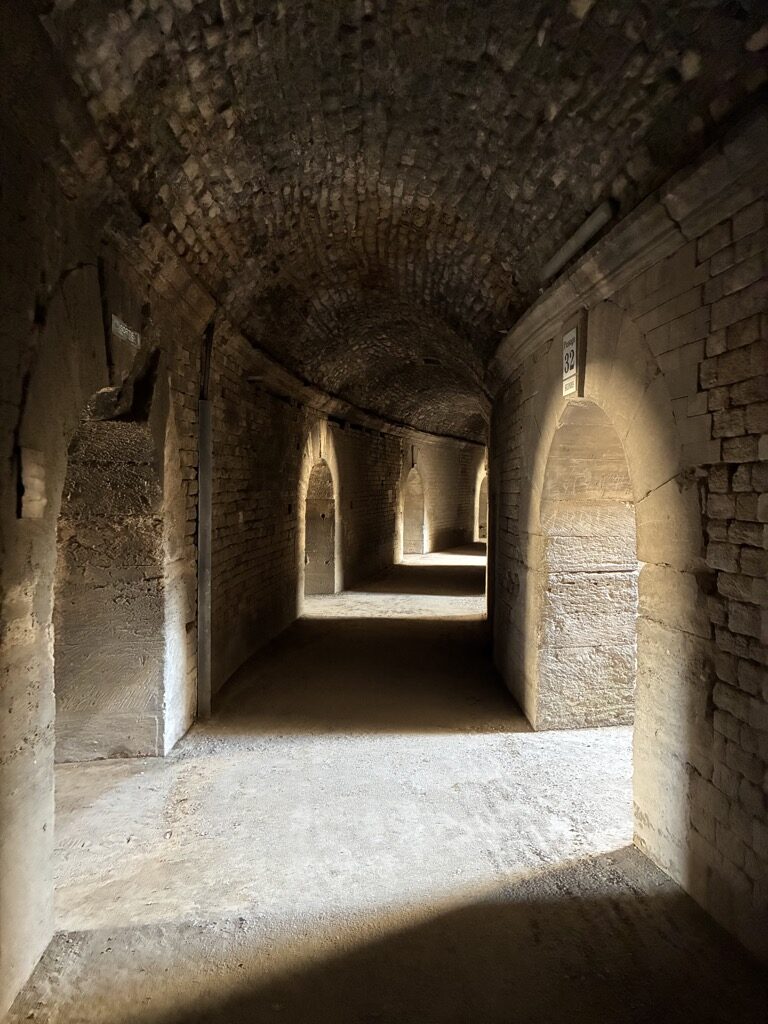
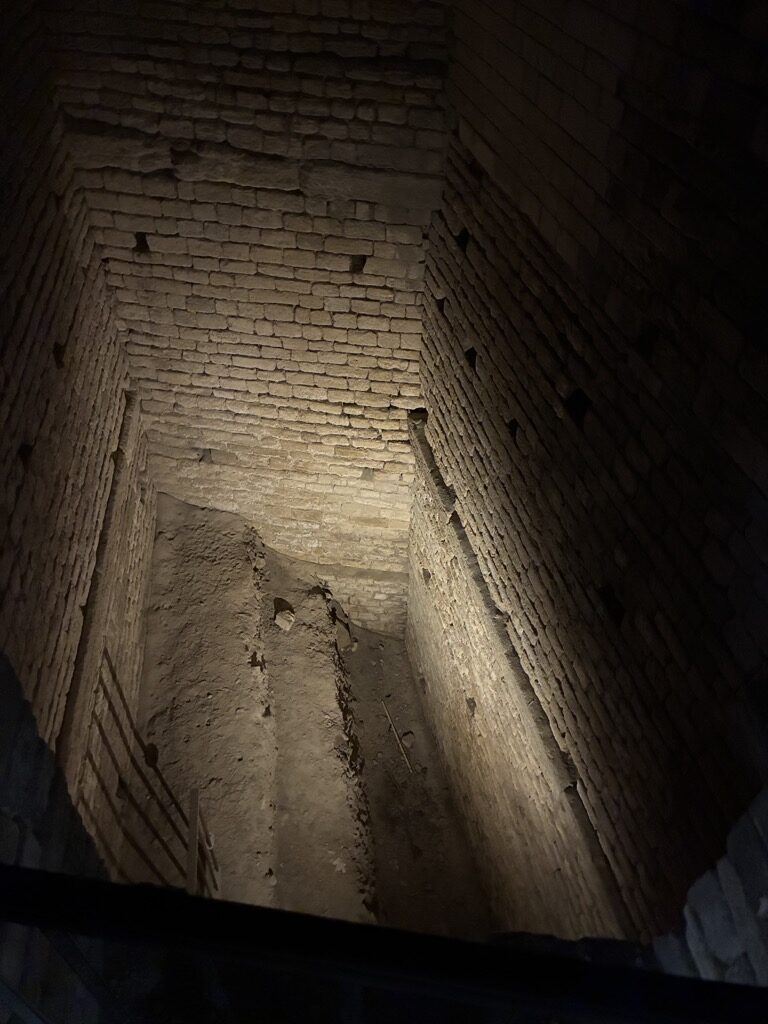
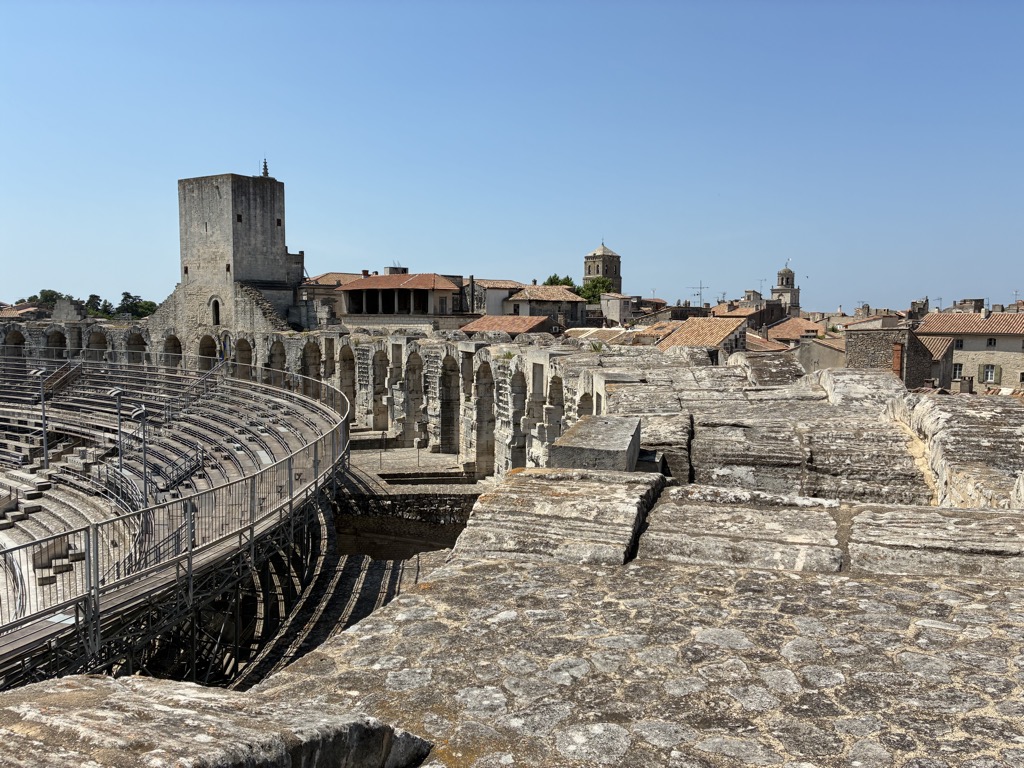
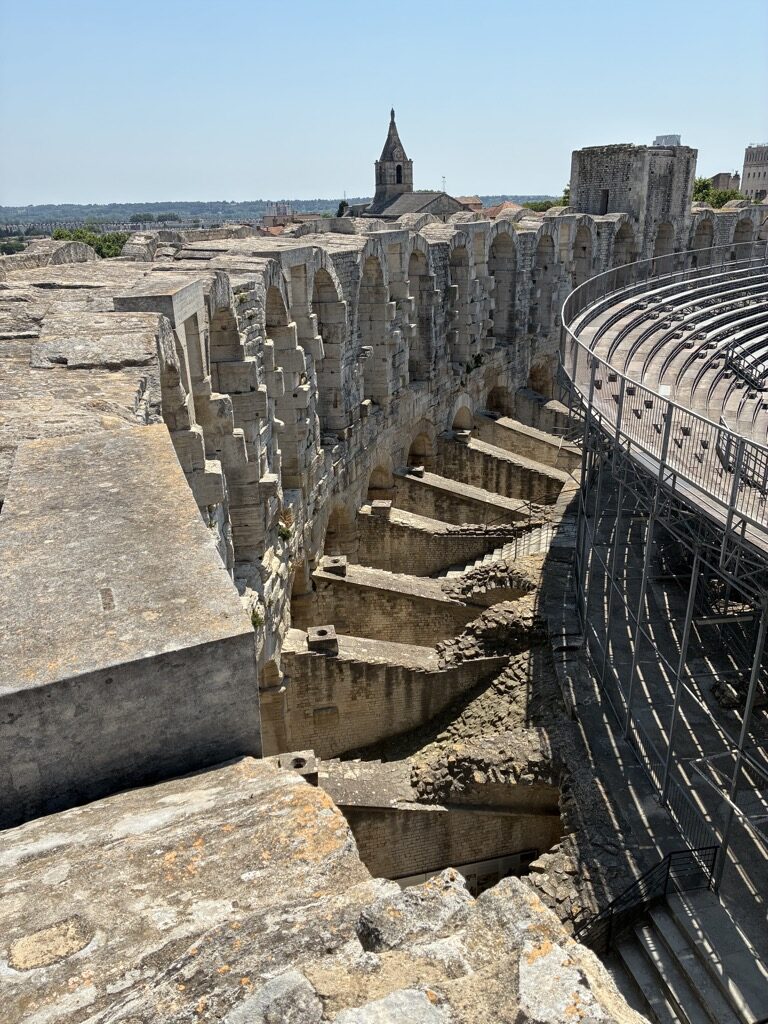
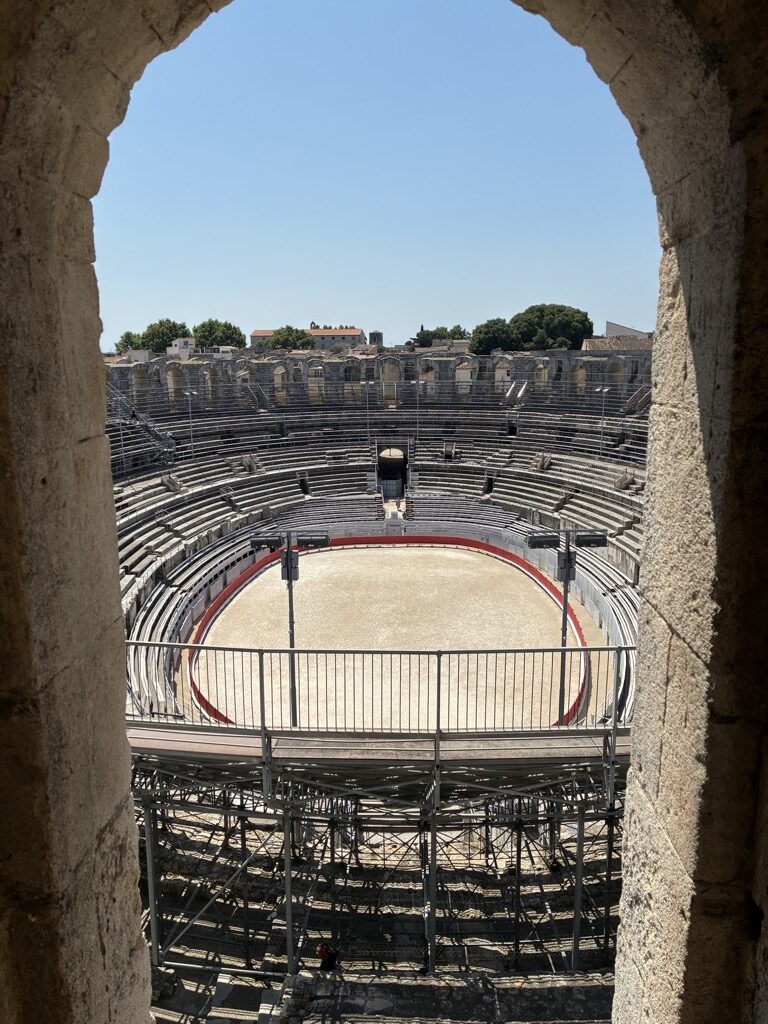
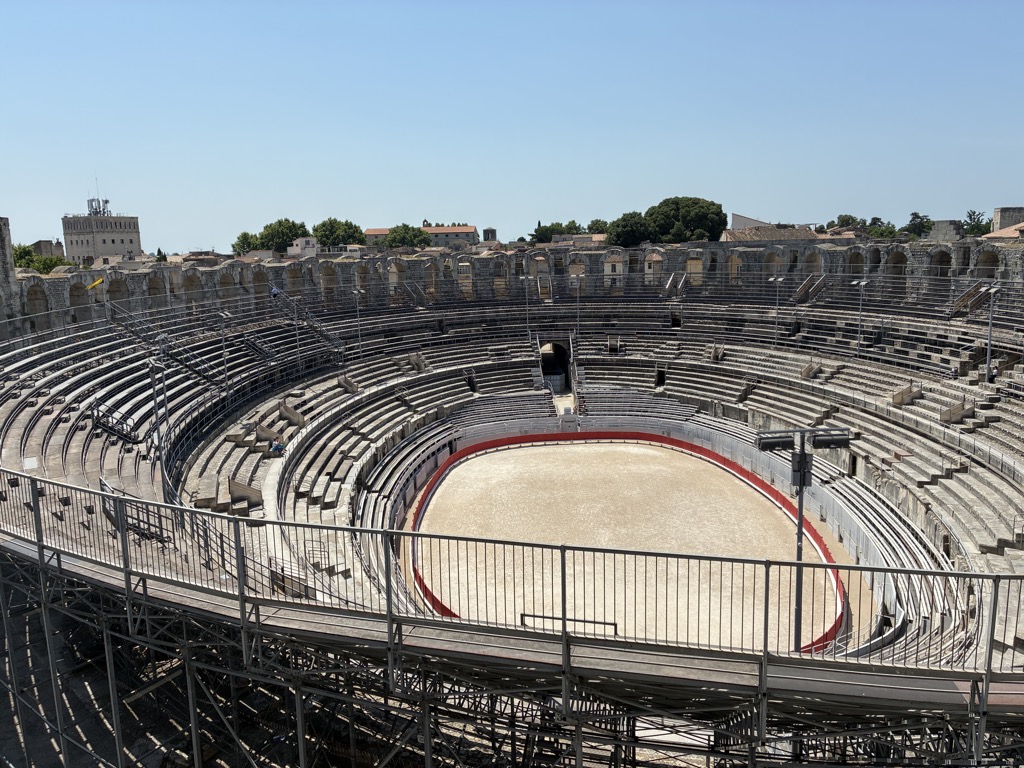
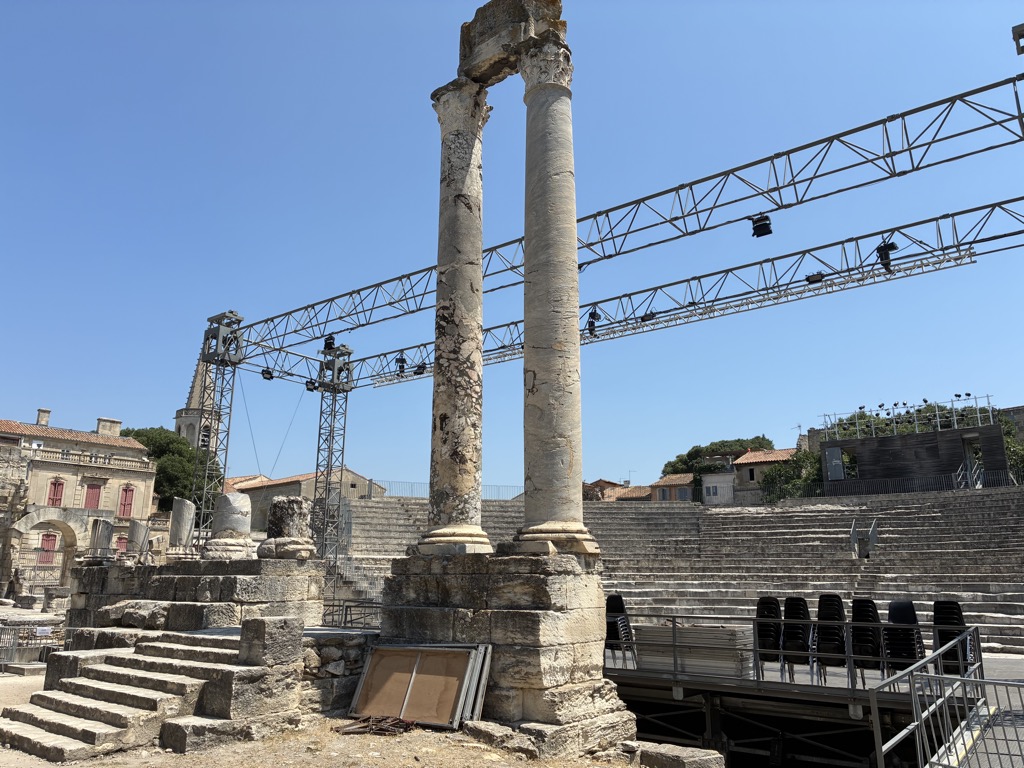
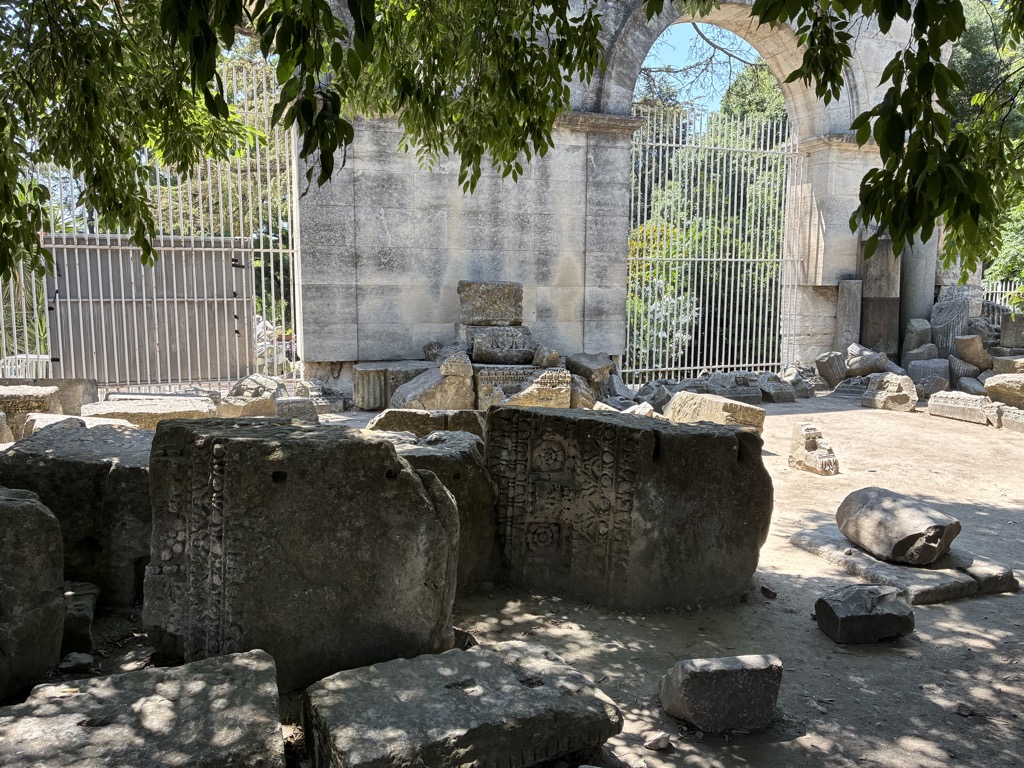
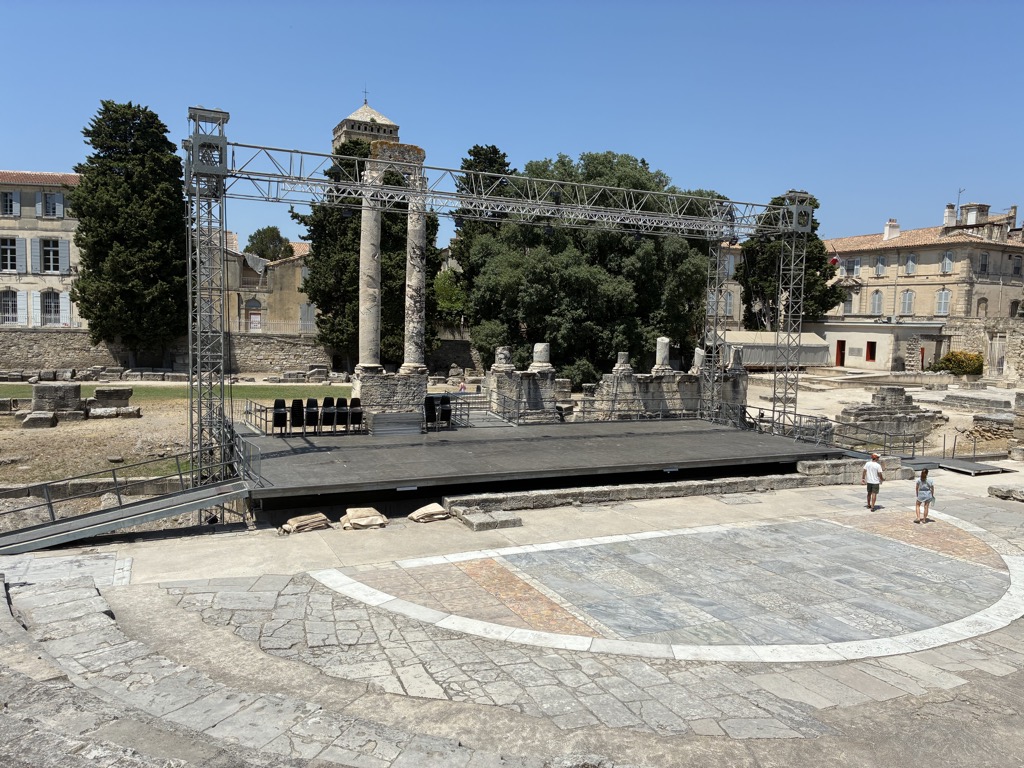
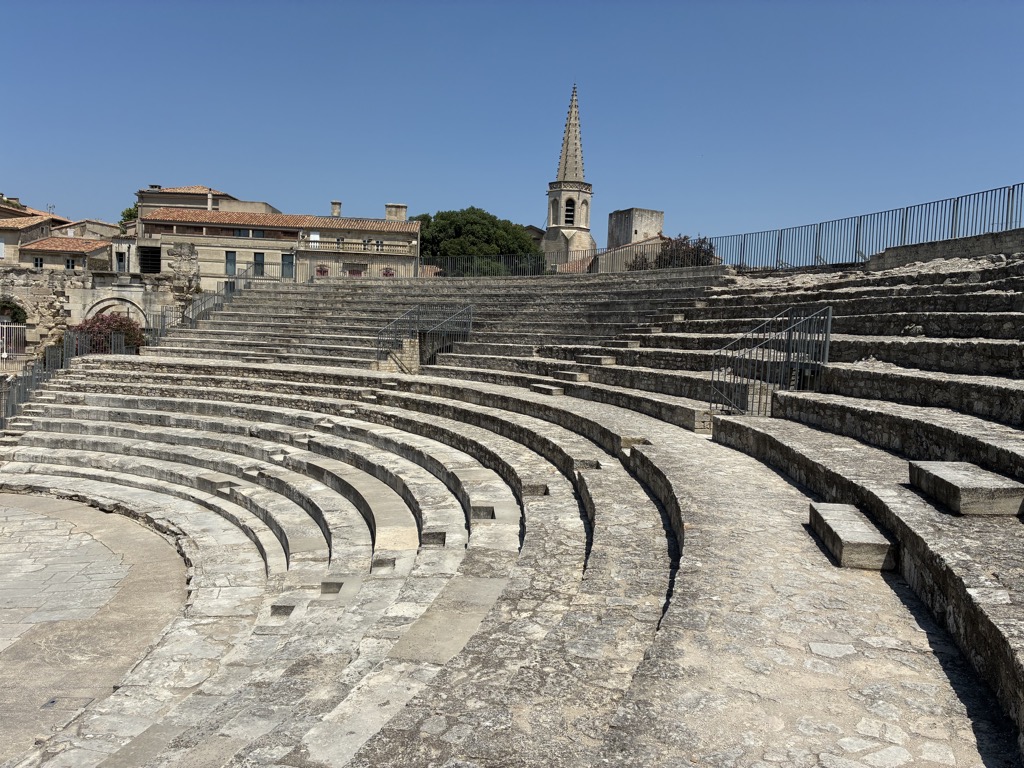
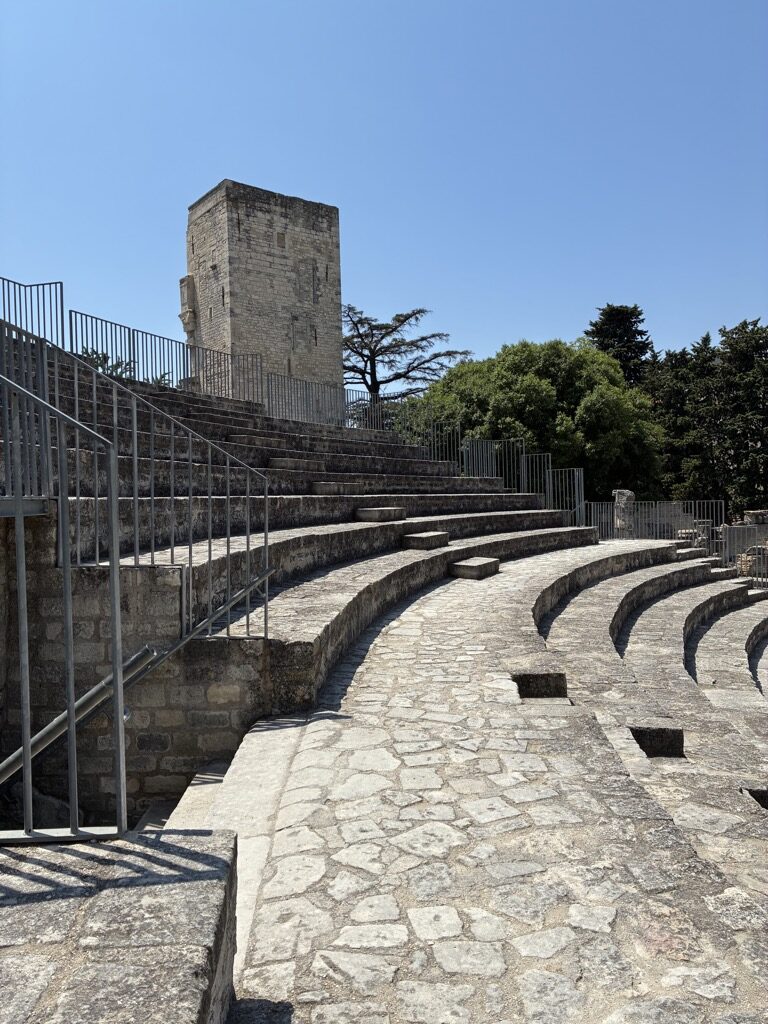
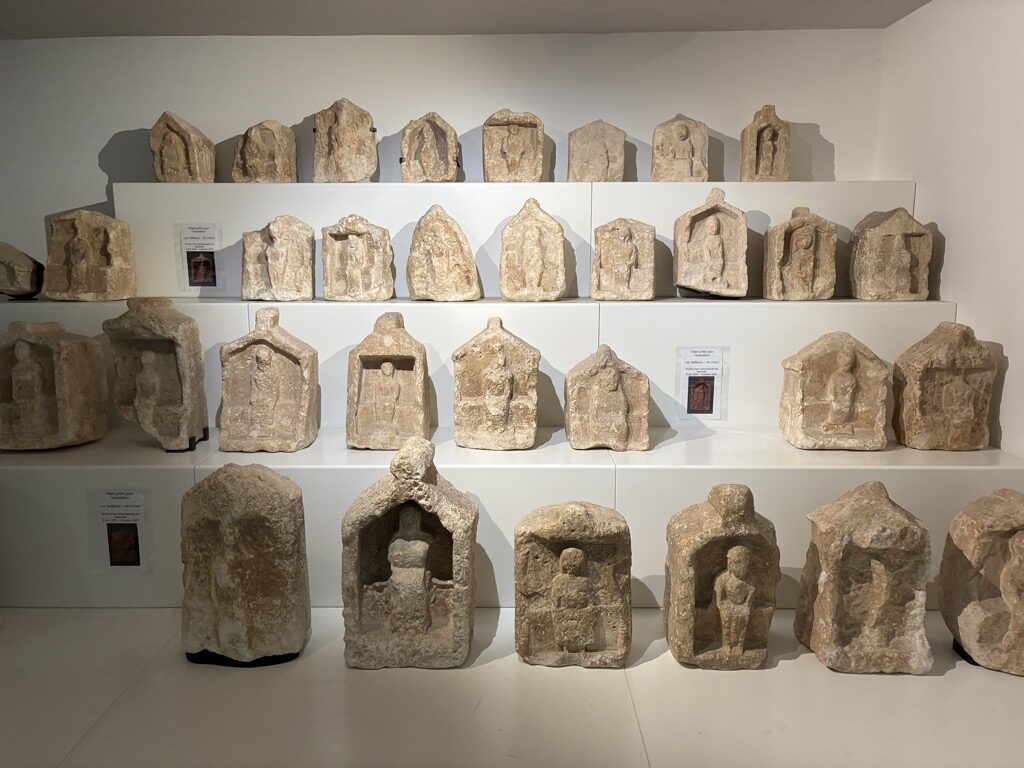
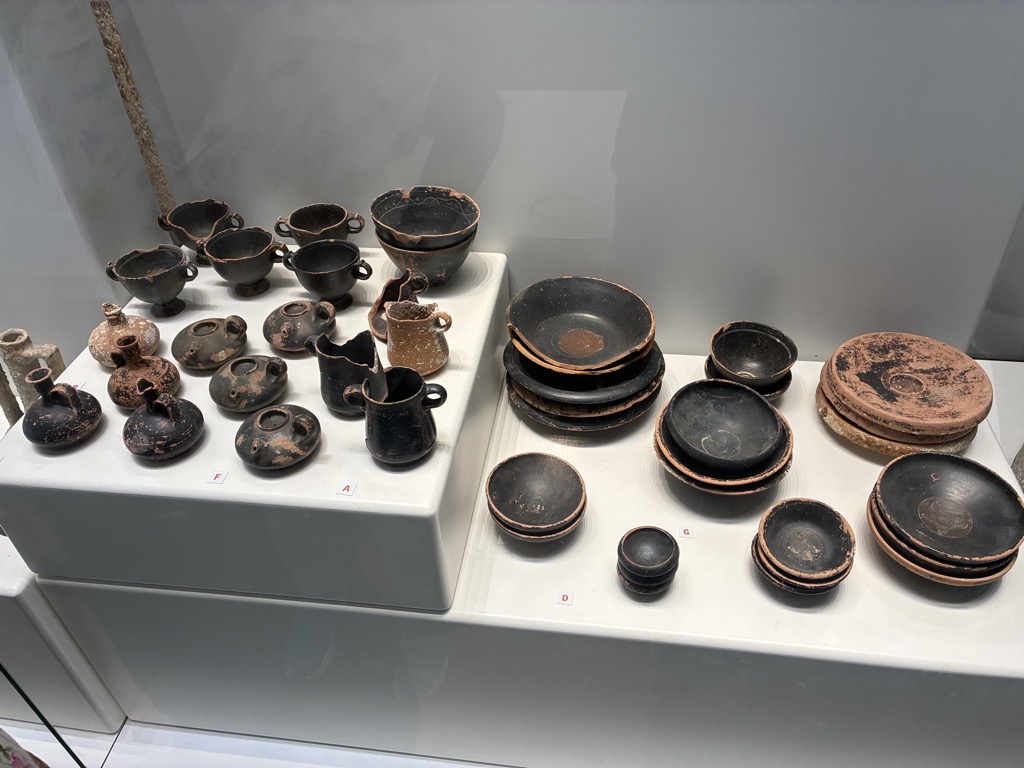
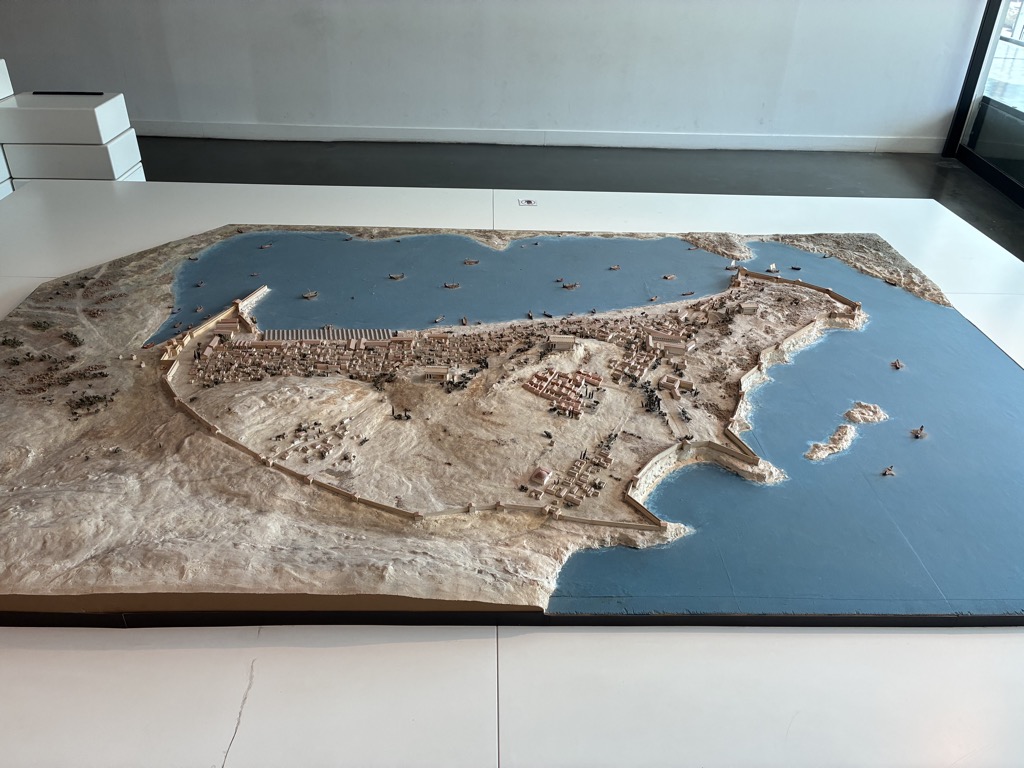
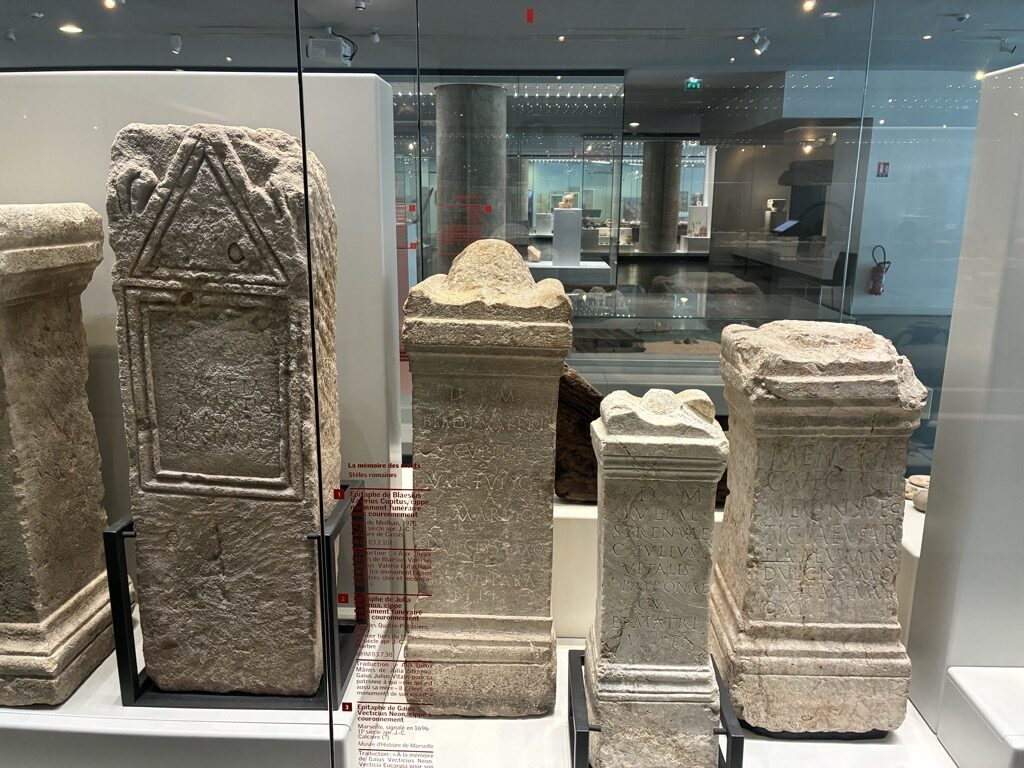
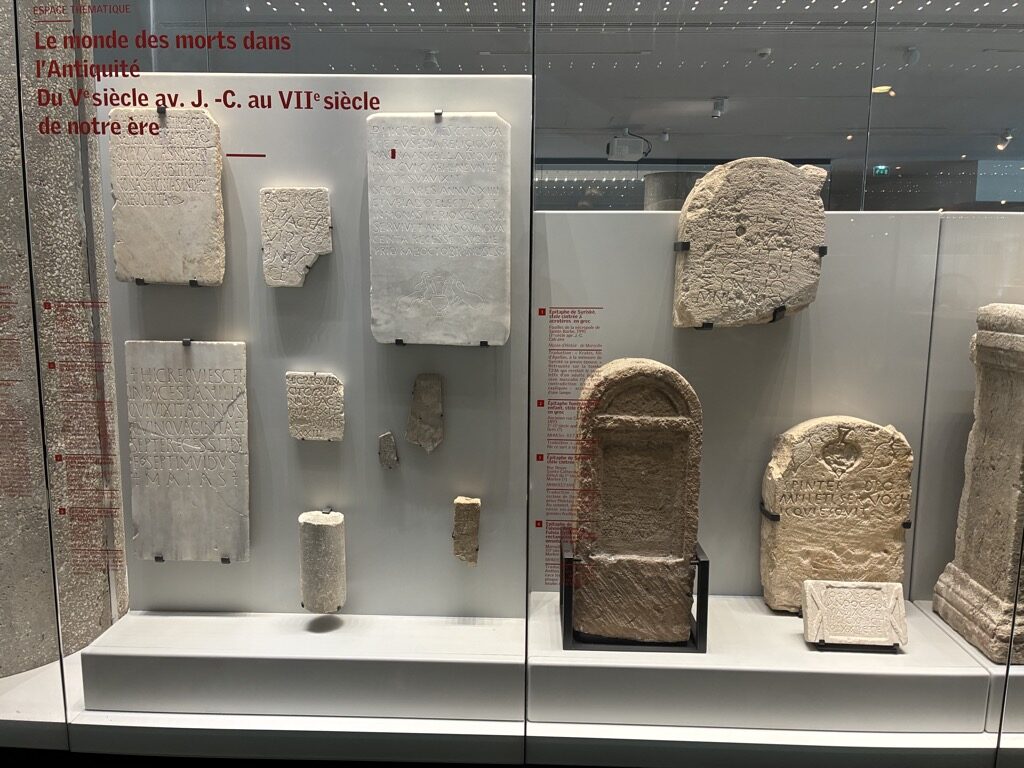
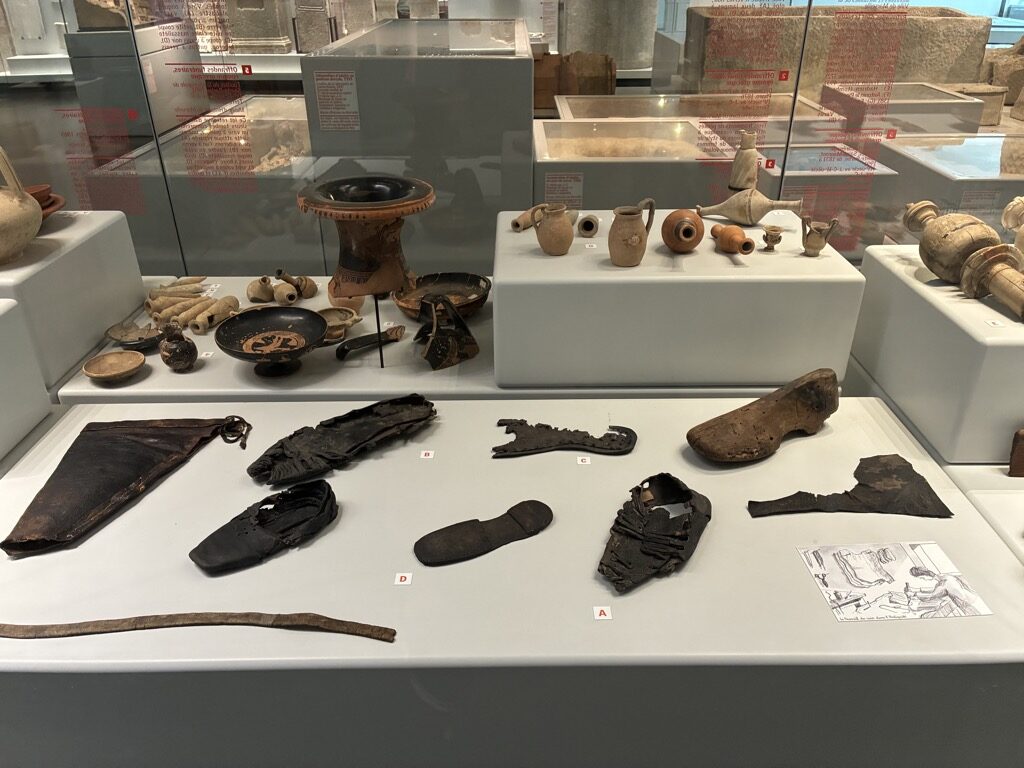
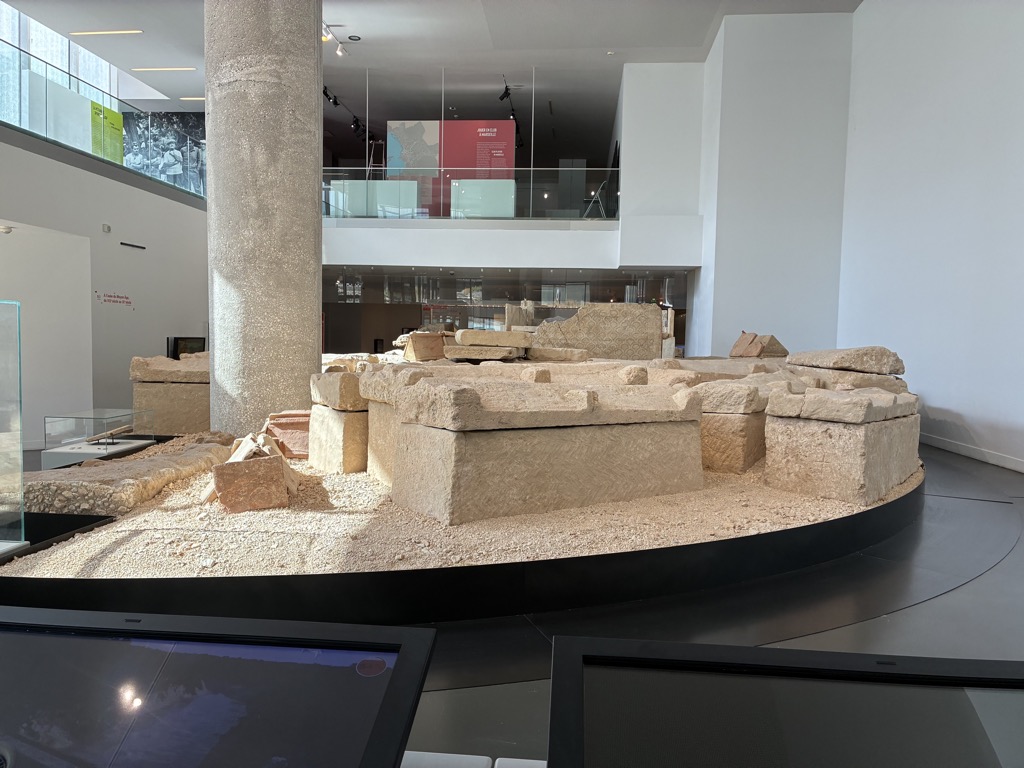
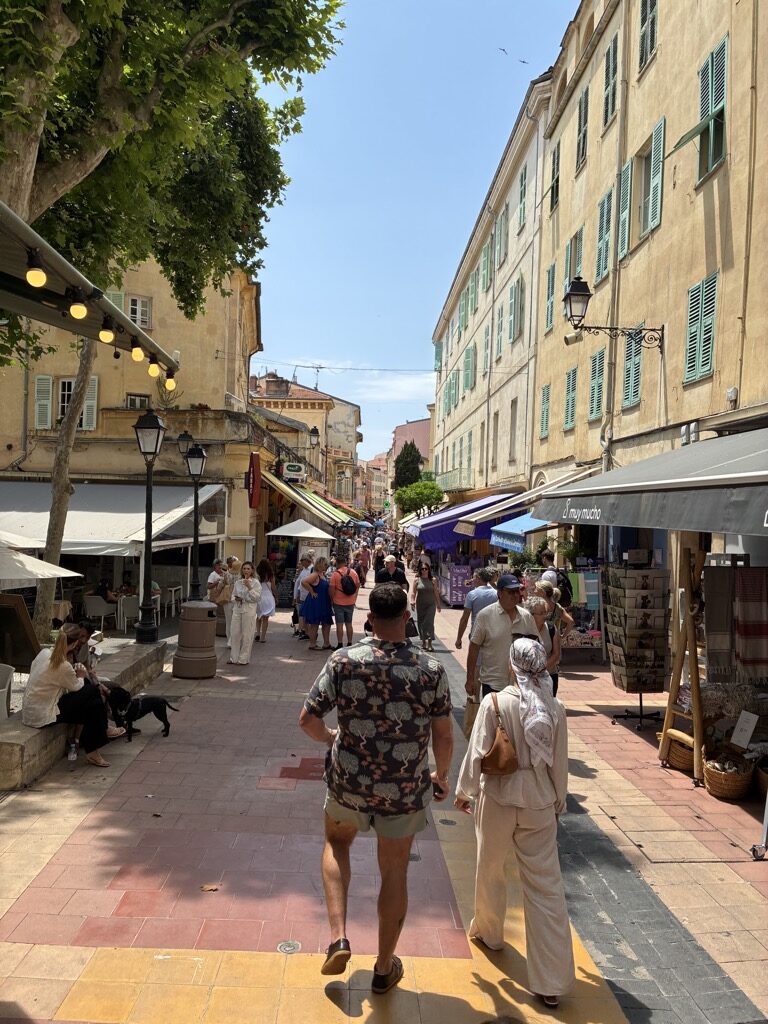
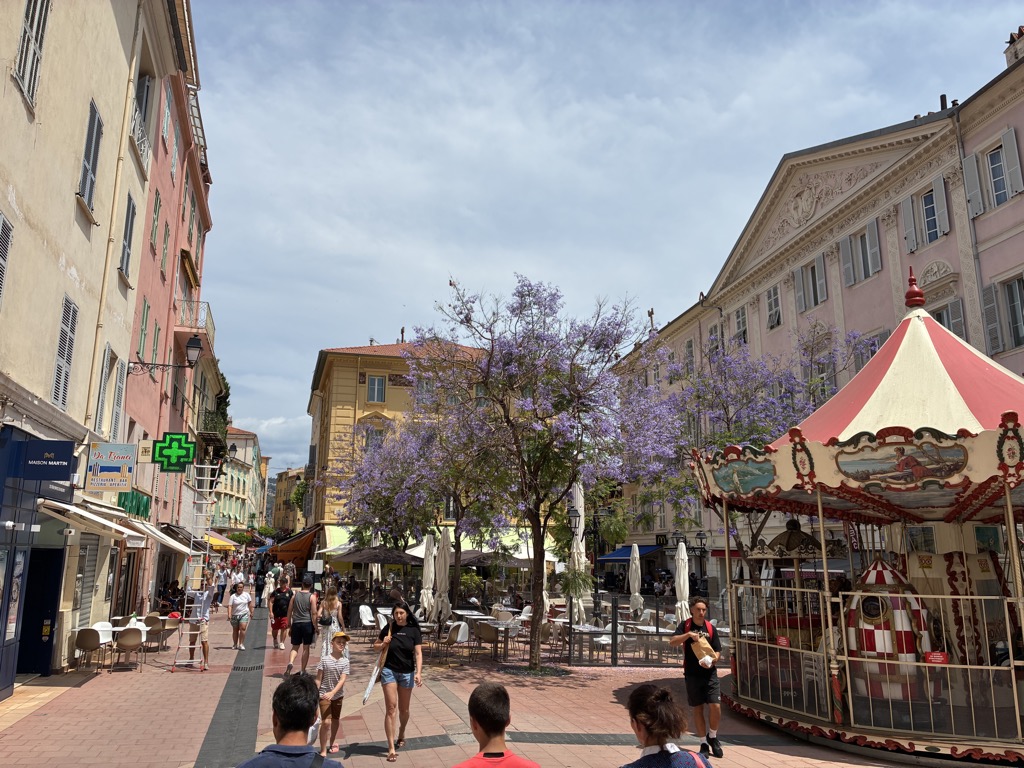
One of my favourite places to visit was a Roman amphitheater, but mind your step – some areas are kept in their original shape and might not be as foot-friendly, as my wife unfortunately found out by stepping on an uneven stone and twisting her ankle. Last but not least are the markets—they are quite awesome. In larger cities, they can span wide and seem like an endless heaven for some
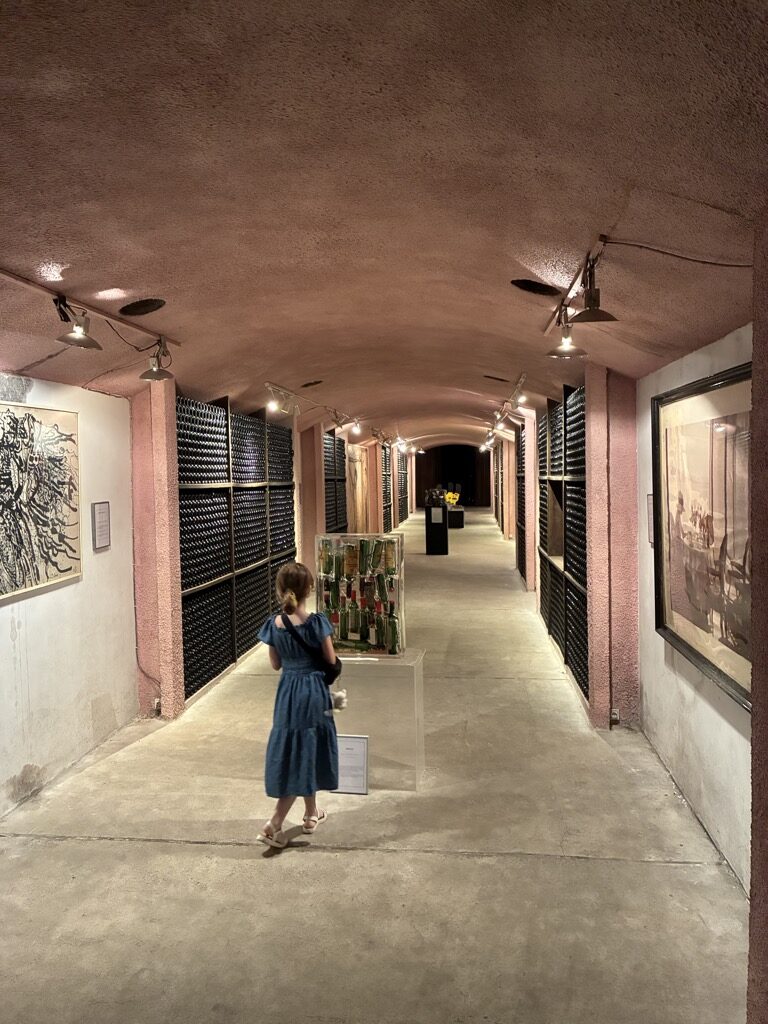
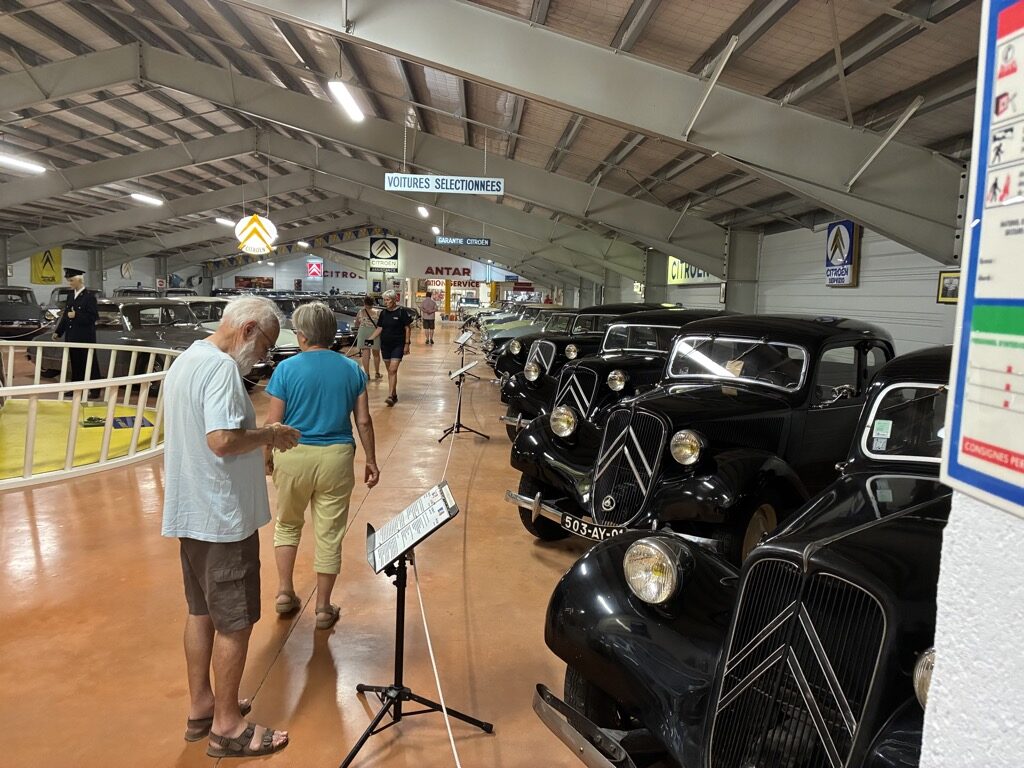
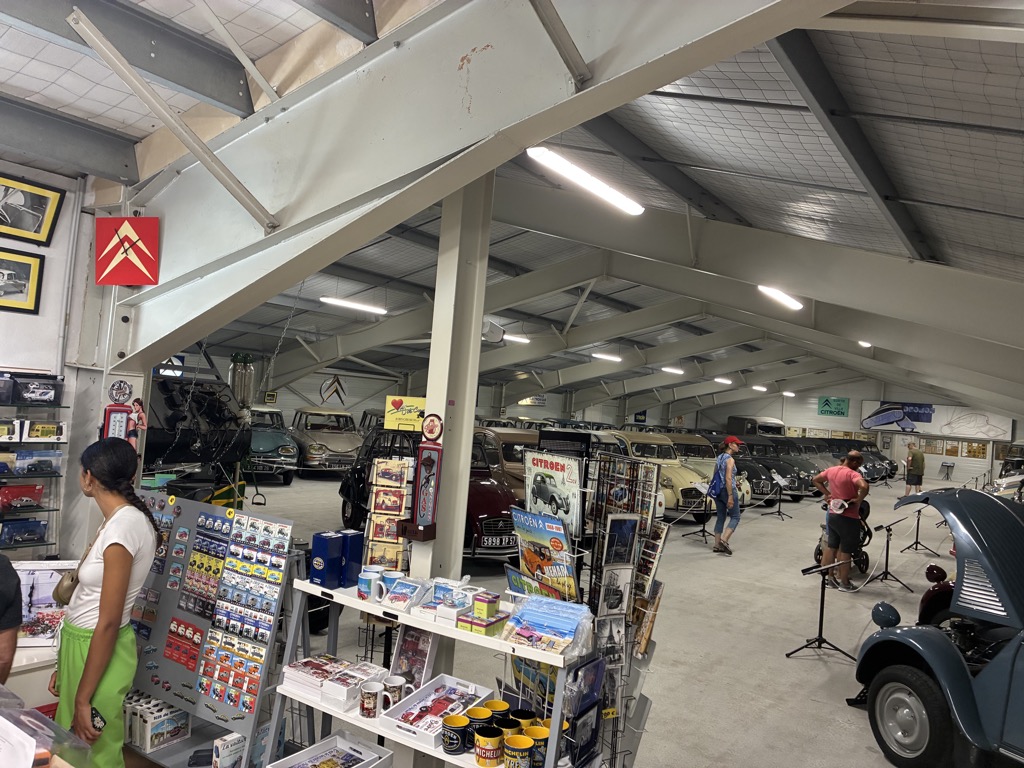
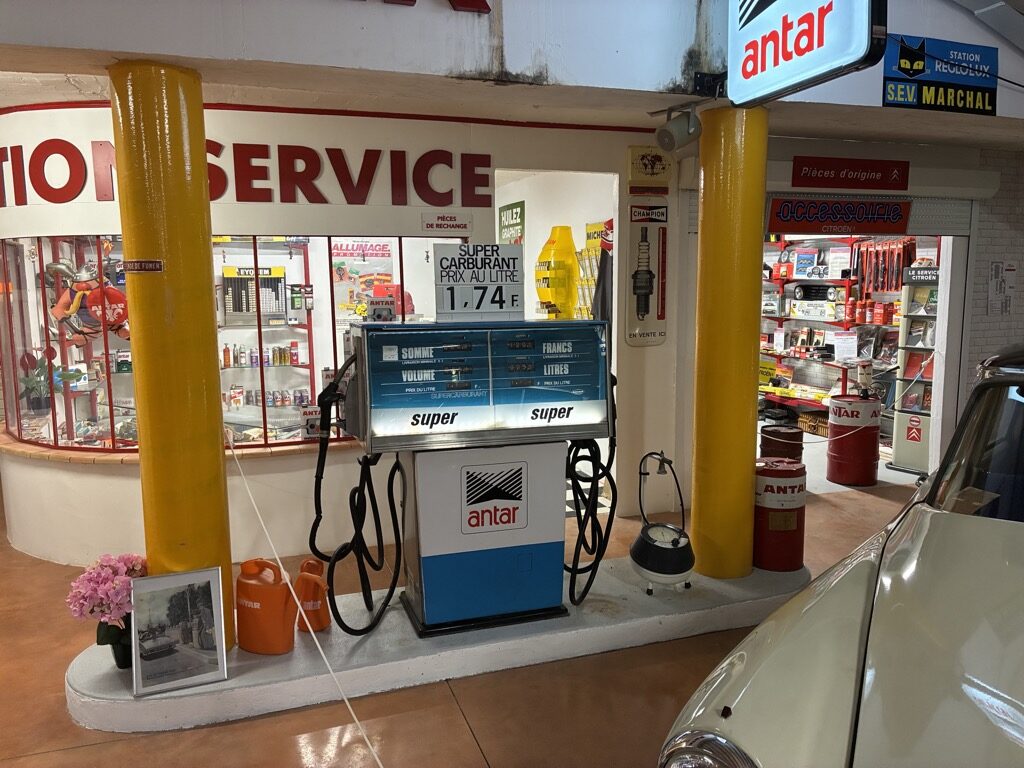
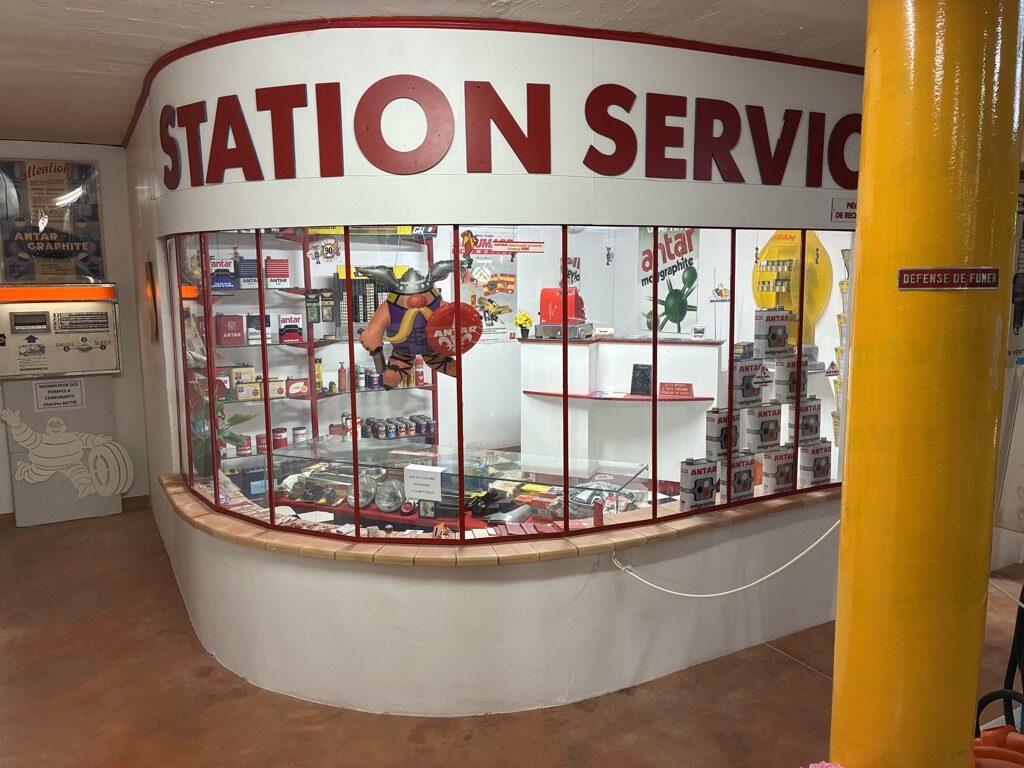
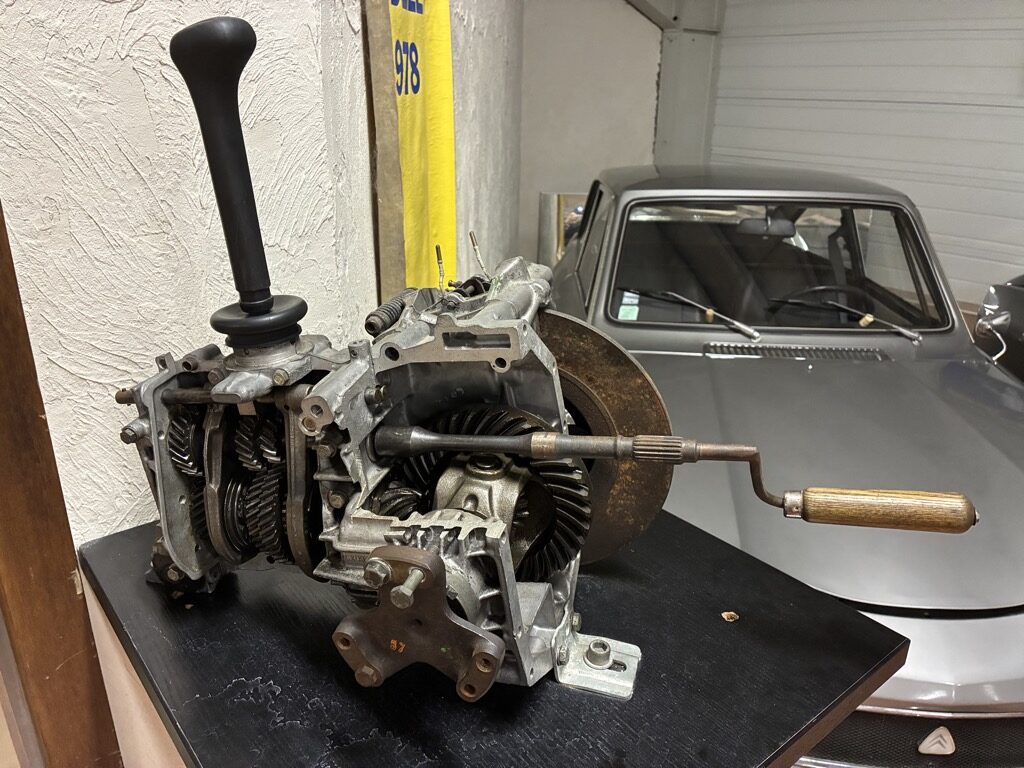
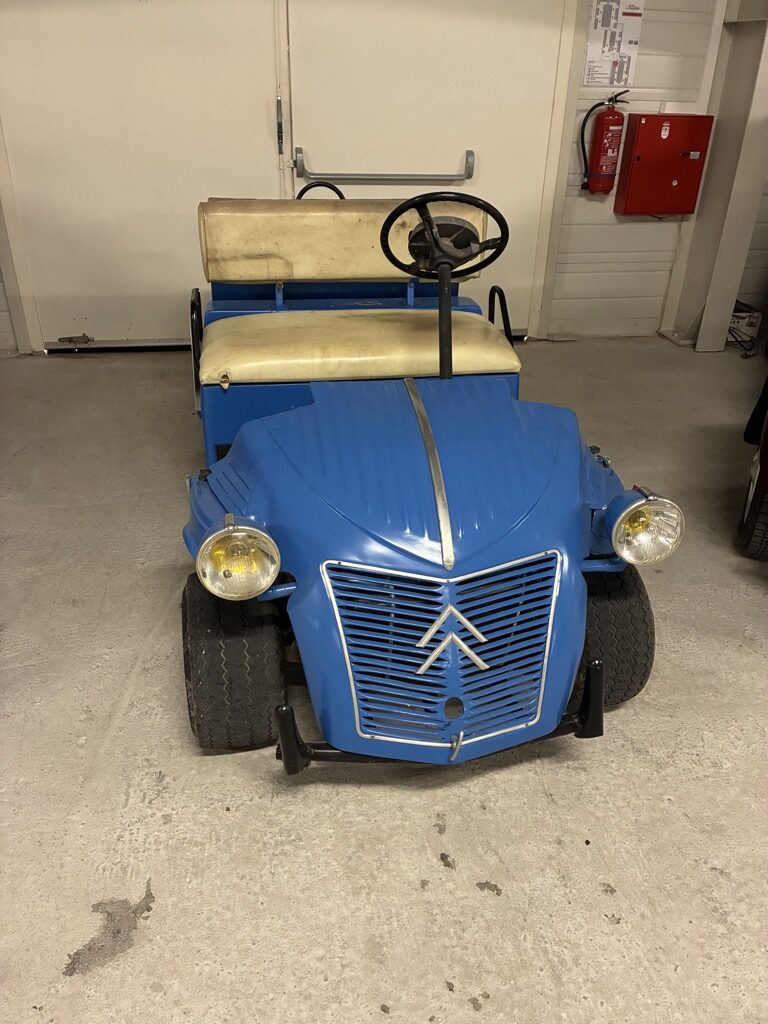
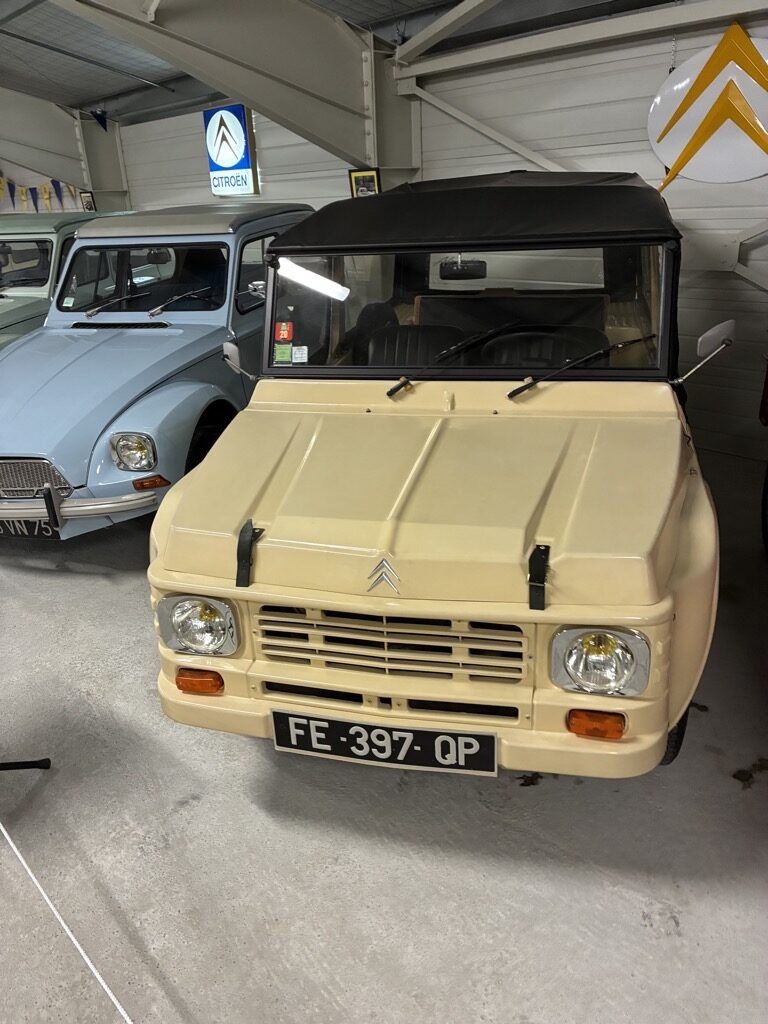
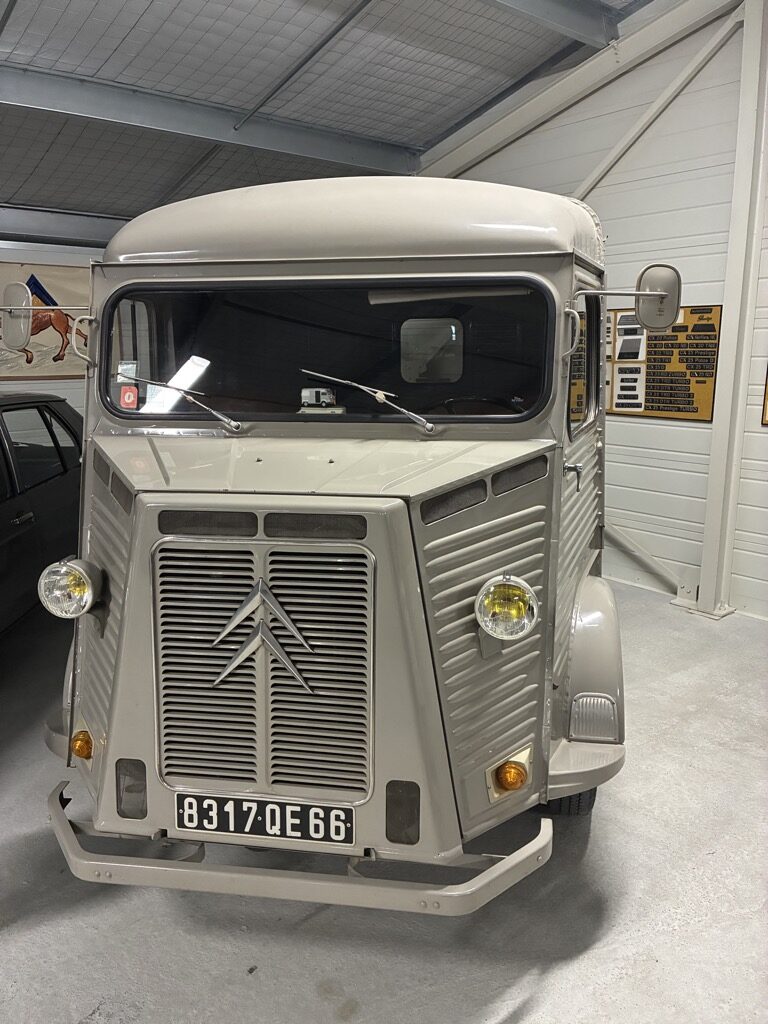
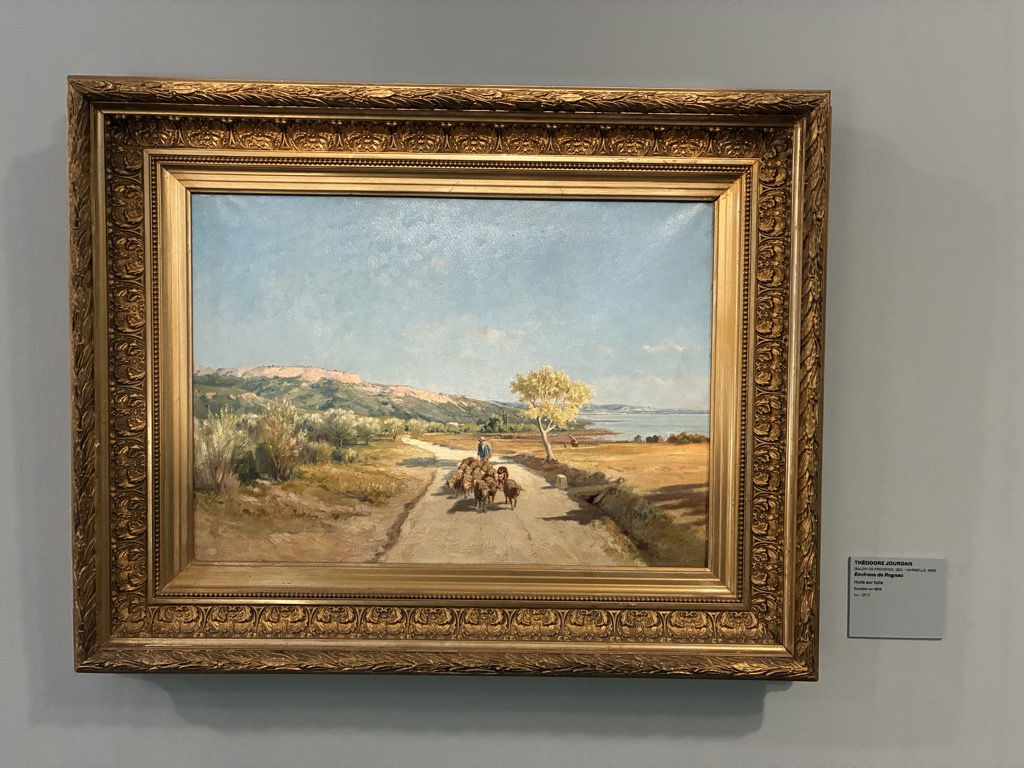
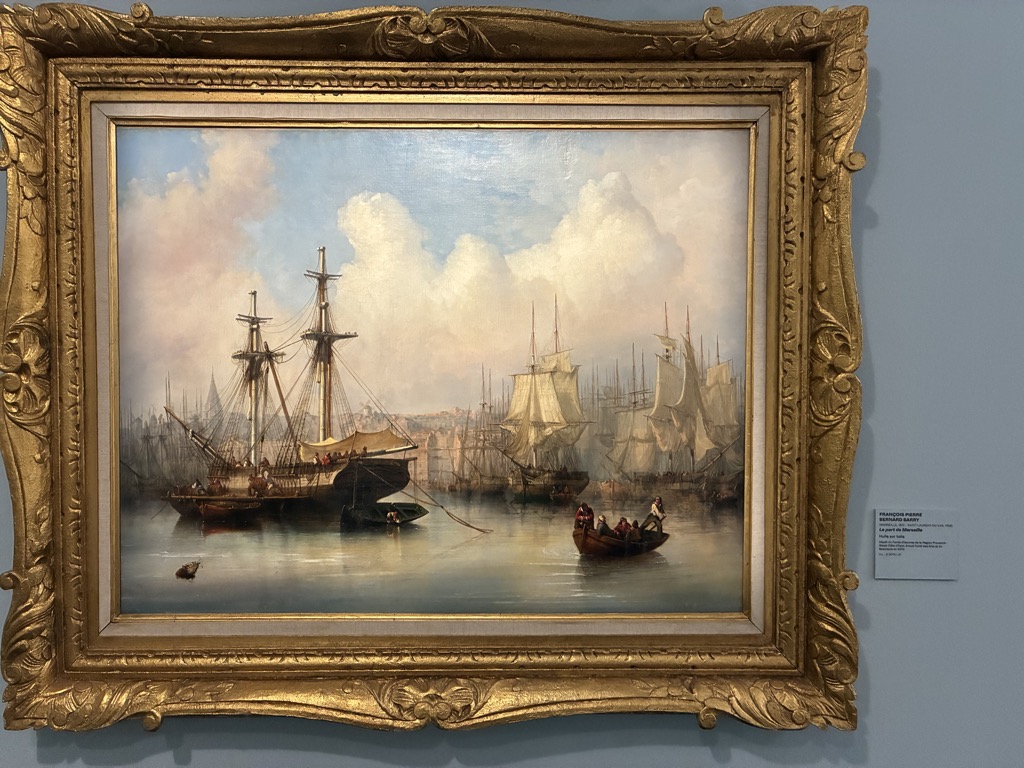
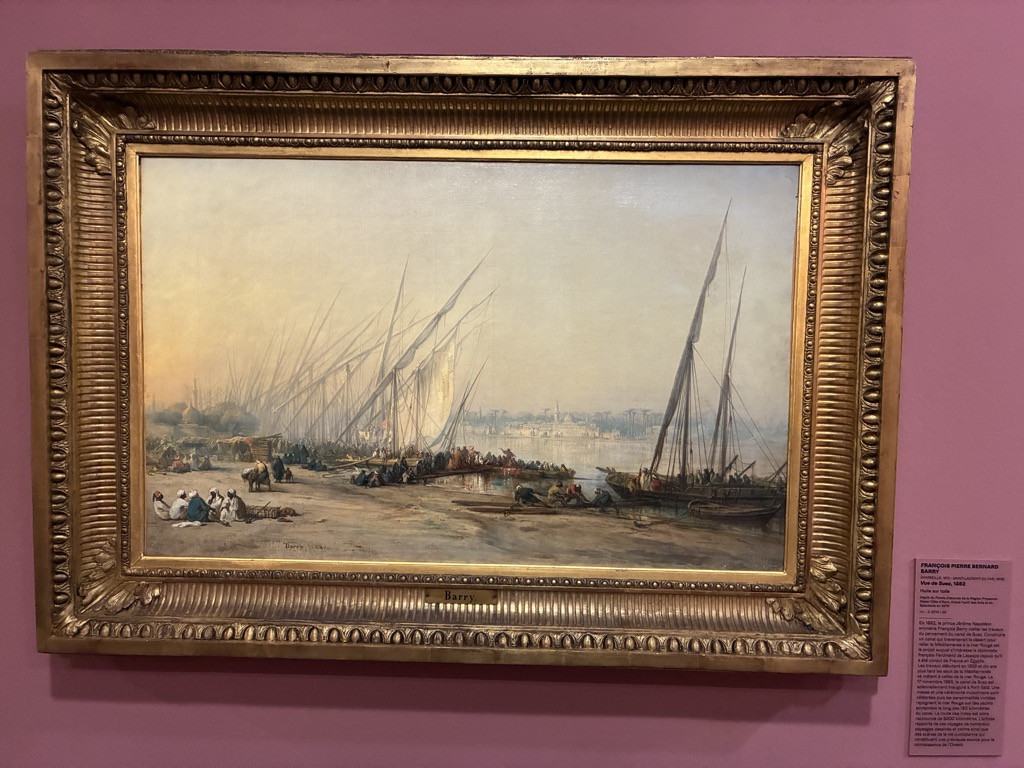
During our grand tour, we mostly visited private museums. Some were good, others not so much, and a couple were temporarily closed for restoration. If you enjoy car museums, I can recommend Musée des Citroën as I enjoyed it immensely.
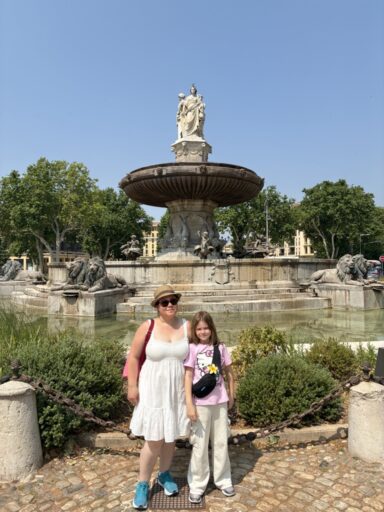
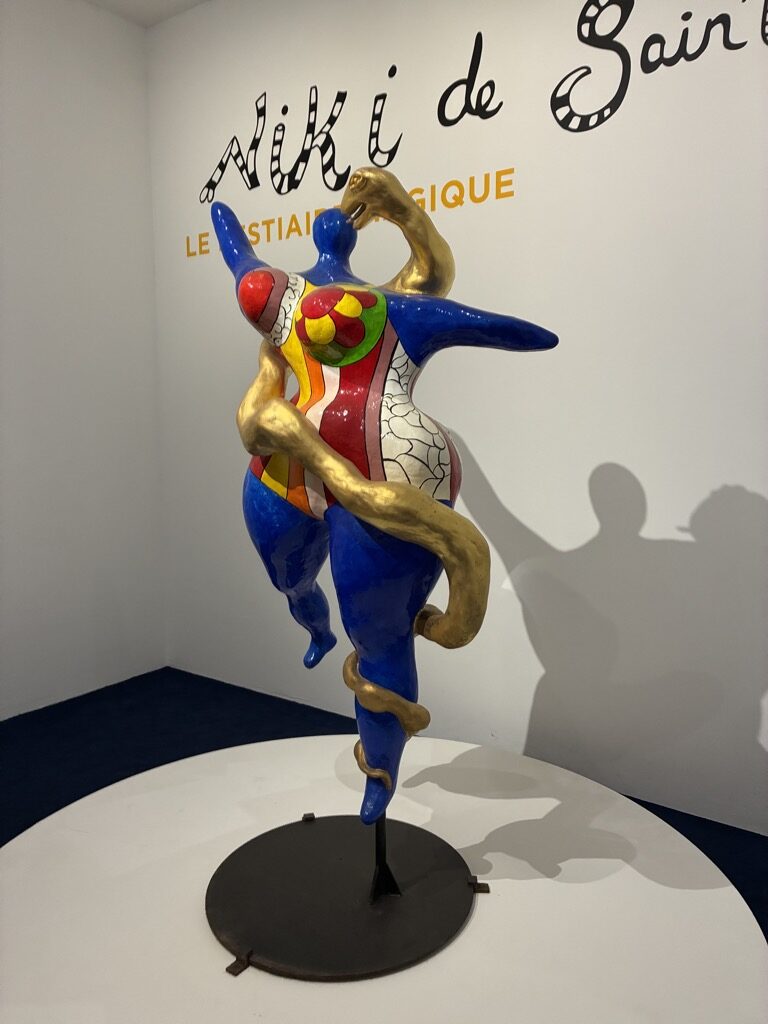
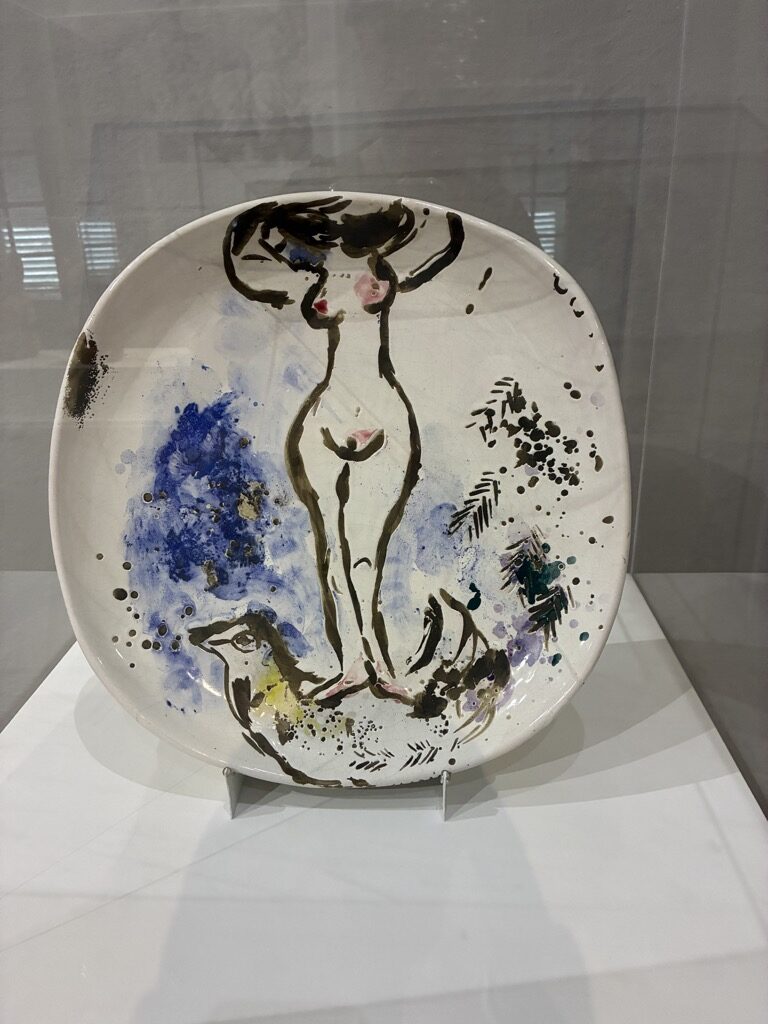
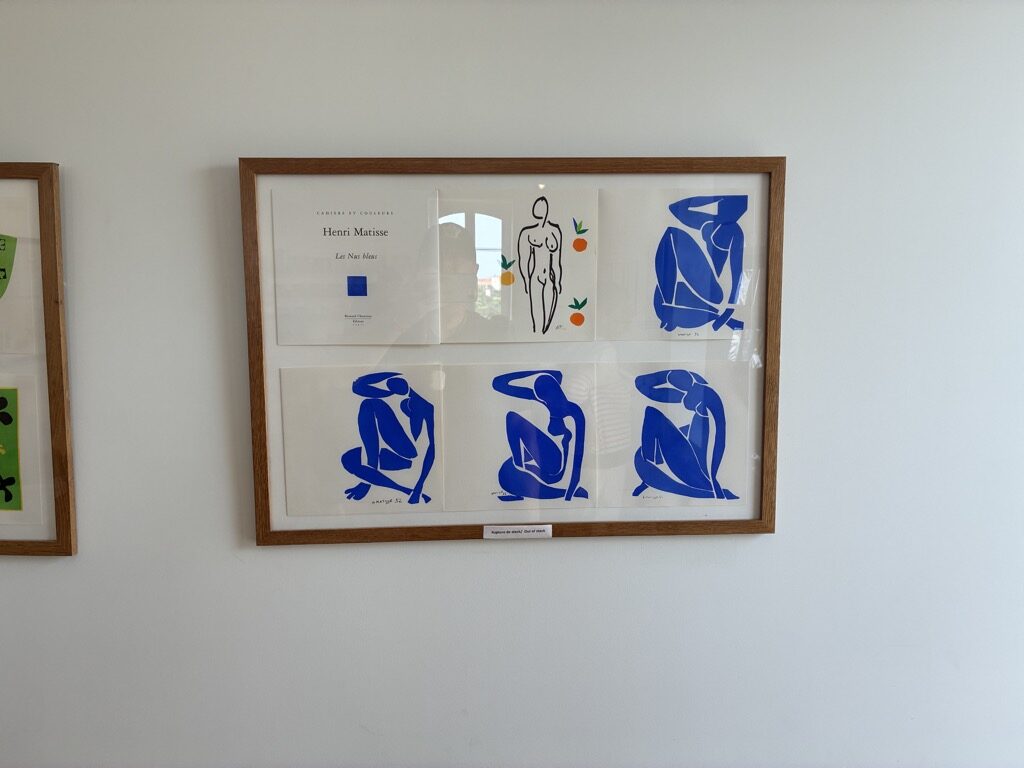
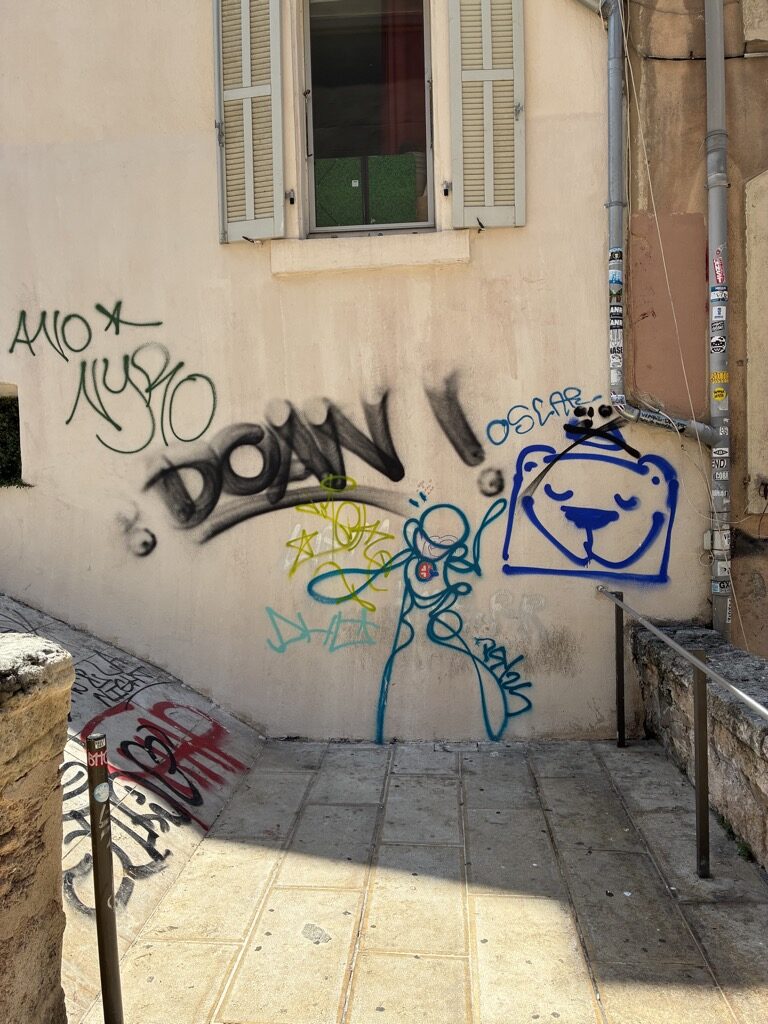
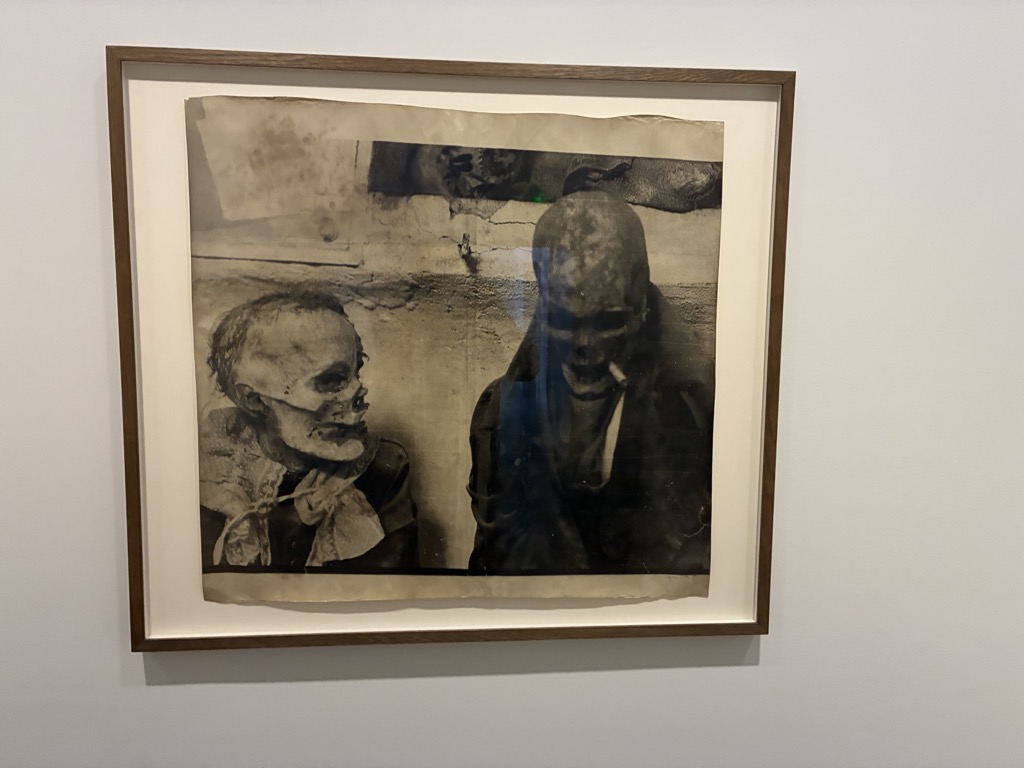
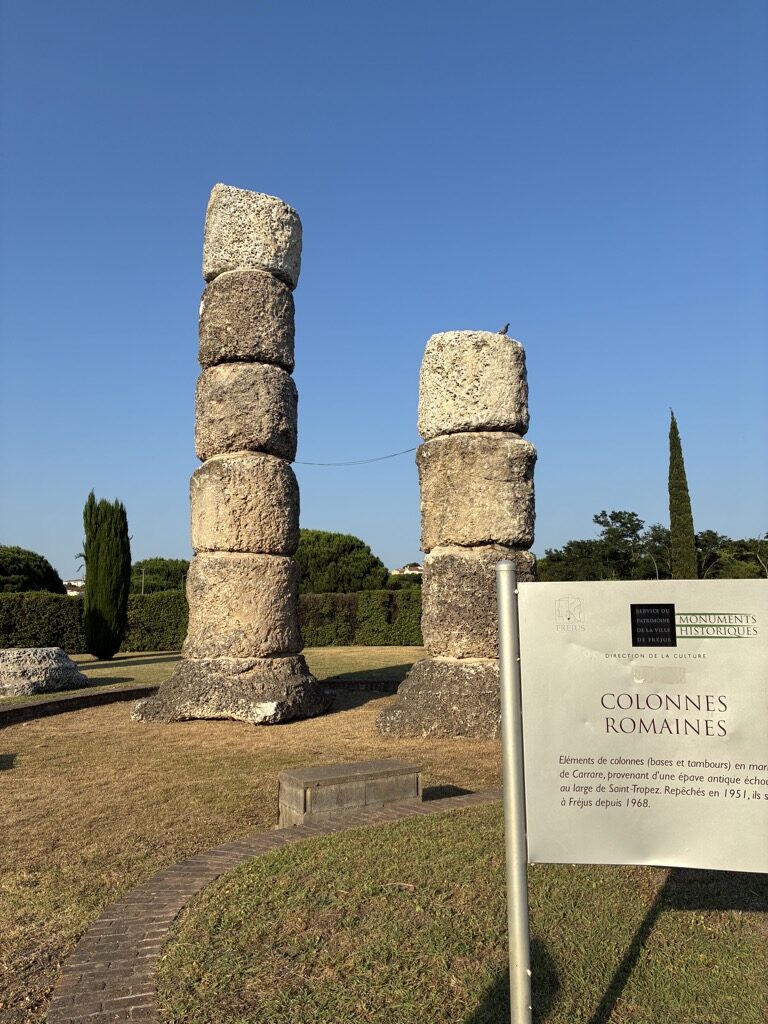
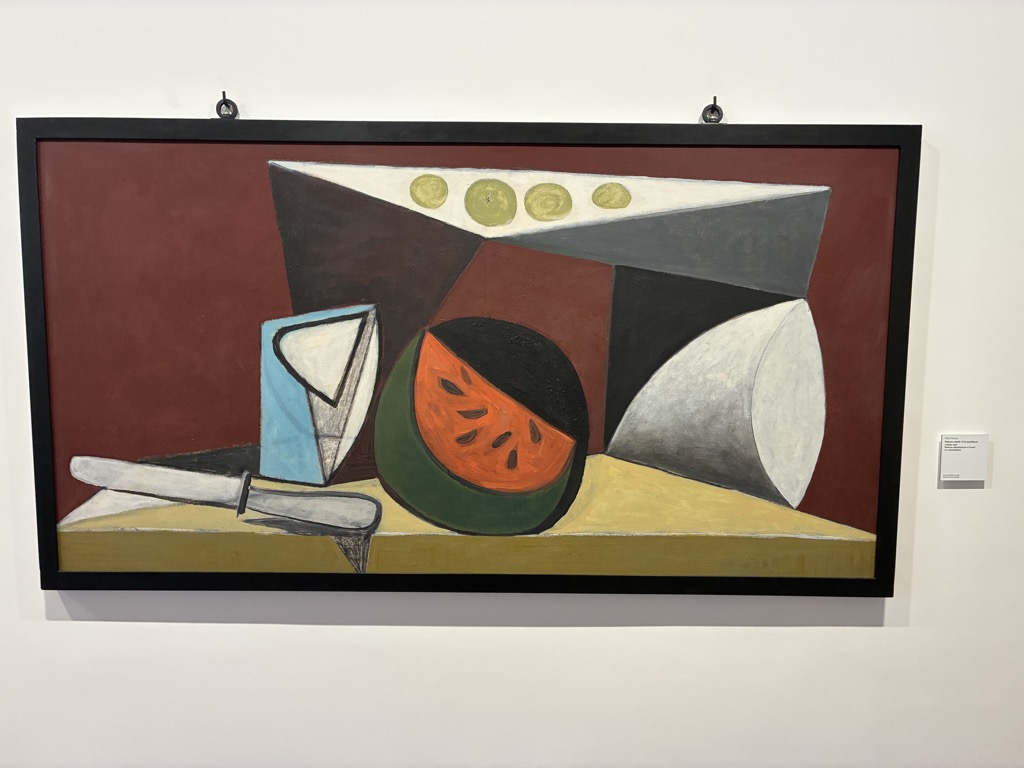
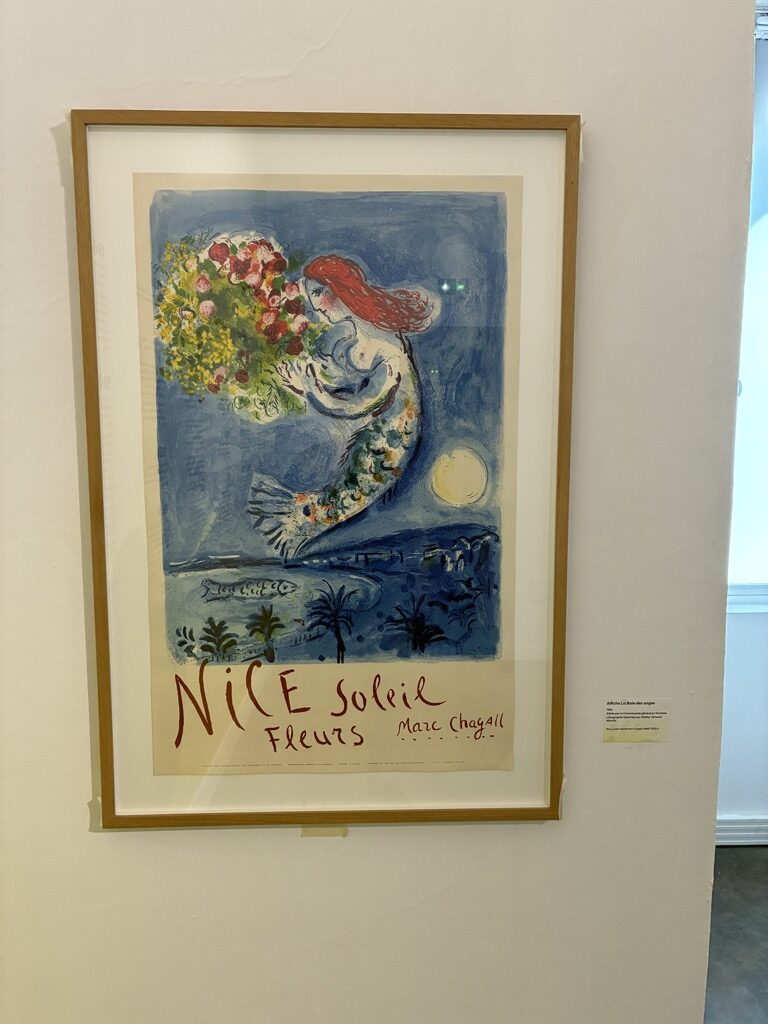
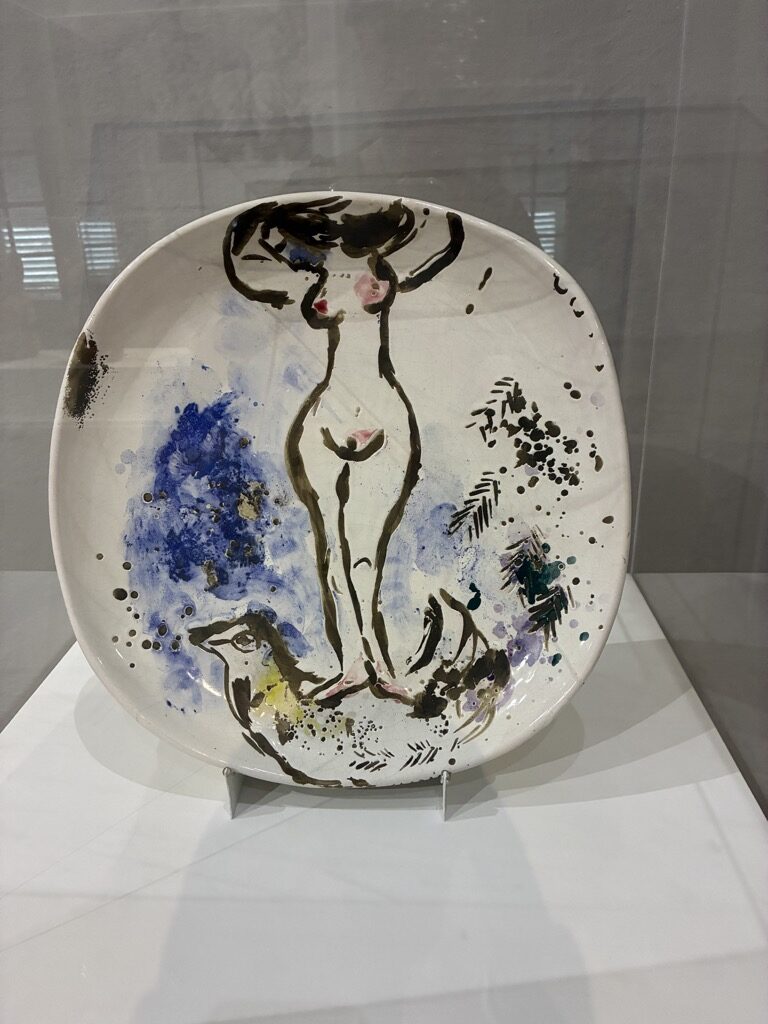
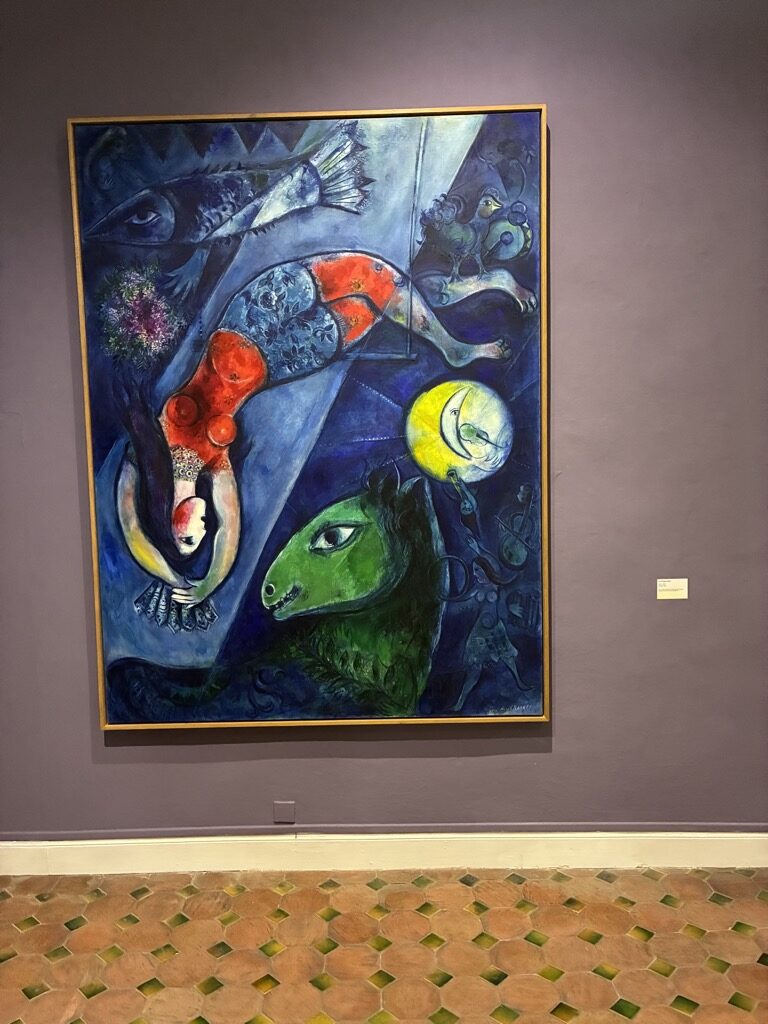
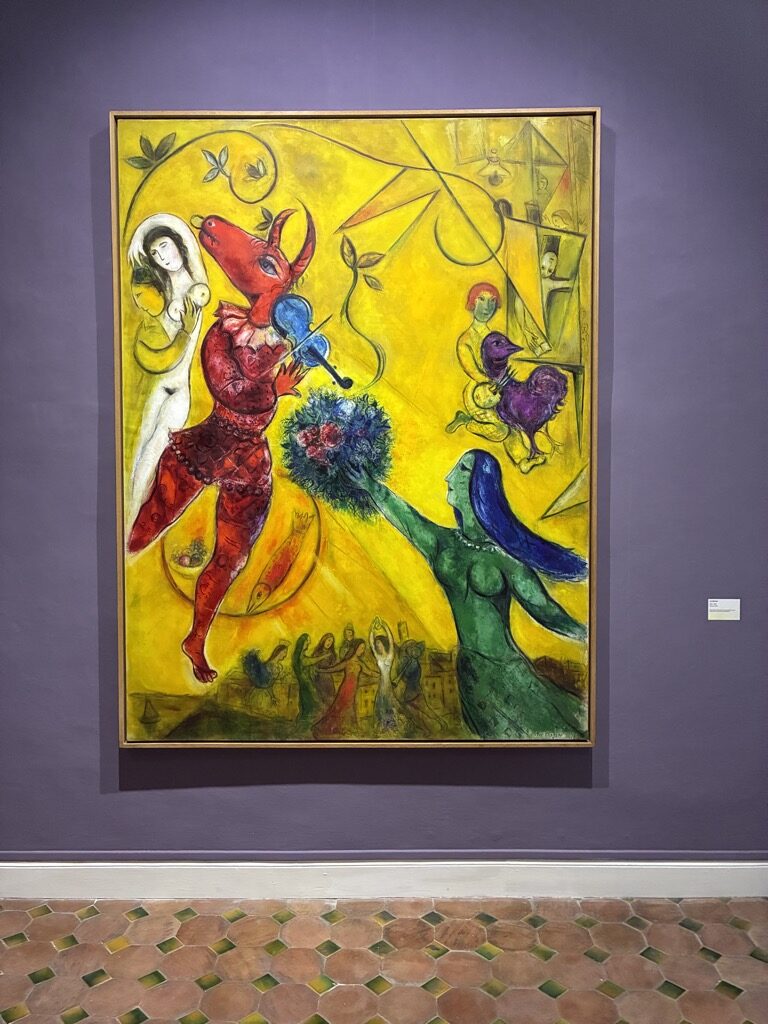
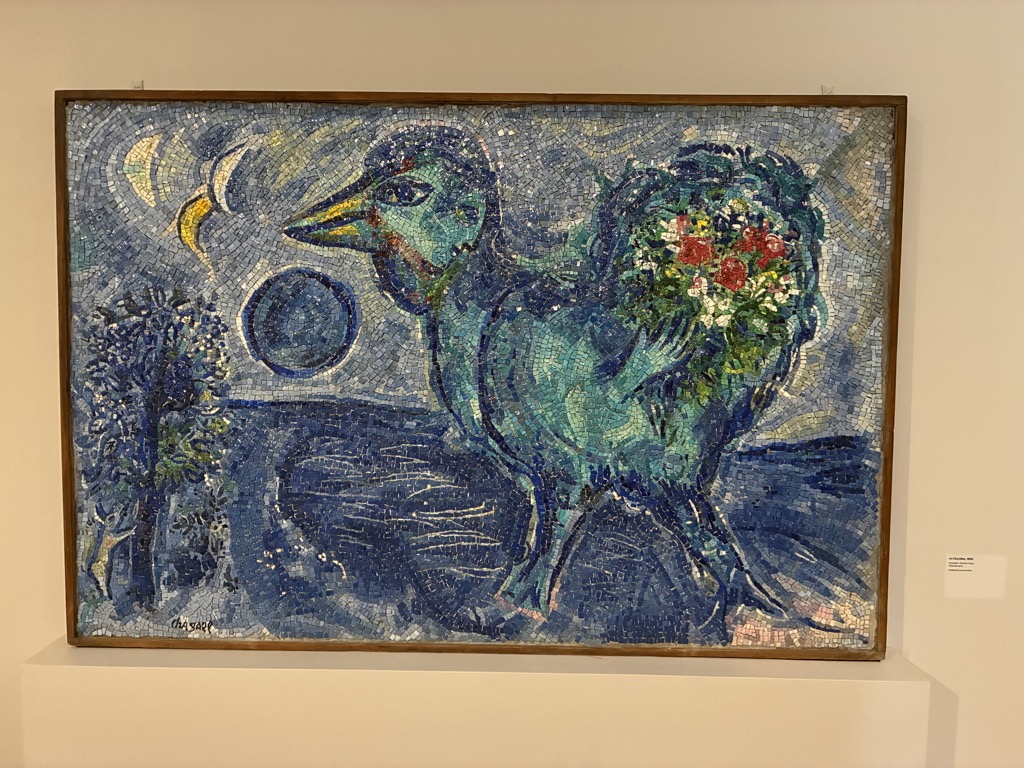
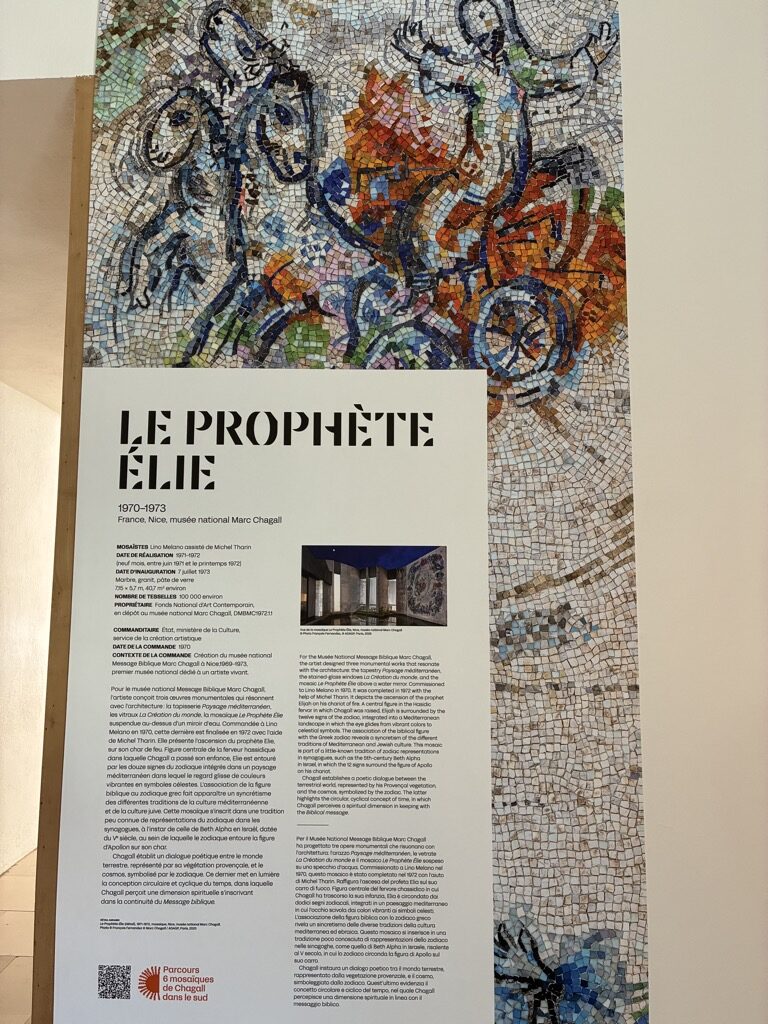
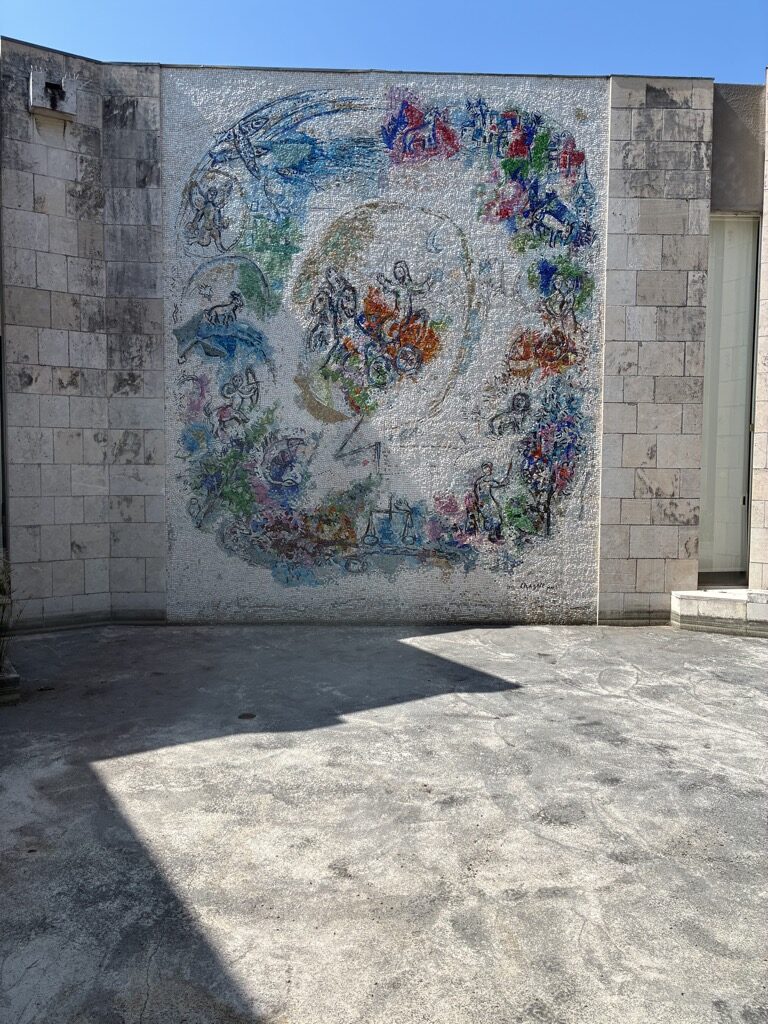
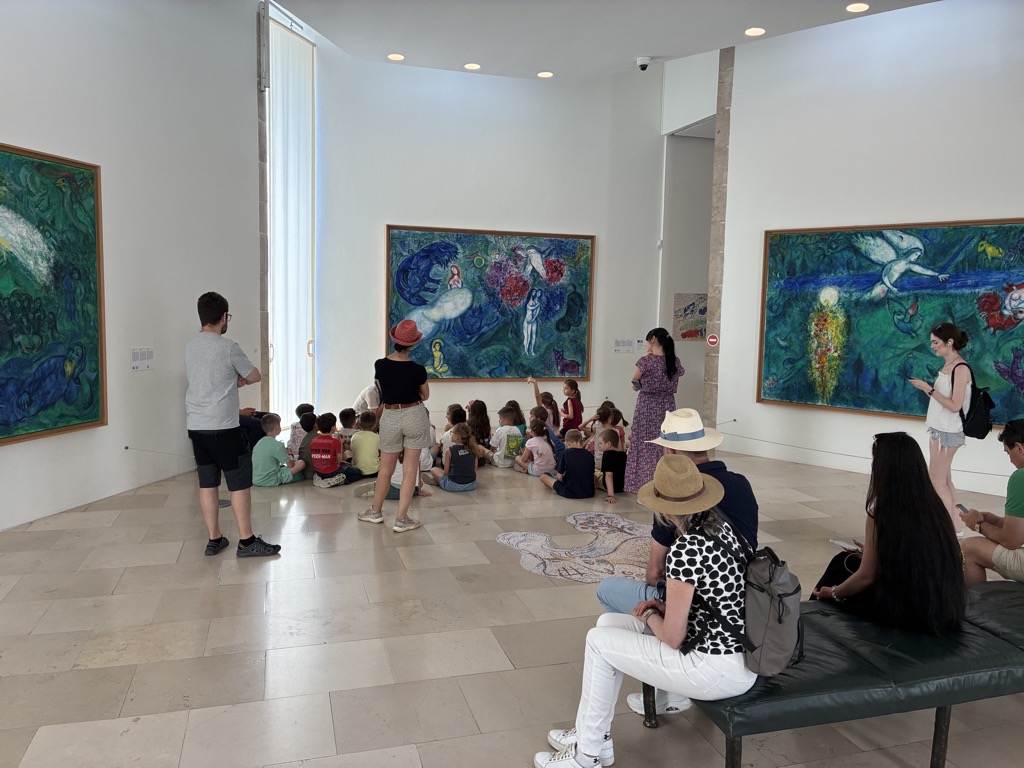
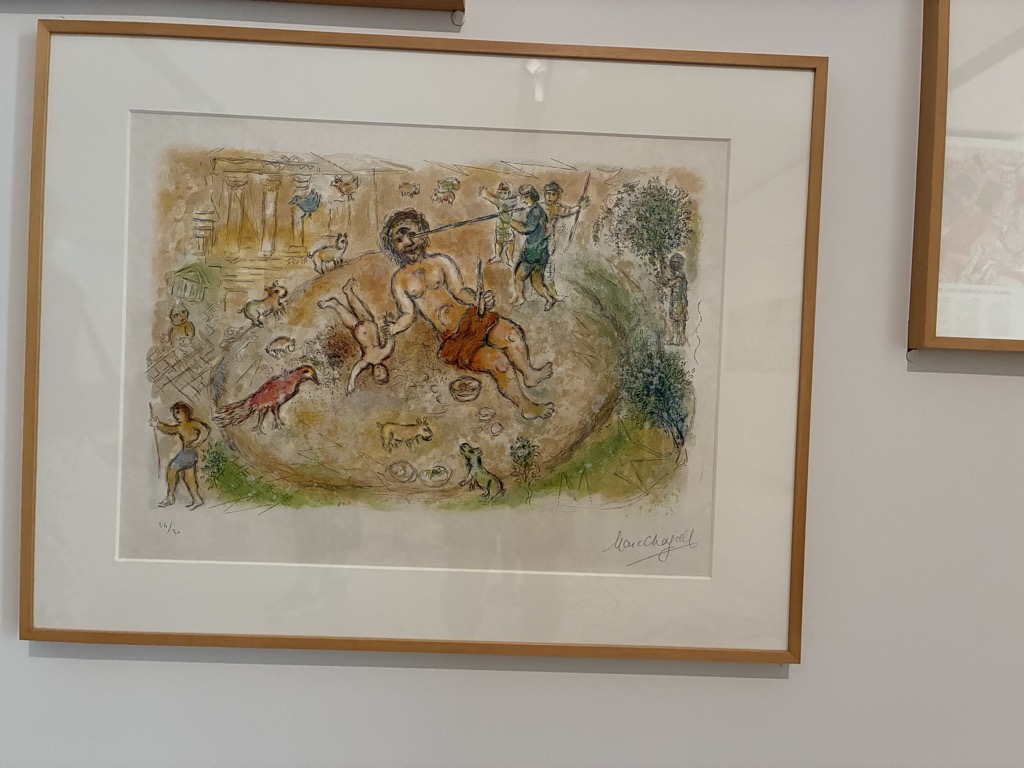
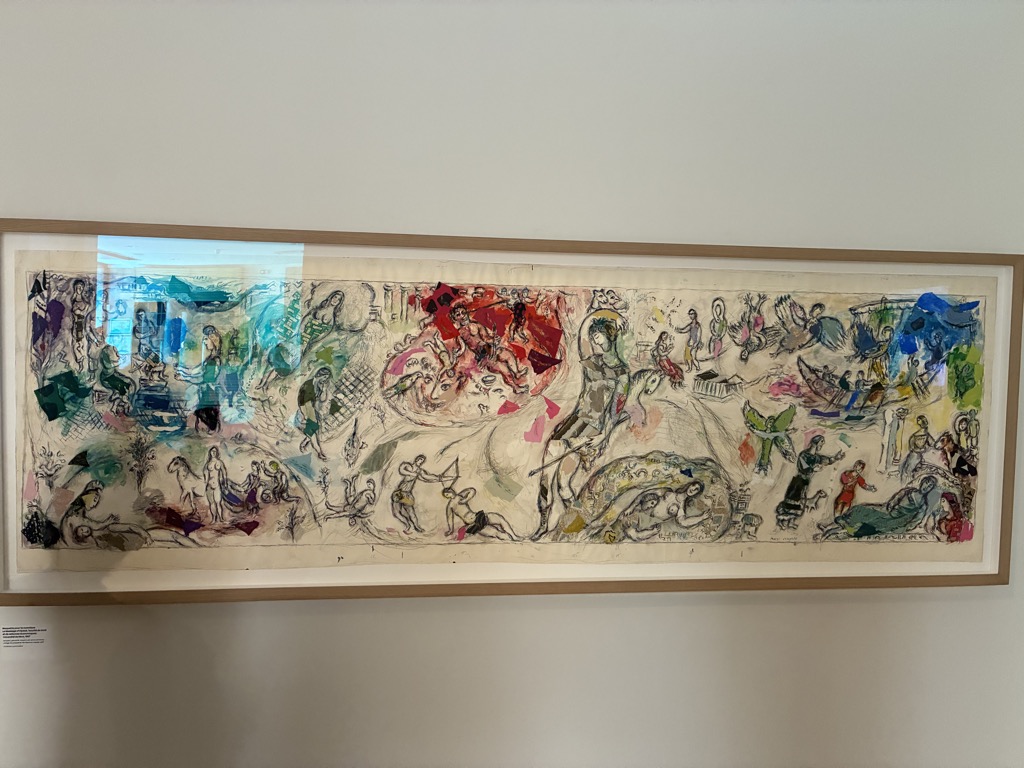
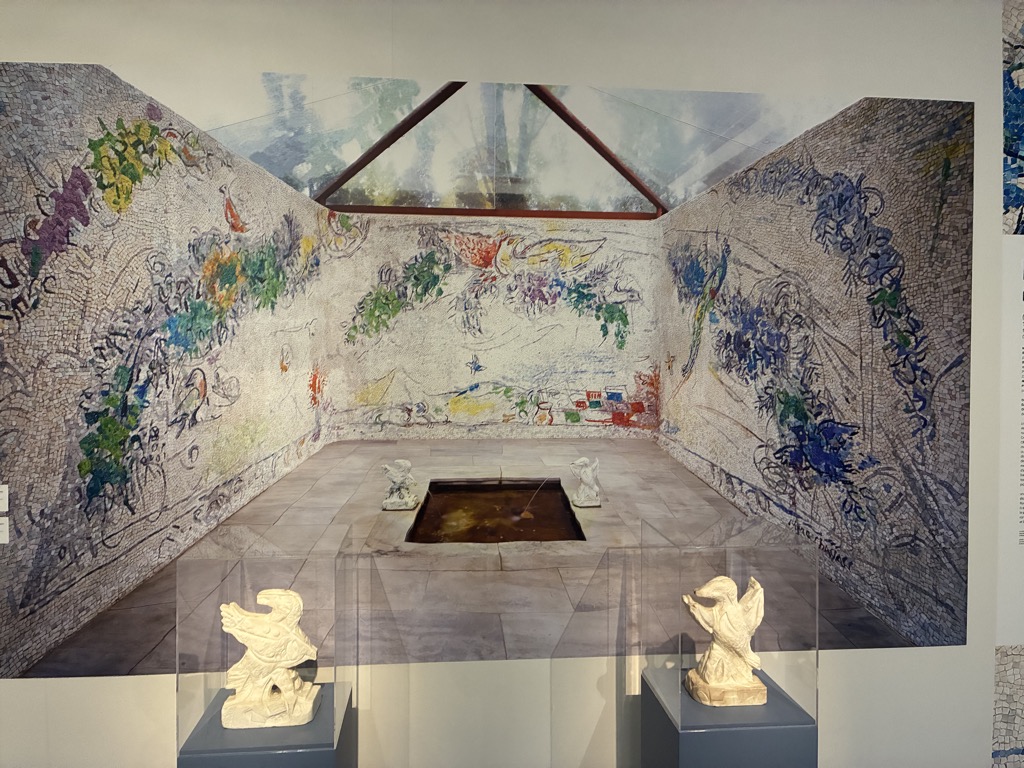
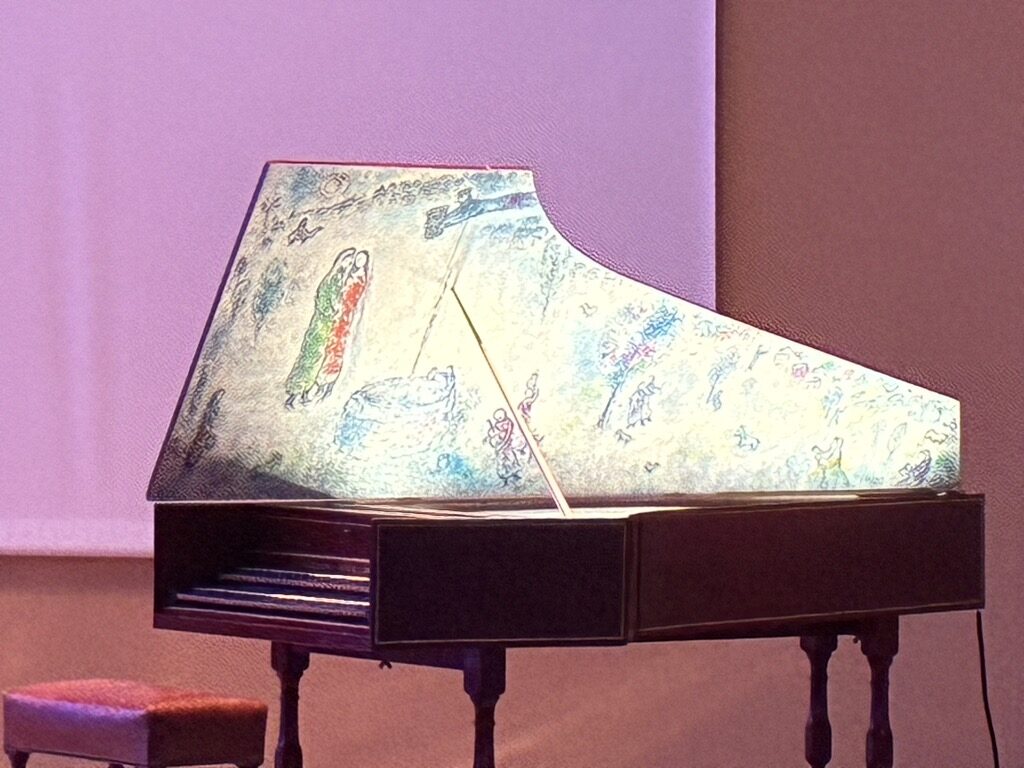
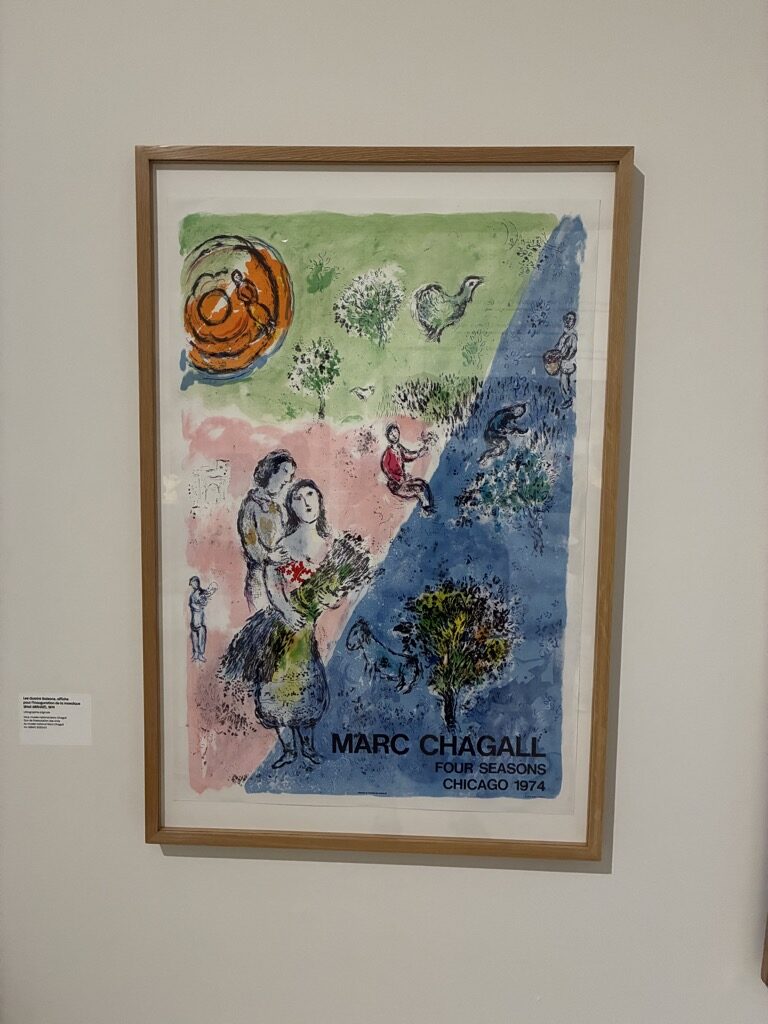
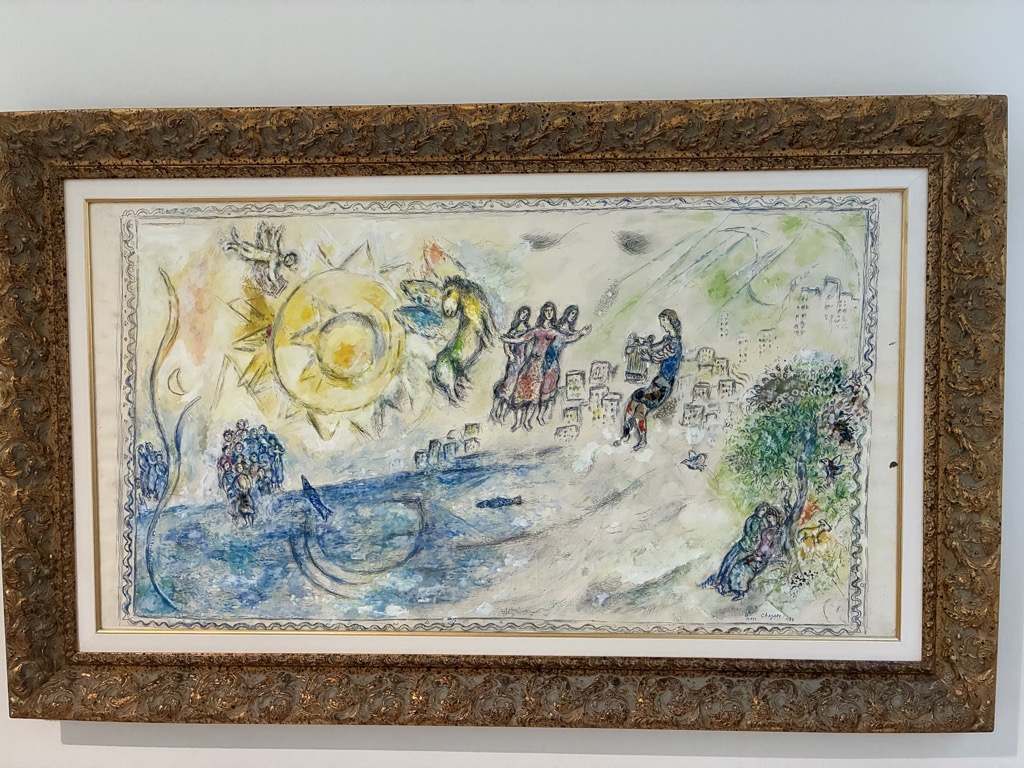
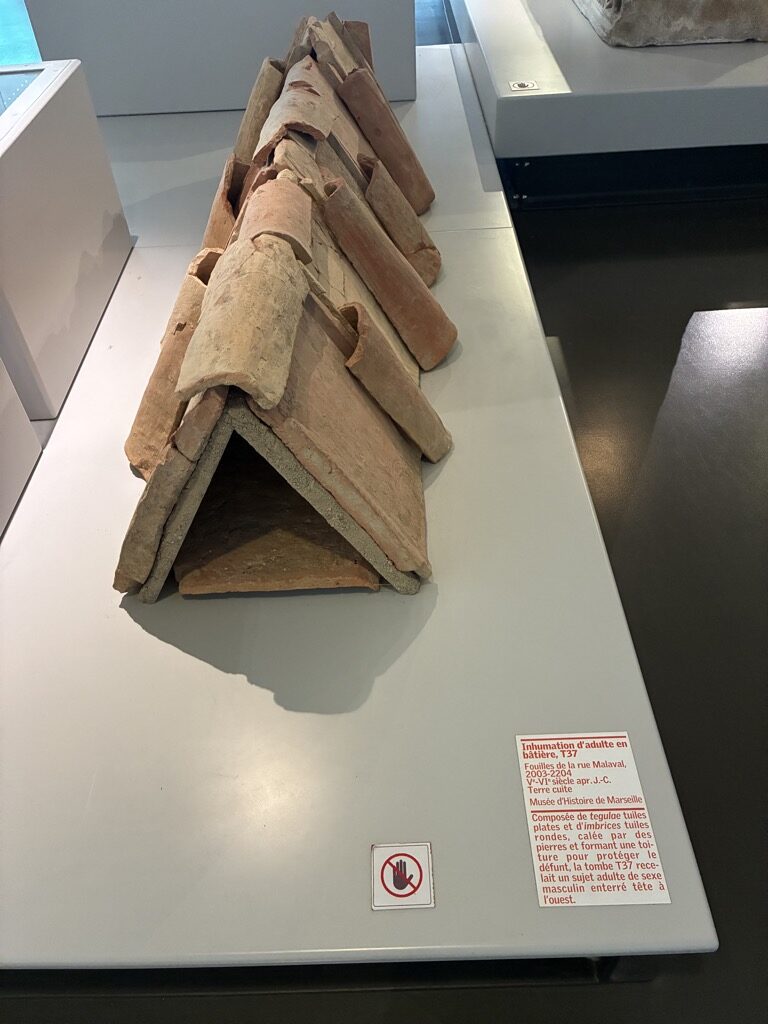
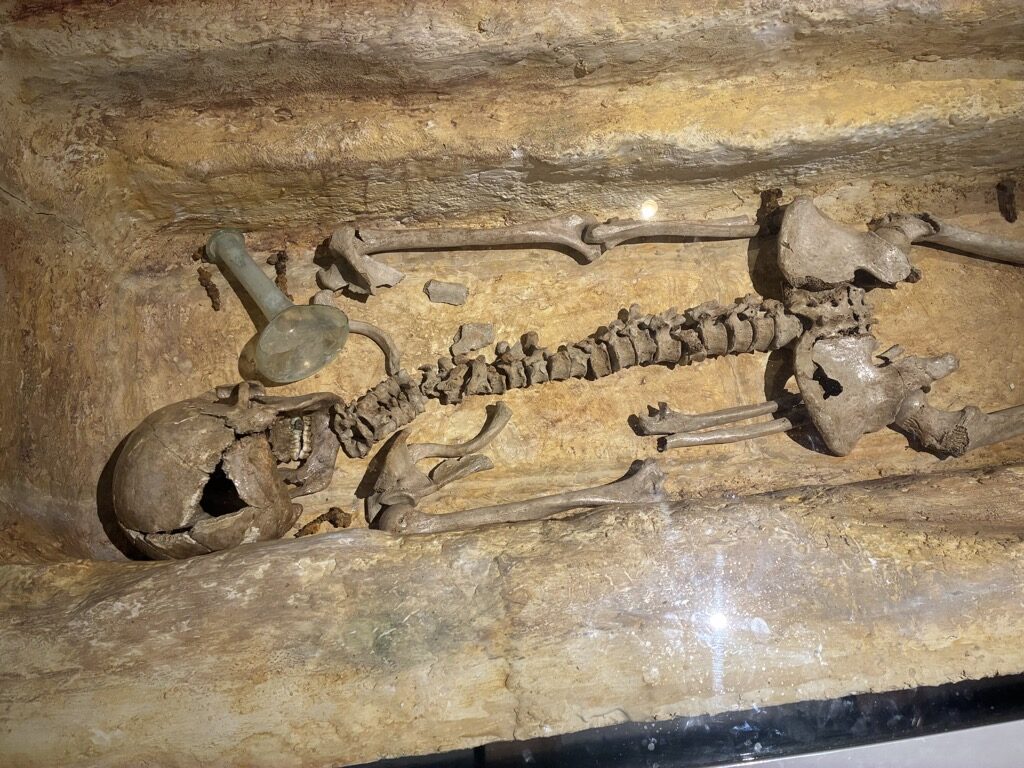
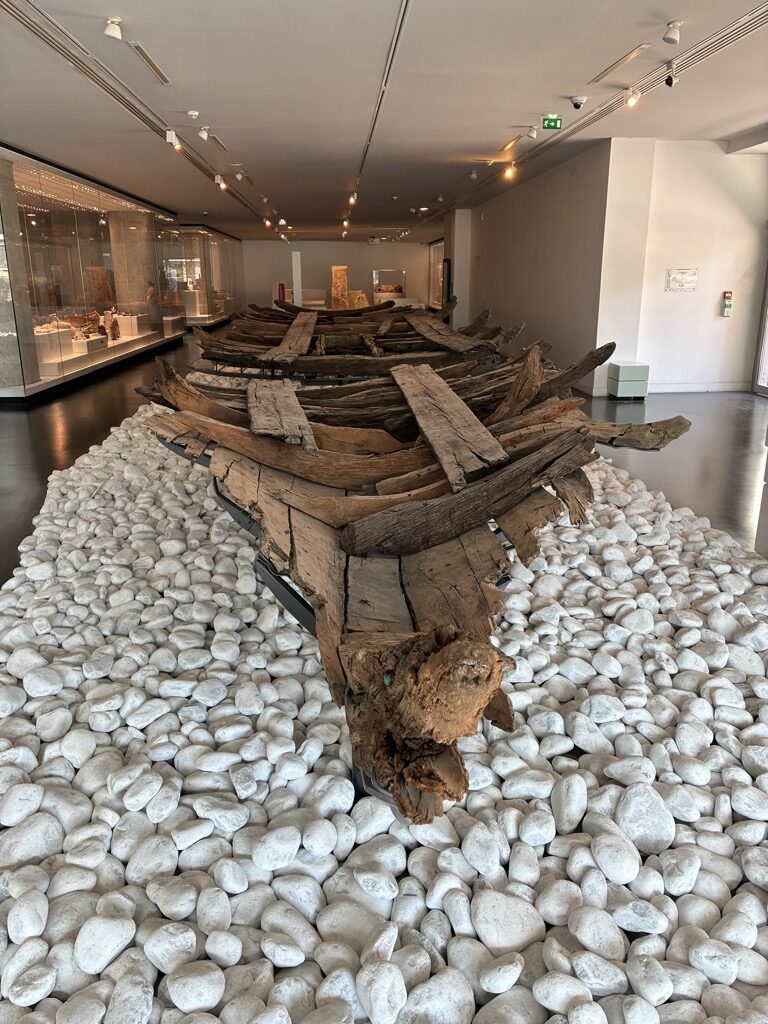
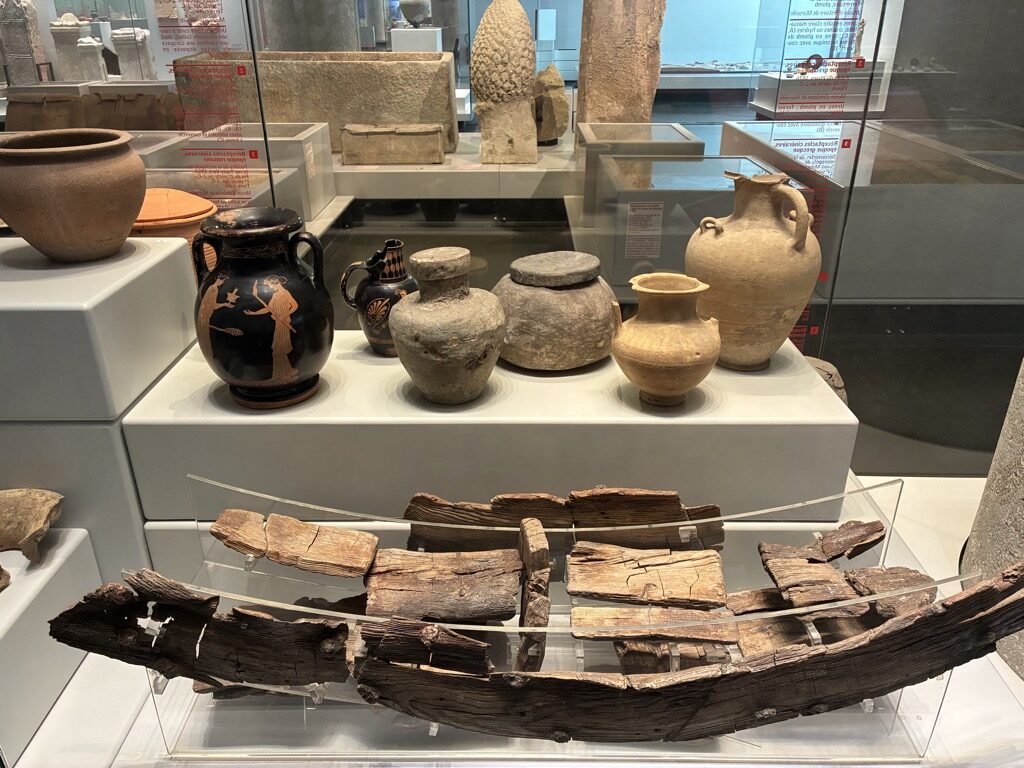
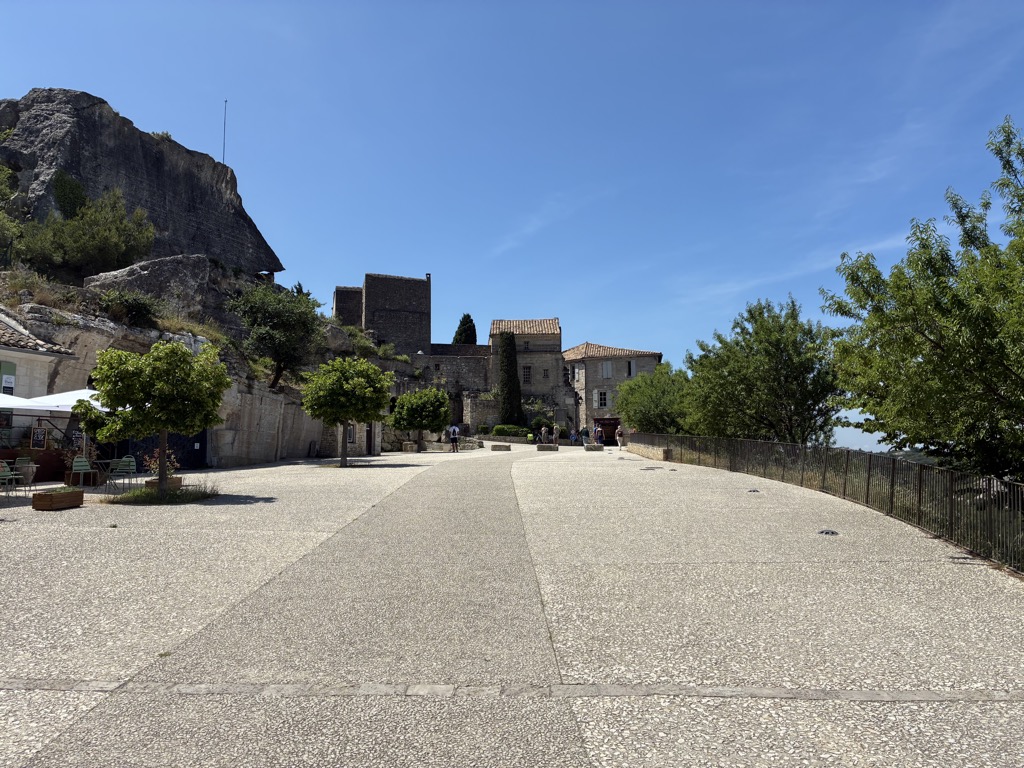
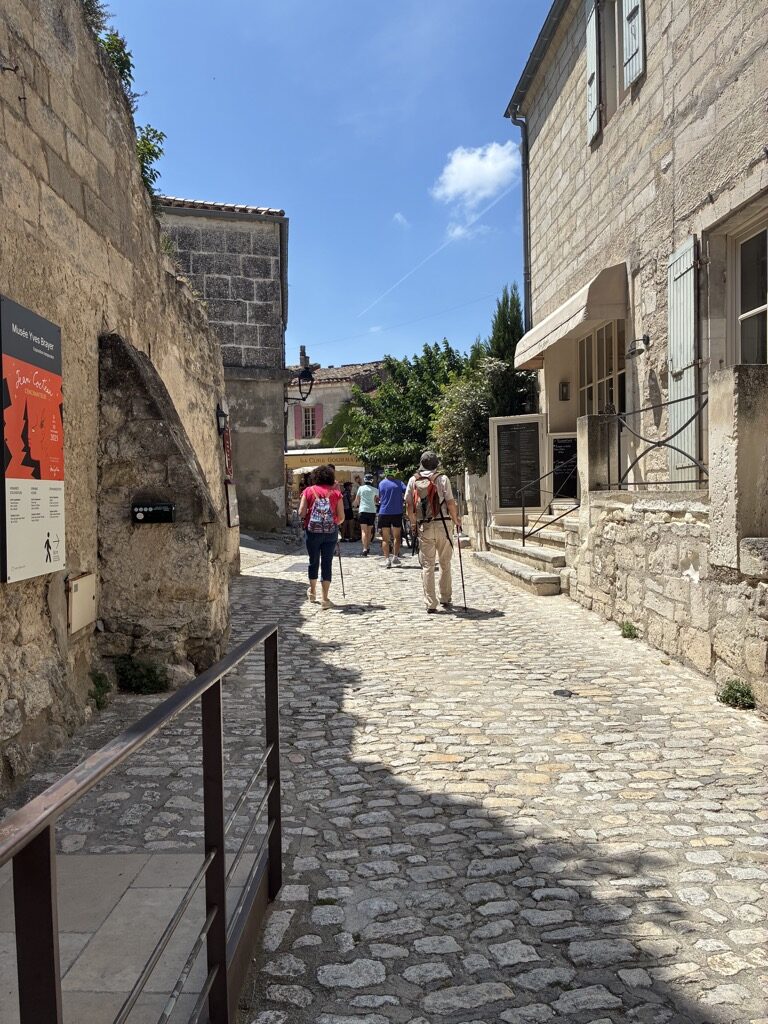
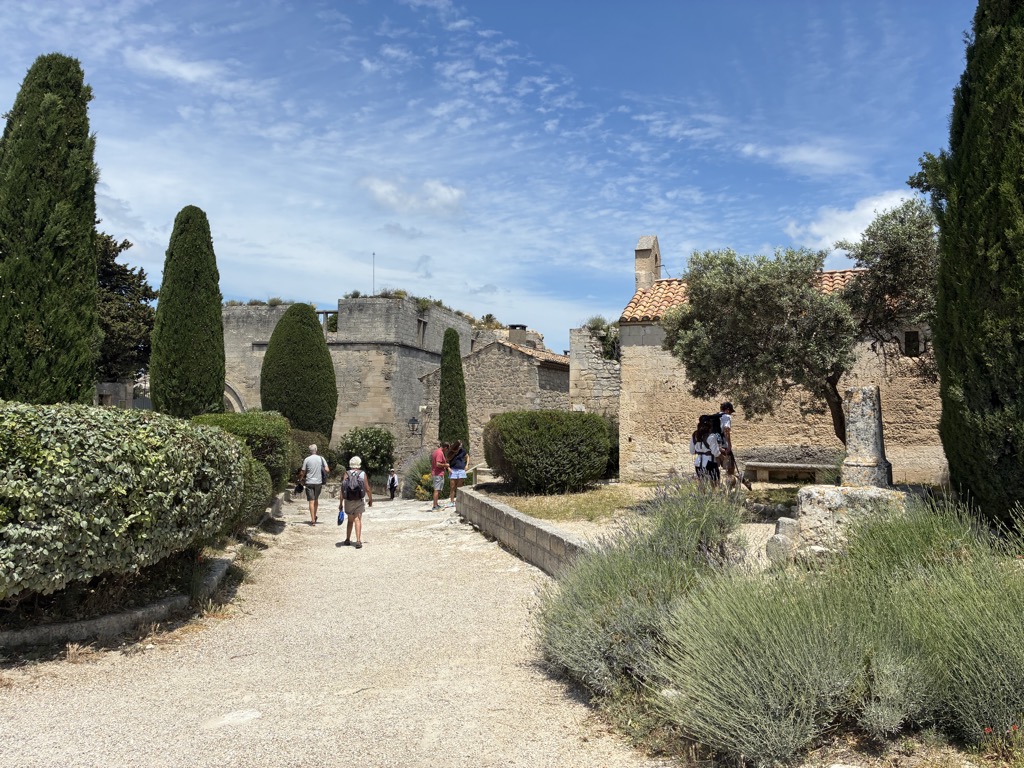
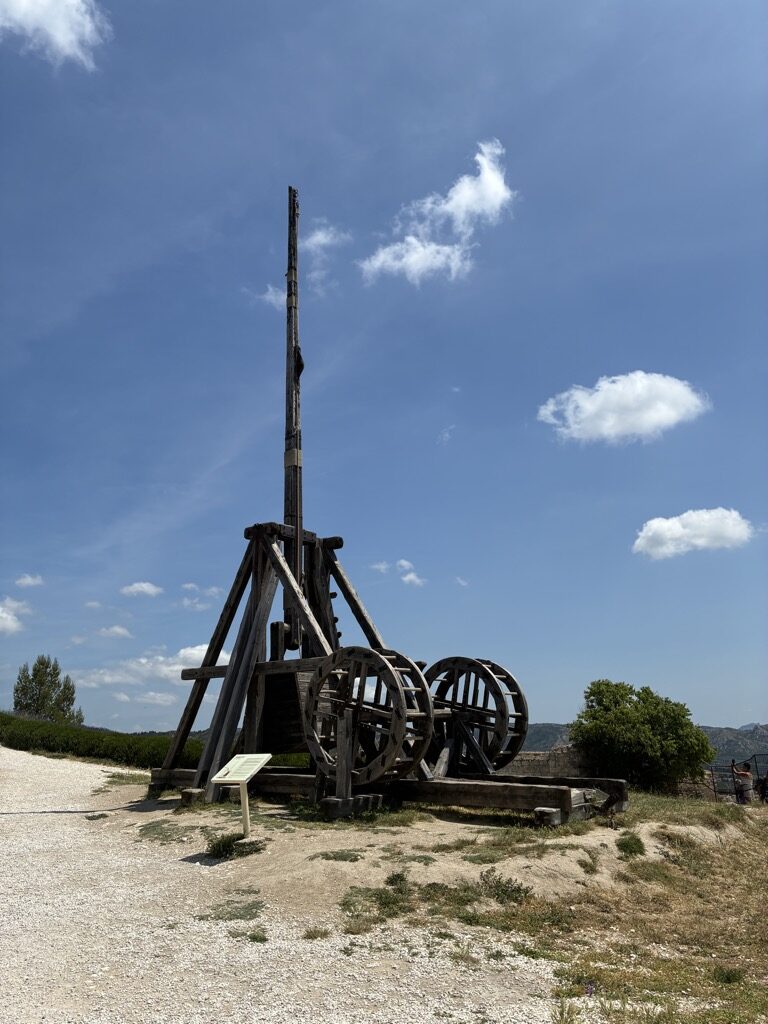
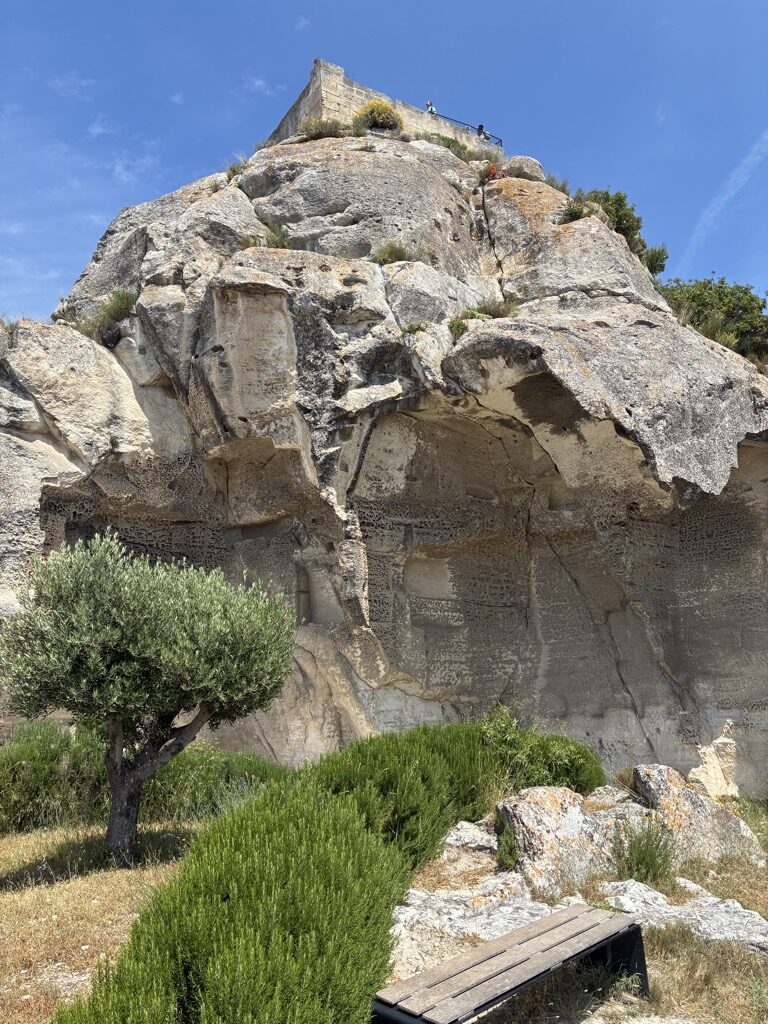
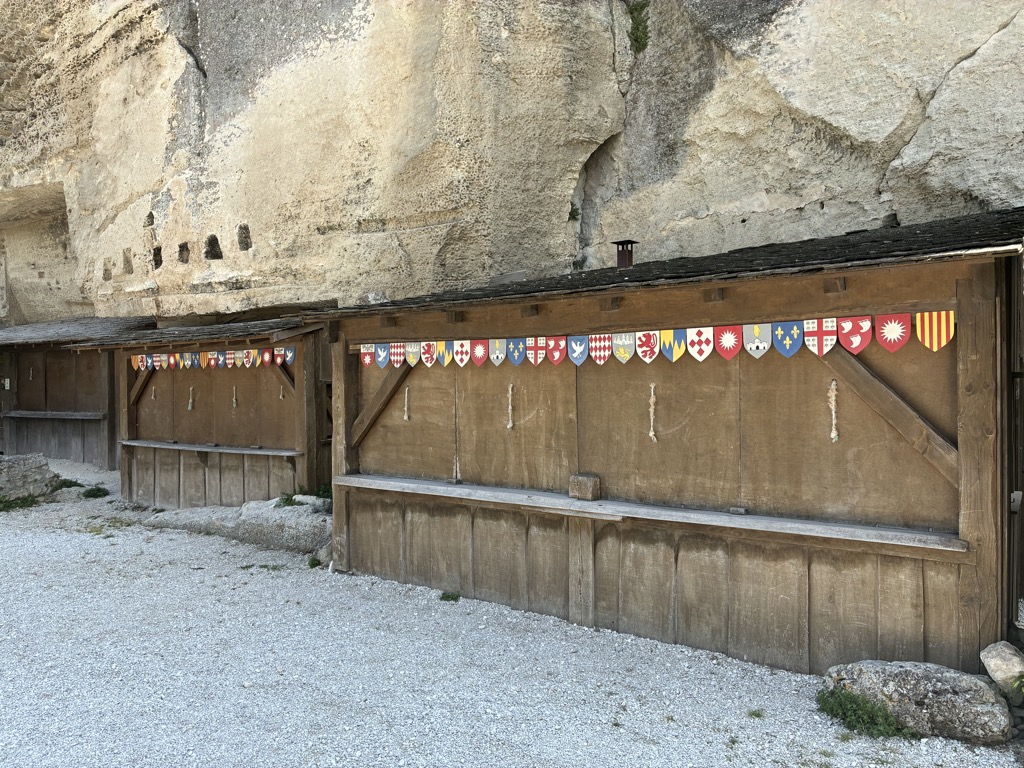
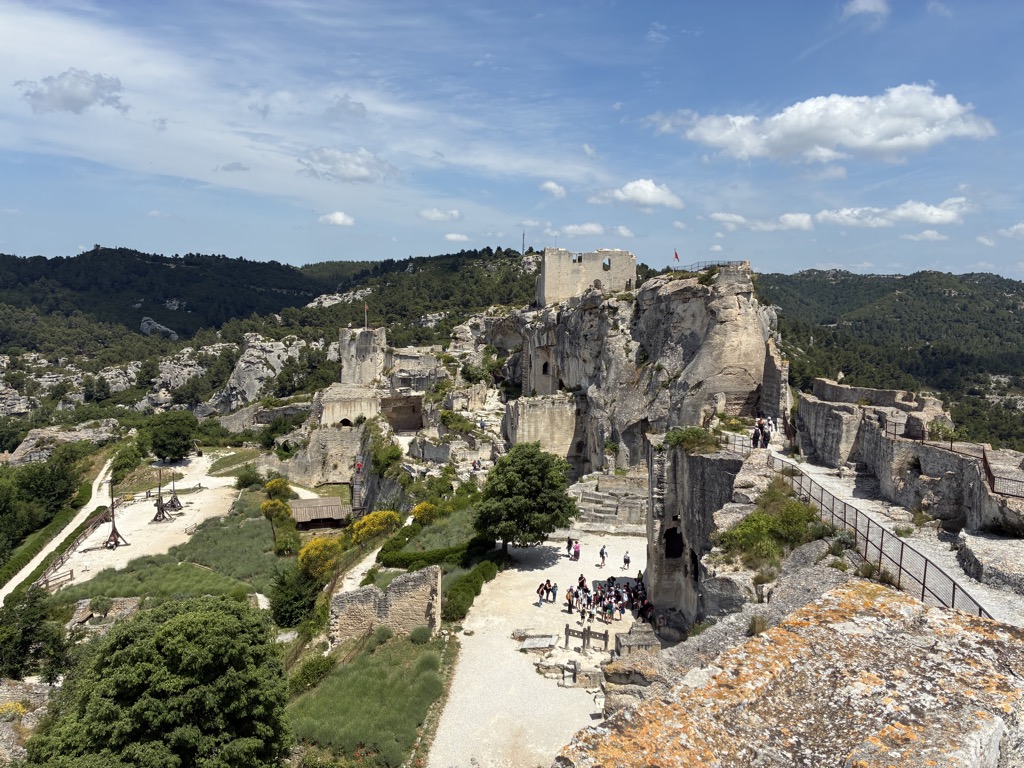
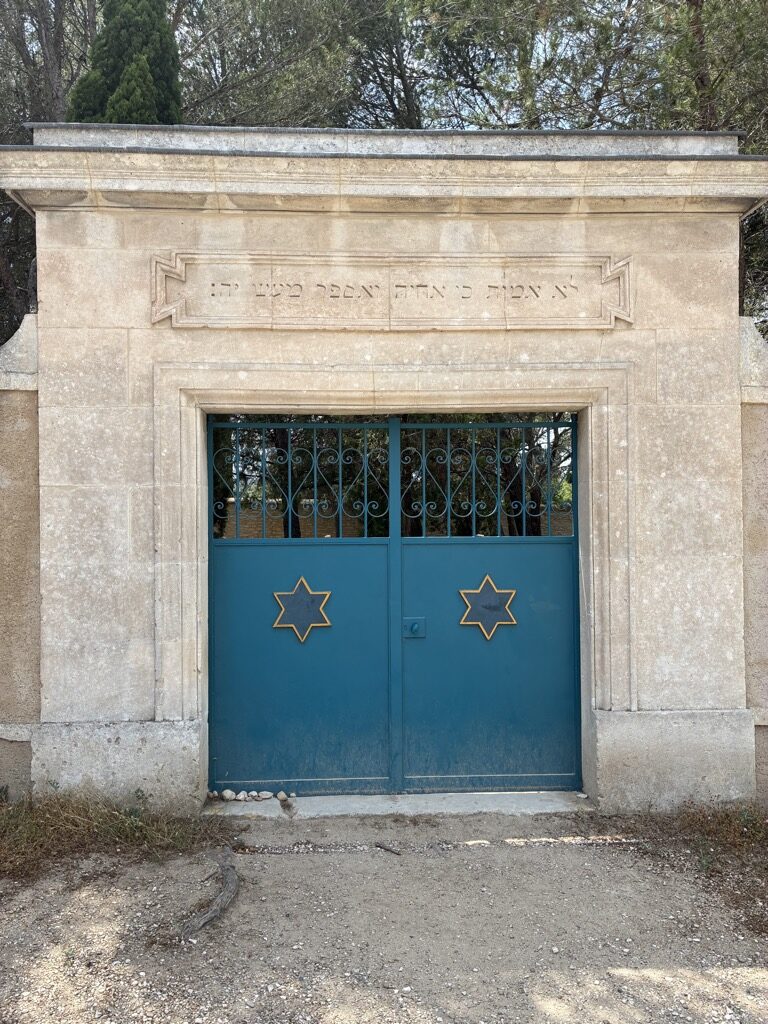
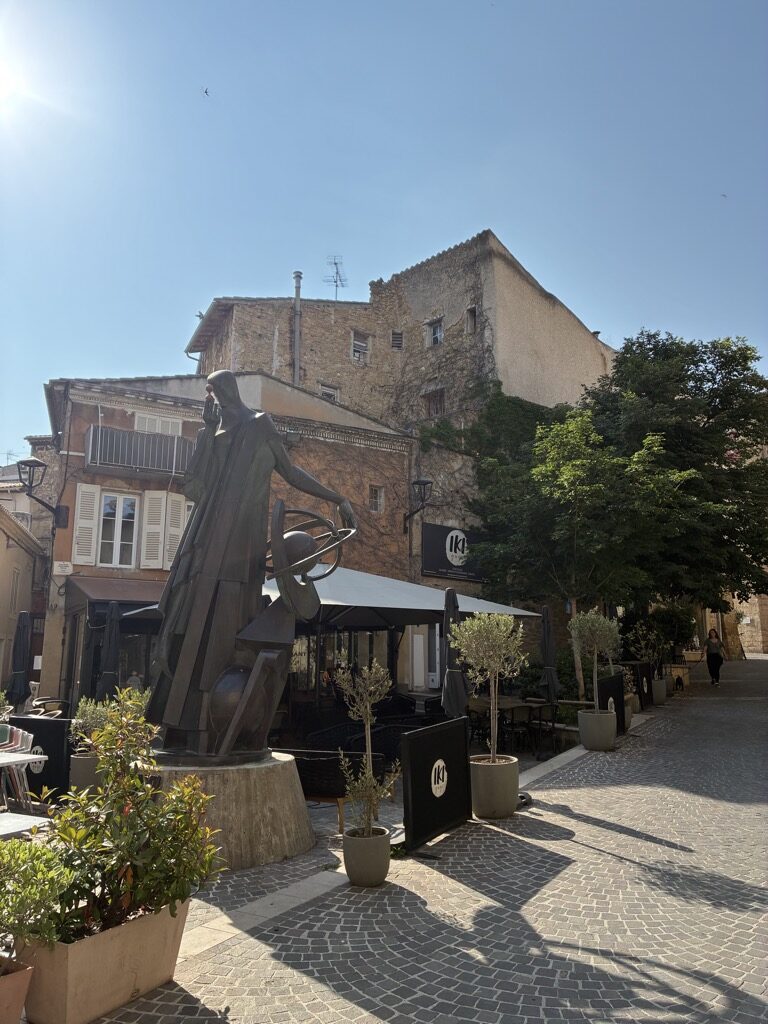
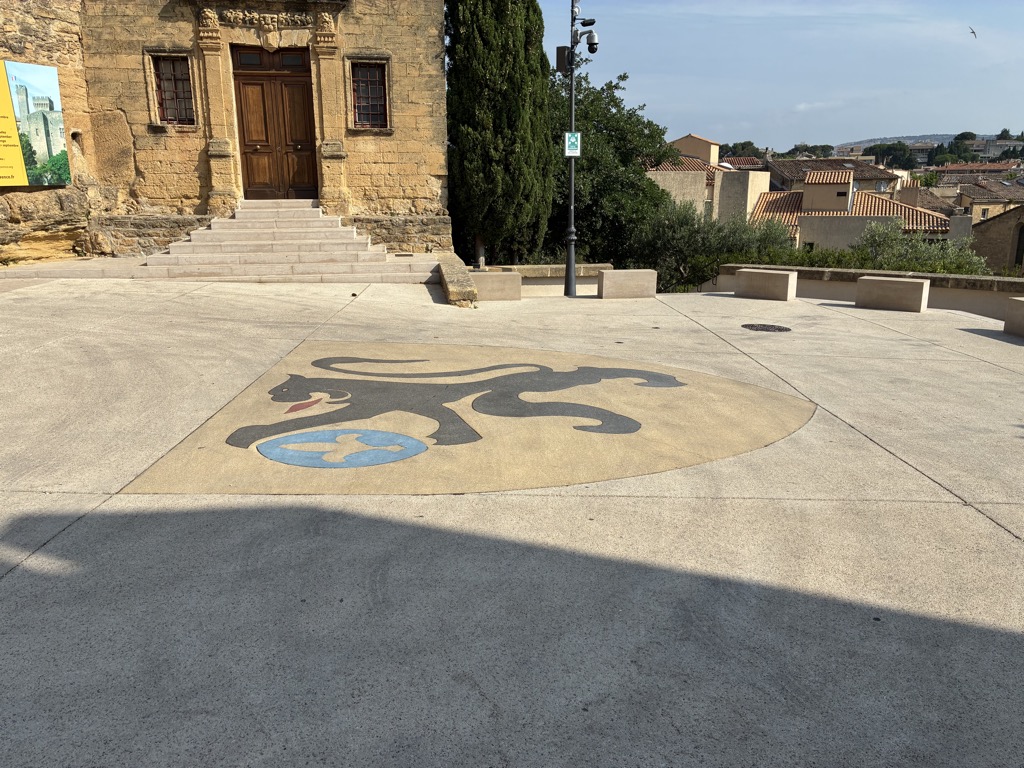
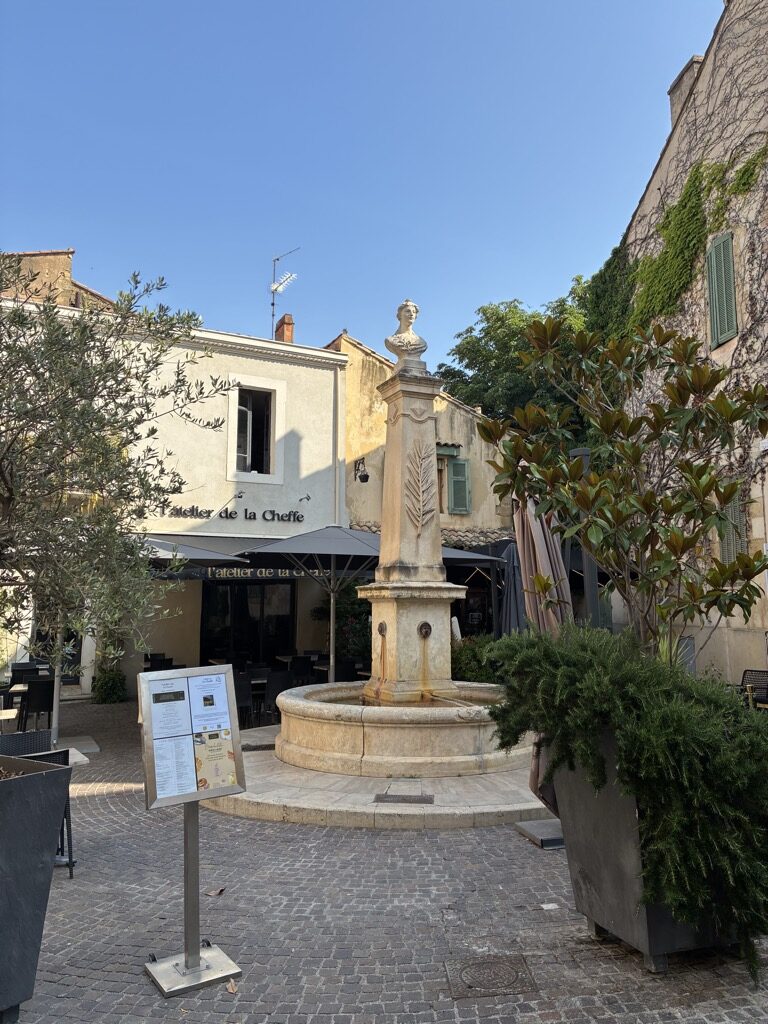
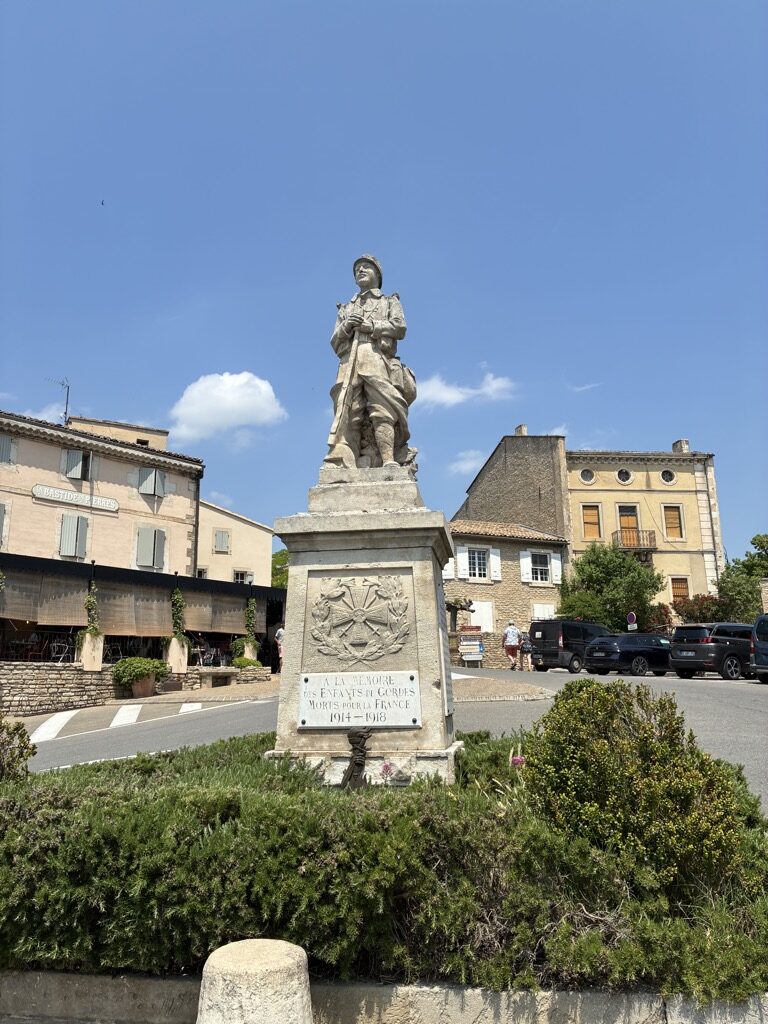
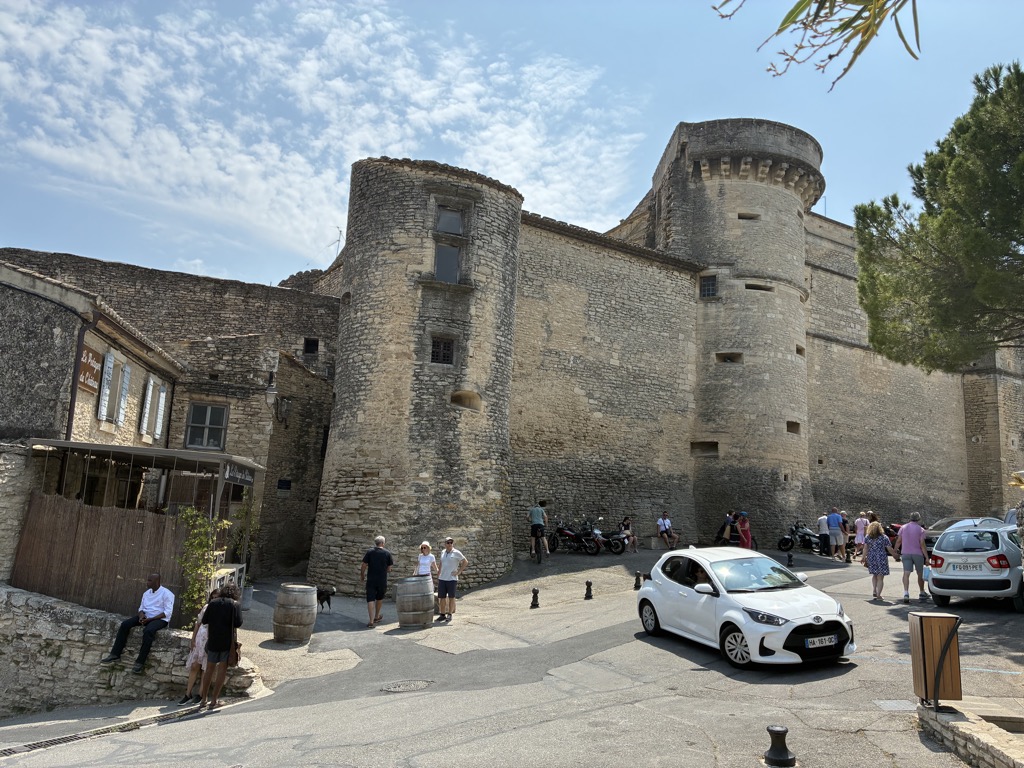
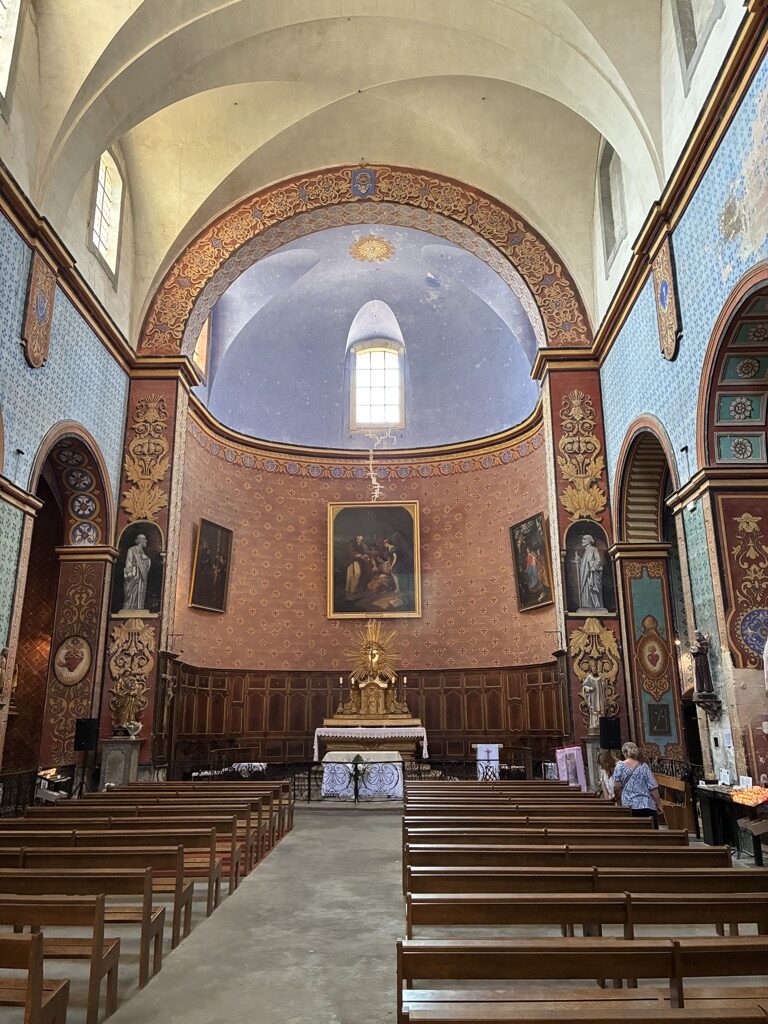
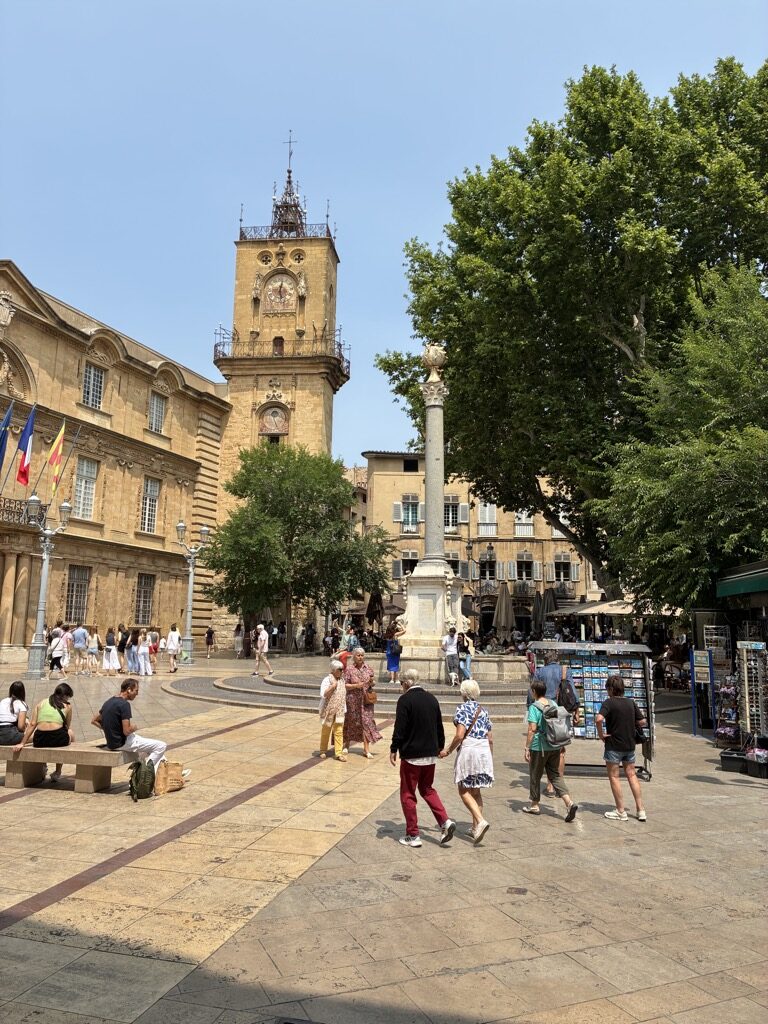
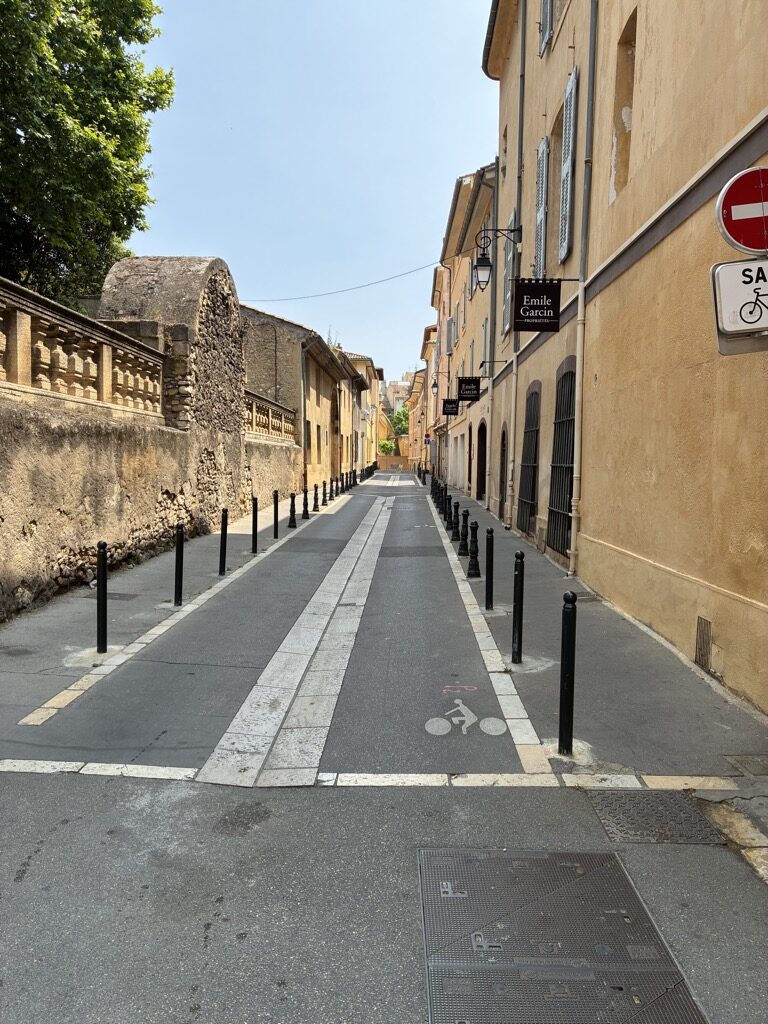
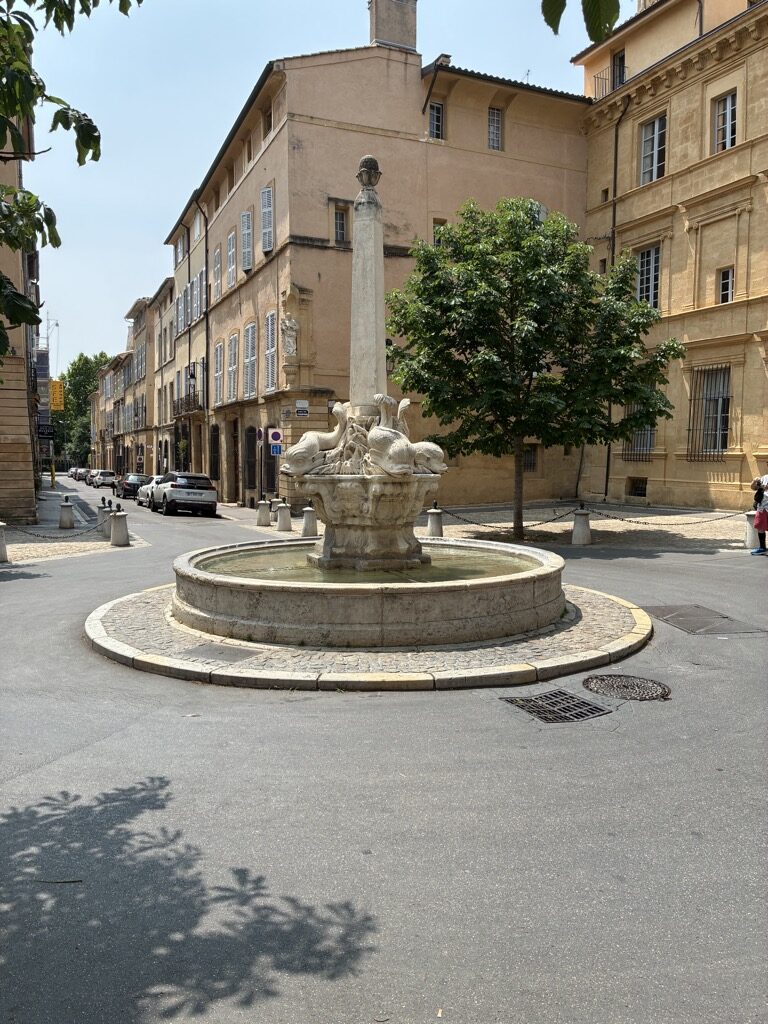
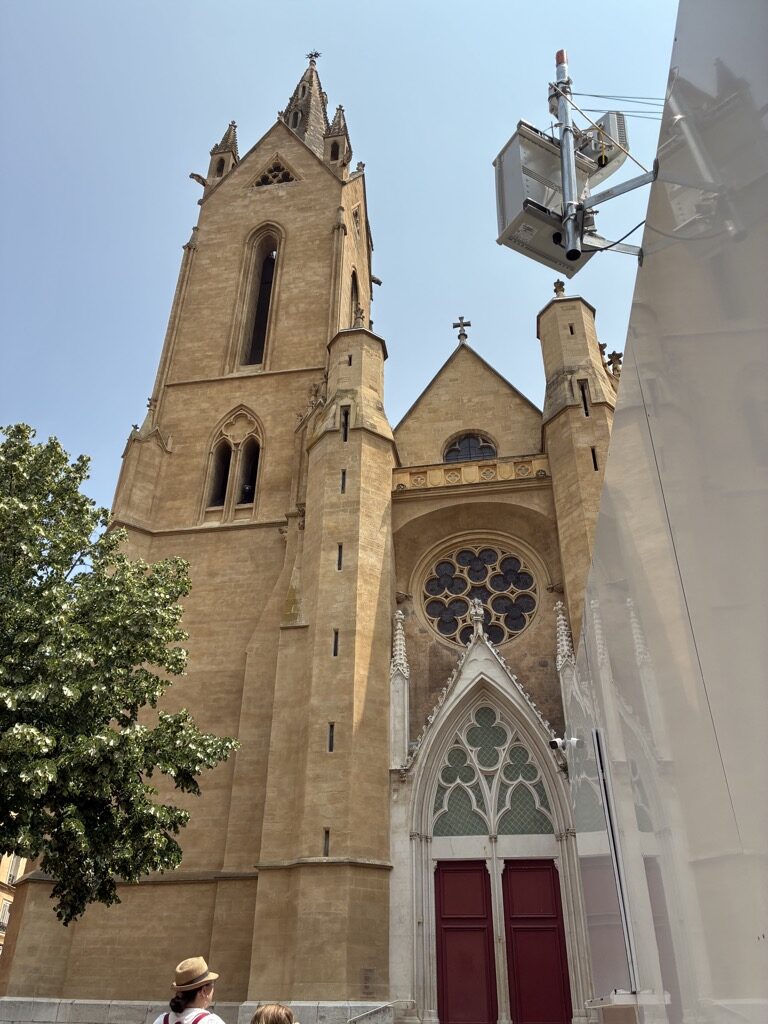
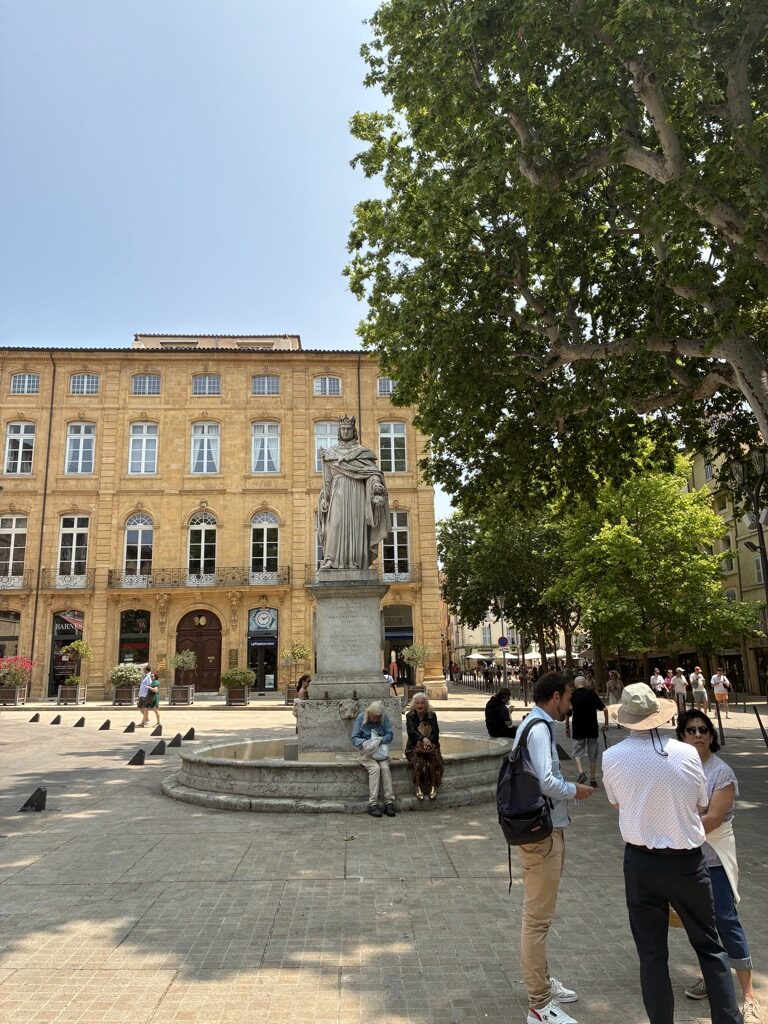
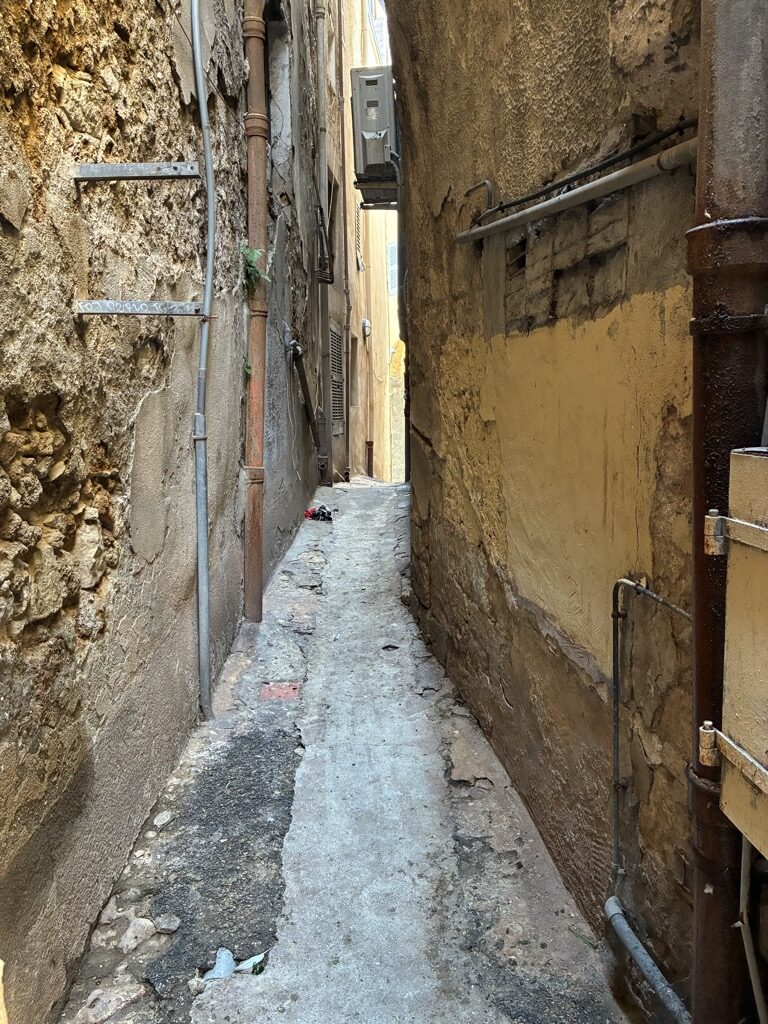
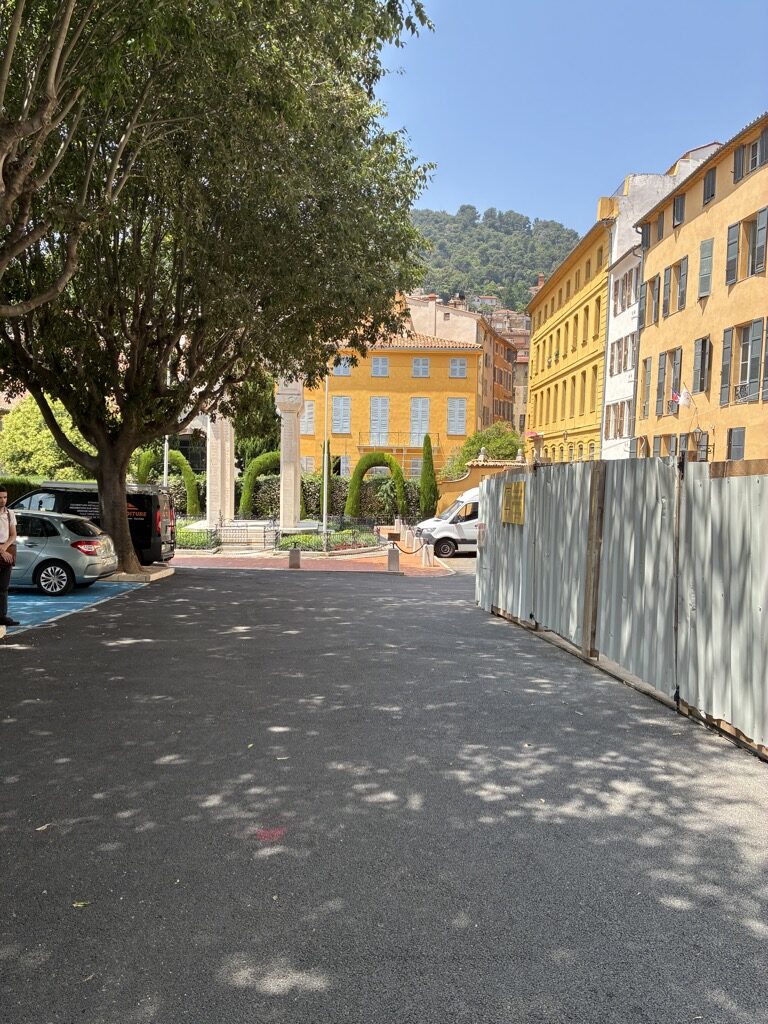
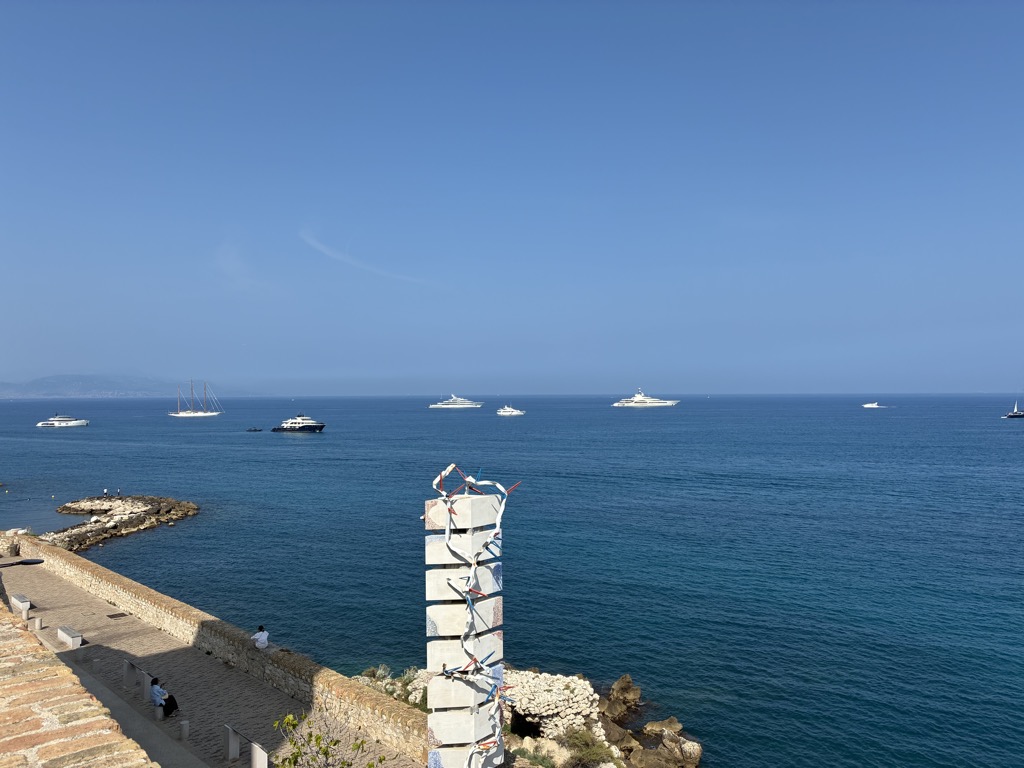
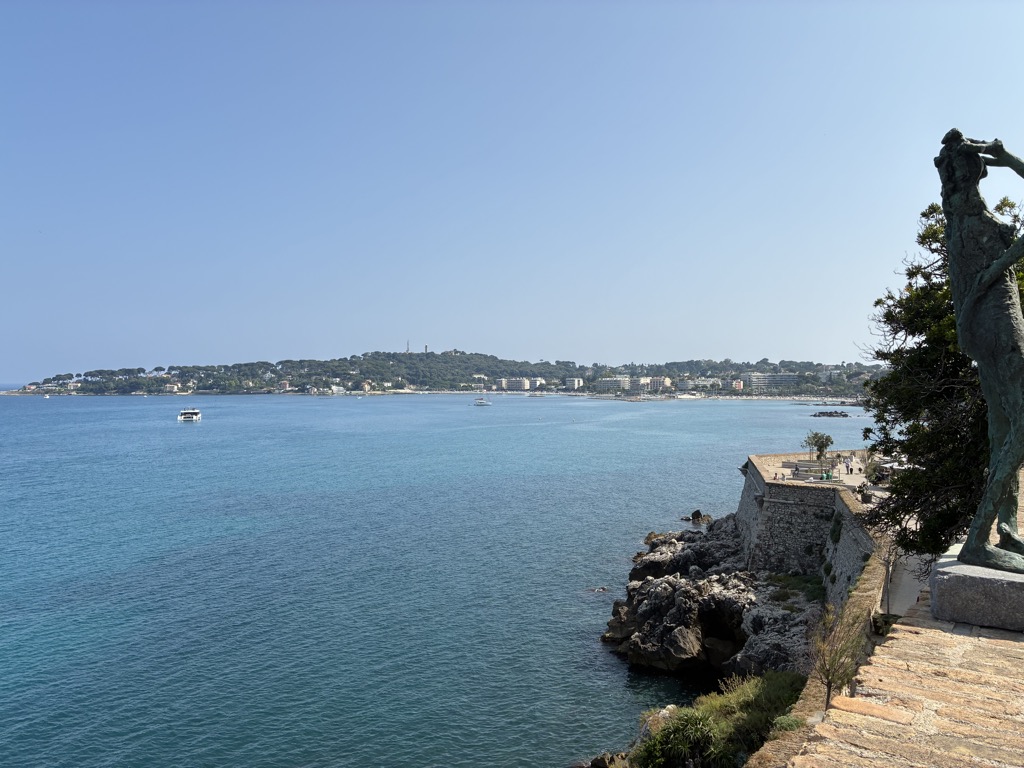
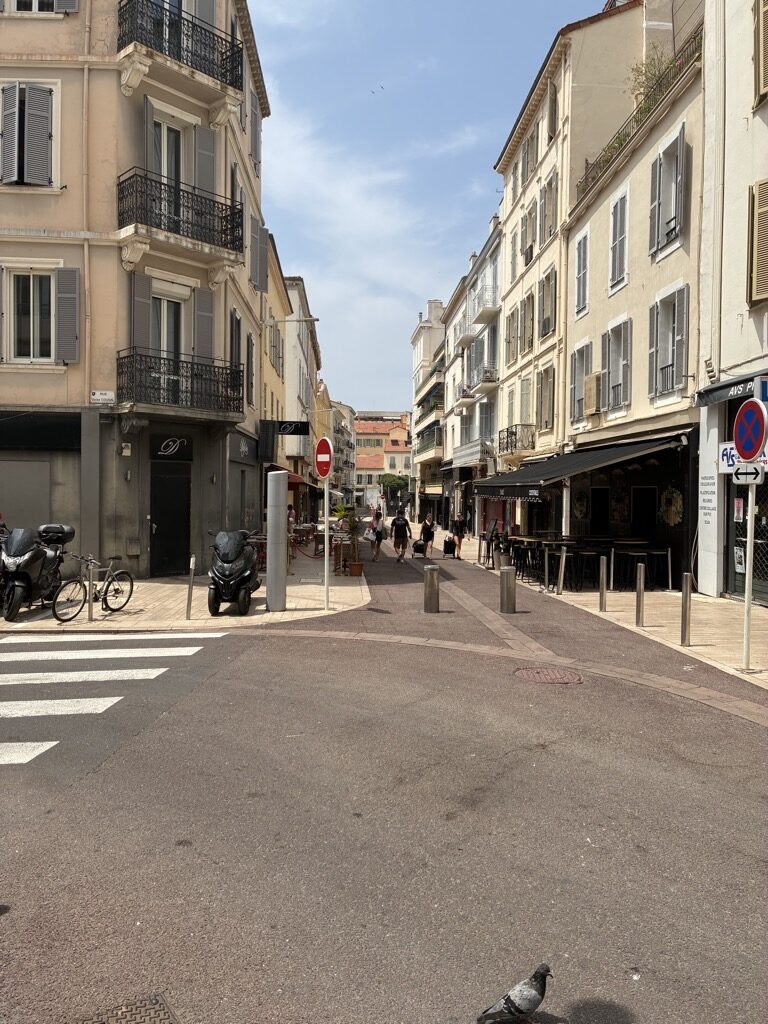
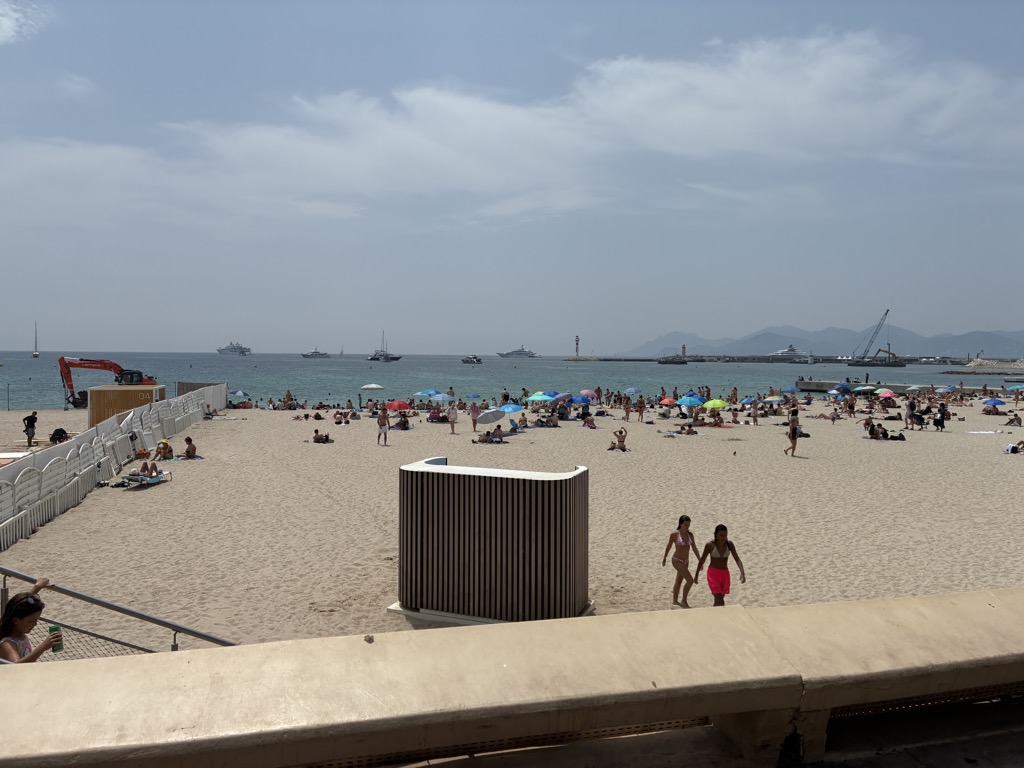
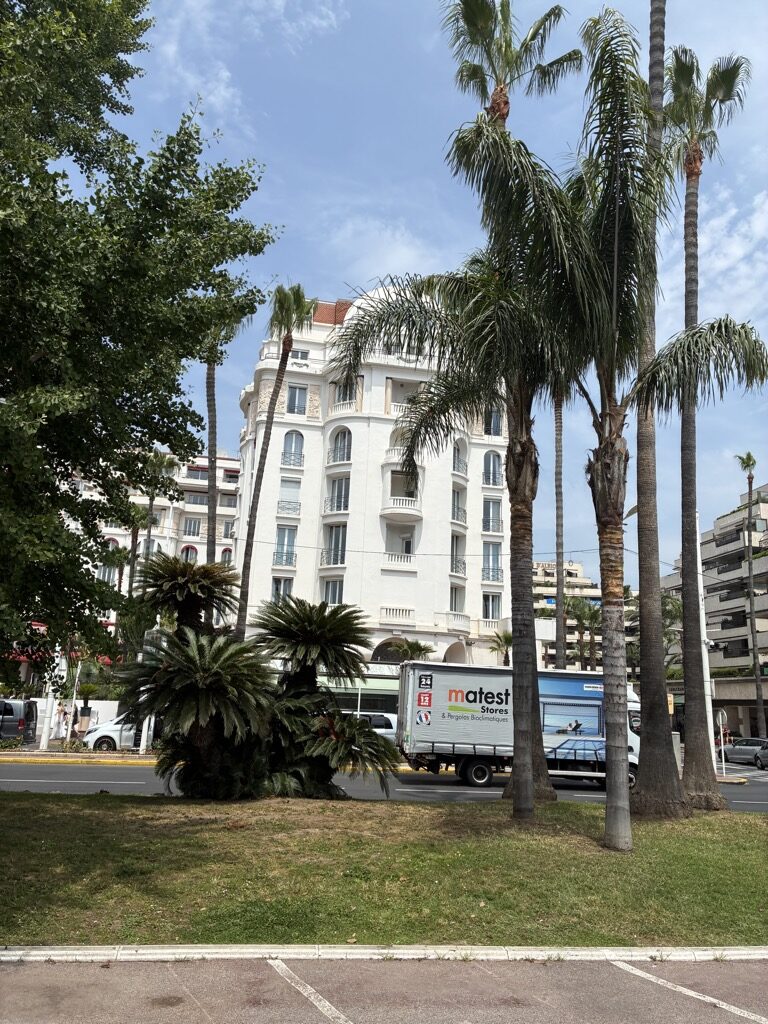
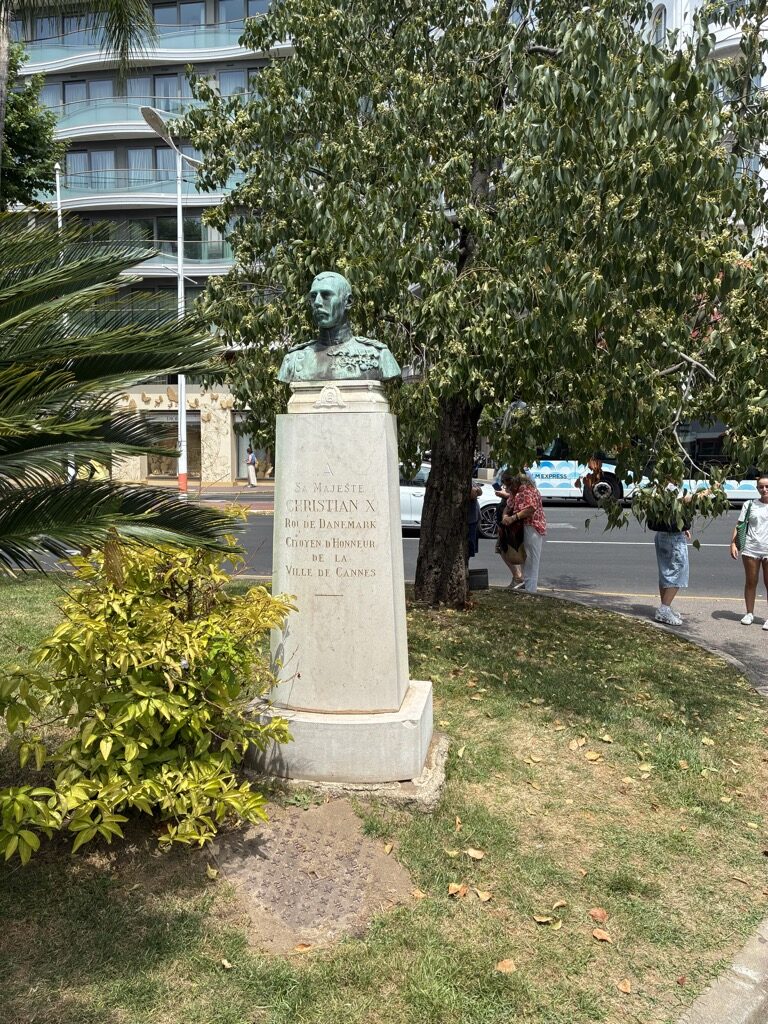
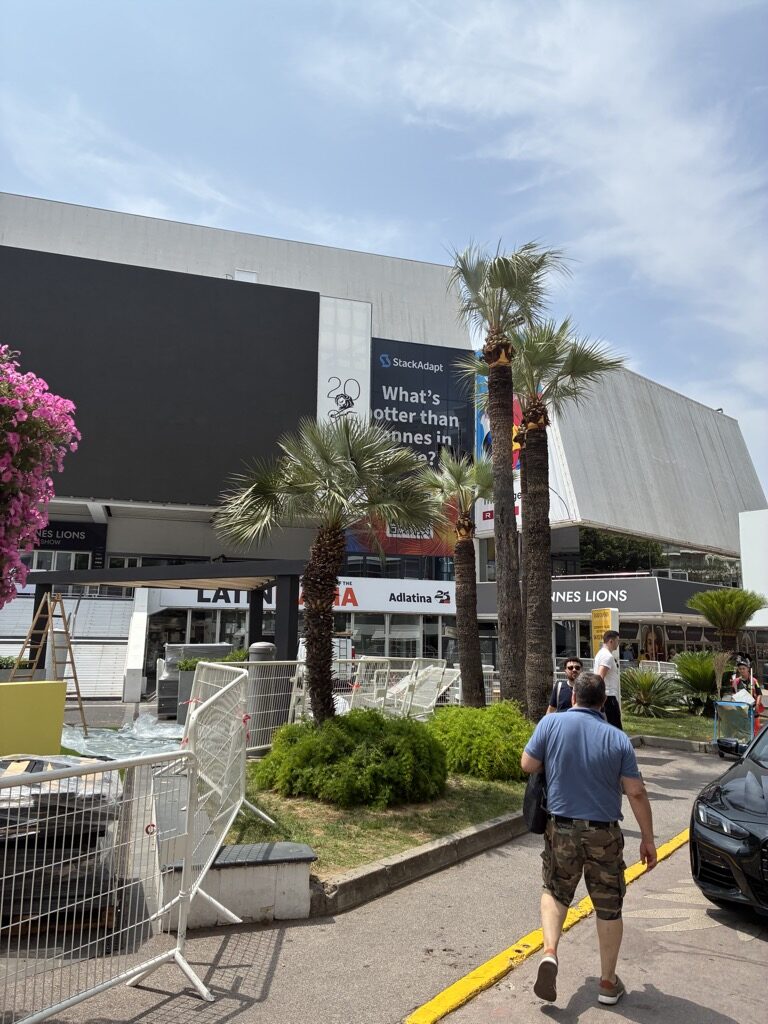
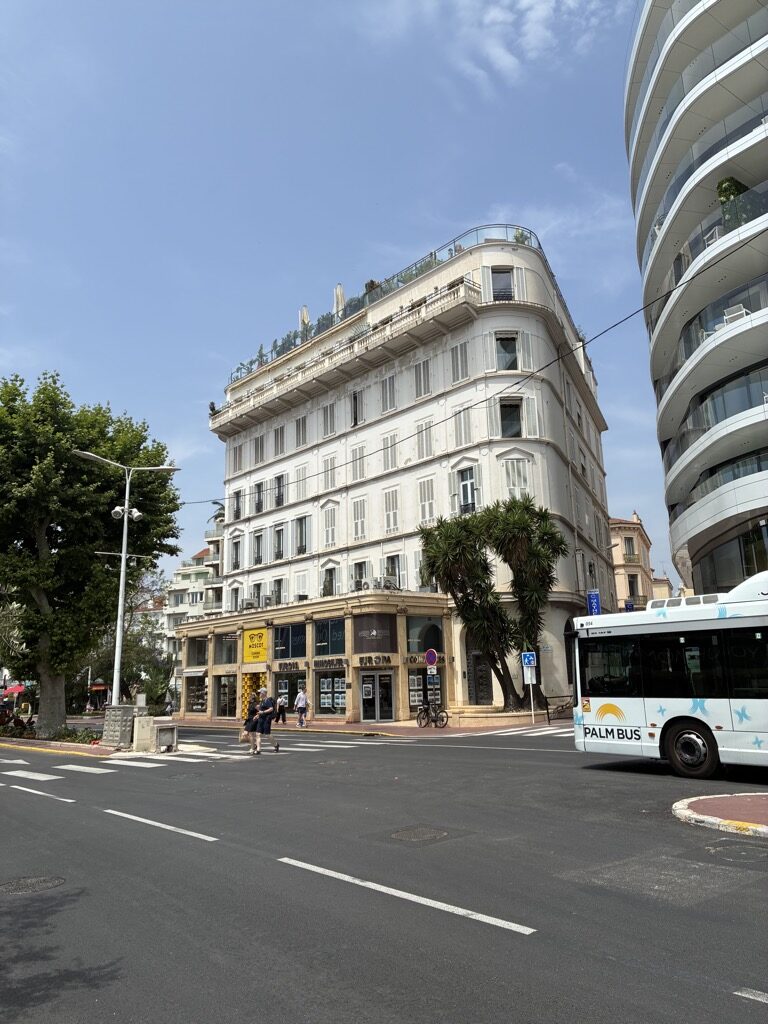
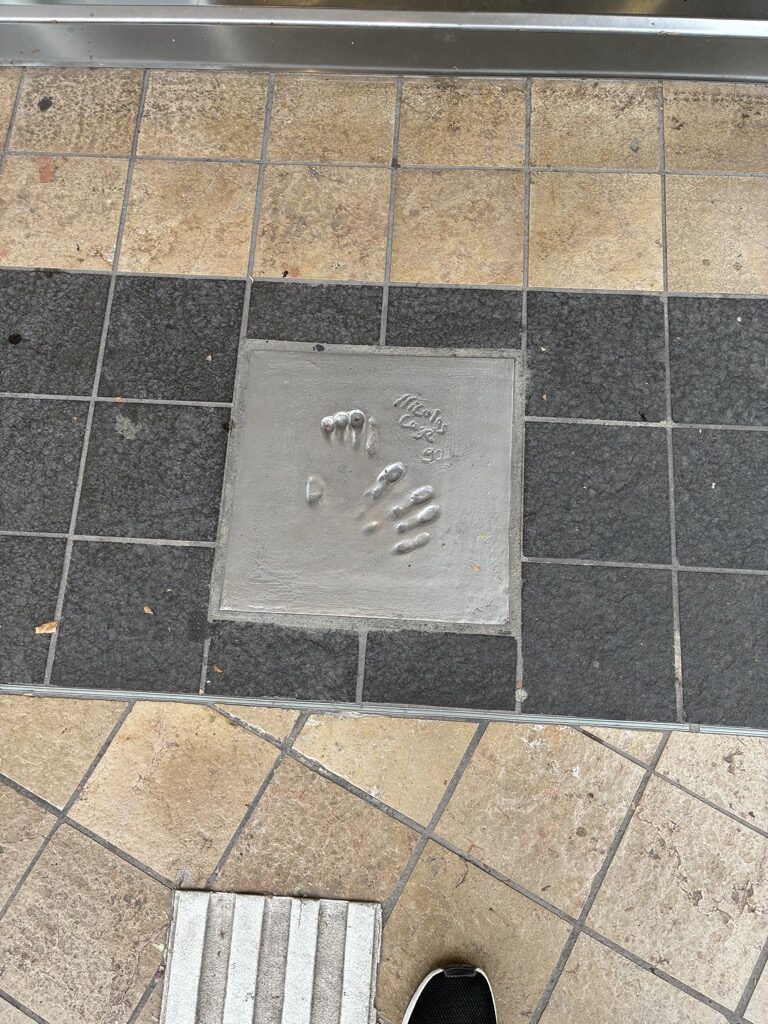
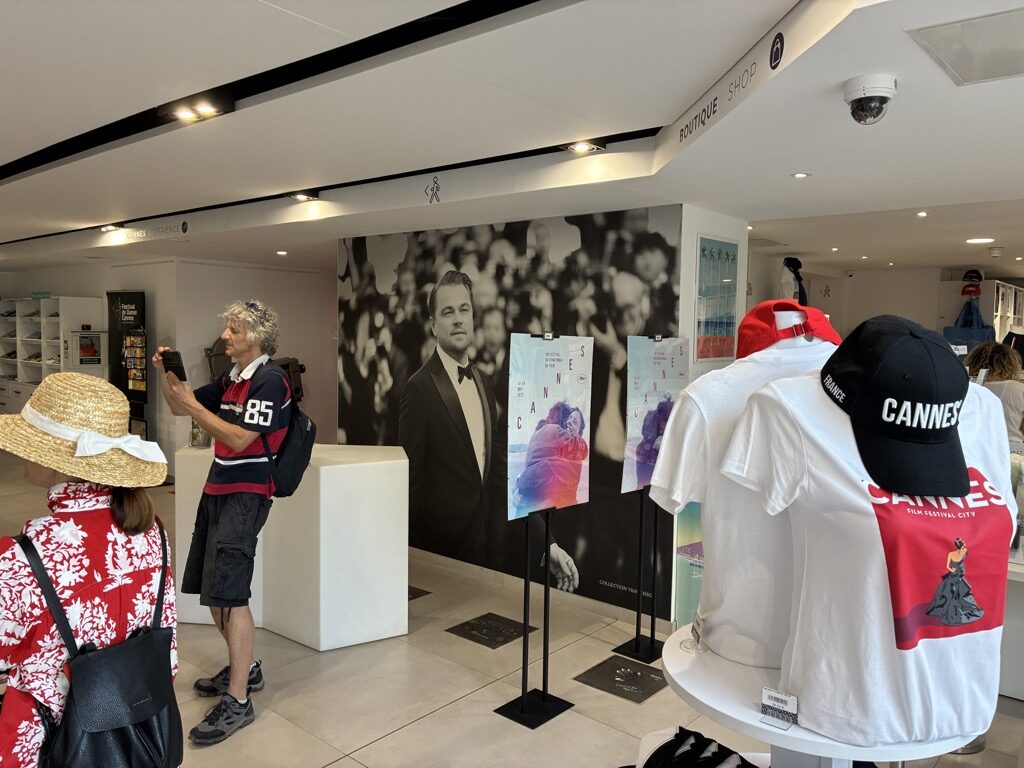
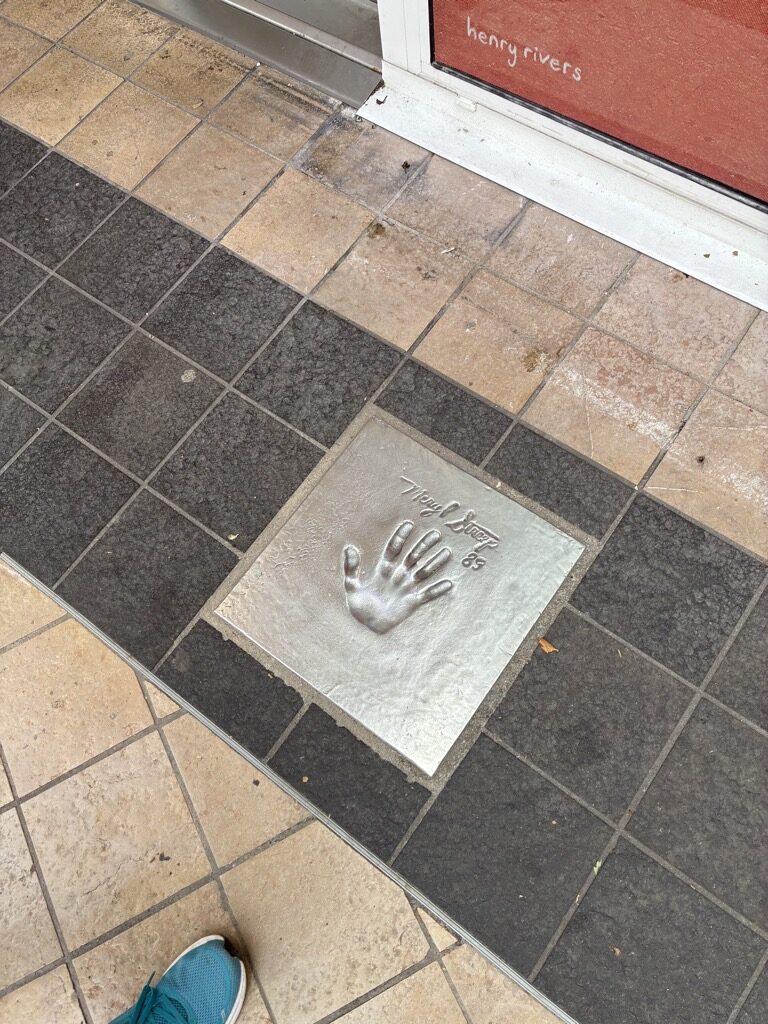
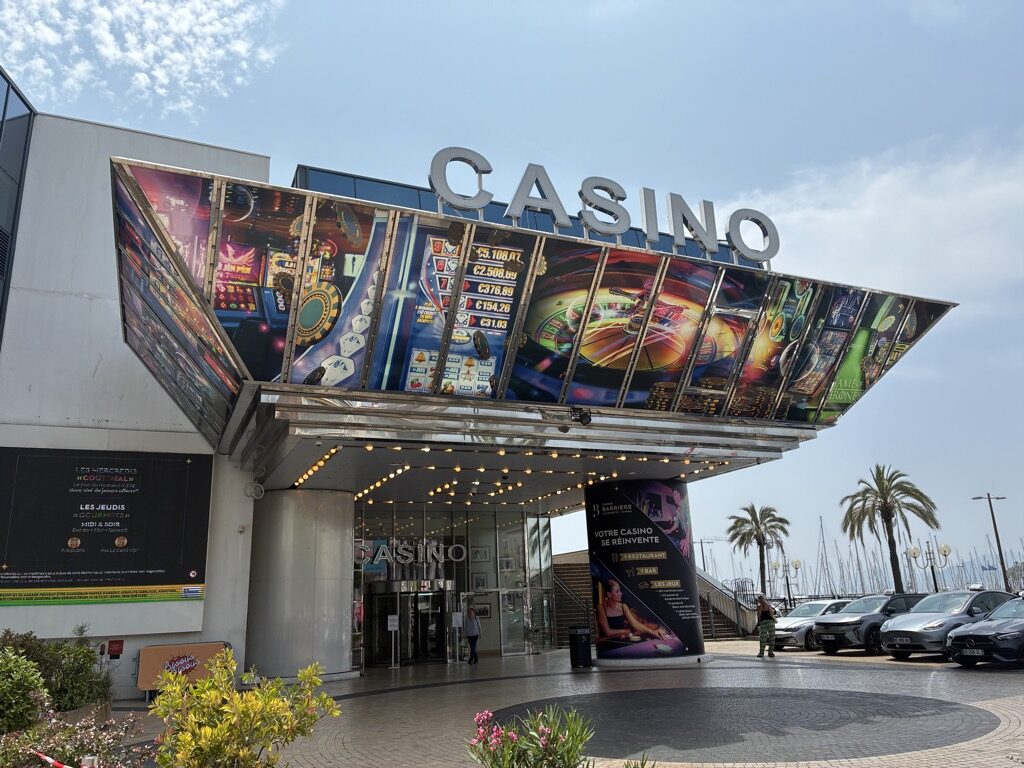
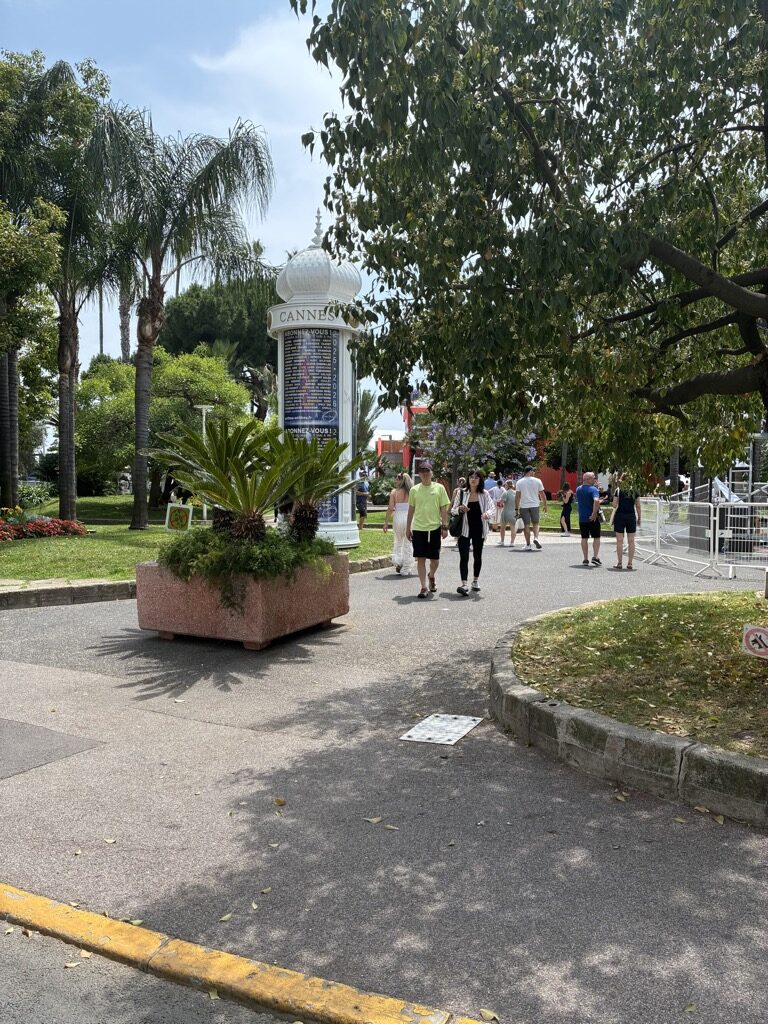
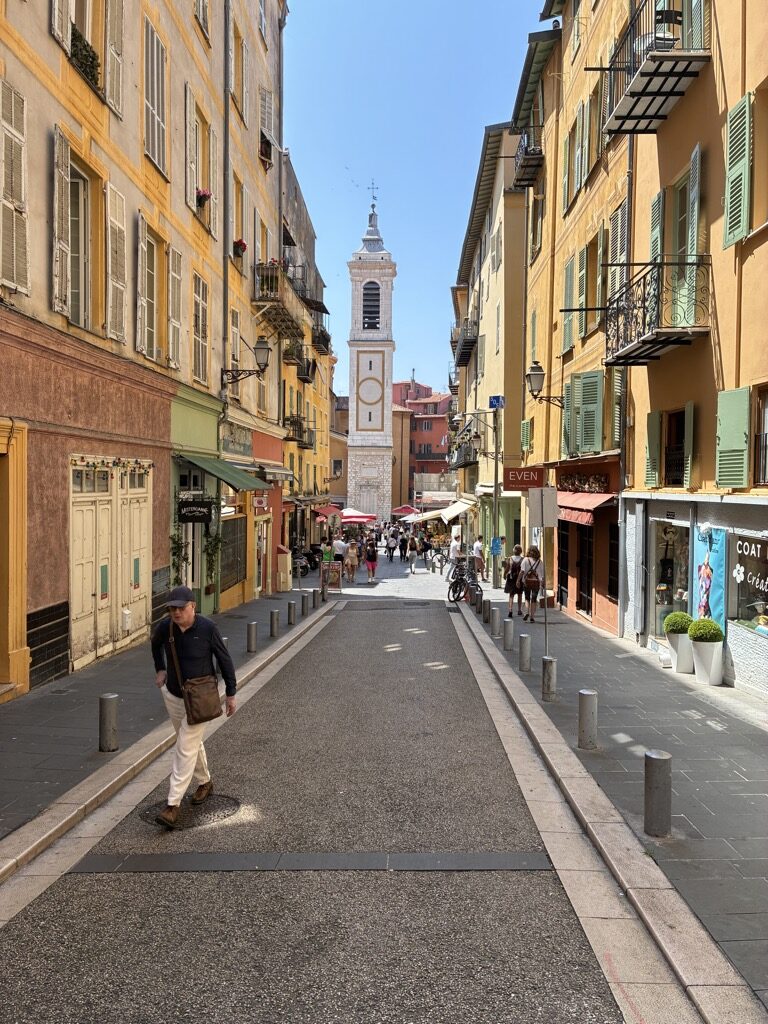
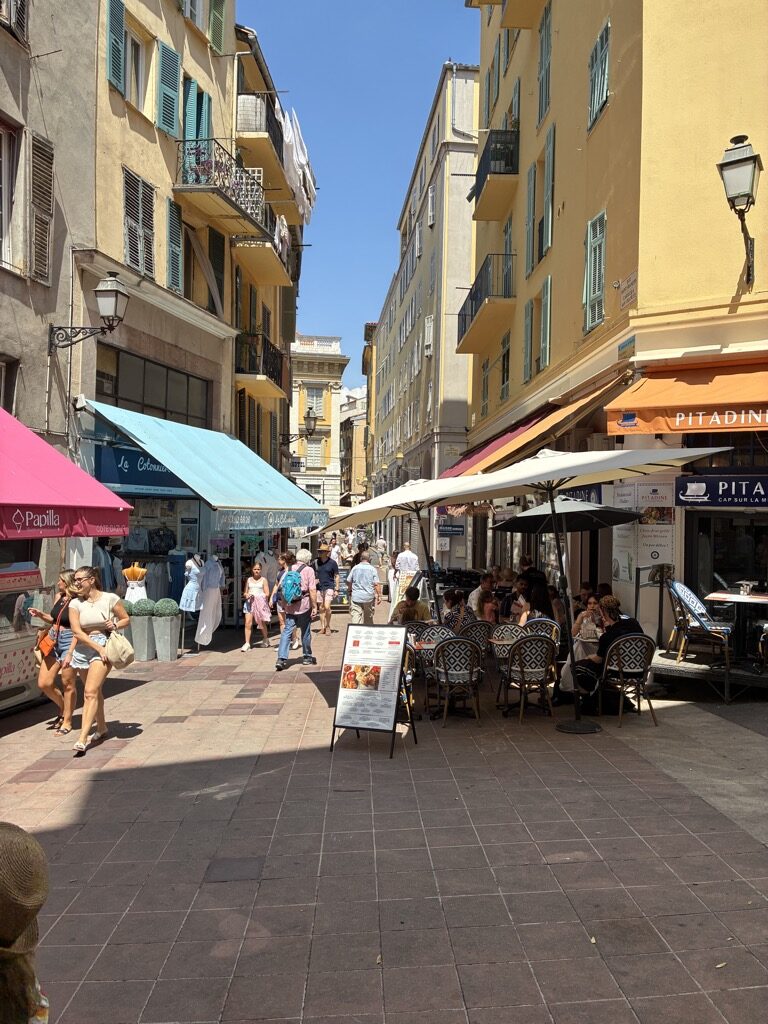
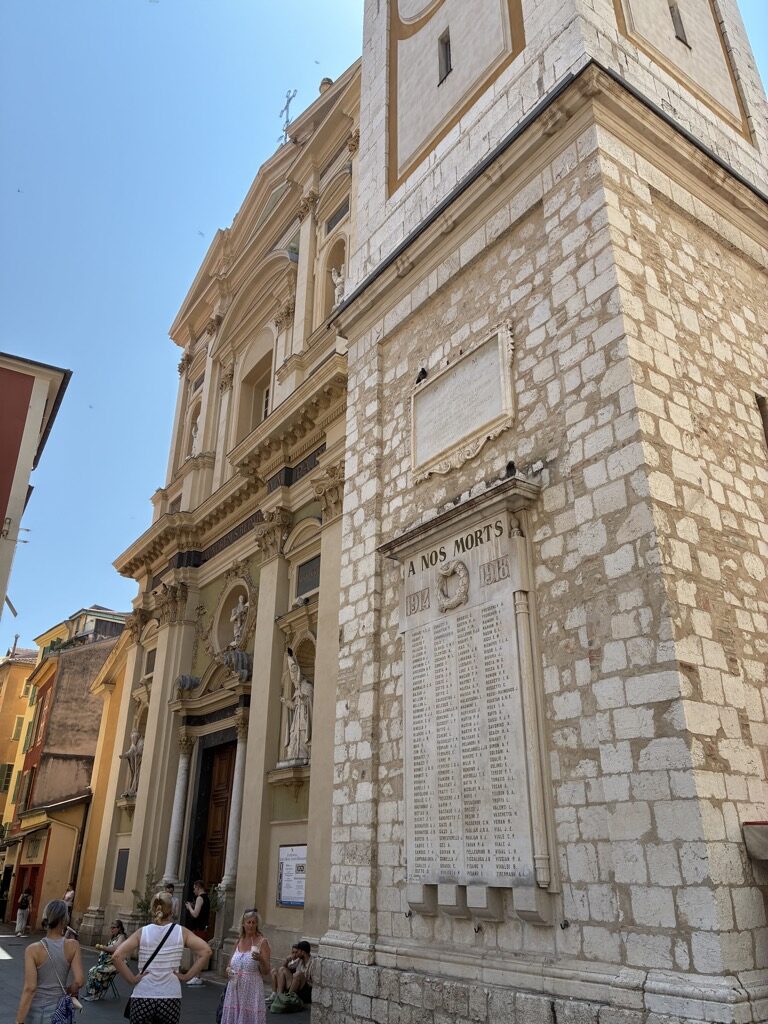
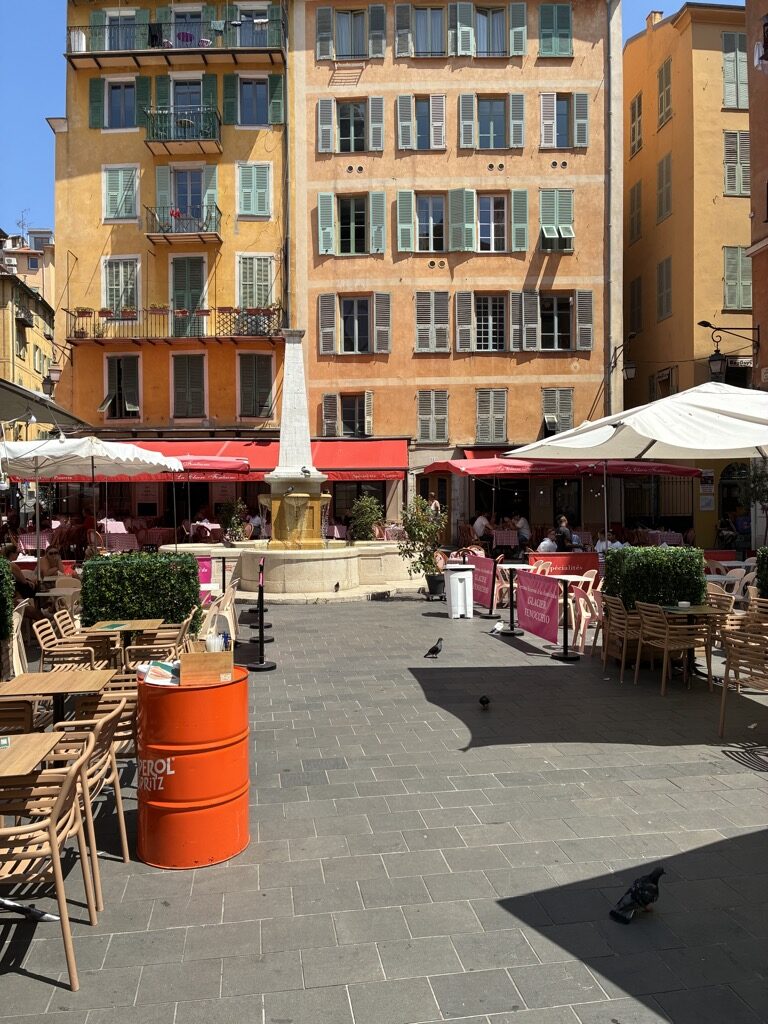
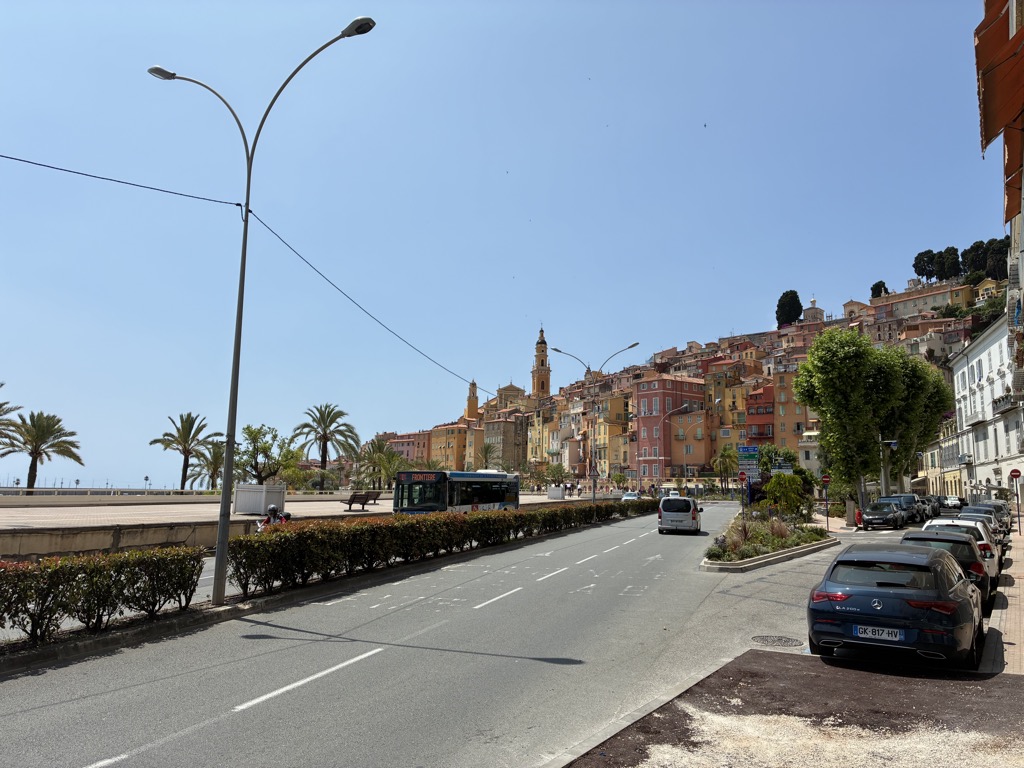
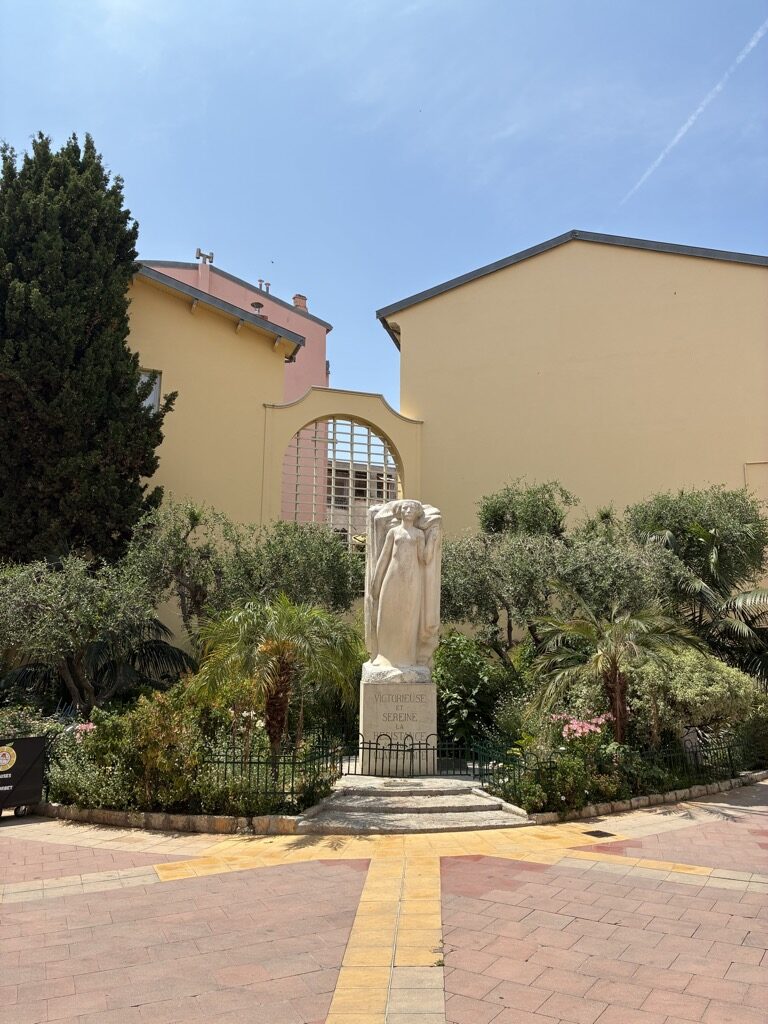
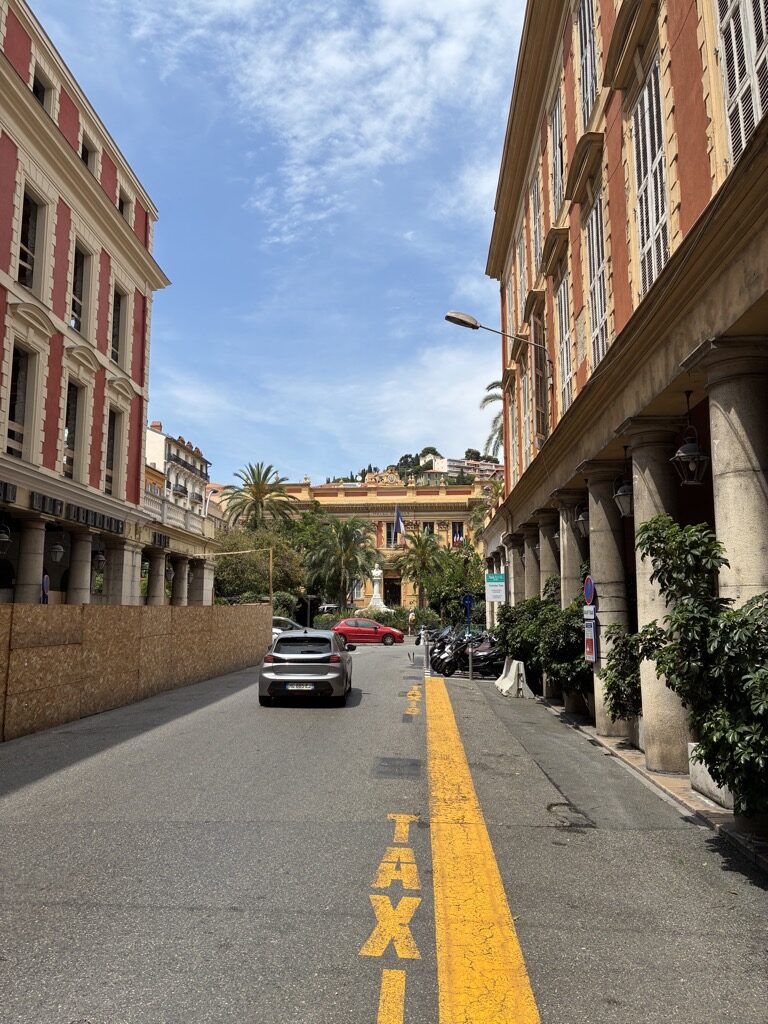
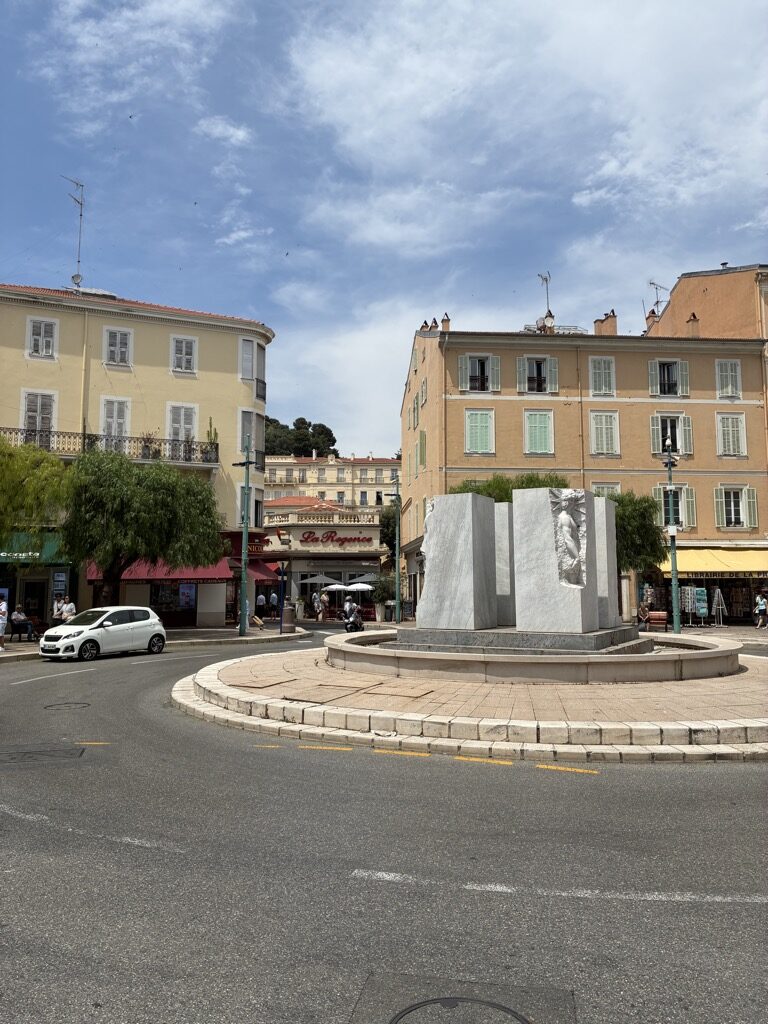
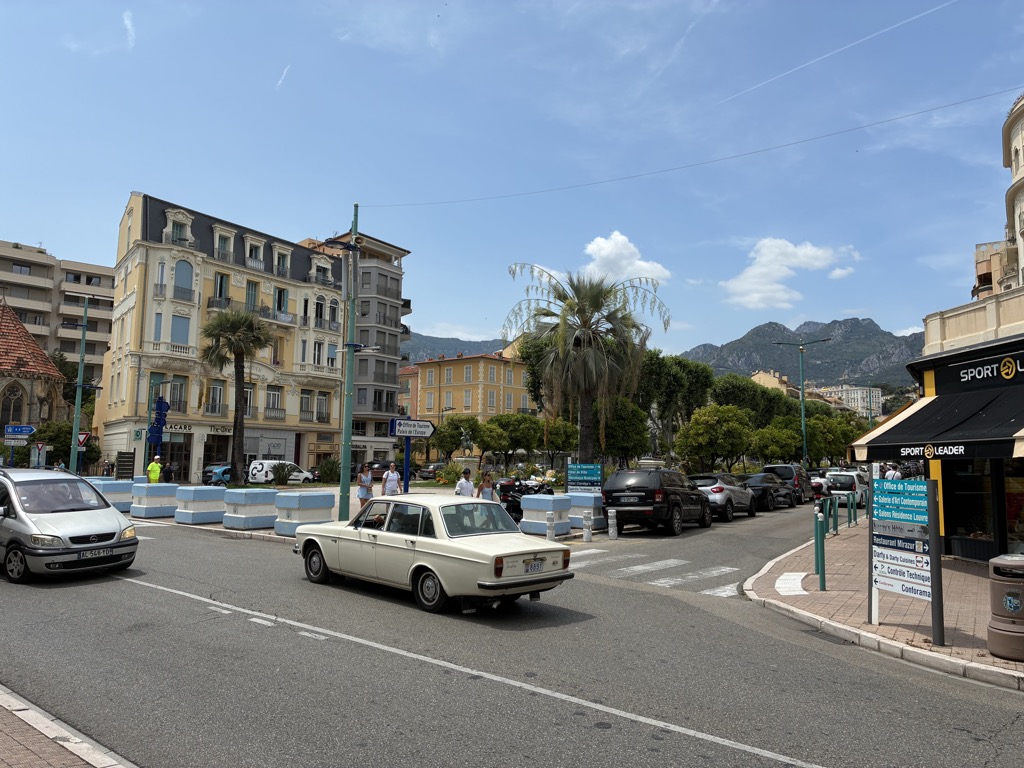
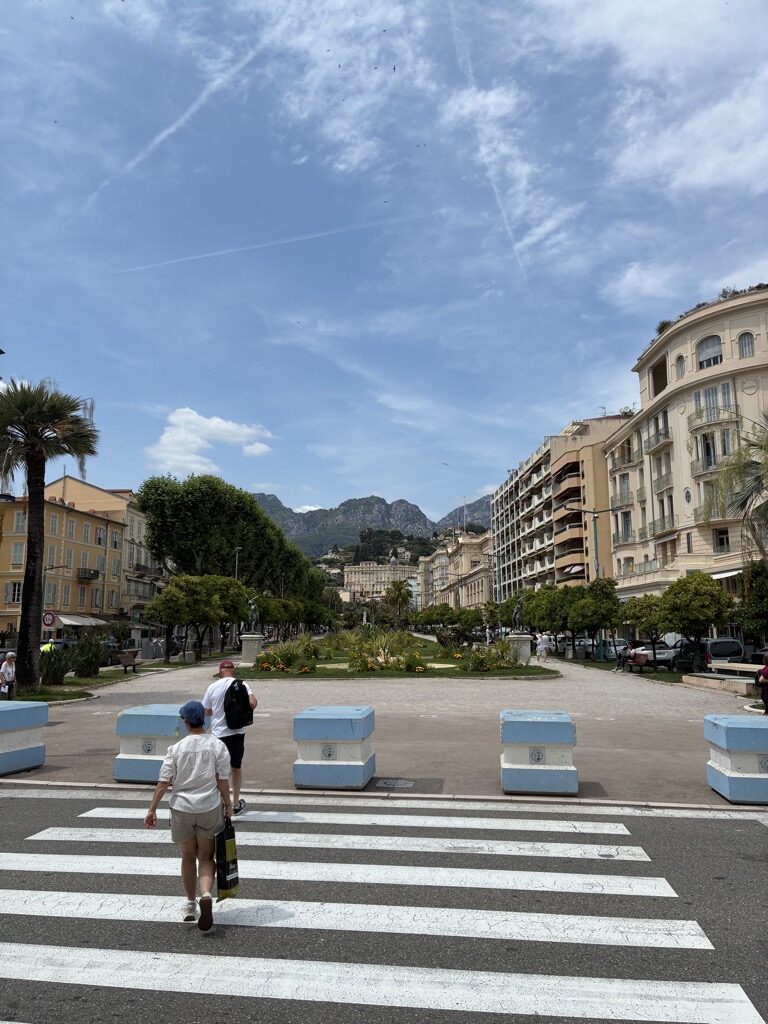
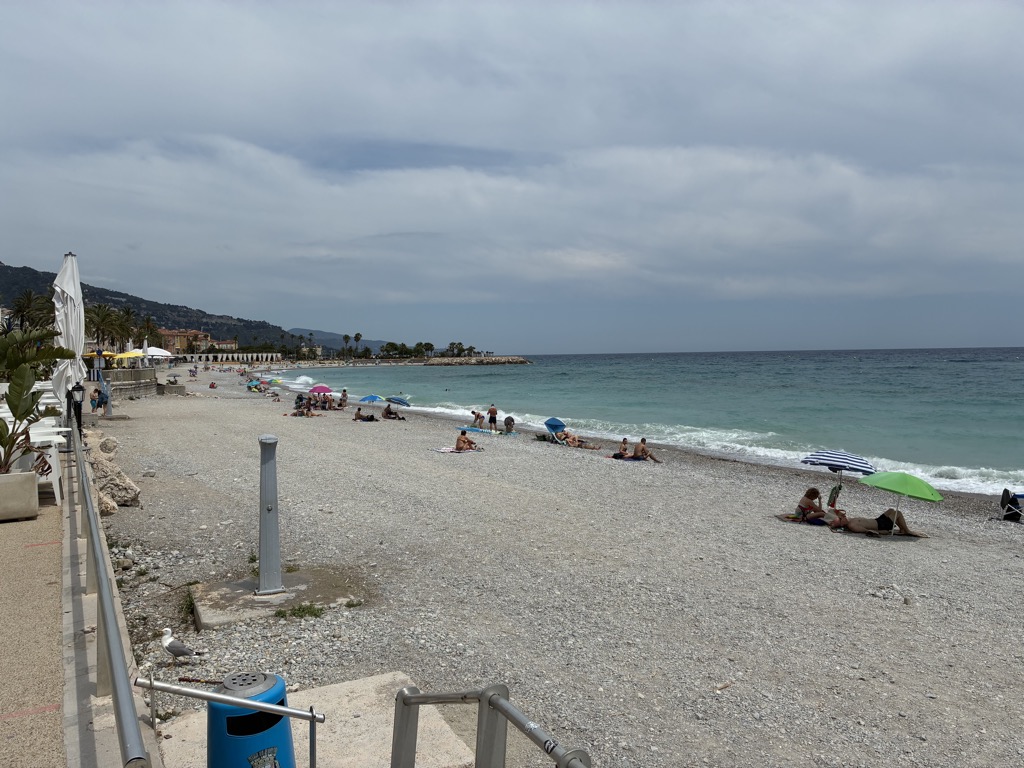
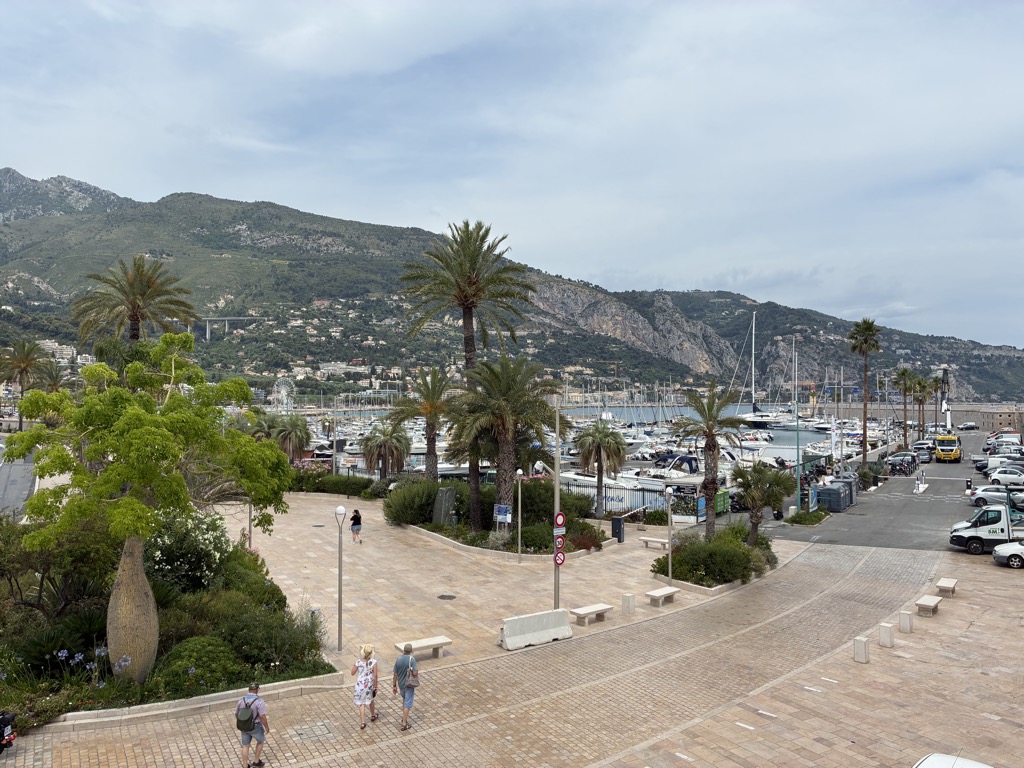
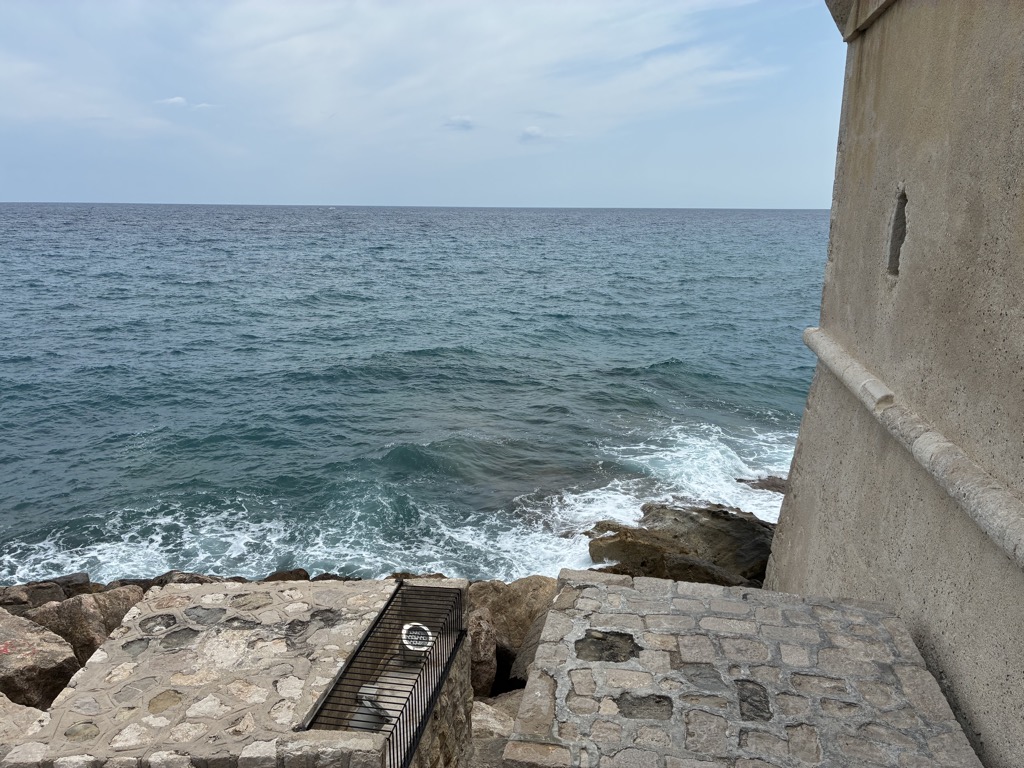
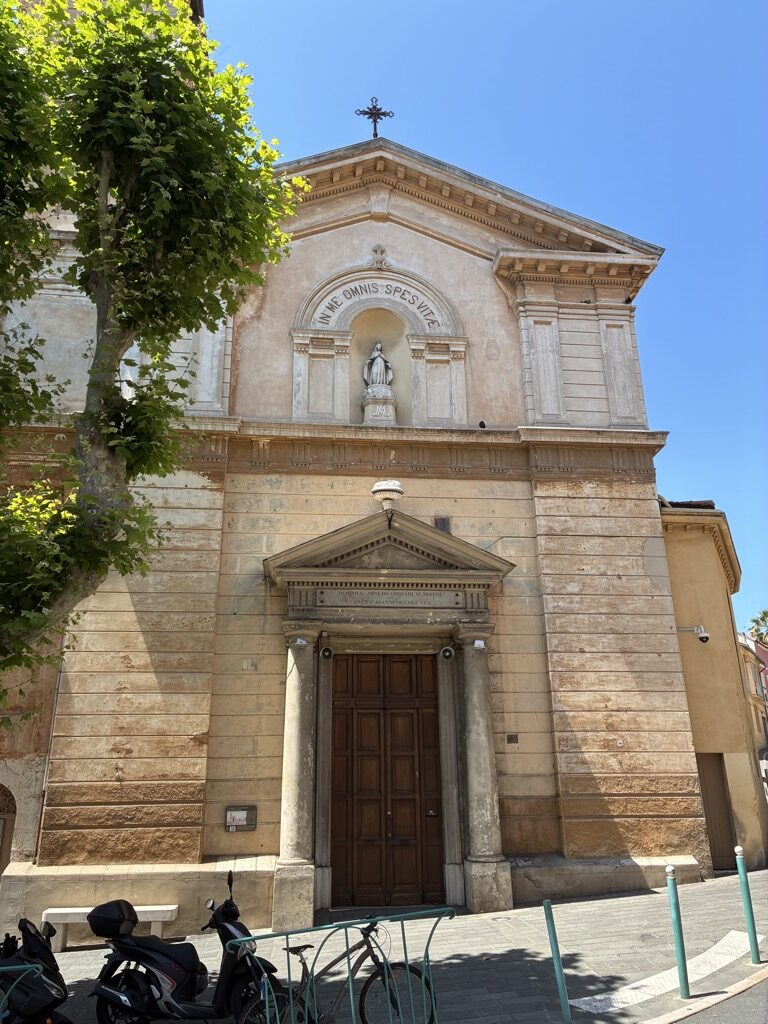
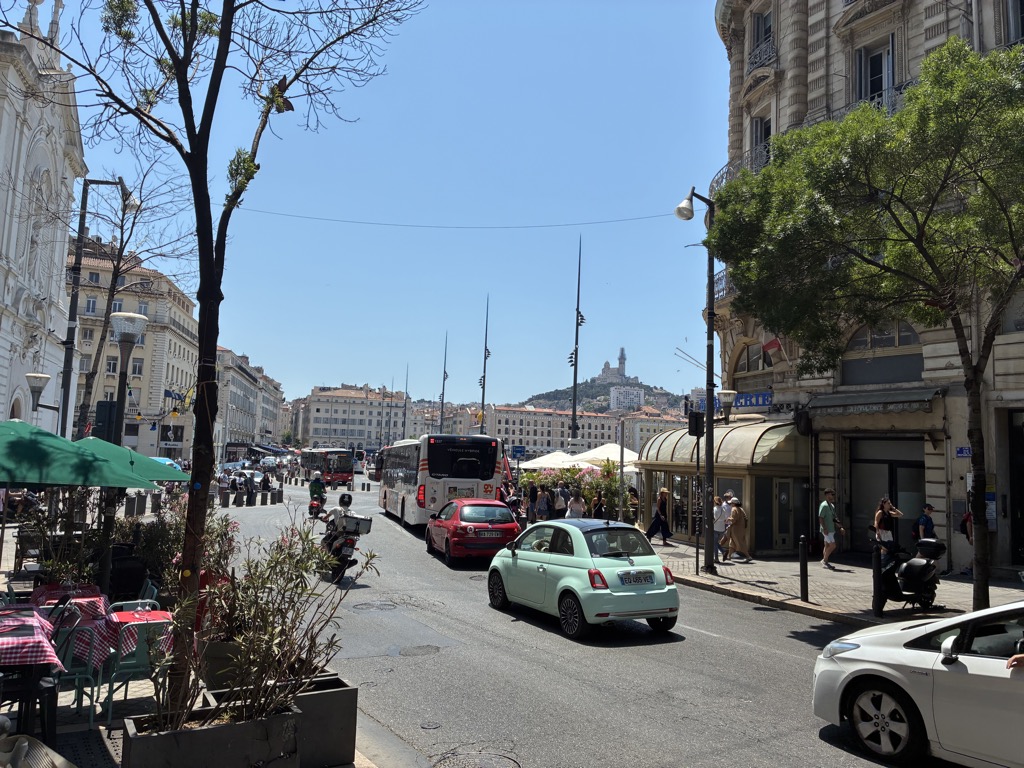
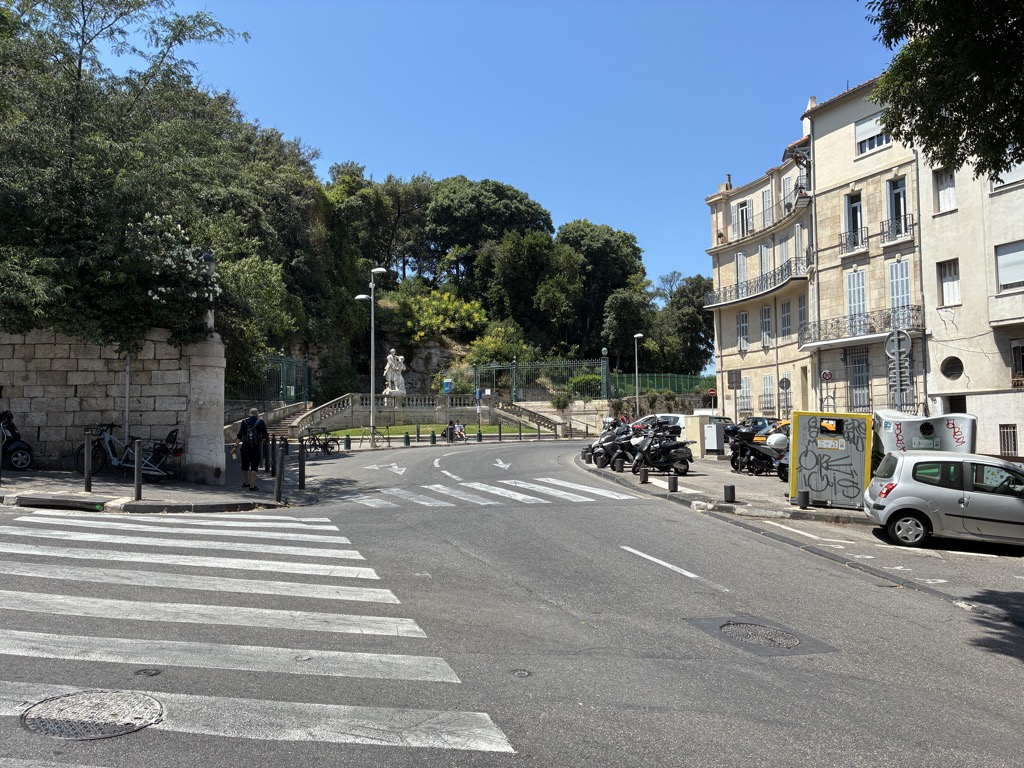
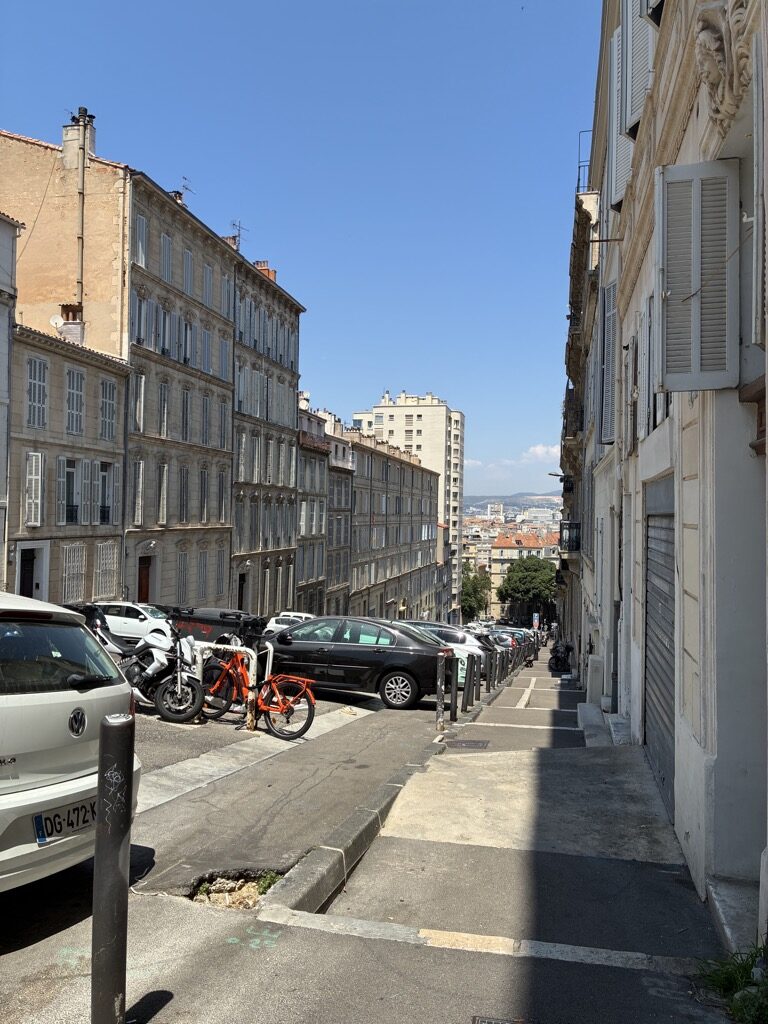
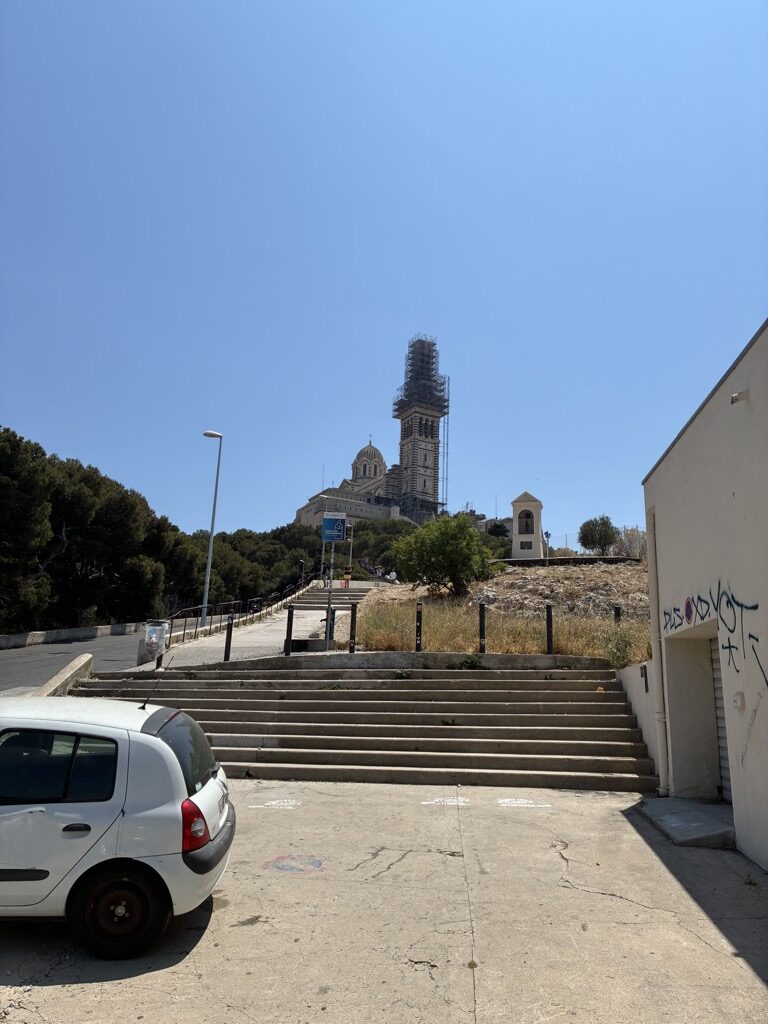
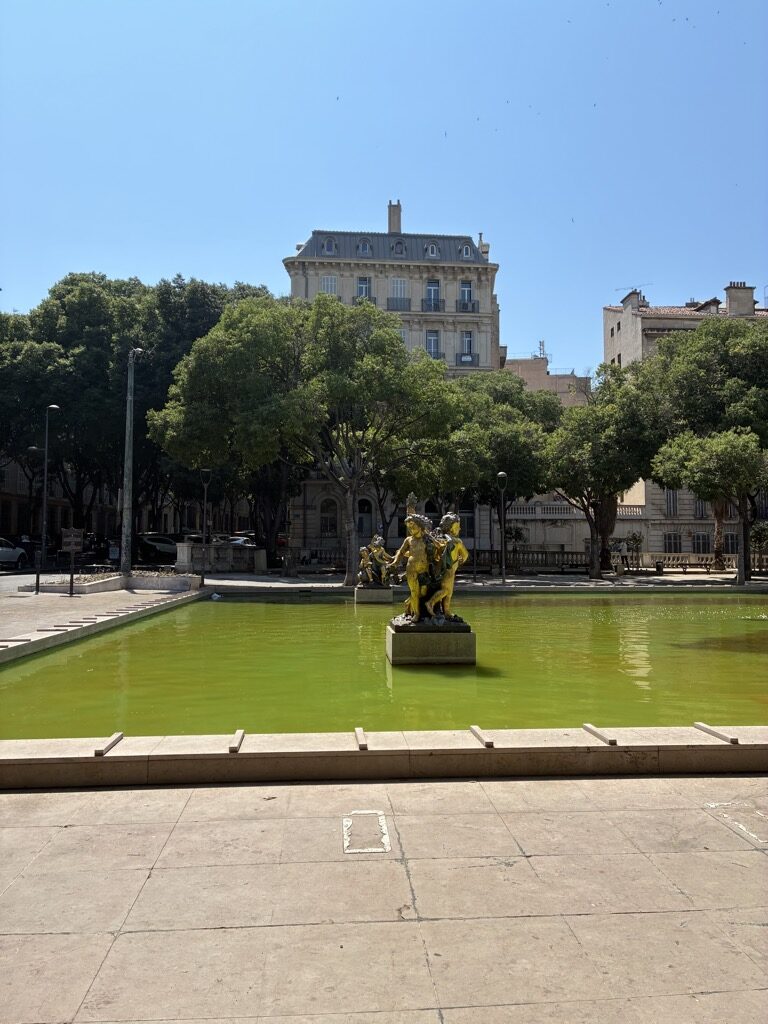
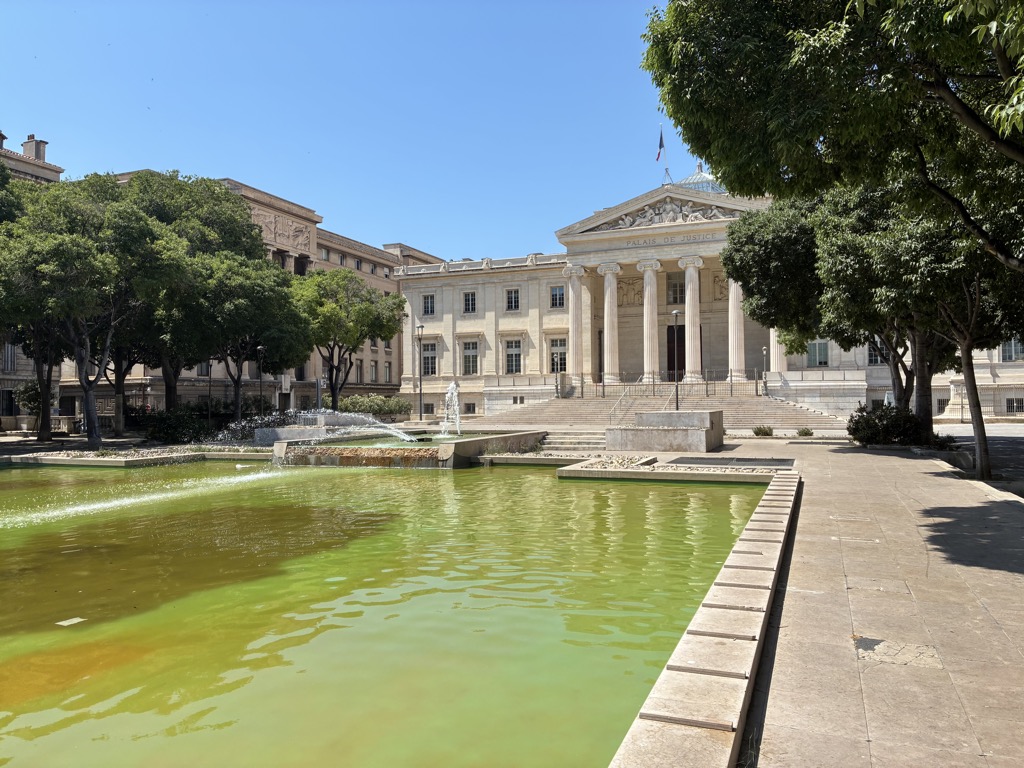
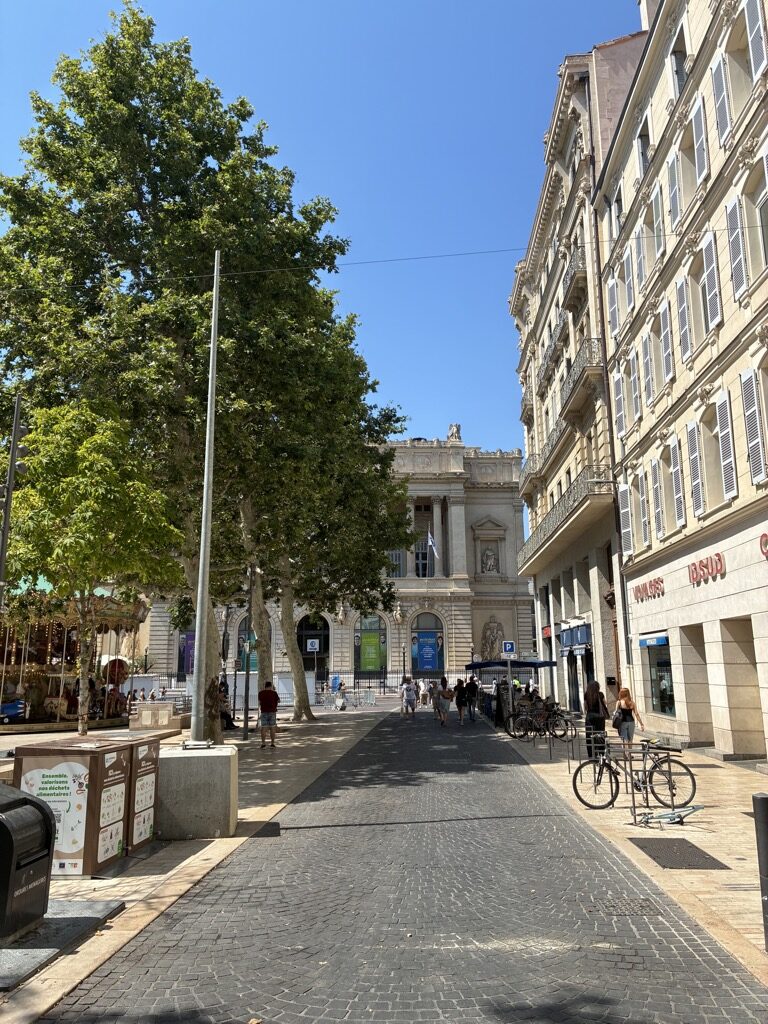
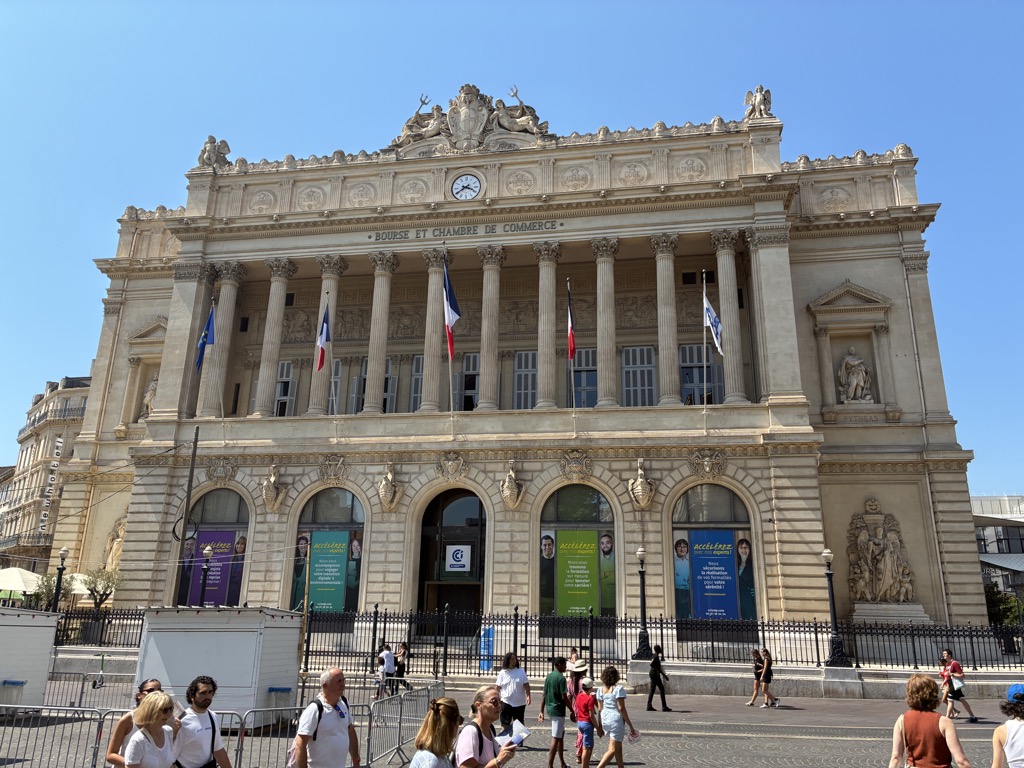
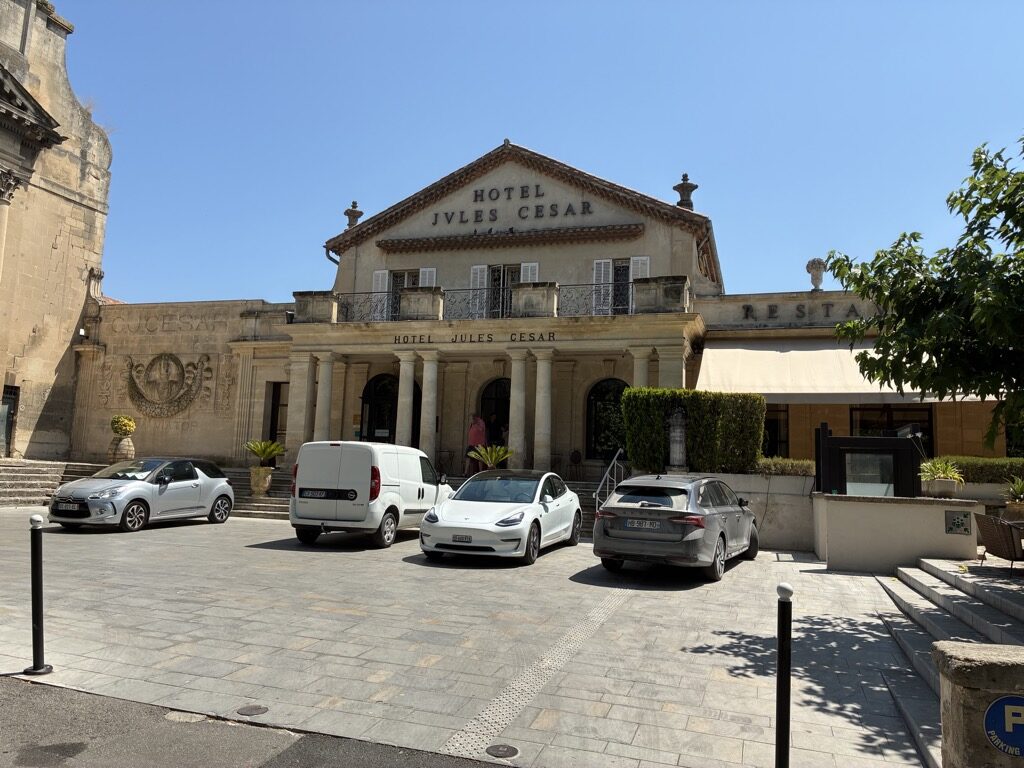
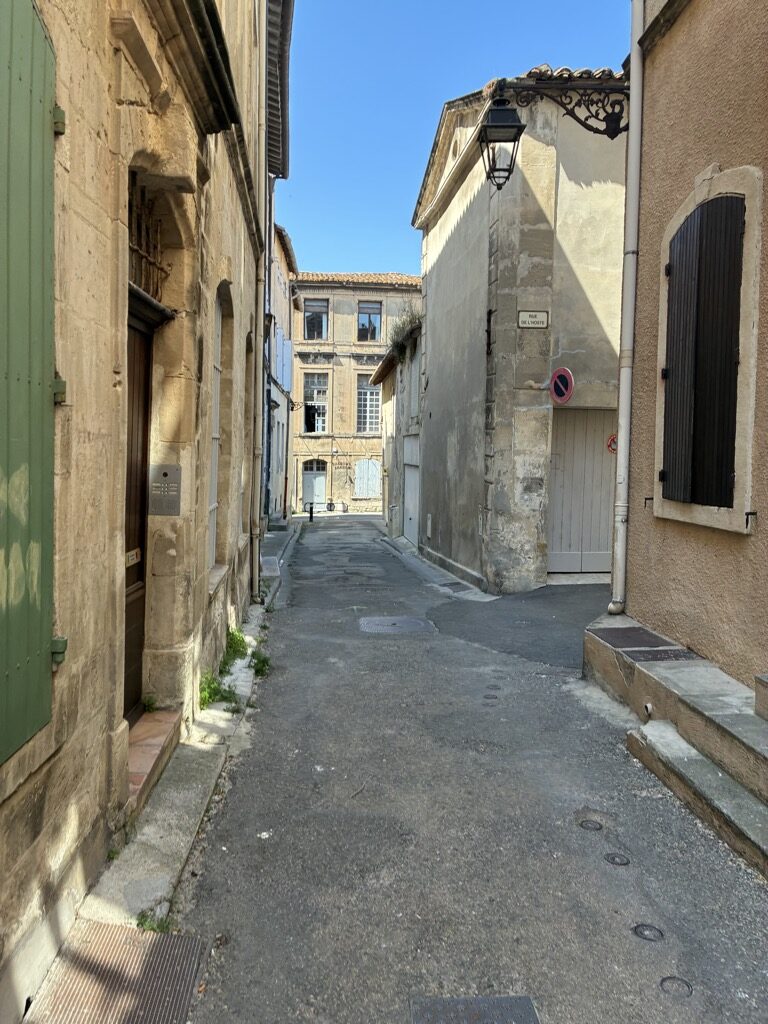
Art museums are not my thing, but Musée National Marc Chagall in Nice is really good. You can really tell the difference between a private lot and a national museum; the biggest hint is the security checks with metal detectors, especially for Jewish artists. The grand tour took us across the land from Marseille to Menton (and back), as we managed to visit Salon-de-Provence, Baux-de-Provence, Aix-en-Provence, Gordes, Grasse, Fréjus, Antibes, Vence, Nice, Monaco (only in passing), Cannes, Menton, and Arles. While some cities are cleaner and better taken care of, all share the same bathroom policy – none of the coffee shops, restaurants, or other establishments allow bathroom usage unless you are a customer, not even for kids! It seems quite heartless when an 8-year-old needs to go, yet no one lets her use a bathroom. There are public bathrooms, but I’m not sure what the deal is with them; let me elaborate. Public bathrooms that I came across are basically stainless steel boxes on the inside, with stainless steel toilets that get cleaned after each use – which is very cool, but the way it’s implemented leaves much to be desired. Once the toilet is used, the door closes and power washing starts, followed by power blowing, and it is finally ready for the next user. Unfortunately, what I found after cleaning were wet floors, walls, toilet seats, and, according to my wife, wet toilet paper. After a couple of attempts, we avoided public bathrooms like the plague. Perhaps that might explain why there was a grown man urinating in the middle of the day on a fairly busy old city street. This, in turn, explains why some areas just reek of urine. Well, I guess it’s just part of the French experience.
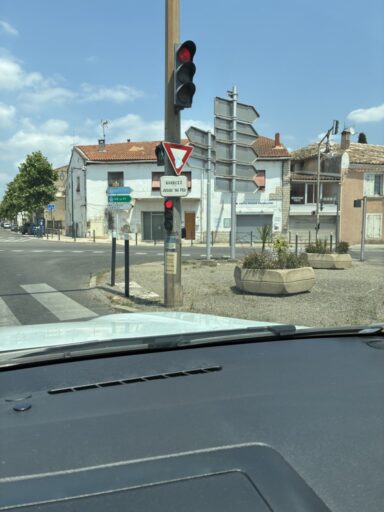
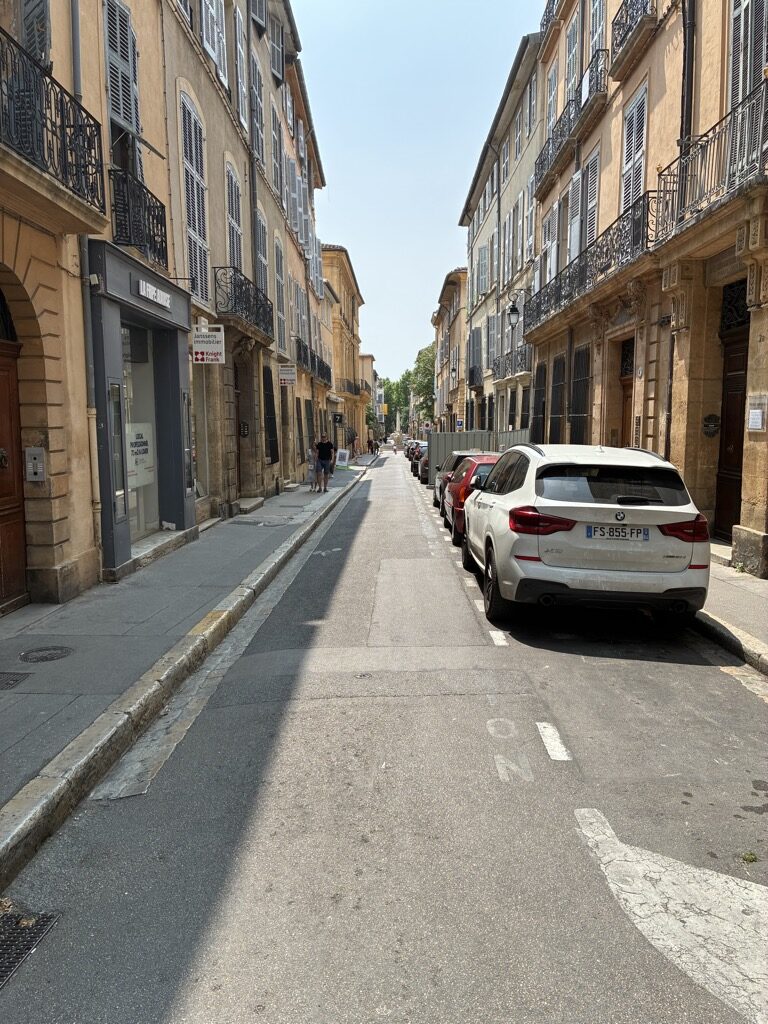
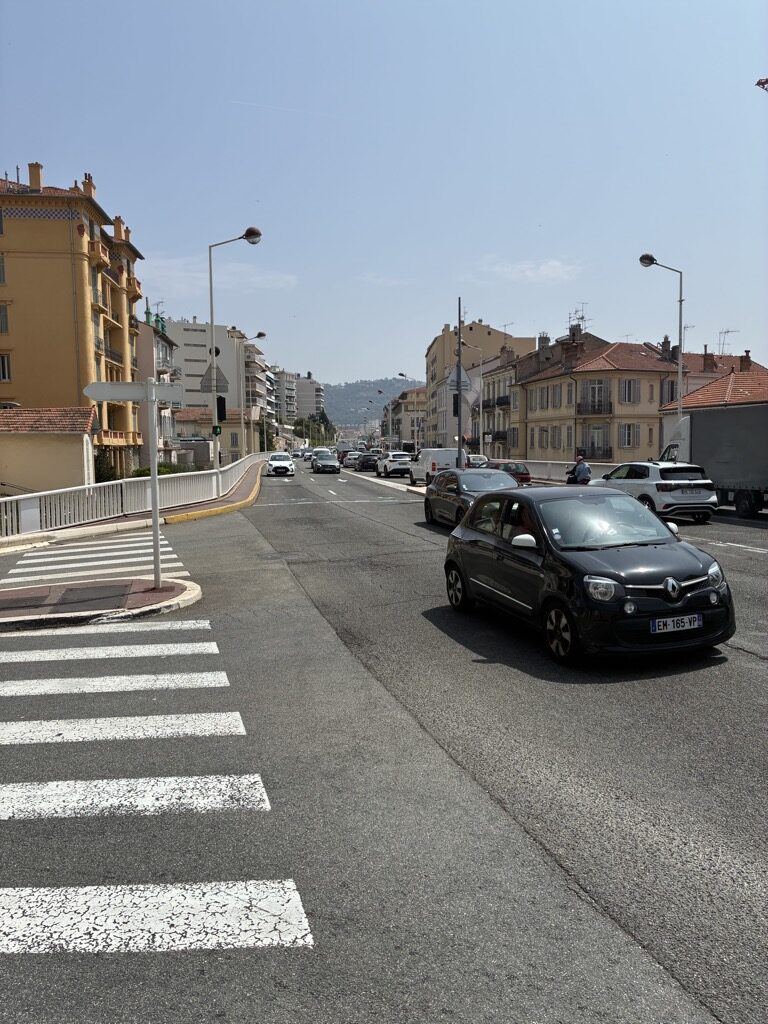
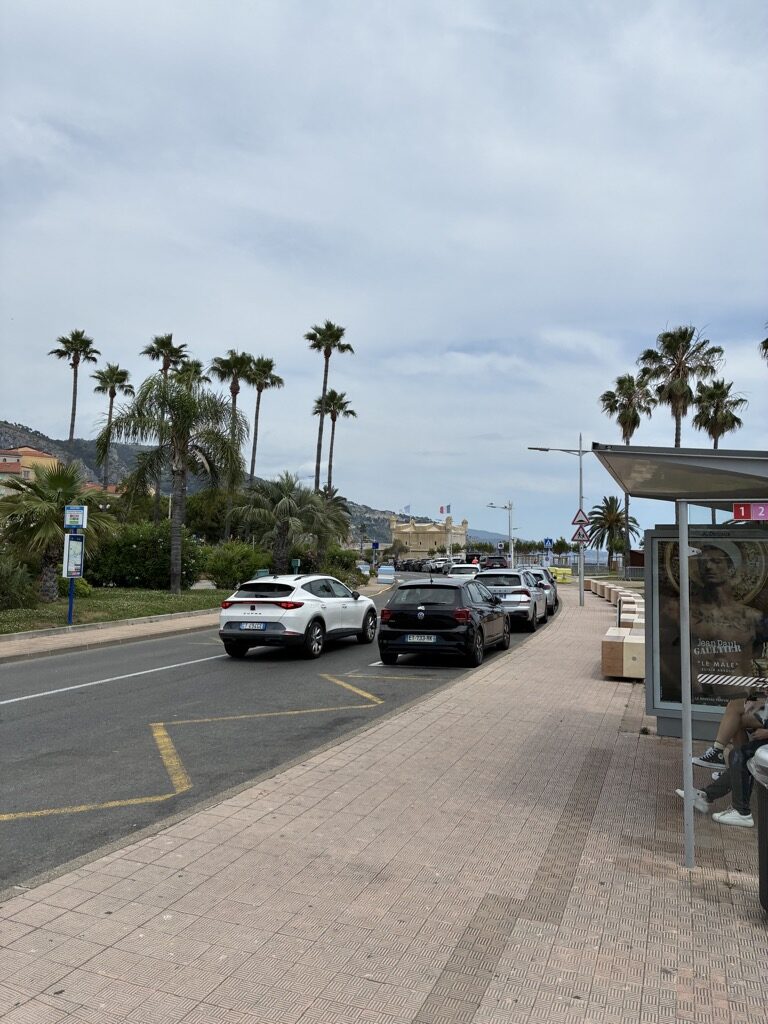
Europe has good public infrastructure, but we opted to travel by car for a few reasons, mostly flexibility. We could go anywhere at any time and haul luggage along as we traversed the land. Car rental seemed to be fairly affordable, as we rented the cheapest car for 375 euros with unlimited mileage for 20 days, which comes to just under 19 euros per day. Gasoline is quite expensive; luckily our car was sipping fuel, and after the entire trip of 808 km, including driving in the mountains, the car consumed about 75 liters, which worked out to about 130 euros. As far as driving went, the roads were pretty decent, even though my wife might disagree as some roads were pretty narrow and mountain passes a bit wild for her taste, though fun for me (Tail of the Dragon is even more fun). Since we had a road trip in Spain, slow and tight city driving didn’t come as a surprise; however, traffic lights did. The location of traffic lights is different, closer, and invisible to the first car at the light; however, a smaller version of a traffic light is mounted at a lower level right by the first car’s line of sight on the right.
Initially, I didn’t even register the small lights but quickly learned of their existence and purpose. In North America, traveling between cities teaches you simple math: take the length and roughly divide by 100 (speed limit on highways) to get a rough idea of the time it takes to get there. In France, the math doesn’t work. A lot of the time, you will be driving through towns with speed limits of 30–50 km/h (enforced by speed tables), and when you get to a highway (non-toll), the speed limit might change several times per single kilometer – here it’s 80 km/h, now 120, slow down to 90, now go 120, and slow down to 70. It was mentally taxing just to keep track. Luckily, Google Maps displays the speed limit on any given road. I often wondered who designed the road speed limits and how much money they wasted on signs. It would have been better to average the speed limits, saving money and headaches. Even more hilarious was the fact that mountain passes didn’t seem to receive the same level of care. They would have signs for 80 km/h even though going that speed might be reckless at best and dangerous at worst. All in all, driving in France is different but not in a significant way. If you plan to travel by car, I strongly recommend researching and planning parking. Some parking lots are better than others; consider theft, damage, or just tight parking spaces that not every car can fit into. Research ahead and pick primary and secondary parking locations in case the primary parking lot is full—it will save you time roaming around in busy city traffic. In addition, you will save yourself from pricing surprises. Different cities have different pricing structures; some parking lots might be significantly higher priced. It’s reasonable to expect anywhere from 6–8 euros for a few hours to 15–25 euros depending on the location and city.
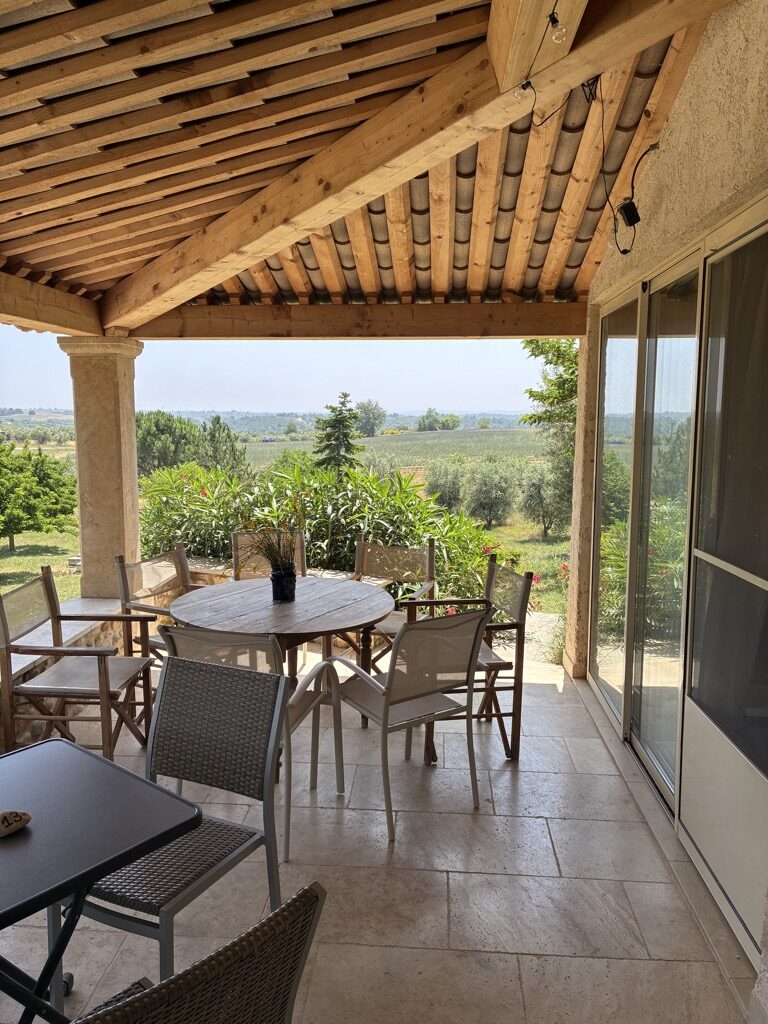
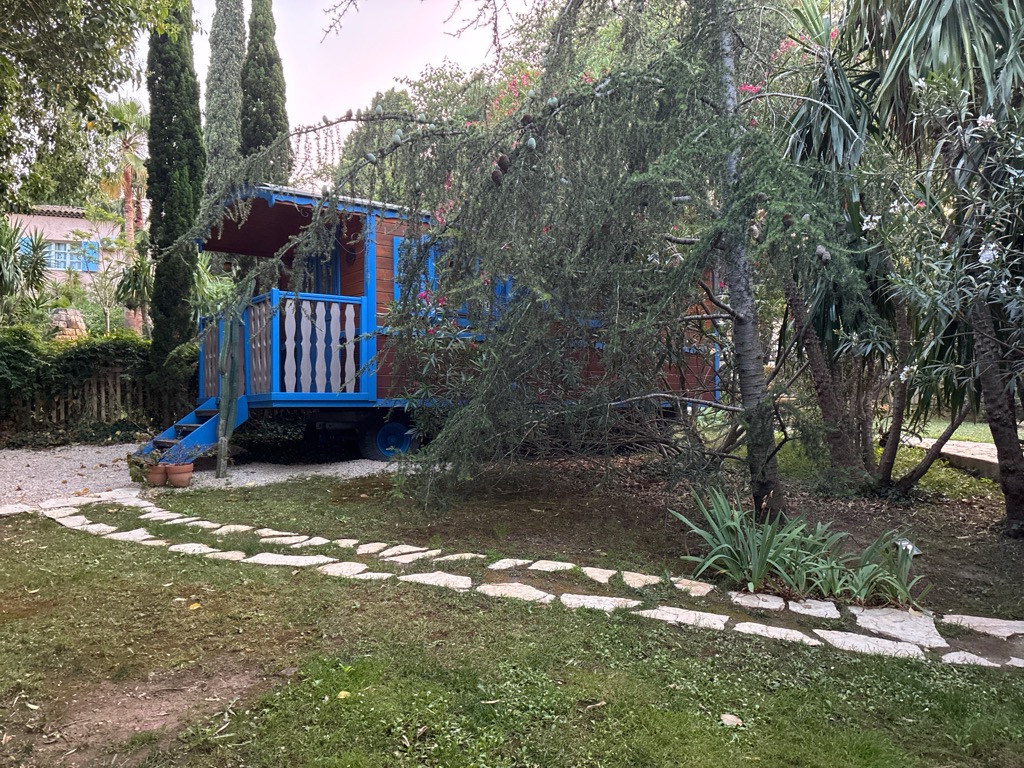
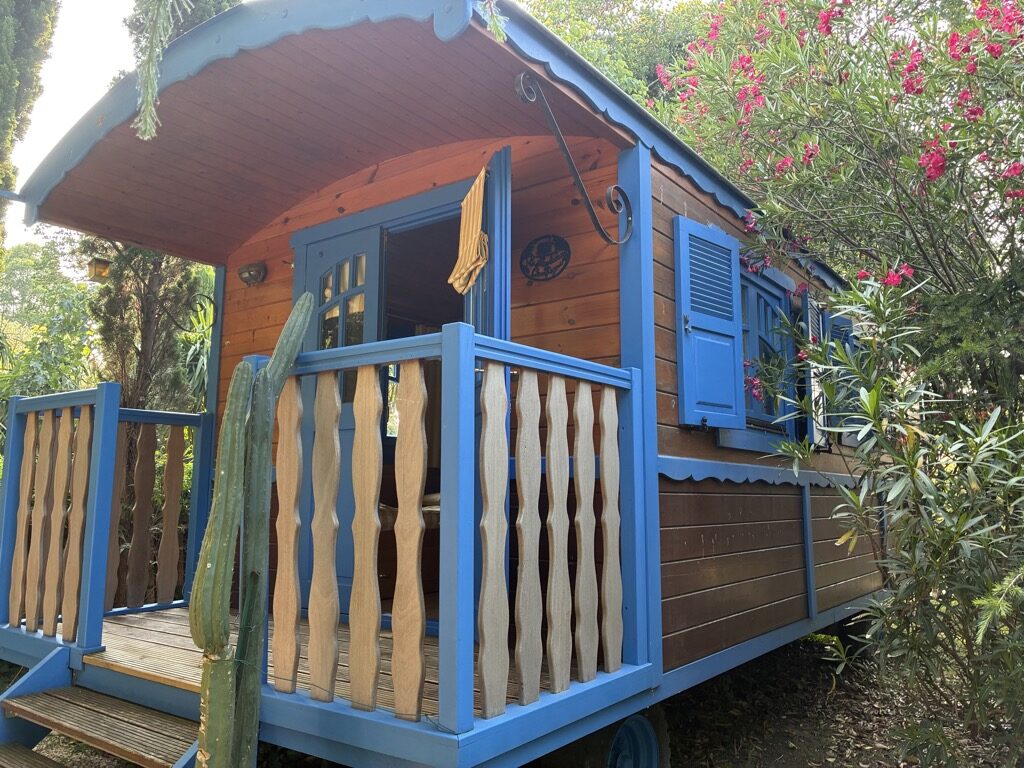
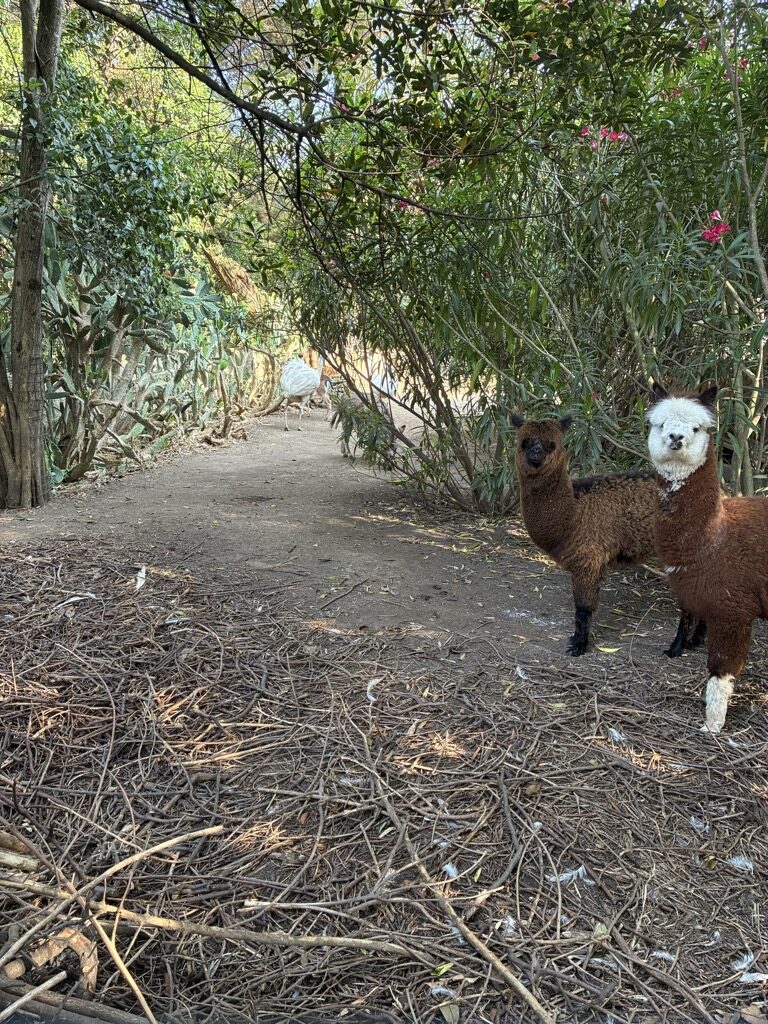
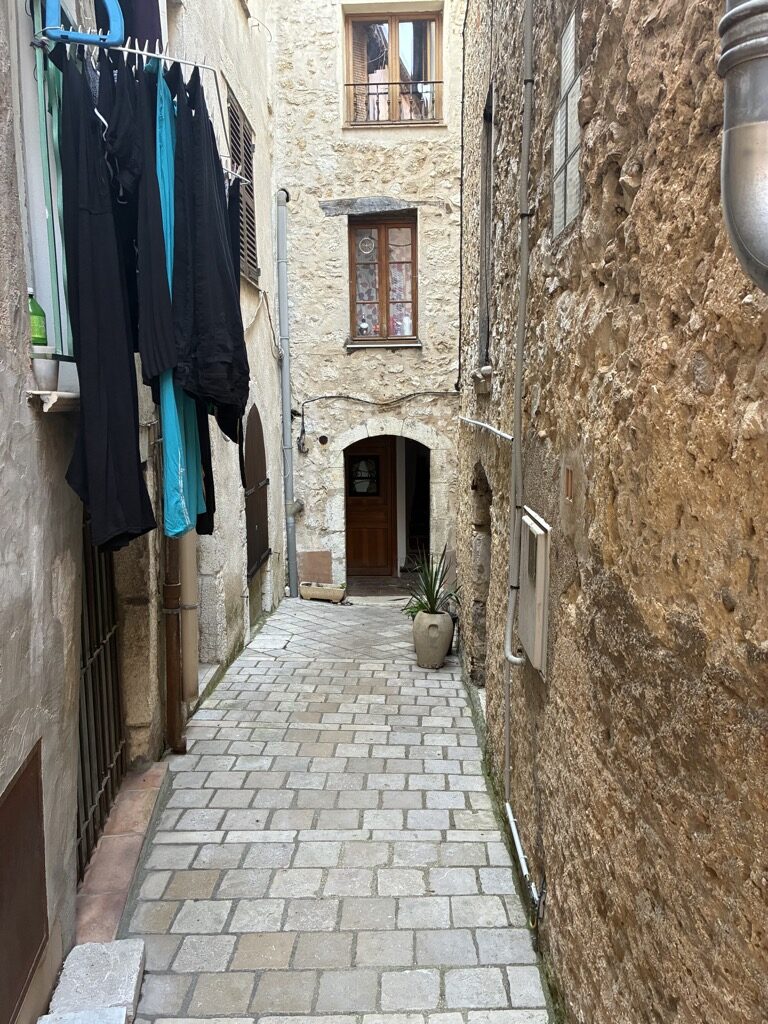
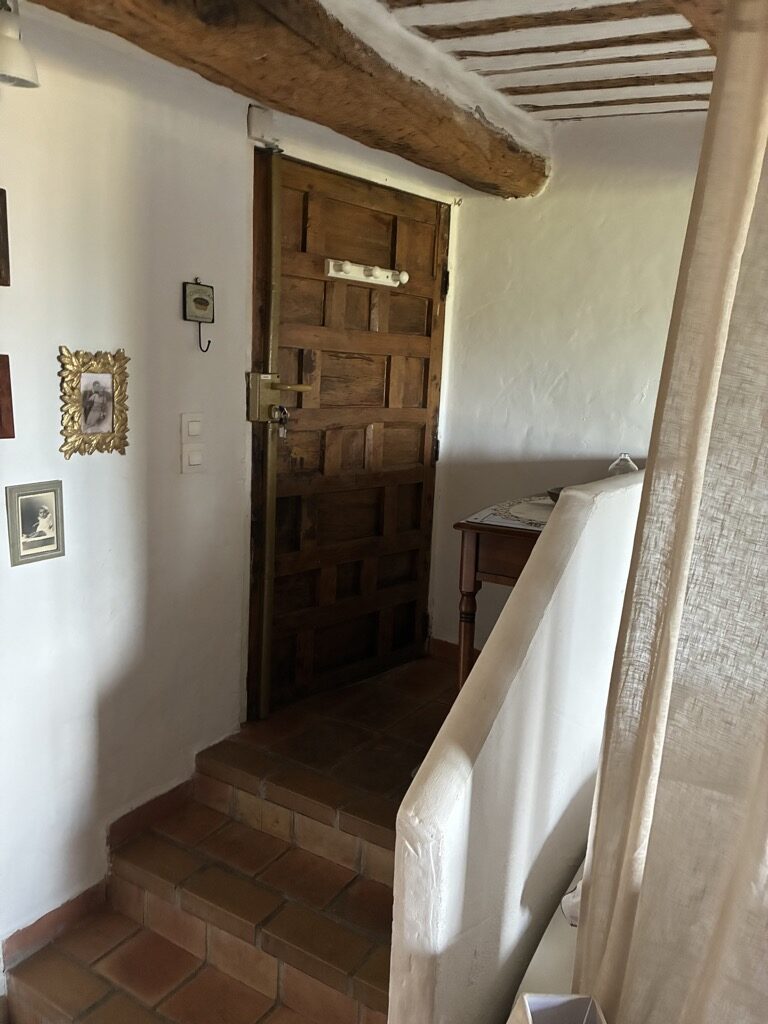
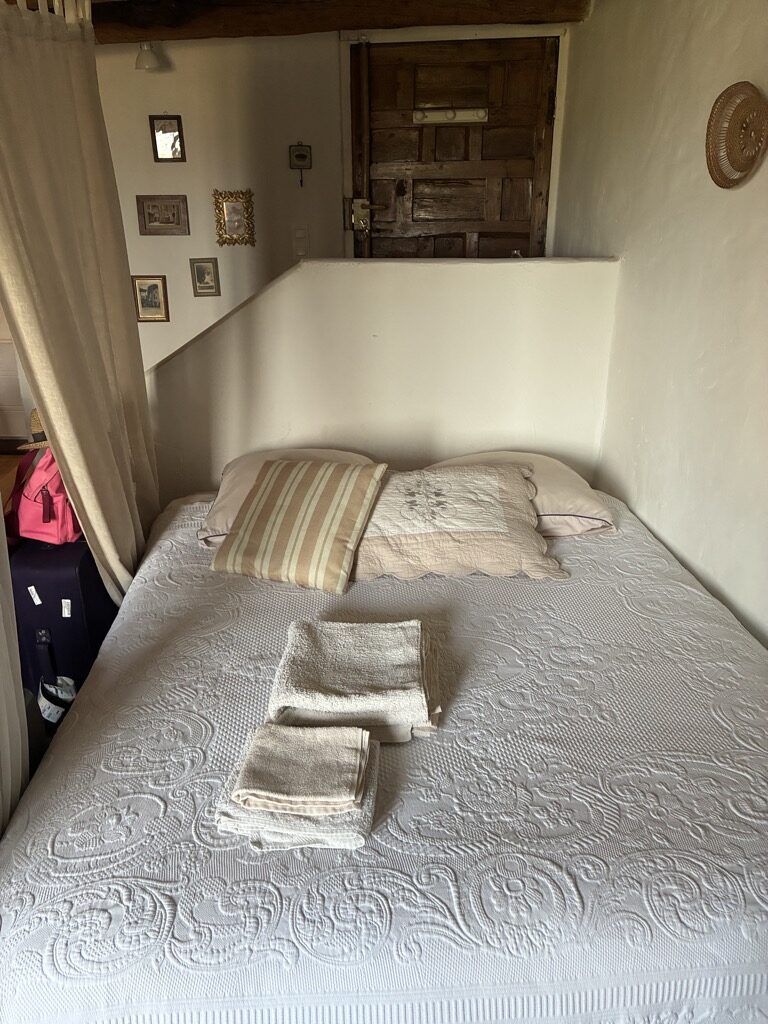
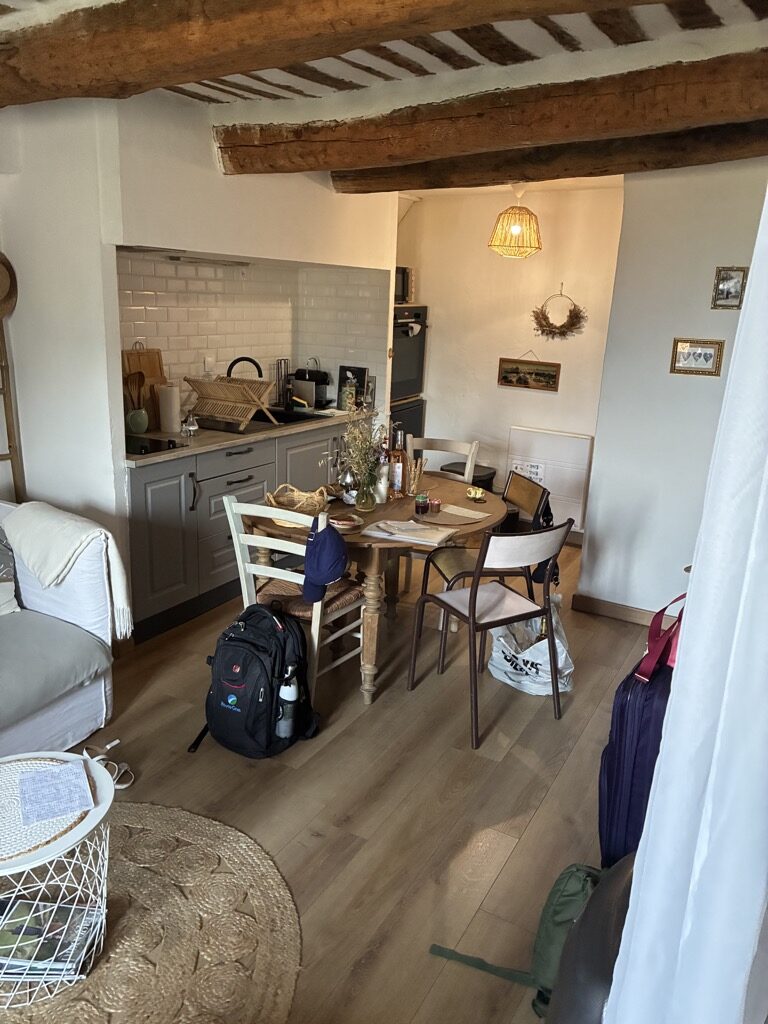
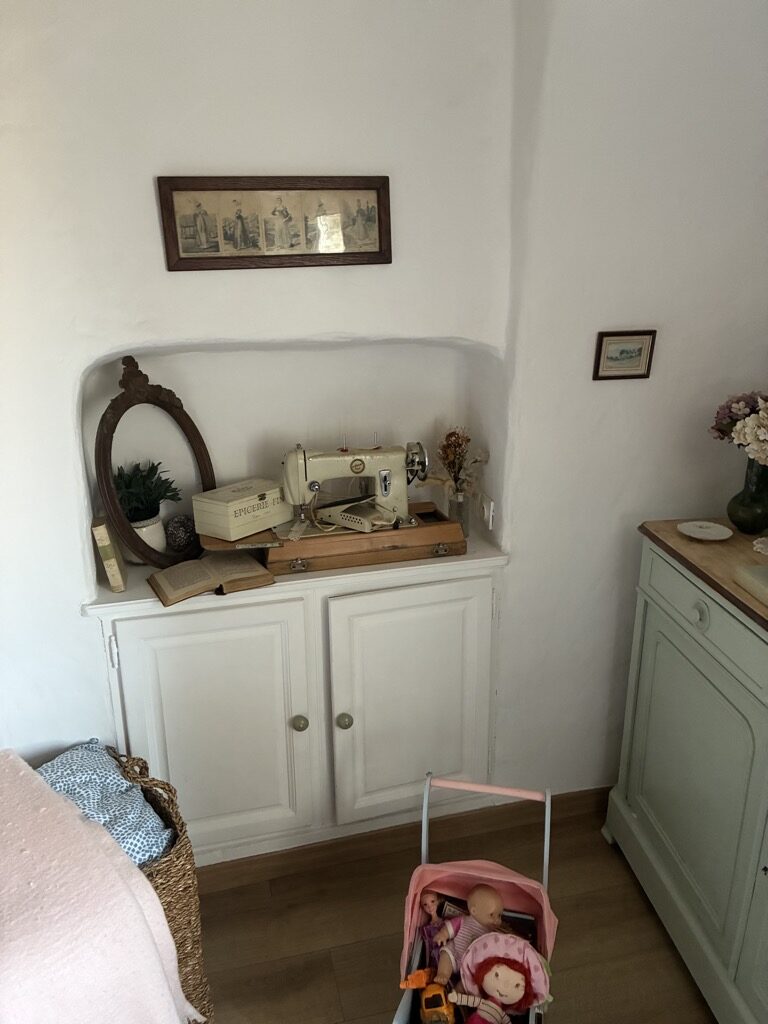
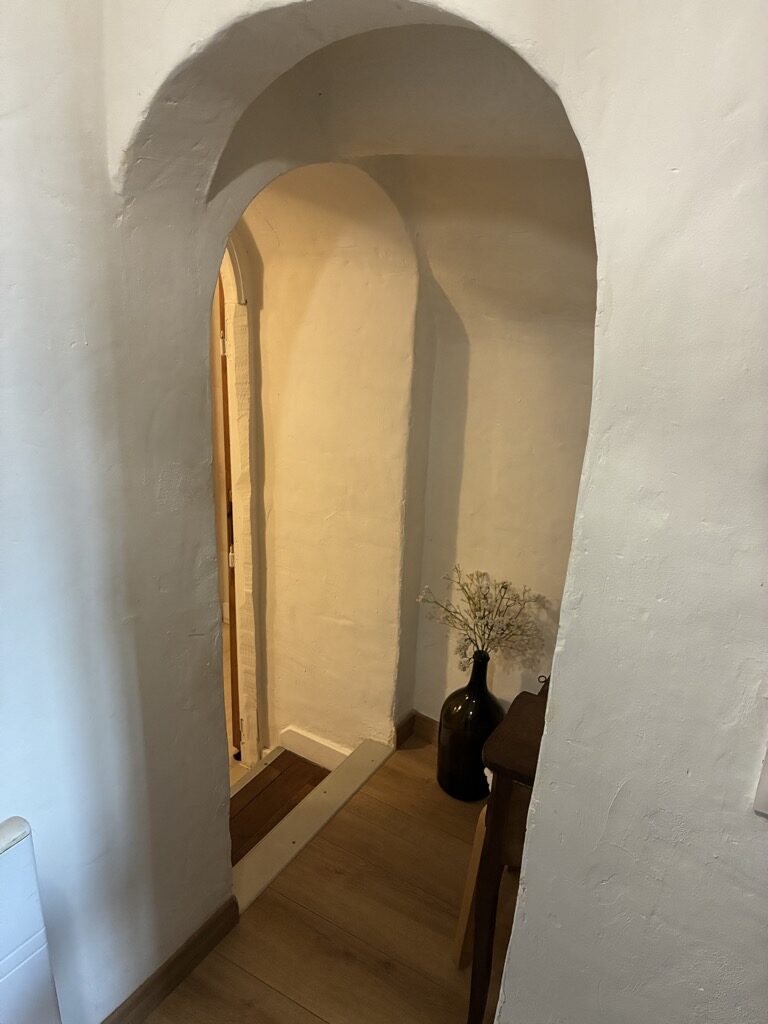
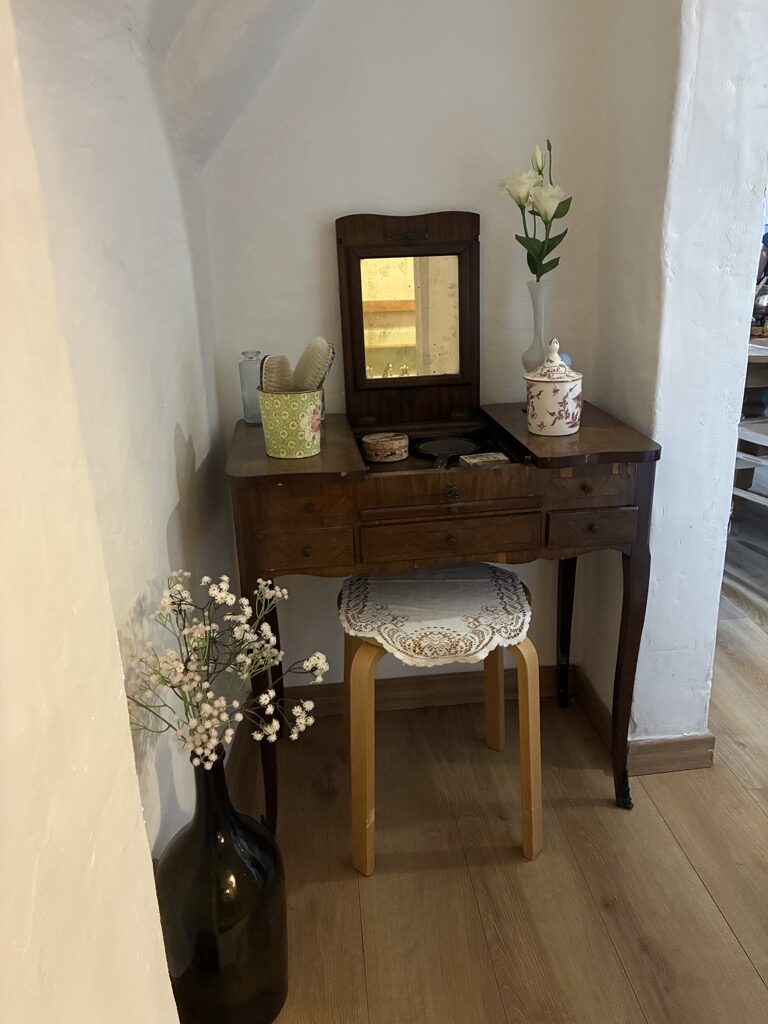
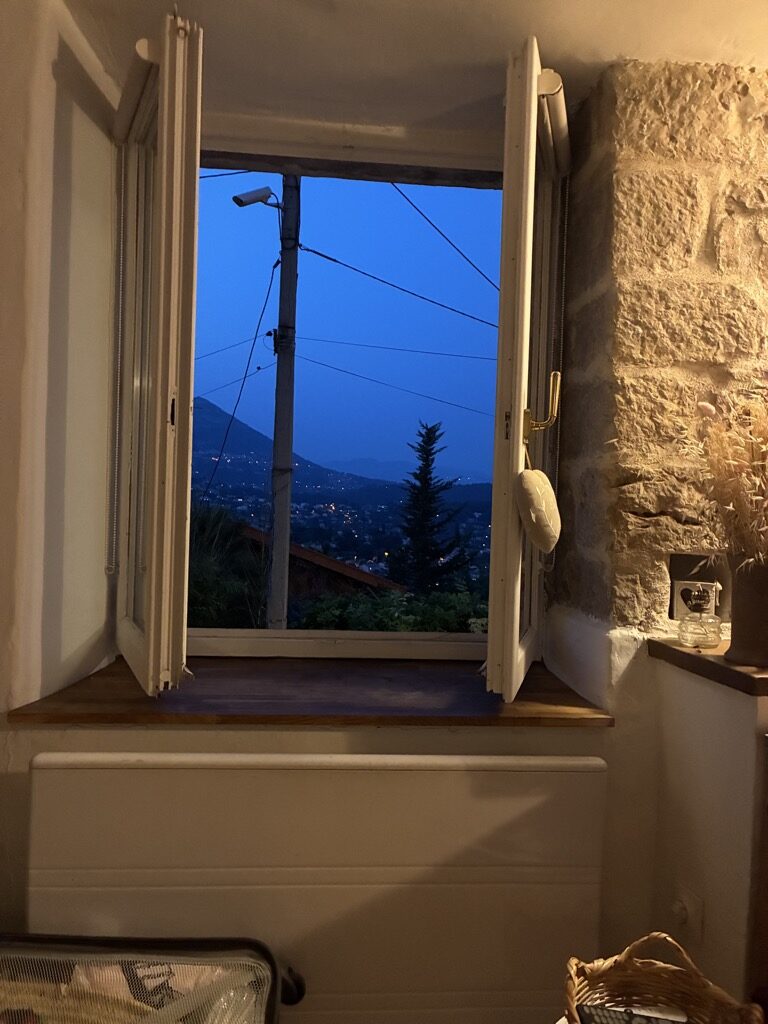
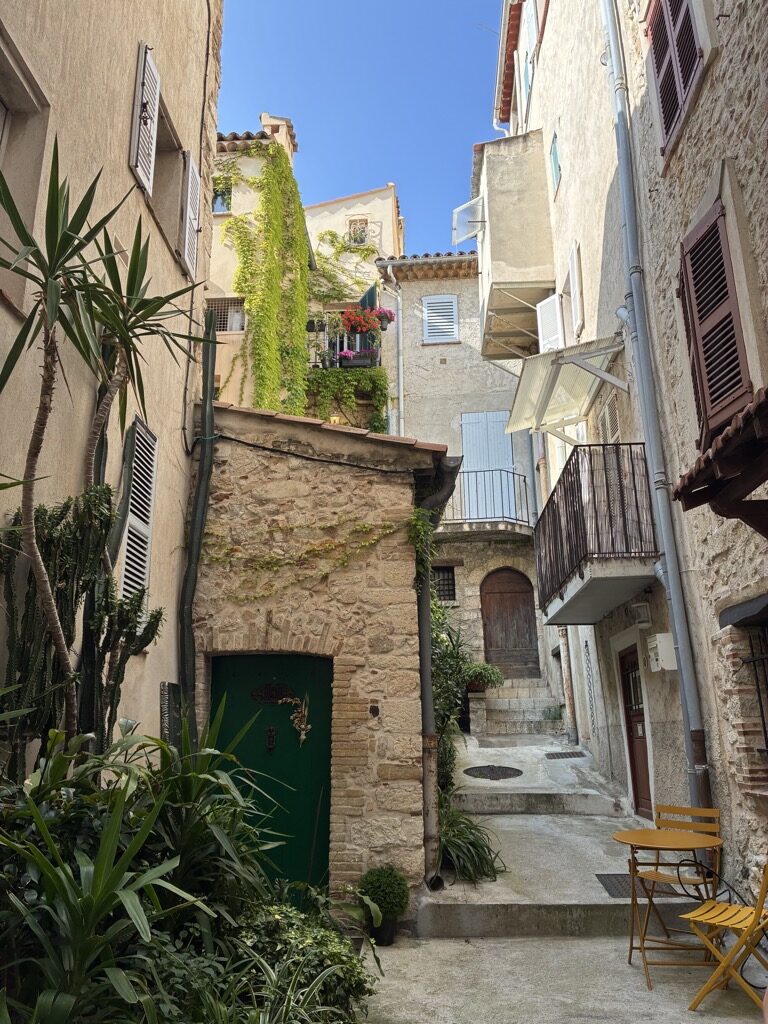
As we moved along the French Riviera, we stayed in different places, and not all of them were hotels. My wife prefers hotels as she always says, “there are standards,” and I learned the truth of that. We rented a couple of private places; one was a big wagon with an entire apartment built-in, including a tiny kitchen area with a tiny stove, tiny fridge, small sink, and such. The place was very cute, had air conditioning, and private parking (which you don’t see often). It also had an outdoor hot tub – which for some reason was an extra 30 euros per day -an outdoor patio, and a private zoo. It is quite something to wake up, go outside, and see a couple of llamas barely paying attention to you. While I was baffled, the kid actually enjoyed the zoo, as the very welcoming owner let her feed the animals. I guess some retire and go to Florida, others buy and sell cars, some travel, and some set up a zoo with donkeys, swans, ducks, chickens, llamas, wallabies, and whatever else I didn’t see behind the fence. As much as I enjoyed the place, it was lacking in the bedding department. The bedsheets were very cheap and felt like plastic, which didn’t add any joy to sleeping. I wish the owner hadn’t skimped on that. Another issue was ants – after a couple of days, they appeared in the kitchen sink and were happy to grab any crumbs they could find. Judging by ant traps left by the owner, it was not a new problem. Next was a private apartment in the historic city of Vence; I dubbed it the hobbit house. The entrance was narrow and low. I quickly learned to duck after hitting my head on a ceiling beam a couple of times. While the apartment had a washing machine, kitchen, normal-sized fridge, bathroom, TV, and Wi-Fi, it lacked air conditioning. The owner explained that air conditioning was not allowed in the historic part of the city, but I doubt that. I found air conditioners elsewhere in the historic part of the city and even worked out how to integrate air conditioning into the apartment without the intervention of a construction crew. After the first and only night of “open windows,” it became painfully obvious that mosquitoes were out and about. Even worse, once morning came, mosquitoes were quickly replaced by flies. The situation wasn’t helped by dirty floors and towels that needed to be thrown out a decade ago, but by that point, it didn’t bother us much. The entire stay was less than pleasant. The owner promised to bring a fan but never showed up. The final nail in the coffin came as a message from the owner demanding reimbursement for couch cleaning; however, no photos or additional information followed. One thing I learned: if you want an adventure, don’t limit yourself to hotels, but otherwise, remember: “hotels have standards.”
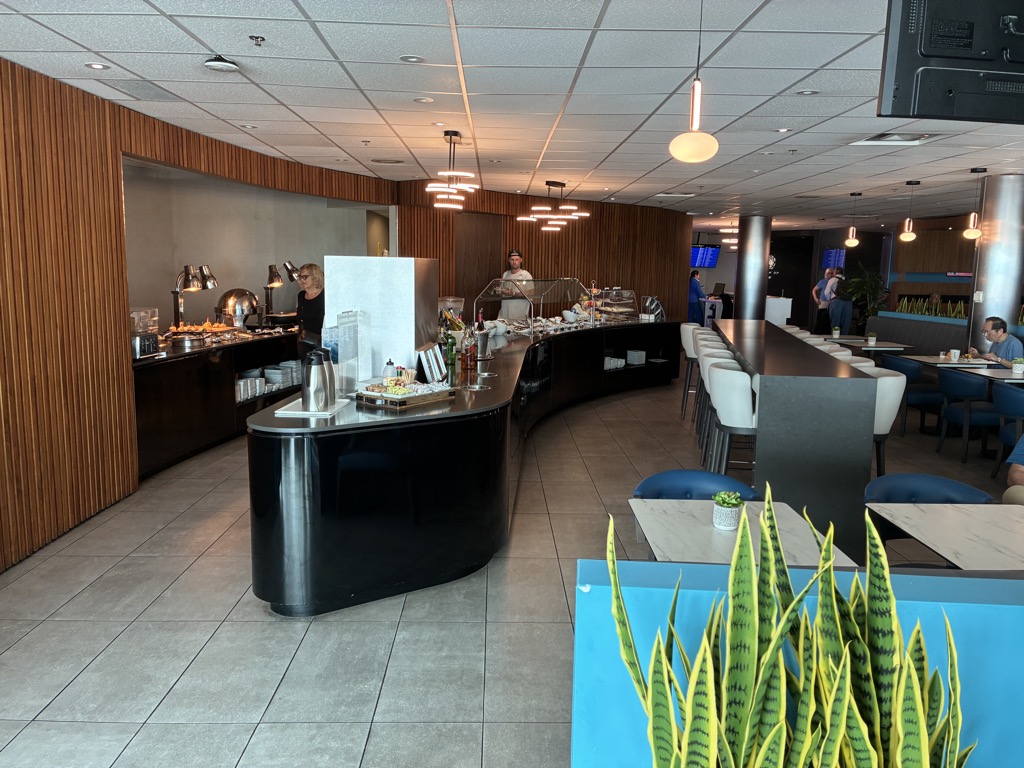
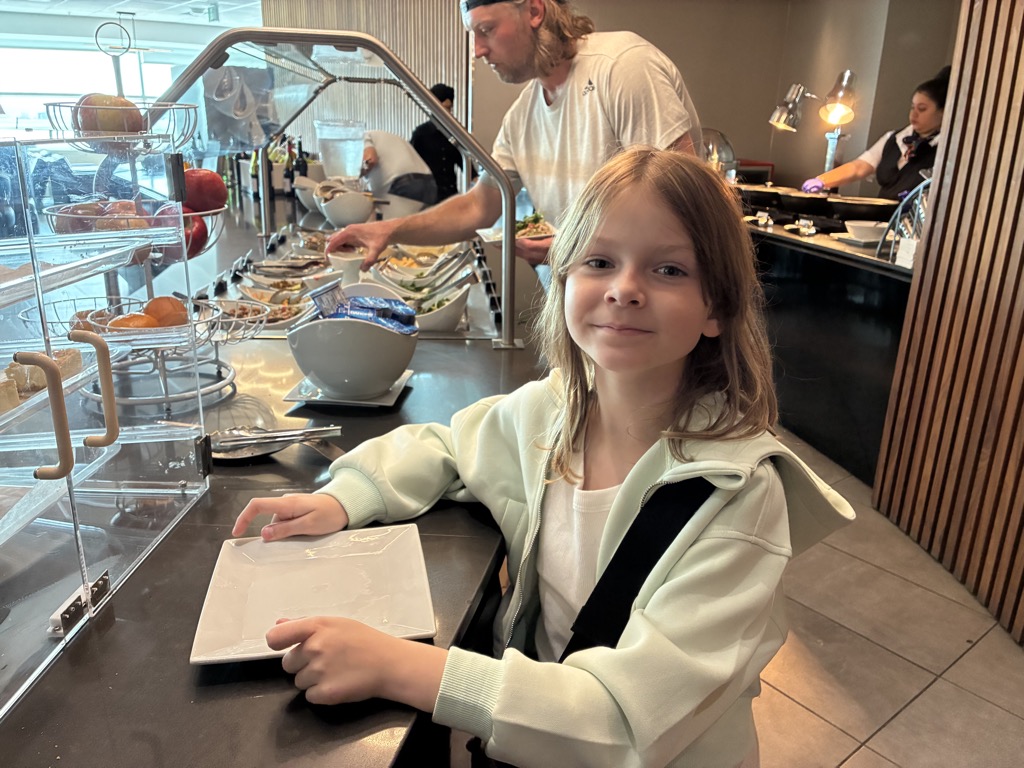
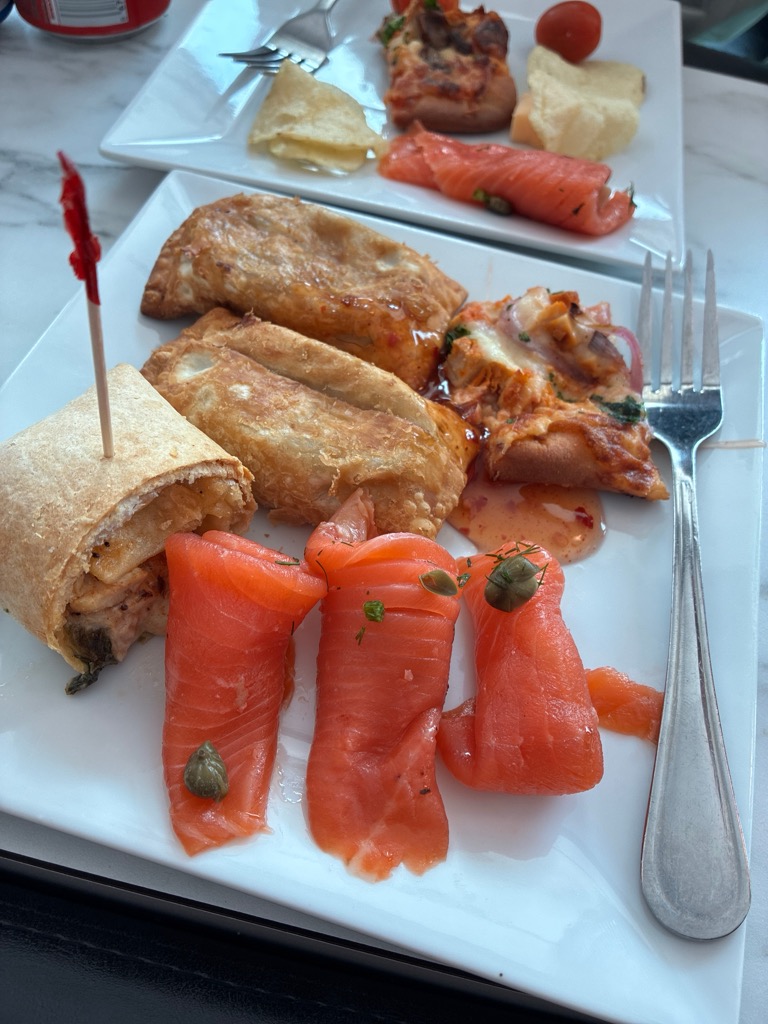
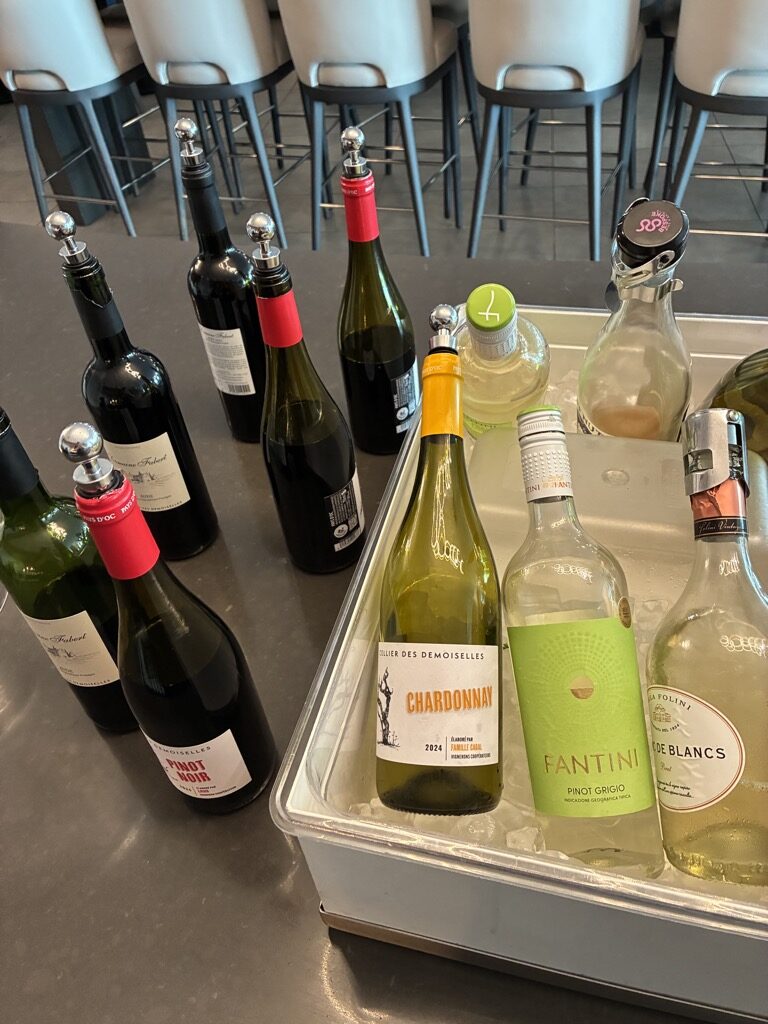
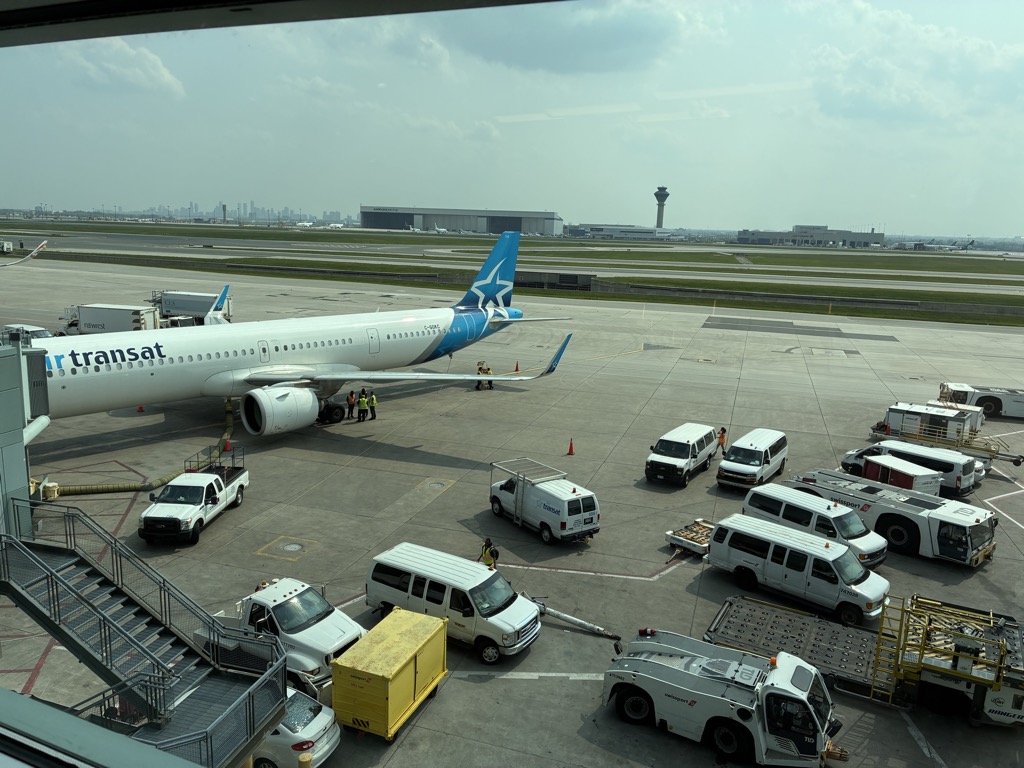
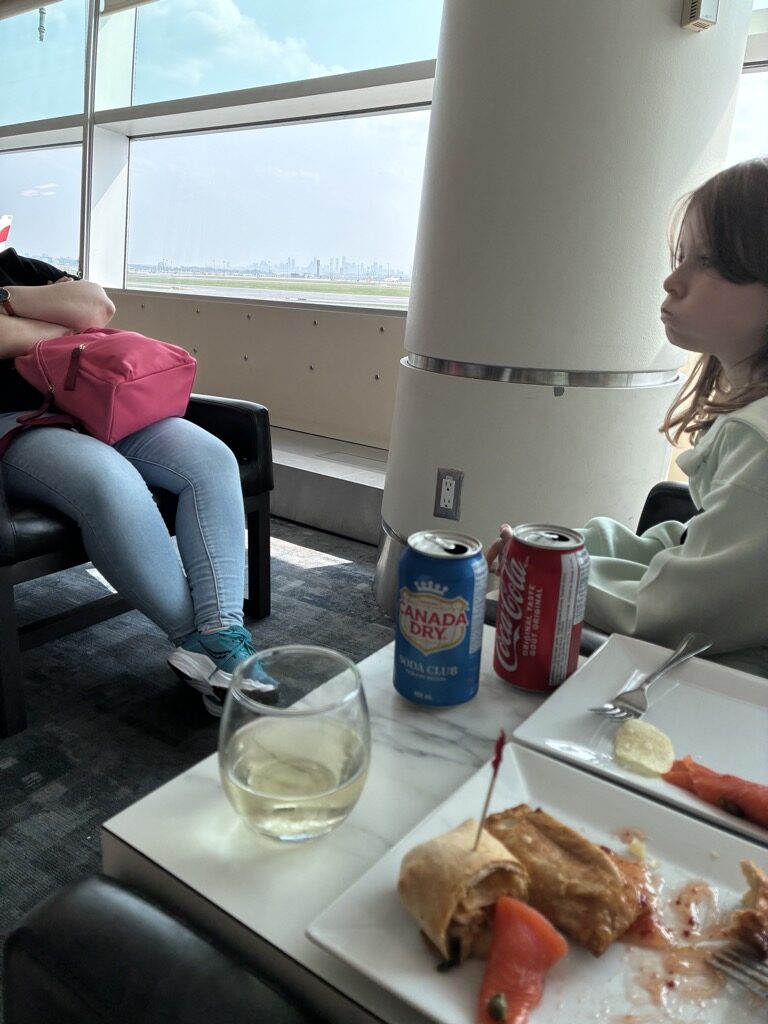
As far as any trip goes, something is bound to go sideways, but for us, it started early, as Air Transat informed us of limited space for luggage. Luckily, we pre-purchased space during early online check-in. Otherwise, we would have shown up at Pearson Airport just to find out that our suitcases had to stay behind because the airplane was overloaded. I never knew that an airplane could be overloaded with luggage and that there is no guarantee your luggage will make it onto the plane. Uncertain about Air Transat’s ability to bring our luggage back, I attempted to pre-purchase space for the return flight to no avail. Support staff on the phone couldn’t help due to system limitations, and the entire ordeal came down to “talk to people at the counter in Marseille on your way back.” Luckily, it worked out, as the return flight to Canada was half empty, even though I pre-purchased luggage the moment online check-in became available. I don’t travel much, so I didn’t know what to expect. While the transatlantic flight was equipped with an infotainment system, headphones were only available for purchase – only kids received free headphones; adults had to pay. That would have been fine if I could pair my Bluetooth headphones, but there was no option in the infotainment system. During our short stay at Pearson Airport, we discovered lounges, specifically the KLM Crown Lounge. Let me tell you, it is a very nice way to spend your time at the airport if you want to sit and relax – food, drinks, comfortable furniture, and as good a view as you can get at an airport. What made the whole deal sweet were the free passes to the lounge, as some credit cards provide travel bonuses. Unfortunately, my wife barely sampled any luxuries, as she caught a bit of food poisoning earlier, making the experience and the flight, let’s say, unpleasant, culminating during landing at Marseille Airport. Rental car pickup took an hour, even though we booked online. There were so many people that I ended up standing in line outside (luckily in the shade), while my wife and kid were recovering on some kind of couch in the garage-sized office with no air conditioning but open doors. That wasn’t the best start to a trip, but it wasn’t the worst either, as I recall the car rental place at Madrid’s airport in the middle of the night and how hard they pushed car insurance on us – it sure felt like a shakedown.
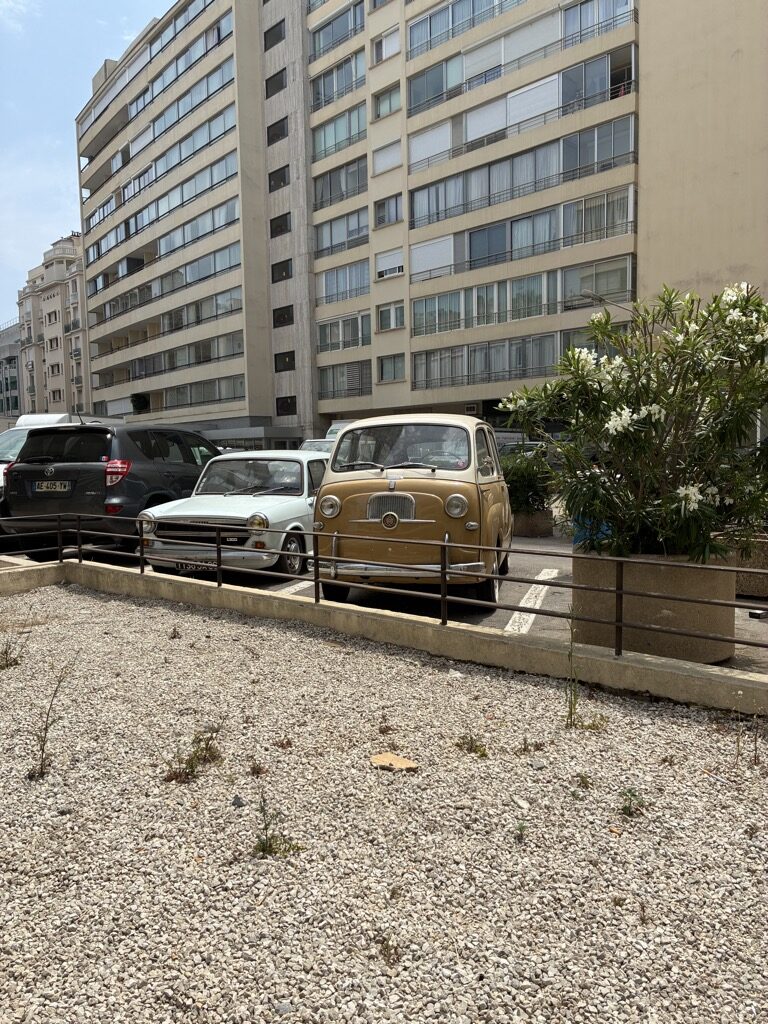
The entire trip was pretty safe; no one bothered us, and almost everything went more or less smoothly. We even managed to drive to Italy and back. Border crossing was a non-event; Italian border guards were nowhere to be found as we drove by, and on the way back, we managed to spot French border guards in a van – one was asleep and the other seemed too busy with his smartphone. Welcome to France. In a way, that made sense, since upon arrival in France, the border guard didn’t bother to ask us much: guns? drugs? purpose of your visit? how much money are you traveling with? None of it – just: “Hey, how’s it going? What’s the kid’s name? Why? Go ahead.” I like the nonchalant attitude; I wish it was more widespread. Despite some attitude and impatience, people looked better and slimmer than in North America. I wonder if it is because of the food or because people walk or bike more, or perhaps the south of France is an exception. Either way, food in grocery stores has additional information in the form of a simple gauge, informing the buyer how nutritious it is. I like the idea—you don’t have to read the entire label; you can just take a quick glance at the gauge and make a decision. I believe there are apps that can help with purchasing better food, but I’ll have to dig and see. Another joy was seeing how many people bicycle around. In the hilly areas, almost all bicycles are electric with mid-drive. As I took this in, I wondered if I should follow along, change a couple of things in my life, and start bicycling as well. As I walked around, I couldn’t help but notice that there were a lot of old cars – I even saw a grandma driving an old Renault 4 to a grocery store. I like old cars. In North America, old cars typically exist as restoration projects or prized possessions, almost never as workhorses. But the French concept of a car seems to be quite different. While it is a bit mind-blowing to see so many cars with scratches and dents, it conveys quite a different outlook on life and automobiles.
I feel like the grand tour was quite successful and despite my doubts, hesitations and reservations I learned a few things. I believe going into different environments and experiencing things always leave you with something no matter how big or small. Early on I was joking with my wife that France is just a wealthy and expensive Mexico. But by the end of the grand tour I don’t think it is the case, not even close. I’m not sure when will be next time I see France, but for now I’m happy I had privilege to go and experience small part of it.
Recently, I learned about Norbert’s Gambit, and it seems like a really nice way to avoid paying currency conversion fees. You still end up paying something, but depending on the amount you’re converting, the fees can be pretty small — I’ll illustrate this later.
So what is Norbert’s Gambit? Norbert’s Gambit is a strategy used to convert Canadian dollars (CAD) to U.S. dollars (USD) (or vice versa) by buying and selling interlisted stocks or ETFs — stocks that trade on both Canadian and U.S. exchanges. The idea is simple:
Buy the stock in CAD on the Canadian exchange.
Transfer the stock to the U.S. exchange.
Sell the stock there in USD — effectively converting your money with minimal fees.
As I mentioned, this method helps avoid conversion fees that banks, brokers, and private exchanges charge. Here’s what I’ve seen:
Banks: Typically take 3–5 cents per dollar (3–5%).
Brokers (InvestorLine in my case): Around 2 cents per dollar (2%).
Private exchanges near me: About 1 cent per dollar (1%).
Fees of 1–5 cents per dollar might not seem like much at first, but they add up fast—especially for larger amounts. For example, if you exchange $10,000 CAD, the fees would be ~$300–$500 for bank, ~$200 for broker and ~$100 for private exchange. Now think about your entire retirement fund — suddenly, those fees don’t look so small.
Norbert’s Gambit isn’t completely free. Here’s what you still have to factor in:
Trading fees: InvestorLine charges $10 per trade, so buying and selling costs $20 total.
Stock price movement: Prices fluctuate, so there’s a chance the value changes before you sell.
Market spread: The difference between bid and ask prices can result in a small loss.
That said, InvestorLine does automatic online transfers, so there’s no need to call anyone or wait a day — minimizing the risk of price movement. To test it out, I ran a small experiment:
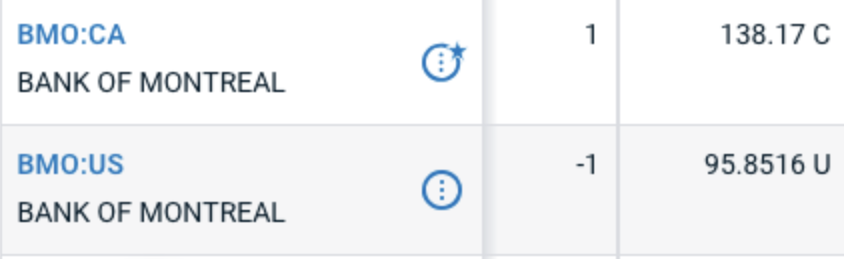
Bought 1 share of BMO:CA for $138.17 CAD
Sold 1 share of BMO:US for $95.8516 USD
Effective exchange rate: 0.694
Market exchange rate at the time: 0.693
I actually gained about 10 cents per exchange, but that was just luck due to market fluctuations going my way. Now let’s extrapolate and assume things didn’t go in my favor. If I exchanged $13,817 CAD, I’d buy 100 shares of BMO:CA and sell them in USD at an effective exchange rate of 0.692 instead of the market rate of 0.693.
Official exchange rate: 0.693 × $13,817 = $9,575.181 USD
Loss due to the exchange rate difference: $9,575.181 − $9,561.364= $13.817 USD
So, I lost $13.82 USD due to the slightly market volatility. If I had used a private exchange instead (charging 1 cent per dollar), the fees would have been: $9,575.181 – (13817 * 0.683) = $138.17 USD. That’s 10 times more expensive than my $13.82 USD loss from Norbert’s Gambit! Now, let’s add in the trading fees: 20 USD + 13.82 USD (loss) = $33.82 USD total cost. Even after including the trading commission, the total cost is still way lower than the $138.17 fee from the private exchange.
In my mind, Norbert’s Gambit is an awesome strategy, especially considering that Canadian investors have to exchange currency at least twice in their lifetime — once to invest and again to cash out for retirement. This means Norbert’s Gambit can save Canadians around 2% on foreign investments.
It’s been three years of war, and it keeps on going. My naïveté is slowly being replaced with cynicism. Last year, I hoped the West would pull itself together—providing much more support to Ukraine while applying greater economic pressure on the other side. While there have been some increases, once again, it’s been too slow, too little, and in some cases too late.
To some degree, I’ve started to feel like the West is trying to preserve the aggressor. Yes, save the murderer—because otherwise, someone would have to deal with the fallout?! It’s astounding to contemplate such a scenario. It feels like there is no justice, no honor—it’s all about preserving the status quo. And by the way, the same seems to be happening in Israel. After the horrendous October 7th attack, somehow Israel is labeled the bad guy.
If you attack, kill, or kidnap—you are the aggressor, the murderer. It should be plain and simple. Yet, this concept seems too difficult for some to grasp—or so it seems. Another concept that apparently baffles people is democracy, liberalism, and freedom. Some places have them; others don’t. Ukraine and Israel have them. And the opposing sides? Let’s see: one place has had the same “president” for over 24 years—marked by repression and political killings. The other hasn’t held elections in the last 19 years, and political opposition tends to end up flying out of windows shortly after speaking up. But again, this concept seems too hard to grasp. Who are the bad guys in this situation? Somehow, we’ve bent the truth so far that Ukraine supposedly started the war and Israel is somehow the aggressor.
I’m tired of watching these horrific events unfold, but I don’t dare look away. It’s a reminder of how people operate, how disinformation spreads, and how evil prevails. But we cannot give up. We must keep fighting—keep going until the very end.
Immortality is not an option, so we must face the music sooner or later. On a grand scale, the life of a person is not very noticeable; thousands of people embark on their last journey every day. Yet, those closest to us feel particularly special. I’ve been told that everyone processes such an event in their own way, and I’m no different.
For some, the journey starts abruptly, while for others, the beginning stretches out, like trailers in a movie theater before the main show. The prolonged ones seem to be the most difficult. Horrible pain and suffering, without even a glimpse of hope. Can you imagine being sick—having an endless flu, a fever that never breaks, constant headaches, muscle pain, coughing, and a runny nose? And along with all of this, you know, you understand, there is no getting better. There is no recovery. This will end in only one way. Now, multiply that pain several times over.
Departures are always sad. We miss loved ones, even when they embark on a great journey, yet these departures aren’t typically accompanied by excruciating pain that lasts for months on end. After all the pain, suffering, and goodbyes, the journey begins. So shouldn’t we rejoice that our loved one has finally embarked? Shouldn’t we feel some happiness, at least for their sake? Not for our own selfish feeling of being left behind, but joy for their journey—for their release, for the end of their suffering, when nothing more could be done. I don’t know the right answer. I just feel serene, with a trickle of sadness and joy. In my mind, it is not about me; it is about them, wherever they are now.