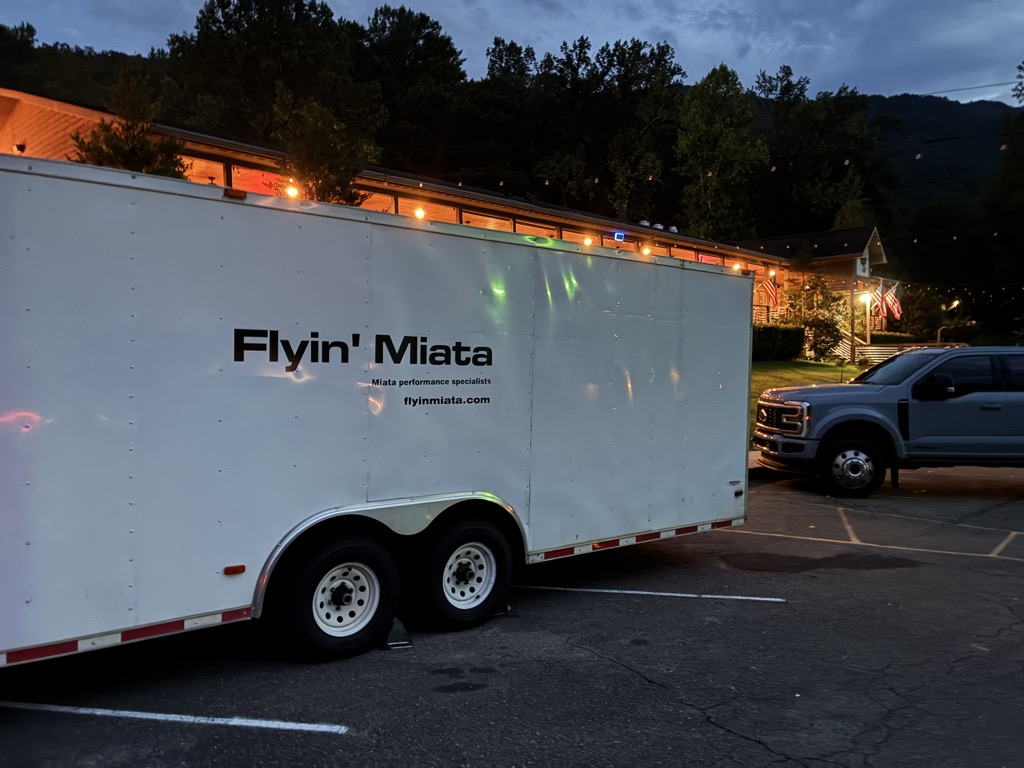
MATG 30

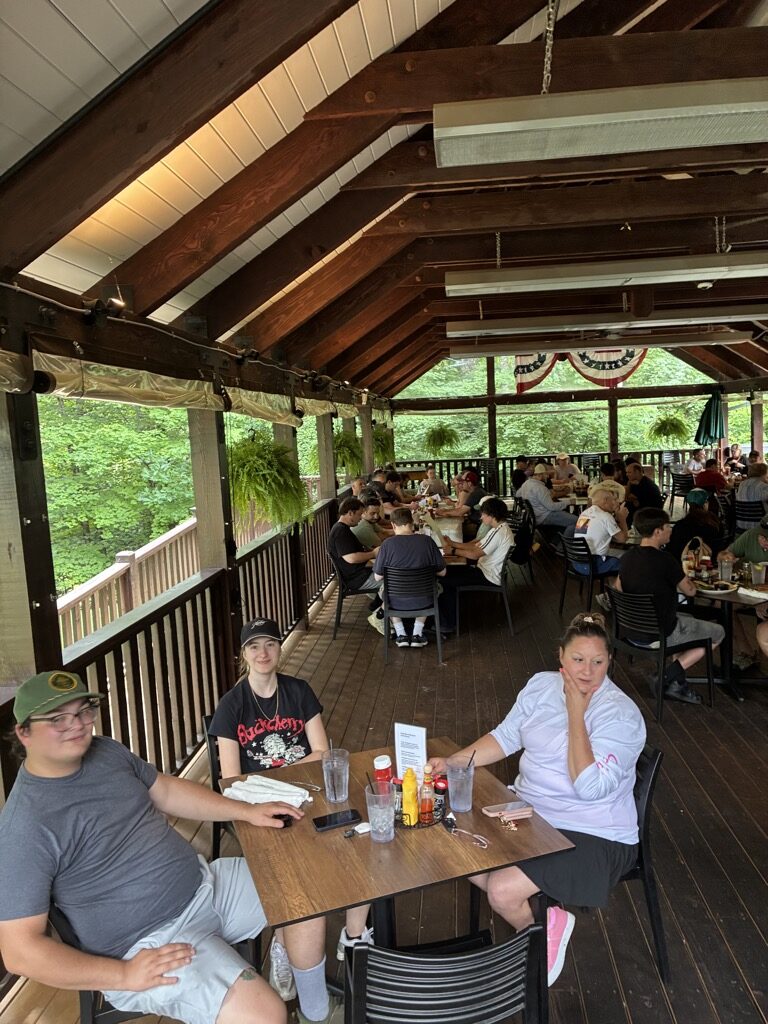
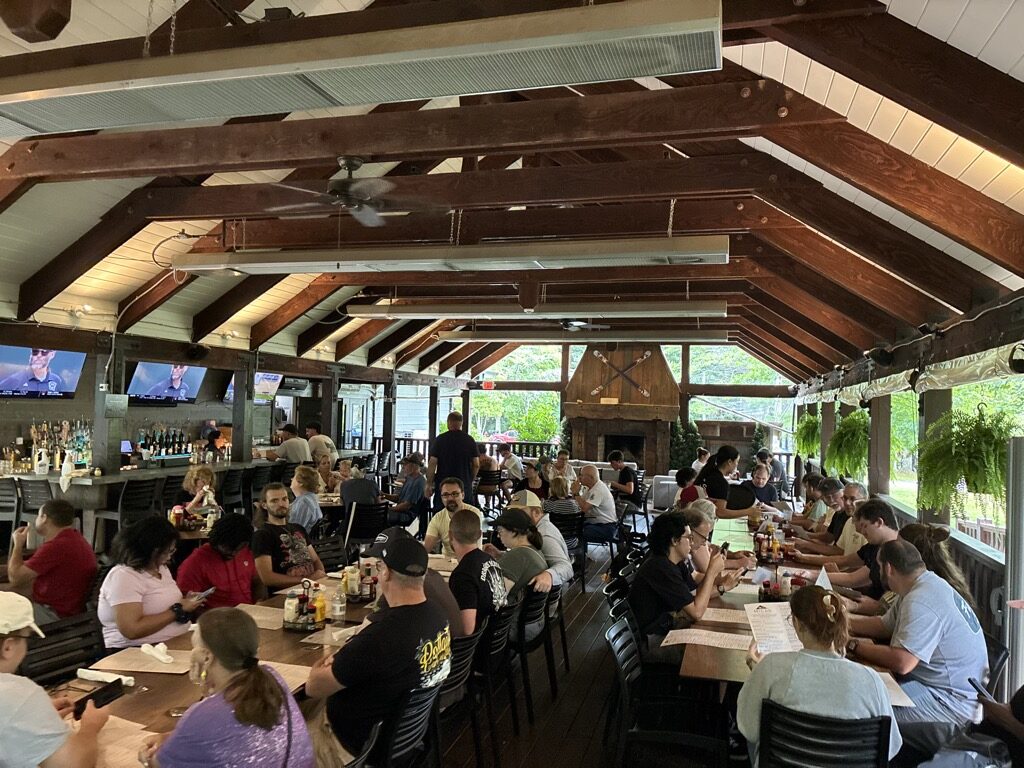
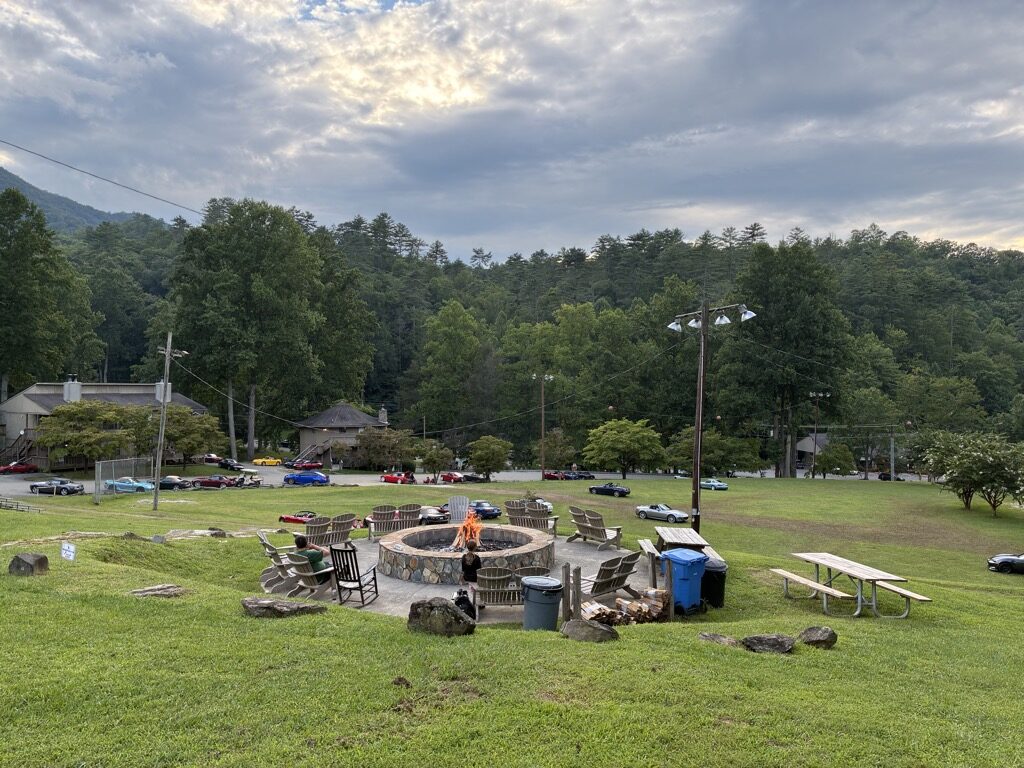
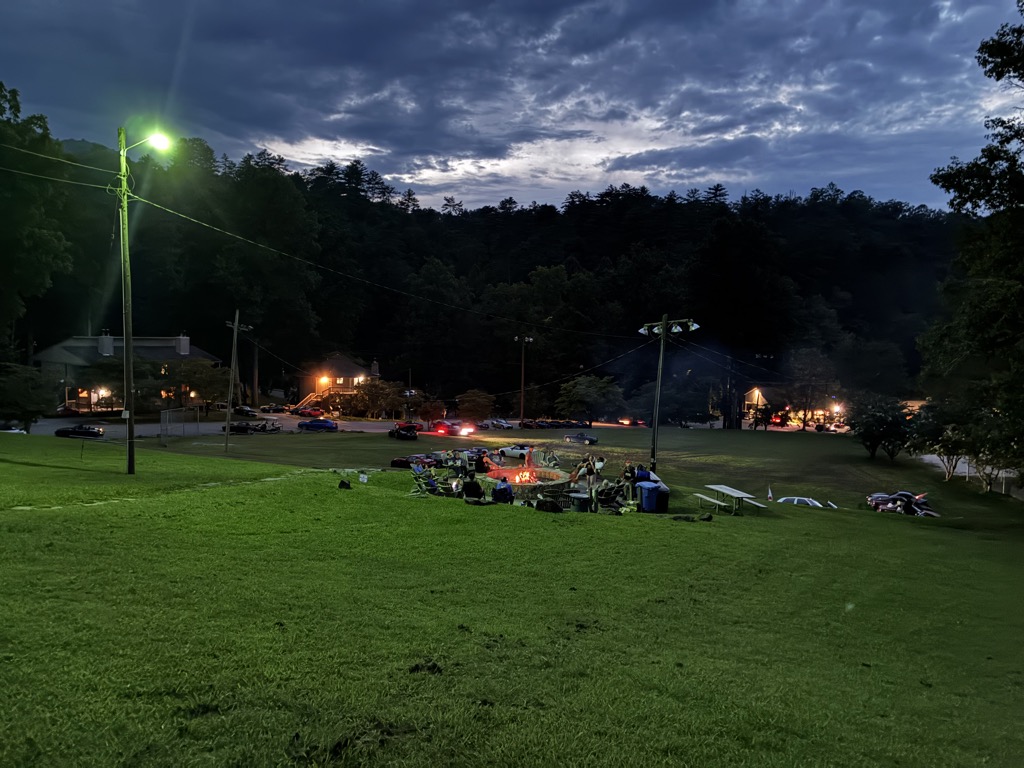
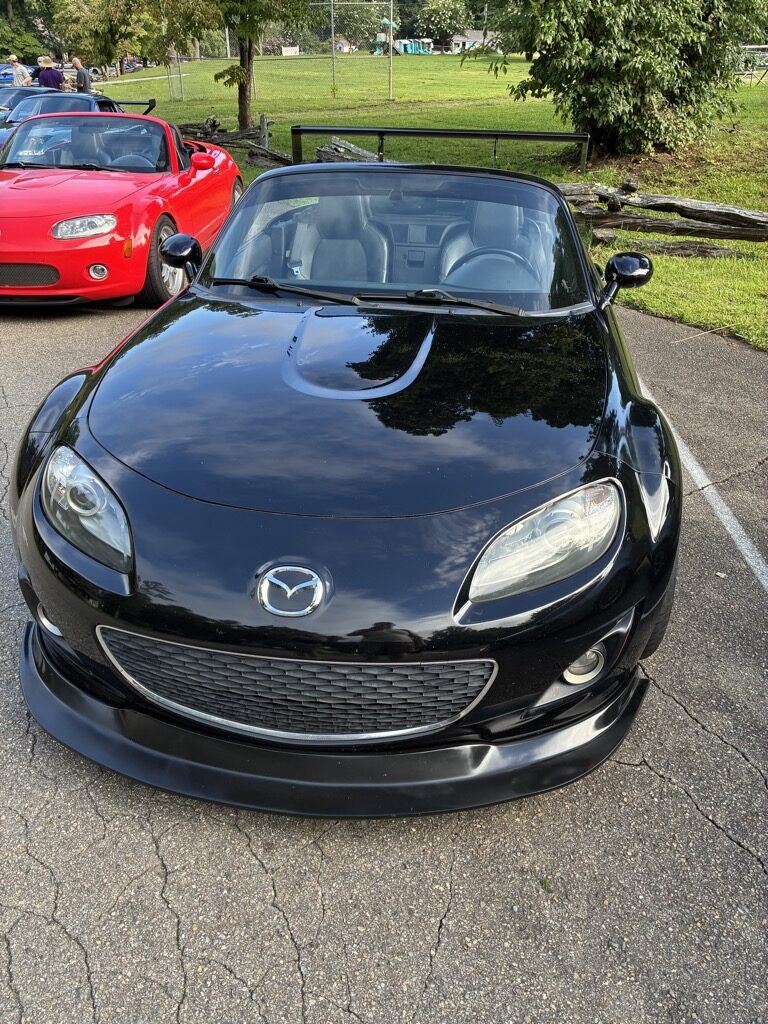
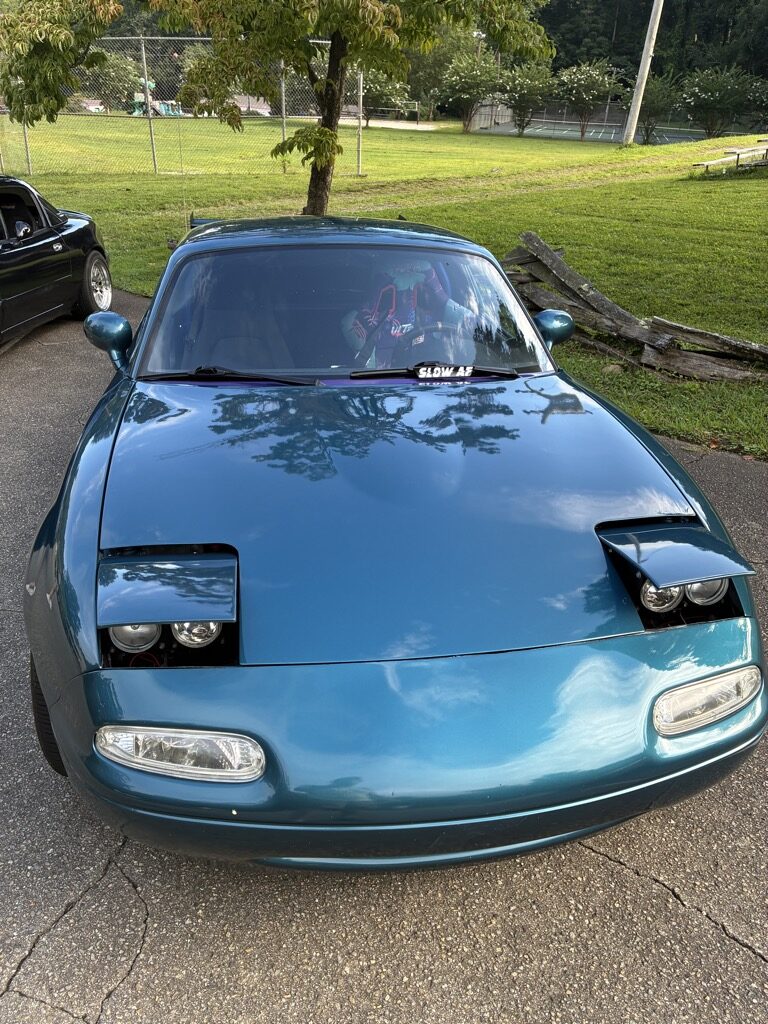
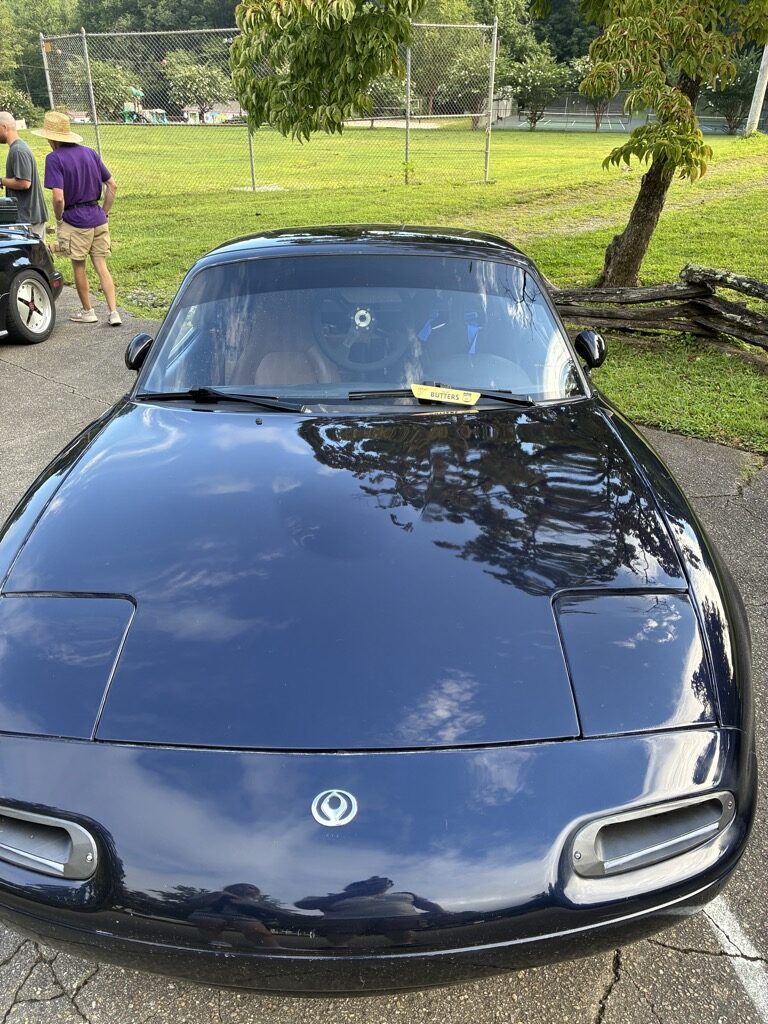
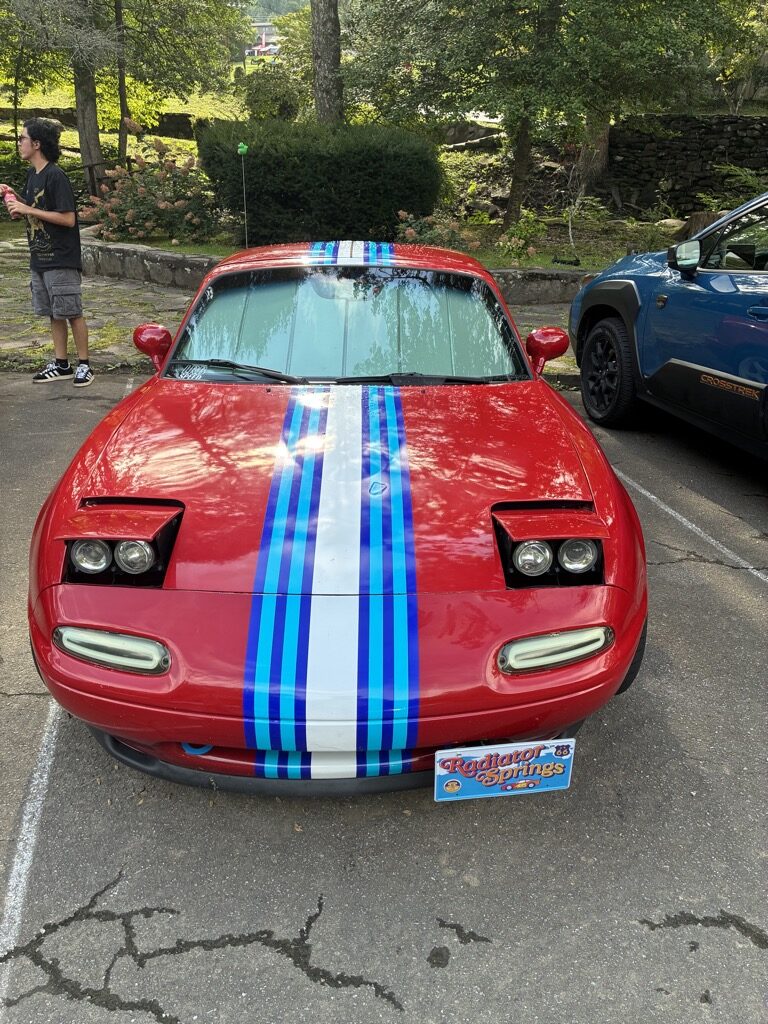
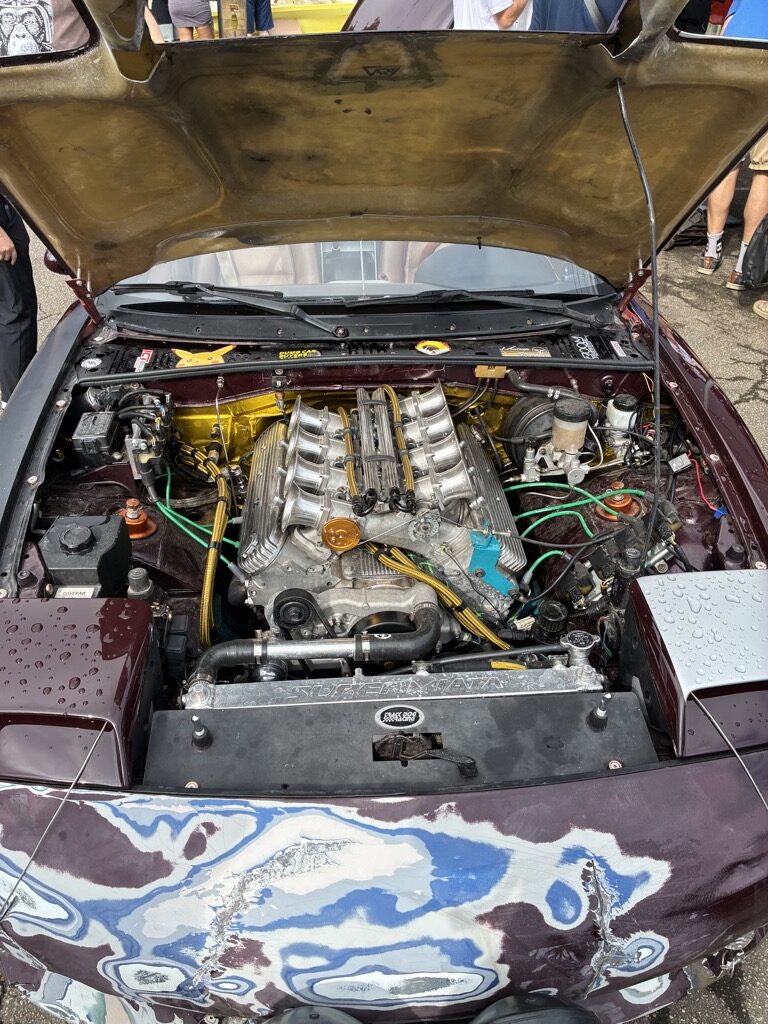
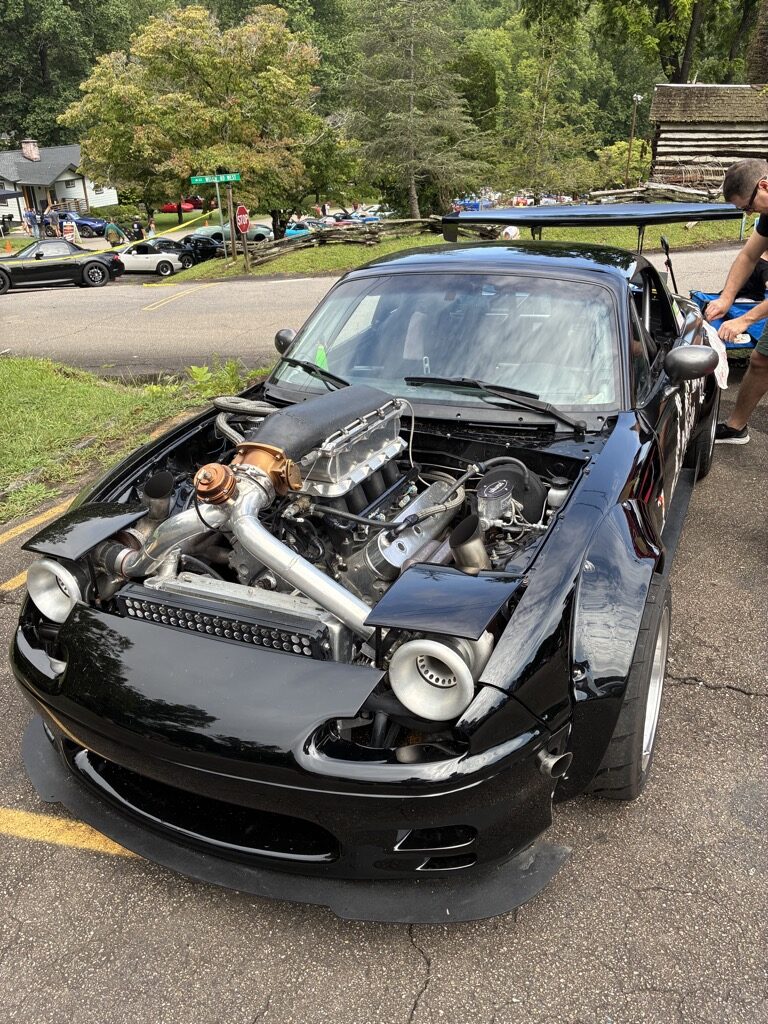
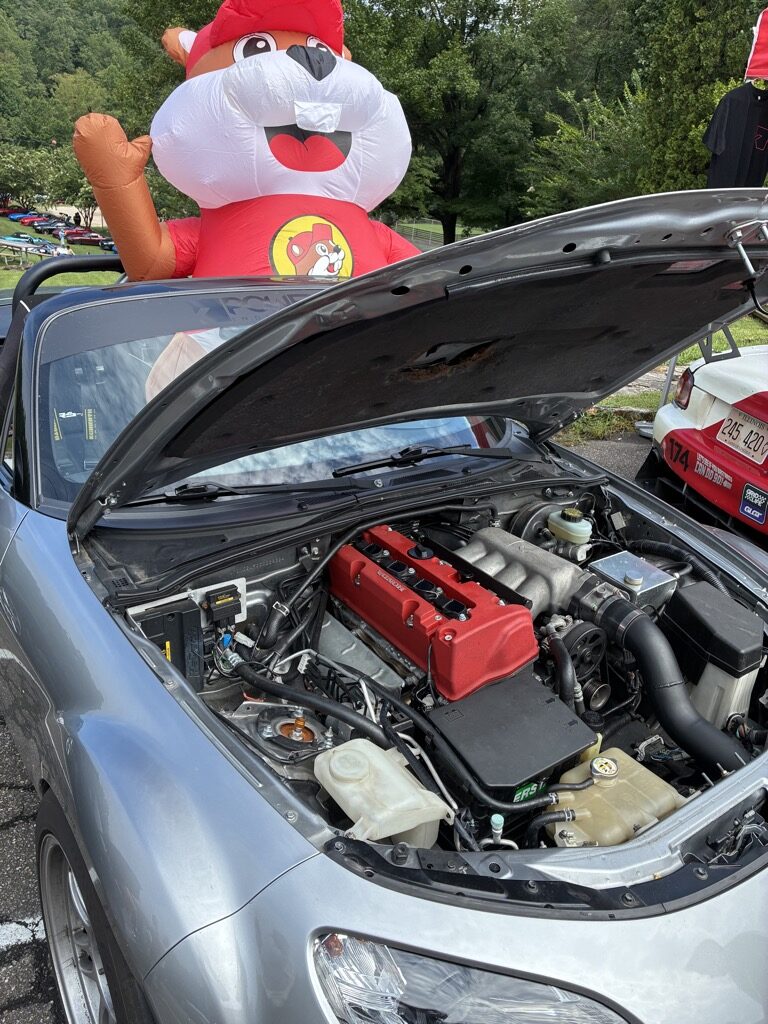
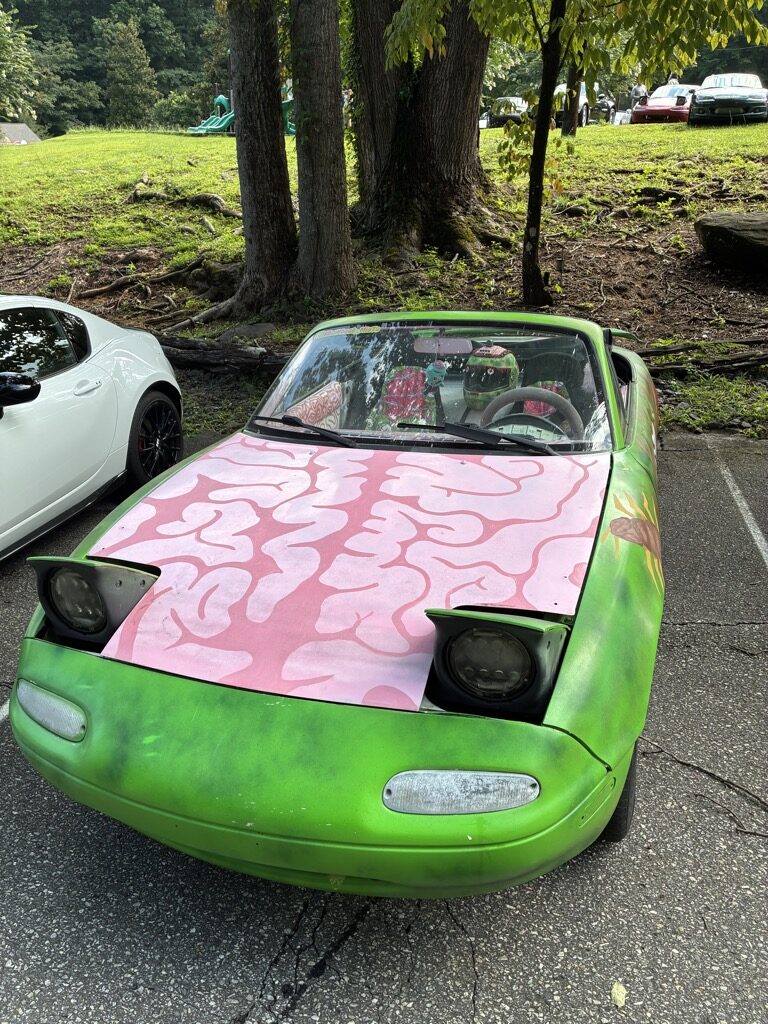
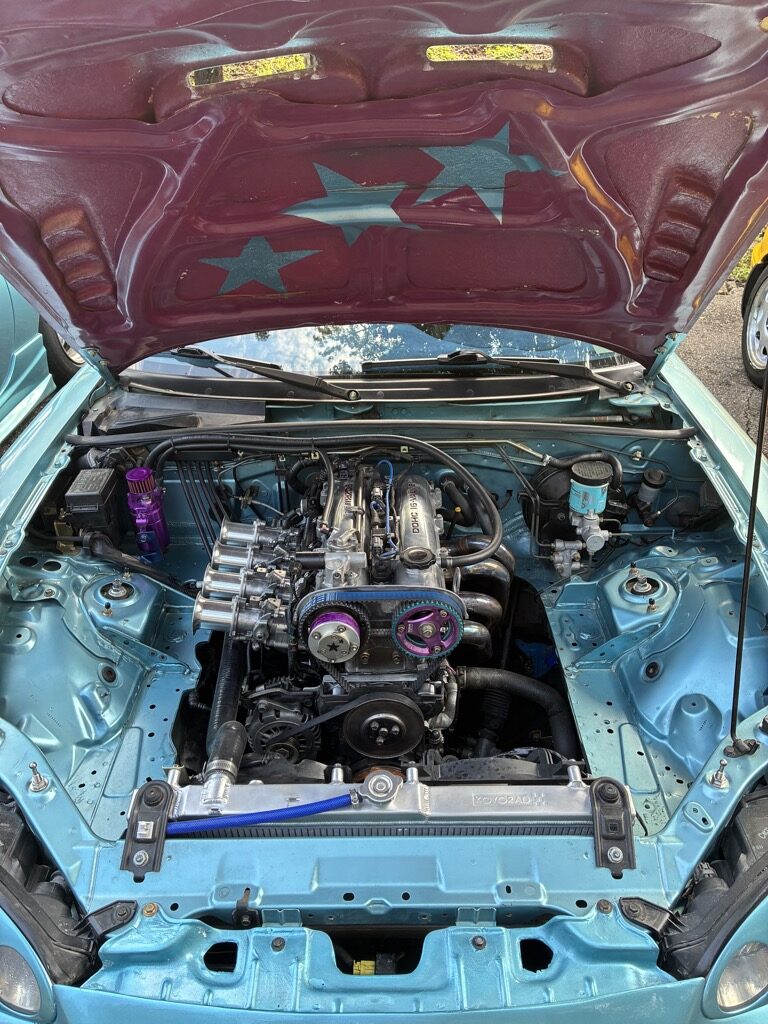
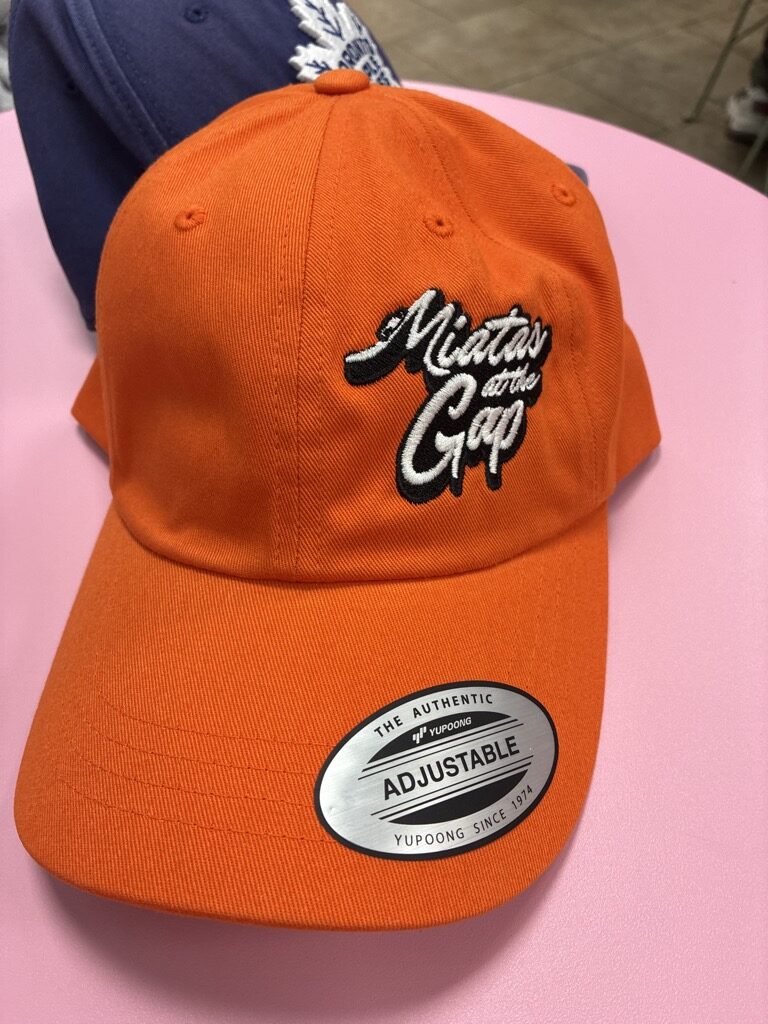
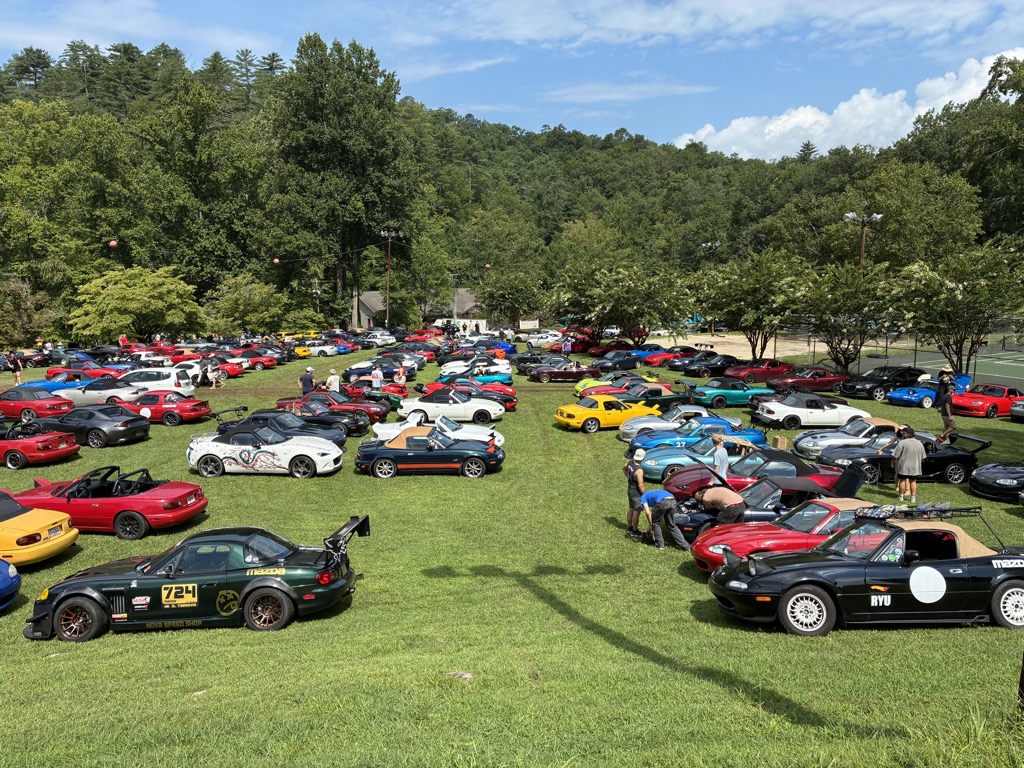
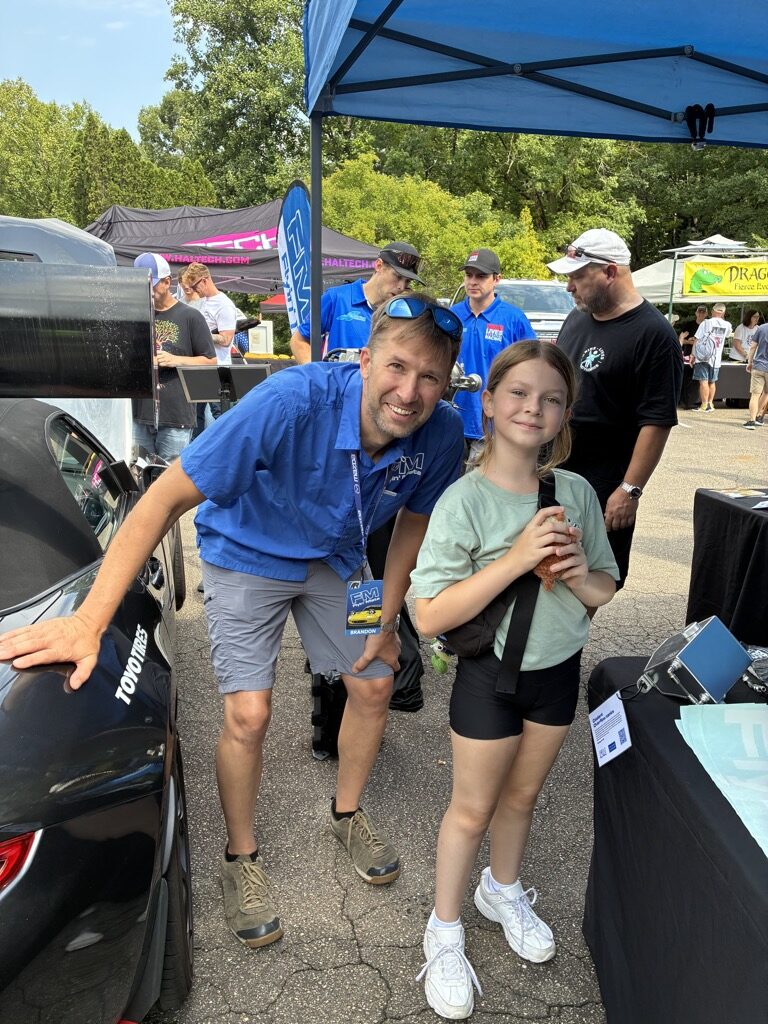
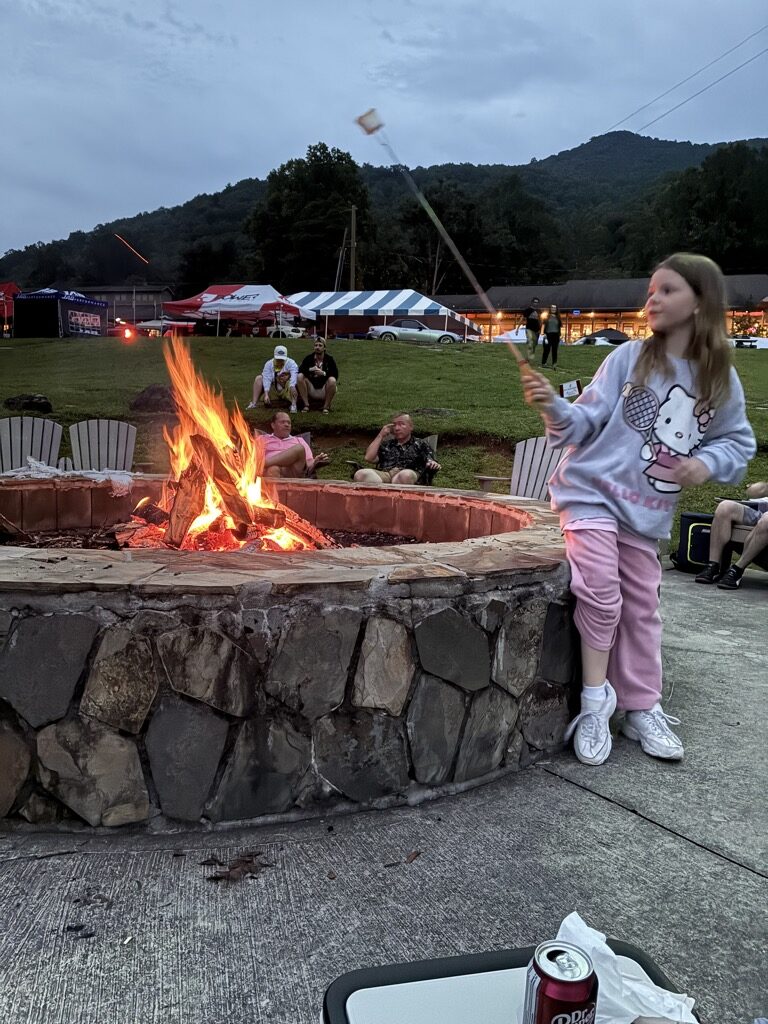
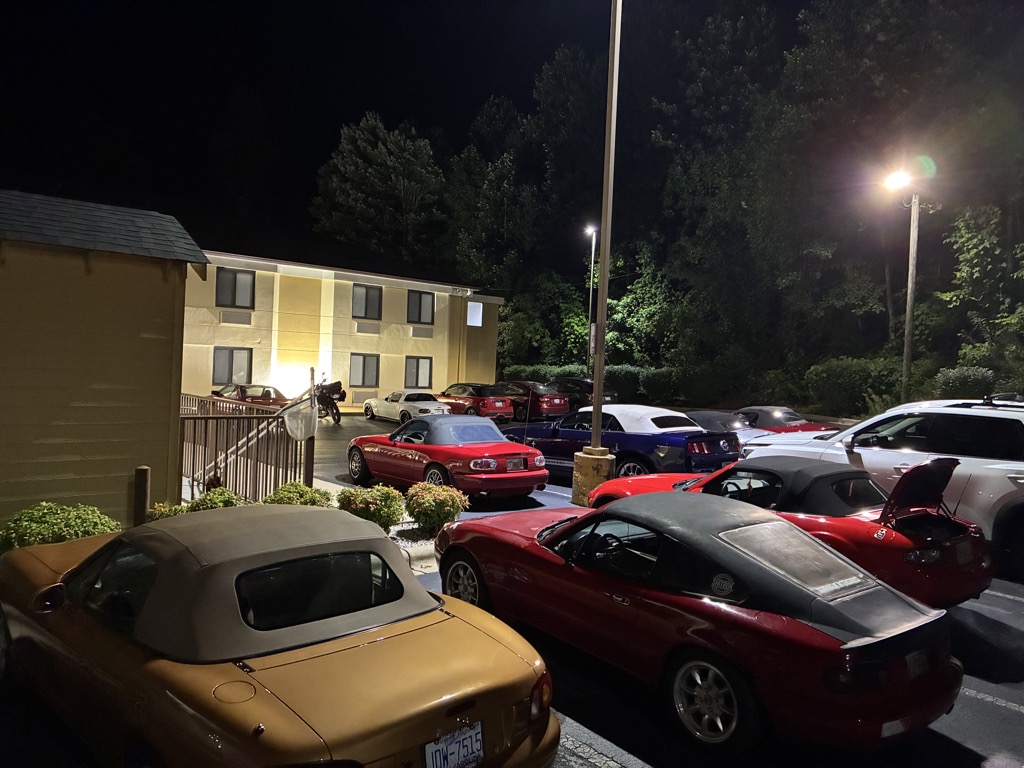
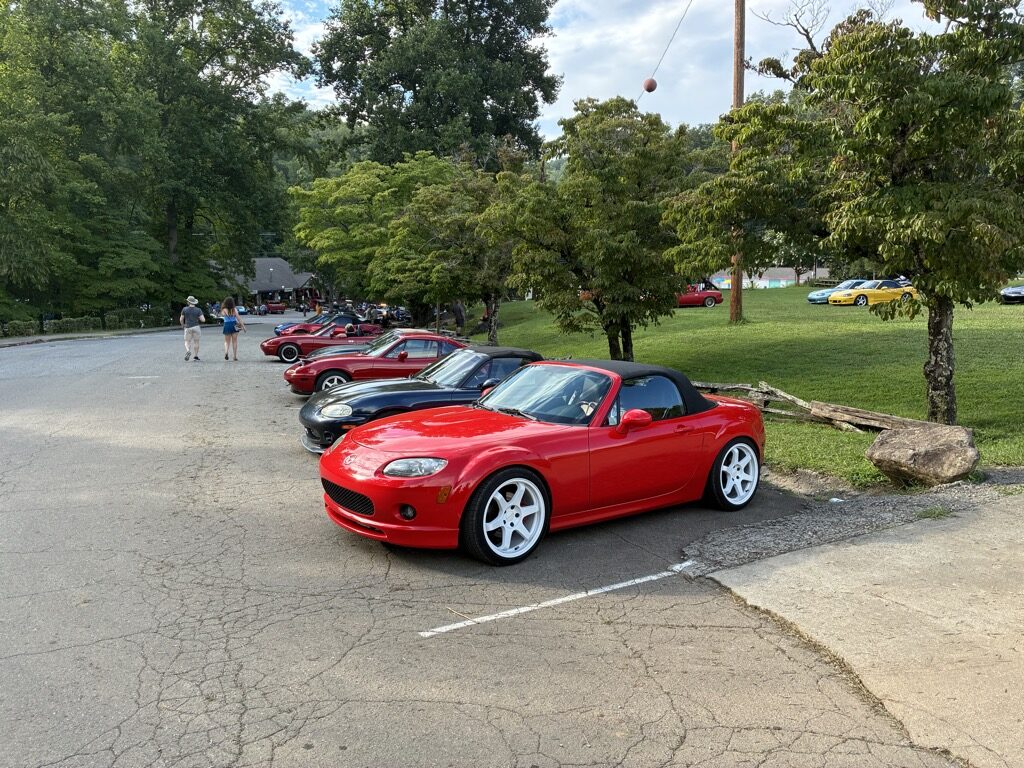
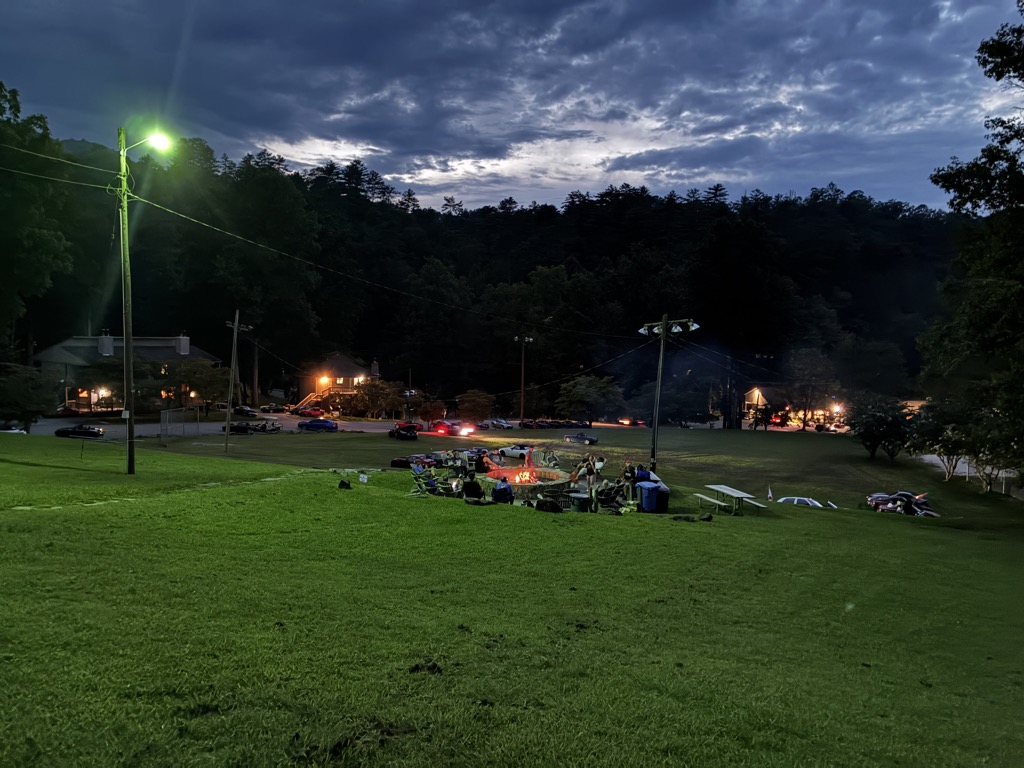
Couple of years back I went to Miata At The Gap and it was fun. Apparently my kid liked it enough to drag me out to the Gap this year. While the whole experience is awesome, I needed a bit of a push to go again and she provided it.
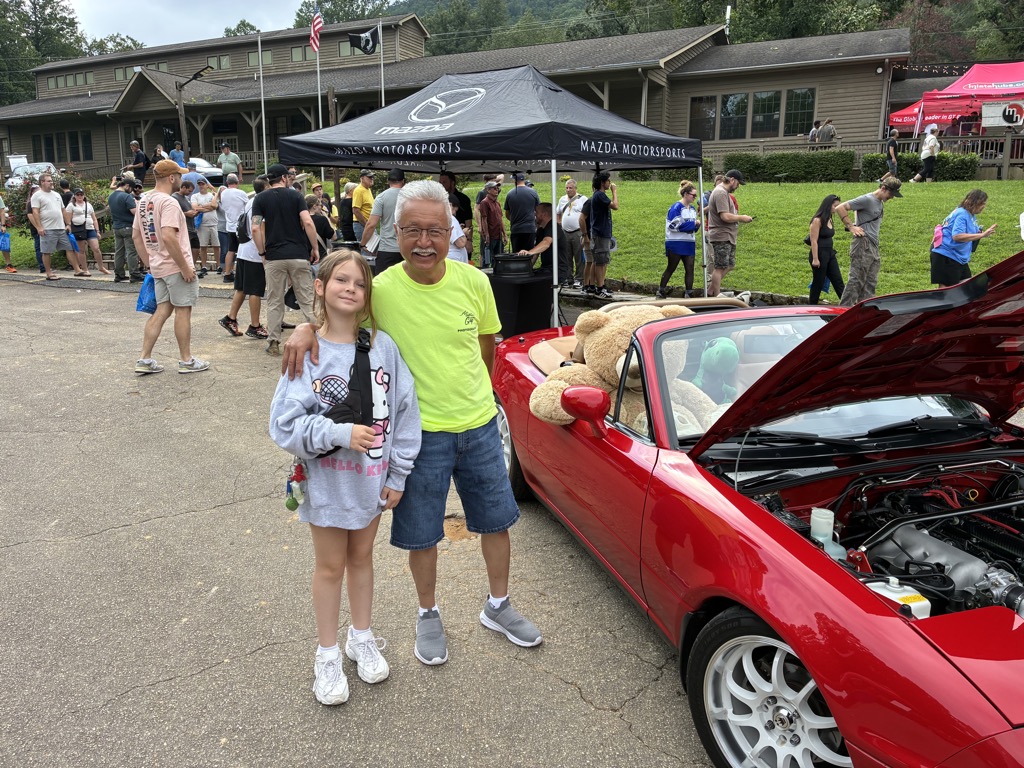
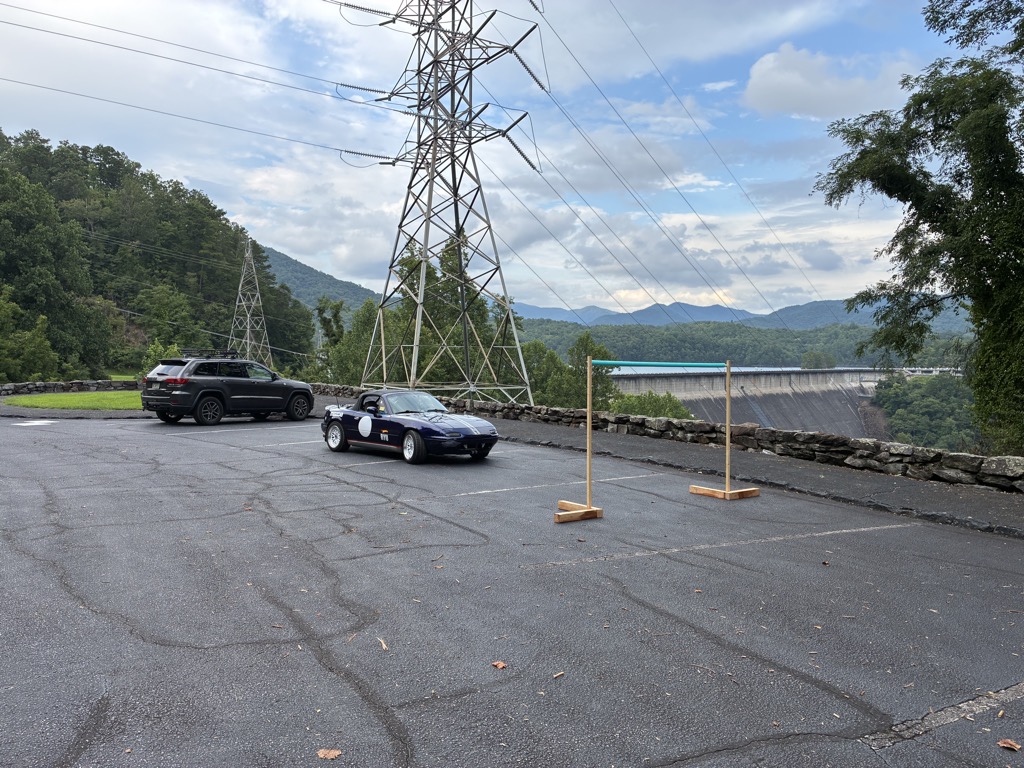
Last time I didn’t go on any group runs, since those runs are quite lengthy (some are a few hours, while others can go on for several) and the kid could not take that much motion. This time, she agreed to one and I picked the slowest-looking cruise to a nearby waterfall.
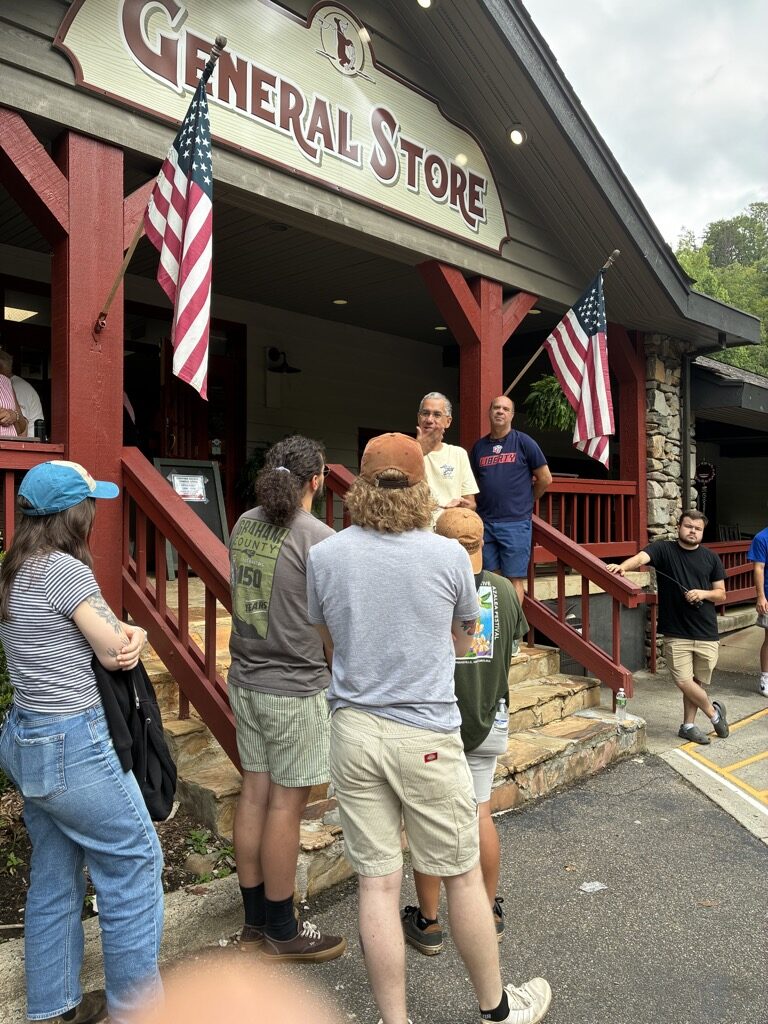
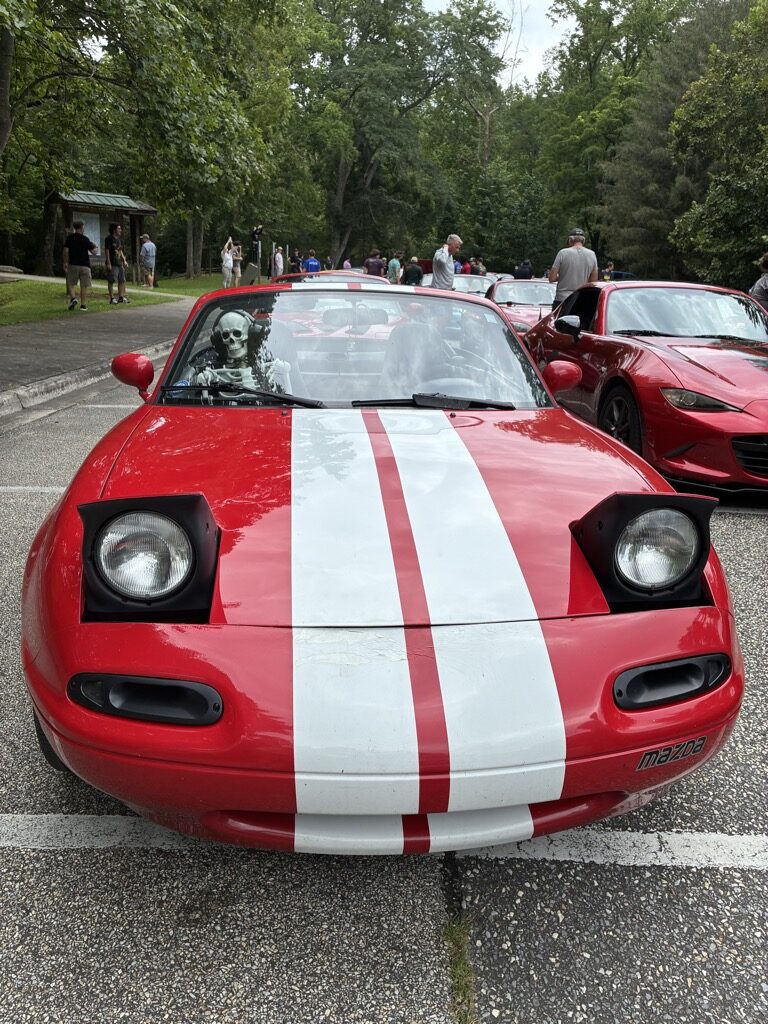
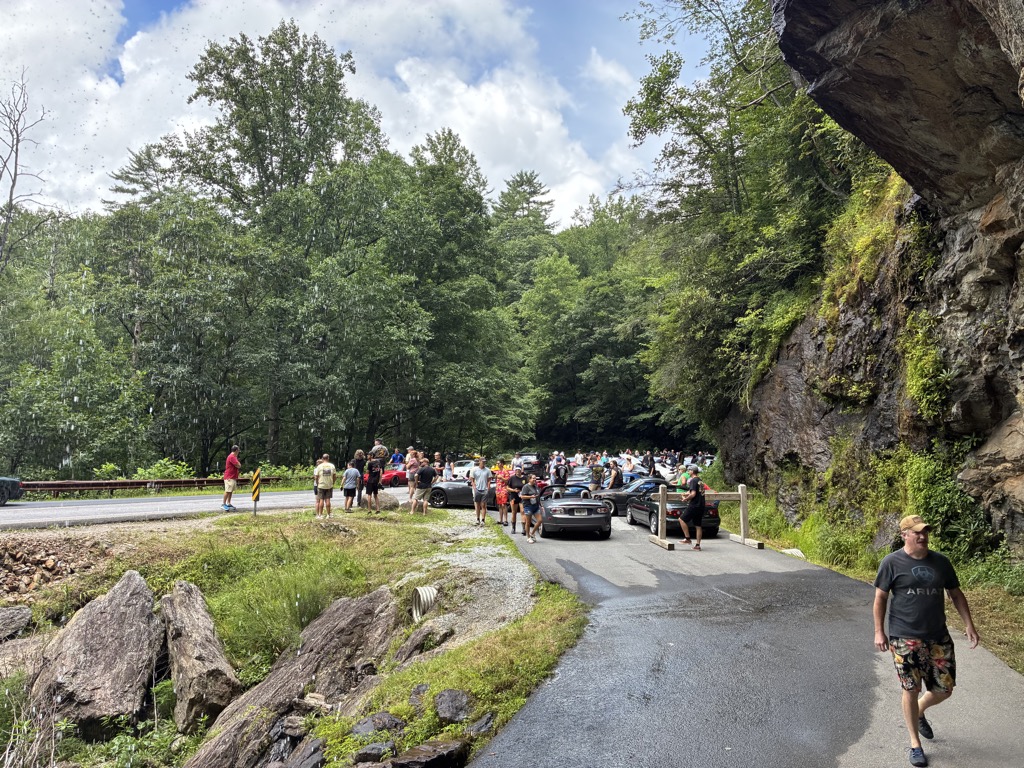
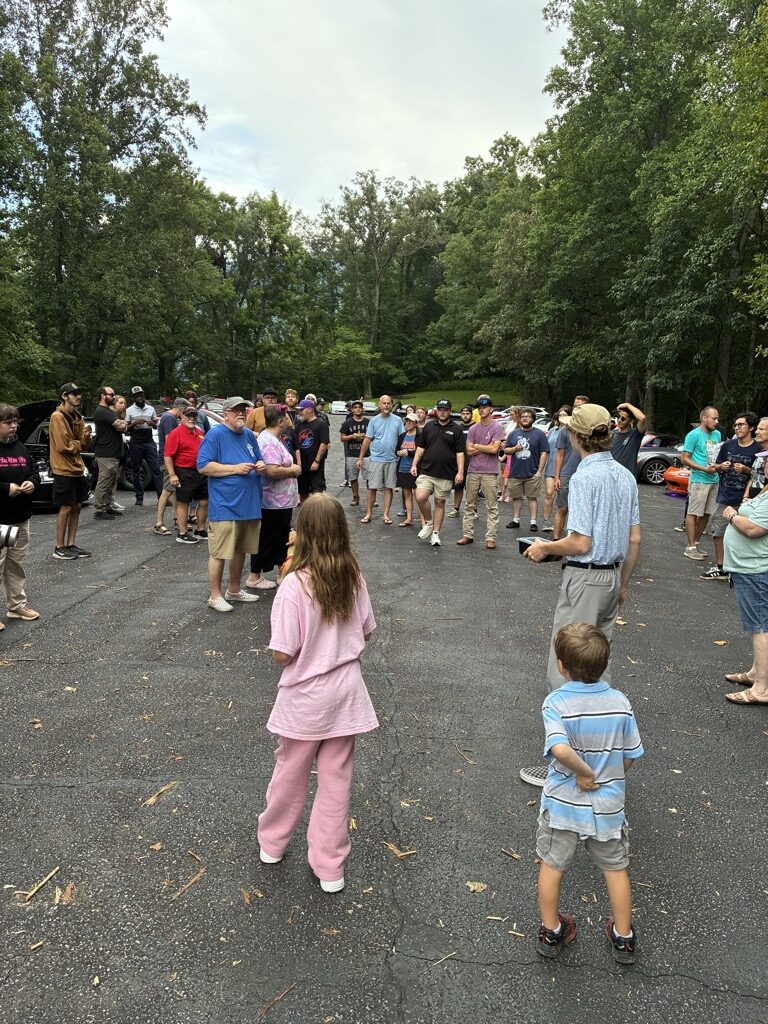
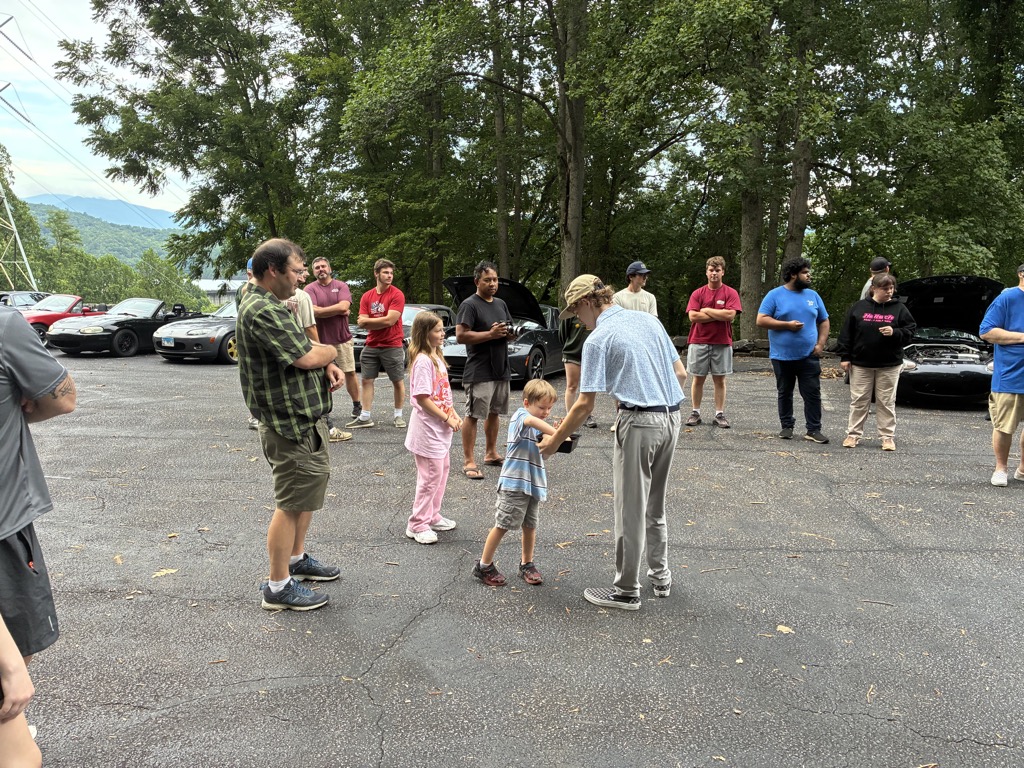
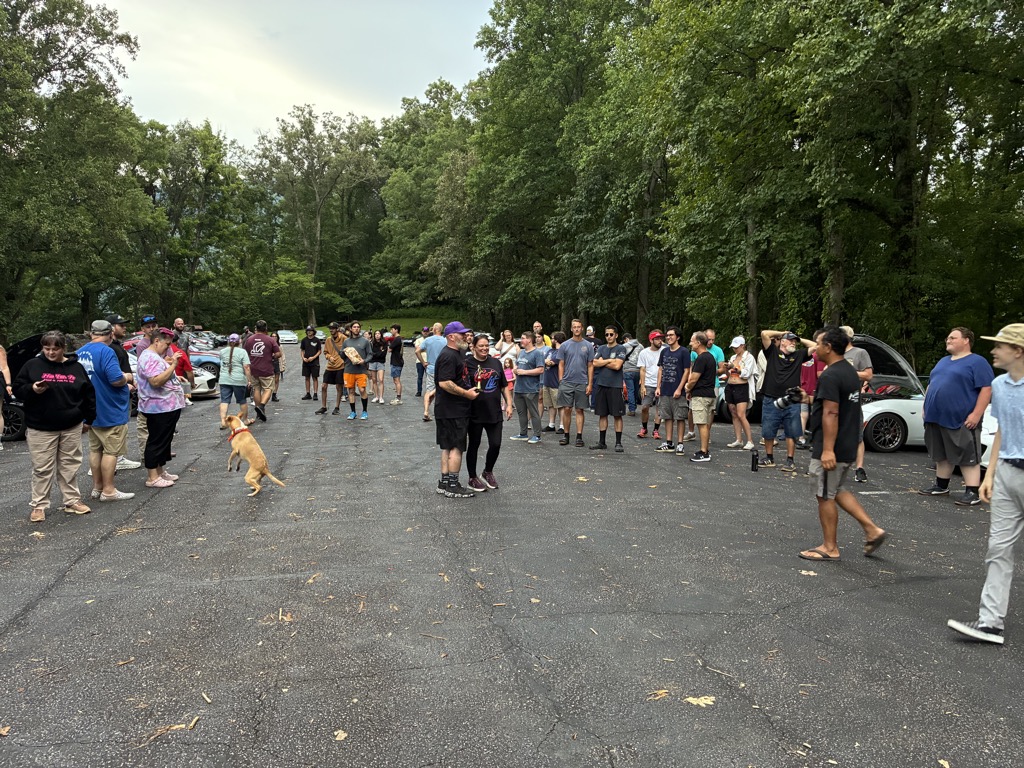
As far as speed is concerned, it largely depends on the run leader, group size, and your position within the group. Apparently if you are at the back, you might end up driving faster at times due to the “whiplash effect,” or so I was told. I wasn’t in the back, but somehow the “whiplash effect” was present quite a bit.

I guess everyone’s experience will differ, but what I gathered is this: if you are new or not sure, go for a cruise where the run leader (there is a driver meeting before the drive) says, “We will be going the speed limit…” There is a good chance you will not, but it will give you a good feel for what to expect in terms of speed and your comfort level.


Do NOT go on a spirited run right out of the gate. I wasn’t on one, but I was told by a few people that it is not for everyone. People drive fast, and they mean really fast.

Another perhaps obvious piece of advice is to wear appropriate shoes for driving. I decided to wear Crocs (one shoe to fit all activities, including the pool), which is fine if you just cruise on the highway or drive at a leisurely pace in one gear through the mountains. But when you have to actively shift and heel-toe, well, it can be done in Crocs too, but it is far less comfortable and a lot more fatiguing over a few hours of a run. Next time I’ll definitely pick appropriate shoes and take small flip-flops for pool activities.

Before going to the Gap, I had been wondering if I should get a walkie-talkie… well, I took too long and didn’t end up buying anything. I don’t know how useful they are, but quite a few people had them and apparently they are handy during runs.

Now, cell connectivity didn’t improve over the last two years, so an offline map is mandatory! Download it beforehand since internet service can be iffy even at the hotel. In either case, I think I’ll get a walkie-talkie next time I go. I think it will be fun, and the kid will have something to play with as well.


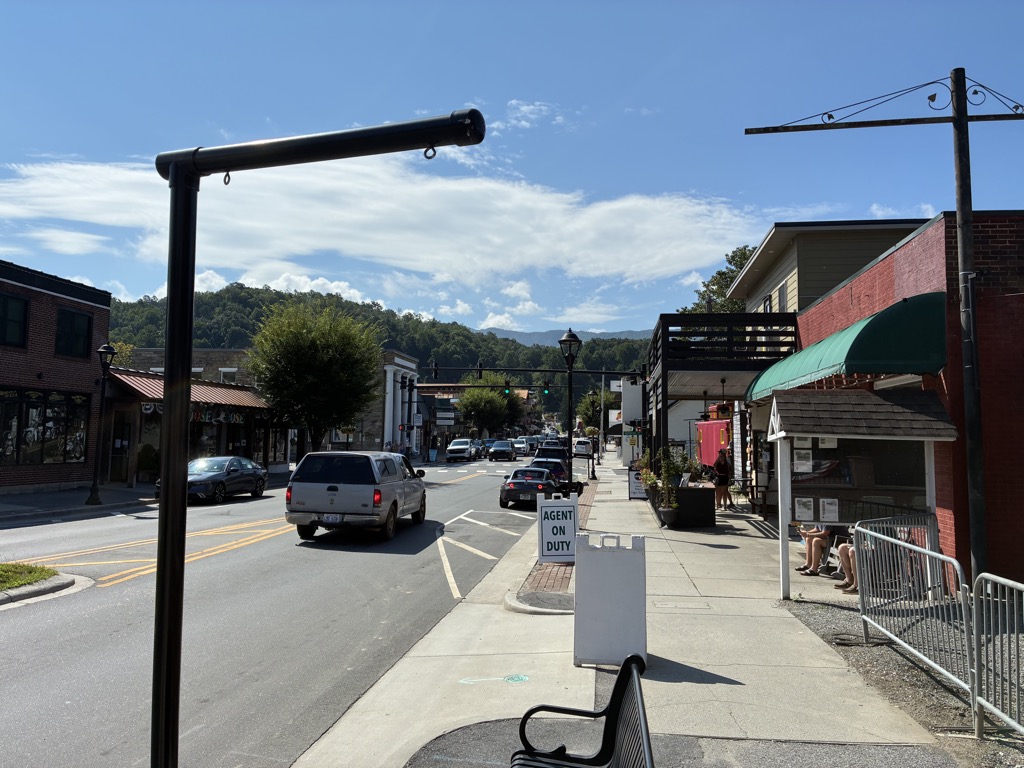
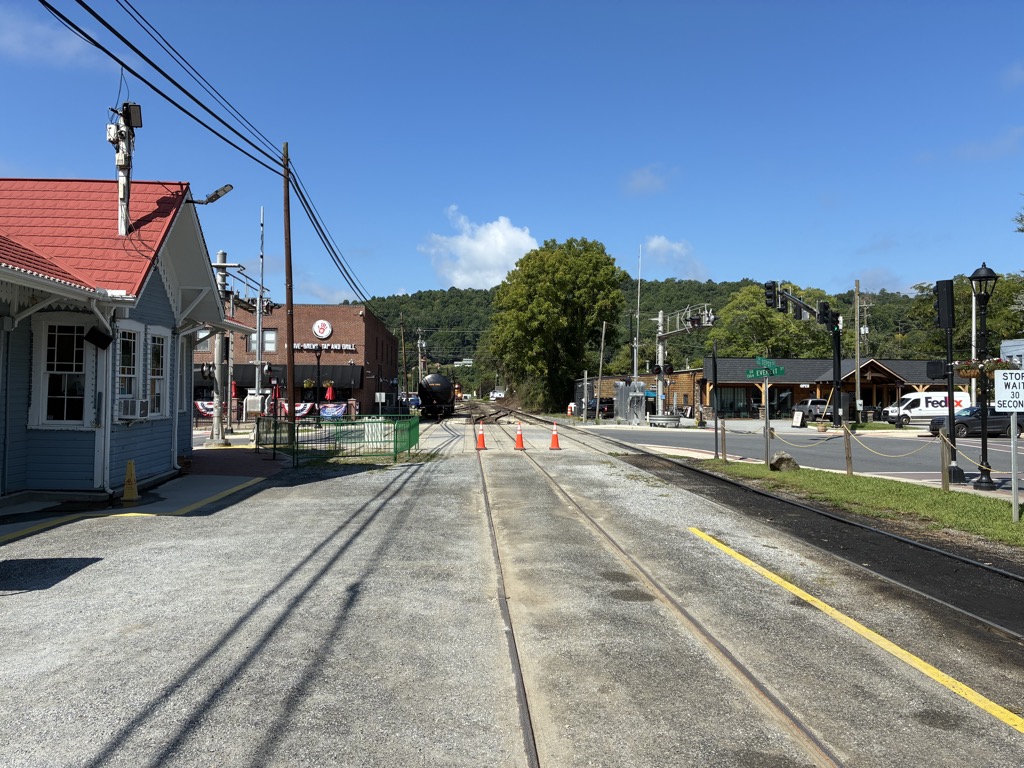
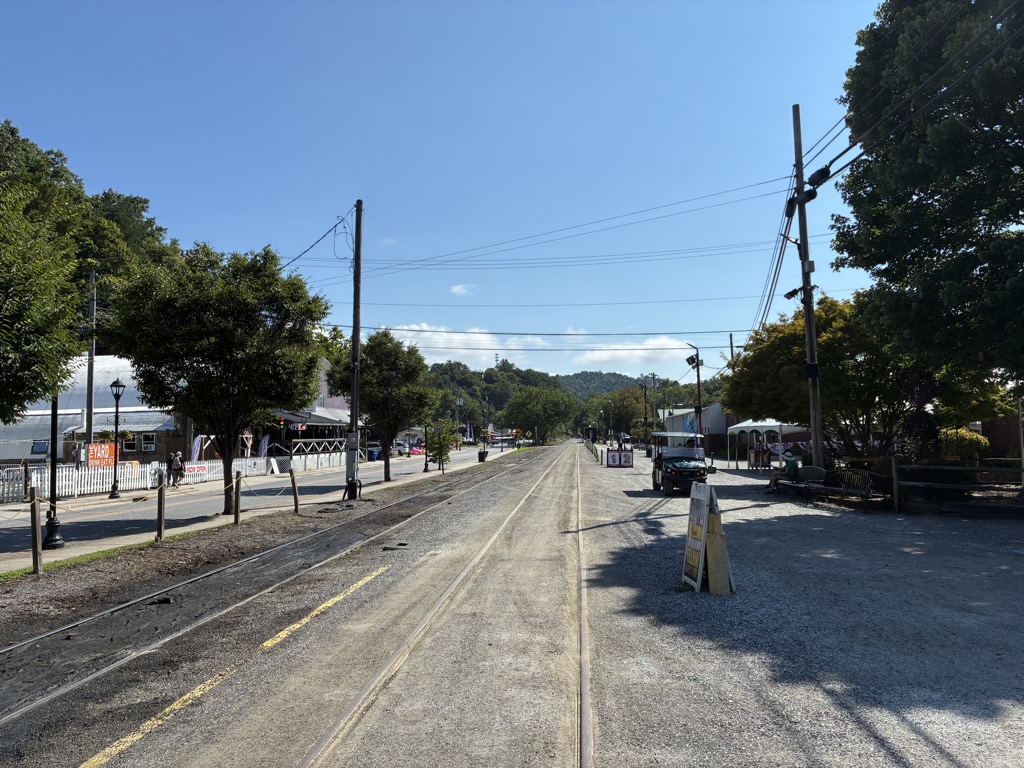
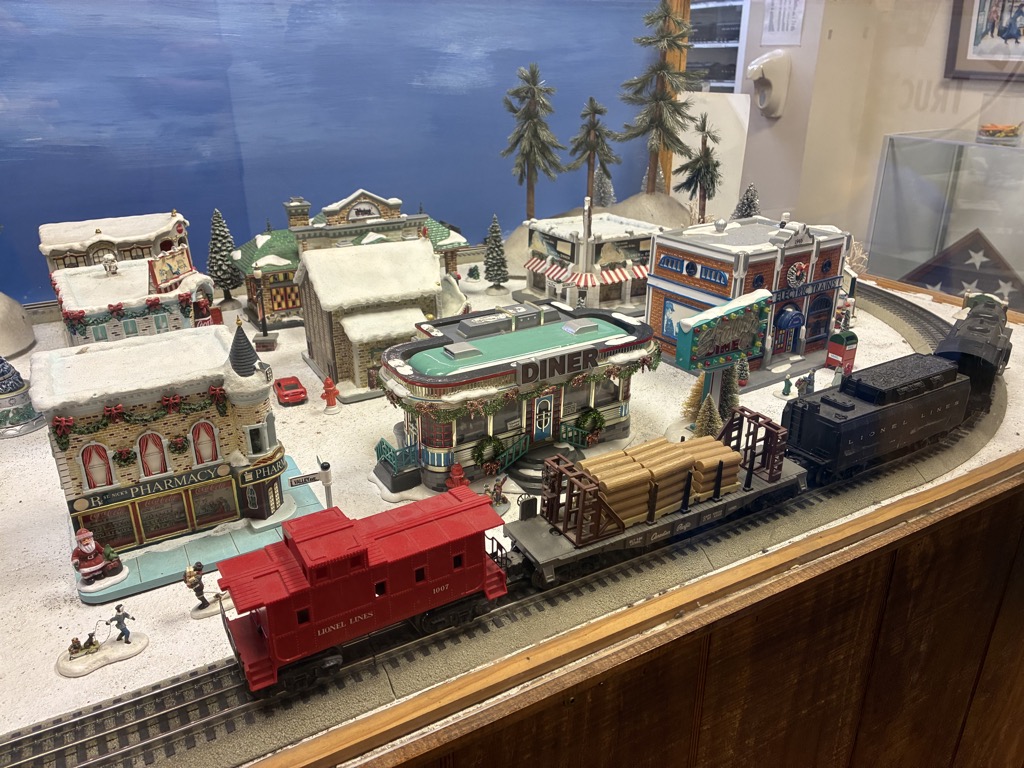
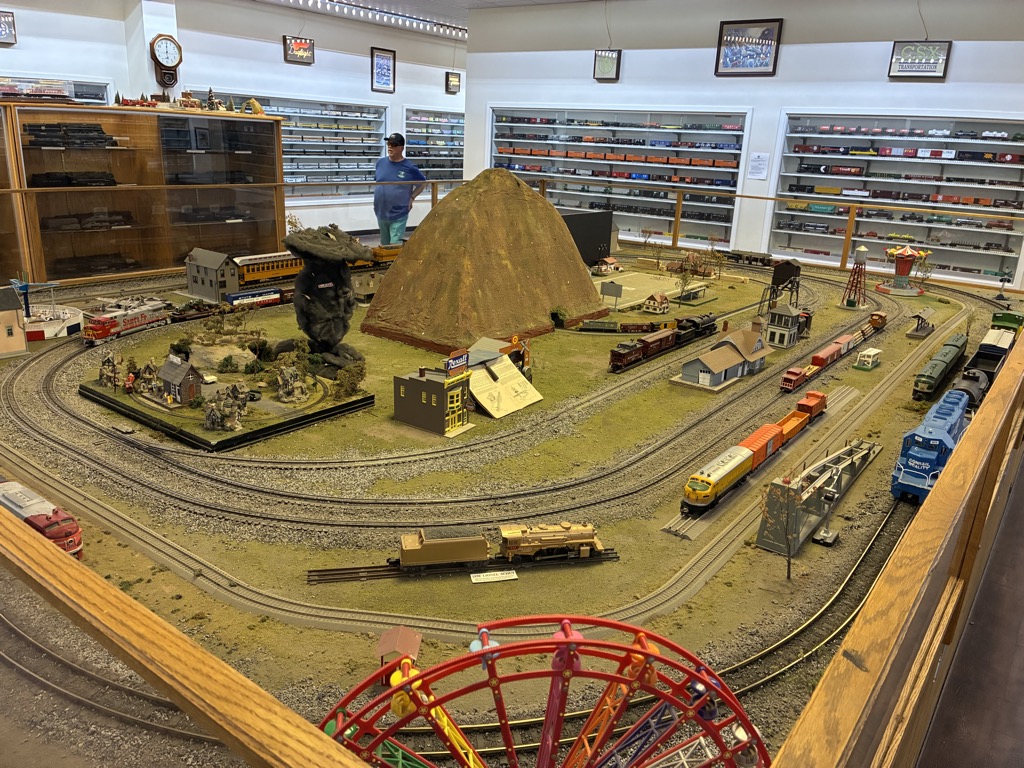
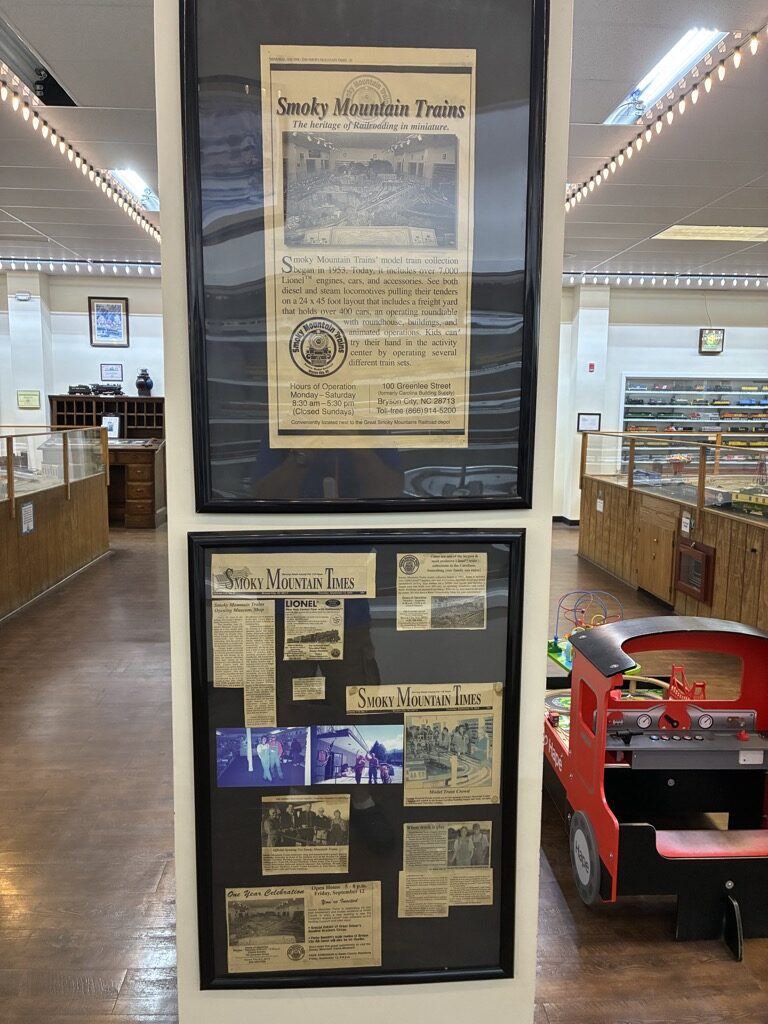
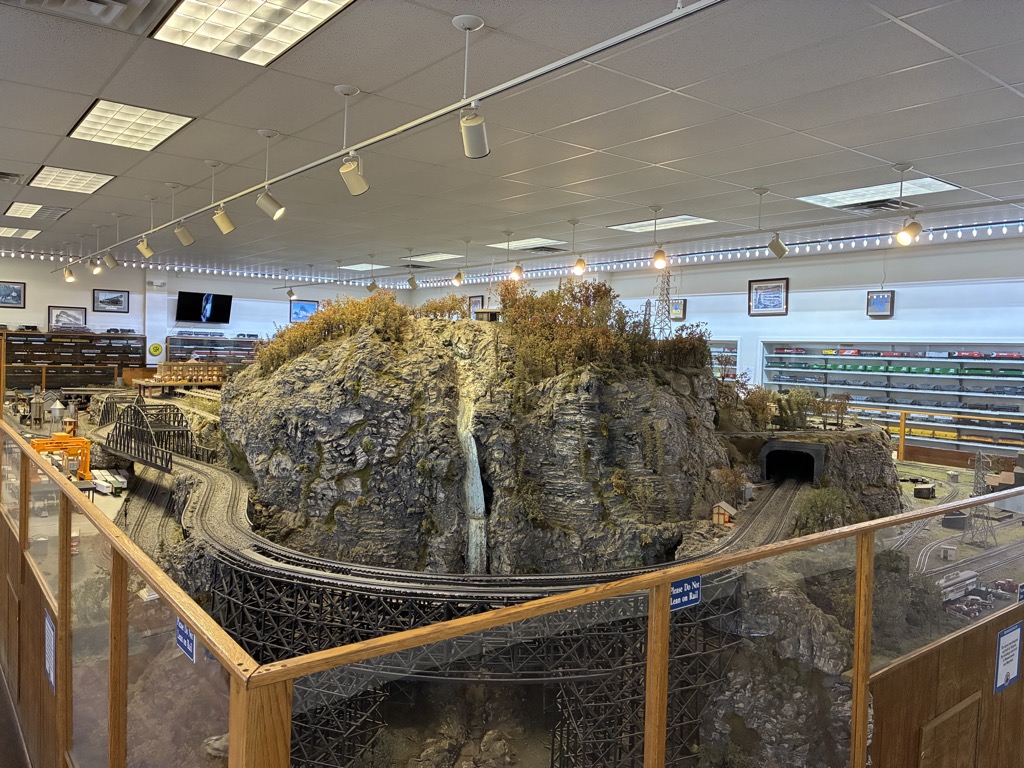
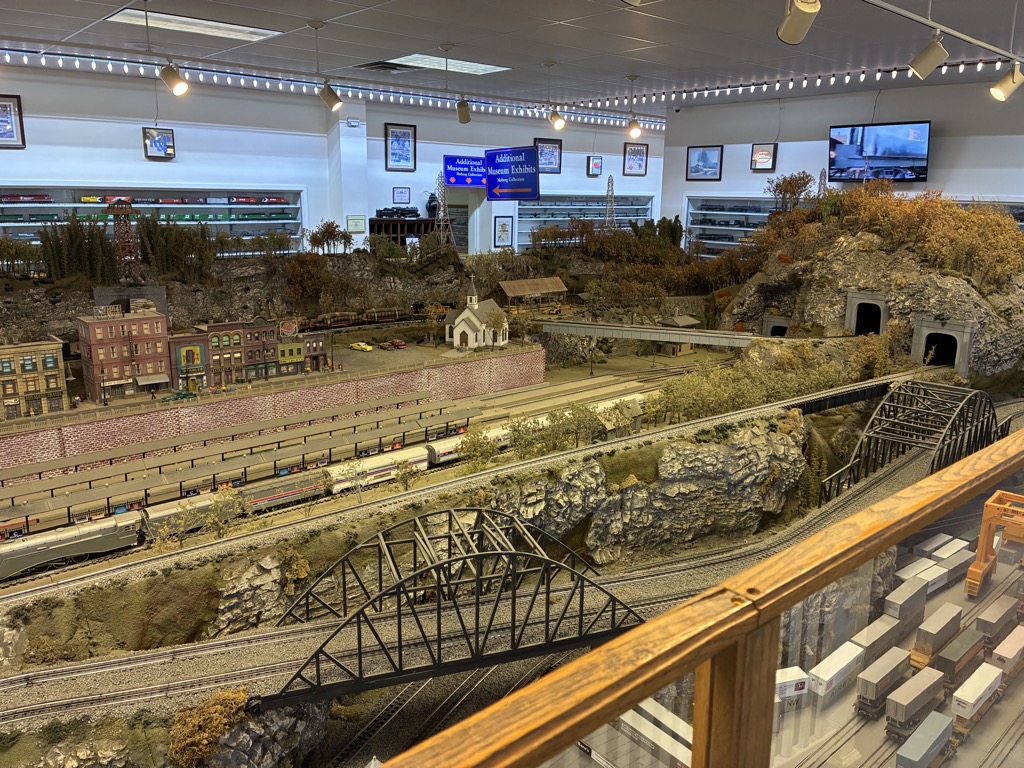
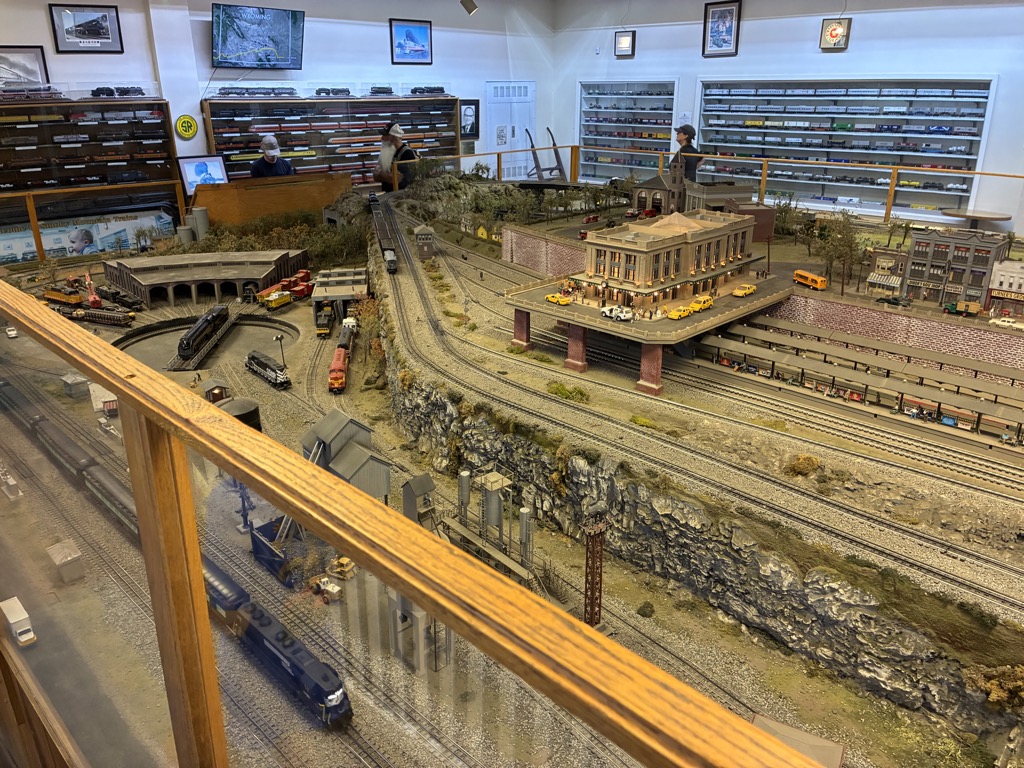
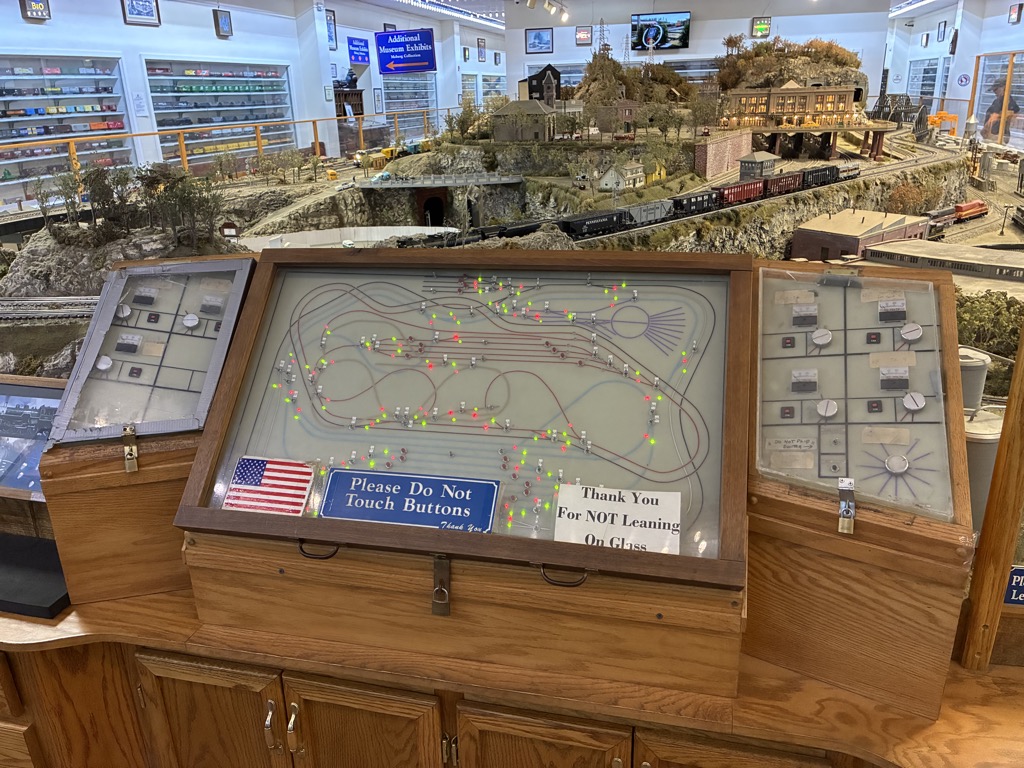
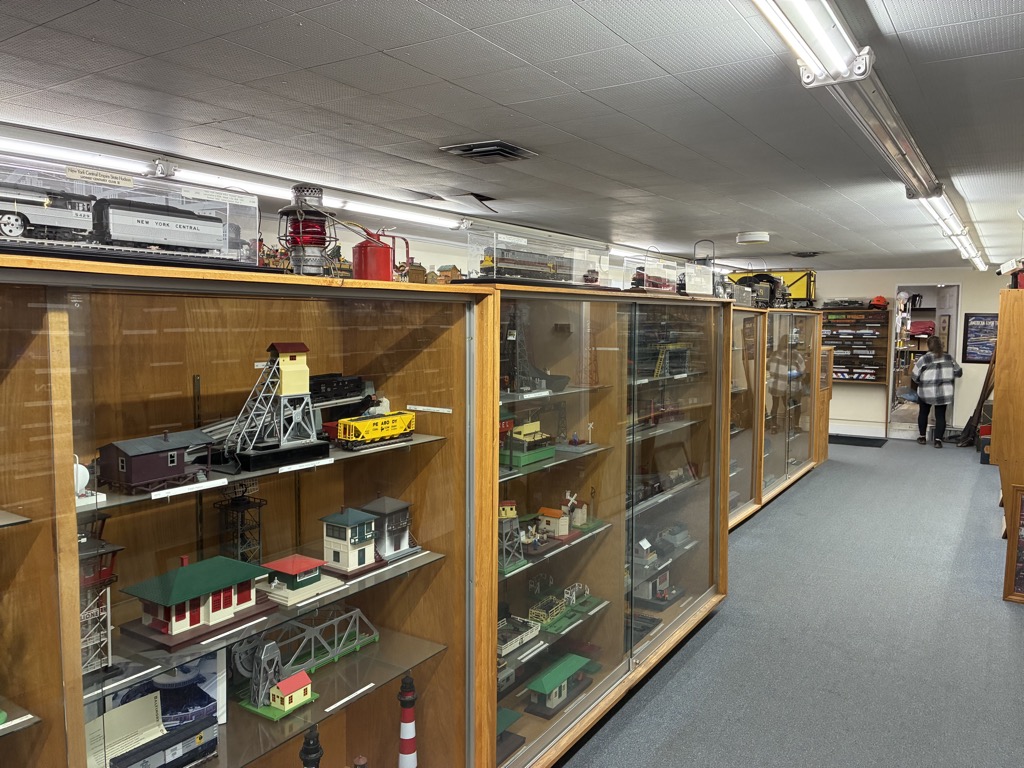
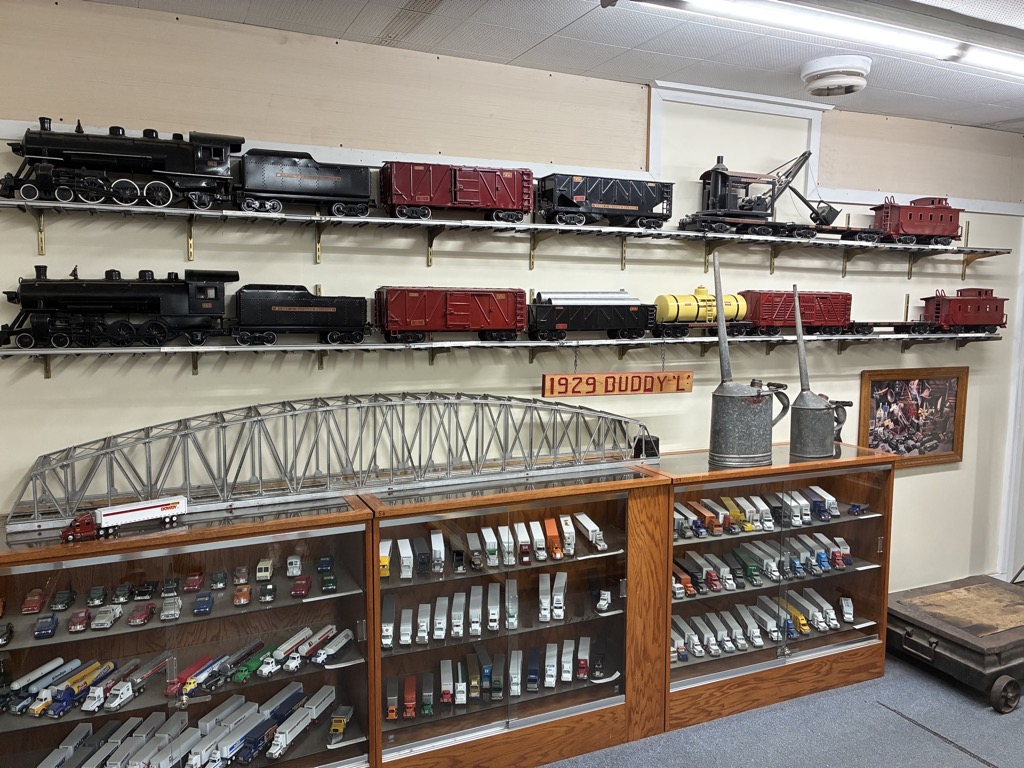
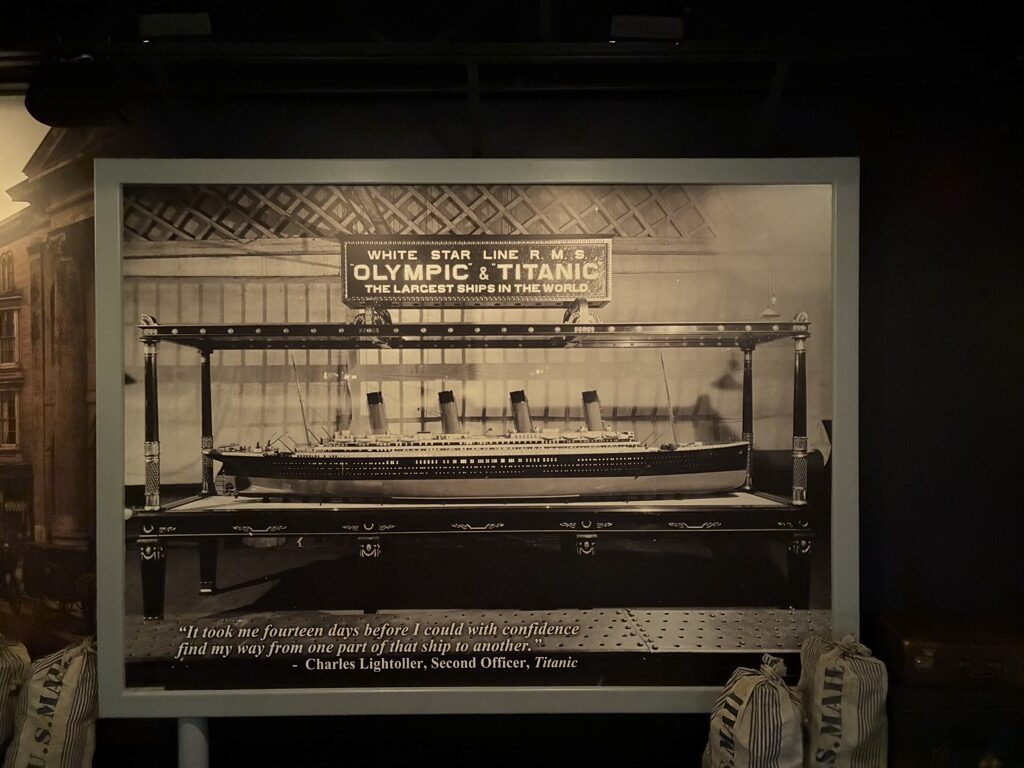
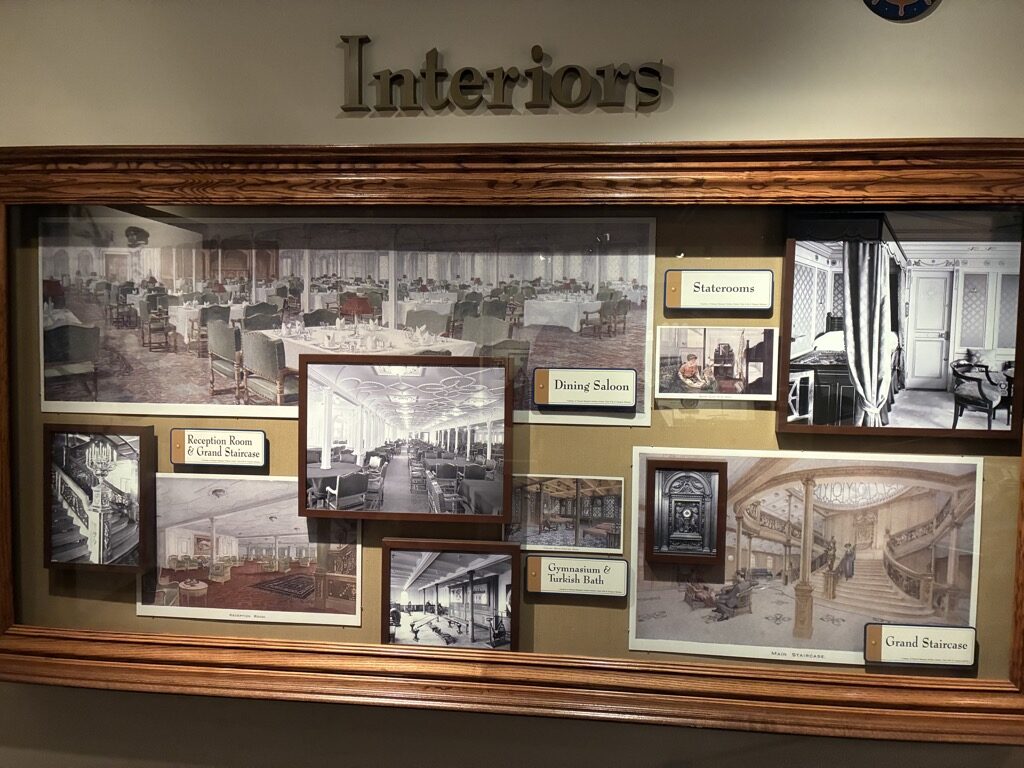
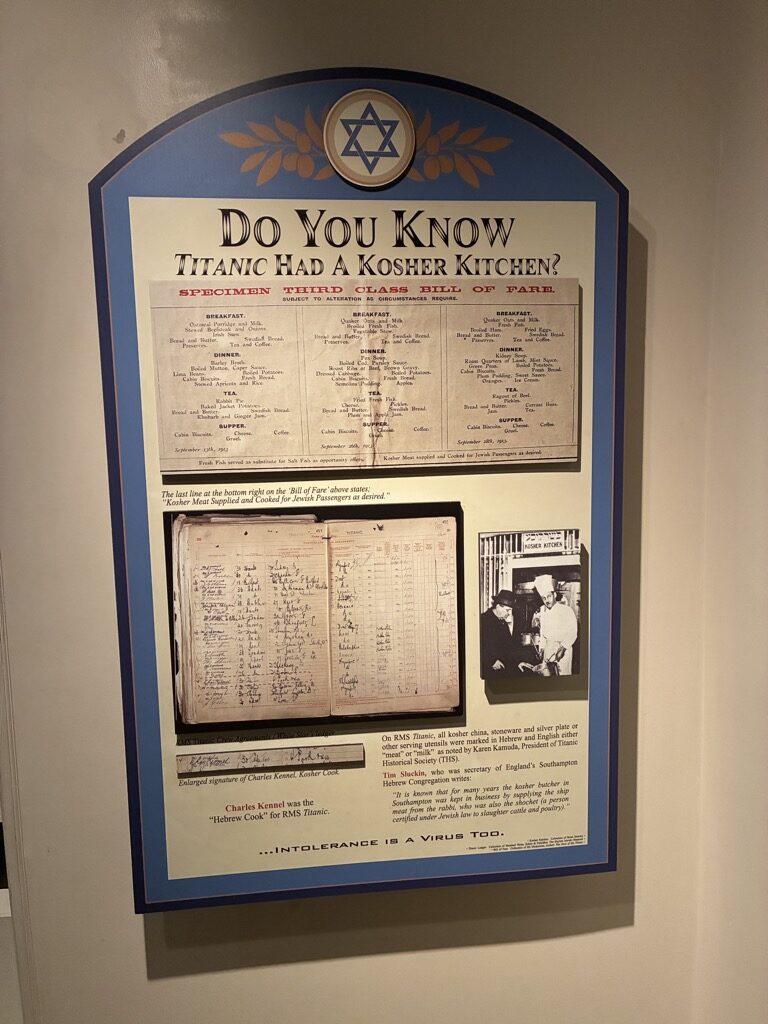
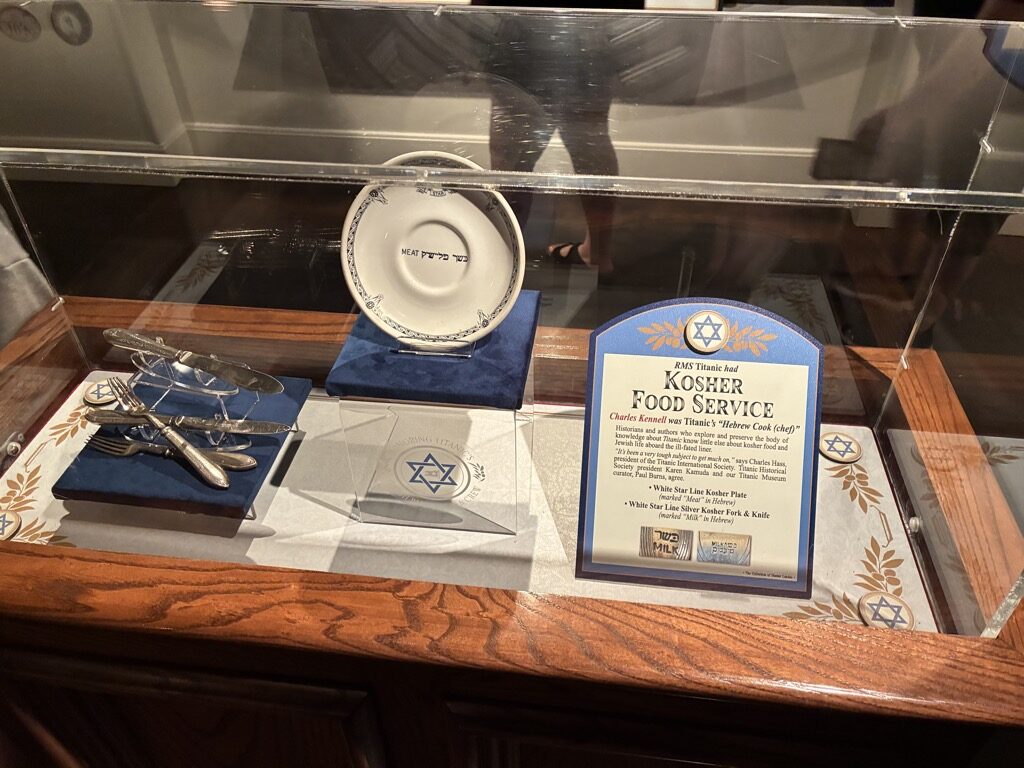
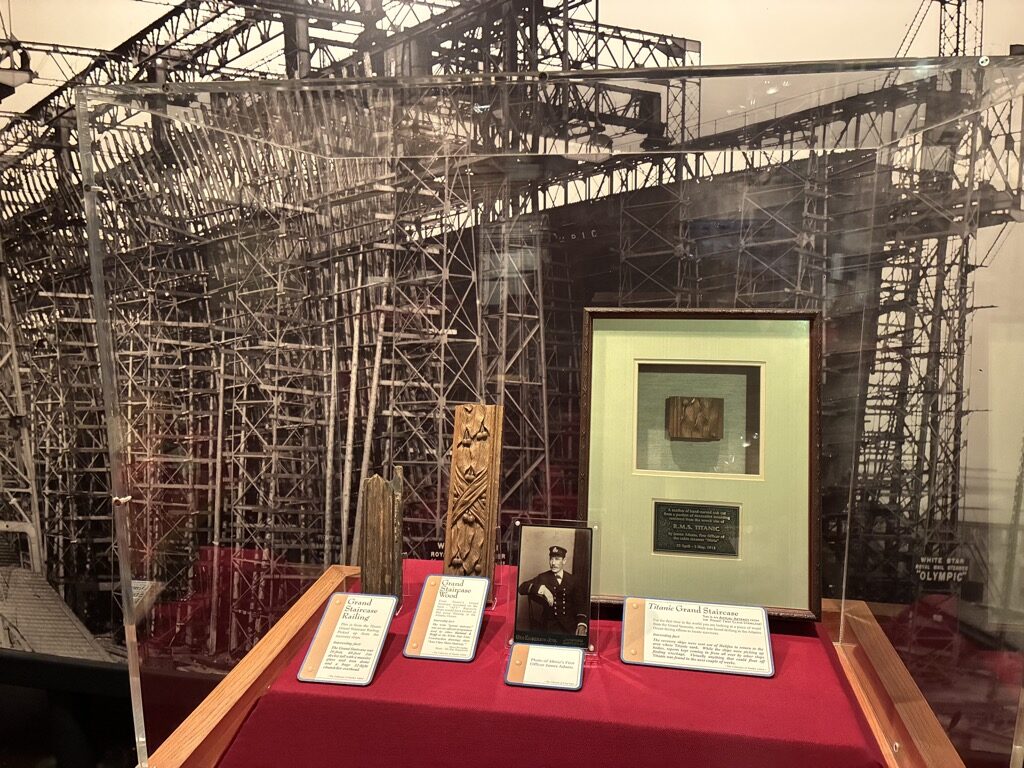
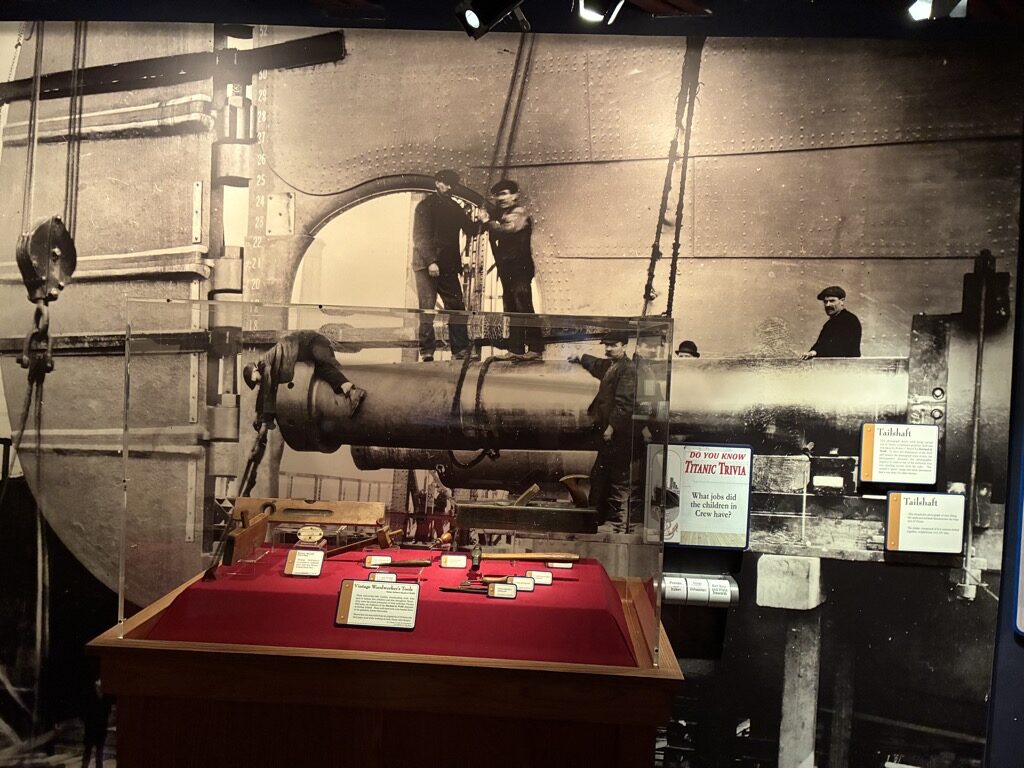
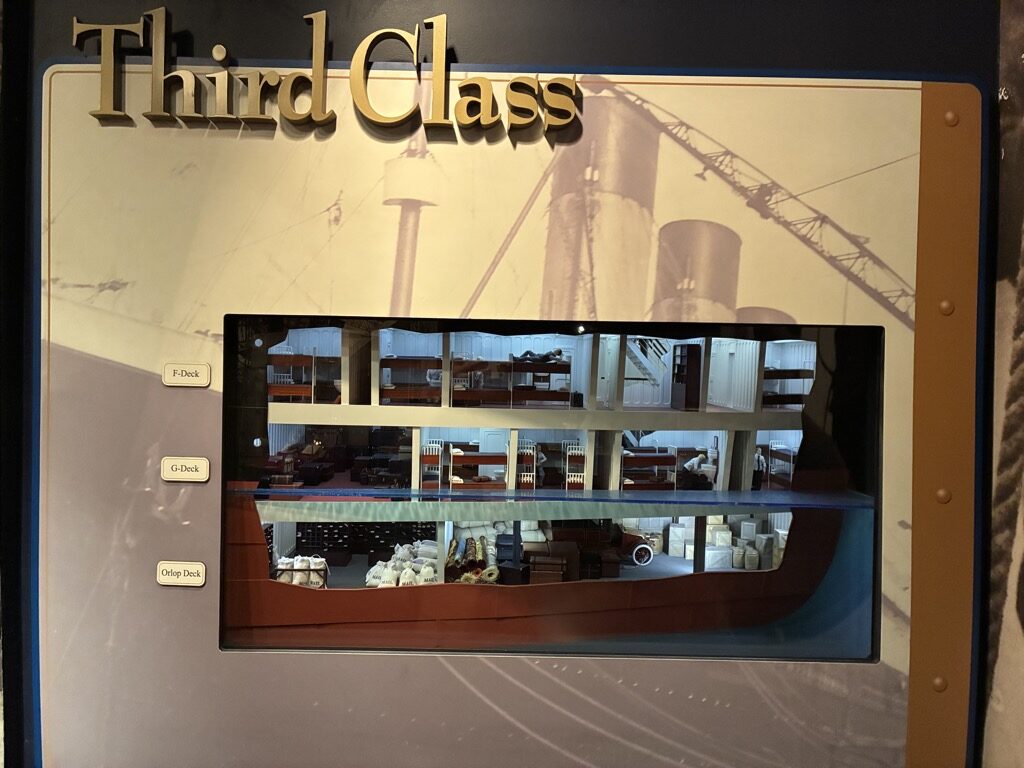
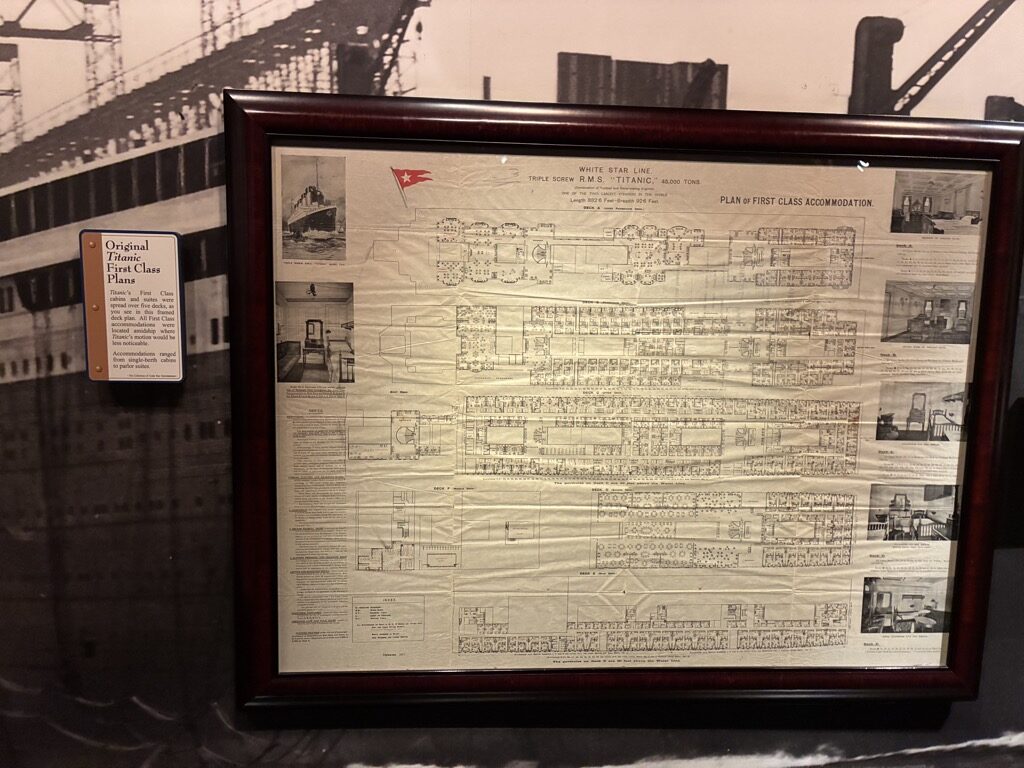
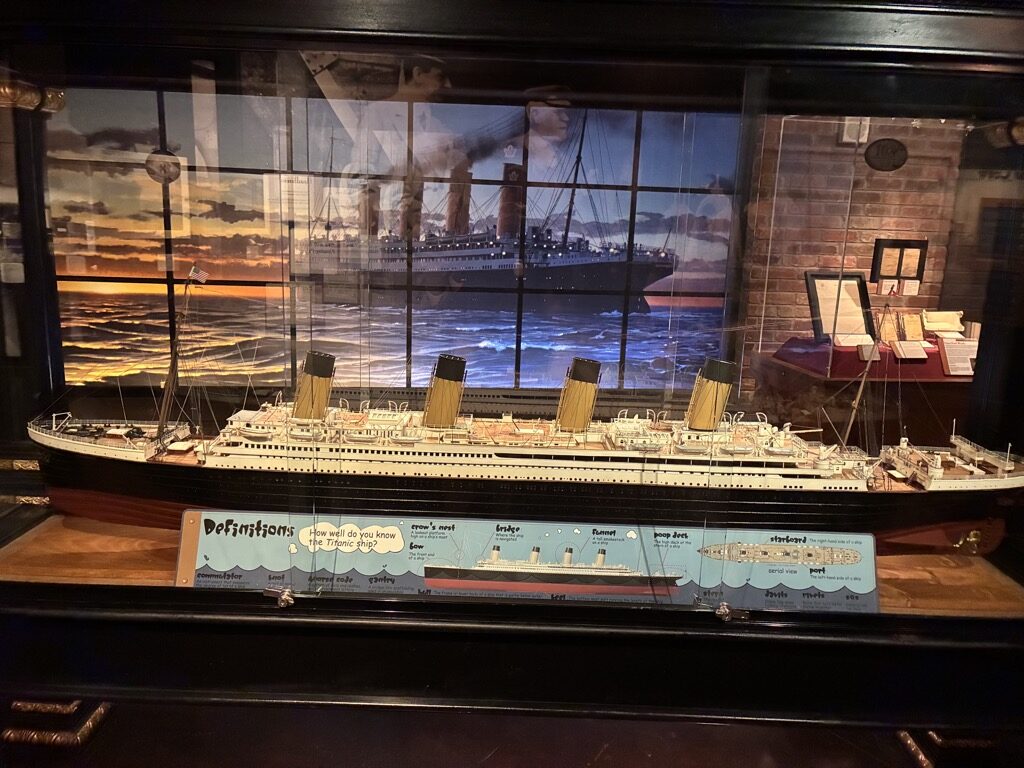
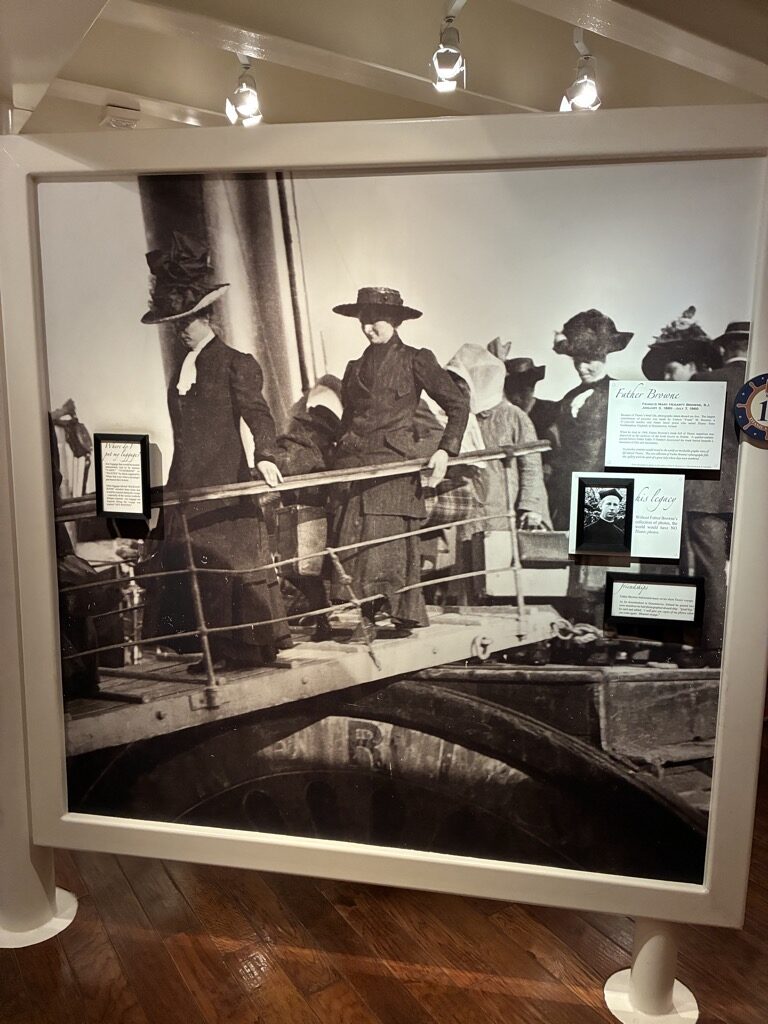
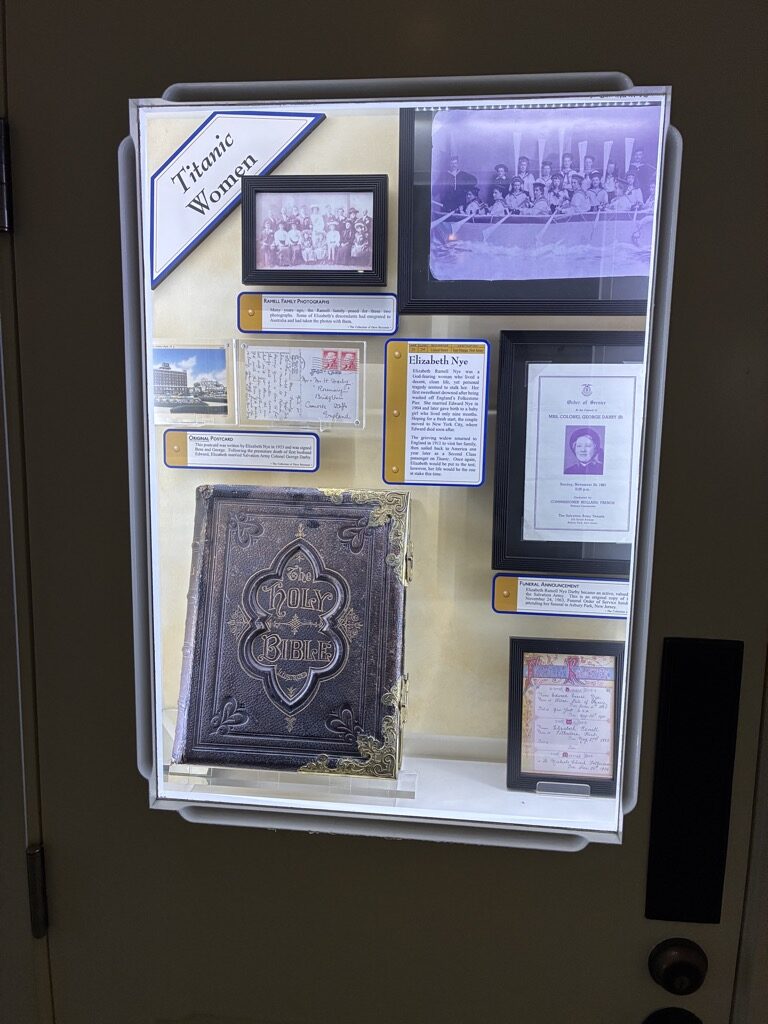
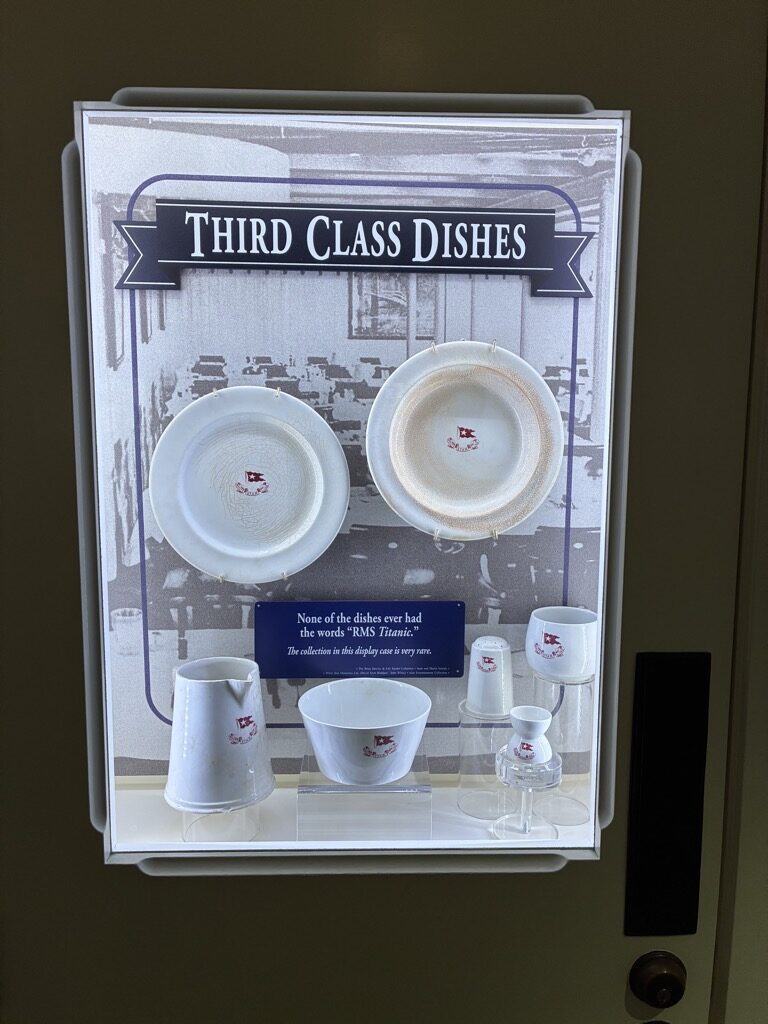
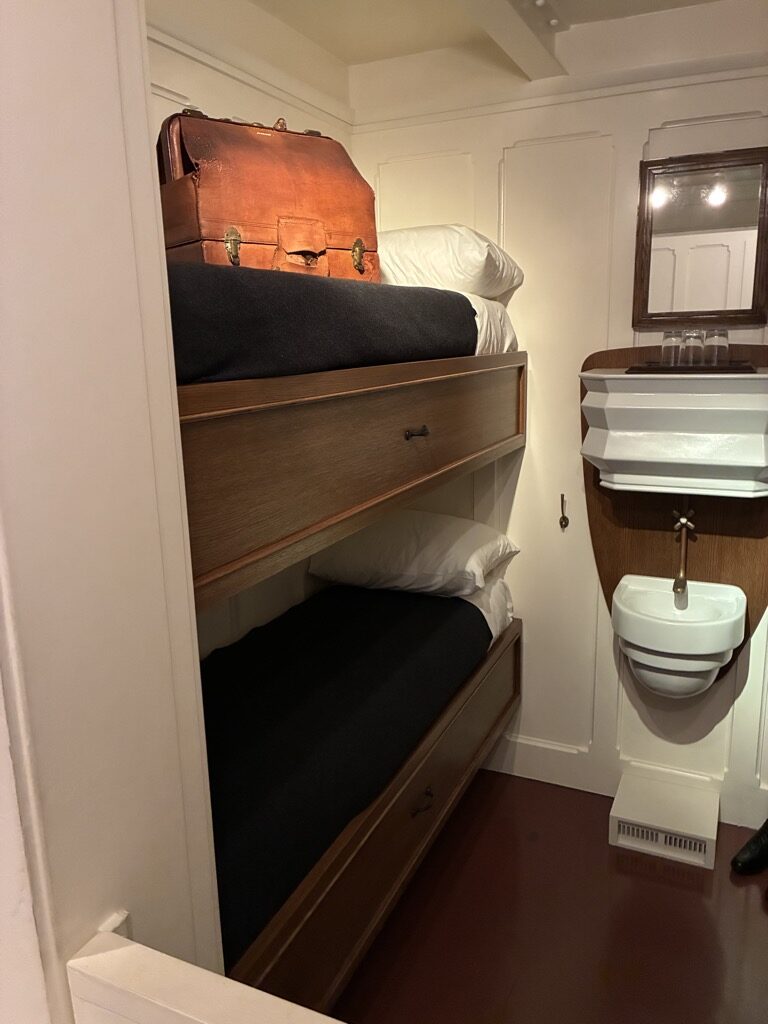
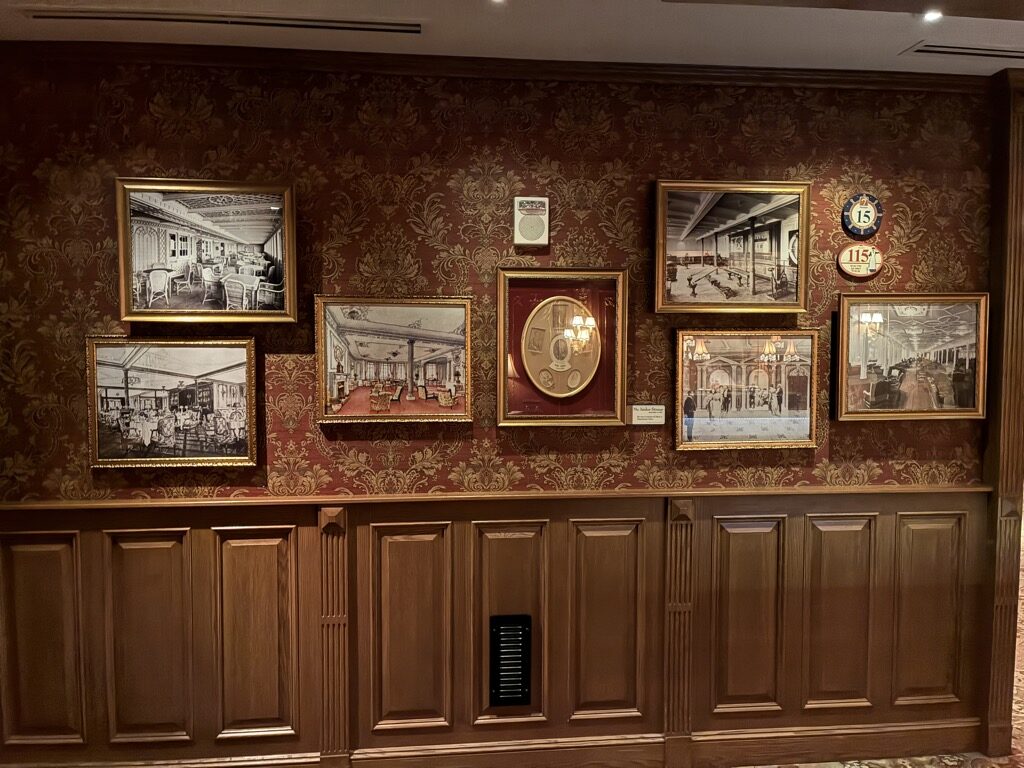
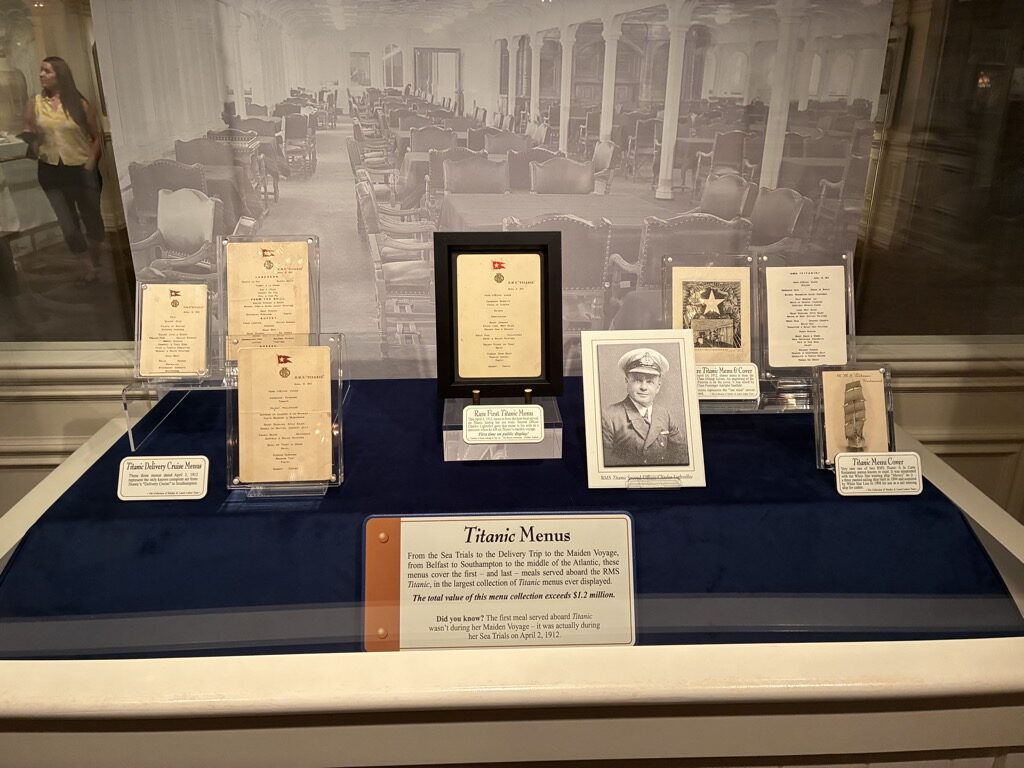
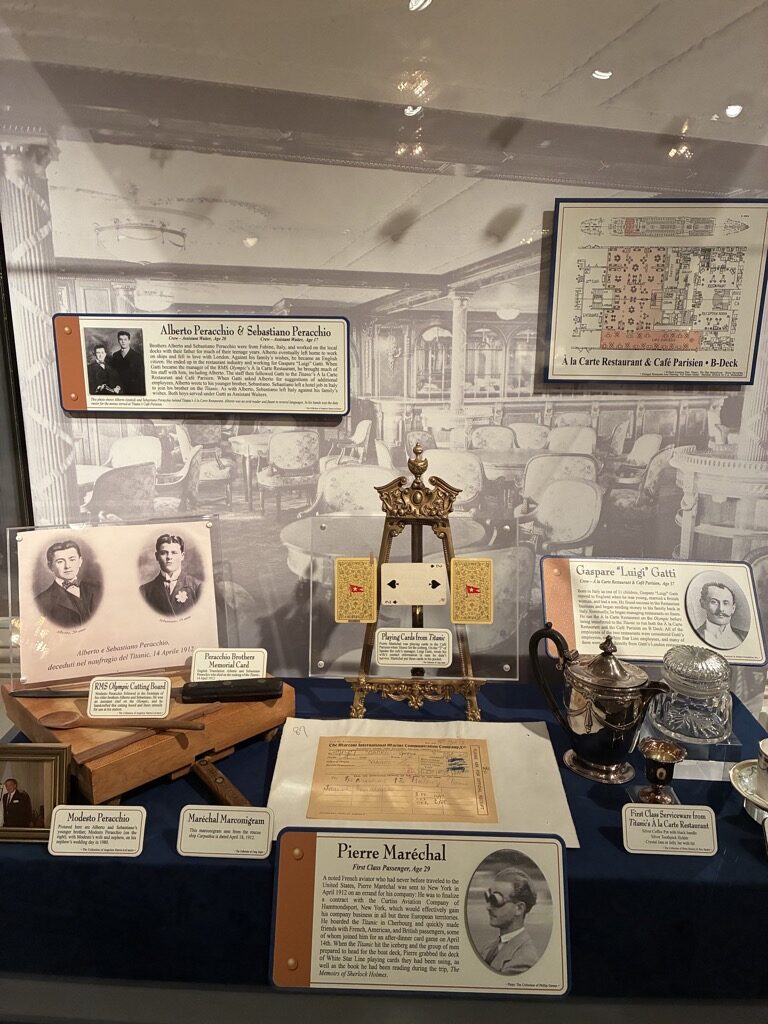
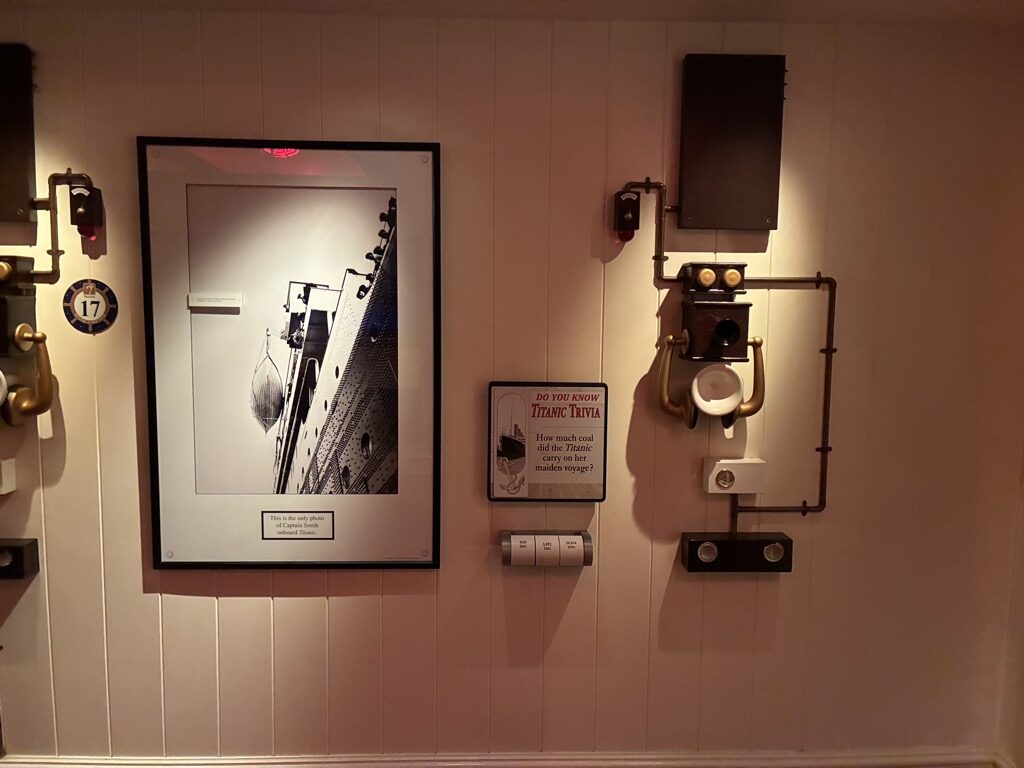
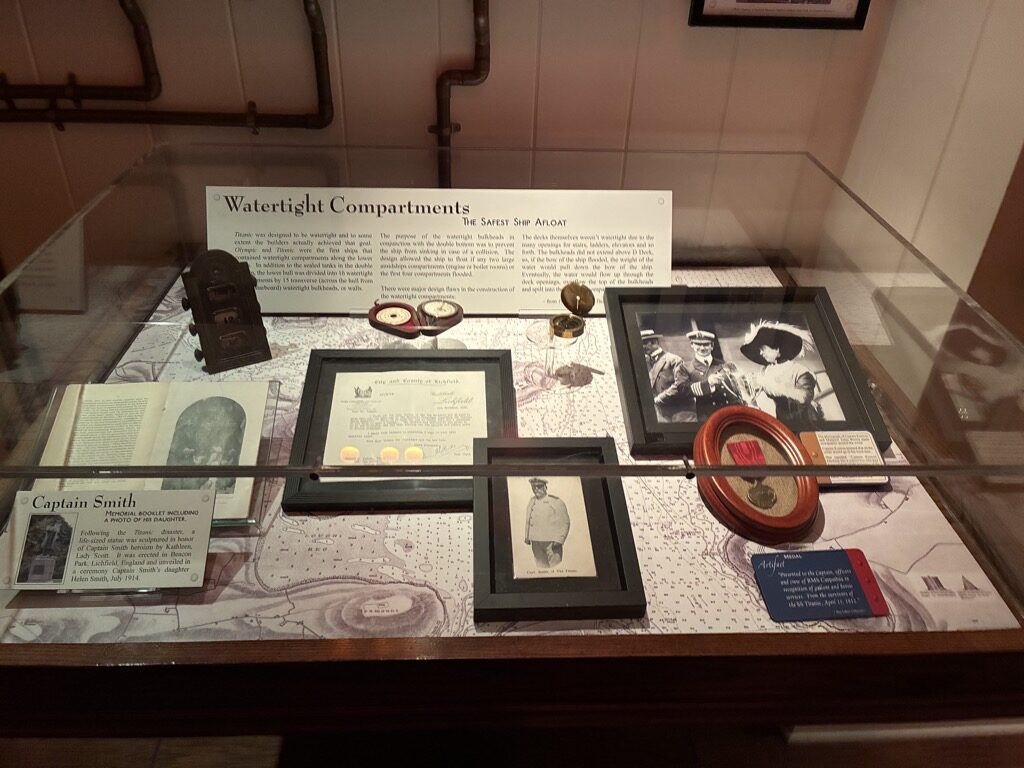
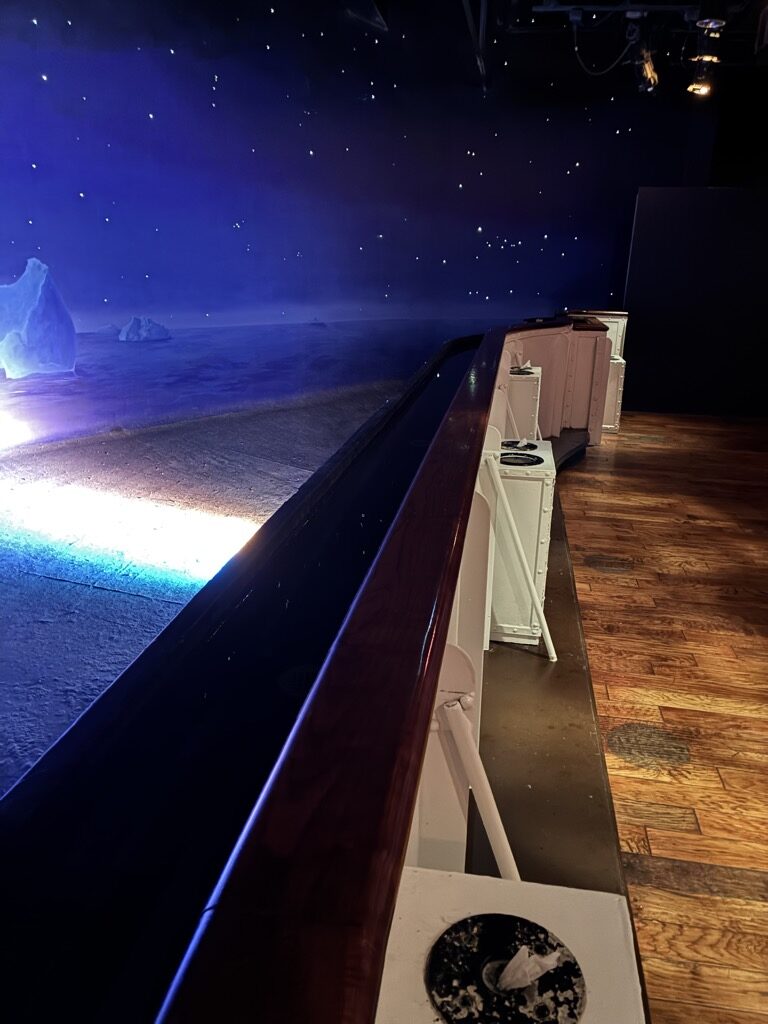
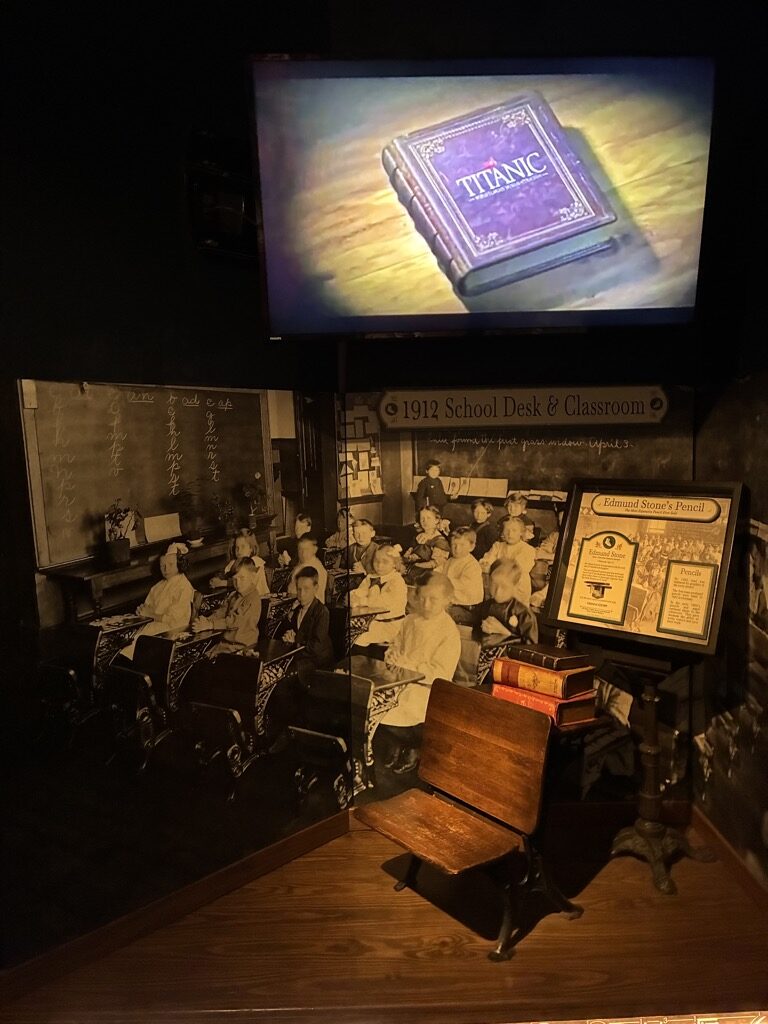
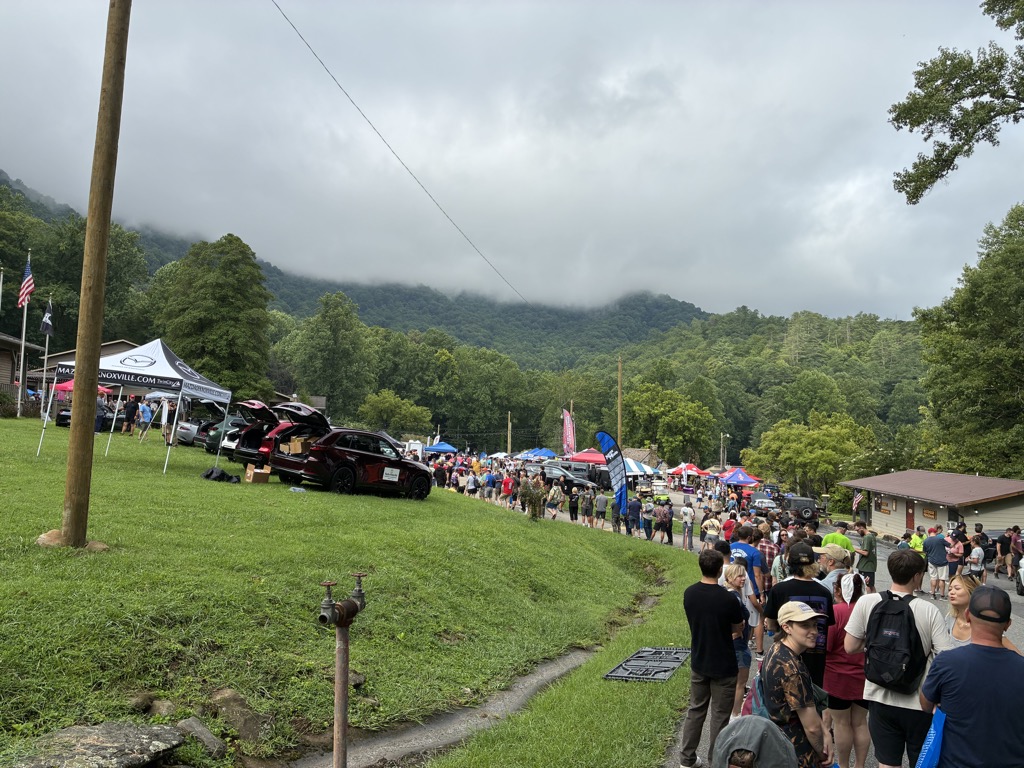
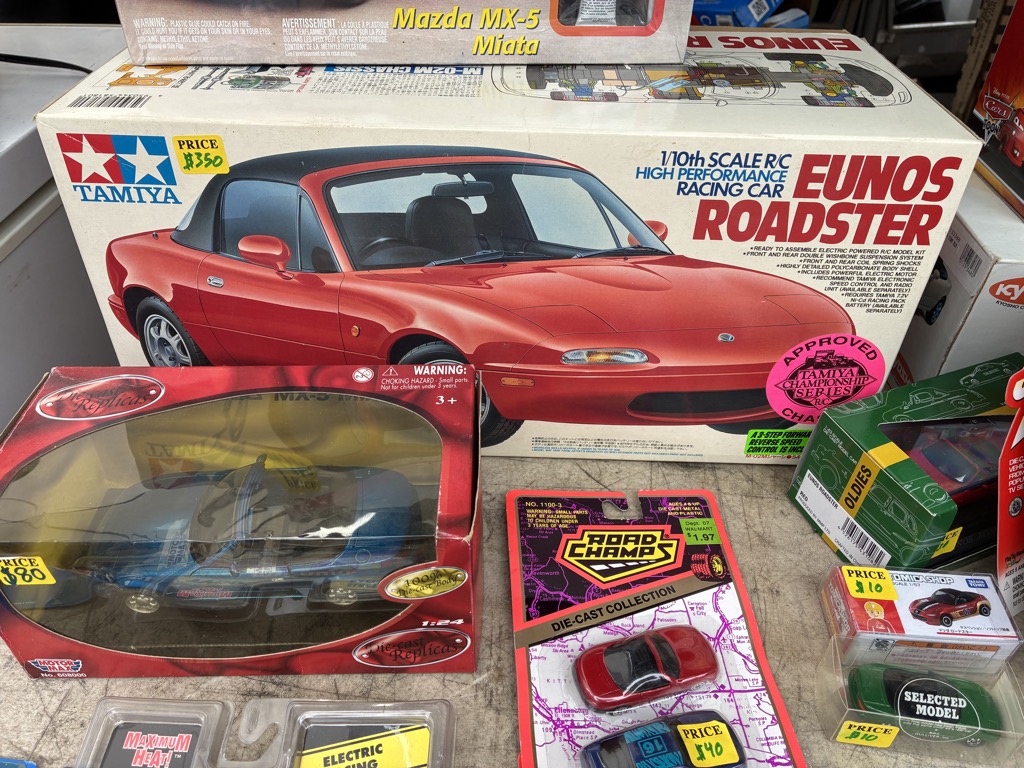
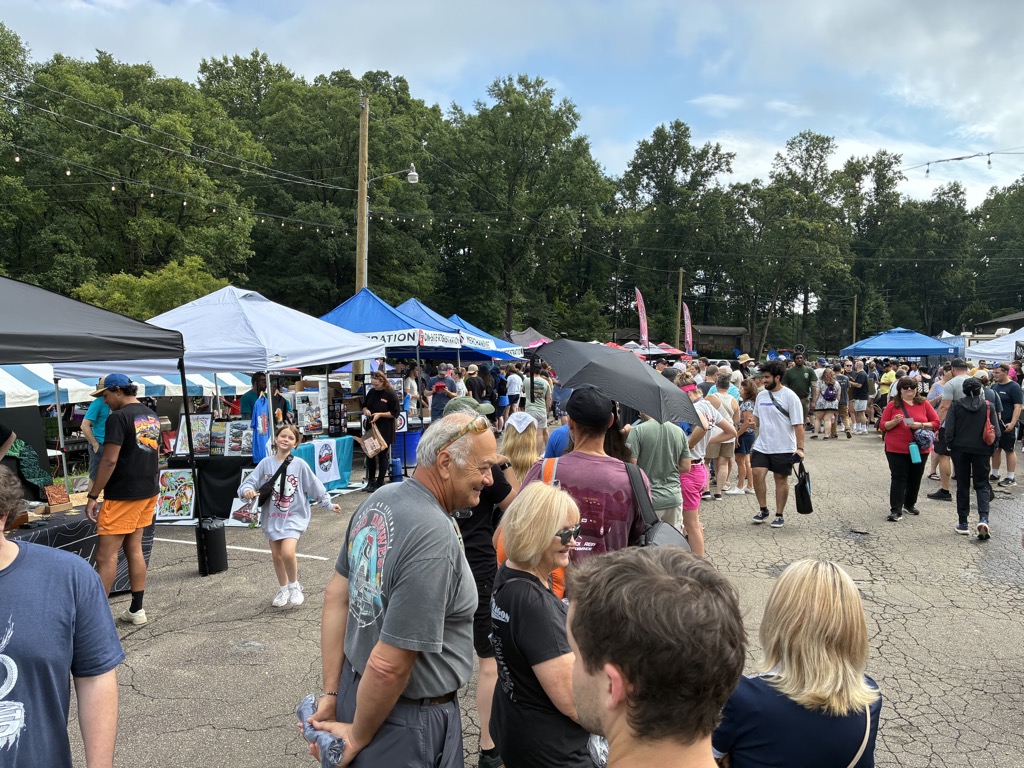
Besides driving, you can go shopping at Vendor Alley, participate in meets, and hang out with people. If you want more options, well, you are in the Smoky Mountains. There are places to explore, things to see, and as much as I don’t get impressed by nature, I must admit – Smoky Mountains scenery is stunning. My short list: Train Museum, Road to Nowhere, Bryson City, and Titanic Museum. I picked those as side quests since my kid sometimes gets motion sickness and needs a break.
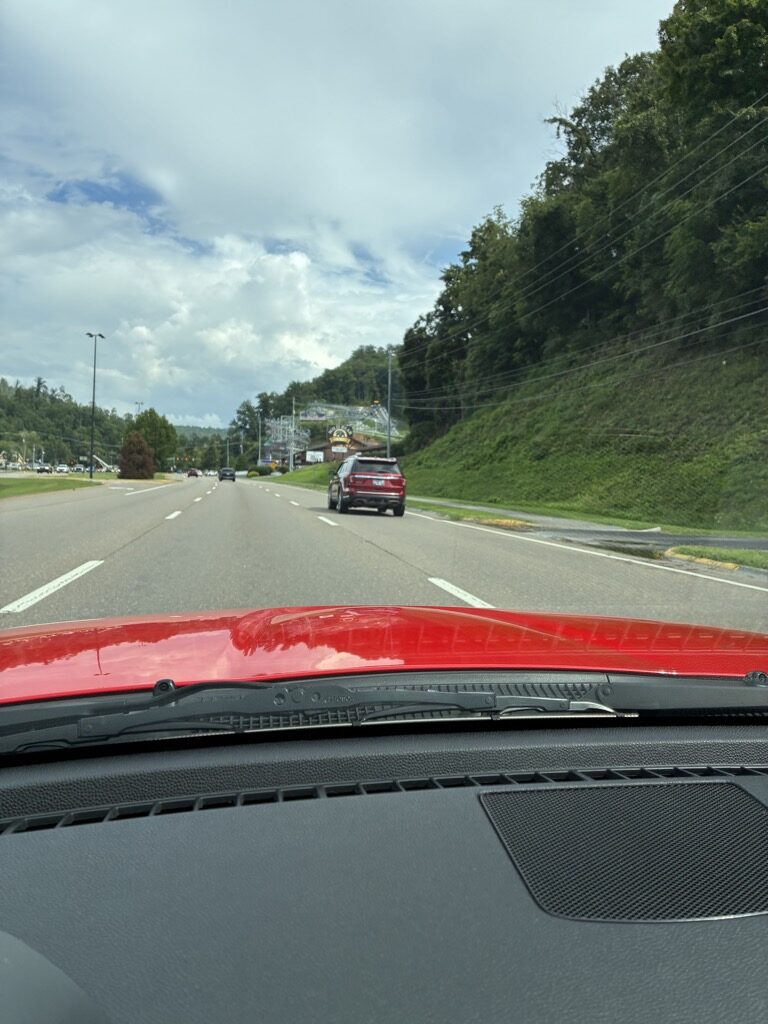
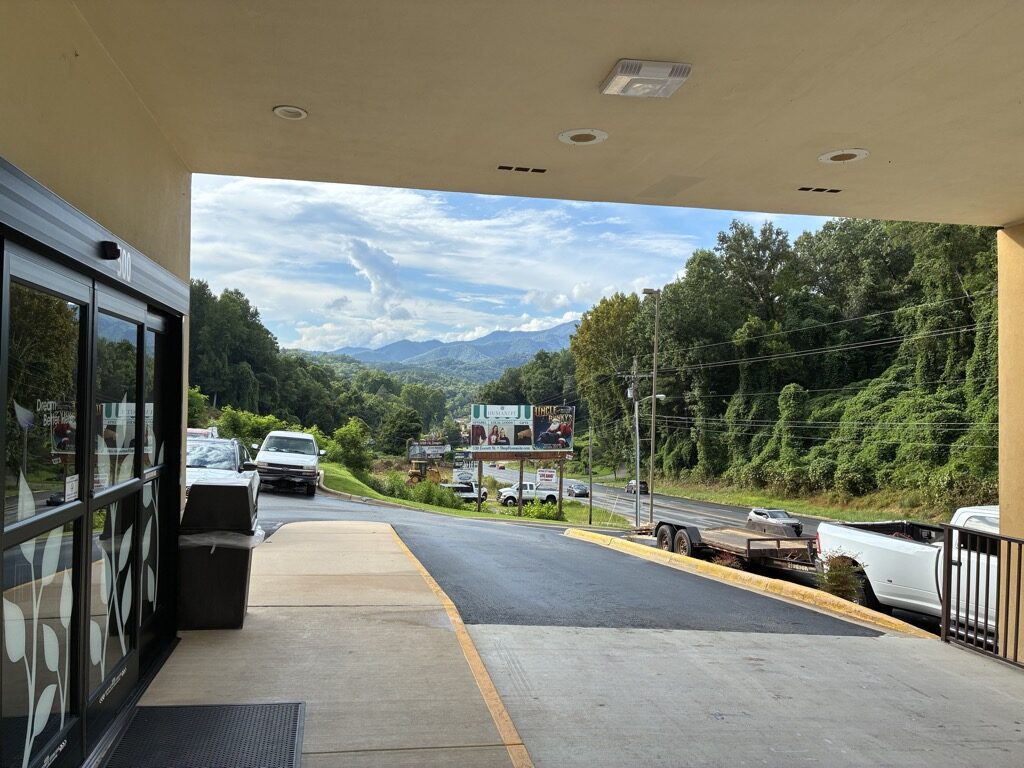
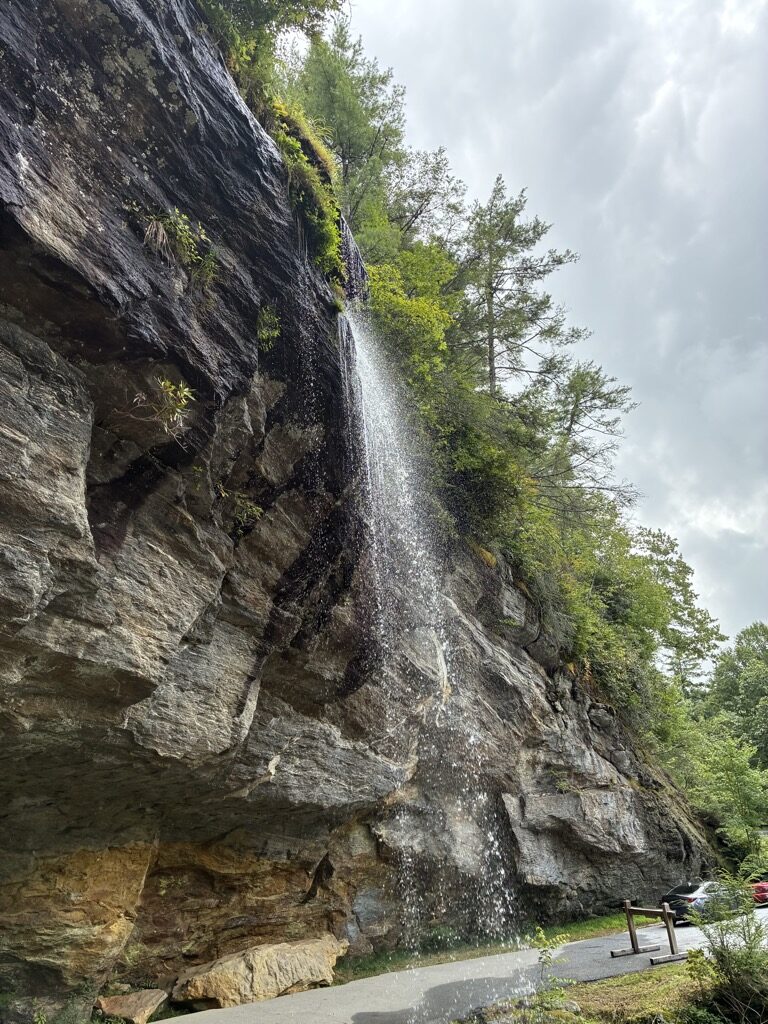
All-in-all, Miata at the Gap is a really nice getaway. Plan, pack, and go – I think it is worth it, even with a 10–11 hour drive one way. I like seeing and talking to people of all ages and from all walks of life, and it is a really enjoyable place to be.

Last time I put together a short list of things to know. I think I’ll revise it:

  • Cell connectivity in the mountains is spotty at best; there is no connectivity at Fontana Village, so don’t count on it. However, there is free Wi-Fi in shops, so download maps beforehand.
  • Fill up a full tank of gas before going into the mountains. If you are going for runs, a full tank of gas is a very good idea.
  • Mountain roads are public roads, patrolled by police, so drive according to the rules. Do NOT cut corners or cross the double line – mountain roads are already dangerous as is, no need to risk further.
  • Miata runs are fun, but start with cruises. Don’t start with spirited runs – they are really fast. Wear appropriate shoes.
  • While the Dragon is the highlight, there are so many fun and exciting roads to drive on, so go explore.
  • Don’t forget you are in the Smoky Mountains. There are places to go and things to do.

Cloudflare Tunnel

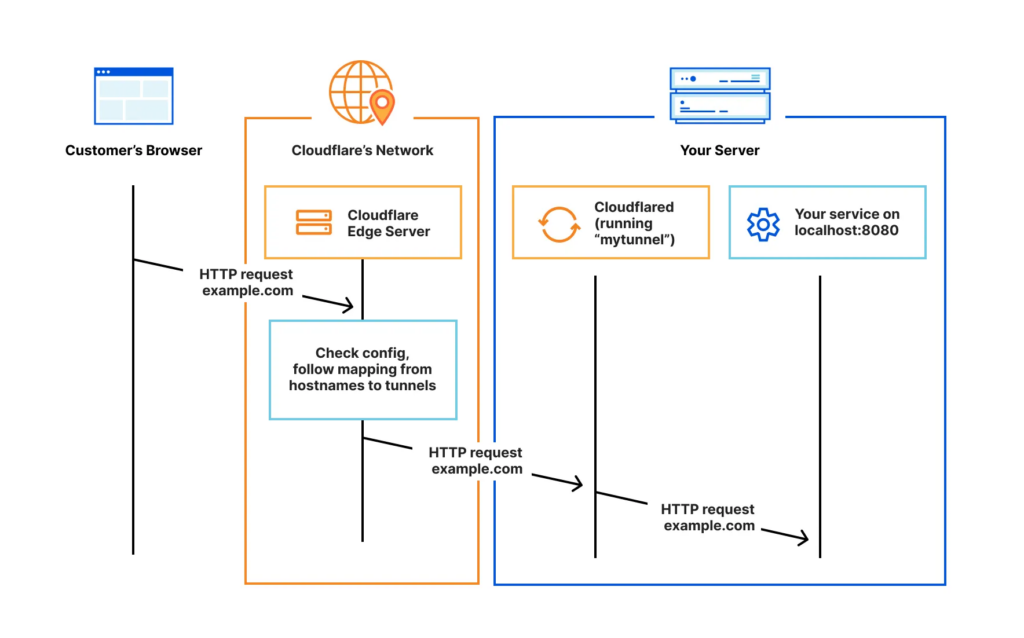
Well, I’ve been thinking about Cloudflare Tunnel for a while, and last week I figured it was time. Honestly, it doesn’t feel quite right, but hey, what does nowadays? Things change, and so should we.

Back in the day, we didn’t have firewalls, NAT, or DDoS protection- just connect your machine directly to the net and go. I still remember when all this changed. I put unpatched Windows machines on the net and soon after got infected – man, what a time that was.

Nowadays, a firewall is standard, NAT is a must, and if you want to run your own web server, well… you better keep your eyes on it all the time, and even that is probably a bad idea. I used to run a few things on the server, but gradually decided to reduce the surface area to avoid trouble. Finally, I ended up with only HTTP/HTTPS, and even that I moved behind the Cloudflare proxy and locked down the router to accept connections only from Cloudflare IPs.

Considering the present and future, where zero-day exploits start taking off hours after discovery, perhaps it is prudent to add yet another layer of defence and move behind Cloudflare Tunnel. While it will not prevent everything under the sun- hello, WordPress vulnerability – it is just another layer of protection.

So, what are the upshots of the tunnel? There are a few:

  • no more DDNS
  • no more configuring NAT
  • no longer at the mercy of your ISP if it blocks ports 80/443 or gives you a private WAN address
  • no need to configure the firewall to allow or block direct connections
  • easy to move – connect and go, with no special configuration

What makes the deal pretty sweet is the $0 cost and how easy it is to set up Cloudflare tunnelling. The cherry on top is the ability to retain and run a reverse proxy if you want to have public and private services – local LAN only – or in case you decide to go back to the old ways.

Like I mentioned above, I don’t think sticking a reverse proxy on the internet is such a good idea nowadays, but in case I want to move away from Cloudflare, well, not much needs to be done since all the routing is still handled by the reverse proxy.

In any case, that’s the present, and I don’t expect a reversal in the near future… unless AI fixes all the code and we live happily ever after.

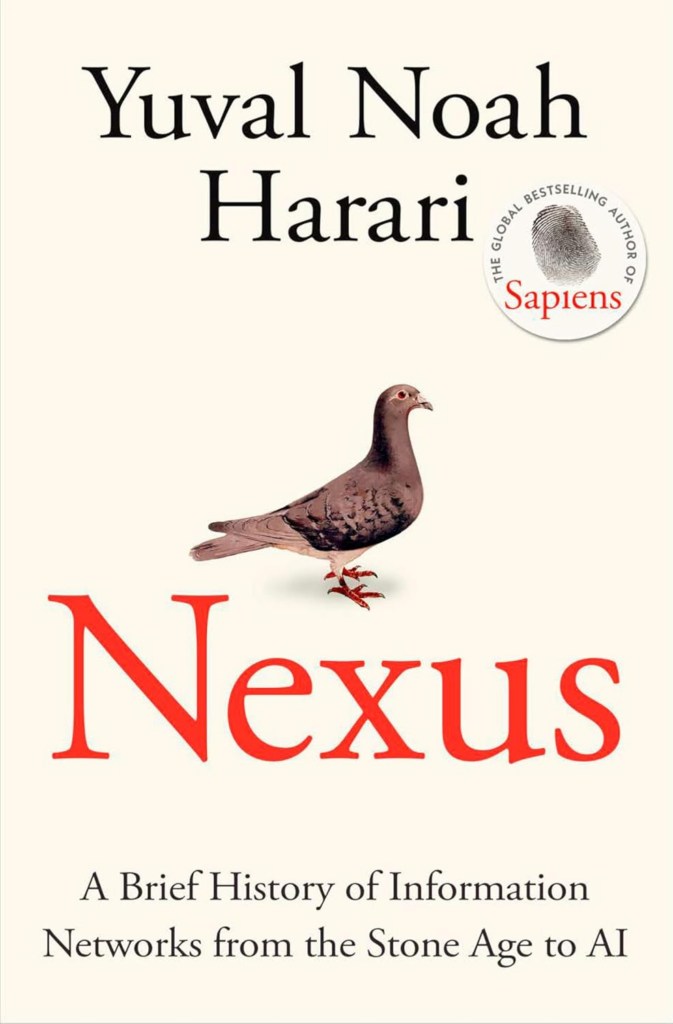
Nexus: A Brief History of Information Networks from the Stone Age to AI

The book was suggested by a friend of mine, and I figured, why not. While I don’t have any particular interest in information networks, I do have a little interest in AI, considering the latest developments and how it has started to impact pretty much everything in the world – and that’s just the tip of the iceberg, apparently not only in my opinion.

I guess it couldn’t be helped, so the author tries not to make forecasts but still attempts to discuss possible futures for AI and the world, rationalizing and explaining them based on historical events and patterns. The irony could not escape me, since all those arguments might not be very applicable given the author’s own premise: AI is alien, and we might not be able to comprehend or predict its moves – just like when AI played a game of Go, discovering moves that had never been seen or thought of by human minds, even after thousands of years.

Aside from AI, there is a pretty awesome discussion about human history, social and economic systems, information vs. truth, justice vs. order, and such. I think the book is worth reading just for those kinds of discussions, as they seem to answer quite a few questions about the world’s current state of affairs.

While the book is interesting and I learned a few things about the history of Homo sapiens, it feels more like speculation and a careful attempt to look beyond. Unfortunately, I’m reading it in 2026, and its thoughts on AI already feel outdated – well, that’s the cost of writing about technology that develops very fast.

In any case, I feel like the book is good, and I don’t have any regrets about reading it, granted that I had no expectations, nor do I have any previous experience with the author. If I had to summarize the book in one sentence, it would be: “We are sort of screwed – here is why and how.”

In a nutshell

+: Well written and an easy read
+: A bit of human history
+: Good discussions
+/−: Already feels dated – AI seems to be making changes very fast
+/−: Somewhat speculative, but hey, that’s part of the fun
=: I have no regrets about reading the book, but I’m not ready to recommend it either. If you’re wondering about it, go for it. The book is short, interesting, and won’t do any damage.

Title: Nexus: A Brief History of Information Networks from the Stone Age to AI
Author: Yuval Noah Harari

Cover:

Nexus: A Brief History of Information Networks from the Stone Age to AI